Gabal El Marsos in the Black Desert: Why It Is a Must-See Stop
When travelers start researching the Black Desert Egypt, they usually discover a landscape of dark hills rising dramatically from golden desert plains.
But one particular stop deserves more attention:
Gabal El Marsos.
Also written as Gebel El Marsos, Gebel El Marsous or Jebel El Marsous, this Black Desert mountain is commonly known on local safari itineraries as Divided Mountain.
It is not normally visited as an isolated attraction.
Instead, Gabal El Marsos forms part of one of the most exciting Western Desert routes from Cairo:
That route allows travelers to experience several completely different landscapes within the same journey.
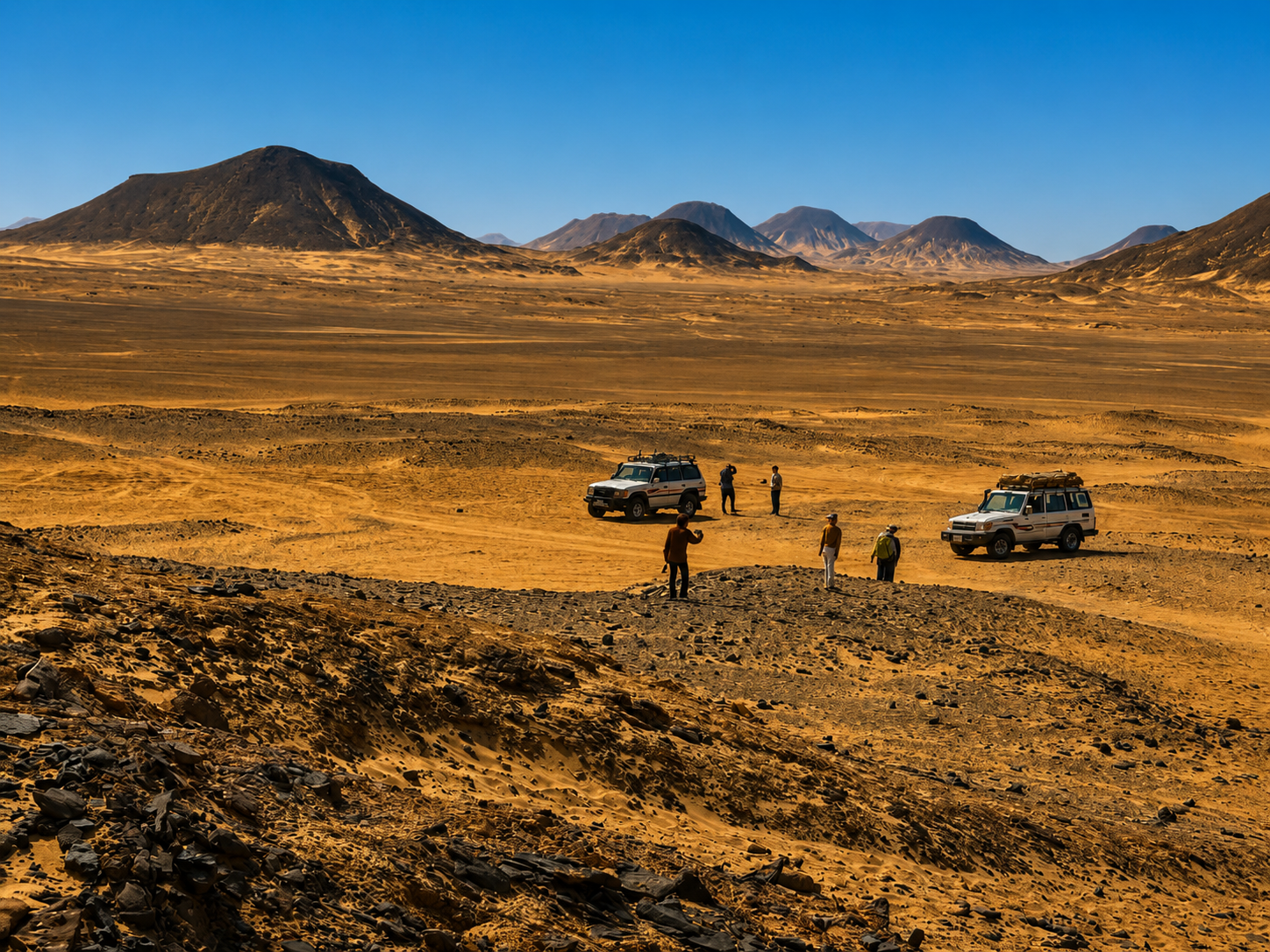
Gabal El Marsos is particularly valuable because it gives you a chance to stop the 4×4, walk through the Black Desert terrain and appreciate the scale of the landscape instead of simply watching it through the window.
For photographers, adventure travelers and first-time Western Desert visitors, it can become one of the most memorable stops on the entire safari.
Gabal El Marsos is a mountain stop inside the wider Black Desert region around Bahariya Oasis.
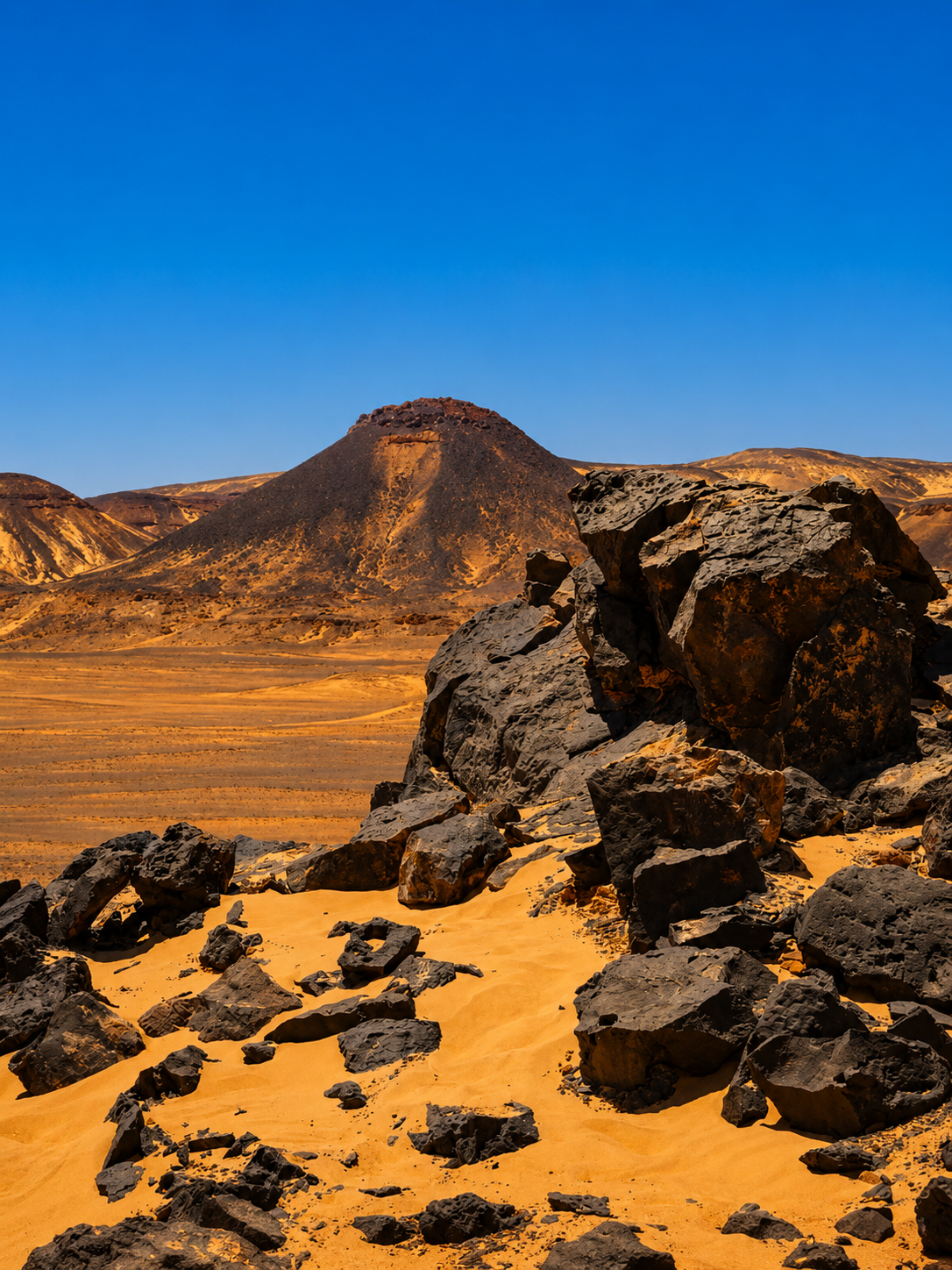
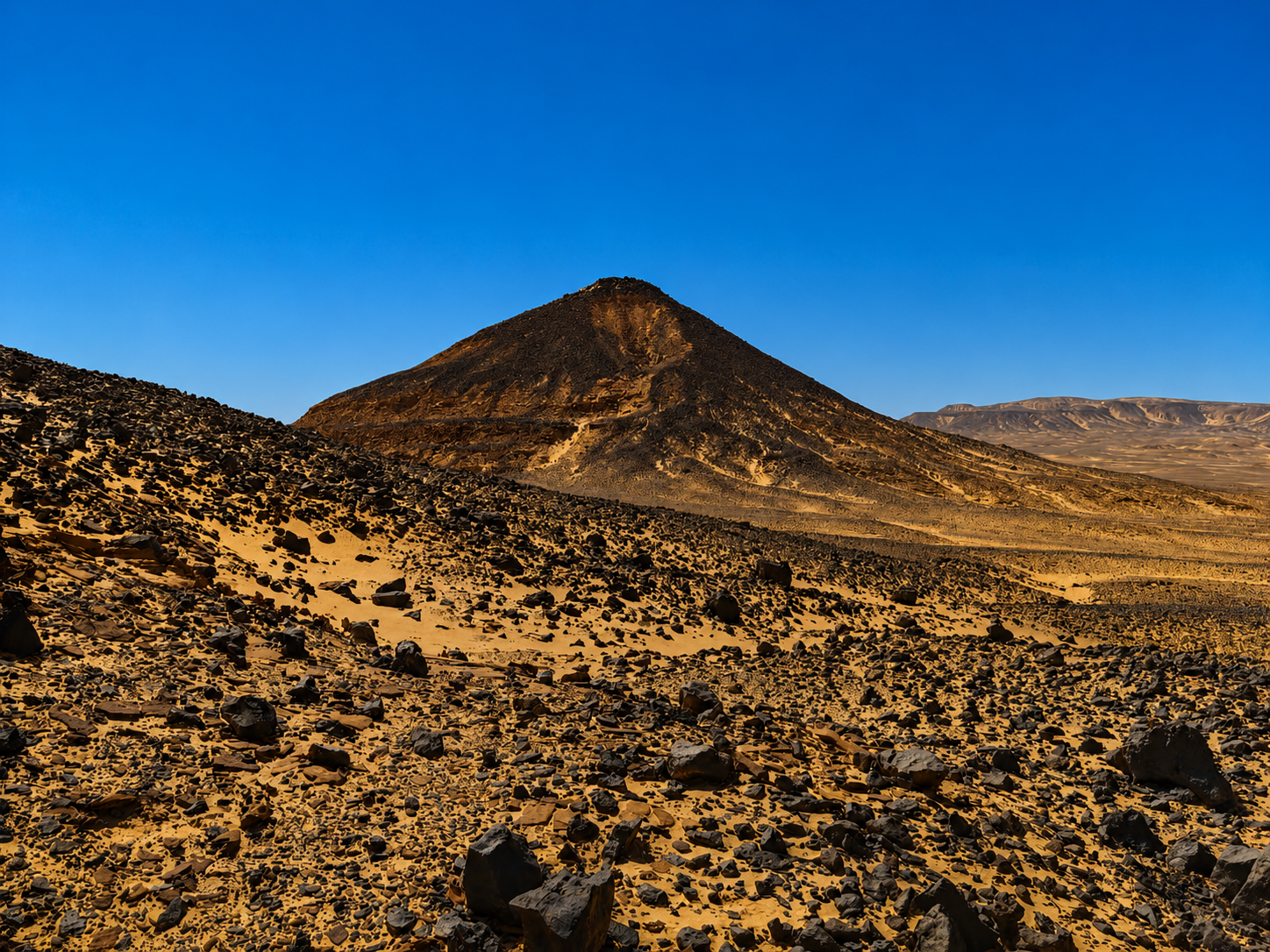
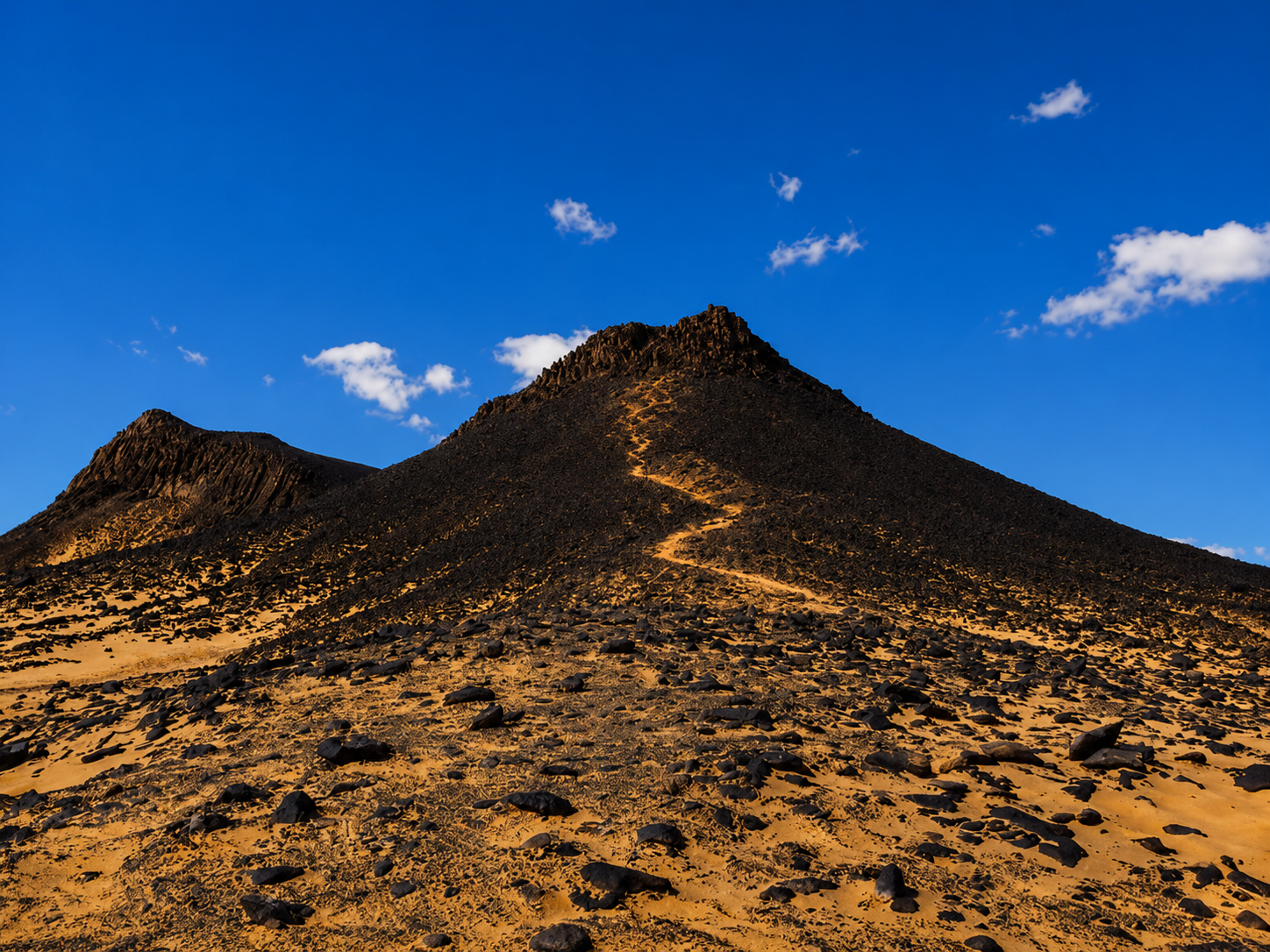
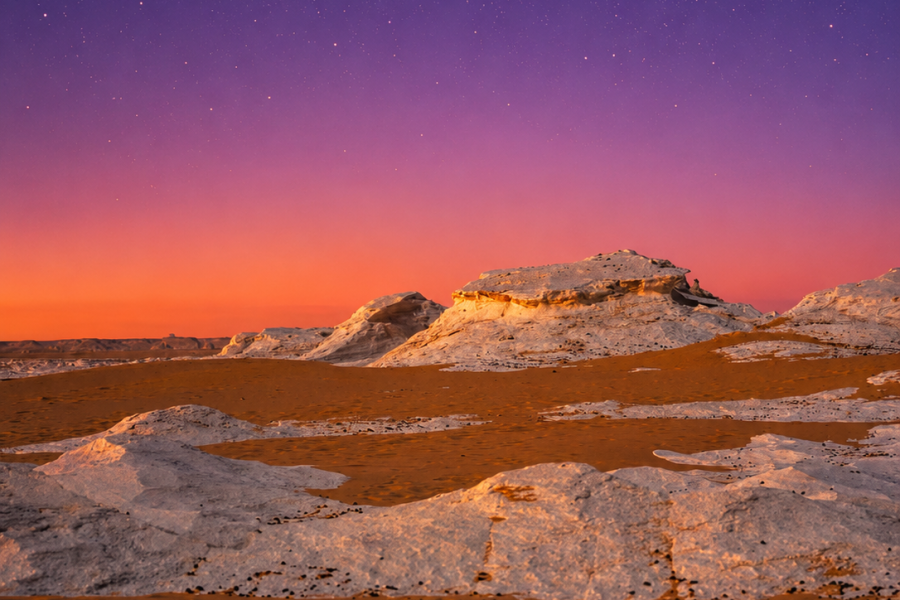
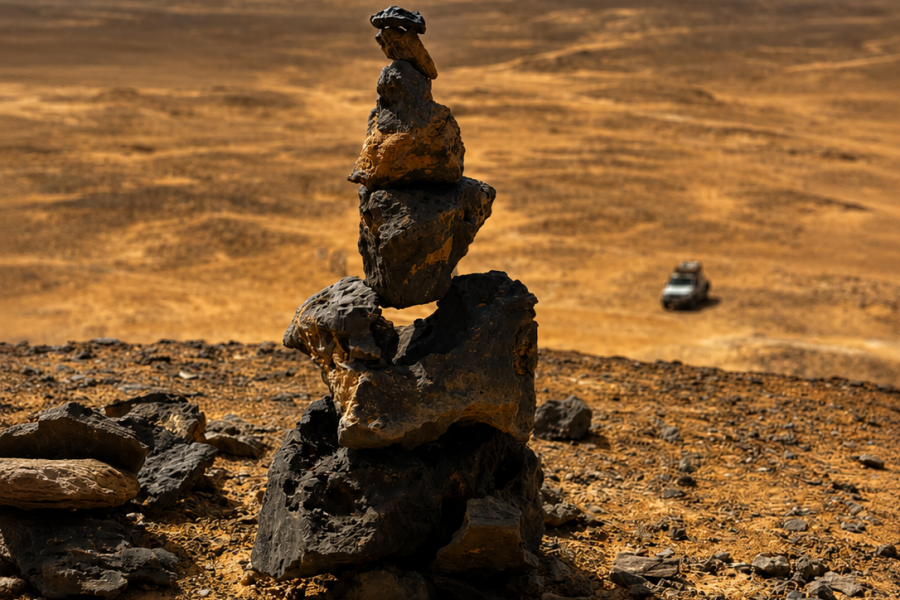
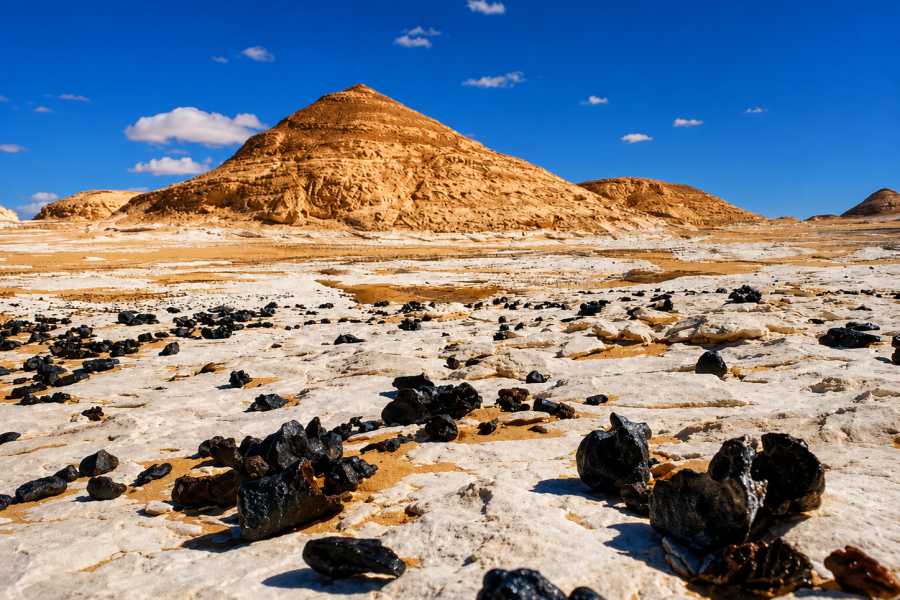
The surrounding Black Desert is characterized by dark, volcanic-looking hills and black stones scattered across much lighter desert terrain.
That contrast creates the area’s distinctive appearance.
Gabal El Marsos provides one of the best opportunities to leave the safari vehicle and experience that terrain more closely.
Instead of seeing one distant black hill after another, you can walk around the mountain, study the dark stones and look across the wider desert.
This makes it particularly useful for visitors who want to experience the Black Desert as more than simply a road between Bahariya and the White Desert.
Bahariya Oasis lies roughly 370 km southwest of Cairo according to Egypt’s official tourism authority. Travel from Cairo by road generally takes several hours, and Experience Egypt advises approximately five hours depending on transport and conditions.
Your current 1 Night / 2 Days tour estimates the transfer at around four hours on its scheduled route.
Exact travel time naturally depends on:
where you start in Cairo or Giza,
traffic,
stops,
road conditions,
and the specific program.
Stage 2: Bahariya to the Black Desert
Once you reach Bahariya Oasis, the experience changes.
You normally stop for a short rest or lunch and then begin the safari in a suitable 4×4 vehicle.
The Black Desert surrounds the wider Bahariya region, so it becomes one of the first natural highlights after you leave the oasis.
This is why Bahariya is so important.
It is not merely another attraction.
It is the gateway between Cairo and the Western Desert safari route.
Why Gabal El Marsos Is One of the Best Black Desert Stops
The biggest advantage of Gabal El Marsos is very simple:
you stop moving.
Much of a desert safari naturally takes place inside a 4×4.
That is part of the adventure, but it can also create a tendency to see the landscape as a sequence of views through a window.
Gabal El Marsos gives you an opportunity to step outside.
Walk.
Look at the dark stones beneath your feet.
See how the hills appear at different distances.
Notice the silence once the vehicle engine stops.
That change in pace can make the Black Desert feel much more real.
For visitors who want a deeper understanding of why this entire area is worth visiting, our Black Desert Egypt travel page covers the wider landscape, route and nearby attractions.
The Panorama Is the Real Attraction
Do not expect Gabal El Marsos to function like the Pyramids or a temple in Luxor.
There is no single structure that you arrive to photograph and then leave.
The attraction is the landscape around you.
From suitable viewpoints, you can see the visual pattern that defines the Black Desert:
dark isolated hills appearing across a much lighter desert floor.
This is particularly impressive when you compare it with the landscapes you encounter later in the journey.
Then, once you reach the White Desert, the dark terrain has almost completely disappeared.
That progression is one of the biggest strengths of the trip.
Gabal El Marsos and the Black-to-White Desert Journey
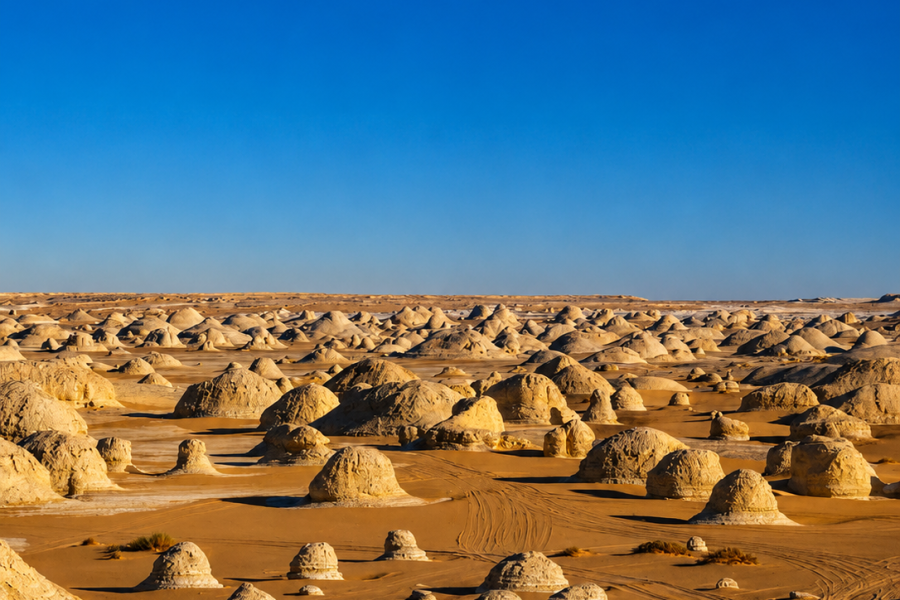
One reason Gabal El Marsos deserves its own stop is that it represents one of the strongest visual stages in the Black-to-White Desert transformation.
The route can feel like this:
Bahariya Oasis
Green palm groves and cultivated land.
Black Desert
Dark hills and black stones.
Gabal El Marsos
A chance to walk inside the Black Desert landscape.
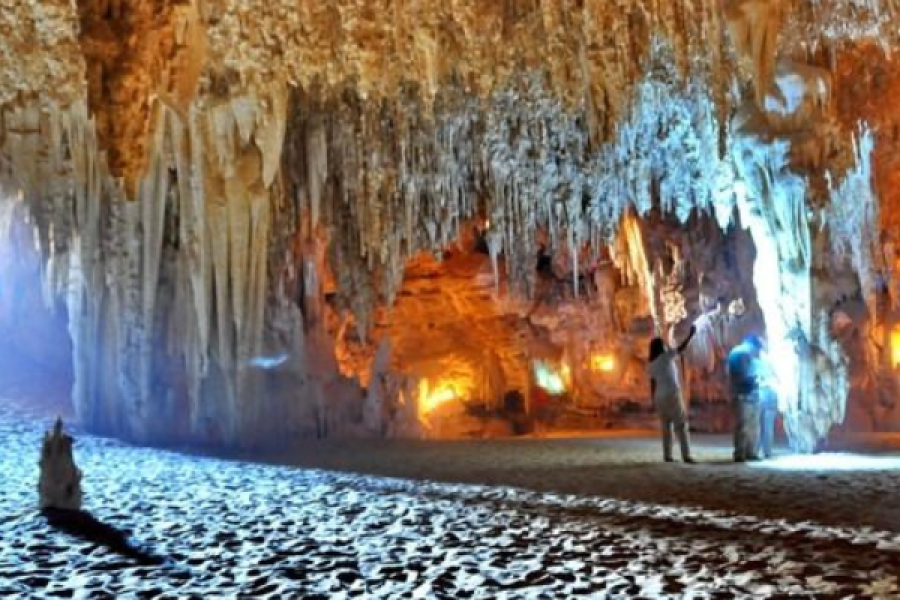
Crystal Mountain
A smaller geological attraction with bright reflective formations.
Agabat
Golden dunes and pale cliffs.
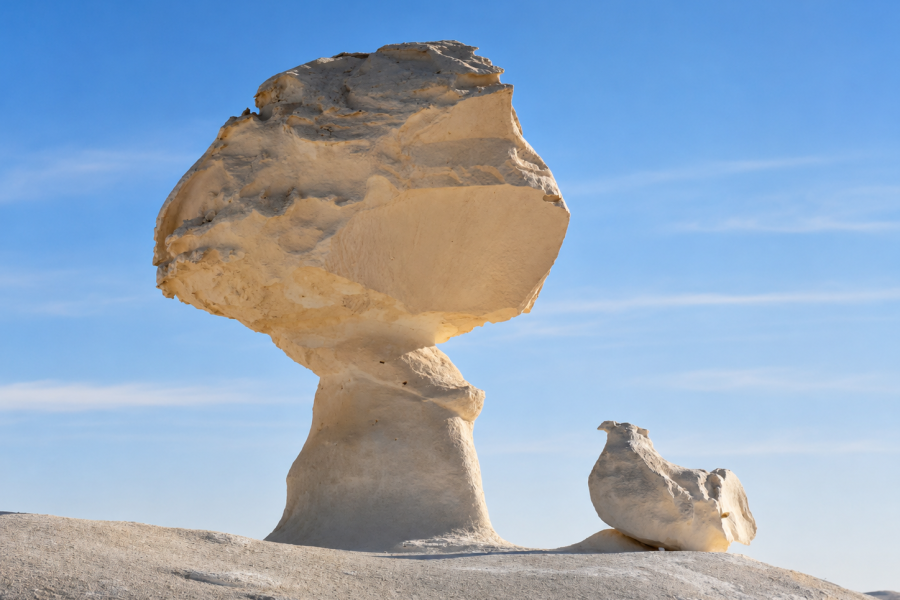
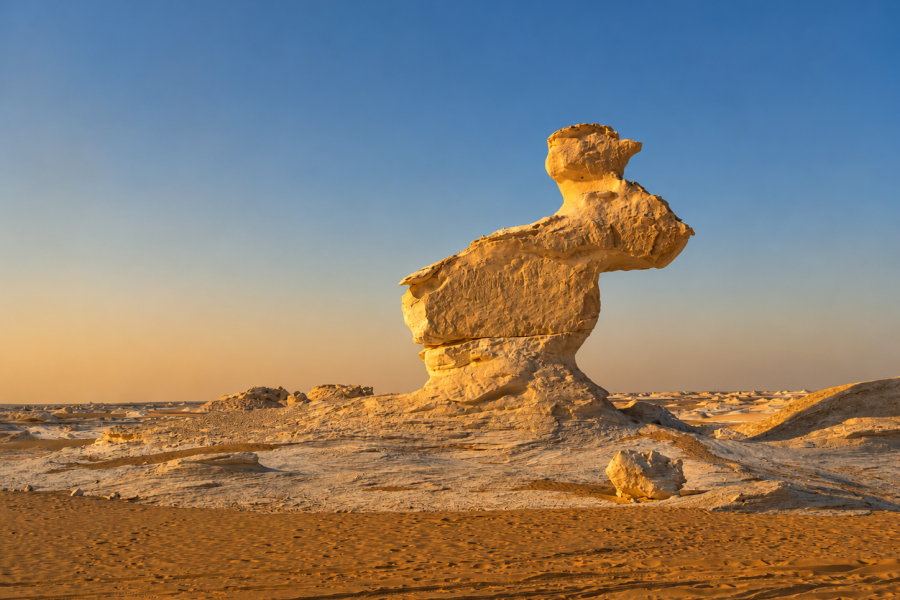
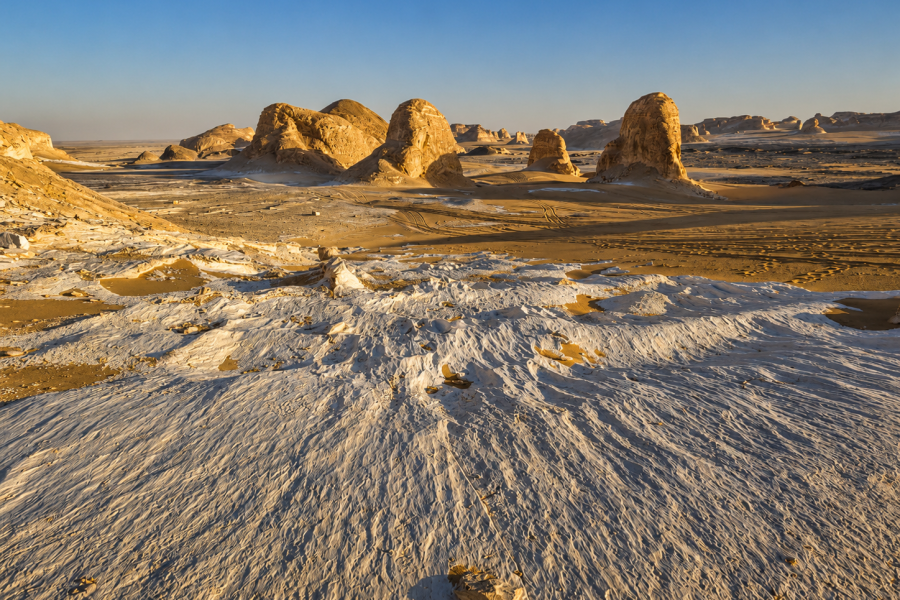
White Desert
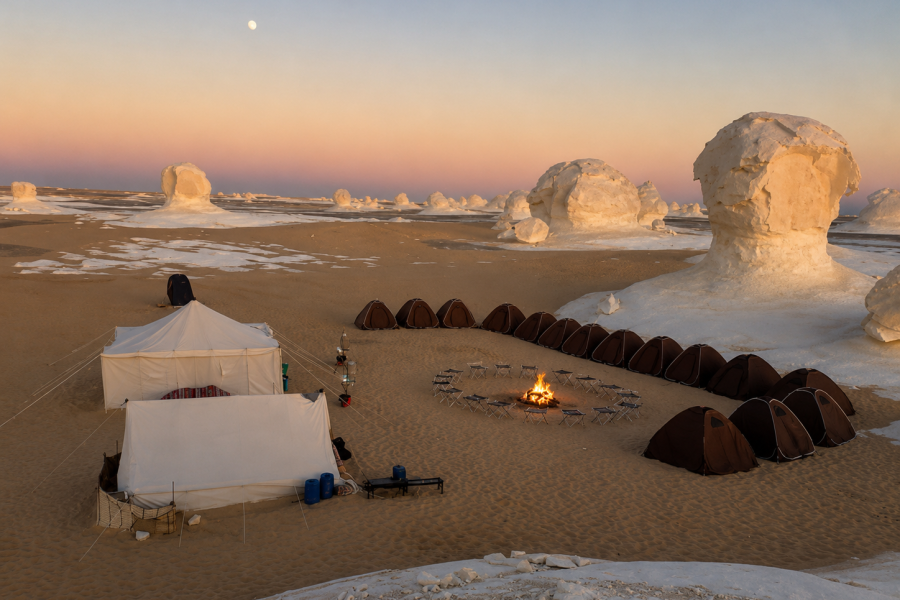
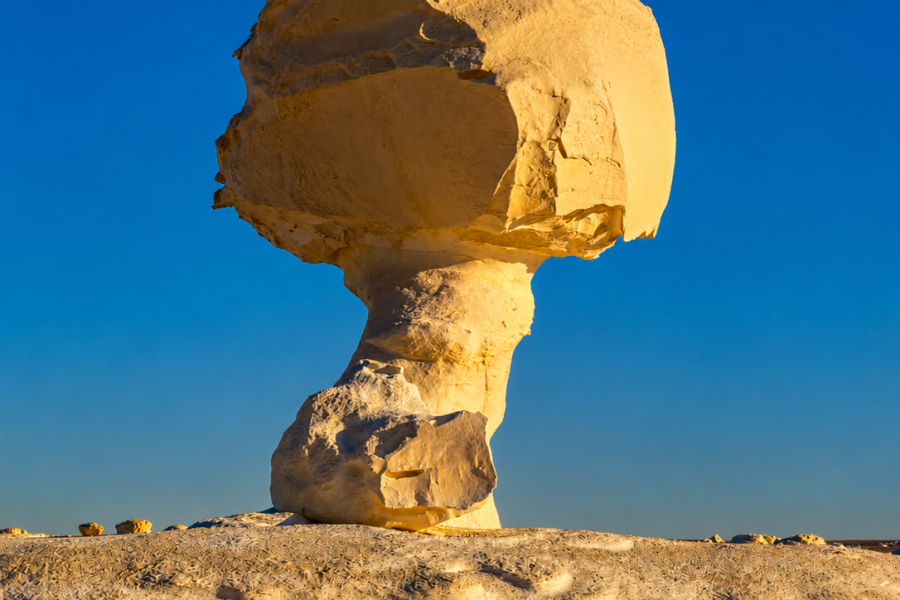
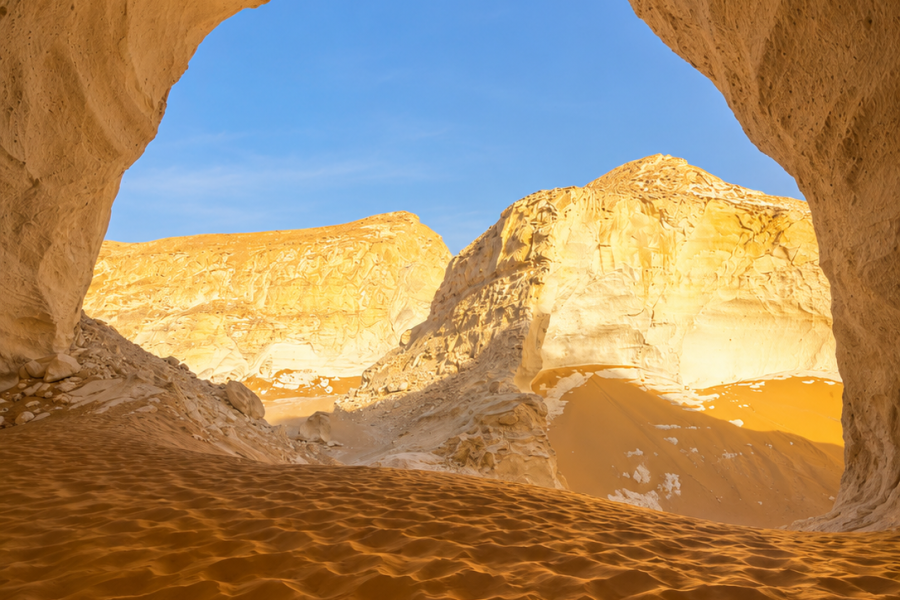
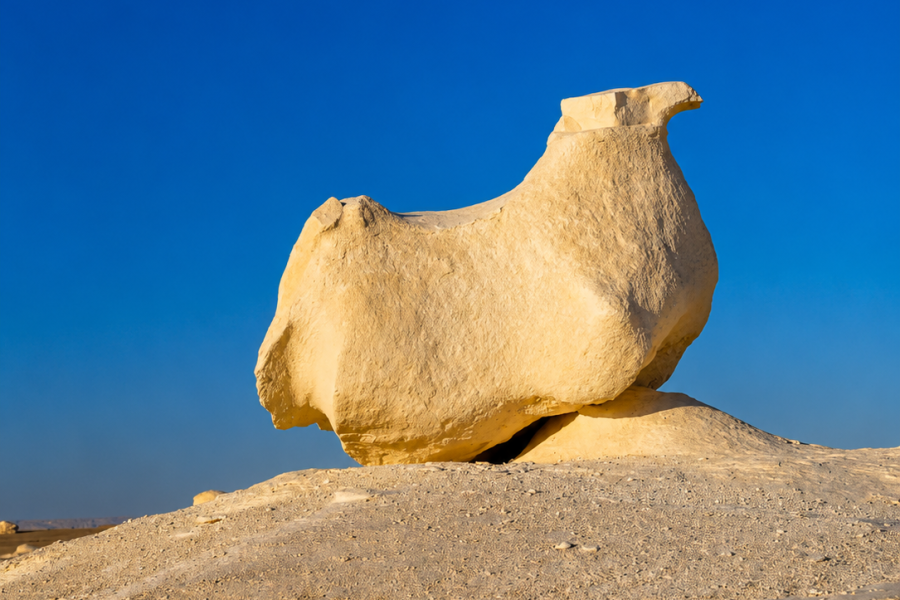
Bright chalk formations and surreal landscapes.
If you’re comparing the two headline landscapes, our detailed guide to White Desert vs Black Desert Egypt explains why we recommend experiencing both rather than choosing one.
A wide-angle lens can be useful when you want to emphasize the open environment.
One approach is:
foreground rocks → Gabal El Marsos → distant Black Desert hills → sky.
But be careful.
The wider your lens, the smaller distant mountains can appear.
If you include a traveler or 4×4 in the foreground, it helps establish scale.
A small human figure in a huge desert often creates a stronger photograph than an empty landscape.
Use a Telephoto Lens Too
Do not spend the entire safari using an ultra-wide lens.
The Black Desert works extremely well with telephoto compression.
From around Gabal El Marsos, look for distant dark hills overlapping each other.
With a longer lens, you can transform:
one hill + lots of sky
into:
dark ridge → dark ridge → distant mountain → compressed horizon.
That gives the Black Desert a completely different visual feel.
If photography is one of your main reasons for traveling, consider extending the trip to the 2 Nights 3 Days White Desert Camping Tour, where additional time gives you more opportunities for good light and deeper desert landscapes.
Photograph Your Safari Vehicle
Do not always try to remove the 4×4 from your photographs.
Sometimes the vehicle makes the picture better.
A small Land Cruiser beneath Gabal El Marsos immediately shows the scale of the terrain.
Try photographing:
vehicle parked below the hill,
vehicle approaching on a desert track,
traveler standing beside the vehicle,
the 4×4 from a higher viewpoint.
These photographs tell the story of how you actually experienced the Black Desert.
That storytelling approach is particularly useful if you’re creating travel content rather than only pure landscape images.
Best Time of Day to Photograph Gabal El Marsos
Late-afternoon light can be excellent because lower sunlight creates longer shadows across the hills.
Those shadows add depth.
However, there is an important itinerary consideration.
You may want the best sunset light to happen later, when you reach the White Desert.
That means Gabal El Marsos may be visited earlier in the day.
This is not necessarily a problem.
Can You Photograph Gabal El Marsos at Midday?
Yes.
Midday produces a different photographic style.
Instead of soft shadows, use the harsh light intentionally.
Look for:
strong black-and-gold contrast,
minimalist landscapes,
black-and-white images,
ground textures,
isolated hill shapes.
The Black Desert is one of the few landscapes where harsh light can actually reinforce the visual identity of the place.
For serious photographers, the best strategy is to tell your guide that photography is a priority before departure.
Private safaris are much easier to adapt than trying to change the schedule after arriving at each stop.
Gabal El Marsos vs English Mountain
Travelers sometimes confuse the different mountain names around Bahariya.
They are not the same attraction.
Gabal El Marsos
Part of the Black Desert safari route.
Best for:
Black Desert views,
dark hills,
walking,
safari photography.
English Mountain
A Bahariya Oasis viewpoint.
Best for:
palm groves,
oasis panorama,
villages,
sunset views.
If you want both experiences, a longer itinerary such as the White Desert & Bahariya Oasis Tour from Cairo makes more sense because it gives you time for the desert safari and additional Bahariya sightseeing.
What Comes After Gabal El Marsos?
One of the strongest reasons to visit Gabal El Marsos is that the safari gets even more interesting afterward.
A classic route continues toward:
El Hez
A small oasis or settlement area that adds a human element to the desert route.
Crystal Mountain
A geological stop with bright mineral formations.
Agabat
One of the most spectacular large-scale landscapes in the Western Desert.
White Desert
The final major landscape and the location where many overnight safaris camp.
You have to travel to Bahariya, complete the safari and return.
For travelers who genuinely have only one available day, it can still be worthwhile.
Is an Overnight Safari Better?
For most first-time travelers, yes.
The 1 Night 2 Days White Desert Tour from Cairo lets Gabal El Marsos remain part of the daytime adventure while allowing the journey to continue naturally into the evening.
Instead of turning around early, you continue toward the White Desert.
Then you experience:
sunset,
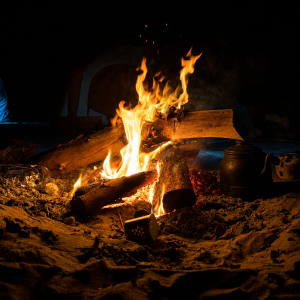
camp dinner,
overnight desert stay,
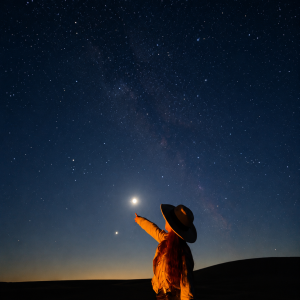
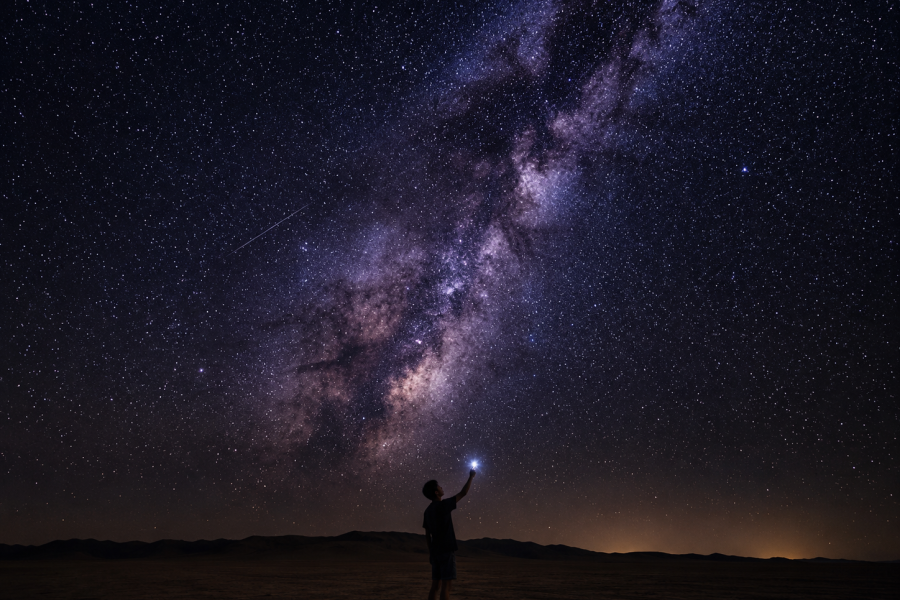
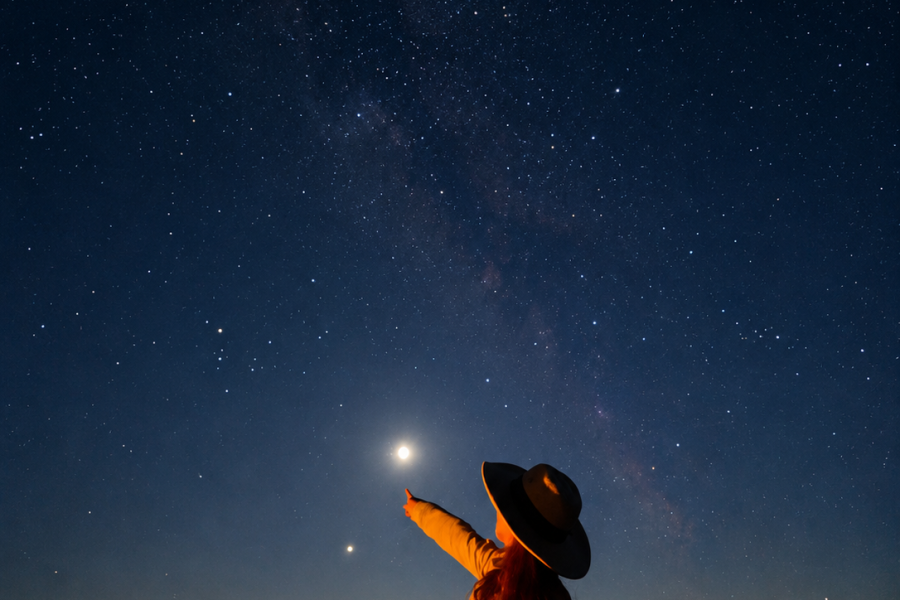
stars,
sunrise.
This gives much better balance between the long drive from Cairo and the amount of time actually spent experiencing the desert.
Gabal El Marsos is a mountain stop in the Black Desert near Bahariya Oasis. Travelers commonly visit it as part of safari routes continuing toward Crystal Mountain, Agabat and the White Desert.
Yes. Many English-language safari itineraries refer to Gabal El Marsos as Divided Mountain.
It is located within the wider Black Desert safari area around Bahariya Oasis in Egypt's Western Desert.
Yes. Travelers typically follow the route Cairo → Bahariya Oasis → Black Desert → Gabal El Marsos. See our guide to visiting the Black Desert Egypt from Cairo for the full route.
Yes, especially if you are already taking a Black Desert safari. It gives you a chance to walk, enjoy panoramic scenery and photograph the dark desert terrain.
Yes. The combination of dark hills, pale terrain and wide horizons makes it particularly suitable for landscape photography.
Many itineraries continue toward El Hez, Crystal Mountain, Agabat and the White Desert Egypt.
Yes. The One Day White Desert Tour from Cairo can include the Black Desert and Gabal El Marsos as part of the wider safari.
For most first-time visitors, yes. The 1 Night 2 Days White Desert Tour from Cairo adds sunset, camping, stars and sunrise after the daytime Black Desert route.
October through April is generally the easiest season for many travelers planning a combined Black and White Desert safari. See our best time to visit the White Desert guide for detailed seasonal planning.
Comfortable closed shoes, sun protection, water and a camera are useful for Gabal El Marsos. For overnight trips, use our complete White Desert packing list.
For most first-time visitors, the 1 Night 2 Days White Desert Tour from Cairo provides the strongest balance between Gabal El Marsos, the Black Desert, Crystal Mountain, Agabat and White Desert camping.