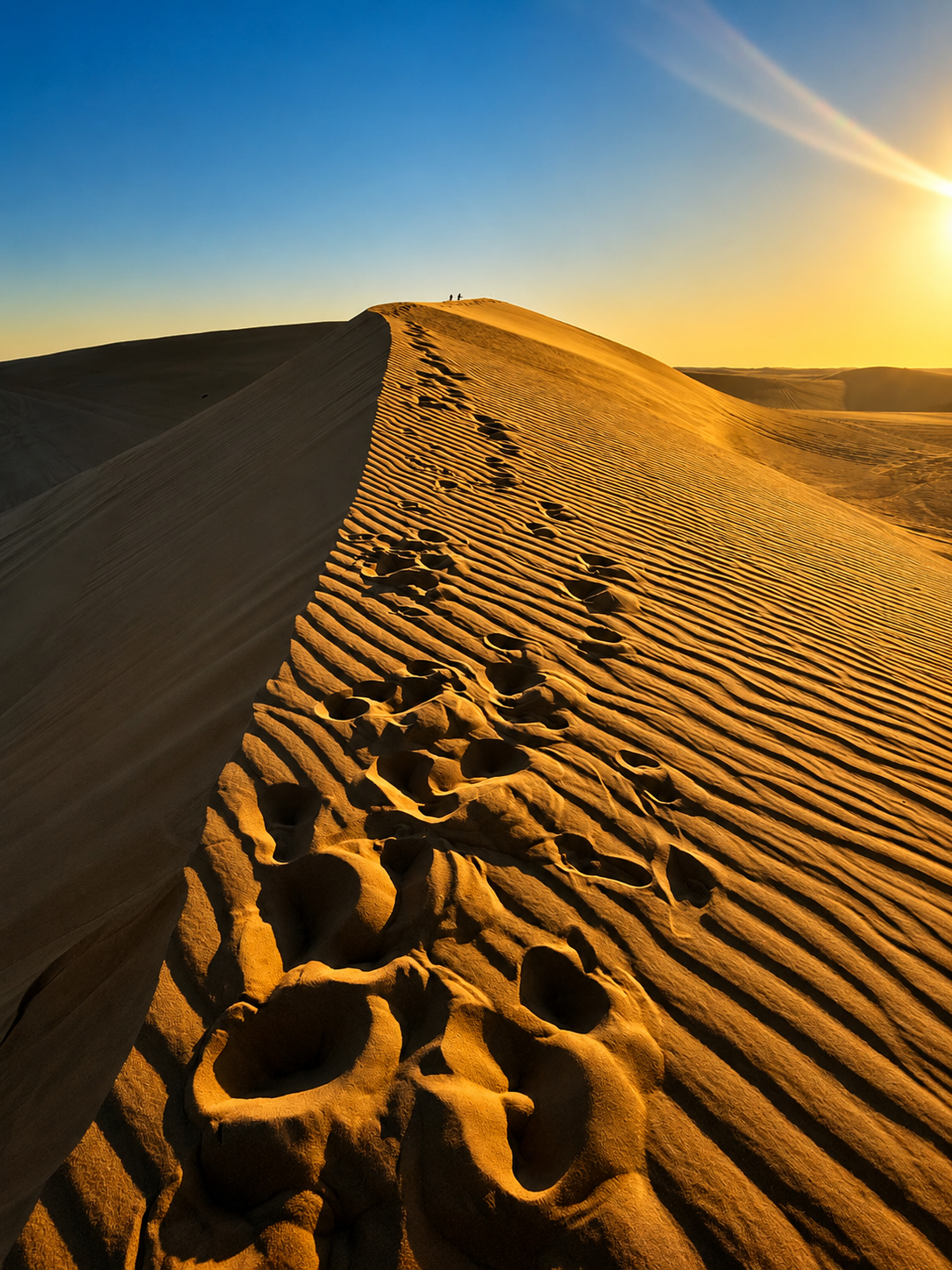
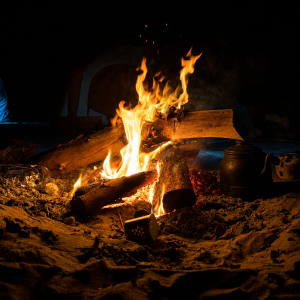
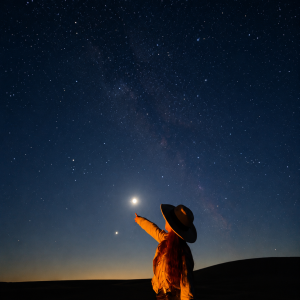
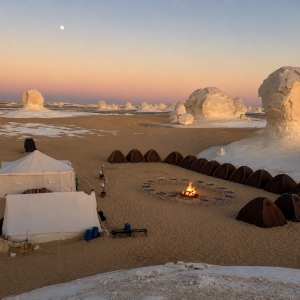
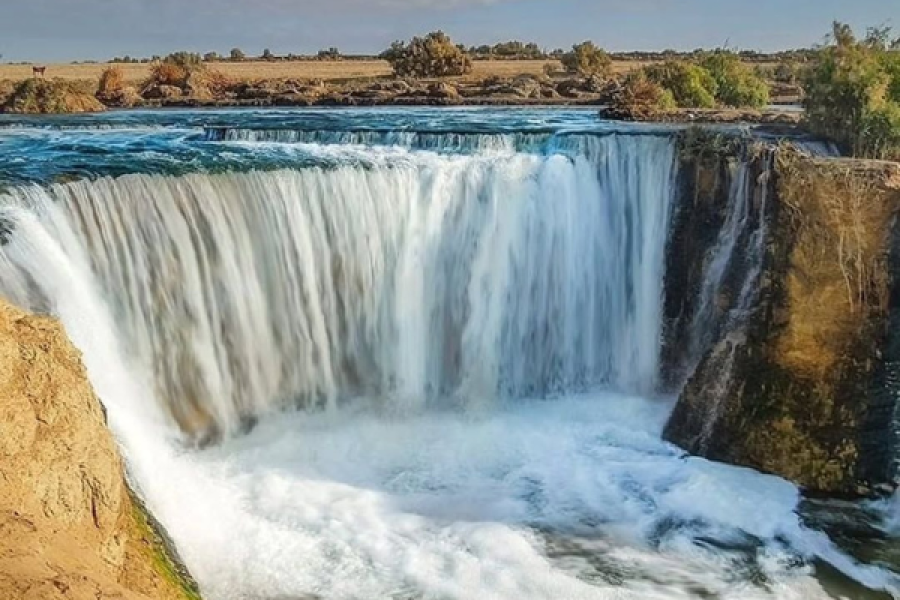
An Egypt desert safari can be a rewarding travel experience when it is properly planned with a professional licensed operator, appropriate vehicles, experienced local guides and current permission for the route being used.
But the complete answer to “Is Egypt desert safari safe?” is more nuanced than simply saying yes or no.
Egypt’s desert regions are enormous.
A day trip to Fayoum is not the same as an overnight camping safari in the White Desert.
A trip to Siwa Oasis using established roads is different from driving independently into a remote section of the Western Desert.
And routes near international borders should never be treated like the established tourism corridors used for regular desert excursions.
Current official travel advice also differs between governments.
For example, the UK’s Foreign, Commonwealth & Development Office currently excludes several established tourism destinations—including Fayoum, Siwa town, Bahariya Oasis, Farafra, the White Desert and Black Desert—from its broader warning covering much of the Western Desert. However, it specifically states that tourists entering Bahariya, Farafra, the White Desert and Black Desert need permits in advance and must use an official guide. It also notes limited mobile reception and limited medical facilities in these areas.
The current U.S. State Department advisory takes a more cautious approach, advising travelers to avoid Western Desert travel unless traveling with a professionally licensed tour company.
That difference illustrates the most important rule in this guide:
Do not treat “the Western Desert” as one single destination with one single safety situation.
Check your own government’s latest travel advice, use an established route and travel with experienced local professionals.
For travelers following established safari programs between Cairo, Bahariya Oasis, the Black Desert and White Desert, professional planning is an essential part of the experience.
This guide explains what first-time visitors should know before booking.
For established tourist routes, an organized desert safari can be undertaken with professional local arrangements.
The main precautions are:
If you follow those principles, the risk profile is very different from attempting an unauthorized independent expedition into a remote desert region.
If you’re still deciding which route to take, our Egypt Desert Safari guide explains the main destinations and safari styles.
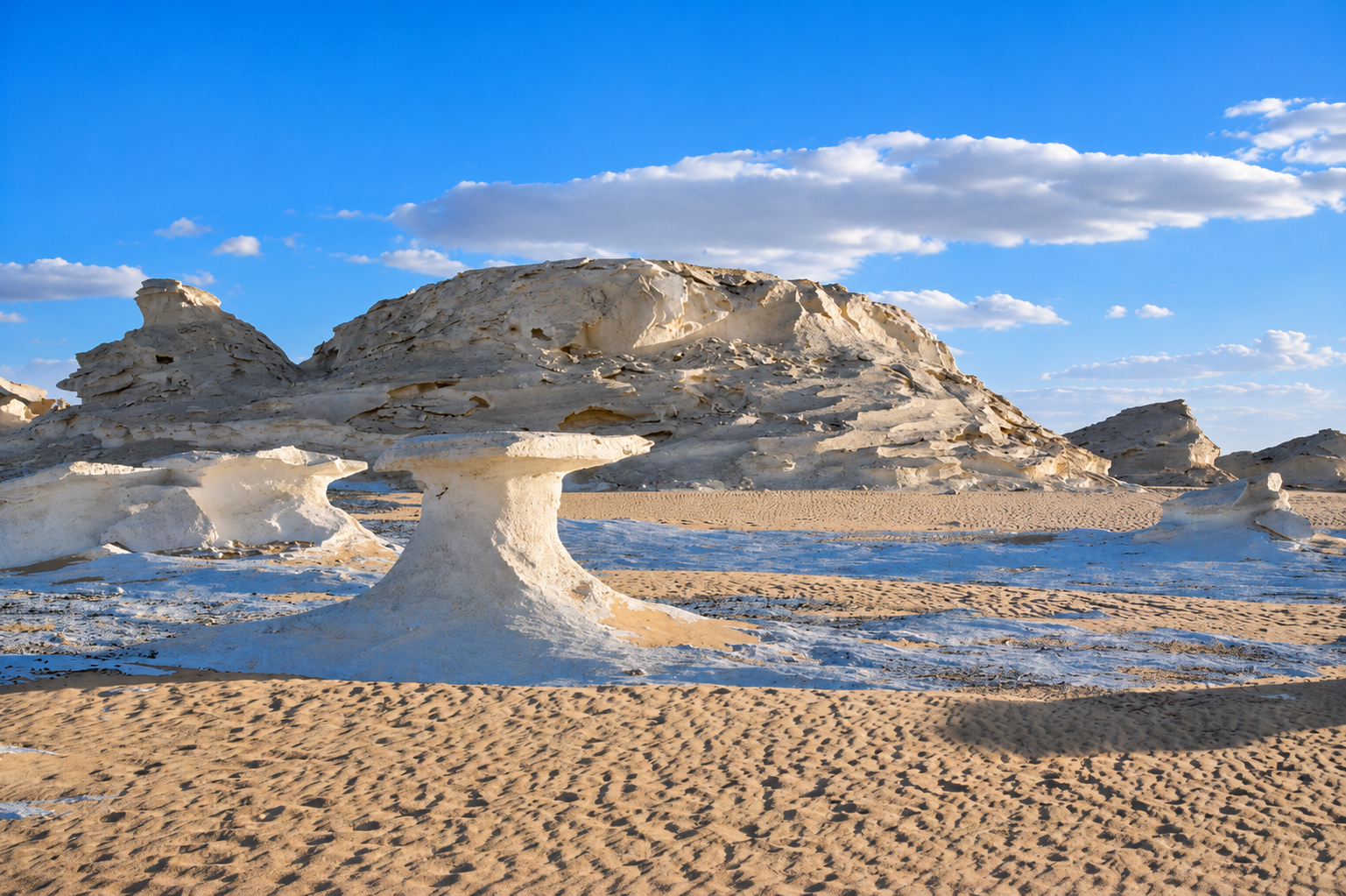
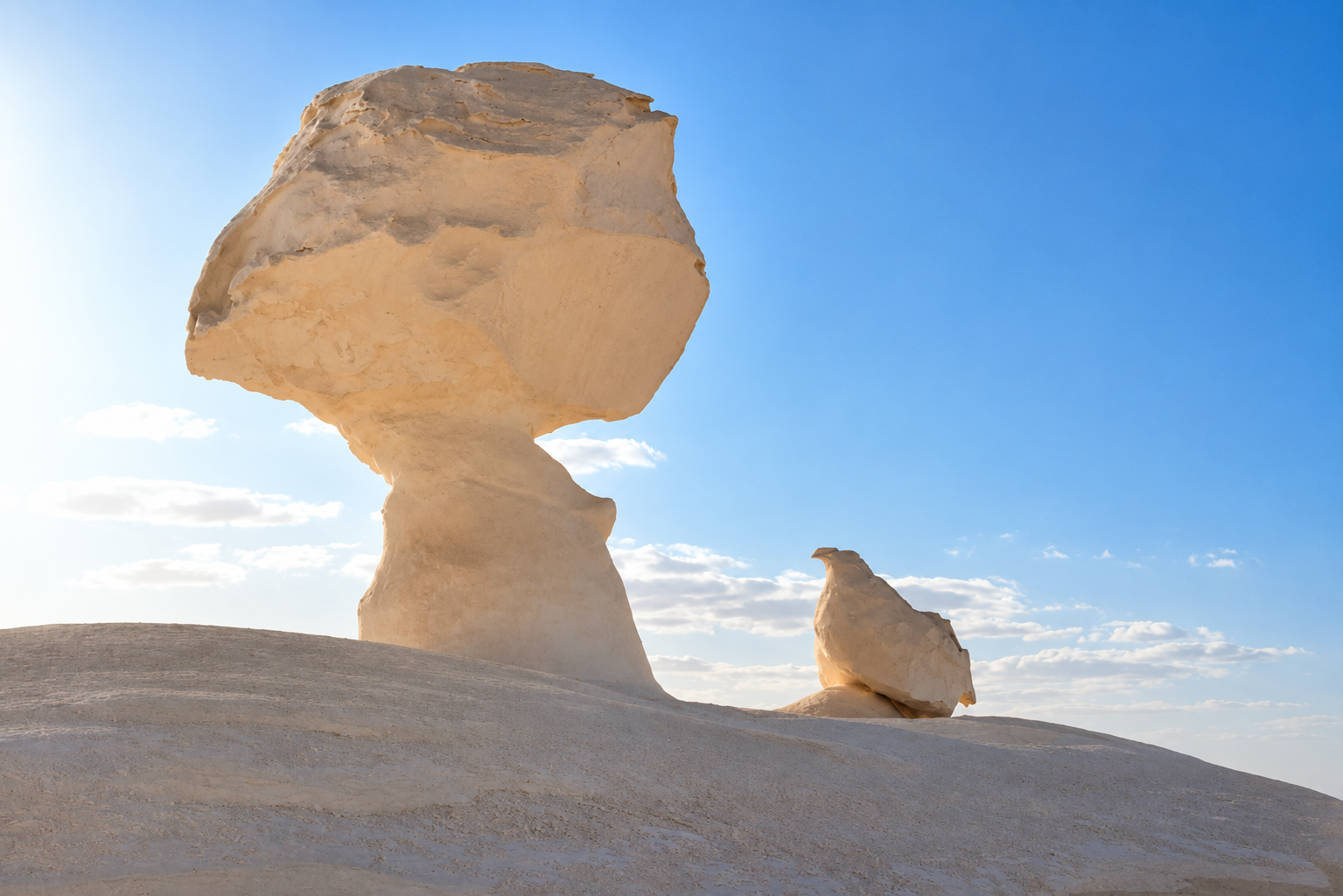
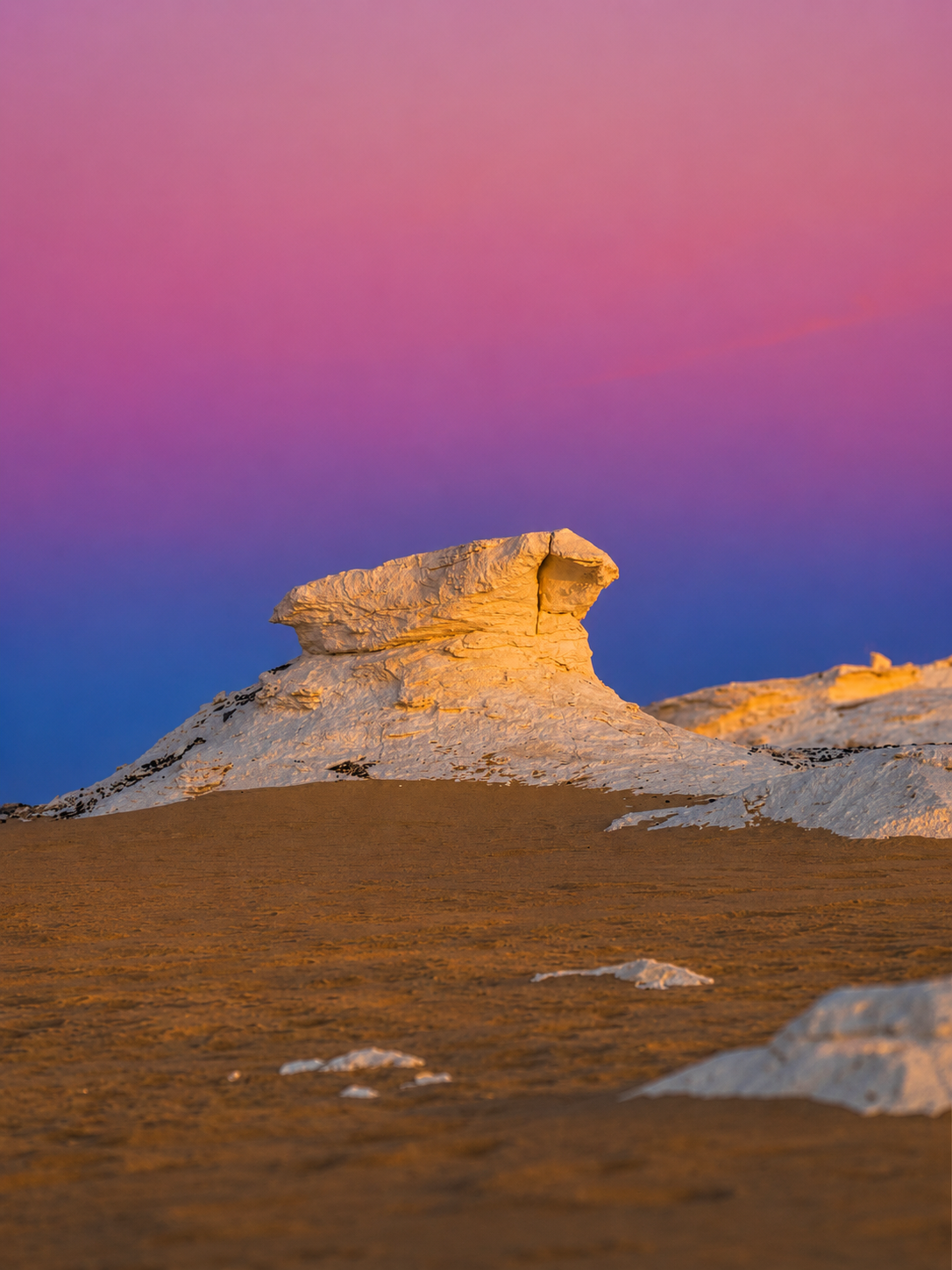
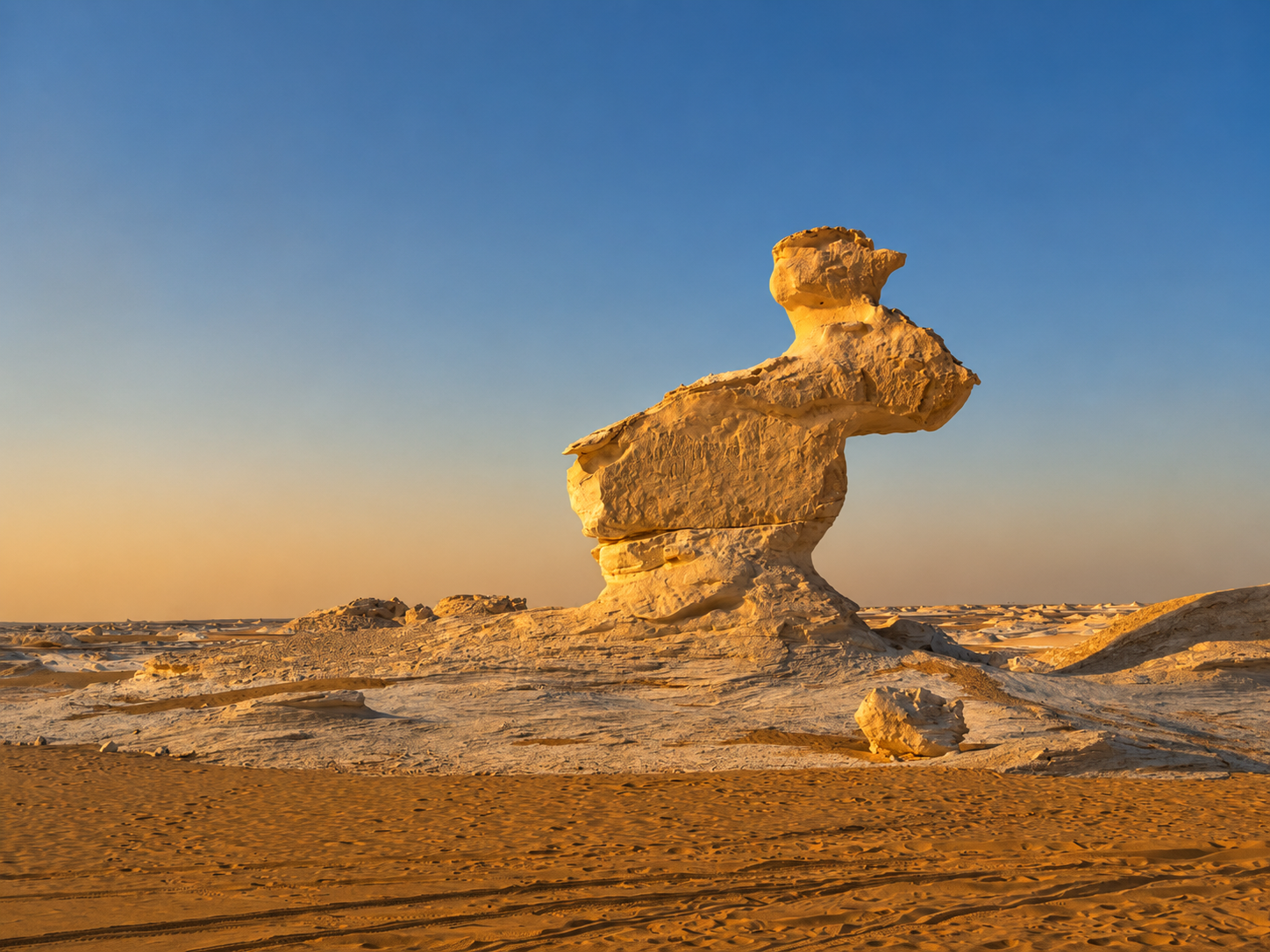
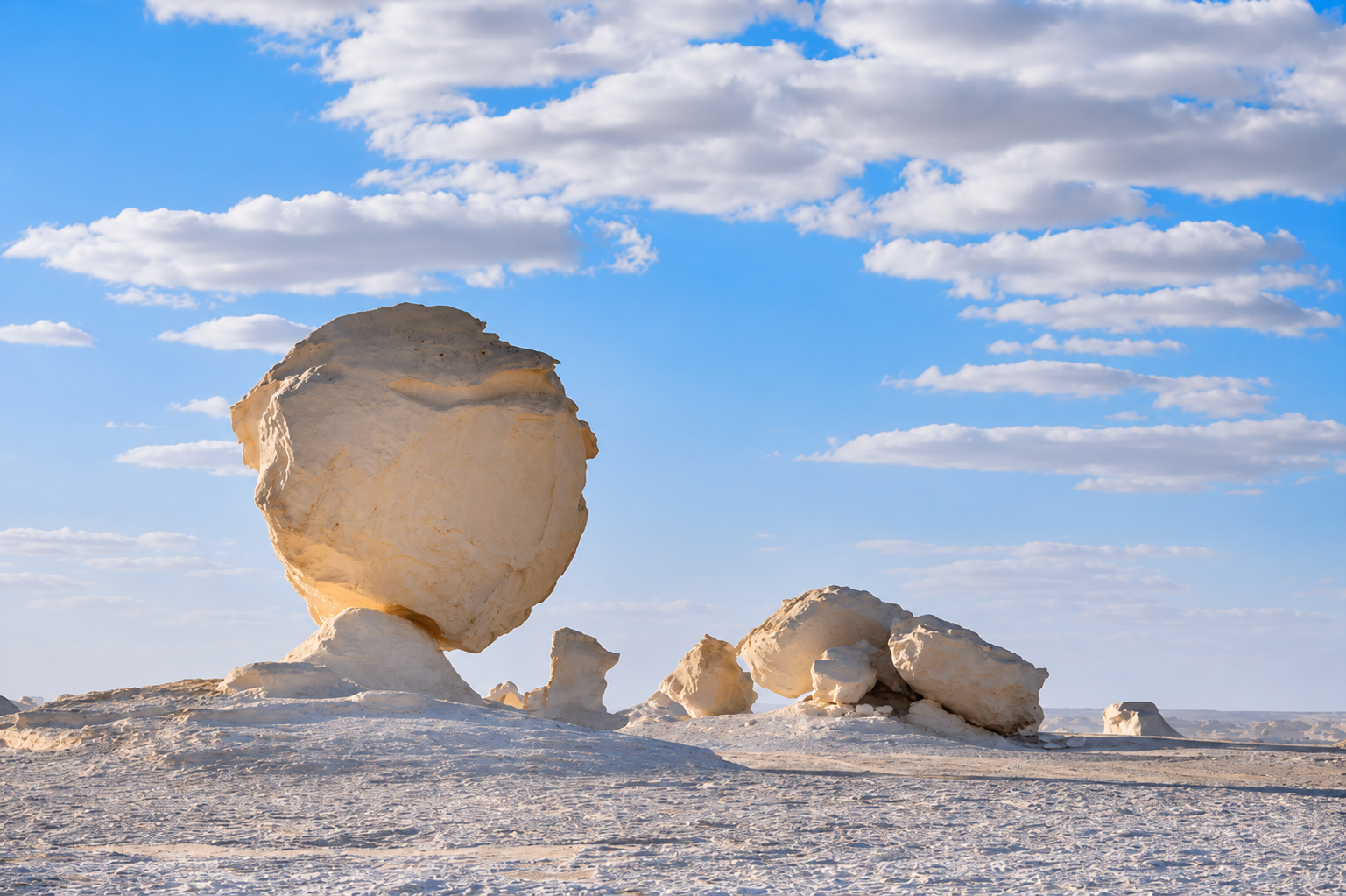
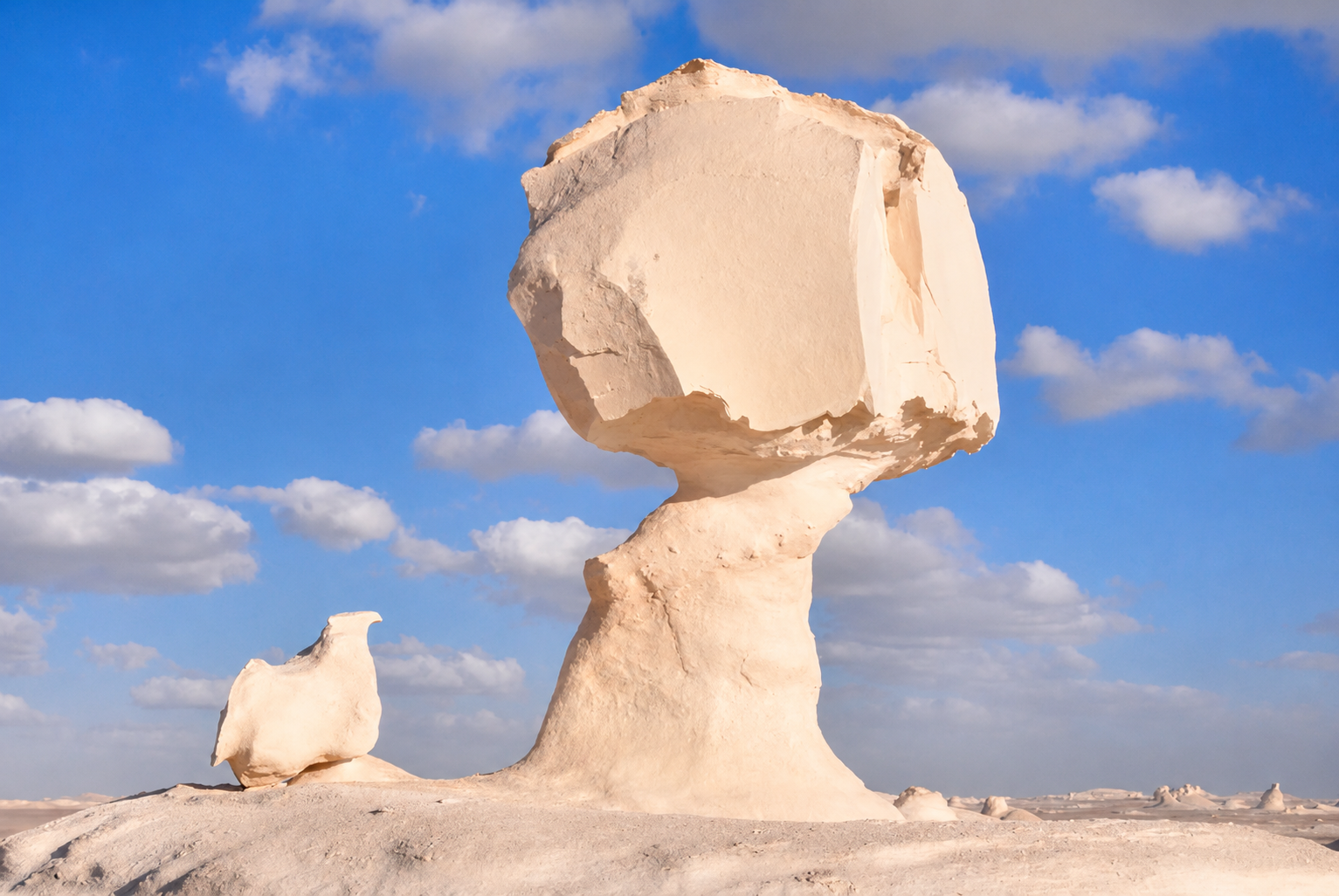
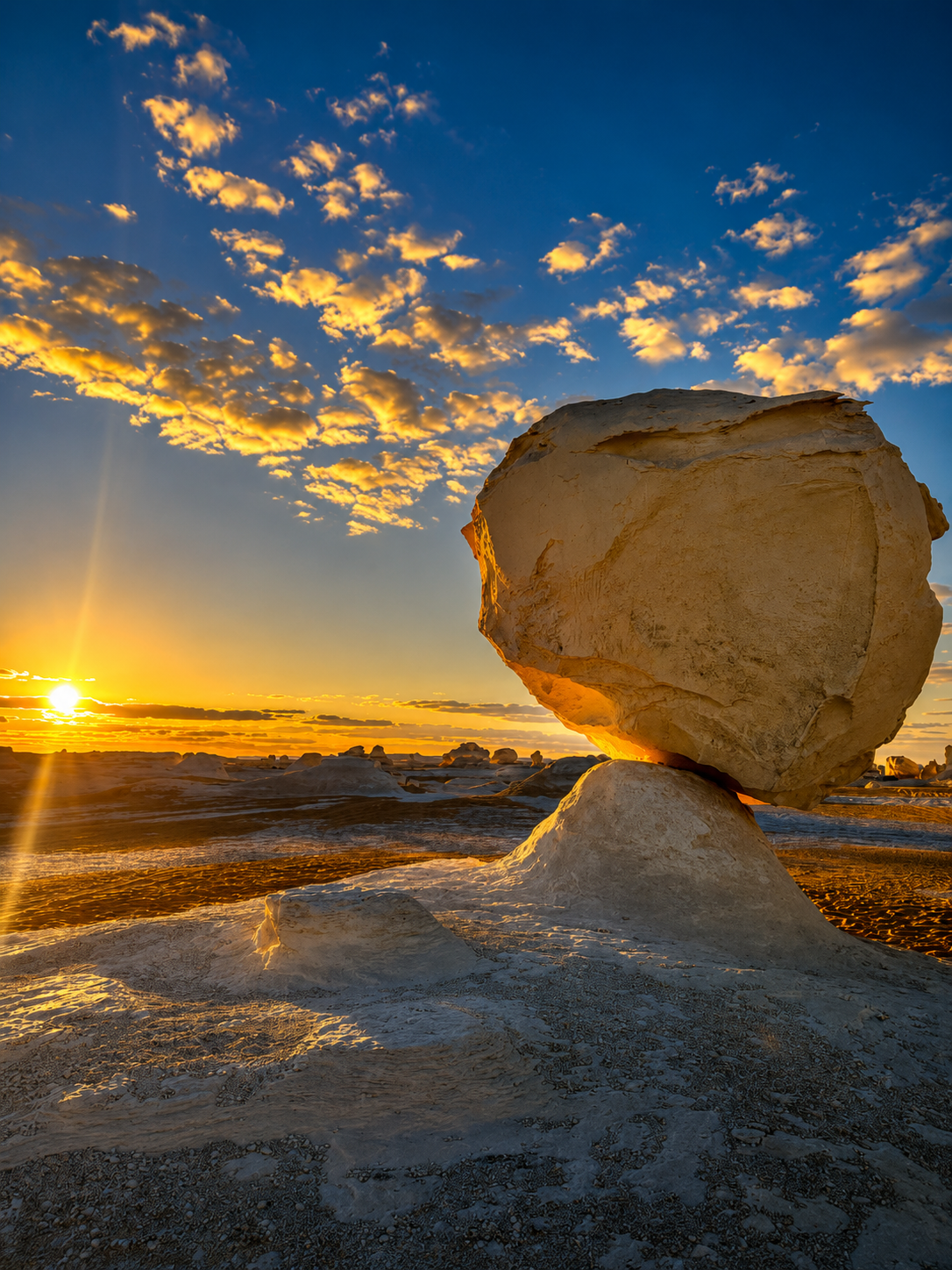
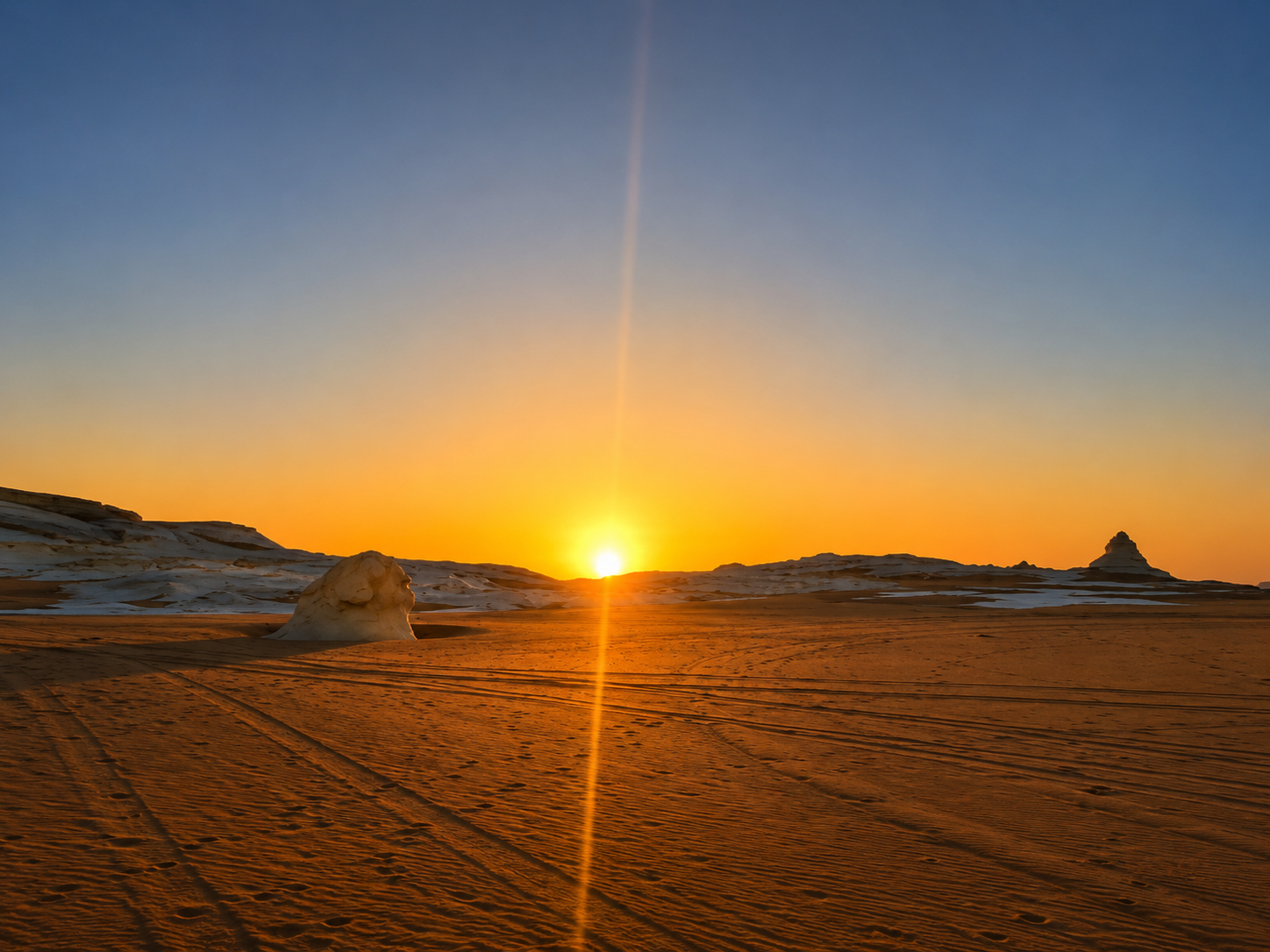
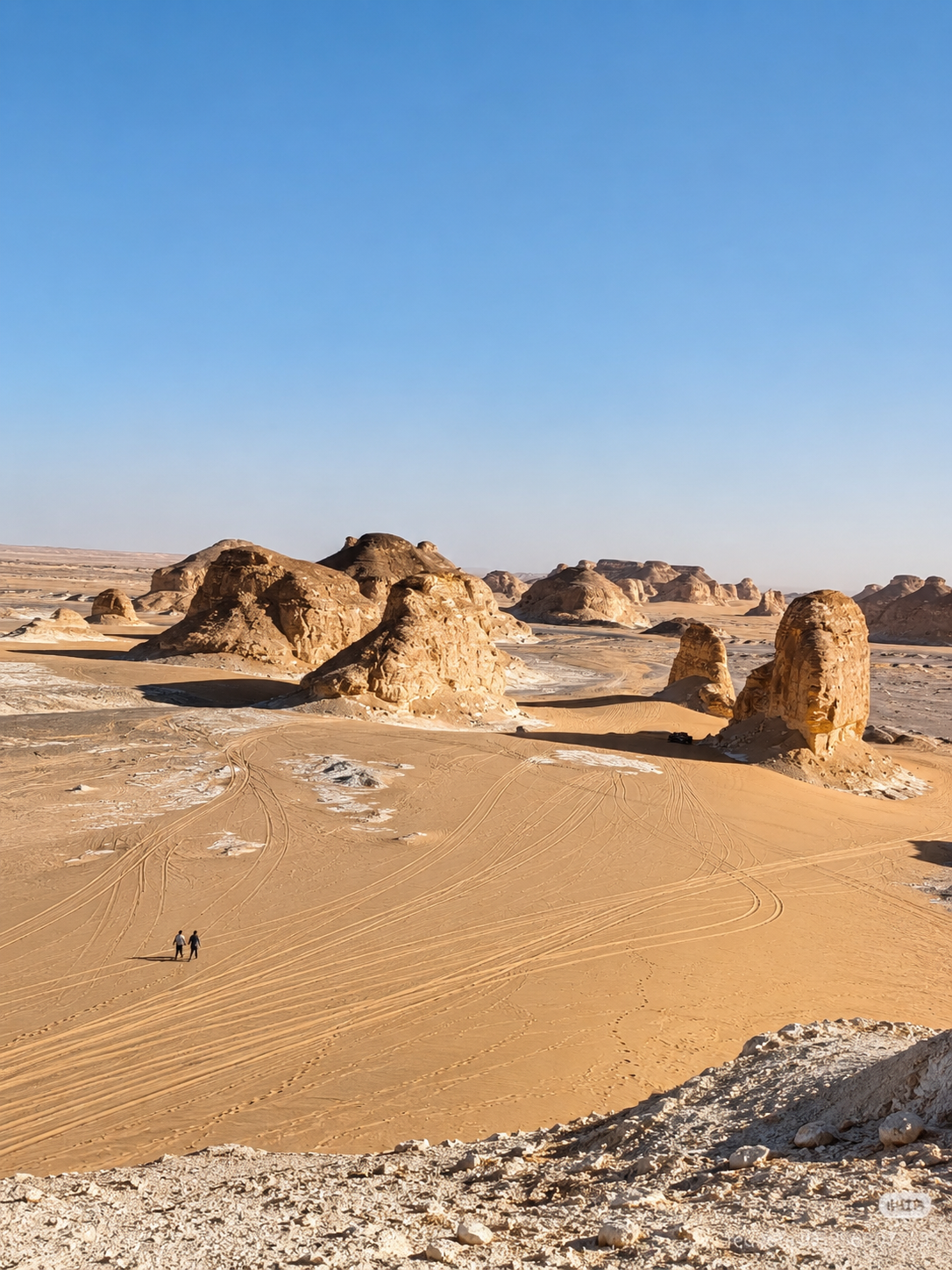
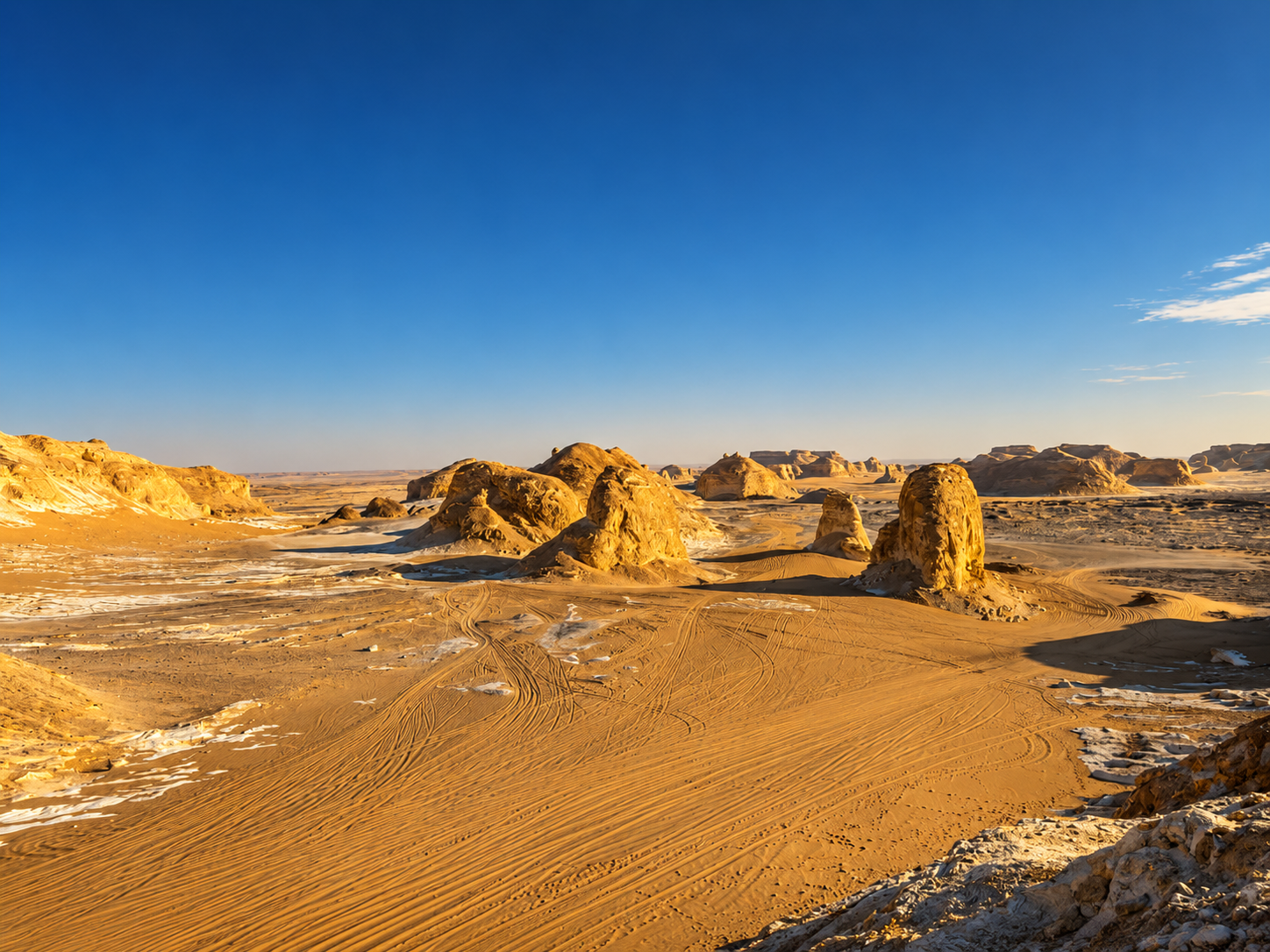
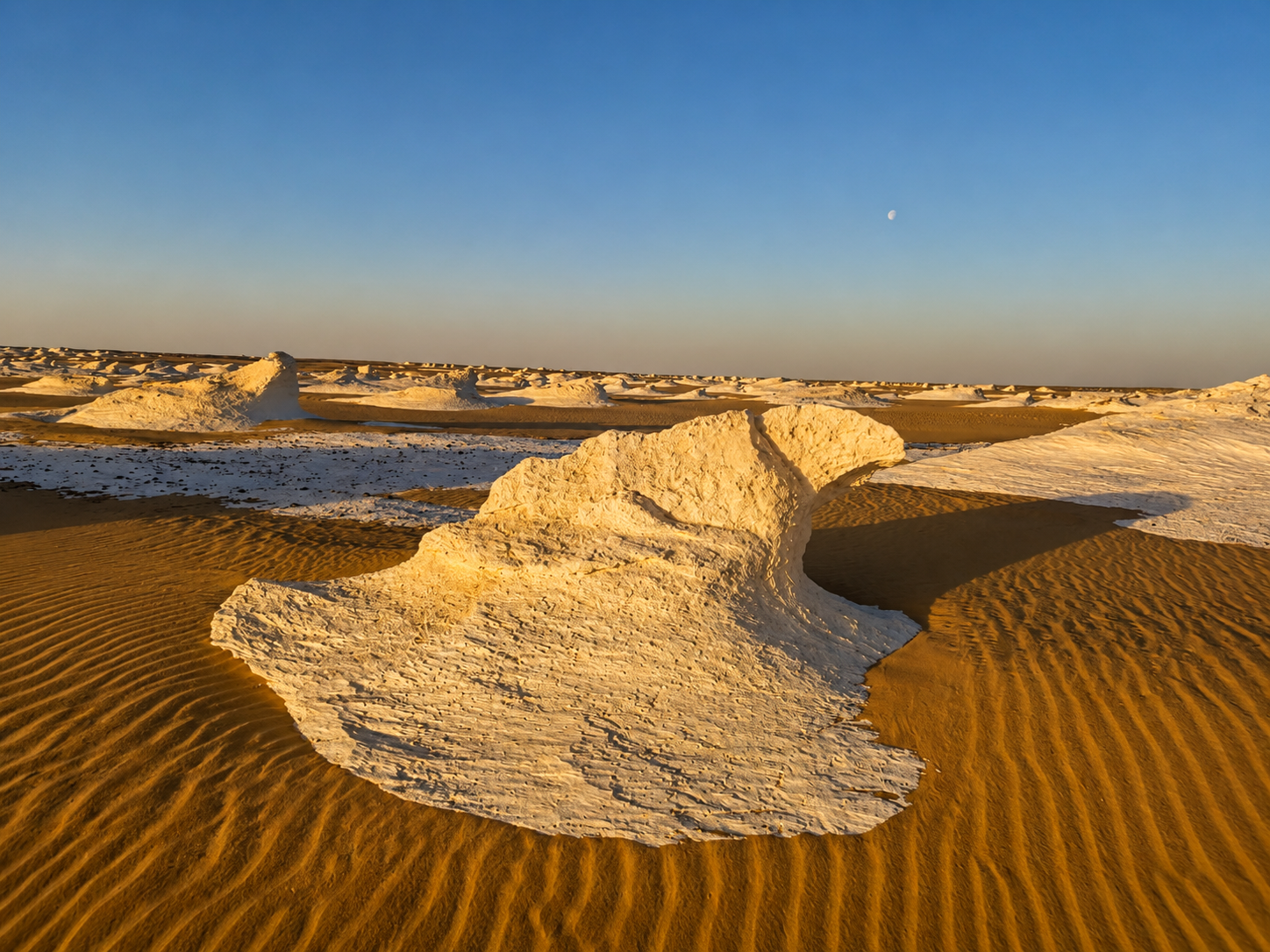
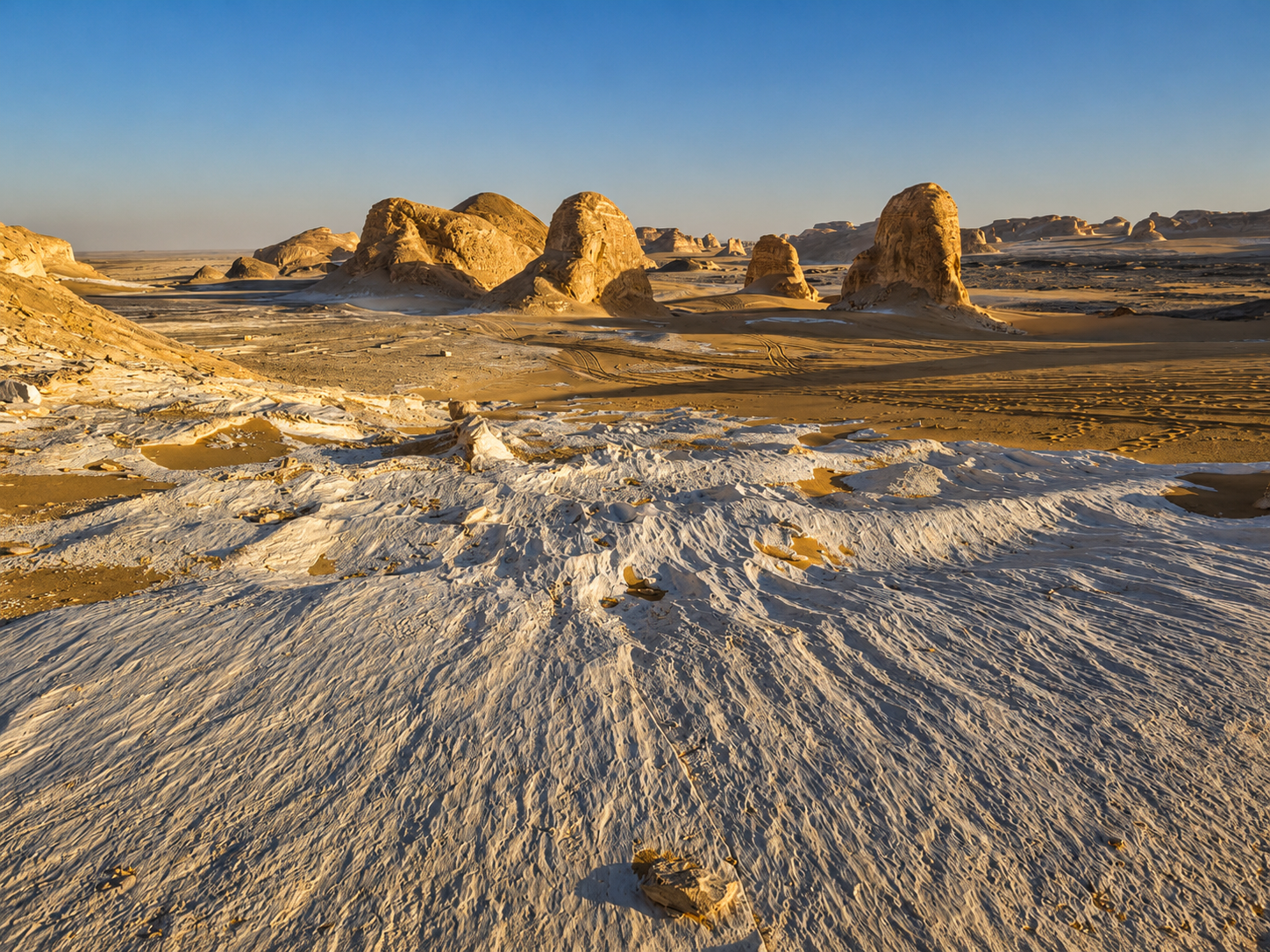
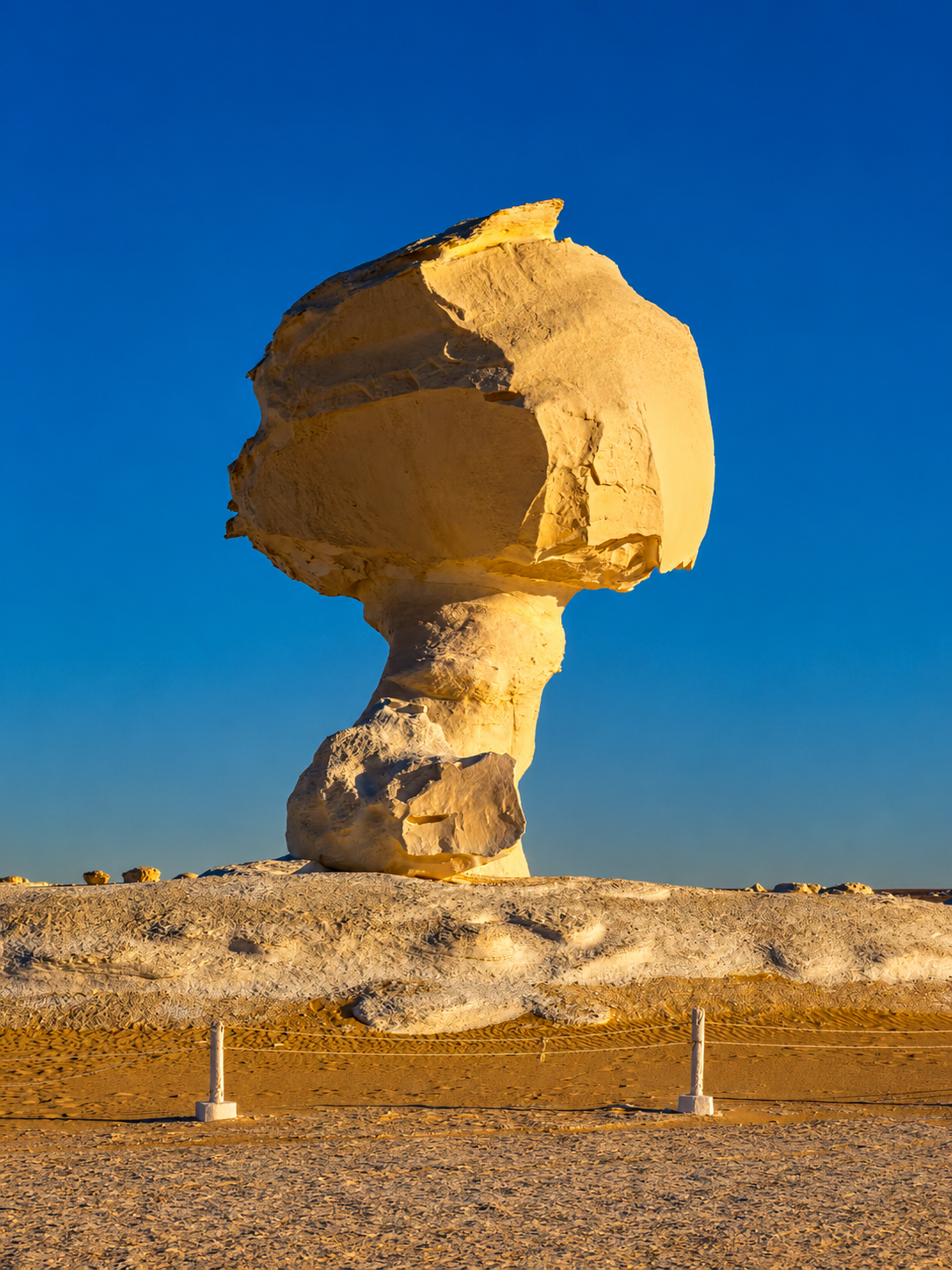
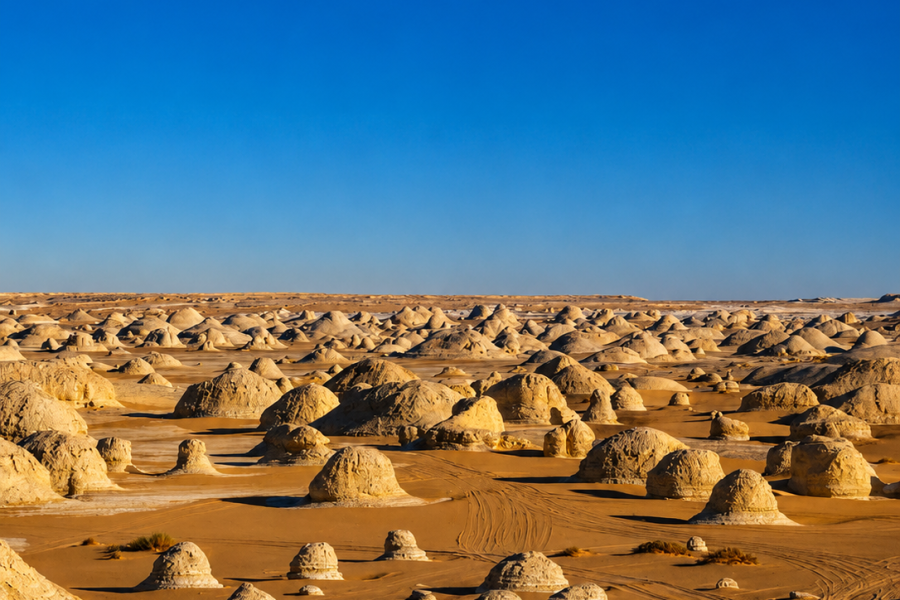
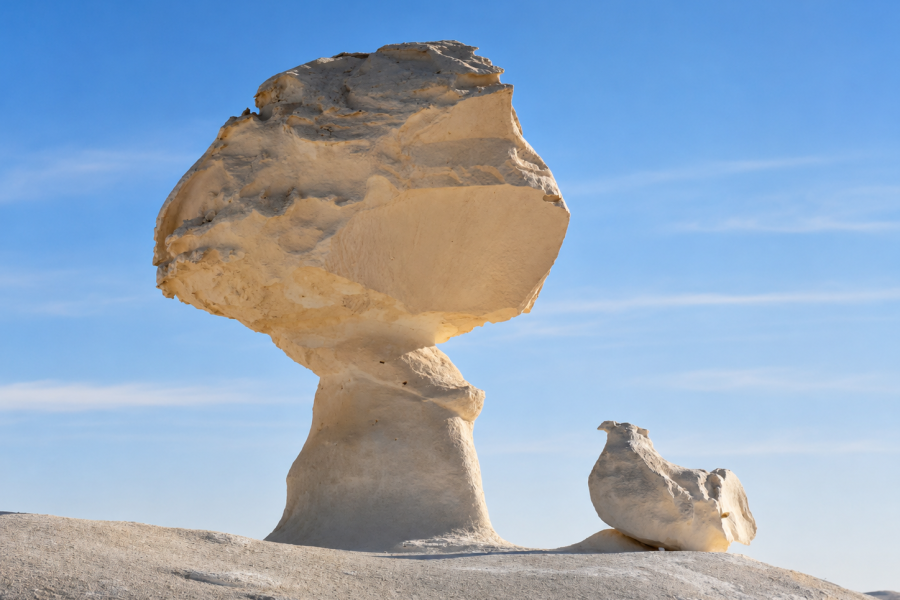
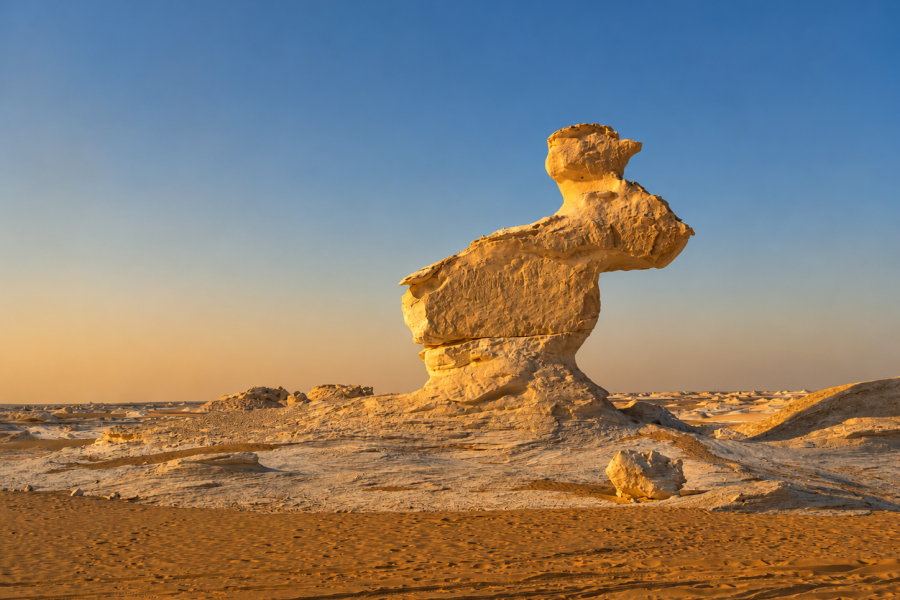
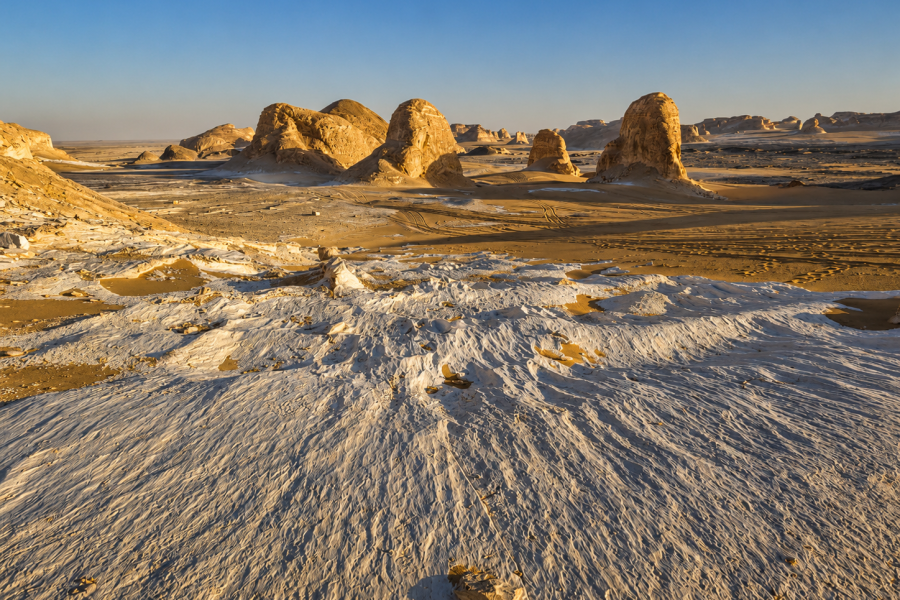
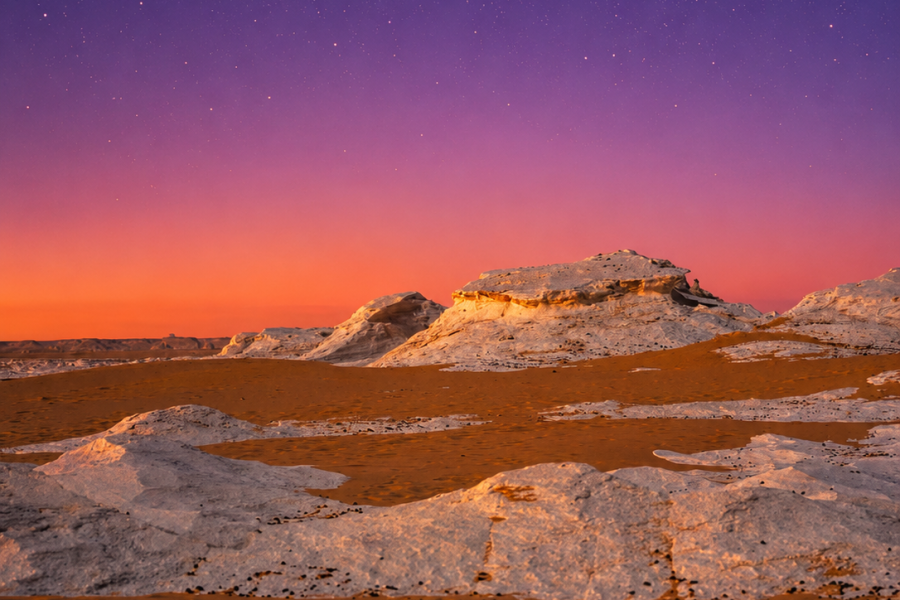
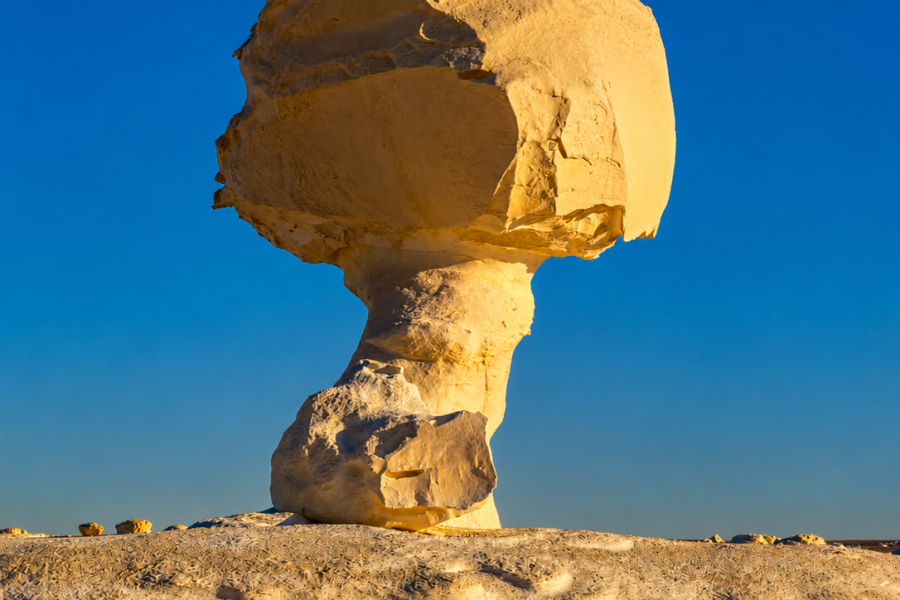
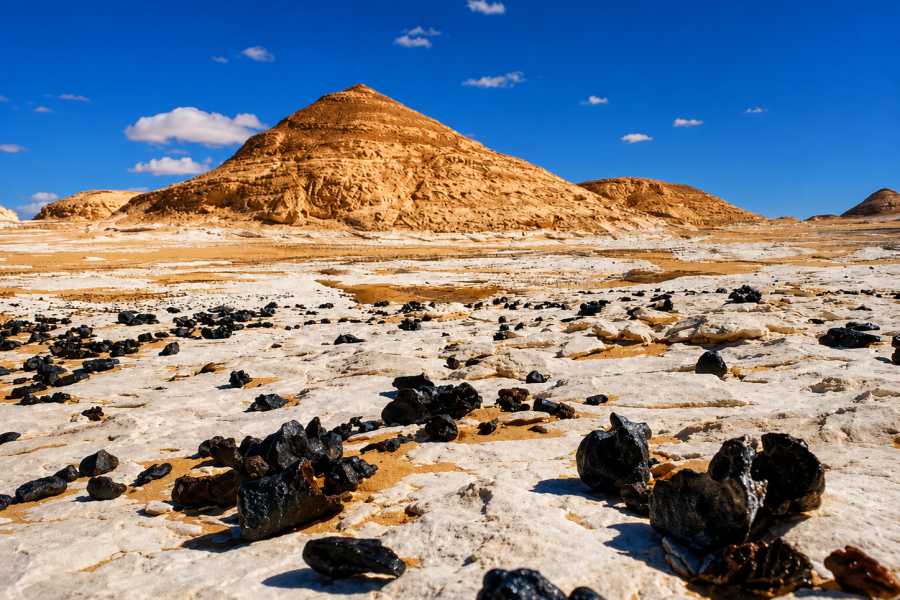
The White Desert Egypt is one of Egypt’s most established Western Desert tourism destinations.
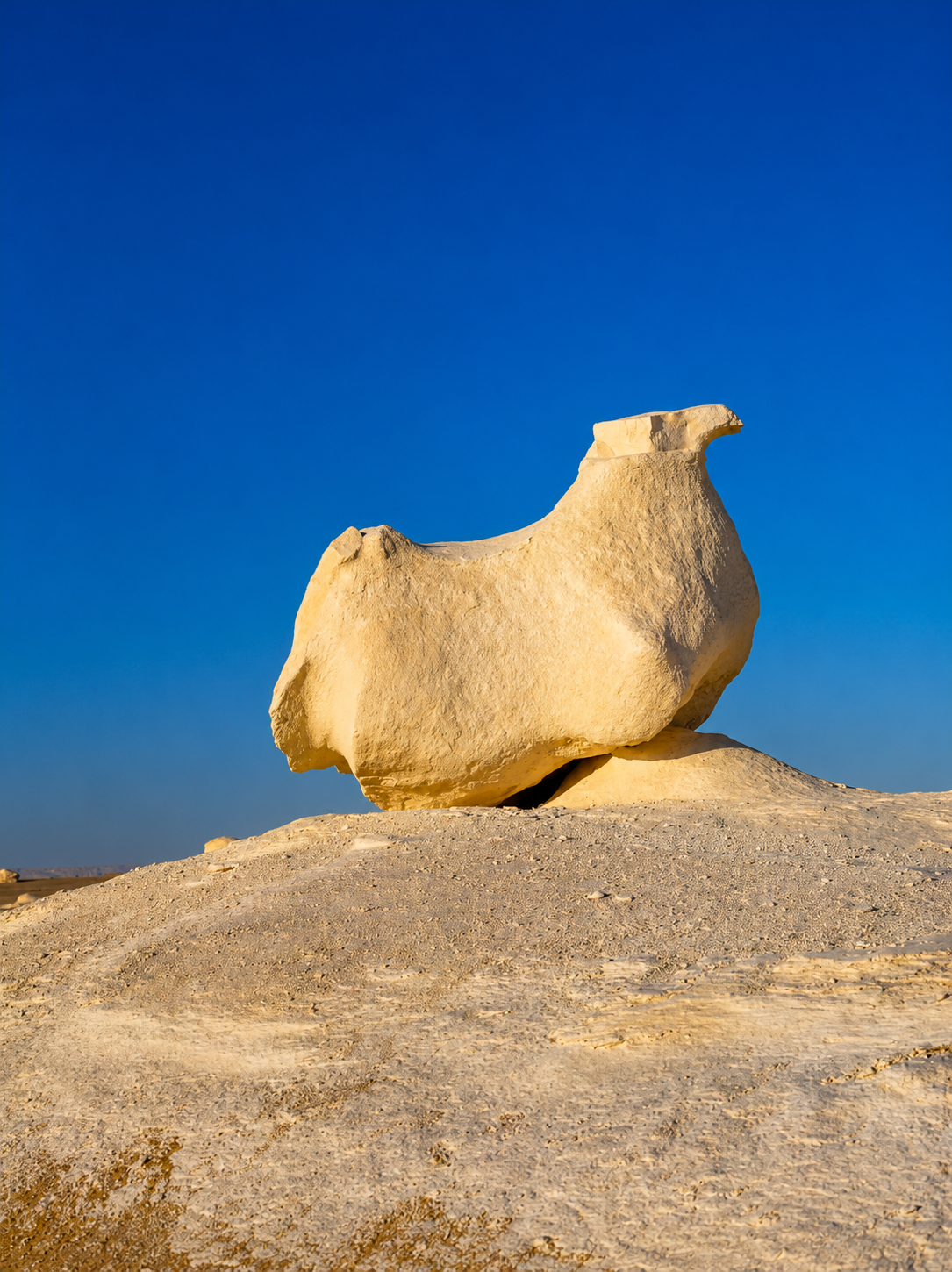
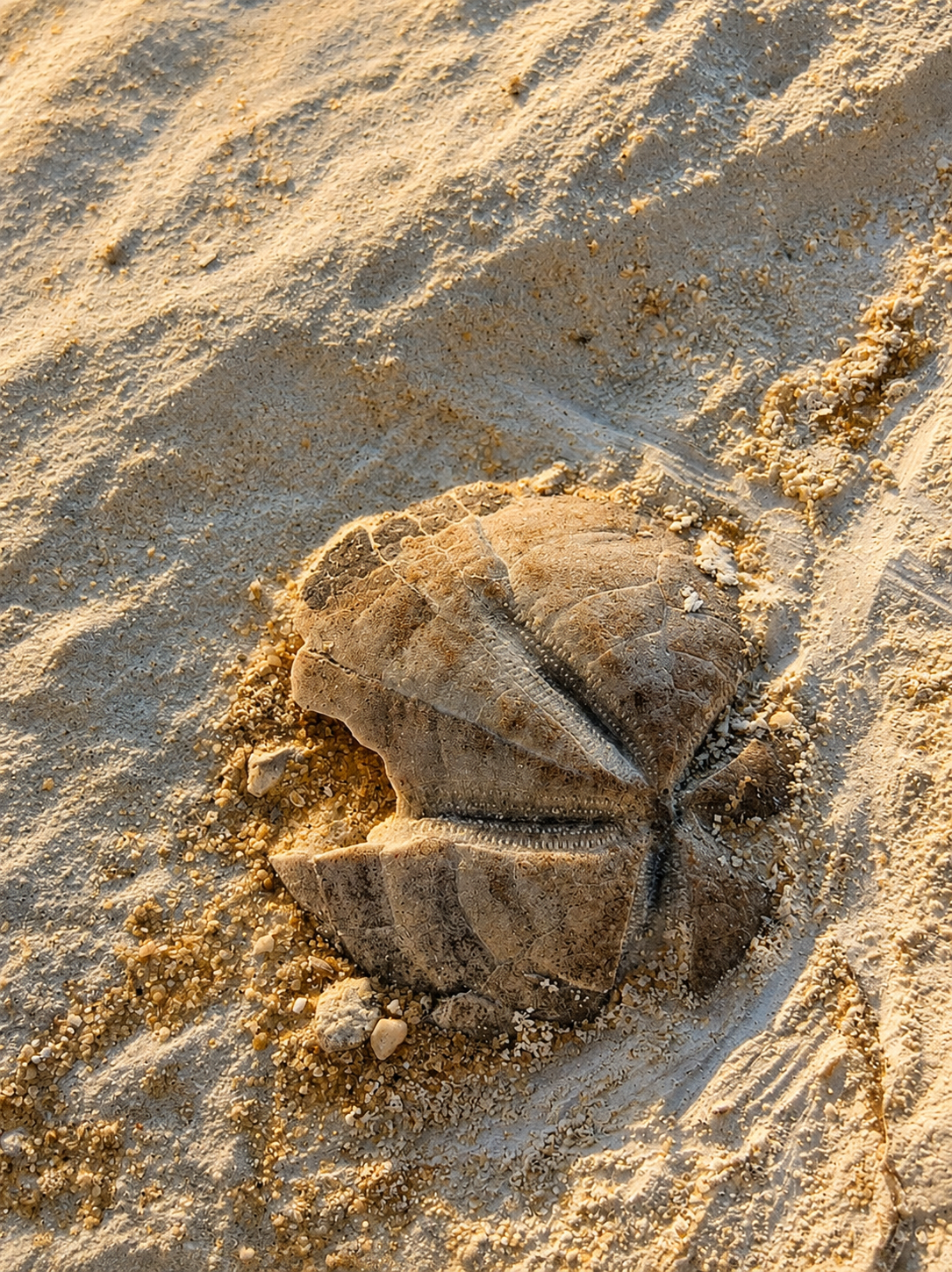
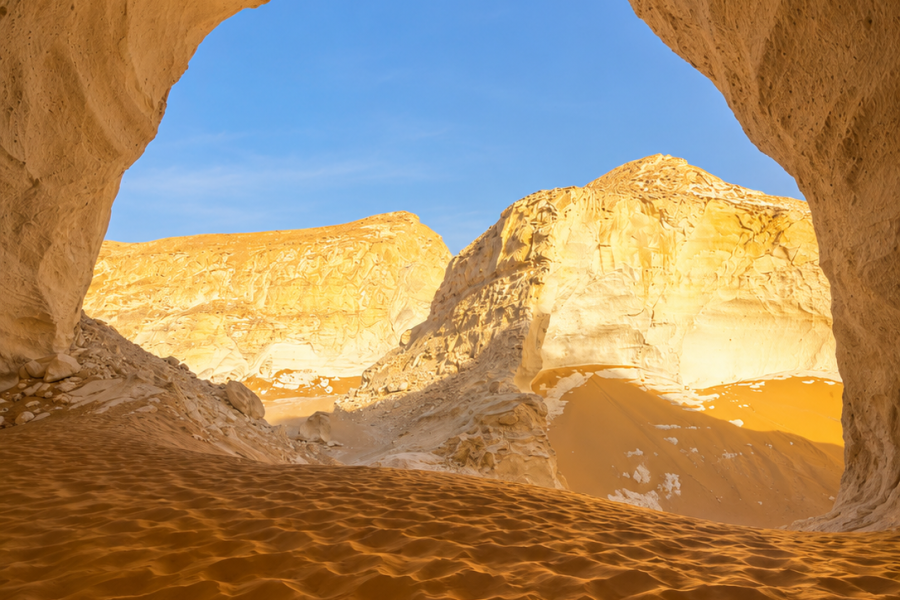
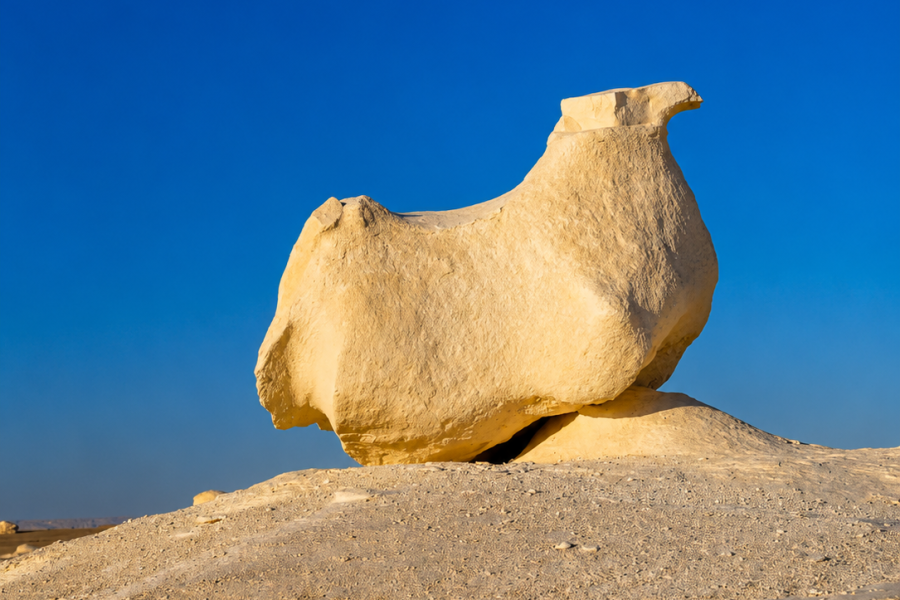
The Egyptian Environmental Affairs Agency classifies the White Desert as an official protected natural area. It covers more than 3,100 square kilometers and contains unusual chalk formations, dunes, fossils and important natural landscapes.
This protected status means visitors should not think of it as unrestricted empty land.
There are rules covering:
The official White Desert management plan includes different zones with varying access rules. Some permit organized tourism and camping, while others have stricter restrictions.
That is one reason an experienced local operator is important.
Current UK travel advice states that visitors entering Bahariya Oasis, Farafra, the White Desert and Black Desert must apply for permits in advance and use an official guide.
Egypt’s Environmental Affairs Agency also maintains formal procedures and requirements for tourism activities inside protected areas.
For the traveler, the practical lesson is simple:
Do not arrive in Bahariya and assume you can independently drive into every part of the White Desert.
A professional operator should manage the required local arrangements for the itinerary being offered.
Bahariya is the main gateway for many White Desert tours from Cairo.
Established tour programs normally travel from Cairo or Giza toward Bahariya on the normal road before transferring to a suitable desert vehicle for the off-road portion.
The UK’s current regional guidance specifically excludes the Giza area northeast of Bahariya Oasis, Bahariya itself and the White and Black Desert tourism areas from its wider Western Desert restriction, while still requiring the relevant permits and official guidance.
Road and security conditions can change.
That is why your operator should confirm the current route rather than relying on an itinerary written several years ago.
For most international tourists:
Do not do it.
Independent remote desert driving introduces risks that normal road travelers may underestimate.
These include:
A location looking close on a digital map does not mean it is straightforward to reach.
Desert navigation requires practical local knowledge.
The White Desert safari is not simply a long road trip.
Once you leave established paved roads, the terrain can involve:
Appropriate vehicles and drivers who understand the terrain matter.
Our 1 Night 2 Days White Desert Tour from Cairo combines the road transfer with the appropriate desert safari section rather than treating the entire route as ordinary highway driving.


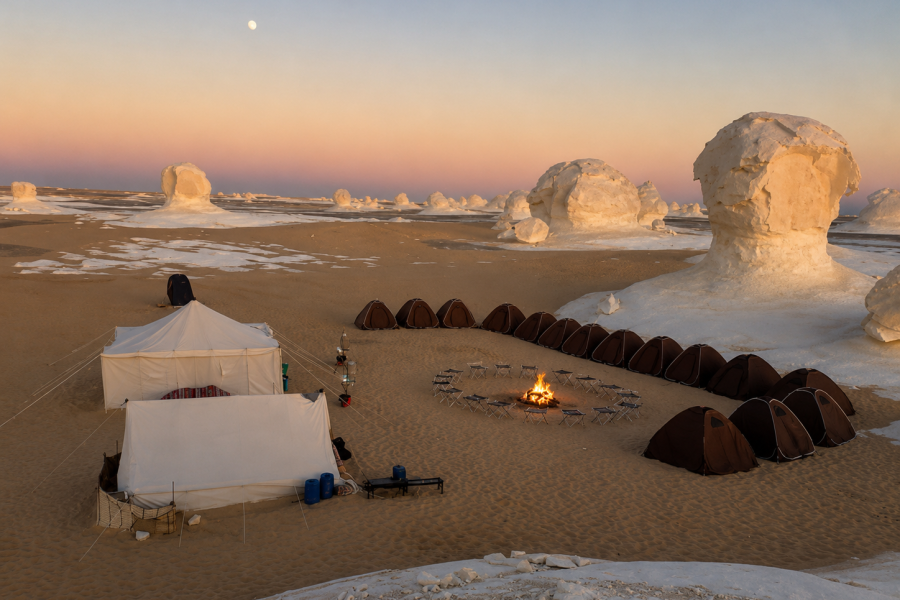
Properly organized White Desert camping is one of the region’s most popular experiences.
But safe camping depends on preparation.
A professional overnight setup should consider:
The Egyptian Environmental Affairs Agency currently publishes separate visitor, vehicle and camping fees for the White Desert protected area, reinforcing that camping takes place within a regulated protected-area system rather than being unrestricted wild camping.
No.
Different parts of the protected area have different management rules.
The official management plan includes zones where normal recreational access is managed and other zones where access or camping is significantly more limited.
Never choose a campsite simply because:
Your guide should use an appropriate current camping location.
The darkness itself is not the main issue.
The more practical risks are:
Stay close to your group and listen to your guide.
One of the advantages of an organized camp is that your transport, equipment and experienced team remain with you.
For a full breakdown of what sleeping outdoors is actually like, read our Egypt Desert Camping guide.
Visitors sometimes worry excessively about desert wildlife.
Wild animals exist throughout desert ecosystems, but routine tourism precautions are straightforward:
Your bigger day-to-day camping concerns are often weather, hydration and staying with the group rather than encounters with wildlife.
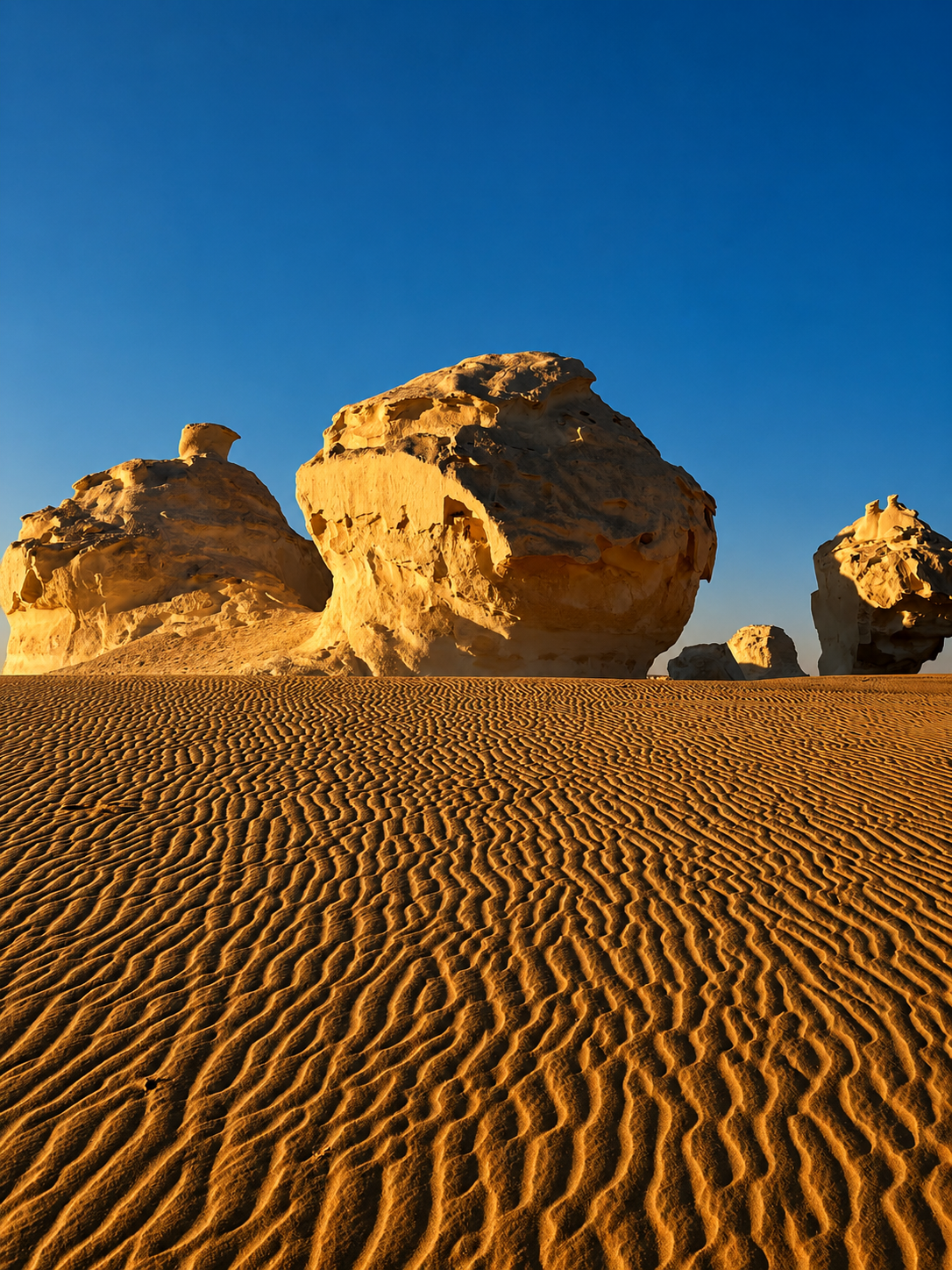
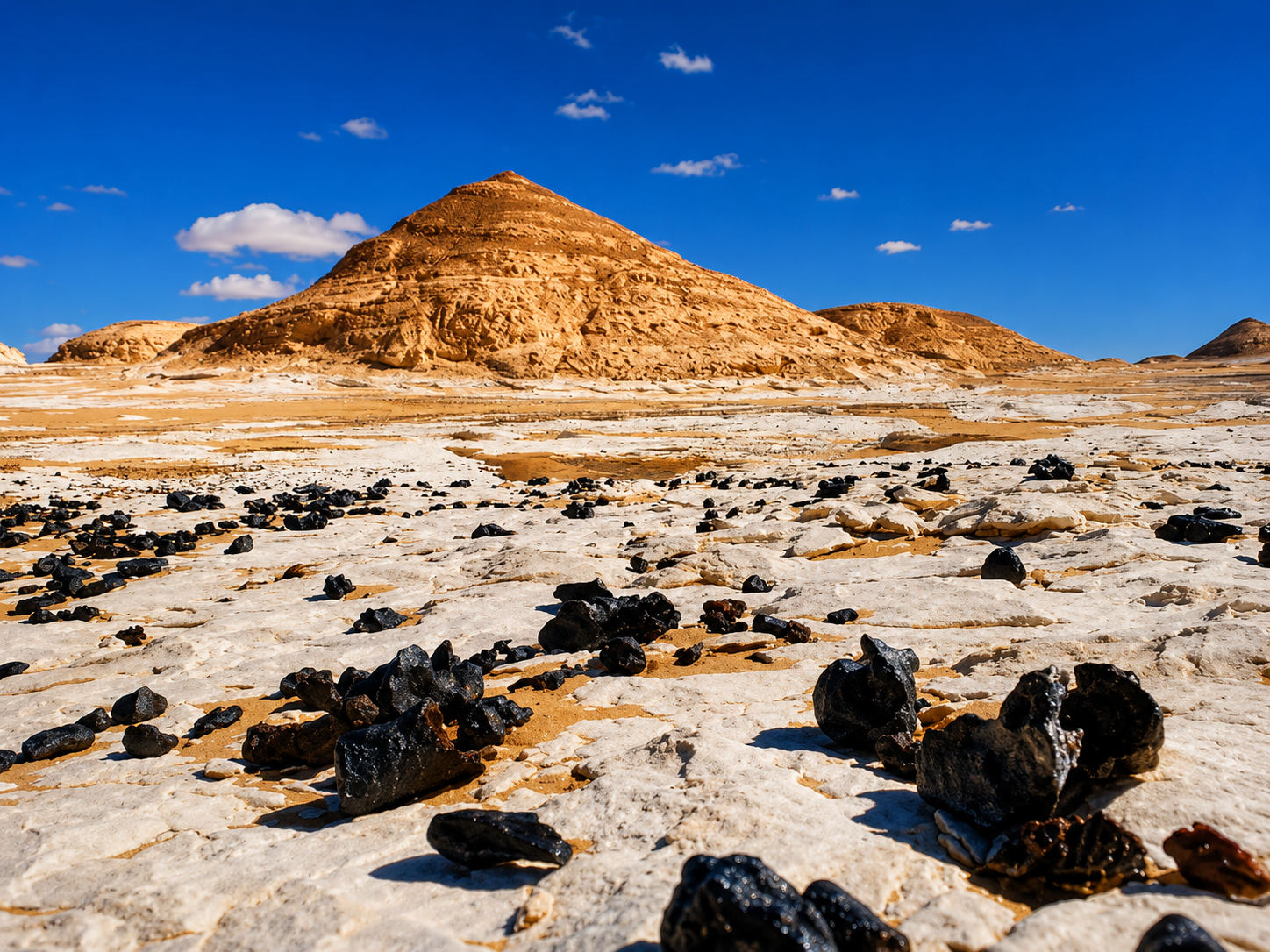
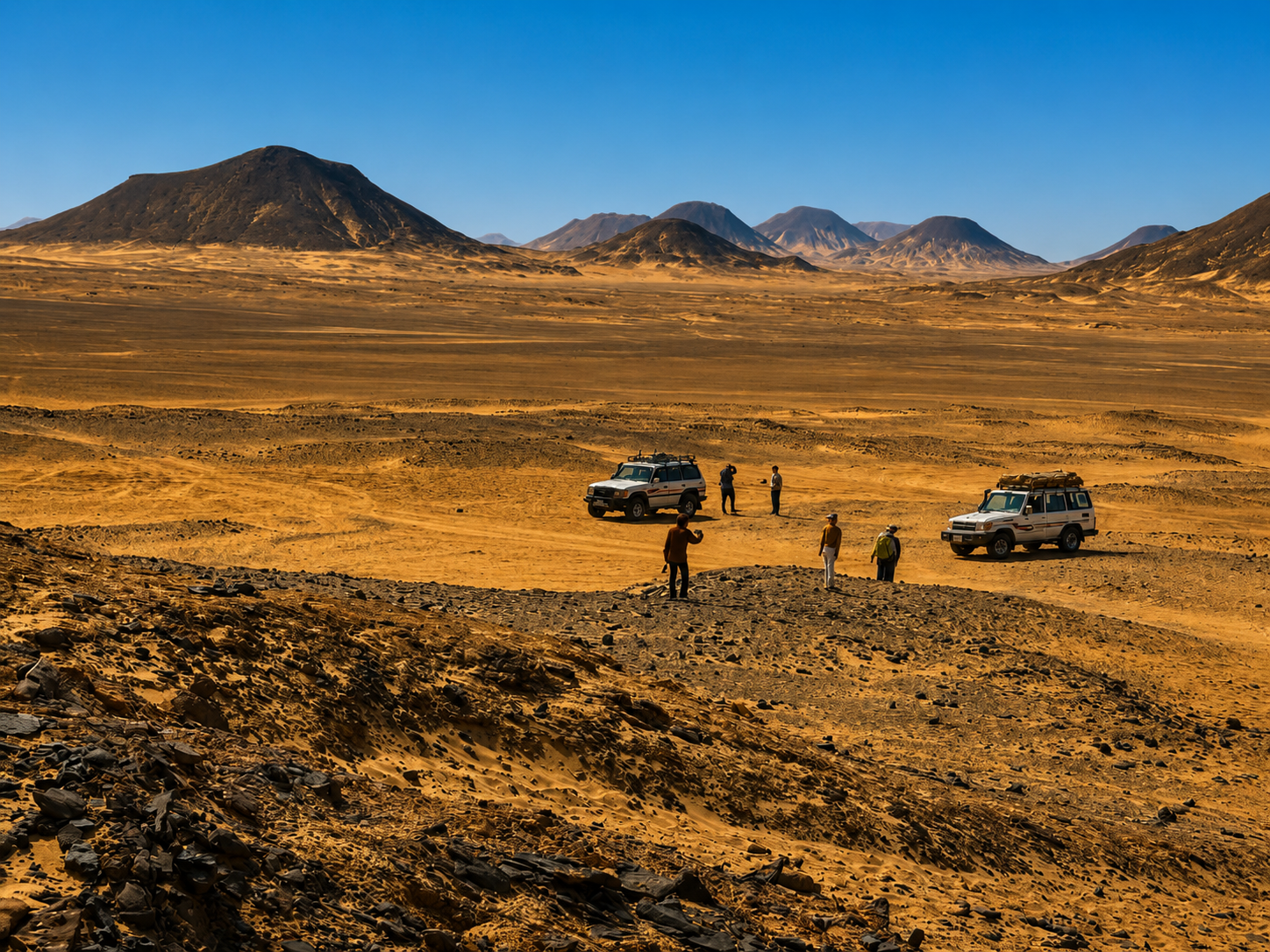
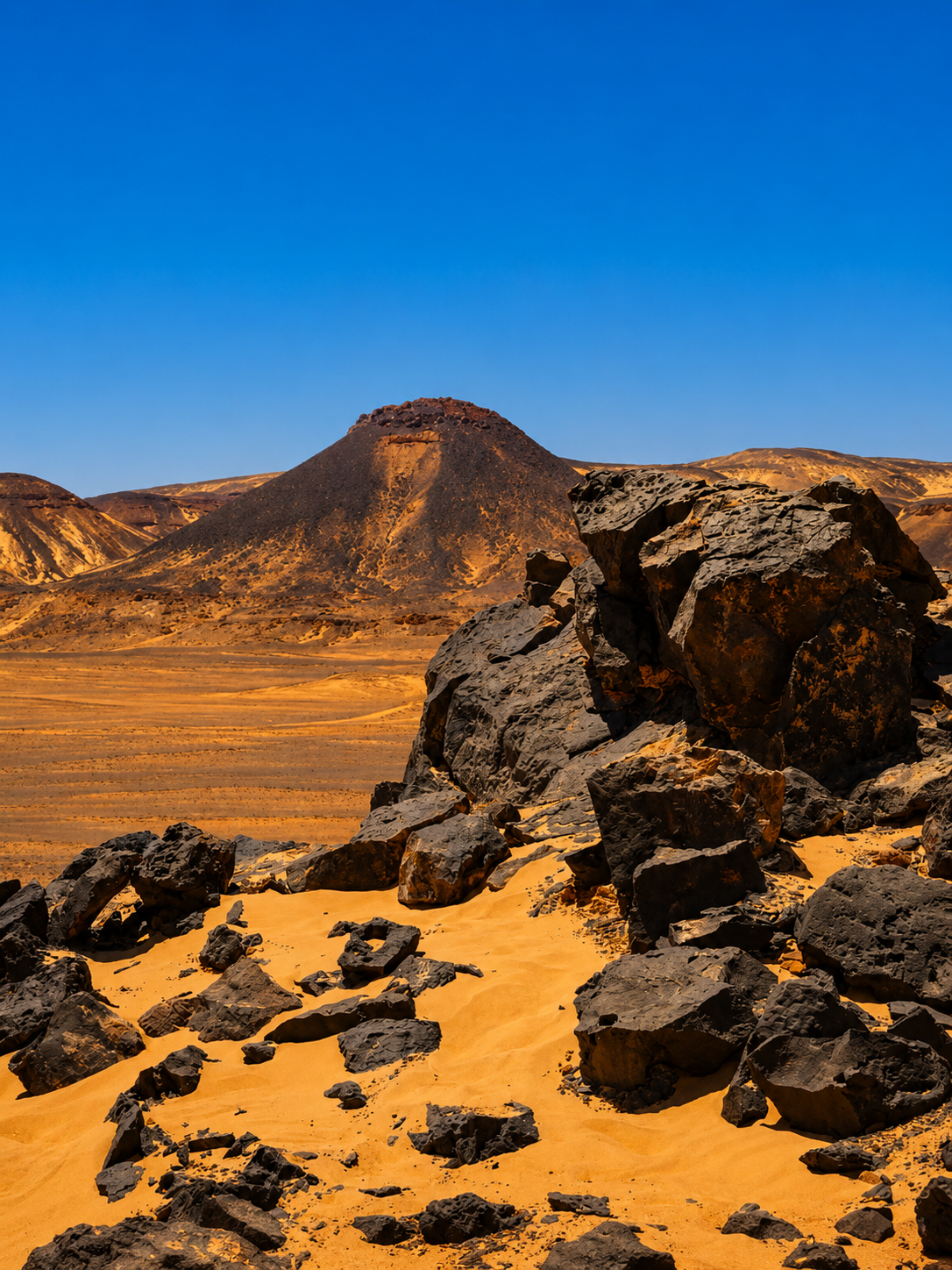
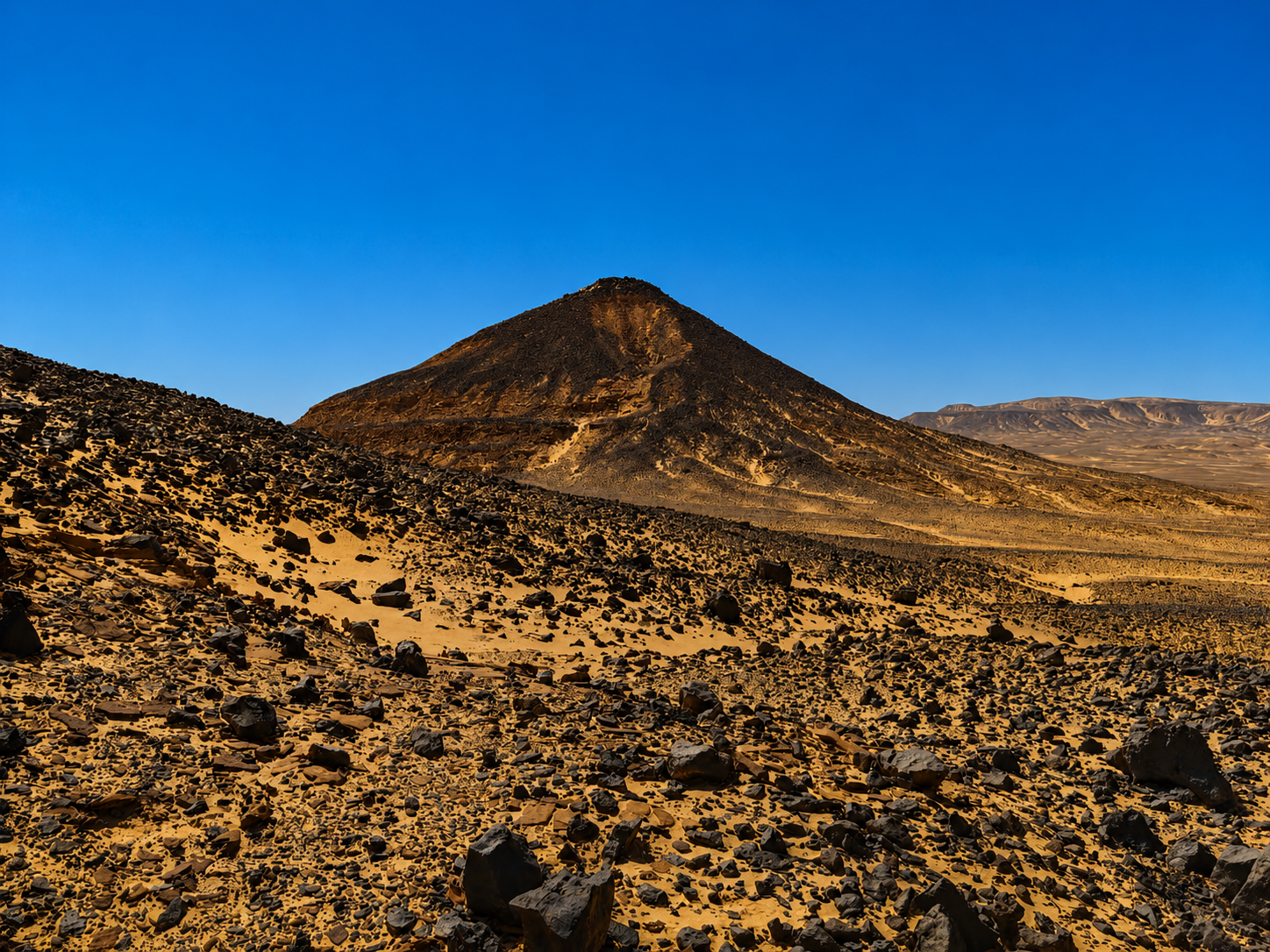
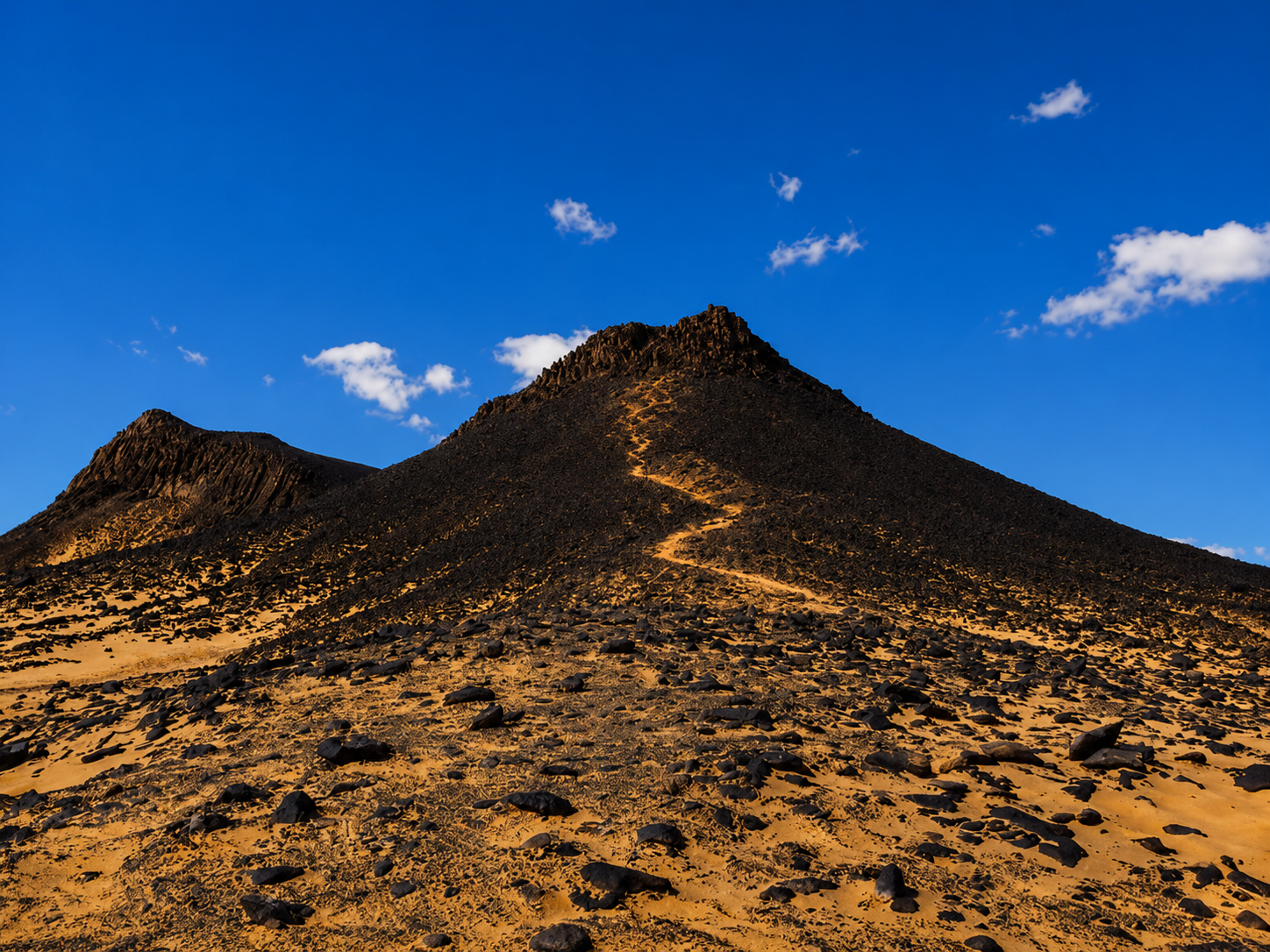
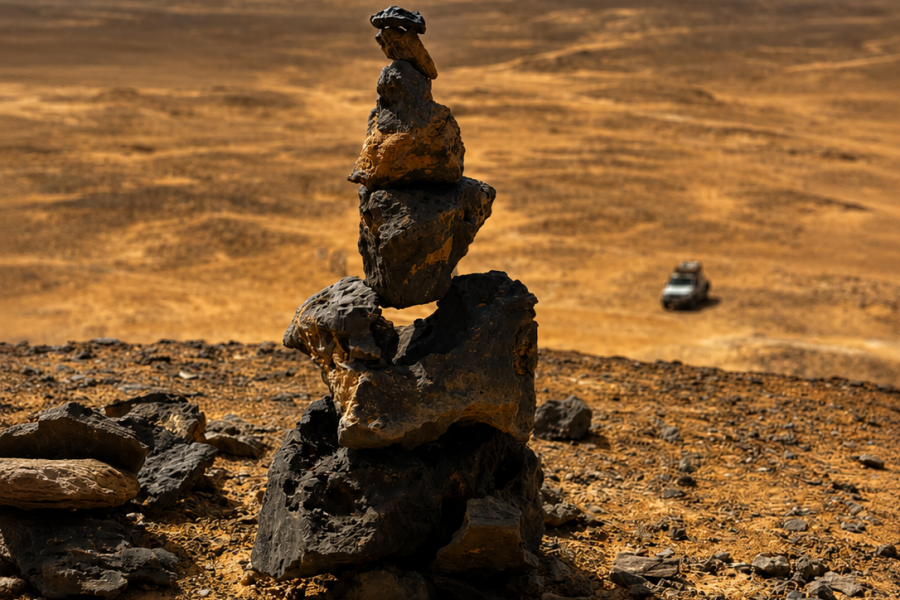
The Black Desert Egypt forms part of many established Bahariya–White Desert safari itineraries.
Current UK travel guidance specifically identifies the White Desert and Black Desert among exceptions to its wider Western Desert travel warning, while still requiring permits and official guides for the relevant Western Desert tourism region.
Many travelers visit the Black Desert as part of a larger route rather than as an isolated expedition.
A typical journey can include:
Bahariya → Black Desert → Crystal Mountain → Agabat → White Desert.
Read our White Desert vs Black Desert Egypt guide if you are deciding which landscapes you want to see.
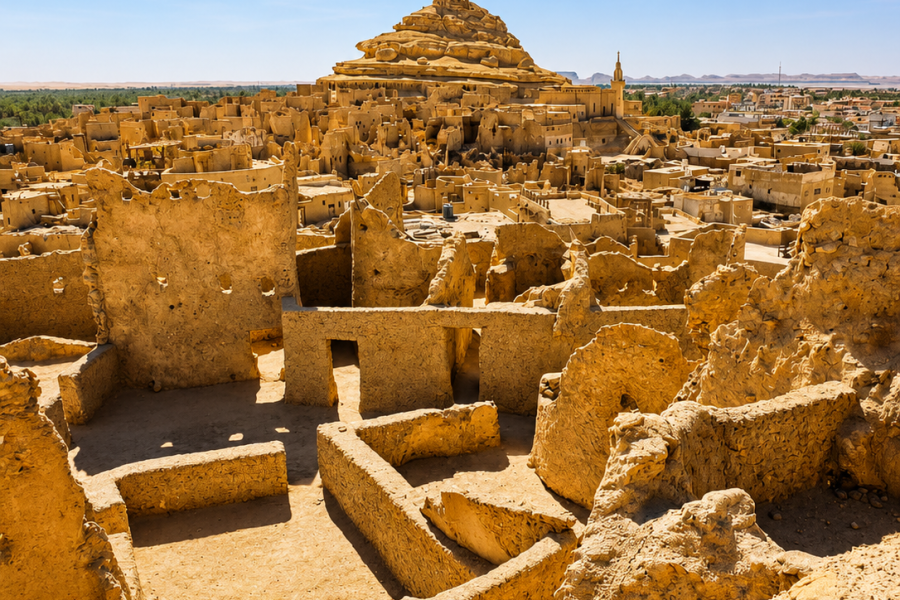
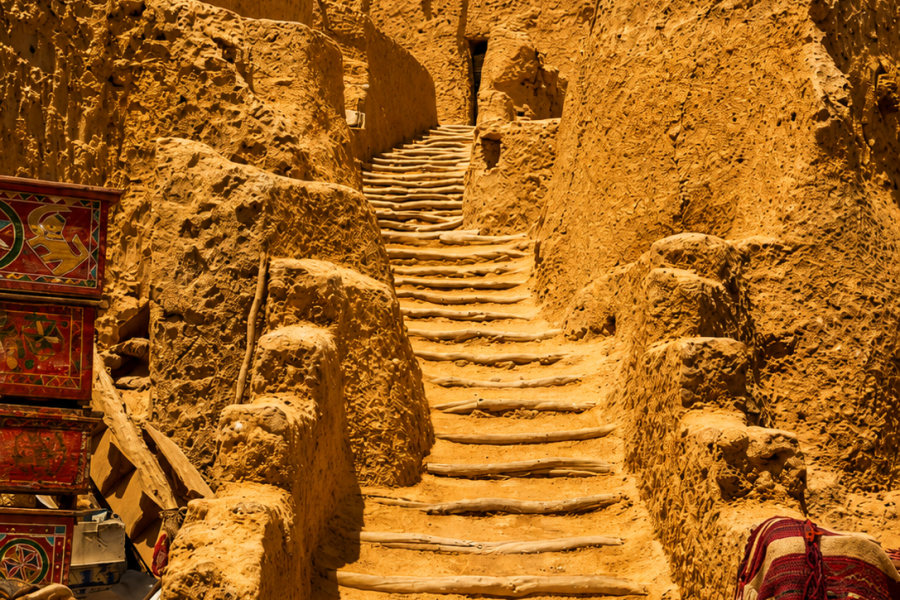
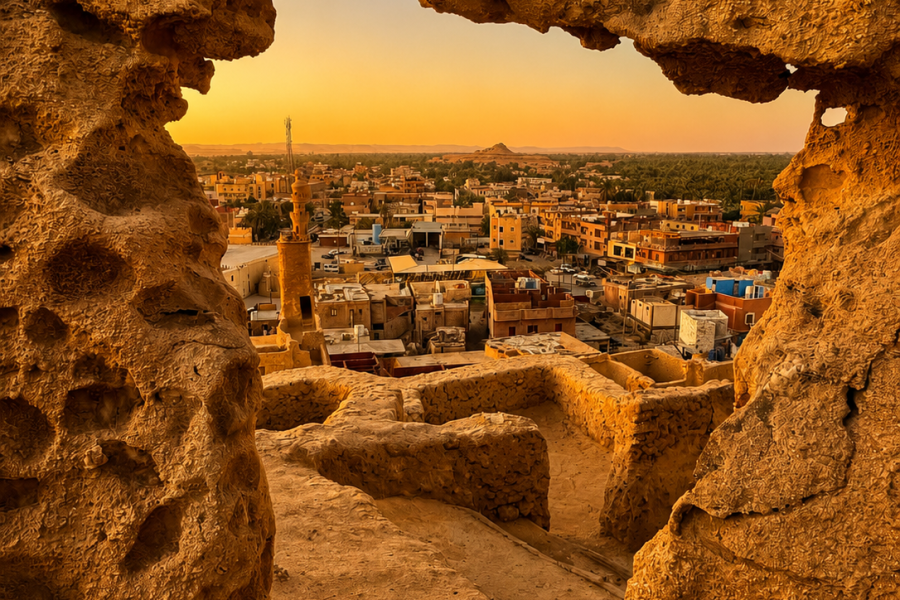
Siwa Oasis is another established tourism destination in Egypt’s Western Desert.
Current UK travel guidance lists Siwa town and the Marsa Matruh–Siwa road among the exceptions to its wider Western Desert advisory.
However, travelers should distinguish between:
visiting Siwa via the established route
and:
attempting independent long-distance travel across remote Western Desert routes.
For example, the same UK advisory currently advises against all but essential travel on the road between Bahariya and Siwa and notes that the route is closed with military checkpoints.
This is an extremely important example of why old travel maps and blogs should not determine your route.
A route that appears geographically logical may not currently be appropriate or open.
The Great Sand Sea Safari in Siwa involves serious dune terrain.
The experience can include:
Safety depends heavily on driver experience.
Dune driving is not the place to learn off-road driving as a tourist.
Use experienced local drivers who understand:
If you suffer from severe motion sickness, tell your driver before the safari.
The intensity of dune driving can often be adjusted.
Fayoum is much closer to Cairo and has a different travel profile from deep Western Desert routes.
The UK’s current advice specifically excludes Fayoum Governorate from its broader Western Desert restriction.
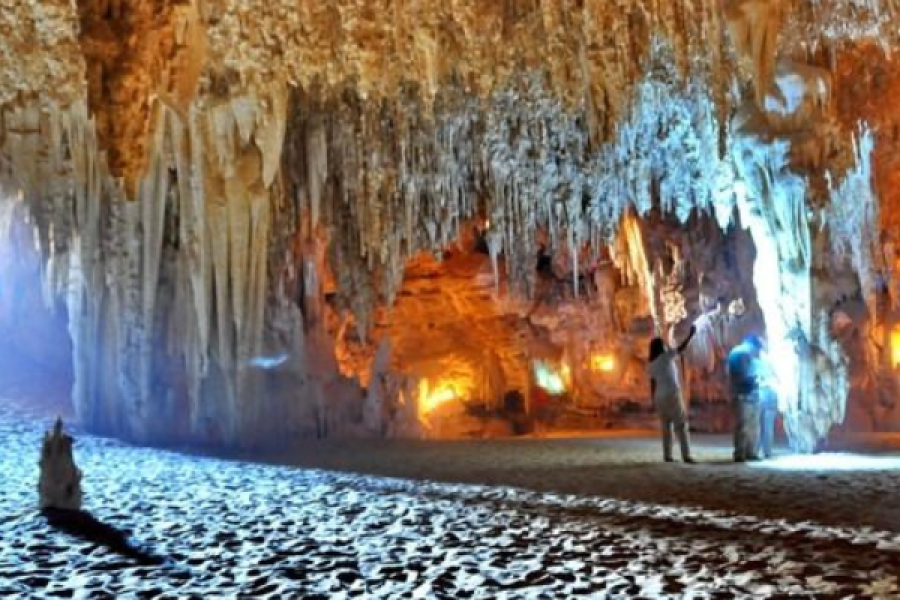
Fayoum can include:
That does not mean normal outdoor safety rules disappear.
You still need:
For travelers who feel nervous about their first overnight expedition, Fayoum can be an easier introduction to Egyptian desert travel.
Explore the One Day Fayoum Tour from Cairo if you prefer to return to Cairo the same day.
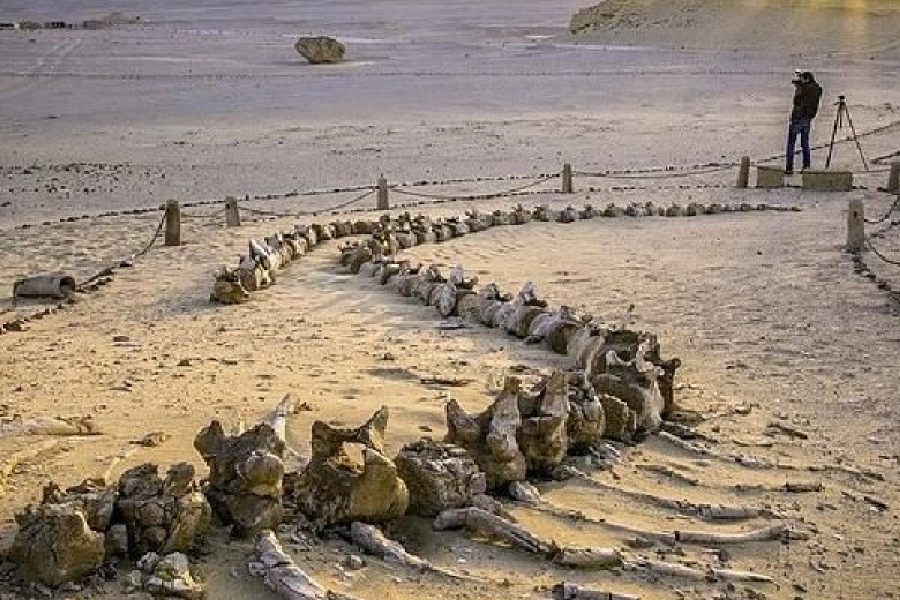
Wadi Al-Hitan is inside a protected natural landscape and is also a UNESCO World Heritage Site.
Its importance comes from exceptional fossils documenting whale evolution.
The bigger visitor responsibility here is protecting the site.
Do not:
The environmental and heritage rules exist to protect an internationally important landscape.
Yes, many families enjoy organized desert trips.
But the correct itinerary depends on the children.
Before booking, tell the operator:
For younger families, a Fayoum desert trip can be easier because there is less road travel.
For adventurous families, a private White Desert overnight can be a memorable experience.
Private arrangements make it easier to adjust:
Solo travelers can join professionally organized desert trips.
The major issue is not simply being alone.
It is avoiding independent remote travel without appropriate logistics.
A solo traveler should particularly check:
A professionally organized shared or private safari is very different from renting a vehicle and driving into remote desert terrain alone.
Women travel independently in Egypt and participate in organized desert tours, but normal solo-travel precautions remain sensible.
Before departure:
A private safari can provide additional predictability for travelers who prefer to know exactly who will be driving and guiding the trip.
Not automatically.
Safety depends more on:
However, private tours offer practical benefits.
You can adjust the pace.
If someone becomes tired, unwell or uncomfortable, the group does not have to follow a large shared schedule.
This makes private trips particularly attractive for:
Our upcoming guide to Private Desert Safari Egypt will compare private and shared formats in detail.
The desert introduces environmental risks that city travelers may not think about.
Dry air and sun can make people underestimate how much water they are losing.
Drink regularly.
Do not wait until you feel extremely thirsty.
Your operator should carry sufficient water, but carrying your own bottle within reach is still useful.
Use:
Sun protection matters even during cooler winter months.
Comfortable air temperature does not mean weak ultraviolet exposure.
Summer conditions can significantly increase physical stress.
For most multi-day Western Desert trips, the cooler season is more comfortable.
Read our Best Time for Egypt Desert Safari & Camping guide before choosing dates.
One of the most common beginner mistakes is packing only for daytime Egypt.
Winter desert nights can feel surprisingly cold.
Bring:
Our White Desert Egypt Packing List covers seasonal clothing in more detail.
Strong wind can affect:
A scarf or buff can be useful.
People who wear contact lenses may prefer glasses during dusty periods.
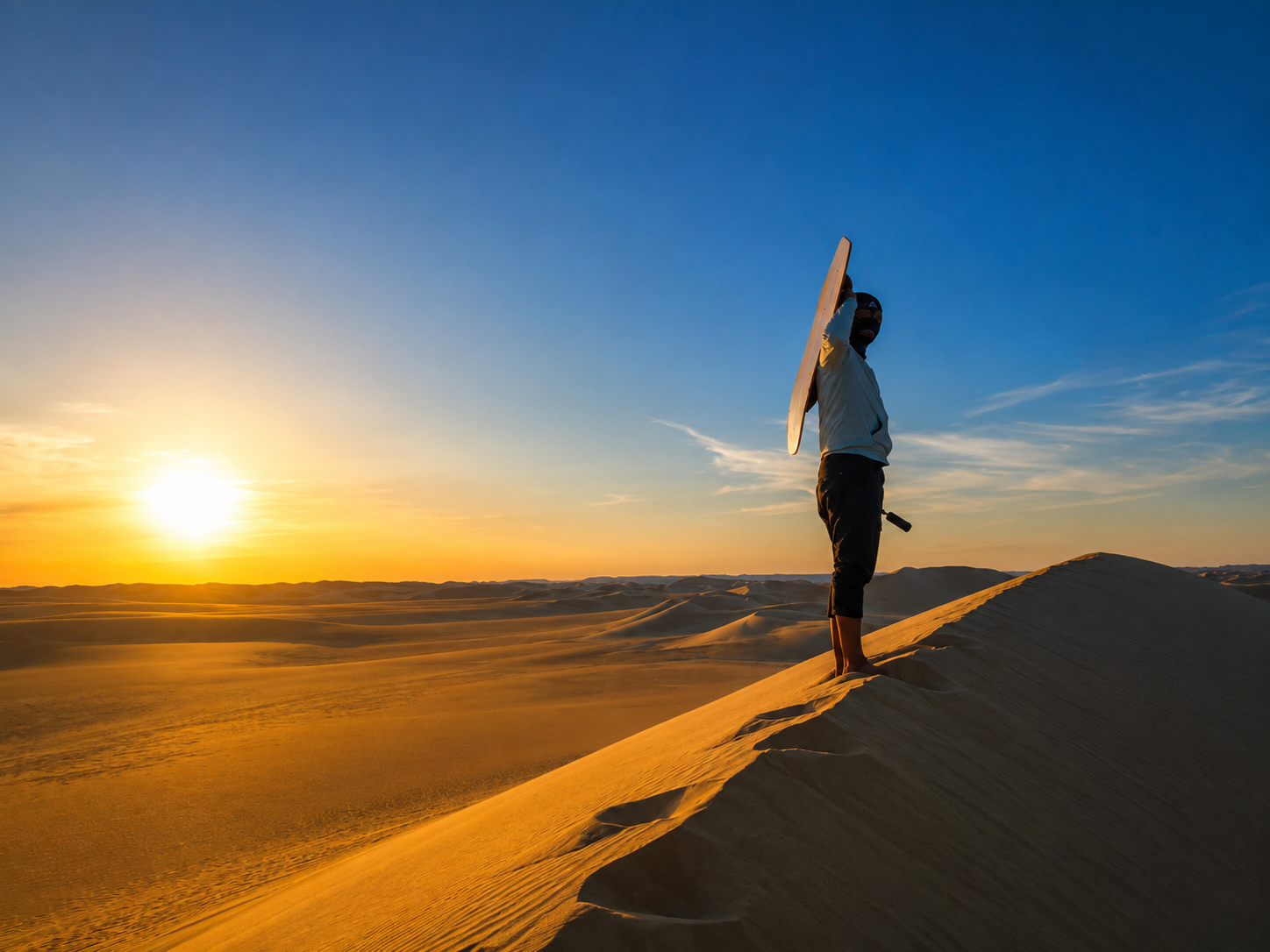
Sandboarding looks easy.
It can still produce falls.
Start on an appropriate slope.
Listen to the guide.
Do not attempt the steepest dune simply because someone is filming.
Dune driving can be uncomfortable for people prone to motion sickness.
Tell your guide before driving begins.
Avoid a heavy meal immediately before an intense dune section if you know off-road driving affects you.
This is one of the clearest reasons not to wander far from camp.
At night, desert features can look extremely similar.
Stay within the area your guide considers safe.
Do not rely on constant mobile signal.
Current UK travel advice specifically warns of limited phone reception in parts of the Western Desert tourism region.
This means you should:
Limited signal is normal in remote wilderness.
It should be planned for rather than treated as an emergency when it happens.
Remote desert regions do not have the same immediate medical access as Cairo.
Current UK guidance notes poor medical facilities in parts of the Western Desert tourism area.
Travelers with important medical requirements should tell their operator in advance.
Bring enough personal medication for the full trip.
Do not assume a desert village pharmacy will stock your exact prescription.
Travel insurance that covers your planned activities and emergency evacuation is also worth considering. The U.S. State Department currently recommends comprehensive insurance, including evacuation assistance, for travelers to Egypt.
For remote desert travel:
Yes, it is sensible.
Check that your policy covers:
Do not assume every policy automatically covers adventure activities.
Read the exclusions.
A good operator understands that food must be stored, prepared and transported differently in the desert.
Travelers can reduce risk by:
If you are vegetarian, vegan or have serious allergies, tell the company when you book—not when dinner is already being prepared in the desert.
Do not drink directly from springs or wells simply because the water looks clear.
Use the drinking water supplied by your tour.
Natural springs can still be wonderful sightseeing or bathing locations depending on the destination, but drinking-water standards are a separate issue.
Yes, but itinerary choice matters.
A traveler does not need to be an extreme athlete to enjoy the White Desert.
However, consider:
Older travelers who prefer more comfort may choose:
rather than multiple nights of basic camping.
Safety and comfort are different questions.
Tours may be possible during warmer periods, but heat increases environmental stress.
Long outdoor itineraries become more demanding.
If you have complete date flexibility, October through April is generally the better period for Western Desert safari and camping.
Our seasonal guide explains why November, February and March are particularly strong months.
Yes, when travelers are prepared for the temperature.
The most common mistake is underpacking.
During winter:
Cold is manageable when expected.
It is unpleasant when someone arrives with only summer clothes.
Strong wind and blowing sand can occasionally affect desert travel.
The practical response is simple:
A responsible operator may:
This should be viewed as good risk management, not poor service.
Weather is part of wilderness travel.
Before booking, check that the trip clearly explains the following.
Transport
How do you travel from Cairo?
4×4
What vehicle is used off-road?
Guide
Who accompanies you?
Permits
Are required arrangements handled?
Camping Equipment
What exactly do you sleep on?
Food and Water
What is supplied?
Route
Which locations are included?
Communication
How does the team manage remote travel?
Weather Flexibility
Can the itinerary change if conditions require it?
The cheapest tour is not automatically the safest or best value.
Our Egypt Desert Safari Cost guide explains why comparing inclusions matters more than comparing headline prices.
Be cautious if an operator cannot clearly answer basic questions.
Warning signs include:
A professional tour company should be able to explain what it is selling.
Not necessarily.
It is simply shorter.
A One Day Fayoum Tour or One Day White Desert Tour avoids sleeping outside.
That may feel easier for:
But a professionally operated overnight safari can also be well organized.
The decision should be based on comfort and itinerary preference rather than assuming camping itself is inherently unsafe.
For most travelers:
Yes.
The 1 Night 2 Days White Desert Tour from Cairo is the best starting point because it provides the full experience without requiring several nights in the wilderness.
You still experience:
For travelers who already know they enjoy camping, the 2 Nights 3 Days White Desert Camping Tour provides deeper immersion.
There is no universally “safest” destination, but for ease of planning:
Strong for travelers who want:
Strong for:
Strong for travelers who prefer:
Our Best Desert Safari from Cairo comparison explains the differences.
Before your safari:
This takes only a few minutes and eliminates many common problems.
Once in the desert:
For travelers who love nature, landscapes, camping or photography:
absolutely.
The additional preparation exists because these are remote environments.
That remoteness is also what makes them special.
A properly organized trip can take you from Cairo to:
Bahariya → Black Desert → Crystal Mountain → Agabat → White Desert
and eventually to a camp beneath a night sky far removed from city lights.
Or you can explore:
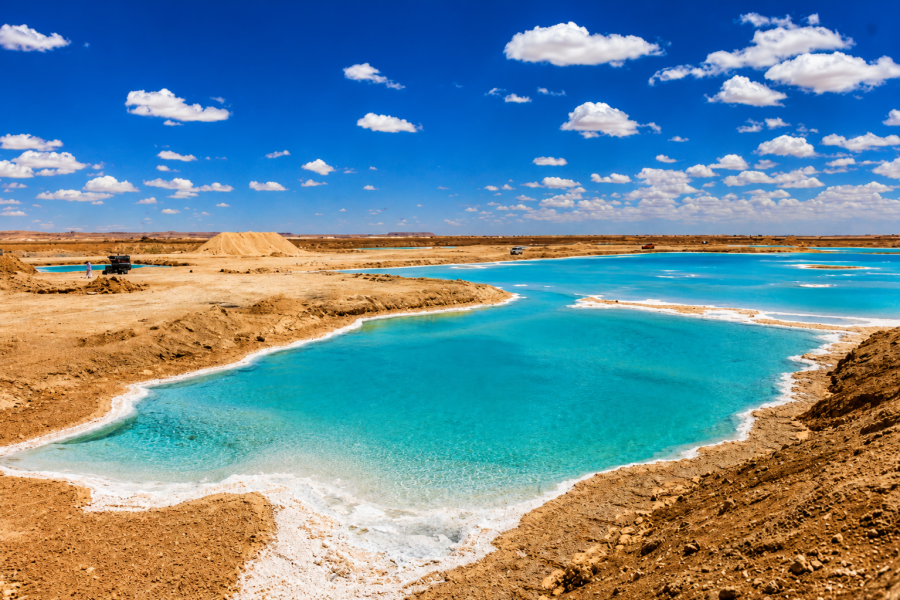
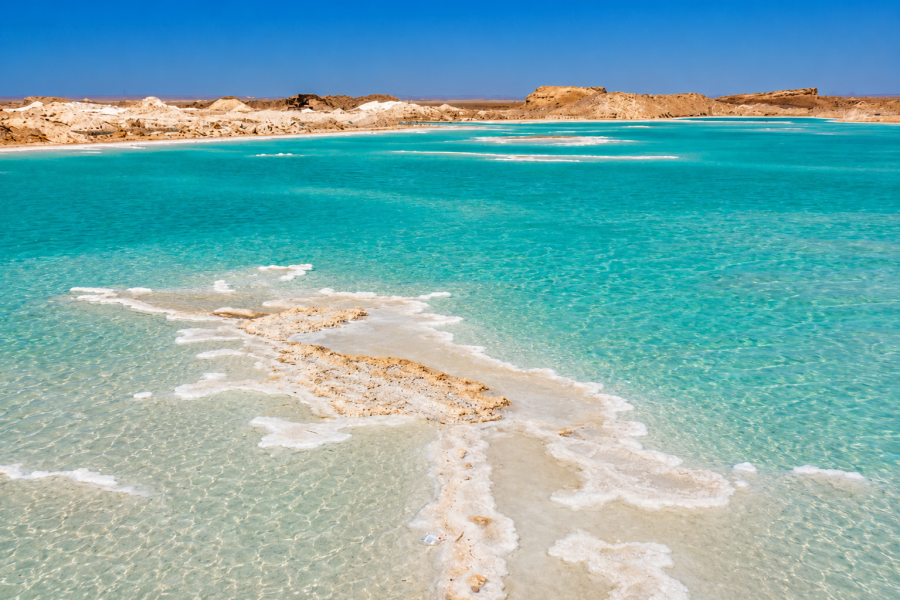
Siwa → salt lakes → Great Sand Sea
or:
Fayoum → dunes → Wadi El Rayan → Wadi Al-Hitan.
These are not ordinary city tours.
They should not be planned like ordinary city tours.
Choose:
1 Night 2 Days White Desert Tour from Cairo
Choose:
2 Nights 3 Days White Desert Camping Tour
Choose:
3 Nights 4 Days White Desert Tour from Cairo
Choose:
One Day Fayoum Tour from Cairo
or:
1 Night Fayoum Desert Camping from Cairo
Choose:
2 Nights 3 Days Siwa Tour from Cairo
or, for a less rushed itinerary:
An Egypt desert safari can be undertaken as an organized tourism experience when travelers use established routes, licensed professional operators, appropriate vehicles and required permits while following current official travel advice.
But no responsible guide should simply tell every traveler:
“The entire Western Desert is safe everywhere.”
It is not that simple.
Egypt’s Western Desert is enormous, and travel conditions vary by area.
Current UK guidance treats established tourism destinations such as Fayoum, Siwa, Bahariya, Farafra, White Desert and Black Desert differently from several other Western Desert areas, while requiring permits and official guides in the Bahariya–Farafra–White/Black Desert tourism region.
Current U.S. guidance is more cautious and advises against Western Desert travel unless using a professionally licensed tour company.
The practical conclusion for travelers from any country is therefore consistent:
Do not improvise a remote desert expedition.
Use professionals.
Check your government’s latest advisory.
Confirm the route.
Respect permits and protected-area rules.
Bring appropriate clothing, water and medication.
And choose a trip that matches your experience level.
For most first-time visitors, a properly organized 2-day White Desert safari provides an excellent introduction without requiring an extreme expedition.
Continue your planning with:
Together, these guides answer the questions travelers normally ask before booking:
Where should I go? How long do I need? How much does it cost? When should I travel? What is camping like? And how should I plan safely?