Best Time to Visit Siwa Oasis Egypt for Salt Lakes, Safari & Culture
The best time to visit Siwa Oasis for most travelers is between October and April, when the Western Desert is considerably more comfortable for sightseeing, floating in the salt lakes, exploring archaeological sites and heading into the Great Sand Sea on a 4×4 safari.
But choosing the right month requires more than simply looking for the coolest weather.
A traveler whose main priority is floating in the famous blue salt pools may prefer a slightly warmer month than someone planning long walks through ancient ruins.
A photographer may care more about clear desert light and comfortable sunrise or sunset conditions.
Adventure travelers planning a Great Sand Sea safari in Siwa may prefer the cooler months, while visitors interested in the oasis’s harvest traditions may be especially interested in October.
The right season therefore depends on what you want to do in Siwa.
In this complete month-by-month guide, we will explain the best time for:
Siwa-Salzseen
Safari im Großen Sandmeer
Sandboarding
Archaeological sightseeing
Local culture
Photography
Desert sunsets
Familien
Paare
3-day and 4-day tours
Combined Western Desert trips
If you are still researching the destination itself, start with our complete Siwa Oasis Egypt guide before deciding on your travel dates.
Quick Answer: What Is the Best Time to Visit Siwa Oasis?
For most first-time travelers:
Best overall season: October to April
Best all-round months: October, November, February and March
Best for Siwa Salt Lakes: March–April and October–November
Best for Great Sand Sea safari: November–March
Best for archaeological sightseeing: November–March
Best for photography: October–April
Best for cooler daytime travel: December–February
Best for warm-weather floating: March–April and October
Best for local harvest atmosphere: October
Hottest period: June–August
Best for a combined Siwa + White Desert trip: October–March
If you have only three or four days available, cooler weather becomes even more valuable because it allows you to use more of each day efficiently.
Why the Season Matters So Much in Siwa
Siwa Oasis is located deep in Egypt’s Western Desert.
Although Egypt is often imagined as warm throughout the year, desert temperatures change dramatically between seasons and even between day and night.
According to long-term climate averages for Siwa, typical daytime highs are around 19°C in January, 25°C in March, 38°C in July and August, 31°C in October und 25°C in November.
Because almost every major Siwa experience happens outdoors.
A typical trip may include:
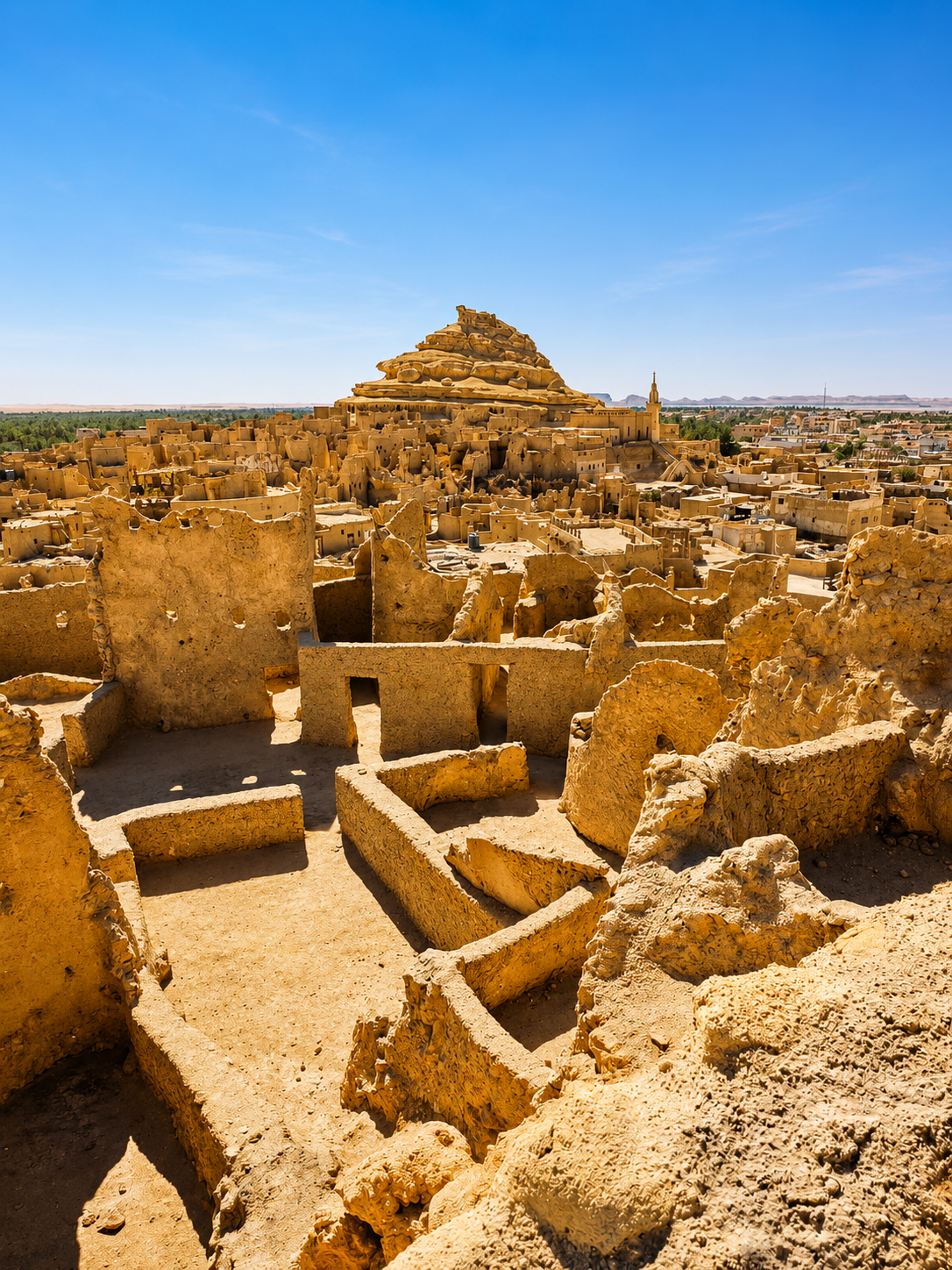
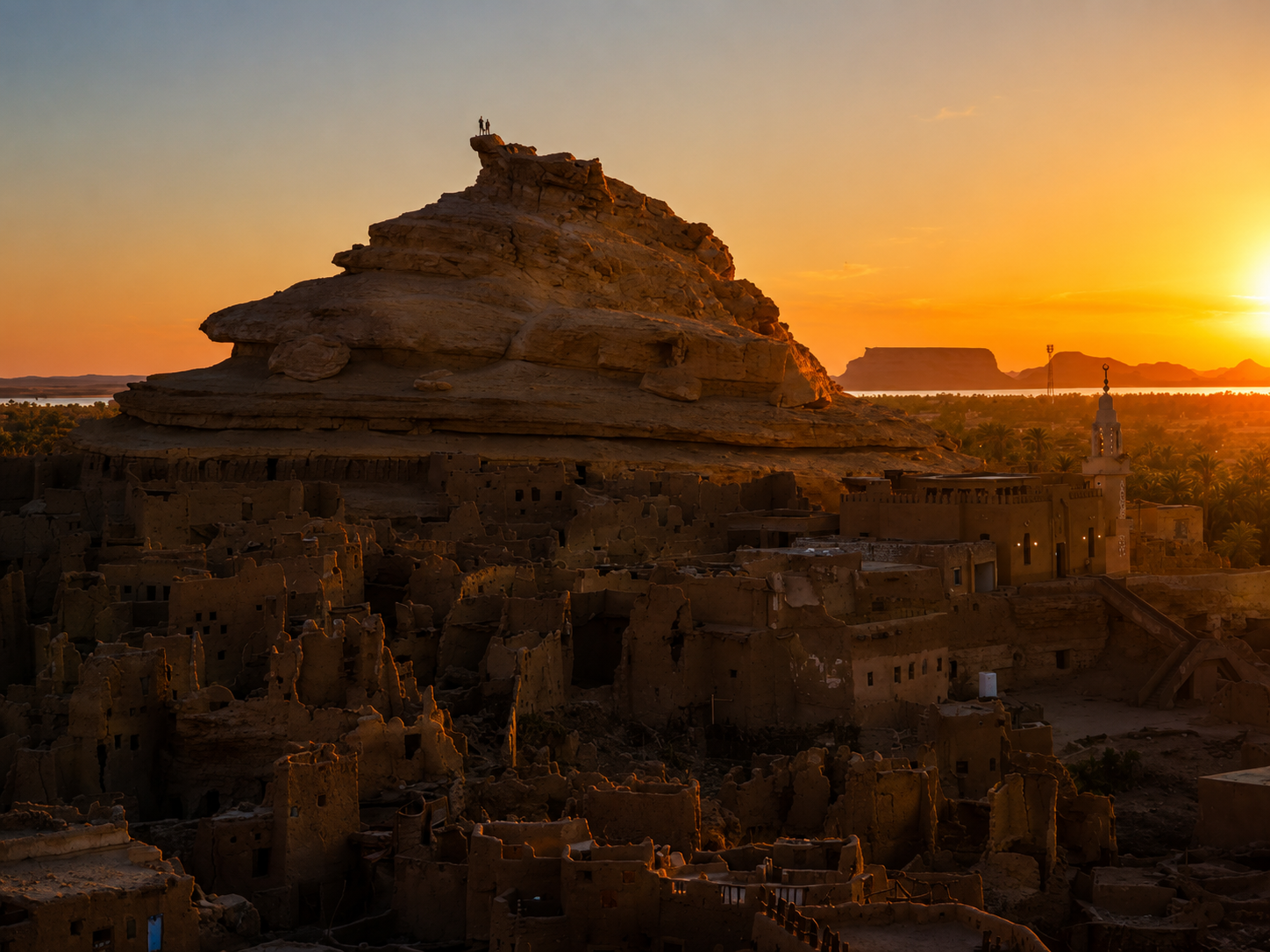
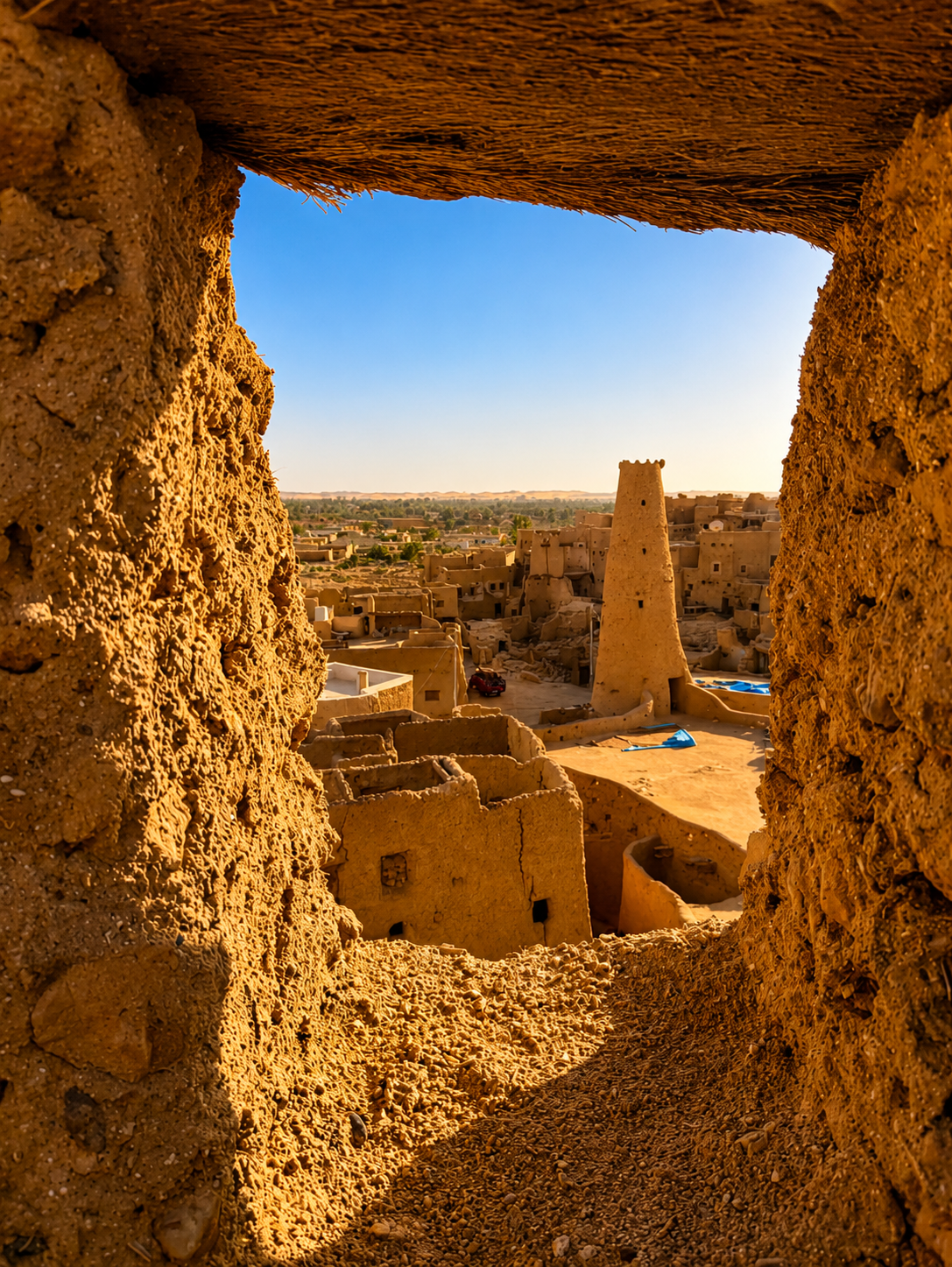
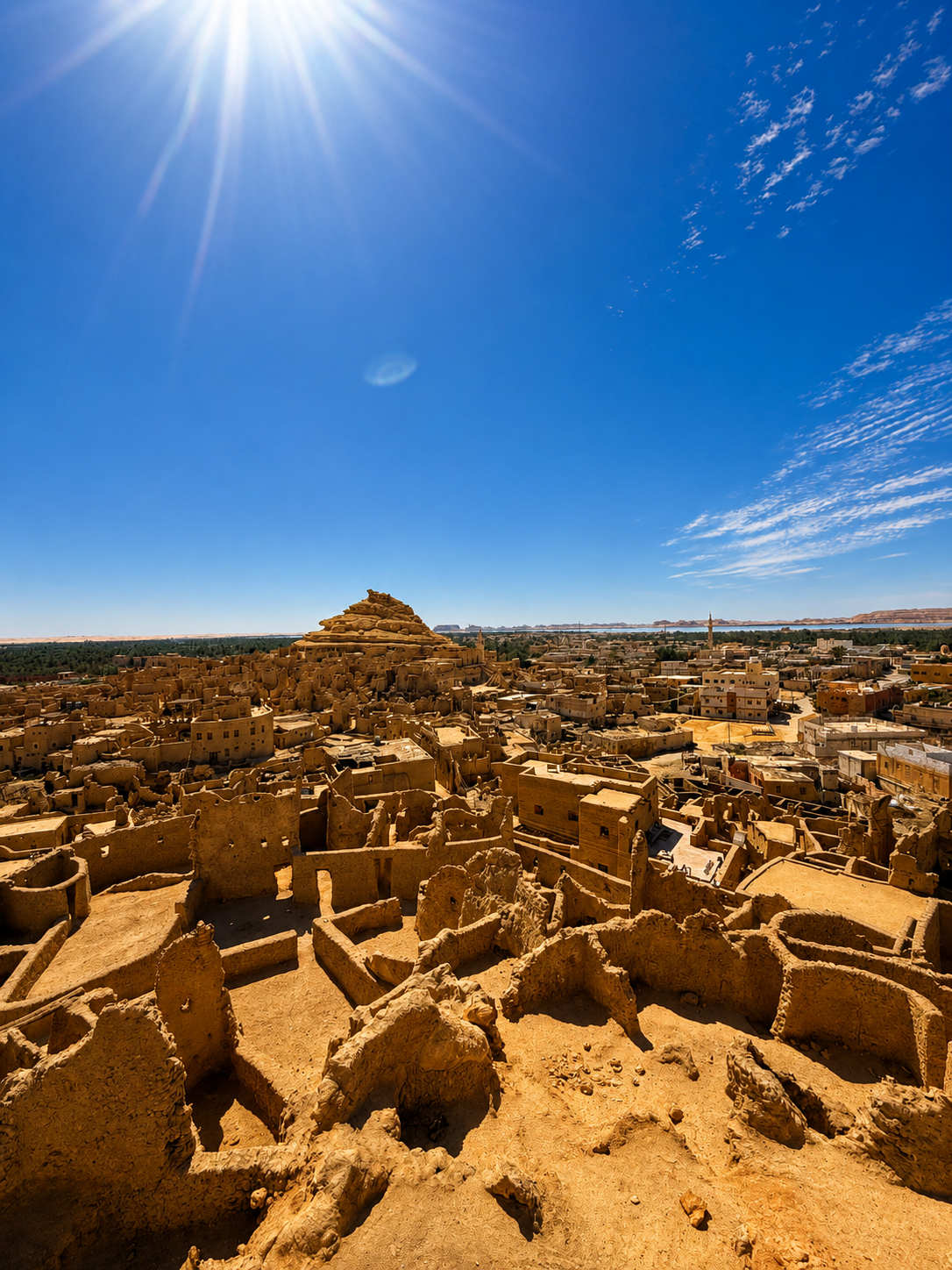
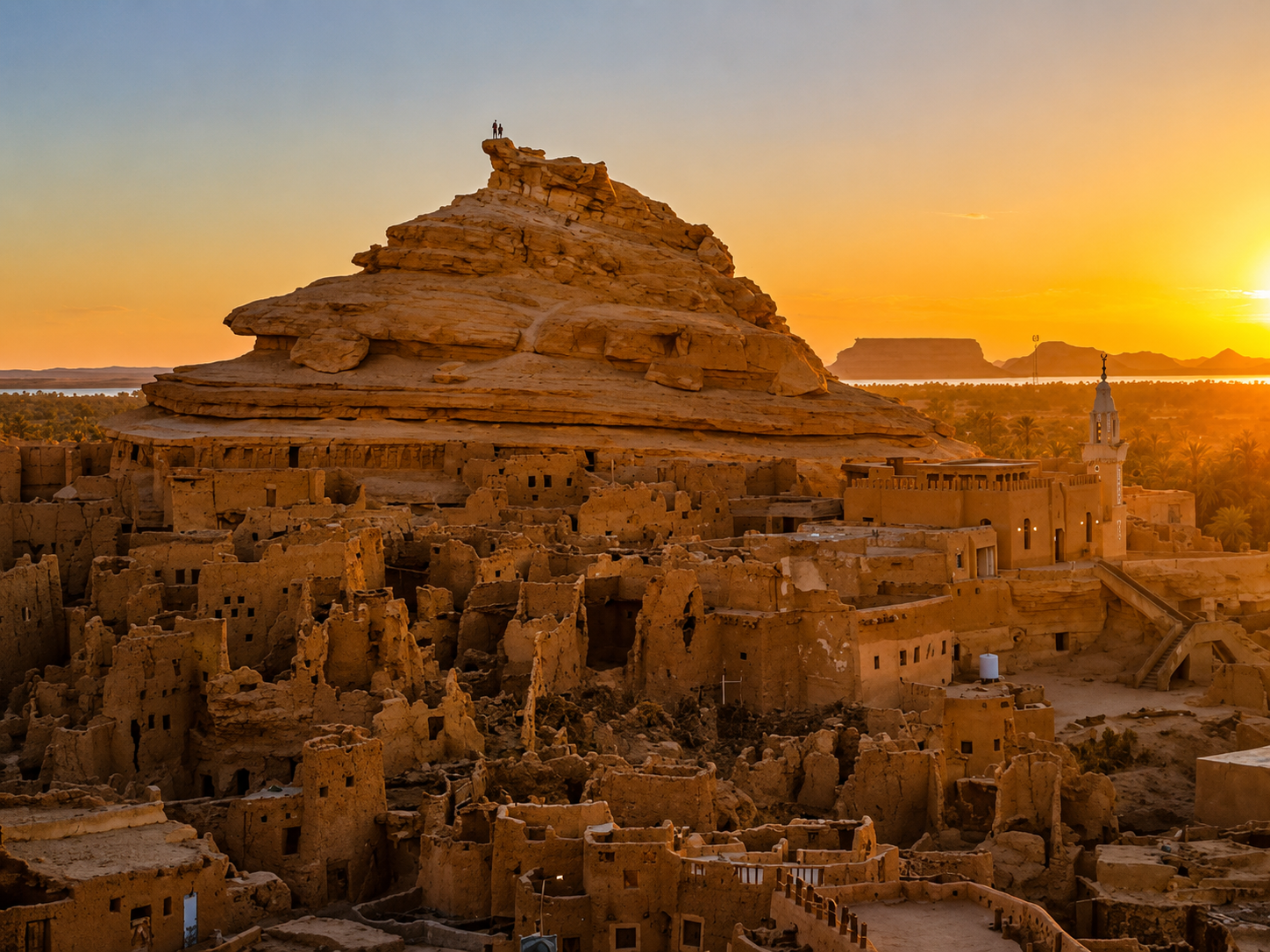
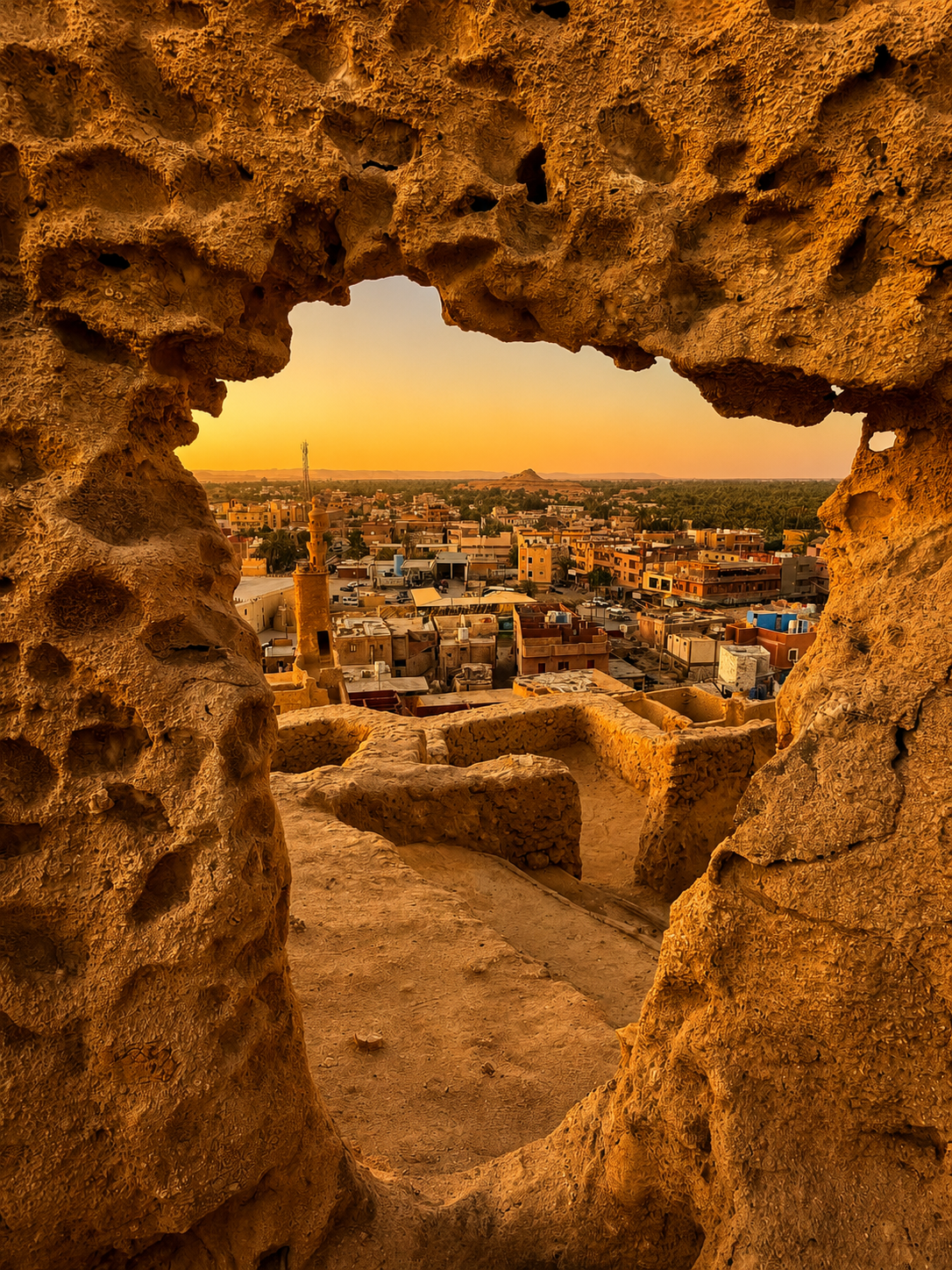
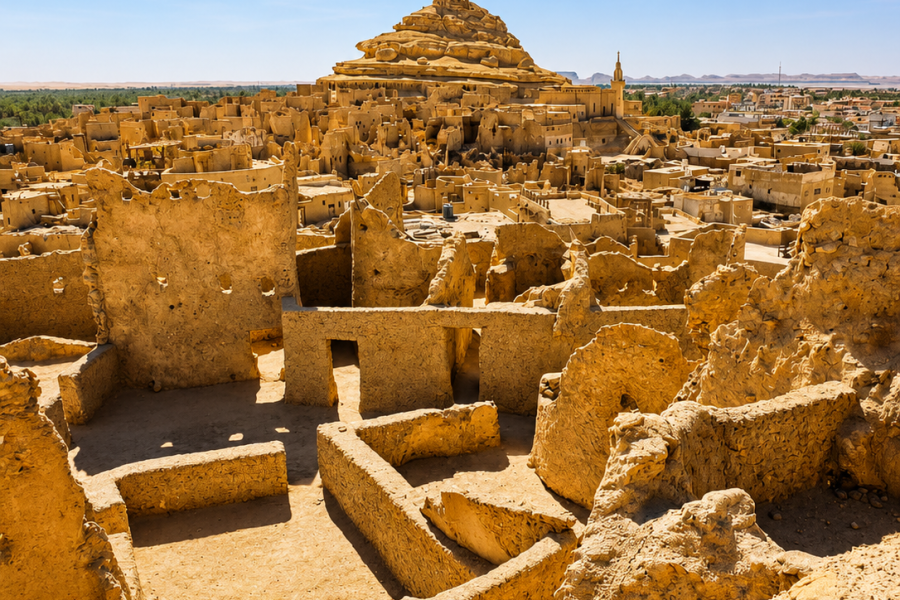
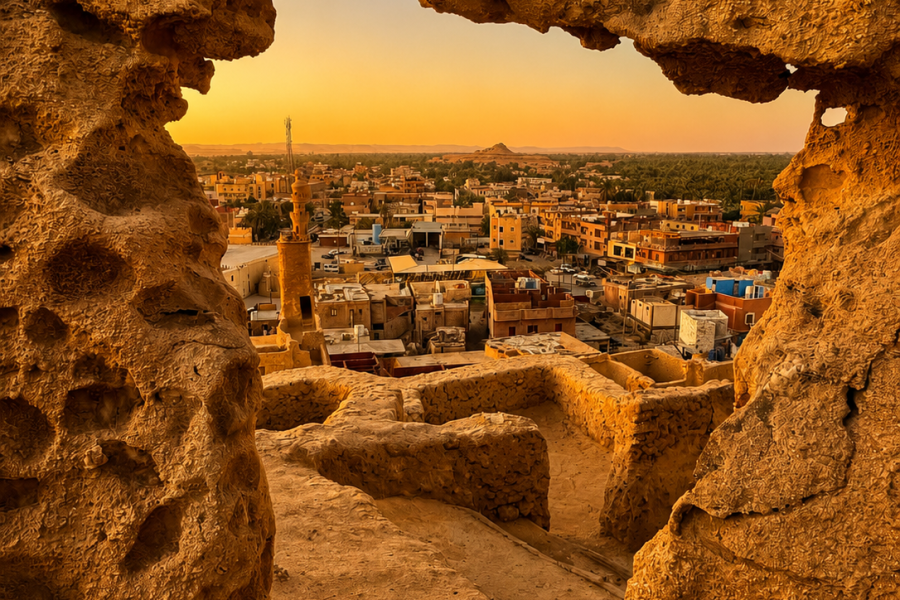
Altstadt von Schali
Berg der Toten
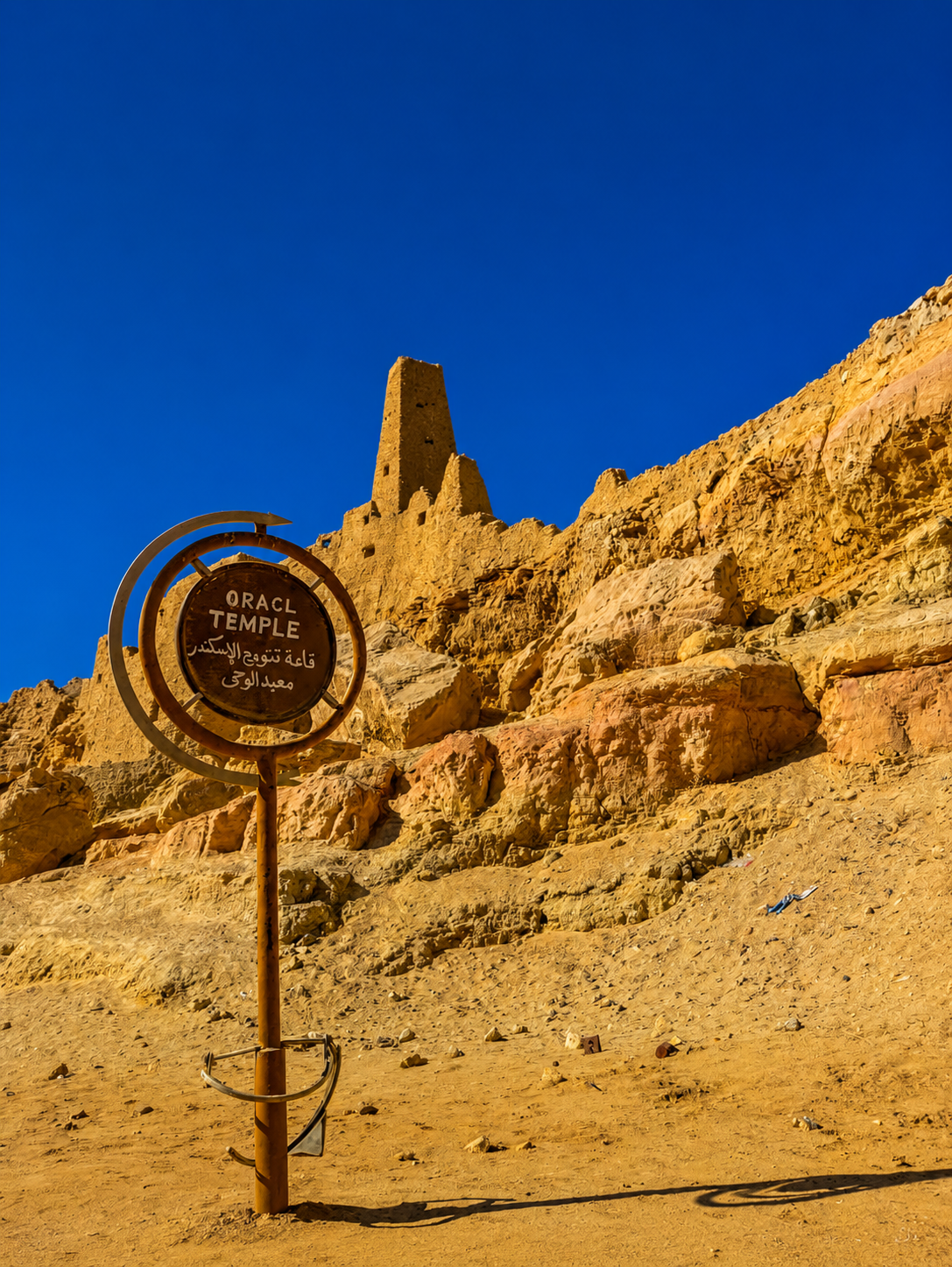
Orakeltempel
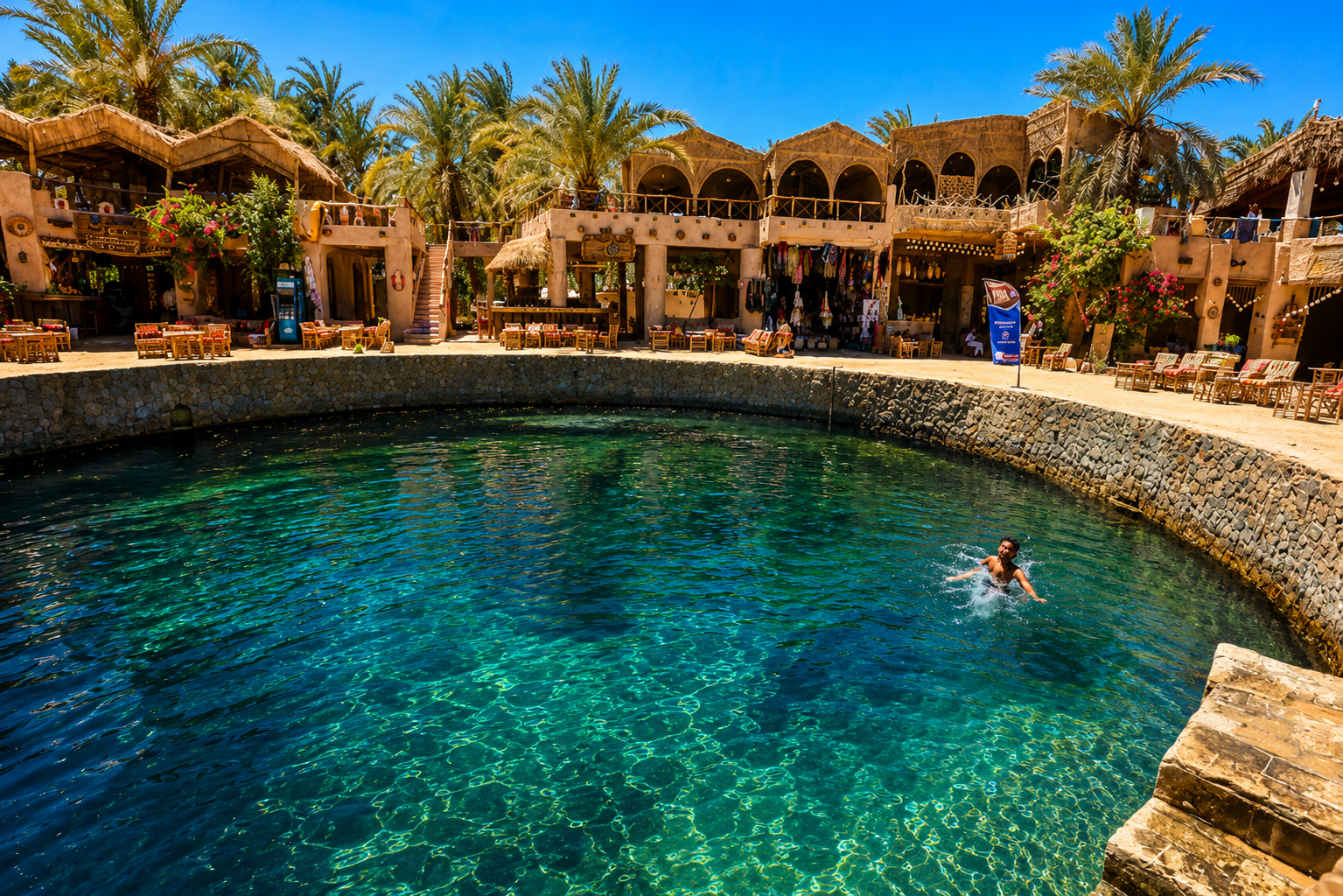
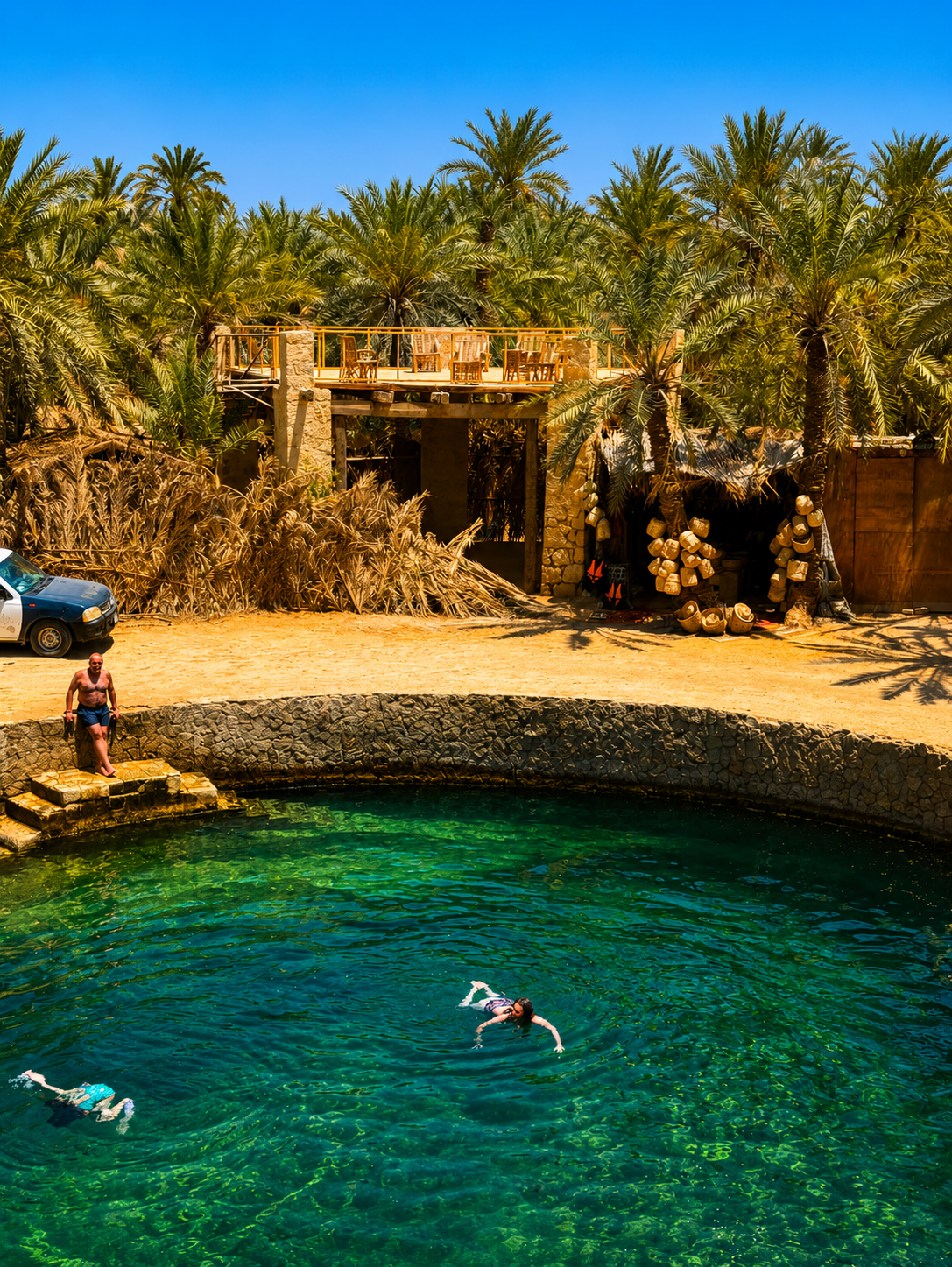
Kleopatra-Quelle
Siwa-Salzseen
Fitnas Island
Großes Sandmeer
Birma Wahed
Palm groves
Desert viewpoints
Local villages
During cooler months, you can move between these attractions much more comfortably.
During summer, the same itinerary may require early starts, longer rest periods and much more careful hydration.
Best Time to Visit the Siwa Salt Lakes
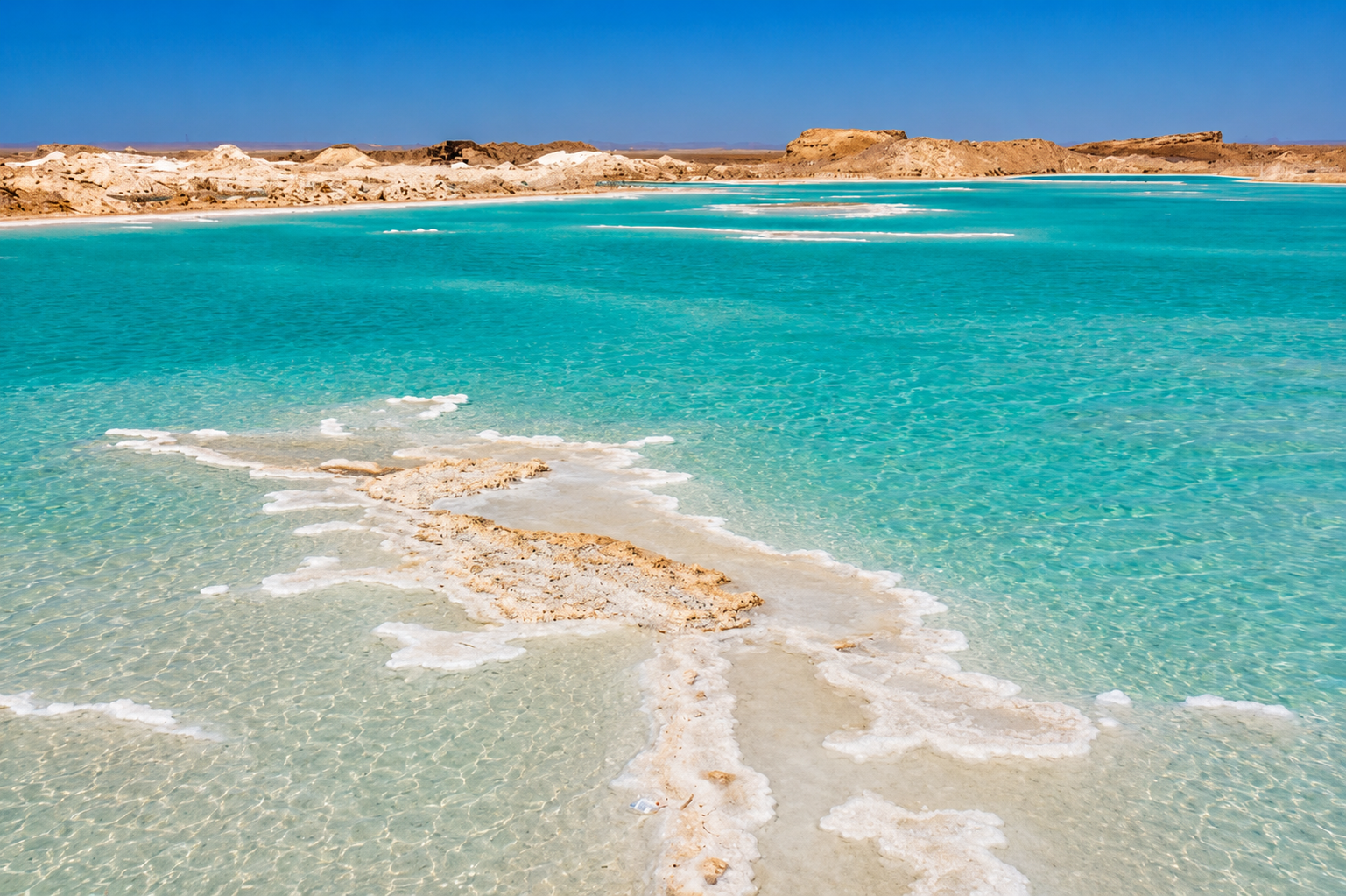
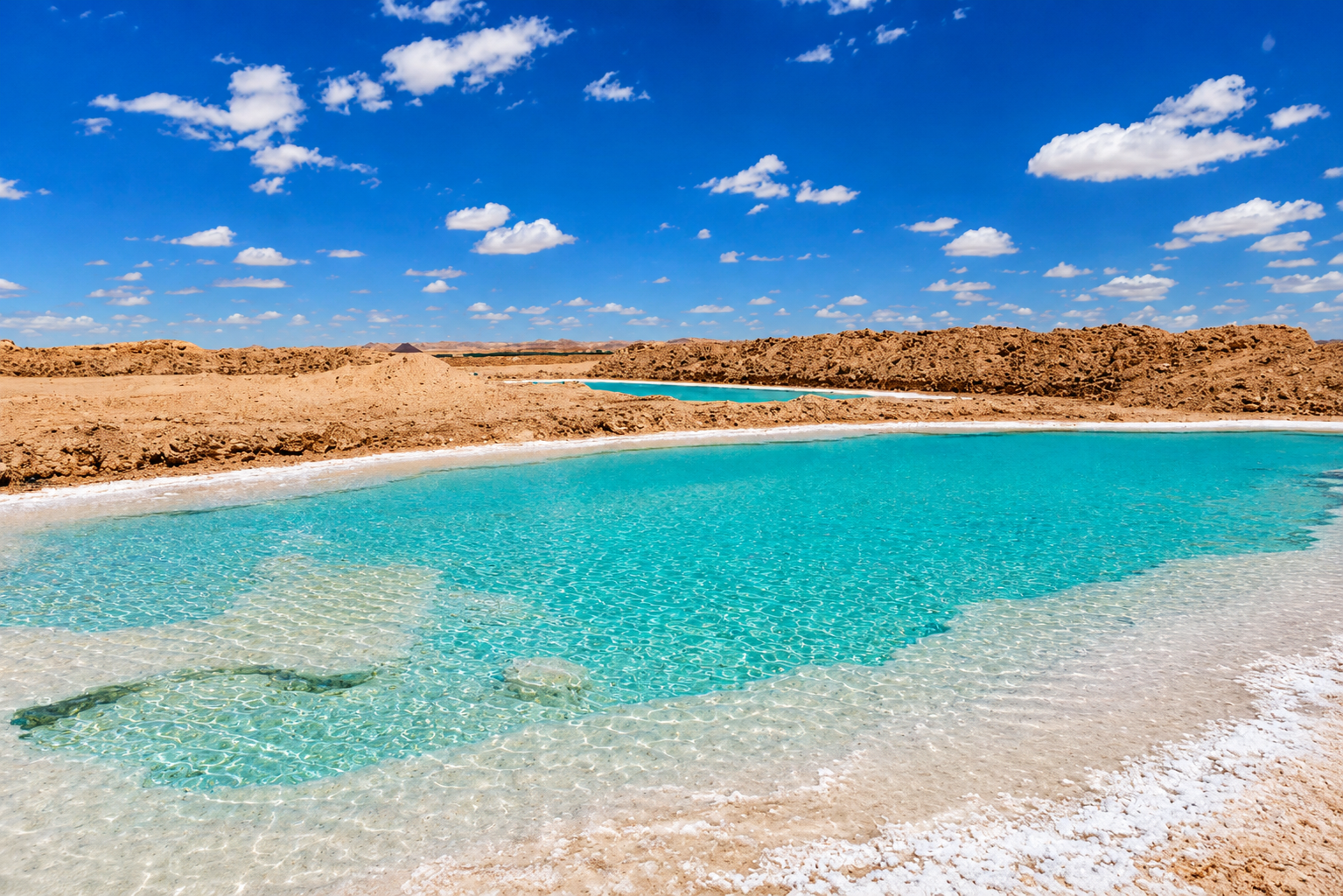
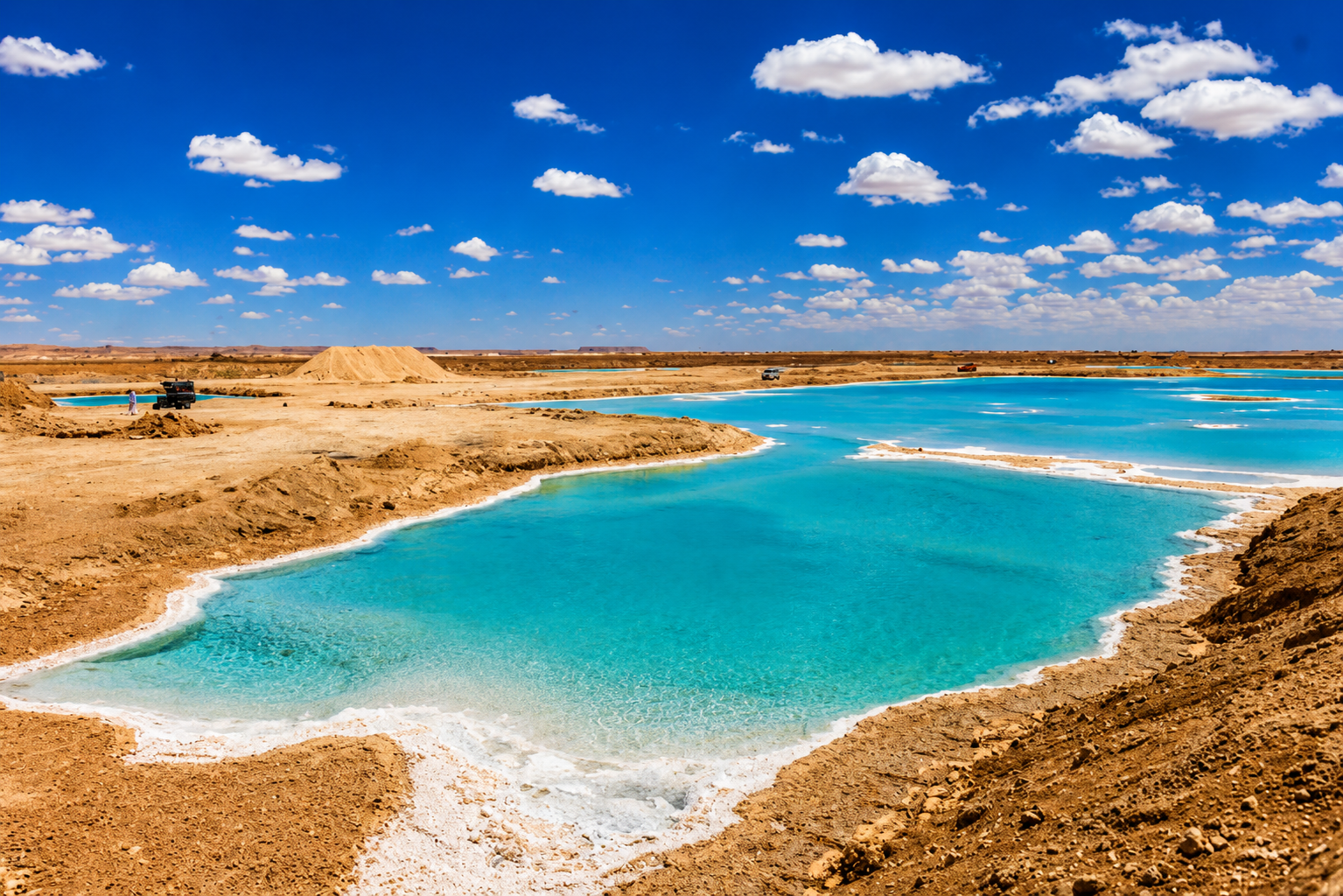
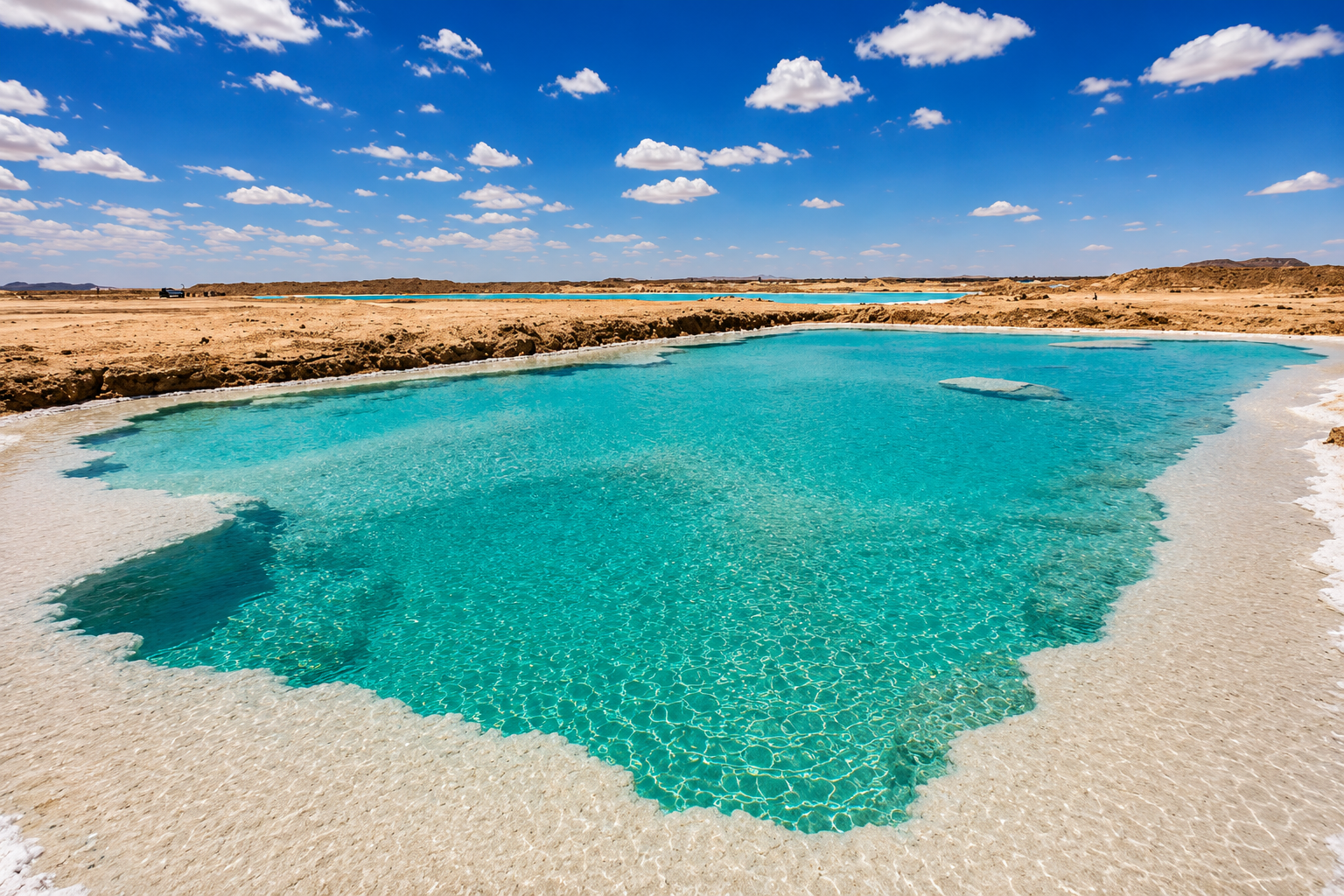
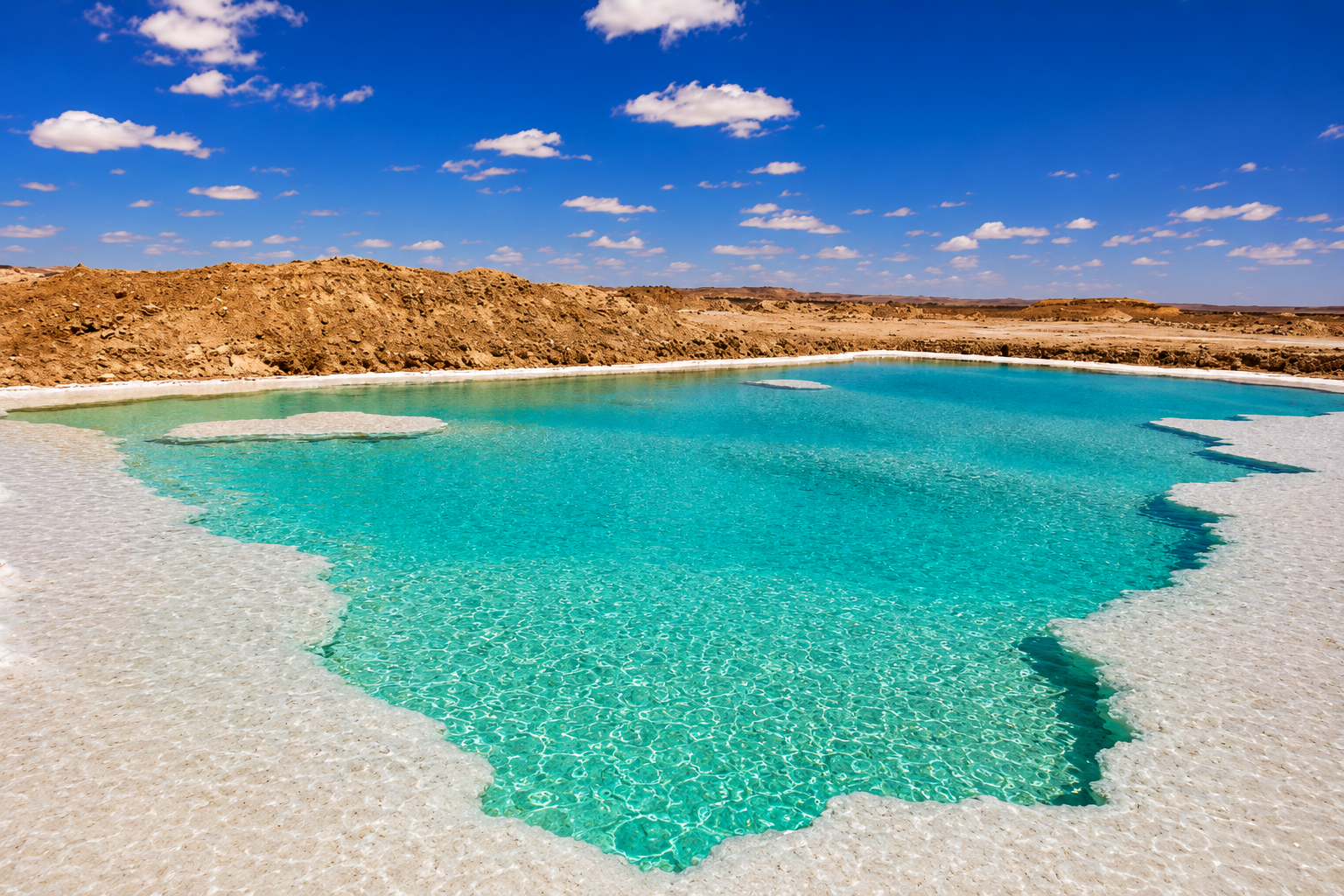
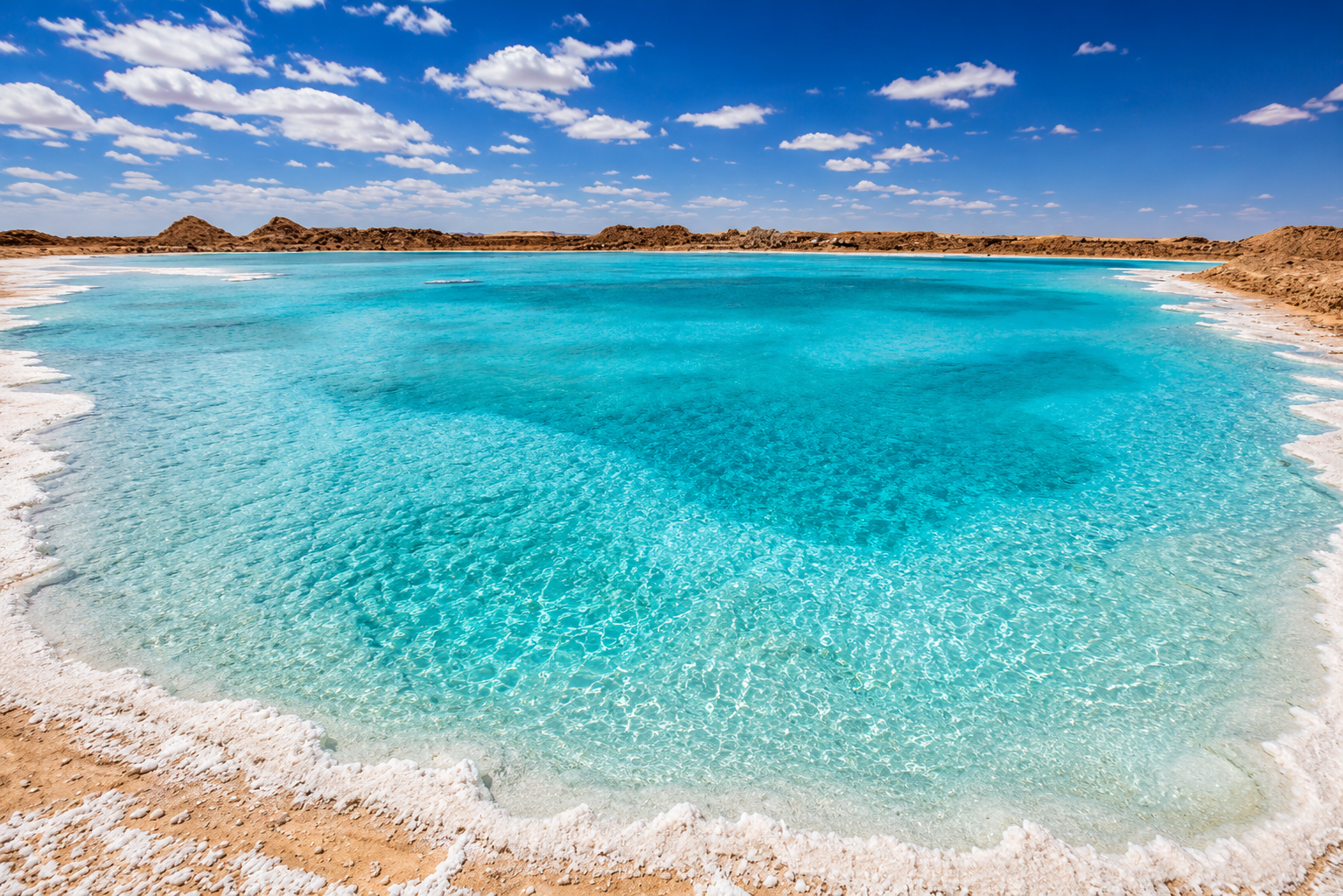
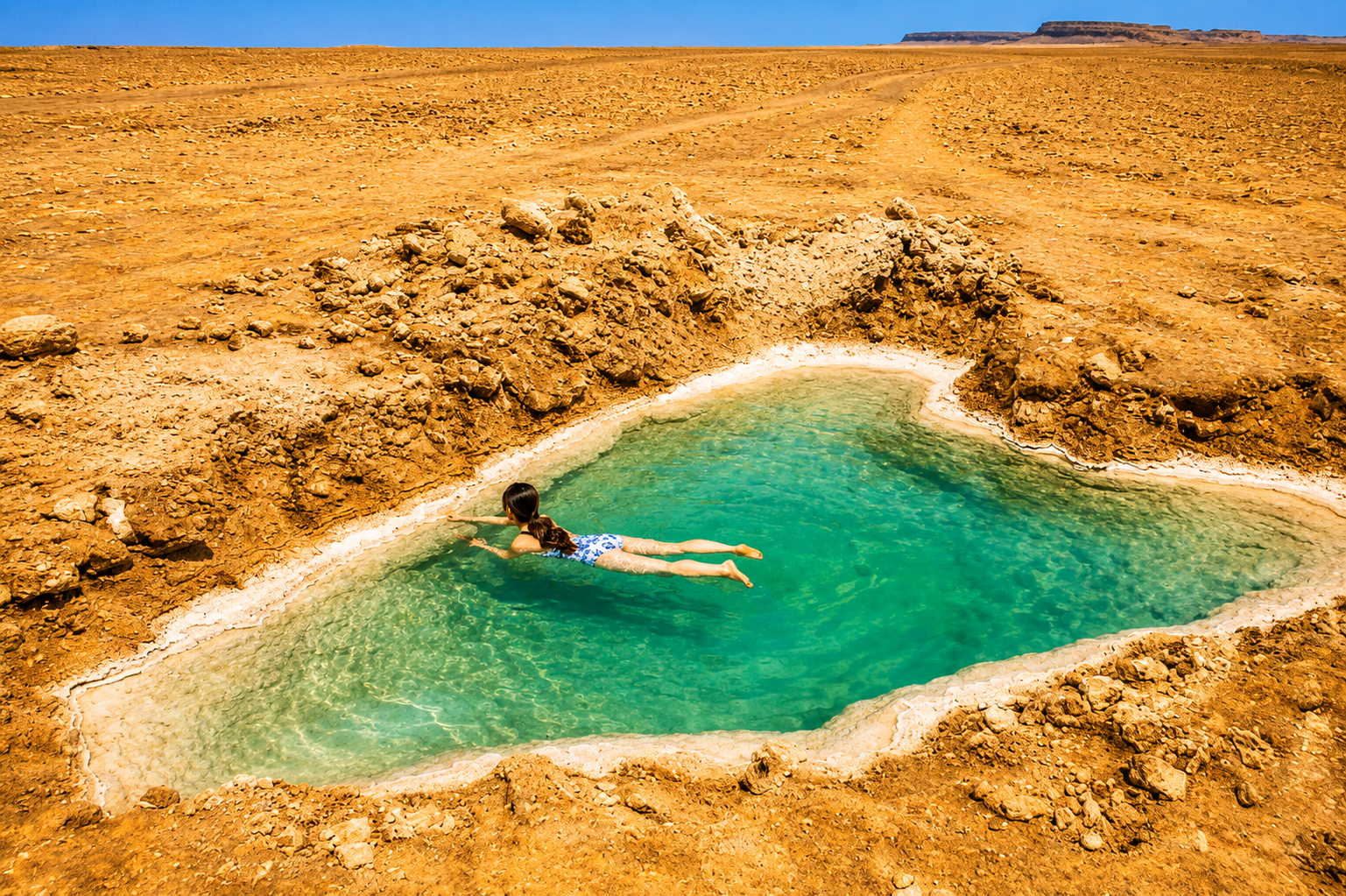
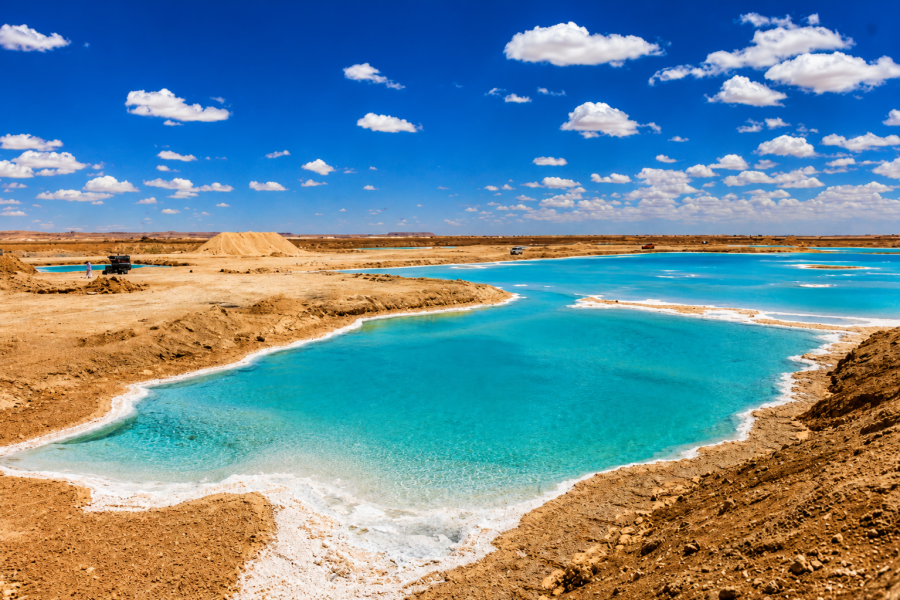
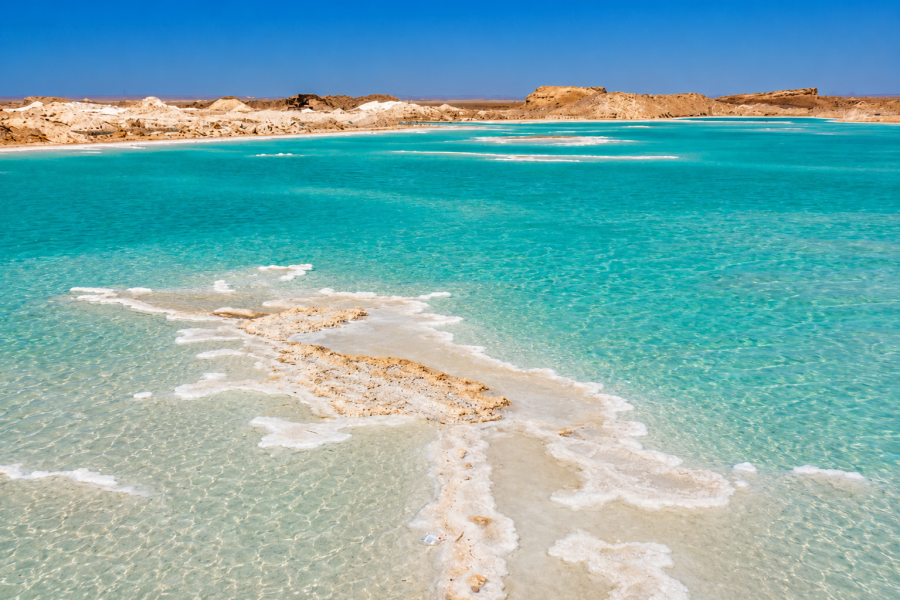
The Siwa-Salzseen are one of the main reasons travelers come to the oasis.
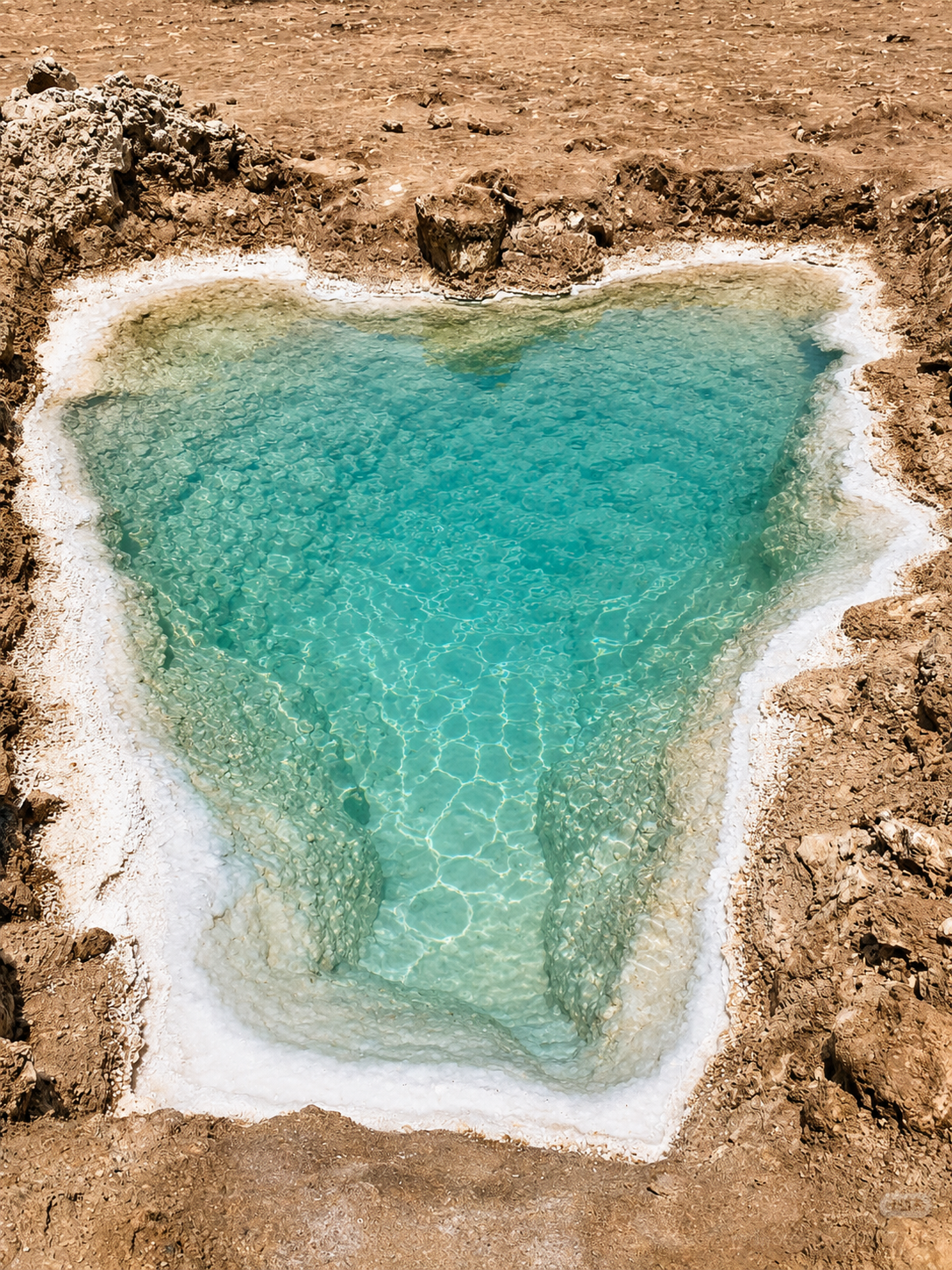
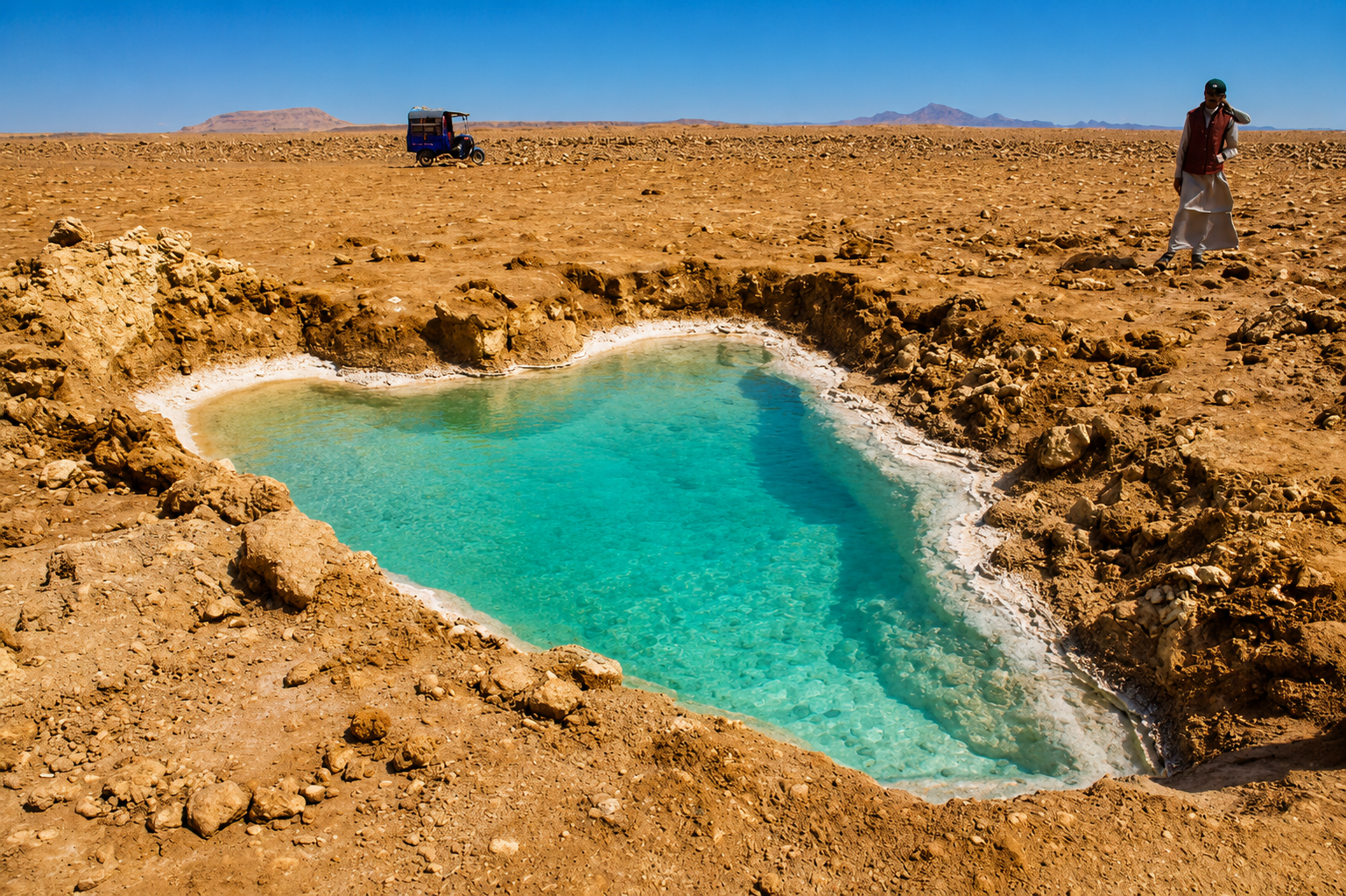
The highly saline water makes floating unusually easy, while the combination of turquoise water, white salt and desert scenery creates one of the most distinctive landscapes in Egypt.
Egypt’s official tourism portal, Experience Egypt, specifically highlights floating in Siwa’s blue salt lakes as one of the oasis’s signature experiences.
For travelers who want to enter the water, March, April, October and November provide an excellent balance.
Warum?
The air is generally warmer than midwinter, making floating more comfortable, but the weather is still much easier for the rest of your sightseeing than in summer.
That allows you to combine:
Salt Lakes → Cleopatra Spring → historical sightseeing → sunset
without spending the entire day avoiding extreme heat.
For detailed floating tips, water-safety precautions and what to bring, read our complete Siwa Salt Lakes Guide.
Can You Visit the Siwa Salt Lakes in Winter?
Ja.
December, January and February are still excellent months for visiting Siwa.
The salt lakes do not disappear during winter.
The main difference is that the combination of air and water temperature may feel cooler, particularly in the morning.
If floating is important to you, plan the lakes closer to the warmer part of the day.
Then use cooler mornings for:
Orakeltempel
Berg der Toten
Altstadt von Schali
Örtliche Besichtigungen
Winter actually makes the rest of the Siwa itinerary extremely comfortable.
Sandboarding works best when you can spend time outside without being overwhelmed by the heat.
That makes November through March particularly attractive.
The physical challenge is not usually sliding down the dune.
It is walking back up.
Soft sand makes climbing surprisingly tiring.
In cooler months, you can repeat the experience several times without the same level of heat stress you might encounter during summer.
Best Time for Archaeological Sightseeing
Siwa is not only a nature destination.
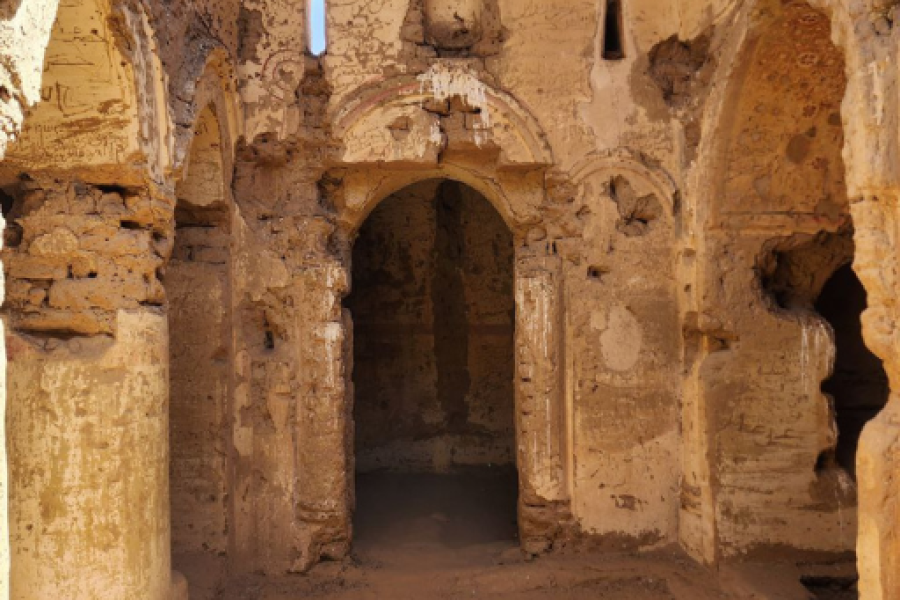
The oasis also contains important historical sites such as:
Orakeltempel
Berg der Toten
Altstadt von Schali
Amun-related temple remains
These attractions involve walking and exposure to the sun.
For that reason, November through March is excellent for visitors focused on history.
You can spend longer at each site instead of rushing from one shaded area to another.
Siwa’s archaeological landscape is also one of the reasons the Egyptian Environmental Affairs Agency lists the oasis as an important protected area combining archaeological, desert and safari tourism.
Siwa’s identity is different from Cairo, Luxor, Aswan and Egypt’s Mediterranean cities.
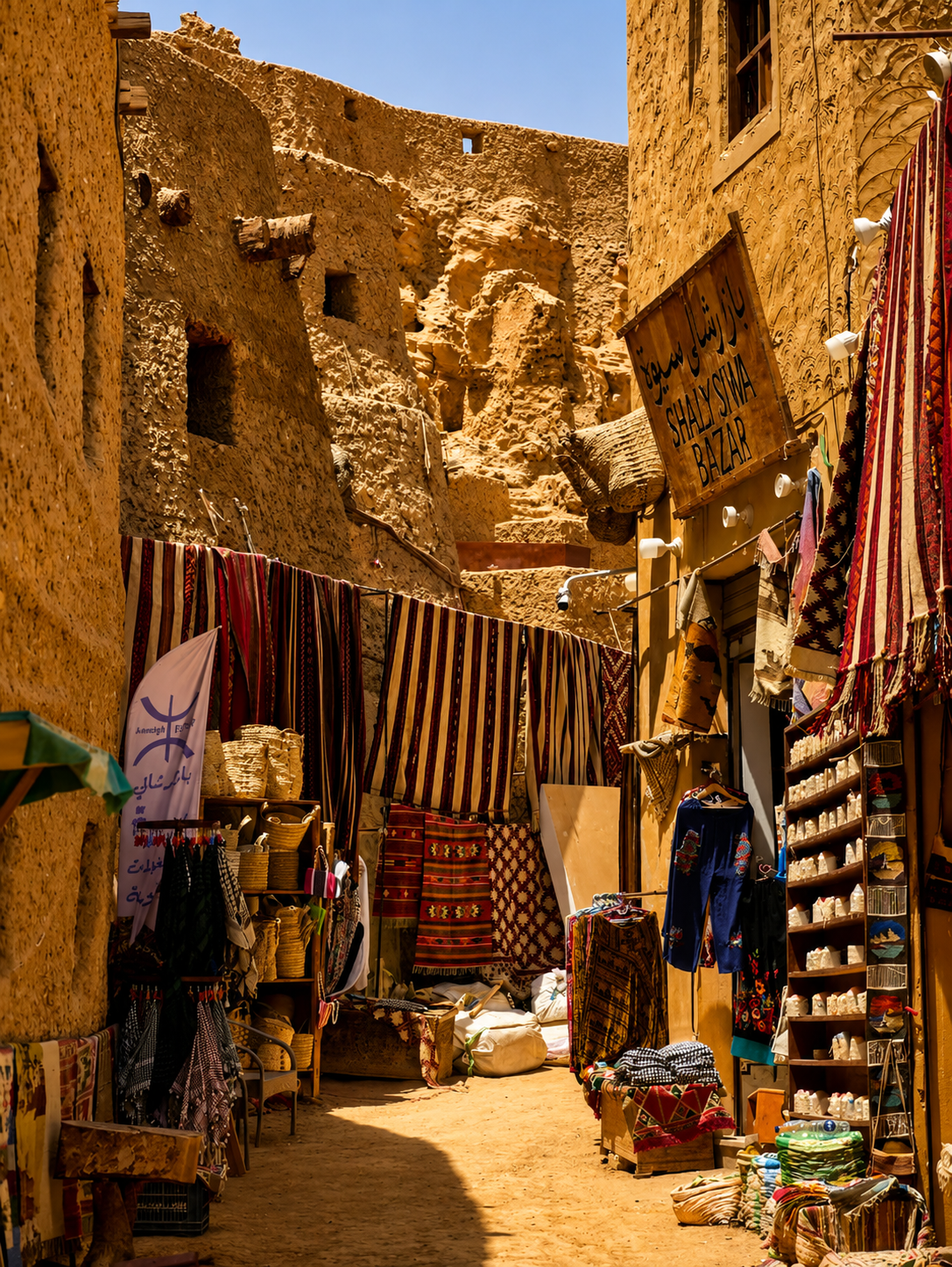
The oasis has a strong Amazigh heritage and traditions shaped by its long geographical isolation.
Culture can be experienced year-round through:
Food
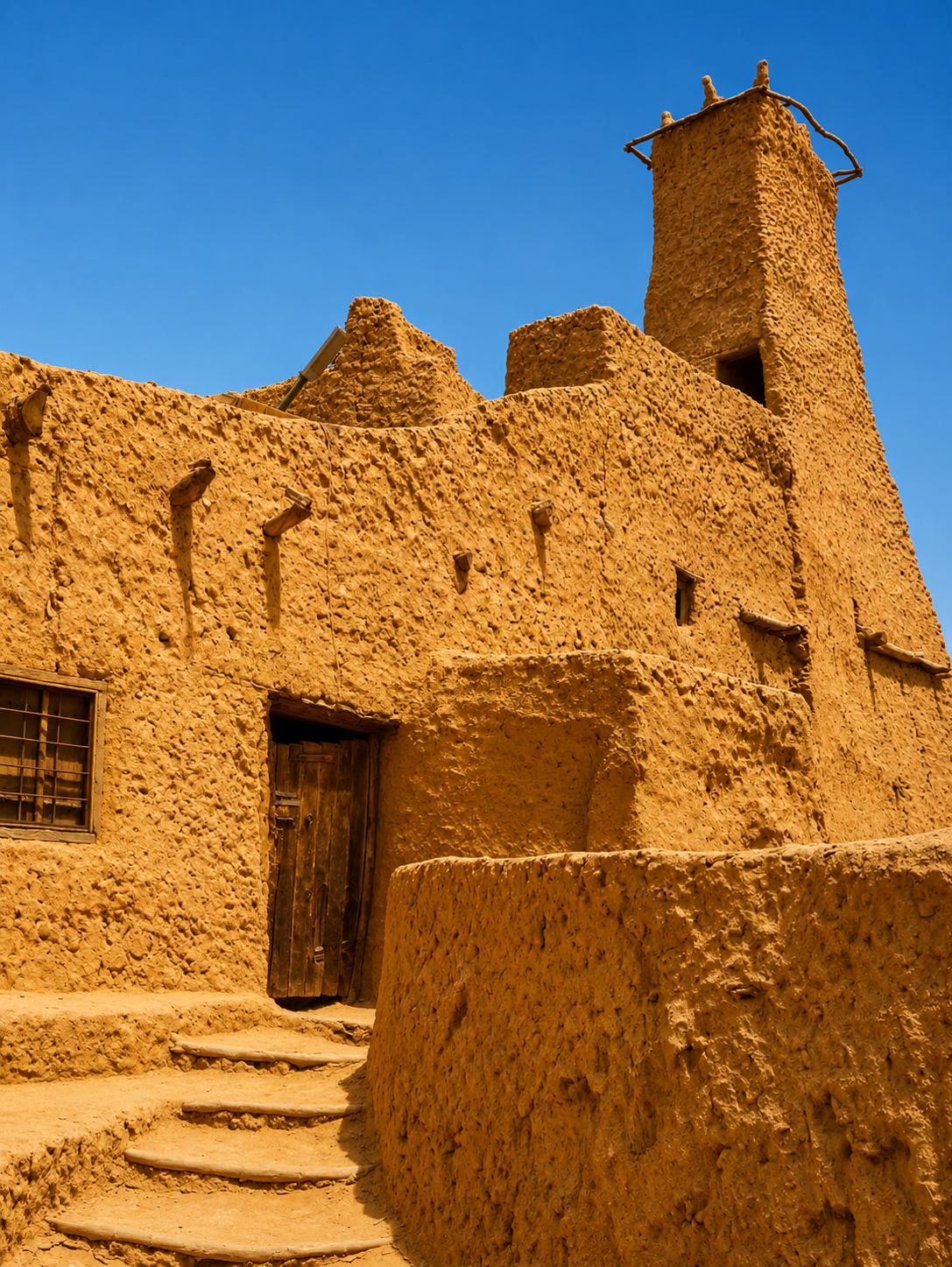
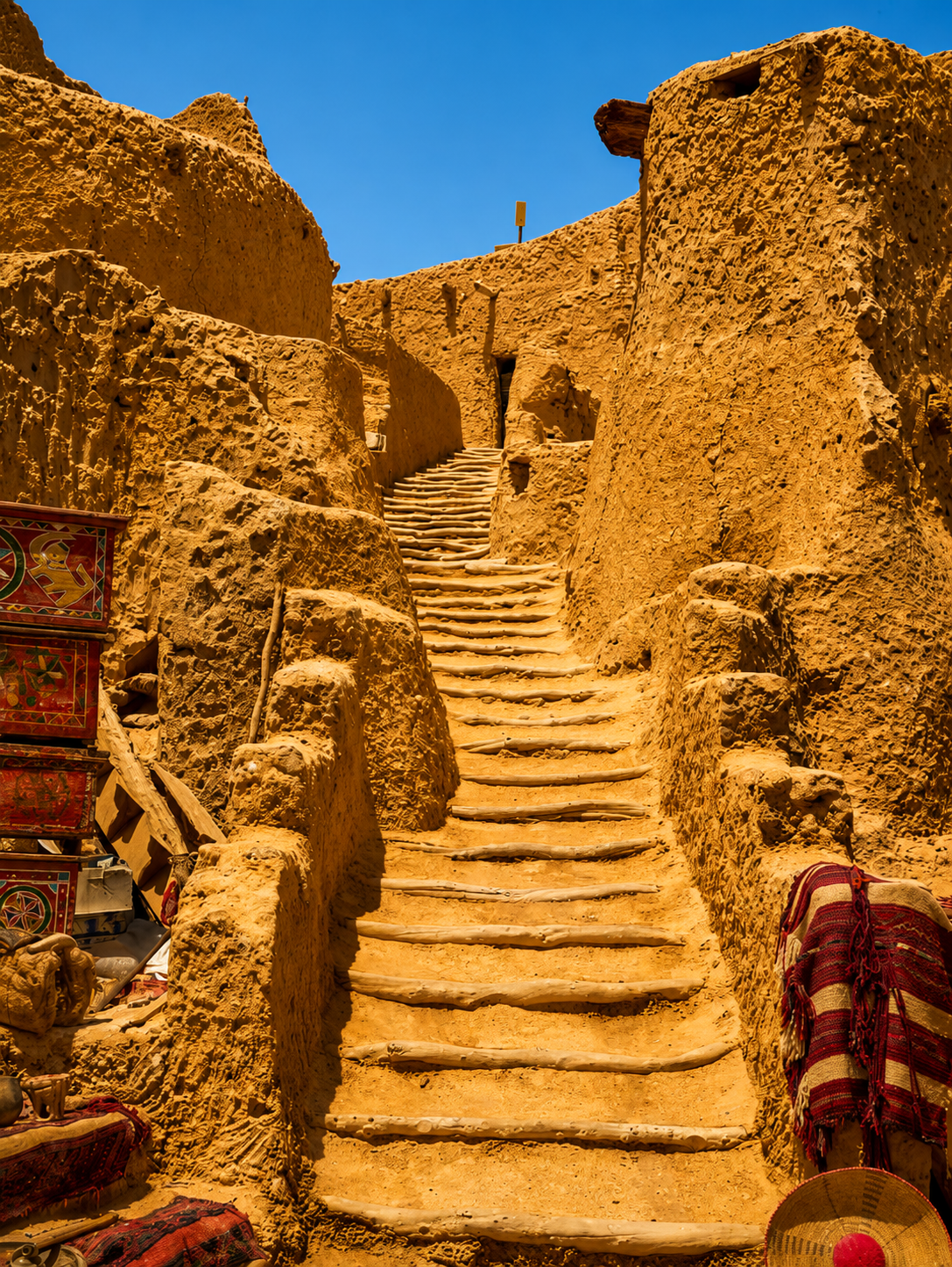
Architecture
Märkte
Local crafts
Date and olive products
Traditional hospitality
Village life
But October has particular cultural significance.
Official Egyptian tourism material highlights Siwa’s annual date-harvest festival in October, and the traditional celebration is closely associated with the oasis community.
If your dates coincide with local celebrations, experience them respectfully.
Remember that these events belong primarily to the Siwan community rather than being staged purely for tourists.
Why October Is One of the Best Months to Visit Siwa
October is one of Siwa’s most balanced months.
Typical average daytime highs fall to around 31°C after the strongest summer heat.
That is still warm, but far easier than July or August.
October works especially well for travelers who want:
Salzseen
Warm weather
Local culture
Großes Sandmeer
Sonnenuntergang
Photography
The beginning of October may still feel hot around midday, so timing still matters.
But by late afternoon, conditions can be very attractive.
Siwa Oasis in November
If you asked us to choose one month for a first-time traveler without knowing anything else about their preferences, November would be one of the strongest choices.
Average highs are around 25°C.
That works extremely well for:
Salzseen
Großes Sandmeer
Archaeological sites
Walking
Shali
Sonnenuntergang
Photography
The weather is neither intensely hot nor deeply cold.
For travelers trying to fit the destination into a short itinerary, this balance is extremely valuable.
5+ days = excellent for combined desert itineraries
Can You Visit Siwa Oasis in Summer?
Ja.
There is no rule saying you cannot visit between June and August.
But you need to adapt.
A good summer schedule might look like this:
Early Morning
Visit archaeological sites.
Late Morning
Return toward shaded or indoor areas.
Mittag
Rest, lunch and hydration.
Late Afternoon
Visit lakes, springs or shorter attractions.
Sonnenuntergang
Enjoy Fitnas Island or another viewpoint.
The key difference is pace.
Winter gives you much more freedom throughout the entire day.
Is Winter Too Cold for Siwa?
No.
Winter is actually one of the best seasons.
The main thing travelers underestimate is nighttime temperature.
Daytime sunshine can feel warm.
Then the temperature drops quickly after sunset.
Pack:
Light jacket
Sweater or fleece
Lange Hosen
Closed shoes
Scarf if desired
This is especially important if you plan a Great Sand Sea sunset.
Are Siwa Salt Lakes Worth Visiting?
Absolutely, especially when they are experienced as part of Siwa rather than as an isolated photo stop.
The ability to float easily is memorable, but the real appeal is the combination of water, salt and desert.
Few places offer the same visual contrast.
You can float in intense blue water in the morning, walk among ancient ruins later in the day and watch the sun disappear behind enormous dunes by evening.
That variety makes Siwa one of the most unusual destinations in Egypt.
Travelers planning a broader journey around the country can browse our complete Ägypten-Touren collection to combine Siwa with Cairo, Giza, Alexandria, Fayoum, the White Desert, Luxor or Aswan.
Does It Rain in Siwa?
Very little.
The climate data shows extremely low annual rainfall.
Rain is therefore usually less important than:
Temperature
Sun
Wind
You should still check the short-term forecast before departure because unusual weather can always occur.
Is Siwa Windy?
Wind varies throughout the year.
For ordinary sightseeing, moderate wind is rarely a major issue.
For desert photography, however, blowing sand can affect:
Cameras
Lenses
Phone ports
Eyes
Keep camera equipment protected and avoid unnecessary lens changes when sand is moving.
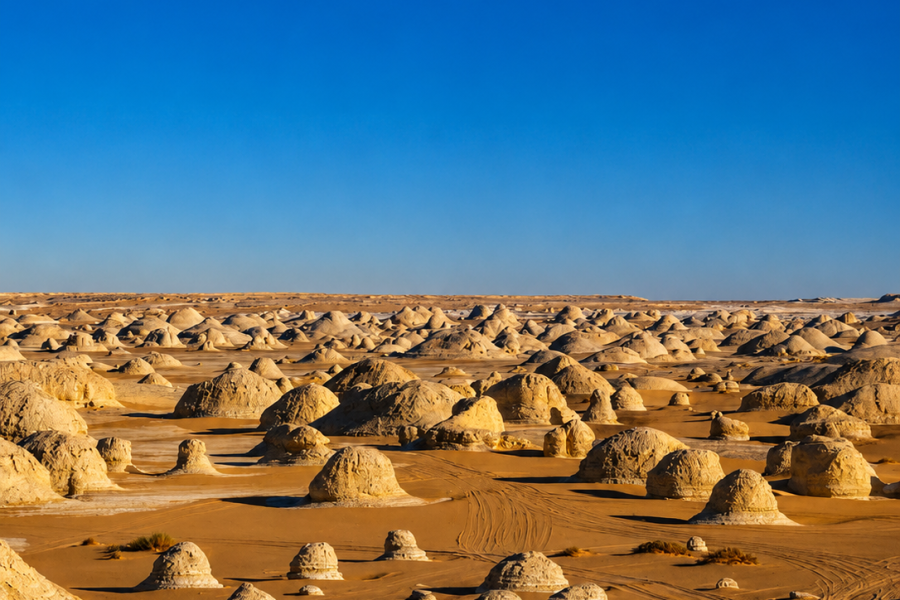
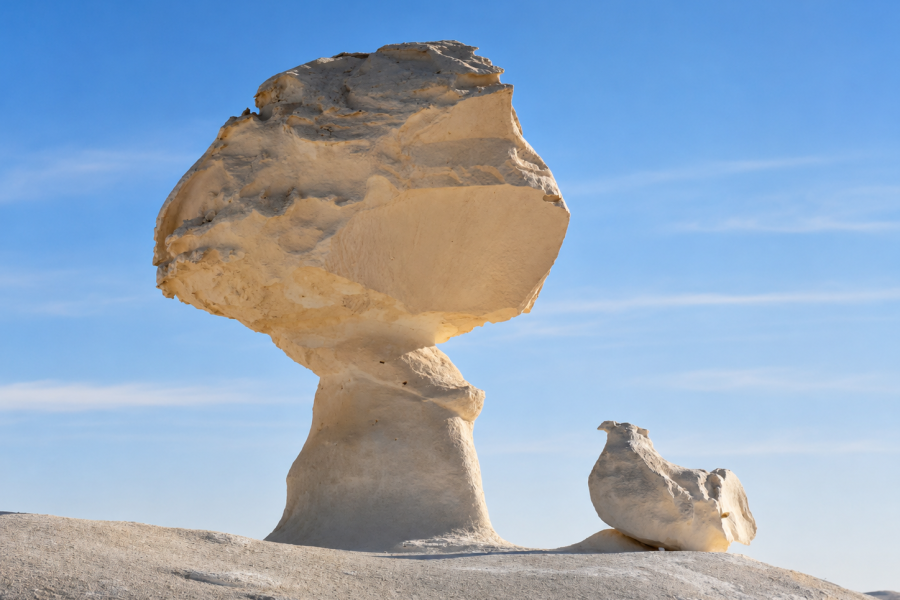
Best Time to Combine Siwa and the White Desert
This is one of the strongest uses of seasonal planning.
A longer Western Desert route can connect:
Cairo → Siwa → Bahariya Oasis → Black Desert → White Desert
For most travelers, October through March is the strongest window.
Warum?
Because both Siwa and the White Desert involve long periods outdoors.
The best time to visit Siwa Oasis is not simply the month with the lowest temperature.
It is the month that gives you the best conditions for your priorities.
For the strongest overall combination of Siwa Salt Lakes, Great Sand Sea safari, culture, archaeology and photography, October through April remains the best travel window, with October, November, February and March standing out for most first-time visitors.
Frequently Asked Questions About the Best Time to Visit Siwa Oasis
October through April is generally the best time to visit Siwa Oasis because temperatures are more comfortable for sightseeing, salt lakes, archaeological sites and Great Sand Sea safari activities.
November is one of the best all-round months because daytime temperatures are comfortable for both oasis sightseeing and desert activities. October, February and March are also excellent.
March, April, October and November provide a good balance between warmer daytime conditions for floating and comfortable weather for the rest of the itinerary.
November through March is particularly comfortable for Great Sand Sea safari because cooler temperatures make dune driving, walking, sandboarding and sunset stops easier.
Yes. October is one of the best months for Siwa because temperatures become more comfortable after summer while remaining warm enough for salt-lake visits.
Yes. November is one of the strongest months overall because the weather is comfortable for salt lakes, archaeology, sightseeing, photography and Great Sand Sea safari.
Yes. December is excellent for outdoor sightseeing and safari. Days are mild, although evenings and nights can become cool.
Yes. January is particularly good for travelers who dislike heat. It is excellent for sightseeing and safari, although floating in the salt lakes may feel cooler.
Yes. February combines mild daytime weather with excellent conditions for desert safari, archaeological sites and outdoor sightseeing.
Yes. March is one of the best months because daytime temperatures become warmer while remaining comfortable for sightseeing. It is particularly good for travelers who want both salt lakes and safari.
Yes. April is warmer and especially attractive for salt-lake floating, although midday sightseeing can be hotter than during winter.
Yes, but summer is very hot. Travelers should start sightseeing early, rest during the hottest hours, stay hydrated and schedule outdoor activities around cooler periods.
July and August are among the hottest months, with average daytime highs around 38°C. Travel is possible but less comfortable for long outdoor sightseeing days.
Winter days are generally pleasant, but nights and early mornings can become cool. Bring a warm layer, especially for sunset safari activities.
No. Siwa receives very little rainfall. Temperature, sun and wind are generally more important considerations for travelers.
October through April is excellent because cooler weather allows photographers to spend more time outdoors. Sunrise and late afternoon are particularly good for desert landscapes.
October through March is ideal for many travelers because both destinations involve extensive outdoor and desert activities.
Three days is a practical minimum for many travelers arriving from Cairo, while four days provides a more comfortable itinerary with additional time for salt lakes, desert safari, archaeological sites and culture.
Both are excellent. November is cooler and particularly comfortable for sightseeing and safari, while March is warmer and often better for travelers who prioritize floating in the salt lakes.
Yes. Winter is one of the best seasons to visit Siwa because the weather is ideal for desert exploration, historical sites and longer outdoor days.