Best Time to Visit Siwa Oasis Egypt for Salt Lakes, Safari & Culture

The best time to visit Siwa Oasis for most travelers is between October and April, when the Western Desert is considerably more comfortable for sightseeing, floating in the salt lakes, exploring archaeological sites and heading into the Great Sand Sea on a 4×4 safari.

But choosing the right month requires more than simply looking for the coolest weather.

A traveler whose main priority is floating in the famous blue salt pools may prefer a slightly warmer month than someone planning long walks through ancient ruins.

A photographer may care more about clear desert light and comfortable sunrise or sunset conditions.

Adventure travelers planning a Great Sand Sea safari in Siwa may prefer the cooler months, while visitors interested in the oasis’s harvest traditions may be especially interested in October.

The right season therefore depends on what you want to do in Siwa.

In this complete month-by-month guide, we will explain the best time for:

  • Siwa-Salzseen
  • Safari im Großen Sandmeer
  • Sandboarding
  • Archaeological sightseeing
  • Local culture
  • Photography
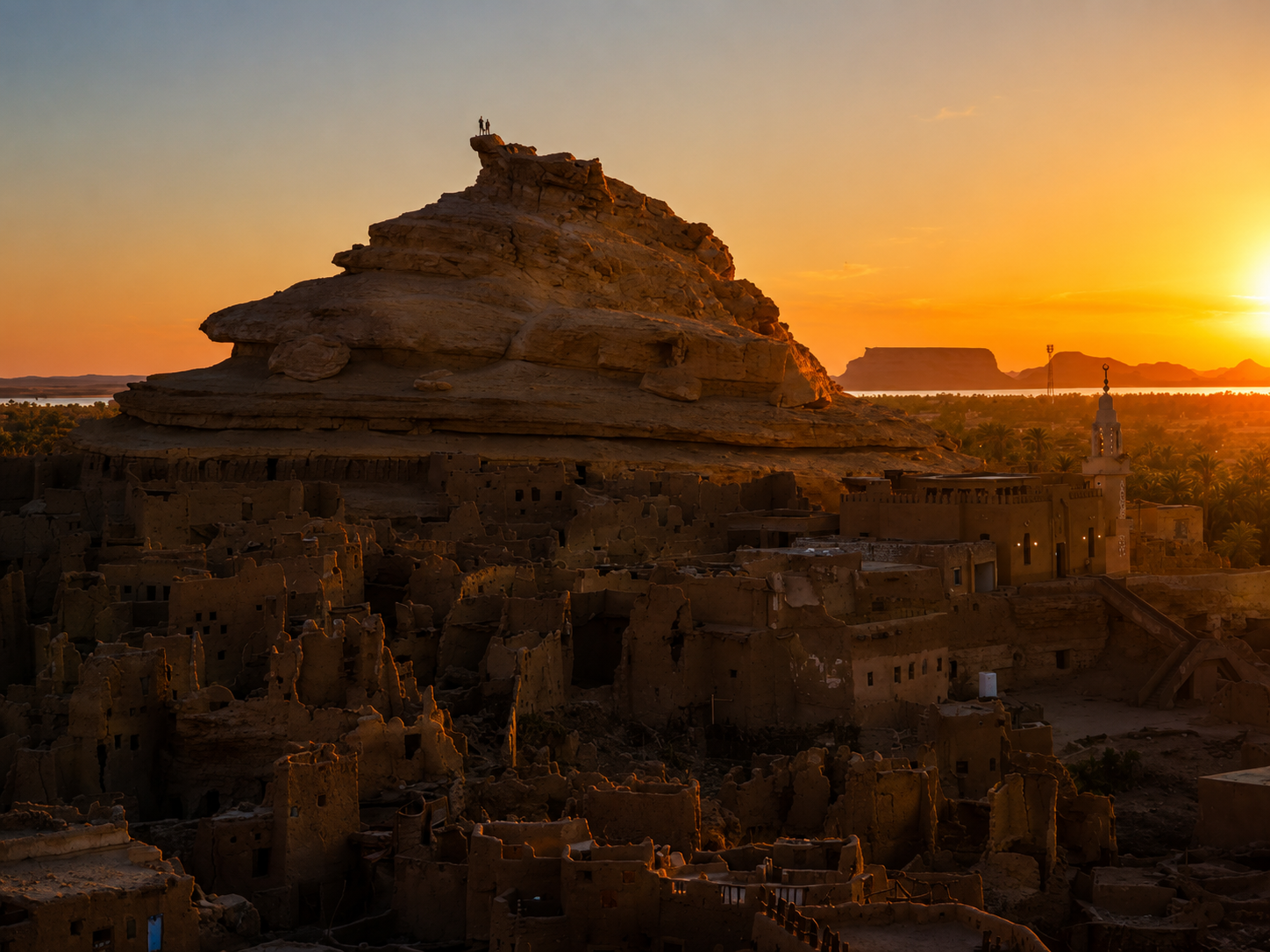
  • Desert sunsets
  • Familien
  • Paare
  • 3-day and 4-day tours
  • Combined Western Desert trips

If you are still researching the destination itself, start with our complete Siwa Oasis Egypt guide before deciding on your travel dates.

Quick Answer: What Is the Best Time to Visit Siwa Oasis?

For most first-time travelers:

Best overall season: October to April

Best all-round months: October, November, February and March

Best for Siwa Salt Lakes: March–April and October–November

Best for Great Sand Sea safari: November–March

Best for archaeological sightseeing: November–March

Best for photography: October–April

Best for cooler daytime travel: December–February

Best for warm-weather floating: March–April and October

Best for local harvest atmosphere: October

Hottest period: June–August

Best for a combined Siwa + White Desert trip: October–March

If you have only three or four days available, cooler weather becomes even more valuable because it allows you to use more of each day efficiently.

Why the Season Matters So Much in Siwa

Siwa Oasis is located deep in Egypt’s Western Desert.

Although Egypt is often imagined as warm throughout the year, desert temperatures change dramatically between seasons and even between day and night.

According to long-term climate averages for Siwa, typical daytime highs are around 19°C in January, 25°C in March, 38°C in July and August, 31°C in October und 25°C in November.

You can review the monthly data in the Siwa Oasis climate averages from Timeanddate.

Why does that matter?

Because almost every major Siwa experience happens outdoors.

A typical trip may include:

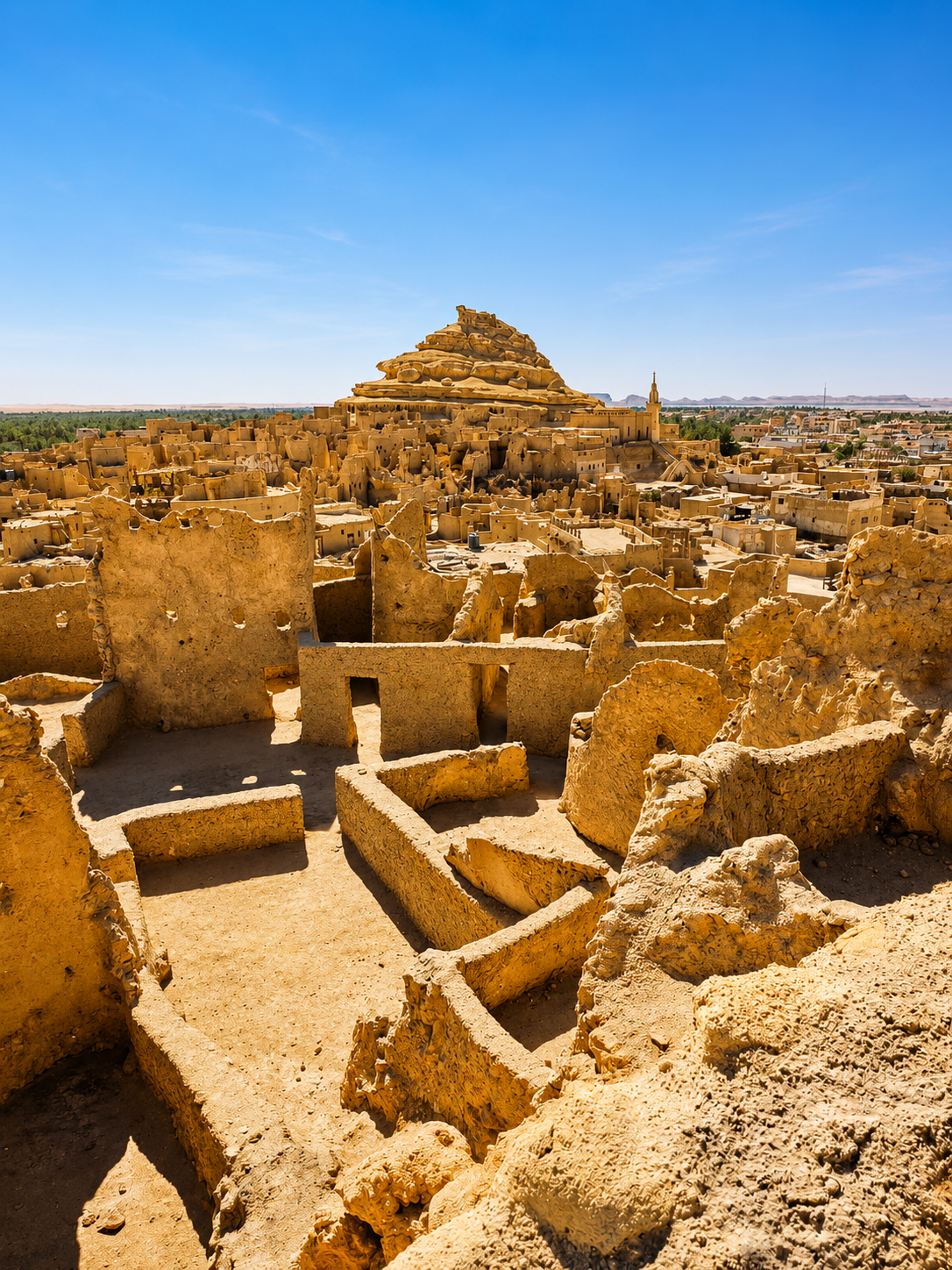
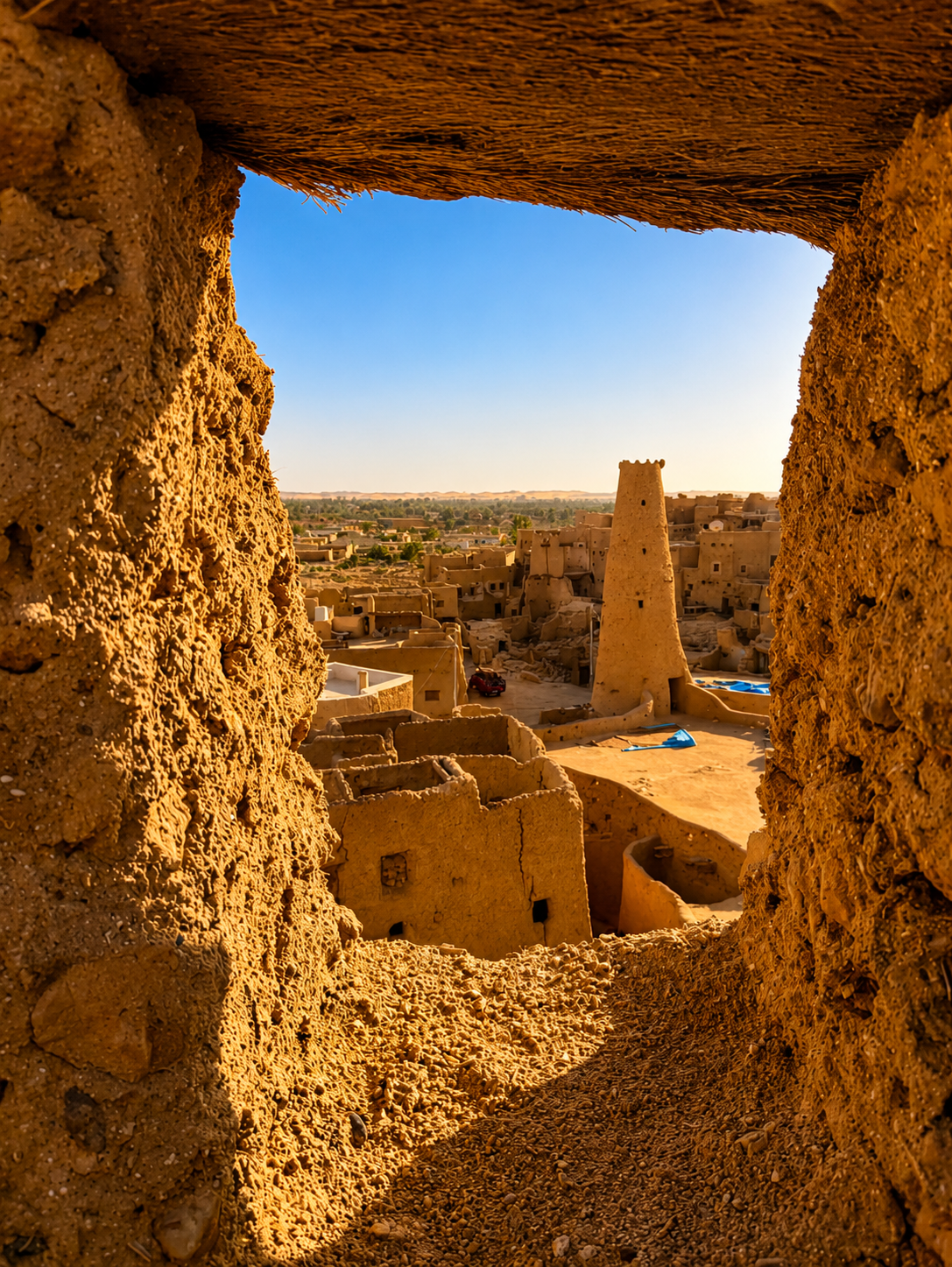
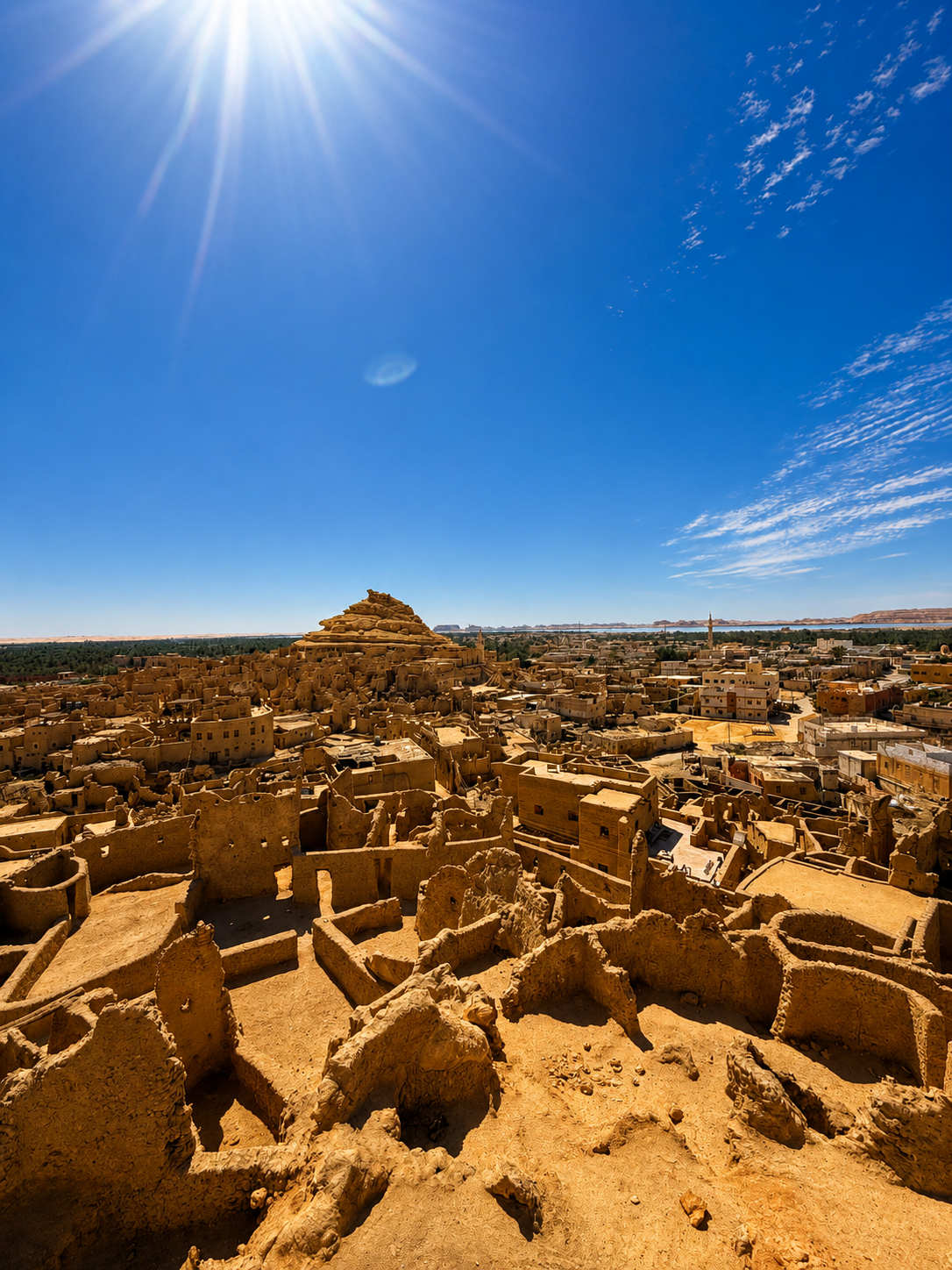
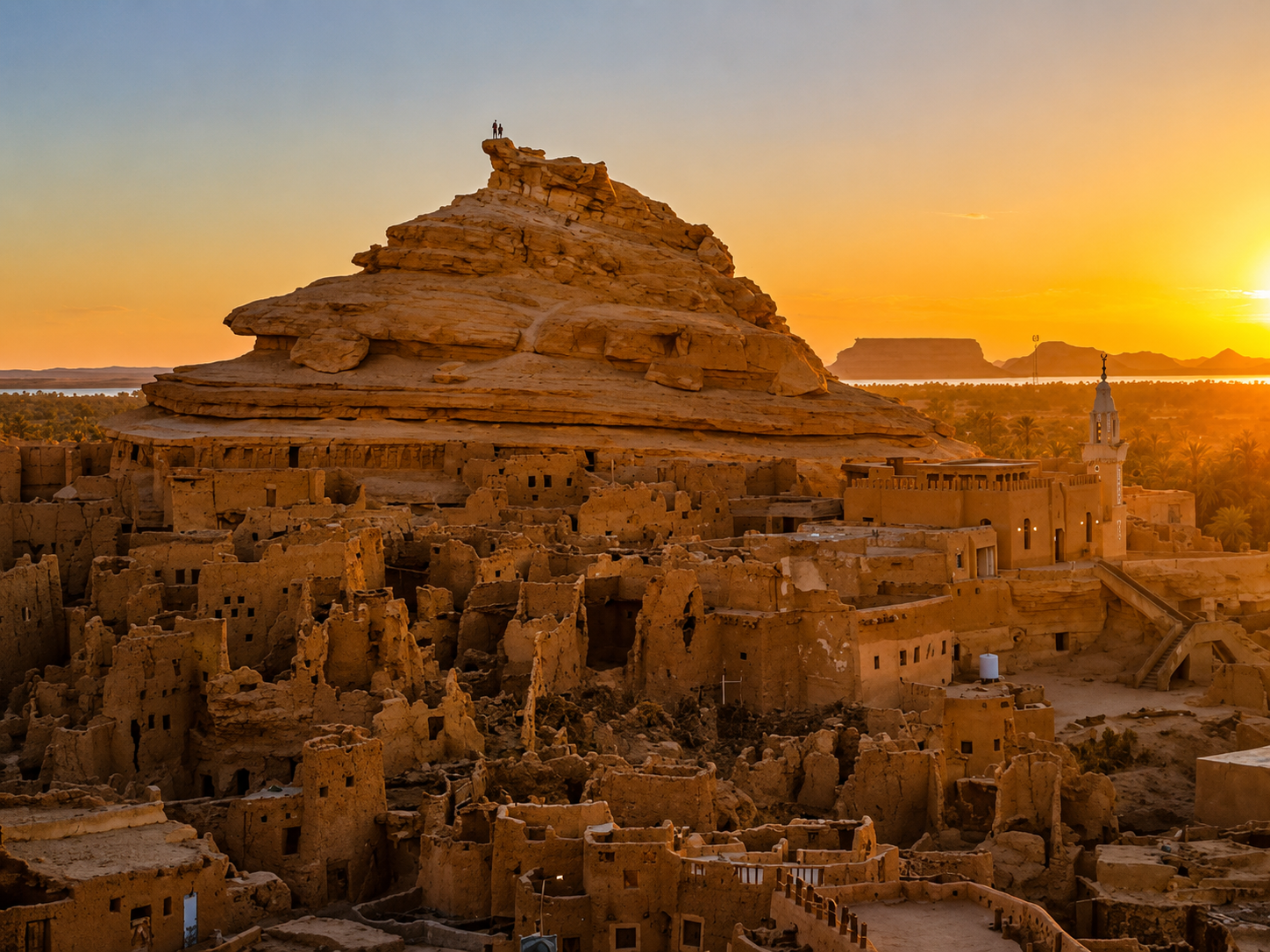
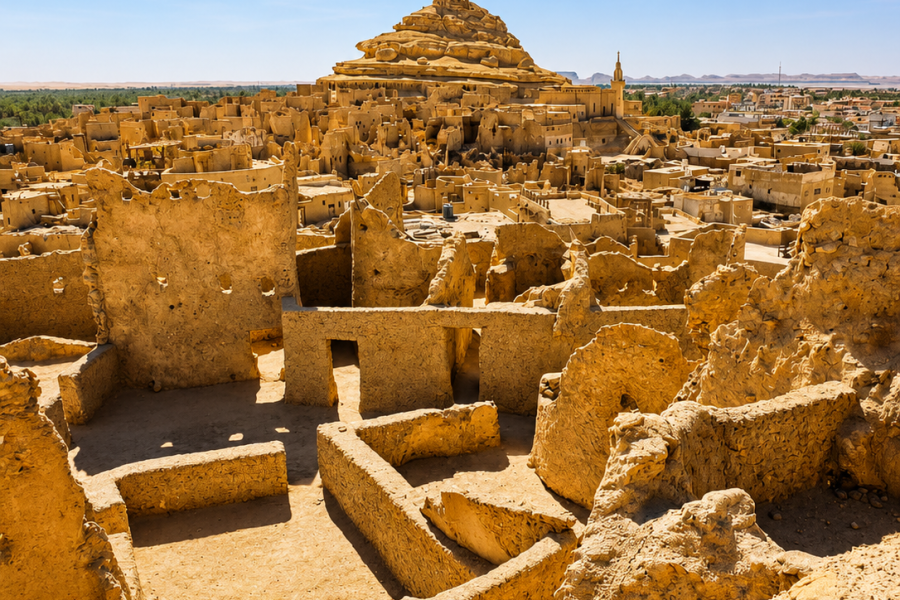
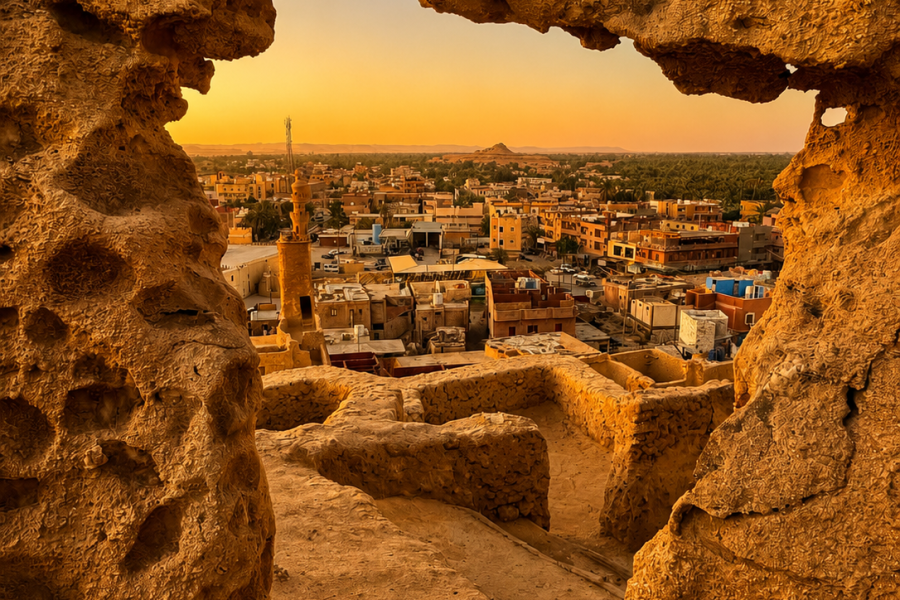
  • Altstadt von Schali
  • Berg der Toten
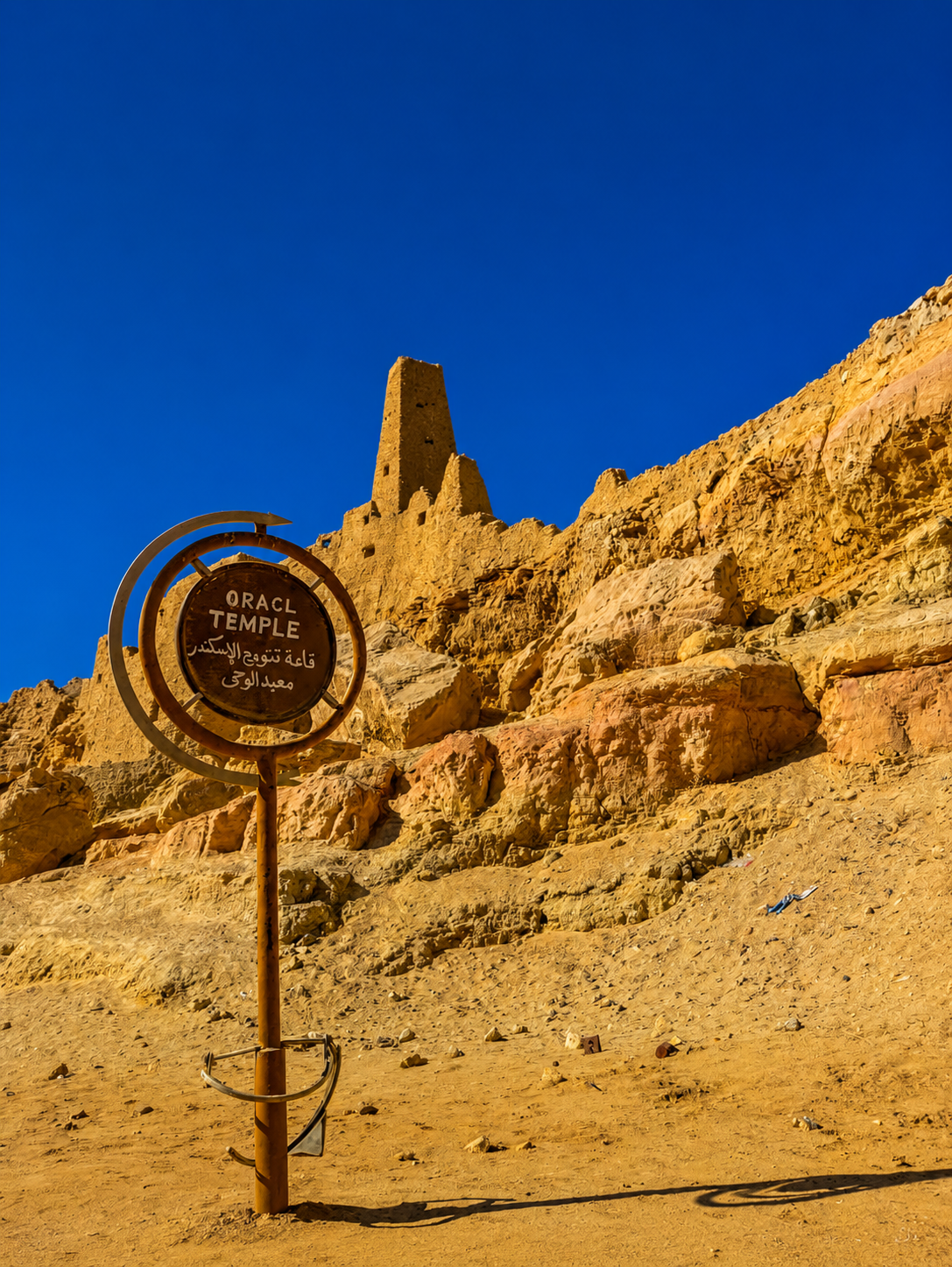
  • Orakeltempel
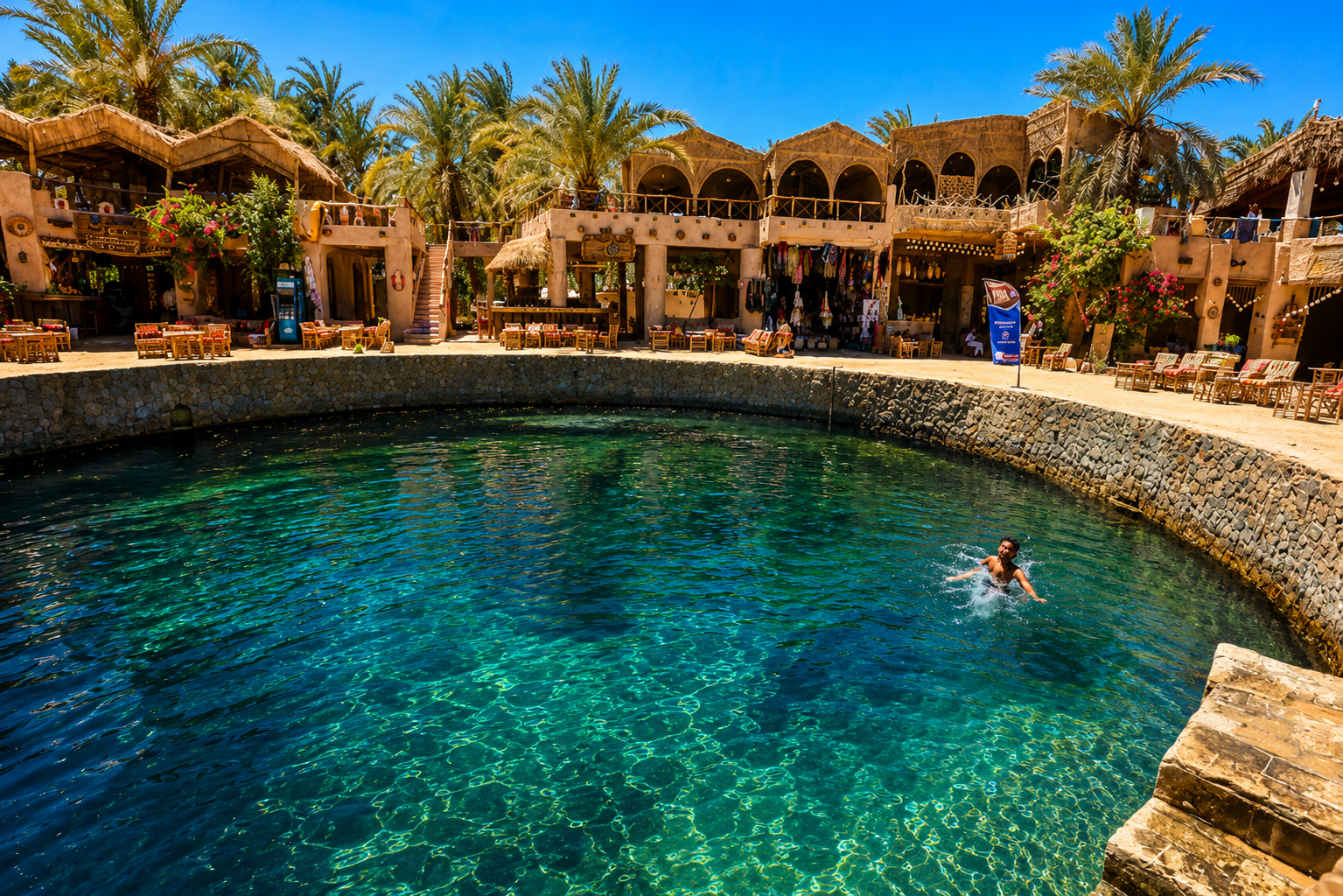
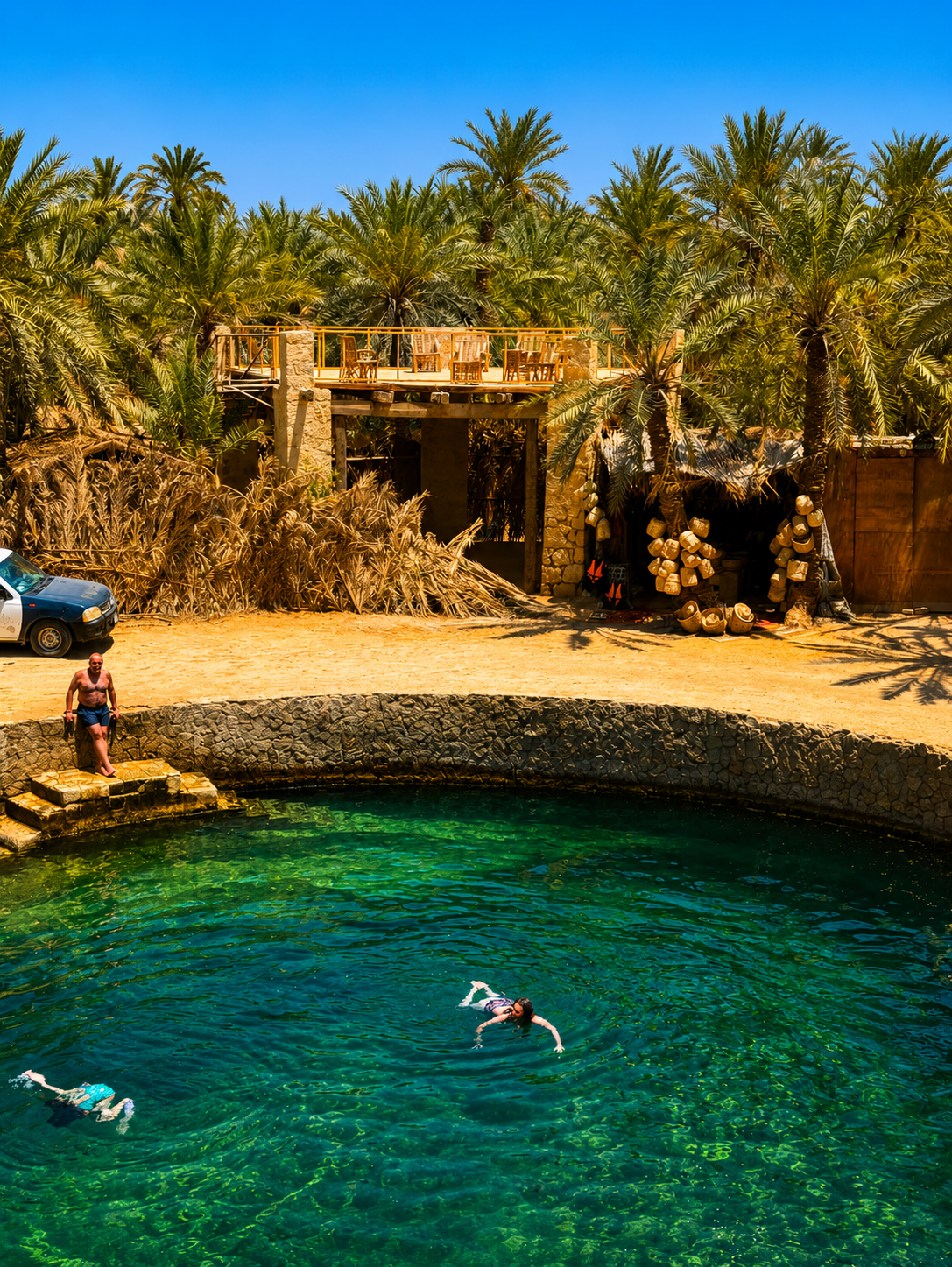
  • Kleopatra-Quelle
  • Siwa-Salzseen
  • Fitnas Island
  • Großes Sandmeer
  • Birma Wahed
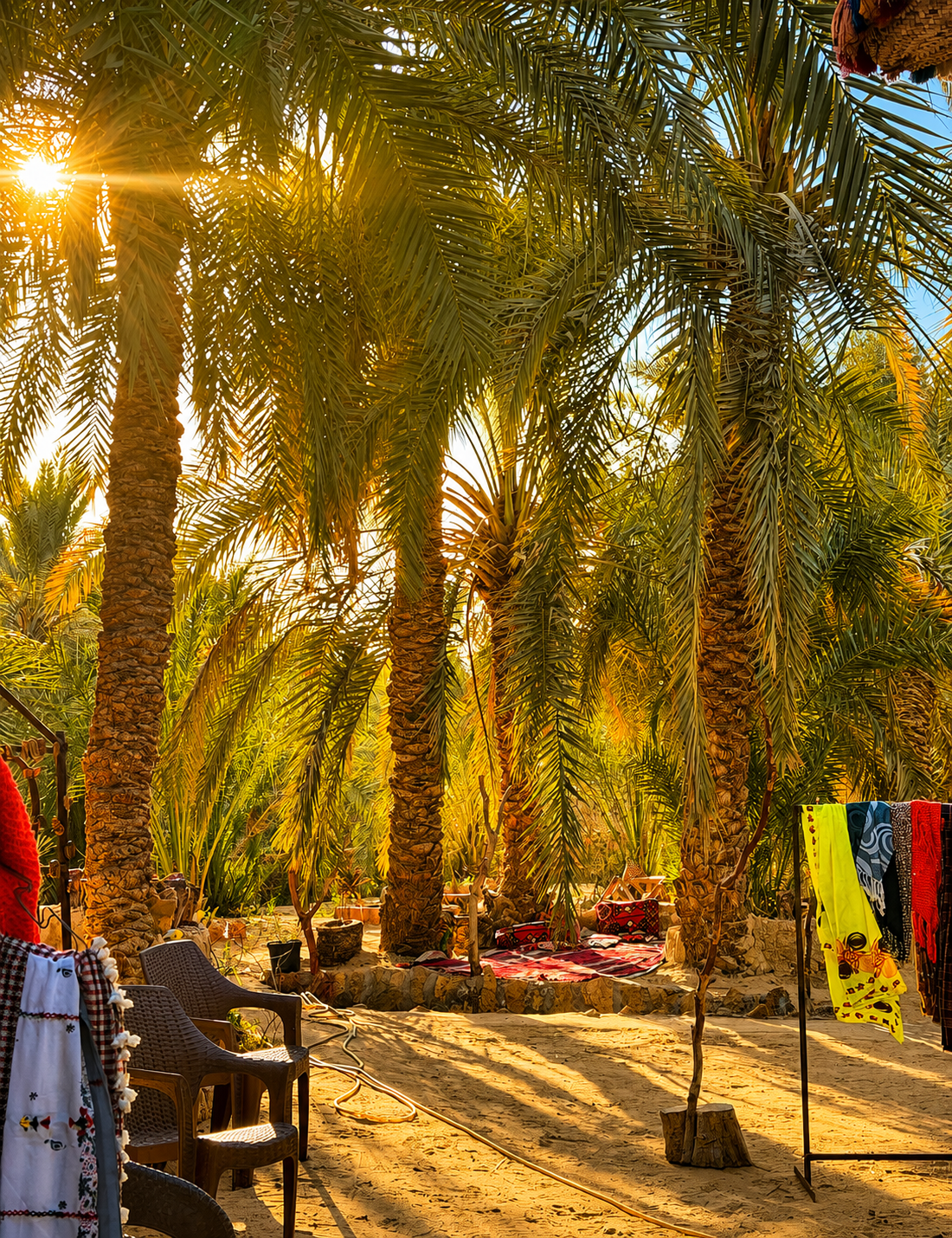
  • Palm groves
  • Desert viewpoints
  • Local villages

During cooler months, you can move between these attractions much more comfortably.

During summer, the same itinerary may require early starts, longer rest periods and much more careful hydration.

Best Time to Visit the Siwa Salt Lakes

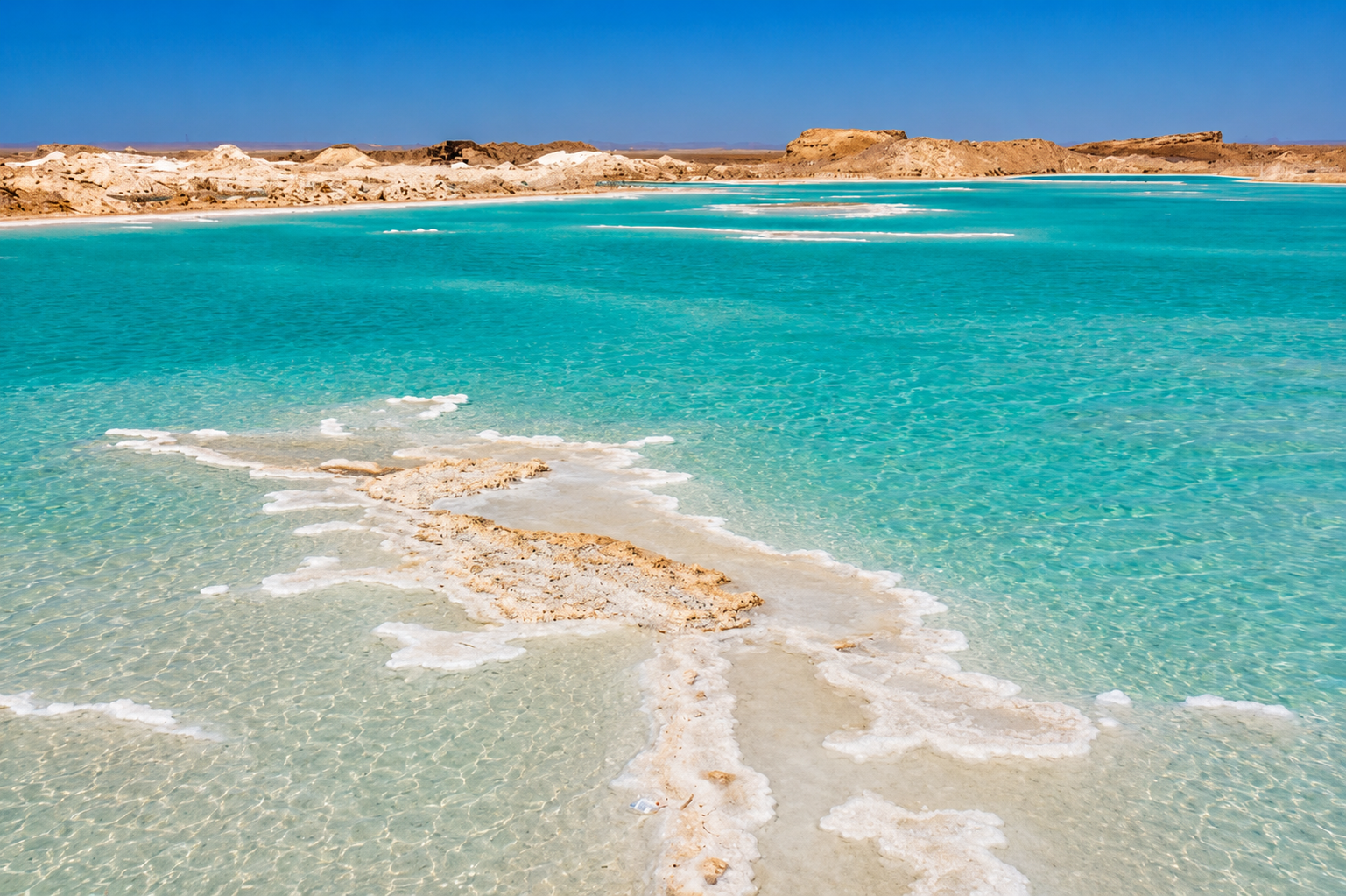
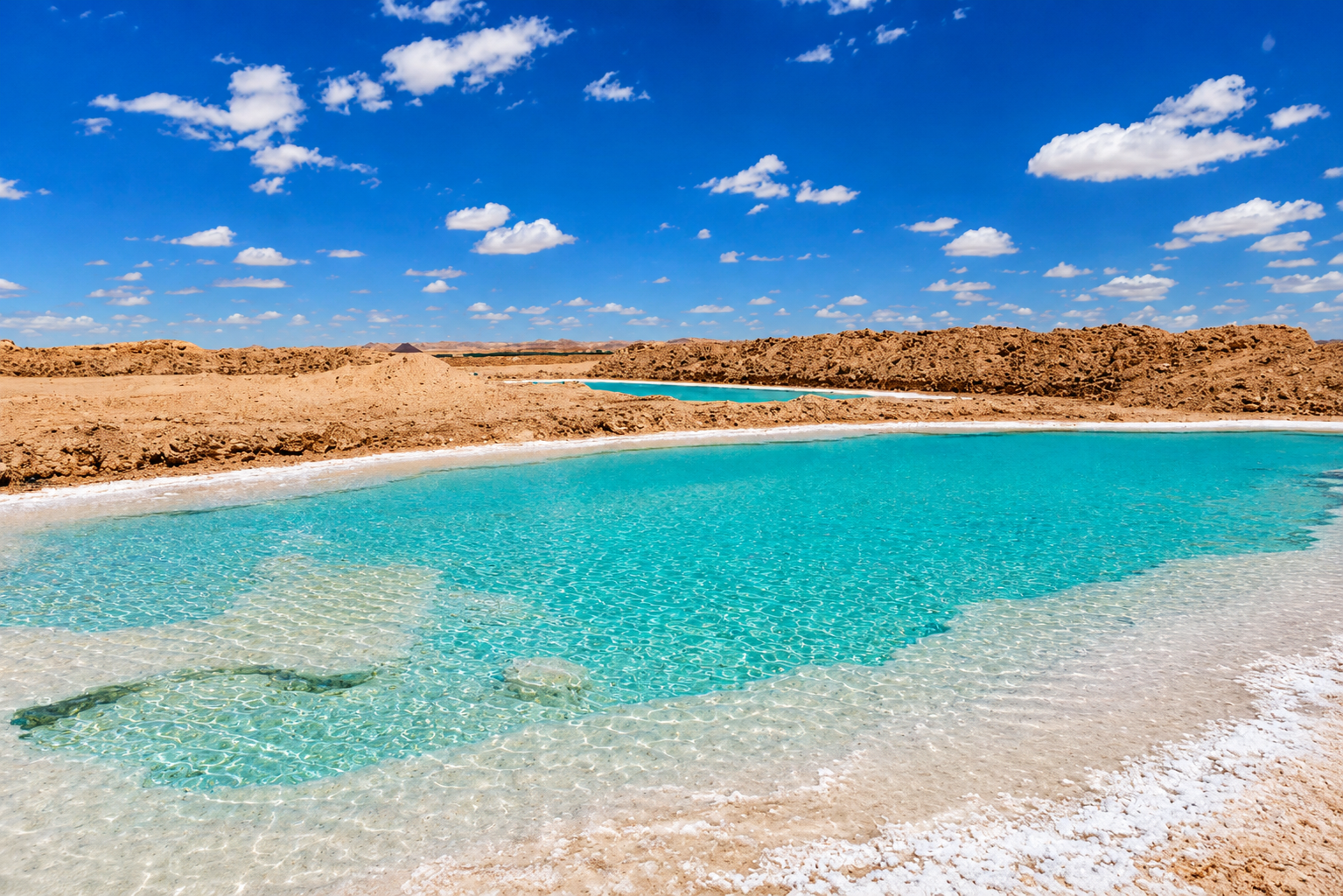
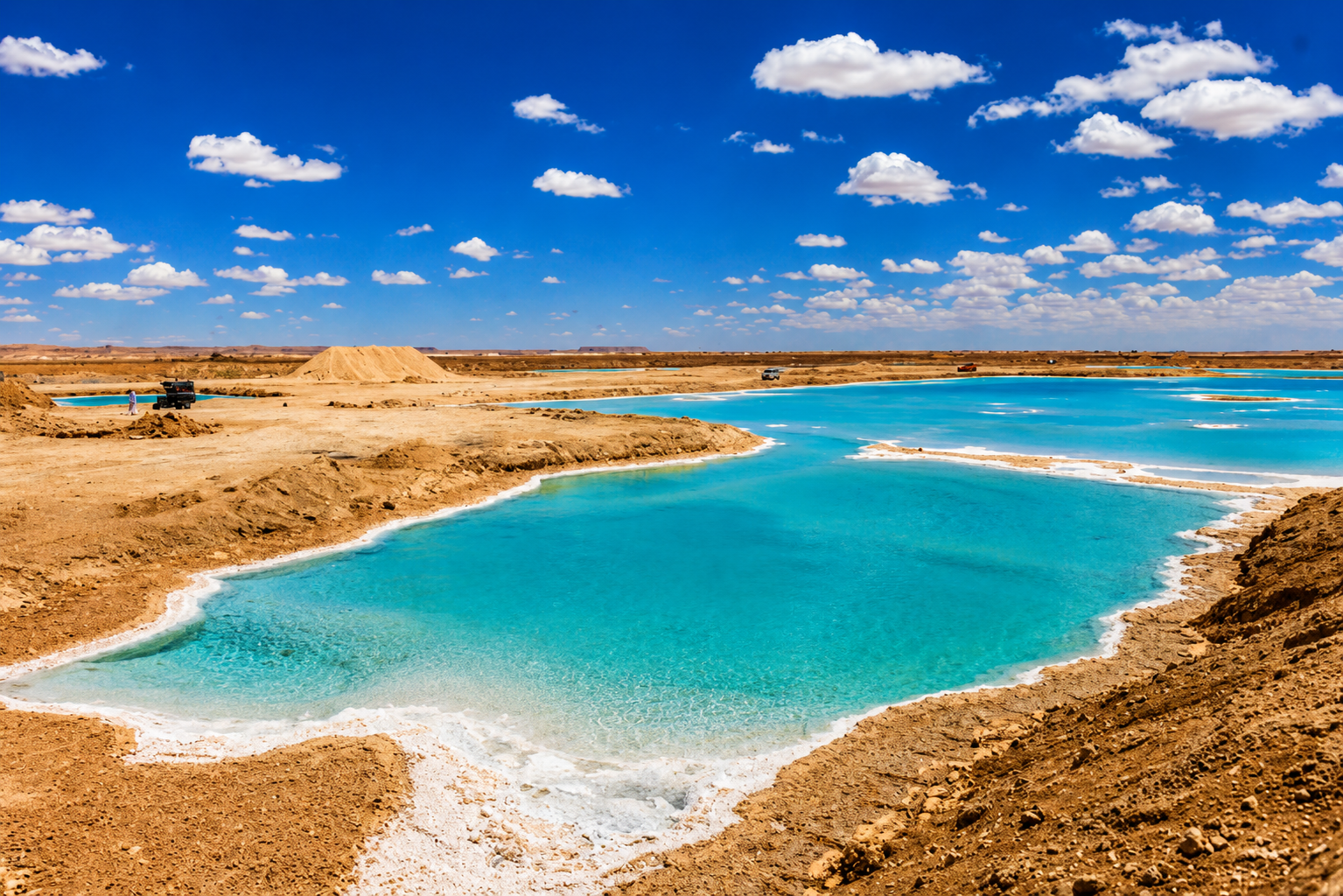
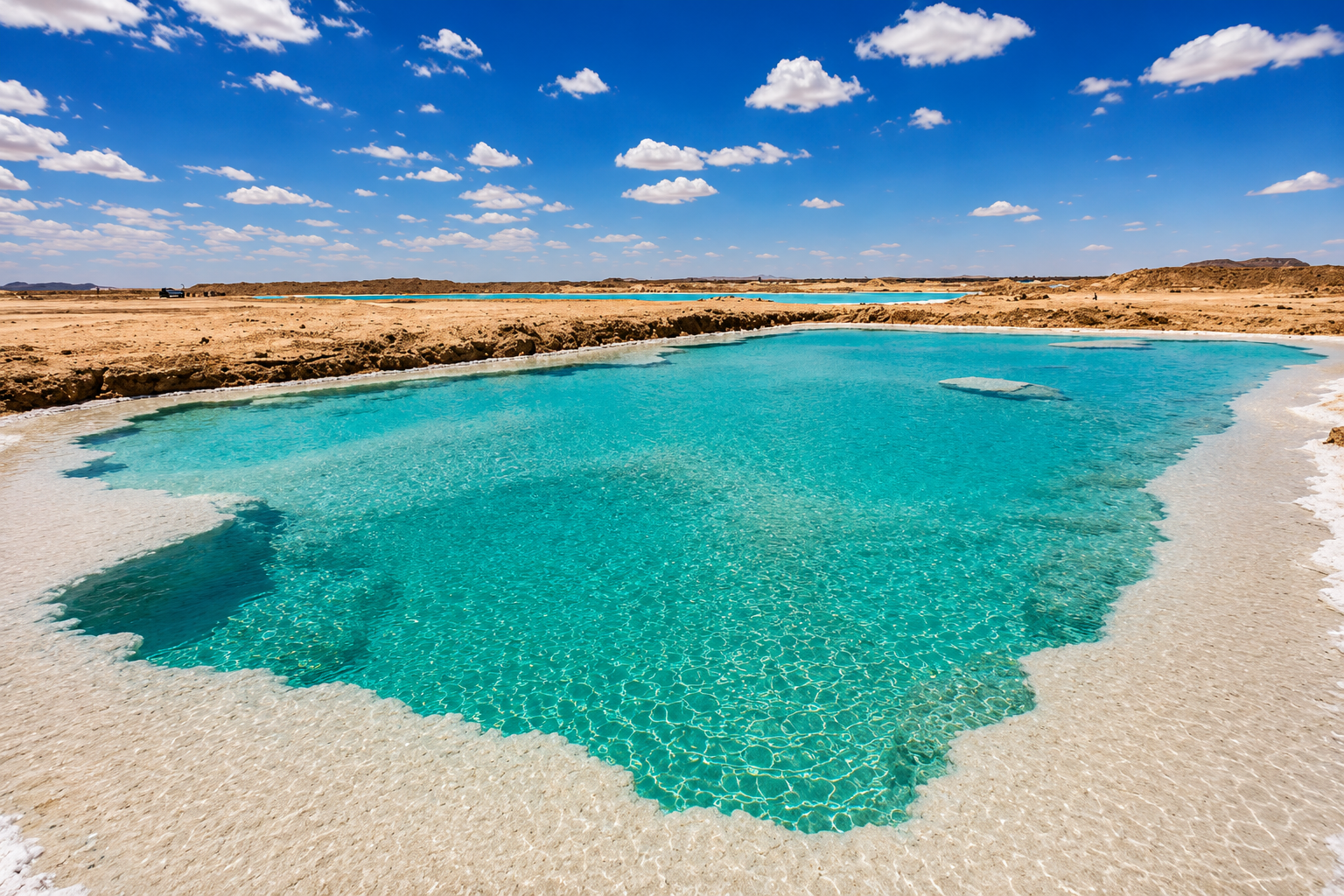
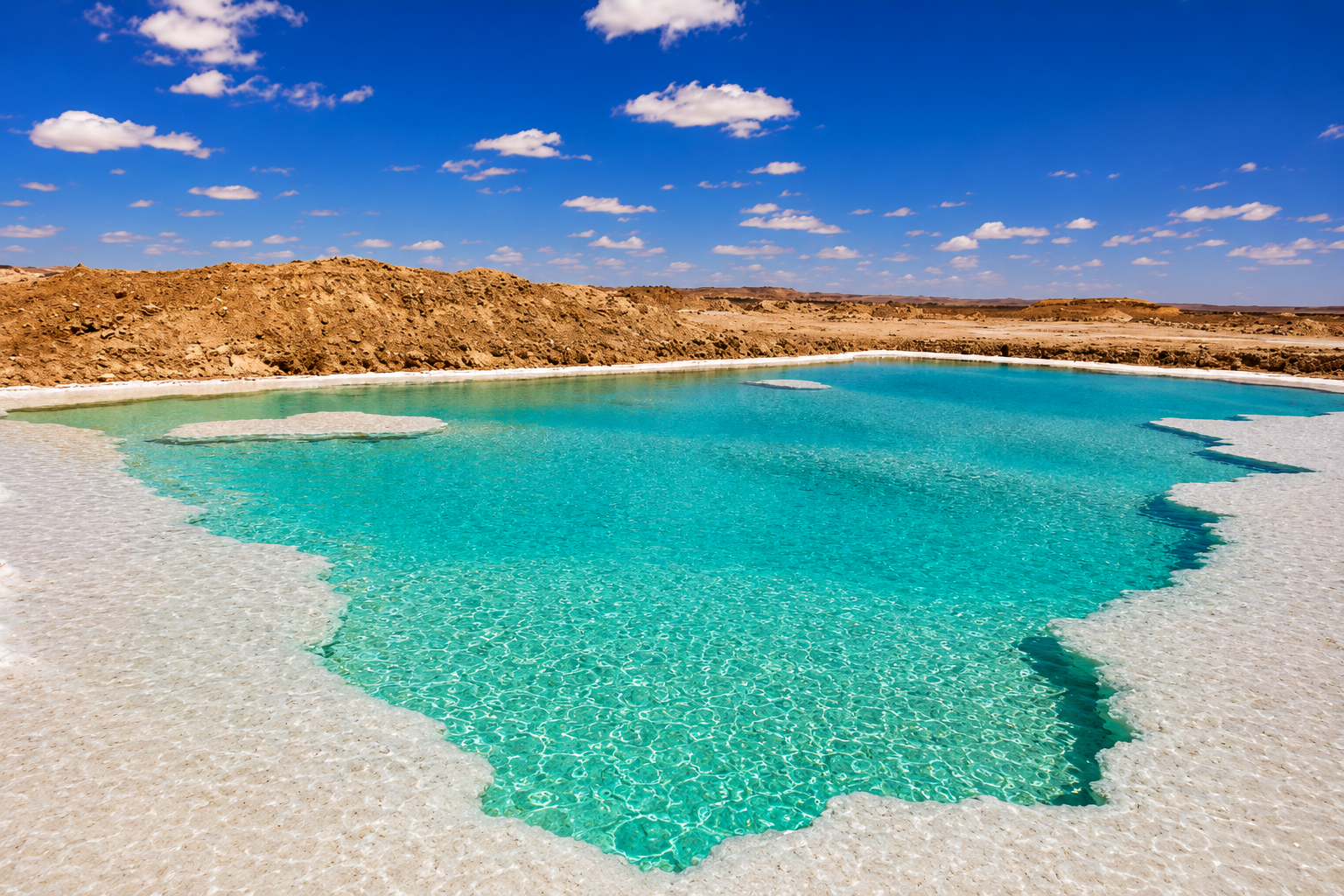
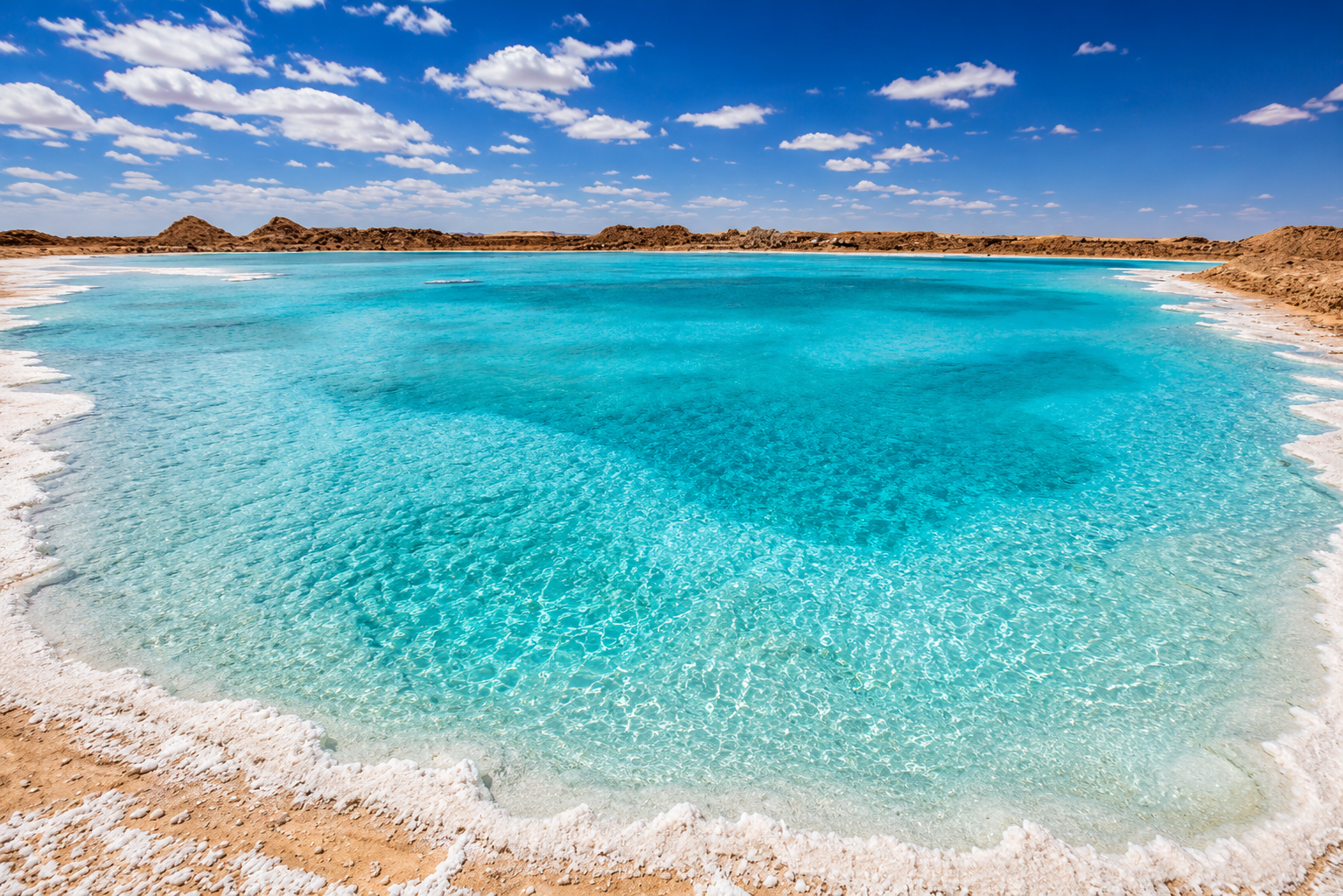
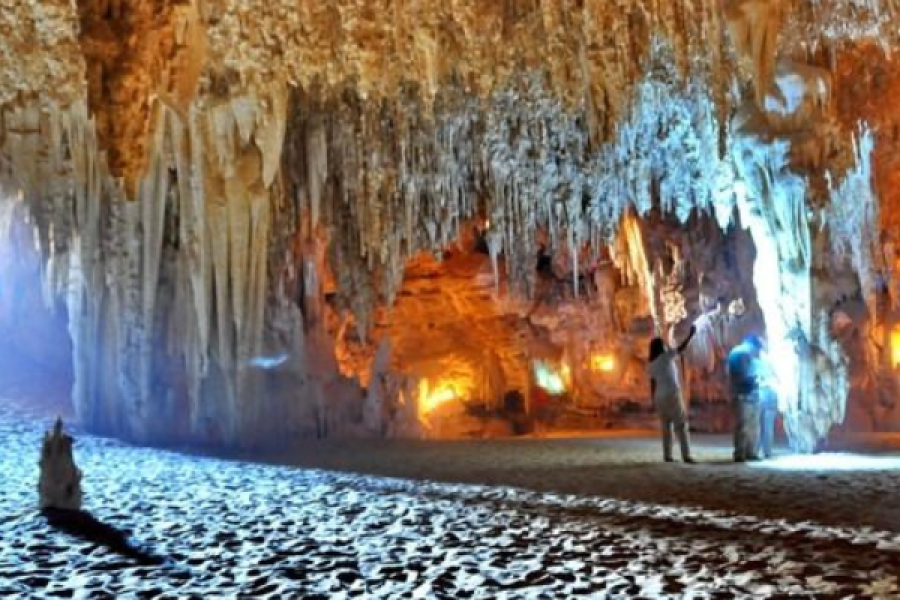
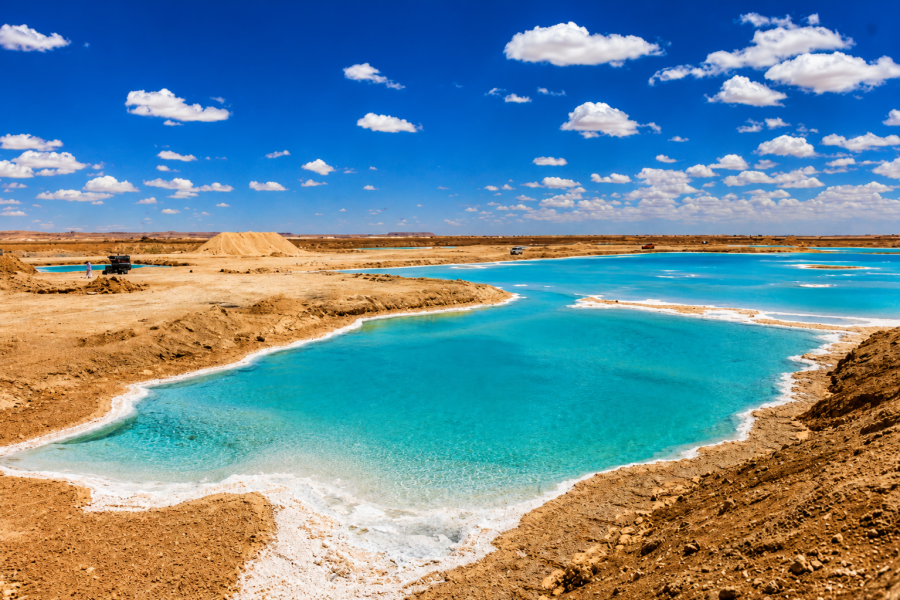
The Siwa-Salzseen are one of the main reasons travelers come to the oasis.

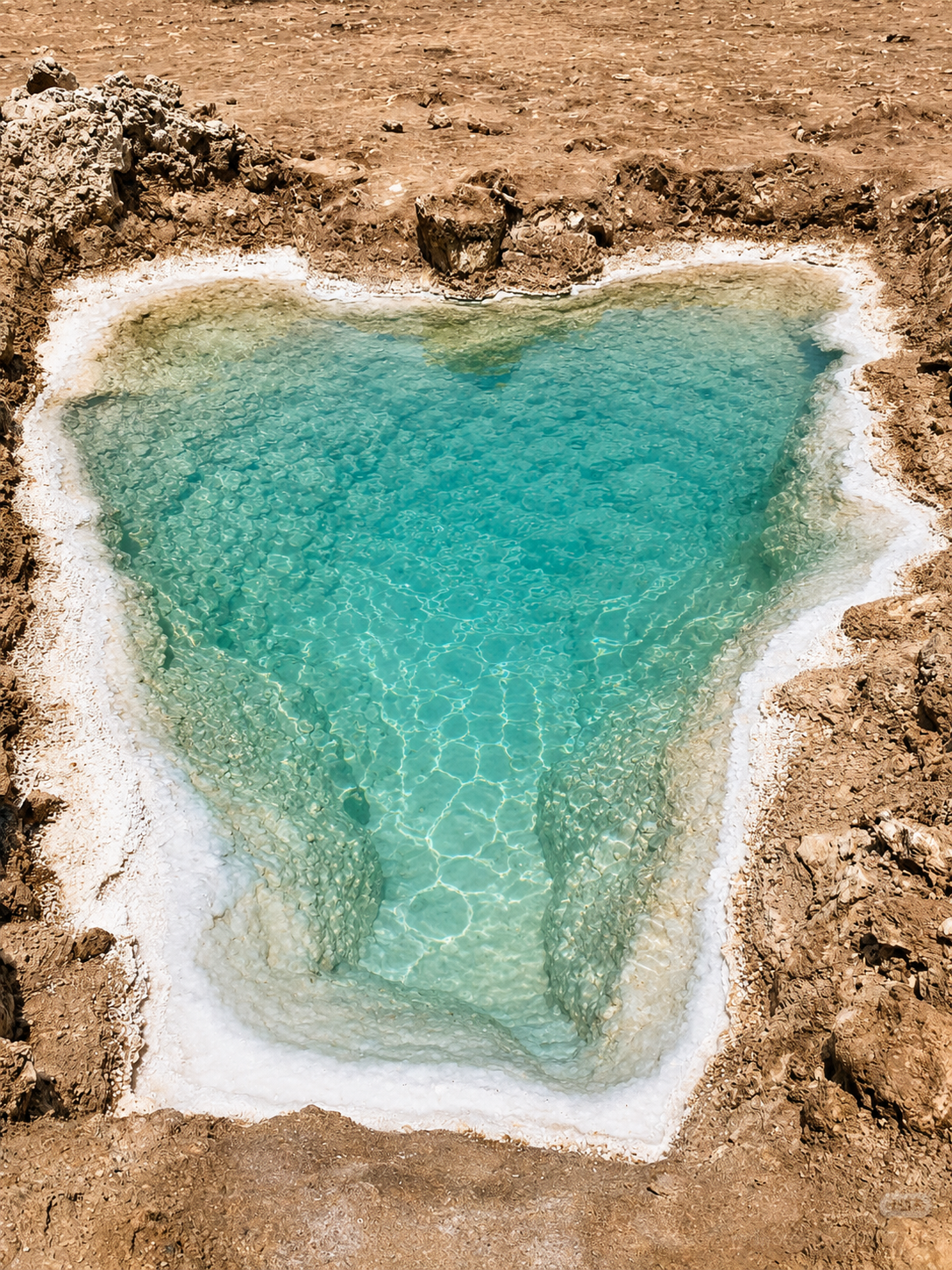
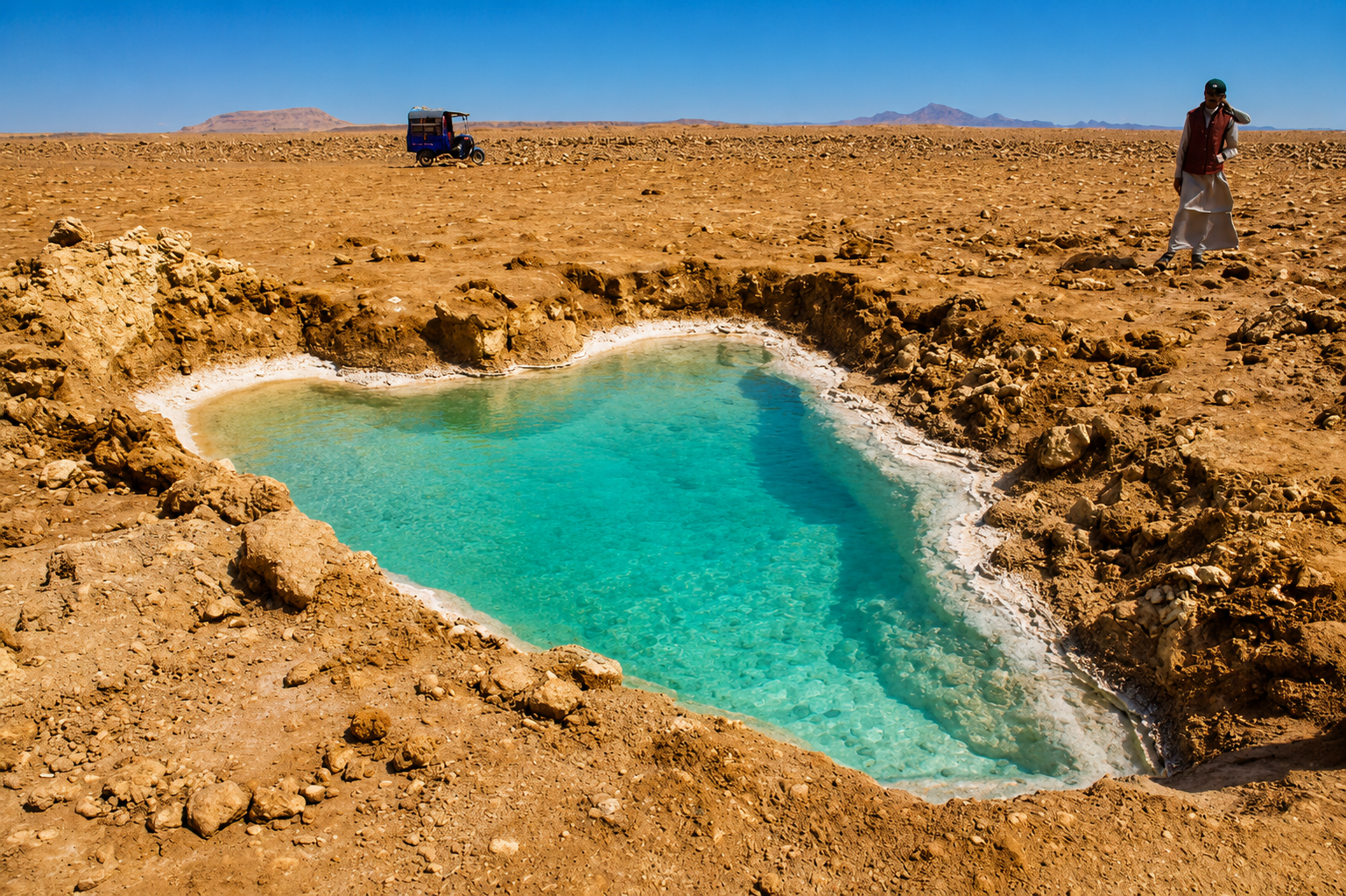
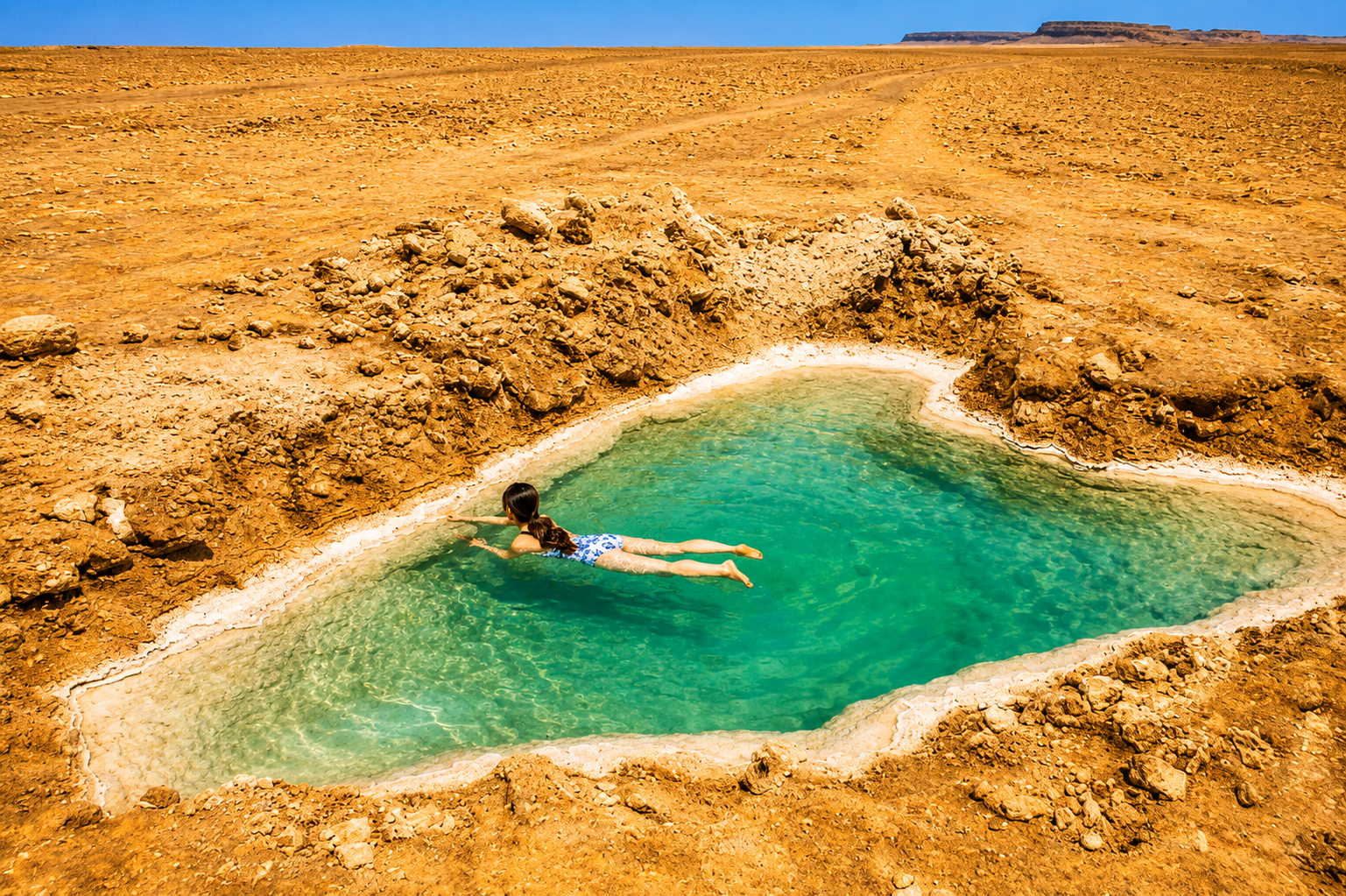
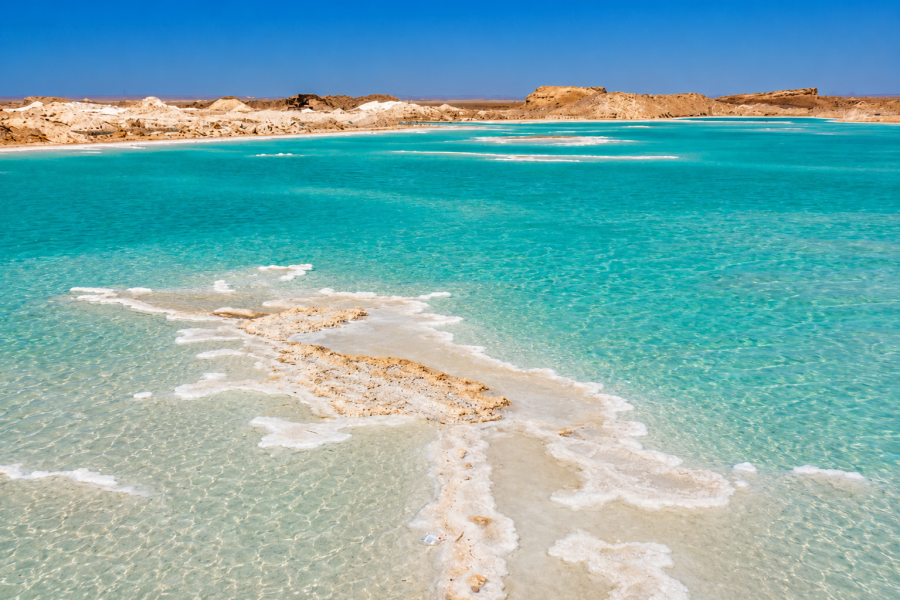
The highly saline water makes floating unusually easy, while the combination of turquoise water, white salt and desert scenery creates one of the most distinctive landscapes in Egypt.

Egypt’s official tourism portal, Experience Egypt, specifically highlights floating in Siwa’s blue salt lakes as one of the oasis’s signature experiences.

For travelers who want to enter the water, March, April, October and November provide an excellent balance.

Warum?

The air is generally warmer than midwinter, making floating more comfortable, but the weather is still much easier for the rest of your sightseeing than in summer.

That allows you to combine:

Salt Lakes → Cleopatra Spring → historical sightseeing → sunset

without spending the entire day avoiding extreme heat.

For detailed floating tips, water-safety precautions and what to bring, read our complete Siwa Salt Lakes Guide.

Can You Visit the Siwa Salt Lakes in Winter?

Ja.

December, January and February are still excellent months for visiting Siwa.

The salt lakes do not disappear during winter.

The main difference is that the combination of air and water temperature may feel cooler, particularly in the morning.

If floating is important to you, plan the lakes closer to the warmer part of the day.

Then use cooler mornings for:

  • Orakeltempel
  • Berg der Toten
  • Altstadt von Schali
  • Örtliche Besichtigungen

Winter actually makes the rest of the Siwa itinerary extremely comfortable.

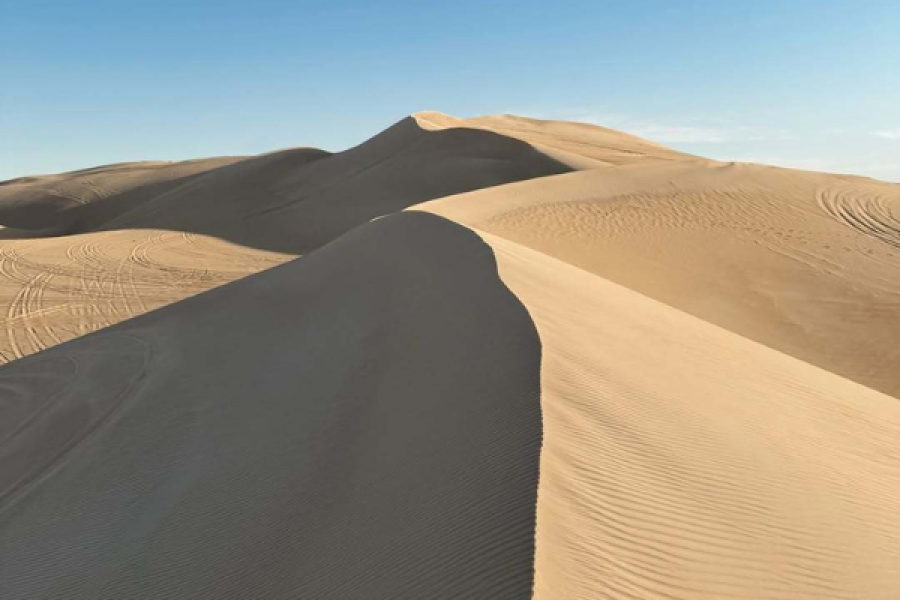
Best Time for a Great Sand Sea Safari

3-tägige Camping-Tour von Luxor über die Bahariya-Oase nach Kairo (2 Übernachtungen)

3 Nights 4 Days Tour from Cairo to White Desert, Bahariya Oasis & Luxor

2 Nights 3 Days White Desert & Dejara Cave Tour from Cairo

3-tägige Tour zur Weißen Wüste und Bahariya-Oase (2 Übernachtungen)

Ganztägige Tour am Westufer von Luxor

Siwa-Programm mit komfortablem Bus ab Kairo

Eintägige Tour zur Weißen Wüste ab Kairo

Eintägige Fayyum-Tour ab Kairo

Tour zum Nationalmuseum der Ägyptischen Zivilisation

4-tägiges Luxor-Paket ab Kairo mit Schlafwagenzug (3 Übernachtungen)

Giza Pyramids & Grand Egyptian Museum Tour

3-tägige Fayyum- und Weiße-Wüste-Tour ab Kairo (2 Übernachtungen)

6-tägige Ägypten-Oasen-Tour ab Kairo (5 Übernachtungen)

Ganztägige Tour am Ostufer von Luxor

5 Nights 6 Days Cairo, Siwa, White Desert & Bahariya Oasis Tour

6 Nights 7 Days Cairo, Siwa, Marsa Matrouh & White Desert Tour

Ganztägige Tour in Assuan

Ganztägige Tour nach Alexandria ab Kairo

4-tägige Siwa-Oasen-Tour ab Kairo

3 Nights 4 Days Cairo White Desert Tour

3-tägige Tour von Kairo nach Dakhla und Luxor (2 Übernachtungen)

3-tägige Camping-Tour in der Weißen Wüste (2 Übernachtungen)

3-tägige Kairo–Siwa-Tour (2 Übernachtungen)

3-tägige Kairo–Siwa-Tour (2 Übernachtungen)

2-tägige Tour durch Kairo und Gizeh

1 Übernachtung beim Camping in der Fayyum-Wüste ab Kairo

2-tägige Weiße-Wüste-Tour ab Kairo (1 Übernachtung)

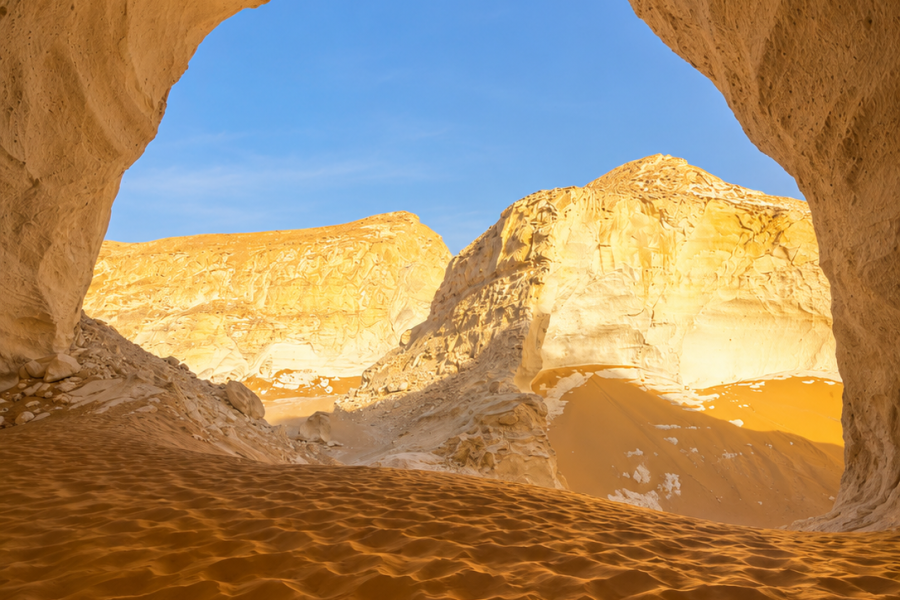
For many travelers, the Great Sand Sea becomes the adventure highlight of Siwa.

A typical safari may include:

  • 4×4 dune driving
  • High dune viewpoints
  • Sandboarding
  • Birma Wahed
  • Desert tea
  • Photography
  • Sonnenuntergang

The best period for this type of activity is generally November through March.

Cooler temperatures make walking on dunes, stopping for photographs and spending several hours outdoors much more comfortable.

The official Experience Egypt Siwa guide also highlights the Great Sand Sea and its enormous dunes as one of the oasis’s key adventure experiences.

For a complete breakdown of what the safari includes, read our Great Sand Sea Safari in Siwa Oasis guide.

Best Time for Sandboarding in Siwa

Sandboarding works best when you can spend time outside without being overwhelmed by the heat.

That makes November through March particularly attractive.

The physical challenge is not usually sliding down the dune.

It is walking back up.

Soft sand makes climbing surprisingly tiring.

In cooler months, you can repeat the experience several times without the same level of heat stress you might encounter during summer.

Best Time for Archaeological Sightseeing

Siwa is not only a nature destination.

The oasis also contains important historical sites such as:

  • Orakeltempel
  • Berg der Toten
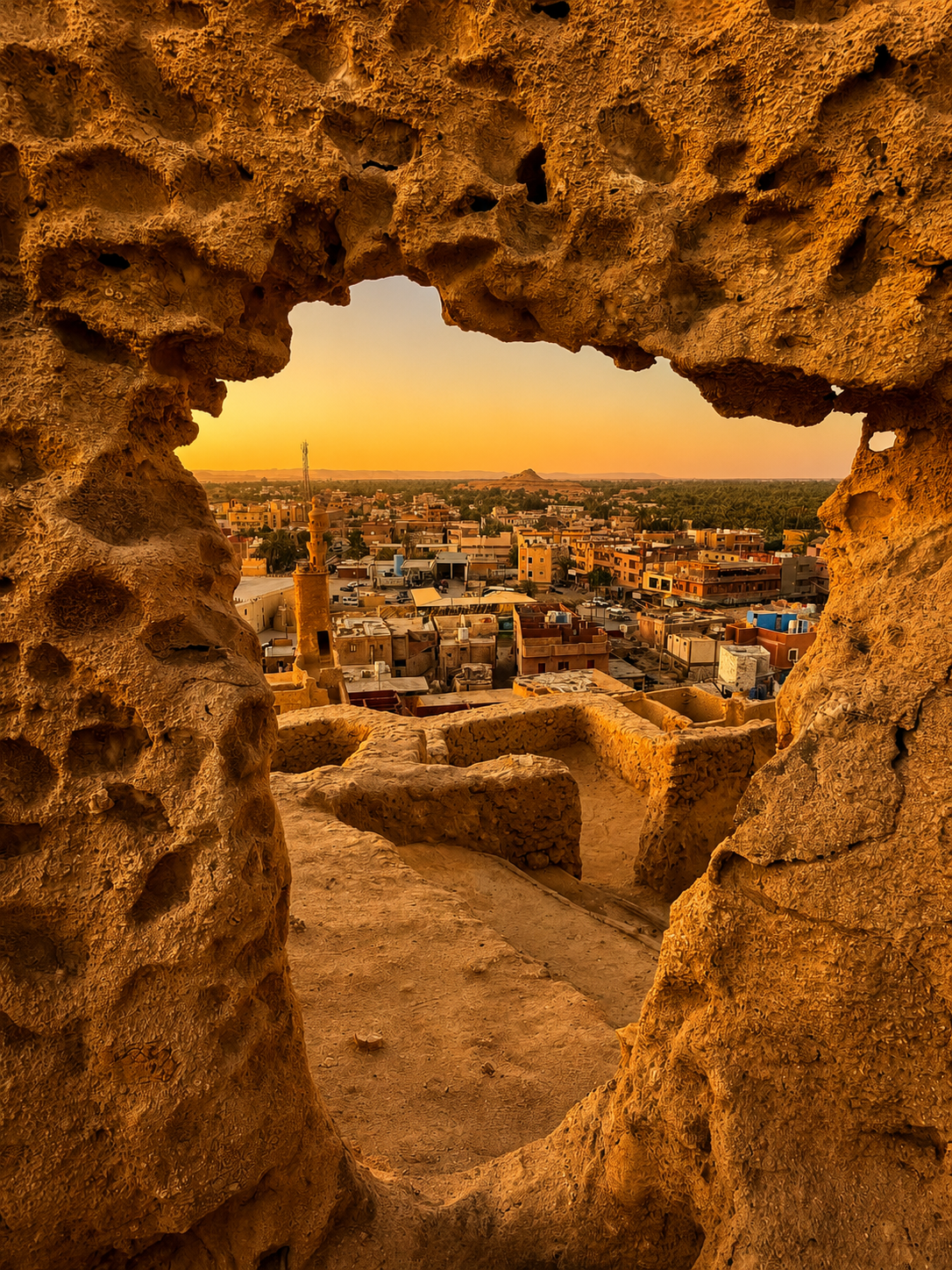
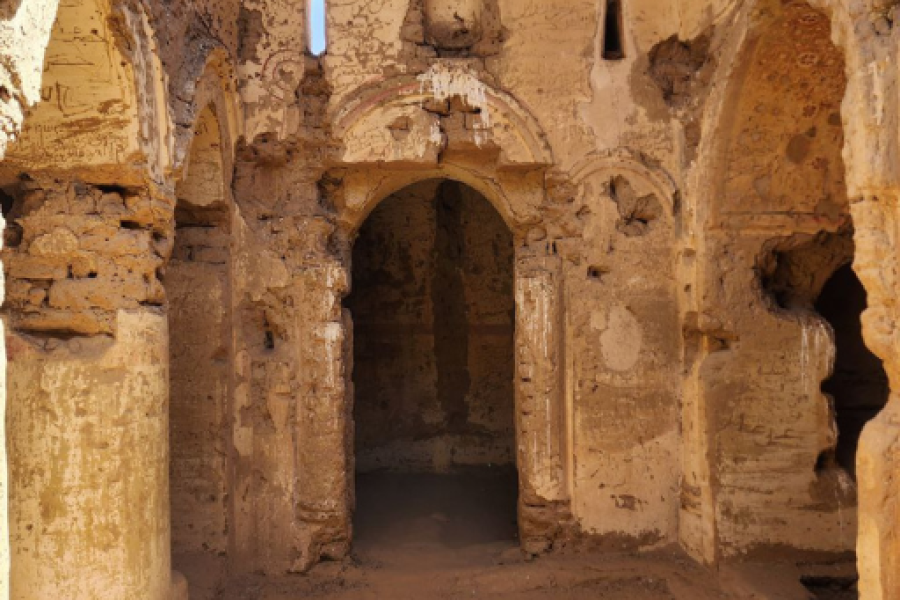
  • Altstadt von Schali
  • Amun-related temple remains

These attractions involve walking and exposure to the sun.

For that reason, November through March is excellent for visitors focused on history.

You can spend longer at each site instead of rushing from one shaded area to another.

Siwa’s archaeological landscape is also one of the reasons the Egyptian Environmental Affairs Agency lists the oasis as an important protected area combining archaeological, desert and safari tourism.

You can read the official information on the Siwa Natural Protected Area.

Best Time to Experience Siwan Culture

Siwa’s identity is different from Cairo, Luxor, Aswan and Egypt’s Mediterranean cities.

The oasis has a strong Amazigh heritage and traditions shaped by its long geographical isolation.

Culture can be experienced year-round through:

  • Food
  • Architecture
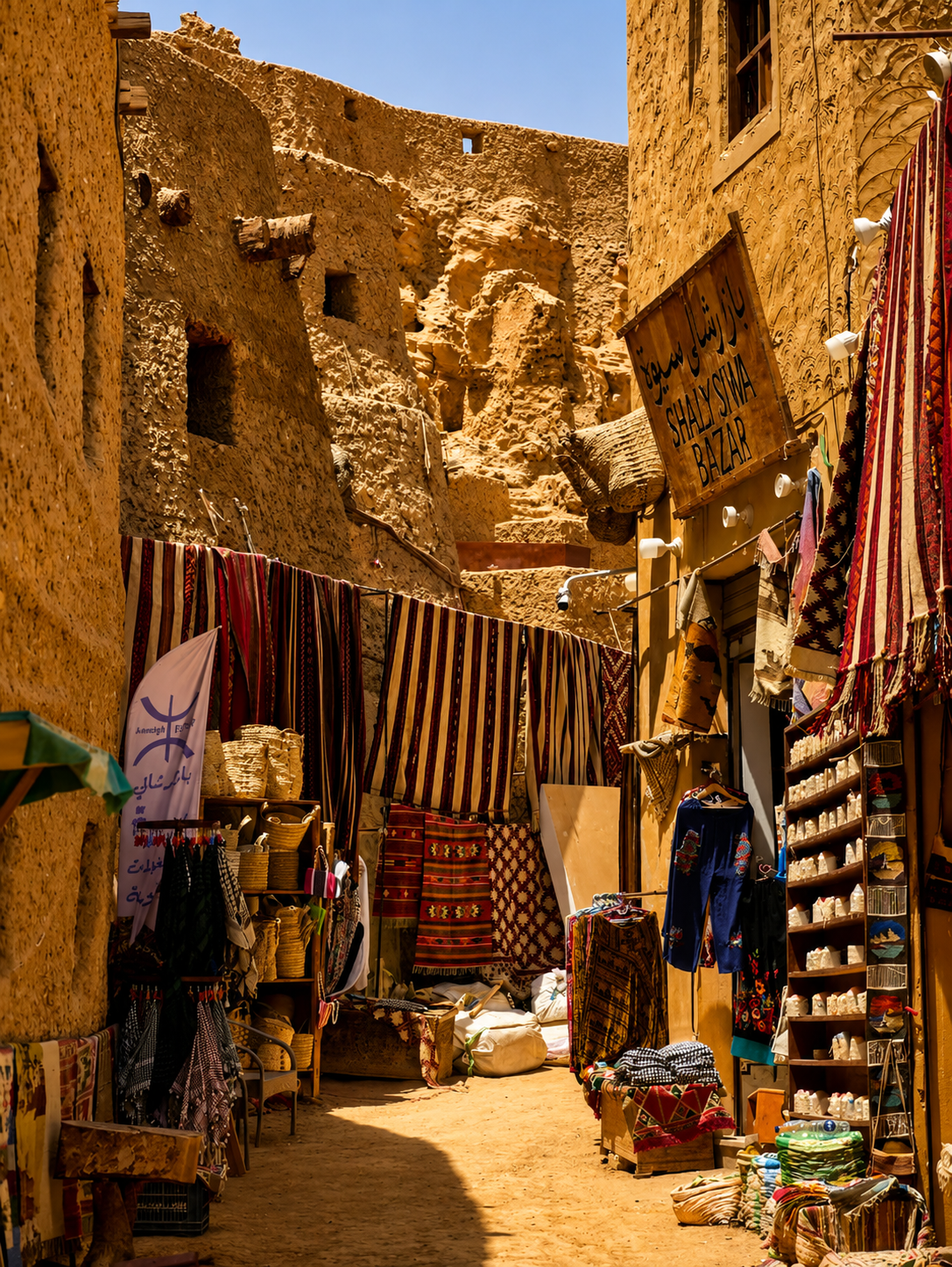
  • Märkte
  • Local crafts
  • Date and olive products
  • Traditional hospitality
  • Village life

But October has particular cultural significance.

Official Egyptian tourism material highlights Siwa’s annual date-harvest festival in October, and the traditional celebration is closely associated with the oasis community.

If your dates coincide with local celebrations, experience them respectfully.

Remember that these events belong primarily to the Siwan community rather than being staged purely for tourists.

Why October Is One of the Best Months to Visit Siwa

October is one of Siwa’s most balanced months.

Typical average daytime highs fall to around 31°C after the strongest summer heat.

That is still warm, but far easier than July or August.

October works especially well for travelers who want:

  • Salzseen
  • Warm weather
  • Local culture
  • Großes Sandmeer
  • Sonnenuntergang
  • Photography

The beginning of October may still feel hot around midday, so timing still matters.

But by late afternoon, conditions can be very attractive.

Siwa Oasis in November

If you asked us to choose one month for a first-time traveler without knowing anything else about their preferences, November would be one of the strongest choices.

Average highs are around 25°C.

That works extremely well for:

  • Salzseen
  • Großes Sandmeer
  • Archaeological sites
  • Walking
  • Shali
  • Sonnenuntergang
  • Photography

The weather is neither intensely hot nor deeply cold.

For travelers trying to fit the destination into a short itinerary, this balance is extremely valuable.

See our Siwa Oasis 3-day itinerary if you are considering a compact November trip.

Siwa Oasis in December

December is excellent for desert sightseeing.

Average daytime highs are around 21°C.

You can comfortably spend much more time outside than during summer.

December is particularly good for:

  • Safari im Großen Sandmeer
  • Ancient sites
  • Long photography stops
  • Altstadt von Schali
  • Walking

However, average nighttime lows fall to around 9°C.

Bring layers.

A light jacket or sweater becomes useful after sunset, especially if you remain in the desert into the evening.

Siwa Oasis in January

January is usually the coolest month.

Average highs are around 19°C and lows around 7°C.

For travelers who dislike heat, January is excellent.

You can spend long periods exploring:

  • Orakeltempel
  • Berg der Toten
  • Shali
  • Desert dunes

The main disadvantage is salt-lake comfort.

Floating is still possible, but it may feel colder than in spring or autumn.

January travelers should pack both swimwear and warm evening clothing.

Siwa Oasis in February

February is another excellent month.

Average highs rise to around 22°C while conditions remain comfortable for long outdoor days.

It is particularly good for:

  • Safari im Großen Sandmeer
  • Cultural sightseeing
  • Archaeology
  • Walking
  • Salt-lake visits during warmer daytime hours

February also works extremely well for travelers combining Siwa with other Egyptian destinations.

You can move from Cairo to Siwa and later continue into another desert region without dealing with summer temperatures.

Siwa Oasis in March

March may be one of the best choices for travelers who want both salt lakes and desert adventure.

Average daytime highs rise to around 25°C.

That is warm enough to make floating more appealing but still comfortable enough for sightseeing and safari.

March is strong for:

  • Siwa-Salzseen
  • Großes Sandmeer
  • Sandboarding
  • Photography
  • Historische Stätten
  • Sonnenuntergang

For many travelers, it offers the perfect balance between winter and summer.

Siwa Oasis in April

Water shoes or secure sandals can be useful.

The ground surrounding the pools can vary significantly.

You may encounter:

  • Hard salt crust
  • Rough ground
  • Mud
  • Crystals
  • Uneven surfaces

Walking barefoot is not always comfortable.

Ask your guide whether footwear is recommended at the specific pool you visit.

Are There Changing Rooms and Toilets at the Siwa Salt Lakes?

April becomes noticeably warmer.

Average highs reach around 30°C.

That makes the salt lakes particularly appealing.

April is excellent for visitors who prioritize:

  • Floating
  • Warm weather
  • Spring travel
  • Photography

The trade-off is that midday sightseeing becomes hotter.

Plan longer walks earlier in the morning and move relaxing activities closer to the warmest period.

Siwa Oasis in May

By May, average daytime highs reach around 34°C.

The destination is still completely visitable.

But your travel rhythm should change.

Early mornings become more important.

Long midday walks become less attractive.

A practical May schedule might be:

Vormittag: archaeological sightseeing
Mittags: lunch and rest
Late afternoon: Salt Lakes or oasis stops
Abend: sunset

May is better suited to travelers who are comfortable with heat.

Siwa Oasis in June

June is hot.

Average daytime highs are around 37°C.

At this point, climate becomes a major part of your itinerary.

If June is your only travel window:

  • Start early
  • Drink regularly
  • Carry sun protection
  • Reduce midday walking
  • Use air-conditioned transportation
  • Schedule desert activities later

The oasis remains beautiful.

You simply need to experience it at a slower pace.

Siwa Oasis in July

July is one of the hottest months of the year.

Average highs reach around 38°C.

For a first-time visitor who wants a packed program of archaeology, dunes and photography, this is not the easiest season.

A three-day itinerary that feels comfortable in February can become exhausting in July.

Unless your schedule requires summer travel, the cooler season is normally a better choice.

Siwa Oasis in August

August remains extremely hot, with average daytime highs around 38°C.

Although swimming and salt-lake floating may sound attractive in hot weather, remember that the lakes are only one part of the destination.

Your journey also includes:

  • Long-distance road travel
  • Historische Stätten
  • Villages
  • Outdoor viewpoints
  • Desert areas

For most international travelers, the overall Siwa experience is easier outside peak summer.

Siwa Oasis in September

September begins the transition toward autumn.

Average highs are still around 35°C.

Early September can remain challenging during midday.

By later in the month, the gradual shift toward cooler conditions becomes more noticeable.

If you have flexibility, October or November usually offers a better overall experience.

Siwa Oasis in October

October returns Siwa to one of its strongest travel periods.

Average highs are around 31°C and nights become cooler.

The month is particularly attractive for travelers who want:

  • Warm salt-lake conditions
  • Cultural atmosphere
  • Safari
  • Sonnenuntergang
  • Photography

It is one of the best months for travelers who prefer warmth but want to avoid the most intense summer conditions.

What Is the Best Month to Visit Siwa Oasis?

There is no single answer, but here is our practical recommendation.

Choose October if:

You want warm weather, salt lakes and cultural atmosphere.

Choose November if:

You want the best overall balance.

Choose December if:

You want comfortable sightseeing and desert photography.

Choose January if:

You strongly dislike heat.

Choose February if:

You want mild weather and excellent safari conditions.

Choose March if:

You want warmer floating conditions plus desert adventure.

Choose April if:

Salt lakes and warm weather are priorities.

Choose May–September if:

Your schedule requires it and you are comfortable adapting around desert heat.

Best Time for Photography in Siwa

Siwa offers several completely different types of photography in one destination.

Sie können Folgendes fotografieren:

  • Turquoise salt water
  • White salt formations
  • Palm groves
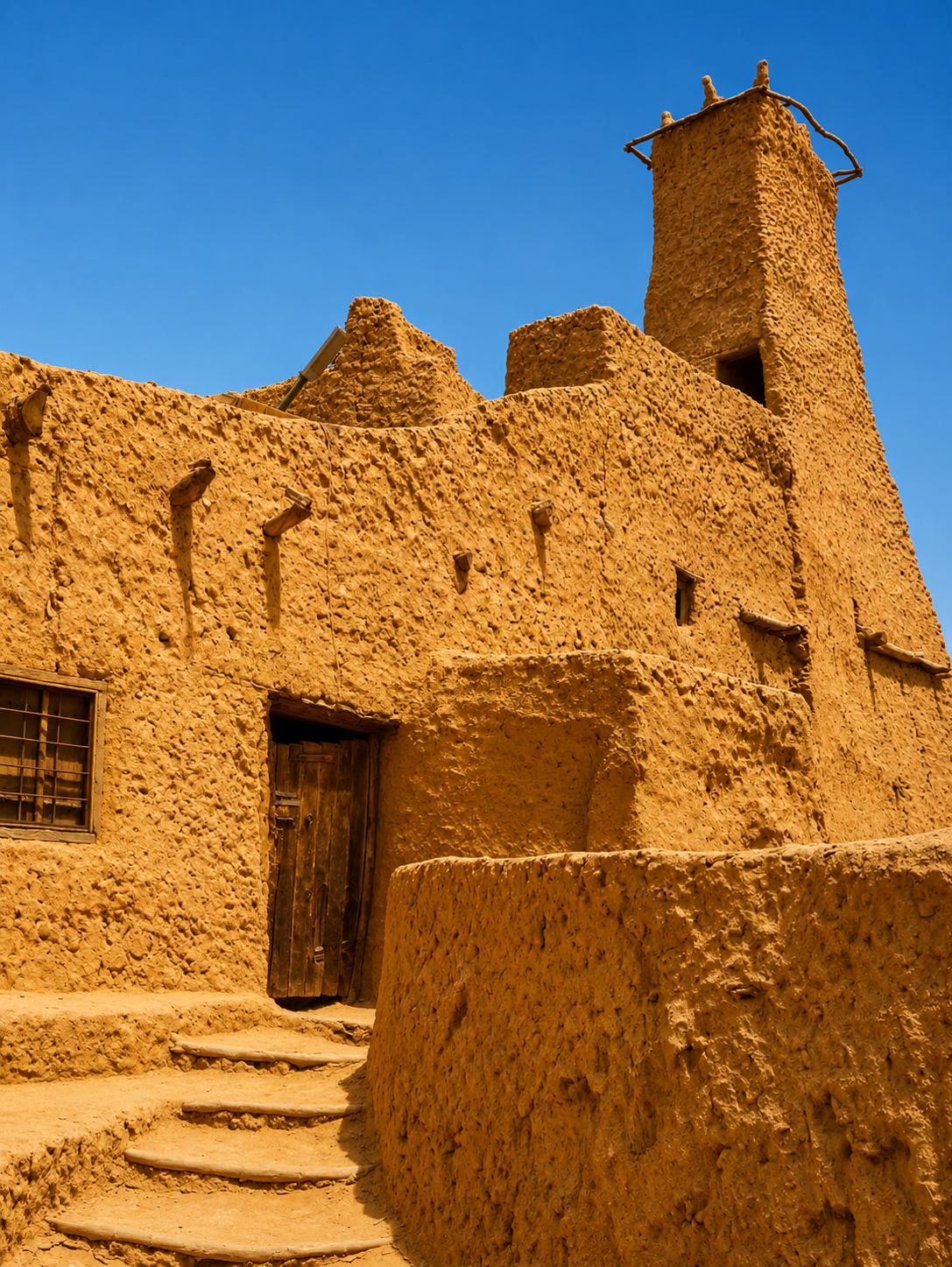
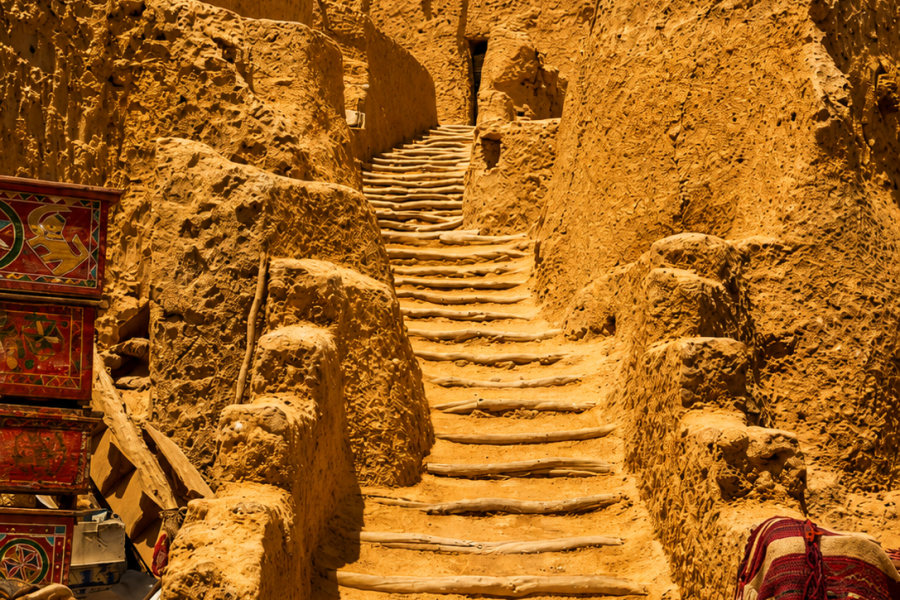
  • Mud-brick architecture
  • Ancient ruins
  • Great Sand Sea dunes
  • Fitnas Island
  • Desert roads
  • Springs

For landscape photographers, October through April is easiest because the cooler weather allows longer periods outside.

But time of day can matter more than month.

Best Time of Day for Salt-Lake Photography

The bright blue appearance of the salt lakes depends partly on:

  • Sunlight
  • Water conditions
  • Viewing angle
  • Sky conditions

Stronger daylight can intensify the visual contrast between blue water and white salt.

That means the lakes may photograph better under stronger sun than the dunes.

Read our Siwa Salt Lakes guide for additional photography and floating advice.

Best Time of Day for Great Sand Sea Photography

The Great Sand Sea is different.

Lower-angle light is usually more dramatic.

Late afternoon creates:

  • Long shadows
  • Strong dune curves
  • Warm colors
  • Better texture

That is why sunset safaris are so popular.

Our Great Sand Sea Safari guide explains how dune driving, sandboarding and sunset can be combined.

Best Time to Visit Siwa for Couples

October through April works extremely well for couples.

A private Siwa trip can combine:

  • Salt-lake floating
  • Eco-lodge accommodation
  • Fitnas Island sunset
  • Private desert safari
  • Springs
  • Shali
  • Quiet dinners

October, November, February and March stand out because the weather supports long days without the strongest summer heat.

A slower 4-day Siwa itinerary is especially suitable for couples who do not want the trip to feel rushed.

Best Time to Visit Siwa With Children

Families usually benefit from moderate temperatures.

For that reason, November through March is particularly strong.

Children can spend longer outdoors comfortably.

Families can also adjust the Great Sand Sea experience by choosing:

  • Gentler 4×4 driving
  • More breaks
  • Shorter sandboarding sessions
  • Longer sightseeing stops

A private trip gives you more flexibility.

Our 4-tägige Siwa-Oasen-Tour ab Kairo works well for families who want a less rushed pace.

Best Time for a 3-Day Siwa Trip

Short trips benefit most from good weather.

With only three days, you need to use each sightseeing window efficiently.

A compact itinerary may include:

  • Cairo–Siwa road journey
  • Shali
  • Salt Lakes
  • Oracle Temple
  • Berg der Toten
  • Kleopatra-Quelle
  • Fitnas Island
  • Großes Sandmeer

In summer, the middle of the day may become difficult to use effectively.

In cooler months, you can fit more into the schedule naturally.

That makes October through April the preferred season for a short trip.

Read our complete Siwa Oasis 3-Day Itinerary for the detailed route.

If you prefer a ready-made program, see the 2 Nächte, 3 Tage: Siwa-Tour ab Kairo.

Best Time for a 4-Day Siwa Trip

Four days gives you more flexibility in any season.

Instead of putting multiple major attractions into one day, you can spread the experience out.

This is particularly useful for:

  • Salt-lake photography
  • Cultural stops
  • Relaxed meals
  • Sonnenuntergang
  • Großes Sandmeer
  • Springs

See our Siwa Oasis 4-Day Itinerary if you want to compare the pace with a shorter trip.

For an organized option, explore our 4-tägige Siwa-Oasen-Tour ab Kairo.

Best Time to Travel to Siwa From Cairo

The road between Cairo and Siwa is long regardless of season.

That makes the number of days more important than the month.

A rushed trip wastes too much time on the road.

If you are deciding how to reach the oasis, read our complete Siwa Oasis from Cairo guide.

For most visitors:

3 days = compact

4 days = better

5+ days = excellent for combined desert itineraries

Can You Visit Siwa Oasis in Summer?

  1. Ja.

    There is no rule saying you cannot visit between June and August.

    But you need to adapt.

    A good summer schedule might look like this:

    Early Morning

    Visit archaeological sites.

    Late Morning

    Return toward shaded or indoor areas.

    Mittag

    Rest, lunch and hydration.

    Late Afternoon

    Visit lakes, springs or shorter attractions.

    Sonnenuntergang

    Enjoy Fitnas Island or another viewpoint.

    The key difference is pace.

    Winter gives you much more freedom throughout the entire day.

Is Winter Too Cold for Siwa?

No.

Winter is actually one of the best seasons.

The main thing travelers underestimate is nighttime temperature.

Daytime sunshine can feel warm.

Then the temperature drops quickly after sunset.

Pack:

  • Light jacket
  • Sweater or fleece
  • Lange Hosen
  • Closed shoes
  • Scarf if desired

This is especially important if you plan a Great Sand Sea sunset.

Are Siwa Salt Lakes Worth Visiting?

Absolutely, especially when they are experienced as part of Siwa rather than as an isolated photo stop.

The ability to float easily is memorable, but the real appeal is the combination of water, salt and desert.

Few places offer the same visual contrast.

You can float in intense blue water in the morning, walk among ancient ruins later in the day and watch the sun disappear behind enormous dunes by evening.

That variety makes Siwa one of the most unusual destinations in Egypt.

Travelers planning a broader journey around the country can browse our complete Ägypten-Touren collection to combine Siwa with Cairo, Giza, Alexandria, Fayoum, the White Desert, Luxor or Aswan.

Does It Rain in Siwa?

Very little.

The climate data shows extremely low annual rainfall.

Rain is therefore usually less important than:

  • Temperature
  • Sun
  • Wind

You should still check the short-term forecast before departure because unusual weather can always occur.

Is Siwa Windy?

Wind varies throughout the year.

For ordinary sightseeing, moderate wind is rarely a major issue.

For desert photography, however, blowing sand can affect:

  • Cameras
  • Lenses
  • Phone ports
  • Eyes

Keep camera equipment protected and avoid unnecessary lens changes when sand is moving.

Best Time to Combine Siwa and the White Desert

This is one of the strongest uses of seasonal planning.

A longer Western Desert route can connect:

Cairo → Siwa → Bahariya Oasis → Black Desert → White Desert

For most travelers, October through March is the strongest window.

Warum?

Because both Siwa and the White Desert involve long periods outdoors.

After enjoying Siwa’s salt lakes and Great Sand Sea, travelers can continue toward Oase Bahariya, Ägypten, the Black Desert Ägypten and finally the famous White Desert Egypt.

The landscapes change dramatically along the way.

Siwa gives you:

  • Salzseen
  • Springs
  • Palm groves
  • Großes Sandmeer
  • Amazigh culture

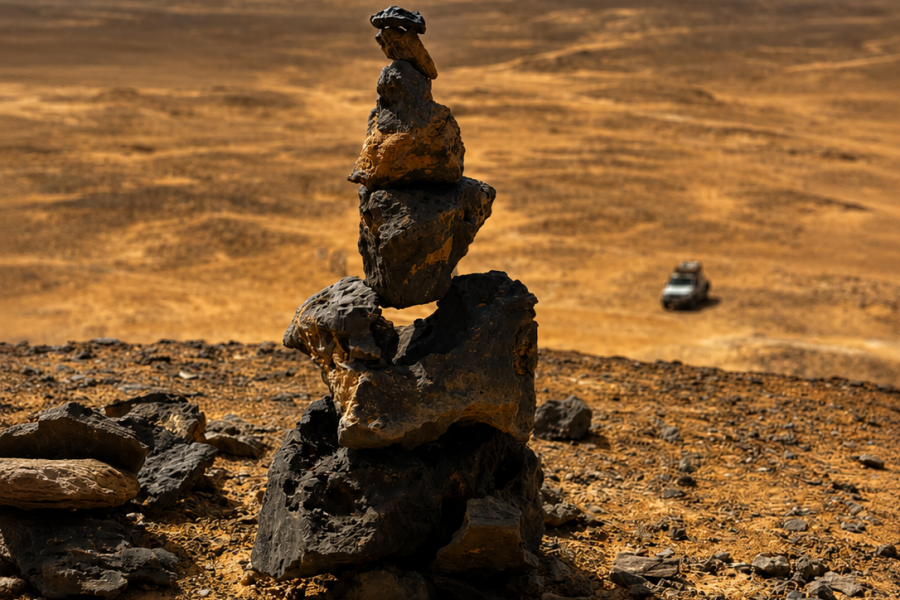
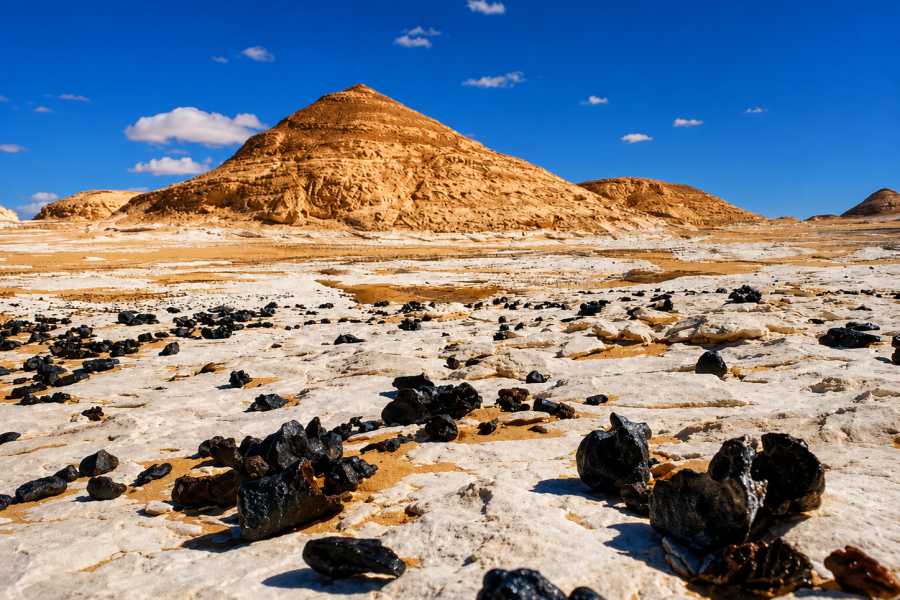
Bahariya and the Black Desert give you:

  • Oasis scenery
  • Rocky hills
  • Volcanic-looking landscapes

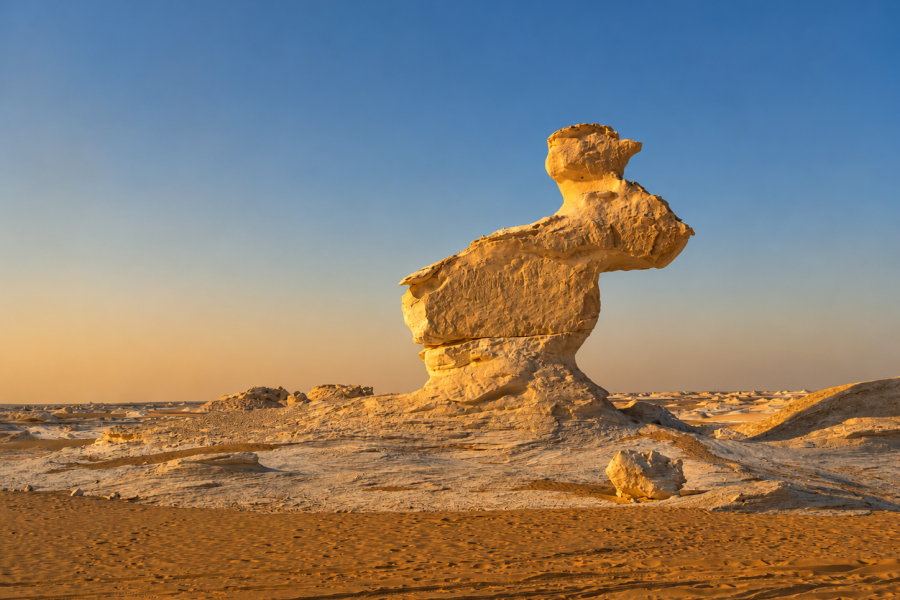
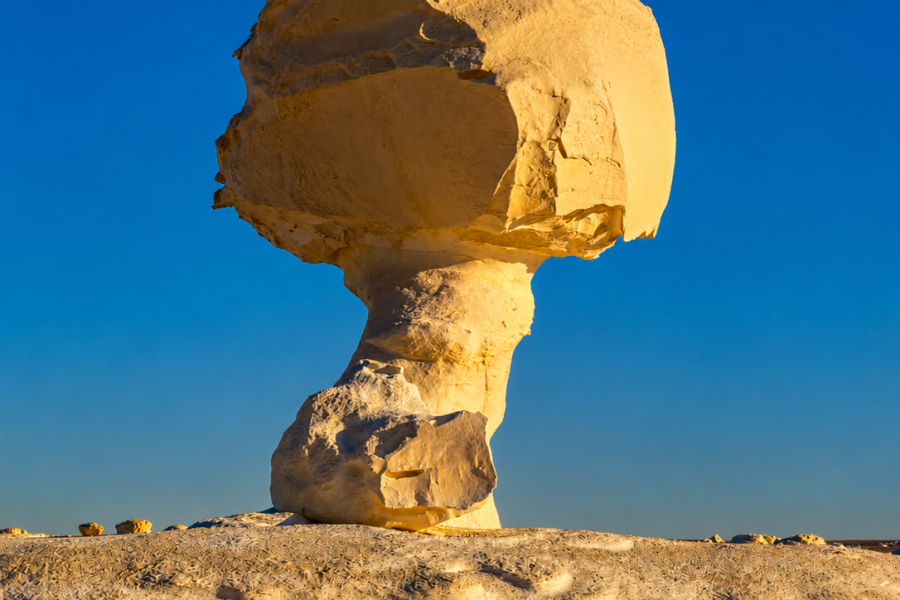
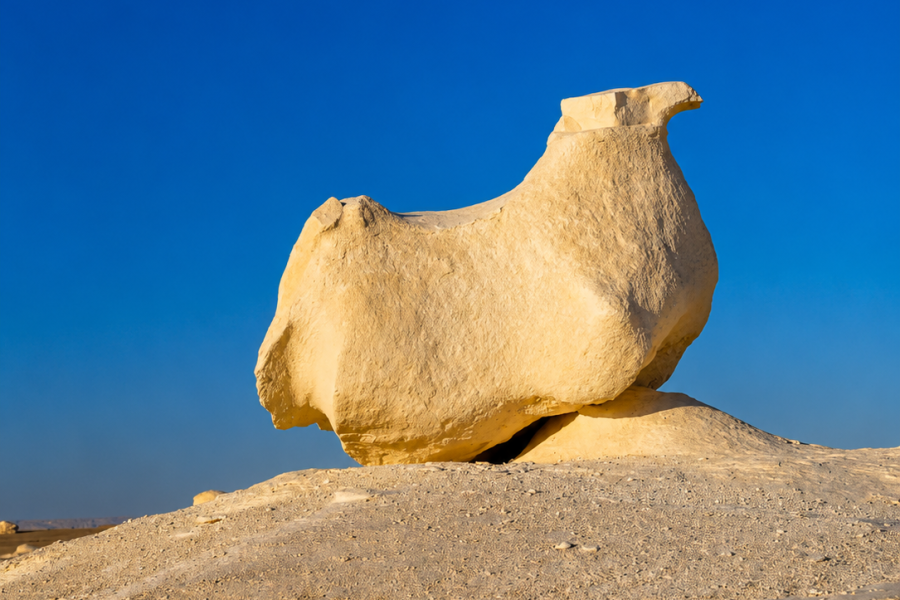
„The White Desert“ fügt hinzu:

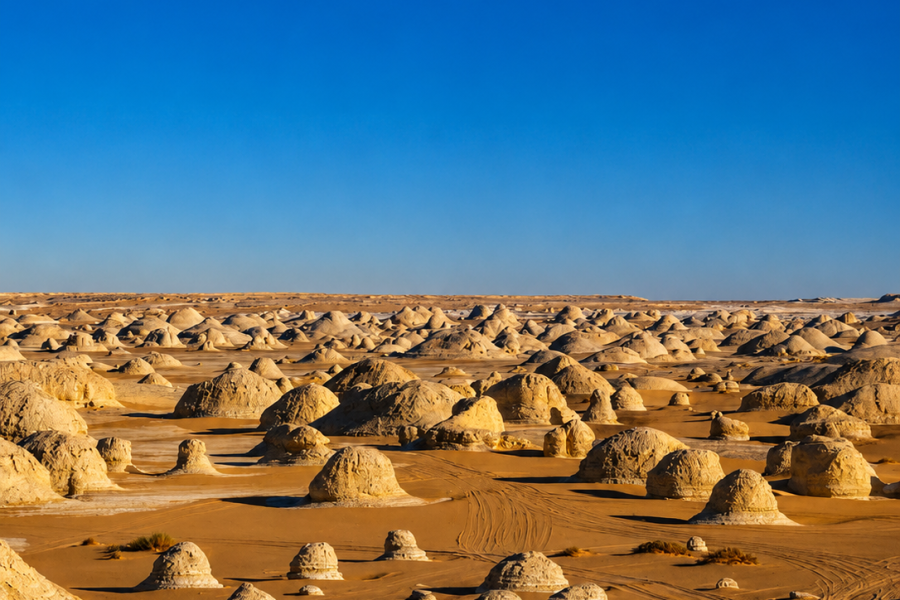
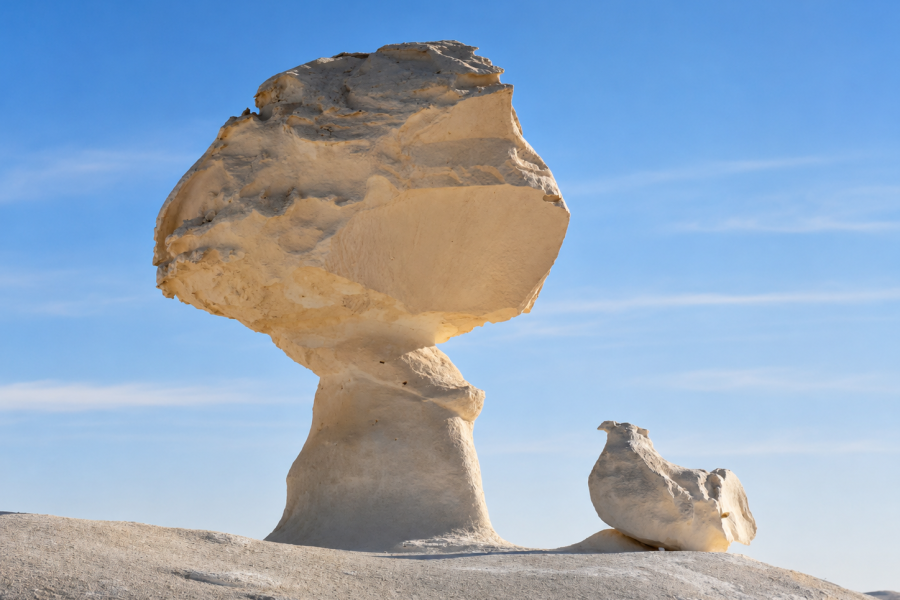
  • Chalk formations
  • Agabat
  • Kristallberg
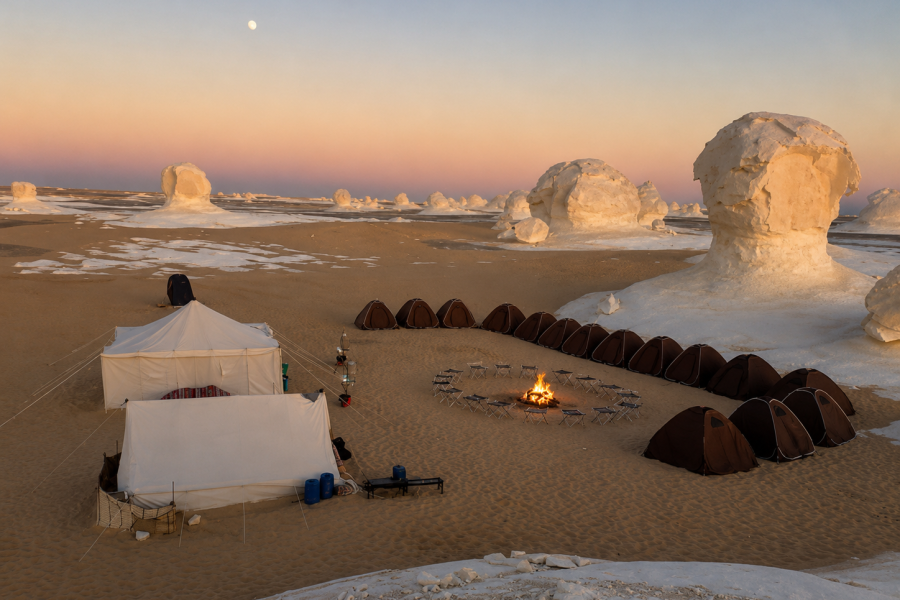
  • Camping
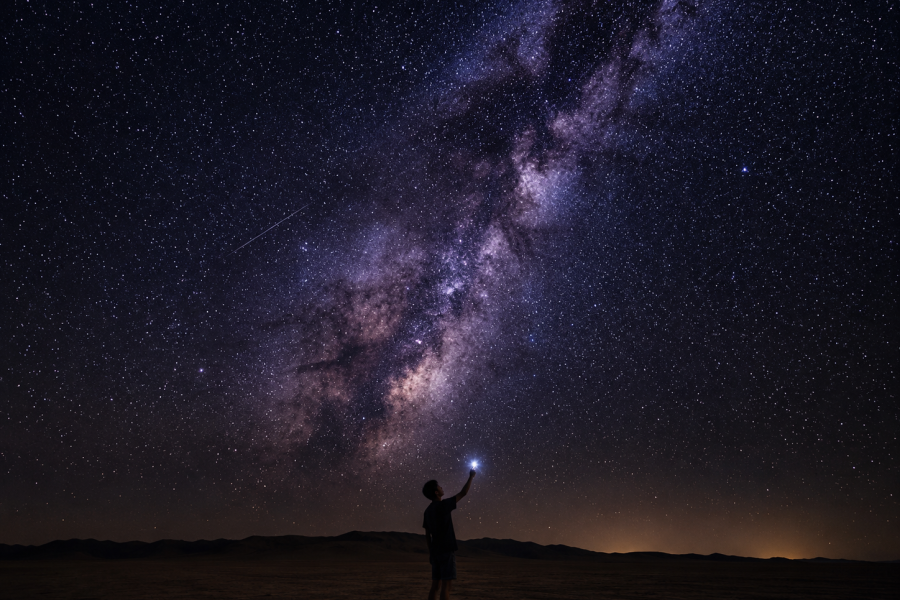
  • Stargazing

Travelers considering the full route should compare Siwa’s season with our detailed best time to visit the White Desert Egypt.

Can You Book Siwa and the White Desert Together?

Ja.

For travelers with enough time, a combined route is one of the best ways to experience Egypt’s Western Desert.

Our Cairo, Siwa, Bahariya Oasis and White Desert Tour combines multiple desert regions into one journey.

There are also longer alternatives combining Siwa with additional Western Desert stops.

This type of route is especially suitable for:

  • Fotografen
  • Abenteuerreisende
  • Repeat Egypt visitors
  • Desert lovers
  • Travelers who want something beyond classical monuments

Siwa or White Desert in Winter?

Both are excellent.

But they offer completely different experiences.

Choose Siwa if you want:

  • Salzseen
  • Springs
  • Oasis culture
  • Archaeology
  • Großes Sandmeer
  • Hotel or eco-lodge accommodation

Choose White Desert if you want:

  • Remote safari
  • Chalk formations
  • Schwarze Wüste
  • Kristallberg
  • Camping
  • Stargazing

If you only have two days, the White Desert is easier to fit into a Cairo itinerary.

If you have three or four days, Siwa becomes more realistic.

Read our White Desert from Cairo guide if travel time is the deciding factor.

What to Pack for Siwa by Season

October–November

Bitte mitbringen:

  • Lightweight clothes
  • Sonnenbrillen
  • Sonnenbrillen
  • Hat
  • Swimwear
  • Comfortable shoes
  • Light evening layer

December–February

Bring all of the above plus:

  • Jacket
  • Sweater
  • Lange Hosen
  • Warmer evening clothing

Do not forget swimwear if you plan the salt lakes.

March–April

Bitte mitbringen:

  • Lightweight clothing
  • Strong sun protection
  • Swimwear
  • Hat
  • Comfortable shoes
  • Light evening layer

May–September

Prioritize:

  • Breathable clothing
  • Strong sunscreen
  • Hat
  • Sonnenbrillen
  • Water
  • Comfortable footwear
  • Flexible daily schedule

Common Mistakes When Choosing When to Visit Siwa

  1. Assuming Egypt Is Hot All Year

Winter nights can be cool.

  1. Looking Only at Daytime Temperatures

The desert cools quickly after sunset.

  1. Planning July Like February

Summer needs a slower itinerary.

  1. Expecting January to Feel Like Beach Weather

Winter is excellent for sightseeing but cooler for floating.

  1. Visiting Only for the Salt Lakes

Siwa has much more to offer.

  1. Ignoring the Great Sand Sea

It is one of the oasis’s signature experiences.

  1. Scheduling Every Attraction at Midday

Use different times for different activities.

  1. Trying to Visit Siwa in One Day From Cairo

The distance makes this unrealistic for normal travelers.

  1. Packing Only Summer Clothes in December

Bring layers.

  1. Treating Climate Averages as a Forecast

Always check current conditions before departure.

So, When Should First-Time Travelers Visit Siwa?

For a first visit, our preferred window is:

mid-October through March, with April also excellent for travelers who prefer warmer weather.

If we had to narrow the choice further:

October

Best for warmth + culture + salt lakes.

November

Best overall balance.

February

Best for comfortable sightseeing and safari.

March

Best for salt lakes + safari together.

These months give travelers the flexibility to experience Siwa rather than constantly adapting around extreme temperatures.

Plan Your Siwa Oasis Trip

Once you choose your month, the next question is how to organize the itinerary.

Start with our complete Siwa Oasis Egypt guide.

Then use the specialist guides that match your priorities:

If you prefer a private organized program, consider:

For travelers building a larger Egypt itinerary, browse our complete Ägypten-Touren collection and our guide to the best places to visit in Egypt.

The best time to visit Siwa Oasis is not simply the month with the lowest temperature.

It is the month that gives you the best conditions for your priorities.

For the strongest overall combination of Siwa Salt Lakes, Great Sand Sea safari, culture, archaeology and photography, October through April remains the best travel window, with October, November, February and March standing out for most first-time visitors.

4-tägige Siwa-Oasen-Tour ab Kairo

Eintägige Fayyum-Tour ab Kairo

Giza Pyramids & Grand Egyptian Museum Tour

Eintägige Tour zur Weißen Wüste ab Kairo

1 Übernachtung beim Camping in der Fayyum-Wüste ab Kairo

3-tägige Kairo–Siwa-Tour (2 Übernachtungen)

Siwa-Programm mit komfortablem Bus ab Kairo

2-tägige Weiße-Wüste-Tour ab Kairo (1 Übernachtung)

2 Nights 3 Days White Desert & Dejara Cave Tour from Cairo

3-tägige Camping-Tour in der Weißen Wüste (2 Übernachtungen)

3 Nights 4 Days Cairo White Desert Tour

3-tägige Camping-Tour von Luxor über die Bahariya-Oase nach Kairo (2 Übernachtungen)

3-tägige Tour zur Weißen Wüste und Bahariya-Oase (2 Übernachtungen)

3-tägige Kairo–Siwa-Tour (2 Übernachtungen)

3 Nights 4 Days Tour from Cairo to White Desert, Bahariya Oasis & Luxor

6 Nights 7 Days Cairo, Siwa, Marsa Matrouh & White Desert Tour

3-tägige Fayyum- und Weiße-Wüste-Tour ab Kairo (2 Übernachtungen)

5 Nights 6 Days Cairo, Siwa, White Desert & Bahariya Oasis Tour

6-tägige Ägypten-Oasen-Tour ab Kairo (5 Übernachtungen)

Tour zum Nationalmuseum der Ägyptischen Zivilisation

2-tägige Tour durch Kairo und Gizeh

4-tägiges Luxor-Paket ab Kairo mit Schlafwagenzug (3 Übernachtungen)

3-tägige Tour von Kairo nach Dakhla und Luxor (2 Übernachtungen)

Ganztägige Tour nach Alexandria ab Kairo

Ganztägige Tour am Westufer von Luxor

Ganztägige Tour am Ostufer von Luxor

Ganztägige Tour in Assuan

Frequently Asked Questions About the Best Time to Visit Siwa Oasis

October through April is generally the best time to visit Siwa Oasis because temperatures are more comfortable for sightseeing, salt lakes, archaeological sites and Great Sand Sea safari activities.

November is one of the best all-round months because daytime temperatures are comfortable for both oasis sightseeing and desert activities. October, February and March are also excellent.

March, April, October and November provide a good balance between warmer daytime conditions for floating and comfortable weather for the rest of the itinerary.

November through March is particularly comfortable for Great Sand Sea safari because cooler temperatures make dune driving, walking, sandboarding and sunset stops easier.

Yes. October is one of the best months for Siwa because temperatures become more comfortable after summer while remaining warm enough for salt-lake visits.

Yes. November is one of the strongest months overall because the weather is comfortable for salt lakes, archaeology, sightseeing, photography and Great Sand Sea safari.

Yes. December is excellent for outdoor sightseeing and safari. Days are mild, although evenings and nights can become cool.

Yes. January is particularly good for travelers who dislike heat. It is excellent for sightseeing and safari, although floating in the salt lakes may feel cooler.

Yes. February combines mild daytime weather with excellent conditions for desert safari, archaeological sites and outdoor sightseeing.

Yes. March is one of the best months because daytime temperatures become warmer while remaining comfortable for sightseeing. It is particularly good for travelers who want both salt lakes and safari.

Yes. April is warmer and especially attractive for salt-lake floating, although midday sightseeing can be hotter than during winter.

Yes, but summer is very hot. Travelers should start sightseeing early, rest during the hottest hours, stay hydrated and schedule outdoor activities around cooler periods.

July and August are among the hottest months, with average daytime highs around 38°C. Travel is possible but less comfortable for long outdoor sightseeing days.
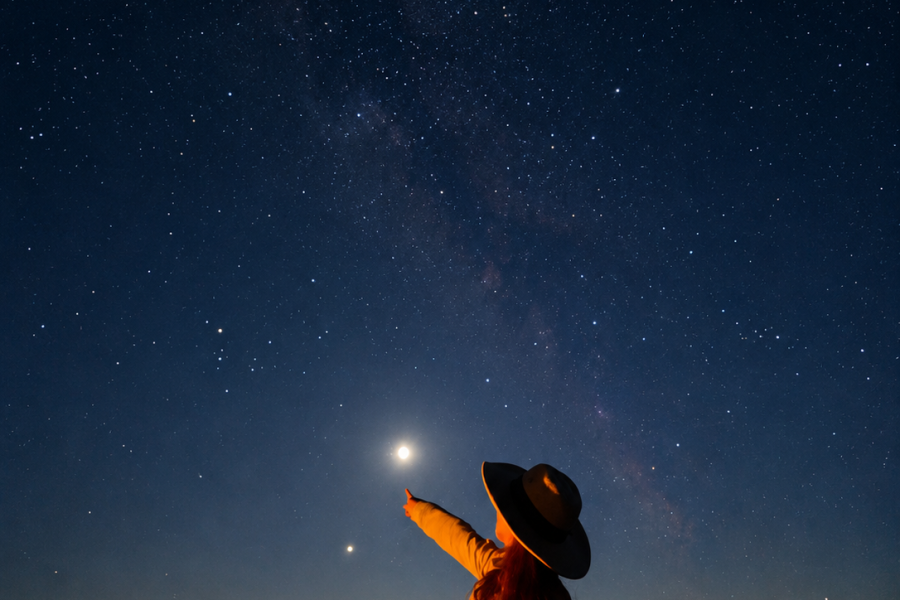
Winter days are generally pleasant, but nights and early mornings can become cool. Bring a warm layer, especially for sunset safari activities.
No. Siwa receives very little rainfall. Temperature, sun and wind are generally more important considerations for travelers.
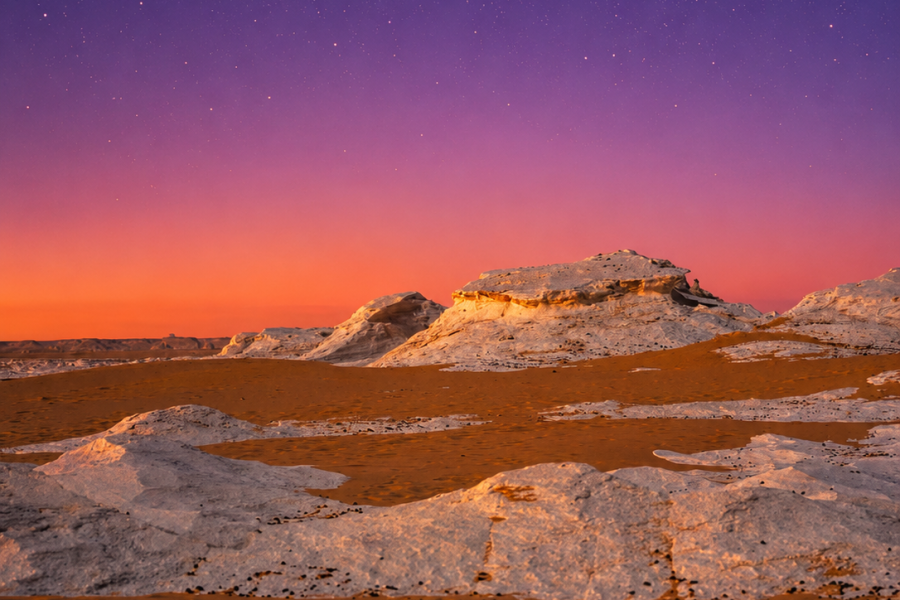
October through April is excellent because cooler weather allows photographers to spend more time outdoors. Sunrise and late afternoon are particularly good for desert landscapes.

October through March is ideal for many travelers because both destinations involve extensive outdoor and desert activities.

Three days is a practical minimum for many travelers arriving from Cairo, while four days provides a more comfortable itinerary with additional time for salt lakes, desert safari, archaeological sites and culture.

Both are excellent. November is cooler and particularly comfortable for sightseeing and safari, while March is warmer and often better for travelers who prioritize floating in the salt lakes.

Yes. Winter is one of the best seasons to visit Siwa because the weather is ideal for desert exploration, historical sites and longer outdoor days.