White Desert National Park Egypt: Complete Guide to the White Desert Protectorate

White Desert National Park is one of Egypt’s most extraordinary protected landscapes—a vast wilderness of brilliant white chalk, wind-sculpted formations, fossil-rich limestone, dunes and open desert between Bahariya and Farafra in Egypt’s Western Desert.

For many international travelers, the White Desert is the place where the idea of an Egypt desert safari becomes completely different from the endless golden dunes they expected.

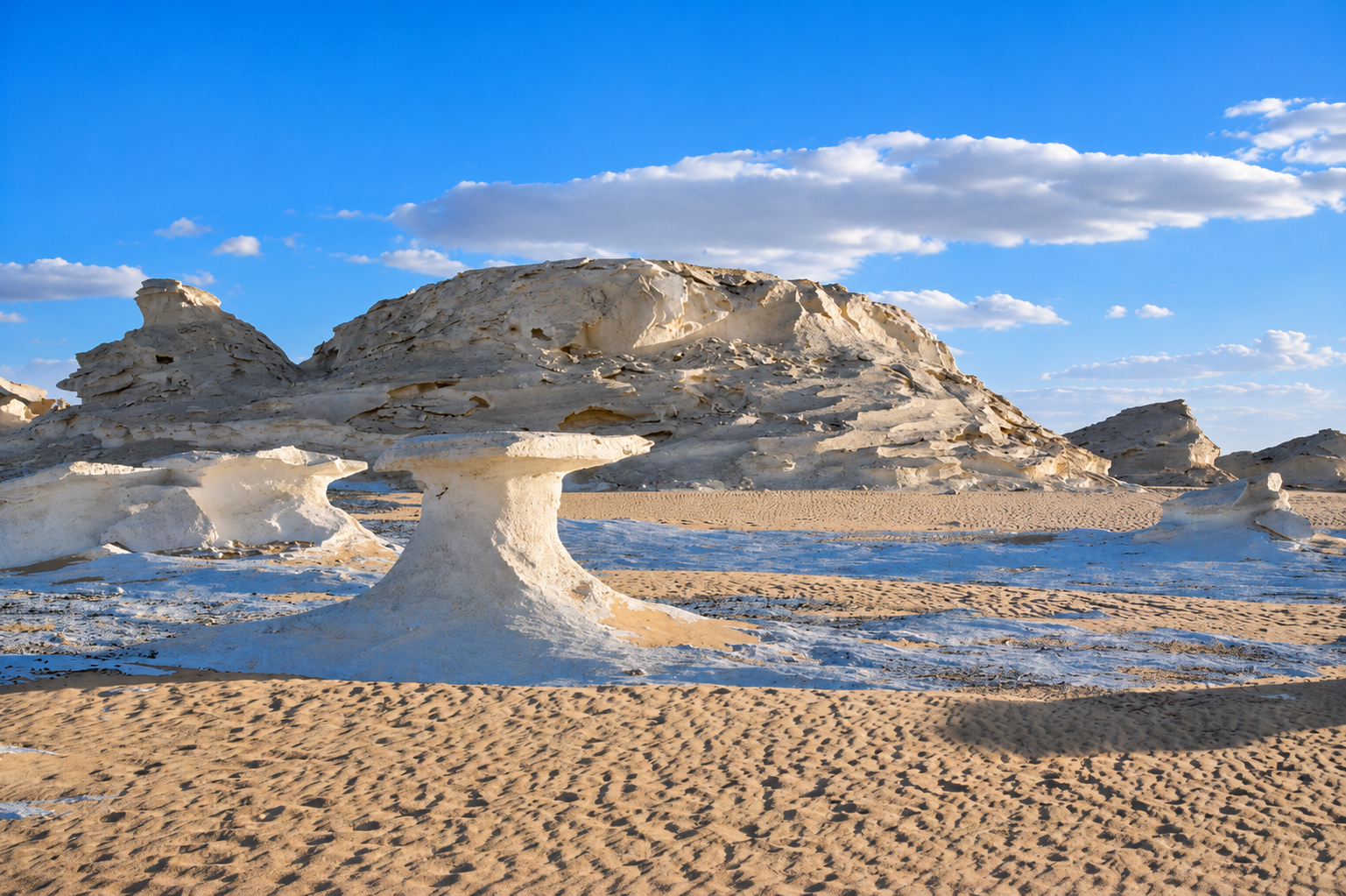
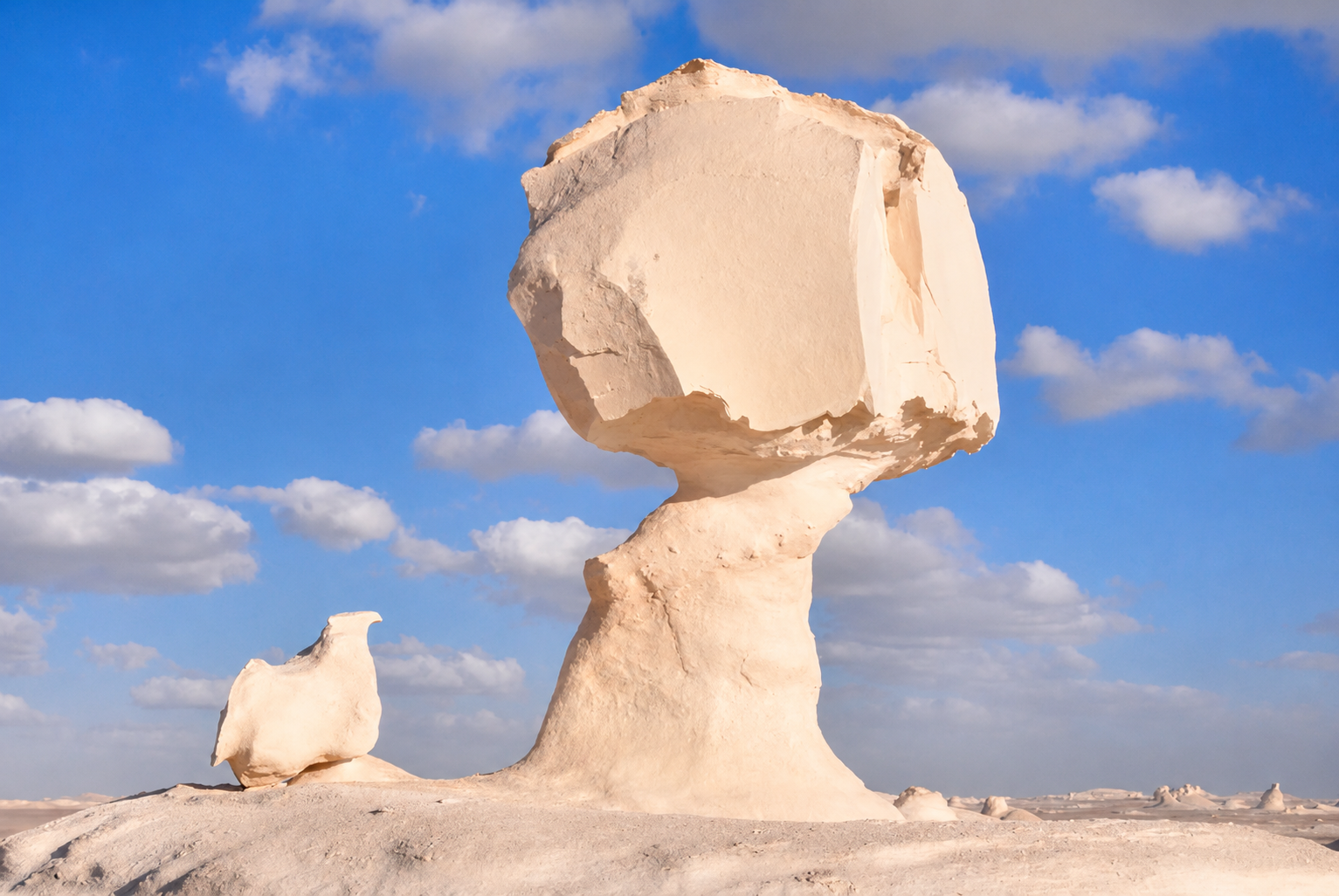
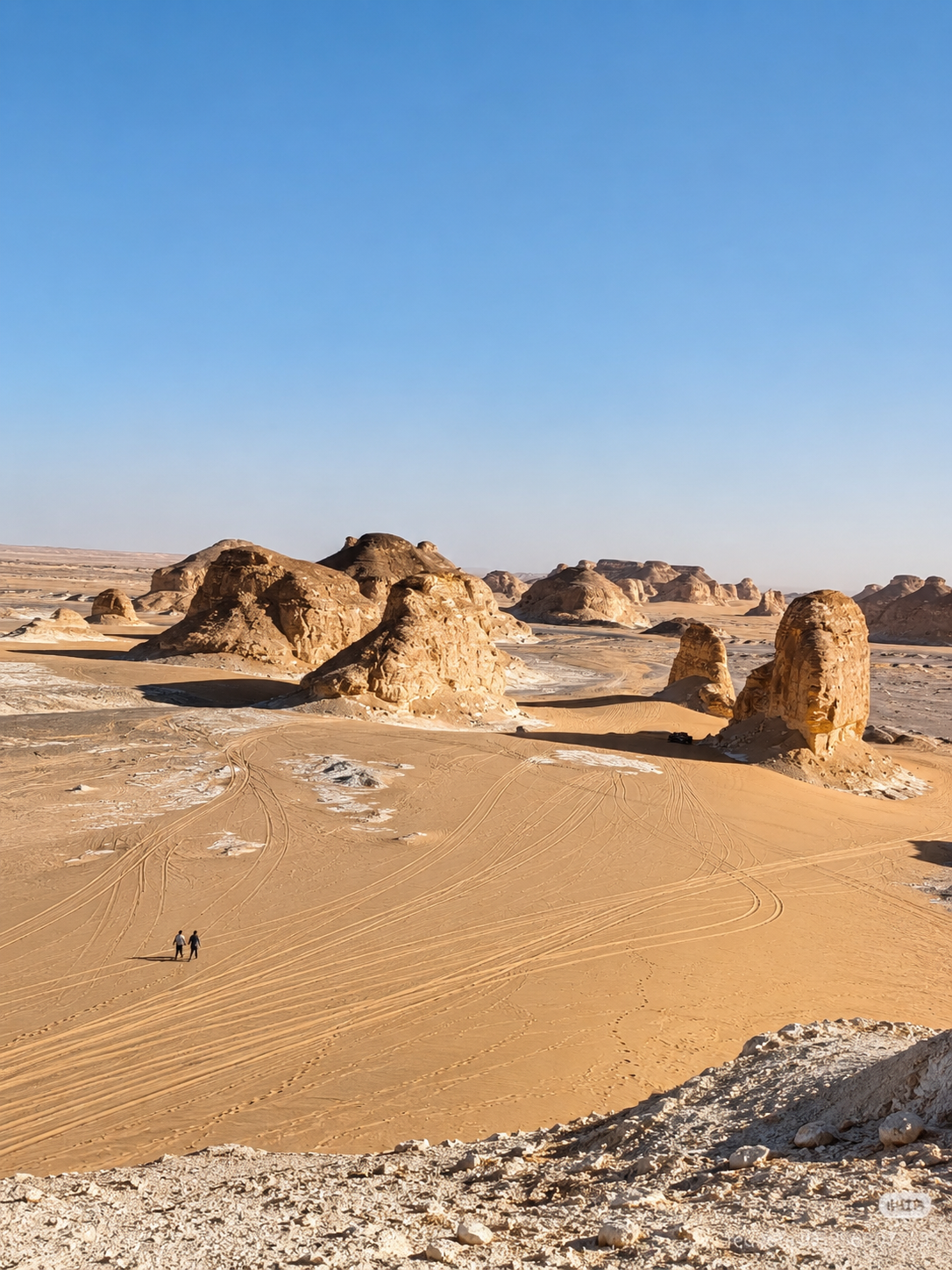
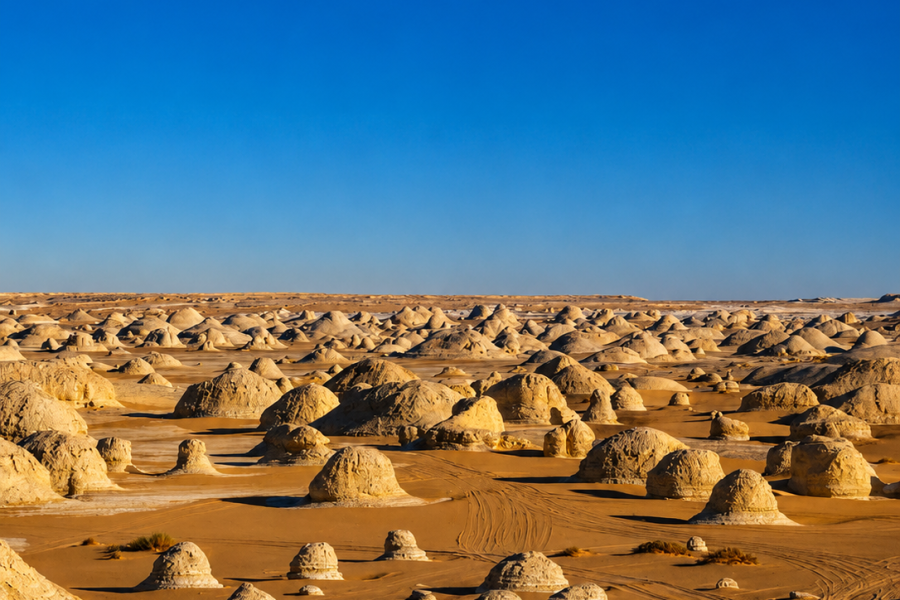
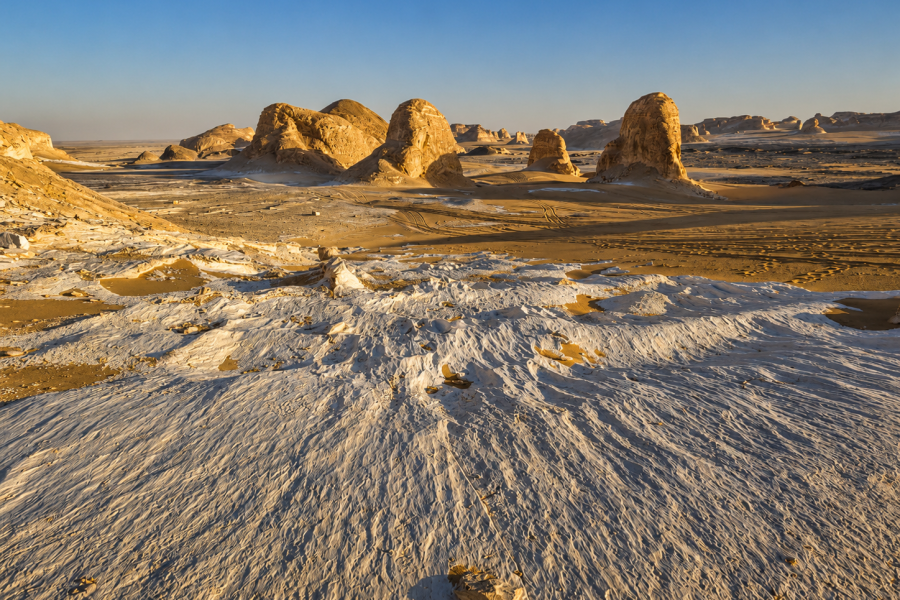
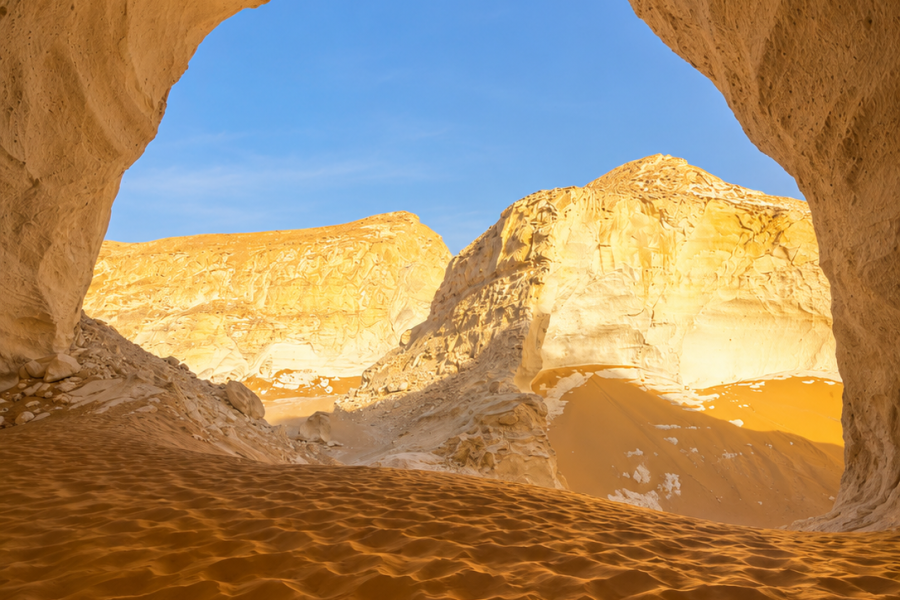
Instead of only sand, you find enormous white formations rising from the desert floor.

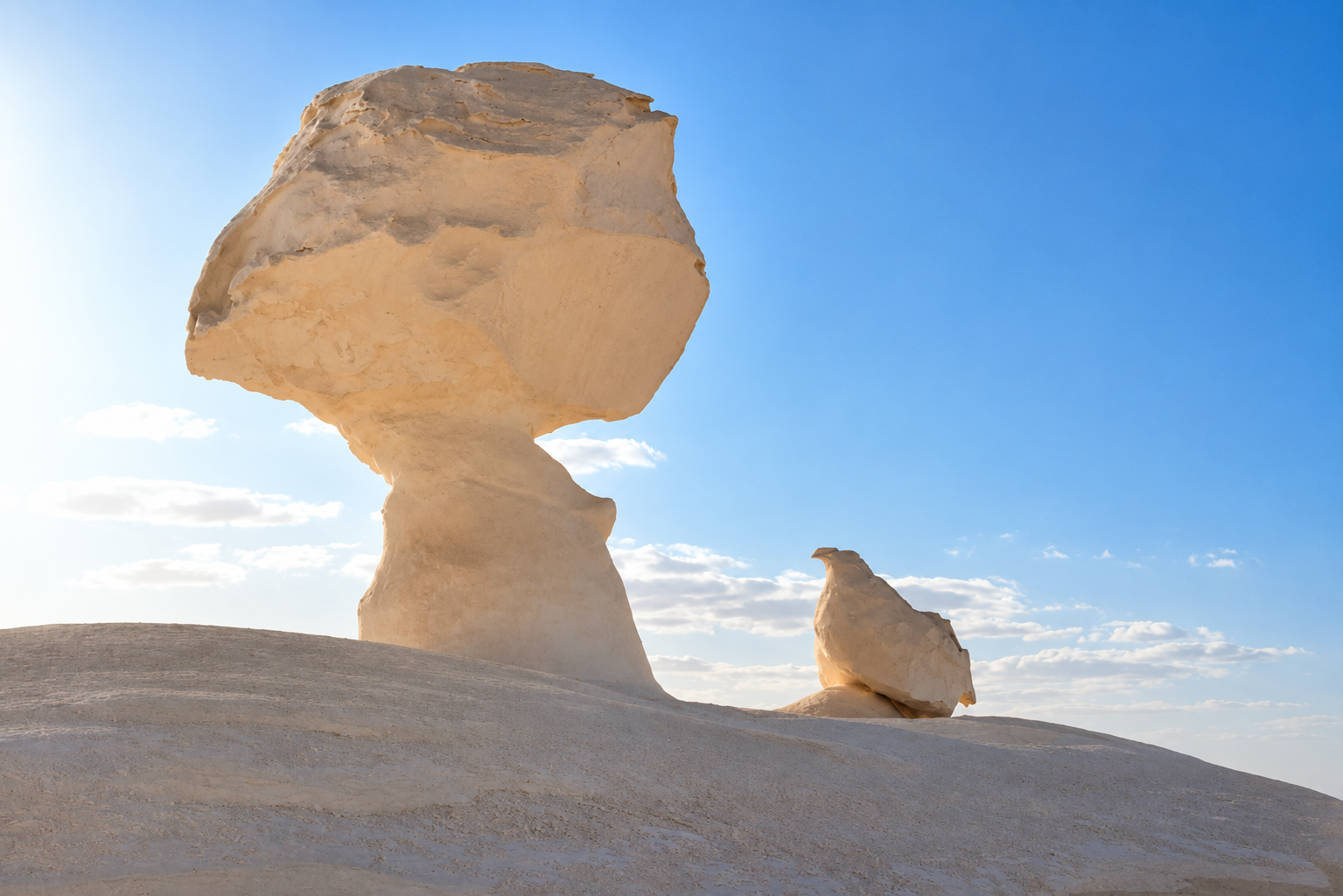
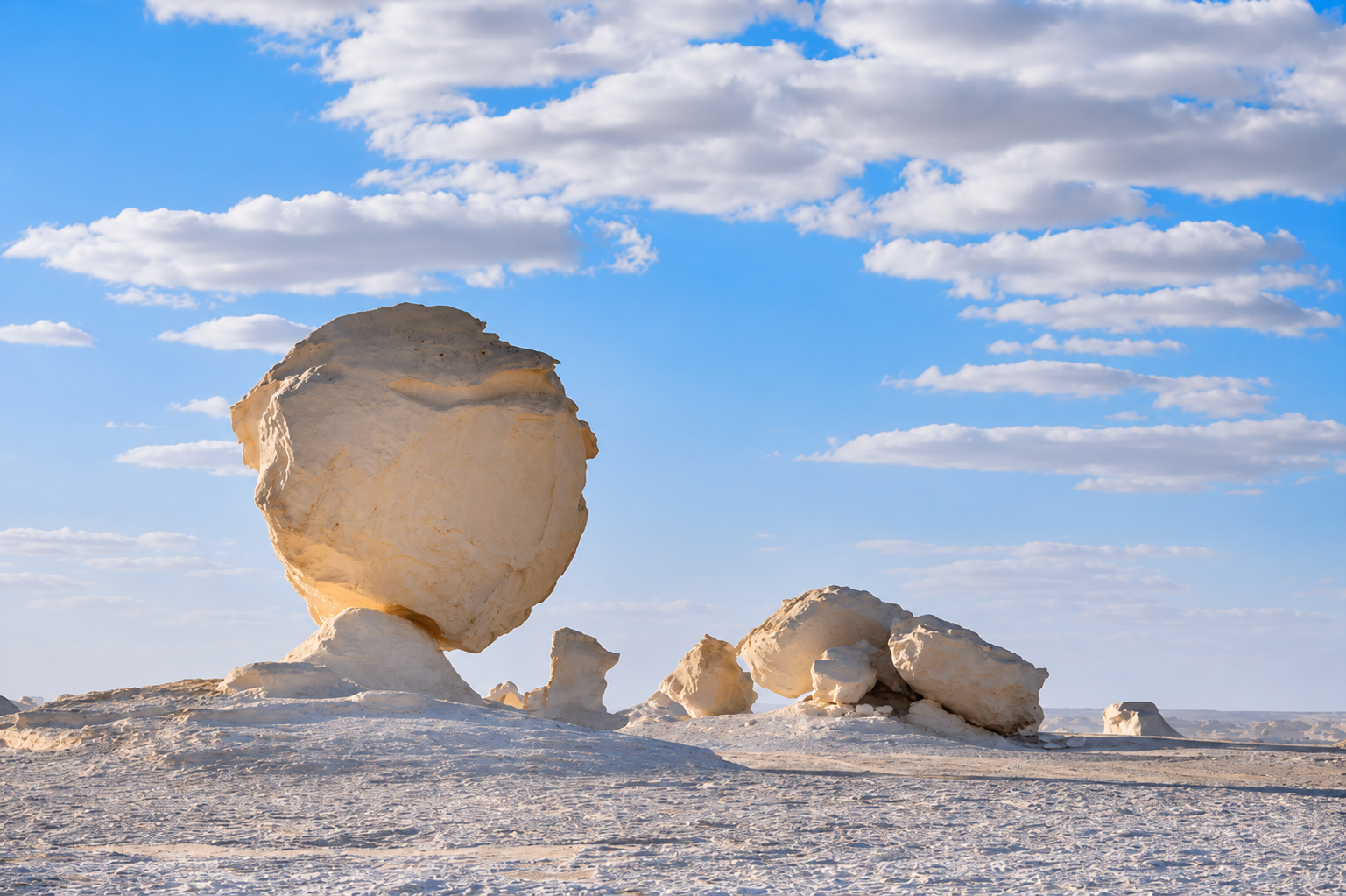
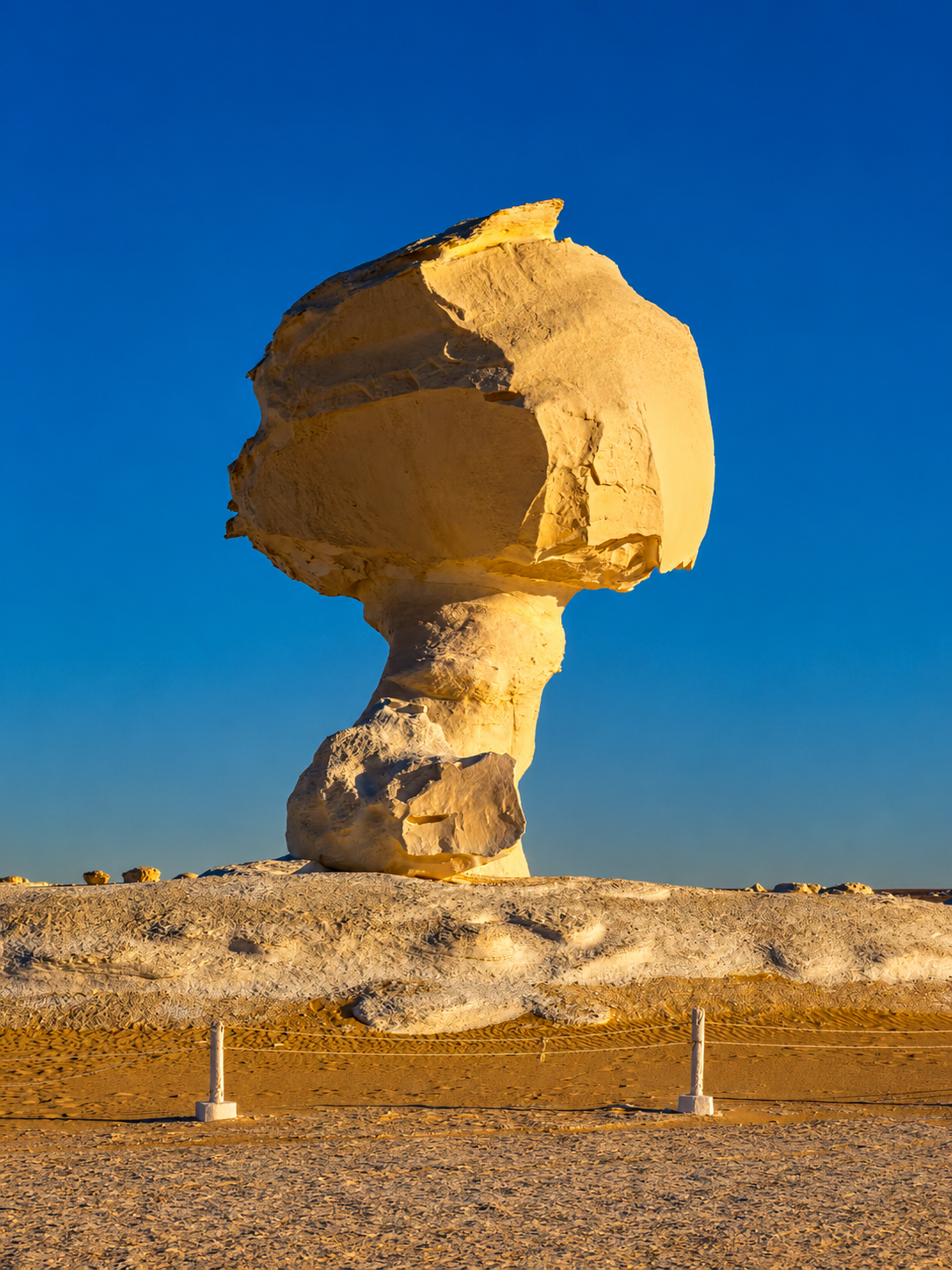
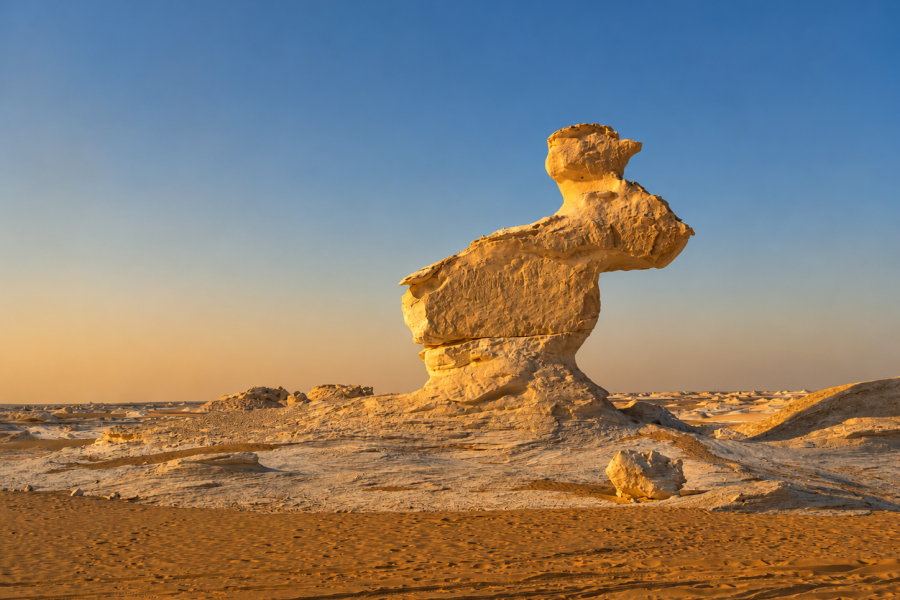
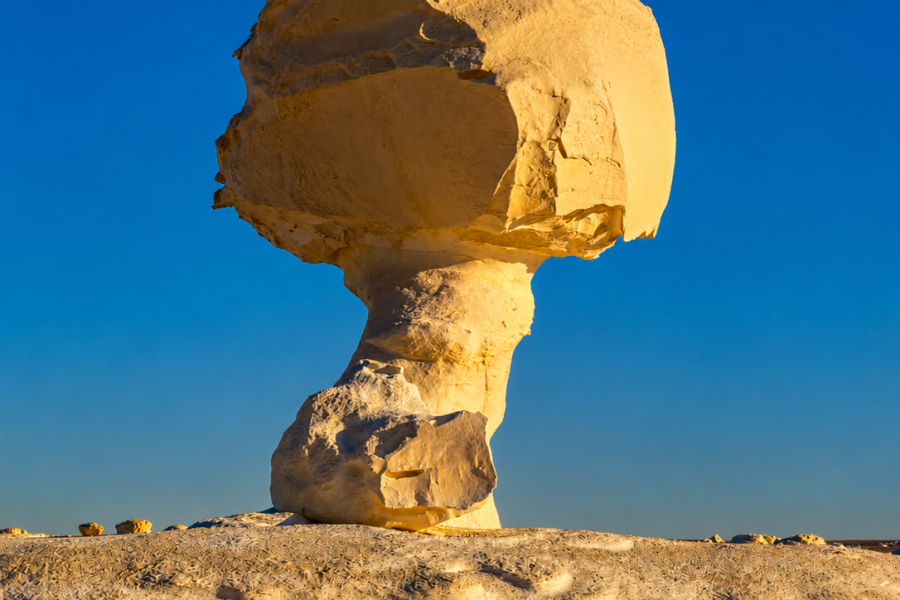
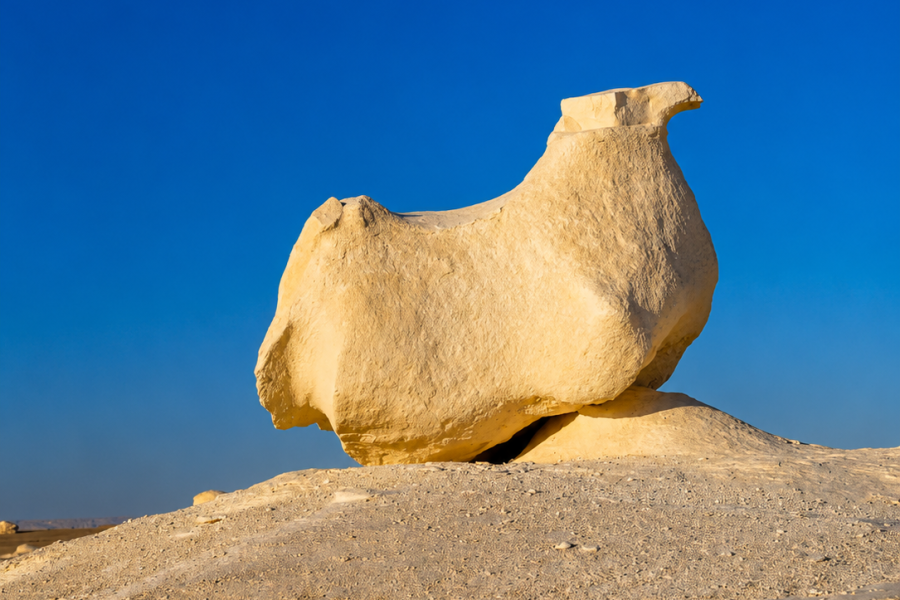
Some resemble mushrooms.

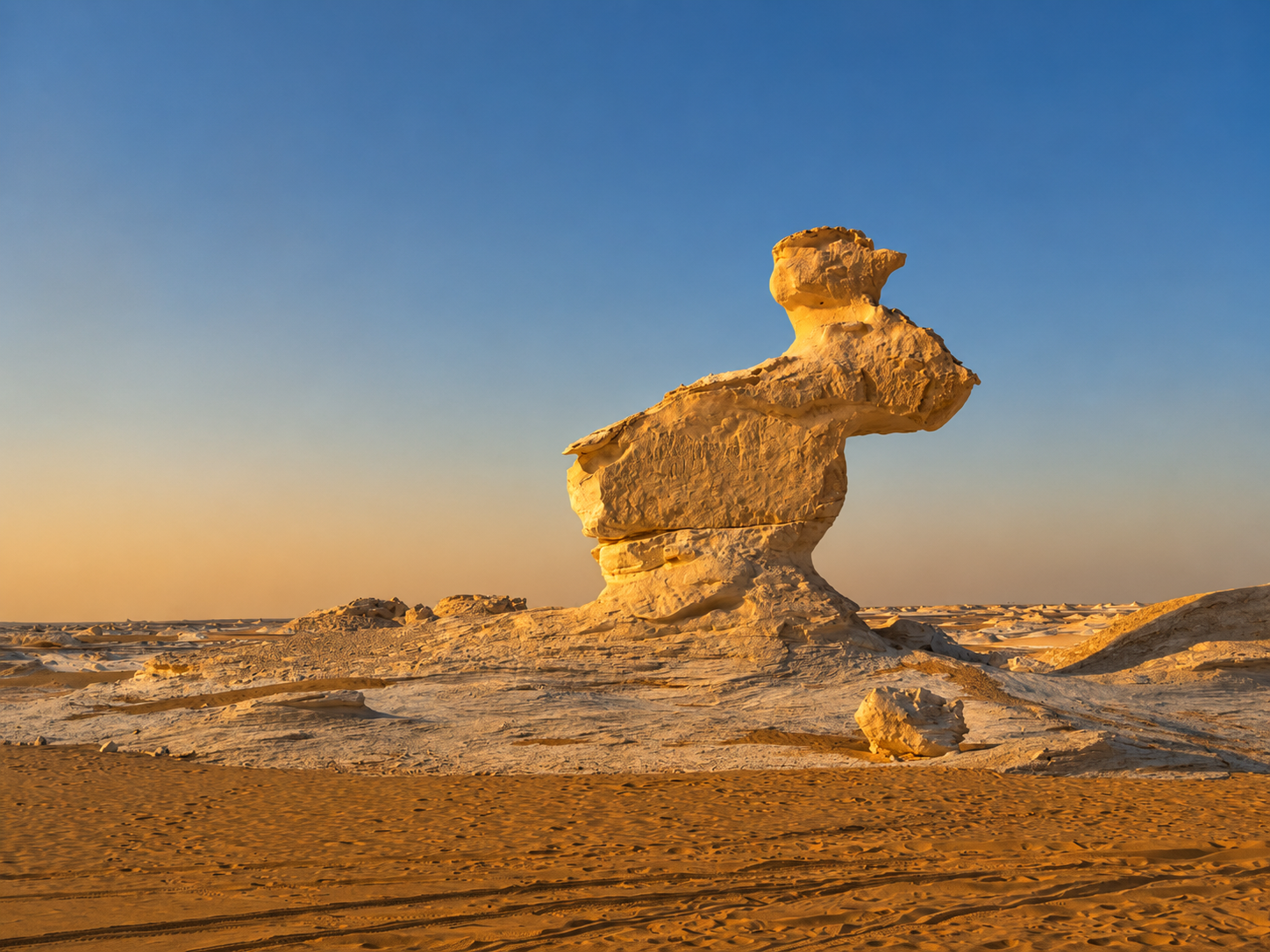
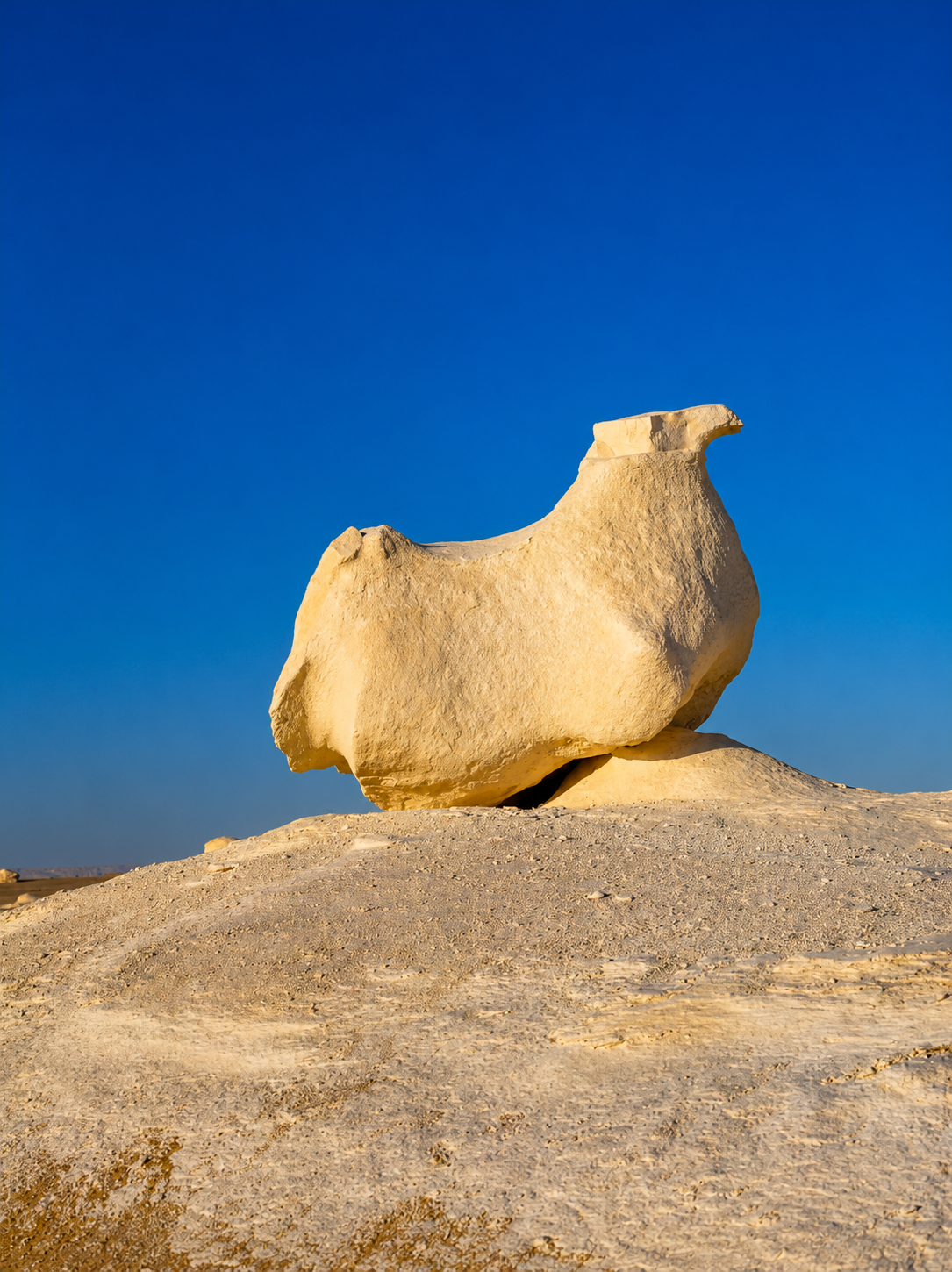
Others look like towers, animals, giant birds, domes or abstract sculptures.

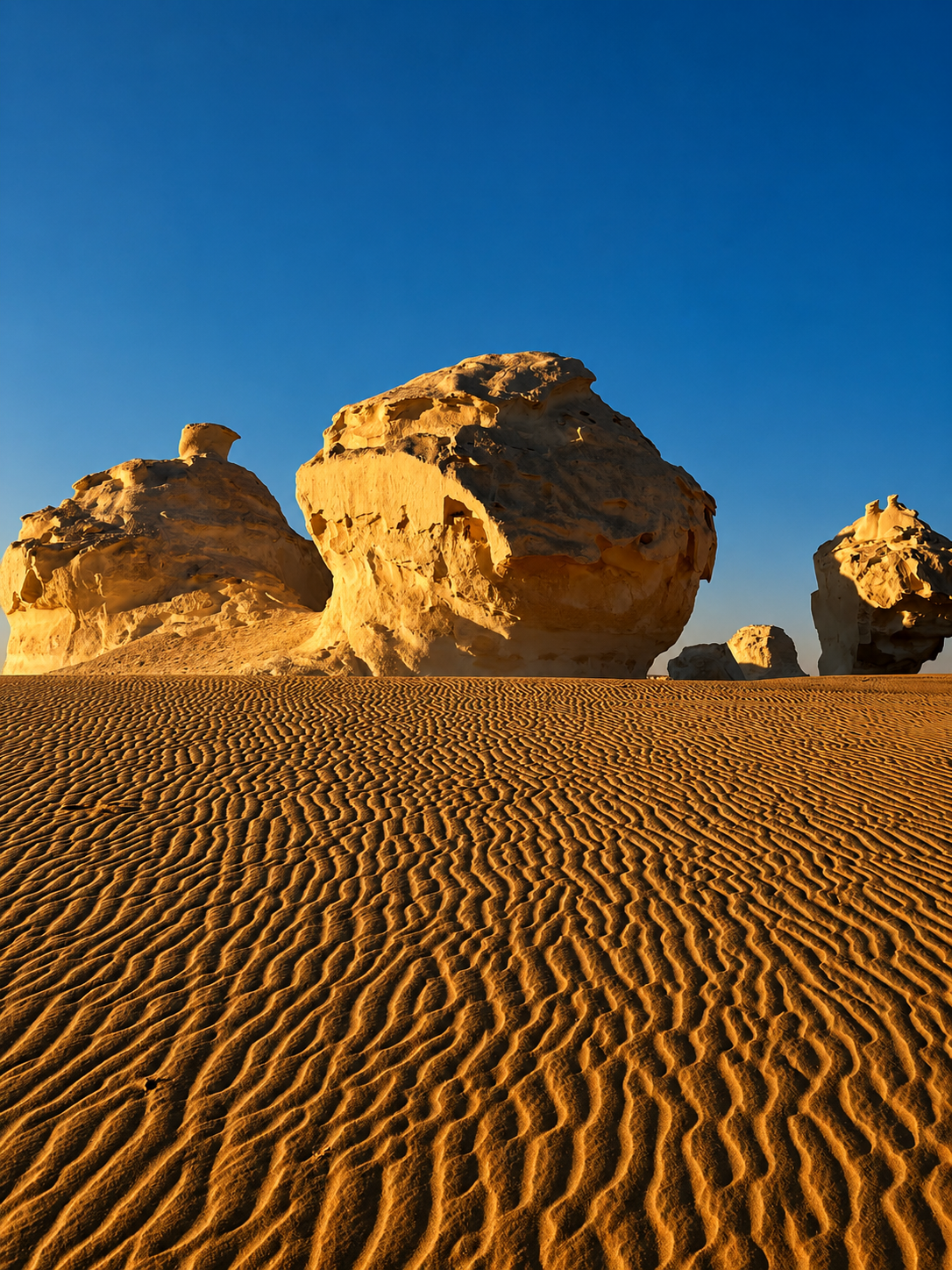
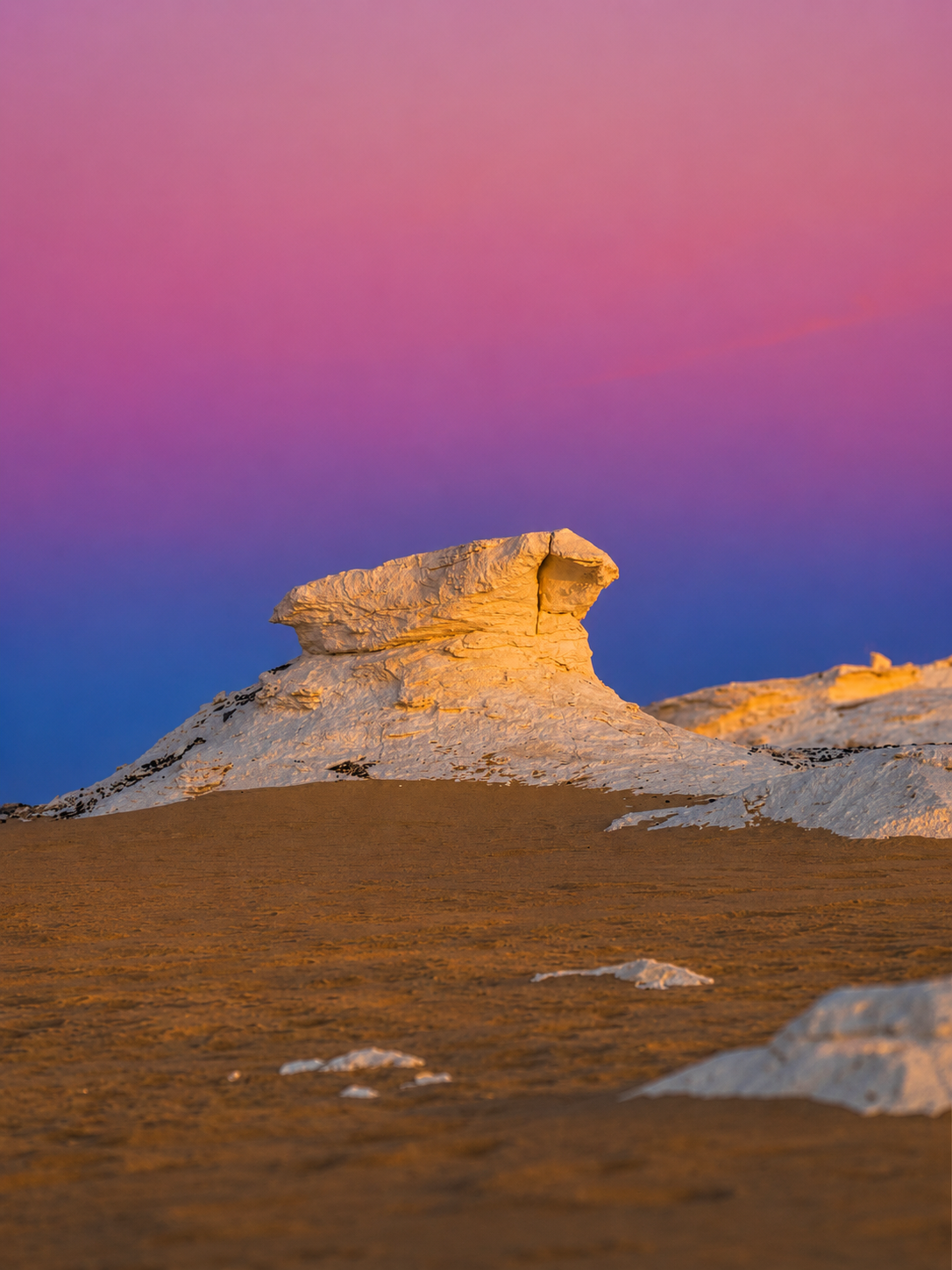
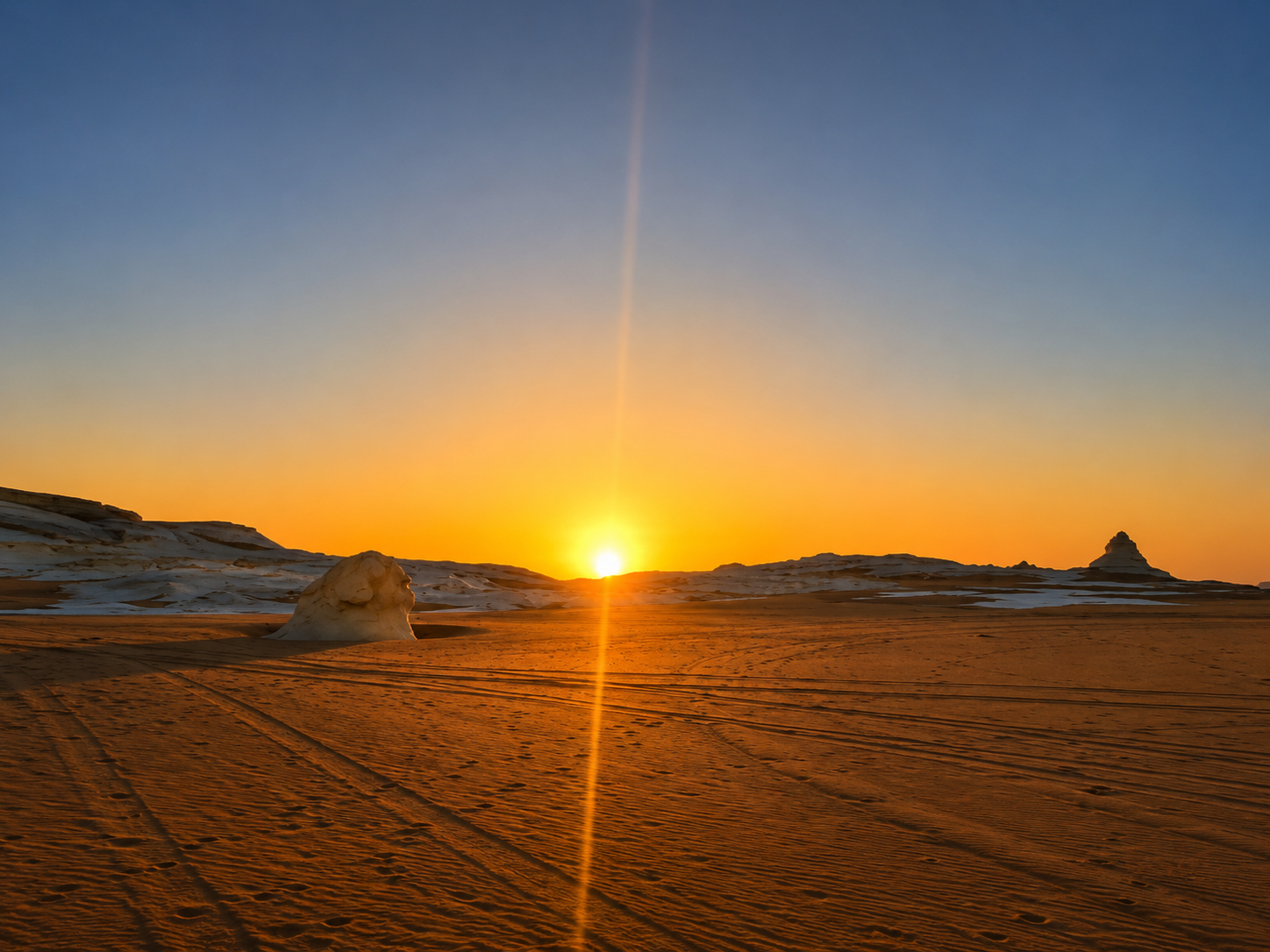
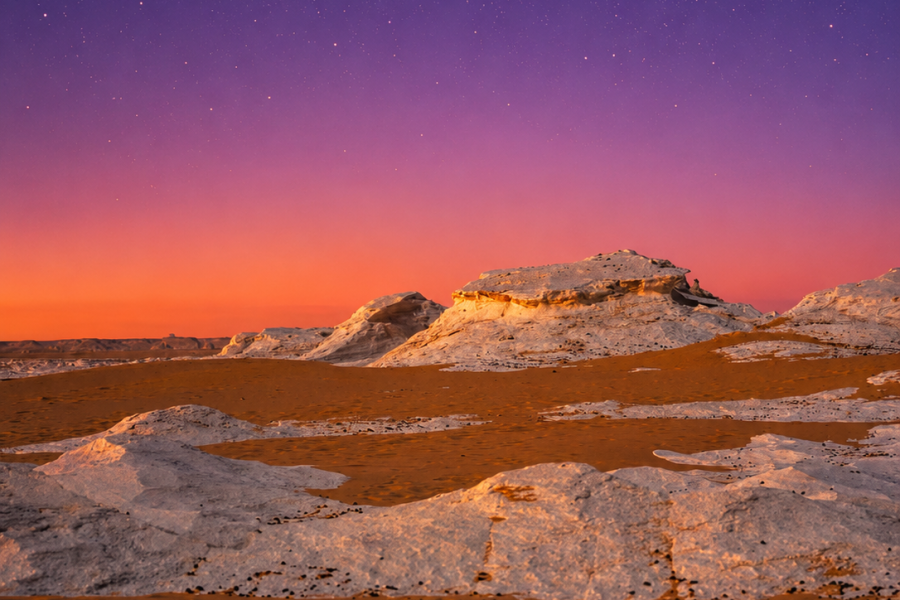
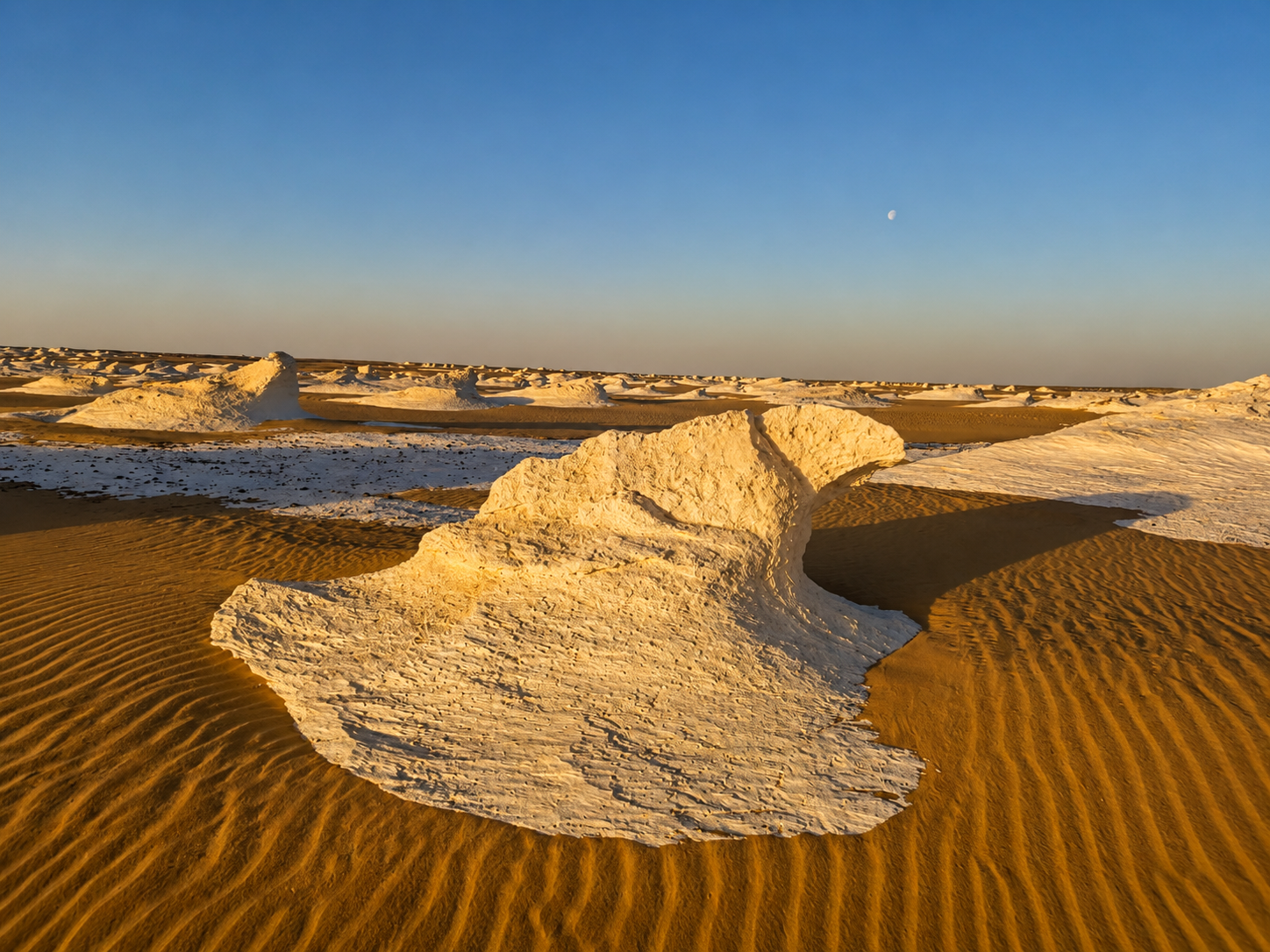
At sunset, the white chalk can shift toward cream, gold and pink. Under moonlight, the landscape can appear almost snow-covered.

But the White Desert is more than a beautiful photography location.

It is officially protected.

Egypt’s Environmental Affairs Agency lists the White Desert Natural Protectorate as a landscape protected area declared in 2002 and currently gives its area as approximately 3,133.5 square kilometers. The agency describes the area as a significant example of karst landscape, fossil-rich geology and white chalk formations shaped by natural erosion.

The park’s official management plan explains that the protected area was created under Egypt’s protected-area legislation to conserve one of the country’s most unusual landscapes while allowing carefully managed tourism.

That combination—geology + wilderness + camping + 4×4 exploration—has made White Desert National Park one of the essential natural attractions of Egypt’s Western Desert.

If you’re planning a broader desert trip rather than researching the national park specifically, also read our complete Egypt Desert Safari guide.

For our destination-focused overview, see White Desert Egypt.

White Desert National Park Quick Facts

Location: Egypt’s Western Desert, in the wider Farafra–Bahariya region.

Protected since: 2002.

Current area listed by EEAA: approximately 3,133.5 km².

Protected-area type: Landscape protectorate.

Famous for: White chalk formations, karst geology, marine fossils, desert camping, photography and 4×4 safaris.

Main gateways: Bahariya Oasis for most Cairo tours and Farafra Oasis from the south.

Best general season: October to April.

Best first trip: 2 days / 1 night.

Most popular experience: White Desert safari with overnight camping.

Transport inside the wider safari route: Usually 4×4 with experienced local desert drivers.

What Is White Desert National Park?

White Desert National Park—often called the White Desert Protectorate—is a protected natural landscape in Egypt’s Western Desert.

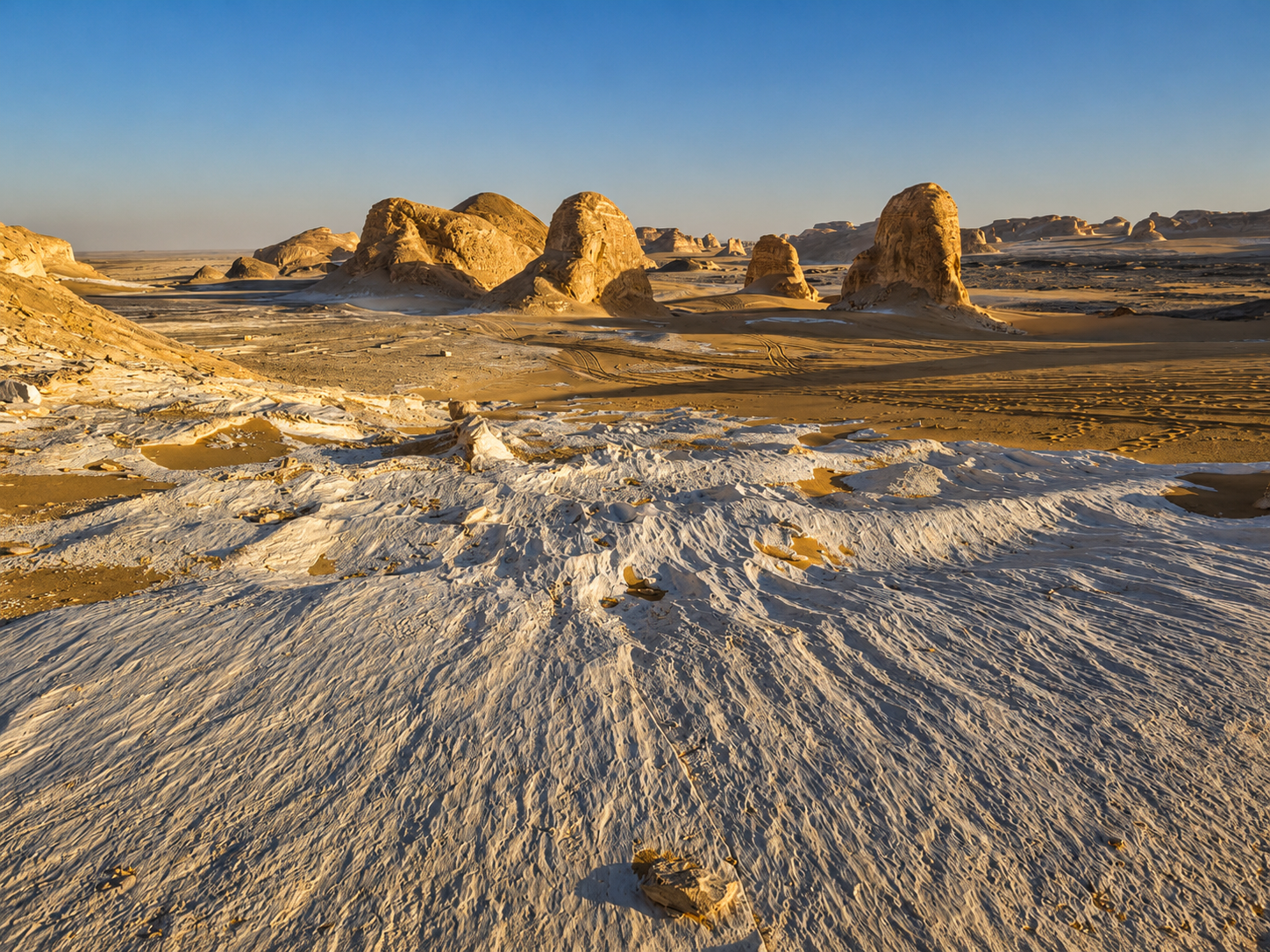
The most immediately recognizable feature is the contrast between the pale desert floor and enormous white chalk formations that stand above it.

Egypt’s official tourism authority describes the protectorate as a landscape of dunes, domes and wind-carved chalk sculptures created from an ancient seabed. Marine fossils can still be found within the area’s limestone layers.

This is why the White Desert feels so different from most stereotypical images of the Sahara.

It is not simply an ocean of sand.

You can encounter:

  • White chalk plains
  • Limestone cliffs
  • Mushroom-like formations
  • Natural arches
  • Dunes
  • Valleys
  • Fossil-bearing rock
  • Isolated geological towers
  • Broad open plains

The combination creates one of Egypt’s most recognizable desert landscapes.

Why Is It Called the White Desert?

The name comes from the extensive white chalk and limestone covering the landscape.

The Egyptian Environmental Affairs Agency describes the White Desert as having a white chalk floor scattered with chalk pillars and steep geological formations shaped by erosion.

In strong midday light, the landscape can look almost pure white.

At sunset it changes.

The formations absorb warmer tones while the shadows grow longer, giving photographers completely different compositions within minutes.

At night, especially when there is moonlight, the white formations can seem to glow.

This transformation is one reason an overnight tour is so much more rewarding than simply passing through during the day.

Read our comparison of a White Desert 1-Day vs Overnight Tour before deciding how long to stay.

How Was the White Desert Formed?

The White Desert’s appearance is the result of geology followed by millions of years of erosion.

This region was once associated with ancient marine environments.

Sedimentary deposits eventually formed the chalk and limestone now visible throughout the protectorate.

Later, wind, sand and erosion carved the softer material.

Over enormous spans of time, harder sections remained while surrounding material gradually disappeared.

The result is the strange landscape visible today.

Egypt’s official tourism authority describes the White Desert as originating from an ancient seabed and notes that marine fossils—including mollusks and other sea life—can be observed in the limestone layers.

This explains one of the most fascinating things about visiting the Western Desert:

You are standing in one of the driest landscapes in Egypt while looking at evidence that the environment was once completely different.

The Famous Mushroom Formations

2 Nights 3 Days White Desert & Dejara Cave Tour from Cairo

2 Nights 3 Days Tour in White Desert and Bahariya Oasis

Full Day Tour in West Bank of Luxor

Siwa Program by Comfortable Bus from Cairo

One Day Tour to the White Desert from Cairo

One Day Fayoum Tour from Cairo

Giza Pyramids & Grand Egyptian Museum Tour

2 Nights 3 Days Fayoum and White Desert Tour from Cairo

5 Nights 6 Days Egypt Oasis Tour from Cairo

Full Day Tour in East Bank of Luxor

Full Day Tour in Aswan

Full Day Tour to Alexandria from Cairo

4 Days Siwa Oasis Tour from Cairo

3 Nights 4 Days Cairo White Desert Tour

3 Days 2 Nights Tour from Cairo to Dakhla and Luxor

2 Nights 3 Days Camping Tour in White Desert

2 Nights 3 Days Cairo – Siwa Tour

2 Nights 3 Days Cairo – Siwa Tour

2 Days Tour in Cairo and Giza

1 Night Camping in Fayoum Desert from Cairo

1 Night 2 Days White Desert Tour from Cairo

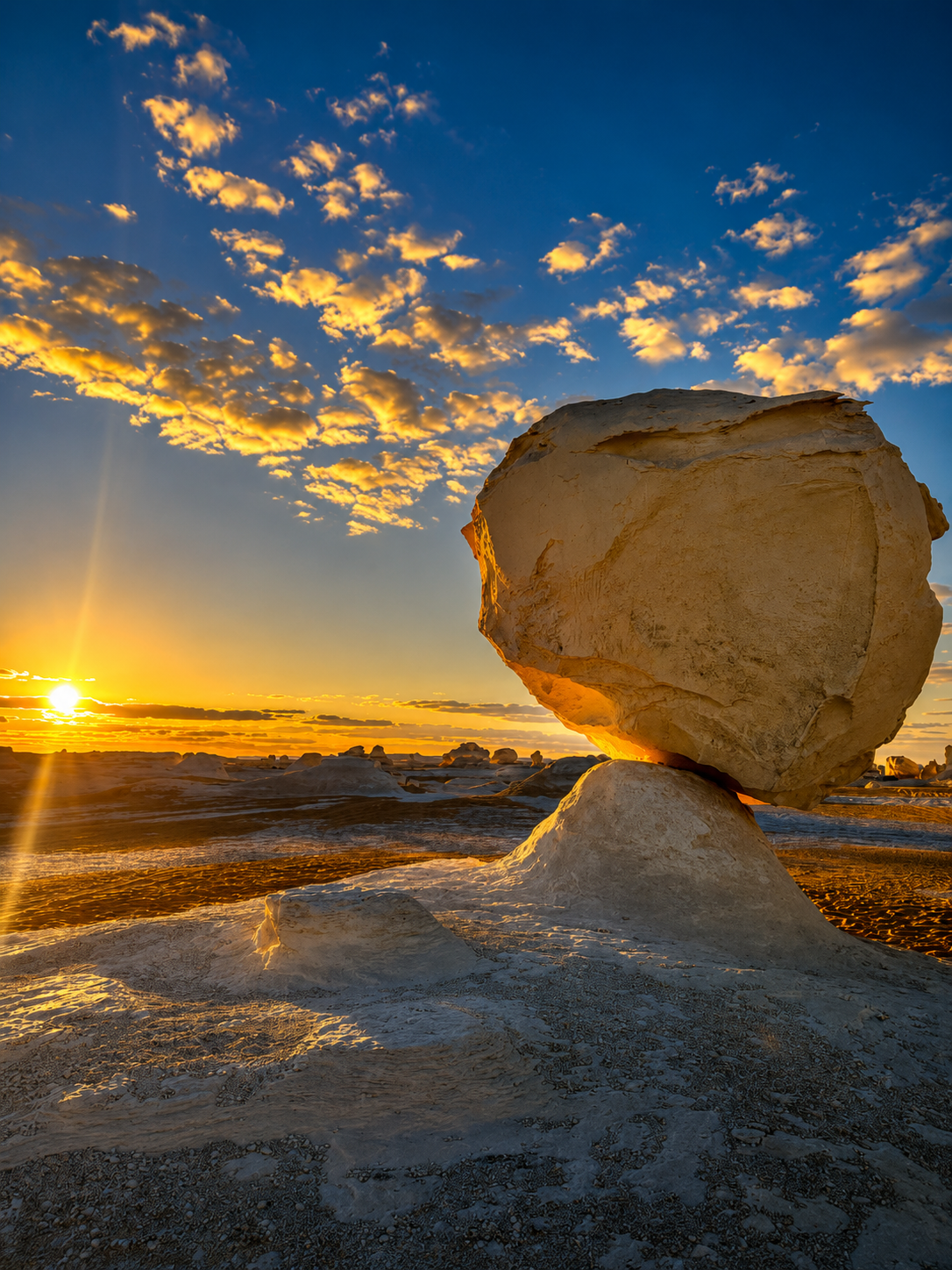
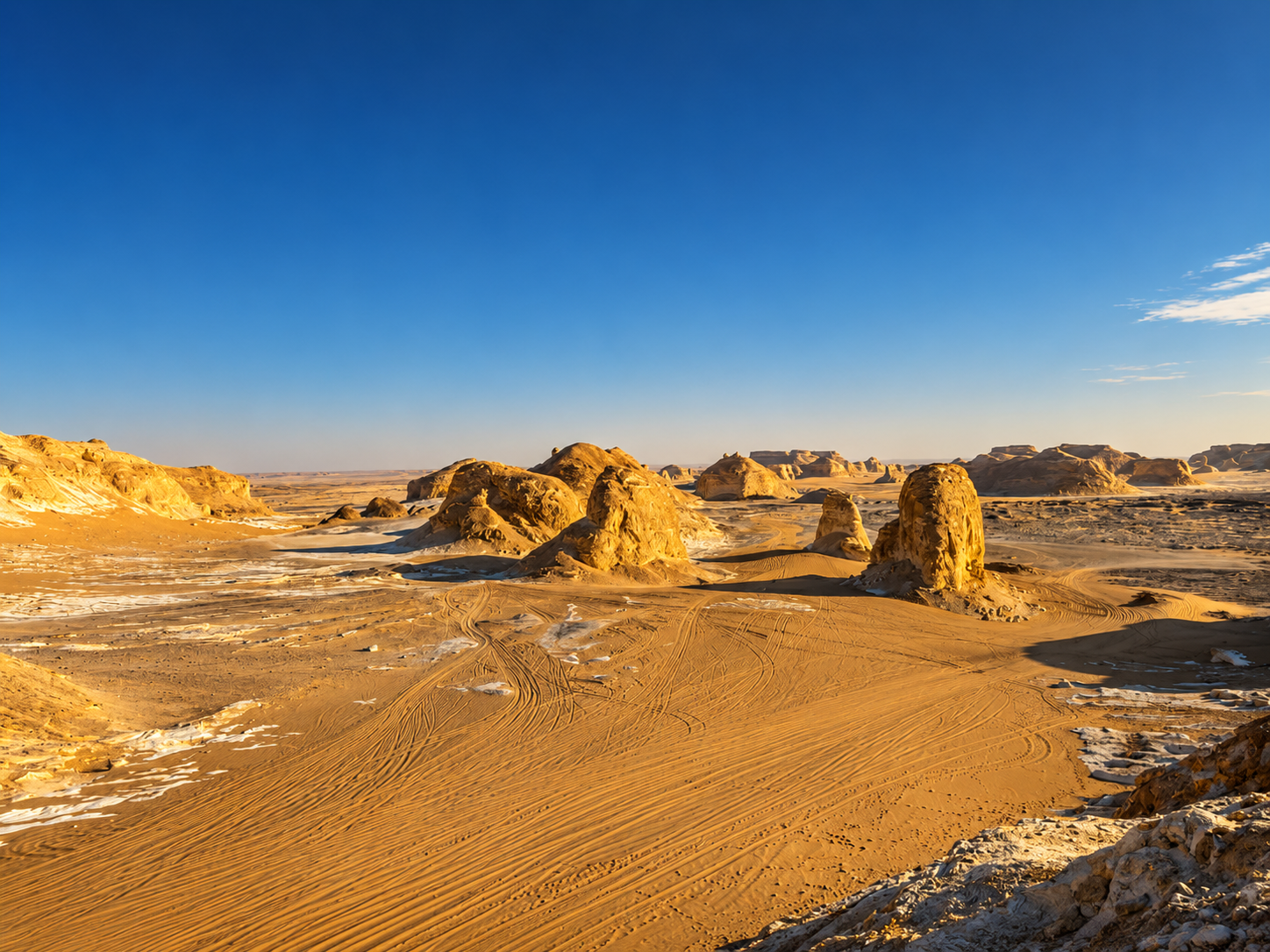
Search for photographs of White Desert National Park Egypt and you will almost certainly see mushroom-shaped rocks.

These formations have become visual symbols of the park.

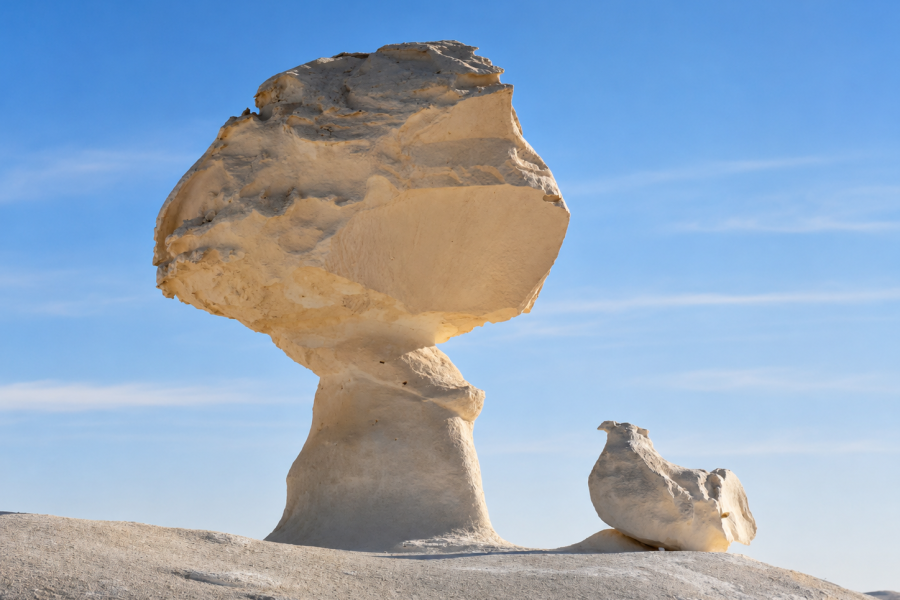
Wind abrasion gradually narrowed softer lower sections while leaving wider resistant rock above, creating forms that resemble giant mushrooms or stone trees.

But do not expect the whole park to look identical.

The White Desert includes different geological environments.

Some formations resemble mushrooms.

Others look like:

  • Birds
  • Camels
  • Towers
  • Faces
  • Domes
  • Icebergs
  • Abstract sculptures

Part of the experience is allowing your imagination to interpret them.

For more sightseeing ideas, see Things to Do in White Desert Egypt.
Is the White Desert Really a National Park?

In travel searches, the terms White Desert National Park, White Desert Protectorate and White Desert Protected Area are often used interchangeably.

Egyptian official environmental sources classify it as the White Desert Natural Protectorate, declared in 2002.

Its management framework is designed around conservation, controlled tourism, visitor management and cooperation with surrounding communities.

So while international travelers commonly search for “White Desert National Park,” it is important to understand that this is not unrestricted wilderness where tourists can drive or camp wherever they like.

It is managed protected land.

Where Is White Desert National Park?

White Desert National Park lies in the Western Desert of Egypt, associated closely with the Farafra depression and the desert corridor connecting Farafra and Bahariya.

The official Egyptian tourism portal states that the White Desert is around 40 km from Farafra Oasis.

However, many international visitors reach it from the opposite direction.

From Cairo, the most common tourism route is:

Cairo → Bahariya Oasis → 4×4 desert safari → Black Desert → Crystal Mountain → Agabat → White Desert.

This is why Bahariya features so prominently in White Desert tour itineraries even though Farafra is geographically close to the park.

Bahariya Oasis: The Main Gateway From Cairo

Bahariya Oasis Egypt is approximately 370 km southwest of Cairo and is the closest major Western Desert oasis to the capital according to Egypt’s official tourism authority.

For most visitors coming from Cairo, Bahariya acts as the logistics hub.

The typical journey works like this:

  1. Private or shared vehicle from Cairo to Bahariya.
  2. Lunch or short break in the oasis.
  3. Transfer into a suitable 4×4.
  4. Continue through the desert landscape.
  5. Explore the Black Desert and other geological stops.
  6. Enter the White Desert region.
  7. Camp overnight.
  8. Return via Bahariya the next day.

That combination makes Bahariya and the White Desert part of the same tourism circuit.

Our Bahariya Oasis & Black Desert Safari From Cairo guide explains the gateway region in more detail.

Farafra Oasis and the White Desert

Farafra Oasis Egypt sits much closer to the White Desert.

Experience Egypt describes Farafra as an ideal starting point for Western Desert exploration and specifically highlights the White Desert, Black Desert, Crystal Mountain and Great Sand Sea among the surrounding natural attractions.

Farafra works particularly well for:

  • Longer Western Desert expeditions
  • Travelers arriving from Dakhla
  • Multi-oasis itineraries
  • Extended camping
  • Trekking
  • Repeat visitors

For a simple 2-day trip from Cairo, however, Bahariya remains the more practical gateway.

What Can You See Around White Desert National Park?

A typical White Desert safari often combines several landscapes rather than visiting only the famous white formations.

Some stops are inside or closely associated with the protected White Desert landscape, while others belong to the broader Bahariya–Farafra safari circuit.

The distinction matters.

When operators advertise a “White Desert Tour,” they usually mean the complete regional experience.

1. White Chalk Formations

These are the stars of the journey.

You will find isolated formations, clusters, domes and towers shaped by erosion.

The classic mushroom-shaped formations are especially famous.

The best experience comes near sunset and sunrise when shadows create much more depth than midday light.

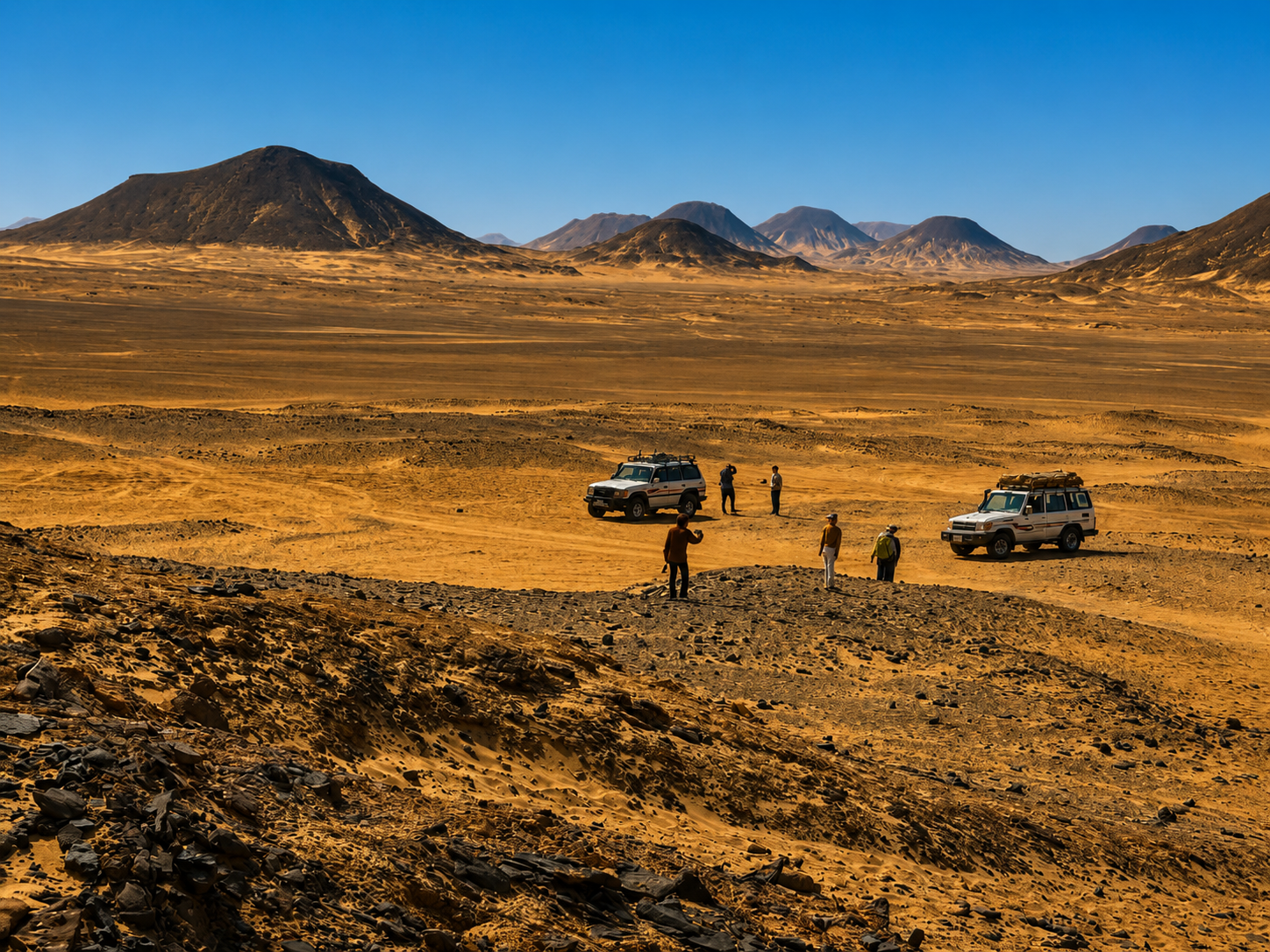
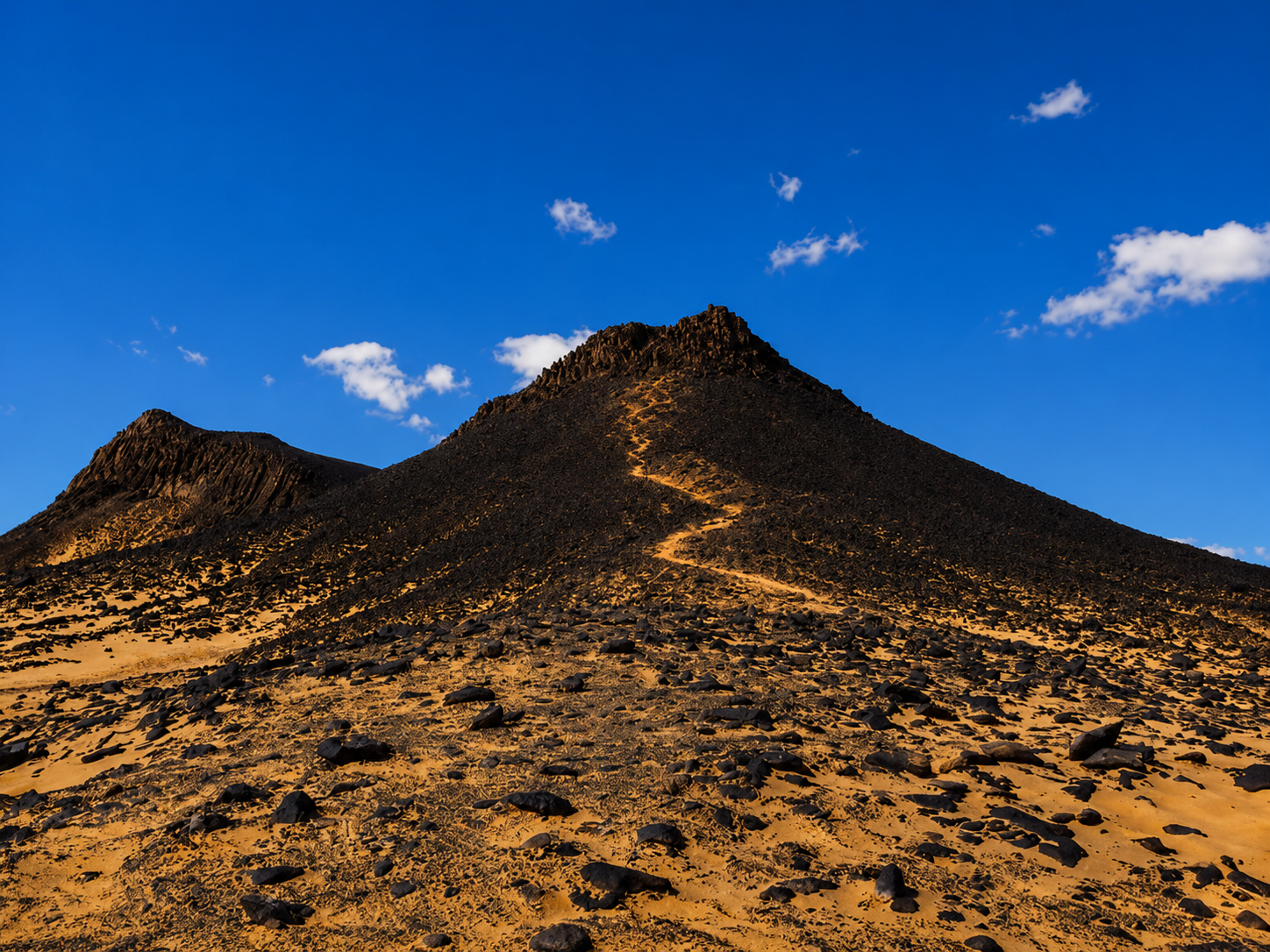
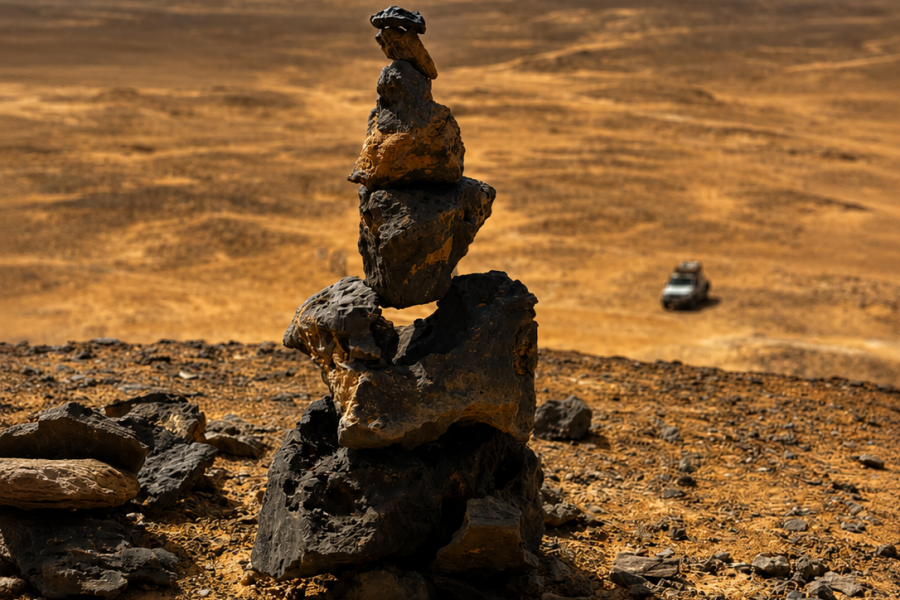
2. Black Desert

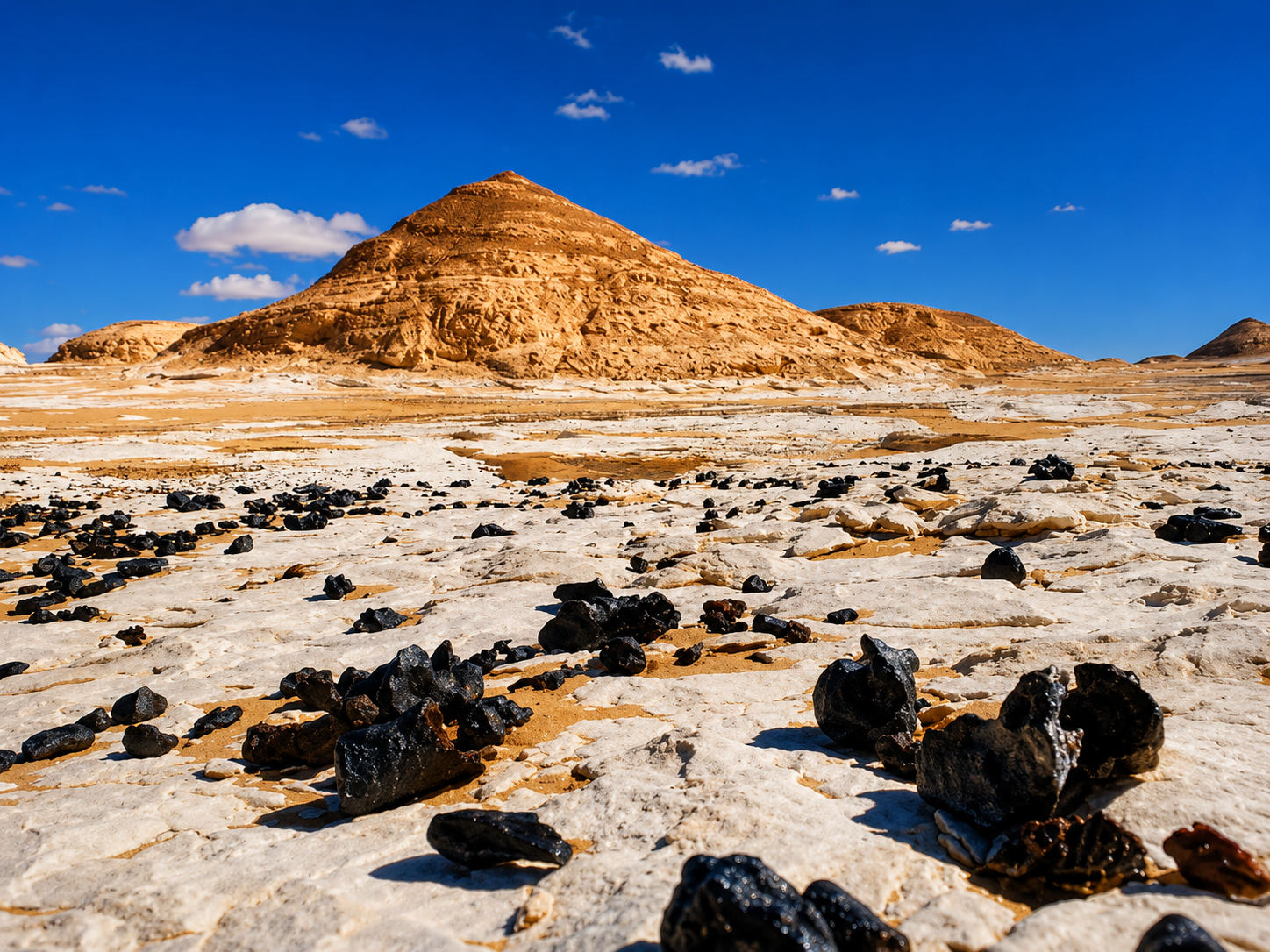
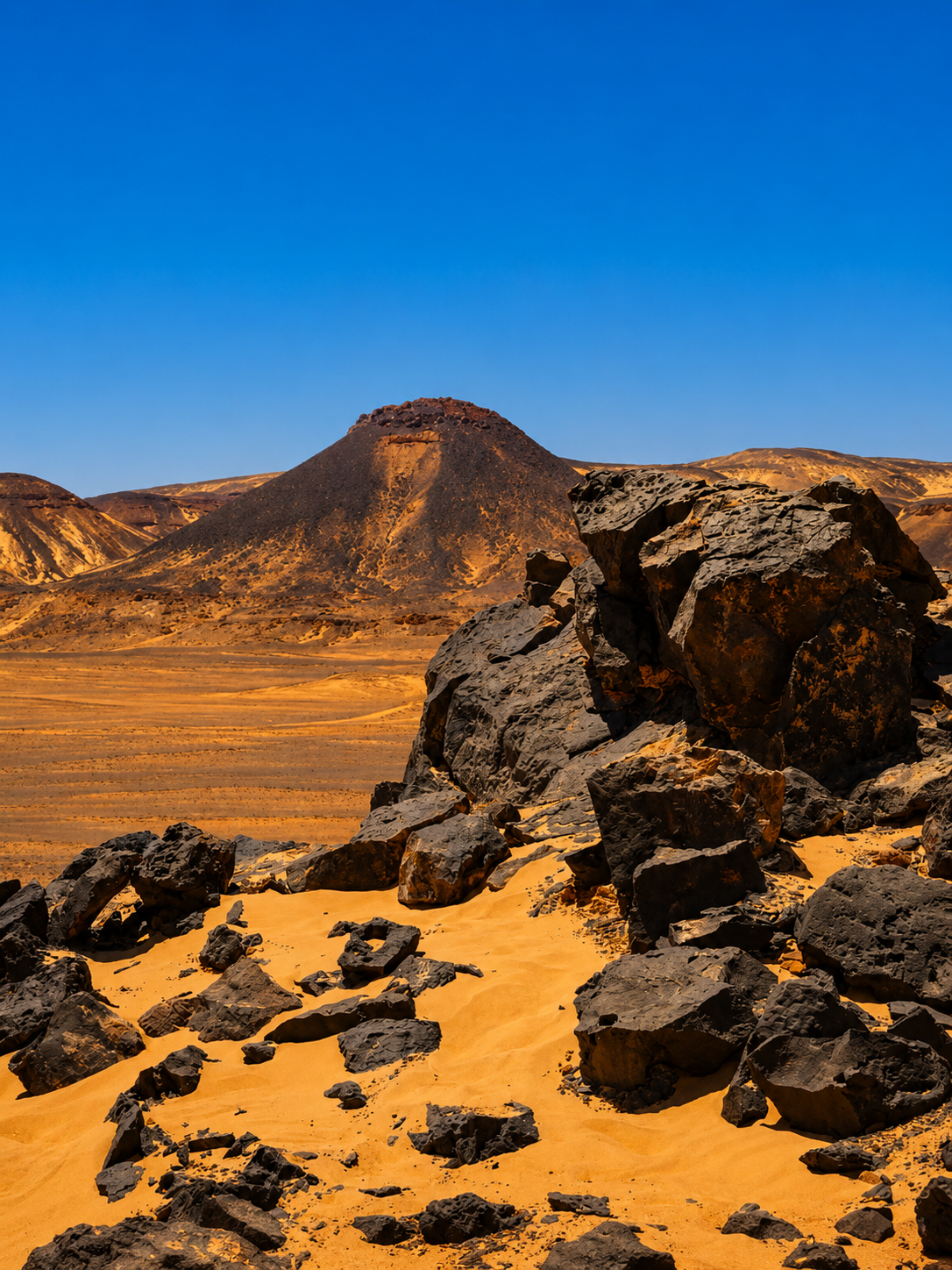
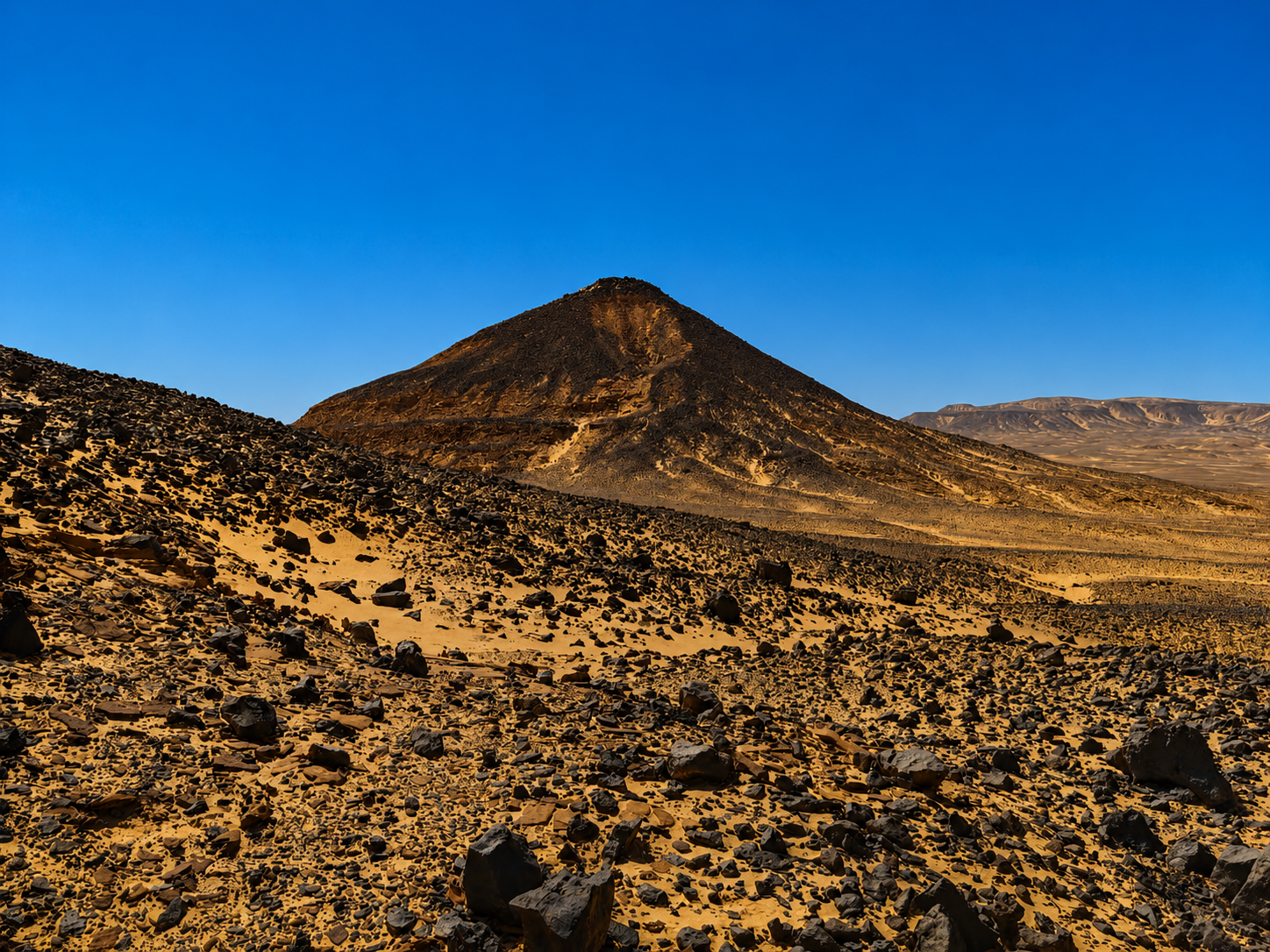
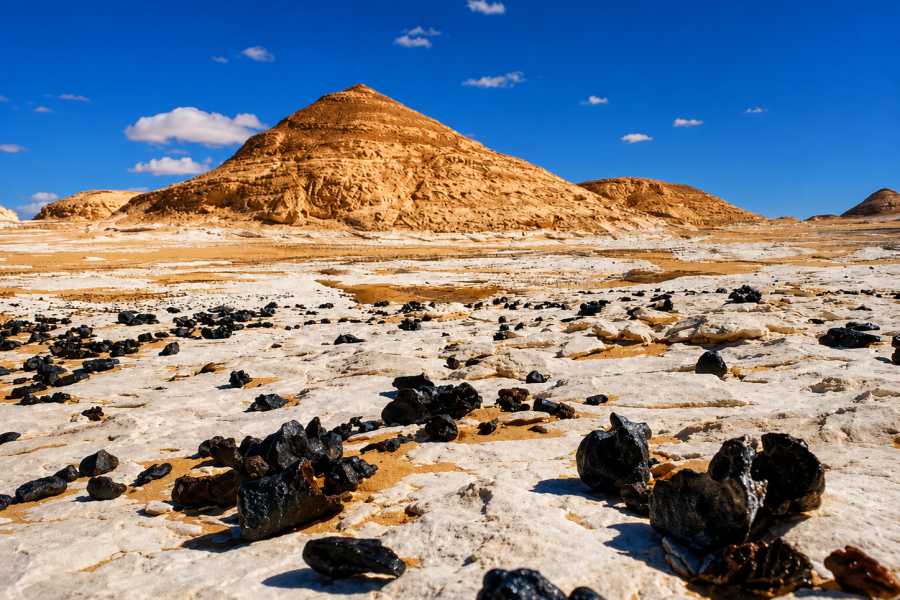
The Black Desert Egypt provides the strongest visual contrast.

Instead of white chalk, its hills appear dark because of black volcanic-looking material scattered over the surface.

A standard safari often lets you see the Black and White Deserts within the same trip.

That’s why our White Desert vs Black Desert Egypt comparison should be treated as a guide to two complementary landscapes rather than an either/or choice.

You can also read Black Desert Egypt From Cairo.

3. Crystal Mountain

Crystal Mountain is one of the most popular stops on the route between the Black and White Deserts.

Despite the name, it is not a huge mountain.

It is a geological formation containing sparkling crystal structures.

Experience Egypt describes Crystal Mountain as an unusual geological feature that was once associated with an underground cave system and now exposes crystalline material at the surface.

The attraction is best treated as a short geological stop rather than a major hiking destination.

Do not break or collect pieces.

Leave the formation exactly as you found it.

4. Agabat Valley

Agabat—or Aqabat—Valley is among the most beautiful landscapes in the wider White Desert safari circuit.

Experience Egypt describes it as an area of soft golden sand, dunes and dramatic white cliffs.

The contrast makes it especially good for:

  • Landscape photography
  • 4×4 exploration
  • Short walks
  • Sunset or late-afternoon stops

Agabat is also one reason a longer White Desert itinerary can feel dramatically richer than simply visiting a few mushroom formations.

5. Twin Peaks

Experience Egypt identifies Twin Peaks as two large sedimentary-rock towers along the historic route connecting Bahariya and Farafra.

They help demonstrate that the region’s geology is much more varied than the most famous White Desert photographs suggest.

6. Al-Santa Acacia Tree

A lone acacia in the White Desert landscape provides an unusual contrast against the surrounding arid terrain.

Experience Egypt highlights the Al-Santa Acacia Tree as a reminder of environmental conditions that once supported more vegetation in the region.

It is a particularly interesting stop for photographers because the tree provides a completely different focal point from the surrounding rocks.

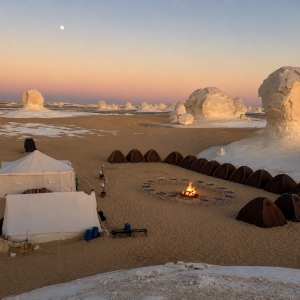
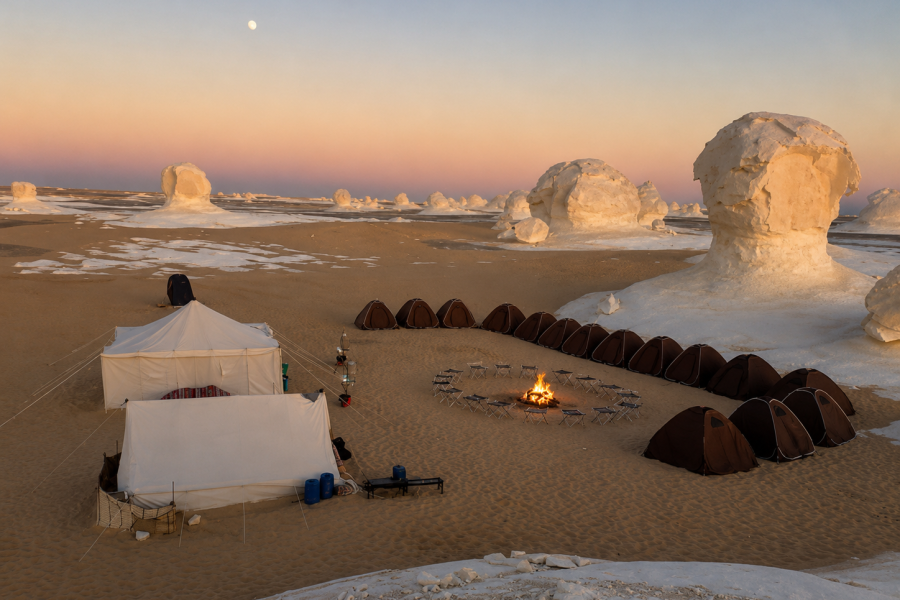
White Desert National Park Camping

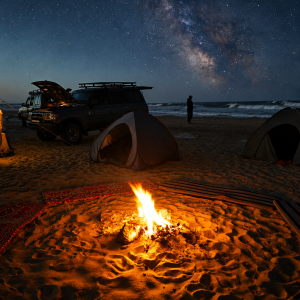
For many travelers, camping is the defining experience.

You can visit the desert during the day and still be impressed.

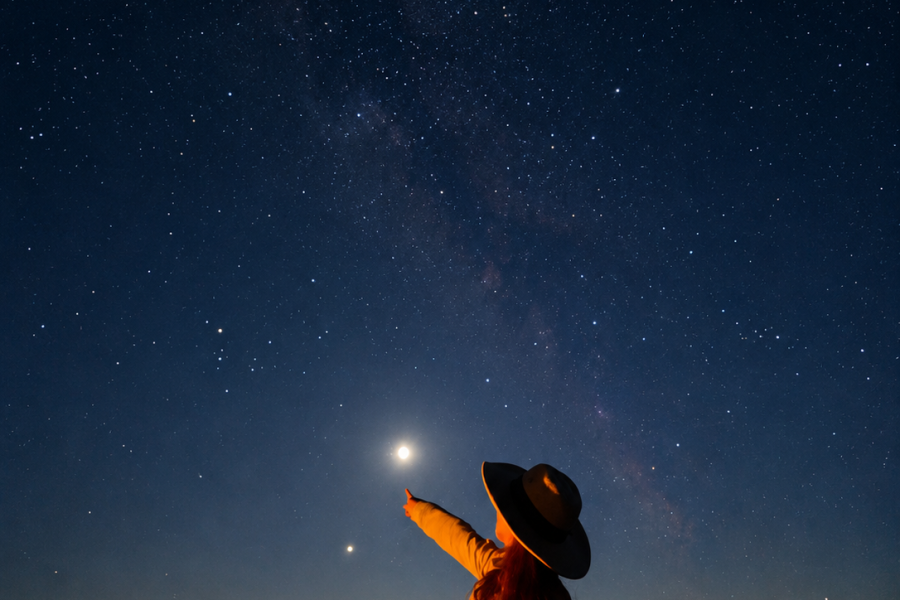
But once the tour vehicles stop moving, the sun disappears and the sky darkens, the atmosphere changes completely.

An overnight camp typically provides time for:

  • Sunset
  • Dinner
  • Tea
  • Campfire atmosphere
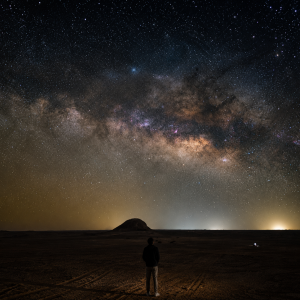
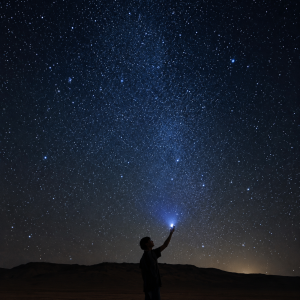
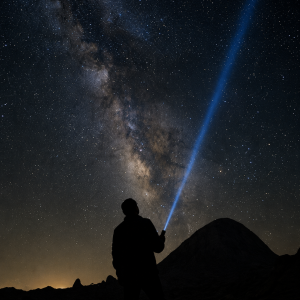
  • Stargazing
  • Sleep in the desert
  • Sunrise

Our complete White Desert Camping Egypt guide explains what to expect.

For a broader comparison of camping regions, use Egypt Desert Camping.

Can You Camp Anywhere in White Desert National Park?

No.

This is a protected area with management zones and visitor rules.

The official White Desert management plan distinguishes between zones where vehicle access and camping may be managed for tourism and more sensitive areas where access is significantly restricted.

For example, parts of the wilderness zoning framework restrict public vehicles and allow only specific low-impact access such as trekking or camel travel.

The practical rule for tourists is simple:

Do not independently select a campsite.

Use a professional operator familiar with current regulations.

The EEAA currently publishes separate categories for White Desert visitor, vehicle and camping fees, demonstrating that camping is a regulated activity inside the protectorate.

Because fees and requirements can change, confirm the current total at the time of booking rather than relying on an old blog post.

Do You Need a Guide or Permit?

Visitors should check current access rules and permit requirements before departure.

Experience Egypt advises travelers planning desert excursions around Farafra to check permits and regulations through an authorized guide or travel agency.

For excursions from Bahariya, the official tourism portal recommends experienced licensed guides with suitable 4×4 vehicles who understand the terrain.

This is not a place where I recommend renting an ordinary car and attempting to follow Google Maps into the desert.

Read Is Egypt Desert Safari Safe? before planning independent desert travel.

White Desert Wildlife

Visitors sometimes assume the White Desert is lifeless because vegetation is sparse.

It is not.

Egypt’s official environmental description specifically recognizes wildlife as one of the conservation values of the protectorate.

The wider Western Desert supports desert-adapted mammals, reptiles, birds and other species.

However, a safari is not a zoo tour.

Wildlife sightings are not guaranteed.

The most responsible approach is:

  • Observe animals from a distance
  • Never feed wildlife
  • Do not chase animals with vehicles
  • Do not disturb nests or burrows
  • Keep camp food controlled

You are entering their habitat—not the other way around.

Marine Fossils in the Desert

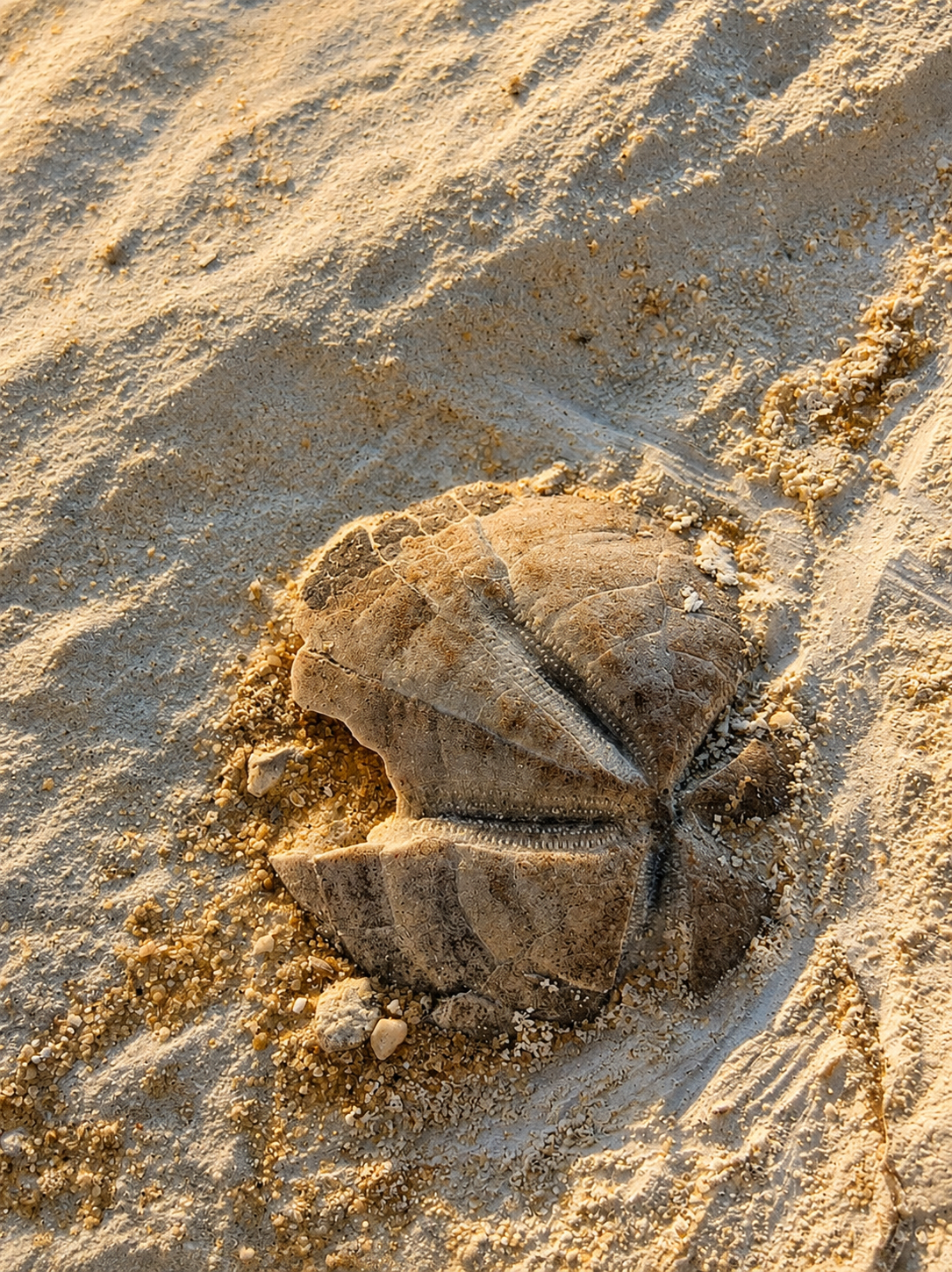
One of the strangest features of White Desert National Park is its marine fossil record.

Egypt’s official tourism authority notes fossils including sea urchins, mollusks, crustaceans and coral-related remains within the limestone layers.

For visitors, these fossils make the geological story easier to understand.

This apparently alien desert landscape has a deep connection with ancient marine environments.

But fossils are protected natural resources.

Photograph them.

Do not remove them.

Best Time to Visit White Desert National Park

For most travelers, the best overall period is:

October through April.

The cooler season makes:

  • 4×4 exploration
  • Walking
  • Camping
  • Photography
  • Sunset stops

much more comfortable.

November through March is particularly strong.

December and January can offer beautiful daytime weather but colder nights.

October and March are excellent for travelers who dislike very cold camping.

April remains possible, though daytime heat becomes more noticeable.

For a full seasonal breakdown, read Best Time to Visit White Desert Egypt.
Our broader Best Time for Egypt Desert Safari & Camping compares White Desert conditions with Siwa and Fayoum.

White Desert National Park in Winter

Winter is one of the best periods for active exploration.

Days can be comfortable for:

  • Walking
  • Photography
  • Dunes
  • Long outdoor stops

But do not make the mistake of packing only for daytime Egypt.
After sunset, the desert can feel surprisingly cold.

If camping in December, January or February, bring:

  • Warm jacket
  • Layer
  • Long trousers
  • Warm socks
  • Appropriate sleepwear

White Desert National Park in Summer

Summer dramatically changes the experience.

The landscape remains spectacular, but prolonged daytime outdoor exposure becomes more demanding.

If you have complete flexibility and your main goal is camping:

choose the cooler season.

Summer planning may require:

  • Earlier starts
  • Reduced midday activity
  • More shade
  • More hydration
  • Shorter outdoor stops

The best month is not determined by whether the road is technically open.

It is determined by whether the conditions will allow you to enjoy the experience.

How Many Days Do You Need?

White Desert excursions can technically vary from short visits to extended expeditions.

Experience Egypt notes that excursions from Farafra can range from one to ten nights depending on whether travelers are camping, hiking, riding camels or exploring by 4×4.

For most international travelers coming from Cairo, however, the decision is much simpler.

One-Day White Desert Tour

Possible, but demanding.

A one-day itinerary minimizes time in the landscape because Cairo is far away.

It can suit travelers who:

  • Absolutely cannot stay overnight
  • Have limited schedules
  • Do not want to camp

See:

One Day White Desert Tour From Cairo

But for most visitors, I recommend adding one night.

2 Days / 1 Night – Best for First-Time Visitors

This is the strongest all-around format.

Book:

1 Night 2 Days White Desert Tour From Cairo

You normally gain:

  • Bahariya
  • 4×4 safari
  • Black Desert
  • Crystal Mountain
  • Agabat
  • White Desert
  • Sunset
  • Camping
  • Stars
  • Sunrise

without using too much of your Egypt itinerary.

For first-time visitors:

this is my recommendation.

3 Days / 2 Nights – Best for Deeper Camping

Choose:

2 Nights 3 Days White Desert Camping Tour

Three days works better for:

  • Photographers
  • Camping lovers
  • Slow travel
  • Travelers who want less driving pressure

You gain a second sunset and sunrise and more time away from the standard short-route rhythm.

Our White Desert Egypt Itinerary can help you compare the options.

4 Days / 3 Nights – Best for Serious Desert Travelers

For a much deeper trip:

3 Nights 4 Days White Desert Tour From Cairo

This suits:

  • Landscape photographers
  • Repeat Egypt visitors
  • Couples wanting slow travel
  • Travelers who genuinely enjoy camping

If your Egypt holiday is only seven days, four desert days may be too much.

If you have two weeks, it becomes much more realistic.

White Desert + Bahariya Oasis

Some travelers do not want every night to be basic camping.

A useful compromise is combining an oasis hotel with desert camping.

See:

White Desert & Bahariya Oasis Tour From Cairo

This allows you to combine:

hotel comfort + oasis culture + genuine desert night.

It can be particularly suitable for families and older travelers.

White Desert + Djara Cave

For travelers wanting something beyond the classic White Desert route:

White Desert & Djara Cave Tour From Cairo

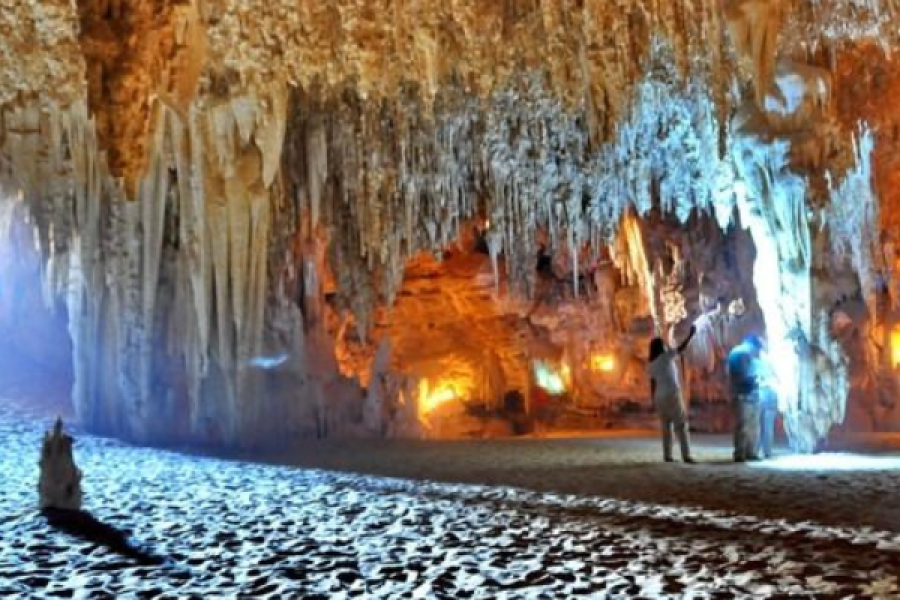
Djara Cave adds a different geological dimension to a Western Desert expedition.

This is better suited to travelers who already know they want more than the standard 2-day route.

White Desert Between Cairo and Luxor

The White Desert can also become part of a larger overland Egypt itinerary instead of a Cairo round trip.

Relevant routes include:

White Desert Tour From Luxor to Cairo

and:

White Desert Tour From Cairo to Luxor

For a longer desert-and-oasis journey:

3 Days Cairo, Luxor, White Desert & Dakhla

These routes are useful if you want the desert to connect naturally with the Nile Valley rather than returning to Cairo.

What to Pack for White Desert National Park

Packing should stay simple.

Bring:

  • Breathable daytime clothing
  • Comfortable trousers
  • Closed walking shoes
  • Hat
  • Sunglasses
  • Sunscreen
  • Scarf or buff
  • Warm layer
  • Winter jacket when needed
  • Personal medication
  • Toiletries
  • Phone
  • Power bank
  • Camera if required

You normally do not need to fly to Egypt with a tent if your organized safari includes camping equipment.

Use our full Egypt Desert Safari Packing List before leaving Cairo.

For the destination-specific version, see White Desert Egypt Packing List.

White Desert National Park for Photography

The White Desert is one of Egypt’s strongest landscape-photography locations.

The best periods of the day are:

Sunrise — soft light and long shadows.

Late afternoon — strong texture.

Sunset — warm tones across white formations.

Blue hour — subtle cool colors.

Night — stars and camp atmosphere.

A private tour can be particularly useful because photography rarely follows an exact 20-minute group schedule.

If this is your priority, read our White Desert Egypt Photography Guide.

Also consider a Private Desert Safari Egypt if you need control over timing.

White Desert National Park for Families

The White Desert can be excellent for adventurous families.

Children may enjoy:

  • 4×4 driving
  • Mushroom rocks
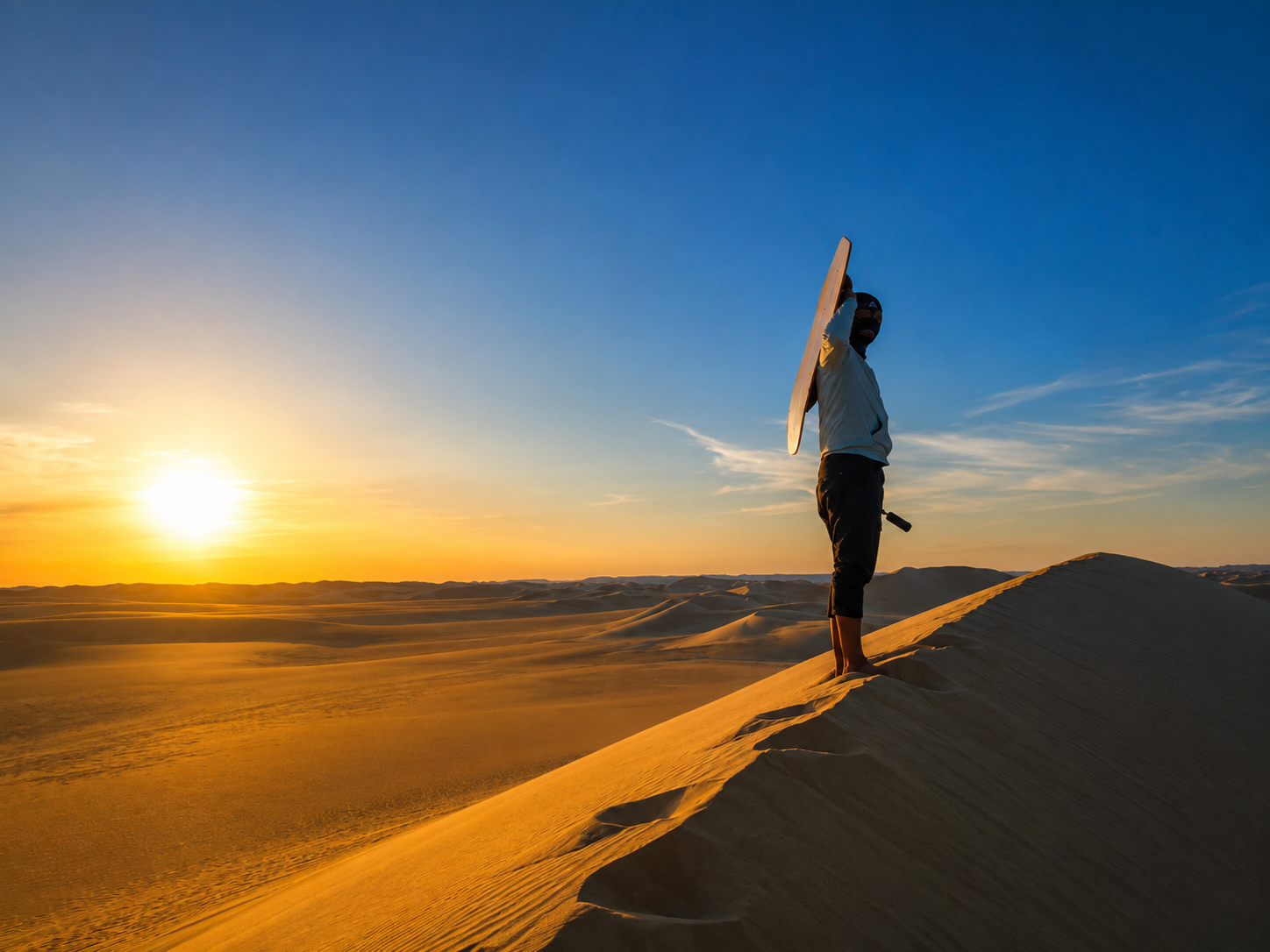
  • Sandboarding
  • Camping
  • Stars
  • Sunrise

But families should consider the long road journey from Cairo and the basic nature of remote camping.

For young children, Fayoum may be easier.

For school-age children who enjoy camping, a 2-day White Desert trip can be outstanding.

See our complete Egypt Desert Safari for Families guide.

Luxury White Desert Camping

“Luxury” in the White Desert should not be confused with a permanent five-star resort inside a protected wilderness area.

A premium experience usually means improvements such as:

  • Private transfer
  • Private 4×4
  • Private guide
  • Better mattress
  • Upgraded camp
  • Personalized meals
  • Greater privacy
  • Flexible itinerary

The true luxury is often the ability to enjoy the landscape slowly and privately.

Read Luxury Desert Camping Egypt for a detailed comparison with Siwa and Fayoum glamping.

White Desert National Park vs Black Desert

These two landscapes are frequently combined.

White Desert

Best known for:

  • White chalk
  • Sculpted formations
  • Camping
  • Sunset
  • Photography

Black Desert

Best known for:

  • Dark hills
  • Black stone
  • Volcanic-looking scenery
  • Contrast with Bahariya’s surrounding landscape

Do not choose between them unless you have an unusually short itinerary.

A good White Desert safari can normally show you both.

See Black Desert & White Desert Tour From Cairo.

White Desert vs Siwa Oasis

These destinations offer completely different trips.

Choose White Desert for:

  • Camping
  • Geological landscapes
  • Chalk formations
  • 2-day trip
  • Stargazing

Choose Siwa for:

  • Oasis culture
  • Salt lakes
  • Great Sand Sea
  • Accommodation
  • 3–4 day trip

Our Siwa Oasis vs White Desert guide gives the full comparison.

White Desert vs Fayoum

Choose the White Desert if you want:

  • Stronger wilderness
  • Camping
  • More dramatic geology
  • Multi-day safari

Choose Fayoum if you want:

  • One-day trip
  • Less driving
  • Lakes
  • Wadi Al-Hitan
  • Easier family travel

For a direct comparison involving all three destinations, see Best Desert Safari From Cairo: White Desert vs Fayoum vs Siwa.

Responsible Travel Inside White Desert National Park

The White Desert’s popularity makes responsible tourism essential.

Do not treat geological formations as props that can be climbed, broken or moved.

Do not:

  • Leave plastic
  • Leave wet wipes
  • Remove fossils
  • Collect crystals
  • Break chalk
  • Damage formations
  • Drive outside appropriate routes
  • Disturb wildlife
  • Create unnecessary permanent camp infrastructure

The whole reason the park remains worth visiting is because its landscape is protected.

Egypt’s official management plan specifically seeks to balance visitor access with conservation and income for surrounding communities.

Respecting these rules is not an inconvenience.

It is part of visiting a national protected landscape.

How to Choose a White Desert Tour

Before booking, confirm:

  • Cairo pickup location
  • Private or shared transfer
  • 4×4 arrangement
  • Guide
  • Number of nights
  • Camping setup
  • Meals
  • Drinking water
  • Entrance and camping fees
  • Current permit arrangements
  • Hotel night if included
  • Return location

Price alone does not tell you whether two tours are equivalent.

Use our Egypt Desert Safari Cost guide before comparing offers.

If you’re deciding between shared and private, read Private Desert Safari Egypt.
Is White Desert National Park Worth Visiting?

For travelers interested in nature and outdoor experiences:

yes.

Egypt is globally famous for:

  • Pyramids
  • Temples
  • Tombs
  • Nile cruises

The White Desert shows a completely different side of the country.

It replaces monuments built by people with monuments built by geology.

There are no enormous temple walls.

No city traffic.

No museum glass.

Instead, you experience:

  • Open horizons
  • Wind-shaped chalk
  • Fossils
  • Silence
  • Sunset
  • Stars

This contrast is precisely why the White Desert works so well inside a larger Egypt itinerary.

After several days in Cairo or Luxor, the desert can feel like traveling to a different country without leaving Egypt.
How to Make Desert Travel Educational for Kids

Parents can turn the trip into more than entertainment.
Before departure, teach children about:

  • Ancient whale fossils
  • Desert geology
  • Oasis agriculture
  • Night sky
  • Water scarcity
  • Protected landscapes

At Wadi Al-Hitan, explain how prehistoric whales once had land-dwelling ancestors.
At White Desert, explain that erosion shaped the formations.

At Siwa, talk about oasis life and salt.

Children remember information better when they can connect it to something they are physically seeing.

Our Recommended White Desert National Park Itinerary

For a first-time traveler from Cairo:

Day 1

Cairo → Bahariya Oasis → Black Desert → Crystal Mountain → Agabat → White Desert → sunset → camping

Leave Cairo early.

Travel southwest to Bahariya.

After transferring to the 4×4, begin the safari.

Move through contrasting black hills and desert valleys before reaching the pale landscape of the White Desert.

Stay for sunset.

Eat dinner at camp.

Spend the night beneath the stars.

Day 2

Sunrise → White Desert exploration → Bahariya → Cairo

Wake for sunrise.

Explore additional formations while the morning light is still soft.

Return toward Bahariya and continue to Cairo.

This provides the highest experience-to-time ratio for most visitors.

Use the 1 Night 2 Days White Desert Tour From Cairo as the commercial route.

Best White Desert National Park Tours

For easy planning, these are the most relevant White Desert tours on the site:

One Day

One Day White Desert Tour From Cairo

Best First-Time Choice

1 Night 2 Days White Desert Tour From Cairo

Best for Two Nights of Camping

2 Nights 3 Days White Desert Camping Tour

White Desert + Bahariya

White Desert & Bahariya Oasis Tour From Cairo

White Desert + Djara Cave

White Desert & Djara Cave Tour From Cairo

Extended White Desert Expedition

3 Nights 4 Days White Desert Tour From Cairo

Luxor to Cairo Through the White Desert

White Desert Tour From Luxor to Cairo

Cairo to Luxor Through the White Desert

White Desert Tour From Cairo to Luxor

Final Verdict: Why Visit White Desert National Park?

White Desert National Park is one of the most unusual natural landscapes in Egypt and one of the strongest desert experiences available from Cairo.

Its importance comes from much more than a few mushroom-shaped rocks.

The protected area preserves:

  • Ancient geological formations
  • White chalk landscapes
  • Fossils
  • Desert ecosystems
  • Archaeological evidence
  • Scenic wilderness

And for travelers, it provides something equally valuable:

a chance to experience Egypt beyond its cities and ancient monuments.

The easiest first-time route is:

Cairo → Bahariya → Black Desert → Crystal Mountain → Agabat → White Desert → overnight camping.

For most visitors:

2 days and 1 night is the ideal duration.

Travel between October and April when possible.

Use an experienced operator.

Respect protected-area regulations.

Do not collect fossils or rocks.

And stay at least one night if your schedule allows.

If you’re still planning the wider trip, continue with:

White Desert Egypt

White Desert From Cairo

White Desert Camping Egypt

White Desert Egypt Itinerary

Best Time to Visit White Desert Egypt

White Desert Egypt Packing List

White Desert Egypt Photography Guide

Things to Do in White Desert Egypt

Egypt Desert Safari

Egypt Desert Camping

Best Desert Safari From Cairo

Egypt Desert Safari With Camping

Together, those pages build the complete route from researching White Desert National Park to choosing the correct safari and booking the right duration.

4 Days Siwa Oasis Tour from Cairo

One Day Fayoum Tour from Cairo

Giza Pyramids & Grand Egyptian Museum Tour

One Day Tour to the White Desert from Cairo

1 Night Camping in Fayoum Desert from Cairo

2 Nights 3 Days Cairo – Siwa Tour

Siwa Program by Comfortable Bus from Cairo

1 Night 2 Days White Desert Tour from Cairo

2 Nights 3 Days White Desert & Dejara Cave Tour from Cairo

2 Nights 3 Days Camping Tour in White Desert

3 Nights 4 Days Cairo White Desert Tour

2 Nights 3 Days Tour in White Desert and Bahariya Oasis

2 Nights 3 Days Cairo – Siwa Tour

2 Nights 3 Days Fayoum and White Desert Tour from Cairo

5 Nights 6 Days Egypt Oasis Tour from Cairo

2 Days Tour in Cairo and Giza

3 Days 2 Nights Tour from Cairo to Dakhla and Luxor

Full Day Tour to Alexandria from Cairo

Full Day Tour in West Bank of Luxor

Full Day Tour in East Bank of Luxor

Full Day Tour in Aswan

Frequently Asked Questions About White Desert National Park

White Desert National Park is located in Egypt's Western Desert in the wider Farafra–Bahariya region. Farafra Oasis lies close to the park, while most tours from Cairo travel through Bahariya Oasis.

The landscape is dominated by white chalk and limestone deposits that were shaped by erosion over millions of years, creating the park's famous pale formations.

Egypt officially declared the White Desert protected area in 2002.

The Egyptian Environmental Affairs Agency currently lists the White Desert Natural Protectorate as covering approximately 3,133.5 square kilometers.

The official EEAA page lists the White Desert protectorate at roughly 570 km from Cairo. Most tours break the journey at Bahariya Oasis before continuing by 4x4.

Egypt's official tourism portal states that the White Desert is approximately 40 km from Farafra.

Yes. White Desert tours from Cairo commonly travel through Bahariya Oasis before continuing into the desert by 4x4.

Two days and one night is ideal for most first-time visitors. Three or four days are better for deeper camping, photography and extended exploration.

Camping is possible in appropriate areas under current protected-area rules. Organized travelers should use an experienced operator and confirm applicable fees and permits.

No. White Desert National Park has management zones with different access and camping rules. Visitors should use authorized routes and appropriate camping locations.

Travelers should use professional local desert guides and confirm current access and permit requirements before entering remote areas.

October through April is the strongest overall period for most travelers, with November through March particularly comfortable for 4x4 exploration and camping.

It can be, especially during winter. Travelers camping between December and February should bring warm layers and suitable sleepwear.

They are chalk and limestone formations shaped by long-term erosion, with narrower lower sections and larger rock caps that resemble mushrooms.

Yes. The White Desert's limestone contains marine fossils that provide evidence of ancient marine environments in the region.

Crystal Mountain is part of the wider Bahariya–Farafra desert safari circuit and is commonly visited on White Desert tours.

Yes. Most multi-day White Desert tours from Cairo combine the Black Desert with Crystal Mountain, Agabat and the White Desert.

Yes, particularly for adventurous school-age children comfortable with long road transfers and one night of camping. Fayoum may be easier for families with very young children.

Yes. For travelers interested in natural landscapes, geology, camping, photography and desert adventure, the White Desert is one of Egypt's most distinctive destinations.