What to Pack for a White Desert Egypt Camping Tour

Packing for a White Desert Egypt camping tour is surprisingly simple—if you know what the tour already provides and what conditions to expect once you leave Cairo.

The biggest packing mistake travelers make is preparing for the White Desert as if it were simply another sightseeing day in Egypt.

It is not.

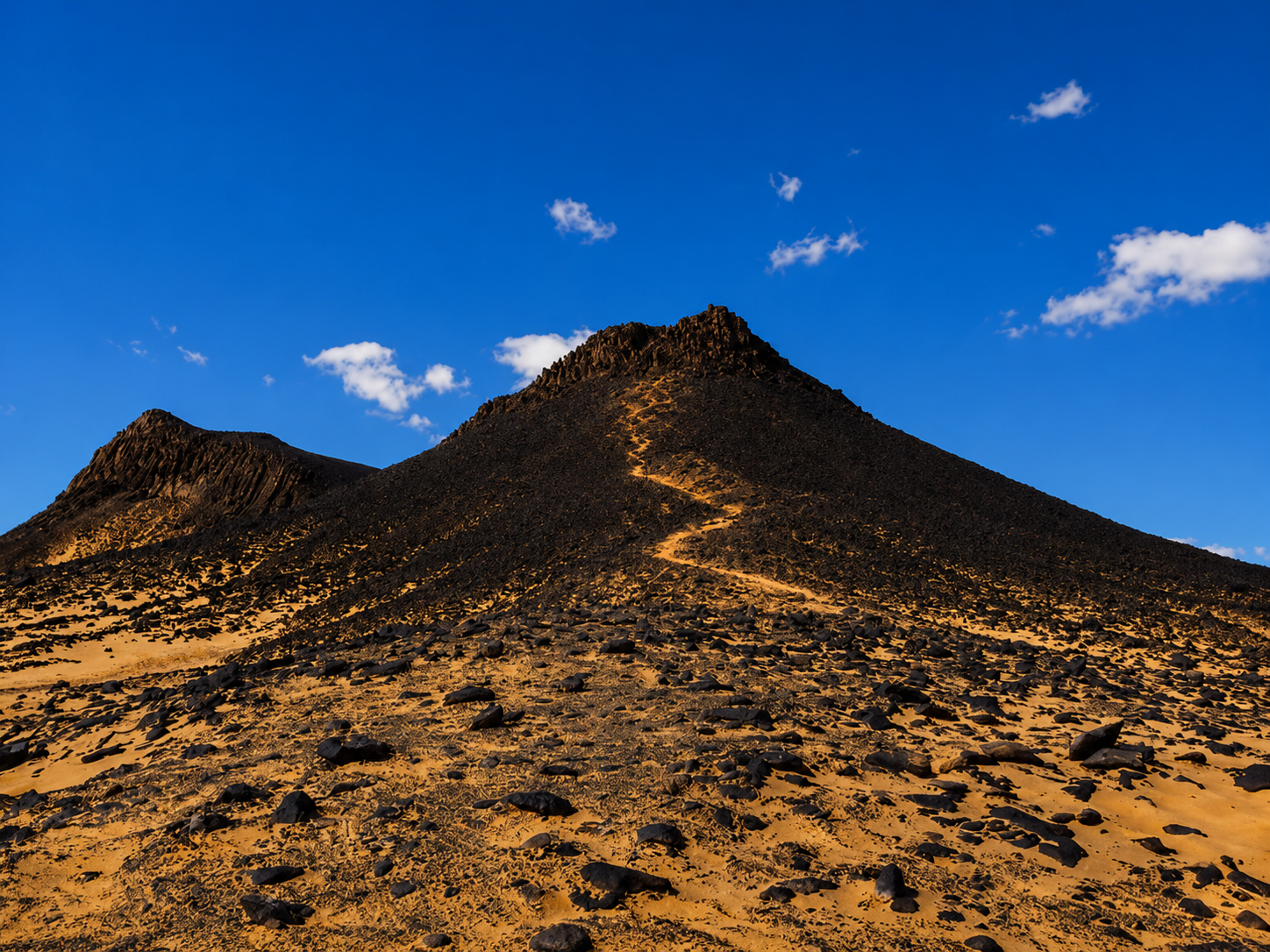
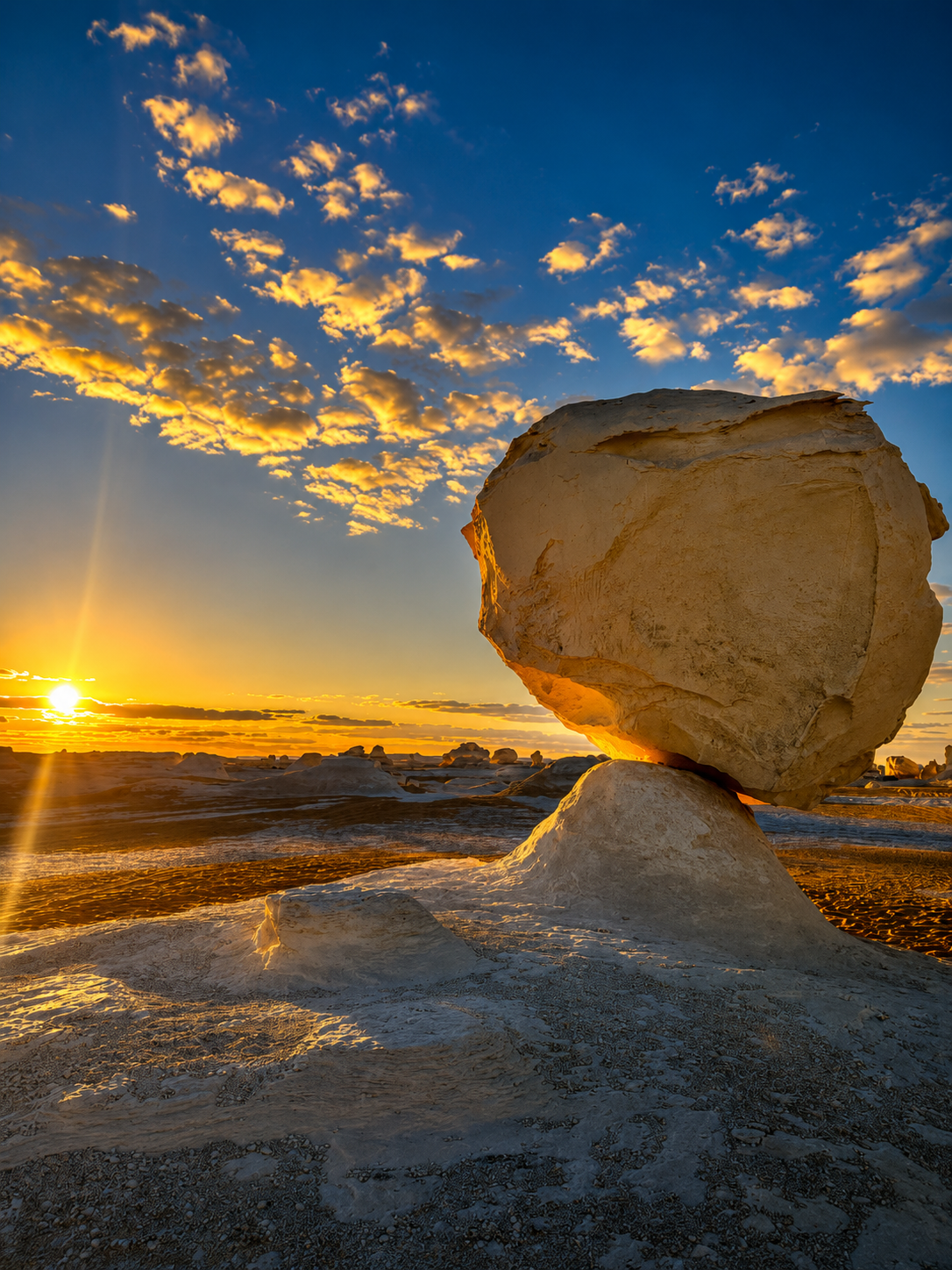
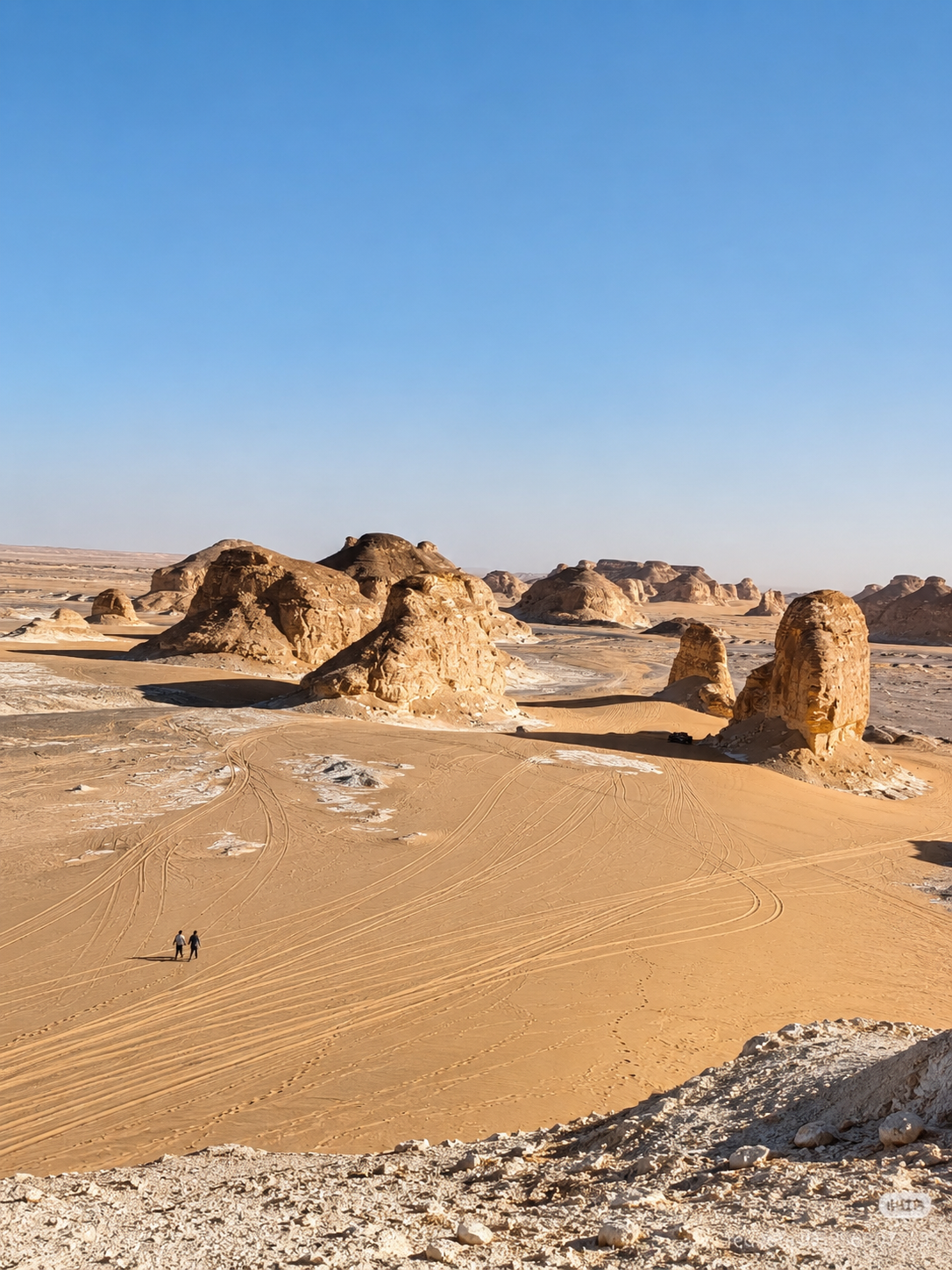
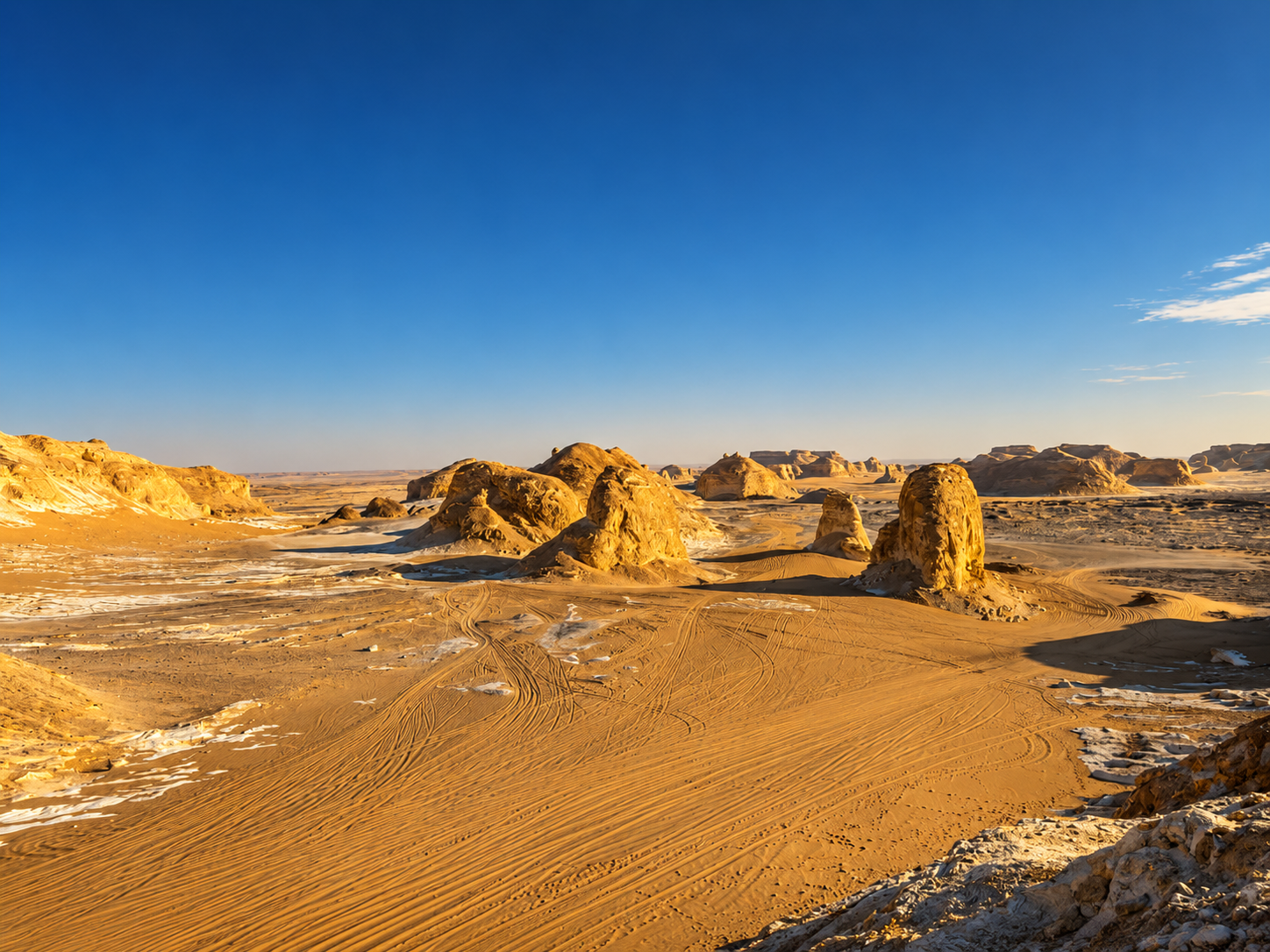
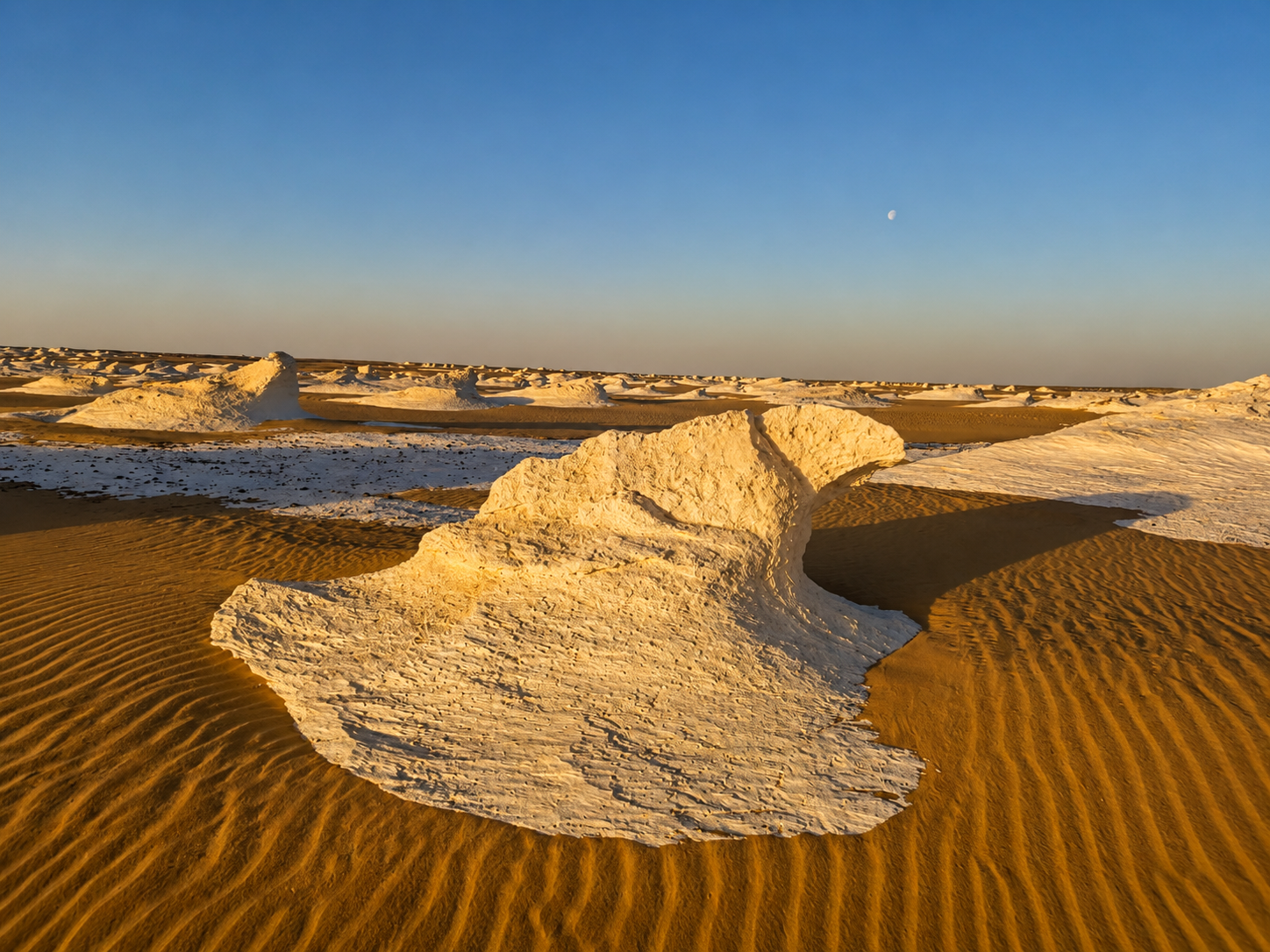
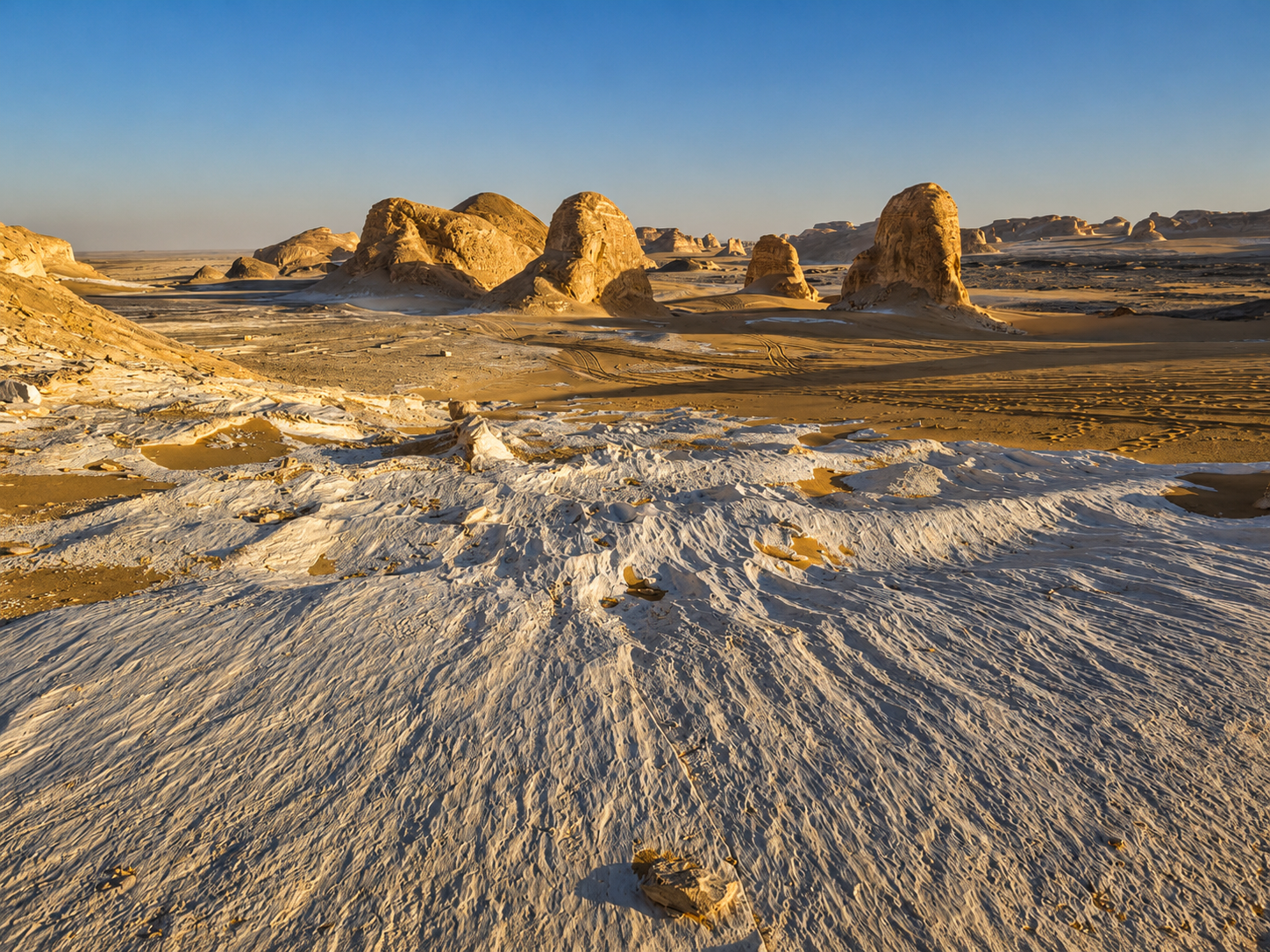
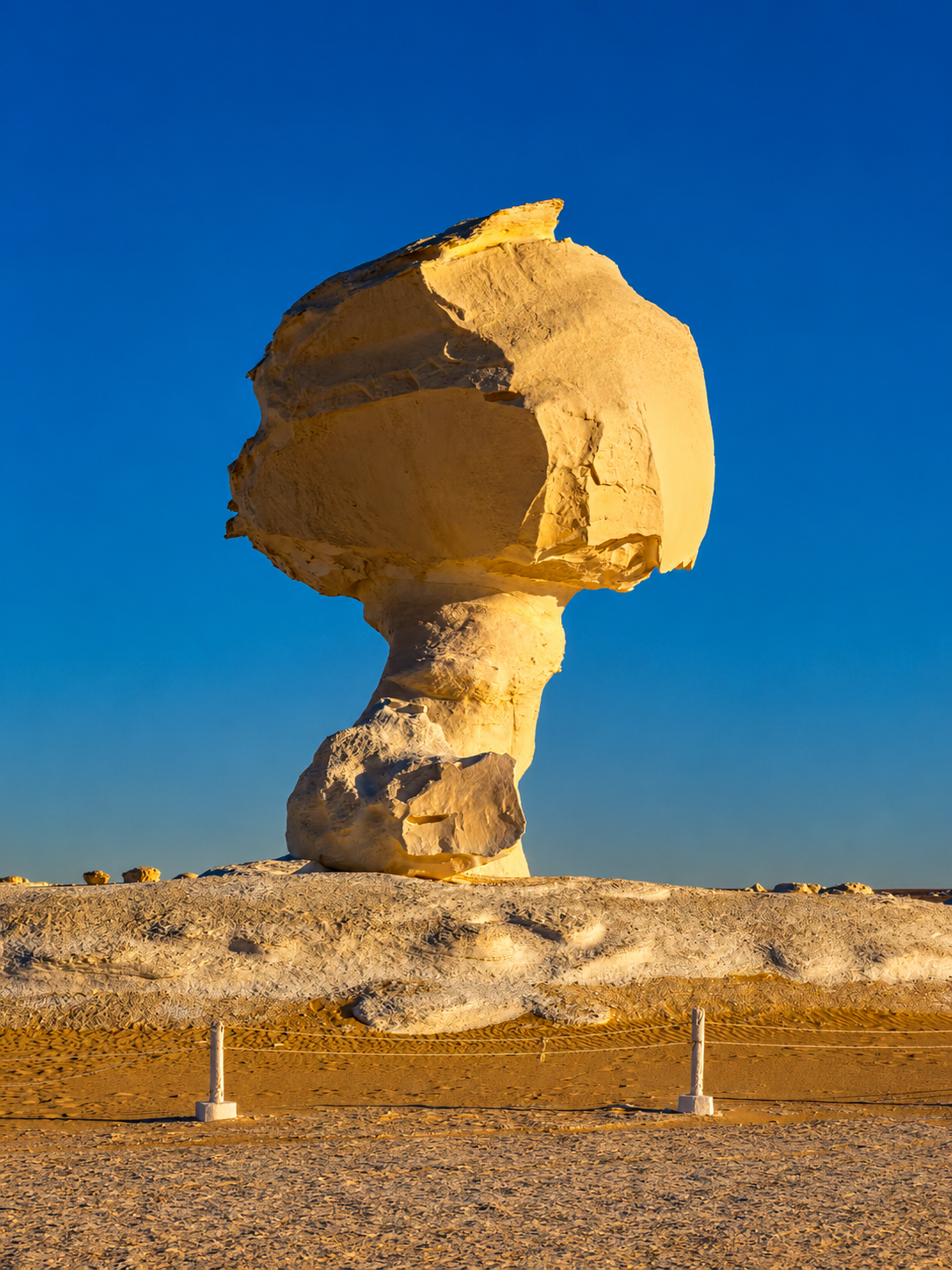
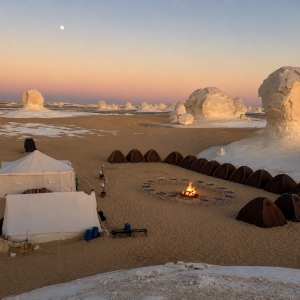
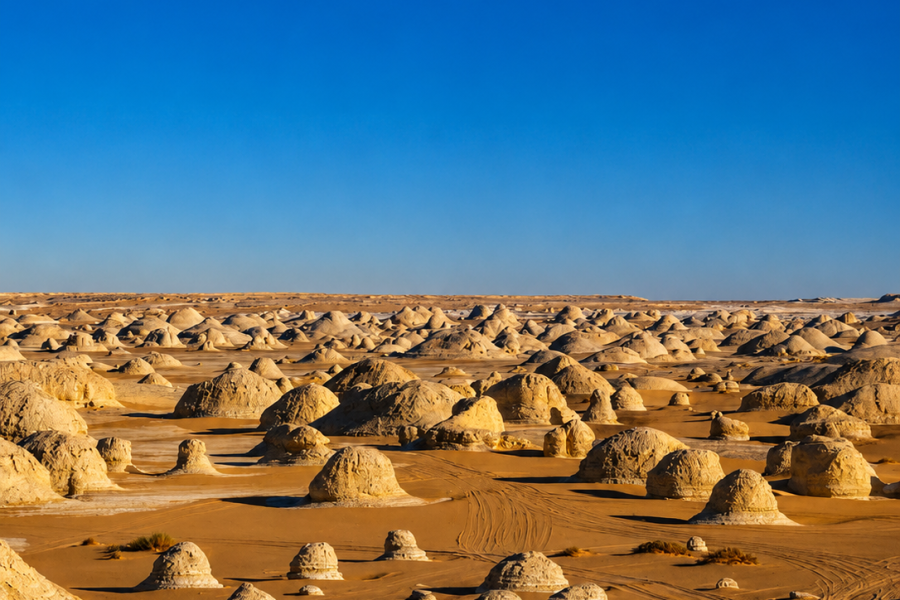
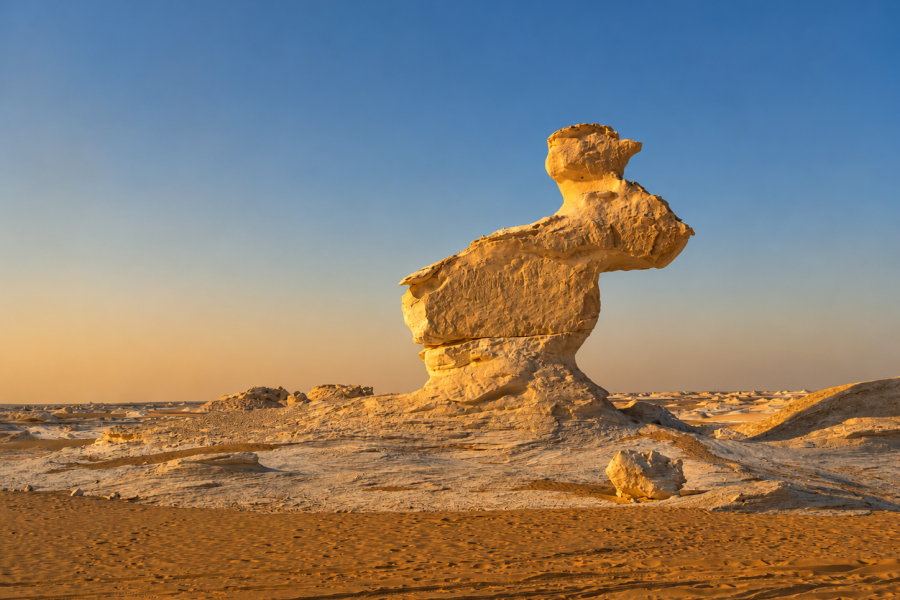
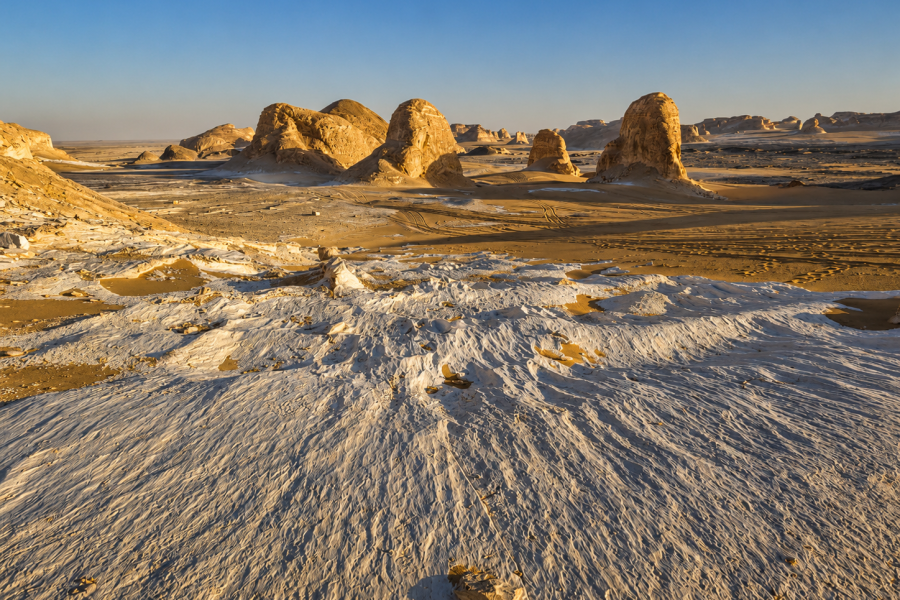
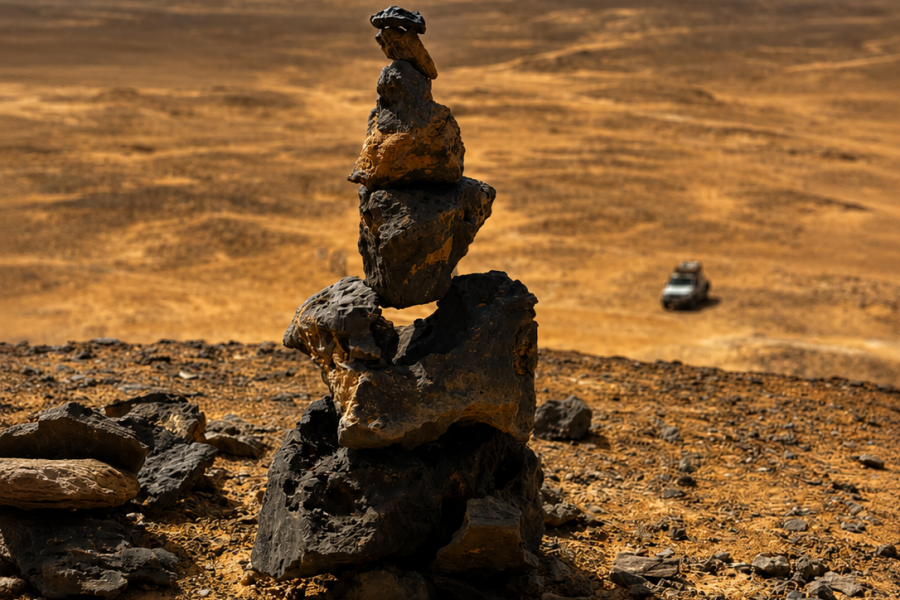
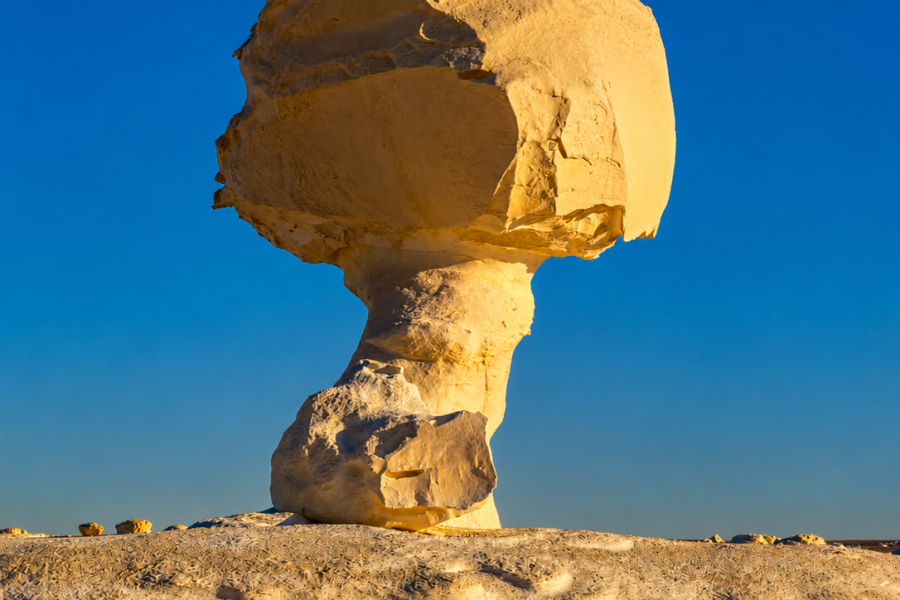
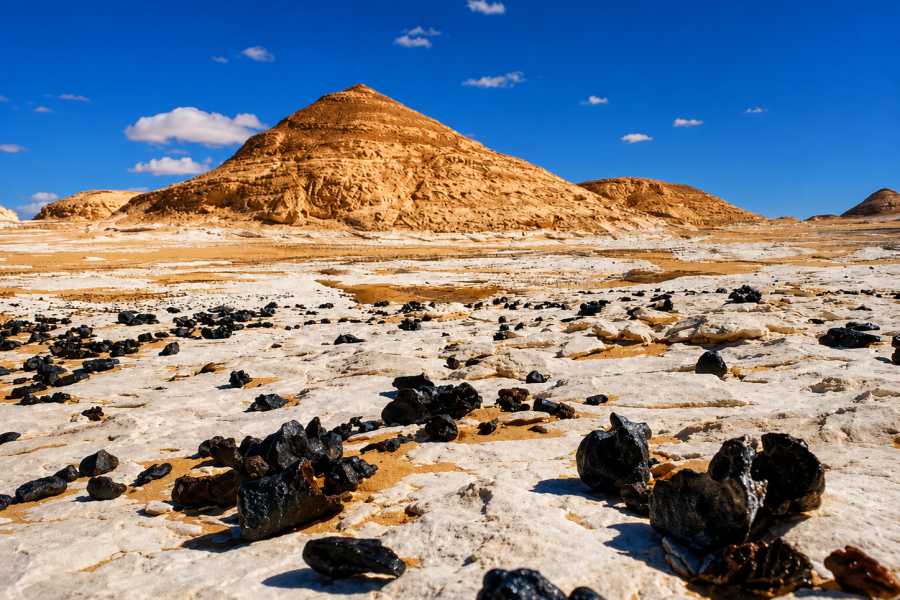
A typical overnight White Desert journey can include several hours of road travel from Cairo or Giza to Bahariya Oasis, a 4×4 safari through the Black Desert, Crystal Mountain and Agabat, walking over sand and rocky terrain, sunset, dinner at a temporary desert camp, a night outdoors and an early sunrise the following morning.

That means you need to prepare for several very different conditions within the same trip:

warm daytime sun, wind, dust, cool or cold nighttime temperatures, basic bathroom facilities and limited access to electricity.

The good news is that travelers joining an organized White Desert camping tour normally do not need to carry their own tent, mattress or complete camping kitchen.

For example, the current overnight tours offered by White and Black Desert Tours include dome-shaped tents, mattresses, blankets and sleeping bags. The 1 Night / 2 Days tour also includes meals and drinks during the safari, while the 2 Nights / 3 Days program includes two camping nights and three meals per day.

So what should you actually bring?

This complete White Desert Egypt packing list covers clothing, winter layers, footwear, sun protection, toiletries, electronics, photography gear and the small items travelers often forget.

If you are still deciding whether camping is right for you, first read our complete White Desert Camping in Egypt guide.

Quick White Desert Egypt Packing List

If you only want the essentials, pack:

  • Comfortable daytime clothing
  • Long trousers
  • Lightweight long-sleeved shirt
  • Closed walking shoes
  • Warm fleece or sweater
  • Wind-resistant jacket
  • Thermal base layer in winter
  • Warm socks
  • Hat or head covering
  • Scarf or neck covering
  • Sunglasses
  • Sunscreen
  • Lip balm
  • Small reusable water bottle
  • Wet wipes
  • Toilet paper or tissues
  • Hand sanitizer
  • Toothbrush and toothpaste
  • Personal medication
  • Power bank
  • Charging cables
  • Headlamp or flashlight
  • Camera or smartphone
  • Spare camera batteries
  • Small day backpack
  • Passport or required ID
  • Some cash
  • Sealable waste bags

That is enough for most organized one-night White Desert camping trips.

You do not usually need to arrive carrying a large trekking backpack filled with professional expedition equipment.

Your tour operator handles most of the heavy camping logistics.

What Does a White Desert Camping Tour Usually Provide?

Before packing anything, check the exact inclusions of your chosen tour.

This is important because camping arrangements vary between operators and itineraries.

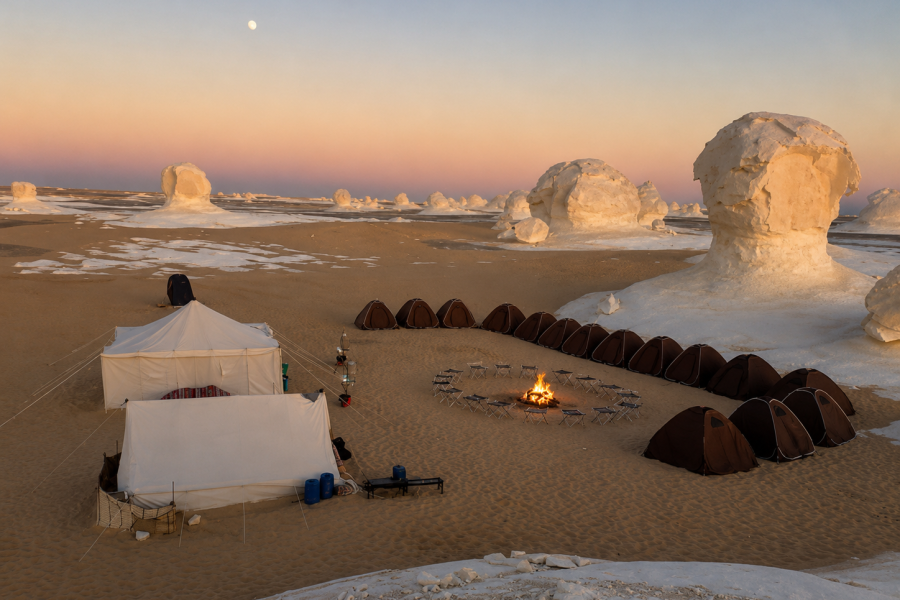
On the White and Black Desert Tours overnight programs, the camping setup can include:

dome-shaped tents, mattresses, blankets, sleeping bags, food, drinks and safari transportation.

The current 1 Night / 2 Days White Desert itinerary includes one night in a single or double dome-shaped tent with mattress, blankets and sleeping bag, plus meals and drinks during the safari.

The 2 Nights / 3 Days White Desert Camping Tour includes two camping nights in dome-shaped tents, mattresses, blankets, sleeping bags and three meals per day, with vegetarian meals available when requested in advance.

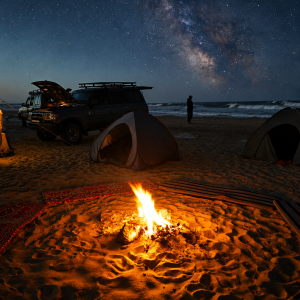
Typical mobile camping setups may also use rugs, simple seating, portable lights, cooking equipment and water containers carried in the safari vehicles.

That means you normally do not need to pack your own tent or full sleeping system unless your operator specifically tells you otherwise.

Still, confirm your exact package before departure.

Ask:

Is the tent private?

Are mattresses included?

Are sleeping bags included?

Are blankets provided?

Is a pillow included?

Is extra bedding available during winter?

Knowing the answer prevents unnecessary luggage.

Choose a Small Bag, Not a Large Suitcase

The first practical packing decision is luggage size.

Bring a small backpack, soft overnight bag or compact duffel whenever possible.

Why?

Once you reach Bahariya Oasis, the journey usually continues in a 4×4 safari vehicle.

Your luggage must share space with:

camping equipment, food, drinking water, other travelers and safari supplies.

Large hard-shell suitcases can become inconvenient.

Your existing White Desert camping guide also recommends compact luggage because space in a 4×4 may be limited.

If the White Desert is only part of a longer Egypt trip, ask whether your larger suitcase can remain:

at your Cairo hotel,

at accommodation in Bahariya Oasis,

or with your transfer vehicle.

Then carry only what you need for the camping section.

For one night, your packing should be surprisingly compact.

What to Wear During the Day

Daytime desert clothing should focus on three things:

comfort, sun protection and flexibility.

You do not need specialized expedition clothing.

Comfortable travel clothing works well.

A lightweight long-sleeved shirt is especially useful because it protects your arms from direct sunlight without requiring repeated sunscreen application.

Pair it with comfortable trousers.

Shorts can work depending on personal preference and season, but long trousers provide extra protection from:

sun,

sand,

wind,

dust,

and cooler temperatures later in the day.

Breathable fabrics are useful because you may move between a warm vehicle, outdoor walks and direct sun.

Avoid packing your most delicate clothing.

This is a desert safari.

Dust and sand are part of the experience.

Why Layers Are Essential

The single most important clothing concept for White Desert camping is:

layers.

Do not pack based only on the temperature you feel in Cairo during the afternoon.

The White Desert is an open desert environment, and conditions can feel very different after sunset.

Your existing camping guide specifically warns that nighttime cold—particularly during winter—is one of the main comfort challenges at camp.

Instead of relying on one extremely heavy coat, use layers.

For example:

base shirt → fleece or sweater → wind-resistant jacket.

This allows you to remove clothing during the warmer afternoon and add it gradually as the temperature falls.

Layers also help around sunrise, when temperatures can still feel cool even though the sun has appeared.

What to Pack for White Desert Camping in Winter

Winter deserves special attention.

December, January and February can provide excellent daytime conditions for desert exploration, but camping after sunset can feel significantly colder than many travelers expect.

For a winter White Desert trip, add:

a thermal base layer,

a warm fleece,

a proper jacket,

warm socks,

long trousers,

and something to cover your head or ears.

Travelers who feel cold easily may also appreciate thermal leggings beneath normal trousers.

Do not assume the sleeping bag means you need no warm clothes.

You will still spend time outside the tent during:

sunset,

dinner,

stargazing,

early morning,

and sunrise.

The best approach is to dress so you can comfortably sit outside camp rather than spending the evening hiding inside your sleeping bag.

For seasonal planning, see our guide to the Best Time to Visit the White Desert Egypt for Camping & Photography.

Do You Need a Heavy Winter Coat?

Usually, layers are more practical.

A huge expedition coat takes up substantial space inside a small travel bag.

A combination of:

thermal layer + fleece + wind-resistant outer jacket

is often easier to pack and adjust.

However, travelers who are particularly sensitive to cold may prefer a warmer outer layer during midwinter.

Always check the actual forecast shortly before departure because seasonal averages cannot tell you the conditions of your specific camping night.

2 Nights 3 Days White Desert & Dejara Cave Tour from Cairo

2 Nights 3 Days Tour in White Desert and Bahariya Oasis

Full Day Tour in West Bank of Luxor

Siwa Program by Comfortable Bus from Cairo

One Day Tour to the White Desert from Cairo

One Day Fayoum Tour from Cairo

National Museum of Egyptian Civilization Tour

4 Days 3 Nights Package to Luxor from Cairo by Sleeper Train

Giza Pyramids & Grand Egyptian Museum Tour

2 Nights 3 Days Fayoum and White Desert Tour from Cairo

5 Nights 6 Days Egypt Oasis Tour from Cairo

Full Day Tour in East Bank of Luxor

6 Nights 7 Days Cairo, Siwa, Marsa Matrouh & White Desert Tour

Full Day Tour in Aswan

Full Day Tour to Alexandria from Cairo

4 Days Siwa Oasis Tour from Cairo

3 Nights 4 Days Cairo White Desert Tour

3 Days 2 Nights Tour from Cairo to Dakhla and Luxor

2 Nights 3 Days Camping Tour in White Desert

2 Nights 3 Days Cairo – Siwa Tour

2 Nights 3 Days Cairo – Siwa Tour

2 Days Tour in Cairo and Giza

1 Night Camping in Fayoum Desert from Cairo

1 Night 2 Days White Desert Tour from Cairo

Best Shoes for a White Desert Tour

Bring closed, comfortable walking shoes.

You do not generally need technical mountaineering boots.

The White Desert tour is not a high-altitude trekking expedition.

But your footwear should be comfortable on:

sand,

rock,

uneven ground,

and short walks around geological formations.

Trail shoes, lightweight hiking shoes or comfortable trainers with reasonable grip can work well.

Avoid making brand-new shoes part of the trip.

Breaking in uncomfortable footwear while walking in the desert is not fun.

Should You Wear Sandals?

Sandals can be useful around camp, particularly when relaxing after the day’s safari.

But they should not be your only footwear.

Closed shoes offer better protection during walks and around rocky areas.

An ideal setup is:

one pair of closed walking shoes + optional lightweight sandals or flip-flops for camp.

If you are packing very light, the sandals are optional.

Pack Warm Socks

Warm socks are one of the smallest items with the biggest impact on overnight comfort.

Even travelers who feel fine wearing a fleece sometimes find their feet become cold once they stop moving after dinner.

Bring at least one clean, warm pair reserved for night.

In winter, consider two pairs.

Keeping a dedicated pair dry and clean for sleeping can make your night significantly more comfortable.

Bring a Hat or Head Covering

During the day, a hat helps protect your head and face from direct sun.

A wide-brimmed hat or cap works.

A scarf can also be very useful.

A lightweight scarf or traditional head covering helps protect against:

sun,

wind,

sand,

and dust.

Later in the evening, a warmer hat or beanie can help during winter.

This is one of the easiest ways to prepare for changing conditions without carrying bulky clothing.

Sunglasses Are Essential

The White Desert is extremely bright during daylight.

Pale desert surfaces and open skies can make sunlight feel intense.

Bring good sunglasses with UV protection.

They also help protect your eyes during windy or dusty conditions.

If you normally wear prescription glasses, consider bringing:

your glasses,

sunglasses that work with them,

or prescription sunglasses.

Do not rely only on contact lenses if your eyes are sensitive to dust.

Sunscreen Is Necessary Even in Winter

Cooler weather can be misleading.

You may feel comfortable because the air is not hot while still spending hours exposed to direct sunlight.

Bring sunscreen and apply it before the safari.

Reapply when necessary, particularly on:

face,

ears,

neck,

hands,

and any exposed skin.

A lightweight long-sleeved shirt reduces how much exposed skin you need to manage throughout the day.

Also bring lip balm.

Dry air, wind and sun can quickly make lips uncomfortable.

Do You Need to Carry Your Own Water?

Organized tours typically transport drinking water as part of the desert supplies.

For example, your White Desert camping content states that drinking water is normally provided with guided camping trips, while your overnight programs include drinks according to their individual inclusions.

Still, bring a small reusable bottle if you prefer having water immediately available during short walks or stops.

You do not need to personally carry enough water for the entire safari unless your tour operator tells you to do so.

The vehicles transport the heavy supplies.

Toiletries: Keep Them Minimal

Do not pack your complete bathroom cabinet.

A one-night White Desert trip requires very little.

Bring:

toothbrush,

toothpaste,

wet wipes,

hand sanitizer,

toilet paper or tissues,

small towel,

lip balm,

and your normal personal hygiene products.

This is one category where wet wipes are genuinely useful.

Temporary White Desert camps generally do not have permanent hotel-style bathrooms or plumbing. Some camps may provide a portable toilet and privacy arrangement, while others use more basic facilities.

Ask about the exact bathroom setup before your tour if this is important to you.

Can You Shower in the White Desert?

Normally, you should not expect a full shower at a temporary one-night camp.

Water must be transported into the desert for drinking, cooking and necessary cleaning, so a normal hotel-style shower is generally unavailable.

Travelers usually use wet wipes and limited washing water until they return to facilities in Bahariya or Cairo.

For one night, this is usually very manageable.

Shower before leaving Cairo.

Pack basic hygiene supplies.

Shower again once you return.

Do not carry a huge toiletry bag for a single camping night.

Toilet Paper and Tissues

Bring your own small supply even if your operator says some will be available.

It takes almost no space and can be extremely useful.

Store it in a sealable plastic or reusable waterproof bag so it stays protected from sand.

The same applies to wet wipes.

Do not leave wipes or toilet paper behind in the desert.

Pack your waste appropriately and follow your guide’s waste-management instructions.

Personal Medication

Always carry any medication you personally need.

Do not put critical medication inside luggage that may be stored somewhere else.

Keep essential medicine in your small day bag.

If medication requires refrigeration or special storage, tell your tour operator before departure so you can determine whether appropriate arrangements are possible.

The White Desert is remote.

This is not the place to discover that your medication remained inside a suitcase in Cairo.

Basic First-Aid Items

You do not need to bring a full hospital kit.

A compact personal kit can include:

adhesive bandages,

blister treatment,

personal pain relief,

any medication you normally use,

and any specific items related to your own needs.

Your operator should manage the overall trip logistics, but each traveler should still carry their own essential medication.

Bring a Power Bank

This is one of the easiest things to forget.

Do not assume there will be electrical outlets at camp.

Temporary White Desert camps generally do not have permanent electricity, and although some safari vehicles may have charging ports, this should not be your only plan.

Bring a fully charged power bank before leaving Cairo.

For one night, a good power bank is usually enough for:

phone,

smartwatch,

small camera accessories,

and basic USB devices.

For two camping nights, capacity becomes more important.

Download Important Information Before Leaving

Mobile reception can be limited or unavailable in remote desert areas, and Wi-Fi should not be expected at a mobile camp.

Before leaving Cairo or Bahariya:

download your booking details,

save important phone numbers,

download offline documents,

save copies of identification,

and tell family or friends that you may temporarily be unreachable.

Think of going offline as part of the desert experience rather than a problem.

Bring a Headlamp or Small Flashlight

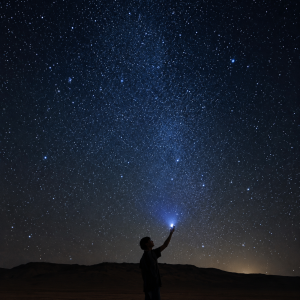
Your phone flashlight works.

But a small headlamp is much better.

Why?

Because it keeps both hands free.

That is useful when:

walking around camp,

organizing your bag,

using bathroom facilities,

getting into your tent,

or adjusting camera equipment after dark.

A small USB-rechargeable or battery-powered headlamp takes almost no luggage space.

Camera Packing List

You can photograph the White Desert perfectly well with a smartphone.

But photographers carrying dedicated equipment should prepare for:

sand,

dust,

limited charging,

and temperature changes.

Useful items include:

camera,

preferred lenses,

spare batteries,

extra memory cards,

lens cloth,

small blower,

protective camera bag,

tripod if night photography is important.

Do not bring your entire studio simply because the landscape is photogenic.

Every extra lens creates:

additional weight,

another item to protect,

and another opportunity to expose your sensor to sand while changing lenses.

Bring Spare Camera Batteries

This becomes especially important on longer camping trips.

You may not have reliable access to charging.

Cold nighttime conditions can also reduce apparent battery performance.

Your site’s existing camping guide recommends carrying spare camera batteries rather than relying solely on vehicle charging.

Keep batteries protected from dust and excessive cold.

For photographers on a 2 Nights / 3 Days trip, bring more battery capacity than you think you will need.

Do You Need a Tripod?

For daytime travel?

No.

For serious sunset, blue-hour or night-sky photography?

Yes, it can be very useful.

A lightweight travel tripod is enough for most visitors.

It enables:

long exposures,

low-light camp photography,

star photography,

sunrise compositions,

self-portraits or group photographs.

But if photography is not a major goal, do not carry a heavy tripod just because someone online told you to.

Your phone and normal handheld camera can capture excellent travel images.

Protect Your Camera From Sand

Sand is a bigger threat than lack of photography equipment.

Keep your camera bag closed whenever possible.

Avoid changing lenses unnecessarily during wind.

Use a lens cloth and small blower.

Do not put camera equipment directly on the sand.

A simple zipped bag or dust cover can protect chargers and accessories inside your larger camera bag.

Photographers should also tell the guide that photography matters to them.

A private safari can often allow more time at suitable viewpoints if the itinerary permits.

Passport and Identification

Bring the identification required for your trip and keep it protected.

Do not leave your passport loose inside a vehicle or tent.

Use a secure inner pocket or waterproof document pouch.

Your tour operator should tell you what identification is required for your specific route and current permit arrangements.

Egypt’s official tourism website advises travelers heading into desert areas to check current permit and regulatory requirements with their travel agency or authorized guide before departure. (Experience Egypt – Desert Excursions)

Bring Some Cash

Although much of your tour may already be prepaid or included, carrying a small amount of Egyptian cash is sensible for:

personal purchases,

optional items,

small expenses in Bahariya,

or gratuities where appropriate.

Do not rely exclusively on card payments during a remote desert route.

You do not need to carry a large amount.

Just enough for personal incidental expenses.

What Food Should You Bring?

Usually, very little.

Organized White Desert camping programs generally provide meals.

The current 1 Night / 2 Days program includes meals and drinks, while the 2 Nights / 3 Days camping program includes three meals per day and snacks. Vegetarian meals can be arranged on the longer program when requested before arrival.

If you have:

food allergies,

vegetarian requirements,

vegan requirements,

religious dietary requirements,

or strong food preferences,

tell the operator before departure.

Do not wait until dinner is being prepared in the middle of the desert.

You can still bring one or two personal snacks if you have something you particularly like.

What Should First-Time Campers Bring?

White Desert camping can actually be a good introduction to camping because the safari team handles most of the logistics.

You are not hiking alone into the wilderness carrying your tent, stove, mattress and food on your back.

The vehicles transport the equipment.

The team prepares camp.

Meals are organized.

Your main responsibility is personal preparation.

First-time campers sometimes find these optional comfort items useful:

a sleeping-bag liner,

travel pillow,

earplugs,

comfortable sleeping clothes,

and warm socks.

None is essential.

But small personal comforts can make the first outdoor night easier.

Should You Bring Your Own Sleeping Bag?

Usually no.

The White and Black Desert Tours overnight programs currently state that sleeping bags, blankets and mattresses are included with their dome-shaped tents.

Bringing another full sleeping bag adds unnecessary bulk.

Instead, travelers who prefer a personal layer between themselves and supplied bedding can bring a lightweight sleeping-bag liner.

It takes much less space.

Always check the equipment listed on your specific tour page because inclusions can differ between itineraries.

Packing for One Night vs Two Nights

The difference is smaller than you might expect.

For one night, one change of clothes plus your essential layers and toiletries is generally enough.

For two nights, add:

another pair of socks,

another base layer or shirt,

additional underwear,

slightly more hygiene supplies,

greater power-bank capacity,

and extra camera batteries if needed.

Do not double the size of your luggage simply because the trip increased from one night to two.

The 2 Nights / 3 Days route involves more off-road exploration, so compact luggage is still valuable. Your current program travels through locations including the Black Desert, Crystal Mountain, Aqabat, dunes, springs, valleys and White Desert National Park.

Packing for Couples

Couples can save space by sharing:

sunscreen,

toothpaste,

power bank,

first-aid basics,

camera accessories,

and other non-personal items.

Do not duplicate everything automatically.

However, each traveler should have their own:

warm clothing,

essential medication,

water access,

identification,

and personal hygiene items.

If you are booking a private double tent, confirm the tent and bedding arrangement beforehand.

Packing for Families With Children

Families should pack more deliberately.

Children may feel cold faster than adults.

Bring extra layers, familiar snacks, personal medicine and one or two comfort items.

Avoid carrying a suitcase full of toys.

A White Desert trip already provides plenty to see.

Parents should also discuss:

children’s ages,

sleeping arrangements,

bathroom needs,

food preferences,

car-seat requirements,

and nighttime temperatures

with the operator before confirming the tour.

What Not to Pack for the White Desert

Packing too much is often a bigger problem than forgetting something.

Avoid bringing:

large hard suitcases,

expensive clothing that you cannot get dusty,

multiple unnecessary shoes,

a full toiletry cabinet,

too many camera lenses,

heavy books,

large quantities of food already included in the tour,

and bulky camping equipment supplied by the operator.

The ideal White Desert bag is compact enough that you can move it easily between the transfer vehicle, safari jeep and camp.

White Desert Packing Mistakes to Avoid

Packing Only for Cairo Weather

This is probably the most common mistake.

Cairo may feel comfortable or warm while the open desert becomes cold after sunset.

Always pack nighttime layers.

Wearing Brand-New Shoes

Use footwear you already know is comfortable.

Forgetting a Power Bank

Permanent electrical outlets should not be expected at a mobile camp.

Expecting a Hotel Bathroom

White Desert camping is mobile camping.

Bathroom facilities are usually basic rather than hotel-style.

Carrying Too Much

Your safari vehicle also transports camping and food supplies.

Keep your personal bag small.

Forgetting Sun Protection Because It Is Winter

Cool air does not eliminate sun exposure.

Bring sunglasses and sunscreen.

Bringing No Warm Socks

Tiny item.

Huge difference after sunset.

What to Keep in Your Day Bag

Even if some luggage remains inside the vehicle, keep the essentials immediately accessible.

Your day bag should contain:

water,

sunglasses,

sunscreen,

phone,

camera,

power bank,

medication,

identification,

tissues,

wet wipes,

light warm layer,

and small personal items.

Do not bury your jacket beneath everything else.

Temperature can change quickly after sunset, and you should be able to add a layer without unpacking the entire vehicle.

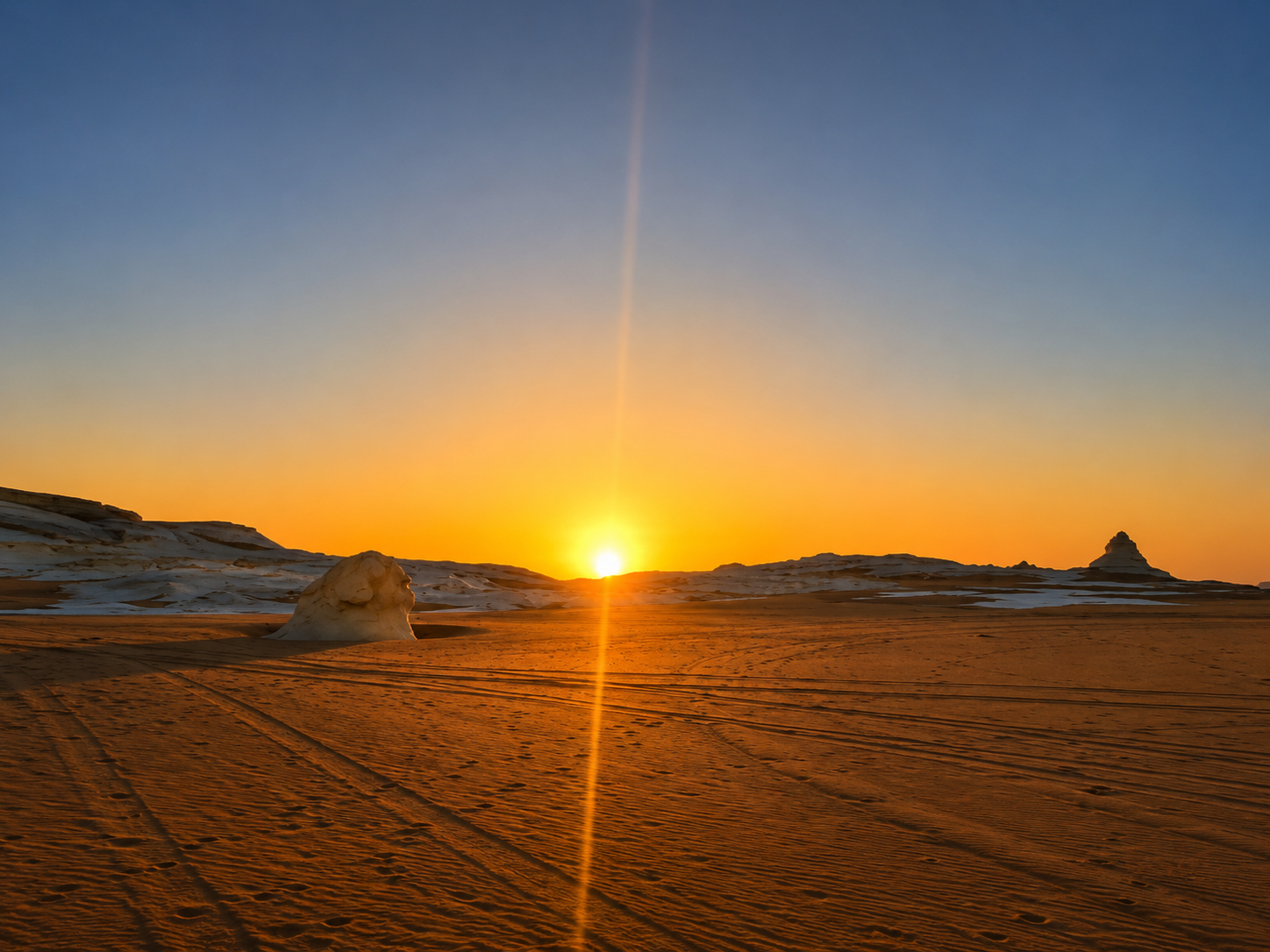
What to Wear for Sunset

By late afternoon, start adding layers before you become cold.

Wear:

long trousers,

closed shoes,

base shirt,

light fleece.

Keep your wind-resistant jacket nearby.

As the sun disappears, add the outer layer.

This simple system works better than waiting until you are already uncomfortable.
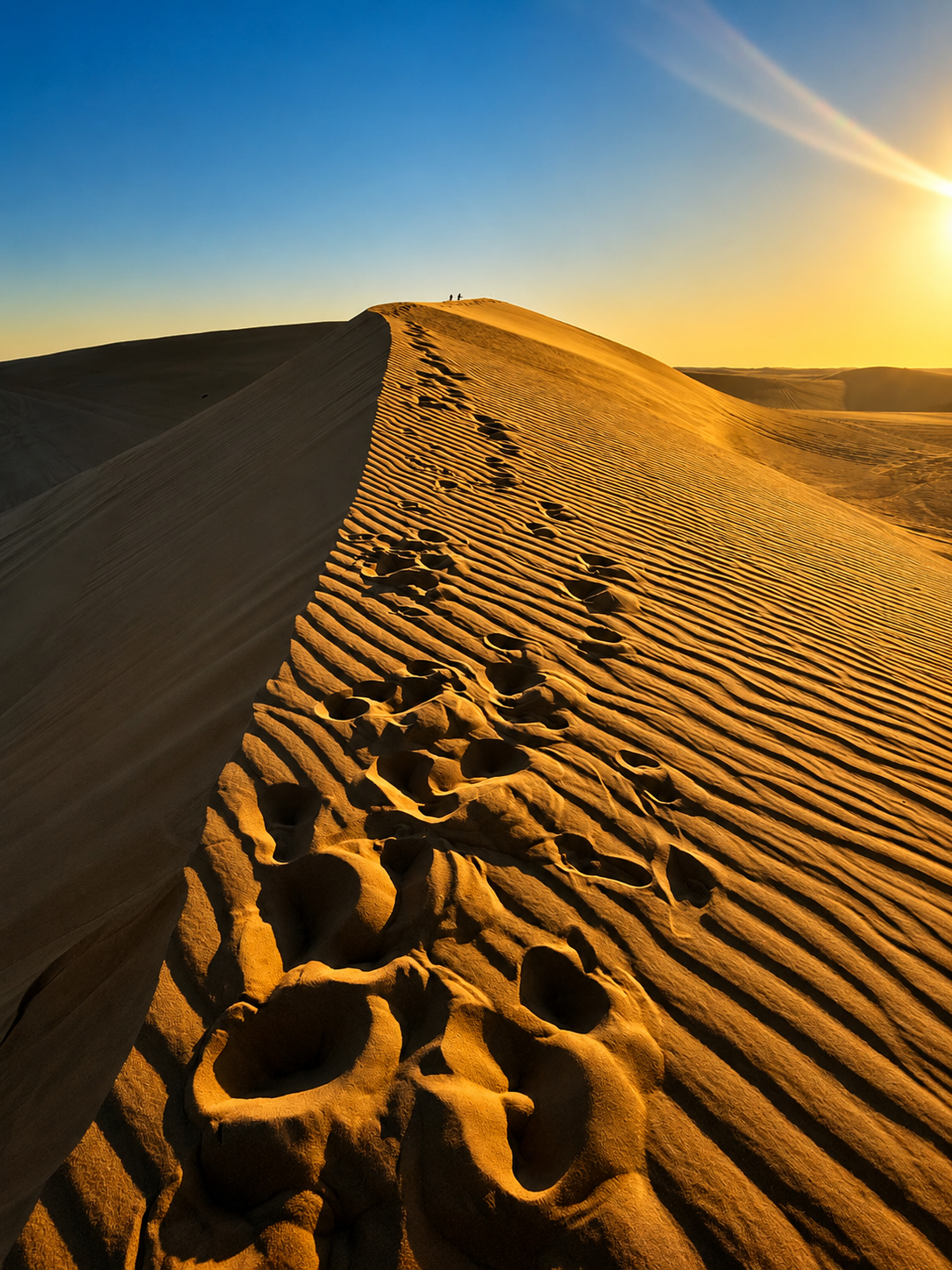
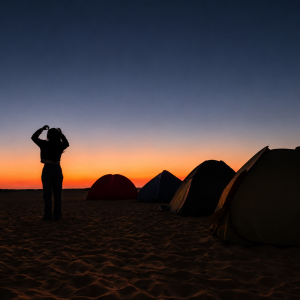
Sunset is one of the best parts of the White Desert experience, so you want to stay outside enjoying it.


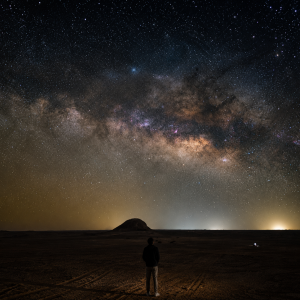
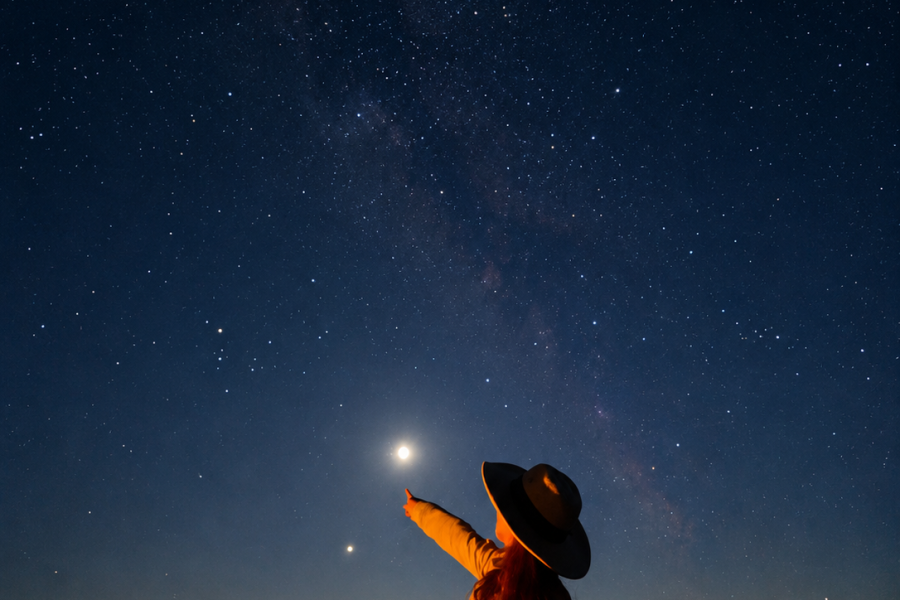
What to Wear for Stargazing

This is when your warmest clothing becomes useful.

You will probably be sitting or standing rather than walking.

Because you are not moving much, you may feel colder than you did during the safari.

Wear:

warm socks,

fleece,

jacket,

long trousers,

thermal layer in winter,

head covering if necessary.

Keeping warm allows you to stay outside longer and enjoy the night rather than retreating into the tent.

What to Wear for Sunrise

Do not assume sunrise immediately means warmth.

The early morning can still feel cold.

Wear the same layers you used during the evening and remove them gradually as the sun rises.

Keep your camera accessible the night before if you want sunrise photographs.

You do not want to spend the best light searching through luggage.
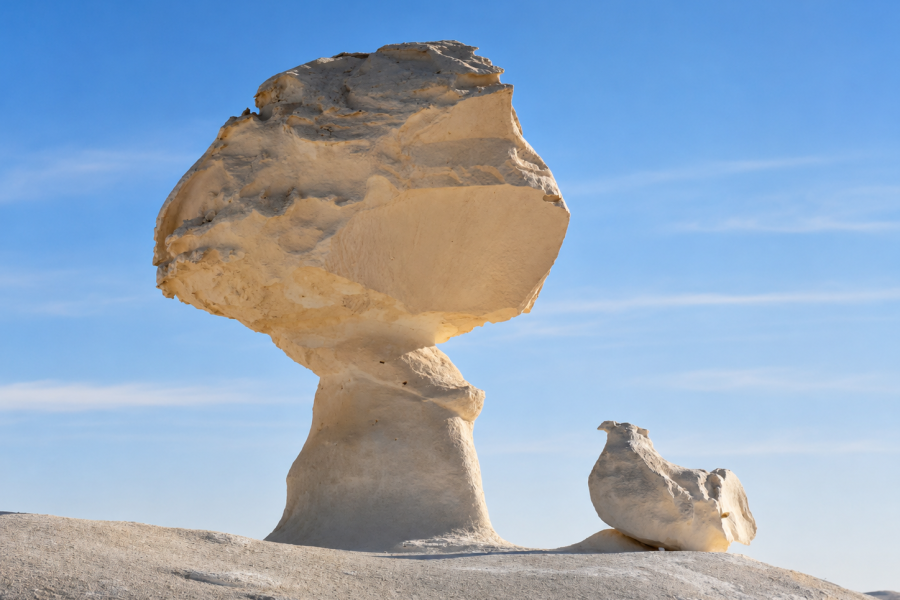
Should You Pack Differently for the Black Desert and White Desert?

Not significantly.
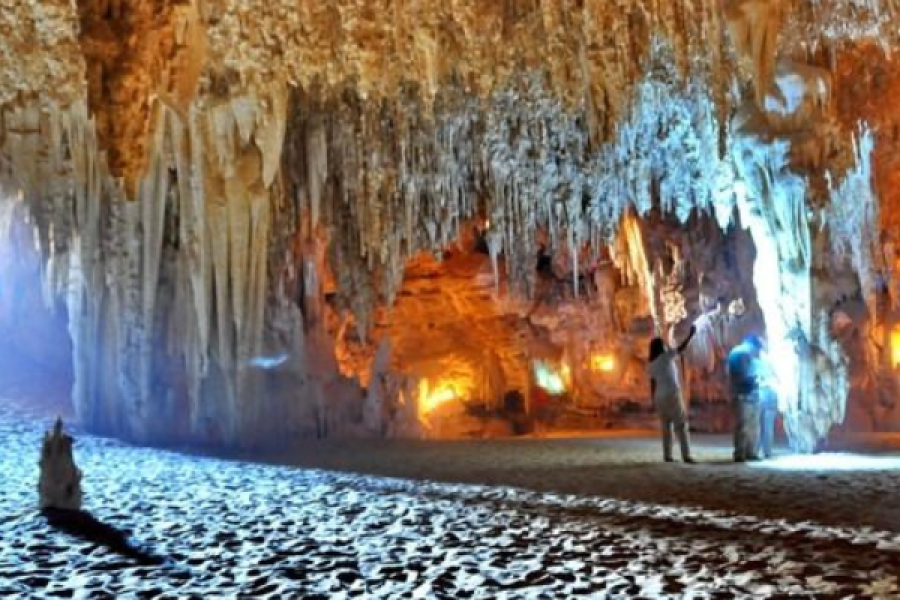
Most travelers visit both within the same safari route.

The White Desert Egypt pillar page on your site describes the common route as:

Cairo or Giza → Bahariya Oasis → Black Desert → Crystal Mountain → Agabat → White Desert National Park.

The same clothing, footwear and sun protection work throughout.

The main packing difference comes from time of day and season, not from whether you are standing in the Black Desert or White Desert.

Learn more about the other landscape in our Black Desert Egypt guide.

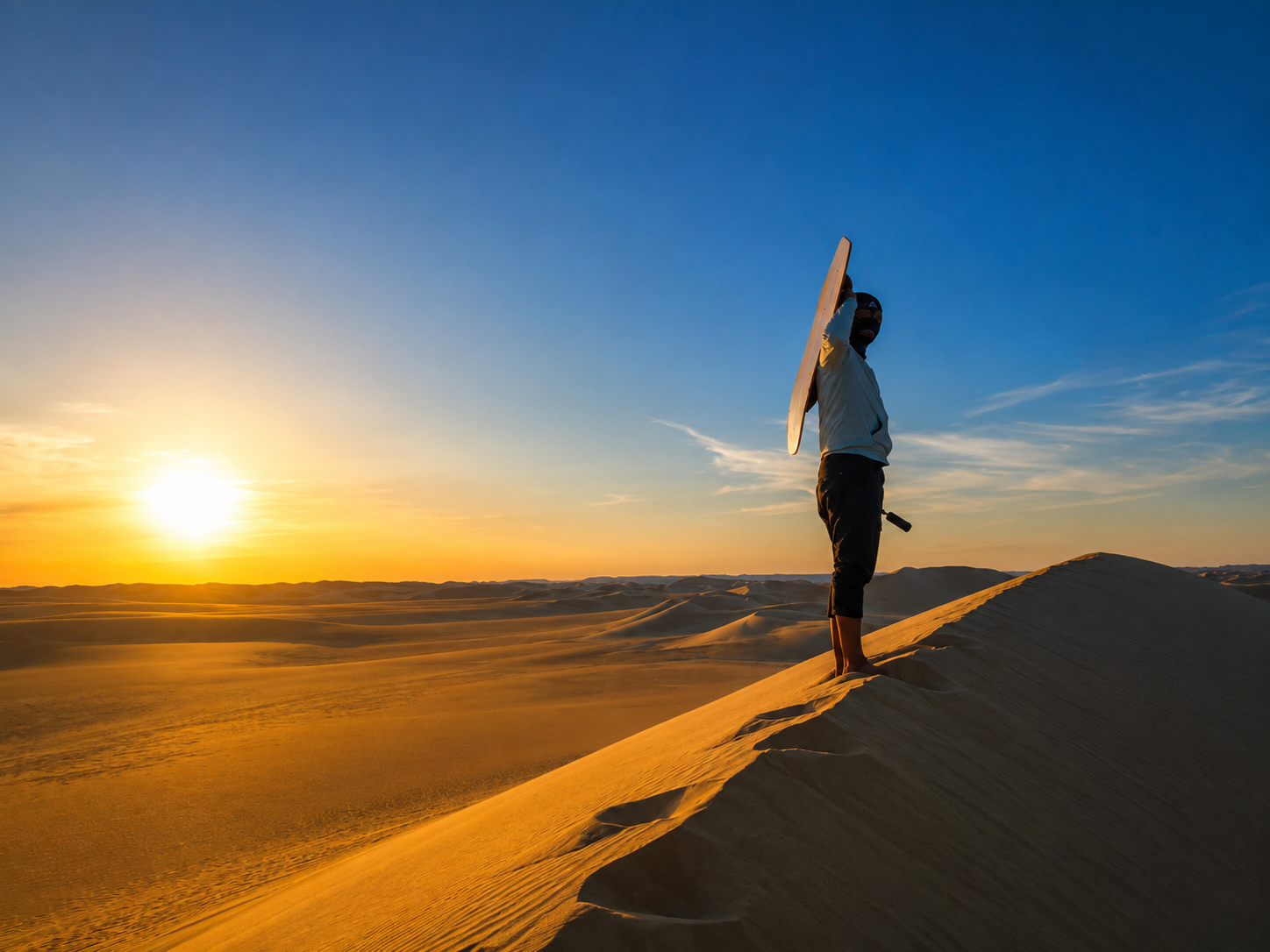
Do You Need Special Equipment for Sandboarding?

Normally, no.

If sandboarding is included in your itinerary, the operator generally provides the relevant equipment.

The current White and Black Desert Tours overnight program lists sandboarding among its included activities.

Wear comfortable clothes and secure loose personal items before going onto the dunes.

Keep cameras and phones protected from sand when you are not using them.

Packing Based on Trip Length

If you have not chosen your tour duration yet, the simplest rule is:

1 Day: normal desert day bag, no camping equipment.

2 Days / 1 Night: compact overnight bag + warm layers + basic toiletries + power bank.

3 Days / 2 Nights: the same setup with one additional change of clothes and extra battery capacity.

4 Days: a few additional clothing changes, but still pack compactly.

Read our White Desert Egypt Itinerary: 1, 2, 3 and 4 Day Tour Ideas if you are still choosing the right duration.

Final White Desert Packing Advice

The best White Desert packing strategy is simple:

Bring less—but bring the right things.

You do not need specialist expedition equipment.

You do not need a huge suitcase.

You do not need your own tent if your organized tour provides camping equipment.

What matters most is being prepared for the conditions that travelers underestimate:

nighttime cold,

sun exposure,

wind,

dust,

limited electricity,

basic bathroom facilities,

and long periods away from urban services.

Prioritize:

comfortable shoes,

layers,

warm socks,

sun protection,

personal medication,

basic toiletries,

and a fully charged power bank.

Everything else is secondary.

The lighter your luggage is, the easier it is to move through the desert and enjoy the experience.

Ready for Your White Desert Camping Tour?

Once your bag is packed, the next decision is choosing how long you want to stay.

For most first-time travelers, one night provides the classic White Desert experience:

Bahariya Oasis, Black Desert, Crystal Mountain, Agabat, sunset, dinner, camping, stars and sunrise.

Best for First-Time Visitors

View the 1 Night 2 Days White Desert Tour from Cairo

Best for Deeper Desert Exploration

View the 2 Nights 3 Days White Desert Camping Tour

Learn More About Camping

Read the Complete White Desert Camping Guide

Compare All White Desert Options

Explore White Desert Egypt Tours

Send White and Black Desert Tours your travel date, number of travelers and preferred tour duration, and ask for the exact camping-equipment list before departure.

WhatsApp: +20 10 05014595

Email: contact@whiteandblackdeserttours.com

Tour Enquiry: Contact White and Black Desert Tours

That way, you pack only what you actually need—and spend more time enjoying the White Desert instead of carrying luggage through it.

4 Days Siwa Oasis Tour from Cairo

One Day Fayoum Tour from Cairo

Giza Pyramids & Grand Egyptian Museum Tour

One Day Tour to the White Desert from Cairo

1 Night Camping in Fayoum Desert from Cairo

2 Nights 3 Days Cairo – Siwa Tour

Siwa Program by Comfortable Bus from Cairo

1 Night 2 Days White Desert Tour from Cairo

2 Nights 3 Days White Desert & Dejara Cave Tour from Cairo

2 Nights 3 Days Camping Tour in White Desert

3 Nights 4 Days Cairo White Desert Tour

2 Nights 3 Days Tour in White Desert and Bahariya Oasis

2 Nights 3 Days Cairo – Siwa Tour

6 Nights 7 Days Cairo, Siwa, Marsa Matrouh & White Desert Tour

2 Nights 3 Days Fayoum and White Desert Tour from Cairo

5 Nights 6 Days Egypt Oasis Tour from Cairo

National Museum of Egyptian Civilization Tour

2 Days Tour in Cairo and Giza

4 Days 3 Nights Package to Luxor from Cairo by Sleeper Train

3 Days 2 Nights Tour from Cairo to Dakhla and Luxor

Full Day Tour to Alexandria from Cairo

Full Day Tour in West Bank of Luxor

Full Day Tour in East Bank of Luxor

Full Day Tour in Aswan

Frequently Asked Questions About Packing for the White Desert Egypt

Bring comfortable daytime clothes, closed walking shoes, warm layers, a wind-resistant jacket, warm socks, sunglasses, sunscreen, basic toiletries, wet wipes, personal medication, a power bank, charging cables and a small flashlight or headlamp. Keep your luggage compact.

Usually not when joining an organized camping tour. White and Black Desert Tours' current overnight programs include dome-shaped tents, mattresses, blankets and sleeping bags. Always confirm the exact inclusions of your selected tour before departure.

Most organized camping programs provide sleeping bags. A lightweight personal sleeping-bag liner can be useful if you prefer an additional layer, but a second full sleeping bag is normally unnecessary when bedding is already included.

Wear comfortable breathable clothing during the day, long trousers, closed walking shoes, sunglasses and sun protection. Carry warm layers and a wind-resistant jacket for the evening, especially during winter.

Yes. Nights can feel cold, particularly during winter. Travelers should pack layers, a fleece or sweater, warm socks and a suitable jacket even if daytime conditions in Cairo feel warm.

Comfortable closed walking shoes, trail shoes or trainers with reasonable grip work well for most tours. Technical hiking boots are generally unnecessary unless your itinerary includes more demanding trekking.

Yes, it is highly recommended. Permanent electrical outlets should not be expected at a temporary desert camp, and vehicle charging should not be your only power source.

Temporary camps generally do not have permanent hotel-style bathrooms. Arrangements vary by operator and may include a basic portable toilet or privacy setup. Ask about the exact facilities before booking.

Organized tours generally provide meals and drinking water according to the selected program. Bring personal snacks only if desired and notify the operator in advance about allergies or special dietary requirements.

Add thermal layers, a fleece or sweater, warm jacket, long trousers, warm socks and a warm head covering. Winter daytime conditions can be comfortable while temperatures feel much colder after sunset.

Yes. The White Desert is excellent for photography. Bring spare batteries, memory cards and protective equipment for sand and dust. A tripod is useful if you want sunset, blue-hour or night-sky photography.

No. A small backpack, soft duffel or overnight bag is more practical because luggage shares space inside the 4x4 with passengers, camping gear, water, food and other safari supplies.

It depends on the selected package. White and Black Desert Tours' current overnight camping programs include tents, mattresses, blankets and sleeping bags, but travelers should always verify the exact inclusions before booking.

Keep identification, medication, water, sunscreen, sunglasses, phone, camera, tissues, wet wipes, power bank and a warm layer immediately accessible.