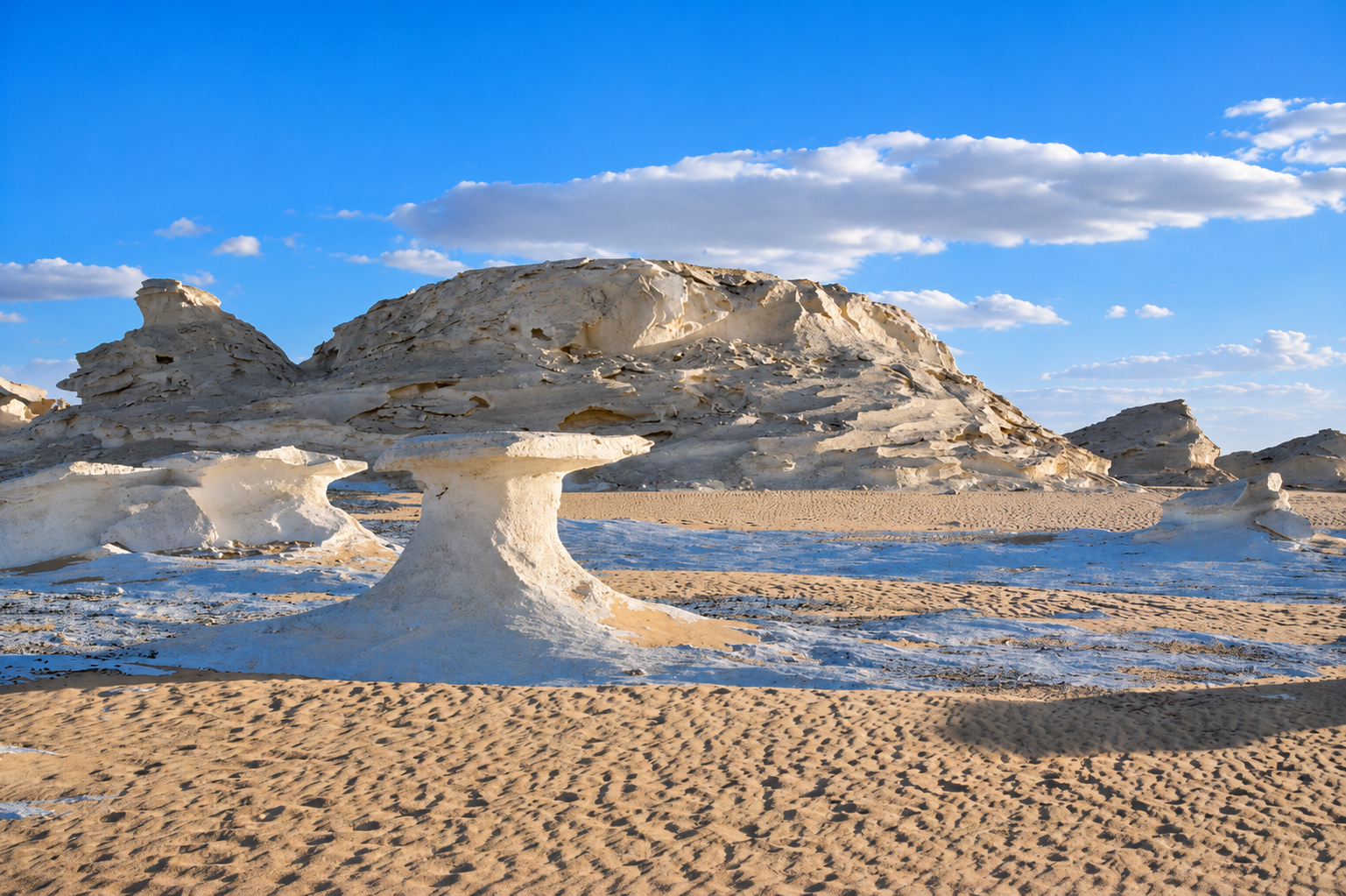
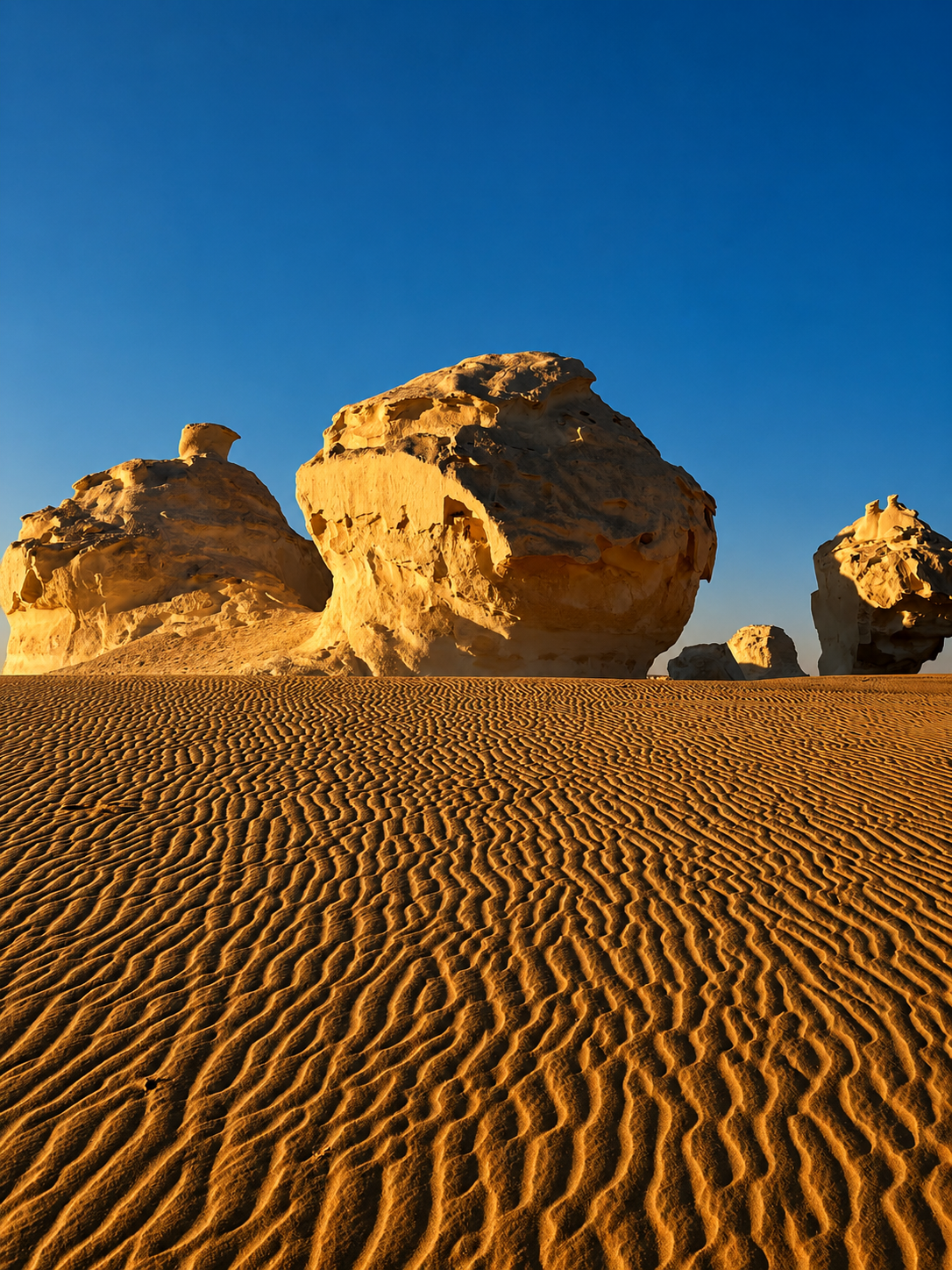
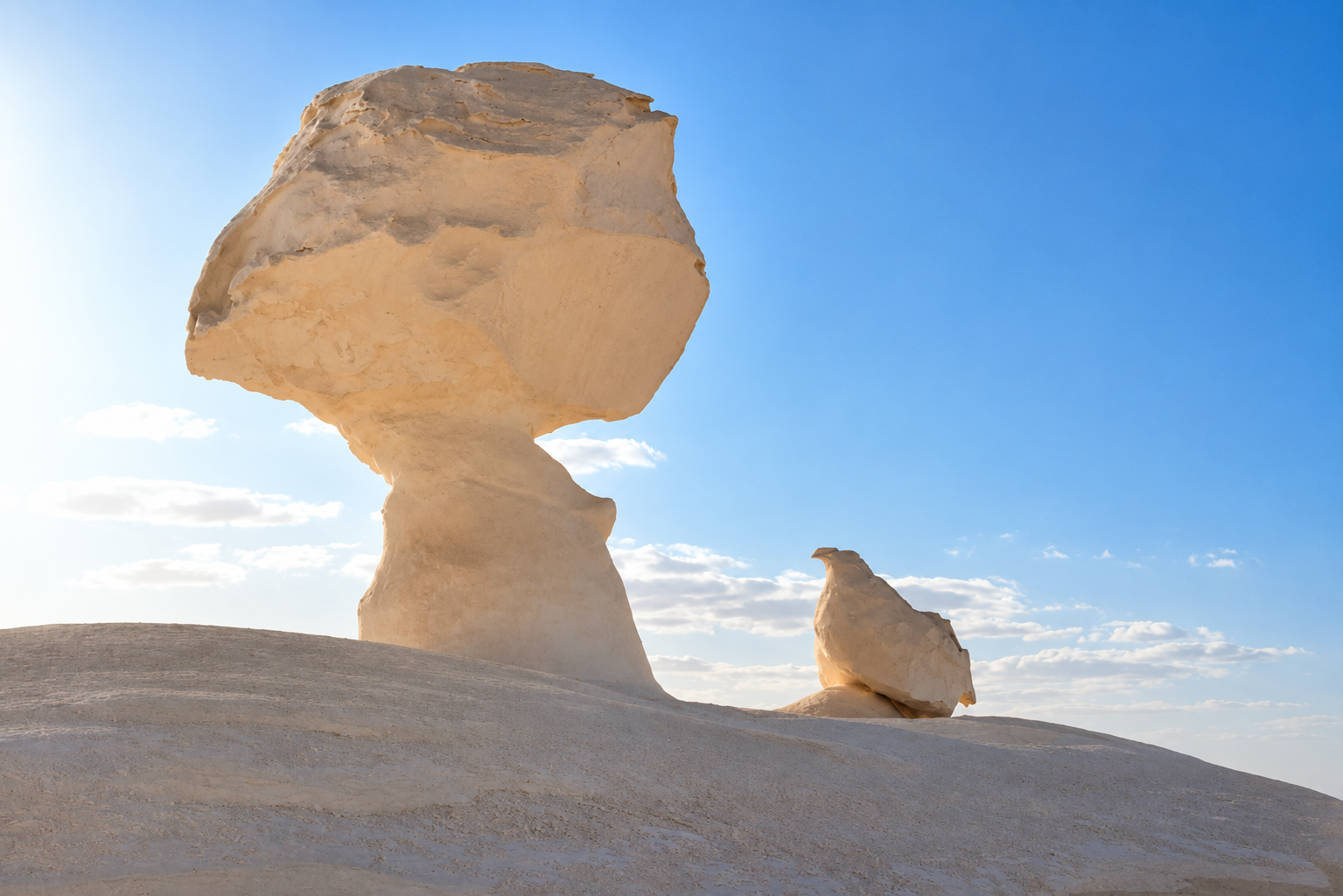
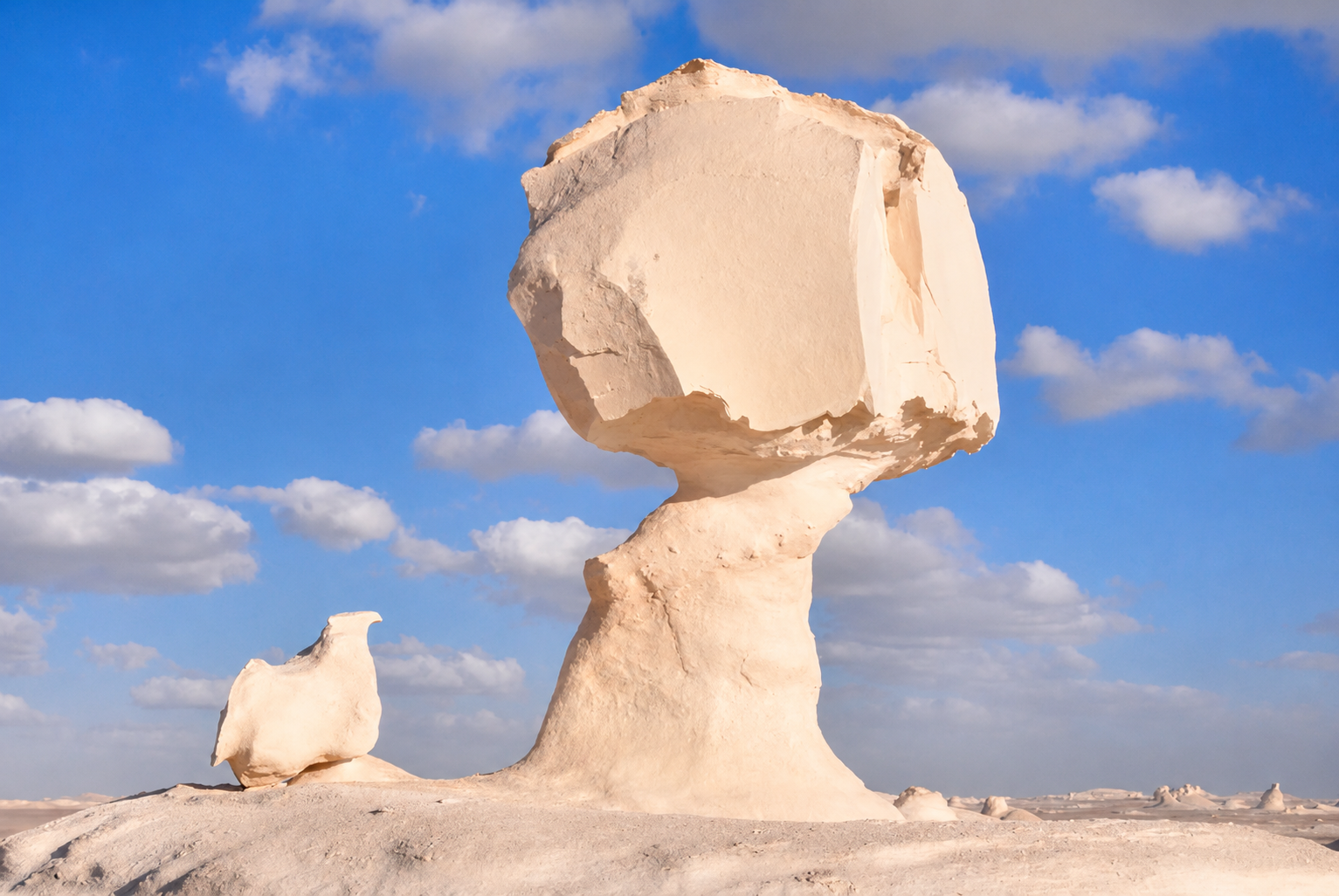
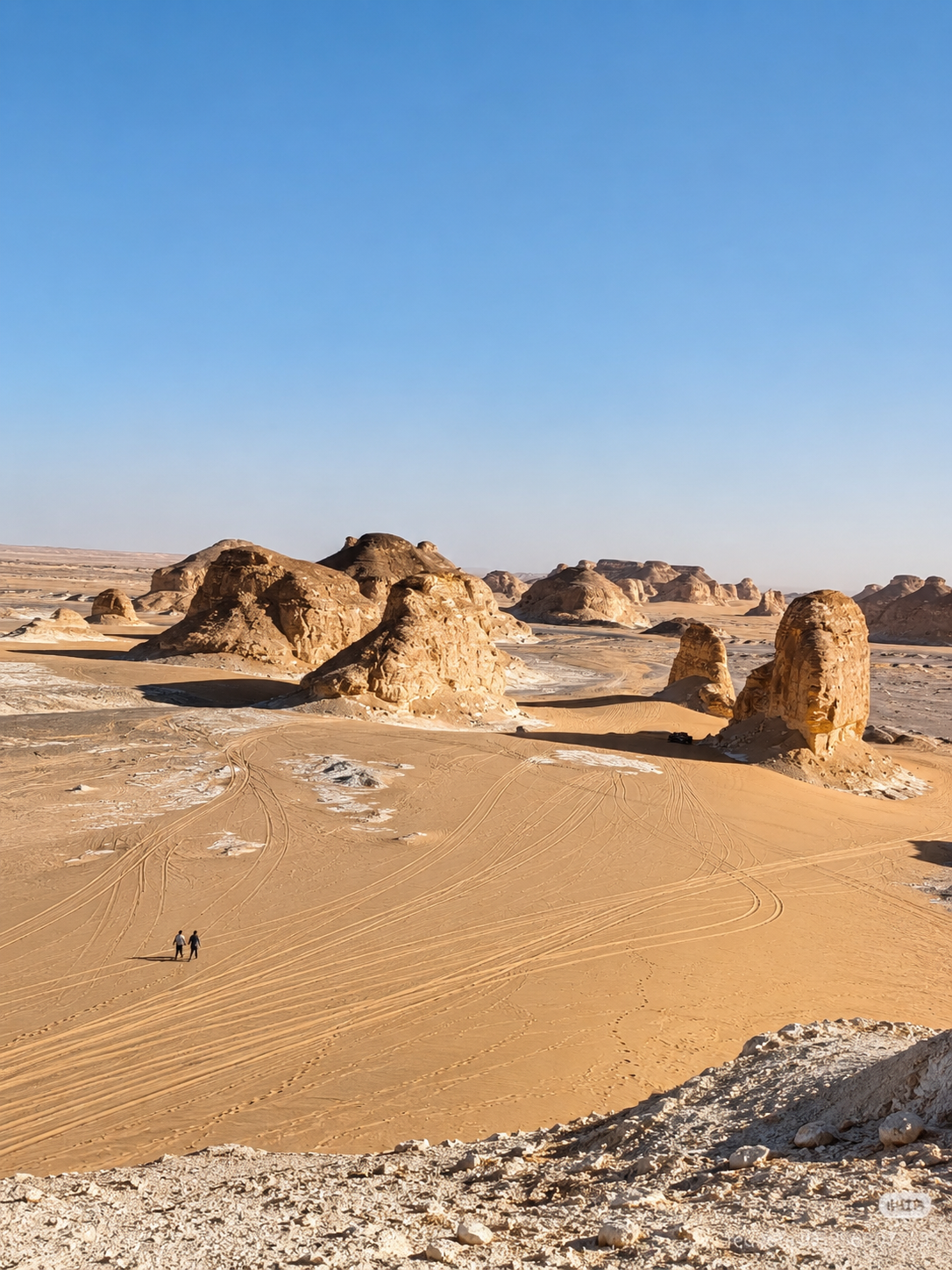
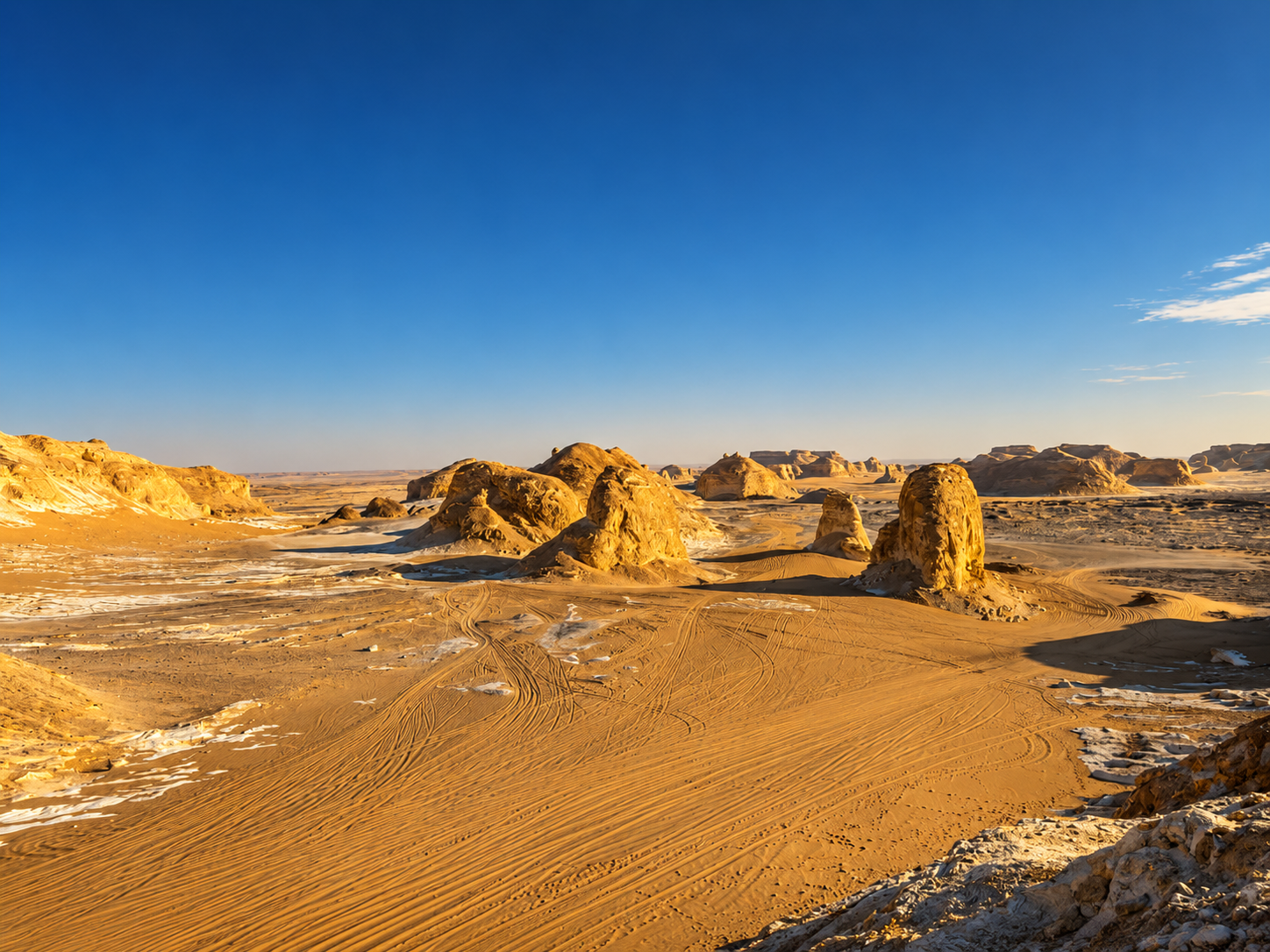
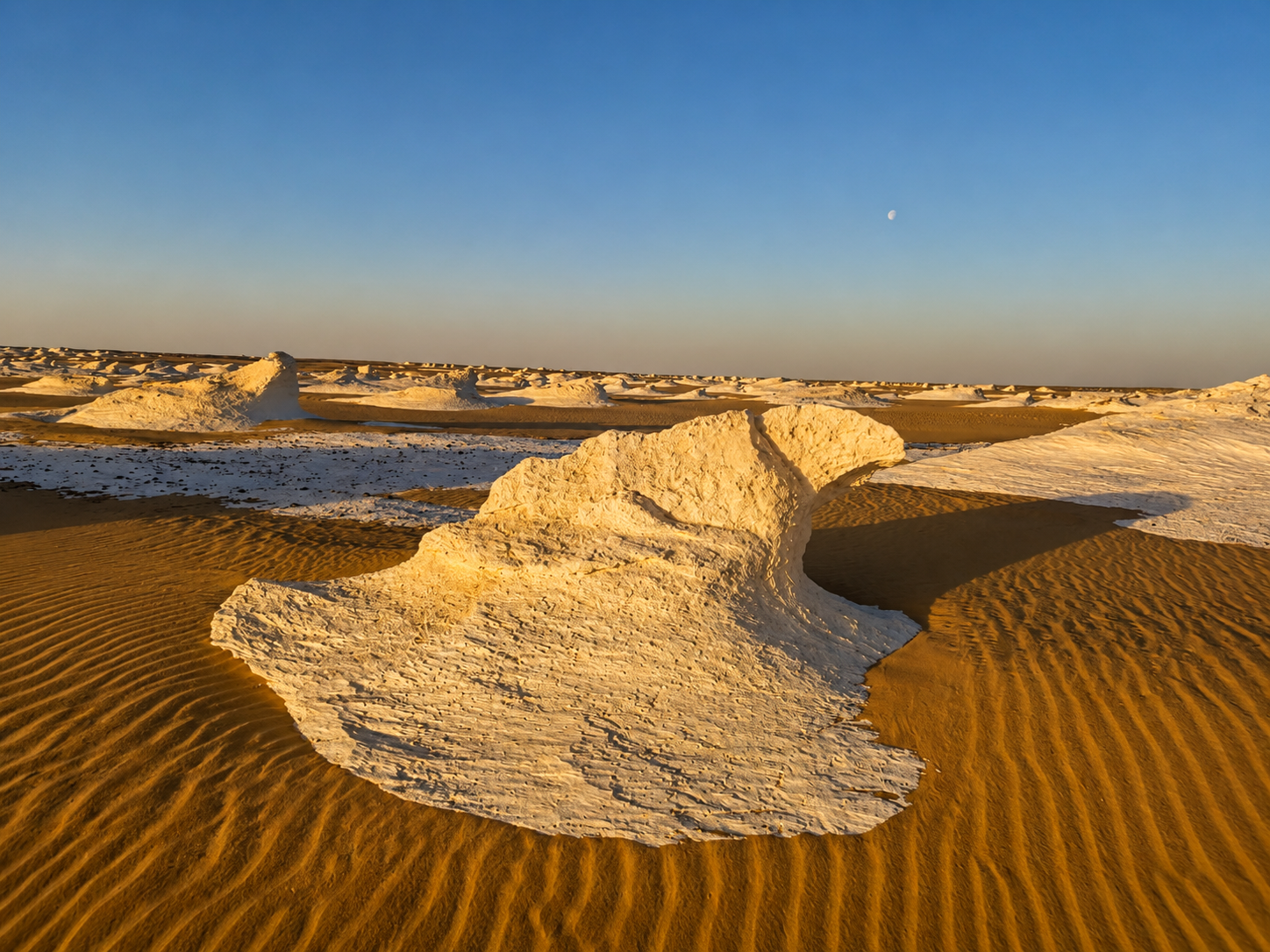
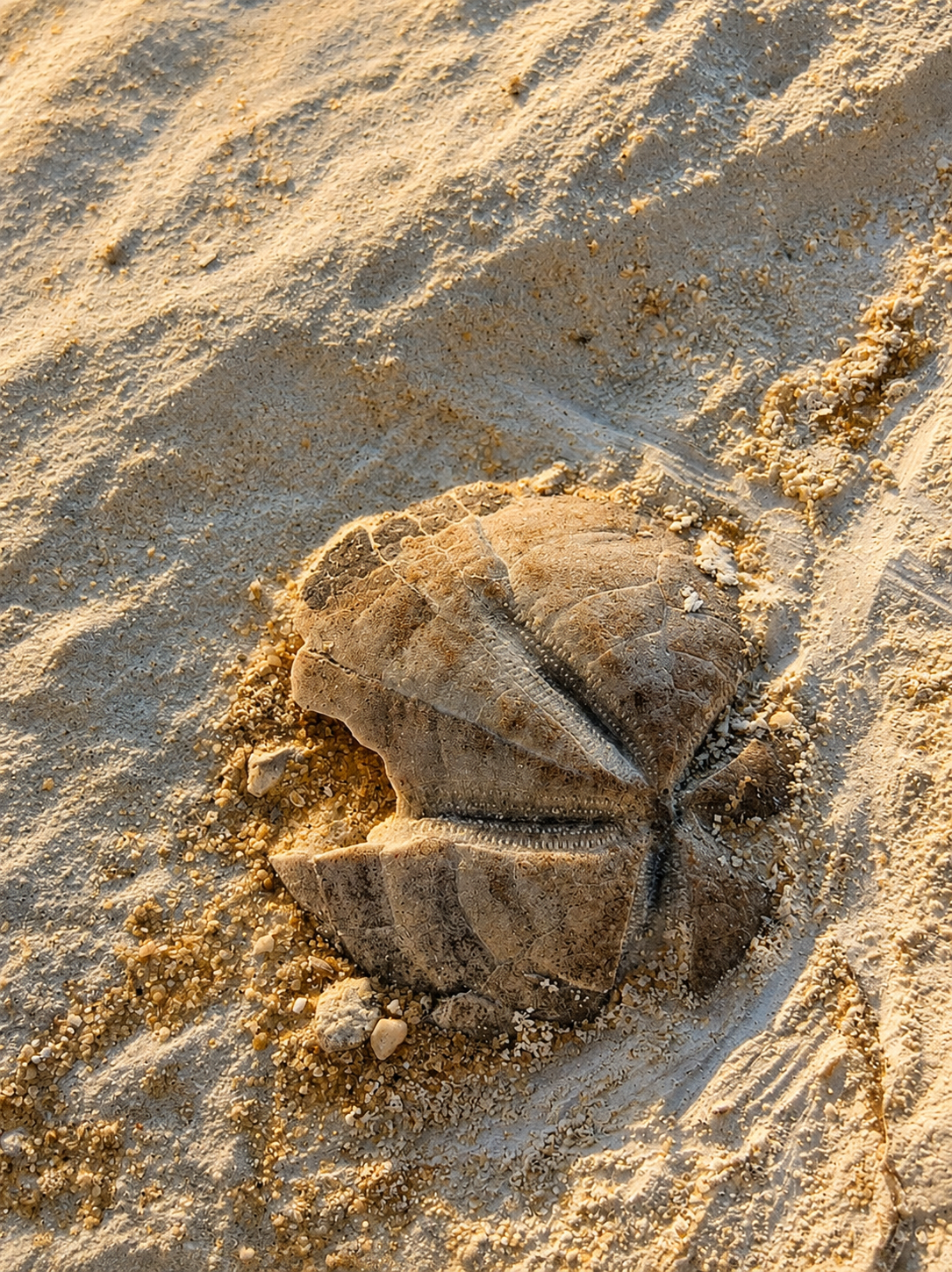
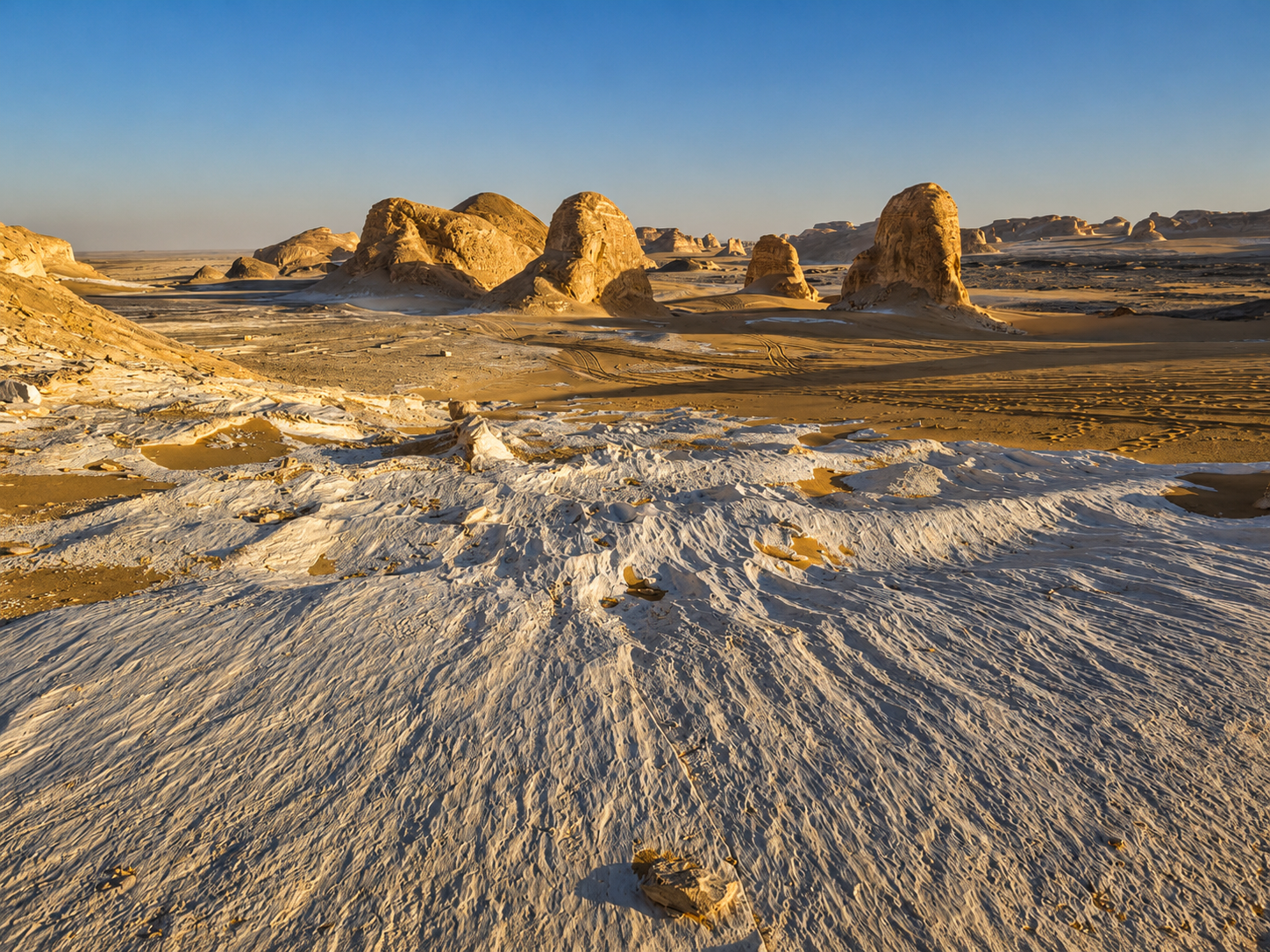
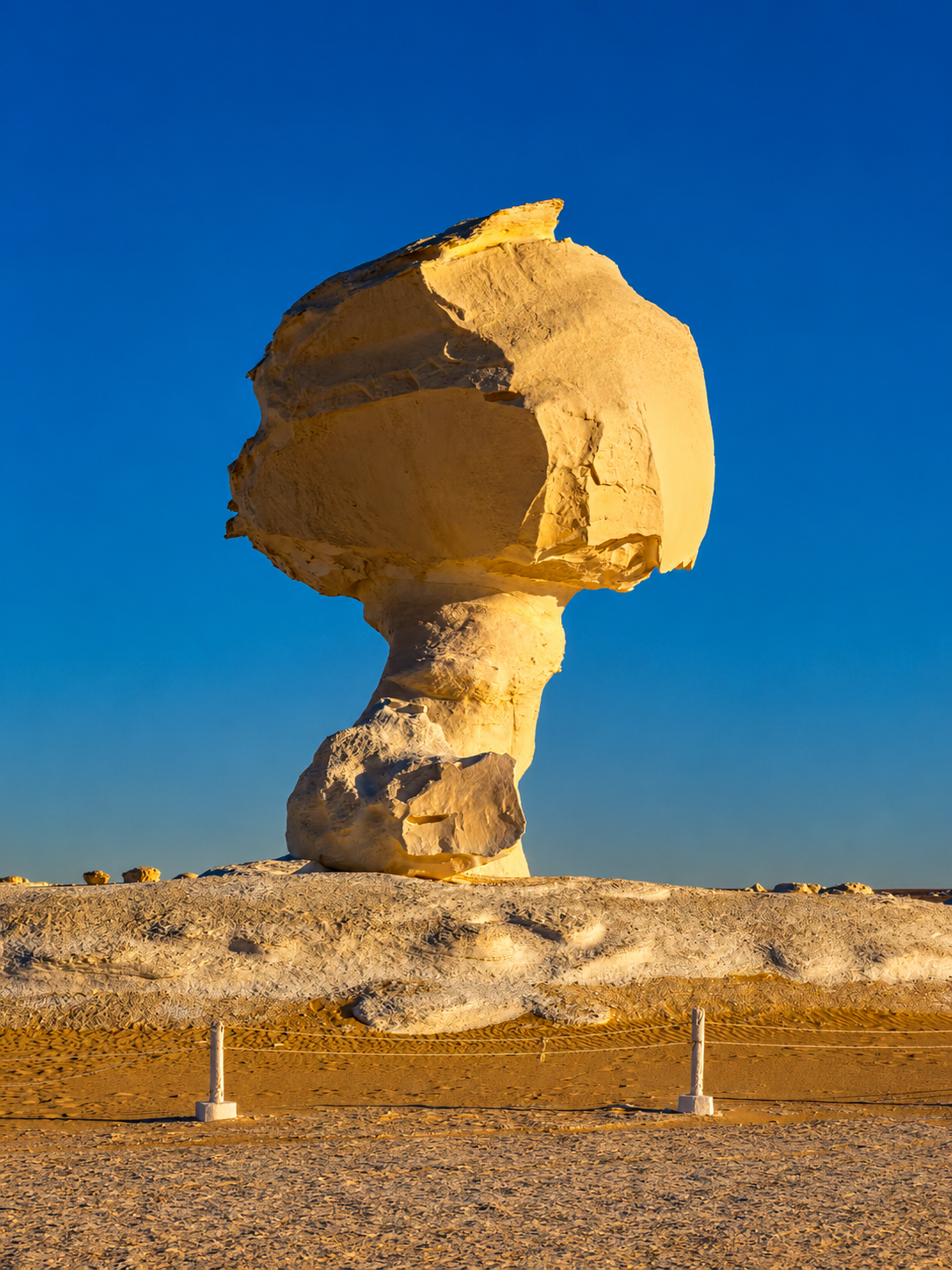
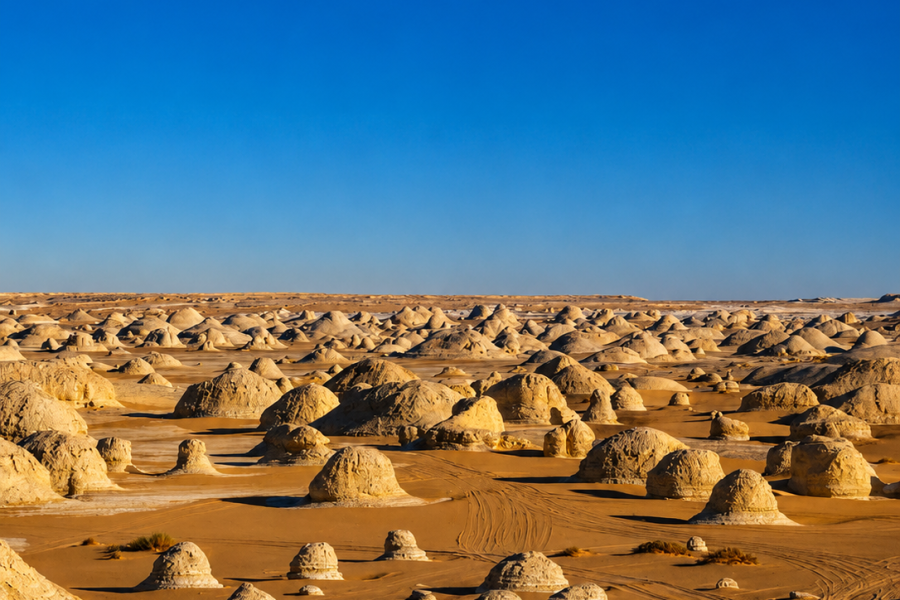
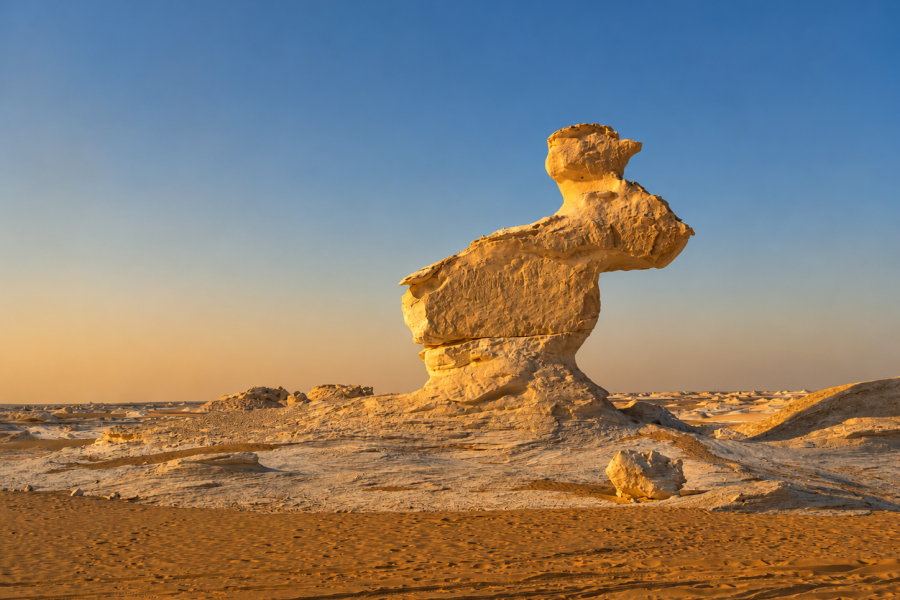
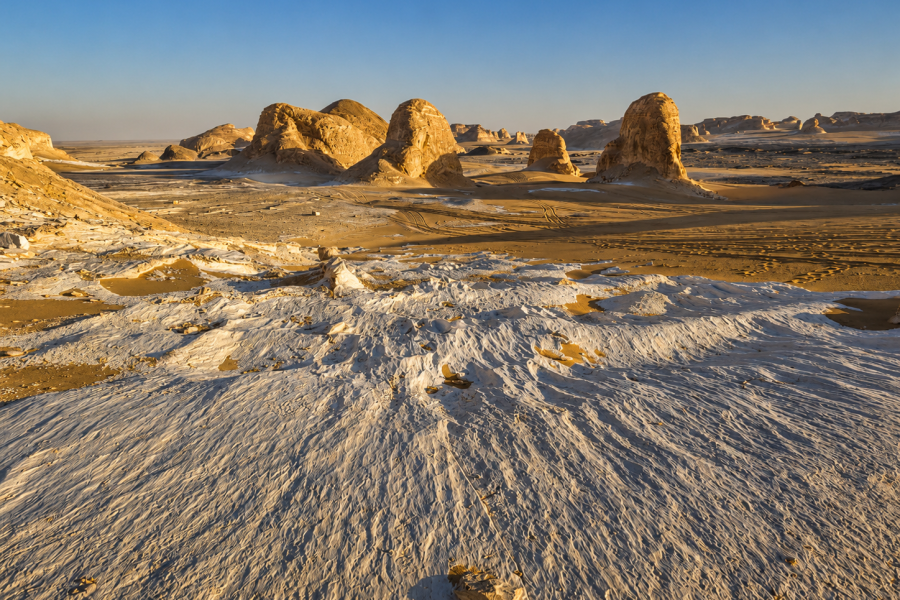
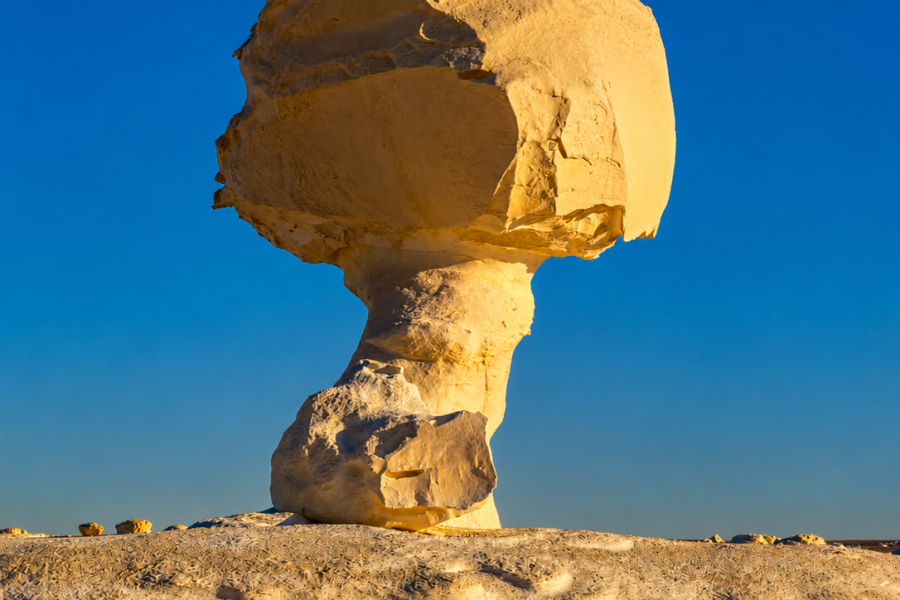
White Desert camping in Egypt is not simply a place to sleep between two days of sightseeing. It is one of the main reasons travelers visit Egypt’s Western Desert.
After the daytime safari vehicles stop moving and the last light disappears behind the chalk formations, the atmosphere changes completely. The desert becomes quieter, the temperature begins to fall, dinner is prepared at camp, and the sky gradually fills with stars.
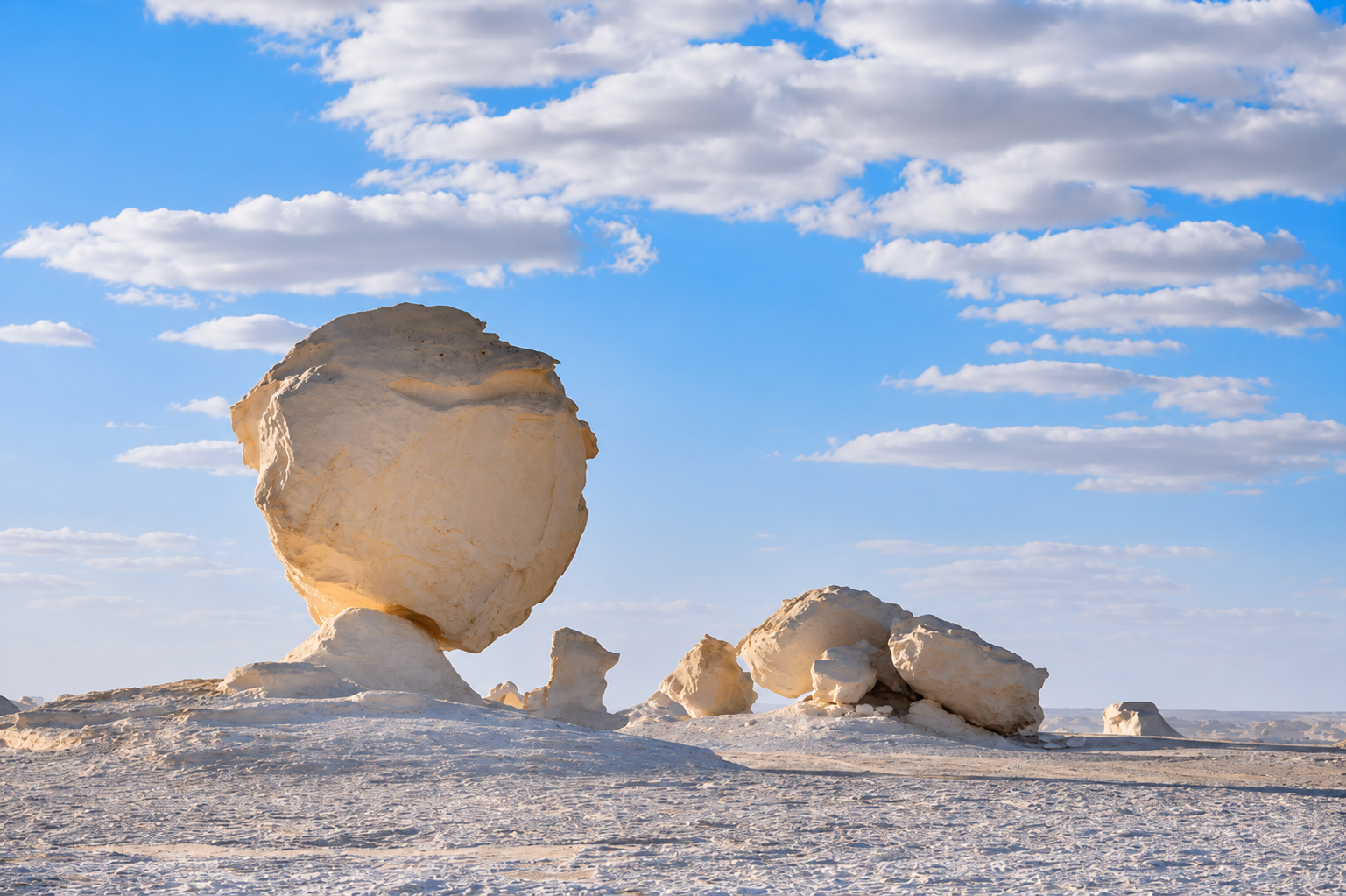
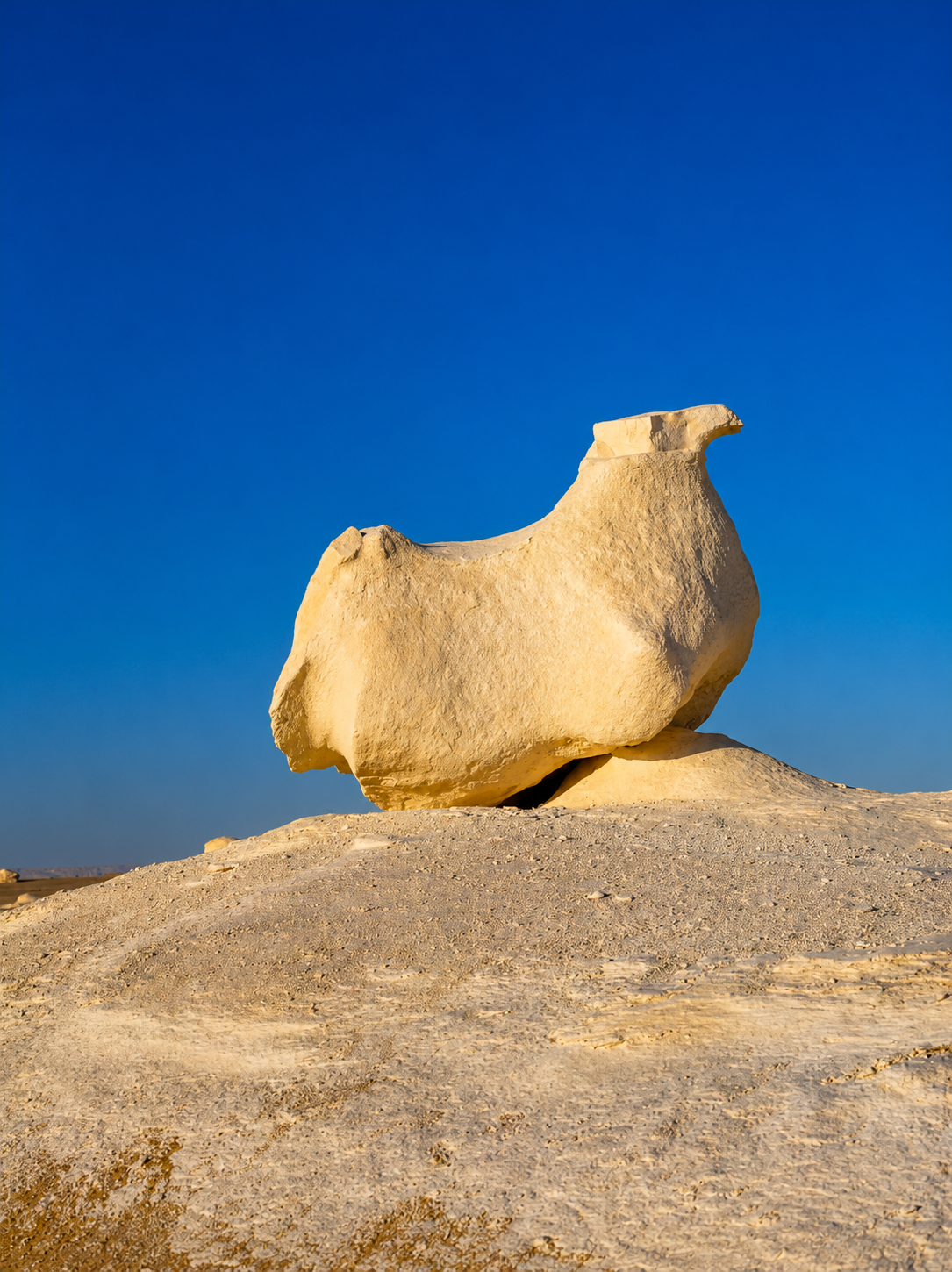
For travelers used to the crowds of Cairo, Giza, Luxor or Aswan, spending a night in the White Desert can feel like entering another world. There are no city streets, hotel corridors or busy restaurants. Instead, there are open plains, wind-shaped rocks, portable tents, simple meals and a horizon that appears to continue without end.
However, first-time visitors often have practical questions.
What do the tents look like? Are there toilets? Does the desert become cold at night? Is the food prepared safely? Can you charge your phone? Is camping comfortable for couples, children or travelers who have never slept outdoors?
This guide explains exactly what to expect from a White Desert camping tour, including the journey from Cairo, the campsite setup, sleeping arrangements, meals, bathroom facilities, weather, safety, packing essentials and the difference between one-night and two-night trips.
For a complete introduction to the destination and its principal attractions, begin with our White Desert Egypt travel guide.

White Desert camping is usually a guided mobile-camp experience arranged as part of a 4×4 safari from Bahariya Oasis.
A typical overnight package includes:
The experience is comfortable enough for most healthy travelers, but it should not be confused with a conventional hotel or permanent luxury camp.
Facilities are basic, bathroom arrangements are limited, mobile reception may be unreliable and nighttime temperatures can be much colder than visitors expect.
The reward is an unusually peaceful night surrounded by some of Egypt’s most distinctive natural landscapes.
The White Desert is located in Egypt’s Western Desert, close to Farafra Oasis and generally reached from Cairo through Bahariya Oasis.
Bahariya lies approximately 370 kilometers southwest of Cairo and is the closest Western Desert oasis to the capital, according to Egypt’s official tourism platform. It acts as the principal gateway to both the Black Desert and the White Desert.
Most tours begin with a road transfer from Cairo to Bahariya. After reaching the oasis, travelers change to a suitable 4×4 vehicle and continue toward the desert attractions and camping areas.
The campsite is normally temporary rather than a permanent hotel-style facility. The safari team selects an appropriate location according to the itinerary, access conditions, local regulations, wind, available daylight and the planned route for the following morning.
This means that two travelers visiting on different dates may not camp in exactly the same place.
A one-day White Desert tour can introduce you to the landscape, but camping allows you to experience the destination during its most atmospheric hours.
During an overnight trip, you can see:
The night itself becomes part of the tour rather than simply a pause between attractions.
A day trip from Cairo also involves several hours of driving in each direction. Trying to visit Bahariya, the Black Desert, Crystal Mountain, Agabat and the White Desert before returning to Cairo on the same day can feel rushed.
An overnight itinerary distributes the journey across two days and creates more time for stops, meals, photography and rest.
Travelers comparing the available routes can read our guide to the White Desert from Cairo.
White Desert camping normally begins with an early departure from Cairo or Giza.
The road transfer to Bahariya Oasis usually takes around four to five hours, depending on the pick-up location, Cairo traffic, rest stops and road conditions.
After reaching Bahariya, travelers generally meet the desert team, have lunch or take a short break, prepare the camping supplies and change to a 4×4 vehicle.
The safari then begins through a sequence of changing landscapes.
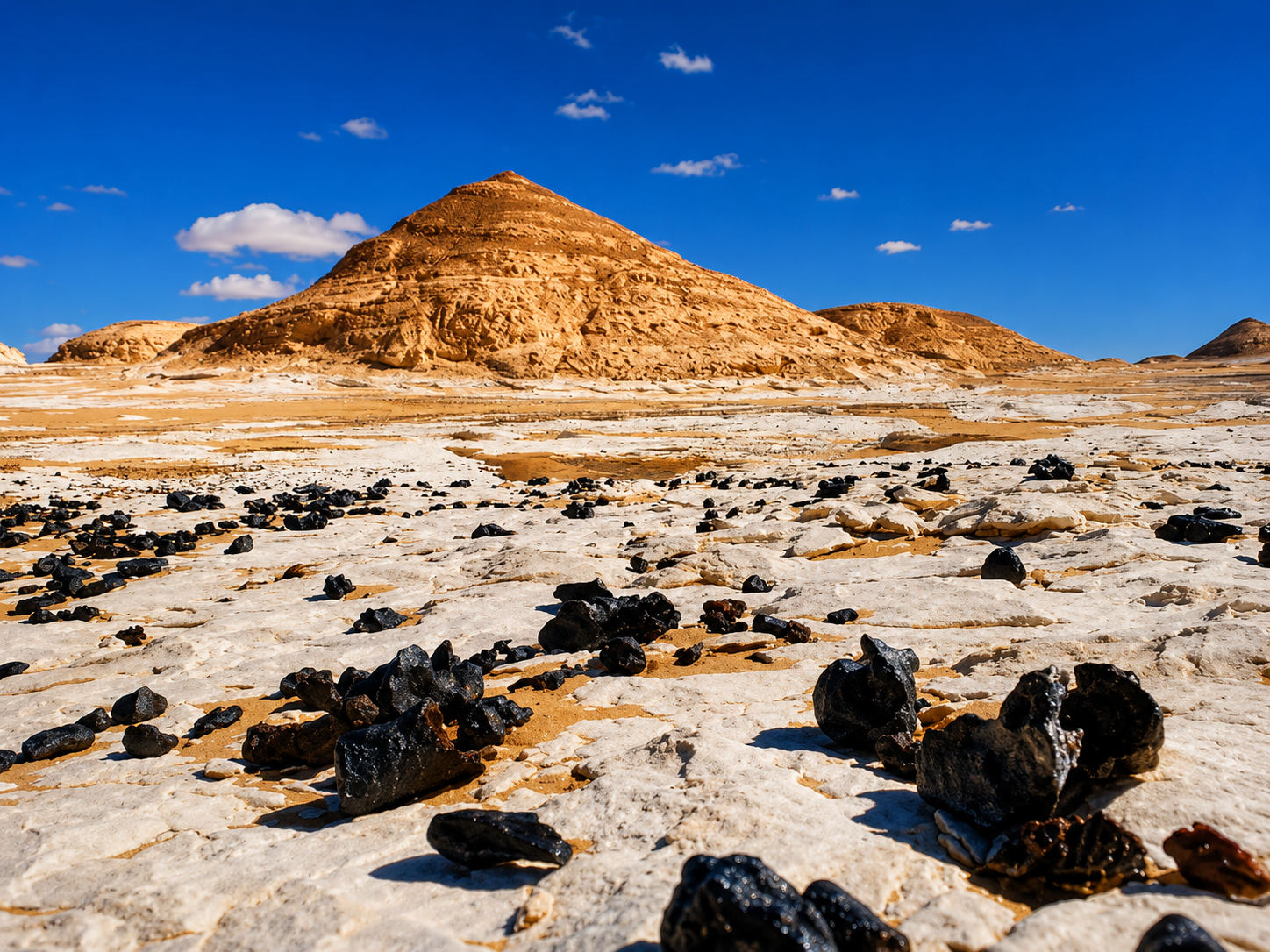
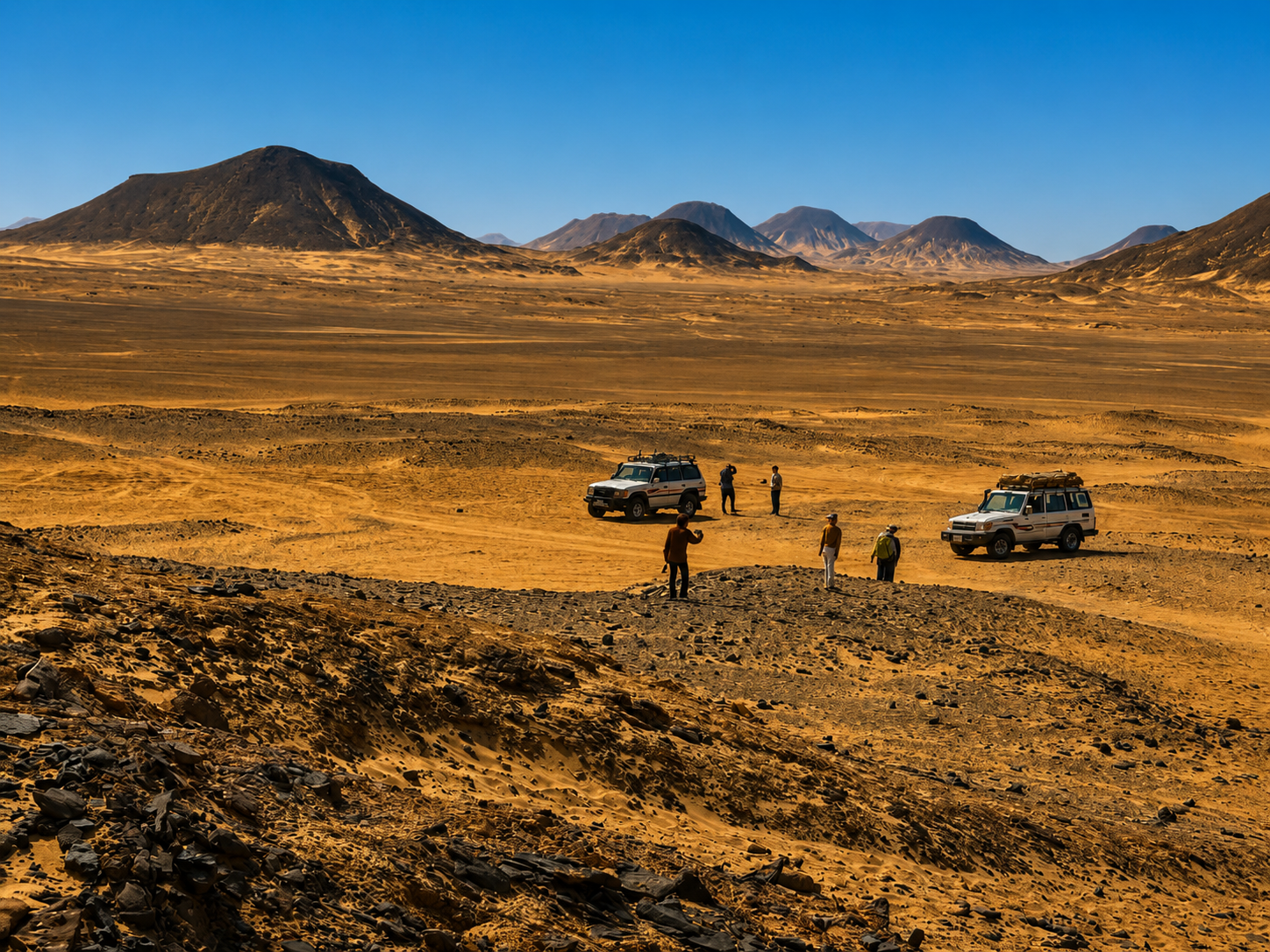
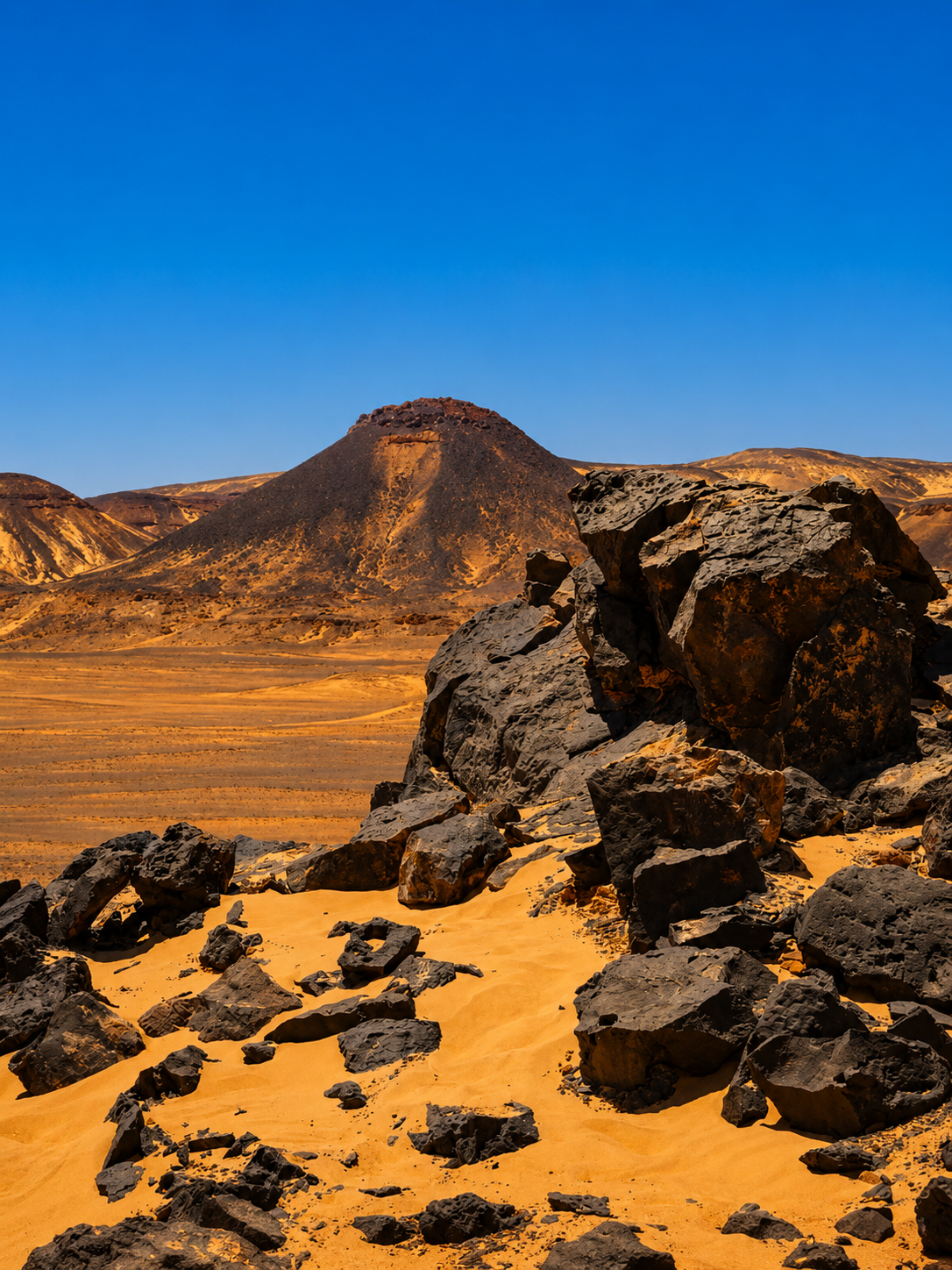
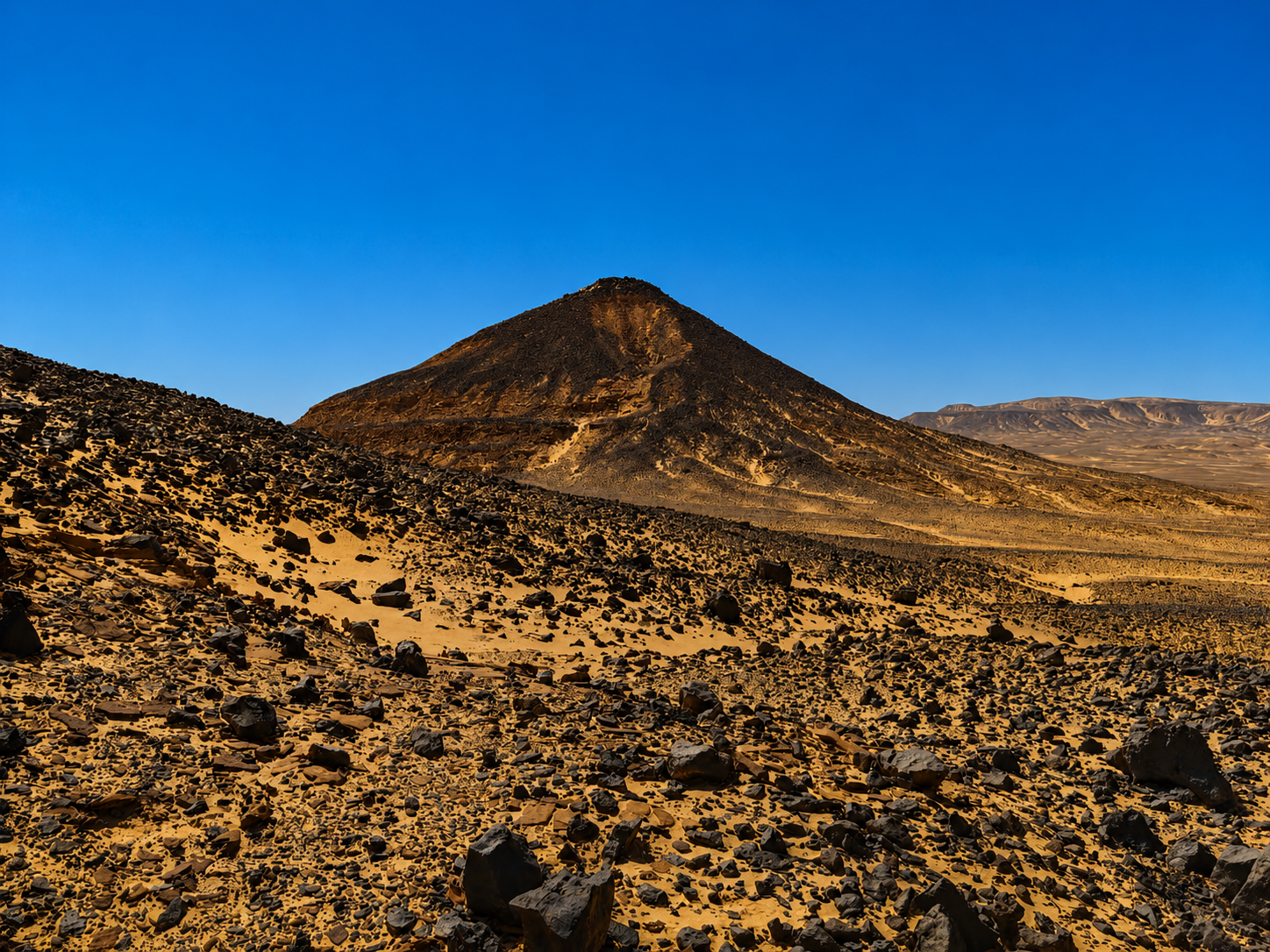
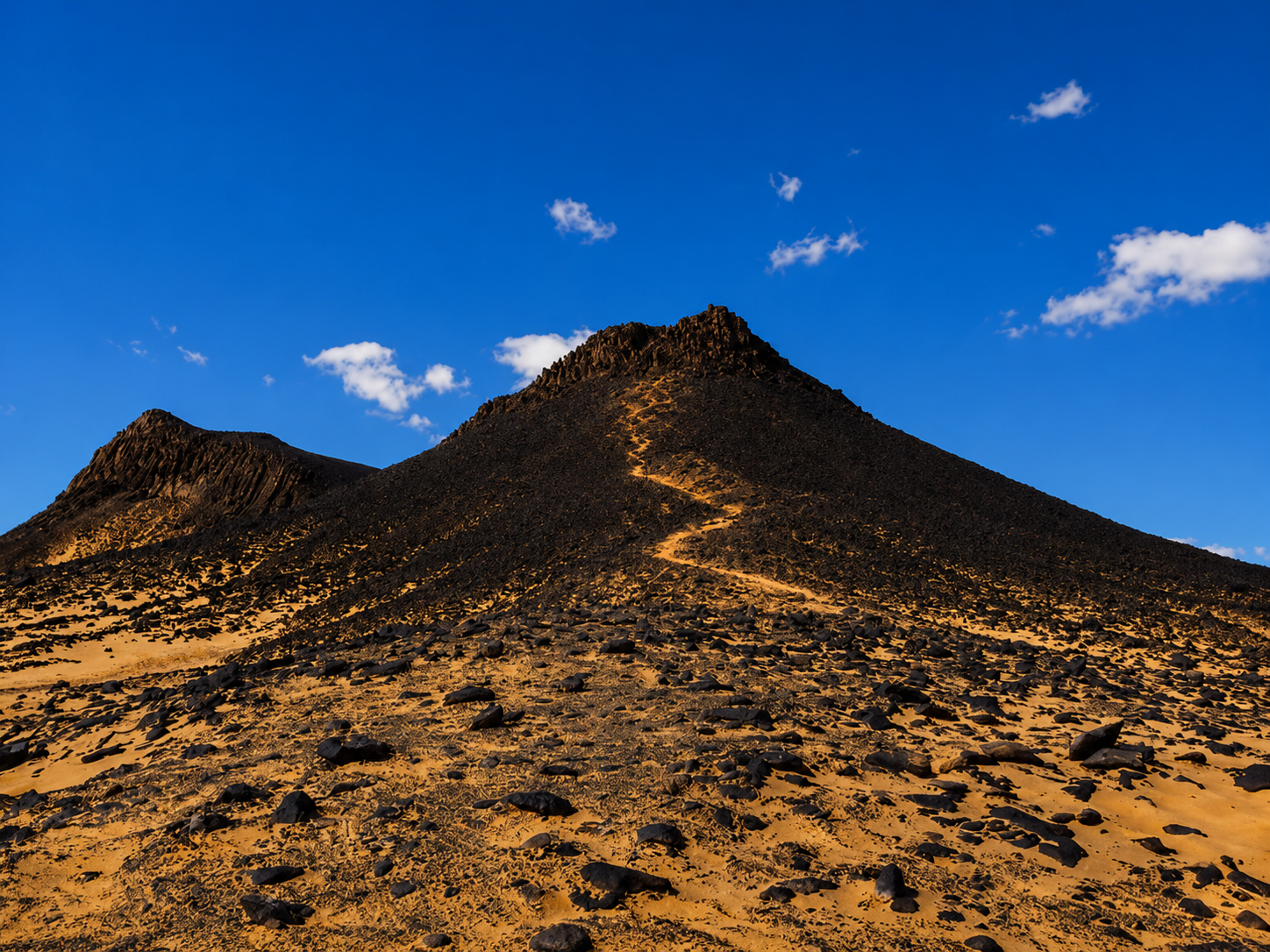
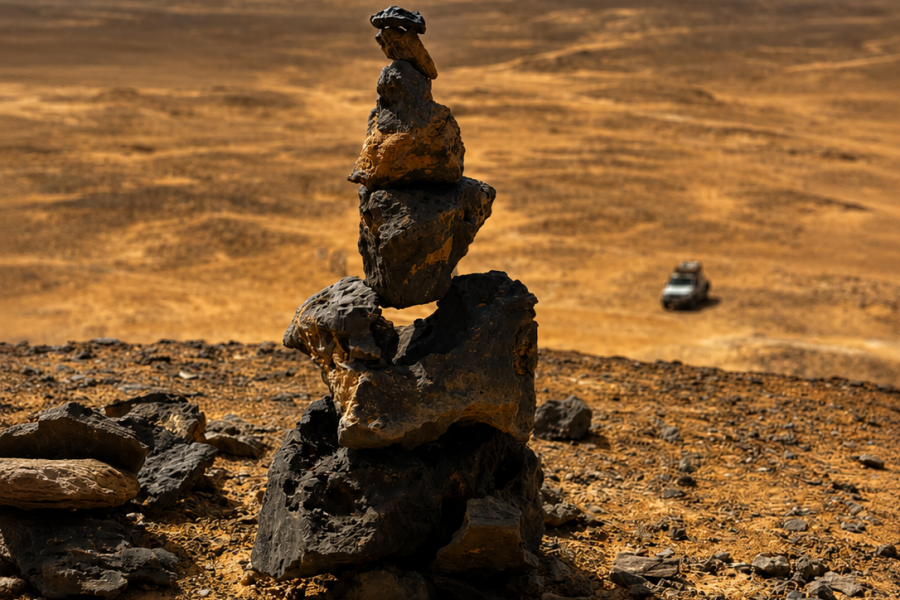
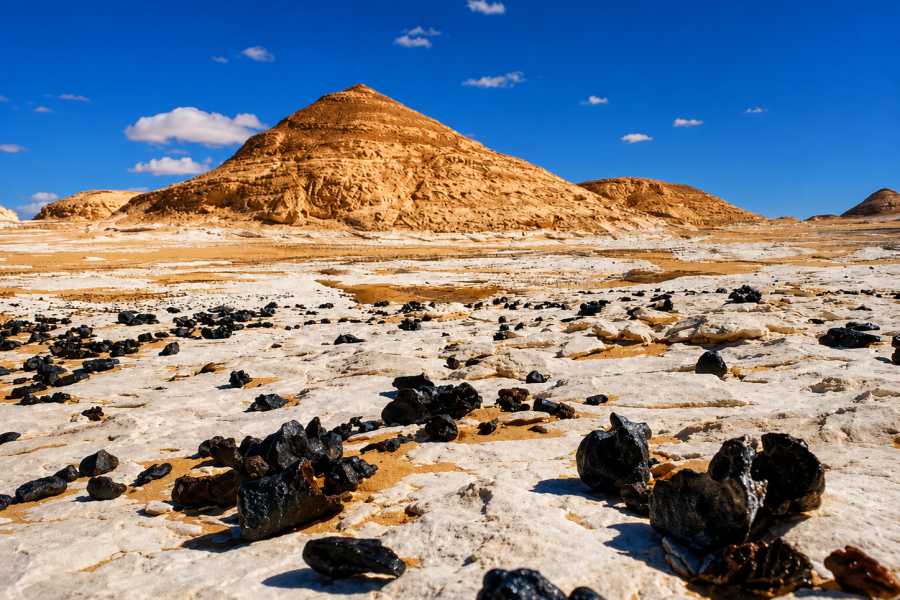
The Black Desert is often the first major stop after leaving Bahariya. Dark stones and black-topped hills cover sections of the golden landscape, creating a strong contrast with the white formations seen later in the trip.
Learn more about this part of the route in our complete Black Desert Egypt guide.
Gabal El Marsos, sometimes called Divided Mountain, is a popular stop on White Desert itineraries. Depending on the route and available time, travelers may walk through the surrounding area or climb to a viewpoint.
Some itineraries continue through El Hez, where there may be an opportunity to stop near a natural spring. Swimming depends on the chosen program, conditions and traveler preference.
Crystal Mountain is known for sparkling mineral surfaces that reflect the sunlight. It is generally treated as a short geological and photography stop rather than a mountain hike.
Visitors should not remove stones or damage the formation.
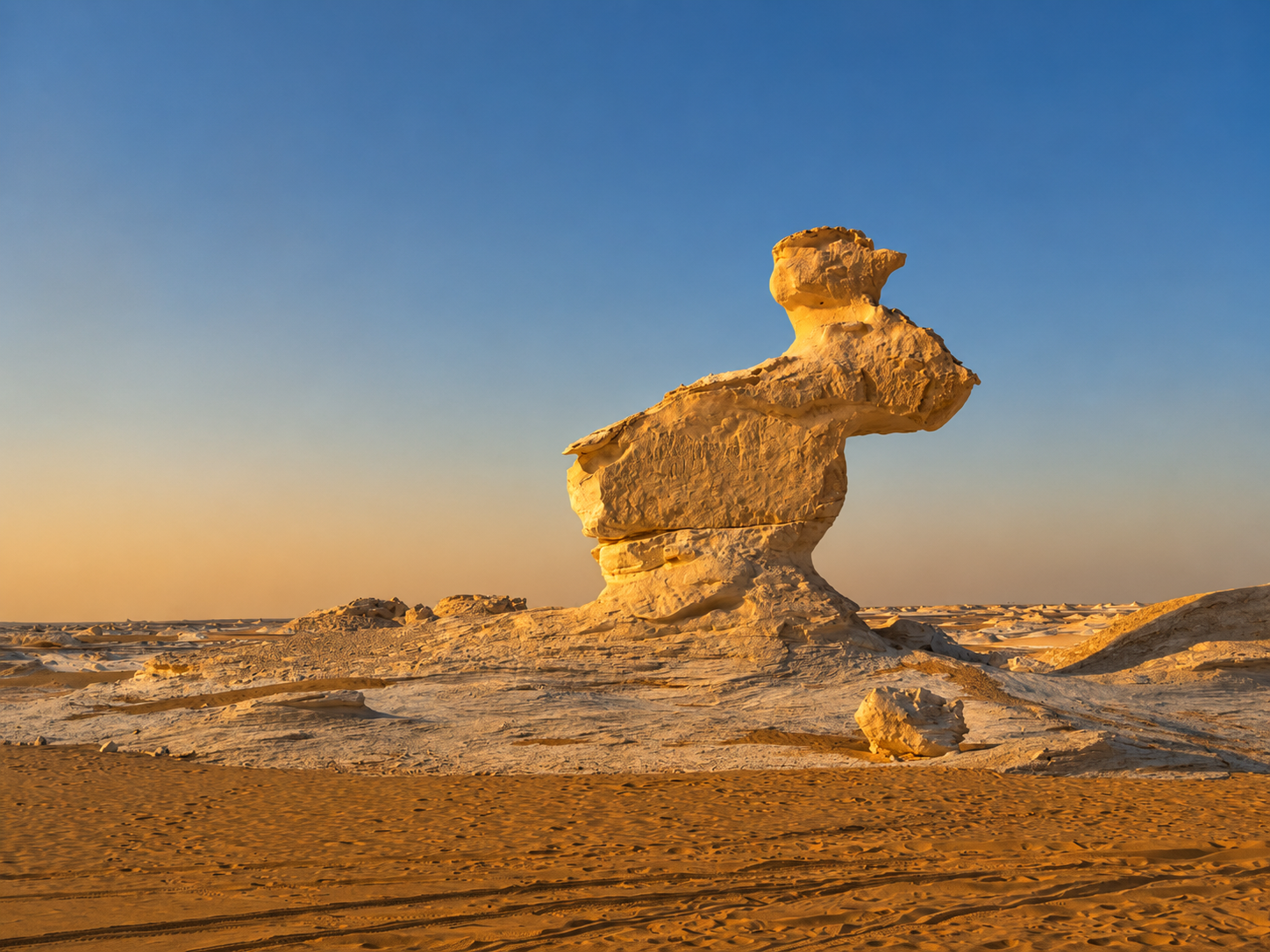
Agabat is one of the most dramatic landscapes on the route. Its valleys, sand and sculpted formations create some of the trip’s strongest viewpoints.
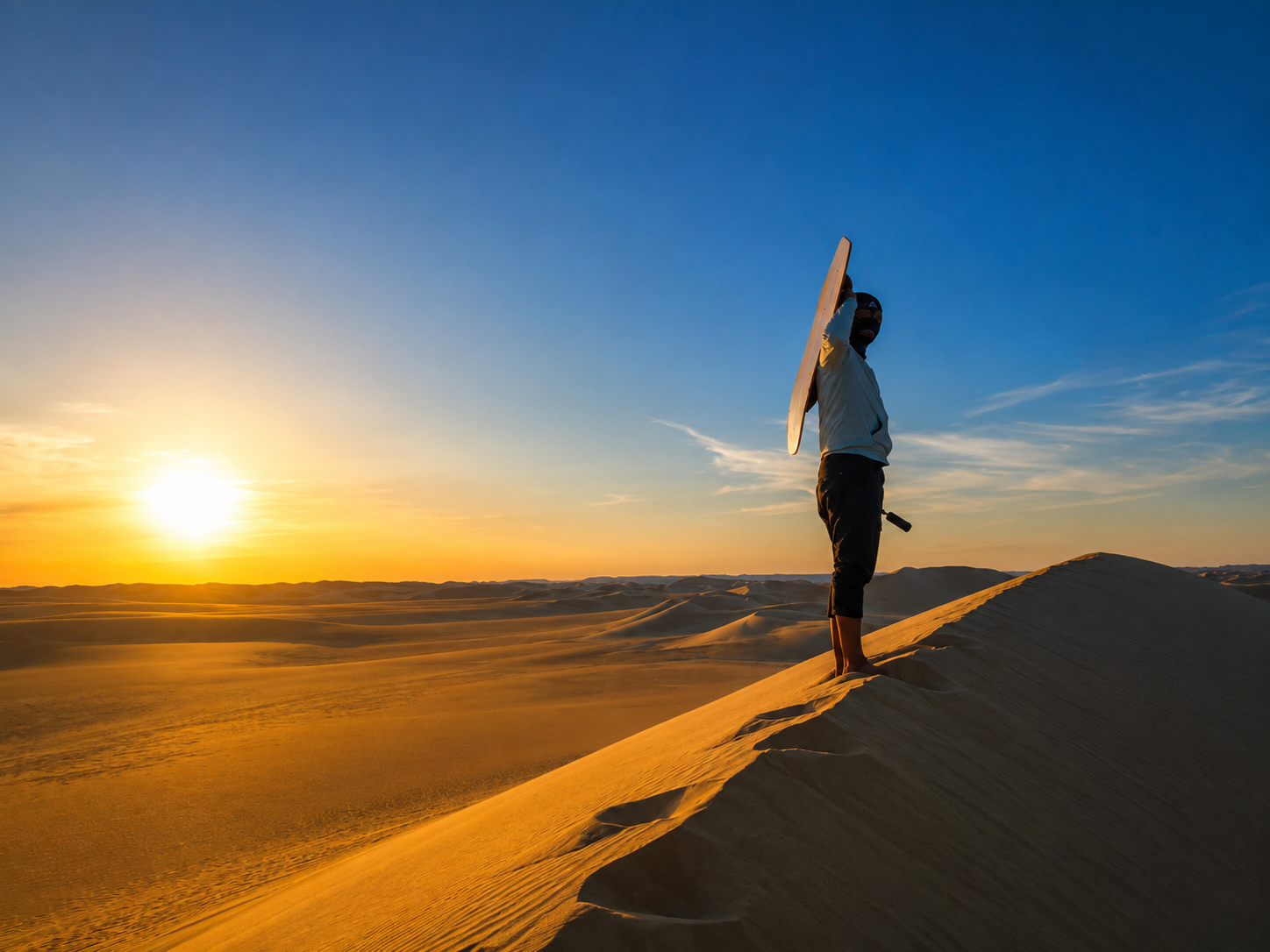
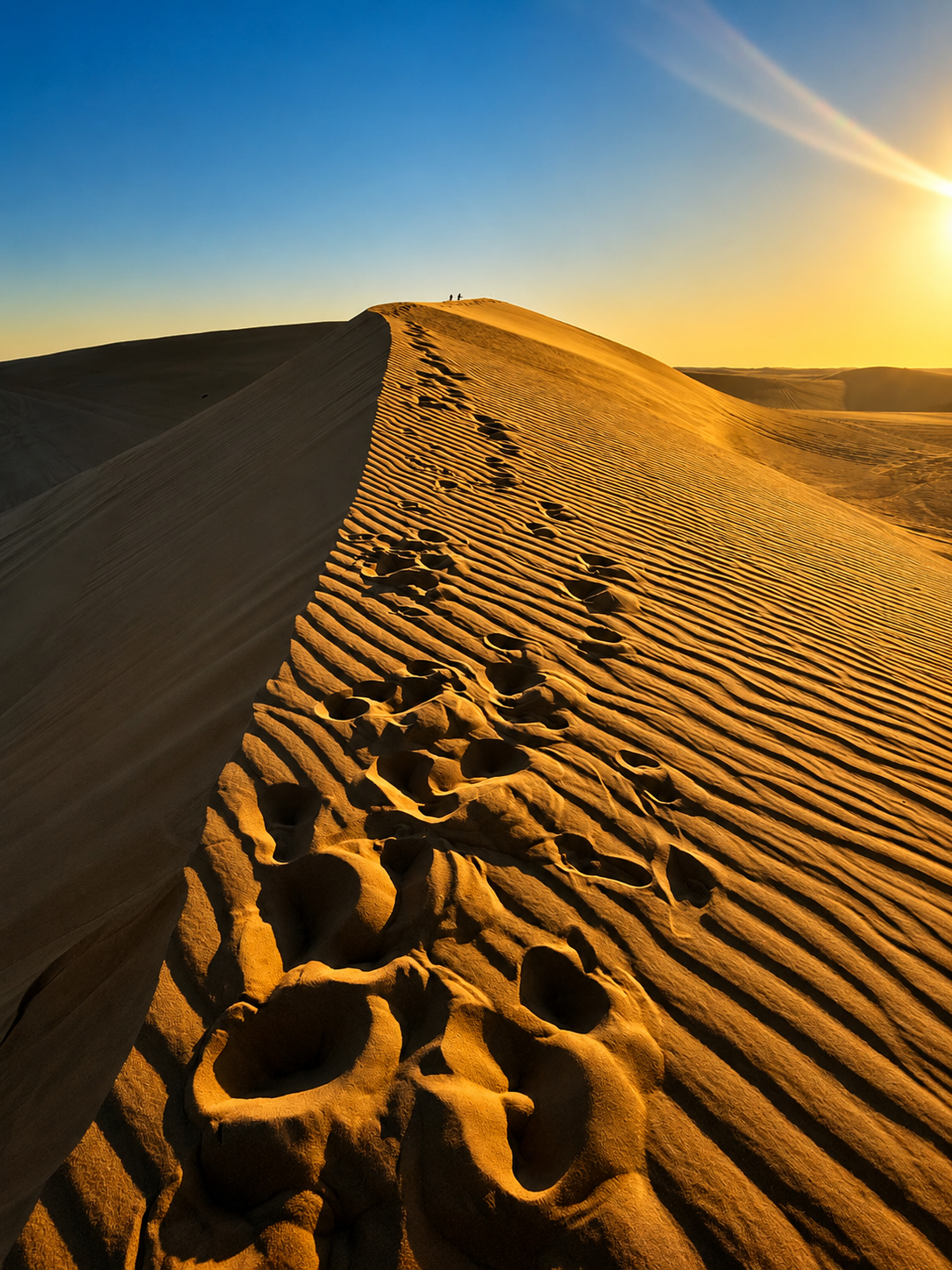
Depending on the itinerary, there may also be time for dune driving or sandboarding before continuing toward the evening campsite.
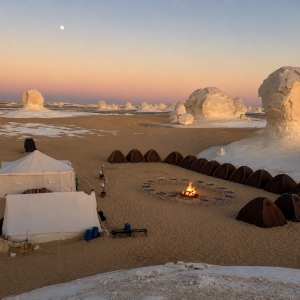
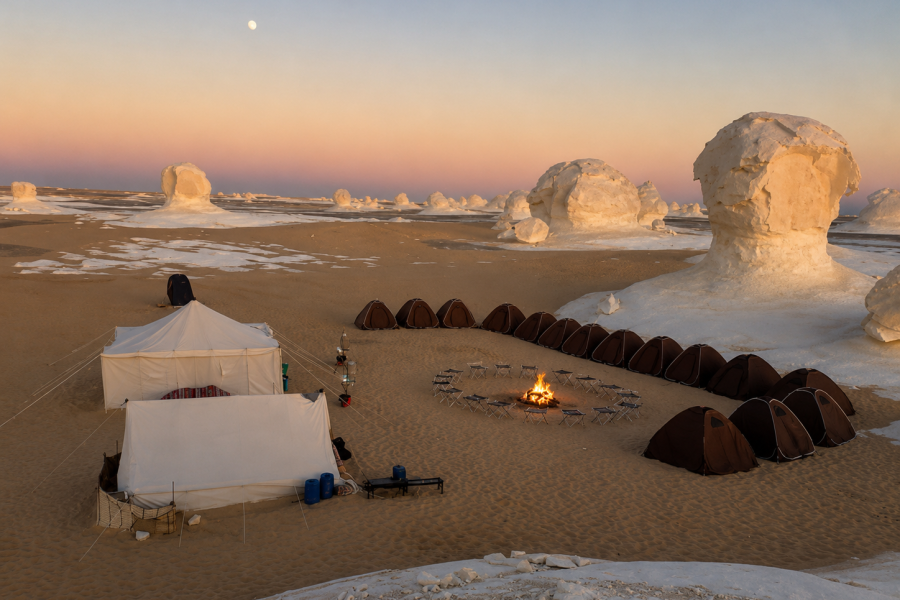
A White Desert mobile camp is set up by the safari team after arriving at a suitable location.
The exact arrangement varies according to the operator, group size, weather and tour category, but a standard camp may include:
The vehicles usually remain near the camp and carry the tents, bedding, food, water and other equipment.
The setup is intentionally temporary. The team normally packs everything the following morning and continues the safari without leaving permanent structures behind.
The 1 Night 2 Days White Desert Tour from Cairo is designed around the classic one-night camping experience, while the 2 Nights 3 Days White Desert Camping Tour includes two desert nights, deeper off-road exploration, meals and dome-shaped tents with mattresses, blankets and sleeping bags.
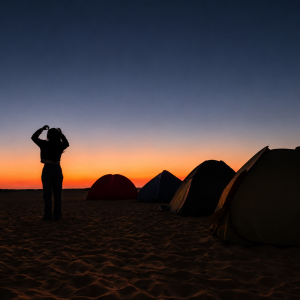
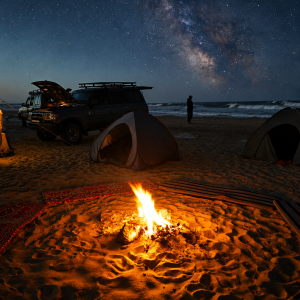
Most standard White Desert camping tours use portable dome-shaped tents.
They are usually practical camping tents rather than permanent canvas suites. Their main purpose is to provide privacy and protection from the wind, sand and nighttime cold.
Depending on the tour, guests may sleep in:
Mattresses are generally placed directly on the protected tent floor. Blankets and sleeping bags may also be supplied.
Travelers should confirm the exact arrangement before booking because the meaning of “camping equipment included” can vary between operators.
Ask specifically:
Bringing a clean sleeping-bag liner can make first-time campers feel more comfortable, even when full bedding is provided.


Comfort depends partly on expectations.
Travelers who expect a hotel bed, private bathroom, climate control and full electricity may find the experience basic. Travelers who expect a professionally arranged outdoor adventure often find it more comfortable than anticipated.
A well-organized camp provides a reasonable mattress, suitable bedding, warm food and help from an experienced team.
The greatest challenges are usually:
One night is manageable for most first-time campers. Two nights offer a deeper desert experience but require a greater level of comfort with outdoor conditions.
Travelers should not assume that a mobile White Desert camp has permanent bathrooms.
Toilet arrangements depend on the operator and campsite. Some tours may provide a portable privacy tent and basic portable toilet solution. Other camps may use simpler arrangements in a private area away from the tents.
There is generally no permanent tiled bathroom, flushing toilet or full plumbing at a temporary desert campsite.
Before booking, ask the operator directly:
Pack tissues, wet wipes, hand sanitizer, personal hygiene products and sealable waste bags.
Travelers with mobility limitations, digestive conditions or specific bathroom requirements should discuss these needs before confirming the tour.
A normal shower should not be expected during a one-night mobile camping trip.
Water must be transported into the desert for drinking, cooking and essential cleaning, so it should be used carefully.
Most travelers use wet wipes and a small amount of water for basic personal hygiene. A full shower may be available before or after the safari at a hotel or camp in Bahariya Oasis, depending on the itinerary.
On some routes, there may be an opportunity to stop near a natural spring. This should not be treated as a guaranteed replacement for a shower because access, water conditions, privacy and timing can vary.
For a one-night trip, most visitors simply shower before leaving Cairo and again after returning to Bahariya or Cairo.
Dinner is usually prepared by the desert team at the campsite.
The exact menu varies, but a typical meal may include:
Breakfast may include bread, cheese, eggs, jam, fruit, tea and coffee.
Lunch is often served in Bahariya Oasis, at a hotel or as a picnic during the safari.
Food should be kept covered and prepared using the supplies transported by the team. Drinking water is normally provided as part of the tour.
Vegetarian meals can often be arranged when requested in advance. The website’s 3-day camping program states that three meals a day are included and that vegetarian meals are available when requested before arrival.
Travelers with allergies, diabetes, gluten intolerance or other dietary requirements should provide detailed information before the departure date rather than waiting until reaching the desert.
Bringing a few personal snacks is useful, particularly for children or travelers with strict dietary habits.
Dinner is one of the most memorable parts of White Desert camping.
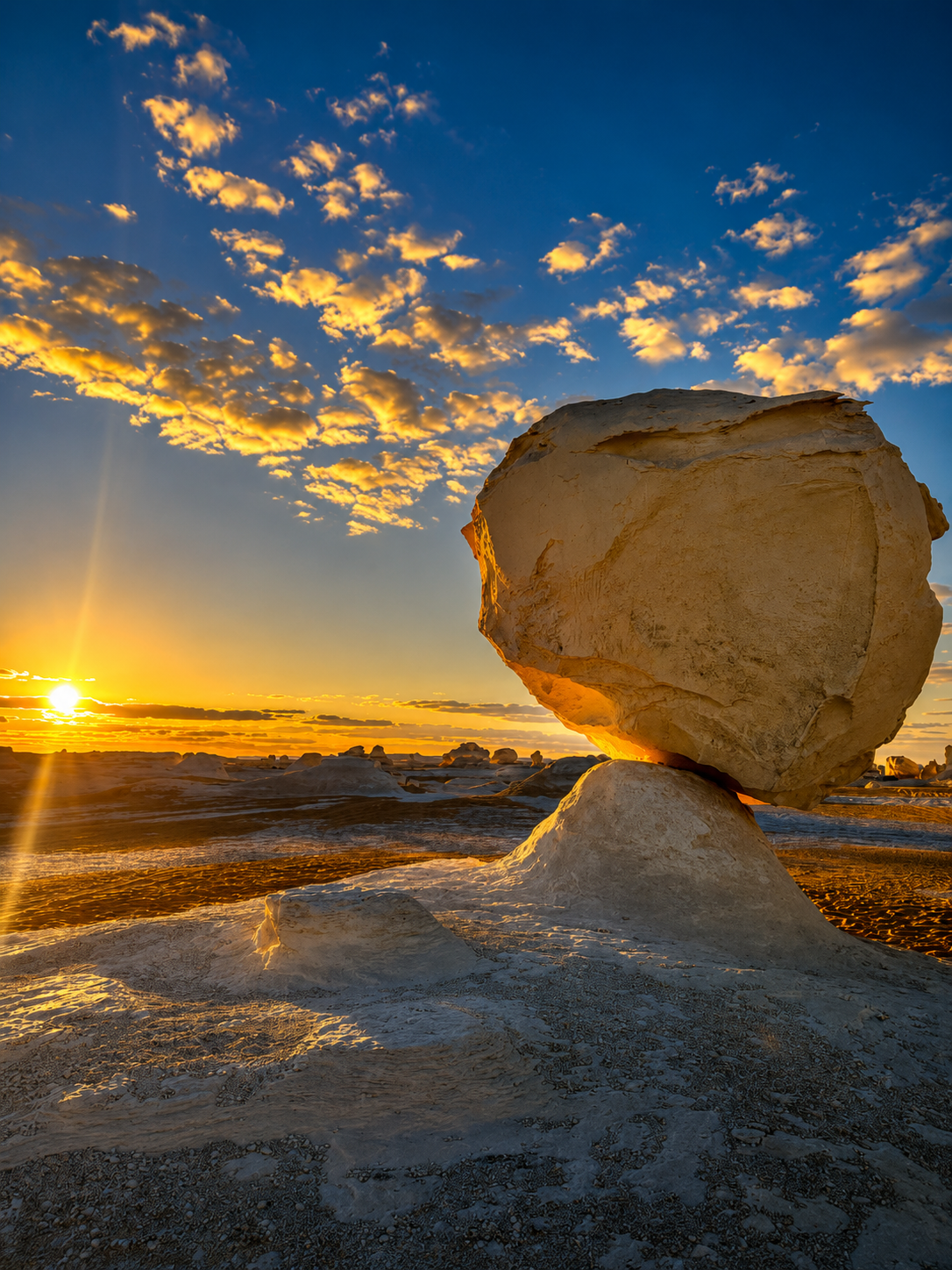
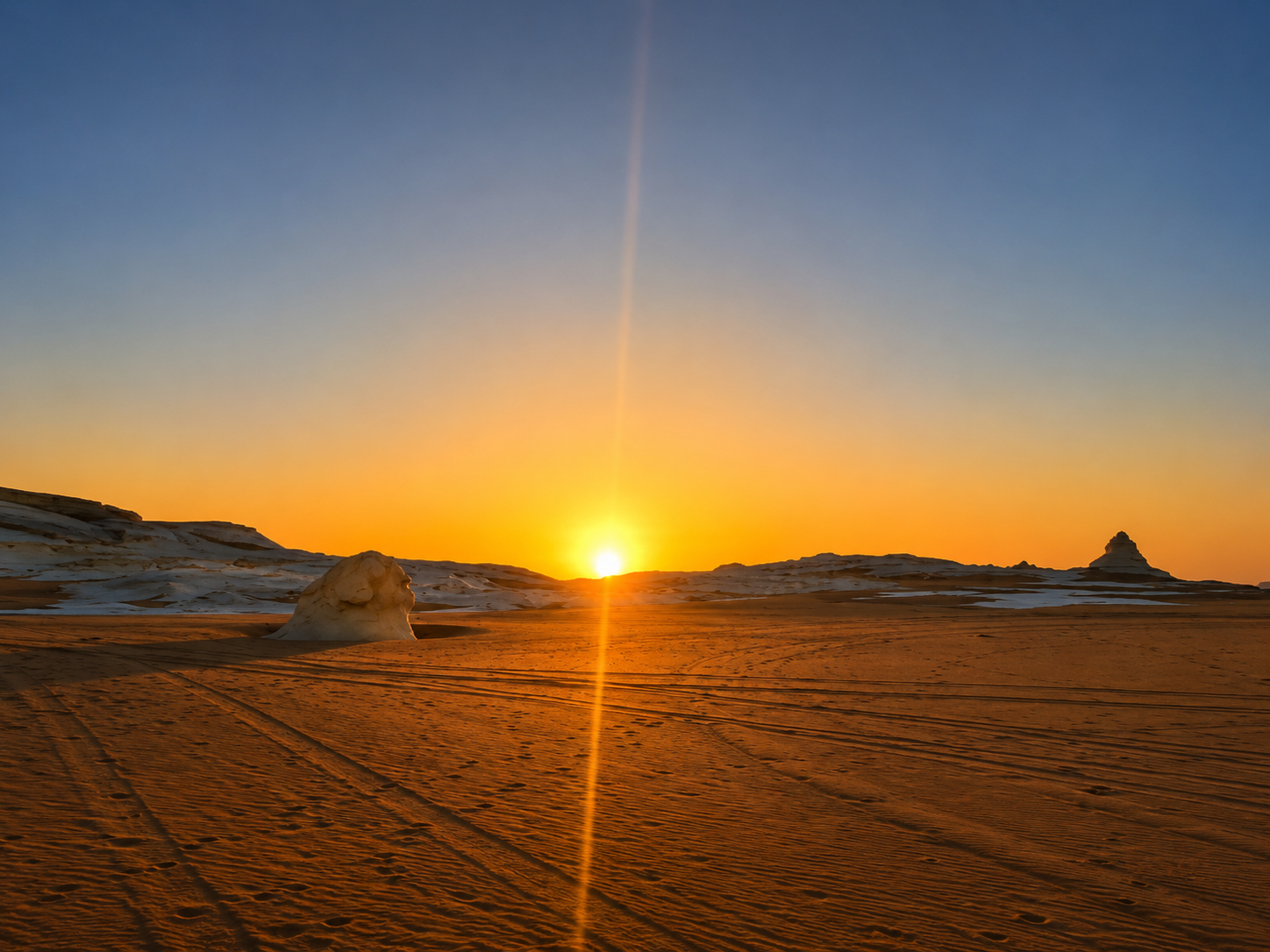
After sunset, the camp becomes the center of the evening. The safari team prepares the meal while travelers rest, talk, photograph the sky or watch the changing colors disappear from the horizon.
The experience is generally relaxed rather than highly structured.
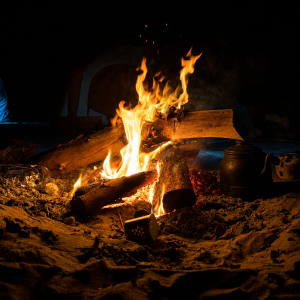
There may be tea, conversation and a fire where local rules and conditions permit. Some groups prefer a social evening, while private tours can provide a quieter atmosphere for couples or families.
The silence becomes more noticeable as the night continues. Without normal city noise, small sounds such as the wind, cooking equipment or footsteps on the ground appear much clearer.
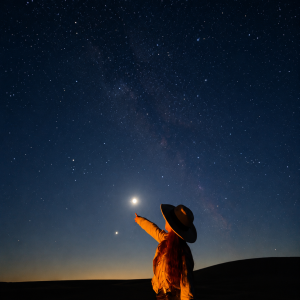
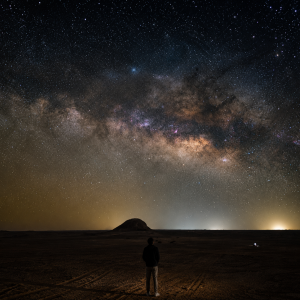
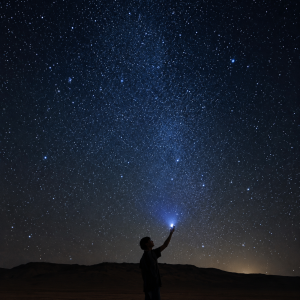
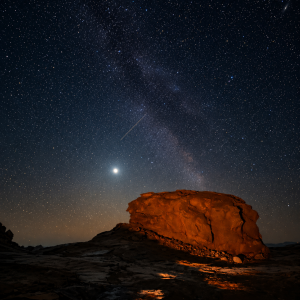
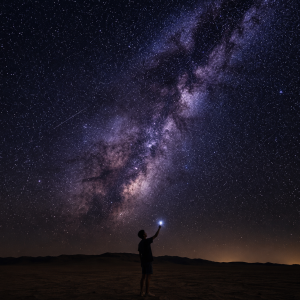
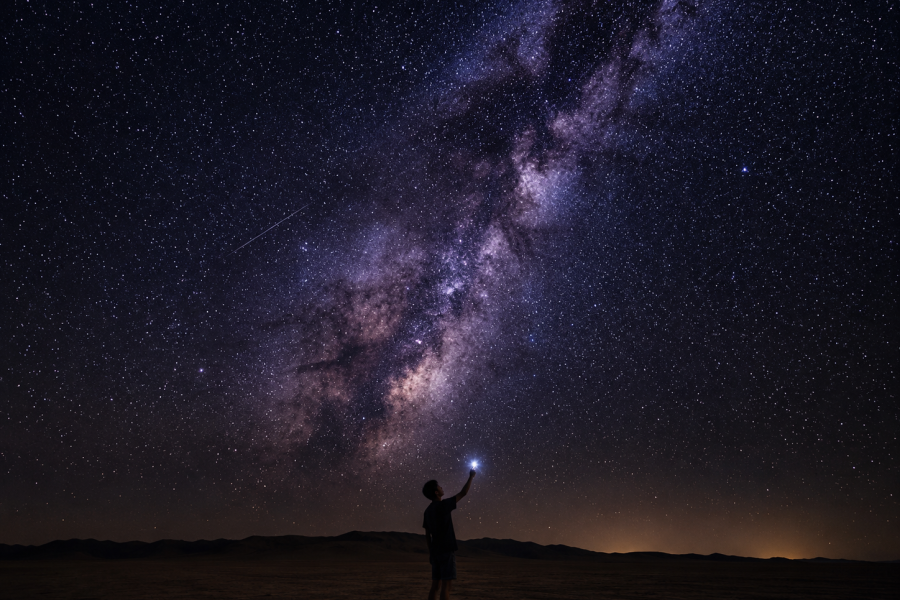
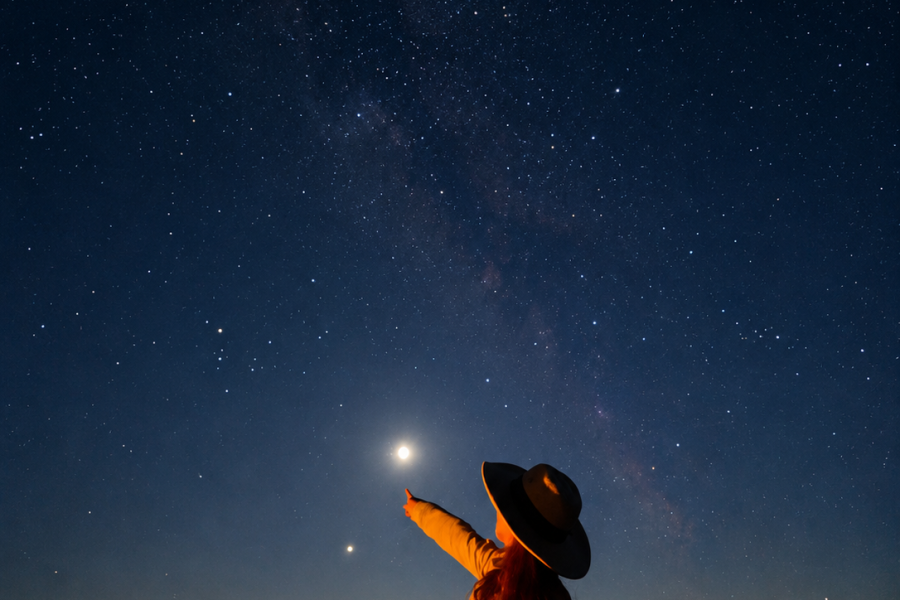
The White Desert has very limited artificial lighting, which can create excellent conditions for stargazing.
However, seeing the Milky Way clearly is never guaranteed.
Visibility depends on:
A bright full moon may reduce the number of visible stars but illuminate the chalk formations beautifully. A darker moonless night can produce stronger stargazing conditions.
Travelers planning the trip mainly for astrophotography should check the moon calendar before selecting their date and discuss the preferred campsite with the operator.
Avoid expecting the sky to look exactly like a long-exposure photograph. Cameras can capture light and detail that may appear less intense to the naked eye.
After dinner, travelers usually spend time near the camp before entering their tents.
There is no fixed entertainment program unless it has been specifically arranged. The evening is mainly about the setting itself.
You may:
Do not walk far from the campsite alone. The formations can look different after dark, distances are difficult to judge and mobile reception may be limited.
Always tell the guide before moving away from the main camp area.
Many visitors underestimate the difference between daytime and nighttime desert conditions.
Even when the afternoon feels warm, the temperature can fall quickly after sunset. Winter nights can feel particularly cold because of wind, dry air and the amount of time spent sitting outdoors.
Your packing should not be based only on Cairo’s daytime weather.
During the cooler season, consider bringing:
In warmer months, a jacket may still be useful after dark.
Ask the tour operator for the expected daytime and nighttime conditions shortly before departure. Weather forecasts for Cairo do not necessarily reflect conditions at the White Desert campsite.
Sunrise is often one of the strongest moments of the entire trip.
The safari team normally wakes early, and travelers can leave the tent before breakfast to watch the landscape gradually change color.
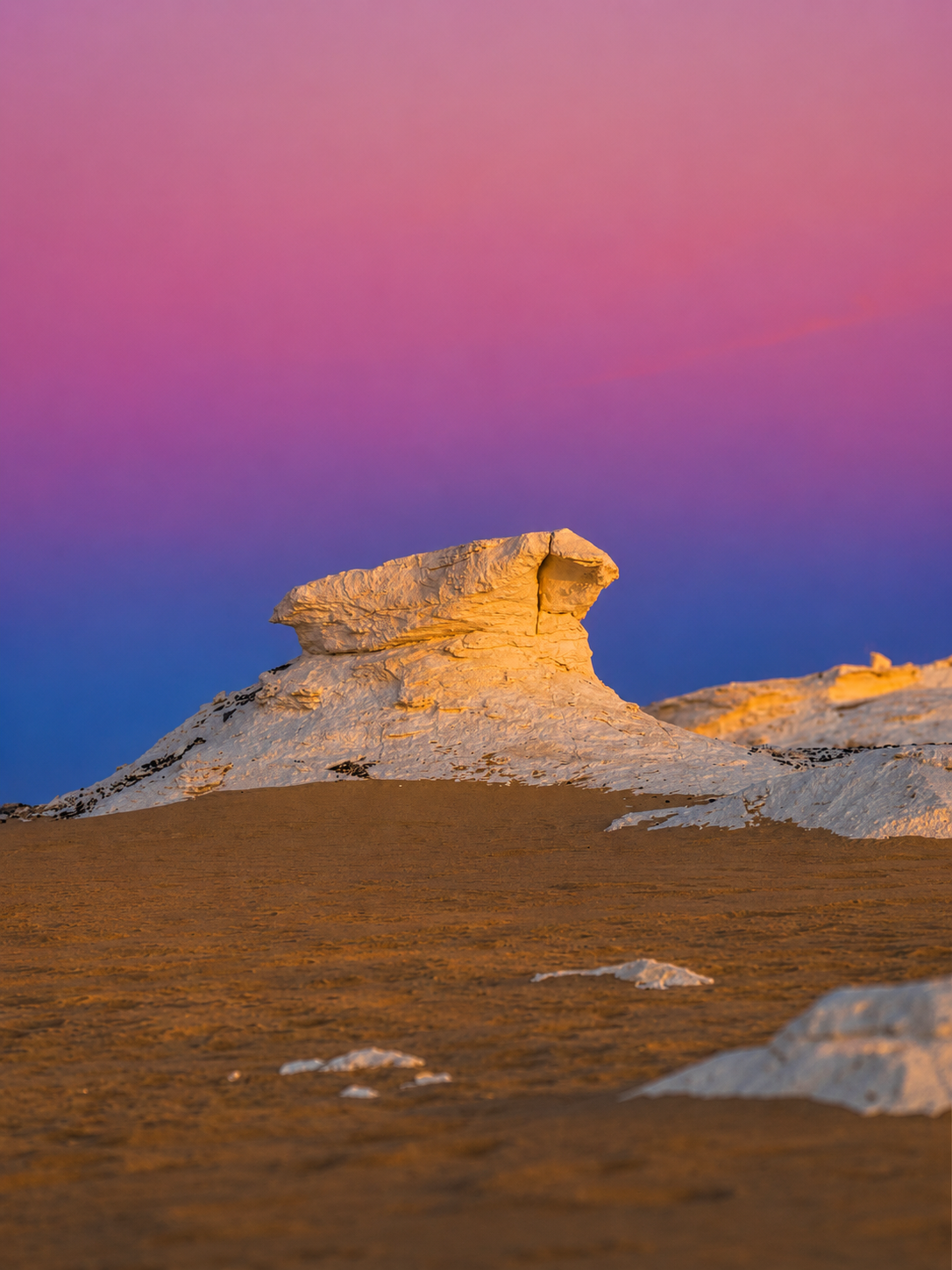
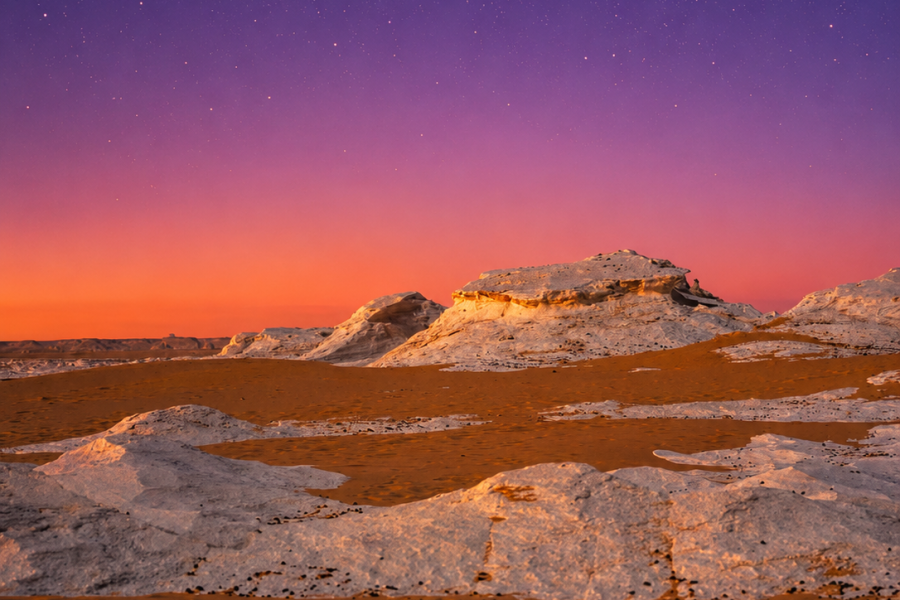
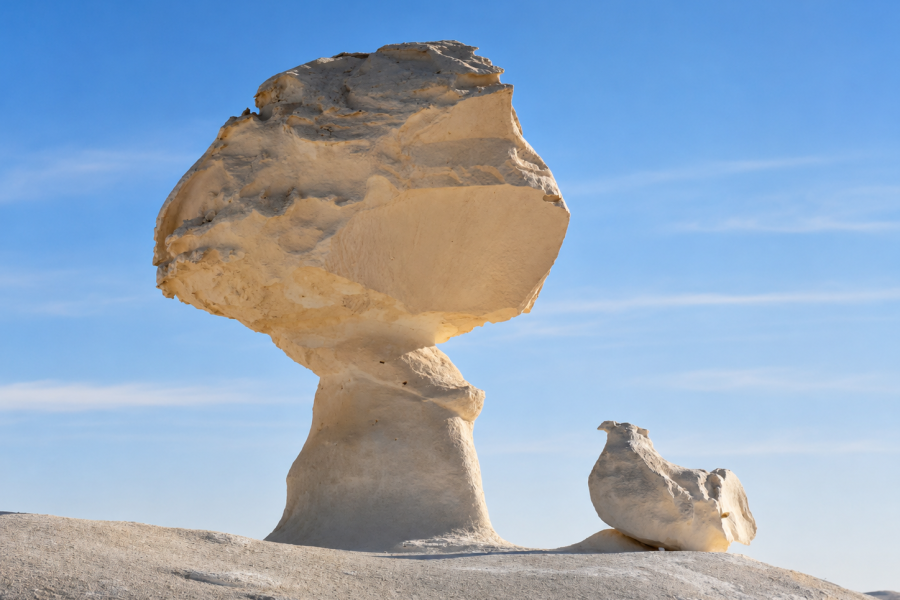
The first light creates soft shadows across the chalk formations. White surfaces may appear blue, pink, cream or gold as the sun rises.
Morning is also an excellent time for photography because:
After sunrise, breakfast is served and the team begins packing the camp.
The tour may then continue to additional formations, valleys, dunes or a warm spring before returning to Bahariya Oasis and Cairo.
A 2-day, 1-night tour is the strongest option for most first-time visitors.
It usually includes the main route from Cairo through Bahariya, the Black Desert, Crystal Mountain, Agabat and the White Desert, followed by one night of camping.
Choose one night when:
The principal limitation is that the safari must cover several major attractions within a relatively compact schedule.
A 3-day, 2-night tour allows the guide to explore deeper off-road areas and spend longer away from the main route.
Depending on the itinerary, the additional day may include:
The published 2 Nights 3 Days White Desert Camping Tour includes two camping nights and a broader route across dunes, springs, valleys and the White Desert.
Choose two nights when the desert is one of the main priorities of your Egypt trip and you are comfortable with basic camping conditions.
The term “luxury camping” can have different meanings in the White Desert.
A standard camp may include private tents, mattresses, sleeping bags, blankets, meals and a shared dining area.
An upgraded camp might provide:
However, even an upgraded mobile camp may not provide a private shower, permanent bathroom, air conditioning or unlimited electricity.
Ask the operator for current photographs of the exact camp equipment rather than relying only on the word “luxury.”
Egypt’s official tourism platform notes that camping in protected areas can require permits and licensed guides, while glamping facilities in Egypt vary considerably by destination.
White Desert camping should be organized through an experienced operator with an appropriate vehicle, local route knowledge and the necessary arrangements.
The region is remote, and travelers should not treat it like an independent roadside campsite.
A professional tour should include:
Current UK travel guidance states that tourists entering Bahariya Oasis, Farafra, the White Desert and the Black Desert must arrange permits in advance and use an official guide. It also notes limited phone reception and limited medical facilities in the region. Travelers should check the latest guidance issued by their own government before departure.
Egypt’s official tourism platform also advises travelers to ask an authorized operator about camping permits and licensed guides before visiting protected areas.
Independent camping is not recommended.
The challenges are not limited to setting up a tent. Visitors must also consider:
A normal rental car is not an appropriate substitute for a desert 4×4 and experienced driver.
Even travelers with extensive camping experience may be unfamiliar with the local routes and administrative requirements.
Use a registered operator that can verify the current rules and select a route appropriate for the date of travel.
Mobile reception may be limited or unavailable in sections of the White Desert.
Do not depend on being able to make calls, use messaging applications, access maps or upload photographs from the campsite.
Download important information before leaving Cairo or Bahariya, including:
Tell family members or friends that you may be offline during the desert section.
Wi-Fi should not be expected at a mobile camp.
Permanent electrical outlets are generally not available at a temporary desert camp.
Some vehicles may have charging ports, but availability should be confirmed before departure.
Bring:
Cold conditions can reduce battery performance. Keep spare batteries inside your jacket or sleeping bag rather than leaving them exposed overnight.
Do not rely on the vehicle’s electricity as your only charging solution.
Keep your luggage compact because space inside the 4×4 may be limited.
Avoid bringing a large suitcase into the desert. Ask whether unnecessary luggage can remain at your Cairo hotel or at the accommodation in Bahariya.
The White Desert is often suitable for people who have never camped before because the operator handles the equipment, driving, food and route.
First-time campers should still prepare for:
One night is usually the best introduction.
Tell the operator that it is your first camping trip and ask detailed questions about bedding, toilets and temperature before booking.
Yes. A private White Desert camping tour can be an excellent experience for couples.
Private trips provide more control over:
Couples should confirm that a private double tent is included and discuss any expectations regarding toilets, bedding and upgraded camping equipment.
Families can visit the White Desert, but the itinerary should be adjusted to the children’s ages and travel experience.
Parents should consider:
A private tour is generally more suitable than a shared itinerary because stops and meal times can be adapted.
Families should pack familiar snacks, medication, additional warm clothing and hygiene supplies.
Solo travelers may choose a private tour or ask whether a shared departure is available.
A shared tour can reduce costs and provide a social atmosphere, but the schedule and campsite are less flexible.
Before joining, confirm:
Travelers who value photography, privacy or a flexible pace may prefer a private safari.
For most visitors, the more comfortable camping season is from October to April.
These months often provide pleasant daytime conditions and manageable nights. They are popular for safari tours and photography.
Winter days can be comfortable, but nights may become very cold. Proper layers and winter bedding are important.
Spring can provide suitable temperatures, although wind and dust should be monitored.
Summer temperatures can make daytime sightseeing and camping less comfortable. Travelers considering a summer visit should discuss heat, departure times and route conditions with an experienced operator.
Weather can vary from one week to another, so request an updated forecast shortly before the trip.
The White Desert offers strong opportunities for landscape and night photography.
For sunset:
For night photography:
For sunrise:
Always follow the guide’s instructions and avoid walking into remote areas alone while searching for a composition.
The White Desert is a protected natural environment, and visitors should leave it as they found it.
Responsible behavior includes:
The Egyptian Ministry of Environment provides an official protected-areas portal through which current visitor information and booking arrangements may be checked.
Cairo may feel warm while the desert becomes cold after sunset. Always bring proper layers.
A mobile camp may only provide a basic privacy and toilet arrangement.
Large suitcases reduce space inside the 4×4 and make camp organization more difficult.
Electricity cannot be assumed at a remote campsite.
Closed shoes provide better protection while walking around rocky or sandy areas.
The lowest price may not provide the best vehicle, equipment, meals, route or level of support.
Special meals should be requested before departure.
Distances and landmarks become difficult to judge after dark.
Moonlight, clouds, dust and wind can change the appearance of the sky.
Before booking, ask the operator the following questions:
A professional operator should answer these questions clearly rather than relying on vague descriptions.
For the classic first-time experience, choose the 1 Night 2 Days White Desert Tour from Cairo.
For deeper off-road exploration and two separate camping nights, consider the 2 Nights 3 Days White Desert Camping Tour.
Travelers who want to combine the desert with additional time in Bahariya Oasis can explore the 3 Nights 4 Days White Desert Tour from Cairo.
You can also browse all available Egypt desert tours and private safari packages
White Desert camping is best for travelers who value natural scenery, silence, adventure and experiences that cannot be recreated in a normal hotel.
One night provides the essential sunset-to-sunrise experience. Two nights provide more time for valleys, dunes, springs, photography and remote landscapes.
To receive a recommended itinerary, send your travel date, group size, Cairo pick-up location, preferred number of nights and any dietary or camping requirements.
WhatsApp: +20 10 05014595
Email: contact@whiteandblackdeserttours.com
Tour Enquiry: Contact White and Black Desert Tours