Best Things to Do in Siwa Oasis Egypt: 15 Unmissable Experiences

Siwa Oasis is not a destination built around one famous attraction.

That is exactly what makes it special.

You can spend the morning walking through an ancient fortified town, float effortlessly in brilliant salt lakes before lunch, cool off beside a natural spring, and finish the day racing across enormous dunes in a 4×4 before watching sunset over the Great Sand Sea.

Egypt’s official tourism platform describes Siwa as one of the country’s most remote desert oases, known for its salt lakes, springs, palm and olive groves, archaeological sites, distinctive Siwan culture and the huge dunes of the Great Sand Sea.

That variety is why the best Siwa trip combines history + culture + water + desert rather than focusing only on the increasingly famous blue salt pools.

If you are visiting for the first time, these are the experiences we would prioritize.

For a broader introduction before planning individual attractions, read our complete Siwa Oasis Egypt travel guide. If you already know you have four days, use our Siwa Oasis 4 Days Itinerary to turn the attractions below into a practical schedule.

1. Float in the Siwa Salt Lakes

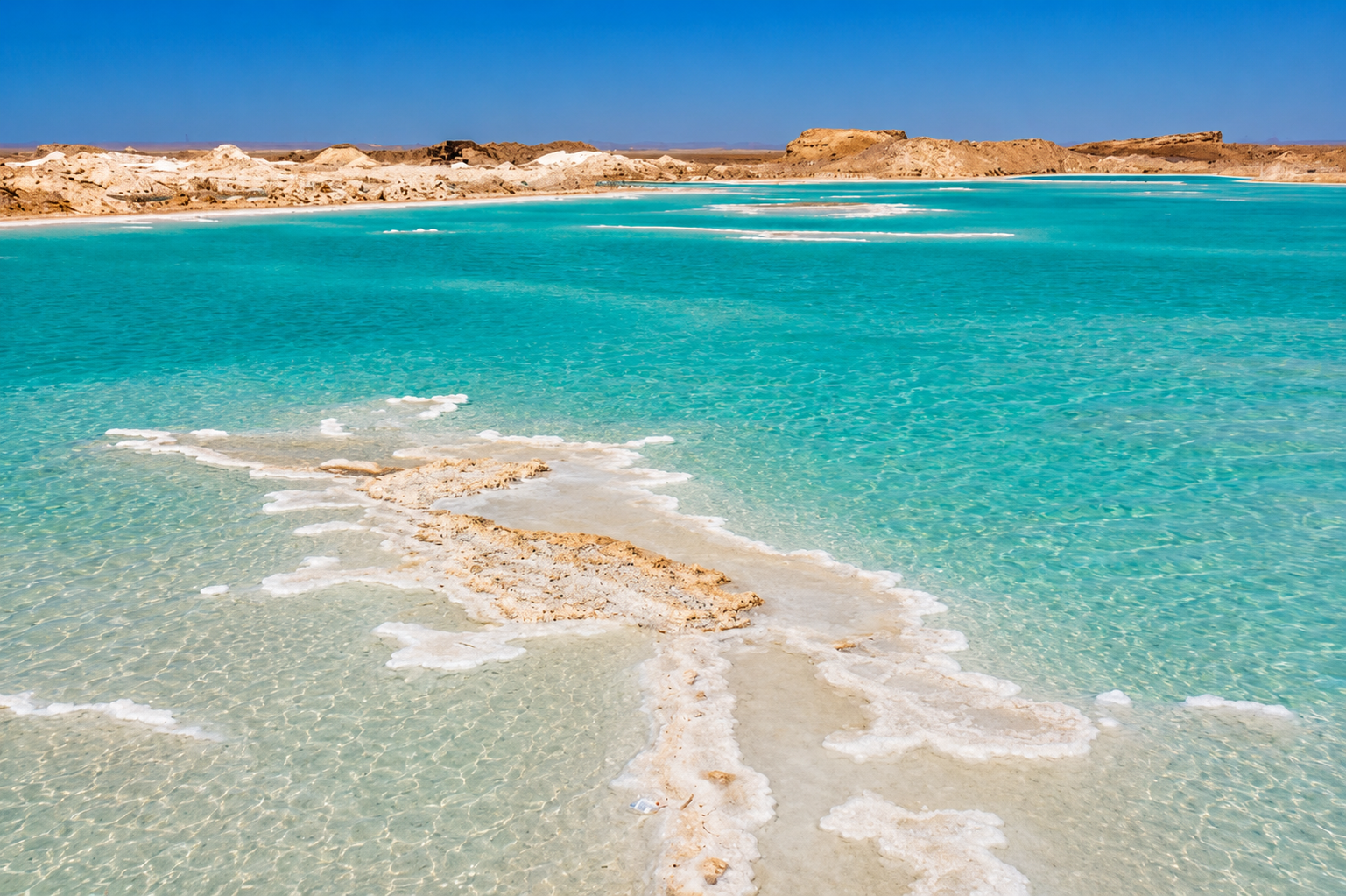
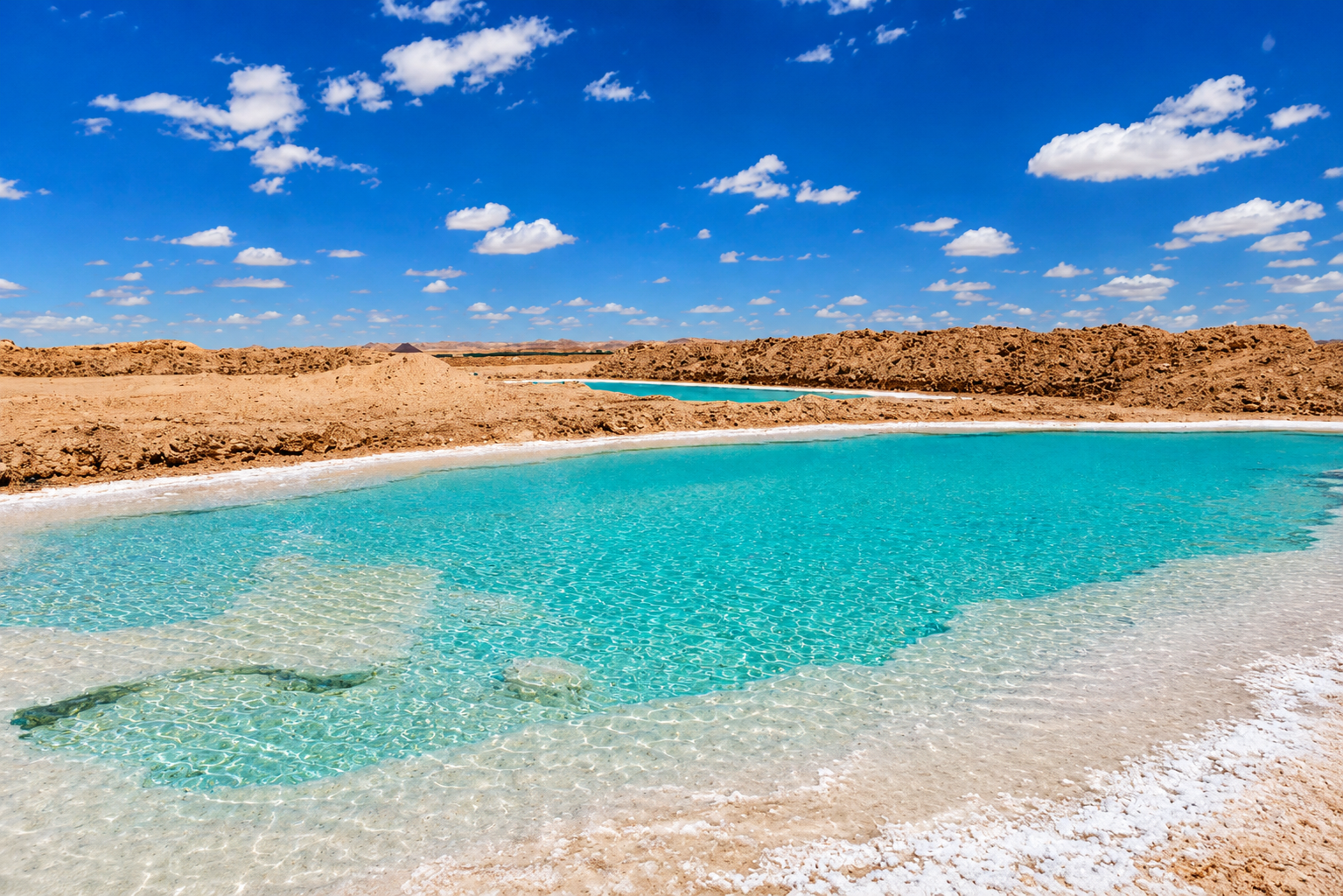
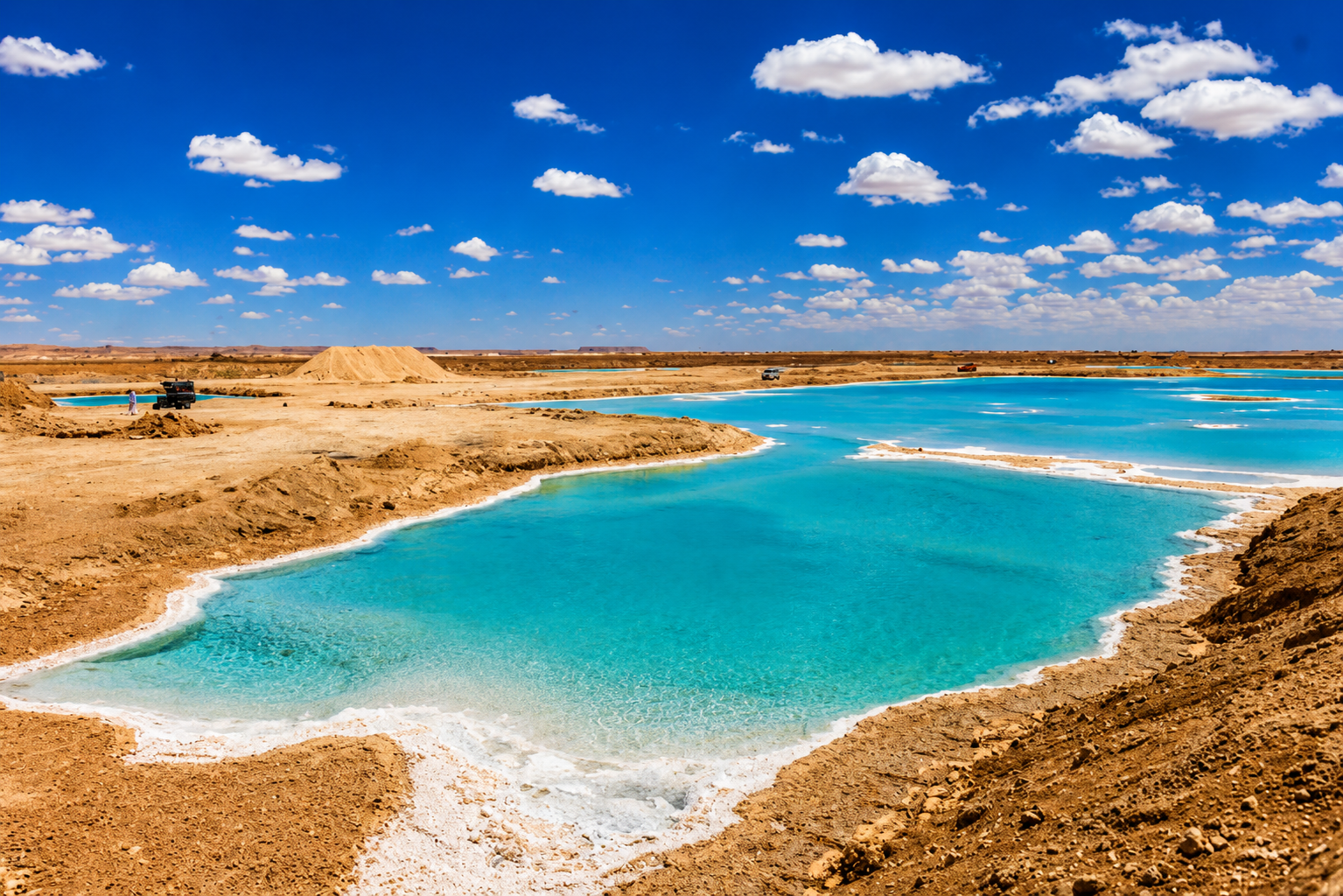
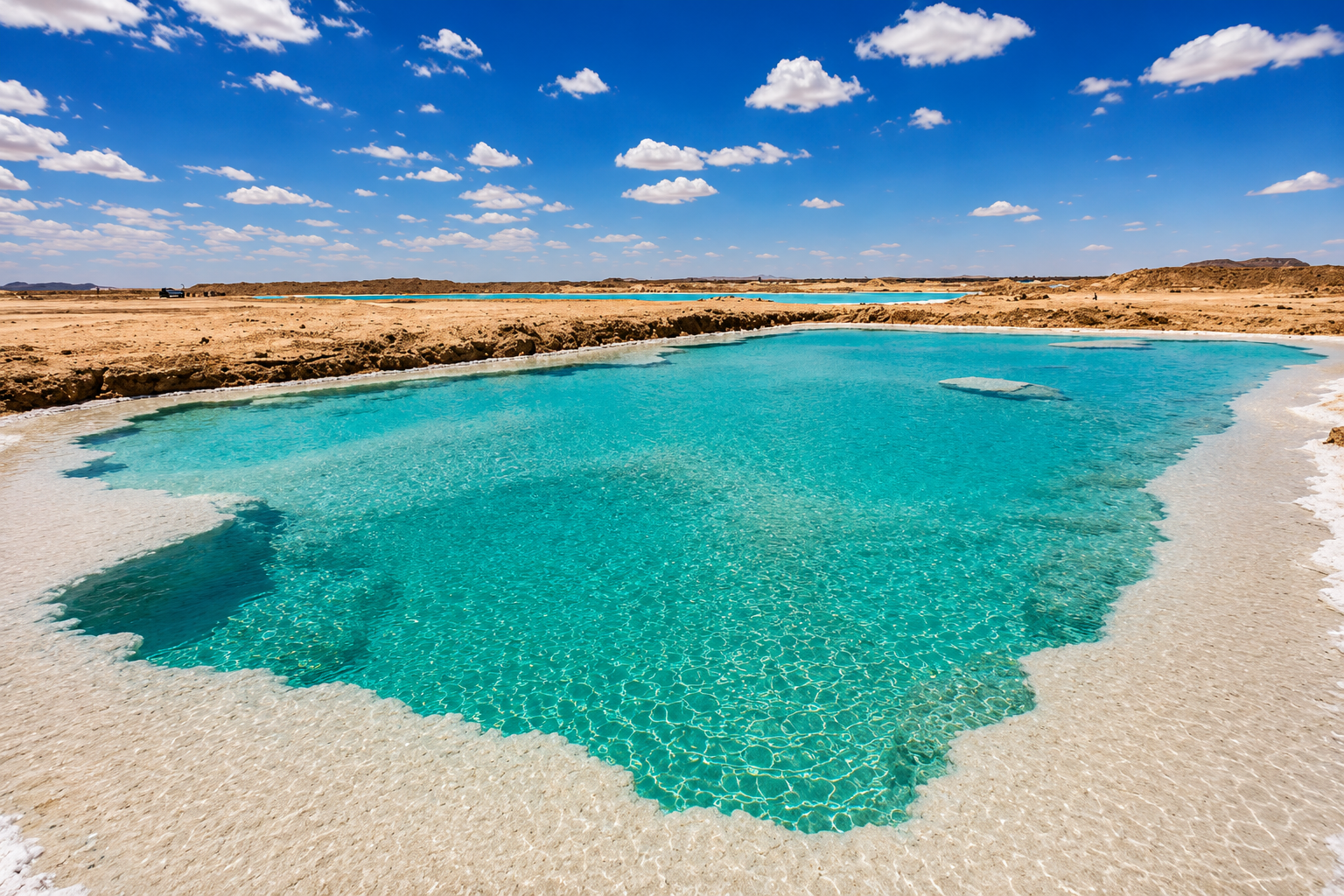
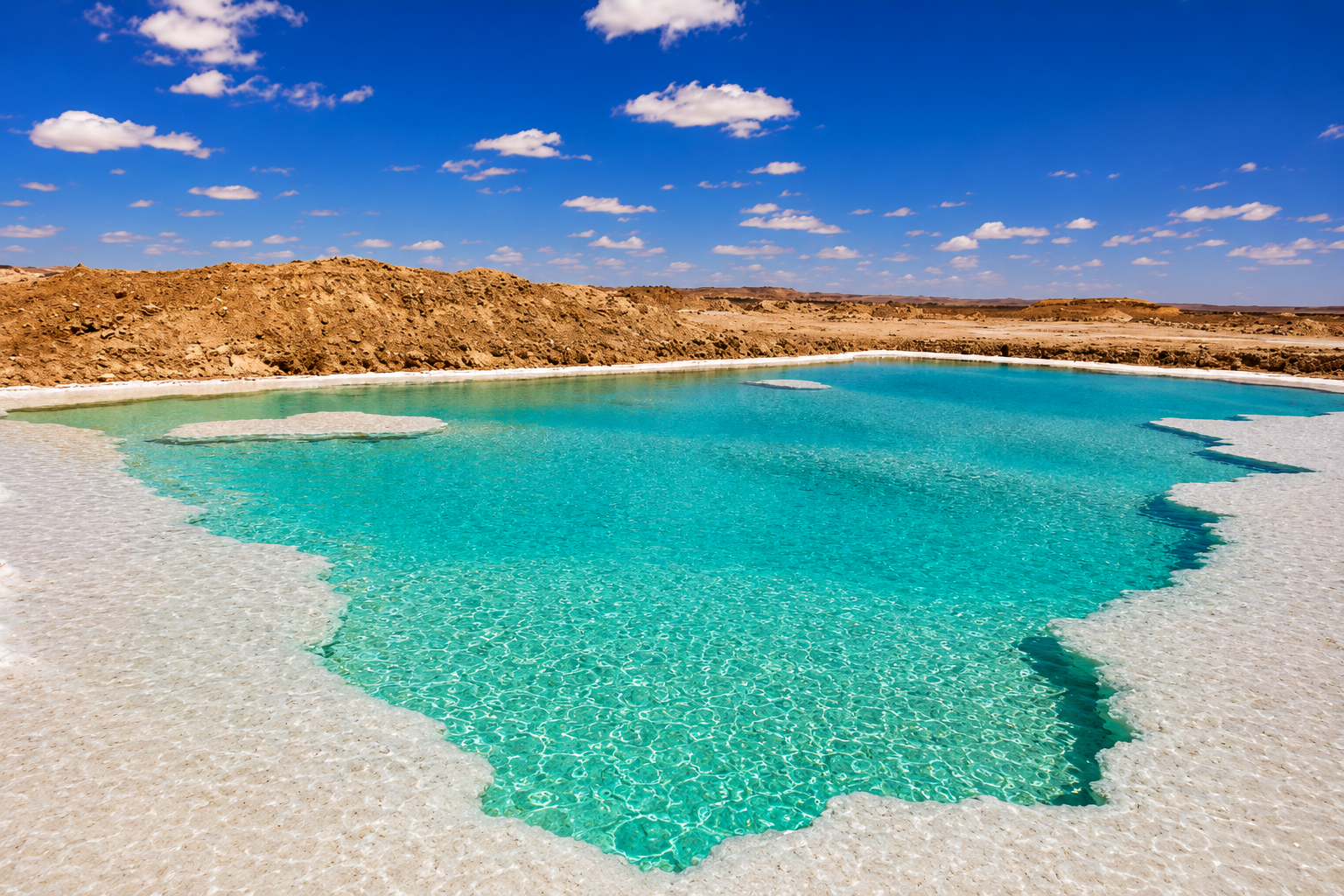
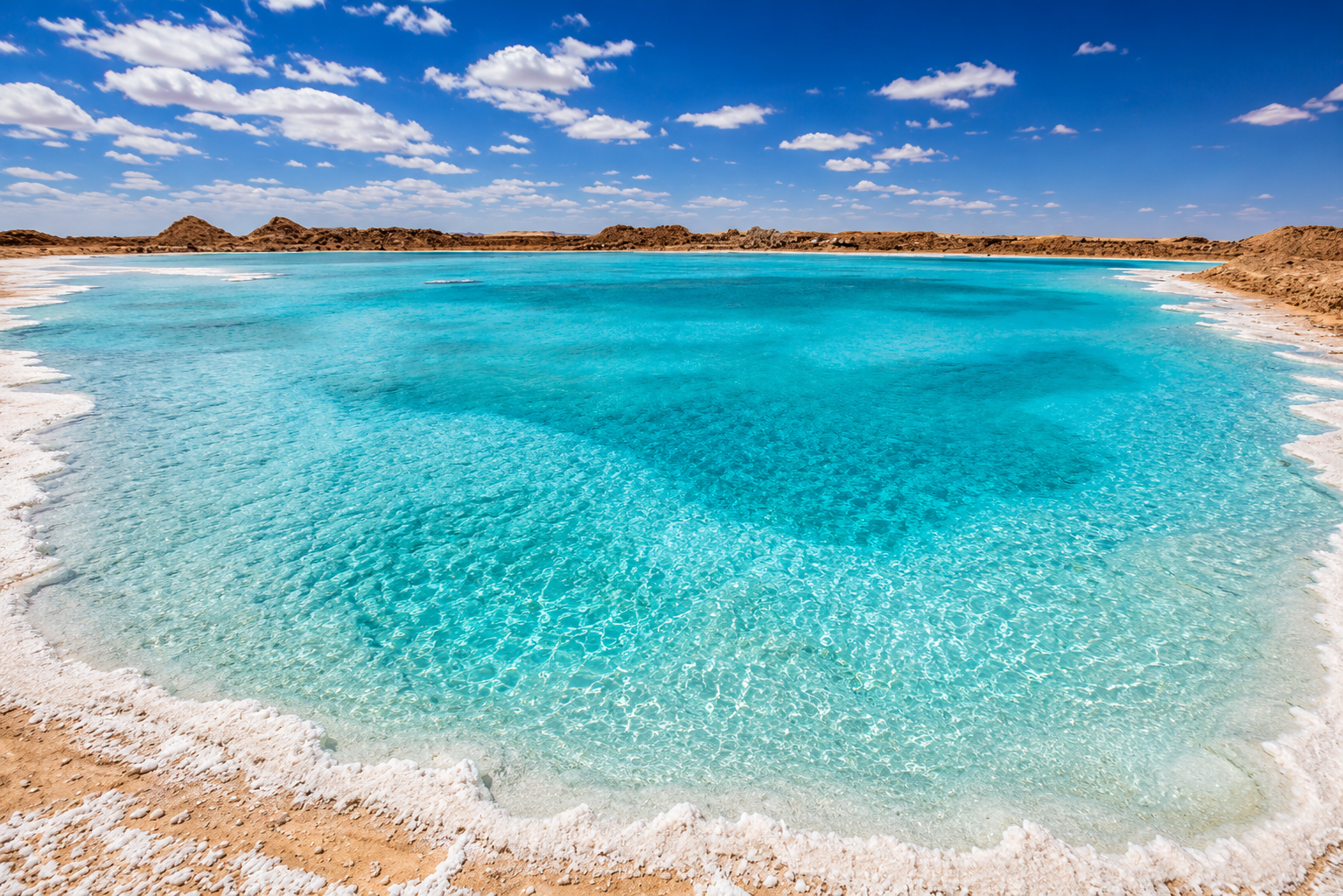
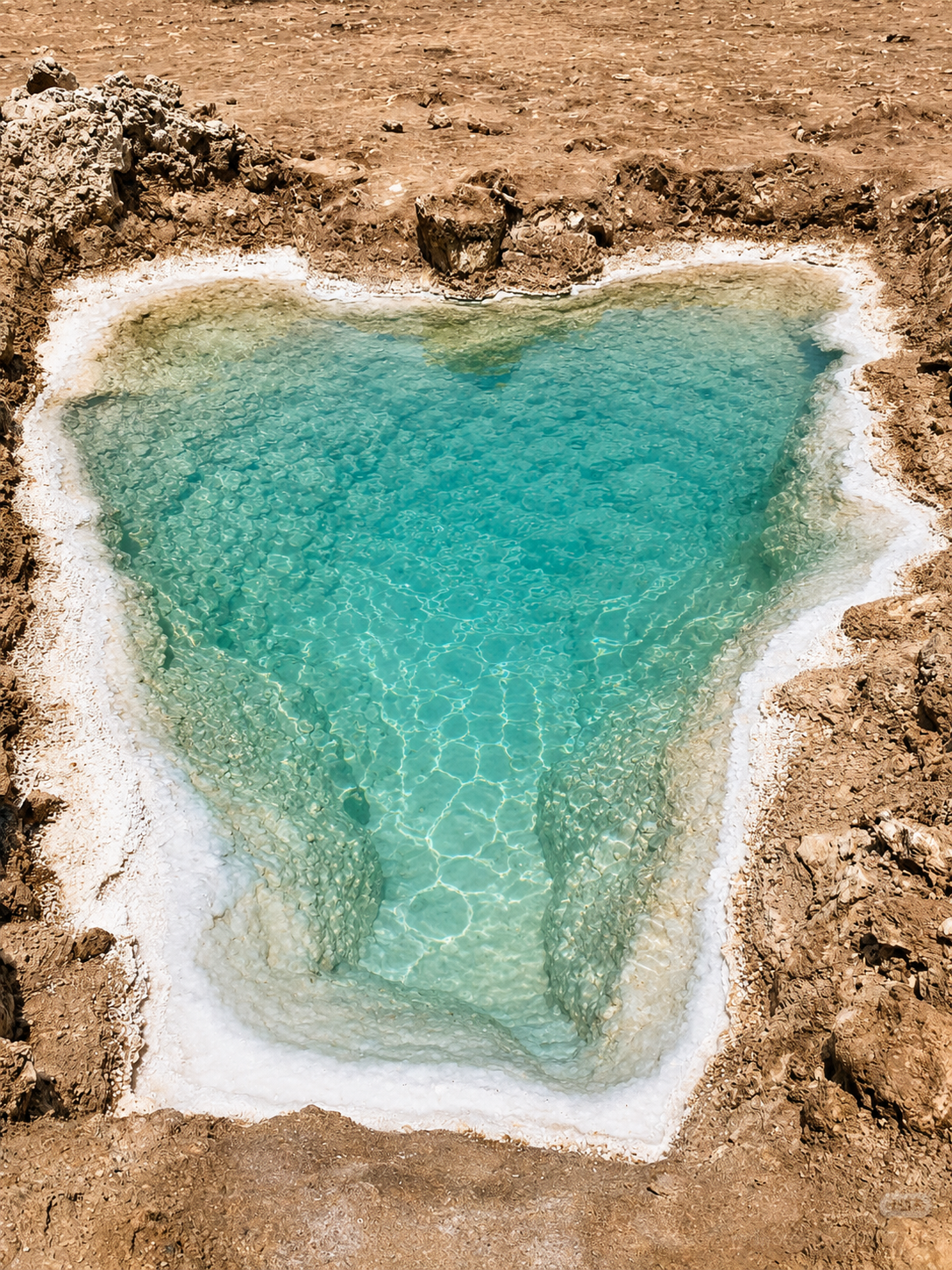
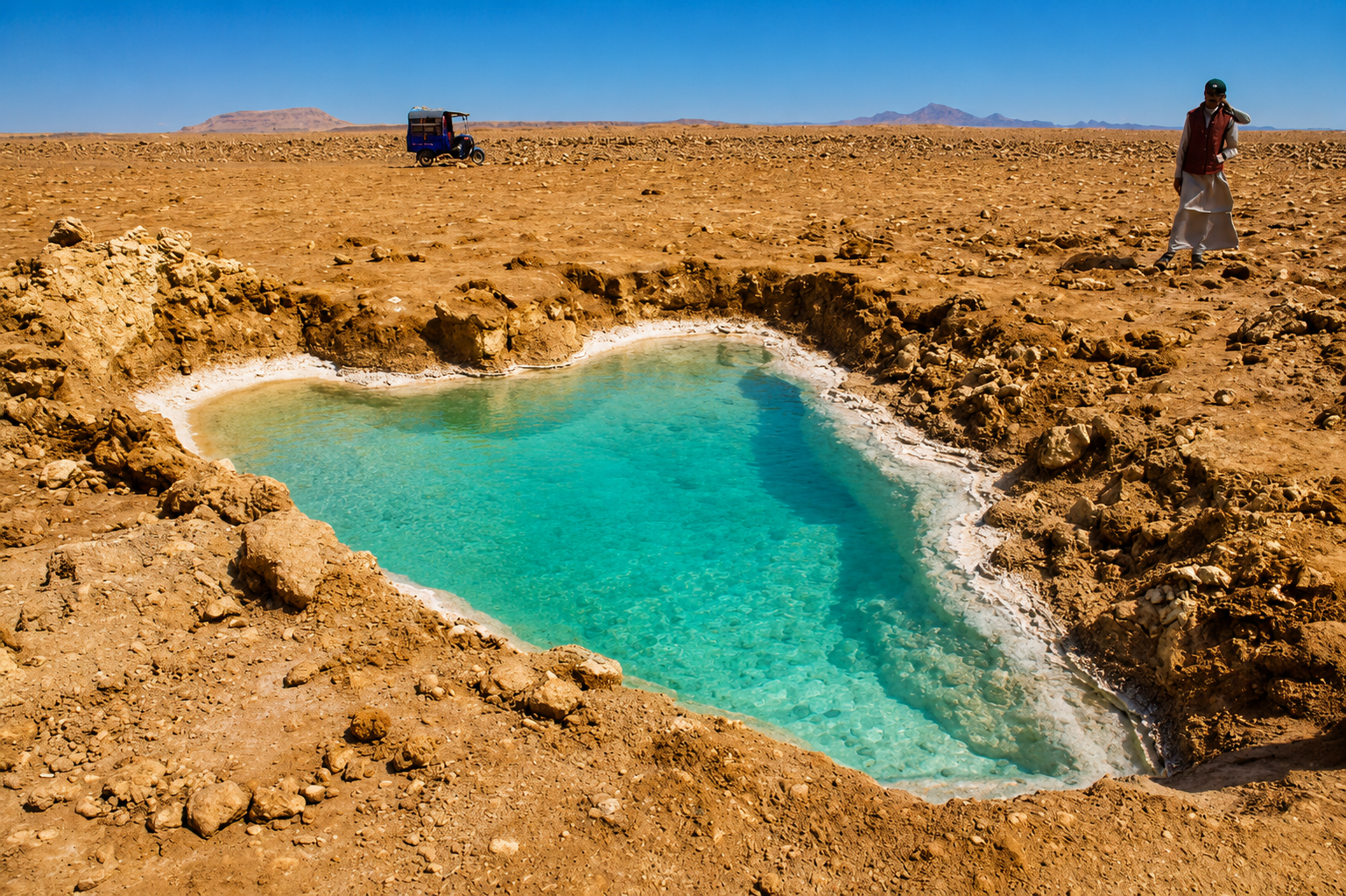
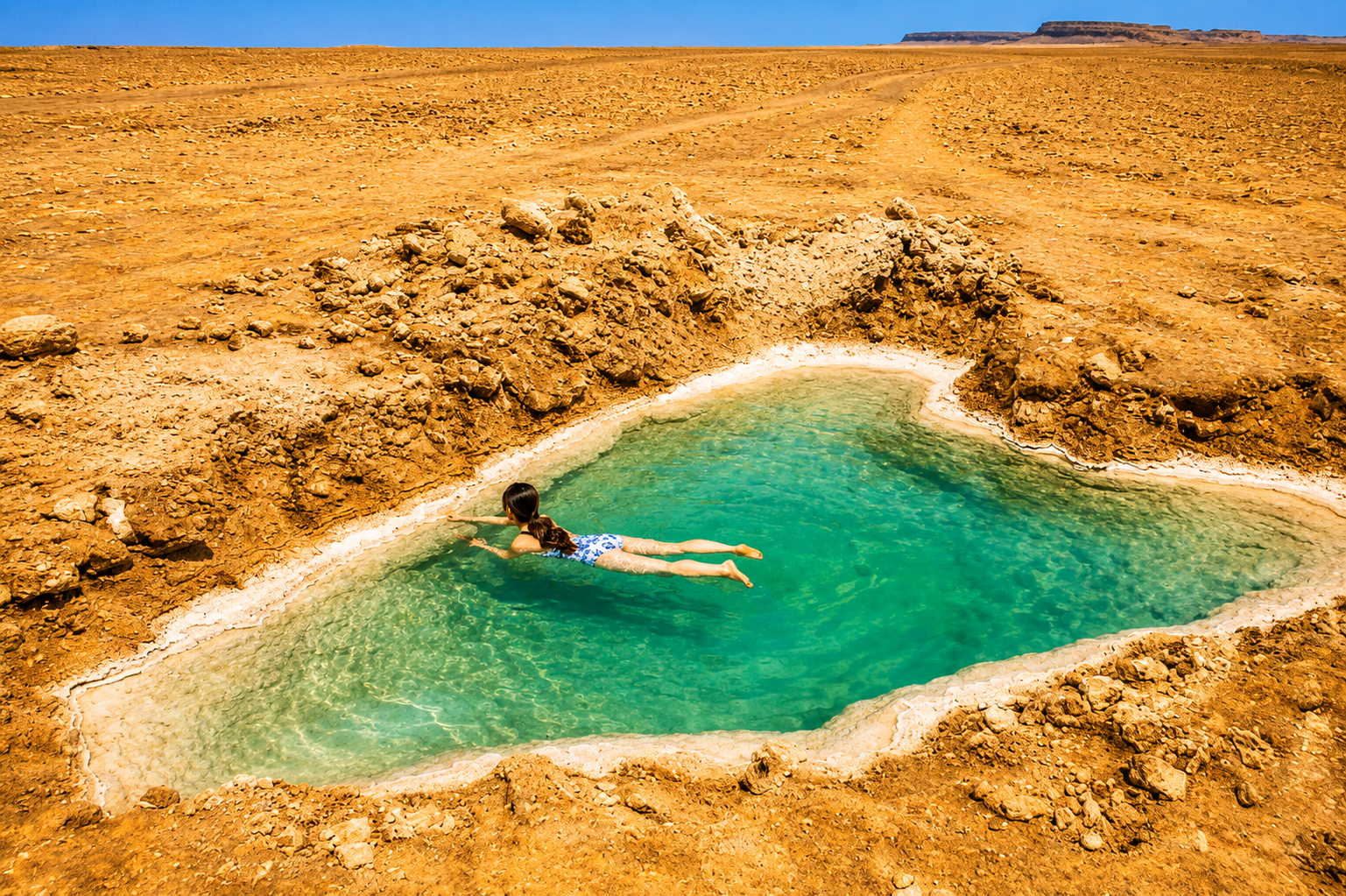
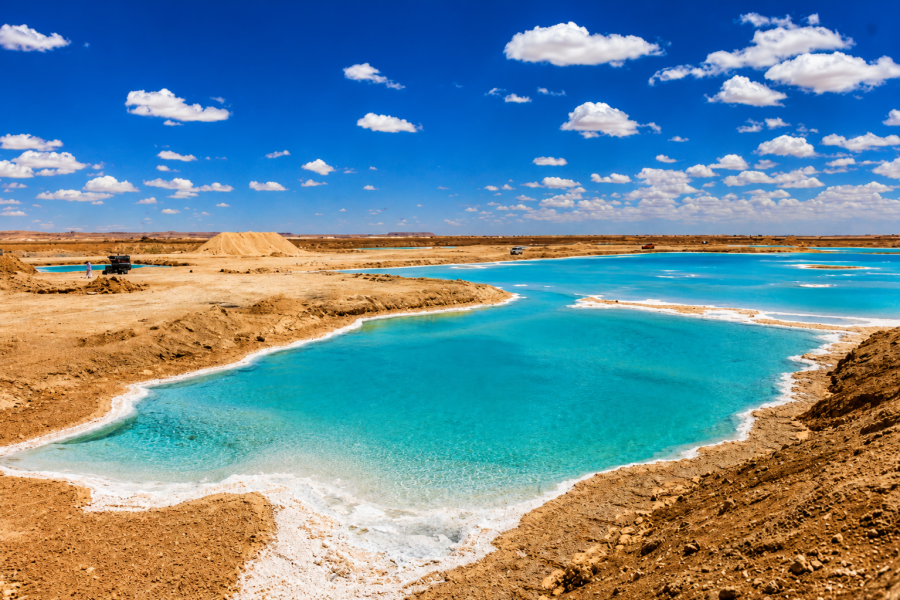
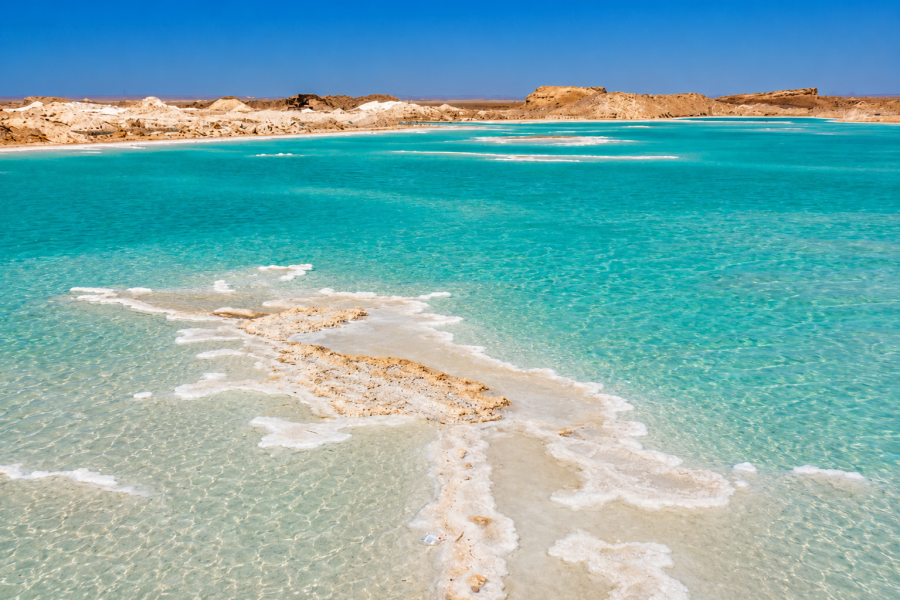
If you have seen Siwa on Instagram or TikTok, there is a good chance the first image you saw was a bright turquoise salt pool.

The Siwa Salt Lakes have become one of the oasis’s signature experiences.

The high concentration of salt creates strong buoyancy, which makes floating much easier than in ordinary freshwater. Siwa’s official tourism page specifically highlights floating in its vivid salt lakes as one of the destination’s defining activities.

But the experience is about more than floating.

The color contrast can be extraordinary:

bright blue or turquoise water,

white salt deposits,

golden desert,

and palm-covered parts of the oasis nearby.

That makes the salt lakes equally attractive for swimmers, photographers and couples.

Your current 4 Days Siwa Oasis Tour from Cairo includes the salt-lake experience as part of the main Siwa sightseeing program.

Practical tip

Avoid shaving immediately before visiting. Small cuts can sting badly in extremely salty water.

Keep the water out of your eyes, bring a towel and have fresh water available afterward.

We will cover this experience much more deeply in the upcoming dedicated Siwa Salt Lakes Guide.

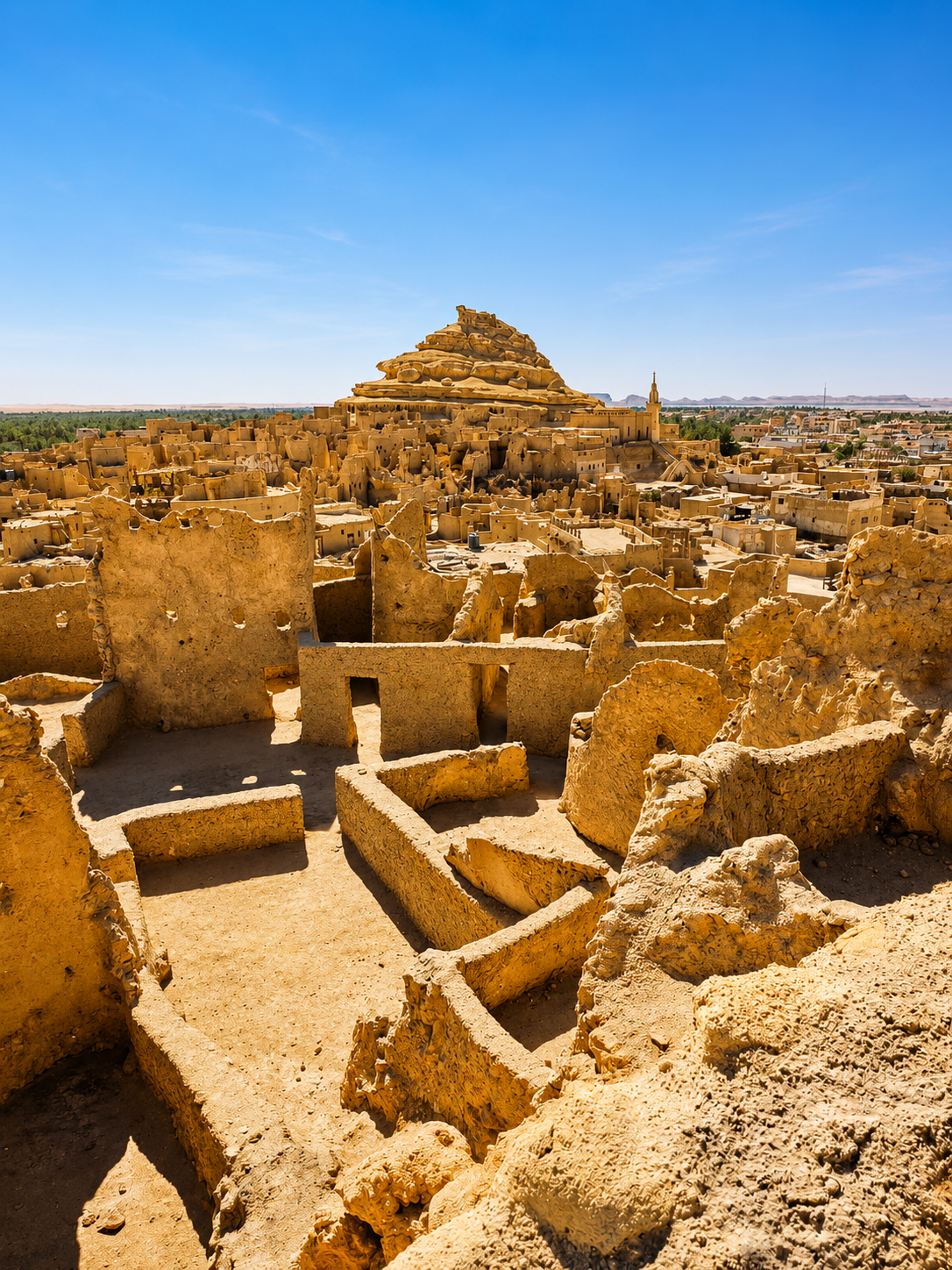
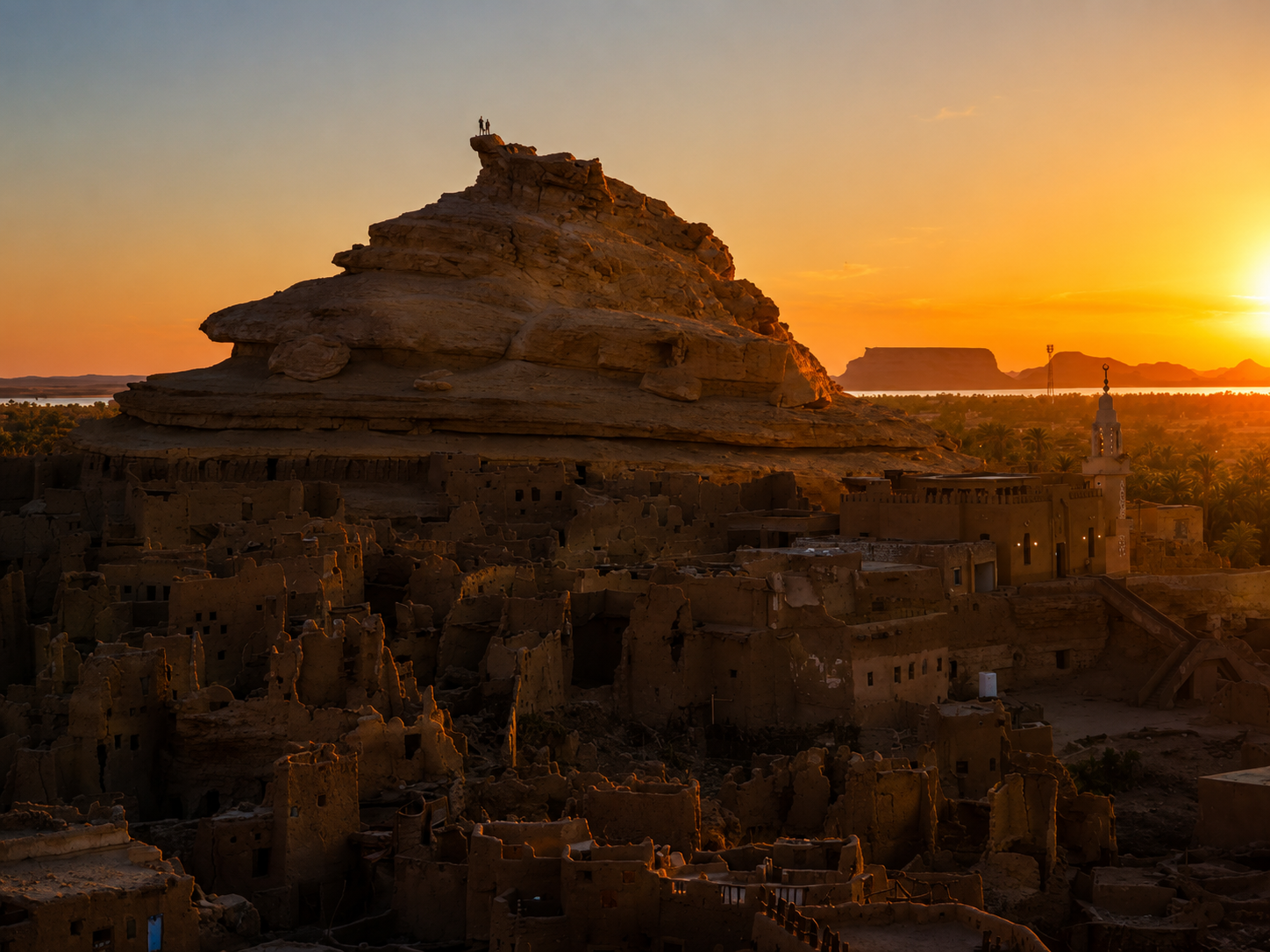
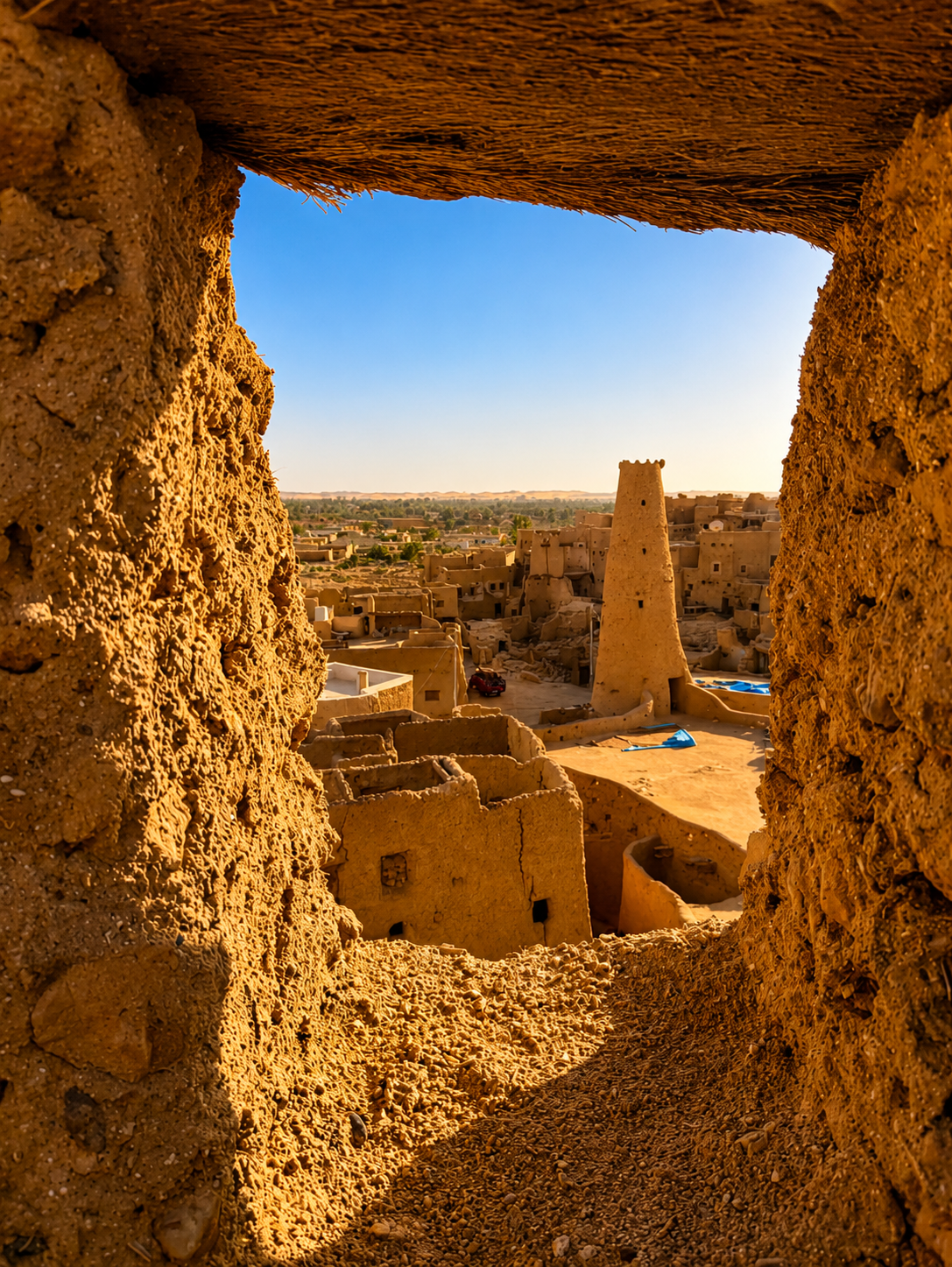
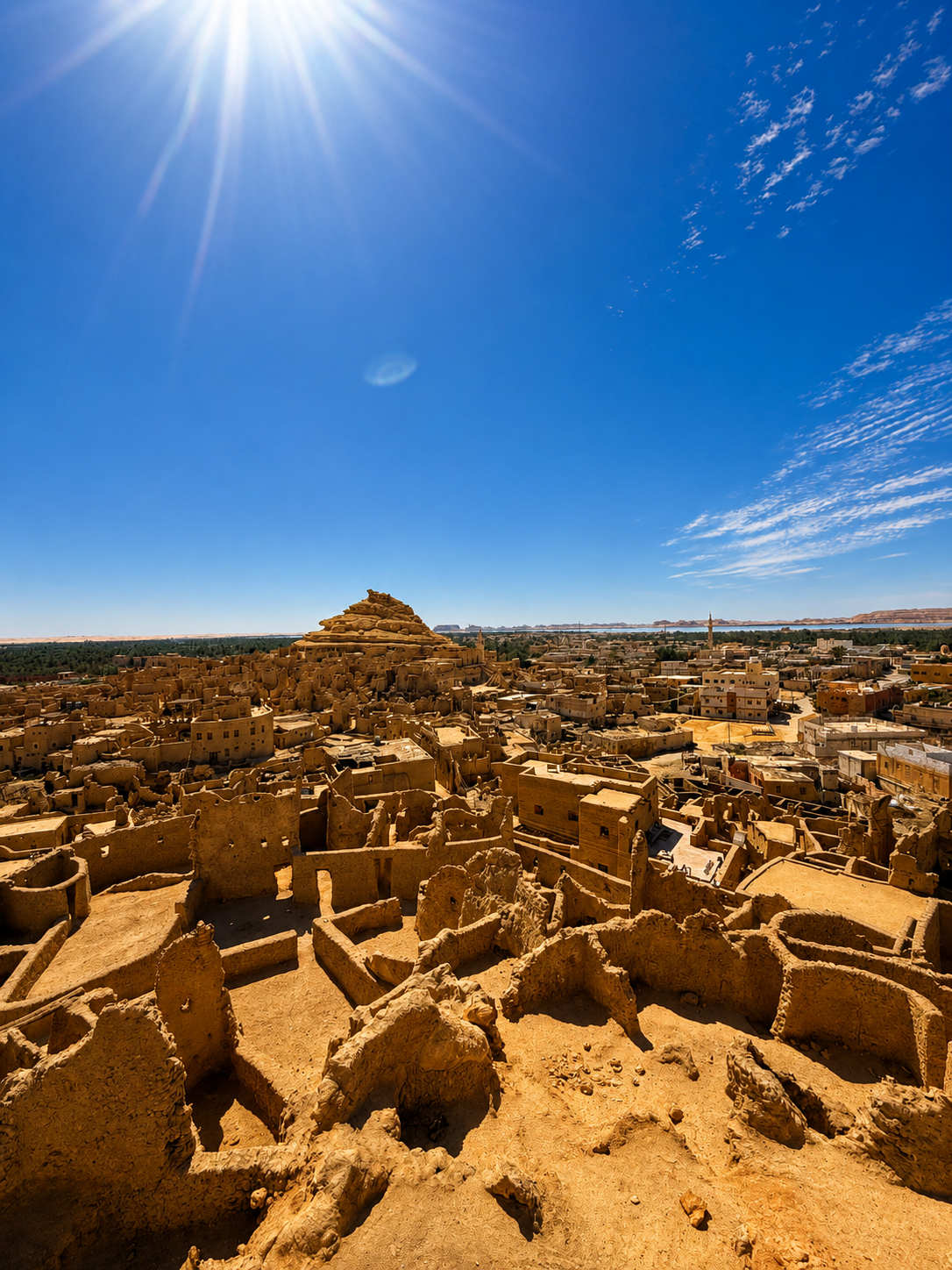
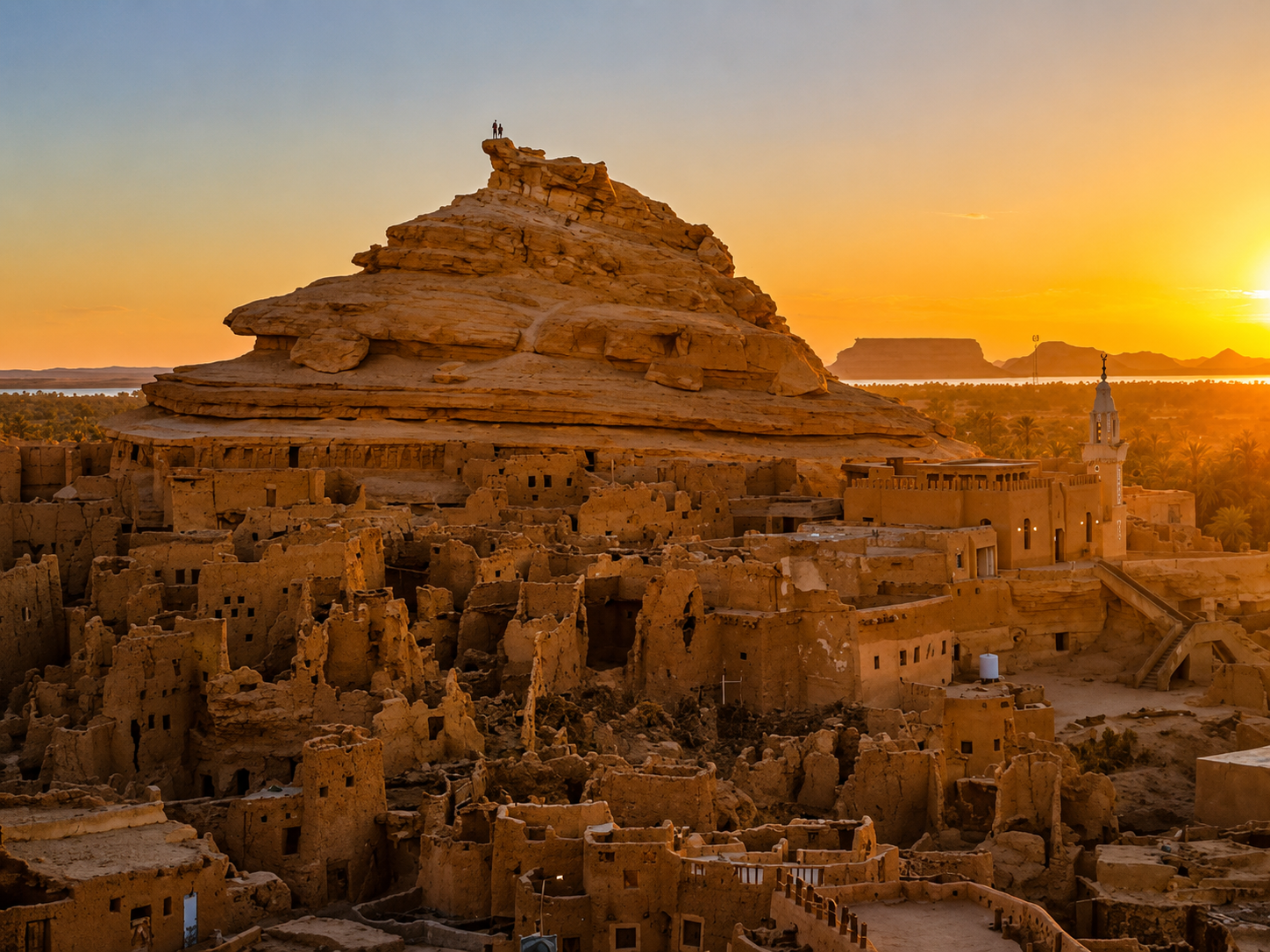
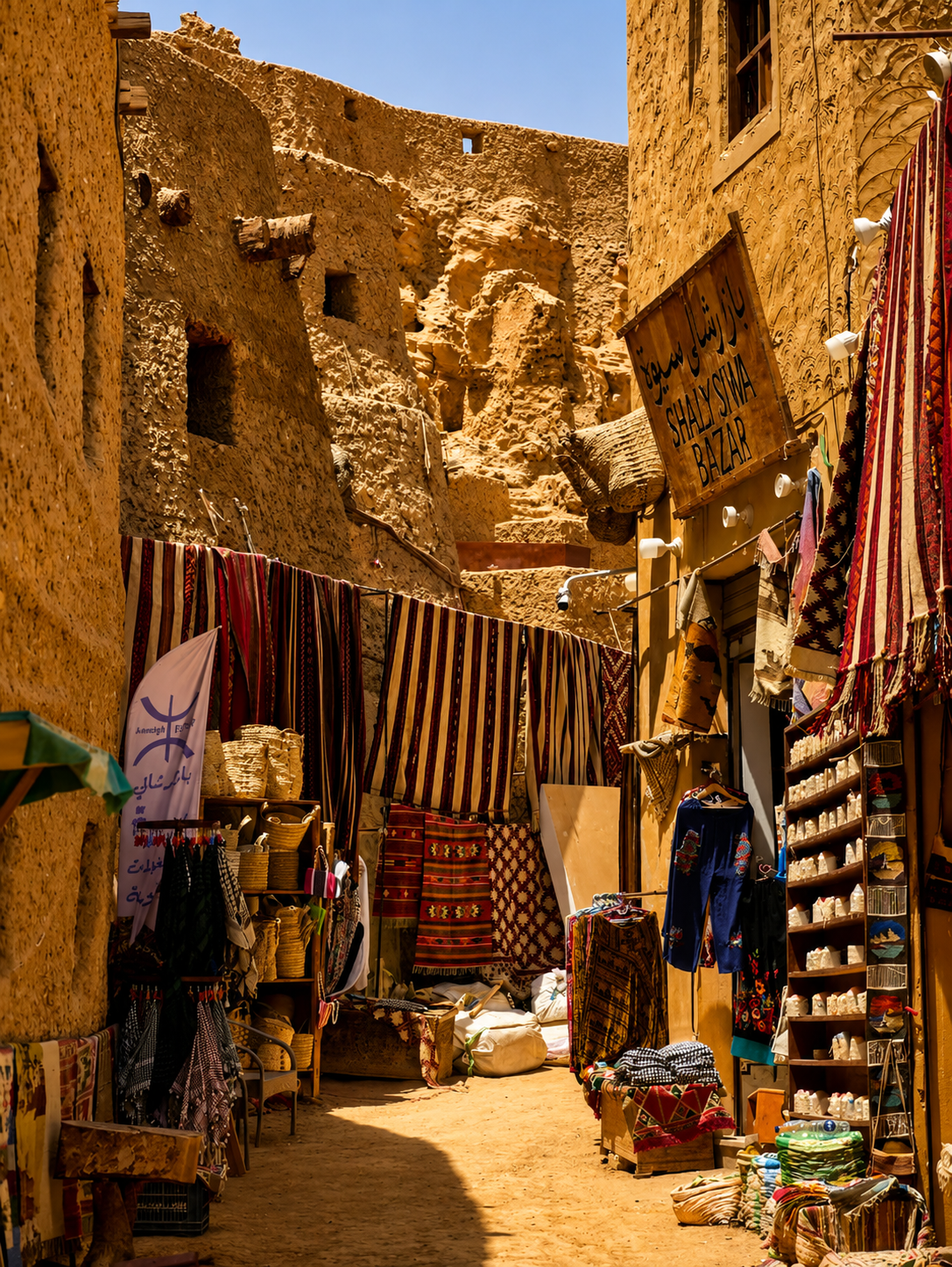
2. Explore Shali Old Town and Shali Fortress

The salt lakes may dominate social media, but Shali is essential if you want to understand Siwa rather than simply photograph it.

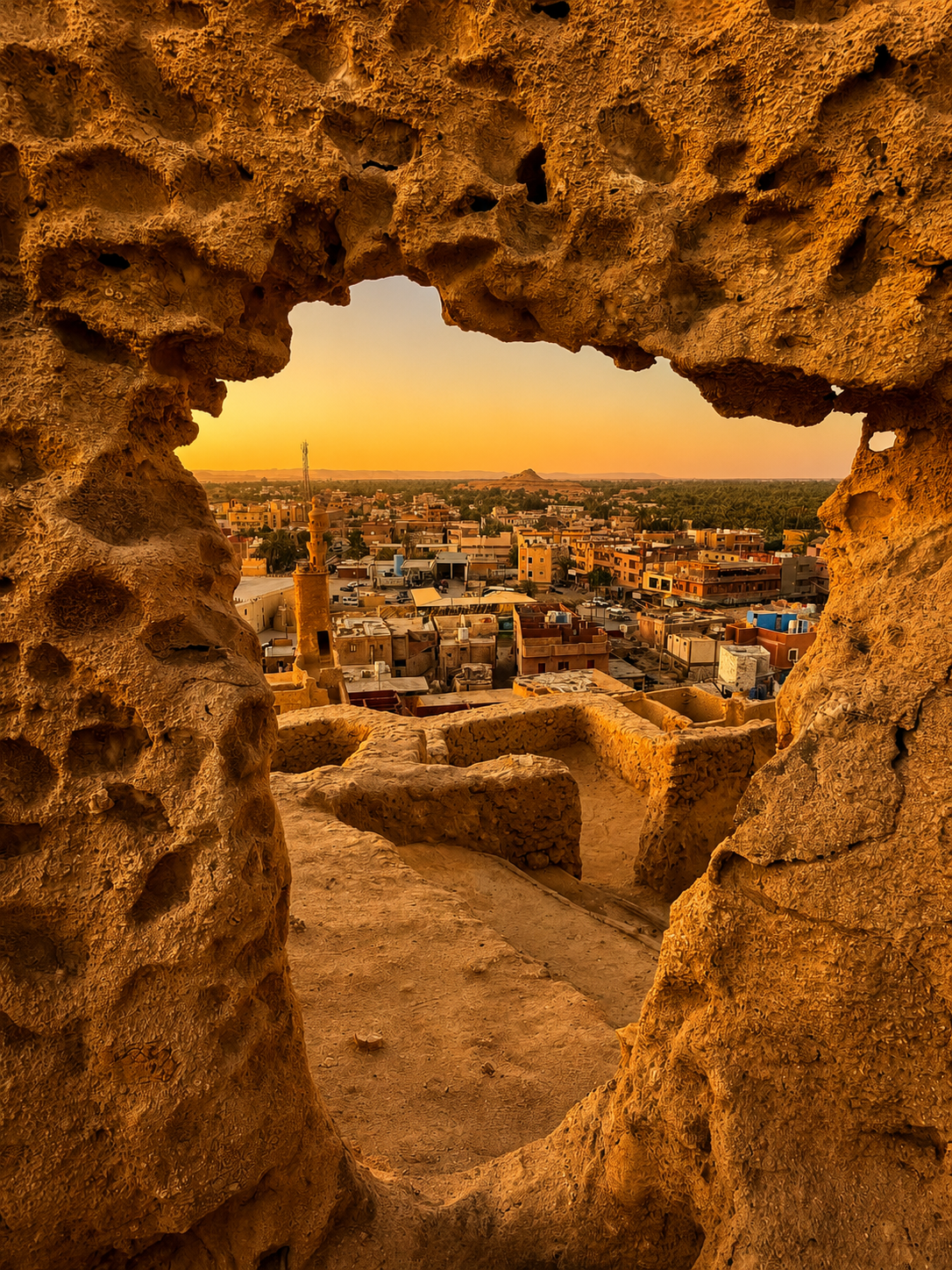
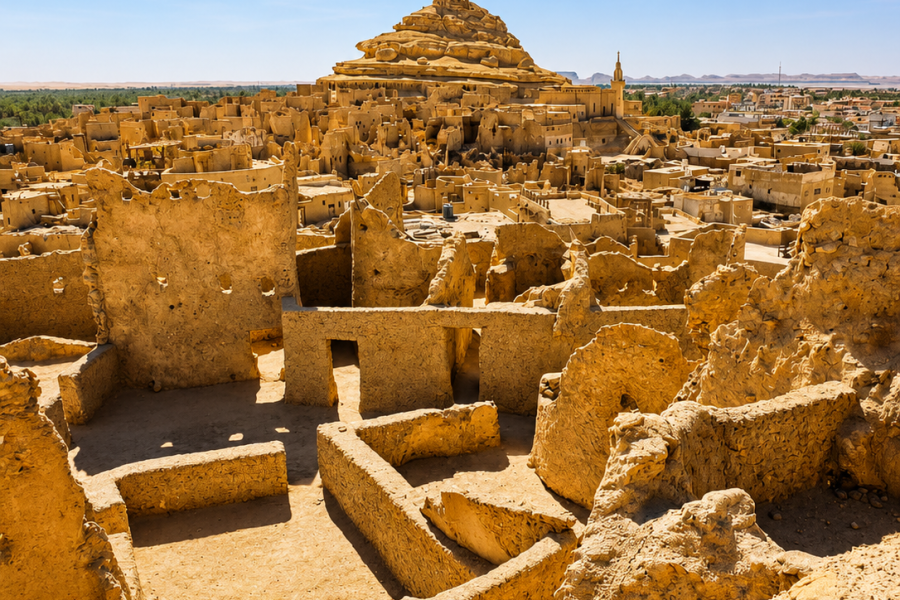
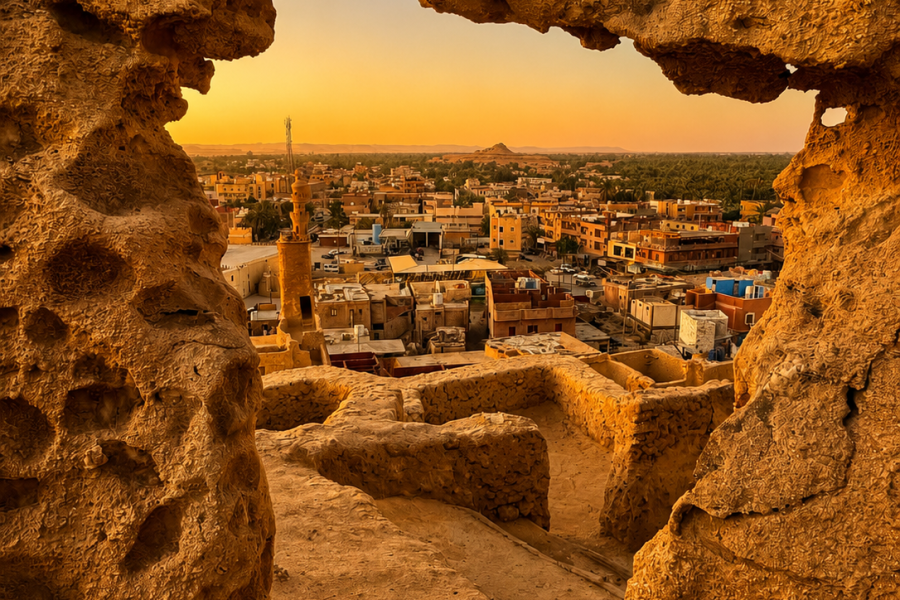
Shali Fortress rises above the center of the oasis and forms part of Siwa’s protected cultural landscape. Egypt’s official tourism platform specifically identifies Shali among the major features of the Siwa Protectorate and notes the importance of preserving Siwan culture alongside the natural environment.

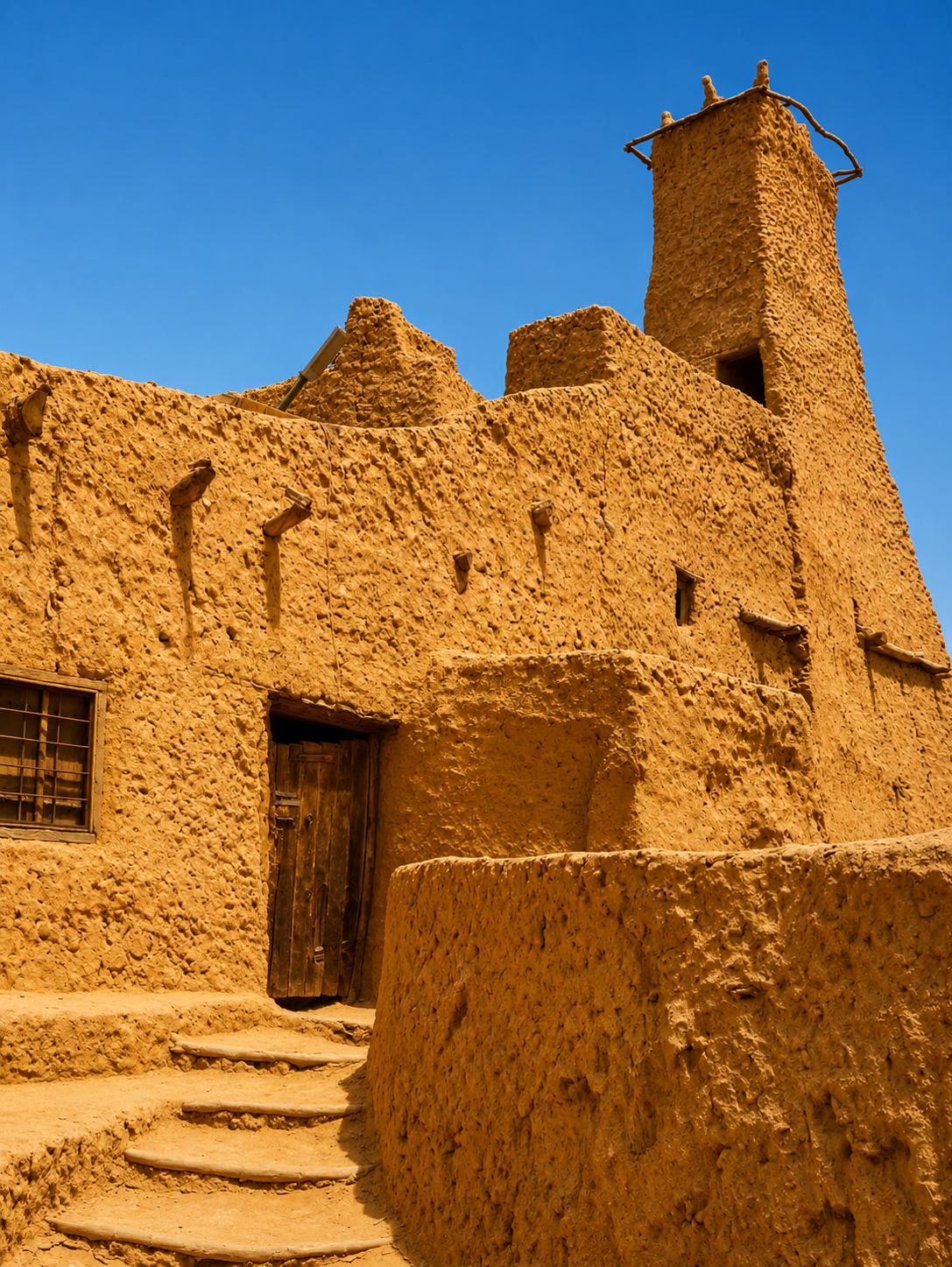
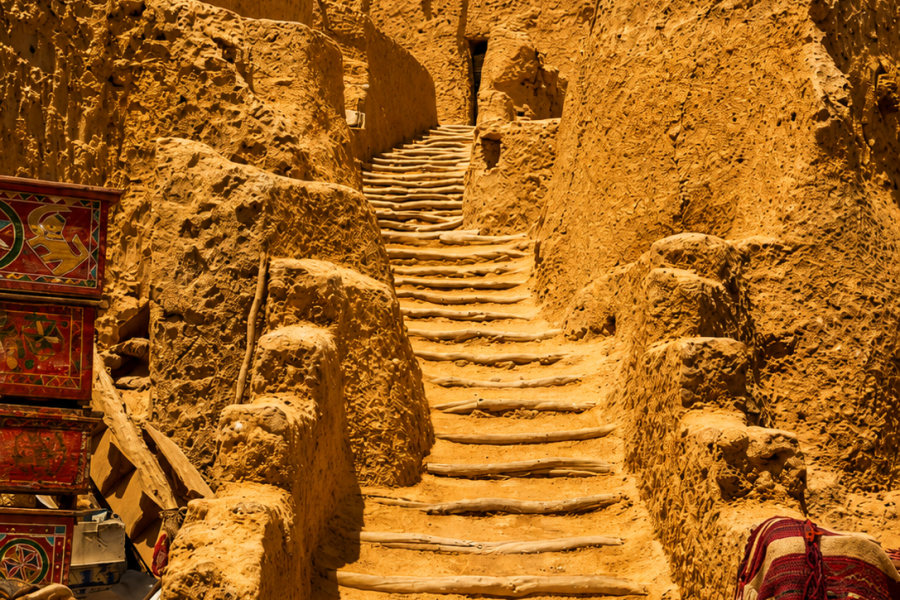
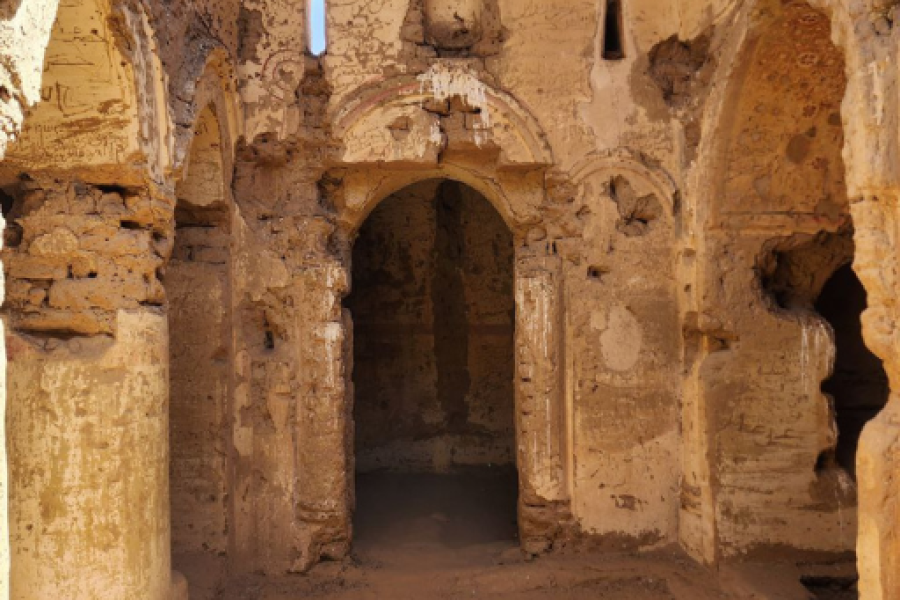
Walk through the remains of the old settlement slowly.

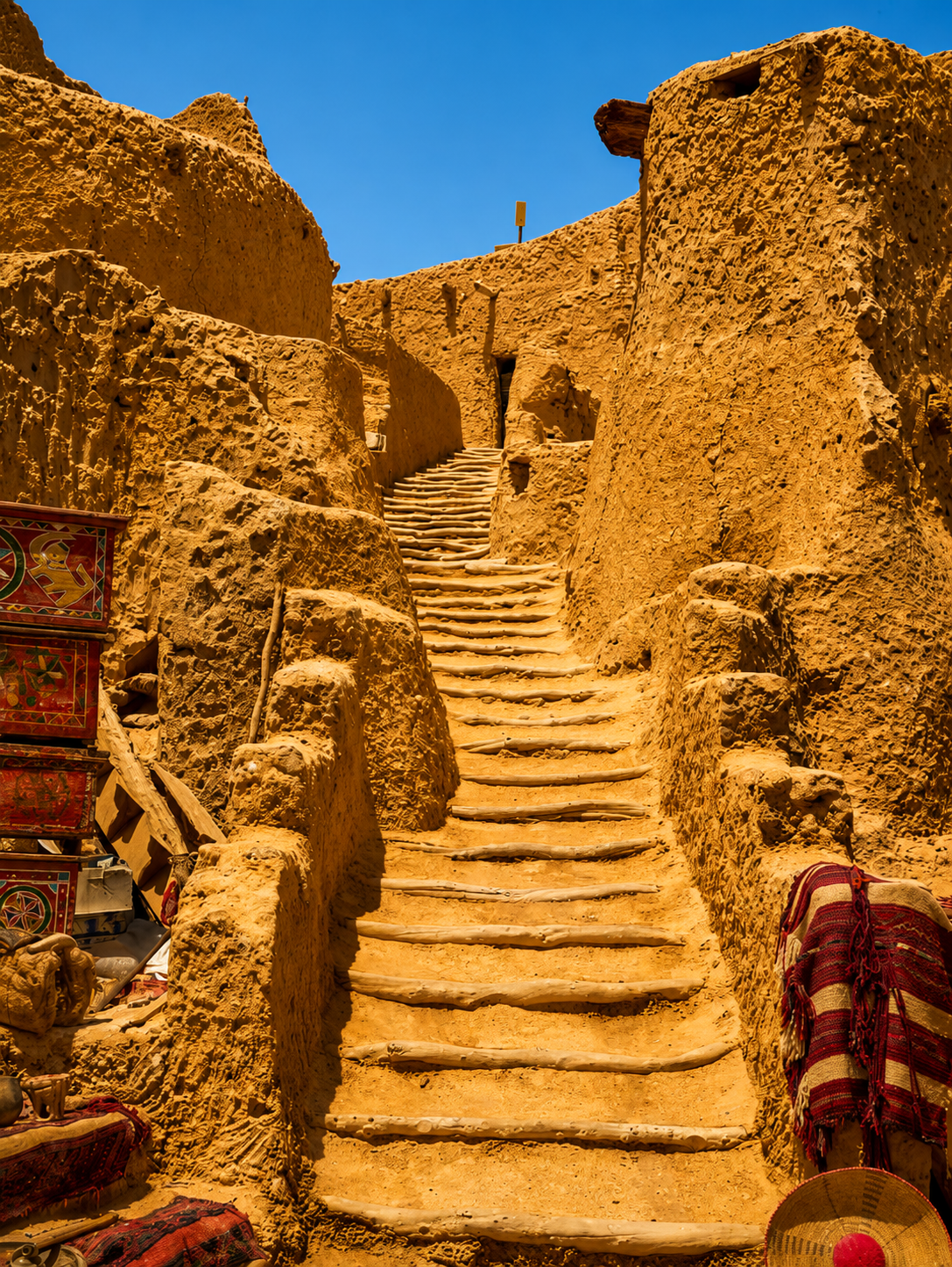
Look at the narrow paths.

Notice the earth-colored architecture.

Climb to suitable elevated areas and look out across modern Siwa, palms and desert.

This is one of the places where the oasis’s isolation becomes visually obvious.

You are not in Cairo.

You are not in Luxor.

And you are not simply standing beside another Egyptian temple.

For travelers interested in architecture and local identity, Shali may actually be more memorable than the salt lakes.

Both the 3 Days Siwa Tour from Cairo and the site’s 4 Days Siwa Tour incorporate Shali as a core stop.

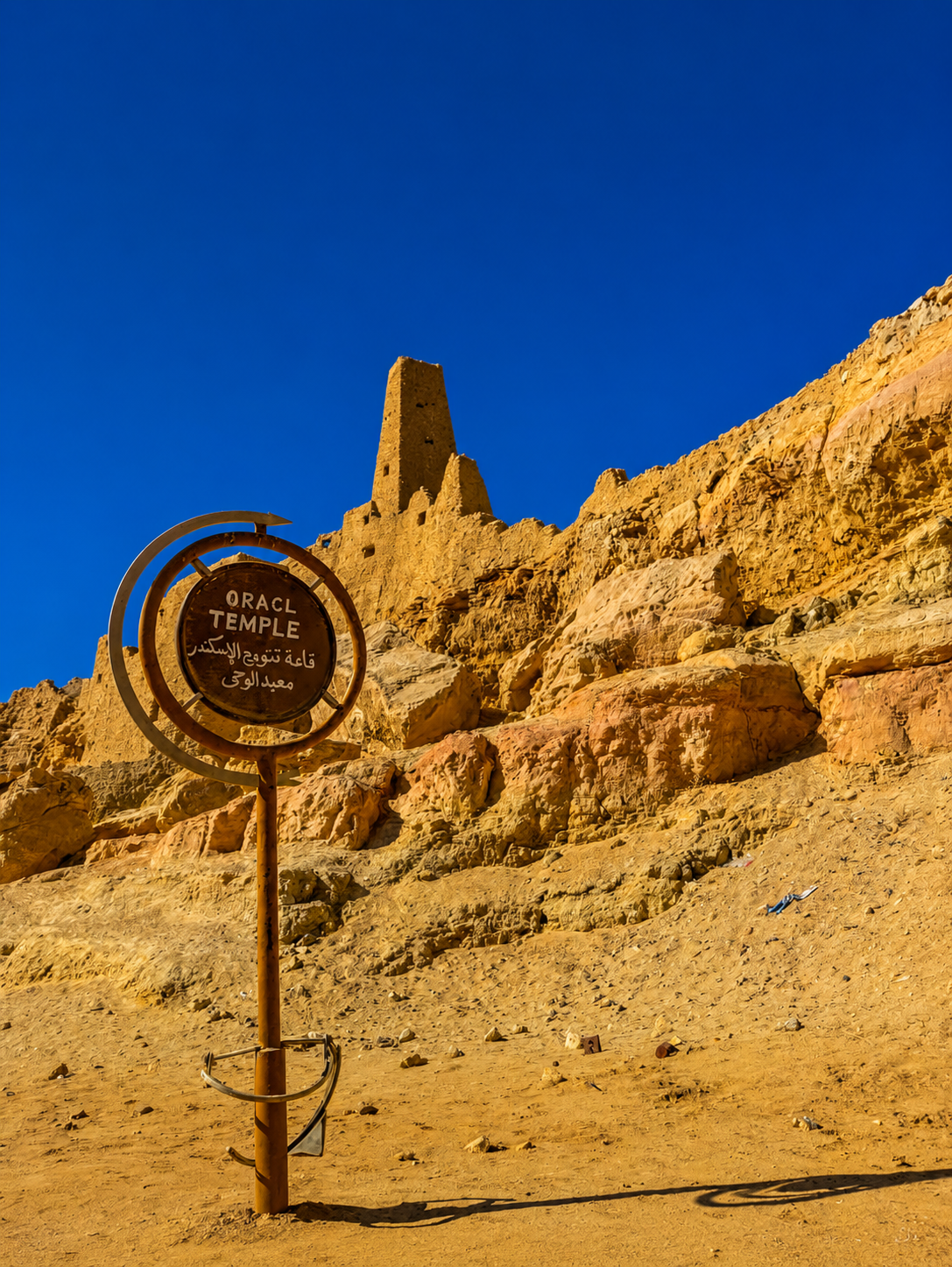
3. Visit the Temple of the Oracle

The Temple of the Oracle of Amun adds one of Siwa’s strongest historical dimensions.

The oasis is traditionally associated with the oracle consulted by Alexander the Great, and the site’s current Siwa tour program includes the Oracle Temple among its main archaeological visits.

What makes the site especially interesting is the setting.

Many ancient Egyptian sites are encountered beside cities or along the Nile.

Here, archaeology sits within an isolated oasis surrounded by palms and desert.

That changes how the site feels.

Spend time looking beyond the ruins themselves.

The surrounding geography is part of the experience.

If ancient history is a major interest, combine the Oracle Temple with the Mountain of the Dead and the nearby remains of the Amun Temple on the same sightseeing day rather than scattering them across the itinerary.

4. Explore the Mountain of the Dead

The Mountain of the Dead, or Gebel al-Mawta, provides another side of Siwa’s archaeological story.

The current White and Black Desert Tours Siwa itinerary includes the mountain together with Shali, the Amun Temple and Oracle Temple, making them a natural cultural cluster for a sightseeing day.

The site contains rock-cut tombs and provides elevated perspectives over parts of the oasis.

For many travelers, that combination is more interesting than a closed museum experience.

You get archaeology and landscape in the same stop.

Photographers should pay attention to the views as well as the tombs.

A wide image showing ancient burial areas with the oasis beyond can communicate Siwa’s location much more effectively than a close-up photograph alone.

5. Swim or Relax at Cleopatra Spring

2 Nights 3 Days White Desert & Dejara Cave Tour from Cairo

2 Nights 3 Days Tour in White Desert and Bahariya Oasis

Full Day Tour in West Bank of Luxor

Siwa Program by Comfortable Bus from Cairo

One Day Tour to the White Desert from Cairo

One Day Fayoum Tour from Cairo

National Museum of Egyptian Civilization Tour

4 Days 3 Nights Package to Luxor from Cairo by Sleeper Train

Giza Pyramids & Grand Egyptian Museum Tour

2 Nights 3 Days Fayoum and White Desert Tour from Cairo

5 Nights 6 Days Egypt Oasis Tour from Cairo

Full Day Tour in East Bank of Luxor

6 Nights 7 Days Cairo, Siwa, Marsa Matrouh & White Desert Tour

Full Day Tour in Aswan

Full Day Tour to Alexandria from Cairo

4 Days Siwa Oasis Tour from Cairo

3 Nights 4 Days Cairo White Desert Tour

3 Days 2 Nights Tour from Cairo to Dakhla and Luxor

2 Nights 3 Days Camping Tour in White Desert

2 Nights 3 Days Cairo – Siwa Tour

2 Nights 3 Days Cairo – Siwa Tour

2 Days Tour in Cairo and Giza

1 Night Camping in Fayoum Desert from Cairo

1 Night 2 Days White Desert Tour from Cairo

After ancient tombs and temples, change the pace completely.

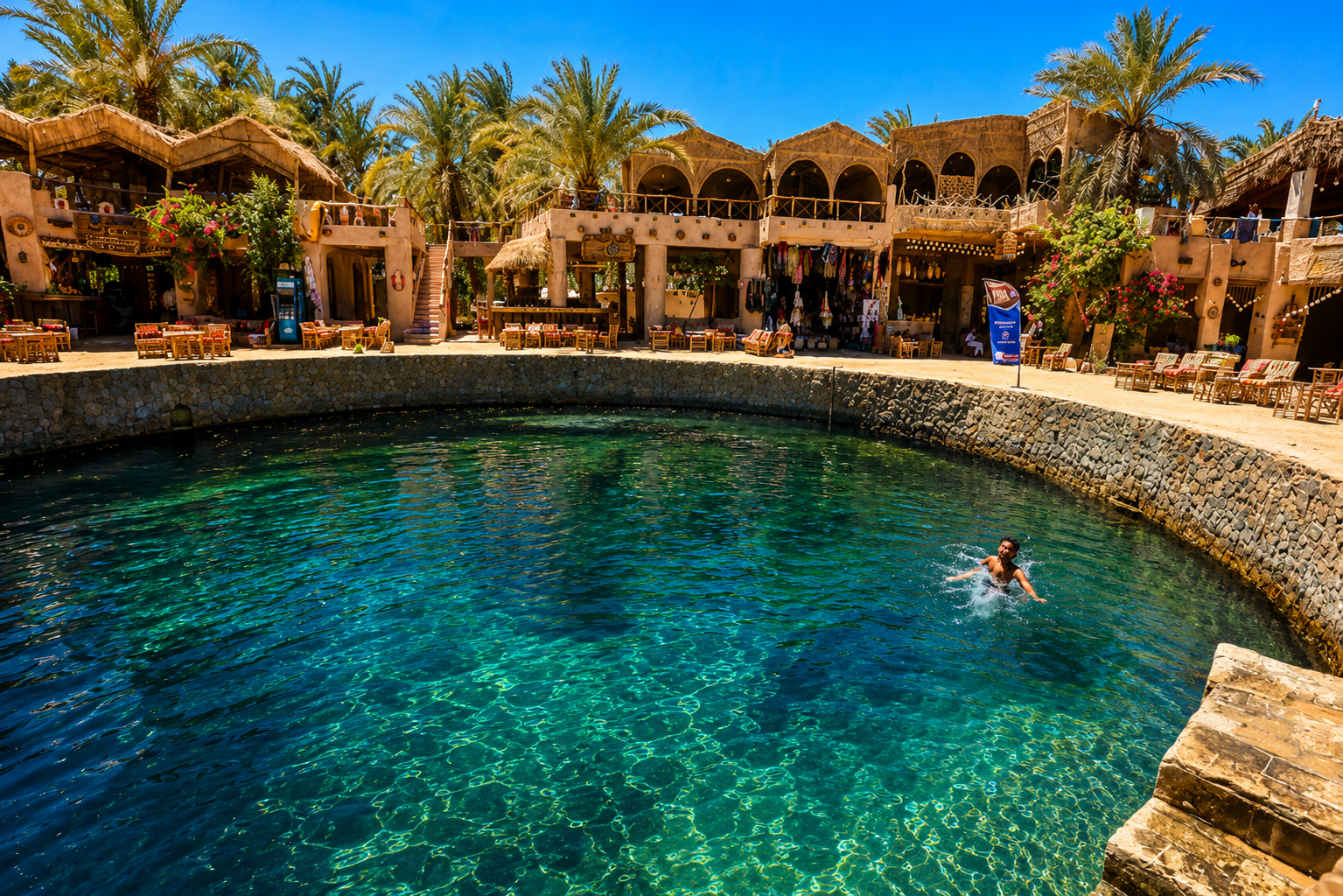
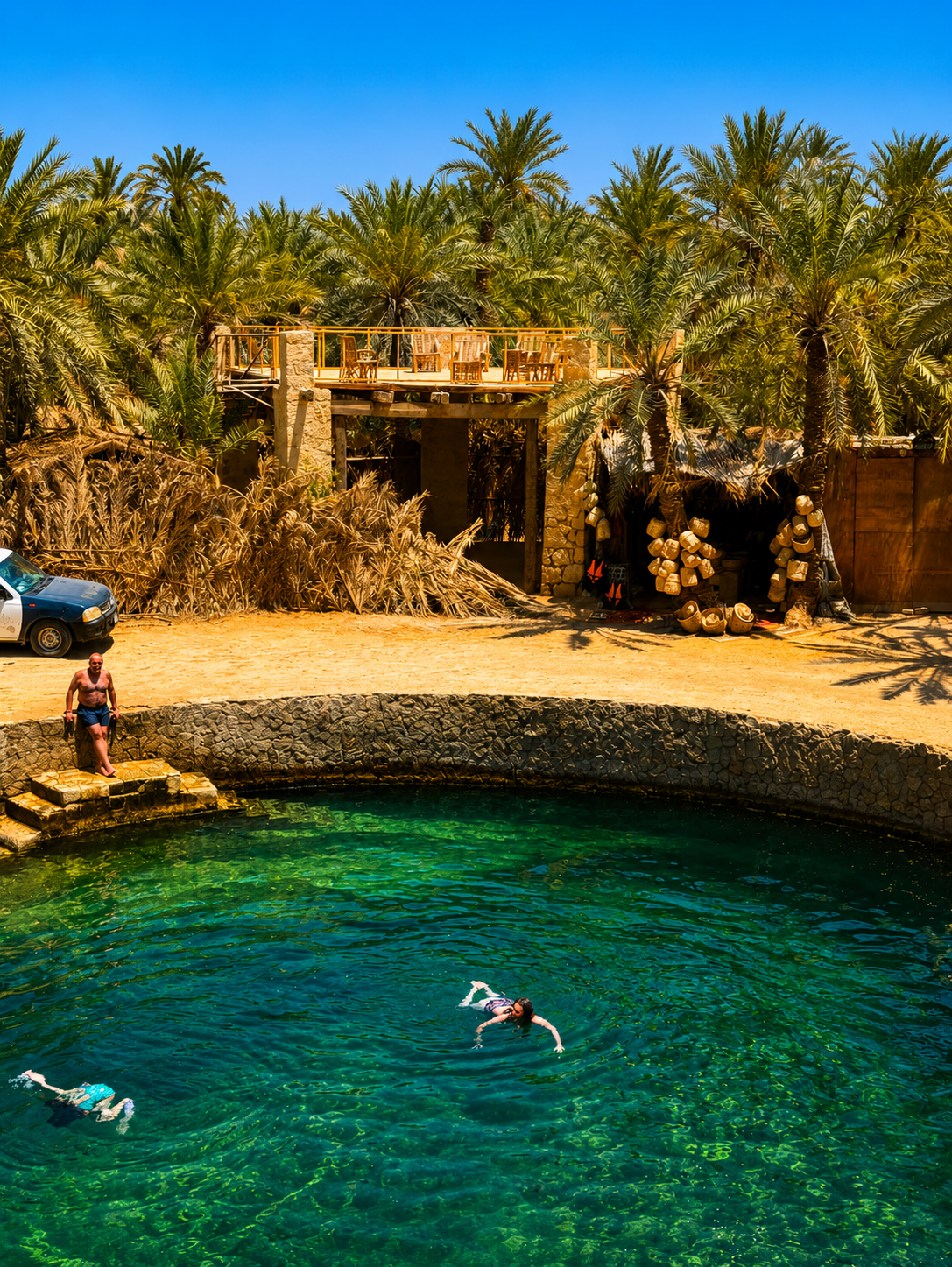
Cleopatra Spring, often called Cleopatra’s Bath, is one of Siwa’s most recognizable freshwater springs.

Egypt’s official tourism site identifies it as one of Siwa’s most popular springs while carefully describing Cleopatra’s supposed visit as something she is rumored to have done rather than established historical fact.

That is the right way to understand the name.

Enjoy the story.

Do not confuse legend with evidence.

The attraction itself does not need the legend to be worthwhile.

A circular stone pool surrounded by palms and small local cafés provides a refreshing stop, particularly after the salt lakes.

The current 4 Days Siwa Oasis Tour schedules Cleopatra Spring alongside the salt-lake day before the desert safari.

That is excellent itinerary sequencing:

salt water → freshwater → lunch → desert.

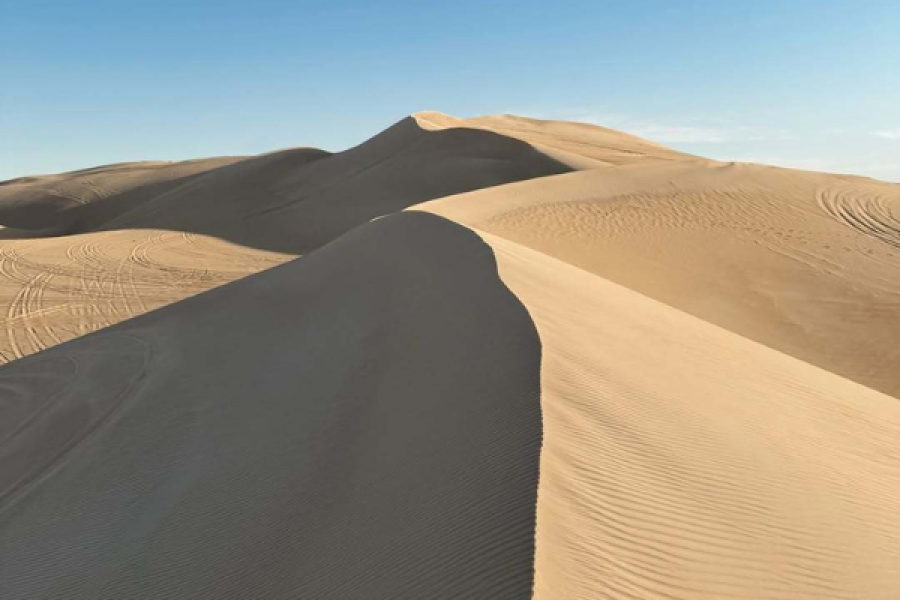
6. Take a 4x4 Safari Into the Great Sand Sea

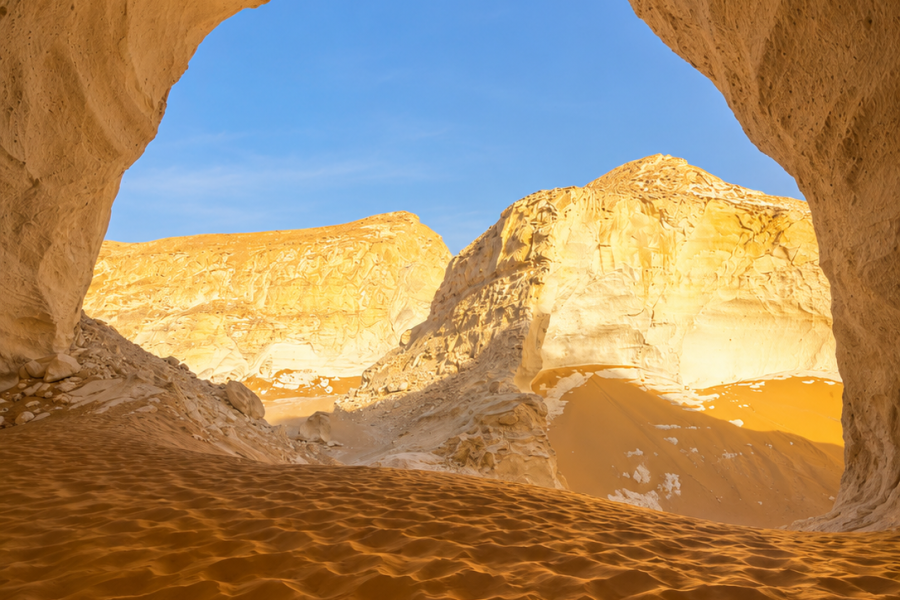
You have not experienced the full range of Siwa until you leave the oasis and enter the Great Sand Sea.

Official tourism information describes the area beyond Siwa as a huge dune landscape where visitors can climb and glide across towering sand dunes.

This part of the trip feels completely different from the historical attractions.

The palms disappear.

The roads disappear.

The dunes become larger.

And suddenly the quiet oasis town feels very far away.

A proper Great Sand Sea experience typically uses an appropriate 4×4 and should be arranged according to current access and permit requirements rather than treated as a casual self-drive excursion.

Your current four-day tour includes a dedicated 4×4 vehicle and the relevant Great Sand Sea permissions within its published program.

For first-time travelers, we consider this experience essential.

7. Visit Bir Wahed

Deep in the desert section of the Siwa experience, Bir Wahed creates one of the region’s most surprising contrasts.

The official Egyptian tourism platform specifically recommends Bir Wahed and describes its hot bubbling sulfuric water together with a nearby lake that allows visitors to move between hot and cooler water environments.

The attraction becomes even more memorable because of where it is.

You are surrounded by huge dunes.

Then suddenly:

water.

That visual contradiction is classic oasis travel.

Bir Wahed is included in the current White and Black Desert Tours Siwa programs and forms part of the Great Sand Sea safari experience.

If your chosen itinerary skips the desert safari entirely, you will likely miss this side of Siwa.

8. Watch Sunset From the Great Sand Sea Dunes

There are good sunsets in many places.

A dune sunset is different.

In the Great Sand Sea, the landscape simplifies.

Instead of buildings, signs and roads, you have:

sand,

shadow,

sky,

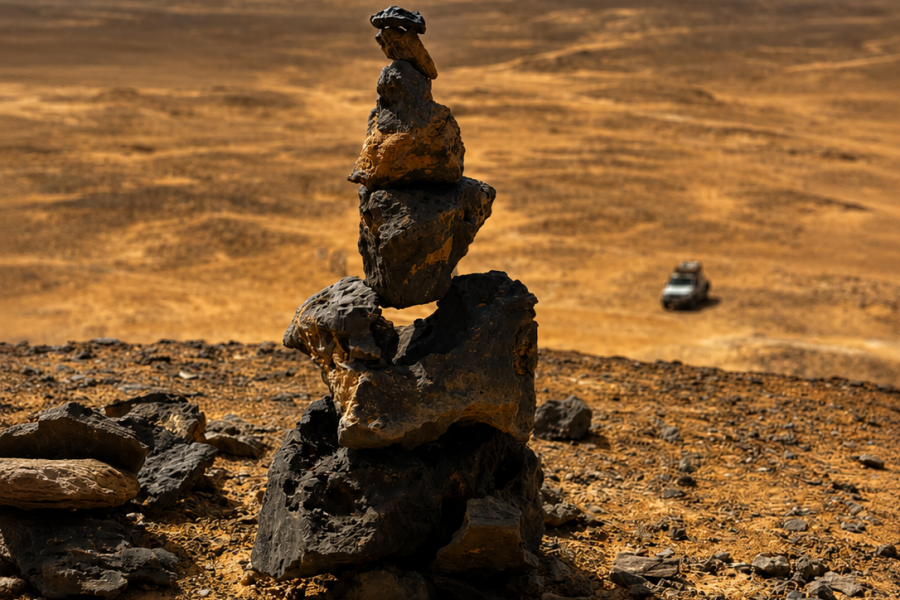
and perhaps a tiny 4×4 far below.

Experience Egypt specifically recommends sitting on top of Siwa’s massive dunes for sunset.

Arrive before the actual sunset.

The best photographic conditions can begin much earlier as side light creates longer shadows across dune ridges.

And remember to look away from the sun.

Sometimes the strongest photograph is the warm light hitting the dunes behind you.

If photography is important, tell your driver and guide before entering the desert so sunset timing becomes an actual itinerary priority rather than an accidental bonus.

9. Watch a Second, Completely Different Sunset at Fatnas Island

Siwa gives you the opportunity to experience two very different sunsets.

The Great Sand Sea gives you golden dunes.

Fatnas Island gives you water, palms and reflections.

Your site’s current 4-day itinerary specifically uses Fitnas/Fatnas Island as the sunset conclusion to the cultural sightseeing day.

This is a smart choice because you do not need every day to end with high-energy safari activities.

Fatnas is about slowing down.

Sit beside the water.

Have tea or a drink.

Watch the colors change behind the palms.

For couples, this may be one of the most relaxing experiences in the oasis.

For photographers, it provides a completely different color palette from the Great Sand Sea.

Do both if your itinerary allows.

10. Experience Siwan Culture Beyond the Attractions

Siwa should not become a checklist of natural landmarks.

The oasis has a distinctive local culture rooted in Amazigh heritage. Egypt’s official tourism authority specifically highlights the Siwan people’s tribal Amazigh culture, language and traditions as an important part of the protected oasis landscape.

That means some of your most memorable travel moments may happen between formal sightseeing stops.

Walk around town.

Explore local shops.

Look at traditional crafts.

Try local foods.

Listen when your guide explains customs.

Treat local people as people rather than tourist props.

If you photograph identifiable residents, ask first.

This matters because one of Siwa’s biggest strengths is precisely that it has maintained a distinctive identity despite growing tourism.

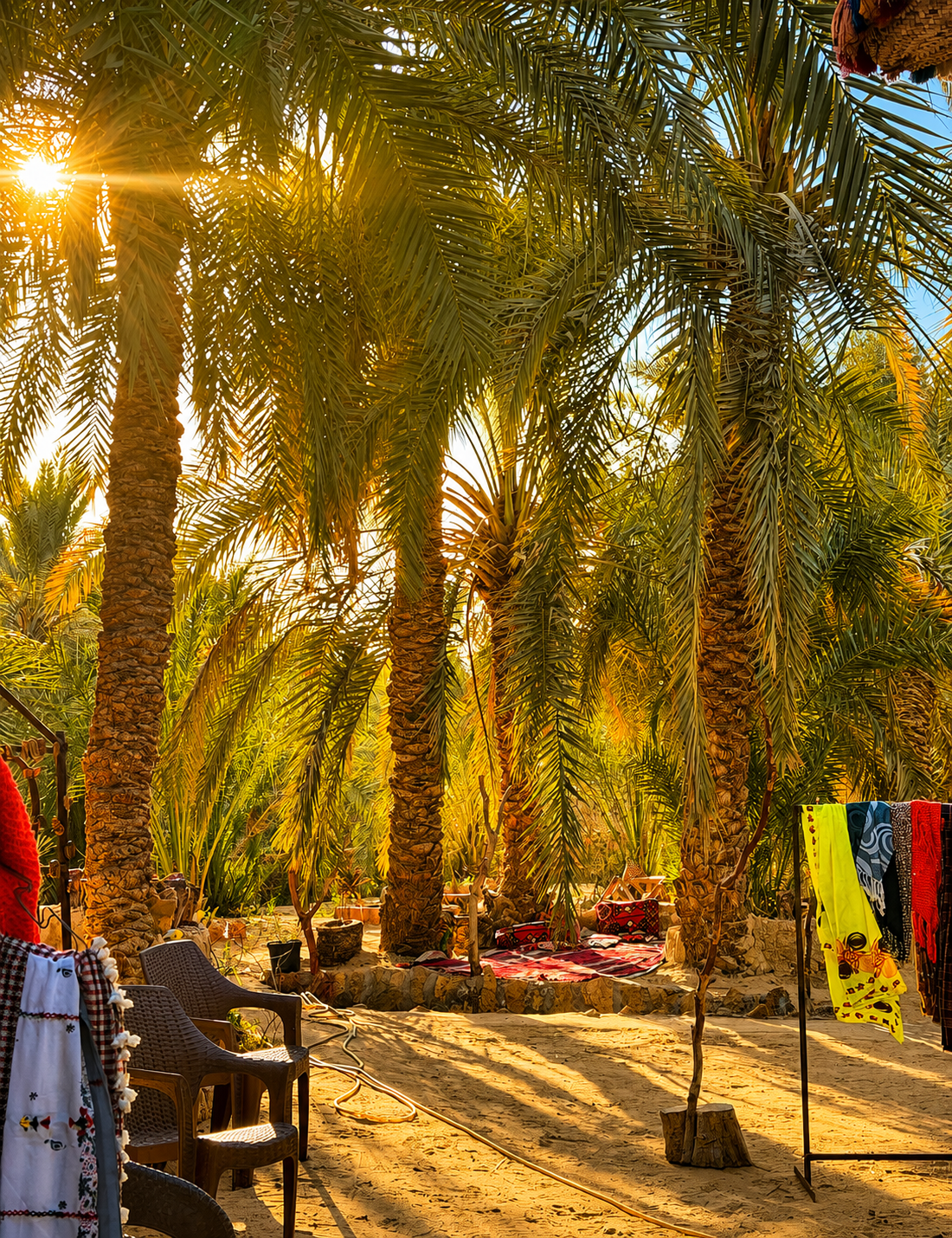
11. Walk Through Siwa's Palm and Olive Groves

Siwa’s green landscapes are easy to underestimate because online travel content focuses so heavily on the blue salt pools and orange dunes.

But the palms and olive trees are fundamental to the oasis.

Official tourism materials describe Siwa’s fertile landscape as filled with palms and olive trees, forming a striking green contrast with the surrounding desert.

Give yourself some unscheduled time to experience this landscape.

You do not necessarily need a famous viewpoint.

A quiet road through palms can provide a stronger feeling of oasis life than another crowded attraction.

For photographers, these areas are particularly valuable because they connect the different visual chapters of the trip.

A good Siwa photo story should not contain only salt water and dunes.

It should show the oasis too.

12. Try Sandboarding in the Great Sand Sea

If your desert program includes suitable dunes and equipment, sandboarding adds a fun activity to the safari.

The official Siwa tourism page highlights climbing and gliding across the dunes as part of the Great Sand Sea experience.

You do not need previous snowboarding experience.

Most travelers treat it as a short adventure activity rather than a technical sport.

The climb back up the dune is usually harder than sliding down.

If you do not want to participate, use the stop for photography.

A single person descending a huge dune can create an excellent sense of scale.

Families with older children and teenagers may particularly enjoy this part of the safari.

13. Photograph the Contrast Between Water and Desert

This is not one named attraction, but it is one of the best things you can do in Siwa.

Very few destinations offer this visual sequence in such a concentrated area:

palms → turquoise salt water → freshwater spring → golden dunes.

Siwa’s official tourism description emphasizes exactly this combination of salt lakes, springs, fertile vegetation and the Great Sand Sea.

Even if you normally photograph only casually with your phone, pay attention to transitions.

Take a photograph in Shali.

Take another in the palm groves.

Then the salt lakes.

Then the dunes.

Placed together, they explain Siwa much more effectively than fifteen photographs from the same salt pool.

If photography is a major purpose of your Egypt trip, the 4 Days Siwa Oasis Tour from Cairo gives more breathing room than the shorter three-day option.

14. Spend Enough Time in Siwa Instead of Rushing It

This sounds like planning advice rather than an activity.

But it fundamentally changes the experience.

Siwa is remote enough that travel from Cairo consumes a meaningful part of the trip. Your current Siwa Oasis from Cairo guide recommends three days and two nights as the practical minimum for a return trip from Cairo, while four days provide a more relaxed experience with cultural sightseeing and the desert safari separated.

That matters.

With only one rushed sightseeing day, you might technically “see”:

Shali,

the salt lakes,

Cleopatra Spring,

and the dunes.

But you would spend the entire day watching the clock.

Three days work when your Egypt itinerary is tight.

Four days are better when Siwa is genuinely important to you.

See our Siwa Oasis 4 Days Itinerary for the recommended structure.

15. Combine Siwa With the Wider Western Desert—If You Have Enough Time

Siwa can stand alone.

But it can also become part of a much bigger Egypt desert journey.

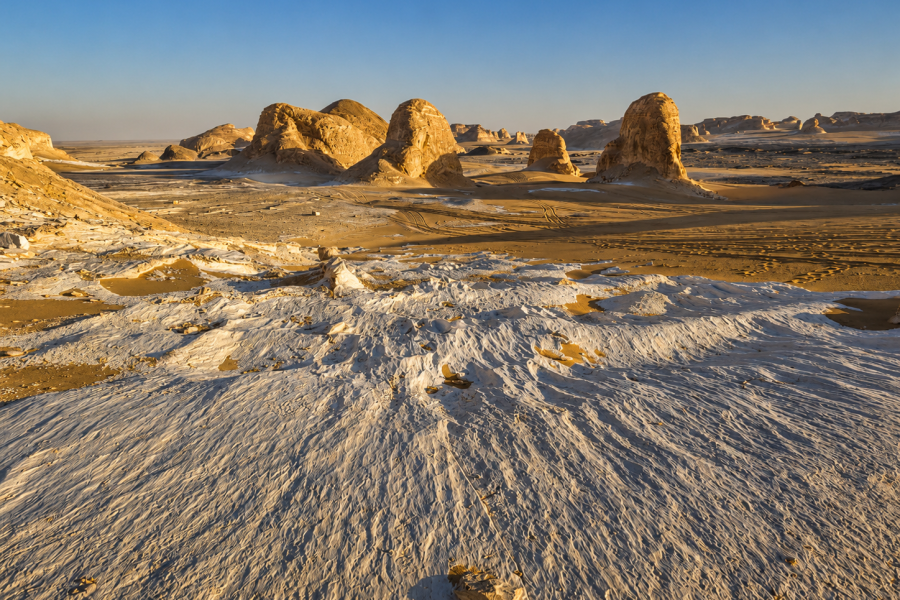
White and Black Desert Tours currently offers itineraries that combine Siwa with additional destinations including the White Desert and Bahariya Oasis. The company’s tour catalogue also includes multi-day Cairo–Siwa–White Desert routes.

This works particularly well for travelers who have already seen Egypt’s classic Nile Valley highlights and want their next trip to focus heavily on nature and desert landscapes.

A longer route can give you:

Siwa salt lakes,

Great Sand Sea dunes,

Bahariya Oasis,

Black Desert,

Crystal Mountain,

Agabat,

and White Desert Egypt.

But do not force this into a short holiday.

If you only have three or four days, stay focused on Siwa.

What Are the Top 5 Things to Do in Siwa?

If your time is extremely limited, prioritize five experiences:

Siwa Salt Lakes → Shali Old Town → Temple of the Oracle → Cleopatra Spring → Great Sand Sea safari and sunset.

That gives you the strongest balance between:

nature,

culture,

history,

relaxation,

and adventure.

If you have time for two more, add Fatnas Island sunset and Mountain of the Dead.

This is also roughly why the current Siwa tour programs combine those same core attractions rather than focusing only on one category.

Best Things to Do in Siwa in 3 Days

A three-day itinerary from Cairo needs to be efficient.

The site’s current 3 Days Siwa Tour from Cairo and its Siwa from Cairo guide concentrate on the core historical sites, salt lakes, Cleopatra Spring, Fatnas and Great Sand Sea/Bir Wahed experience.

The basic idea is:

Day 1: Travel + initial Siwa experience
Day 2: History + lakes + springs + sunset
Day 3: Remaining highlights and return, depending on the specific program

It works.

But expect faster pacing.

Best Things to Do in Siwa in 4 Days

Four days allow a much cleaner separation.

The currently published 4 Days Siwa Oasis Tour from Cairo uses Day 2 for cultural and historical sightseeing and Day 3 for salt lakes, Cleopatra Spring and the Great Sand Sea safari.

That is the structure we prefer.

Day 1: Cairo → Siwa
Day 2: Shali + Mountain of the Dead + temples + Fatnas sunset
Day 3: Salt Lakes + Cleopatra Spring + Great Sand Sea + Bir Wahed + dune sunset
Day 4: Return to Cairo

For first-time visitors with enough vacation time, four days is our preferred option.

Best Things to Do in Siwa for Couples

Couples should not necessarily chase the maximum number of attractions.

Prioritize experiences where you can slow down:

the salt lakes,

Cleopatra Spring,

walking around Shali,

Fatnas Island sunset,

Great Sand Sea sunset.

A private itinerary works especially well because you can spend longer where you actually enjoy being instead of leaving because a group schedule says it is time to move.

The current Siwa tours on White and Black Desert Tours are built around private sightseeing and safari arrangements rather than a large fixed group format.

Best Things to Do in Siwa for Families

Families should prioritize variety and avoid excessive archaeological stop-counting.

The strongest family mix is usually:

salt lakes,

Shali,

Cleopatra Spring,

Great Sand Sea 4×4 safari,

sandboarding,

sunset.

Parents should consider children’s tolerance for the long Cairo–Siwa journey and discuss any food, swimming or activity requirements before departure.

Four days may actually be easier than three for families because the major sightseeing and safari activities can be separated rather than compressed.

Best Things to Do in Siwa for Photographers

Photographers should prioritize:

Shali for architecture,

palm groves for oasis landscapes,

salt lakes for color,

Fatnas for reflections and sunset,

Great Sand Sea for dunes and minimalism.

Do not photograph every attraction with the same lens and composition.

Siwa works because it constantly changes visually.

The blue-green salt pools should look different from Shali.

Shali should look different from the dunes.

And the dunes should look different from Fatnas.

If photography is central to your trip, the extra day offered by the 4 Days Siwa itinerary can be more valuable than trying to add more attractions.

Best Time to Enjoy These Siwa Activities

Siwa can be visited at different times of year, but outdoor sightseeing and long desert activities are generally easier when conditions are not at peak summer heat.

Because seasonal conditions affect:

salt-lake comfort,

walking,

desert safari,

sunset timing,

and what clothing you need,

we are deliberately not turning this article into the main seasonal guide.

The dedicated article Best Time to Visit Siwa Oasis Egypt will cover the topic in detail.

Before any desert safari, check current weather, route conditions and access requirements with your operator. Official tourism information emphasizes the Great Sand Sea as a major outdoor activity zone, while Siwa’s protected status reinforces the need for responsible access.

What Should You Wear in Siwa?

Choose clothing for both climate and cultural context.

Comfortable lightweight clothes work well during daytime sightseeing, with good walking shoes for Shali and archaeological areas.

Carry:

sun protection,

a hat,

sunglasses,

swimwear for the lakes and springs,

and an extra layer when cooler evenings are expected.

Because Siwa maintains a distinctive local culture, respectful clothing in town and village areas is appropriate.

Siwa’s official tourism information specifically highlights the importance of its Amazigh-rooted customs and cultural identity.

Do You Need a 4x4 for Siwa?

Not for everything.

You do not need a 4×4 simply to walk through Shali, visit local town attractions or reach every oasis site.

But a proper Great Sand Sea desert safari requires suitable off-road transportation and current local arrangements.

The published 4-day tour explicitly includes a 4×4 for the desert portion and Great Sand Sea permissions.

That is why it is better to think of Siwa transportation in two categories:

Oasis sightseeing transportation

and

desert safari transportation.

They are not the same thing.

Is Siwa Oasis Worth Visiting Just for the Salt Lakes?

The salt lakes are worth experiencing.

But we would not travel all the way from Cairo only for them.

Siwa becomes truly worthwhile when you combine them with:

Shali,

the Oracle Temple,

Cleopatra Spring,

local culture,

Fatnas,

and the Great Sand Sea.

The official destination page itself presents Siwa as this broader combination of culture, archaeology, springs, lakes and desert adventure.

This is important from both a travel and SEO perspective:

Siwa is an oasis destination—not a salt-pool attraction.

Is the Great Sand Sea Worth It?

For most first-time visitors, yes.

If you skip the desert safari, you still have an enjoyable oasis trip.

But you lose one of Siwa’s defining contrasts.

The Great Sand Sea transforms the trip from:

culture + water

into:

culture + water + adventure.

Official tourism materials explicitly position the dunes as one of Siwa’s headline experiences, alongside the salt lakes and springs.

If you have mobility concerns or dislike intense off-road travel, discuss the safari format beforehand.

Otherwise, keep it.

Siwa Oasis or White Desert: Which Has More Things to Do?

Siwa provides greater diversity within one settled oasis destination.

You get:

historical sites,

local culture,

salt lakes,

springs,

palms,

sunset spots,

and dune safari.

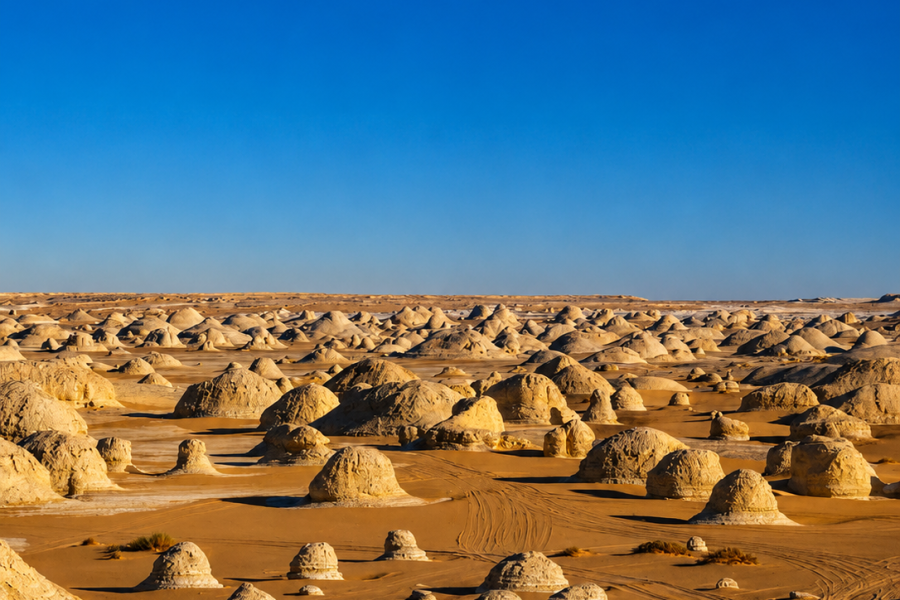
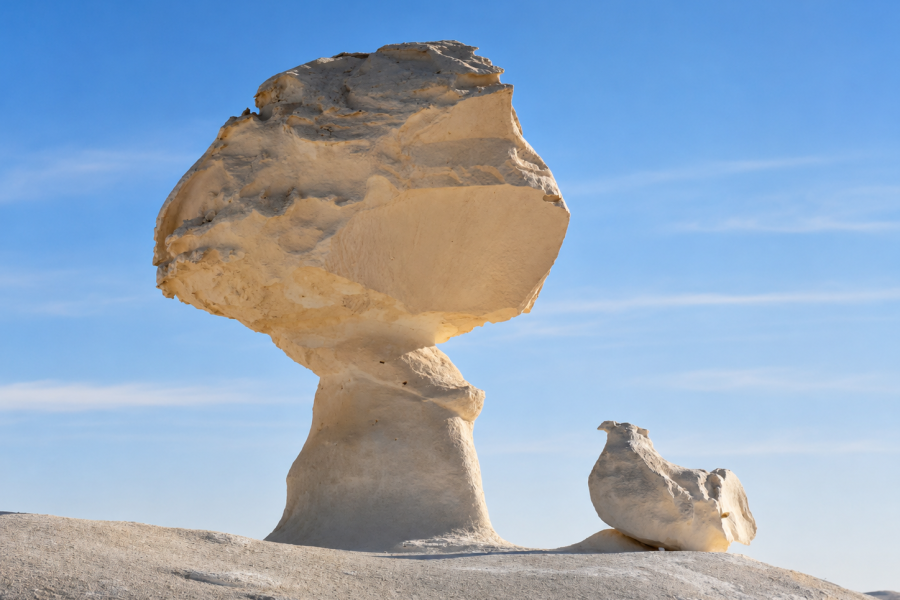
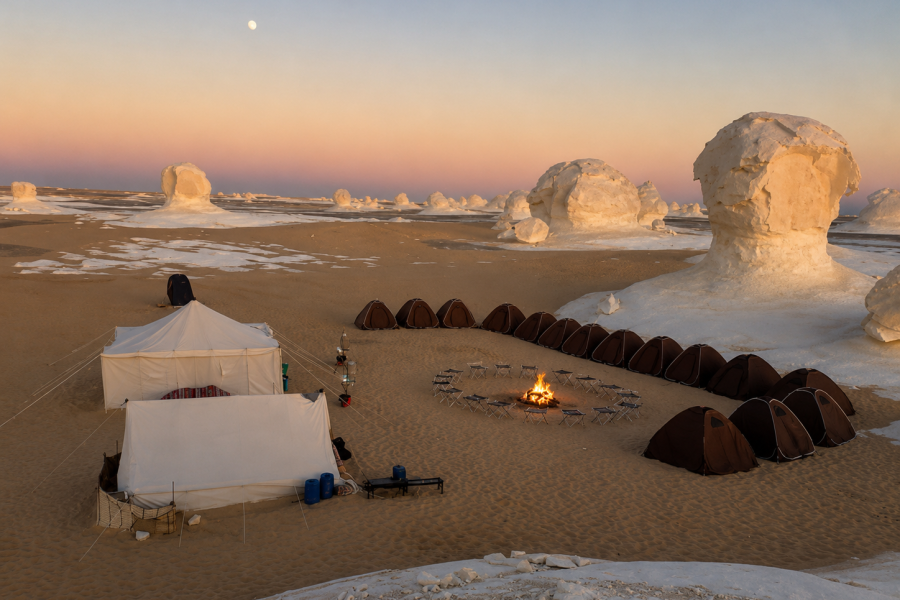
The White Desert is more wilderness-focused, with rock formations, Black Desert, Agabat, camping and stargazing forming the main experience.

Neither is universally better.

They serve different travelers.

We will cover this properly in the planned Siwa Oasis vs White Desert comparison rather than cannibalizing that keyword here.

Our Recommended First-Time Siwa Experience

For most first-time visitors, we would build the trip around four themes.

Culture: Shali and Siwan life.

History: Oracle Temple and Mountain of the Dead.

Water: Salt lakes and Cleopatra Spring.

Adventure: Great Sand Sea, Bir Wahed and dune sunset.

That combination explains Siwa better than any single attraction.

If you have four days, use our Siwa Oasis 4 Days Itinerary.

If you have only three, use the 2 Nights 3 Days Siwa Tour from Cairo.

Book Your Siwa Oasis Experience

If you want to experience the major Siwa attractions without arranging accommodation, Cairo transfers, local sightseeing, desert transportation and Great Sand Sea logistics separately, choose the itinerary that matches your available time.

Best Overall Choice

4 Days Siwa Oasis Tour from Cairo

The current program combines Shali, Mountain of the Dead, Amun and Oracle sites, Fatnas, the salt lakes, Cleopatra Spring, Bir Wahed and Great Sand Sea safari within a four-day private itinerary.

If You Only Have 3 Days

2 Nights 3 Days Siwa Tour from Cairo

Use this option when Siwa needs to fit into a tighter Egypt schedule.

Prefer Traveling by Comfortable Bus?

Siwa Program by Comfortable Bus from Cairo

The current program still includes Shali, the archaeological stops, salt lake, Cleopatra Spring, Fitnas and Bir Wahed, with the Cairo–Siwa transport structured around the bus option.

Want Siwa + White Desert?

Explore the wider Egypt desert tours and multi-day Western Desert programs, which currently include combined Siwa, Bahariya and White Desert options.


4 Days Siwa Oasis Tour from Cairo

One Day Fayoum Tour from Cairo

Giza Pyramids & Grand Egyptian Museum Tour

One Day Tour to the White Desert from Cairo

1 Night Camping in Fayoum Desert from Cairo

2 Nights 3 Days Cairo – Siwa Tour

Siwa Program by Comfortable Bus from Cairo

1 Night 2 Days White Desert Tour from Cairo

2 Nights 3 Days White Desert & Dejara Cave Tour from Cairo

2 Nights 3 Days Camping Tour in White Desert

3 Nights 4 Days Cairo White Desert Tour

2 Nights 3 Days Tour in White Desert and Bahariya Oasis

2 Nights 3 Days Cairo – Siwa Tour

6 Nights 7 Days Cairo, Siwa, Marsa Matrouh & White Desert Tour

2 Nights 3 Days Fayoum and White Desert Tour from Cairo

5 Nights 6 Days Egypt Oasis Tour from Cairo

National Museum of Egyptian Civilization Tour

2 Days Tour in Cairo and Giza

4 Days 3 Nights Package to Luxor from Cairo by Sleeper Train

3 Days 2 Nights Tour from Cairo to Dakhla and Luxor

Full Day Tour to Alexandria from Cairo

Full Day Tour in West Bank of Luxor

Full Day Tour in East Bank of Luxor

Full Day Tour in Aswan

Frequently Asked Questions About Things to Do in Siwa Oasis

The strongest first-time experiences are floating in the salt lakes, exploring Shali, visiting the Oracle Temple and Mountain of the Dead, relaxing at Cleopatra Spring, watching sunset at Fatnas and taking a 4x4 safari into the Great Sand Sea. These are also among the core attractions included in current Siwa tours.

Siwa is particularly known for its salt lakes, natural springs, Shali, archaeological sites, palm and olive groves, distinctive Siwan culture and access to the Great Sand Sea.

Yes. They are one of Siwa's signature natural attractions and provide the unusual experience of floating in highly saline water.

Visitors commonly float in the salt lakes because of their strong buoyancy. Keep salty water away from your eyes and rinse with fresh water afterward.

Yes. Shali is one of the oasis's most important cultural landmarks and forms part of the officially recognized protected Siwa landscape.

Yes. Cleopatra Spring is one of Siwa's best-known freshwater springs. Its association with Cleopatra is generally treated as local tradition rather than proven historical fact.

A guided desert experience can include 4x4 travel, large dune landscapes, sand activities, Bir Wahed and sunset. Egypt's official tourism site specifically highlights climbing and gliding on Siwa's huge dunes.

Yes, especially as part of the Great Sand Sea safari. Experience Egypt highlights its hot spring and nearby cooler water environment as a Siwa experience.

Fatnas Island is excellent for an oasis-style sunset with water and palms, while the Great Sand Sea provides a dramatic dune sunset.

Three days and two nights are a practical minimum for a return trip from Cairo. Four days and three nights provide a more relaxed itinerary.

Yes. Salt lakes, Fatnas sunset, natural springs and Great Sand Sea sunset make Siwa particularly attractive for couples who enjoy nature and quieter destinations.
It can be. Families should consider the long journey from Cairo, children's comfort with desert driving and swimming, and choose a pace appropriate for their ages.
Not for every attraction. A suitable off-road vehicle is used for the Great Sand Sea safari, while the central oasis attractions are visited separately.
No. Four days work particularly well because the long Cairo journey occupies much of the first and last days, leaving two proper days for the oasis and desert.

For travelers with enough time, the 4 Days Siwa Oasis Tour from Cairo provides a strong balance of history, culture, salt lakes, springs and Great Sand Sea adventure.