Siwa Oasis from Cairo: How to Get There, How Long to Stay & What to Do

Traveling to Siwa Oasis from Cairo takes you from one of Africa’s busiest cities to one of Egypt’s most peaceful and remote destinations.

The journey is long, but that remoteness is part of Siwa’s appeal. After leaving Cairo, the landscape gradually changes from urban streets and highways to Mediterranean roads, open desert, isolated settlements and finally the palm groves, salt lakes and mud-brick architecture of Siwa Oasis.

Siwa does not feel like Cairo, Giza, Luxor or Aswan. The rhythm is slower, the streets are quieter and the landscape combines water, agriculture, desert and ancient history in a way that is difficult to find elsewhere in Egypt.

During one Siwa trip, you can:

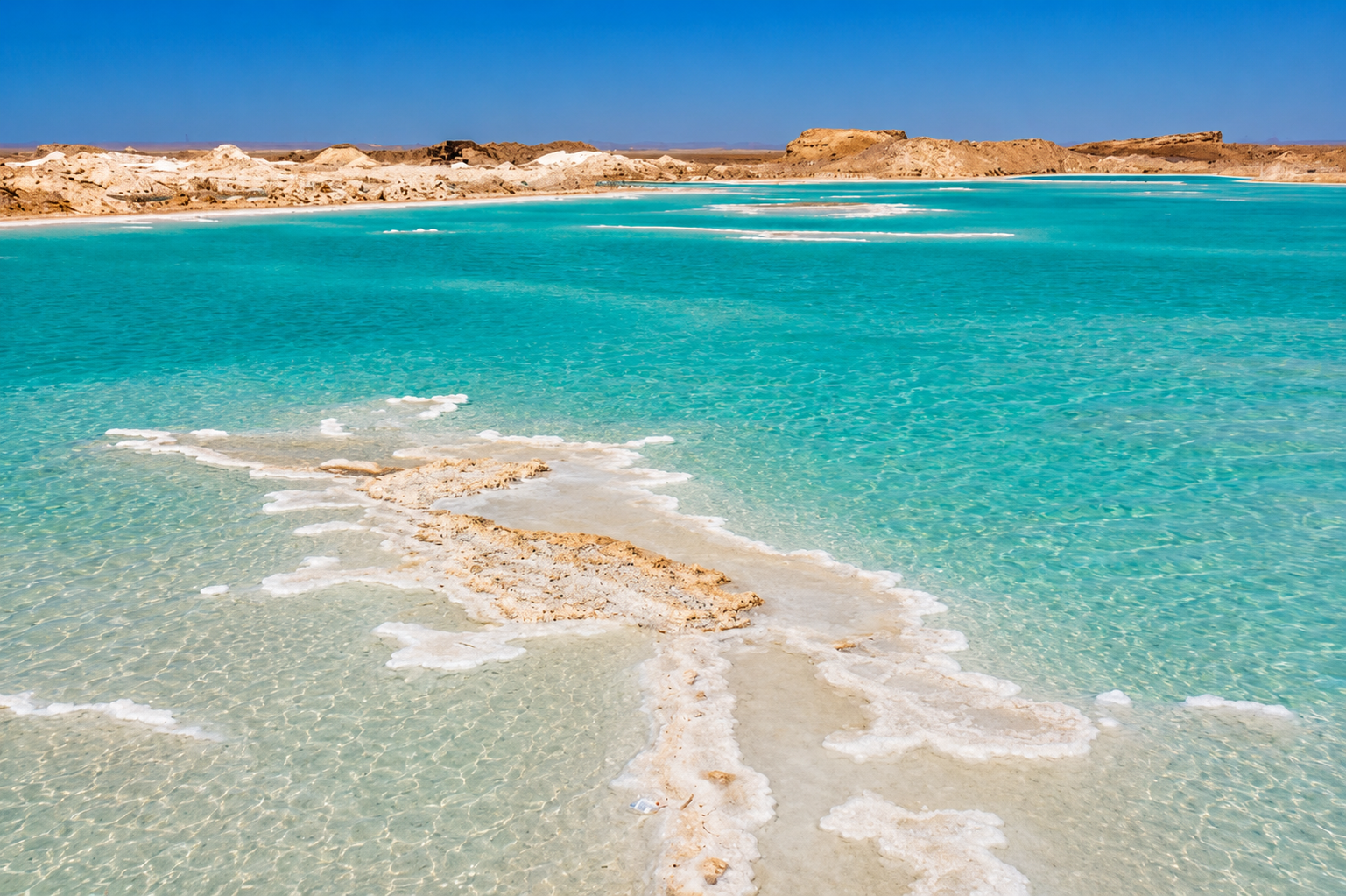
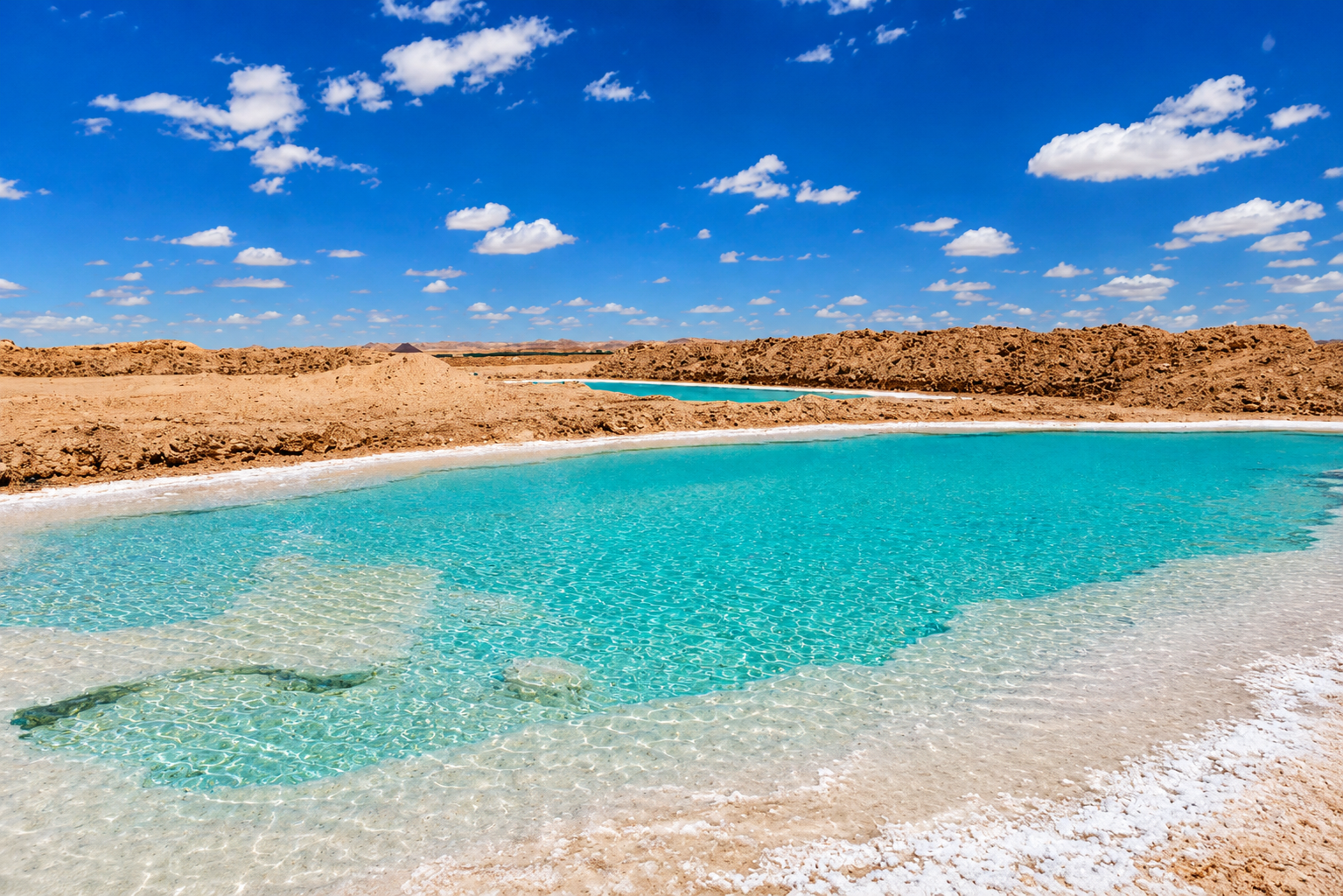
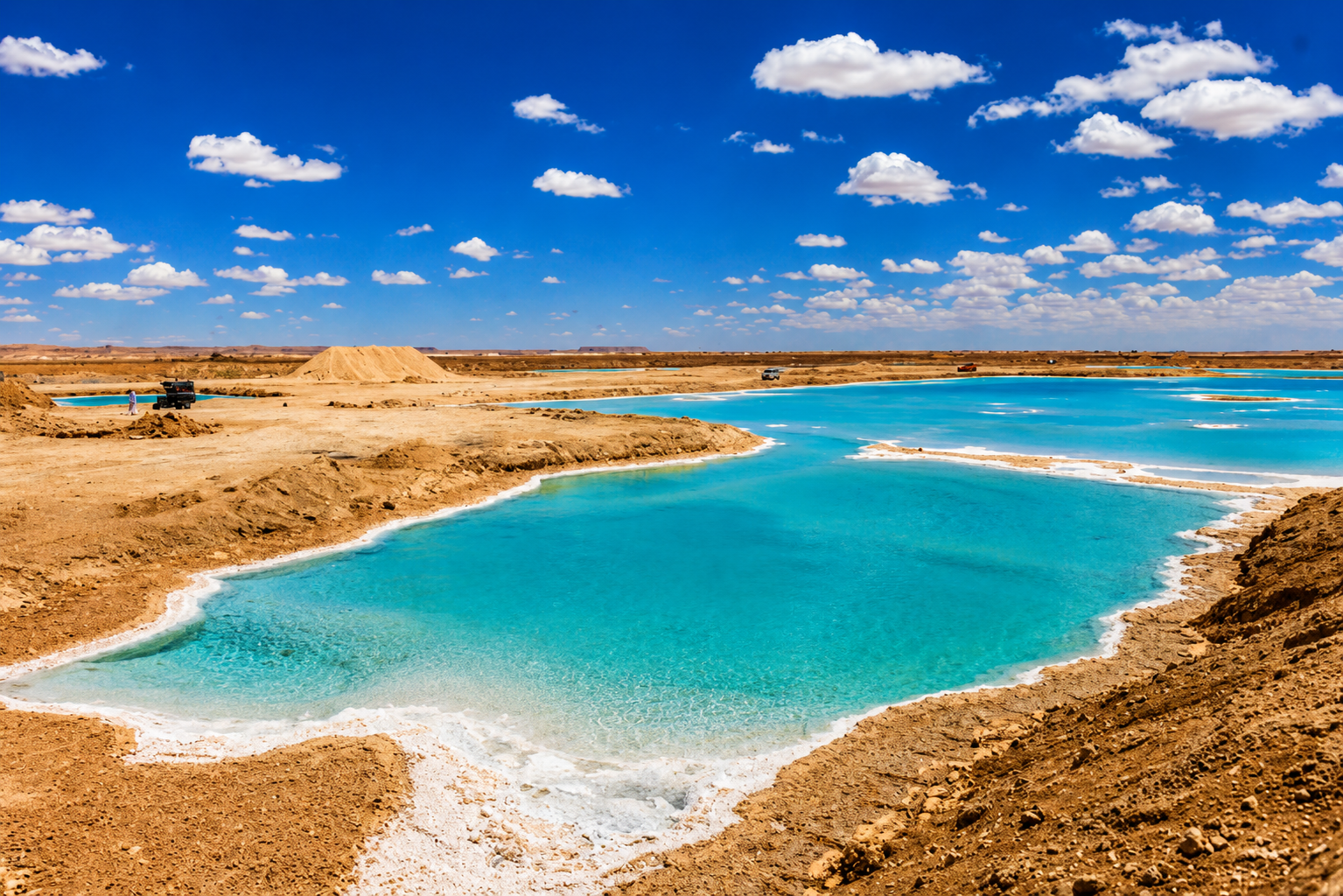
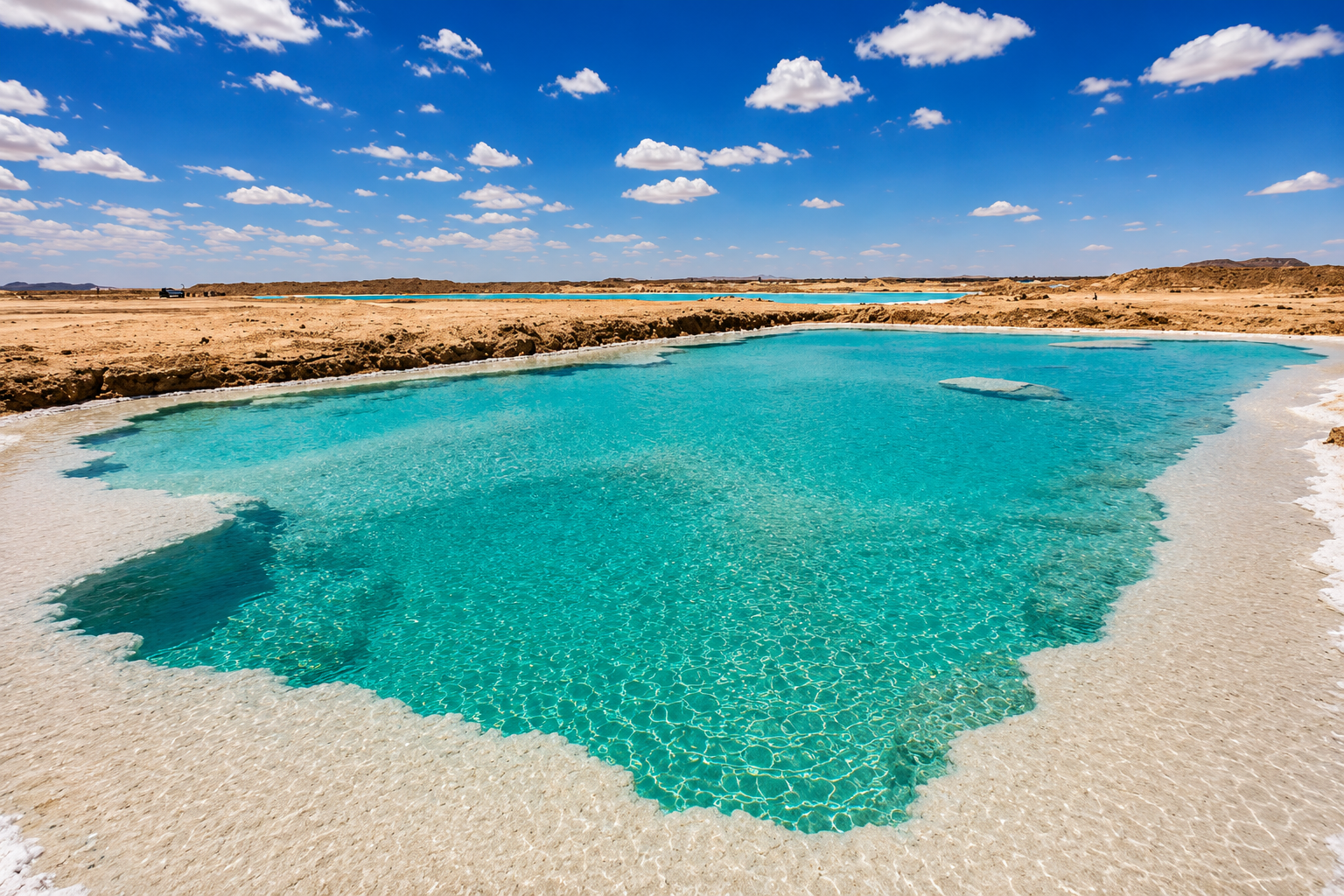
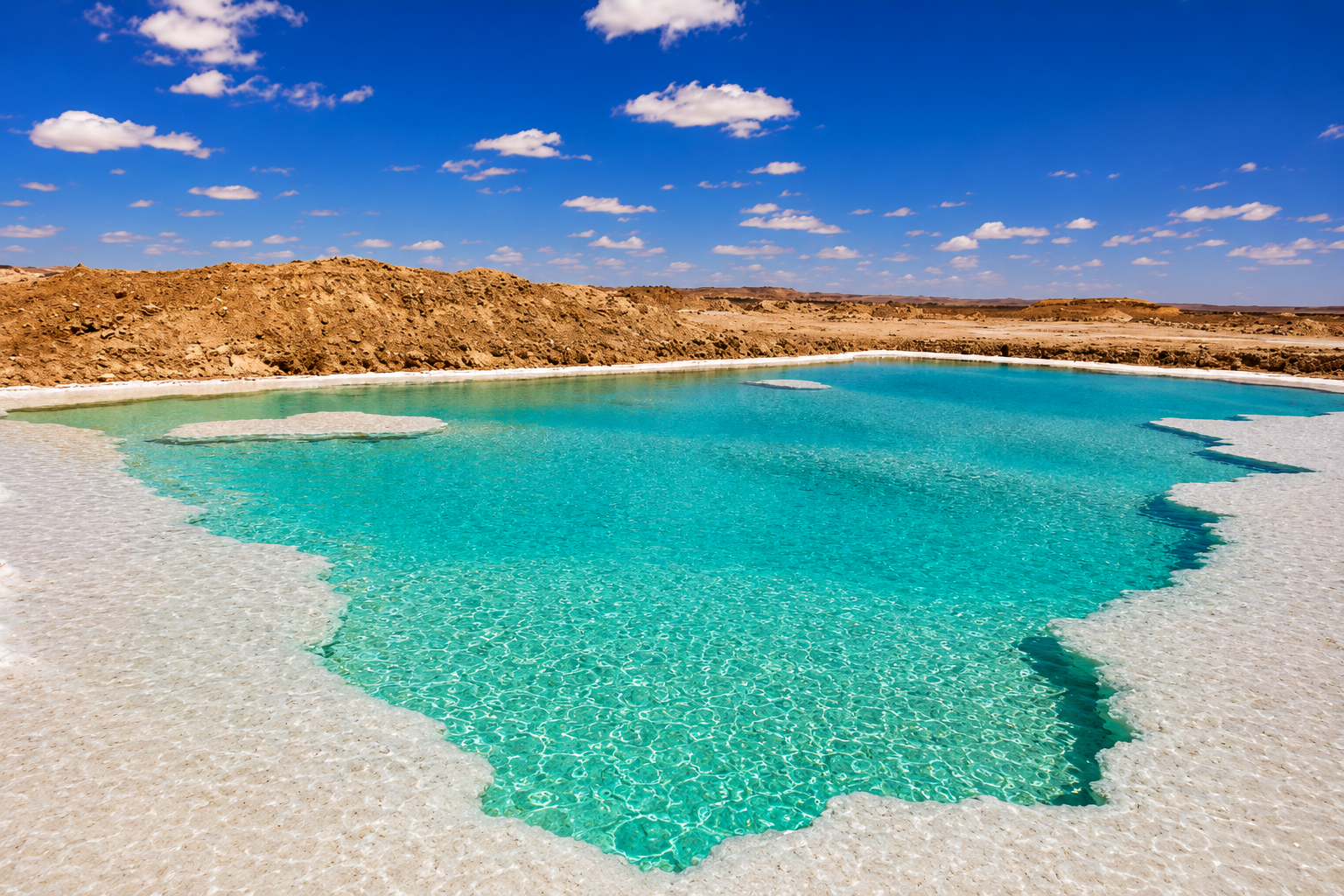
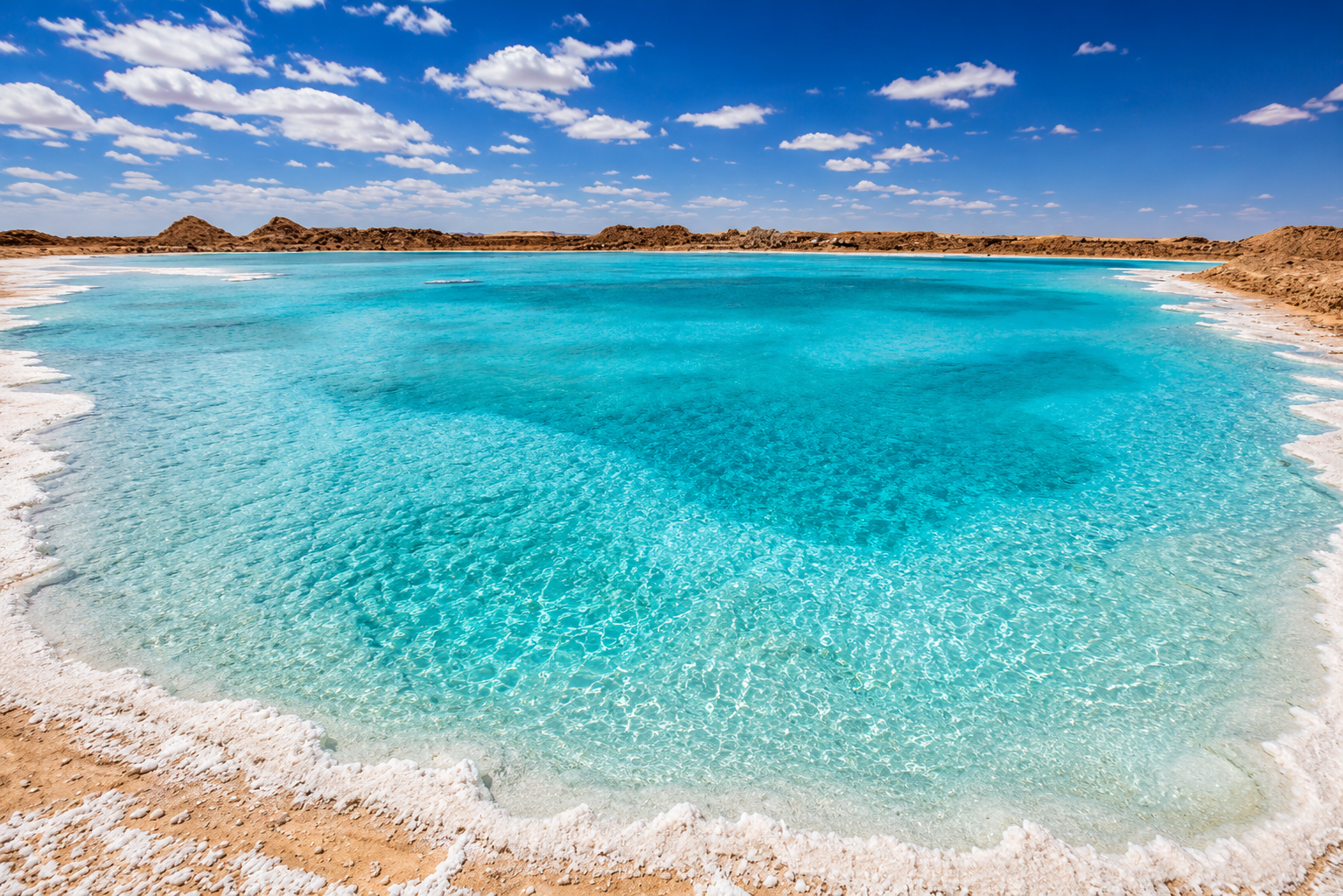
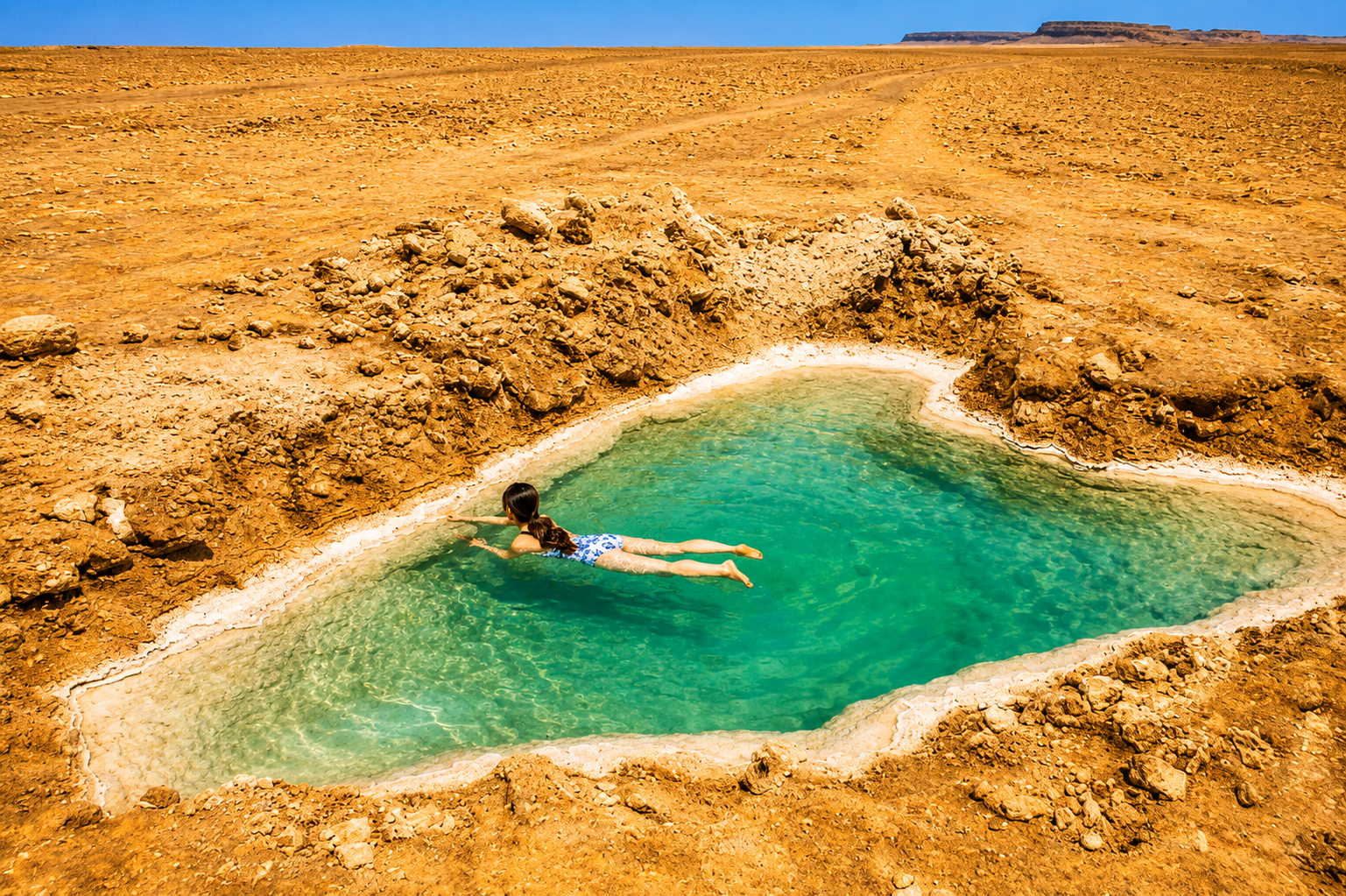
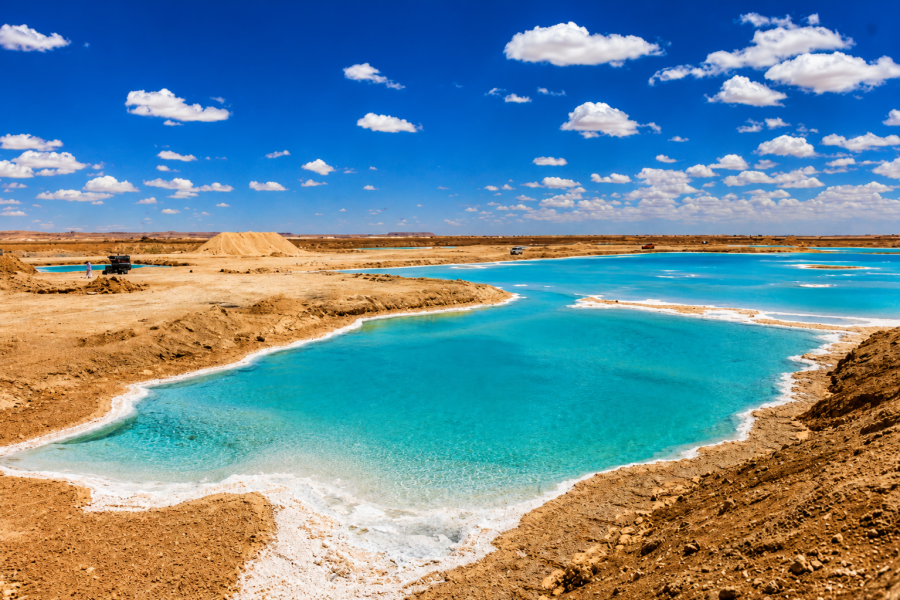
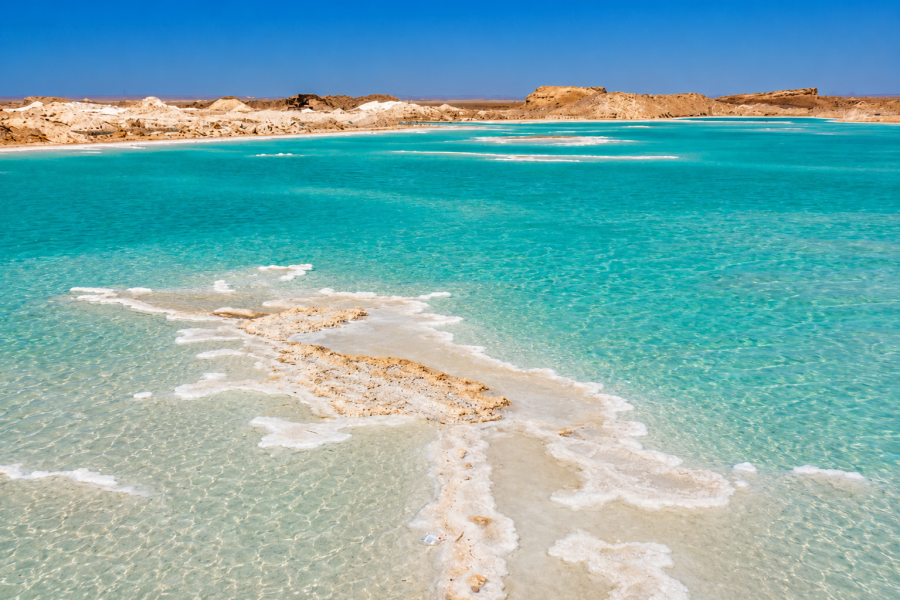
  • Float in bright turquoise salt lakes
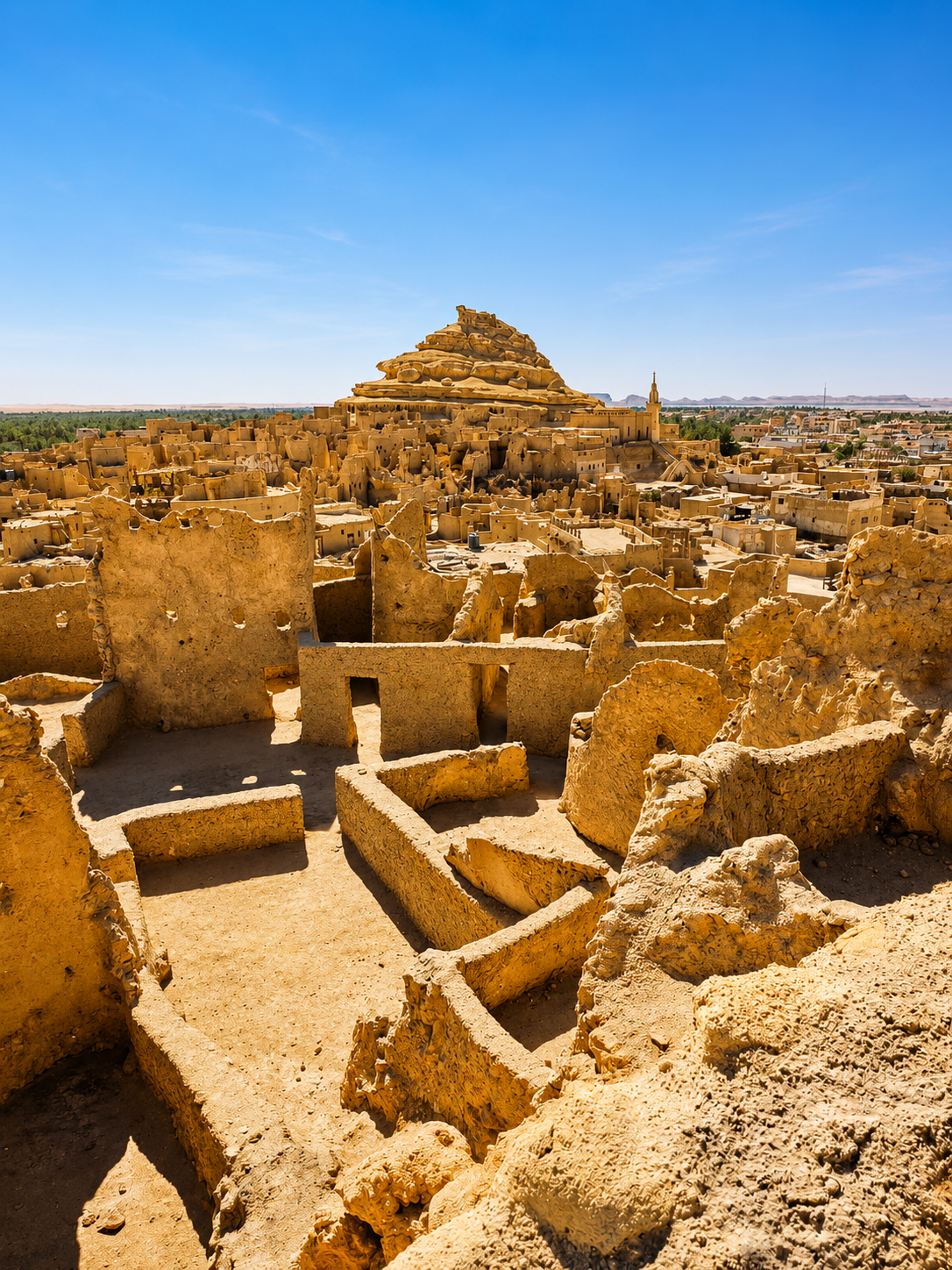
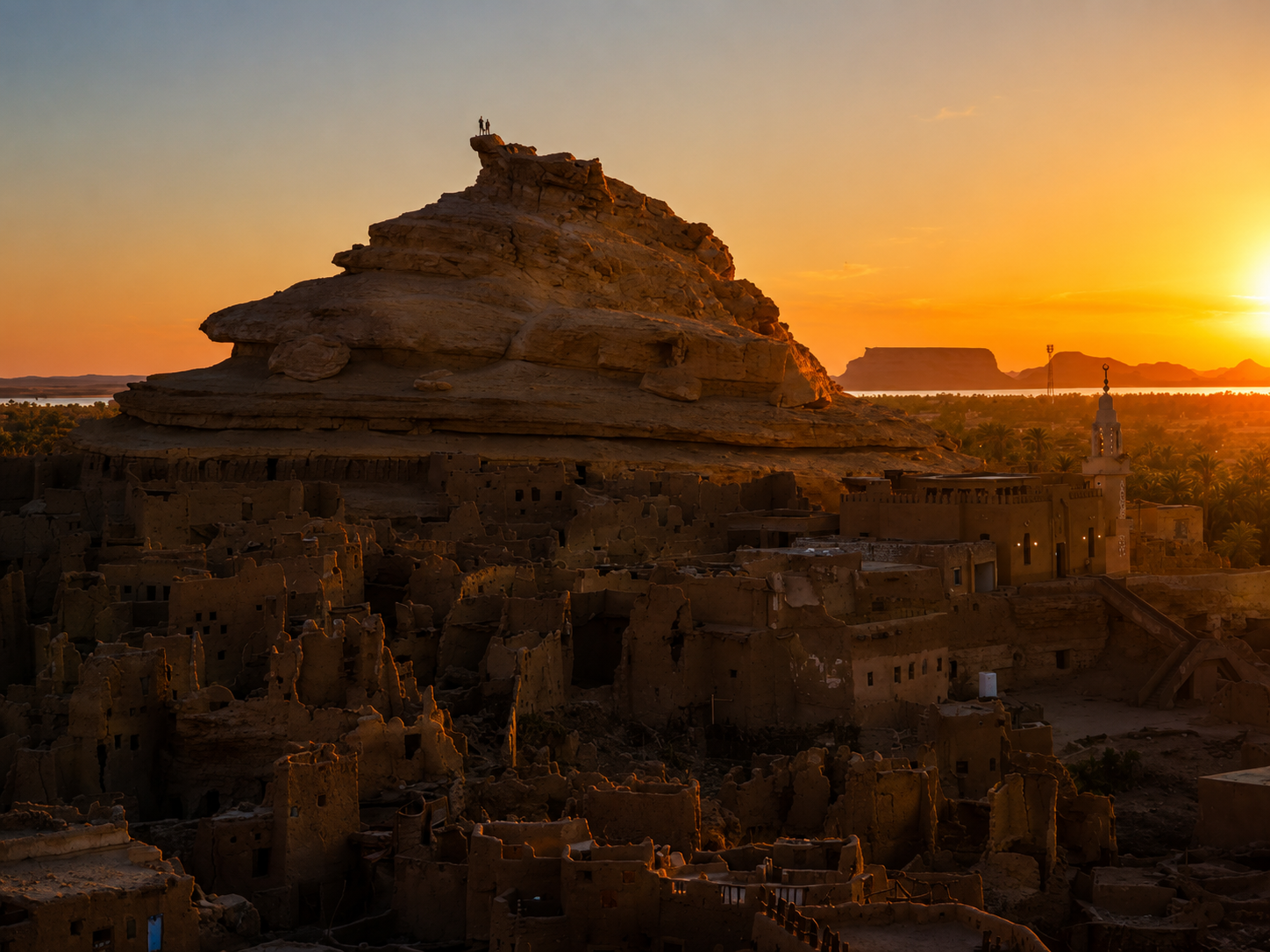
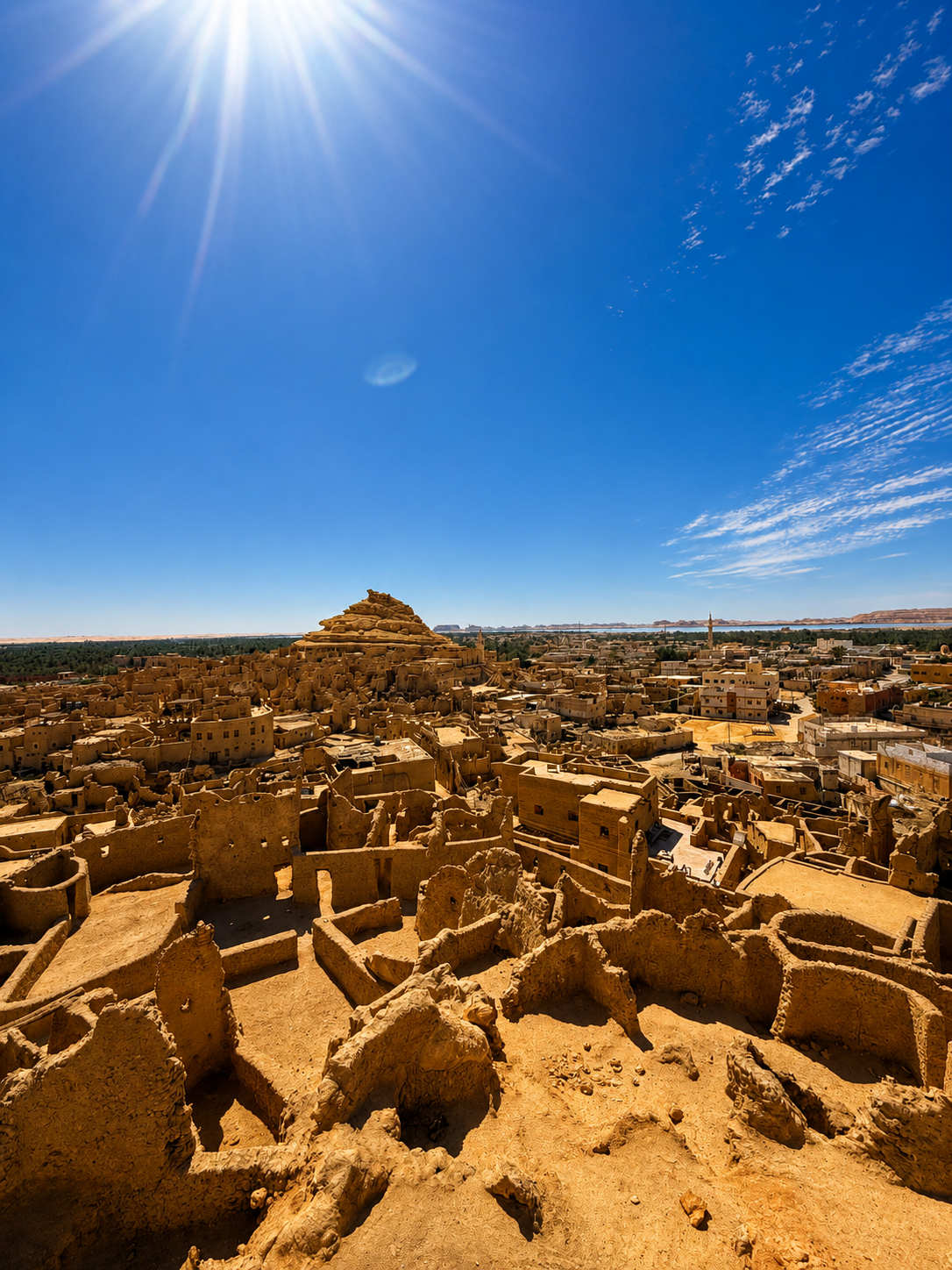
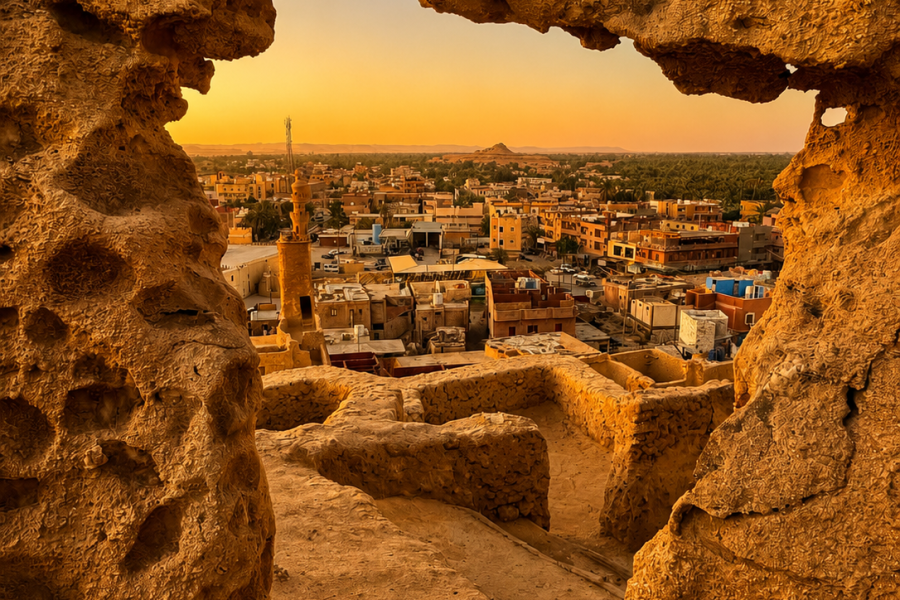
  • Explore the ruins of Shali Fortress
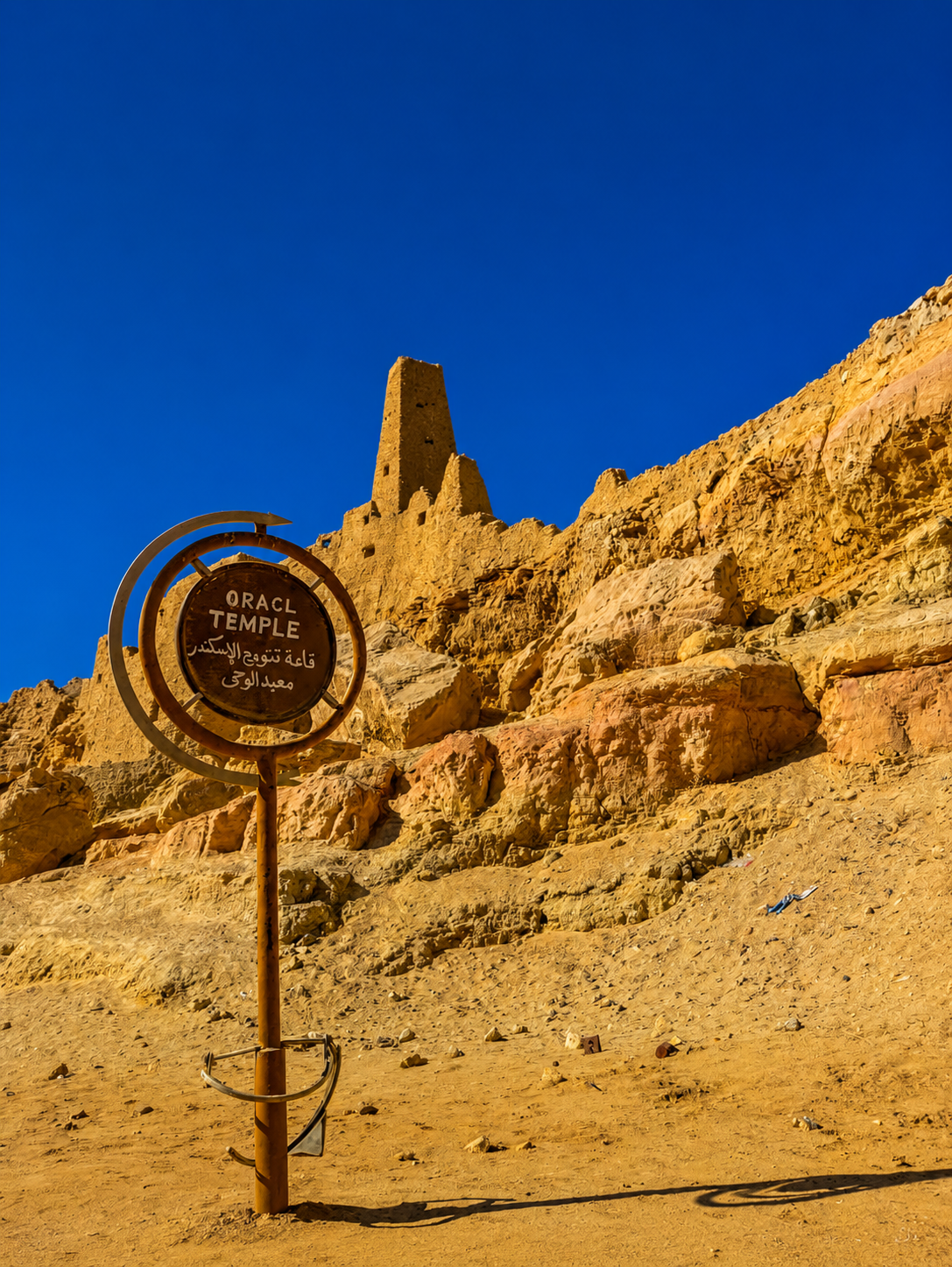
  • Visit the Temple of the Oracle
  • See ancient tombs at the Mountain of the Dead
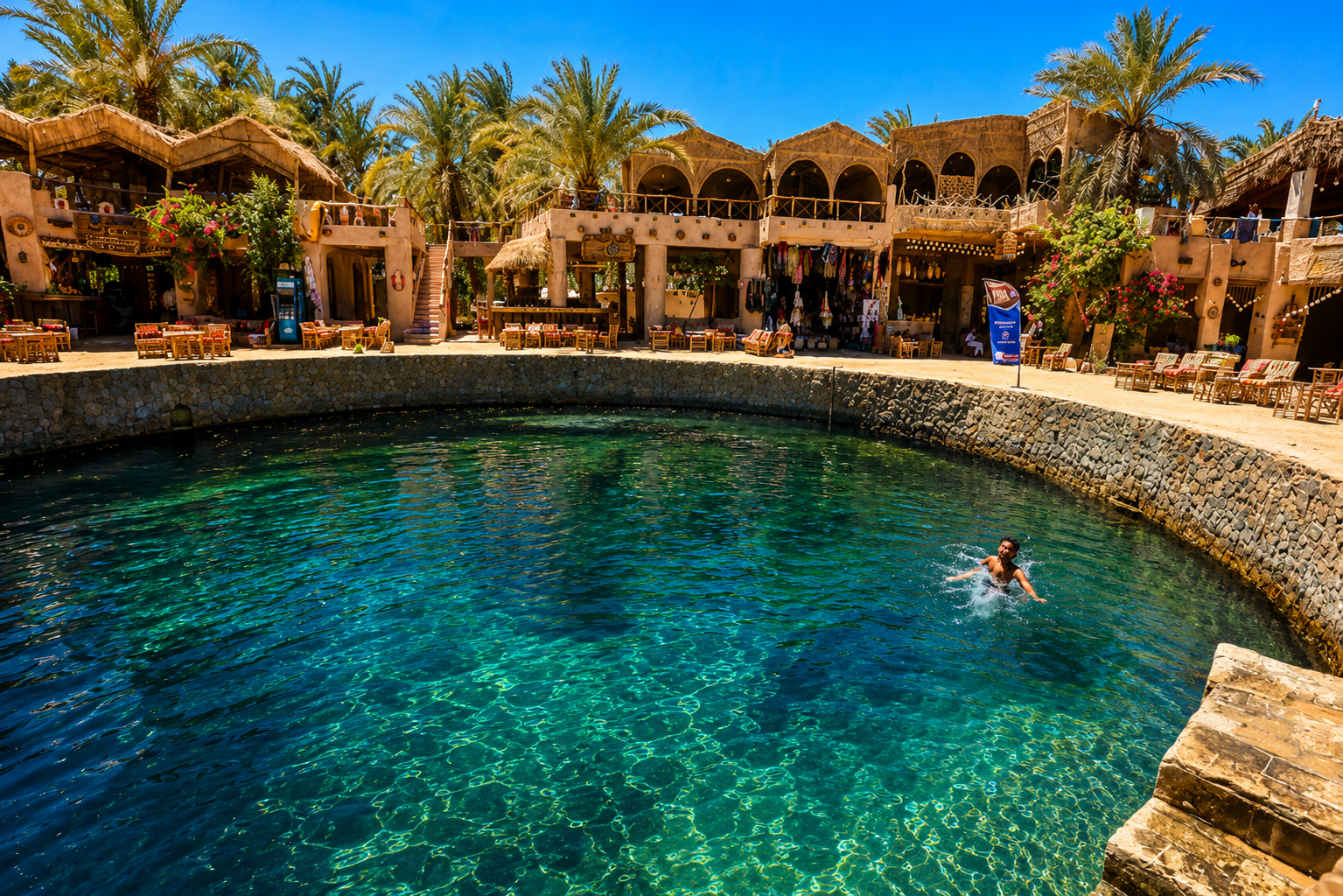
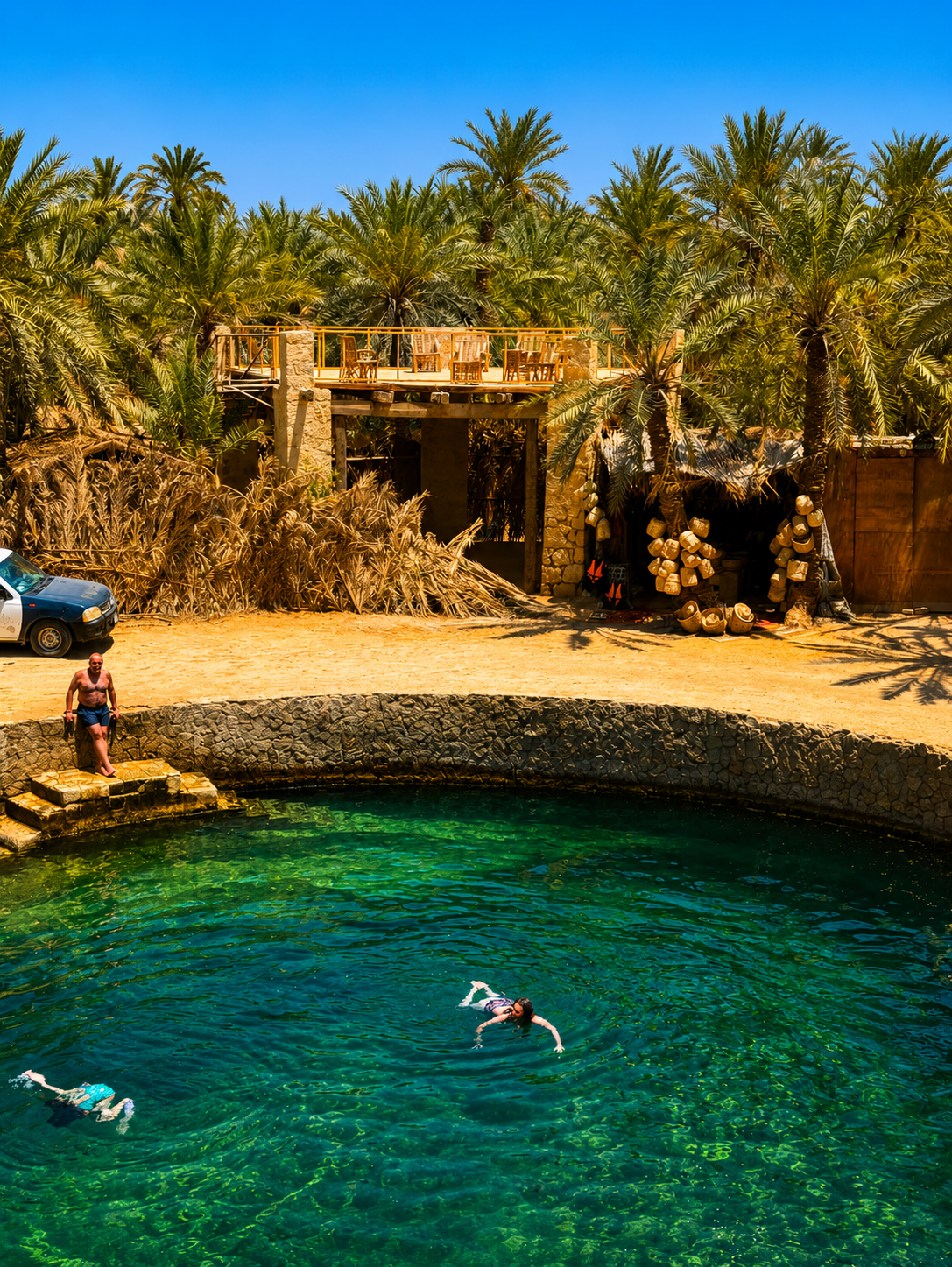
  • Swim in Cleopatra Spring
  • Watch sunset from Fatnas Island
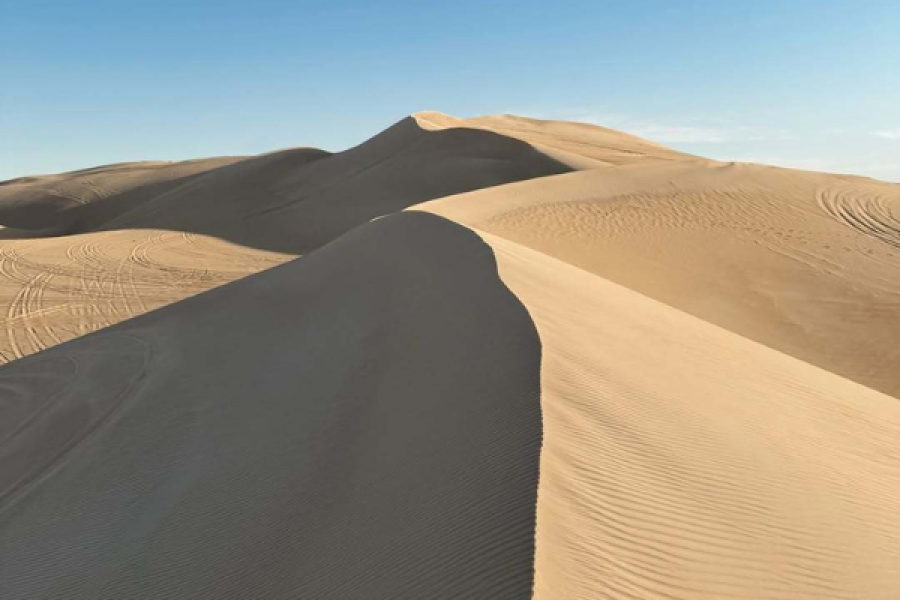
  • Travel by 4×4 into the Great Sand Sea
  • Try sandboarding on large dunes
  • Visit Bir Wahed and desert springs
  • Discover Siwan food, crafts and local culture

The challenge is planning enough time. Siwa is approximately 741 kilometers from Cairo by road, according to the Cairo Governorate’s official distance table. The journey normally requires most of a day in each direction, which means a 2-day trip is usually too rushed. Three days is the practical minimum, while four days provides a much better experience.

This guide explains how to get from Cairo to Siwa, how long the journey takes, which transport option to choose, how many days you need, what to see, when to visit and how to connect Siwa with other Egypt desert tours.

For a broader introduction to the destination, begin with our complete Siwa Oasis Egypt travel guide.

Quick Answer: What Is the Best Way to Travel from Cairo to Siwa?

The most comfortable and convenient way to travel from Cairo to Siwa is by private tour or private transfer.

A private tour can include:

  • Hotel pick-up in Cairo or Giza
  • Air-conditioned private transportation
  • Planned rest and meal stops
  • Assistance at checkpoints
  • Accommodation in Siwa
  • Local sightseeing
  • A Siwa guide
  • Salt lake visits
  • A 4×4 Great Sand Sea safari
  • Return transportation to Cairo

Public buses are also available on some dates, but schedules, departure stations and journey times may change. Bus travel is more affordable, although it offers less flexibility and requires travelers to arrange their own hotel, local transportation and desert activities.

The usual road route travels northwest from Cairo toward Egypt’s Mediterranean coast, continues through or near Marsa Matrouh and then turns south toward Siwa.

A simple route looks like this:

Cairo or Giza → North Coast Road → Marsa Matrouh → Siwa Oasis

The road distance is approximately 741 kilometers. Depending on traffic, rest stops, checkpoints and the chosen vehicle, travelers should normally allow around 8–10 hours for a private journey and potentially longer for a bus.

Where Is Siwa Oasis?

Siwa Oasis is located in Egypt’s Western Desert in Matrouh Governorate, relatively close to the Libyan border.

It is one of Egypt’s most remote oasis communities. Its isolated location has helped preserve a distinctive atmosphere, local traditions, architecture and Amazigh cultural identity.

Egypt’s official tourism platform describes Siwa as Egypt’s most remote desert oasis and highlights its salt lakes, hot springs, archaeological sites and access to the Great Sand Sea.

Siwa’s environment includes:

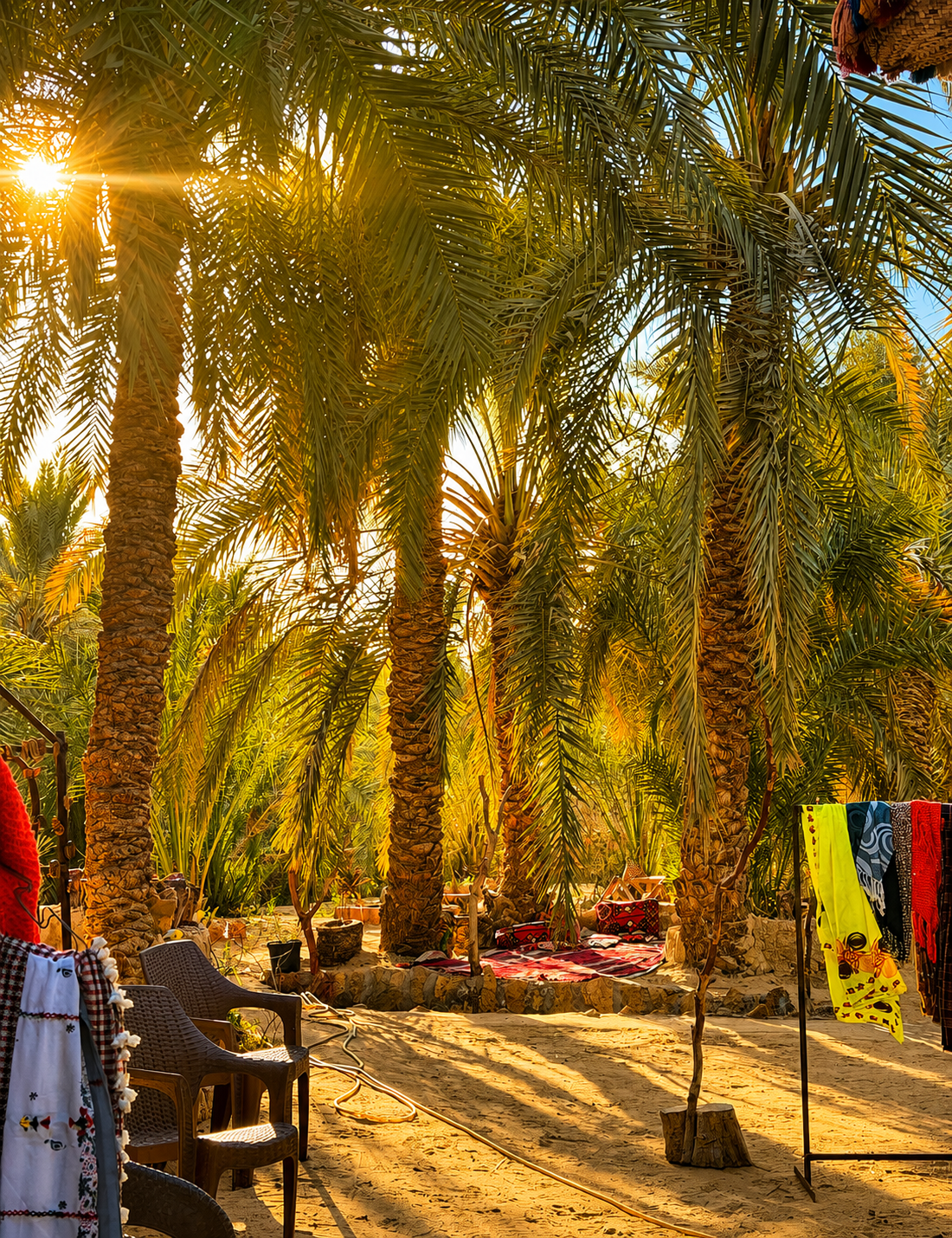
  • Date-palm groves
  • Olive farms
  • Natural springs
  • Salt lakes
  • Freshwater pools
  • Mud-brick settlements
  • Archaeological ruins
  • Rocky mountains
  • Large desert dunes

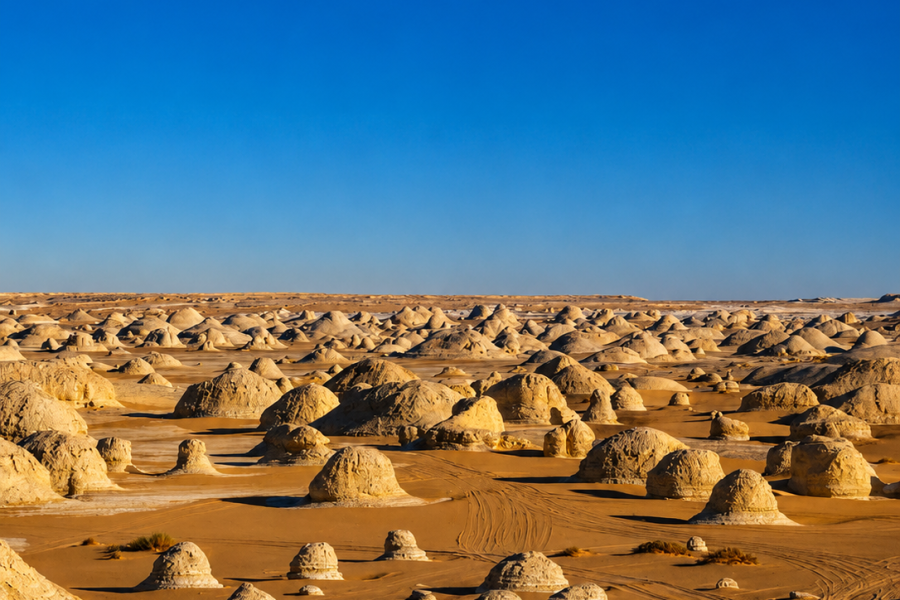
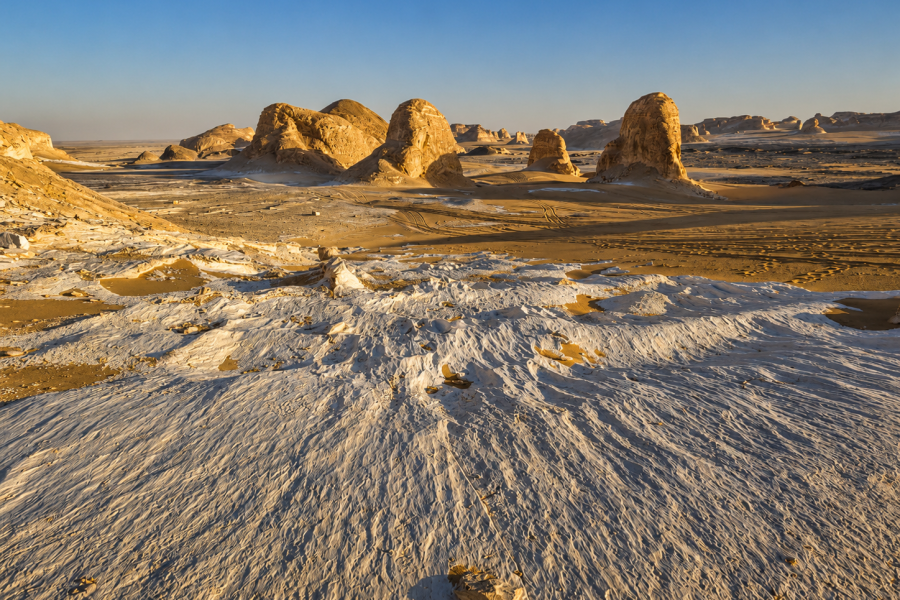
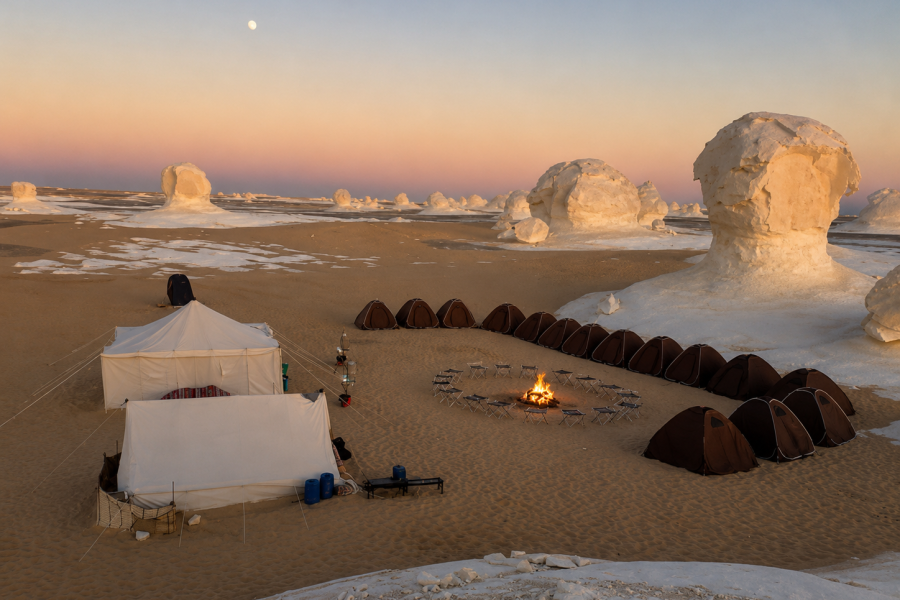
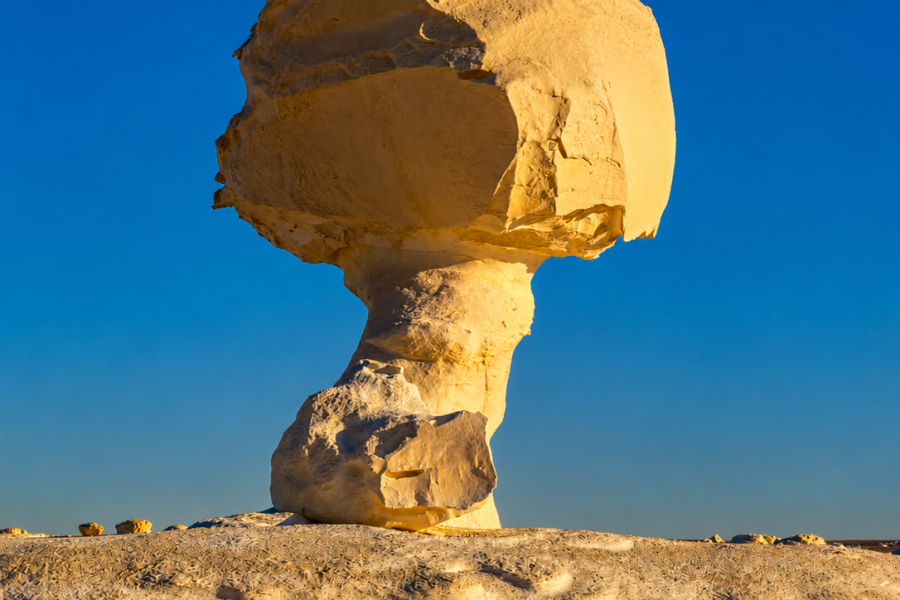
This variety is one of the main differences between Siwa and destinations such as the White Desert.

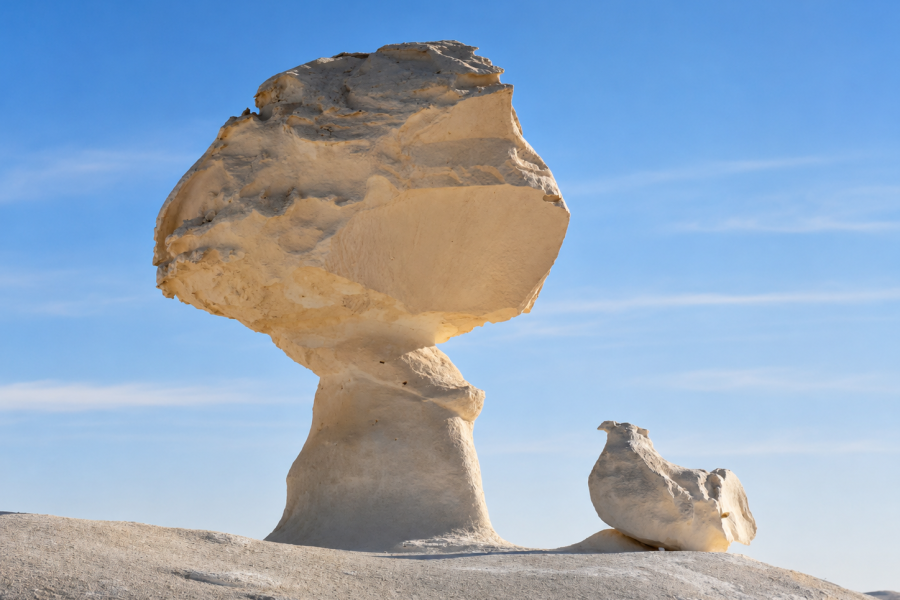
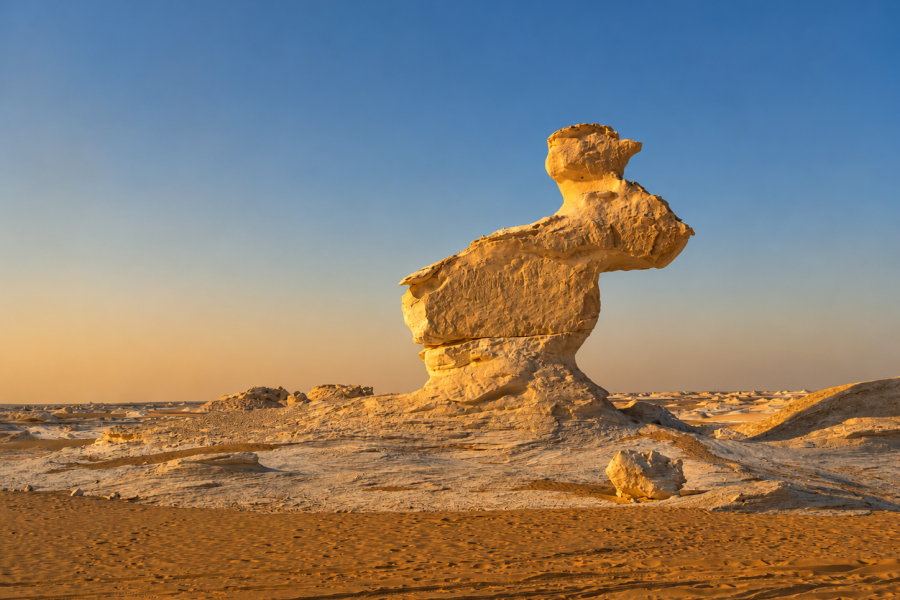
The White Desert is primarily a camping and geological landscape. Siwa is a living oasis where natural attractions, agriculture, local communities, history and desert adventure exist together.

How Far Is Siwa Oasis from Cairo?

The official Cairo Governorate distance table lists the Cairo-to-Siwa road distance as approximately 741 kilometers.

The actual journey time varies according to:

  • Your starting location in Cairo or Giza
  • Cairo traffic
  • The road route used
  • Rest and meal stops
  • Checkpoints
  • Weather
  • Road maintenance
  • The season
  • Time spent in Marsa Matrouh
  • Whether the transport is private or shared

A private vehicle can complete the trip more efficiently because rest stops and departure time are controlled by your group.

Public buses may require longer because of passenger stops, station procedures and route conditions.

Travelers should not plan a major Siwa activity immediately after arrival. Even when the drive operates smoothly, spending most of the day on the road can be tiring.

A relaxed first evening with Shali Old Town or sunset at Fatnas Island is usually more practical than trying to complete several historical attractions immediately.

Option 1: Private Siwa Tour from Cairo

A private guided tour is the easiest option for most international travelers.

Instead of arranging each part separately, the transportation, hotel, sightseeing and desert safari are combined into one itinerary.

A private tour is especially useful because Siwa contains two different types of transportation:

  1. A road vehicle for the Cairo-to-Siwa journey.
  2. A local 4×4 vehicle for the Great Sand Sea safari.

The local sightseeing program may also require coordination between the hotel, local guide, salt lakes, historical sites, springs and sunset locations.

A private trip gives you more flexibility with:

  • Hotel pick-up
  • Departure time
  • Rest stops
  • Photography stops
  • Dietary requirements
  • Room preferences
  • Family breaks
  • Salt lake timing
  • Sunset location
  • Desert safari duration
  • Return time to Cairo

The 2 Nights 3 Days Siwa Tour from Cairo is the best starting option for travelers with limited time.

It combines the main Siwa attractions with accommodation, local touring and a Great Sand Sea experience. The published route includes Shali Old Town, historical sites, salt lakes, Cleopatra Spring, Fatnas Island and the desert safari.

A Private Tour Is Best For:

  • First-time visitors to Egypt
  • Couples
  • Families
  • Travelers with limited time
  • Photographers
  • Small private groups
  • Visitors who want door-to-door service
  • Travelers combining Siwa with other desert destinations

2 Nights 3 Days White Desert & Dejara Cave Tour from Cairo

2 Nights 3 Days Tour in White Desert and Bahariya Oasis

Full Day Tour in West Bank of Luxor

Siwa Program by Comfortable Bus from Cairo

One Day Tour to the White Desert from Cairo

One Day Fayoum Tour from Cairo

National Museum of Egyptian Civilization Tour

4 Days 3 Nights Package to Luxor from Cairo by Sleeper Train

Giza Pyramids & Grand Egyptian Museum Tour

2 Nights 3 Days Fayoum and White Desert Tour from Cairo

5 Nights 6 Days Egypt Oasis Tour from Cairo

Full Day Tour in East Bank of Luxor

6 Nights 7 Days Cairo, Siwa, Marsa Matrouh & White Desert Tour

Full Day Tour in Aswan

Full Day Tour to Alexandria from Cairo

4 Days Siwa Oasis Tour from Cairo

3 Nights 4 Days Cairo White Desert Tour

3 Days 2 Nights Tour from Cairo to Dakhla and Luxor

2 Nights 3 Days Camping Tour in White Desert

2 Nights 3 Days Cairo – Siwa Tour

2 Nights 3 Days Cairo – Siwa Tour

2 Days Tour in Cairo and Giza

1 Night Camping in Fayoum Desert from Cairo

1 Night 2 Days White Desert Tour from Cairo

Option 2: Private Transfer and Independent Stay

Travelers can book a private vehicle from Cairo and arrange their hotel and Siwa activities separately.

This gives you flexibility while keeping the long journey more comfortable than a public bus.

However, you will still need to arrange:

  • Accommodation
  • Local sightseeing transportation
  • A guide for historical sites
  • A licensed local 4×4 safari
  • Salt lake transportation
  • Meal planning
  • Return transportation
  • Any current permissions or access requirements

This option works best for experienced independent travelers who have enough time and do not mind coordinating several suppliers.

It may not be cheaper than a complete private package once all services are added.

Option 3: Public Bus from Cairo to Siwa

Public bus services may operate between Cairo and Siwa.

This is usually the least expensive transport option, and some services travel overnight. Journey times can be around 9–11 hours, although schedules and actual travel times change. Current transport listings should always be checked for the specific travel date rather than relying on an old blog or timetable.

Bus travel can be practical for backpackers and independent travelers, but it has several limitations:

  • Fixed departure time
  • Fixed station
  • Less comfortable rest arrangements
  • No hotel pick-up
  • No included sightseeing
  • No local guide
  • No 4×4 safari
  • No accommodation
  • Less space for flexible stops
  • Possible changes to stations and schedules

After arriving in Siwa, you must arrange local transportation separately.

The bus is transportation only; it does not replace an organized Siwa itinerary.

Can You Travel from Cairo to Siwa by Train?

There is no direct railway connecting Cairo with Siwa Oasis.

A train may help travelers reach Alexandria or another northern city, but the remaining journey to Siwa still requires road transportation.

For most visitors, combining trains and multiple transfers creates more inconvenience than using a direct bus, private vehicle or organized tour.

Can You Fly from Cairo to Siwa?

Travelers should not depend on regular year-round commercial flights between Cairo and Siwa.

Flight availability, airport operations and charter arrangements can change, but road transportation remains the normal and most reliable method for planning a Siwa trip.

Unless a confirmed flight exists for your exact date, prepare for an overland journey.

Is It Possible to Drive Yourself to Siwa?

It may be physically possible to reach Siwa using the paved road, but self-driving is not always the best option for international visitors.

The journey is long and involves remote sections, checkpoints and limited services in some areas.

You must also avoid entering the Great Sand Sea independently. The dune safari requires:

  • A proper 4×4 vehicle
  • A local desert driver
  • Knowledge of the terrain
  • Current route information
  • Adequate water
  • Vehicle recovery experience
  • Applicable access arrangements

A standard rental vehicle is not suitable for dune driving.

Drivers should confirm whether their rental agreement allows long-distance Western Desert travel and whether insurance remains valid on the full route.

How Many Days Do You Need in Siwa Oasis?

The correct answer depends on whether you count the travel days from Cairo.

Because the drive takes most of a day in each direction, a traveler booking three calendar days receives approximately one full day plus two partial days in Siwa.

Two Days and One Night: Too Short for Most Travelers

A 2-day Siwa trip from Cairo is technically possible, but it involves an extremely demanding schedule.

You would spend most of the first day traveling, complete a limited program and then spend much of the second day returning to Cairo.

There would not be enough time to enjoy all of the following properly:

  • Historical sites
  • Salt lakes
  • Cleopatra Spring
  • Fatnas Island
  • Great Sand Sea safari
  • Shali Old Town
  • Local markets and culture

A one-night stay should only be considered when Siwa is a stop within a broader northwestern Egypt route rather than a return trip from Cairo.

Three Days and Two Nights: Minimum Recommended

Three days is the practical minimum for travelers coming from Cairo.

A compact itinerary can include:

Day One

  • Early departure from Cairo or Giza
  • Road journey toward Siwa
  • Rest stops
  • Optional Marsa Matrouh stop, depending on timing
  • Hotel check-in
  • Shali Old Town
  • Fatnas Island sunset

Day Two

  • Mountain of the Dead
  • Temple of the Oracle
  • Temple of Amun
  • Siwa Salt Lakes
  • Cleopatra Spring
  • Great Sand Sea safari
  • Bir Wahed
  • Sandboarding
  • Desert sunset

Day Three

  • Breakfast
  • Local market or short oasis stop
  • Return journey to Cairo

This is a full program. It is suitable when your Egypt itinerary is limited, but it requires good organization and an early start.

The 3-day private Siwa tour from Cairo is designed around this compact schedule.

Four Days and Three Nights: Best Overall Choice

Four days provides a more balanced Siwa experience.

The additional night allows you to separate the cultural and natural attractions from the Great Sand Sea safari.

A possible 4-day structure is:

Day One

  • Cairo-to-Siwa journey
  • Hotel check-in
  • Shali Old Town or relaxed sunset

Day Two

  • Mountain of the Dead
  • Temple of the Oracle
  • Amun Temple
  • Siwa Salt Lakes
  • Cleopatra Spring
  • Fatnas Island sunset

Day Three

  • Local oasis exploration
  • Great Sand Sea 4×4 safari
  • Sandboarding
  • Bir Wahed
  • Tea in the desert
  • Desert sunset

Day Four

  • Breakfast
  • Final local stop
  • Return to Cairo

This schedule gives travelers more time for photography, swimming, meals and local atmosphere without forcing every major attraction into one day.

Explore the 4 Days Siwa Oasis Tour from Cairo when Siwa is one of the main highlights of your Egypt vacation.

Five Days or More: Combine Siwa with Other Destinations

Travelers with five days or more can consider combining Siwa with other Western Desert destinations.

A longer route may connect:

  • Siwa Oasis
  • Bahariya Oasis
  • Black Desert
  • Crystal Mountain
  • Agabat Valley
  • White Desert
  • Overnight desert camping

The Cairo, Siwa, Bahariya Oasis and White Desert Tour is designed for travelers seeking a broader Western Desert experience.

However, route access must be checked before every departure. Current UK travel guidance states that the road between Al Bawiti in Bahariya and Siwa is closed and advises against all but essential travel on that road. A combined itinerary must therefore use a currently permitted route rather than assuming a direct Siwa-to-Bahariya crossing.

Before booking a combined trip, confirm:

  • The current legal route
  • The number of driving hours
  • Permit arrangements
  • Which road is being used
  • Overnight locations
  • Whether the itinerary returns through the north
  • Current government travel advice

Best Things to Do in Siwa Oasis

1. Explore Shali Fortress and Old Town

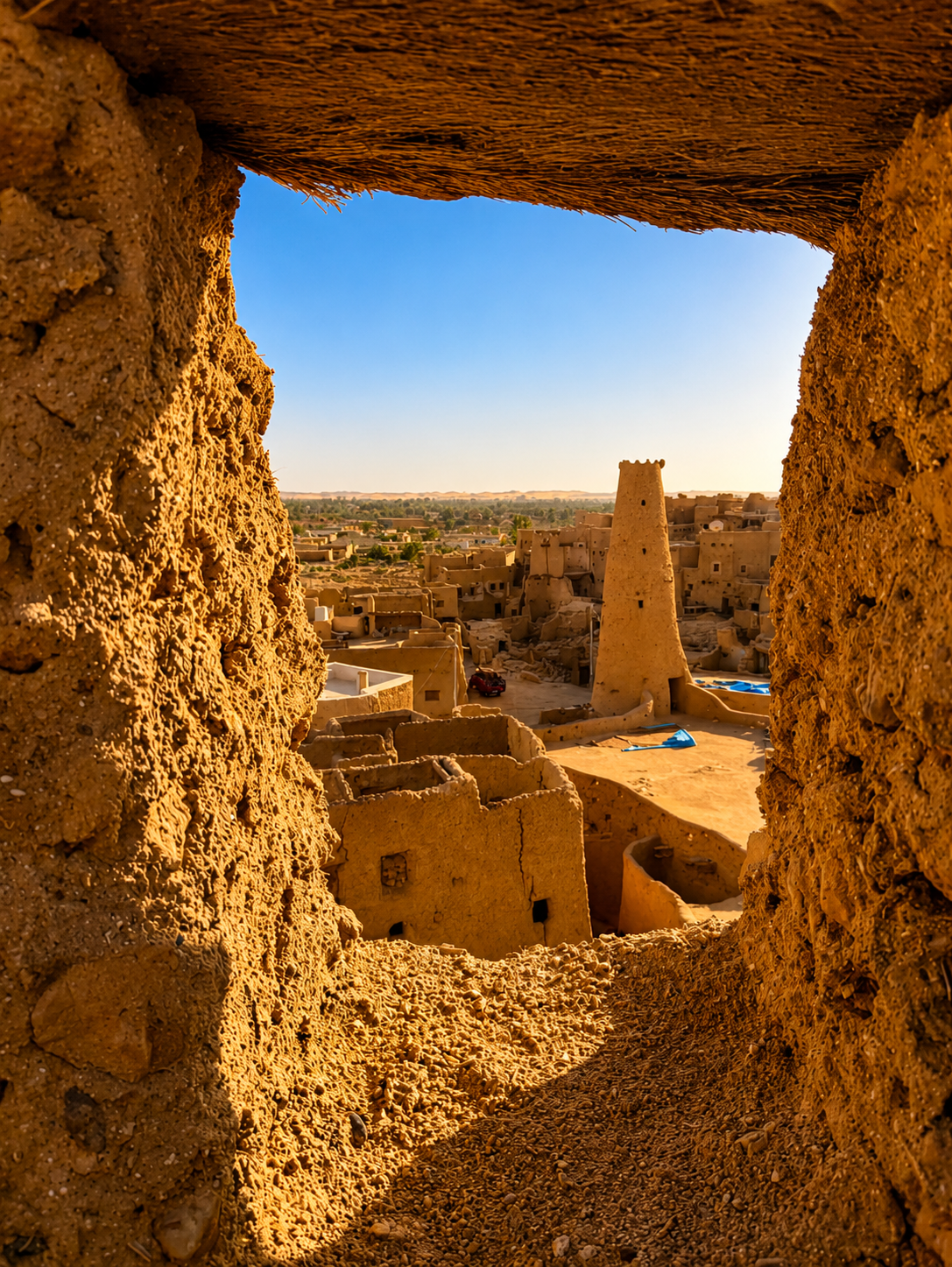
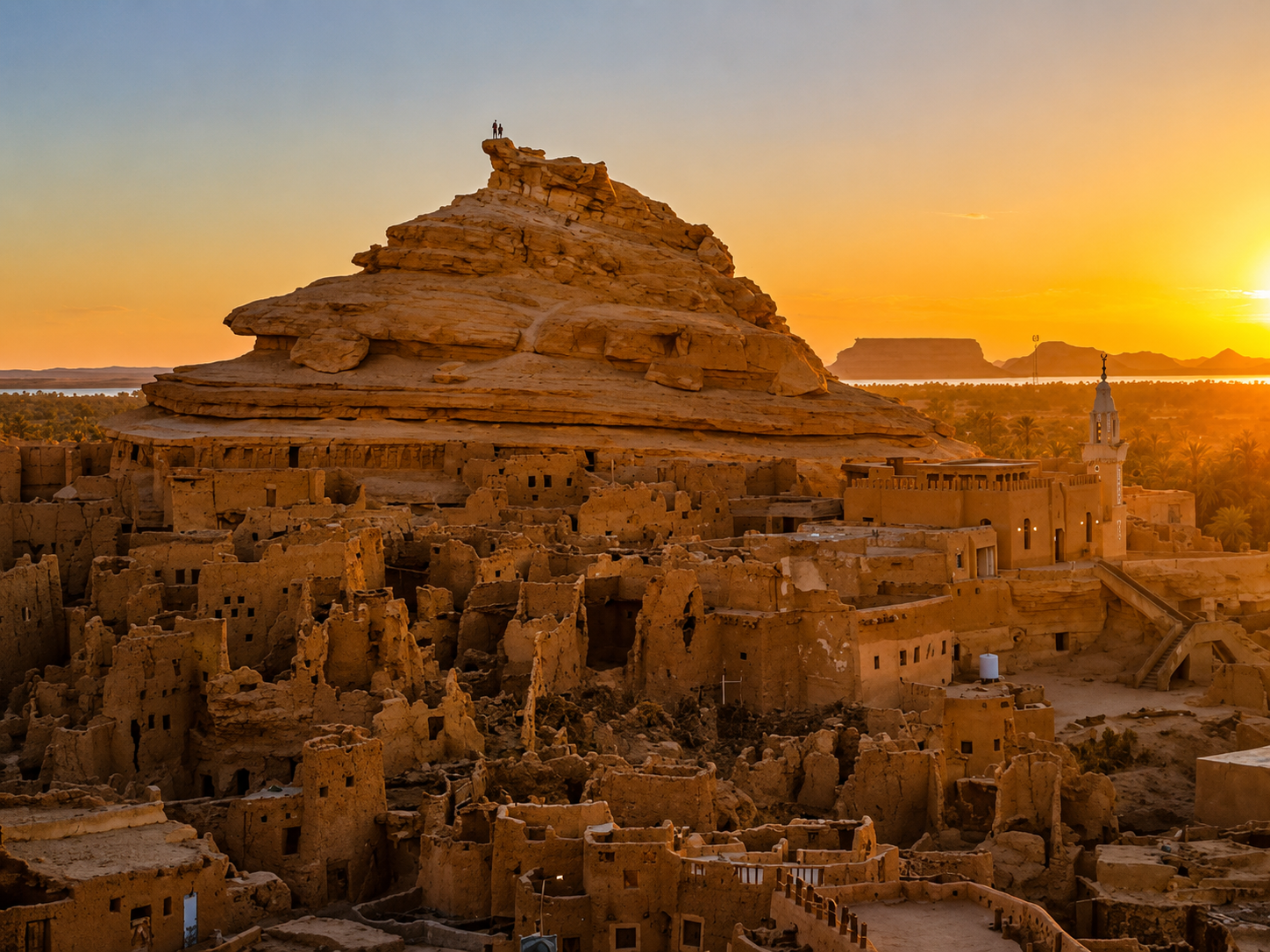
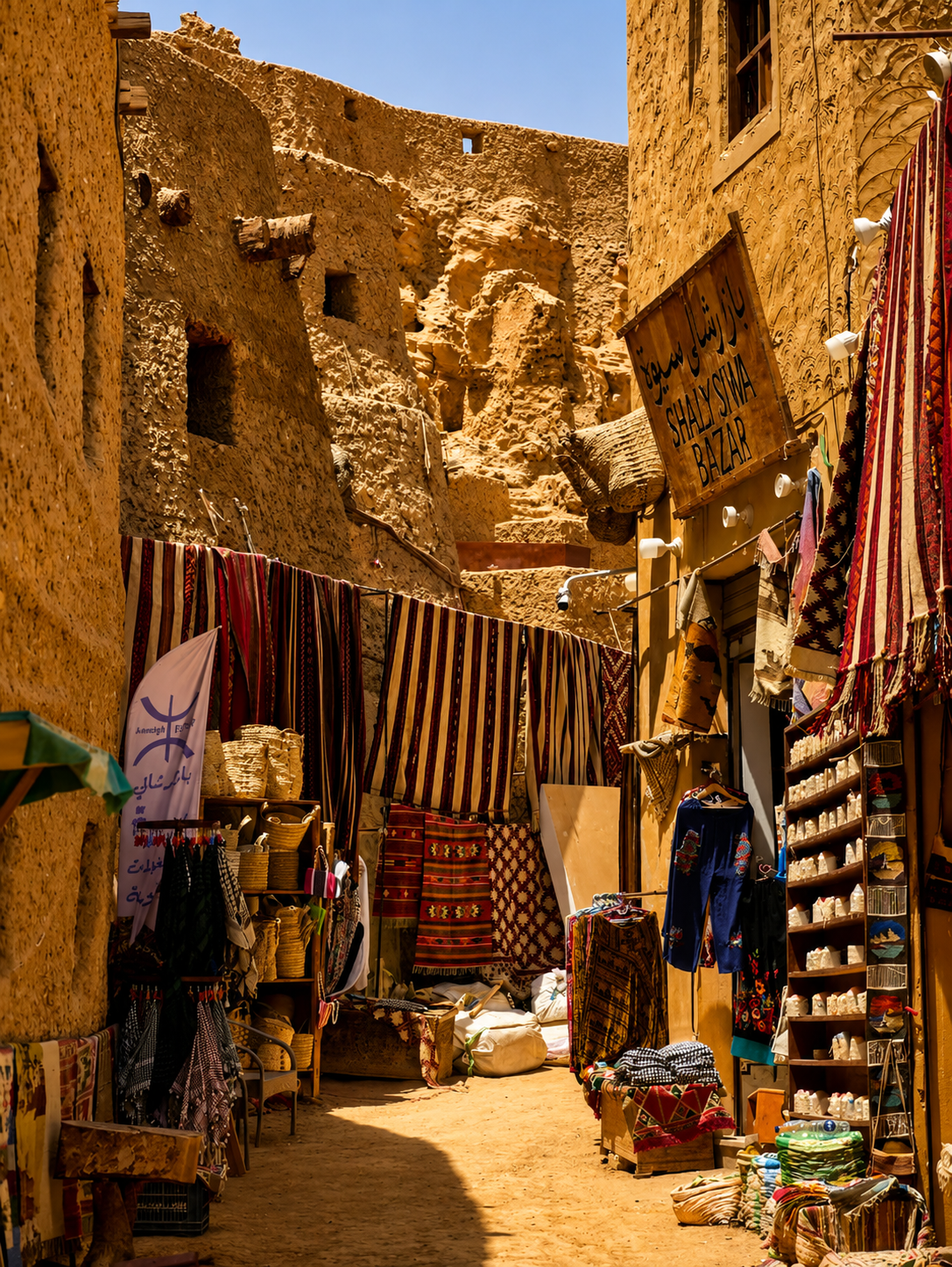
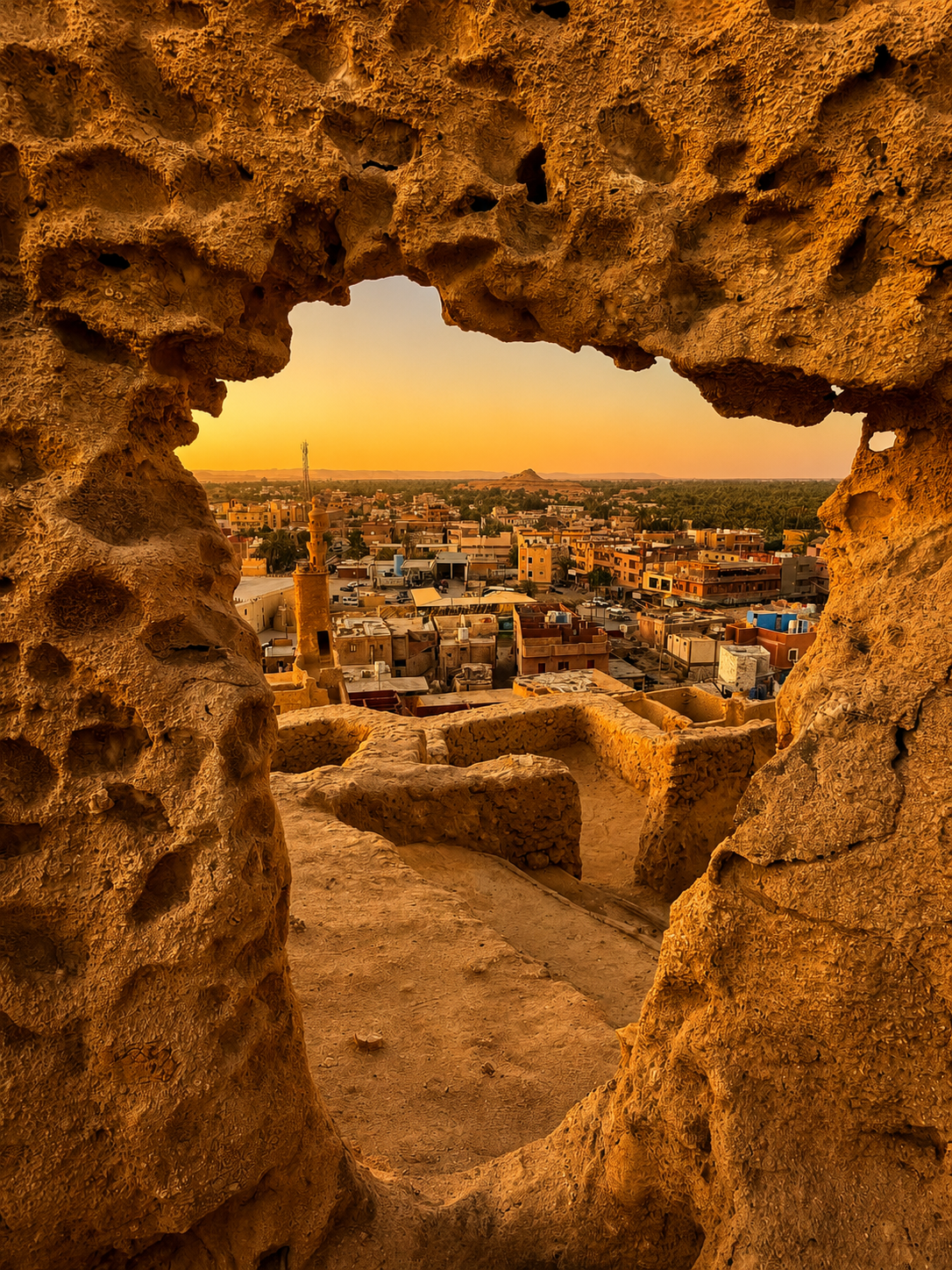
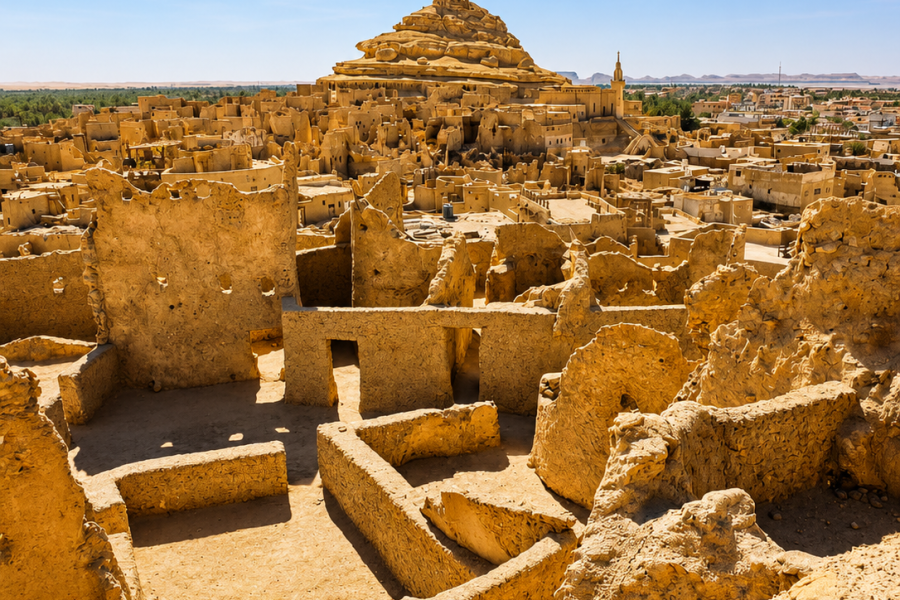
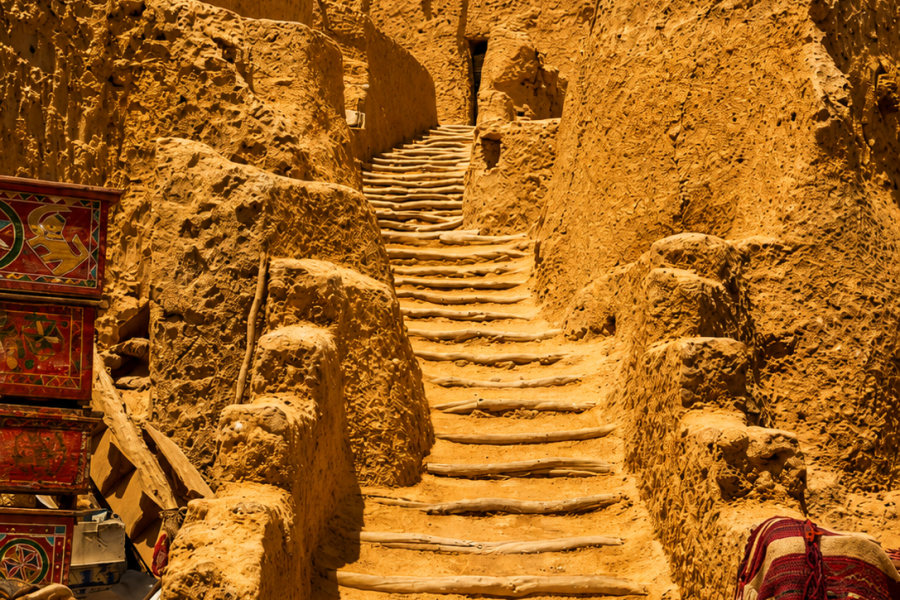
Shali is the historic center of Siwa and one of the best places to begin your visit.

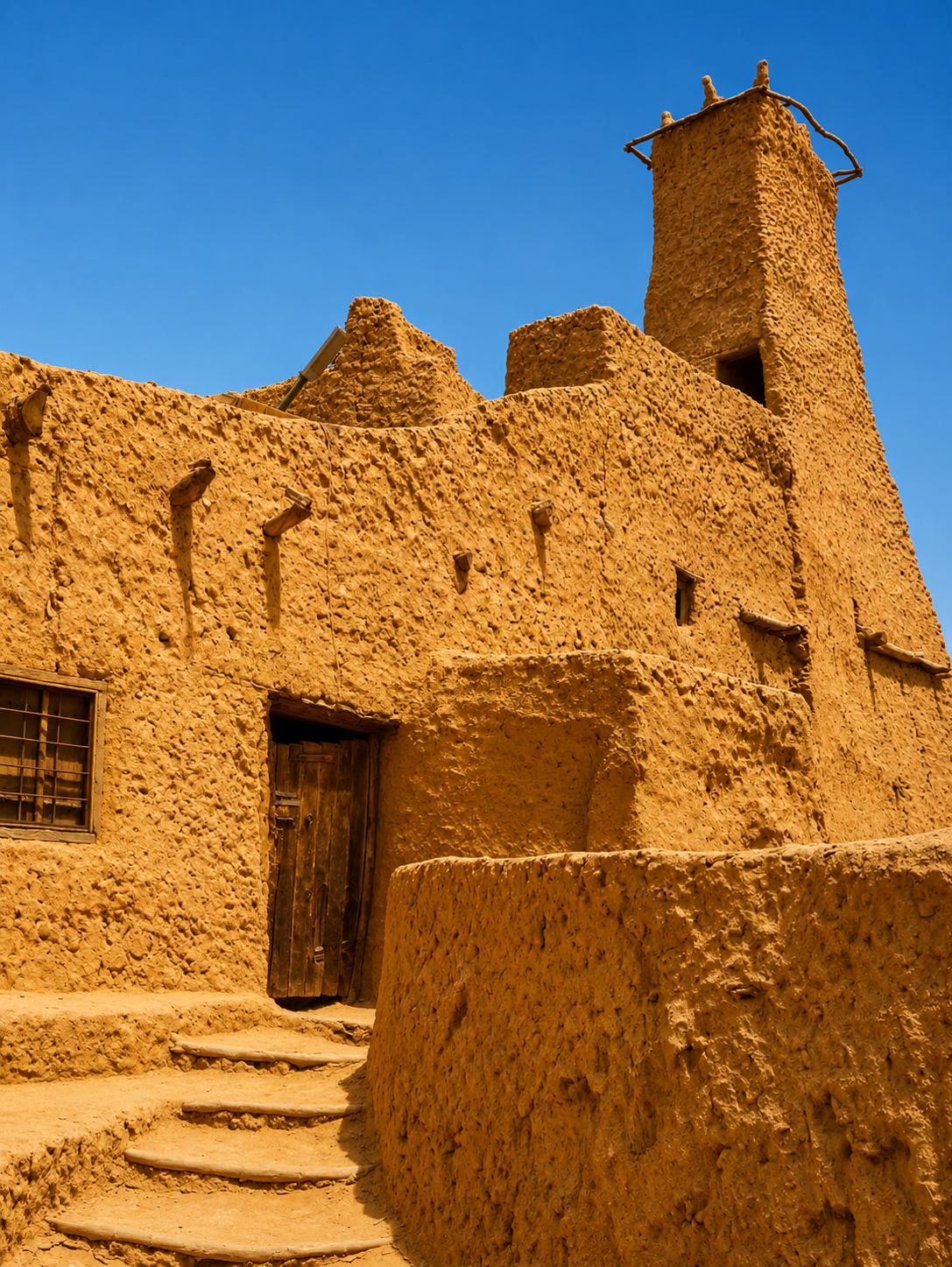
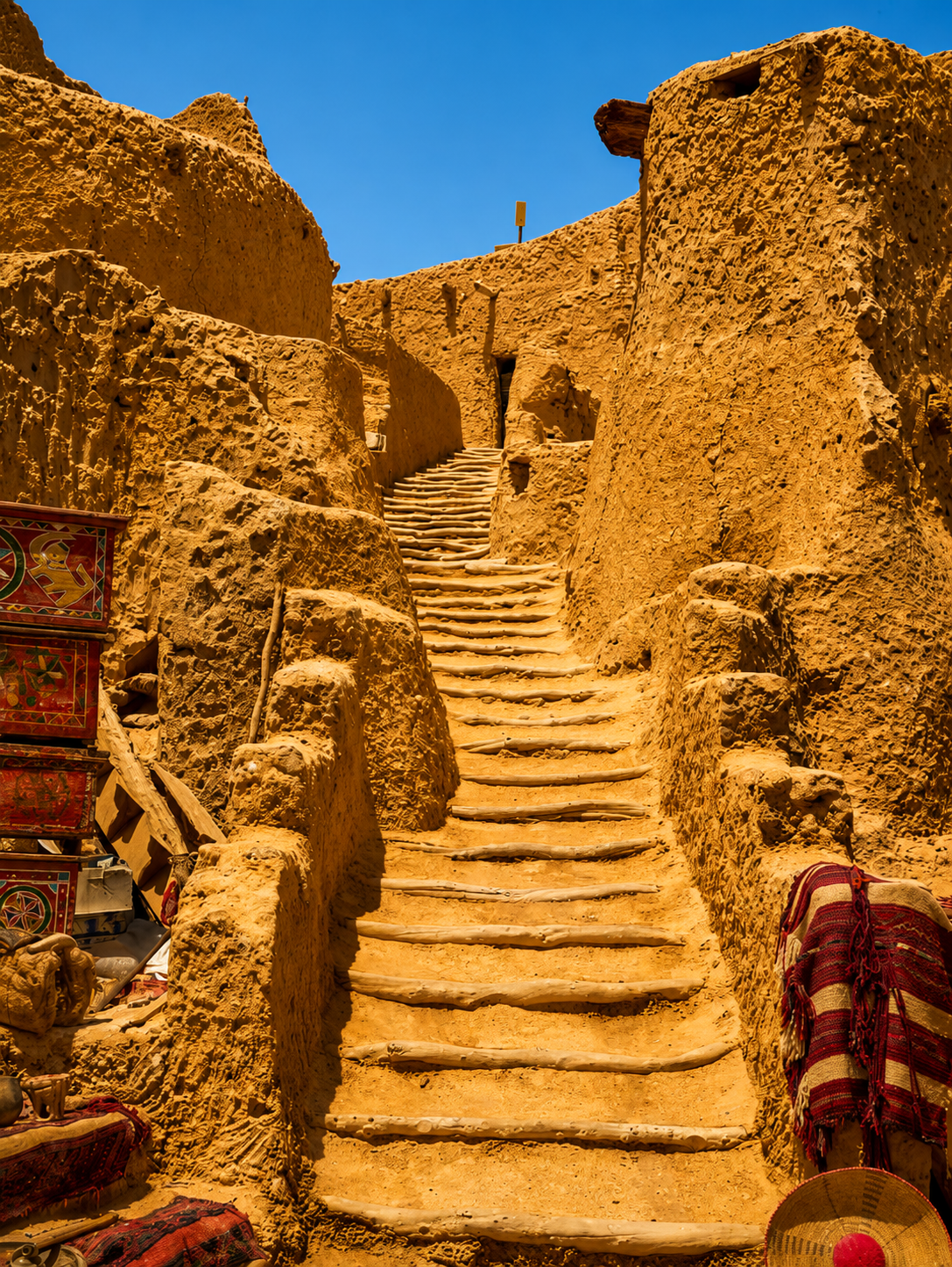
The old settlement was built using traditional kershef, a local material made from salt, mud and clay. Its ruined walls, narrow paths and elevated viewpoints create a strong contrast with the modern parts of Siwa.

Walking through Shali helps visitors understand the oasis’s architectural identity.

The experience is particularly attractive in the late afternoon when the warm light emphasizes the textures and earth colors.

Shali is not only a photograph. It is an important cultural landmark that reflects how the Siwan community adapted its architecture to local materials and desert conditions.

Siwa’s archaeological area has appeared on Egypt’s UNESCO World Heritage Tentative List since 1994, although this does not mean that it is currently a fully inscribed World Heritage Site.

2. Float in the Siwa Salt Lakes

The salt lakes are among the most recognizable attractions in Siwa.

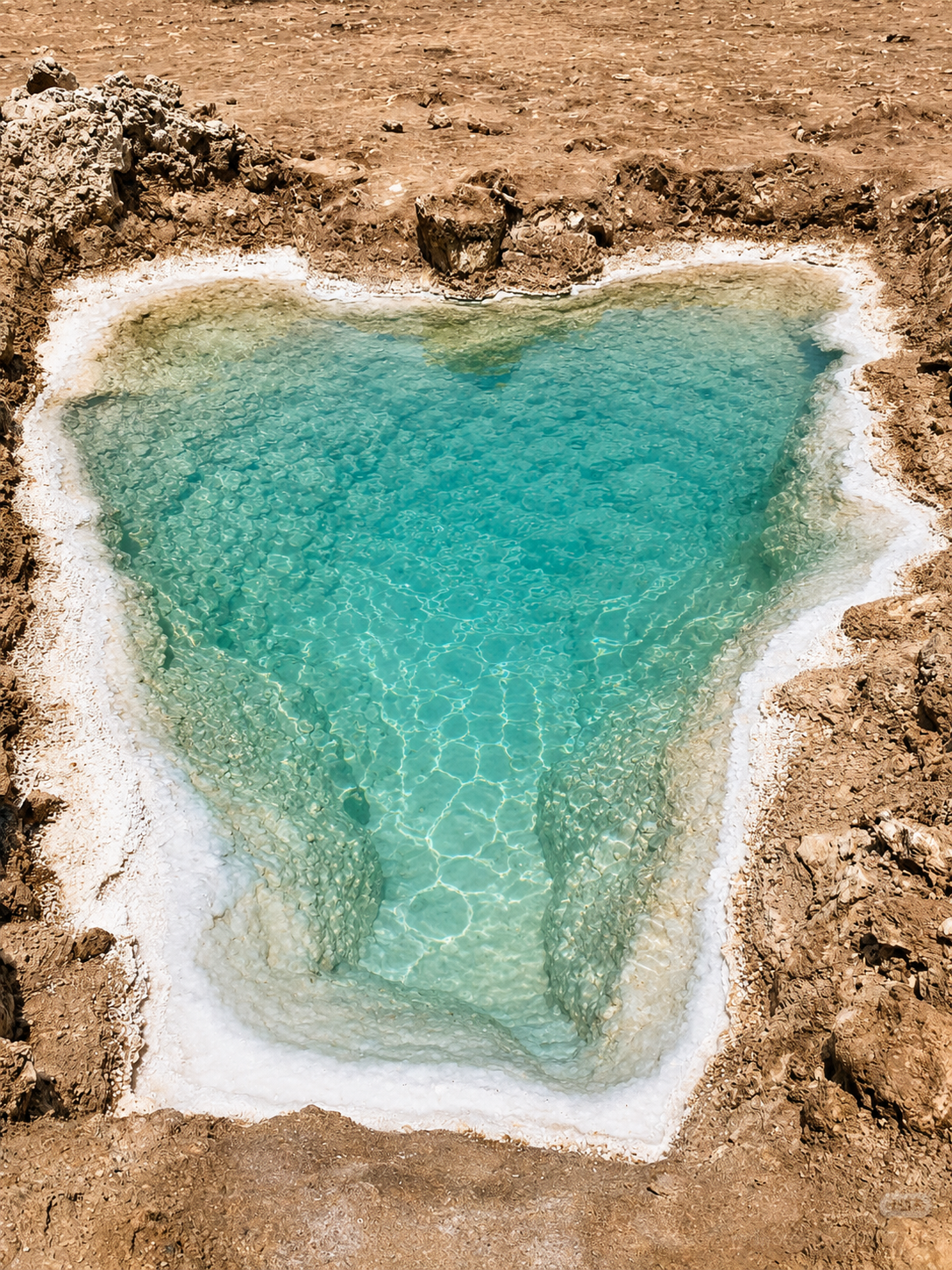
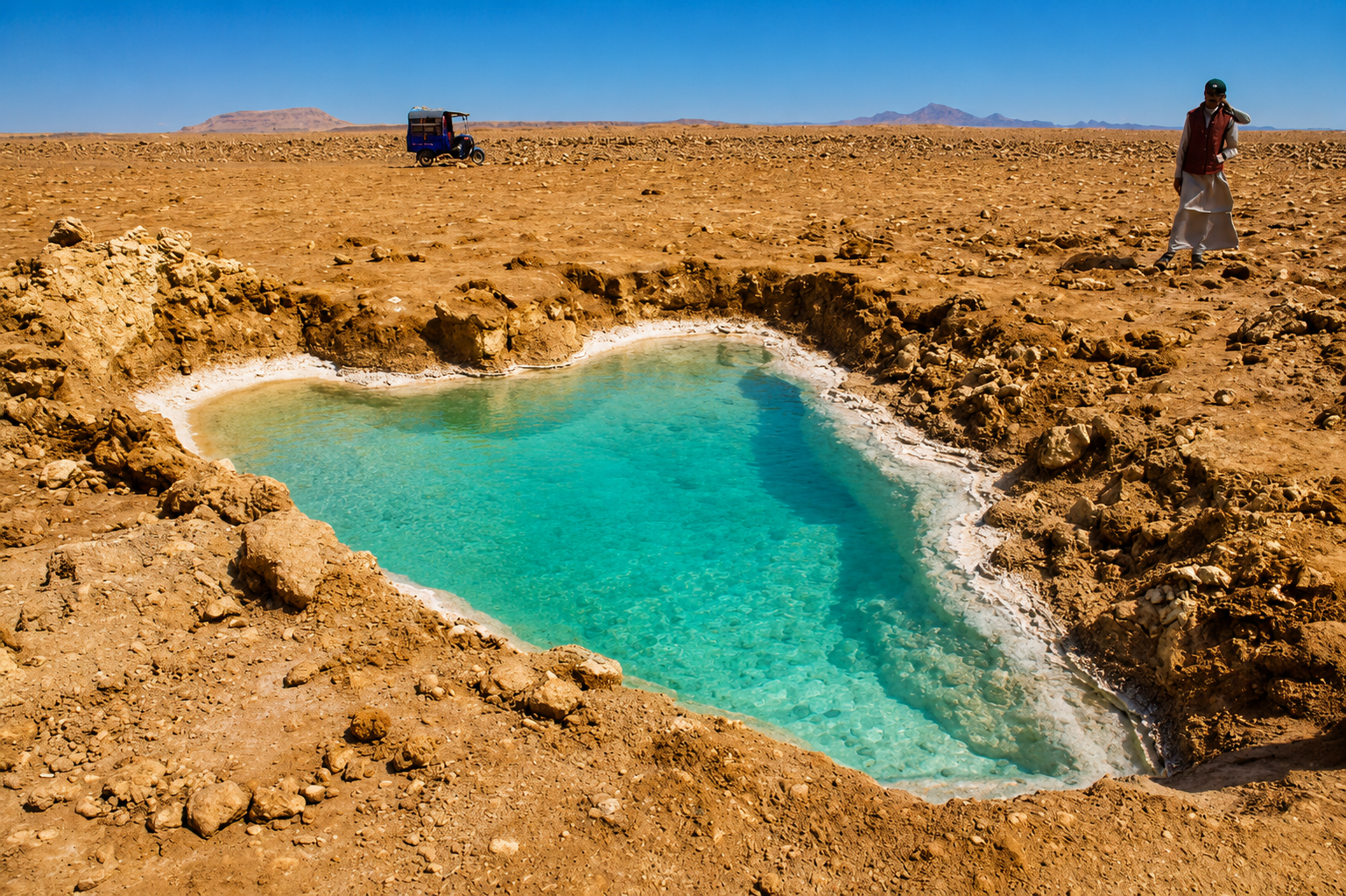
Their bright blue and turquoise colors create a dramatic contrast with the white salt edges and dry desert surroundings.

The high salt concentration increases buoyancy, helping many visitors float more easily than in ordinary water.

Before entering:

  • Avoid shaving shortly before the visit
  • Do not enter with fresh cuts
  • Keep the water away from your eyes
  • Do not dive
  • Remove delicate jewelry
  • Bring a towel
  • Bring fresh water for rinsing when available
  • Follow the local guide’s instructions

The lakes are natural and conditions vary. Water color, access and photography opportunities may differ according to season, weather, salt extraction and the specific lake chosen by the local team.

For detailed preparation, the dedicated Siwa Salt Lakes Guide later in the content cluster should link back to this article and to the main Siwa Oasis Egypt page.

3. Swim at Cleopatra Spring

Cleopatra Spring is a circular stone pool supplied by natural spring water.

It is surrounded by palm trees, cafés and local activity, making it both a swimming stop and a social location.

The idea that Cleopatra personally bathed in the pool is best understood as a popular local legend rather than a confirmed historical event.

Even without the legend, the spring is worth visiting for its oasis setting and refreshing water.

Travelers may stop for a swim, tea or a relaxed break after visiting historical sites and salt lakes.

4. Visit the Temple of the Oracle

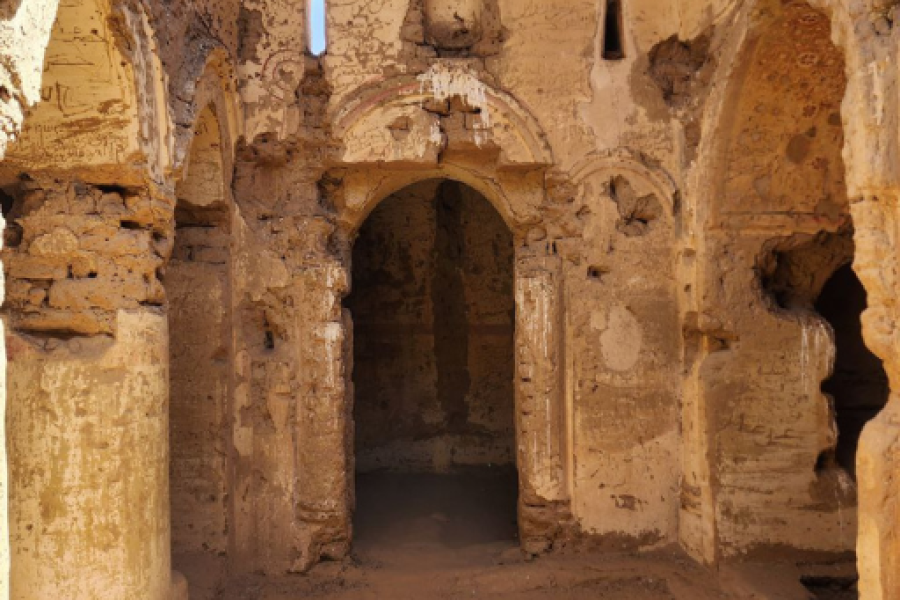
The Temple of the Oracle is one of Siwa’s most significant historical attractions.

It is traditionally associated with Alexander the Great, who is believed to have visited the oracle after entering Egypt.

The temple’s value comes from both its history and location. The elevated ruins overlook sections of the oasis, giving visitors views across palm groves, settlements and surrounding desert.

The site is smaller than major temple complexes such as Karnak, but its remote oasis setting creates a different atmosphere.

It works well in an itinerary with the nearby Amun Temple, Mountain of the Dead and Cleopatra Spring.

5. See the Mountain of the Dead

The Mountain of the Dead, also known as Gebel Al-Mawta, contains rock-cut tombs associated with different historical periods.

The hill also provides elevated views over Siwa.

A guided visit helps travelers understand the surviving paintings, tomb design and wider historical context.

The site demonstrates that Siwa is not only a natural wellness destination. It was connected to ancient Egyptian, Greco-Roman and desert-route history.

Visit during cooler morning hours when possible, as the exposed hill can become hot.

6. Watch Sunset at Fatnas Island

Fatnas Island, sometimes written as Fitnas Island, is one of Siwa’s best-known sunset locations.

The scenery combines water, palm trees, open sky and distant desert shapes.

Travelers often sit beside the water, drink tea and watch the colors change across the oasis.

The location is ideal after a long arrival day because it does not require a demanding activity.

It is also suitable for:

  • Couples
  • Families
  • Photographers
  • Travelers who prefer gentle activities
  • Visitors recovering from the Cairo drive

Sunset conditions depend on cloud, dust and seasonal water levels, but the calm setting is valuable even when the sky is not dramatic.

7. Take a Great Sand Sea Safari

The Great Sand Sea safari is the main adventure activity in Siwa.

A local 4×4 takes travelers beyond the oasis settlement into large dune landscapes at the edge of one of the Sahara’s most extensive sand regions.

UNESCO’s description of the Great Sand Sea notes that it extends hundreds of kilometers between Siwa in the north and Gilf Kebir in the south, with long parallel dune ridges.

A Siwa desert safari may include:

  • 4×4 dune driving
  • Large dune viewpoints
  • Sandboarding
  • Bir Wahed
  • A spring or desert pool
  • Tea in the desert
  • Fossil or geological stops where permitted
  • Sunset among the dunes

The experience should always be arranged with a qualified local driver.

Do not enter the dunes alone or follow an online map as a substitute for local desert knowledge.

8. Visit Bir Wahed

Bir Wahed is one of the common stops during a Great Sand Sea safari.

Depending on the current itinerary and access conditions, visitors may experience a natural spring, nearby desert scenery and time to relax after dune driving.

The exact stop can vary, so ask the operator whether Bir Wahed is included and what facilities are currently available.

A visit is normally combined with sandboarding, desert tea and sunset rather than treated as a separate day trip.

9. Experience Siwan Culture and Food

Siwa’s identity is not limited to attractions.

The oasis has a strong local culture influenced by its Amazigh heritage, remote geography, agricultural traditions and desert environment.

Visitors can experience Siwa through:

  • Dates
  • Olives and olive oil
  • Local dishes
  • Handmade textiles
  • Silver-inspired crafts
  • Baskets and palm products
  • Traditional architecture
  • Locally operated cafés
  • Eco-lodges
  • Markets
  • Conversations with local guides

Egypt’s official tourism platform notes that many residents work in local hotels, eco-lodges, restaurants, cafés and guiding, making tourism an important part of the oasis economy.

Respectful interaction matters. Ask before photographing people, dress appropriately in residential areas and support local businesses when possible.

Best 3-Day Siwa Itinerary from Cairo

Here is a realistic compact itinerary for first-time visitors.

Day 1: Cairo to Siwa and Sunset

  • Early pick-up from Cairo or Giza
  • Road journey toward the Mediterranean coast
  • Rest and meal stops
  • Optional brief stop near Marsa Matrouh
  • Continue south toward Siwa
  • Hotel check-in
  • Walk through Shali Old Town
  • Sunset at Fatnas Island
  • Dinner and overnight in Siwa

Do not overload the arrival day. The drive is long, and delays can affect the available evening time.

Day 2: Siwa Highlights and Desert Safari

  • Breakfast
  • Mountain of the Dead
  • Temple of the Oracle
  • Amun Temple
  • Siwa Salt Lakes
  • Cleopatra Spring
  • Lunch
  • Transfer to a local 4×4
  • Great Sand Sea safari
  • Sandboarding
  • Bir Wahed
  • Tea in the desert
  • Sunset
  • Return to the hotel
  • Dinner and overnight in Siwa

This is a full day. Travelers who prefer a slower pace should choose four days and separate the historical program from the safari.

Day 3: Siwa to Cairo

  • Breakfast
  • Short market or local-products stop
  • Hotel check-out
  • Begin the return journey
  • Rest and meal stops
  • Arrival in Cairo or Giza

Avoid booking an international flight on the same evening. Road journeys can experience traffic, checkpoint or weather delays.

Siwa Oasis or White Desert: Which Should You Choose?

Siwa Oasis and the White Desert offer completely different experiences.

Choose Siwa when you want:

  • Salt lakes
  • Natural springs
  • Local culture
  • Ancient ruins
  • Eco-lodges
  • A combination of relaxation and safari

Choose the White Desert when you want:

  • Overnight desert camping
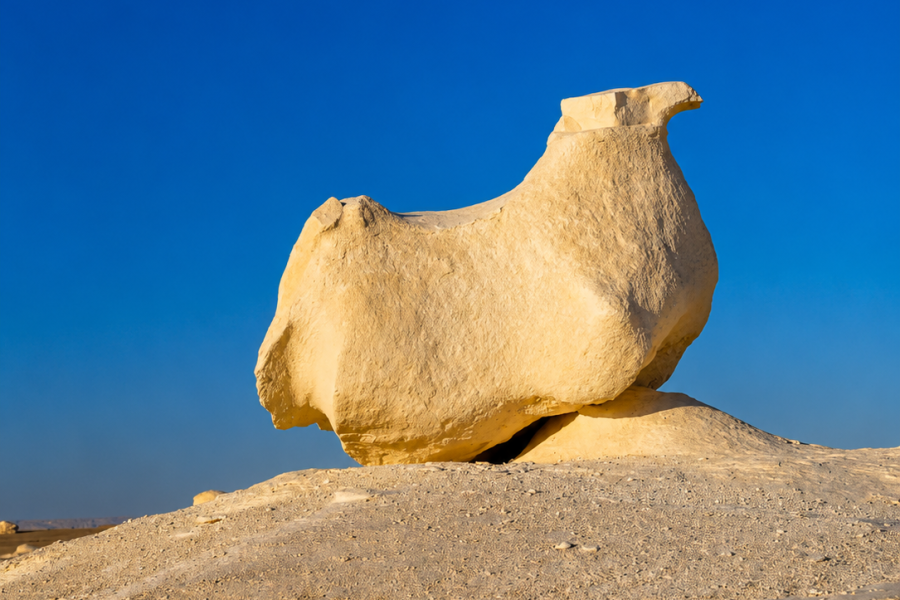
  • Chalk formations
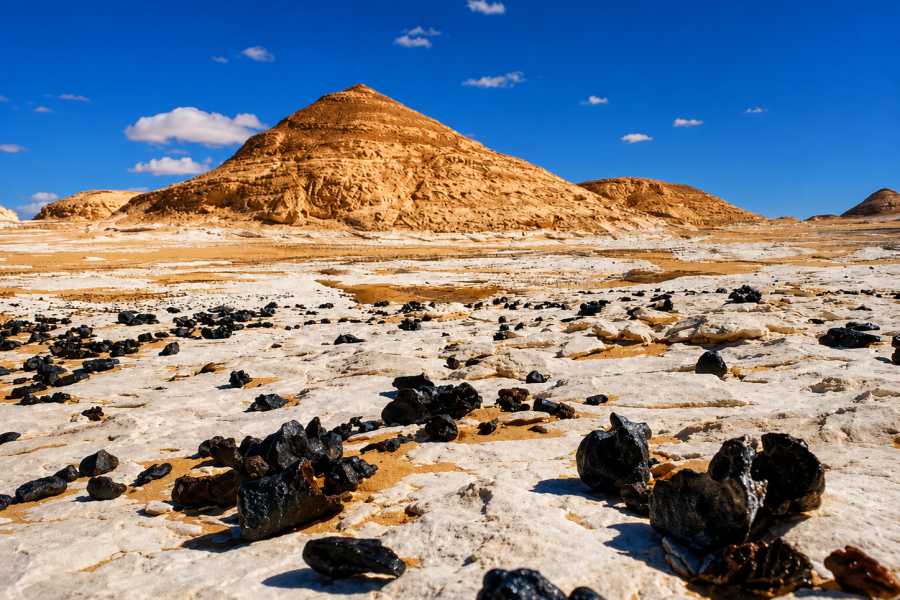
  • Black Desert landscapes
  • Crystal Mountain
  • Agabat Valley
  • A shorter trip from Cairo

For a detailed White Desert route, read White Desert from Cairo: Best Routes, Tours & Travel Tips.

Travelers mainly interested in sleeping under the stars should also read White Desert Camping in Egypt: What to Expect.

For a route combining the Black Desert, Crystal Mountain and White Desert, see the Black Desert and White Desert Tour from Cairo guide.

These contextual links strengthen the relationship between the Siwa and Western Desert content clusters without forcing every article to target the same keyword.

Can You Combine Siwa with Cairo and Giza?

Yes. Most international travelers visit Siwa before or after several days in Cairo and Giza.

A strong itinerary might include:

Seven-Day Egypt and Siwa Plan

  • Day 1: Arrival in Cairo
  • Day 2: Giza Pyramids and Grand Egyptian Museum
  • Day 3: Cairo historical attractions
  • Day 4: Cairo to Siwa
  • Day 5: Siwa highlights
  • Day 6: Siwa to Cairo
  • Day 7: Departure or additional Cairo tour

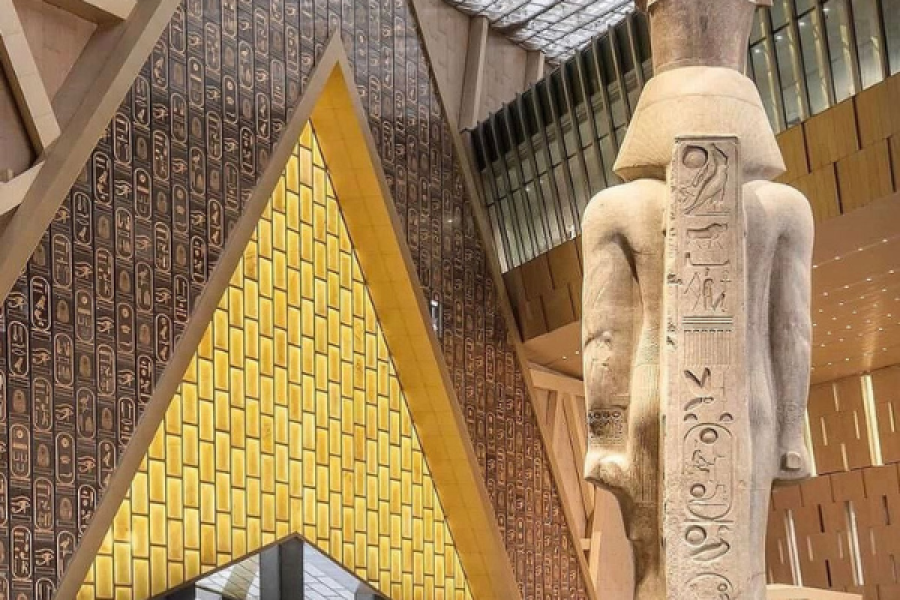
Before traveling to Siwa, visitors can book the Giza Pyramids and Grand Egyptian Museum Tour.

Travelers needing a broader city program can choose the 2 Days Cairo and Giza Tour.

These links are relevant because most Siwa visitors begin and finish their journey in Cairo rather than traveling to Siwa as an isolated holiday.

Can You Combine Siwa with Alexandria?

Alexandria can be added before or after Siwa, especially for travelers interested in Egypt’s northern coast.

A possible route is:

Cairo → Alexandria → Marsa Matrouh → Siwa → Cairo

However, this requires more than three or four days. Alexandria should not be compressed into a short Siwa itinerary merely because it lies in northern Egypt.

Travelers with additional time can first explore the Alexandria Egypt travel guide or book an Alexandria Day Tour from Cairo.

The link works as an itinerary extension, but it should not appear repeatedly throughout the Siwa article.

Best Time to Visit Siwa Oasis

The most comfortable period for most travelers is from October to April.

Egypt’s official tourism information promotes Siwa for its springs, salt lakes, archaeological attractions and Great Sand Sea experiences, all of which are generally easier to enjoy outside the hottest summer months.

October and November

Autumn often provides warm daytime conditions and more comfortable evenings.

This period is suitable for:

  • Salt lakes
  • Historical sightseeing
  • Desert safari
  • Sunset photography
  • Outdoor dining

December to February

Winter days can be pleasant, but nights may become cold.

Bring:

  • A warm jacket
  • Long trousers
  • Closed shoes
  • A fleece or sweater
  • Layers for the desert safari

Salt-lake swimming can feel cold before and after entering the water, even when the lake itself remains accessible.

March and April

Spring can offer comfortable temperatures and good light.

Wind and dust conditions should be checked, especially when planning photography or a Great Sand Sea safari.

May to September

Summer can be extremely hot.

Travel remains possible with careful planning, but sightseeing should begin early, hydration is essential and the midday schedule may need to be reduced.

Travelers sensitive to heat should choose a cooler month.

Where to Stay in Siwa

Siwa accommodation ranges from simple guesthouses to traditional eco-lodges and higher-end desert retreats.

Options may include:

  • Central Siwa hotels
  • Small locally operated guesthouses
  • Palm-grove lodges
  • Traditional kershef-style accommodation
  • Eco-lodges
  • Desert camps
  • Luxury retreats

Choose accommodation according to your priorities.

Stay near central Siwa when you want:

  • Easier restaurant access
  • Market access
  • Shorter transfers
  • A more active local atmosphere

Choose an eco-lodge or palm-grove property when you want:

  • Quiet surroundings
  • Traditional architecture
  • Nature
  • Privacy
  • A slower experience

Before booking, confirm:

  • Air conditioning or heating
  • Electricity arrangements
  • Wi-Fi
  • Private bathroom
  • Meal plan
  • Distance from central Siwa
  • Vehicle access
  • Pool or spring access
  • Payment method

Some eco-focused accommodations intentionally reduce modern services. That may be part of the experience, but travelers should understand it before arrival.


What to Pack for a Siwa Trip

Bring clothing and equipment for the long road journey, oasis sightseeing, swimming and desert safari.
Essential Clothing

  • Lightweight daytime clothing
  • Long trousers or modest clothing
  • Comfortable walking shoes
  • Closed shoes for the desert
  • Warm evening layer
  • Wind-resistant jacket in cooler months
  • Hat or scarf
  • Swimwear
  • Sandals for springs

Sun and Swimming Items

  • Sunglasses
  • Sunscreen
  • Lip balm
  • Towel
  • Fresh-water bottle for rinsing after salt lakes
  • Simple swimwear
  • Waterproof bag for wet clothes

Electronics

  • Phone
  • Camera
  • Power bank
  • Spare camera batteries
  • Charging cables
  • Additional memory cards

Personal Items

  • Passport or requested identification
  • Personal medication
  • Wet wipes
  • Tissues
  • Hand sanitizer
  • Small backpack
  • Cash
  • Snacks for the road
  • Motion-sickness medication when needed

Salt water can affect jewelry, watches, phones and camera equipment. Leave valuable accessories at the hotel before entering the lakes.

Is Siwa Oasis Safe to Visit?

Siwa is remote, so safety planning should focus on transportation, route choice, local guidance, weather and desert activities.

Travel advice varies by nationality and may change. Travelers should check guidance issued by their own government and ensure that travel insurance covers the full itinerary.

Current UK guidance advises particular caution in border and desert regions and states that the road between Al Bawiti and Siwa is closed. It also advises against all but essential travel on that specific route. This does not describe the normal coastal road from Cairo through the north, but it directly affects attempts to connect Siwa and Bahariya through the closed road.

A properly arranged Siwa tour should provide:

  • A suitable long-distance vehicle
  • An experienced driver
  • Planned rest stops
  • Current route knowledge
  • Local sightseeing support
  • A qualified desert-safari driver
  • Drinking water
  • Emergency contacts
  • Confirmed hotel arrangements
  • Assistance with any current requirements

Do not travel independently into the Great Sand Sea.

Before departure, ask the tour operator to confirm:

  • Current road conditions
  • Current access rules
  • Required identification
  • Checkpoint procedures
  • Desert safari arrangements
  • Emergency communication
  • The final itinerary

Responsible Travel in Siwa

Siwa’s value comes from its environment and living culture.

Responsible visitors should:

  • Dress respectfully in villages
  • Ask before photographing residents
  • Avoid leaving waste around lakes
  • Do not damage Shali or archaeological sites
  • Do not remove salt, rocks or artifacts
  • Follow local instructions at springs
  • Avoid wasting fresh water
  • Support local businesses
  • Use experienced local safari drivers
  • Keep noise low in peaceful areas
  • Respect hotel and eco-lodge sustainability policies
  • Avoid driving independently across dunes

Tourism provides income for many local accommodation owners, restaurant operators, artisans and guides, making responsible local spending part of a more sustainable trip.

Which Siwa Tour Should You Book?

Best for a Short Trip

Choose the 2 Nights 3 Days Siwa Tour from Cairo.

It is suitable for:

  • First-time visitors
  • Travelers with limited time
  • Couples
  • Small groups
  • Visitors adding Siwa to a wider Egypt itinerary

Best for a Relaxed Experience

Choose the 4 Days Siwa Oasis Tour from Cairo.

It is better for:

  • Families
  • Photographers
  • Slow travelers
  • Couples wanting more relaxation
  • Visitors who dislike rushed sightseeing

Best for a Full Western Desert Journey

Consider the Cairo, Siwa, Bahariya Oasis and White Desert Tour, subject to current road access, permitted routing and travel guidance.

It is intended for travelers who want:

  • Siwa Salt Lakes
  • Great Sand Sea safari
  • Bahariya Oasis
  • Black Desert
  • Crystal Mountain
  • Agabat
  • White Desert camping

Browse the complete collection of private Egypt and Western Desert tours to compare the available programs.

Book Your Siwa Oasis Tour from Cairo

For most first-time visitors, the best choice is:

Cairo → Siwa Oasis → 2 nights in Siwa → historical attractions → salt lakes → Great Sand Sea safari → Cairo

Choose three days when time is limited. Choose four days when you want a more relaxed itinerary.

To receive a private recommendation, send:

  • Your travel date
  • Number of guests
  • Cairo or Giza pick-up location
  • Preferred tour duration
  • Accommodation preference
  • Dietary requirements
  • Any planned destinations before or after Siwa

WhatsApp: +20 10 05014595

Email: contact@whiteandblackdeserttours.com

Tour Request: Contact White and Black Desert Tours

4 Days Siwa Oasis Tour from Cairo

One Day Fayoum Tour from Cairo

Giza Pyramids & Grand Egyptian Museum Tour

One Day Tour to the White Desert from Cairo

1 Night Camping in Fayoum Desert from Cairo

2 Nights 3 Days Cairo – Siwa Tour

Siwa Program by Comfortable Bus from Cairo

1 Night 2 Days White Desert Tour from Cairo

2 Nights 3 Days White Desert & Dejara Cave Tour from Cairo

2 Nights 3 Days Camping Tour in White Desert

3 Nights 4 Days Cairo White Desert Tour

2 Nights 3 Days Tour in White Desert and Bahariya Oasis

2 Nights 3 Days Cairo – Siwa Tour

6 Nights 7 Days Cairo, Siwa, Marsa Matrouh & White Desert Tour

2 Nights 3 Days Fayoum and White Desert Tour from Cairo

5 Nights 6 Days Egypt Oasis Tour from Cairo

National Museum of Egyptian Civilization Tour

2 Days Tour in Cairo and Giza

4 Days 3 Nights Package to Luxor from Cairo by Sleeper Train

3 Days 2 Nights Tour from Cairo to Dakhla and Luxor

Full Day Tour to Alexandria from Cairo

Full Day Tour in West Bank of Luxor

Full Day Tour in East Bank of Luxor

Full Day Tour in Aswan

Frequently Asked Questions

Siwa Oasis is approximately 741 kilometers from Cairo by road. The journey normally takes around 8–10 hours by private vehicle, depending on traffic, stops, checkpoints and road conditions.

The most comfortable option is a private tour or private transfer. Public buses may also operate, but travelers must arrange accommodation, local sightseeing and the Great Sand Sea safari separately.

Three days and two nights are the minimum recommended for a return trip from Cairo. Four days and three nights provide a more relaxed experience and allow sightseeing and the desert safari to take place on separate days.

A 2-day trip from Cairo is possible but not recommended because the journey takes most of a day in each direction. There would be very little time for Siwa’s main attractions.

No direct train connects Cairo and Siwa. Travelers normally use a private vehicle, organized tour or public bus.

Regular year-round commercial flights should not be assumed. Road transportation remains the normal way to reach Siwa unless a confirmed flight is available for the exact travel date.

Siwa is famous for its salt lakes, Shali Fortress, Cleopatra Spring, Temple of the Oracle, Mountain of the Dead, Fatnas Island, Bir Wahed, Great Sand Sea and distinctive local culture.

Yes. Visitors commonly float in the salt lakes because of their high salinity. Keep the water away from your eyes, avoid entering with fresh cuts and rinse with fresh water afterward when possible.

Yes. The Great Sand Sea safari is one of Siwa’s main experiences and may include dune driving, sandboarding, Bir Wahed, tea in the desert and sunset.

No. Travelers should use an experienced local driver with a suitable 4×4 vehicle. The dunes are remote and require local navigation and desert-driving experience.

October to April is generally the most comfortable period. December through February may be cold at night, while summer can be extremely hot.

Three days are enough for a compact first trip, but the itinerary will be busy. Four days are better for travelers who want more time at the lakes, historical sites and desert.

Choose Siwa for salt lakes, springs, culture, ruins and a Great Sand Sea safari. Choose the White Desert for chalk formations, Black Desert landscapes and overnight camping.

A longer combined itinerary may be possible, but the route must follow current access rules. Do not assume that the direct road between Siwa and Bahariya is open. Confirm the permitted route with the operator before booking.

Yes. Siwa can be suitable for families when the itinerary is private and properly planned. Parents should consider the long road journey, heat, swimming safety and the intensity of the 4×4 safari.