Siwa Oasis 4 Days Itinerary: Culture, Salt Lakes & Great Sand Sea Safari
If you are traveling to Siwa Oasis from Cairo, four days and three nights is one of the best ways to experience the oasis without turning the trip into a race.
But four days gives you something extremely valuable:
time.
Time to recover from the long journey from Cairo.
Time to walk through Shali Old Town rather than simply photograph it.
Time to explore Siwa’s archaeological sites.
Time to float in the salt lakes.
Time to relax around Cleopatra Spring.
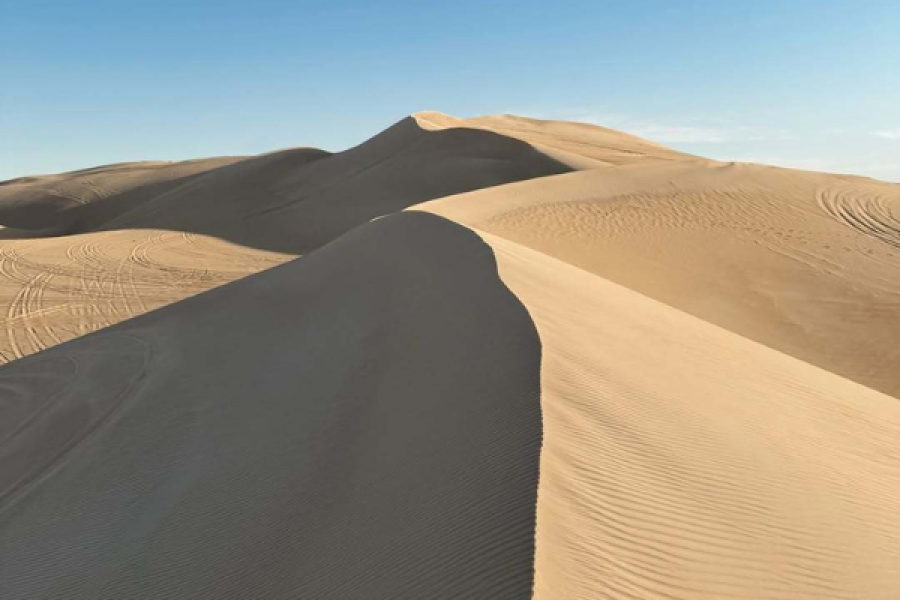
And time to enter the Great Sand Sea by 4×4 and watch sunset from the dunes without worrying constantly about starting the return drive.
The current 4 Days Siwa Oasis Tour from Cairo from White and Black Desert Tours follows exactly this slower structure: travel to Siwa on Day 1, historical and cultural sightseeing on Day 2, salt lakes and Great Sand Sea adventure on Day 3, then return to Cairo on Day 4.
That makes this itinerary especially suitable for:
first-time Siwa visitors,
couples,
families,
photographers,
travelers who enjoy nature,
travelers interested in Siwan culture,
and anyone who wants Siwa to feel like a destination rather than a long day trip.
If you are still deciding whether Siwa should be part of your Egypt trip, start with our completeSiwa Oasis Egypt travel guide.
Quick Siwa Oasis 4 Days Itinerary
For travelers who want the short version first:
Day 1
Cairo → Marsa Matrouh → Siwa Oasis
Travel west from Cairo, stop around Marsa Matrouh depending on the itinerary, then continue to Siwa and settle into your eco-lodge or hotel.
Day 2
Shali Old Town → Mountain of the Dead → Temple of Amun → Temple of the Oracle → Fatnas Island Sunset
This is your history, architecture and culture day.
Day 3
Siwa Salt Lakes → Cleopatra Spring → Great Sand Sea → Bir Wahed → Dune Sunset → Bedouin Dinner
This is your nature and adventure day.
Day 4
Siwa Oasis → Cairo
Breakfast, departure and return through the Western Desert.
The currently published 4-day program includes three nights in an eco-lodge, private Cairo–Siwa transportation, a 4×4 for the desert safari, entrance fees for the listed tombs and temples, meals according to the program, and Great Sand Sea permissions.
Why Spend 4 Days in Siwa Oasis?
Because Siwa is remote.
And that remoteness is part of what makes it special.
Unlike a Cairo attraction where you can visit for three hours and return to your hotel, Siwa works best when you accept the journey as part of the experience.
The oasis lies in Egypt’s Western Desert near the Libyan border and combines palm groves, salt lakes, natural springs, dunes, ancient ruins and a distinctive Siwan cultural identity. Egypt’s official tourism platform also identifies Siwa as a major protected area and notes the importance of preserving both its natural environment and its Amazigh-rooted local culture.
A four-day itinerary gives you:
1 travel day in
2 proper Siwa exploration days
1 travel day back
That is why four days feels substantially more comfortable than trying to compress everything into two nights.
Is 4 Days in Siwa Too Much?
For most travelers, no.
In fact, if Siwa is one of the main reasons you are visiting Egypt, four days is an excellent duration.
Our current Siwa Oasis destination guiderecommends three days as the minimum practical private itinerary from Cairo and positions four days as the better option when you want a more relaxed experience.
Four days gives you room for both sides of Siwa:
Cultural Siwa
Shali Old Town
ancient temples
Mountain of the Dead
local architecture
oasis life
Natural Siwa
salt lakes
Cleopatra Spring
Great Sand Sea
Bir Wahed
dunes
sunset landscapes
Trying to combine all of that with the road journey in only two days would make little sense.
Day 1: Cairo to Siwa Oasis
Your first day is primarily a travel day.
Most private itineraries begin with hotel pickup in Cairo or Giza and head toward Egypt’s northwestern region.
The current 4-day program includes a stop in Marsa Matrouh, on Egypt’s Mediterranean coast, before continuing toward Siwa.
This is a useful break in the journey.
Instead of thinking:
“We lost a whole day driving,”
think of Day 1 as the transition between two completely different Egypt experiences.
You leave:
traffic,
city streets,
dense urban development.
And gradually enter a much quieter environment.
By the time you reach Siwa, palm trees, desert landscapes and the oasis atmosphere have replaced Cairo.
The current 4 Days Siwa Tour includes Marsa Matrouh as a lunch stop before continuing to Siwa.
The 3 Days Siwa Tour from Cairo goes further and can include time at one of Marsa Matrouh’s Mediterranean beaches.
The stop works particularly well because it adds another landscape to the journey:
Cairo → Mediterranean coast → Western Desert → Siwa Oasis.
However, do not spend so long in Marsa Matrouh that you arrive in Siwa exhausted late at night.
Siwa is the main destination.
Arriving in Siwa: Do Not Overload Day 1
Once you reach the oasis, keep the first evening relatively easy.
Check into your eco-lodge or hotel.
Walk nearby if you still have energy.
Have dinner.
Slow down.
The current 4-day program deliberately keeps Day 1 simple and uses the following two days for the main sightseeing and safari experiences.
This is good itinerary design.
Your first reaction to Siwa should not be:
“Quick! We have 40 minutes to visit five attractions.”
The oasis rewards slower travel.
Day 2: Discover Siwa's History and Culture
Day 2 should focus on the human story of Siwa.
The recommended sequence is:
Shali Old Town → Mountain of the Dead → Amun Temple → Temple of the Oracle → Fatnas Island
The current four-day tour uses the same historical group before ending the day around Fatnas Island.
This separates your cultural day from the more active salt-lake and desert-safari experiences planned for Day 3.
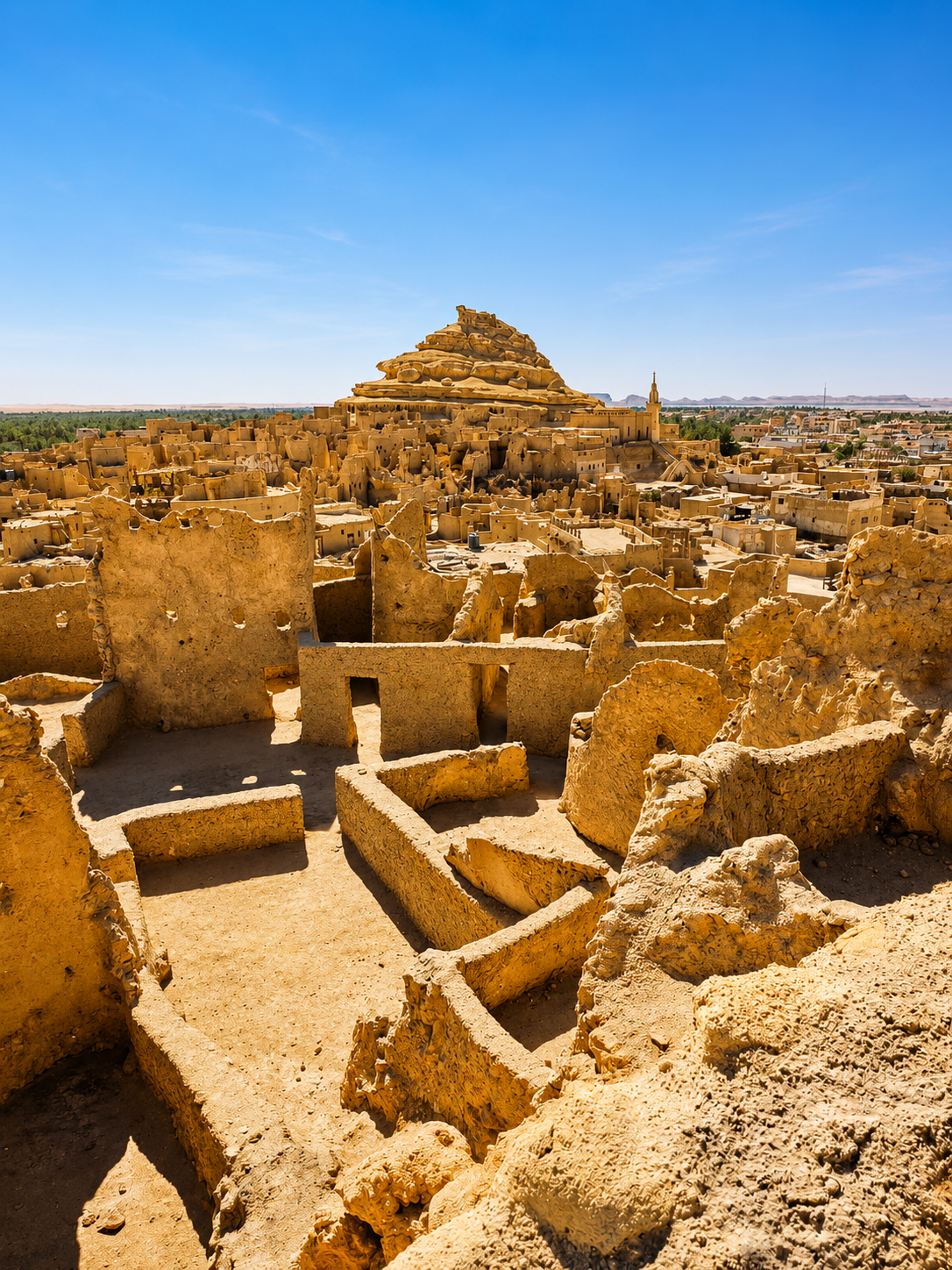
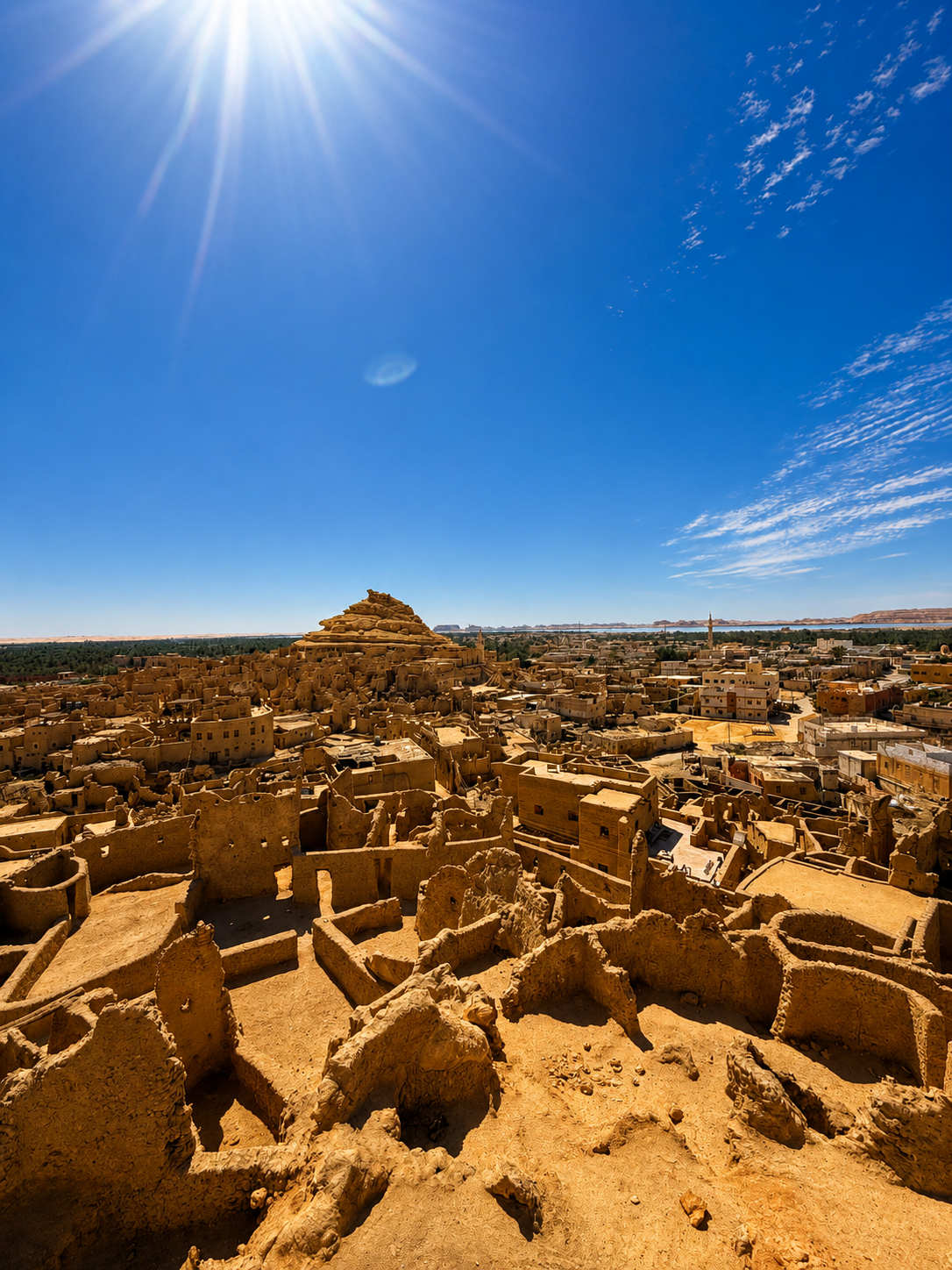
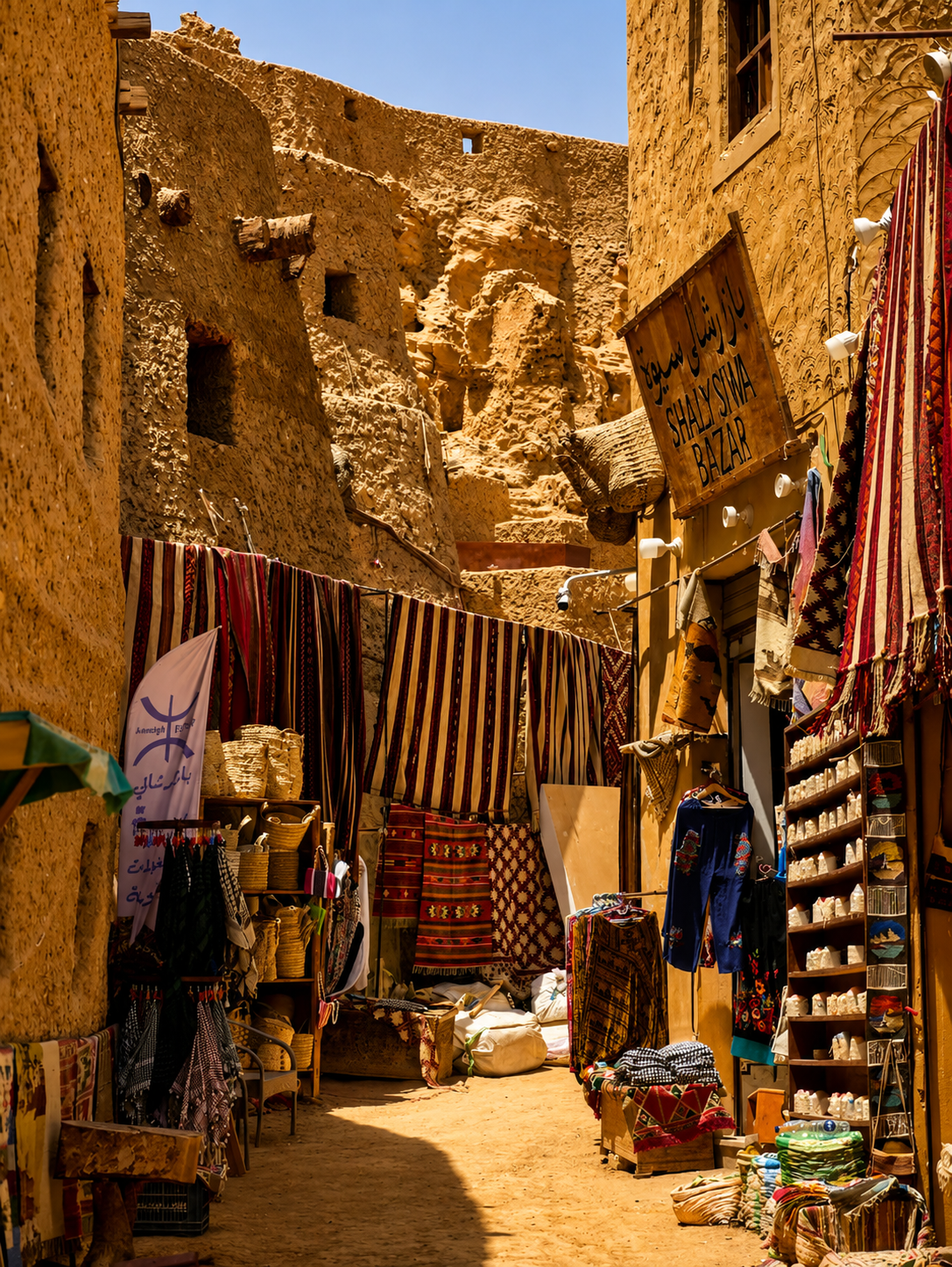
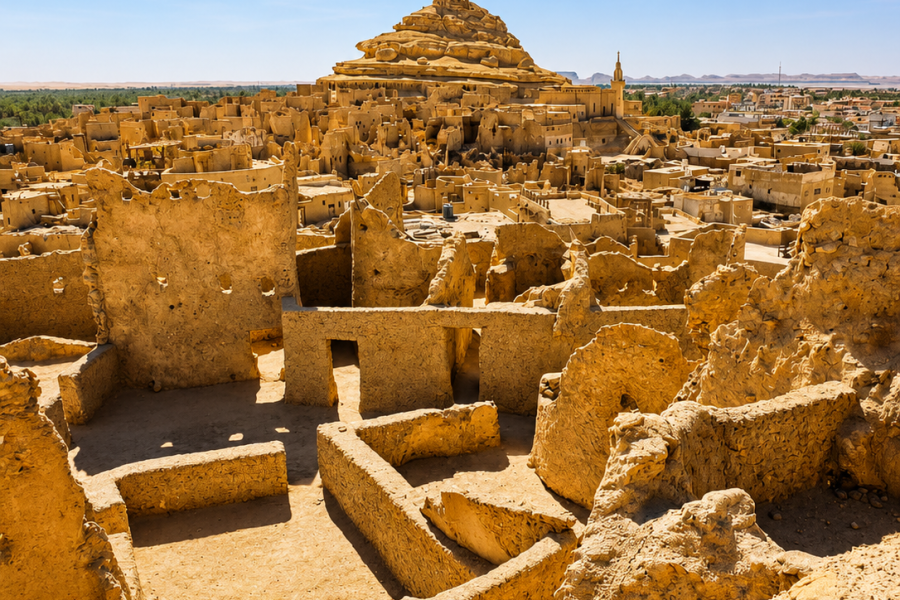
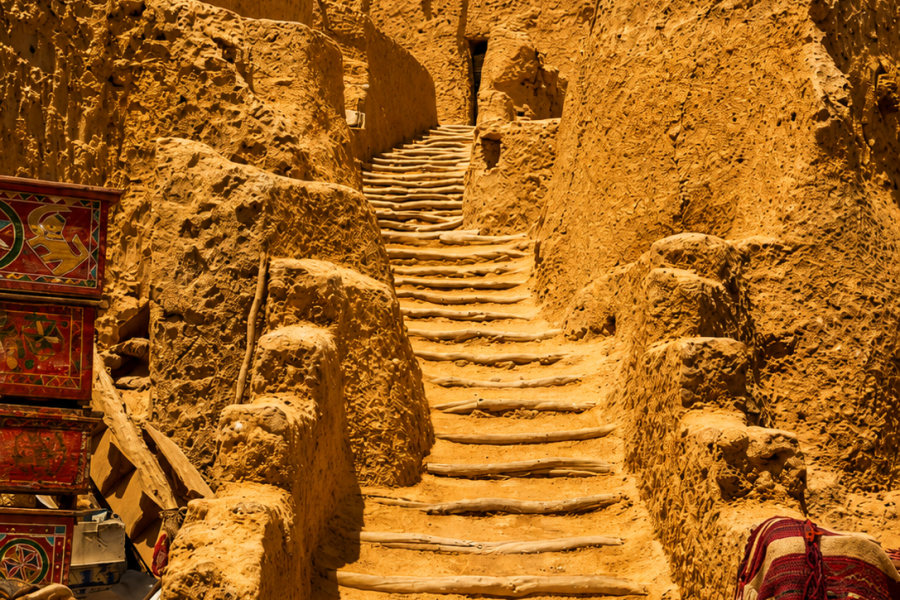
Start at Shali Old Town
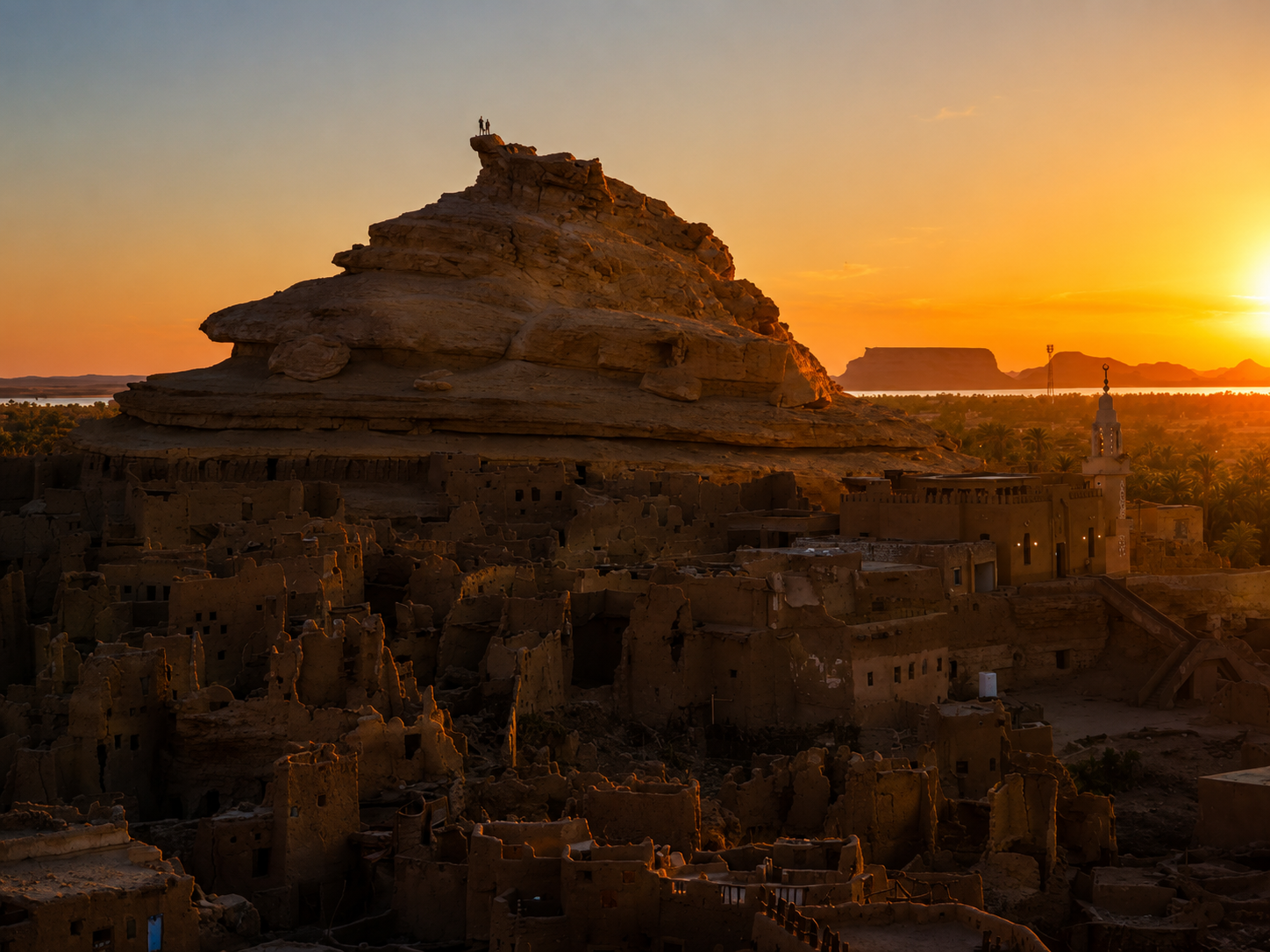
Shali Old Town should be one of your first proper introductions to Siwa.
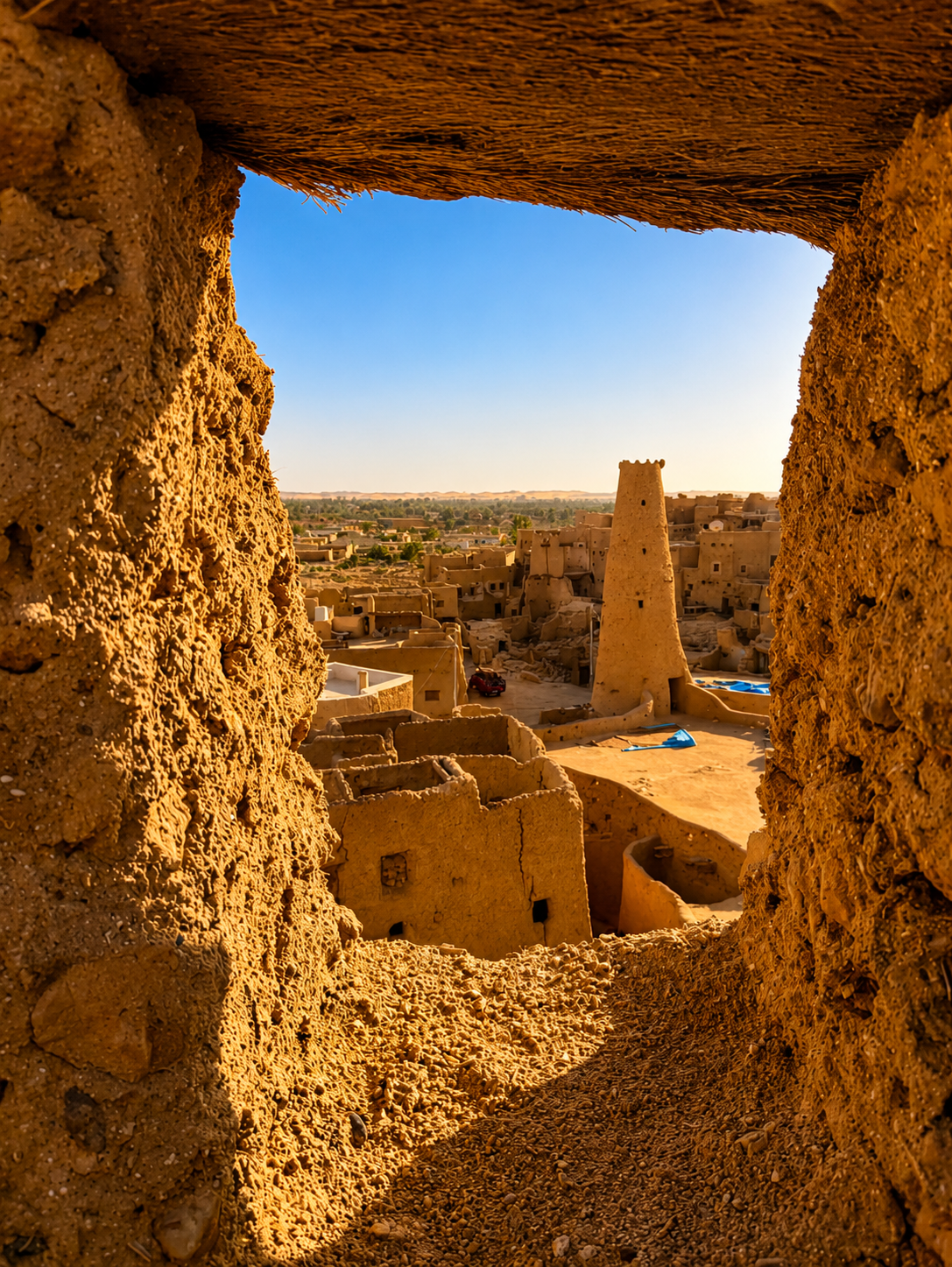
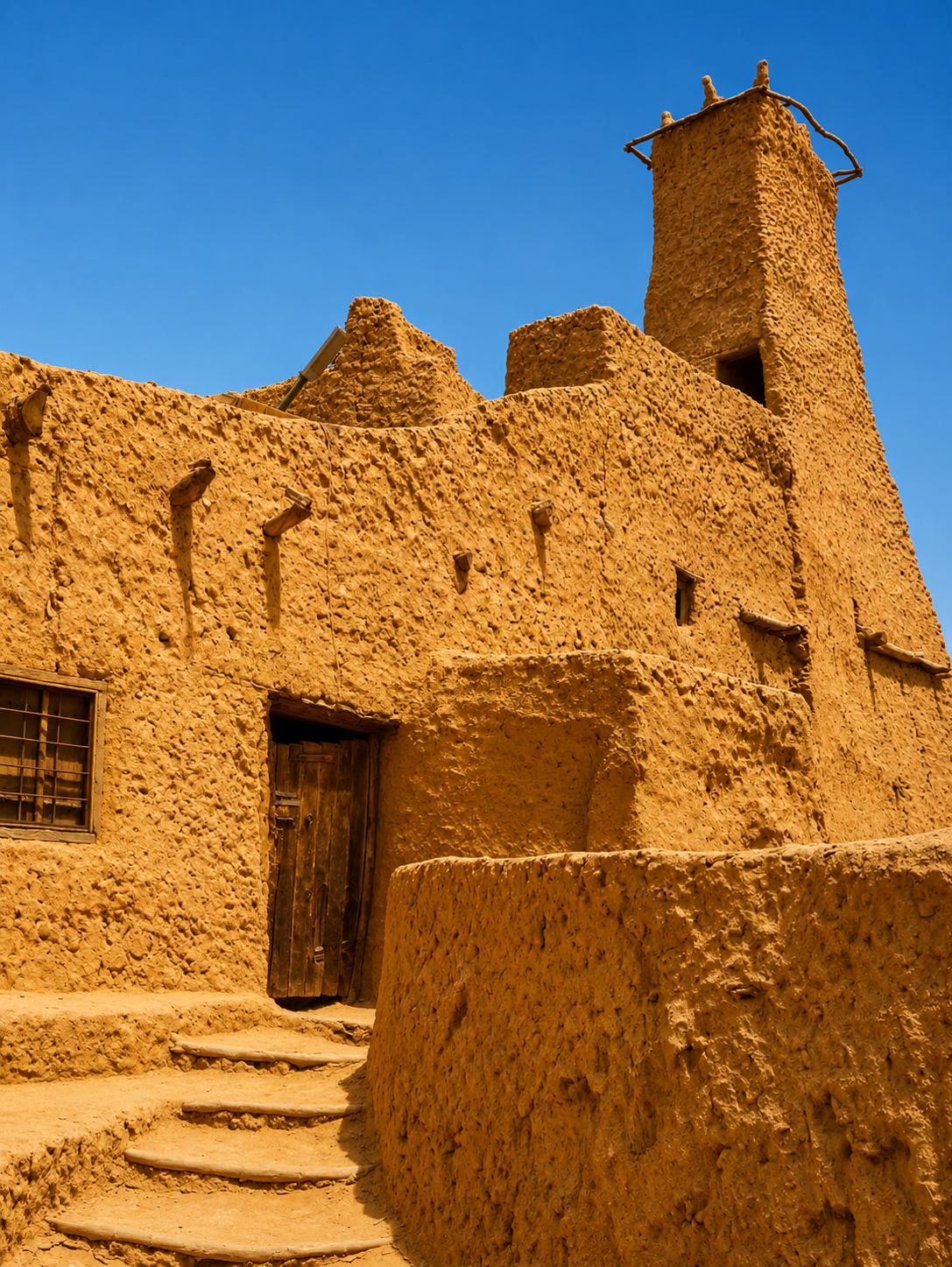
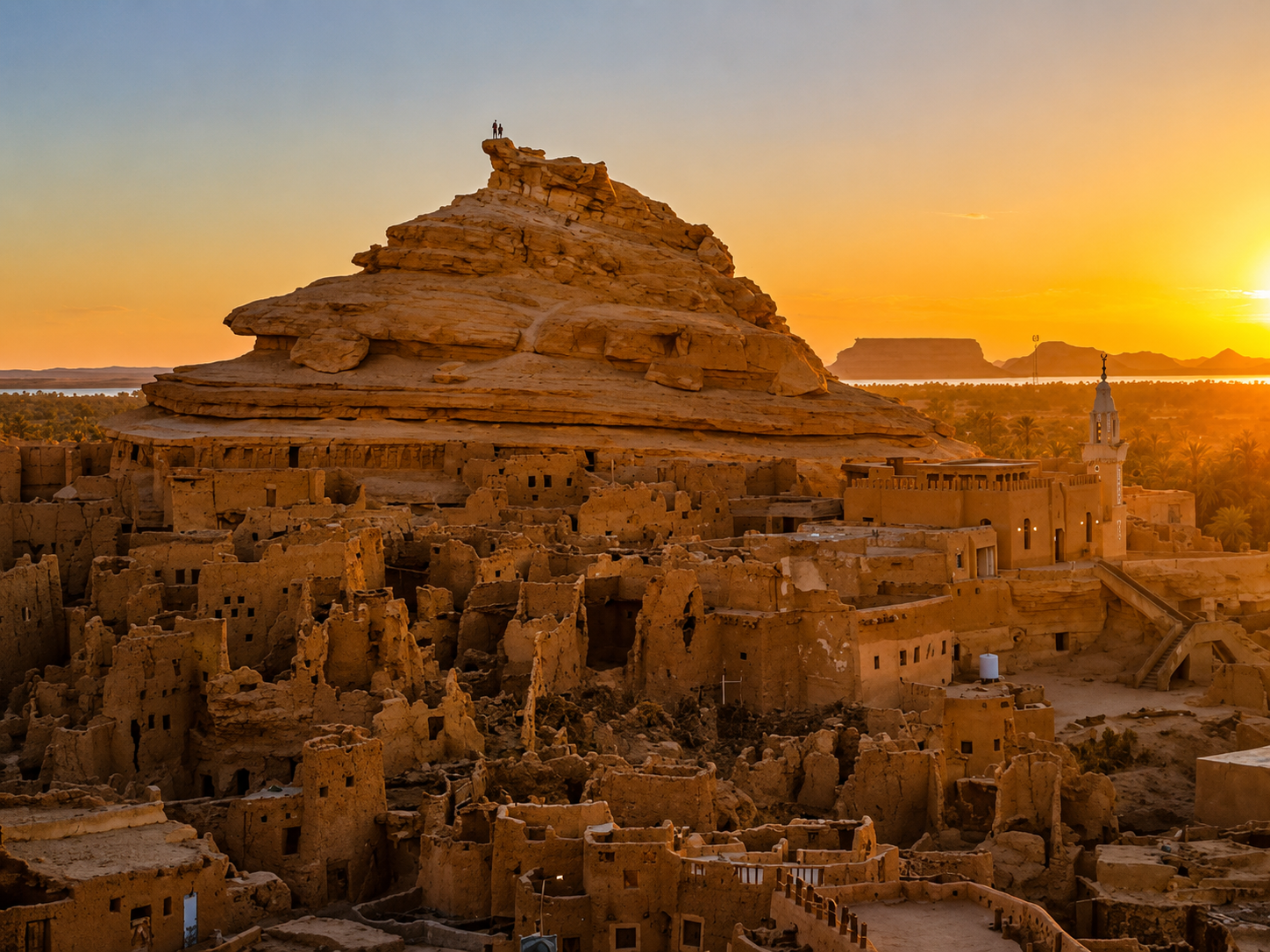
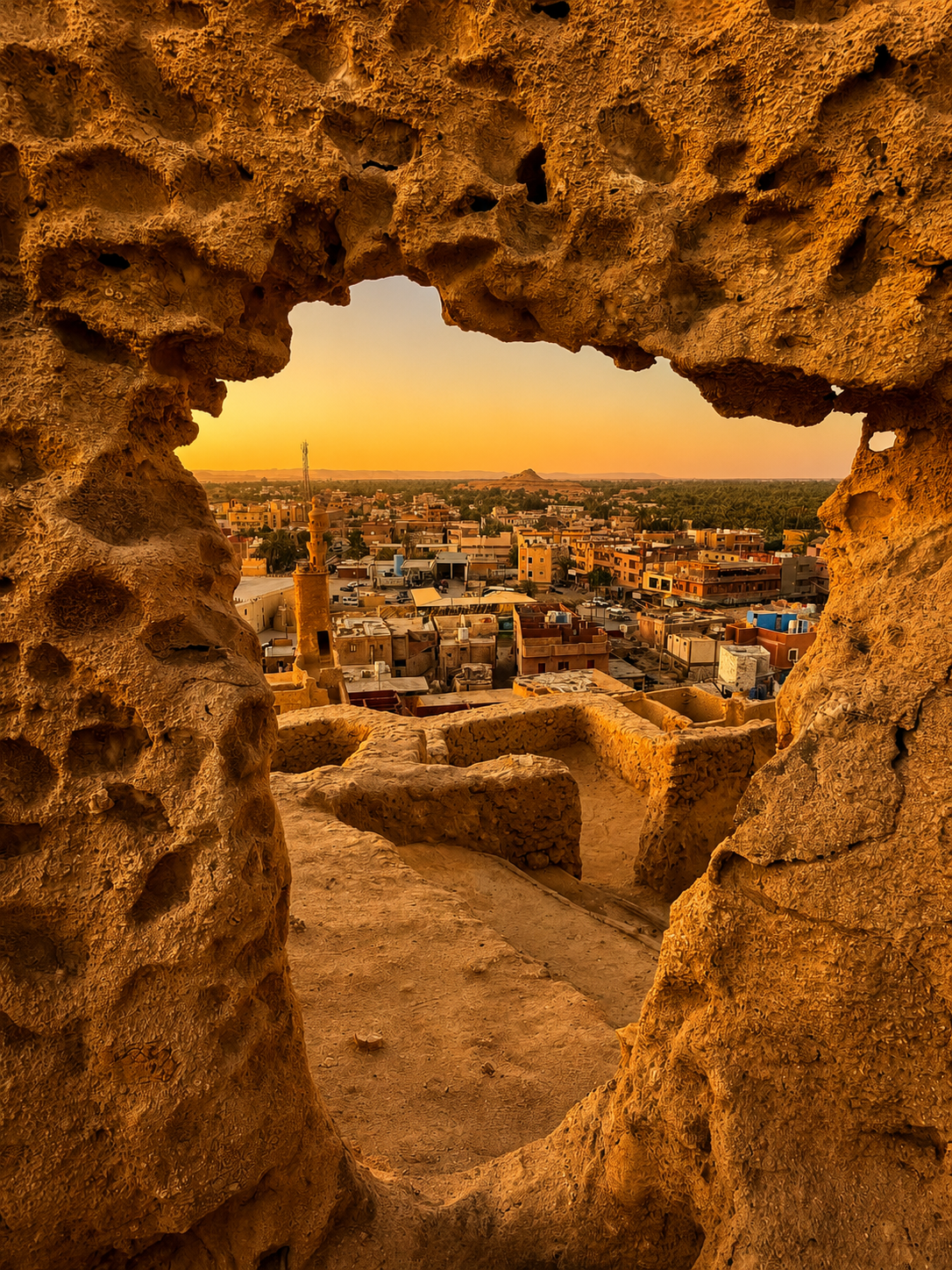
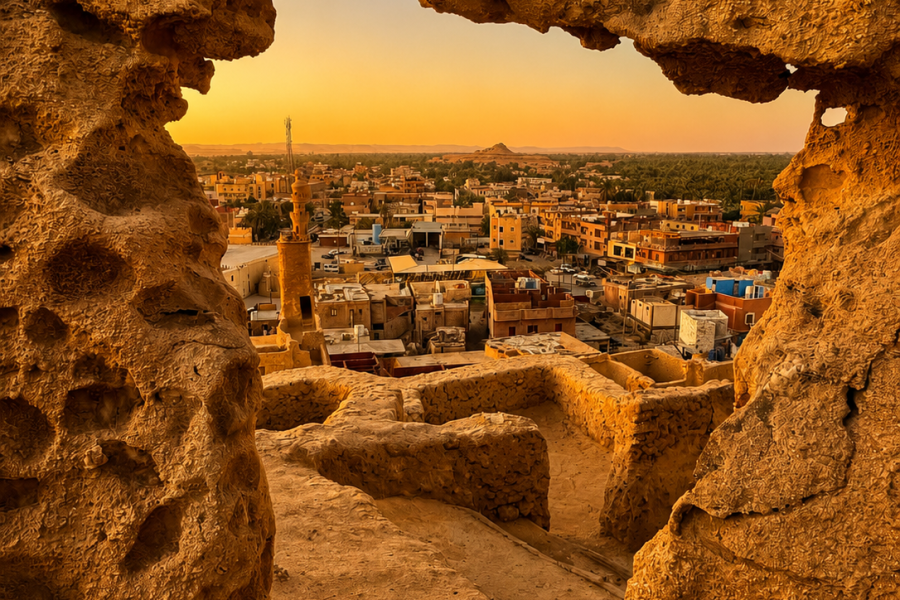
The remains of the old fortified settlement rise above the modern oasis and are one of the most recognizable architectural sights in Siwa.
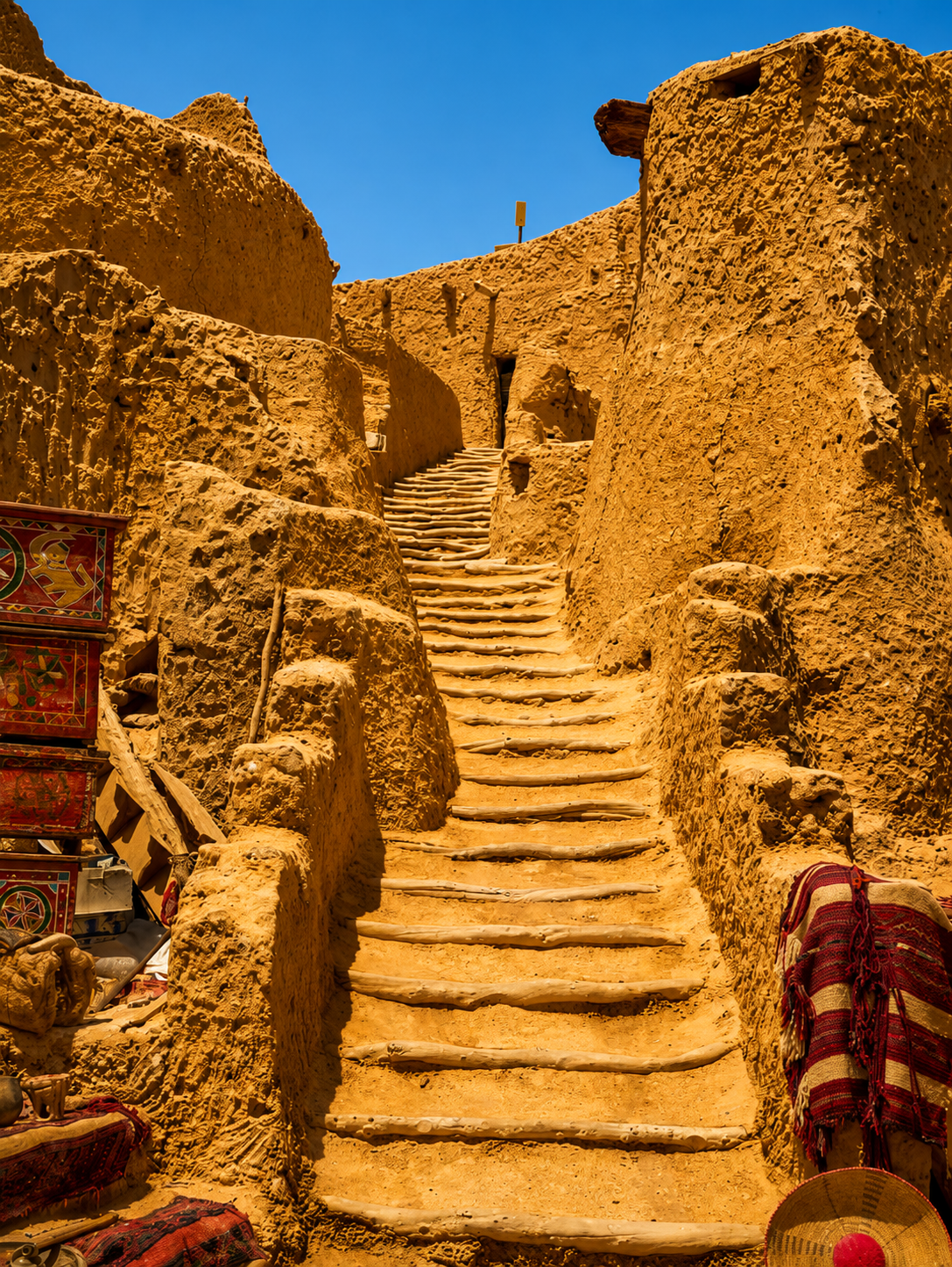
The current tour describes Shali’s buildings as traditionally constructed using local salt, mud and plaster materials, while Egypt’s tourism authority includes Shali Fortress among the important landscapes and heritage elements of the Siwa protected area.
But do not treat Shali as merely an Instagram background.
Walk.
Look at the narrow passages.
Notice the relationship between old structures and the modern town around them.
From higher sections, you can begin understanding the geography of the oasis.
Why Shali Matters
Shali is useful because it immediately tells you:
Siwa is culturally different from Cairo, Luxor or Aswan.
This is not simply another ancient Egyptian temple destination.
The oasis has its own architectural traditions, local identity and Amazigh-rooted culture, something specifically noted by Egypt’s official tourism platform.
That distinction is important.
One of the biggest reasons to travel all the way to Siwa is not only the salt lakes.
It is experiencing a place that feels different from Egypt’s standard Nile Valley itinerary.
Visit the Mountain of the Dead
Next, visit the Mountain of the Dead, also known as Gebel Al-Mawta.
The current Siwa programs identify it as an archaeological cemetery containing rock-cut tombs, with burials extending across several historical periods.
The site adds archaeological depth to the itinerary without turning Day 2 into an endless sequence of ruins.
From a travel perspective, it also creates another interesting contrast:
Shali gives you architecture and settlement history.
The Mountain of the Dead gives you burial history and elevated desert views.
Visit the Temple of Amun
The current four-day itinerary next visits the remains of Amun Temple at Umm Ubaydah.
This is usually a shorter stop than Shali.
Its importance lies in connecting the oasis with the ancient religious history associated with the Oracle of Amun.
Rather than trying to spend hours at every archaeological site, a well-paced four-day itinerary keeps moving naturally between them.
Explore the Temple of the Oracle
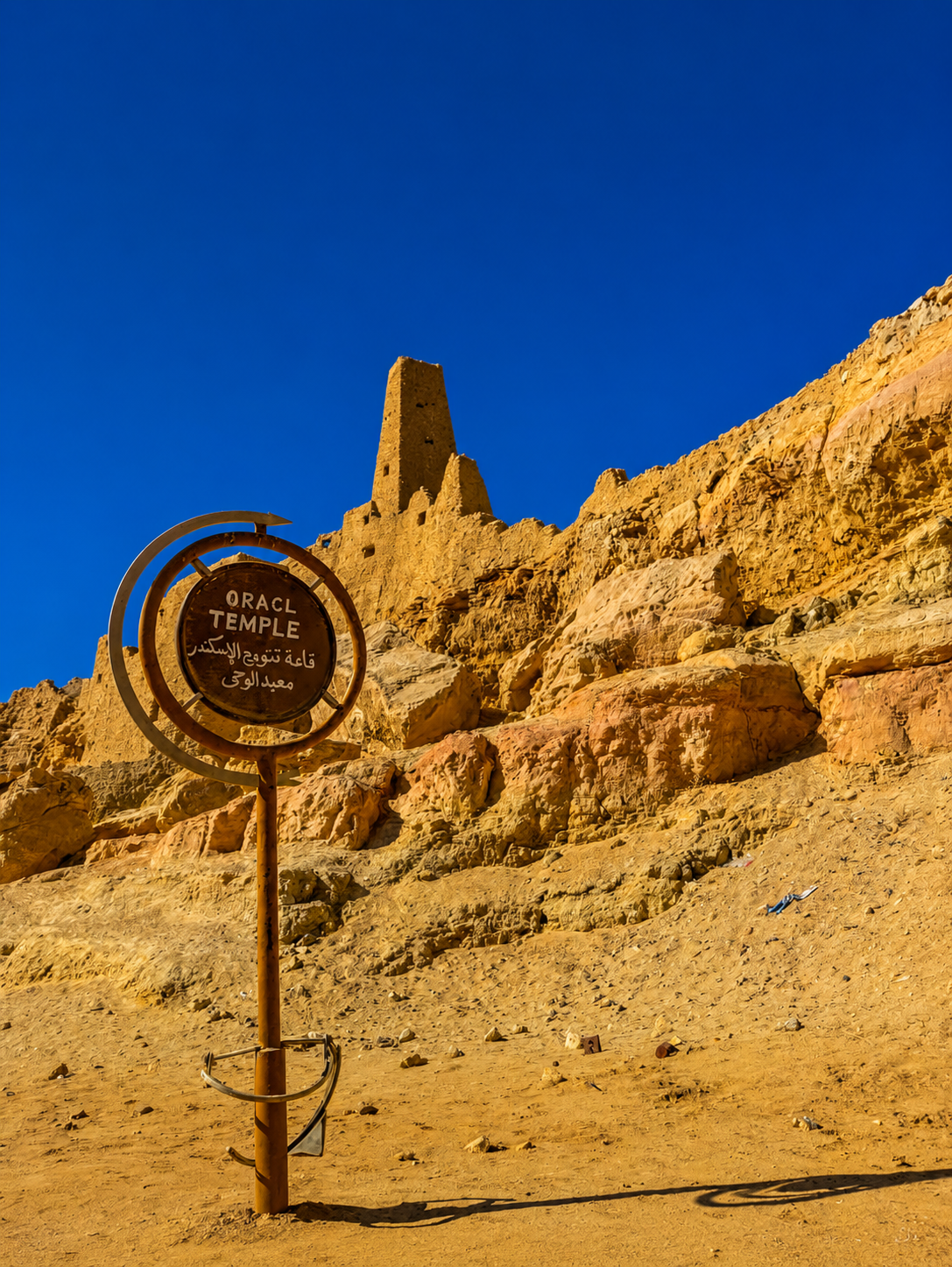
The Temple of the Oracle is one of the most historically famous places in Siwa.
The site is traditionally associated with Alexander the Great’s journey to the Oracle of Amun after his arrival in Egypt; this association is also reflected in the current Siwa tour descriptions.
For travelers interested in ancient history, this is likely one of Day 2’s biggest highlights.
For everyone else, the attraction still works because of its position and atmosphere.
Ancient ruins sitting inside an oasis surrounded by desert feel completely different from the monumental temple complexes of Luxor.
Do Not Rush Between the Temples
A common travel-planning mistake is to think more attractions automatically mean a better itinerary.
They do not.
By four days, you have enough time to stop treating Siwa like a checklist.
When you reach the Oracle Temple:
look across the landscape.
Notice the palms.
Look toward the surrounding desert.
Give the guide time to explain the setting.
Siwa works best when history and landscape are experienced together.
Finish Day 2 at Fatnas Island
After the archaeological portion of the day, change the pace completely.
Go to Fatnas Island, also commonly spelled Fitnas or Fitnass Island, for sunset.
Your site’s 4-day itinerary specifically finishes Day 2 there, while the shorter 3-day program also highlights Fatnas sunset as one of the trip’s key experiences.
This is smart itinerary sequencing.
Morning:
architecture.
Midday:
archaeology.
Evening:
water, palms and sunset.
Why Fatnas Is One of Siwa's Best Sunset Stops
Fatnas works because the scene is simpler.
After spending the day moving between historical attractions, you can sit down.
Order a drink.
Look across the water.
Watch the light change.
The current 4-day tour places Fatnas west of Siwa and uses it specifically as the relaxing sunset conclusion to the historical sightseeing day.
For couples and photographers, this can become one of the quietest highlights of the itinerary.
Day 3: Siwa Salt Lakes and Great Sand Sea Safari
Day 3 is the visual highlight for many travelers.
Today you move from:
turquoise water → freshwater spring → golden dunes → desert sunset.
The recommended sequence is:
Siwa Salt Lakes → Cleopatra Spring → lunch → 4×4 safari → Bir Wahed → Great Sand Sea → sunset → Bedouin dinner.
This follows the core structure of the currently published four-day tour.
Start With the Siwa Salt Lakes
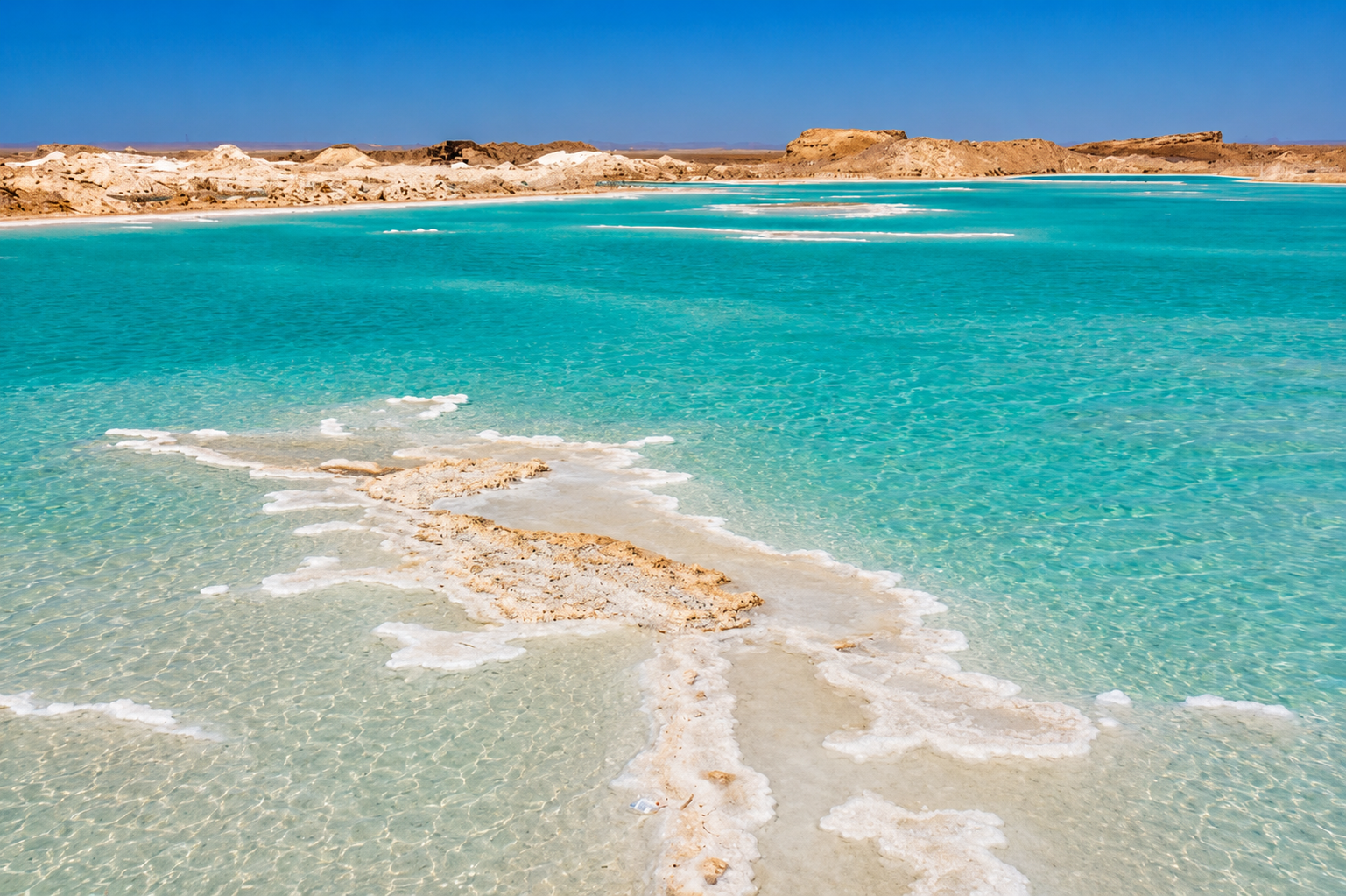
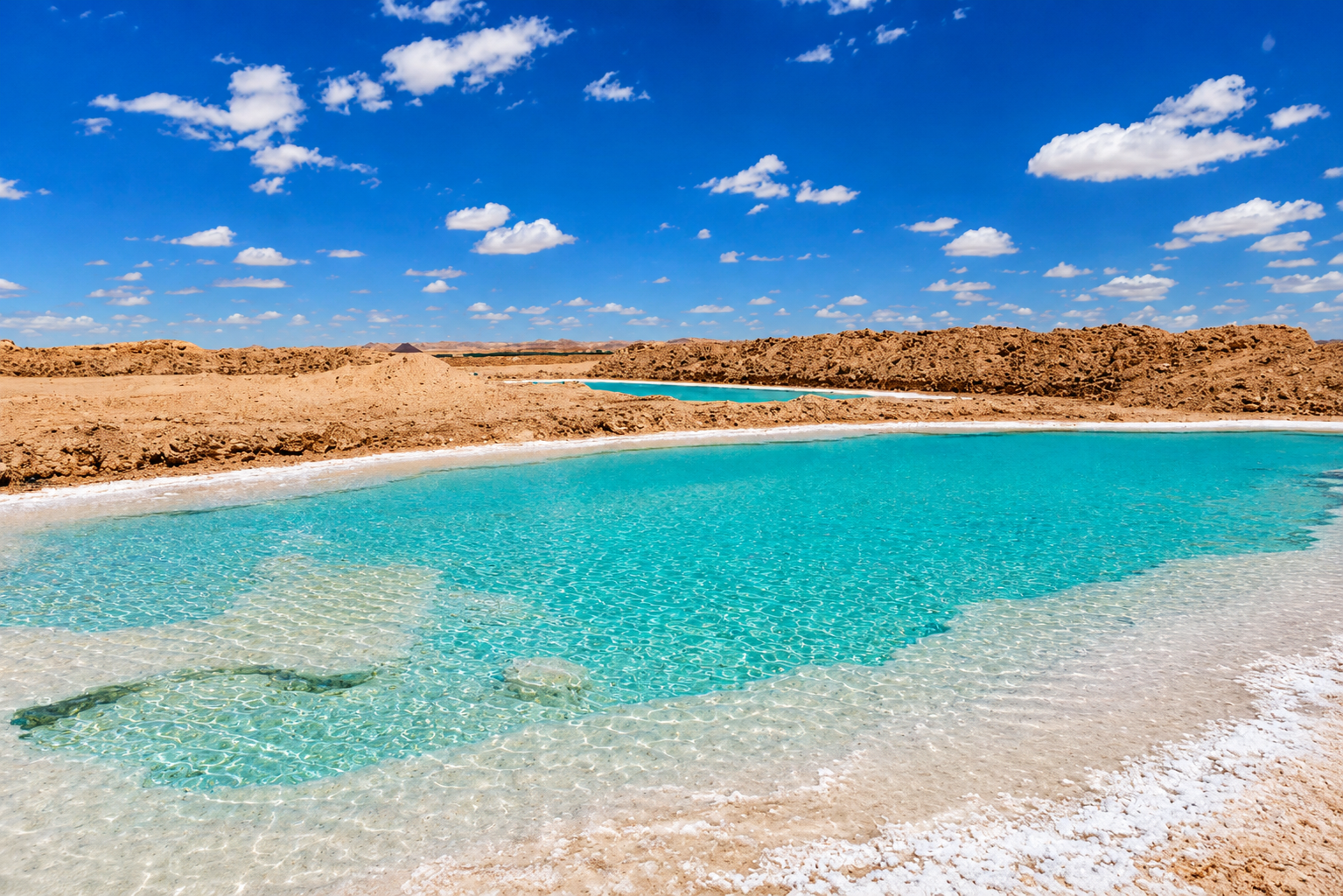
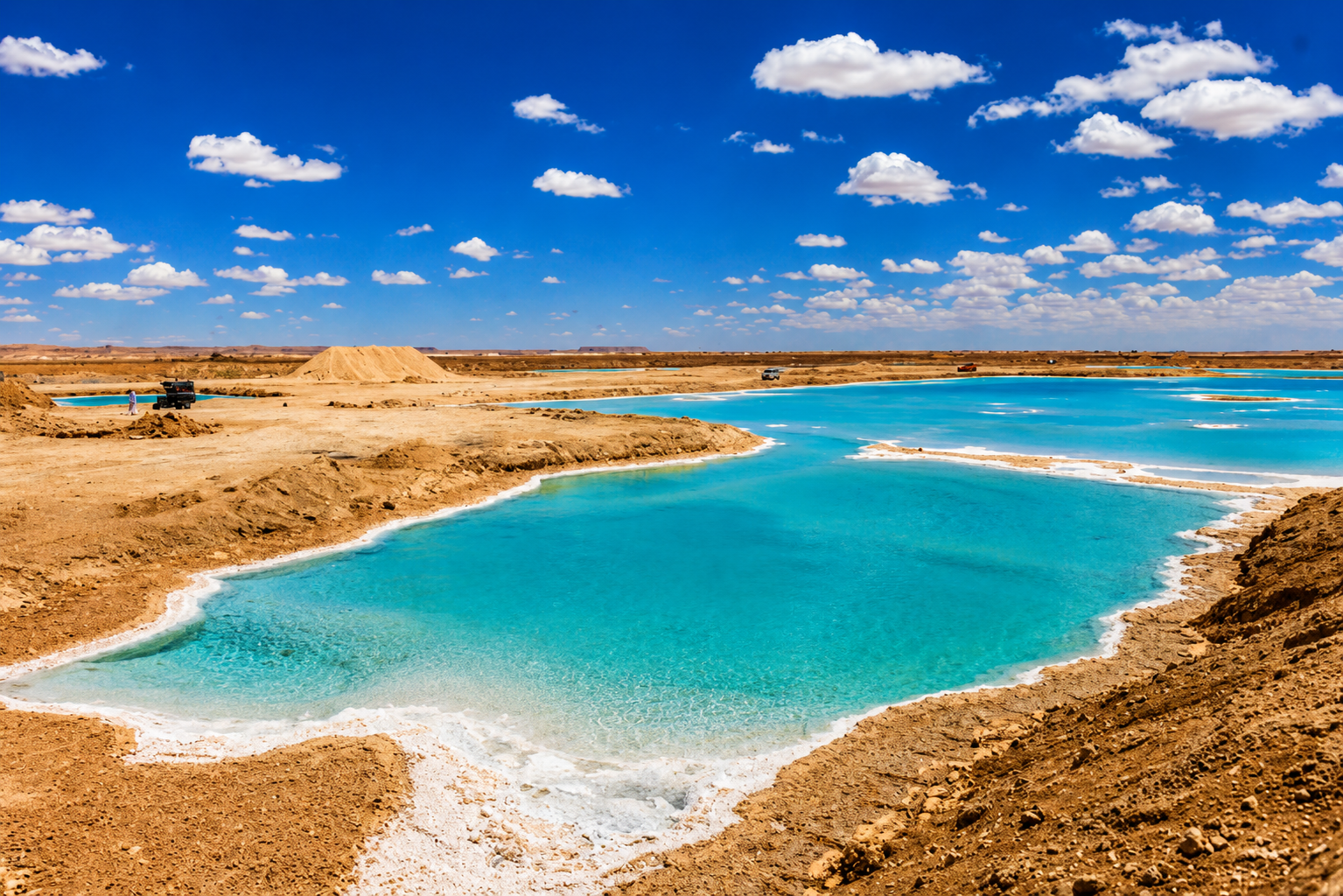
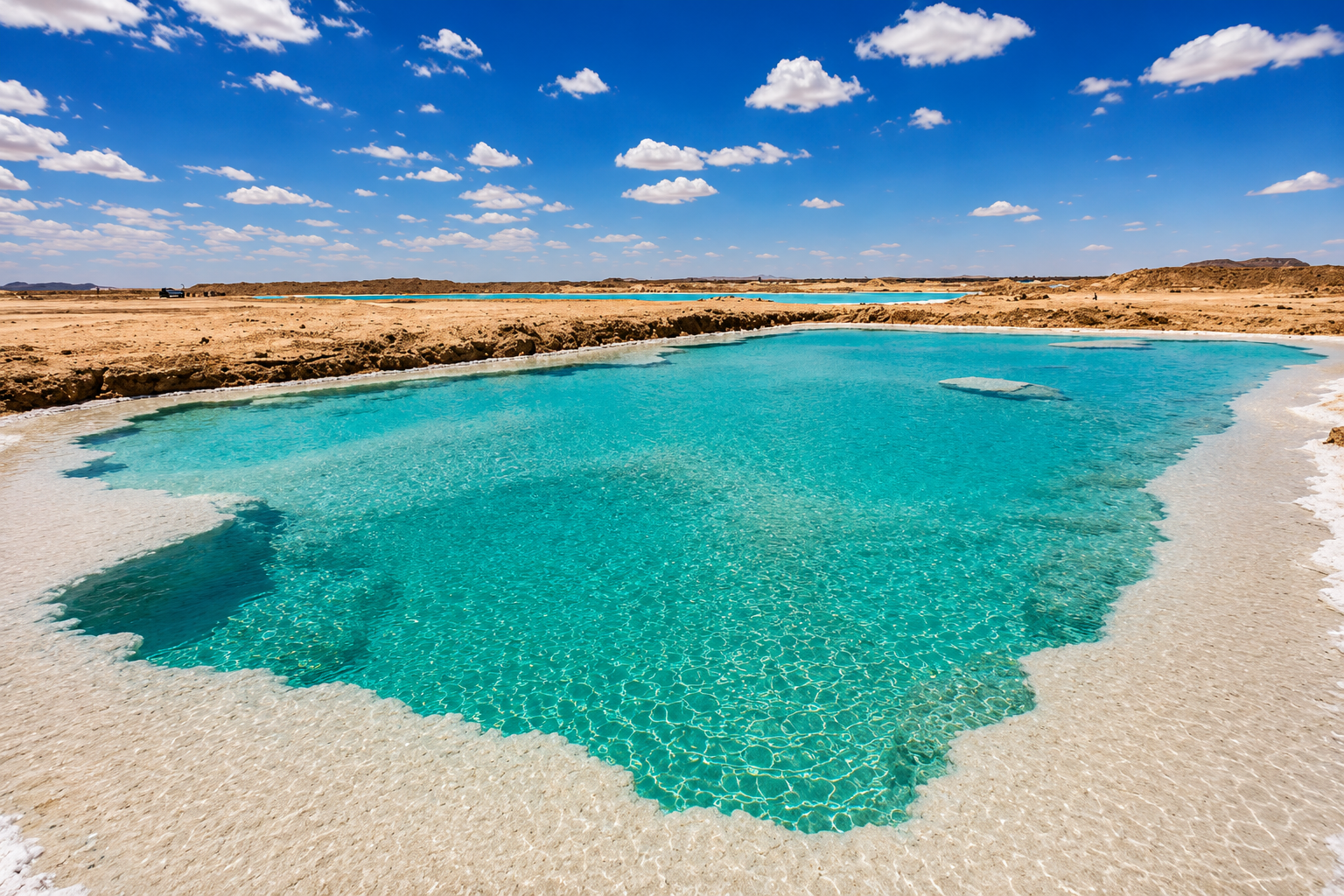
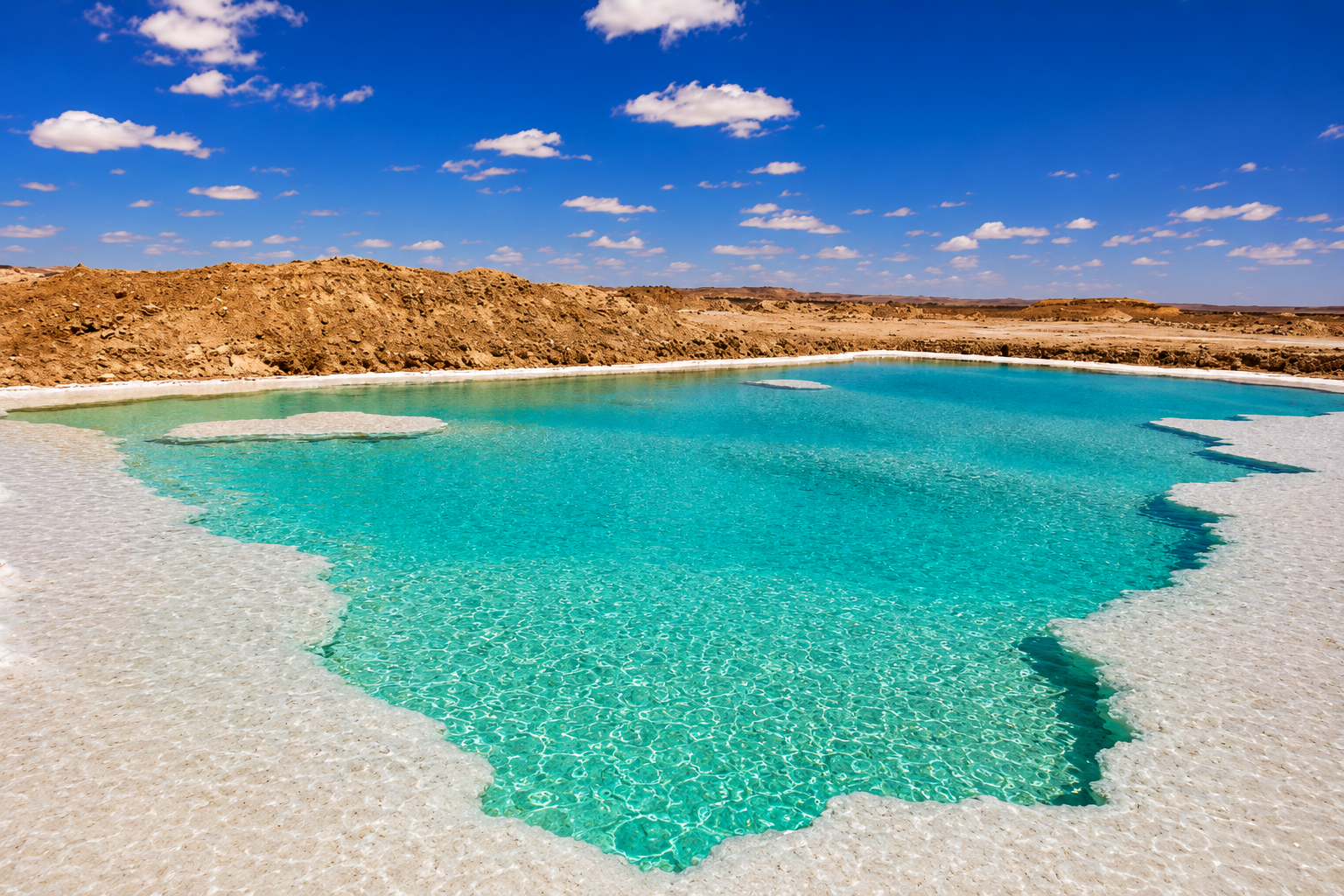
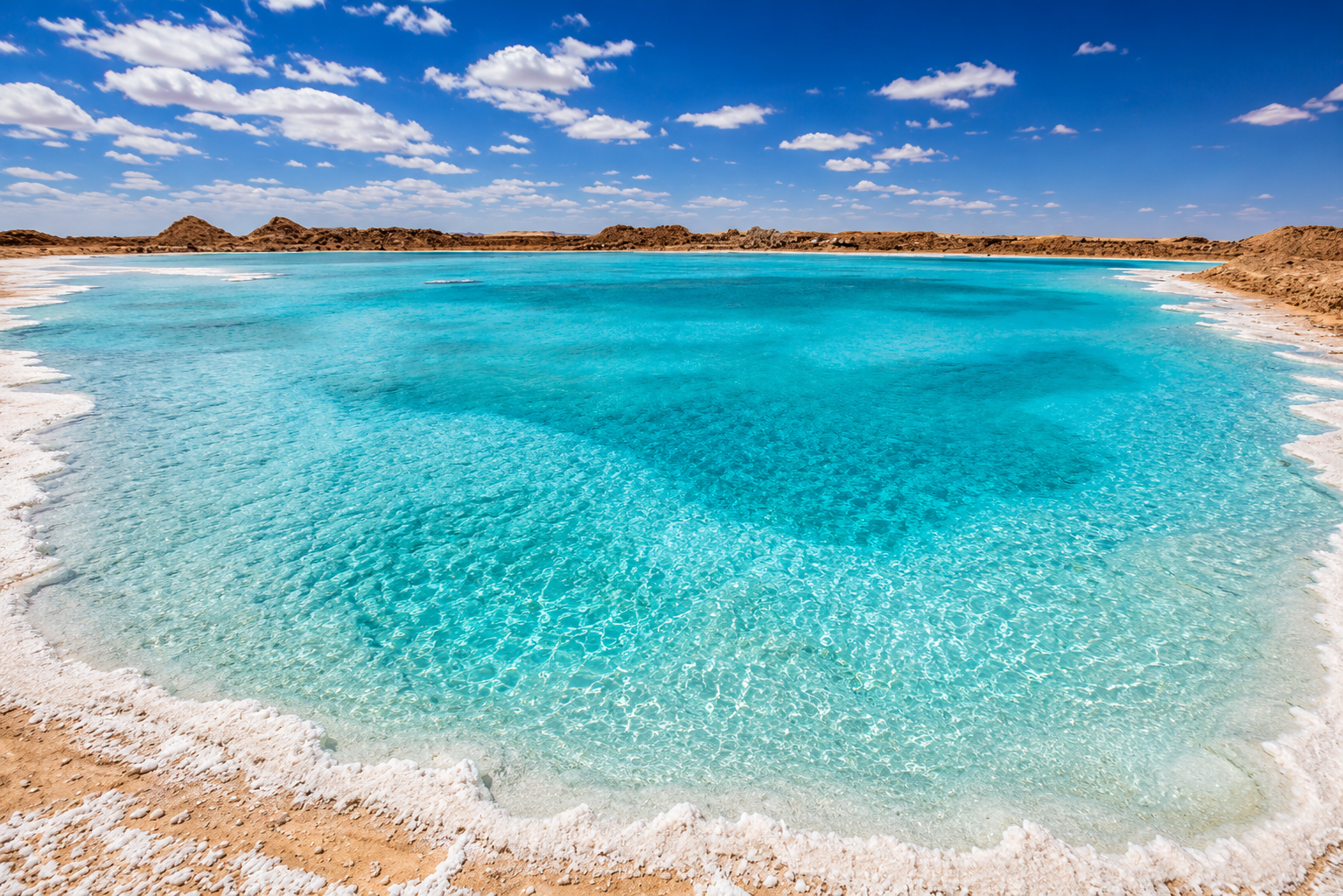
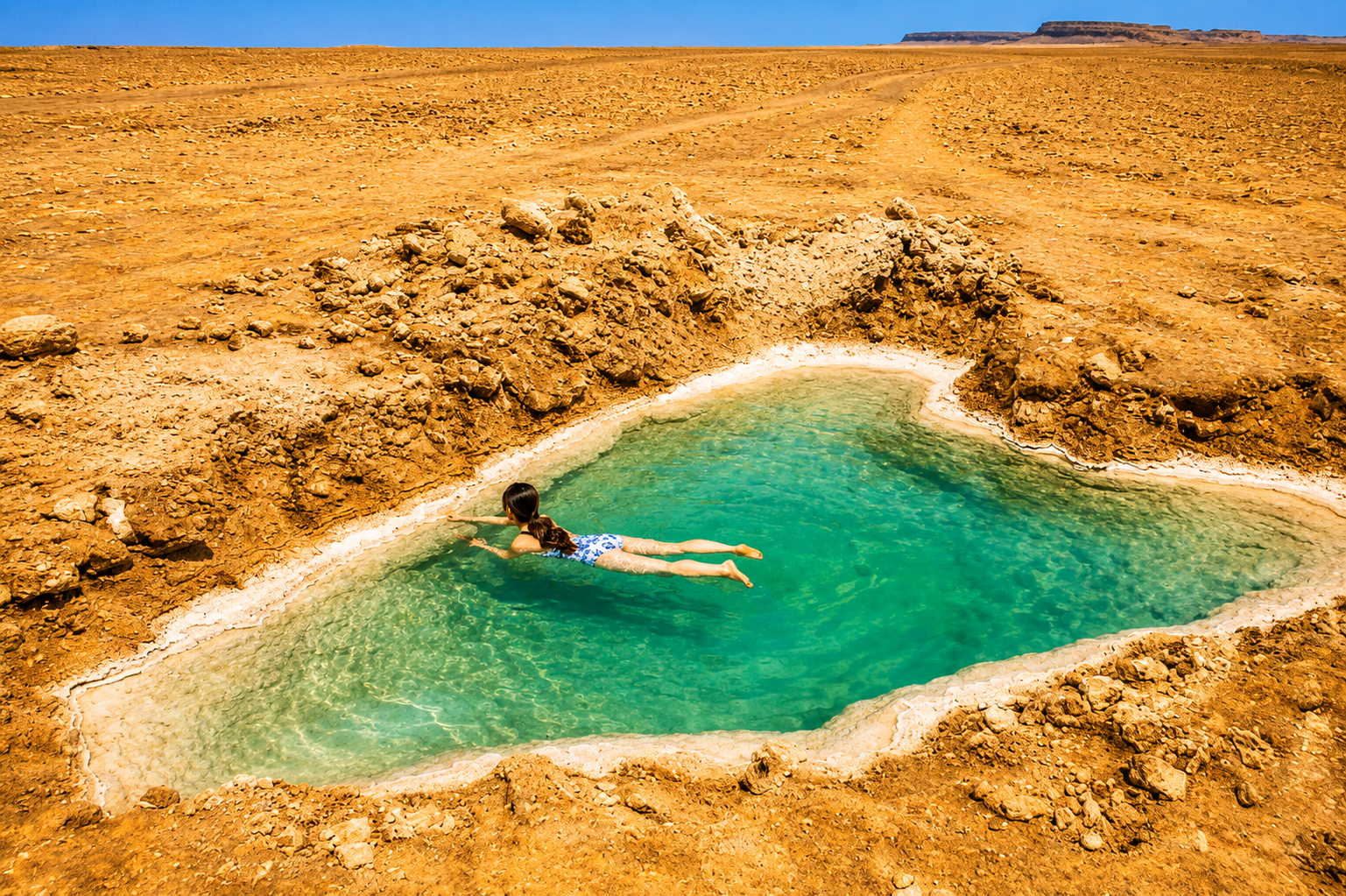
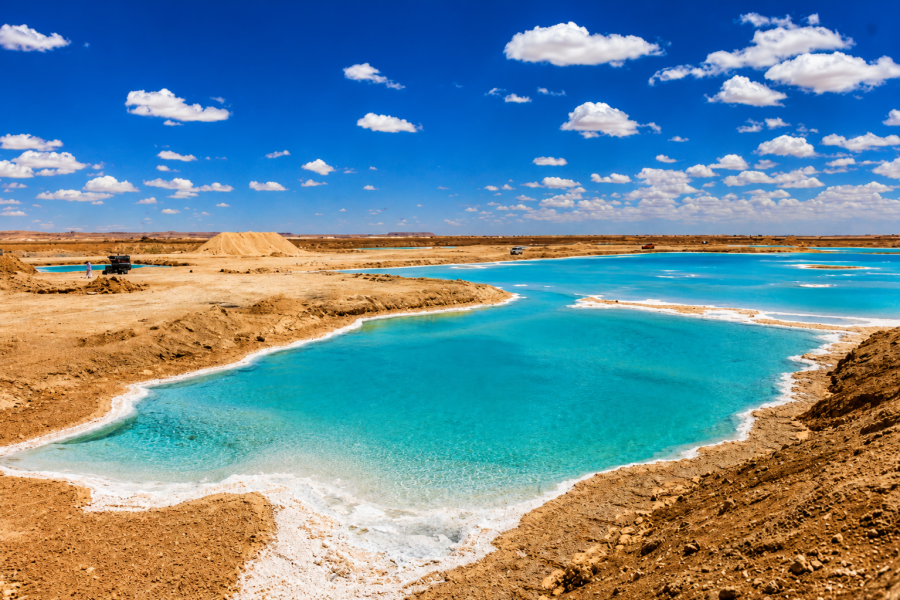
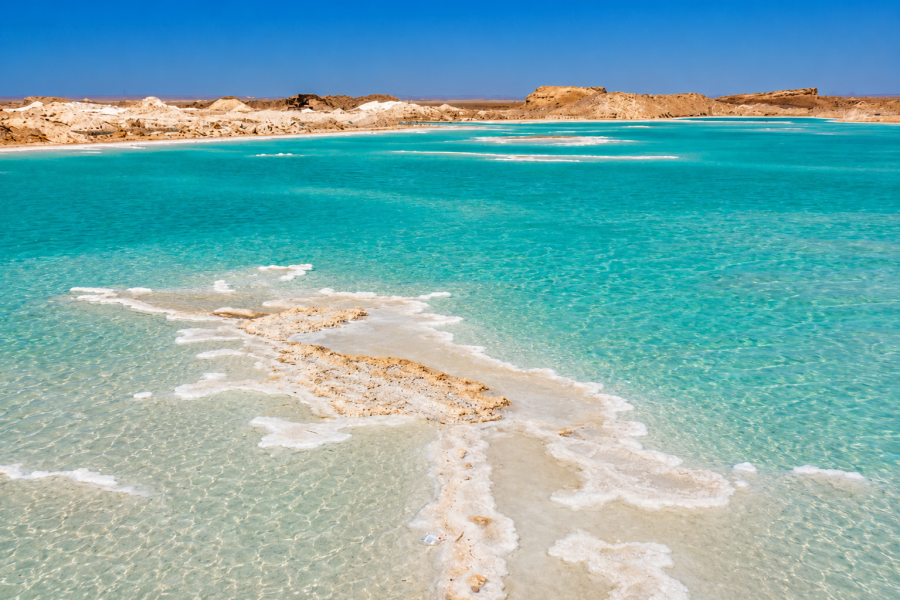
The Siwa Salt Lakes have become one of the oasis’s most recognizable experiences.
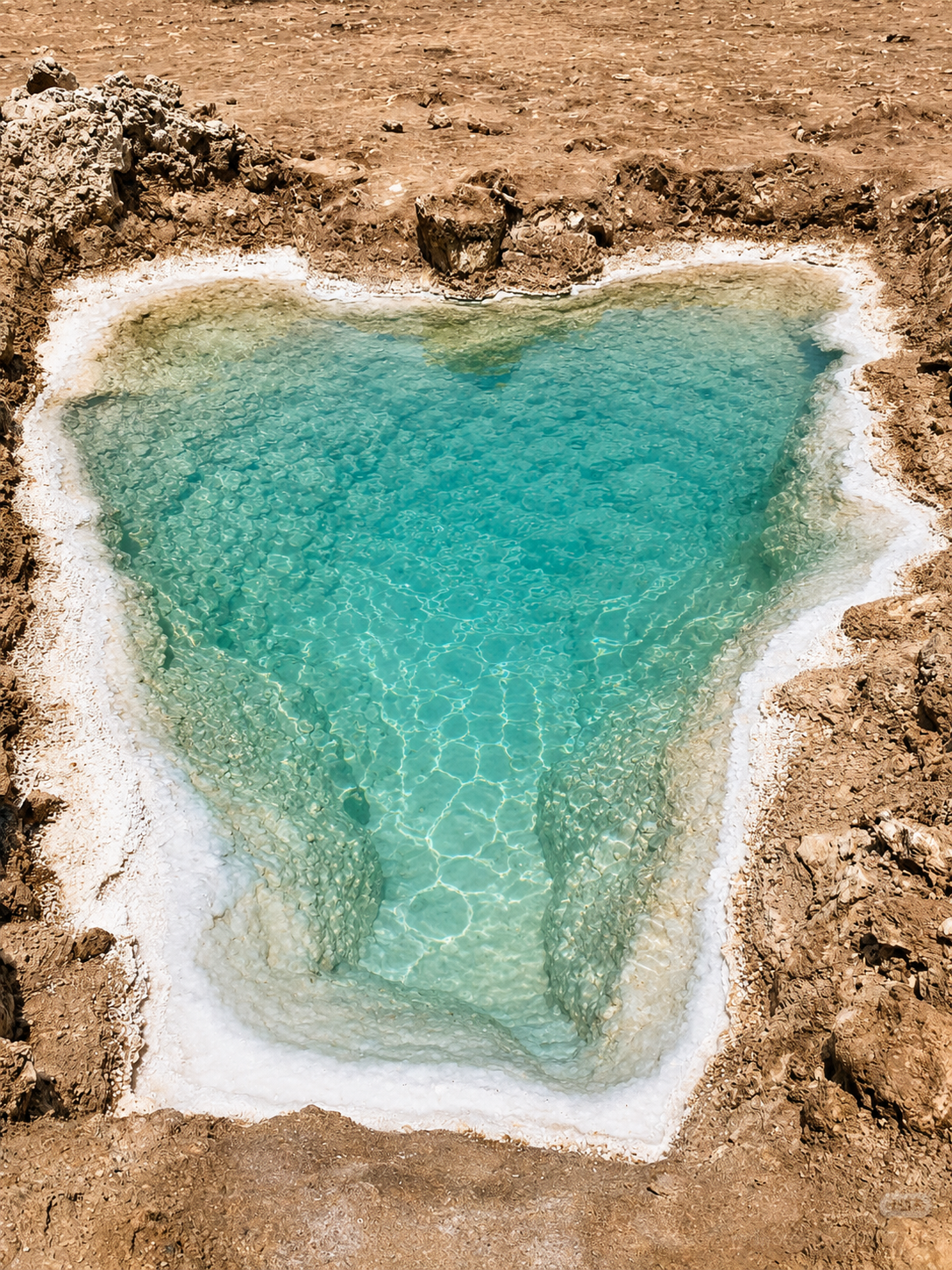
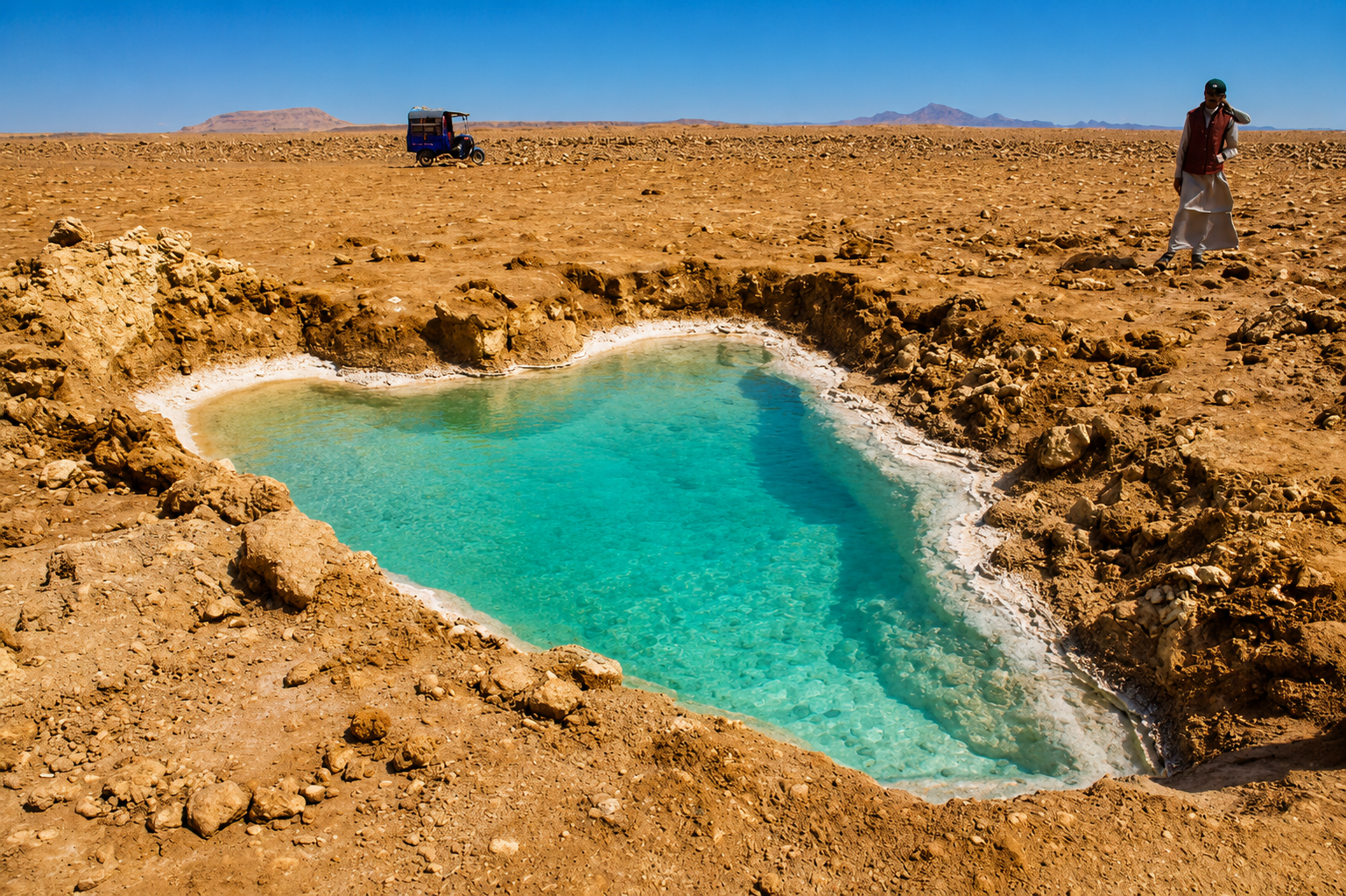
Bright blue water sits between pale salt deposits and desert terrain, creating one of the most photogenic landscapes in the oasis.
The high salinity makes floating easier, which is why travelers often compare the sensation with other famous hypersaline water experiences. Your current Siwa pillar specifically describes easy floating as one of the reasons visitors enjoy the lakes.
This stop is especially popular with:
couples,
photographers,
first-time travelers,
social-media creators,
anyone who enjoys unusual natural experiences.
Siwa Salt Lake Tips
There are a few simple things that make the experience much more comfortable.
Avoid shaving immediately before visiting because salty water can sting small cuts.
Keep the water away from your eyes.
Bring a towel.
Fresh water afterward is extremely useful.
If you have sensitive skin, do not stay in the lake longer than feels comfortable.
Your site’s existingSiwa Oasis guide gives the same practical guidance to travelers.
And follow the local guide’s instructions around individual lake areas.
Do You Actually Swim in Siwa Salt Lakes?
Most people do more floating than traditional swimming.
The experience is less about completing laps and more about relaxing on the surface.
The highly saline water can support buoyancy, which is one reason the lakes have become so popular.
For photography, the combination of blue-green water, white salt deposits and desert background creates some of Siwa’s strongest color contrasts.
This is exactly why a future dedicated Siwa Salt Lakes Guide will deserve its own article rather than overloading this itinerary page.
Visit Cleopatra Spring After the Salt Lakes
After the highly saline lake water, Cleopatra Spring provides a natural next stop.
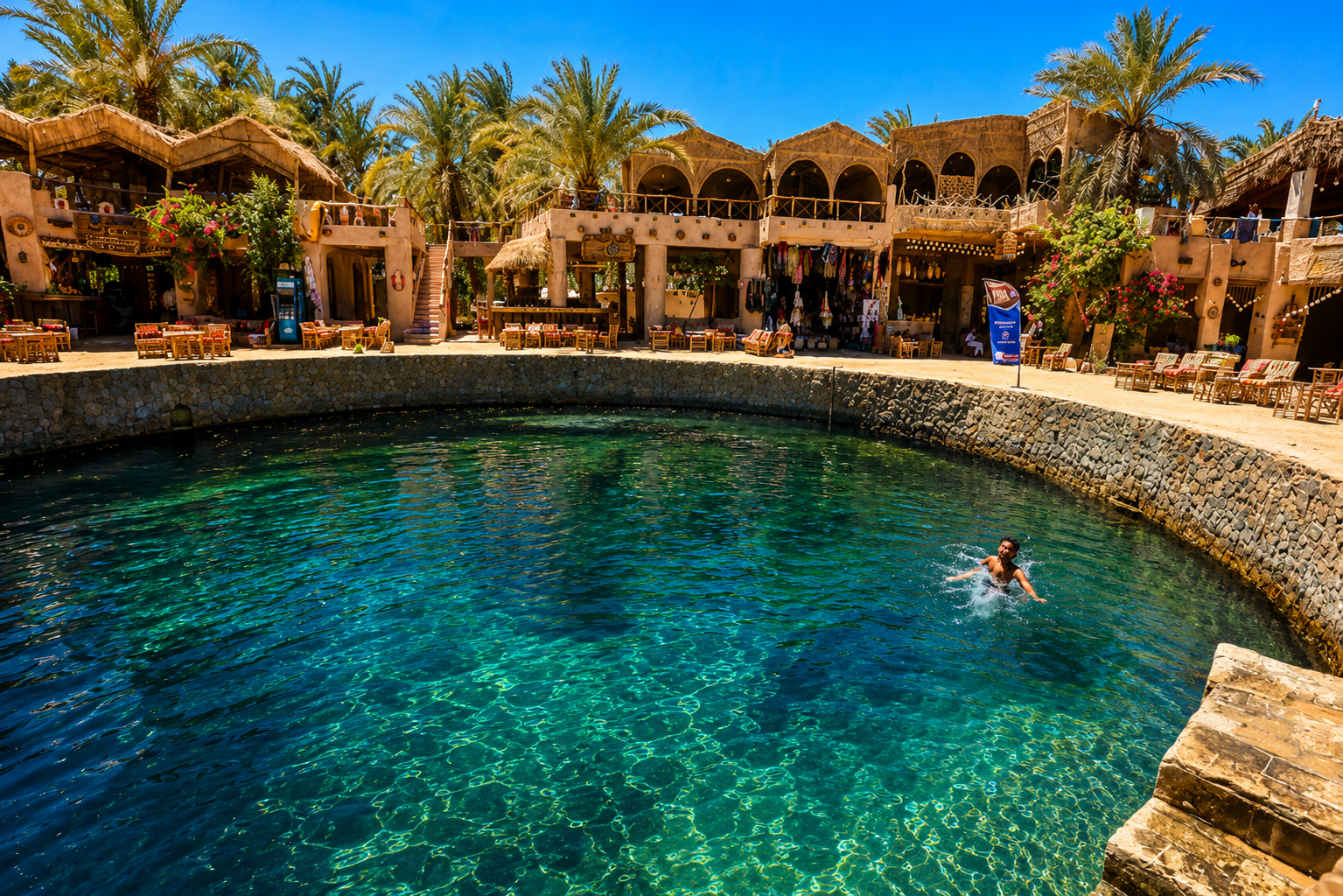
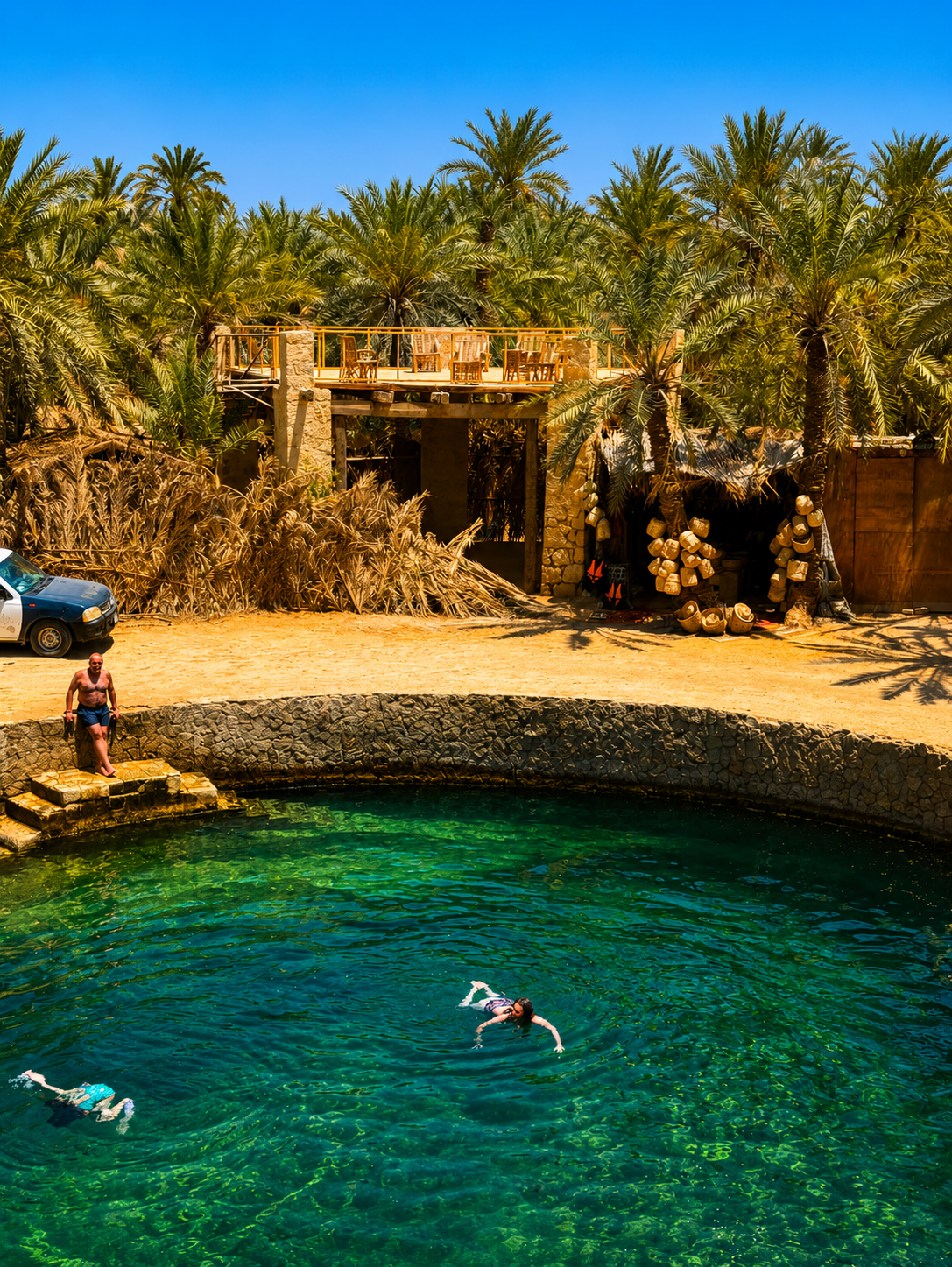
The spring is a round stone pool filled with freshwater and is one of Siwa’s best-known natural attractions. Your current Siwa content notes that the story of Cleopatra bathing there should be treated as a local legend rather than established historical fact.
That is exactly how we should present it for SEO too:
enjoy the story,
but do not turn legend into historical certainty.
Should You Swim in Cleopatra Spring?
You can if conditions and your itinerary allow.
Many travelers use it as a refreshing stop after the salt lakes.
Others simply relax nearby, have juice or tea and enjoy the oasis atmosphere.
Your current 4-day tour specifically schedules Cleopatra Spring after the salt lake and before lunch.
This creates a nice sequence:
salt → freshwater → food → desert.
Afternoon: Enter the Great Sand Sea
Now the trip changes completely.
After the peaceful oasis morning, you begin the 4×4 desert safari.
The Great Sand Sea is the adventure component of the Siwa itinerary.
Your current four-day program includes a 4×4 safari and Great Sand Sea permissions, with Bir Wahed used as one of the key desert stops.
This is where travelers who imagined Siwa only as palm trees and blue lakes discover another side of the destination.
The advantage of four days is that you do not need to force every major attraction into one exhausting sightseeing day.
A private itinerary can also make it easier to adjust timing.
Is This Itinerary Good for Photographers?
Absolutely.
The visual variety is one of Siwa’s biggest advantages.
Within four days you can photograph:
Marsa Matrouh coast,
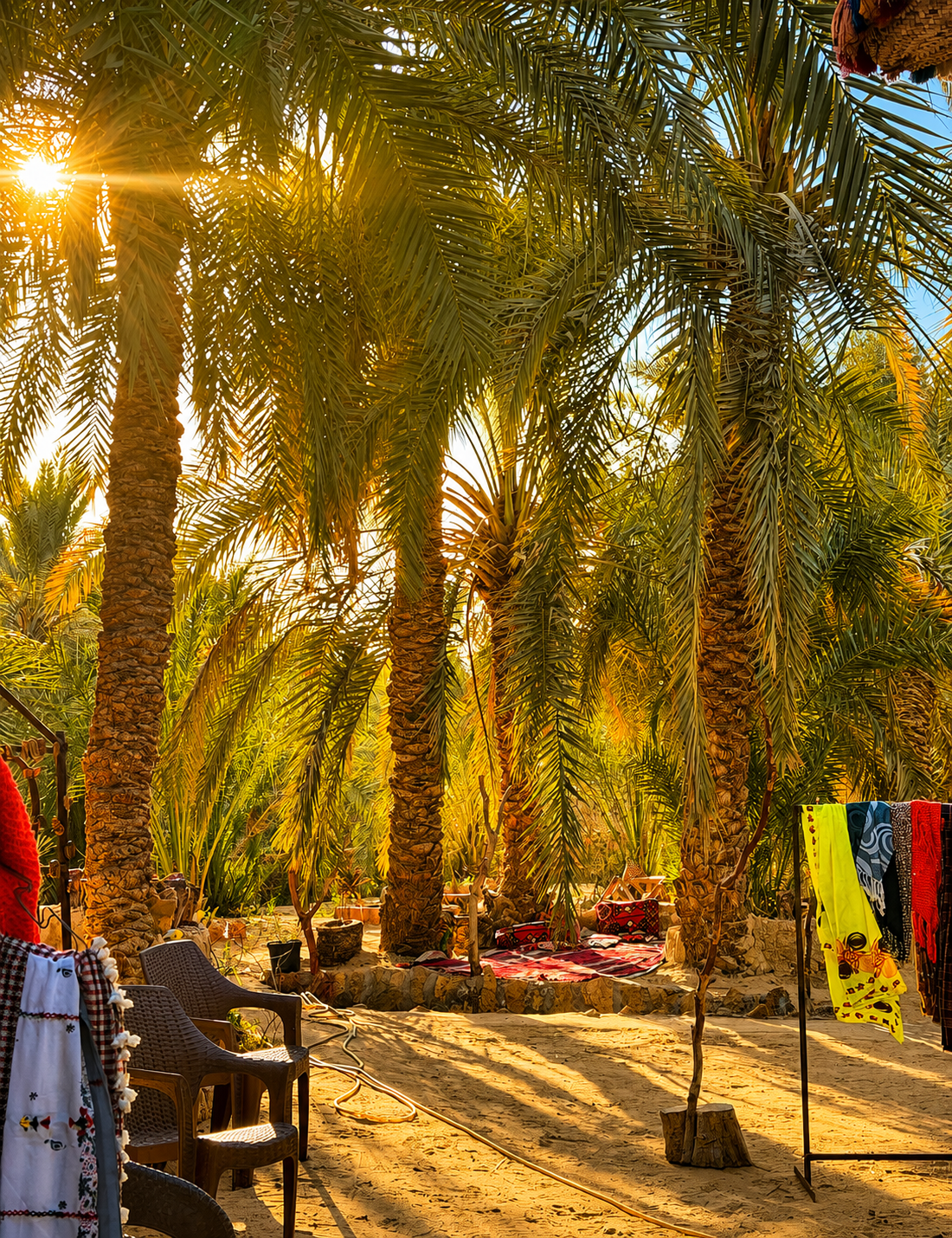
palm groves,
Shali architecture,
ancient ruins,
salt lakes,
Cleopatra Spring,
Fatnas sunset,
Great Sand Sea dunes,
4×4 safari scenes,
desert sunset.
If photography is a priority, tell your guide before departure.
The best photography trip is not necessarily the itinerary with the greatest number of stops.
It is the itinerary that gives you enough time at the right stops.
What Should You Pack for 4 Days in Siwa?
Keep it practical.
Bring:
comfortable walking shoes,
breathable daytime clothes,
modest clothing for local areas,
sunglasses,
hat,
sunscreen,
swimwear,
towel,
sandals for water stops,
fresh clothes after the salt lakes,
light jacket or warm layer depending on season,
personal medication,
power bank,
camera,
small daypack.
Because Siwa has a distinctive local culture, respectful clothing in villages and public areas is appropriate. Your site’s Siwa guide also recommends respecting local customs, privacy and the oasis environment.
Best Time for a 4-Day Siwa Itinerary
The exact best month depends on your priorities.
For most travelers, the cooler part of the year generally makes outdoor sightseeing and desert safari activities more comfortable than peak summer heat.
But the next dedicated article in this cluster will cover Best Time to Visit Siwa Oasis properly rather than turning this itinerary page into another general guide.
For now, remember to check:
current weather,
desert conditions,
sunset times,
wind,
access and permit requirements
before your trip.
Your selected tour should handle current Great Sand Sea access arrangements according to the chosen program; the current four-day package specifically lists Great Sand Sea permissions among its inclusions.
Siwa Oasis or White Desert for 4 Days?
This depends entirely on what kind of desert trip you want.
Choose Siwa if you want:
culture,
salt lakes,
ancient ruins,
springs,
palm groves,
Great Sand Sea,
oasis accommodation.
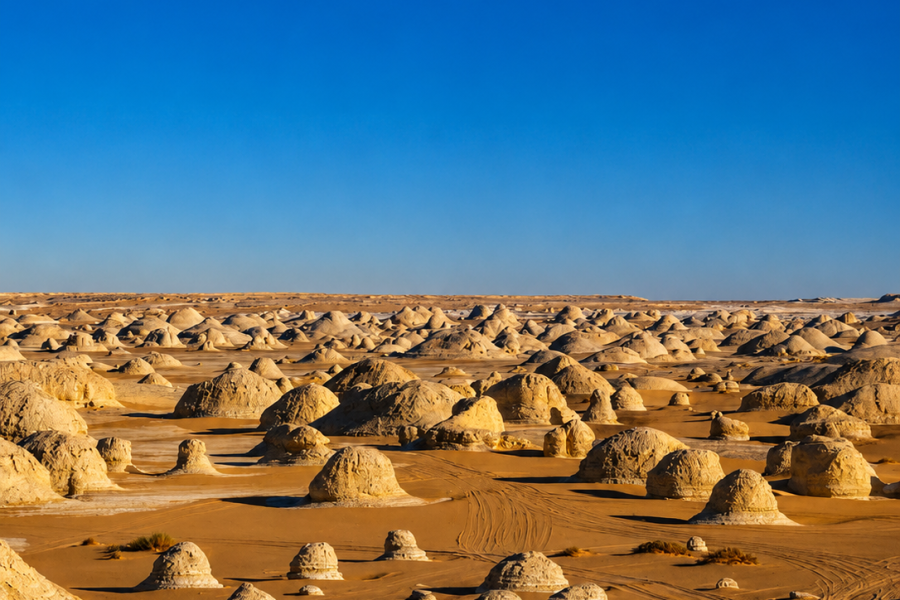
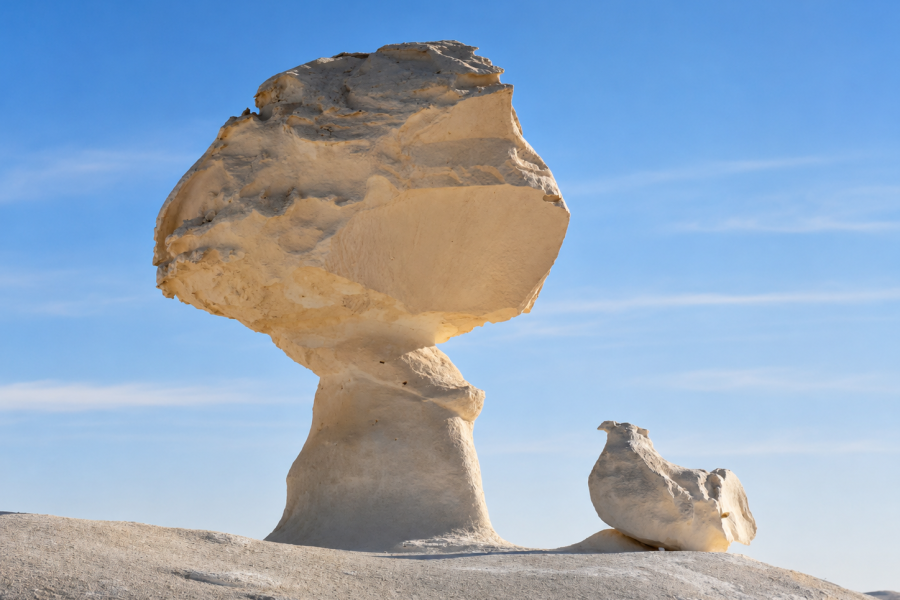
Choose the White Desert if you want:
unusual chalk formations,
remote camping,
Black Desert,
Agabat,
multi-night wilderness,
stargazing.
TheSiwa Oasis Egypt guide already explains this distinction, while longer programs on the site can combine Siwa with Bahariya and White Desert camping.
Can You Combine Siwa With Bahariya and the White Desert?
Yes.
If you have more than four days, this becomes extremely interesting.
A longer Western Desert route can connect:
Cairo → Siwa Oasis → Bahariya Oasis → Black Desert → White Desert.
The currently published program includes three nights of Siwa accommodation, private Cairo transfers, a 4×4 desert vehicle, listed meals, tomb and temple entrance fees and Great Sand Sea permissions. Always check the selected package details again before confirming because inclusions can change.
Frequently Asked Questions About a Siwa Oasis 4 Days Itinerary
Yes. Four days and three nights give most first-time visitors enough time to travel from Cairo, spend two full sightseeing days in Siwa and return without compressing every attraction into one day.
A strong 4-day itinerary can include Shali Old Town, Mountain of the Dead, Amun Temple, Temple of the Oracle, Fatnas Island, Siwa Salt Lakes, Cleopatra Spring, Bir Wahed and a Great Sand Sea safari.
Three days are suitable when time is limited. Four days provide a more relaxed pace and are better for travelers who want Siwa to be a major part of their Egypt itinerary.
Yes. Private four-day programs from Cairo typically use Day 1 to reach Siwa, Days 2 and 3 for sightseeing and desert activities, and Day 4 for the return journey.
Yes, the current four-day White and Black Desert Tours program includes the Siwa Salt Lake experience on Day 3.
Yes. Their high salt concentration creates strong buoyancy, making floating one of the most popular experiences in the oasis.
Yes. It provides a freshwater spring stop and fits naturally after visiting the salt lakes. The Cleopatra association is best understood as a local legend rather than confirmed history.
A well-designed itinerary should. The current 4 Days Siwa Oasis Tour includes a 4x4 desert safari, Bir Wahed and Great Sand Sea permissions.
Yes. Shali is one of Siwa's most important historic landmarks and provides an introduction to the oasis's distinctive traditional architecture and cultural identity.
Fatnas Island is a classic oasis sunset stop, while the dunes around the Great Sand Sea provide a completely different desert sunset experience. Both are included in the structure of current Siwa itineraries.
Yes. Four days provide a good combination of culture, relaxing spring and lake experiences, private sightseeing and desert sunsets.
Yes when the itinerary is planned according to children's ages, road-travel tolerance and activity preferences. A private tour makes pacing easier to adapt.
You do not need a 4x4 for every Siwa attraction, but an appropriate 4x4 is used for the Great Sand Sea desert safari. The current four-day package includes one for this part of the itinerary.
Yes. Longer programs can connect Siwa with Bahariya Oasis, the Black Desert and White Desert camping.
If you have the time, the 4 Days Siwa Oasis Tour from Cairo provides one of the strongest balances between travel time, cultural sightseeing, salt lakes and Great Sand Sea adventure.