Packing for an Egypt desert safari is surprisingly simple once you understand one important rule:
Pack for both the sun and the night.
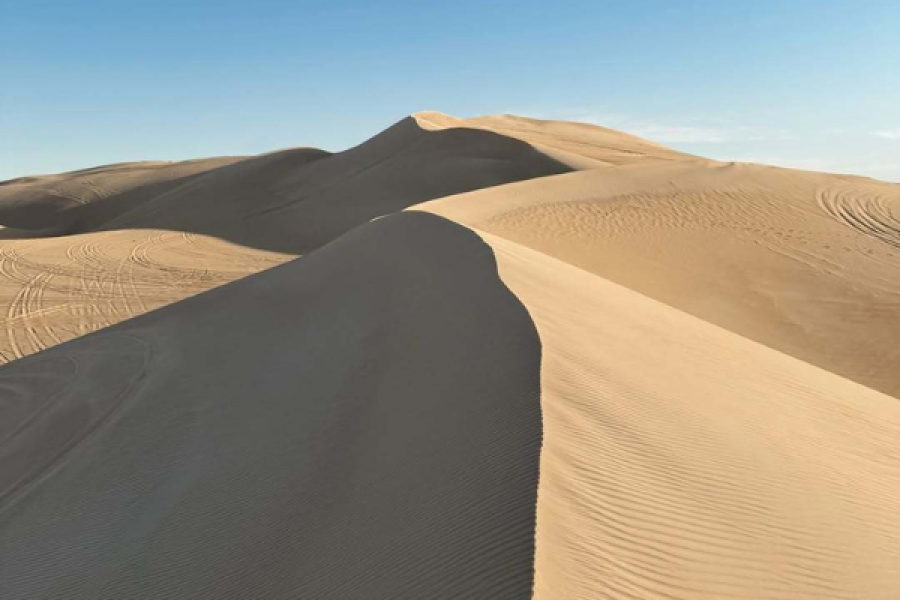
During the day, Egypt’s desert can be bright, dry and warm.
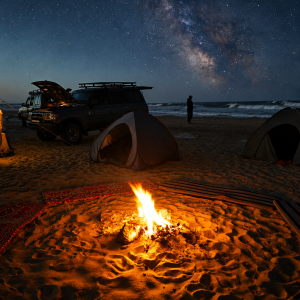
After sunset—especially during winter—the same landscape can feel dramatically cooler.
Add sand, dust, off-road driving, camping and limited access to shops, and suddenly what you bring matters more than it would on a normal Cairo sightseeing day.
The ideal Egypt desert safari packing list should therefore help you stay:
Egypt’s official tourism authority recommends light, loose clothing, comfortable shoes, sunscreen, sunglasses, a hat and a light-to-medium jacket or windbreaker depending on the season.
But a desert safari needs a little more planning than a normal Egypt holiday.
A traveler spending one day in Fayoum needs less gear than someone spending two nights camping in the White Desert.
And a traveler going to Siwa Oasis needs swimwear and a towel for the salt lakes—items that are irrelevant on a normal White Desert camping itinerary.
This guide covers all of those situations.
If you have not yet chosen your destination, start with our Egypt Desert Safari guide and Best Desert Safari from Cairo comparison.
If you just want the essentials, pack:
For most organized tours, you do not need to bring your own tent, cooking equipment or large camping kit unless the operator specifically tells you otherwise.
Egypt’s official tourism portal notes that visitors can arrange camping through tour operators and authorized travel agencies and that accommodation styles can range from basic camps to more comfortable glamping arrangements.
The ideal desert clothing is:
lightweight + loose + comfortable + easy to layer.
Avoid designing your outfit only around Instagram photographs.
You will spend significant time:
Comfort matters.
Bring lightweight, breathable tops.
Good choices include:
Long sleeves can actually be useful in strong sun.
They protect your arms while remaining comfortable if the fabric is lightweight.
Egypt’s official tourism guidance recommends light and loose cotton clothing for general travel.
For a two-day safari, two tops are usually enough.
For three or four days, bring an additional clean layer.
Both work.
My preference is:
That gives you flexibility.
Comfortable lightweight trousers are usually better than very short clothing.
Good options include:
Avoid extremely tight jeans for long off-road drives if you find them uncomfortable.
You may spend several hours sitting in a vehicle.
Freedom of movement matters.
For the desert environment itself, shorts may be physically comfortable in warm weather.
However, trousers provide better protection from:
You may also pass through oasis communities or local villages, where slightly more modest clothing can feel more appropriate.
Lightweight trousers are therefore the easiest all-around option.


What Shoes Should You Wear?
This is one of the most important parts of the packing list.
For most safaris, wear:
comfortable closed shoes.
Good choices:
You do not usually need heavy mountaineering boots for a normal White Desert safari.
The goal is stable, comfortable footwear.
Sandals can be useful around camp.
But they should not necessarily be your only footwear.
Closed shoes protect against:
A good combination is:
closed shoes for daytime + lightweight sandals for camp.
For a normal 2-day White Desert tour from Cairo, heavy hiking boots are usually unnecessary unless you personally prefer them.
For longer trekking itineraries, walking tours or specialized routes, footwear requirements may be different.
Ask the operator based on your exact itinerary.
Yes.
A hat is one of the easiest ways to improve comfort during the day.
Choose:
The desert has very little natural shade.
Even in winter, the sun can feel strong during long outdoor stops.
Yes.
Bring sunglasses with good UV protection.
They help with:
Do not rely only on a fashionable pair with poor eye protection.
Pack sunscreen with adequate SPF protection and reapply it during the day.
Common mistake:
Travelers apply sunscreen in Cairo at 7 a.m. and assume that one application is enough for the entire safari.
It usually isn’t.
Keep sunscreen in your day bag—not buried at the bottom of your main luggage.
Dry desert air can affect your lips surprisingly quickly.
A lip balm, ideally with sun protection, takes almost no space and can significantly improve comfort.
This is one of those small items people often wish they had packed.
Yes.
A lightweight scarf or buff is extremely useful.
It can protect your:
during dusty or windy conditions.
It can also provide additional sun protection.
You do not need an elaborate desert head wrap.
A simple lightweight scarf works.
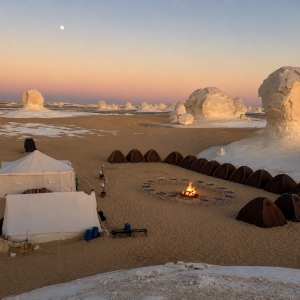
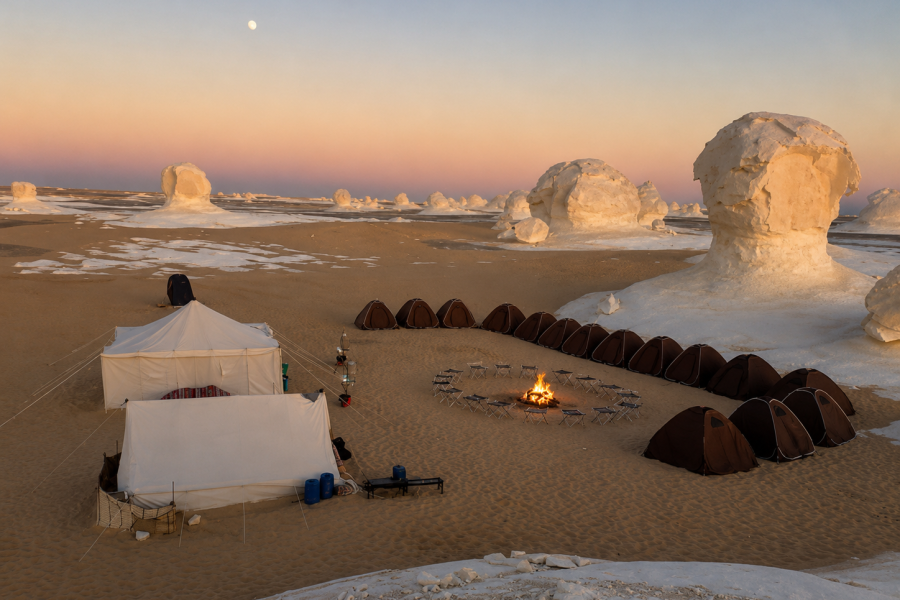
If you are camping in the White Desert, your clothing needs to work across two very different environments.
Wear:
Add:
Consider:
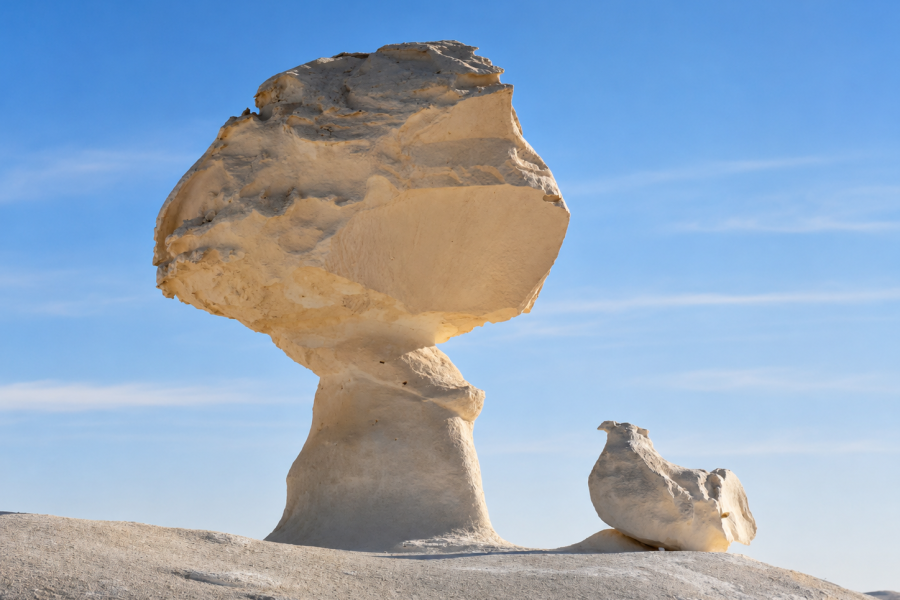
Our destination-specific White Desert Egypt Packing List goes into more detail.
That specialist article should be used together with this broader Egypt-wide packing guide.
Egypt’s official tourism information describes winter as generally mild but notes seasonal differences between day and night; the desert and southern regions also experience much hotter summer conditions.
The important practical issue is not simply the average temperature.
During the day, you may have:
At night:
That makes the temperature feel dramatically different.
If traveling approximately from November through February, pack:
If you are someone who feels cold easily, bring one additional layer.
It is easier to remove a layer than spend the night wishing you had brought one.
March and April are excellent desert travel months.
See our Best Time for Egypt Desert Safari & Camping guide for seasonal details.
For spring, bring:
April becomes warmer, but evenings can still justify a layer, particularly in remote desert areas.
October and November are also excellent.
October can remain warm during the day.
November gradually becomes cooler.
Bring:
November campers should be more prepared for cooler evenings.
Summer requires a different strategy.
Official tourism information describes June through August as peak summer and notes that deserts and southern Egypt become particularly hot.
If you travel during the hotter period, prioritize:
Avoid dark, heavy clothing during long outdoor periods.
And more importantly:
Do not try to solve extreme heat through packing alone.
Itinerary timing matters.
A One Day Fayoum Tour from Cairo needs much less equipment than an overnight White Desert trip.
Bring:
You generally do not need:
Fayoum is a good example of why your packing list should match the trip rather than the word “desert.”
For the 1 Night Fayoum Desert Camping from Cairo, add:
Fayoum includes protected natural areas such as Wadi El Rayan and Wadi Al-Hitan, and the Egyptian Environmental Affairs Agency currently maintains formal visitor and camping fee structures for these areas.
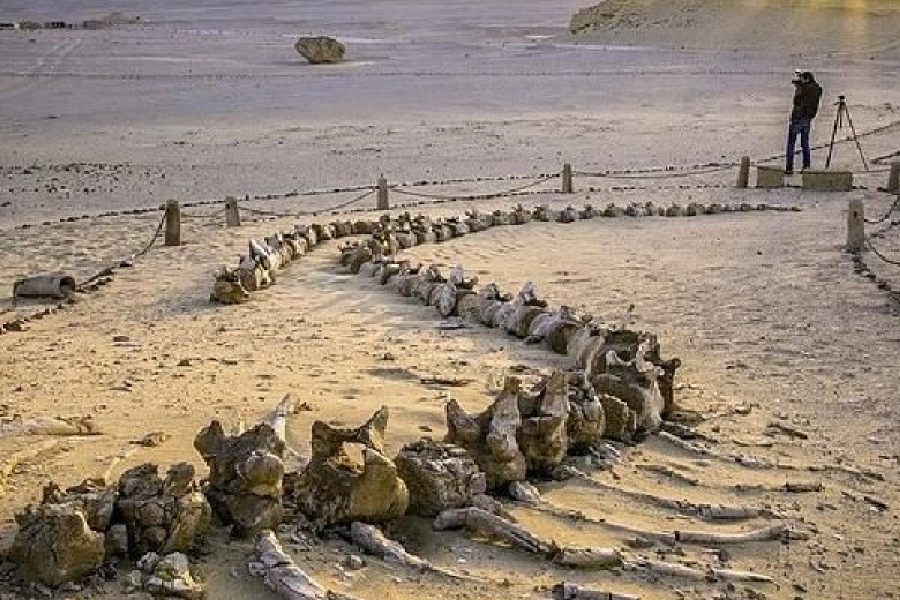
Wadi Al-Hitan itself is a UNESCO World Heritage Site because of its globally important fossil record.
Do not collect fossils, rocks or other protected material as “souvenirs.”
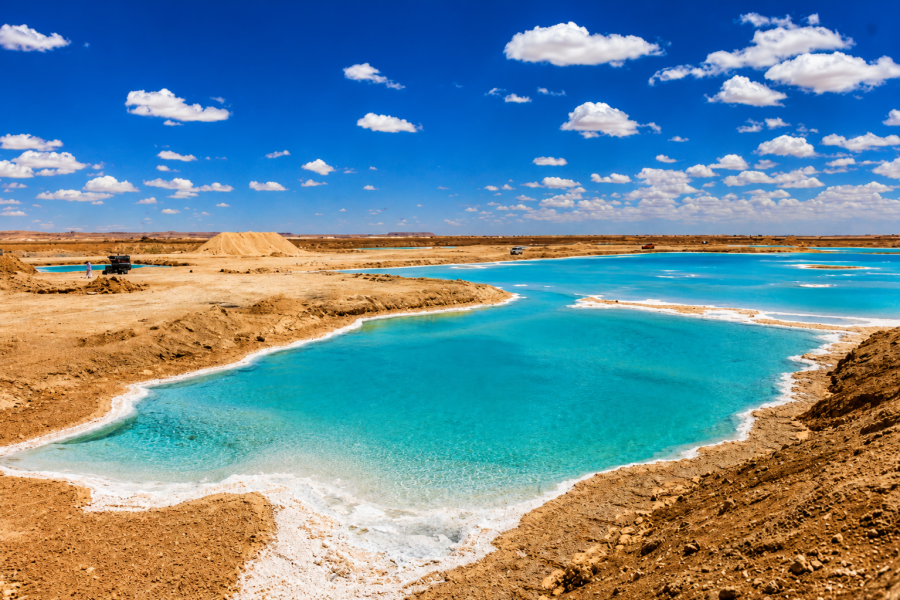
Siwa requires several additional items because it combines desert sightseeing with water activities.
Pack the normal safari items plus:
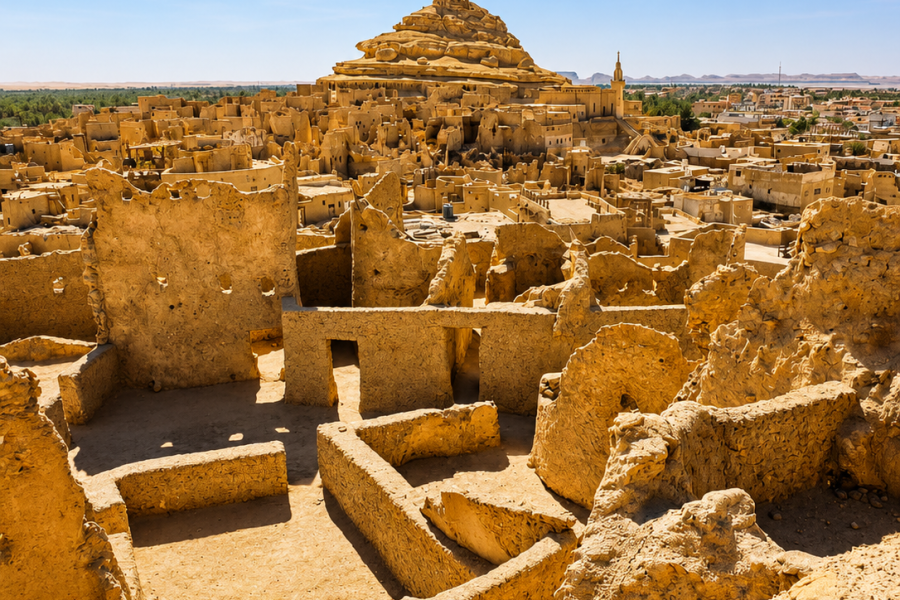
Official Egyptian tourism information highlights Siwa’s famous salt lakes, springs and Great Sand Sea dune experiences.
Our Siwa Salt Lakes Guide explains how to prepare specifically for floating in the lakes.
Wear comfortable swimwear.
Then keep a simple change of clothing nearby.
Salt water can remain on:
and may become uncomfortable after you leave the lake.
A towel and change of clothes are therefore more important here than on a White Desert safari.
They can be useful depending on the exact lake and access point.
Salt-crusted edges may feel uncomfortable under bare feet.
If you already own lightweight water shoes, they take little space and can be worth bringing.
For a Great Sand Sea Safari in Siwa, prioritize:
If sandboarding is included, wear clothing that allows easy movement.
Avoid carrying loose valuables in open pockets while moving on dunes.
For most fully organized desert tours:
very little.
A professional camping package may provide:
But never assume.
Ask before booking:
What exactly is included in the camping setup?
Experience Egypt notes that travelers can arrange camps and camping permits through operators and authorized agencies, and that accommodation can range from Bedouin-style tents to more equipped glamping options.
Usually not if the organized tour says sleeping equipment is included.
But check.
For example, your tour inclusion page should clearly say whether it provides:
If you have a personal sleeping bag liner and like using your own, you can bring it.
But it is generally not a requirement for the typical international traveler booking an organized White Desert safari.
Normally no.
Do not carry a tent from Europe, the United States or another country unless your itinerary specifically requires personal camping equipment.
Your luggage space is better used for:
Organized camps may provide one.
If you are extremely particular about pillows, consider a tiny inflatable travel pillow.
Otherwise, carrying a full-size pillow around Egypt is unnecessary.
Keep toiletries simple.
Bring:
Use travel-size containers.
One night in the desert does not require your entire bathroom.
Do not assume a remote mobile desert camp has a hotel-style shower.
For one night, most travelers shower before departure and again after returning.
More developed camps, eco-lodges or glamping sites may provide bathrooms.
This is one reason the Egypt Desert Camping guide separates wild-style mobile camps from glamping.
Yes.
Wet wipes are one of the most useful small items for:
Bring only what you need and dispose of them responsibly.
Never leave wipes or tissues in the desert.
Carry all important personal medication yourself.
Do not put medication that you may need urgently in luggage stored far away.
Bring enough for:
If medication requires refrigeration or special storage, tell your operator before booking.
Also consider basic items you personally use for:
but only use medications that are appropriate for you.
Some travelers are fine on normal roads but feel uncomfortable during dune driving.
This can happen in:
If you are prone to motion sickness:
The driver can often adjust the intensity.
You do not need to carry a full expedition medical kit for a standard organized tour.
But a small personal kit is useful.
Consider:
Your operator should handle broader expedition planning.
Bring:
Optional:
Electricity may not be available at a remote camp.
Your phone becomes useful for:
A power bank is therefore one of the highest-value items on the list.
Enough to recharge your phone at least once or twice is usually sufficient for a short safari.
For:
you may need more capacity.
Remember that your desert packing should remain compact.
You don’t need one.
Modern phones are sufficient for most travelers.
But Egypt’s desert landscapes are excellent for dedicated photography.
If using a camera:
For serious White Desert photographers, read our White Desert Egypt Photography Guide.
Sand and fine dust are bigger problems than people expect.
Keep gear inside:
Avoid placing lenses directly on the ground.
Use a lens cloth.
And if wind becomes strong, minimize lens changes.
If you want:
yes.
A lightweight travel tripod is ideal.
If you only take casual travel photographs, it may not be worth the extra luggage.
Before your safari:
This takes only a few minutes and eliminates many common problems.
Do not assume that because drones are common in travel videos you can simply bring and fly one in Egypt.
Drone ownership, importation and operation can be subject to Egyptian regulations and permissions.
If aerial photography matters to your project, verify the current legal requirements before traveling.
Do not hide a drone in your luggage or assume a remote desert means rules do not apply.
Keep essential documents secure.
Depending on your itinerary, bring:
Store digital copies on your phone and ideally offline.
Yes, some cash is useful.
Remote oasis areas do not always provide the same payment convenience as Cairo.
Cash may be useful for:
Do not carry unnecessary large amounts.
Less is better.
For a 2-day safari, use:
rather than a large suitcase inside the 4×4 whenever possible.
If your Egypt trip includes large luggage, ask the operator where it can be securely stored during the safari.
Safari vehicles need space for:
Large hard-shell suitcases can make loading and unloading less efficient.
A soft overnight bag is much easier.
My preference:
For daytime items:
For:
That is enough for most short safaris.
On a properly organized camping tour, meals should normally be part of the package if the itinerary says so.
You do not need to carry your own dinner.
But you may want:
If you have dietary restrictions, tell the operator before departure.
Do not wait until camp to say:
“I cannot eat any of this.”
The safari team should plan the main water supply.
But keep a personal bottle easily accessible during the day.
Do not put all drinking water somewhere inaccessible under luggage.
Drink regularly even if you do not feel extremely thirsty.
Families need the normal packing list plus a few extras.
For children:
For younger travelers, the road journey can be more challenging than the camping itself.
Fayoum may be easier for first-time family desert trips because it requires less road travel.
Our Is Egypt Desert Safari Safe? guide also covers family planning and safety.
Couples do not need special equipment.
But for a comfortable private camping trip, consider:
Do not overpack “romantic” items that create waste or are difficult to transport.
The desert itself provides the atmosphere.
Solo travelers should pay extra attention to:
Stay with the organized group and do not wander away from camp alone at night.
Bring:
Add:
Add:
Do not multiply your luggage simply because you add one day.
For a 3 Nights 4 Days White Desert Tour from Cairo or 4 Days Siwa Oasis Tour, bring enough clothing for comfort but still pack light.
A practical approach:
You do not need four completely different outfits.
Several items add weight without adding much value.
Avoid:
The desert rewards simplicity.
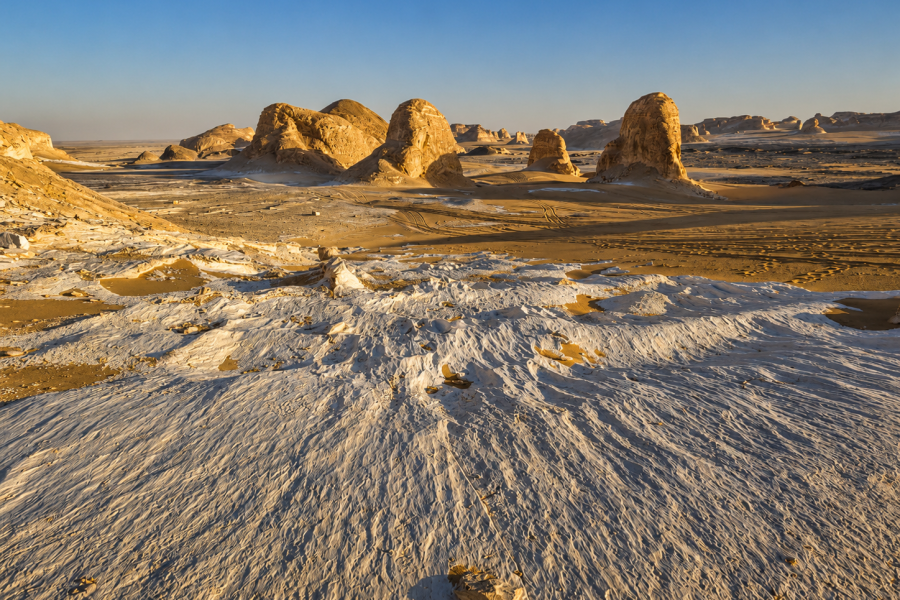
The White Desert is an officially protected natural landscape, and Egypt’s Environmental Affairs Agency manages visitor and camping activity within the protectorate.
Pack in a way that minimizes rubbish.
Bring waste back out with you.
Do not leave:
behind.
This applies especially in protected geological landscapes.
The White Desert is protected for its geology, landscapes, fossils and natural features.
Wadi Al-Hitan in Fayoum is internationally protected for its extraordinary whale fossil record.
Photograph geological material.
Leave it where it is.
Usually, travelers booking an organized safari should not personally manage the protected-area process.
Experience Egypt advises visitors planning camping in protected areas to inquire about permits through hotels, tour operators or authorized travel agencies and notes that licensed guides may be required in many areas.
Your job is to confirm:
Are required permits and fees included in my tour?
The operator should explain the rest.
For the 1 Night 2 Days White Desert Tour from Cairo, my ideal minimalist packing list is:
That’s enough for most travelers.
For the 2 Nights 3 Days White Desert Camping Tour, add:
Do not suddenly pack a full camping expedition setup unless the tour does not provide equipment.
For the 2 Nights 3 Days Siwa Tour from Cairo or 4 Days Siwa Oasis Tour, add:
Siwa’s official tourism profile emphasizes the oasis’s salt lakes, springs and Great Sand Sea, so your luggage needs to work for both water and desert environments.
White Desert
Prioritize:
layers + camping + dust protection.
Fayoum
Prioritize:
sun protection + comfortable day gear.
Siwa
Prioritize:
desert clothing + swim gear.
Farafra
Prioritize:
lightweight multi-day equipment.
Read our Farafra Oasis Egypt guide if your route continues deeper into the Western Desert.
Before departure, check that you have:
If you have those items, you are probably ready.
The easiest way to think about desert packing is:
Protect yourself from the sun.
Protect yourself from the sun during the day and cold at night.
That is why layers are better than one extreme outfit.
Our full Best Time for Egypt Desert Safari & Camping guide explains the seasonal differences in more detail.
Your destination is not the only factor.
Day Safari
Minimal gear.
Camping Safari
Add evening and hygiene gear.
Luxury / Glamping Safari
You may need fewer basic camping items because accommodation provides more facilities.
Photography Safari
Add camera equipment and battery capacity.
Family Safari
Add children’s clothing, food and comfort items.
This is why copying somebody else’s packing list without checking their itinerary can lead to unnecessary luggage.
This is the most common mistake.
Winter nights can feel cold.
Never discover that your brand-new shoes cause blisters in the middle of a desert safari.
You need less than you think.
Remote camps may not have electricity.
Cool weather does not eliminate sun exposure.
Lightweight trousers are usually more versatile.
The Salt Lakes are one of the main experiences.
It adds no value to the safari.
It is often unnecessary.
This is much more serious than forgetting an extra T-shirt.
If this is your first desert safari, our strongest recommendation remains:
1 Night 2 Days White Desert Tour from Cairo
For deeper camping:
2 Nights 3 Days White Desert Camping Tour
For a longer expedition:
3 Nights 4 Days White Desert Tour from Cairo
For a short trip:
One Day Fayoum Tour from Cairo
For Fayoum camping:
1 Night Fayoum Desert Camping from Cairo
For Siwa:
2 Nights 3 Days Siwa Tour from Cairo
or:
For most travelers, the ideal Egypt desert safari packing list is much shorter than expected.
The essentials are:
comfortable lightweight clothing + warm layers + closed shoes + sun protection + medication + basic toiletries + phone + power bank.
Add swimwear for Siwa.
Add stronger winter layers for White Desert camping.
Add camera equipment only if photography is genuinely important to you.
And let your tour operator handle bulky camping equipment when it is included in your package.
The biggest mistake is not failing to bring a complicated piece of adventure equipment.
It is usually something simple:
Pack light.
Pack in layers.
Prepare for both daytime sun and nighttime cold.
And match your luggage to the actual destination rather than treating every Egyptian desert safari as the same trip.
Continue your planning with:
These guides cover the full journey from choosing the destination to booking, budgeting, packing and traveling safely.