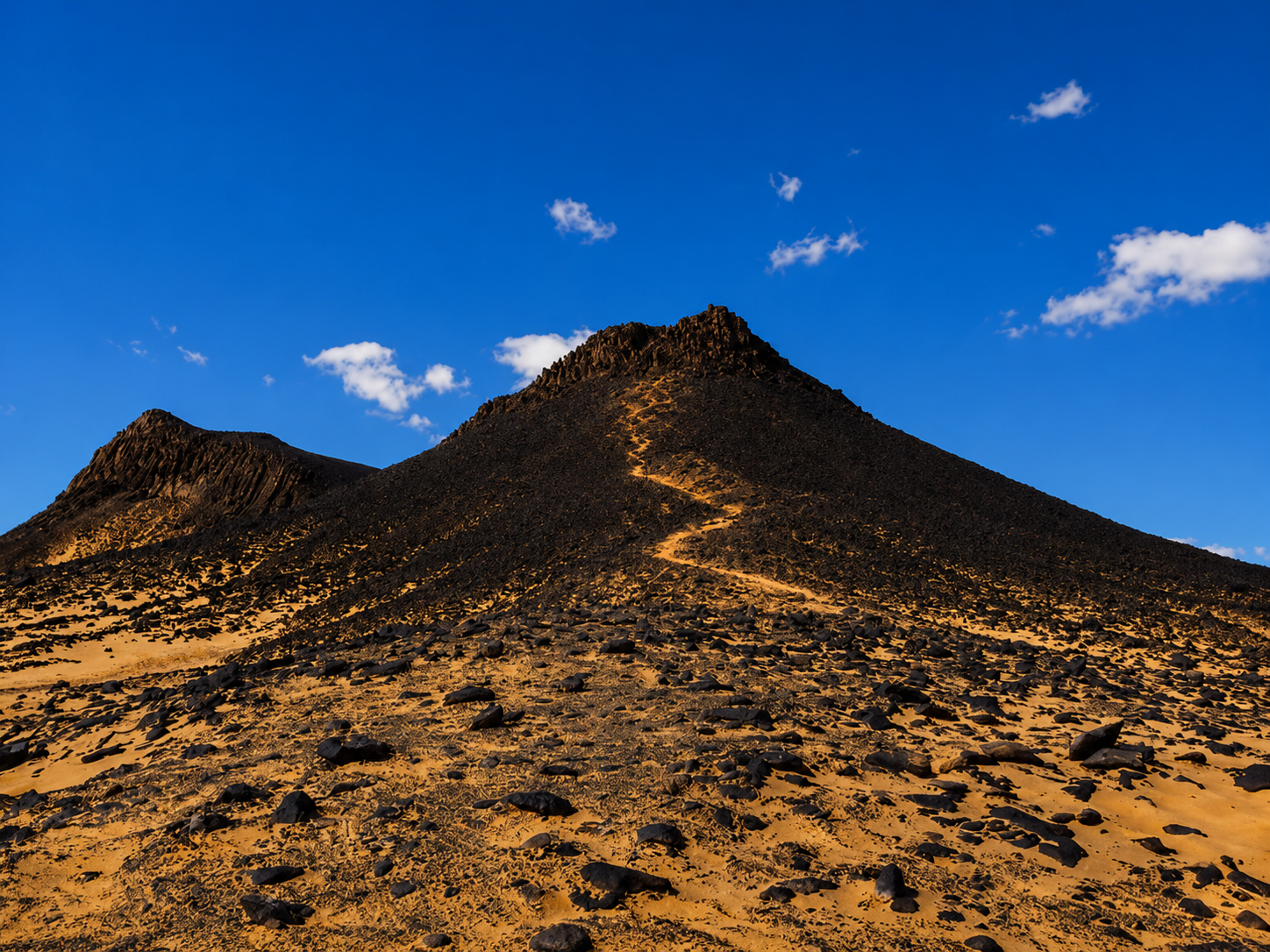
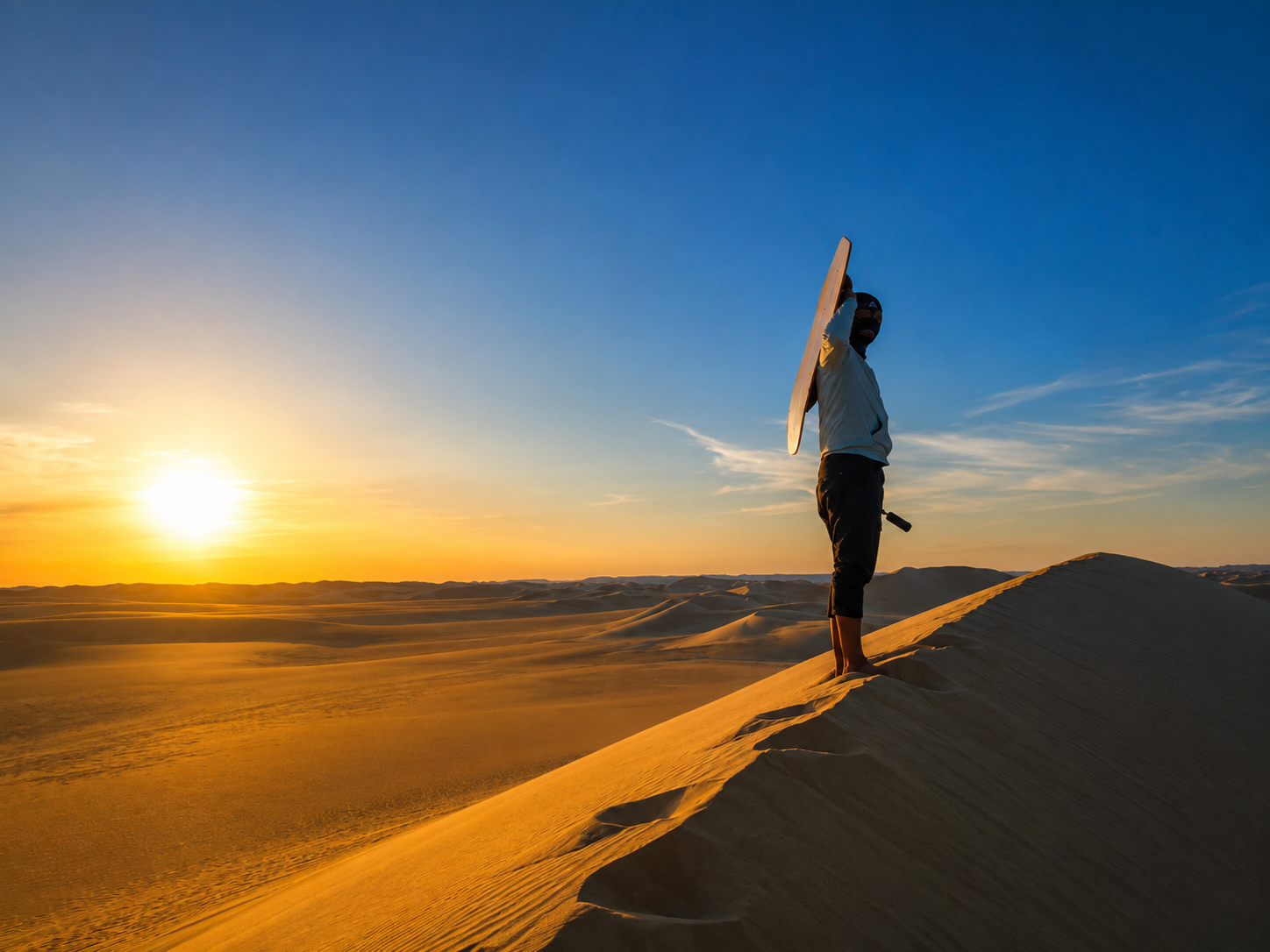
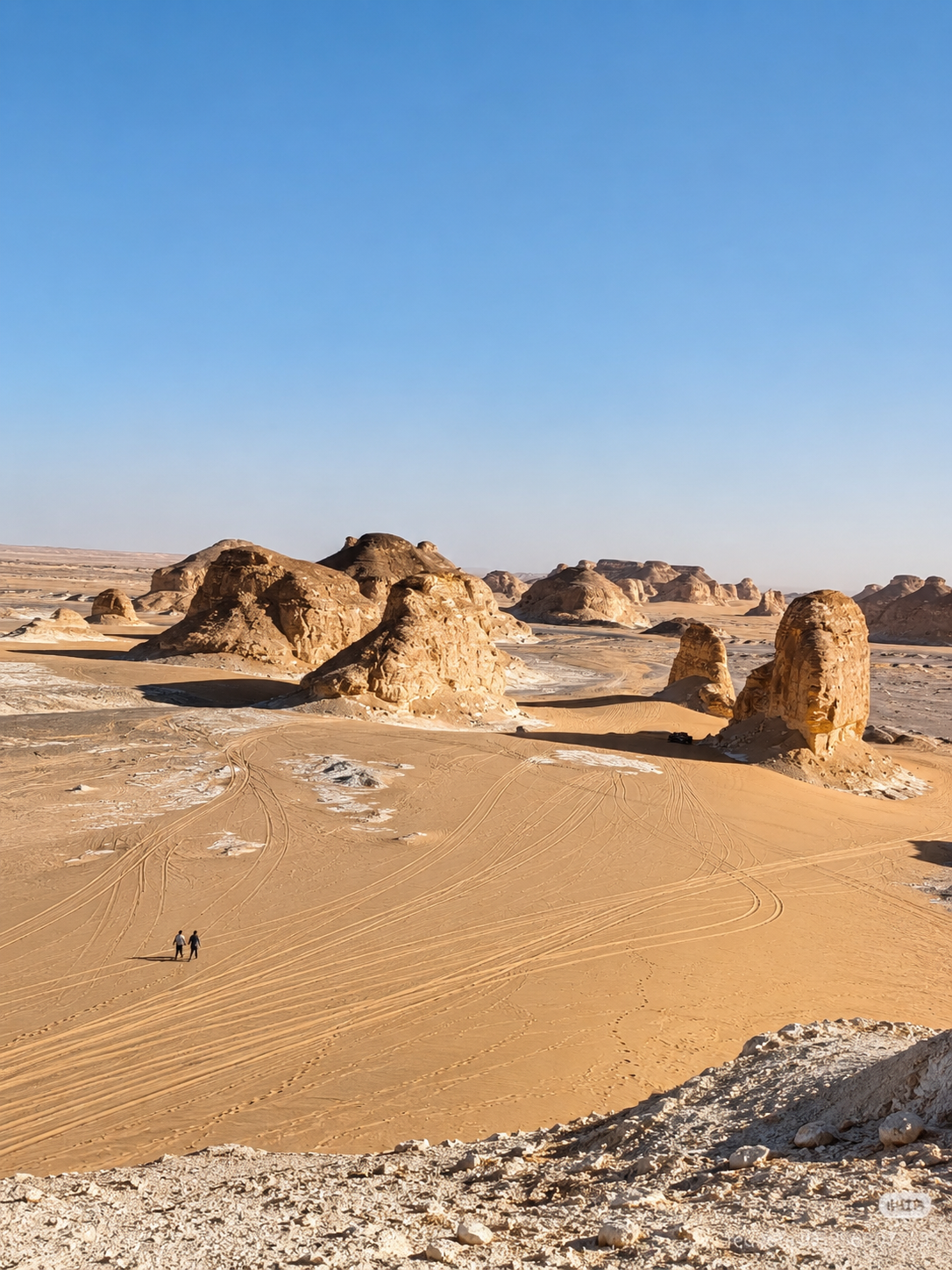
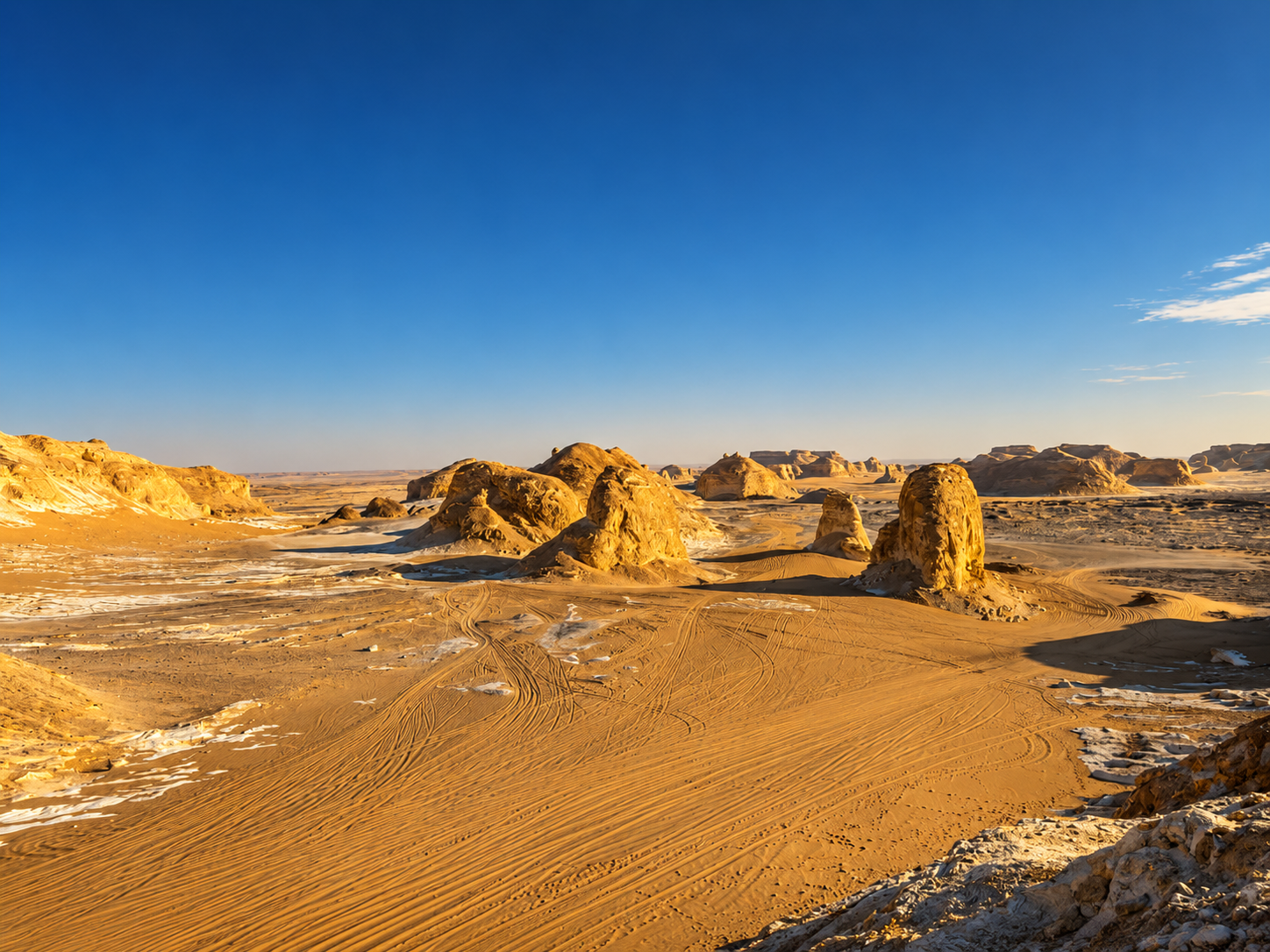
White Desert Egypt Wildlife & Desert Ecology: Animals, Birds & Plants

White Desert Egypt may look almost empty at first, but its protected landscape supports a surprisingly varied desert ecosystem. Wildlife recorded in the White Desert includes desert foxes, gazelles, sand cats, small rodents, bats, reptiles and dozens of bird species, while vegetation survives mainly around wadis, groundwater and natural springs.

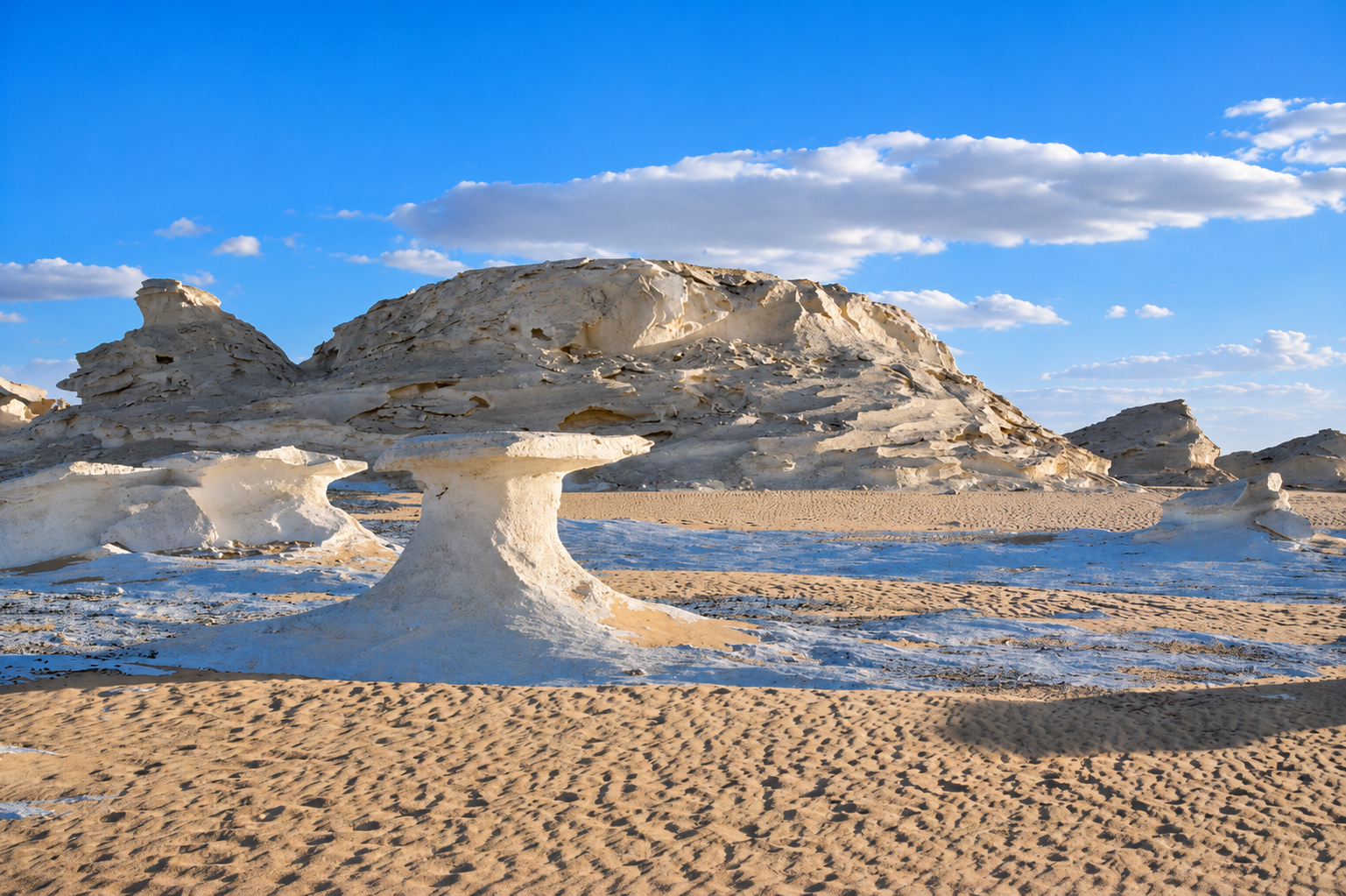
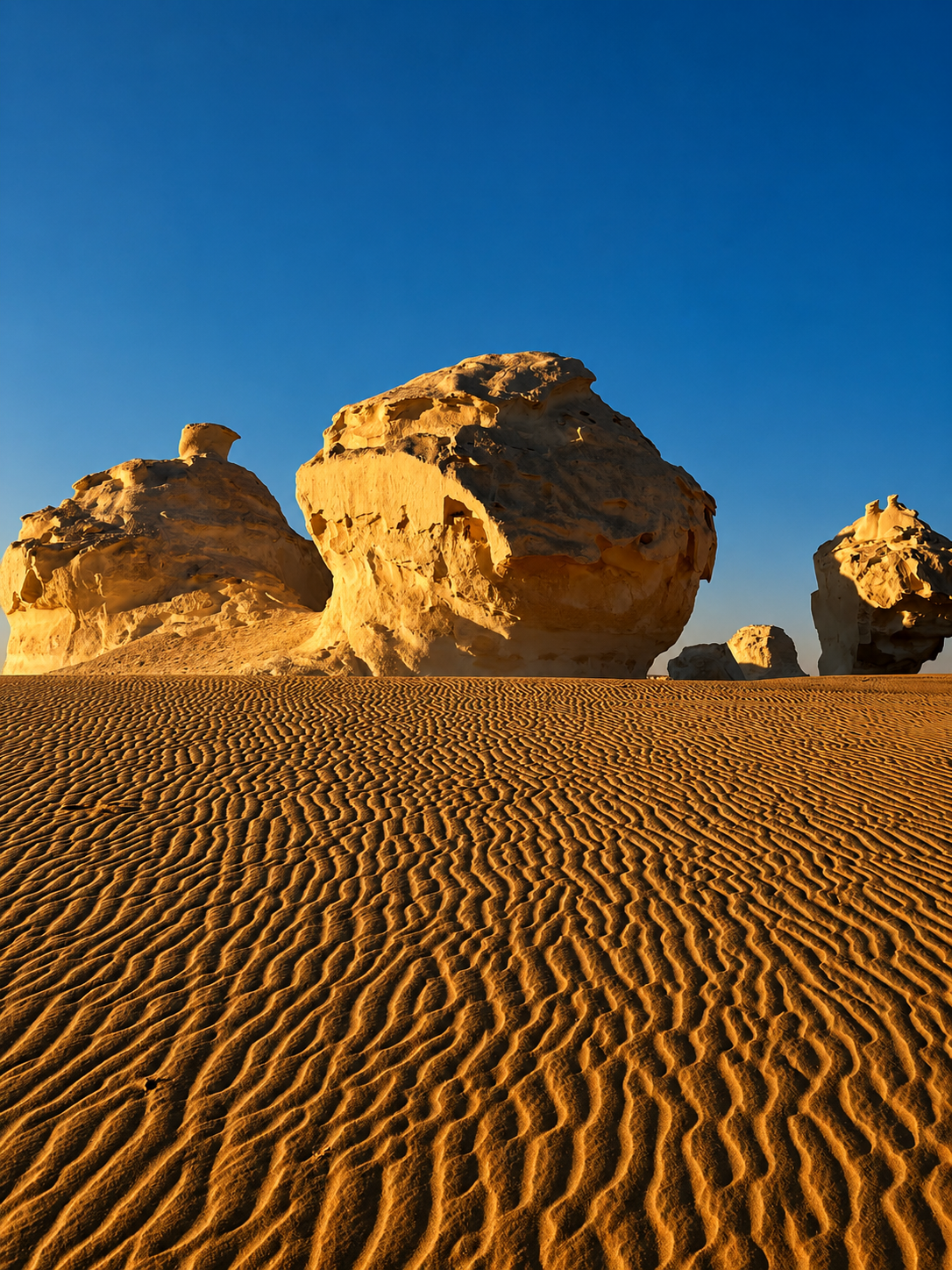
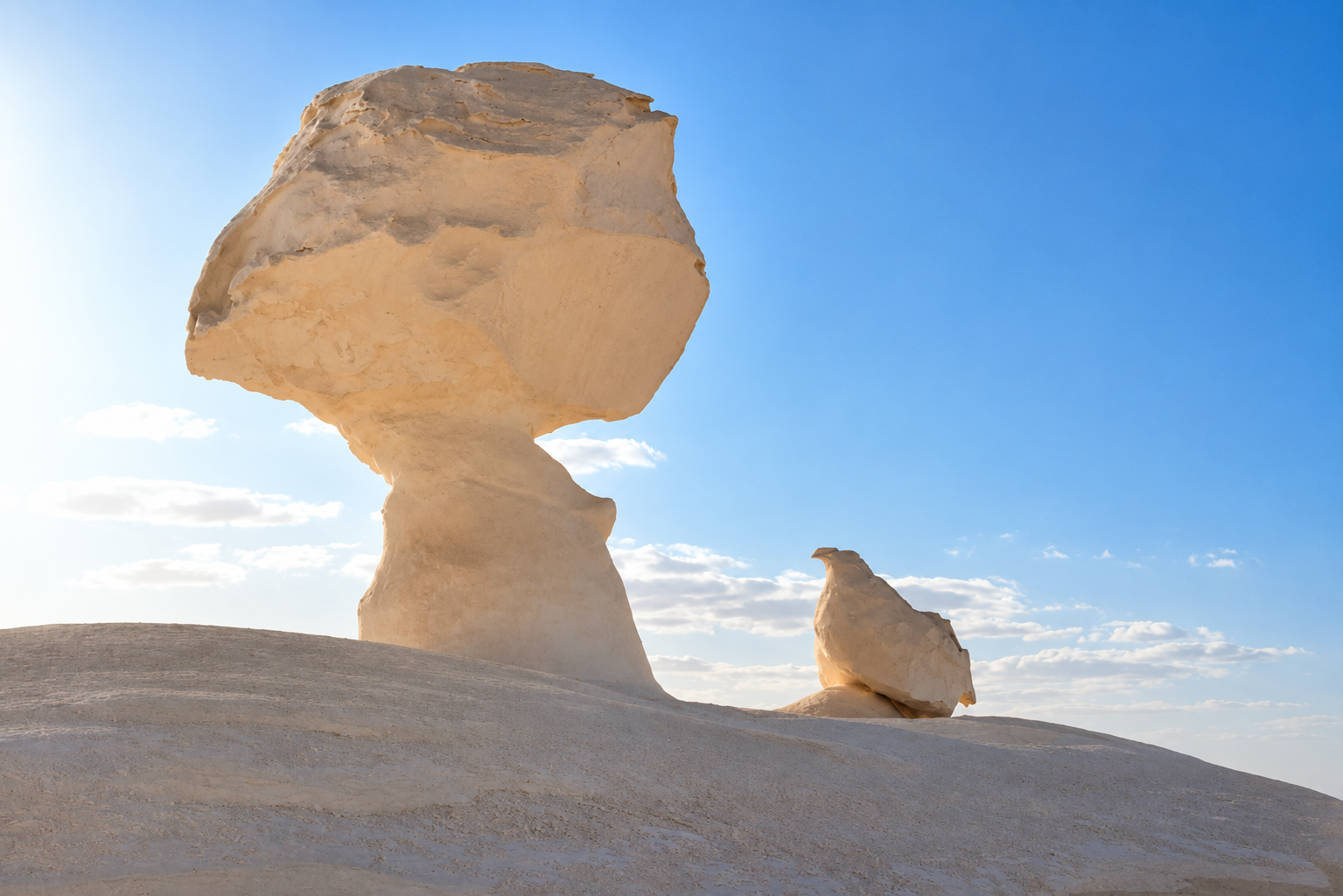
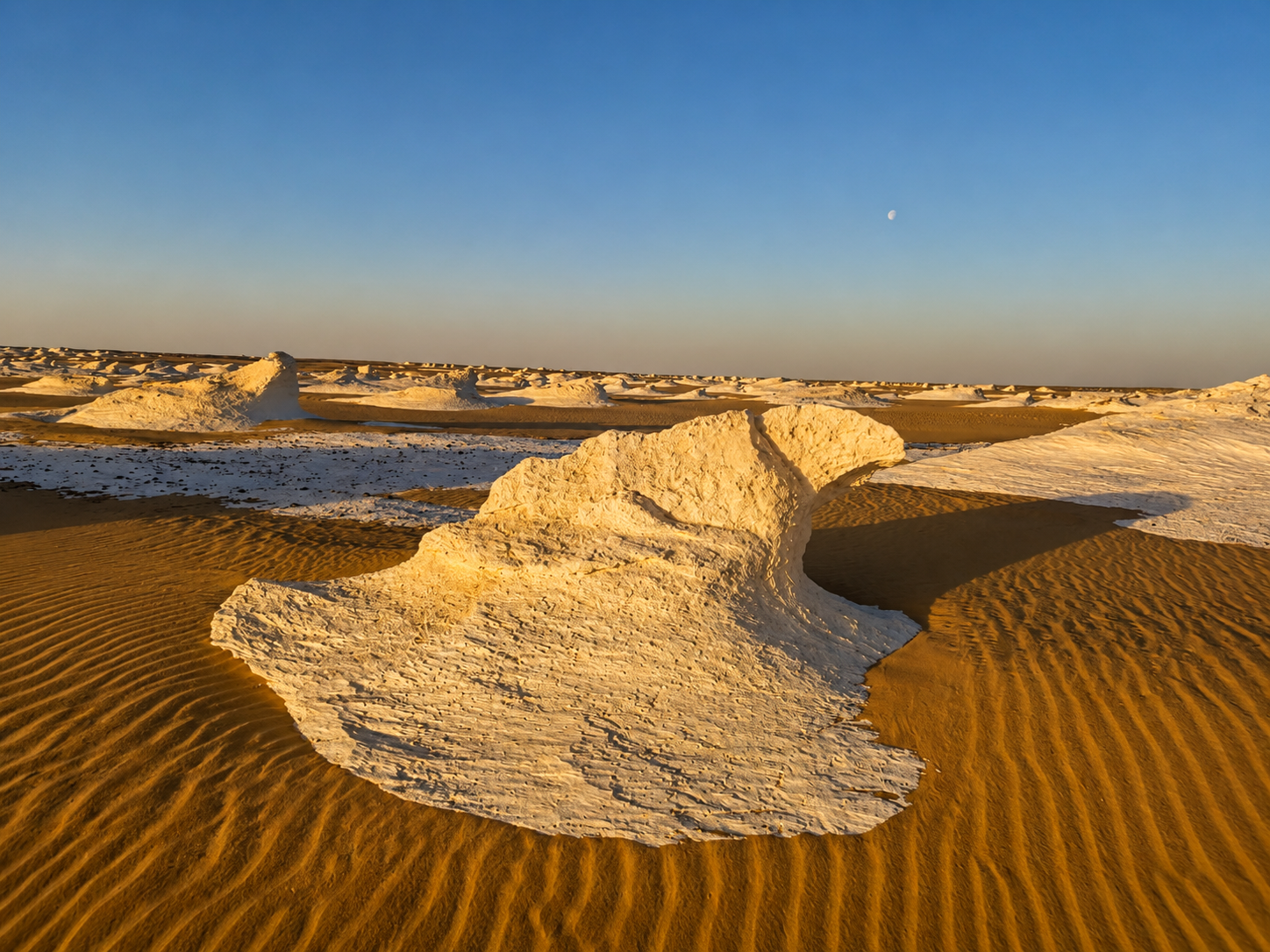
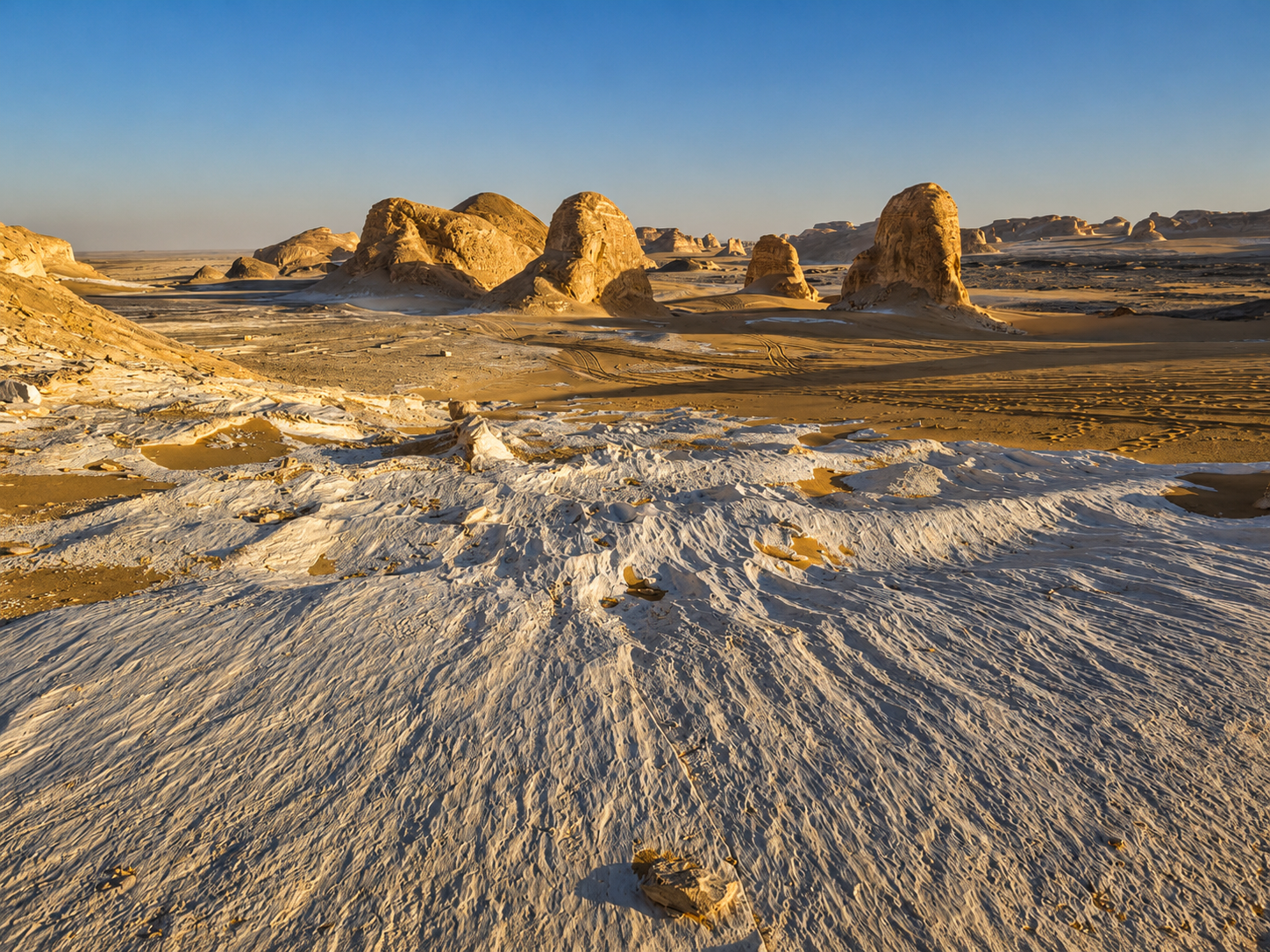
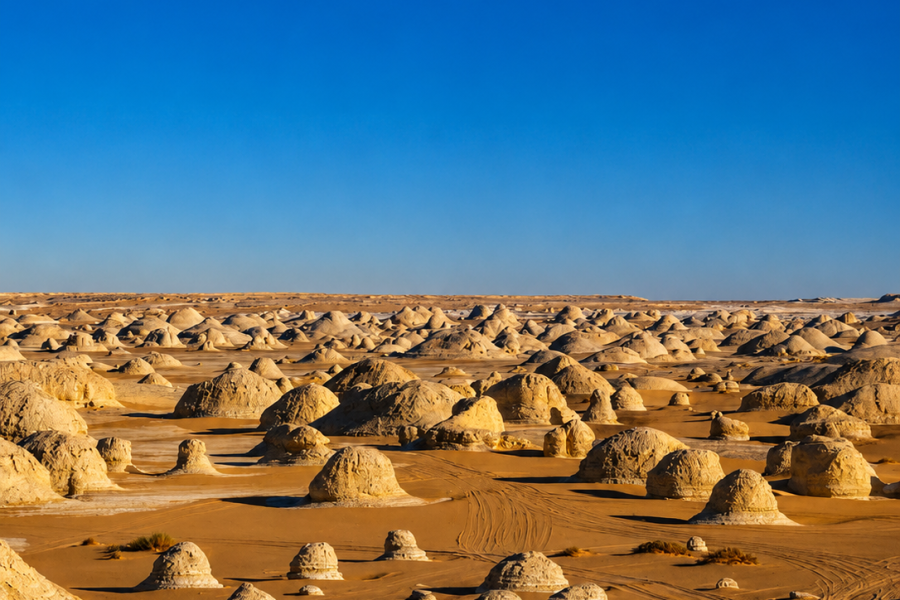
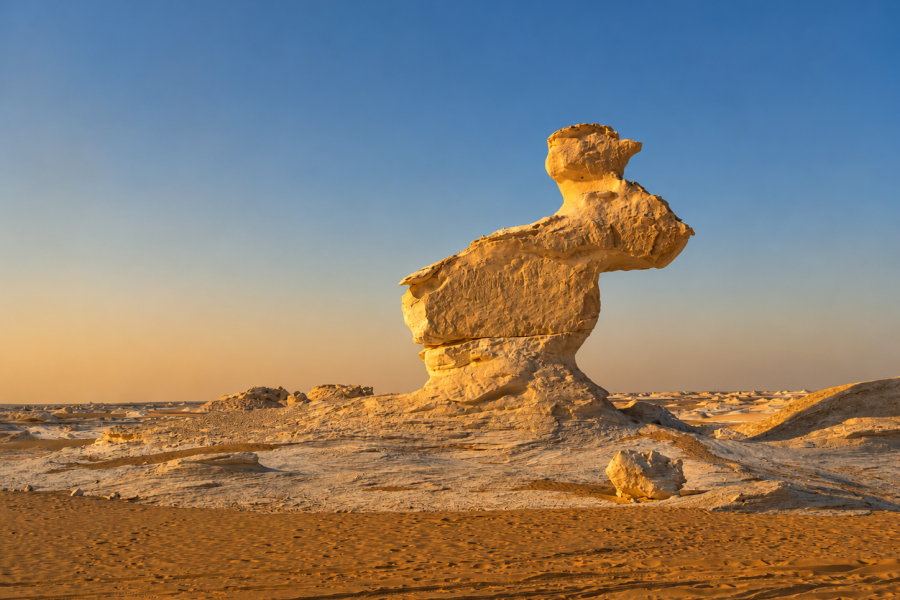
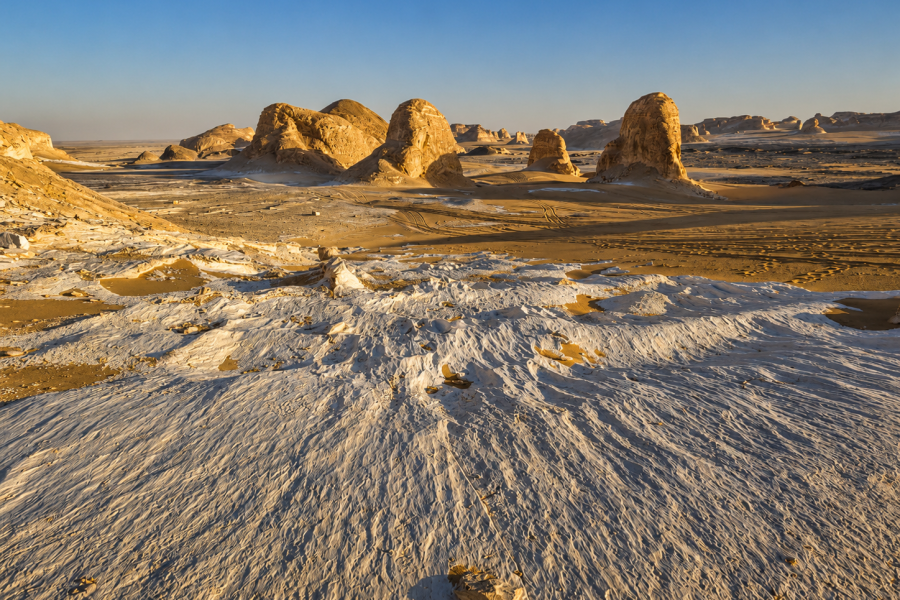
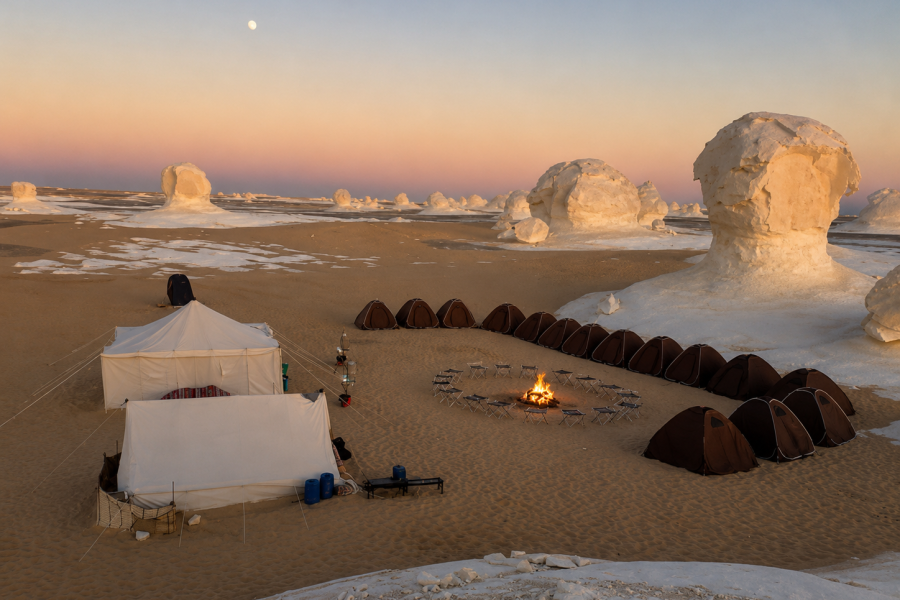
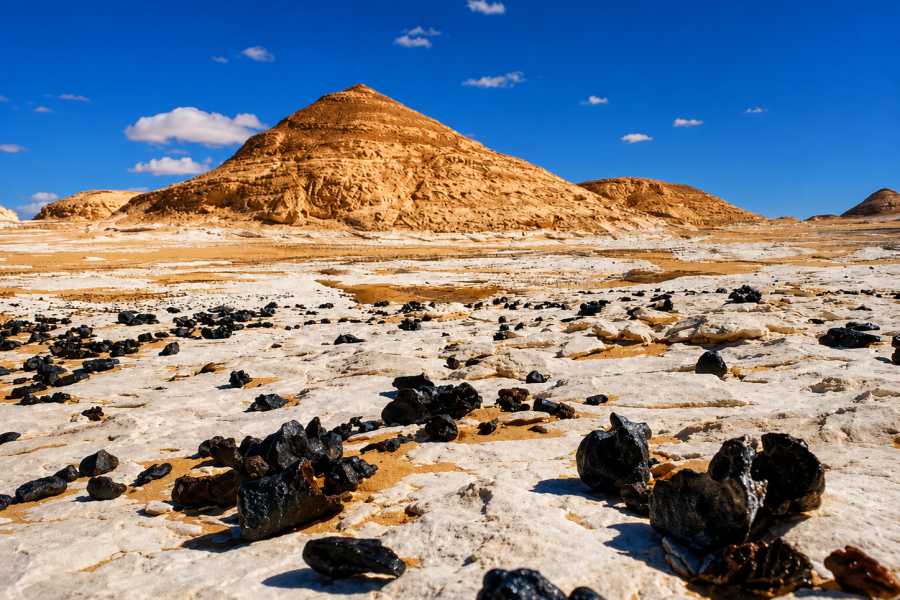
Most visitors come to the White Desert Egypt for its famous chalk formations, desert camping and surreal scenery.

But the landscape is more than geology.

It is also a functioning desert ecosystem.

Animals move mostly during cooler hours.

Birds use the cliffs, karst towers and cavities.

Reptiles survive in sand, rock and gravel habitats.

Plants concentrate around water sources and sheltered wadis.

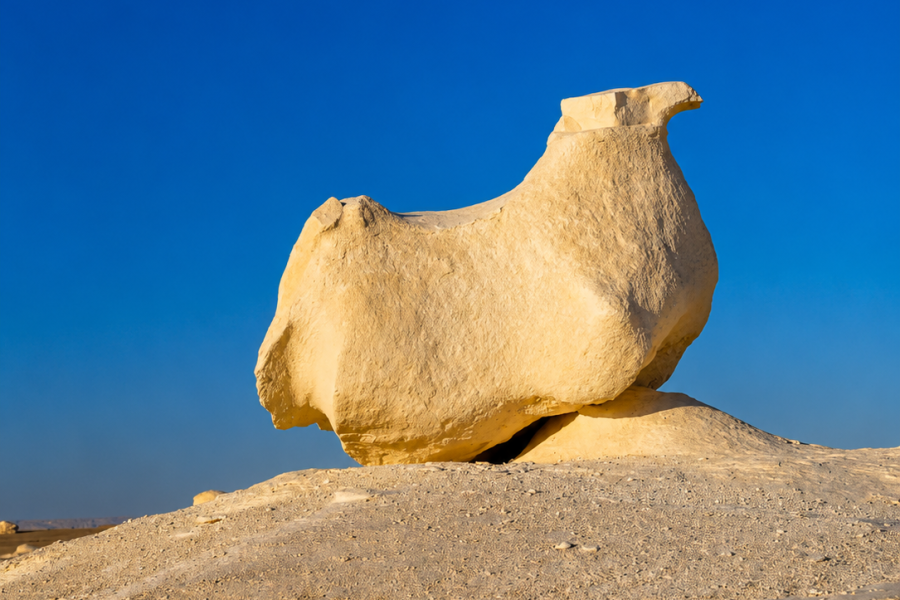
Even the shape of the rocks can affect where wildlife lives.

Egypt’s Environmental Affairs Agency describes the White Desert Protected Area as an open natural environment important for the study of desert ecosystems, wildlife, fossils and geographical phenomena. The protectorate was declared in 2002 and currently covers approximately 3,133.5 km².

A White Desert safari is therefore not simply a geological sightseeing trip.

It is also a journey through one of Egypt’s protected desert ecosystems.

Is There Wildlife in the White Desert Egypt?

Ja.

The White Desert supports wildlife adapted to some of the most demanding conditions in Egypt.

The official White Desert management plan describes a range of habitats including:

  • Sand sheets
  • Sanddünen
  • Dry wadis
  • Vegetated wadis
  • Uninhabited oases
  • Hills
  • Steep cliffs
  • Springs and groundwater-fed areas

These habitats support different combinations of mammals, birds, reptiles and plants.

The same management plan records at least 12 mammal species, about 24 resident bird species, numerous migratory birds, approximately 19 reptile species, and one amphibian from earlier biodiversity surveys.

That does not mean you will see all of them on a normal safari.

Quite the opposite.

Many desert animals are:

nocturnal,

shy,

rare,

well camouflaged,

or active far from the normal tourist route.

Seeing wildlife in the White Desert should therefore be treated as a bonus rather than a guaranteed part of your itinerary.

Why Does the White Desert Have Wildlife?

Deserts are not lifeless.

They simply support life differently from forests, wetlands or farmland.

Food and water are limited.

Temperatures change sharply between day and night.

Shade can be scarce.

Rainfall is extremely low.

Animals and plants survive by adapting to those limitations.

In the White Desert, wildlife benefits from several microhabitats.

Wadis can trap water and sediment.

Natural springs create small areas of vegetation.

Rock cavities provide shade and shelter.

Sand dunes support specialized reptiles and rodents.

Cliffs and karst towers provide nesting places for birds.

The Nationalpark Weiße Wüste management plan specifically identifies vegetated Wadi Hennis and small oasis habitats such as Ain El Maqfi and Ain El Wadi as particularly important for biodiversity conservation.

This is an important point.

The most biologically valuable parts of the desert are not always the most visually famous ones.

Mammals of the White Desert

The White Desert management plan records a surprisingly varied mammal community.

Documented species include:

  • Slender-horned gazelle
  • Dorcas gazelle
  • Barbary sheep
  • Foxes
  • Sand cat
  • Small rodents
  • Jerboas
  • Bats
  • A jackal species recorded under the taxonomy used when the management plan was written

The plan identifies rodents as among the more common mammals and notes that foxes may be among the mammals visitors are most likely to encounter, particularly around camps at night.

However, seeing larger animals such as gazelles should never be expected.

Their populations are much more sensitive and sightings can be rare.

Fennec Fox in the White Desert

The fennec fox is one of the desert animals travelers are most excited to see.

Its enormous ears are its most recognizable feature.

Fennecs are strongly adapted to desert life and are generally most active after temperatures begin dropping.

The White Desert management plan records Vulpes zerda, the fennec fox, among the mammals documented in the protected area.

However, seeing one is never guaranteed.

Fennecs are small, fast and mostly nocturnal.

They can disappear into the landscape surprisingly easily.

If you see one near camp, observe it quietly and keep your distance.

Do not chase it for photographs.

And most importantly:

do not feed it.

Feeding wild animals can change their behavior and make them increasingly dependent on human camps.

Rüppell's Sand Fox

3-tägige Camping-Tour von Luxor über die Bahariya-Oase nach Kairo (2 Übernachtungen)

3 Nights 4 Days Tour from Cairo to White Desert, Bahariya Oasis & Luxor

2 Nights 3 Days White Desert & Dejara Cave Tour from Cairo

3-tägige Tour zur Weißen Wüste und Bahariya-Oase (2 Übernachtungen)

Ganztägige Tour am Westufer von Luxor

Siwa-Programm mit komfortablem Bus ab Kairo

Eintägige Tour zur Weißen Wüste ab Kairo

Eintägige Fayyum-Tour ab Kairo

Tour zum Nationalmuseum der Ägyptischen Zivilisation

4-tägiges Luxor-Paket ab Kairo mit Schlafwagenzug (3 Übernachtungen)

Giza Pyramids & Grand Egyptian Museum Tour

3-tägige Fayyum- und Weiße-Wüste-Tour ab Kairo (2 Übernachtungen)

6-tägige Ägypten-Oasen-Tour ab Kairo (5 Übernachtungen)

Ganztägige Tour am Ostufer von Luxor

5 Nights 6 Days Cairo, Siwa, White Desert & Bahariya Oasis Tour

6 Nights 7 Days Cairo, Siwa, Marsa Matrouh & White Desert Tour

Ganztägige Tour in Assuan

Ganztägige Tour nach Alexandria ab Kairo

4-tägige Siwa-Oasen-Tour ab Kairo

3 Nights 4 Days Cairo White Desert Tour

3-tägige Tour von Kairo nach Dakhla und Luxor (2 Übernachtungen)

3-tägige Camping-Tour in der Weißen Wüste (2 Übernachtungen)

3-tägige Kairo–Siwa-Tour (2 Übernachtungen)

3-tägige Kairo–Siwa-Tour (2 Übernachtungen)

2-tägige Tour durch Kairo und Gizeh

1 Übernachtung beim Camping in der Fayyum-Wüste ab Kairo

2-tägige Weiße-Wüste-Tour ab Kairo (1 Übernachtung)

The management plan also records Rüppell’s fox, or Vulpes rueppelli.

This fox is well adapted to dry desert habitats.

Like other desert foxes, it tends to avoid the hottest hours of the day.

Its pale coloration helps it blend into sandy environments.

Travelers may sometimes use the general term “desert fox” for several different fox species.

That means a fox photographed near a White Desert camp should not automatically be identified as a fennec simply because it is in the Sahara.

Correct species identification depends on physical features.

Red Foxes Near White Desert Camps

The red fox is another mammal recorded in the White Desert.

Interestingly, the official management plan notes that foxes have sometimes become accustomed to approaching tourist camps in search of food or water.

This can produce exciting wildlife encounters.

But it can also create ecological problems.

Wild animals that begin associating people with food may:

lose natural caution,

change their feeding behavior,

visit camps more frequently,

or become dependent on human waste and food scraps.

This is why responsible Camping in der Weißen Wüste requires careful food management.

Enjoy the fox.

Machen Sie Fotos.

Do not turn it into a camp pet.

Dorcas Gazelle

The Dorcas gazelle is one of the most iconic desert mammals recorded in the protected area.

The White Desert management plan lists Gazella dorcas among the park’s mammal species and identifies gazelles as important conservation targets.

Dorcas gazelles are adapted to dry environments and can survive under conditions that would be extremely difficult for many larger mammals.

They can obtain much of the moisture they need from their food and are capable of traveling through dry landscapes in search of suitable vegetation.

But do not expect to see them standing beside the tourist route.

Larger desert mammals are generally much harder to observe than foxes or rodents.

Slender-Horned Gazelle

The White Desert management plan also identifies the slender-horned gazelle, Gazella leptoceros, as one of the key species associated with the protected area.

This is particularly important from a conservation perspective.

The species is associated with Saharan habitats and has suffered major population declines across parts of its range.

The management plan describes the White Desert as an important refuge and highlights the conservation importance of suitable remote habitat.

For travelers, the main lesson is simple:

the White Desert is not protected only because the rocks look beautiful.

Large areas are also important for species that require remote and relatively undisturbed desert habitat.

Barbary Sheep

The protected-area management plan records the Barbary sheep, Ammotragus lervia, among the mammals associated with the White Desert.

Barbary sheep are adapted to rocky and arid environments.

They are far less likely to appear around ordinary tourist camps than foxes.

Rocky terrain, remote cliffs and less-disturbed areas provide more appropriate habitat.

A normal 2-day White Desert tour from Cairo should never be marketed as a guaranteed Barbary sheep safari.

Wildlife does not operate according to the tour itinerary.

Sand Cat

One of the most fascinating mammals recorded in the White Desert is the sand cat, Felis margarita.

Sand cats are among the desert’s most specialized small predators.

They are nocturnal and extremely difficult to spot.

Their pale coat provides camouflage in sand and gravel environments.

They feed on smaller desert animals and spend much of the hot daytime period sheltered.

If you visit the White Desert and never see a sand cat, that is completely normal.

The fact that a species occurs within a protected area does not mean it is easily visible to travelers.

Jerboas and Small Desert Rodents

Small mammals form an important part of the desert food web.

The White Desert management plan lists species including the lesser gerbil und jerboa.

These animals may not receive the same attention as gazelles or foxes, but ecologically they are extremely important.

Small rodents:

consume seeds and vegetation,

move nutrients,

disturb and aerate soil,

and provide food for foxes, snakes, owls and other predators.

Some jerboas are famous for their long hind legs, which allow them to move rapidly across the desert by jumping.

Because many are nocturnal, travelers are more likely to notice footprints than the animals themselves.

Bats in the White Desert

The management plan also records bats among White Desert mammals.

Rock cavities, cliffs and caves can provide shelter.

At night, bats can feed on insects attracted to suitable habitats.

For most tourists, bats are unlikely to become a major part of the safari experience.

But they demonstrate an important ecological principle:

the White Desert’s rock formations do not only create scenery.

They also create habitat.

Birds of the White Desert

Birdlife is one of the most interesting parts of White Desert ecology.

The protected-area management plan reports approximately 24 resident bird species, while more than 100 migratory species may pass through the region, particularly during spring and autumn migration periods.

Recorded birds include:

  • Sooty Falcon
  • Long-legged Buzzard
  • Eurasian Kestrel
  • Lanner Falcon
  • Barbary Falcon
  • Eurasian Thick-knee
  • Cream-colored Courser
  • Spotted Sandgrouse
  • Crowned Sandgrouse
  • Pharaoh Eagle-Owl
  • Little Owl
  • Brown-necked Raven
  • White-tailed Wheatear
  • Desert Lark
  • Greater Hoopoe-Lark
  • Crested Lark
  • Trumpeter Finch

The variety may seem surprising in such an arid landscape.

But the combination of cliffs, rock cavities, open ground, dunes, wadis and water points creates several different bird habitats.

The Sooty Falcon: One of the White Desert's Most Important Birds

The Sooty Falcon, Falco concolor, is particularly important.

Researchers studied the species inside White Desert National Park from 2009 to 2013.

Their results showed that the bird’s distribution and breeding success were strongly connected to cavities in the park’s karst formations.

Across the study period, researchers recorded approximately 33 to 101 breeding pairs per year.

This is a remarkable example of geology and ecology interacting directly.

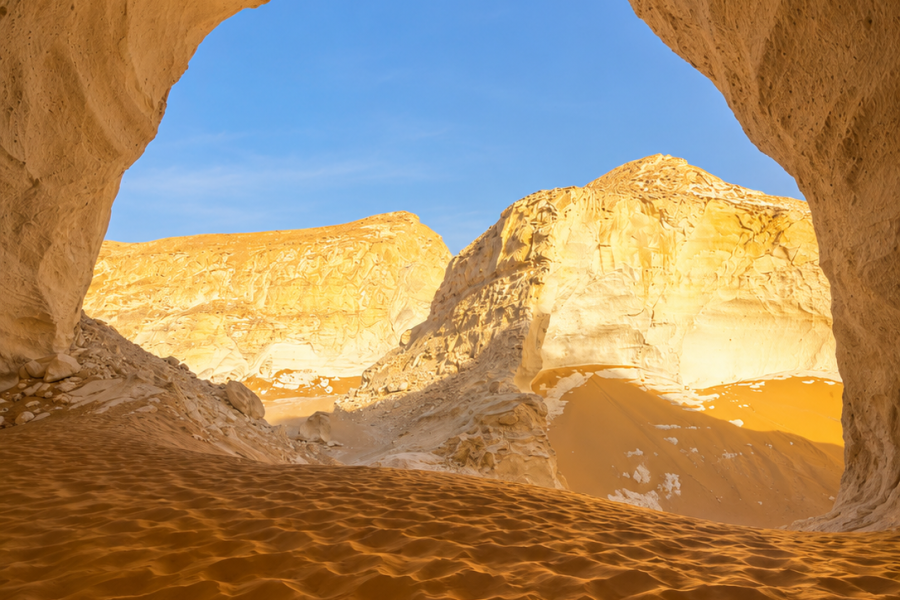
The same karst towers that attract tourists because of their shapes also contain cavities used as nesting habitat.

In other words:

protecting the rock formations also protects wildlife habitat.

That connection is one of the strongest reasons to treat the White Desert as an ecosystem rather than simply an unusual landscape.

Can You See Falcons on a White Desert Safari?

Possibly.

But again, nothing is guaranteed.

Sooty Falcons are migratory and their presence varies seasonally.

Other raptors recorded in the park include kestrels, Lanner Falcons, Barbary Falcons and Long-legged Buzzards.

If birdwatching is important to you:

bring binoculars,

travel with a guide who knows local wildlife,

observe cliffs and cavities from a respectful distance,

and avoid approaching nest sites.

Bird photography should never become nest disturbance.

Owls in the White Desert

The management plan records both the Pharaoh Eagle-Owl und Little Owl among the bird species found in the protected area.

Owls are predators of small mammals and other prey.

Their presence demonstrates why rodents form such an important part of the desert food web.

Because owls are often active during low-light periods, they may be difficult to see on a normal daytime safari.

Quiet camps can sometimes provide better opportunities to hear nocturnal activity.

Sandgrouse and Desert Birds

The White Desert also supports birds specialized for open arid terrain.

Recorded species include Spotted Sandgrouse, Crowned Sandgrouse, Desert Larks and Greater Hoopoe-Larks.

These birds are often much less dramatic than large raptors.

But they are excellent examples of adaptation to desert environments.

Their colors can make them extremely difficult to see against sand and gravel.

Travelers who slow down and watch carefully often notice much more desert life than visitors who spend the entire safari inside the vehicle.

Migratory Birds and the Western Desert

One of the most interesting facts in the official management plan is that the White Desert is not ecologically isolated.

Large numbers of migratory birds move through the region.

The plan notes that more than 100 species may pass through the park, especially in spring and autumn.

Oases, springs and vegetated areas can become particularly important during migration.

To a bird crossing huge stretches of dry desert, a water source and patch of vegetation can be extremely valuable.

This is another reason small oasis habitats deserve protection even if they are not the most famous tourist locations.

Reptiles of the White Desert

Reptiles are among the animals best adapted to extreme desert conditions.

The White Desert management plan reports approximately 19 reptile species from a 2004 survey, plus one amphibian associated with water sources.

Recorded reptiles include several:

  • Geckos
  • Lizards
  • Skinks
  • Snakes
  • Desert monitors

Examples in the management plan include:

Bosc’s lizard,

long-footed lizard,

desert monitor,

sandfish,

ocellated skink,

Saharan sand snake,

horned viper,

and sand viper.

These species occupy different microhabitats.

Some prefer dunes.

Others use rocky areas.

Some remain underground or hidden during the hottest hours.

Are There Snakes in the White Desert?

Ja.

Snakes are part of the natural desert ecosystem.

The official management plan records species including the horned viper, sand viper and several other desert snakes.

However, this does not mean visitors regularly encounter snakes.

Many desert snakes avoid humans and spend significant time hidden.

Basic precautions are sensible:

wear closed shoes,

use a light when walking around camp at night,

do not put your hands into holes or under rocks,

do not attempt to catch wildlife.

If you see a snake, give it space and alert your guide.

There is no reason to panic or kill the animal.

Lizards and Geckos

Lizards and geckos are much more representative of desert biodiversity than many visitors realize.

The management plan records multiple gecko and lizard species in the protected area, including sand-adapted species and the desert monitor.

Reptiles regulate their activity around temperature.

During extreme midday heat, many reduce surface activity.

During suitable conditions, they may emerge to hunt insects or move between shelters.

If you want to see desert wildlife, looking at smaller animals can be more rewarding than waiting for a gazelle to appear.

Plants of the White Desert

Vegetation in the White Desert is sparse.

But sparse does not mean unimportant.

The management plan explains that plant distribution depends strongly on groundwater.

Vegetation is concentrated around:

wadis,

Federn,

and areas where water is available.

Recorded plants include species from several ecological groups, including:

  • Acacia
  • Tamarisk
  • Date palms
  • Reeds
  • Desert grasses
  • Salt-tolerant shrubs
  • Other hardy desert vegetation

The plan specifically records species such as Acacia nilotica, Acacia raddiana, Tamarix nilotica, Phoenix dactylifera, Phragmites australis and several desert shrubs and grasses.

These plants provide far more than scenery.

They can offer:

shade,

Essen,

nesting material,

insect habitat,

soil stabilization,

and shelter for small animals.

Acacia Trees in the White Desert

Acacia trees are among the most recognizable plants of many desert landscapes.

They can survive where rainfall is extremely limited because of adaptations such as deep or extensive root systems.

The White Desert management plan identifies acacia species among the scarce plant resources that require protection.

Travelers on longer safaris may encounter isolated trees in wadis or around favorable microhabitats.

An isolated desert tree is not simply a convenient place to park the 4×4.

It may function as a miniature ecosystem.

Birds use it.

Insects use it.

Small animals use its shade.

Vegetation around it can trap soil and organic material.

Treat it accordingly.

Water Sources and Desert Biodiversity

Water is the key to understanding much of White Desert ecology.

Annual rainfall is extremely limited.

That means springs and groundwater-fed habitats can have enormous ecological importance.

The management plan identifies wadis and small oases such as Ain El Maqfi and Ain El Wadi as important biodiversity areas.

Around water you may find:

more vegetation,

more insects,

bird activity,

animal tracks,

and a higher concentration of life than on completely exposed desert plains.

This is one reason the wider White Desert route, including Bahariya-Oase and Farafra, contains far more ecological variety than travelers might expect from photographs of bare chalk formations.

How Do Desert Animals Survive Without Much Water?

Different species use different strategies.

Some obtain a large proportion of their moisture from food.

Some minimize water loss.

Many avoid daytime heat.

Some spend daylight hours underground.

Others become active at night when temperatures fall.

Body size, ear shape, fur, behavior and metabolism can all contribute to survival.

The result is that much of the White Desert’s wildlife becomes easier to detect during:

early morning,

late afternoon,

and night.

This also explains why travelers who only visit during midday may conclude that the desert contains no animals.

Why Are Many White Desert Animals Nocturnal?

Heat is one of the most important reasons.

Moving under direct desert sun requires more energy and increases water loss.

By becoming active after sunset, animals can forage under cooler conditions.

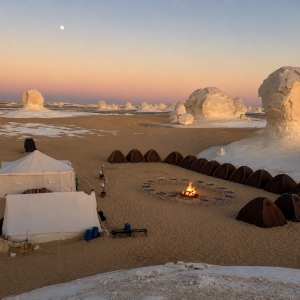
That is why Camping in der Weißen Wüste offers a different ecological experience from a day tour.

At night, you may notice:

tracks,

small movements,

foxes in the distance,

insects,

bats,

or other nocturnal activity.

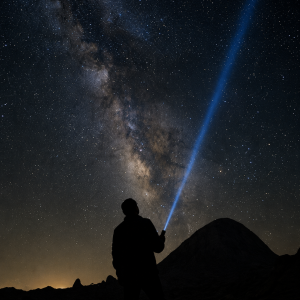
Stargazing may be the reason travelers are looking upward.

But the desert around the camp may also be becoming more active.

For the night-sky side of the same experience, read our White Desert Egypt Stargazing Guide.

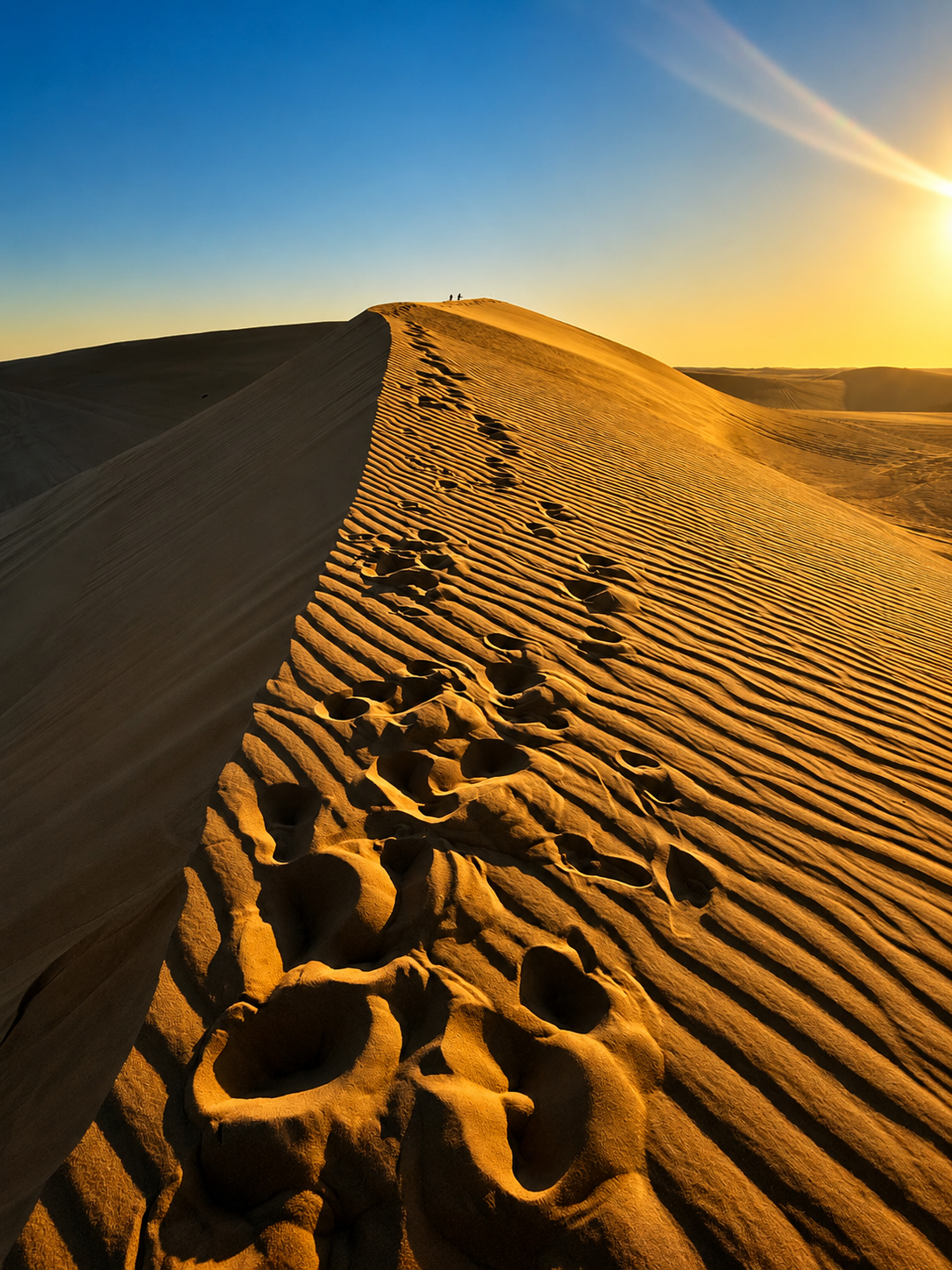
Animal Tracks in the Desert

You do not need to see an animal directly to know wildlife is present.

Desert sand preserves tracks extremely well.

Early in the morning, look around sandy areas for footprints.

You may notice evidence of:

foxes,

rodents,

birds,

reptiles,

or insects.

Tracks can sometimes tell a better story than a direct sighting.

They show which animals were active while the camp was sleeping.

However, track identification can be difficult.

Ask an experienced desert guide rather than making confident species claims from a footprint alone.

The White Desert Food Web

Every desert species is connected.

Plants support insects and herbivores.

Seeds feed rodents and birds.

Rodents feed foxes, snakes and owls.

Insects support reptiles, birds and bats.

Gazelles browse available vegetation.

Predators depend on smaller prey.

Remove one part of the system and other species can be affected.

That is why seemingly harmless actions can matter.

Leaving large quantities of food waste at camp may artificially increase food available to foxes.

Driving repeatedly over vegetation can remove scarce plant cover.

Disturbing nests can affect bird breeding.

Collecting animals or killing reptiles changes predator-prey relationships.

A desert ecosystem may look empty, but its balance can be surprisingly delicate.

Geology and Wildlife Are Connected

One of the most fascinating aspects of the White Desert is the connection between geology and ecology.

The formations are not merely decorative backgrounds.

They create habitat.

Scientific research on Sooty Falcons showed that their distribution in White Desert National Park was strongly related to specific solution cavities in tower karst formations used for nesting.

This means the White Desert formations and geology directly influence biodiversity.

Cliffs provide nesting sites.

Caves provide shelter.

Wadis collect water.

Dunes support specialized reptiles.

Springs support vegetation.

The complete ecosystem is built around the landscape itself.

Ancient Climate and Today's Ecosystem

The Western Desert has not always been as dry as it is now.

Geological and archaeological evidence across Farafra and the wider Sahara shows that wetter climatic phases occurred in the past.

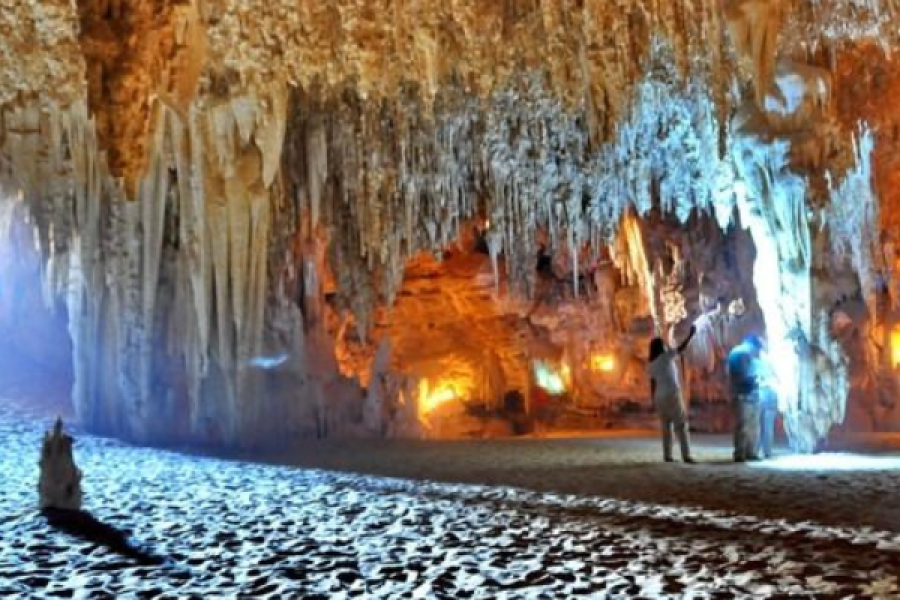
The Djara Cave Egypt formations, for example, preserve evidence of ancient periods when substantially more water moved through the limestone.

The White Desert’s fossils also record an even older history when marine environments covered this region.

Today’s ecosystem is therefore only the latest chapter in a landscape that has repeatedly changed.

For a deeper explanation, read White Desert Egypt Formations & Geology.

White Desert Wildlife vs Bahariya Oasis Wildlife

The difference is largely about water and vegetation.

Inside extremely dry White Desert habitats:

life is sparse,

widely distributed,

and often nocturnal.

Around Bahariya-Oase:

Wasser,

Palmenhaine,

agriculture,

Federn,

and denser vegetation

support different concentrations of wildlife.

Experience Egypt identifies Bahariya and its surrounding protected landscapes as habitat for desert wildlife including rare mammals and multiple bird species.

That means a route combining oasis and desert gives travelers a broader view of Western Desert ecology.

White Desert Wildlife vs Siwa Oasis Wildlife

Siwa is ecologically different again.

The Siwa protected landscape contains larger areas of oasis vegetation, lakes, wetlands and desert habitat.

EEAA records more than 40 wild plant species, dozens of mammals and reptiles, and a large bird community across the wider Siwa ecosystem.

The White Desert is much more strongly defined by hyper-arid karst and chalk habitats.

Siwa combines desert with lakes, springs and dense oasis vegetation.

Travelers interested in both landscapes can compare them in our Siwa Oasis vs White Desert guide.

When Is the Best Time to See Wildlife in the White Desert?

For general travel, the cooler months are best.

The period from approximately October through April provides more comfortable conditions for both travelers and many forms of wildlife activity.

Within each day, the strongest wildlife periods are usually:

early morning

und

late afternoon into night.

During peak midday heat, many animals reduce activity.

Spring and autumn can also be interesting for migratory birds.

The official park management plan notes especially large migratory movements during these periods.

For complete seasonal trip planning, read Best Time to Visit White Desert Egypt.

Is the White Desert a Good Wildlife Safari Destination?

It depends on what you mean by wildlife safari.

If your goal is:

large herds,

guaranteed mammals,

close wildlife sightings,

then no.

The White Desert is not East Africa.

Do not book a White Desert tour expecting dozens of gazelles around your vehicle.

The primary attractions remain:

landscape,

Geologie,

4×4-Abenteuer,

Camping,

Sonnenuntergang,

stargazing.

Wildlife adds another layer.

For nature-focused travelers, discovering how animals survive in such an extreme environment can be fascinating precisely because sightings are not easy.

Wildlife Photography in the White Desert

Wildlife photography here requires patience.

A wide landscape lens is not always useful for animals.

If wildlife matters to you, bring a moderate telephoto lens or camera with good reach.

The best opportunities may involve:

birds,

foxes,

small reptiles,

or animals in the distance.

Never chase an animal with a vehicle for a photograph.

Never approach nests.

Never lure foxes with food.

And never handle reptiles.

For landscape photography alongside wildlife opportunities, read White Desert Egypt Photography Guide.

Should You Feed Foxes at White Desert Camps?

Nein.

Even if a fox seems comfortable approaching camp, feeding it is a bad idea.

The management plan already noted foxes approaching camps for food and water.

Continuing to feed them reinforces that behavior.

Wild animals should remain capable of finding natural food.

Keep food secured.

Dispose of scraps responsibly.

Do not leave leftovers around the camp overnight.

A memorable fox photograph is not worth changing the animal’s behavior.

Should You Be Afraid of Wildlife?

Nein.

Respect is more useful than fear.

The desert contains predators and venomous reptiles, but normal organized travel does not involve constantly encountering dangerous animals.

Simple behavior dramatically reduces risk:

wear closed footwear,

use a flashlight at night,

shake out shoes before putting them on,

do not reach blindly beneath rocks,

do not handle wildlife,

follow your guide.

Most wild animals prefer to avoid people.

Why the White Desert Is Protected

Many travelers assume the protected status exists primarily to preserve the famous white formations.

Those formations are certainly important.

But EEAA also identifies wildlife, desert ecosystems, fossils, archaeology and natural scenery as part of the White Desert’s conservation value.

The management plan therefore uses zoning.

Some areas receive extremely high protection.

In strict nature zones, public vehicle access and camping are prohibited, with the objective of protecting natural ecological processes, wildlife movement and resident flora and fauna.

This is important for travelers.

A desert may appear completely open.

That does not mean every visible route should be driven.

How Tourism Can Affect White Desert Wildlife

Tourism can support conservation when properly managed.

It creates economic value around protecting the landscape and supports local guides and communities.

But poor tourism practices can cause damage.

Major risks include:

off-road driving in sensitive zones,

disturbing nesting birds,

feeding foxes,

leaving food waste,

litter,

damaging vegetation,

collecting reptiles or fossils,

excessive camp noise,

and disturbing natural water sources.

Research on White Desert Sooty Falcons even suggested that reduced human disturbance during part of the study period may have contributed to improved breeding observations.

That is a useful reminder.

Wildlife needs space.

How to Travel Responsibly in the White Desert

Responsible wildlife travel is simple.

Keep your distance

Do not approach animals because you want a closer phone photograph.

Never feed wildlife

Especially foxes around camps.

Stay on appropriate routes

A 4×4 can damage fragile desert surfaces and vegetation.

Leave plants where they are

Desert plants grow under extremely difficult conditions.

Do not collect animals

Reptiles and insects belong in the ecosystem.

Protect nests and caves

Rock cavities may contain breeding birds or other wildlife.

Manage camp waste

Food and plastic should leave the desert with you.

Follow your local guide

They understand current access conditions and the landscape.

The same principles apply whether you take a private desert safari or a longer expedition.

Best White Desert Tour for Nature Lovers

For most first-time nature-focused travelers, the best option is still the classic overnight safari.

The 2-tägige Weiße-Wüste-Tour ab Kairo (1 Übernachtung) provides enough time to experience:

Oase Bahariya,

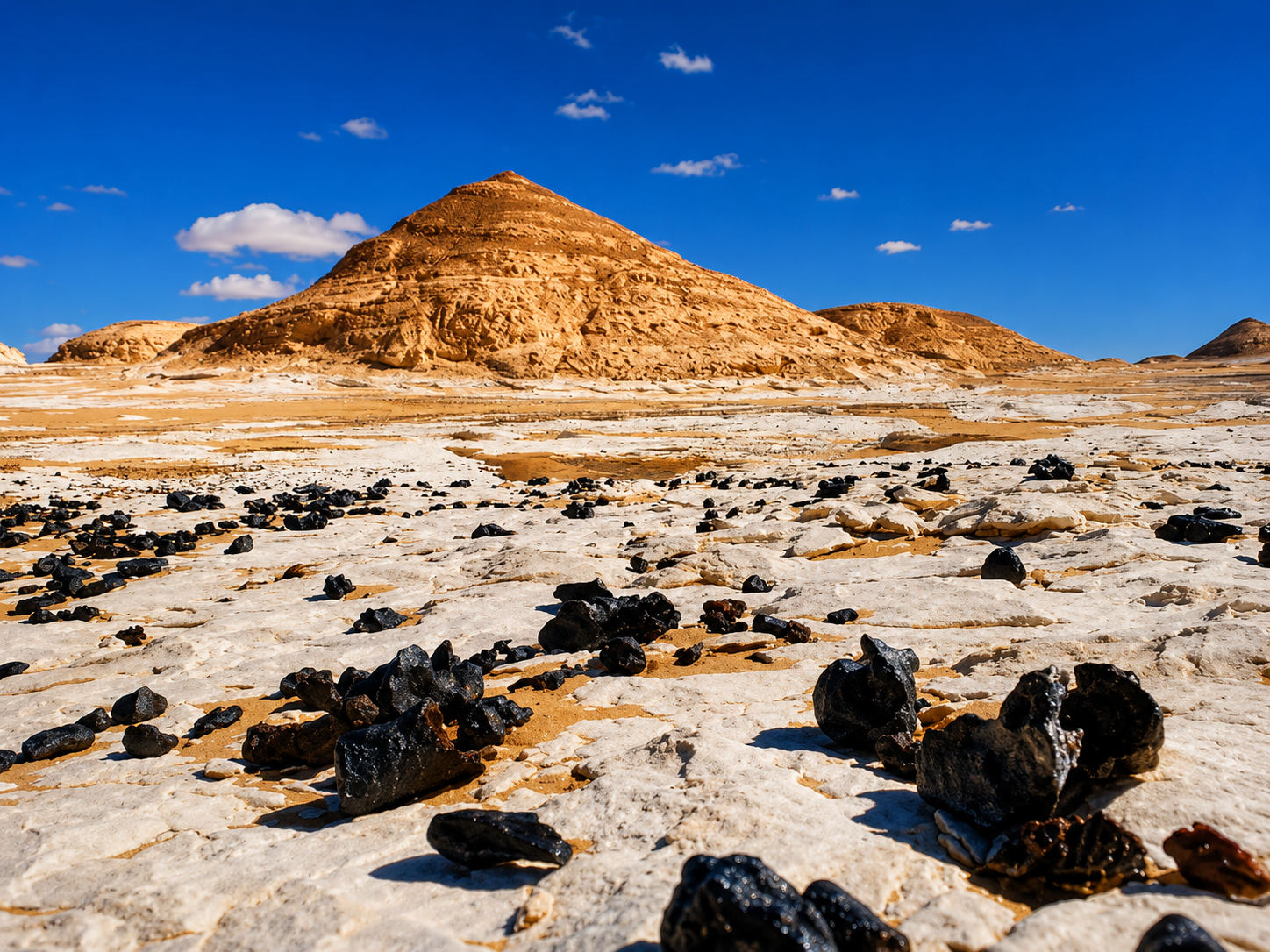
the Schwarze Wüste,

Kristallberg,

Agabat-Tal,

White Desert sunset,

Camping,

nighttime activity,

und Sonnenaufgang.

The night and early morning give you much better opportunities to notice desert ecology than a rushed midday visit.

Best Tour for Deeper Nature Exploration

Travelers who want more time away from the main route should consider the 2 Nächte, 3 Tage Camping-Tour durch die Weiße Wüste.

Two nights mean:

two evenings,

two early mornings,

more remote landscape,

and more time noticing smaller features.

A three-day itinerary also allows the desert to stop feeling like a sequence of sightseeing attractions.

You begin paying attention to:

tracks,

plants,

birds,

different habitats,

and subtle landscape changes.

White Desert Wildlife on a Djara Cave Expedition

The White Desert & Djara Cave Tour travels deeper into the Western Desert.

This itinerary is not specifically a wildlife tour.

But the longer duration and more remote route provide a broader introduction to desert environments.

It also adds Djara-Höhle, where the geological record preserves evidence of wetter ancient Saharan climates.

For travelers interested in both ecology and geological history, this creates an especially interesting combination.

Best Route for First-Time Visitors Interested in Wildlife

A good first itinerary is:

Tag 1

Cairo → Bahariya Oasis → Black Desert → Crystal Mountain → Agabat Valley → White Desert → sunset → camp.

During the day, observe:

different habitats,

birds,

desert vegetation,

animal tracks.

At night:

keep camp lighting reasonable,

avoid food waste,

watch quietly for nocturnal activity.

Tag 2

Wake early.

Look for fresh tracks.

Watch birds during the cooler morning hours.

Continue exploring the White Desert before returning through Bahariya to Cairo.

The recommended program is the 2-tägige Weiße-Wüste-Tour ab Kairo (1 Übernachtung).

Final Thoughts: The White Desert Is More Alive Than It Looks

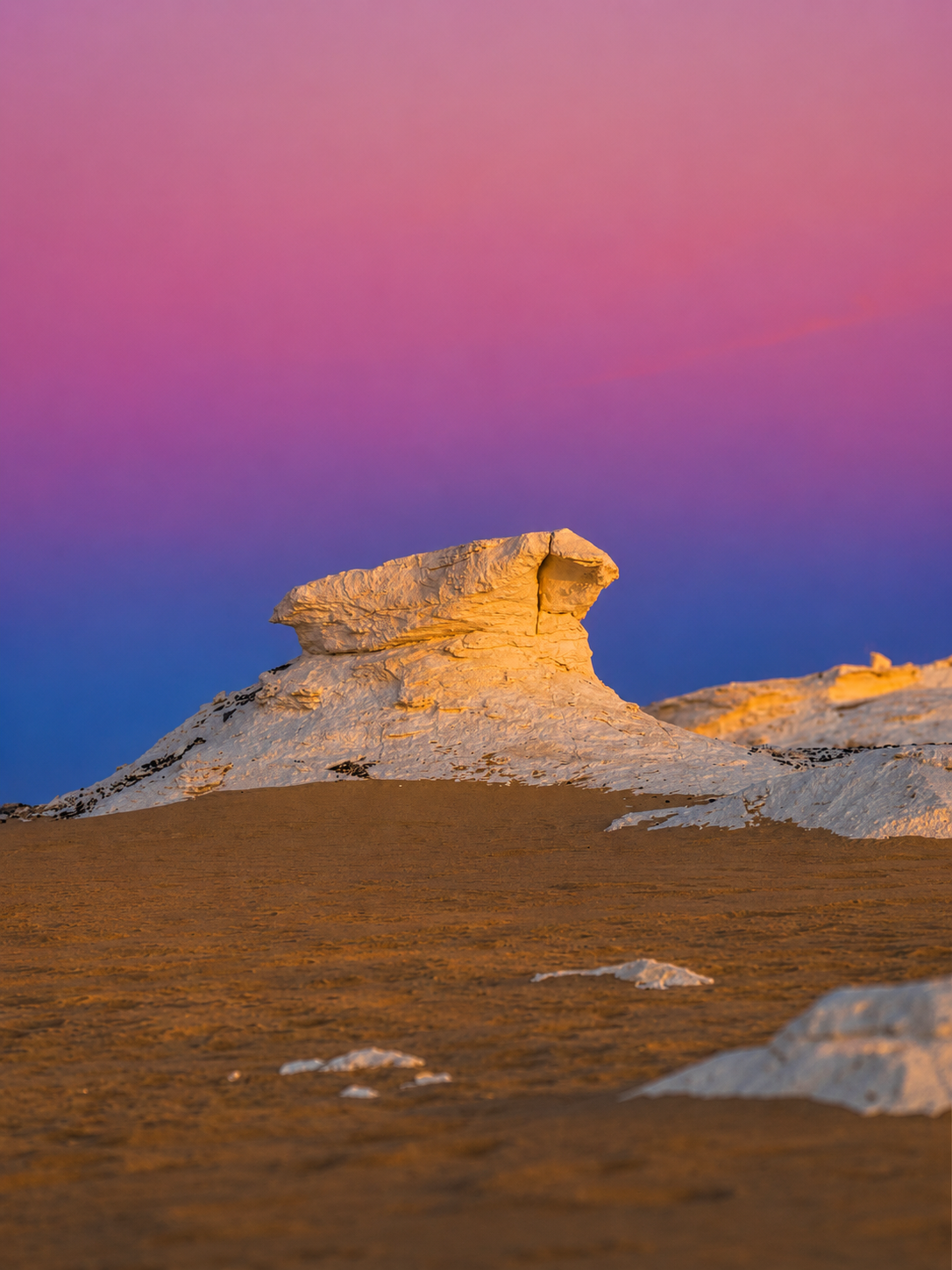
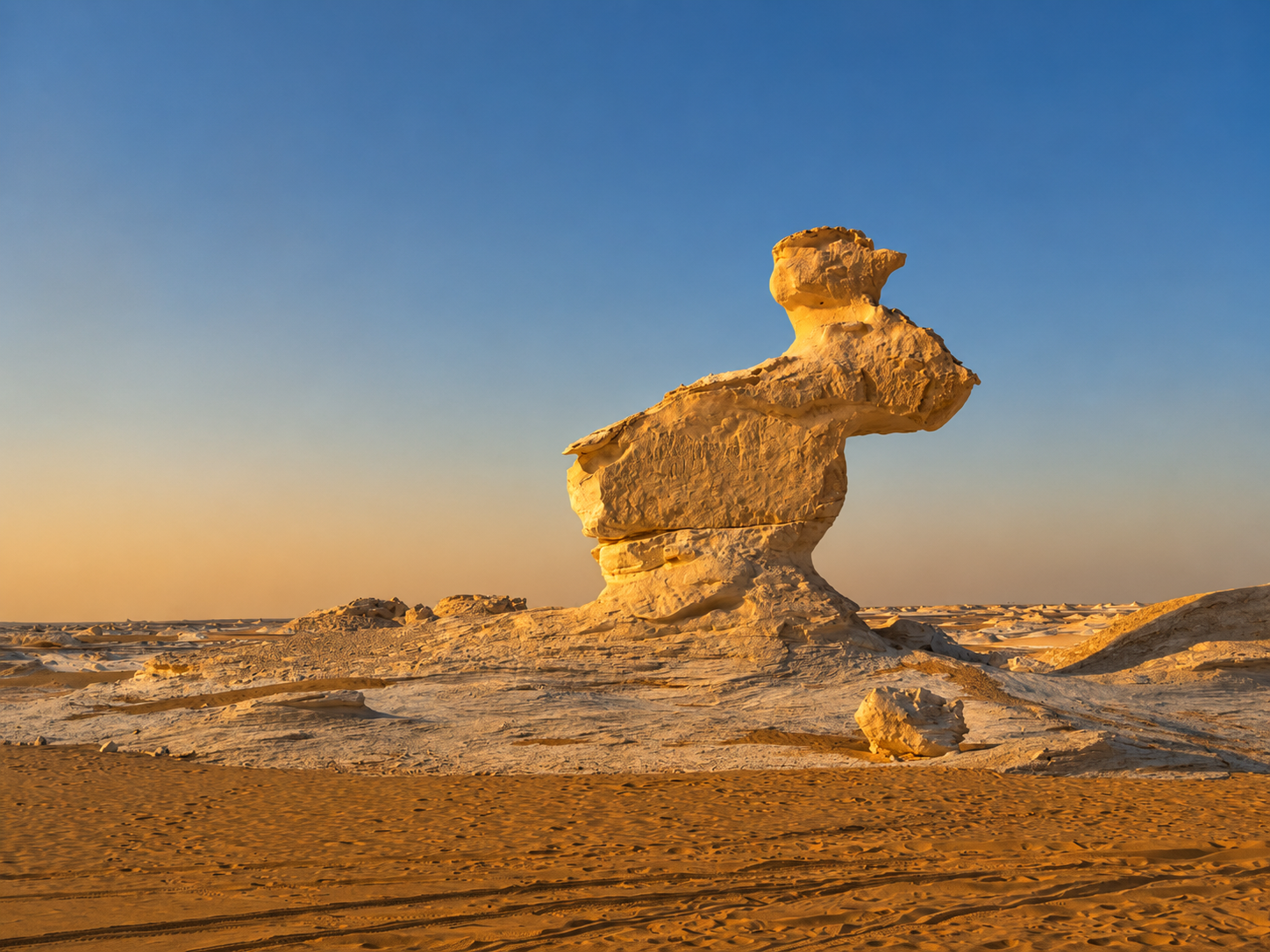
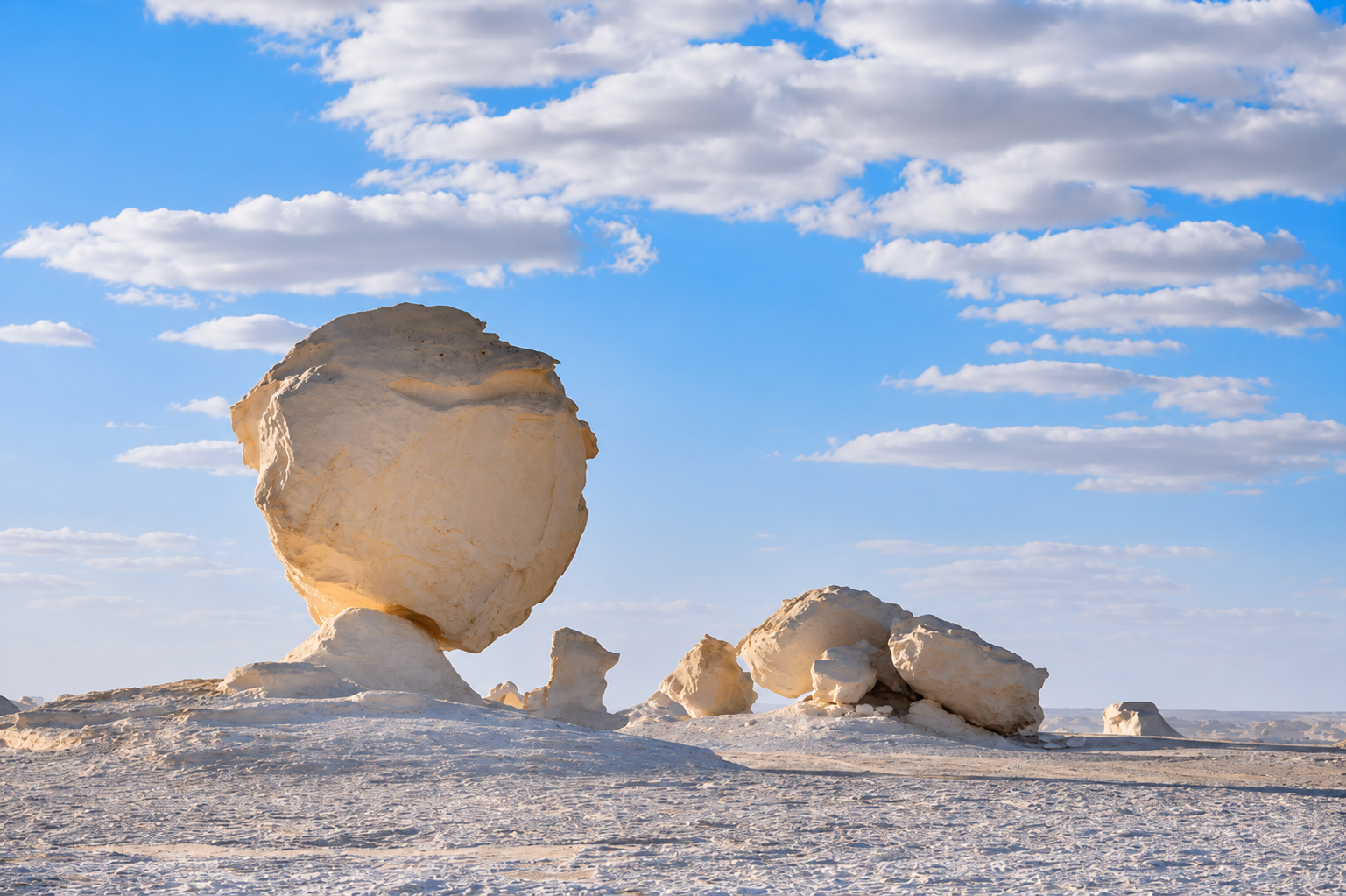
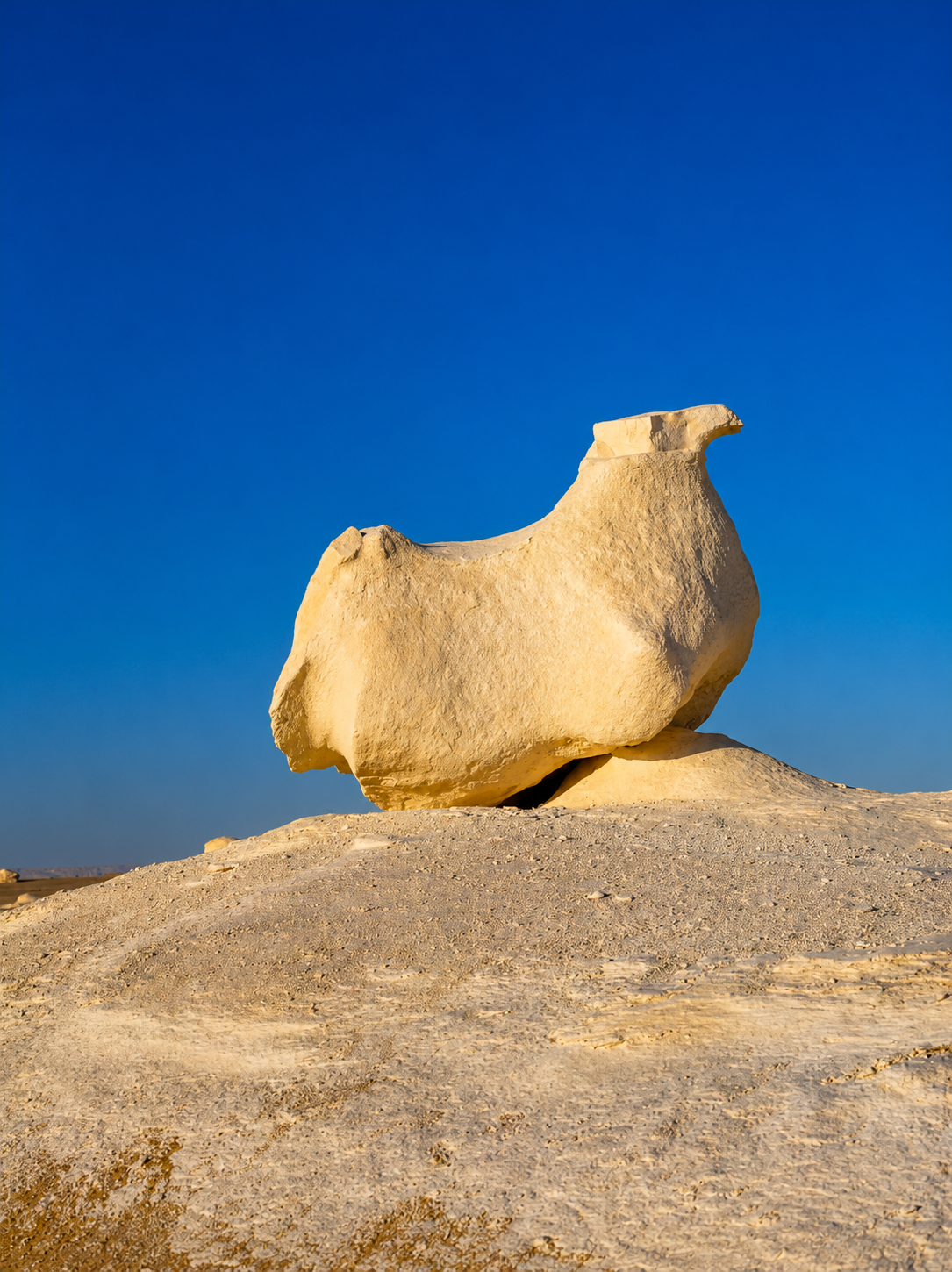
The White Desert’s most obvious attraction is geology.

White chalk.

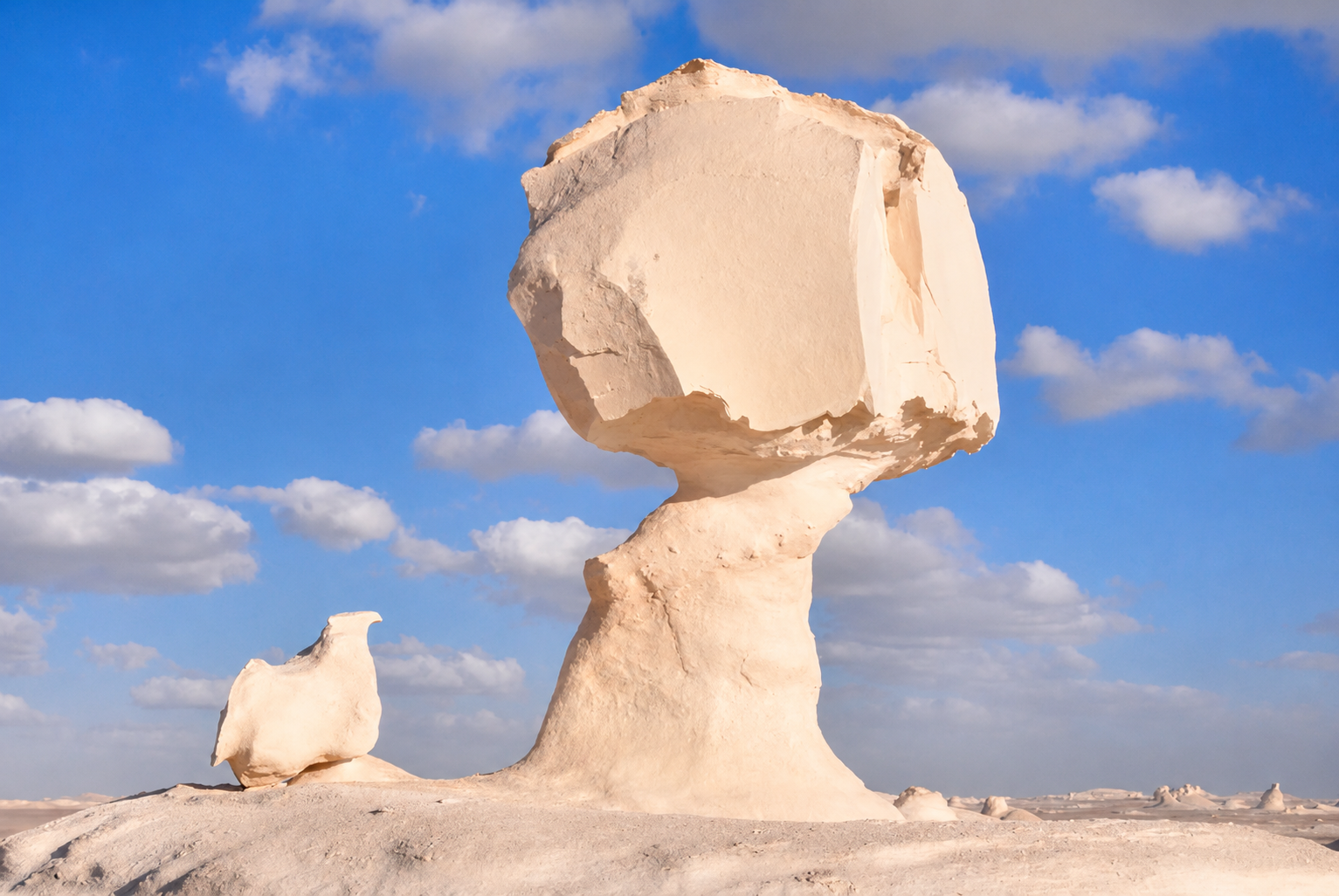
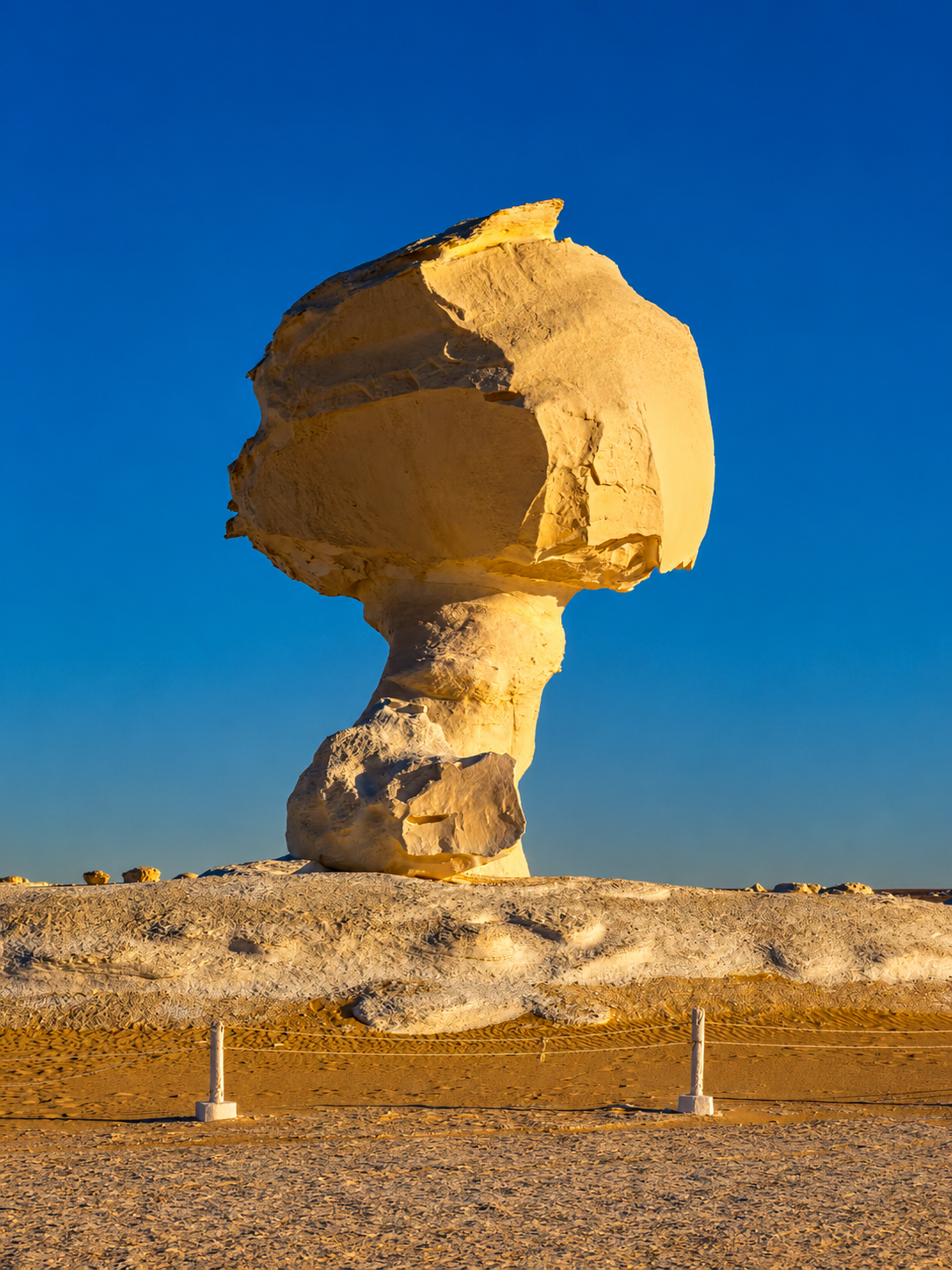
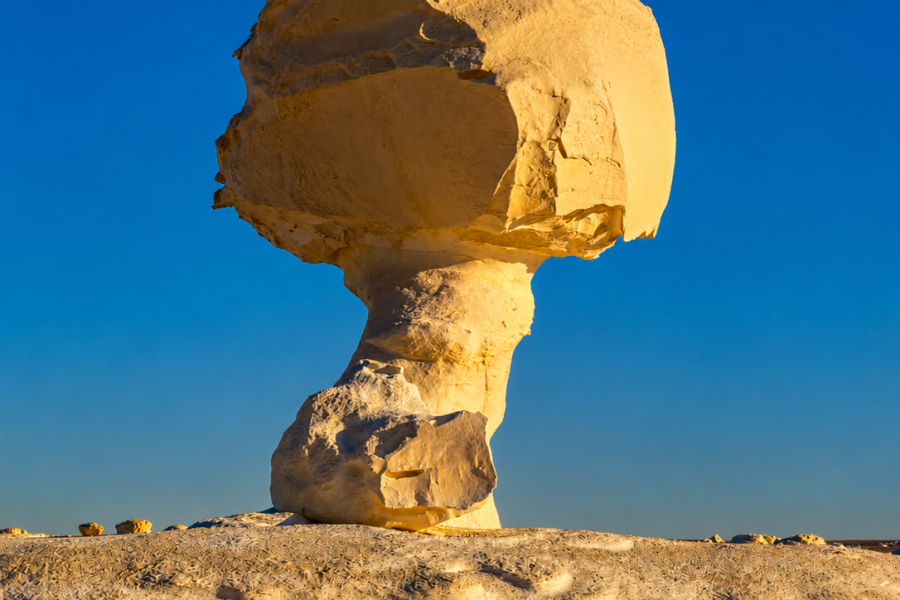
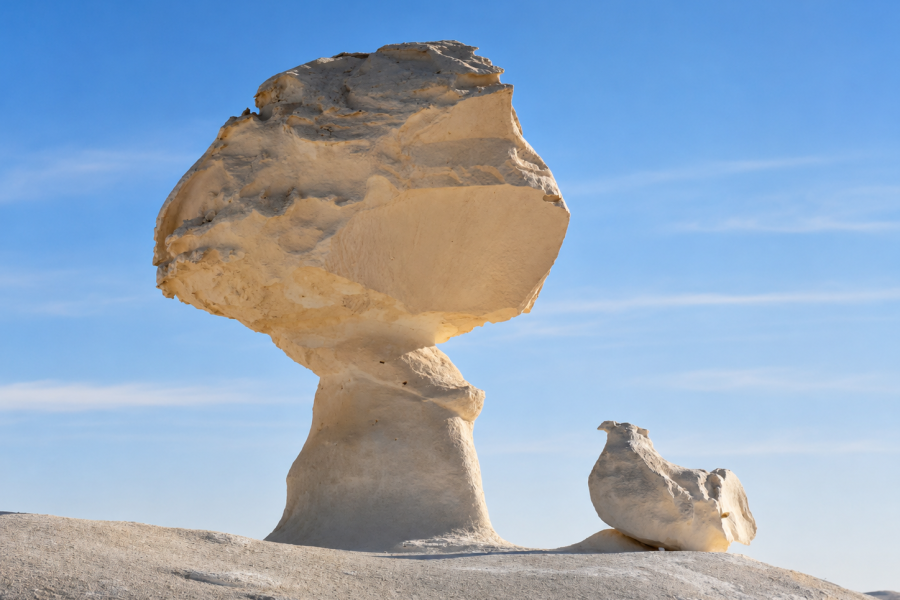
Mushroom rocks.

Karst towers.

Golden dunes.

But once you begin looking more carefully, another landscape appears.

Fox tracks cross the sand.

Birds use cavities in the rocks.

Gazelles survive in remote areas.

Lizards move between dunes.

Rodents emerge after dark.

Acacias and other plants survive around wadis and groundwater.

Migratory birds cross a landscape that appears almost empty from the road.

The most interesting lesson is that geology, water, plants and wildlife are all connected.

Karst cavities become falcon nests.

Wadis become vegetation corridors.

Springs become biodiversity hotspots.

Plants support insects and herbivores.

Rodents support snakes, owls and foxes.

That is why the White Desert deserves to be treated as more than a photographic backdrop.

It is a protected desert ecosystem.

And the best way to experience it is to travel slowly, observe carefully and leave as little impact as possible.

For the complete trip overview, continue with our White Desert Egypt Guide, White Desert National Park Guide und White Desert Egypt Map & Route.


4-tägige Siwa-Oasen-Tour ab Kairo

Eintägige Fayyum-Tour ab Kairo

Giza Pyramids & Grand Egyptian Museum Tour

Eintägige Tour zur Weißen Wüste ab Kairo

1 Übernachtung beim Camping in der Fayyum-Wüste ab Kairo

3-tägige Kairo–Siwa-Tour (2 Übernachtungen)

Siwa-Programm mit komfortablem Bus ab Kairo

2-tägige Weiße-Wüste-Tour ab Kairo (1 Übernachtung)

2 Nights 3 Days White Desert & Dejara Cave Tour from Cairo

3-tägige Camping-Tour in der Weißen Wüste (2 Übernachtungen)

3 Nights 4 Days Cairo White Desert Tour

3-tägige Camping-Tour von Luxor über die Bahariya-Oase nach Kairo (2 Übernachtungen)

3-tägige Tour zur Weißen Wüste und Bahariya-Oase (2 Übernachtungen)

3-tägige Kairo–Siwa-Tour (2 Übernachtungen)

3 Nights 4 Days Tour from Cairo to White Desert, Bahariya Oasis & Luxor

6 Nights 7 Days Cairo, Siwa, Marsa Matrouh & White Desert Tour

3-tägige Fayyum- und Weiße-Wüste-Tour ab Kairo (2 Übernachtungen)

5 Nights 6 Days Cairo, Siwa, White Desert & Bahariya Oasis Tour

6-tägige Ägypten-Oasen-Tour ab Kairo (5 Übernachtungen)

Tour zum Nationalmuseum der Ägyptischen Zivilisation

2-tägige Tour durch Kairo und Gizeh

4-tägiges Luxor-Paket ab Kairo mit Schlafwagenzug (3 Übernachtungen)

3-tägige Tour von Kairo nach Dakhla und Luxor (2 Übernachtungen)

Ganztägige Tour nach Alexandria ab Kairo

Ganztägige Tour am Westufer von Luxor

Ganztägige Tour am Ostufer von Luxor

Ganztägige Tour in Assuan

Frequently Asked Questions About White Desert Egypt Wildlife

Yes. Official protected-area records include foxes, gazelles, Barbary sheep, sand cats, rodents, bats, birds, reptiles and other desert wildlife.
Recorded mammals include Dorcas gazelle, slender-horned gazelle, Barbary sheep, red fox, Rüppell's fox, fennec fox, sand cat, gerbils, jerboas and bats.
Yes. The official White Desert management plan records the fennec fox, Vulpes zerda, among mammals found in the protected area.

Foxes may occasionally approach camps, particularly at night, but visitors should never feed them.

Yes. The Dorcas gazelle and slender-horned gazelle are recorded in the protected area, although sightings are not guaranteed.

Yes. The park management plan records about 24 resident bird species and notes that more than 100 migratory species may pass through the area.

The Sooty Falcon is a migratory falcon that uses cavities in White Desert karst formations as nesting habitat.

Yes. Early morning and migration seasons can provide birdwatching opportunities, although the White Desert should not be considered a guaranteed bird-sighting destination.

Yes. The official management plan records the Pharaoh Eagle-Owl and Little Owl among White Desert birds.

Yes. Desert snake species are part of the natural ecosystem, including horned vipers and sand vipers, although sightings during organized tours are uncommon.

Some desert species can be venomous, but normal precautions such as wearing closed shoes, using a flashlight at night and avoiding handling wildlife greatly reduce risk.

Yes. Multiple lizard, gecko, skink and desert monitor species have been recorded within the protected area.

Vegetation is concentrated mainly around wadis and groundwater. Recorded plants include acacias, tamarisk, date palms, reeds, grasses and desert shrubs.

Groundwater provides moisture in an environment where rainfall is extremely rare, allowing plants to survive around springs and wadis.

Early morning, late afternoon and nighttime generally provide better opportunities than the hottest part of the day. Spring and autumn are also important for migratory birds.

No. Feeding foxes can alter natural behavior and encourage wildlife to become dependent on tourist camps.

The White Desert supports important wildlife, but its main attraction is landscape and geology. Wildlife sightings should be considered a bonus rather than guaranteed.

The White Desert Protected Area conserves desert ecosystems, rare species, geological formations, fossils and archaeological heritage.

For most first-time travelers, a 2-day/1-night safari provides the best opportunity to experience different habitats, nighttime desert activity and early-morning wildlife while also seeing the main White Desert attractions.