Black Desert Egypt from Cairo: How to Visit on a Private Safari Tour

Can you visit the Black Desert Egypt from Cairo?

Yes—and Bahariya Oasis is the key to doing it properly.

The Black Desert lies in Egypt’s Western Desert around Bahariya Oasis, the closest major Western Desert oasis to Cairo. Most travelers begin with an early road transfer from Cairo or Giza, reach Bahariya, switch to a 4×4 vehicle and then enter the Black Desert as the first major stage of a wider desert safari.

The important thing to understand is that the Black Desert is usually best experienced as part of a route rather than as a single isolated attraction.

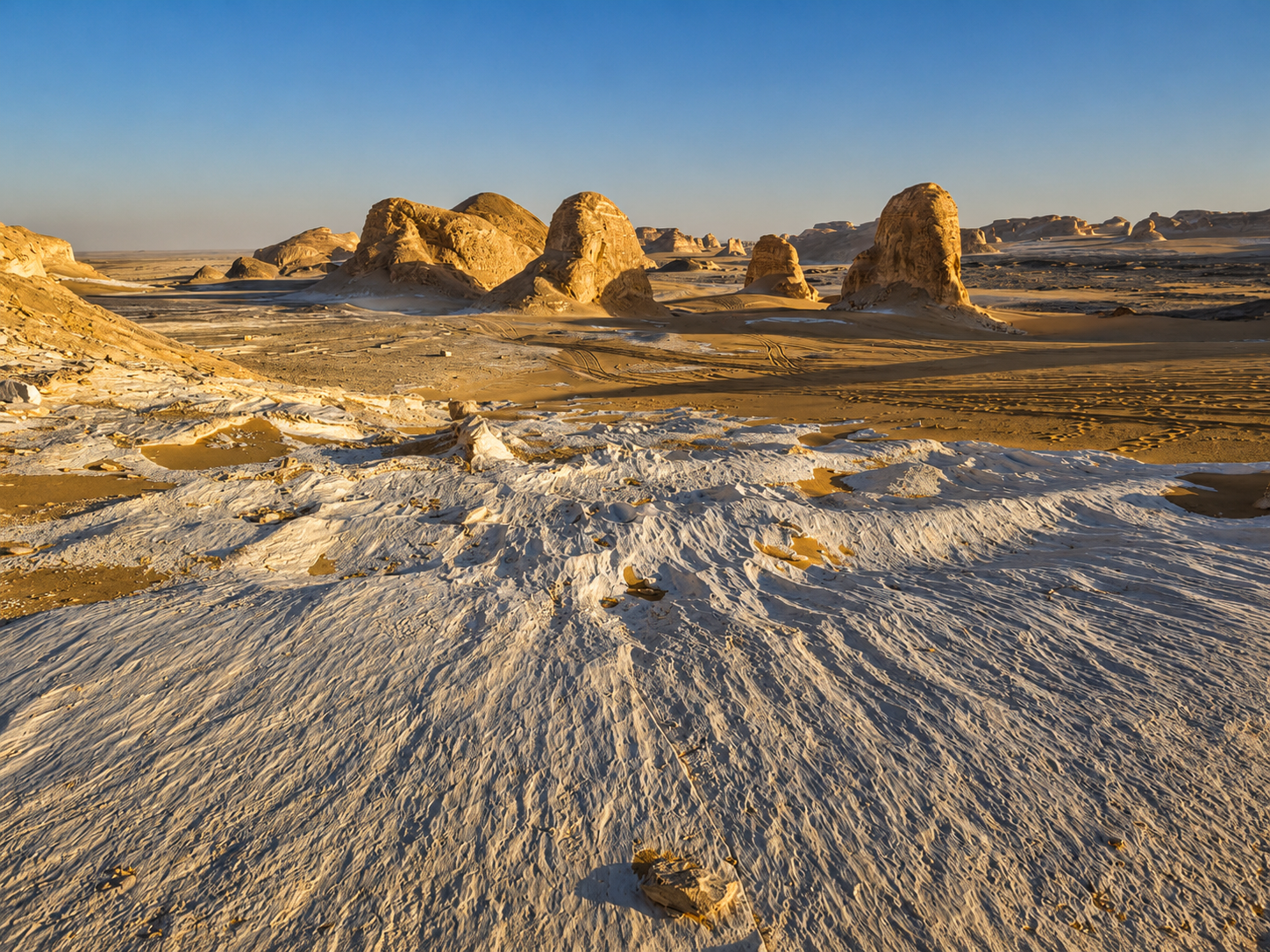
A well-planned safari can continue from the Black Desert to Gabal El Marsos, El Hez, Crystal Mountain, Agabat, sand dunes and eventually the White Desert, where overnight camping adds sunset, stars and sunrise to the journey.

For most first-time international visitors, we recommend a 2-day / 1-night private safari from Cairo.

That gives you enough time to experience the Black Desert properly and continue through the most important Western Desert landscapes without turning the entire trip into one long day of driving.

If your schedule is extremely limited, a one-day safari is possible.

If you are a photographer, adventure traveler or serious desert lover, three days are better.

This guide explains exactly how to visit the Black Desert Ägypten ab Kairo, how long you need, what you can see along the way, whether you need a 4×4, when to go and which safari route provides the best experience.

For more background on the destination itself, see our complete Black Desert Egypt guide.

Quick Answer: How Do You Visit the Black Desert from Cairo?

The most practical route is:

Cairo or Giza → Bahariya Oasis → Black Desert by 4×4

For a fuller safari, continue:

Black Desert → Gabal El Marsos → El Hez → Crystal Mountain → Agabat → White Desert

Egypt’s official tourism platform places Bahariya about 370 km southwest of Cairo and identifies it as the closest Western Desert oasis to the capital. It also recommends using experienced licensed guides and appropriate 4×4 vehicles for excursions outside the oasis.

Best duration for most travelers

2 Tage / 1 Nacht

Best for very limited schedules

1 day

Best for photography and deeper desert exploration

3 Tage / 2 Nächte

Do you need to book the Black Desert separately?

Usually not.

For most travelers, the better route combines the Black Desert with Crystal Mountain, Agabat and the White Desert.

Where Is the Black Desert Egypt?

The Black Desert is part of Egypt’s Western Desert and is closely associated with Bahariya-Oase.

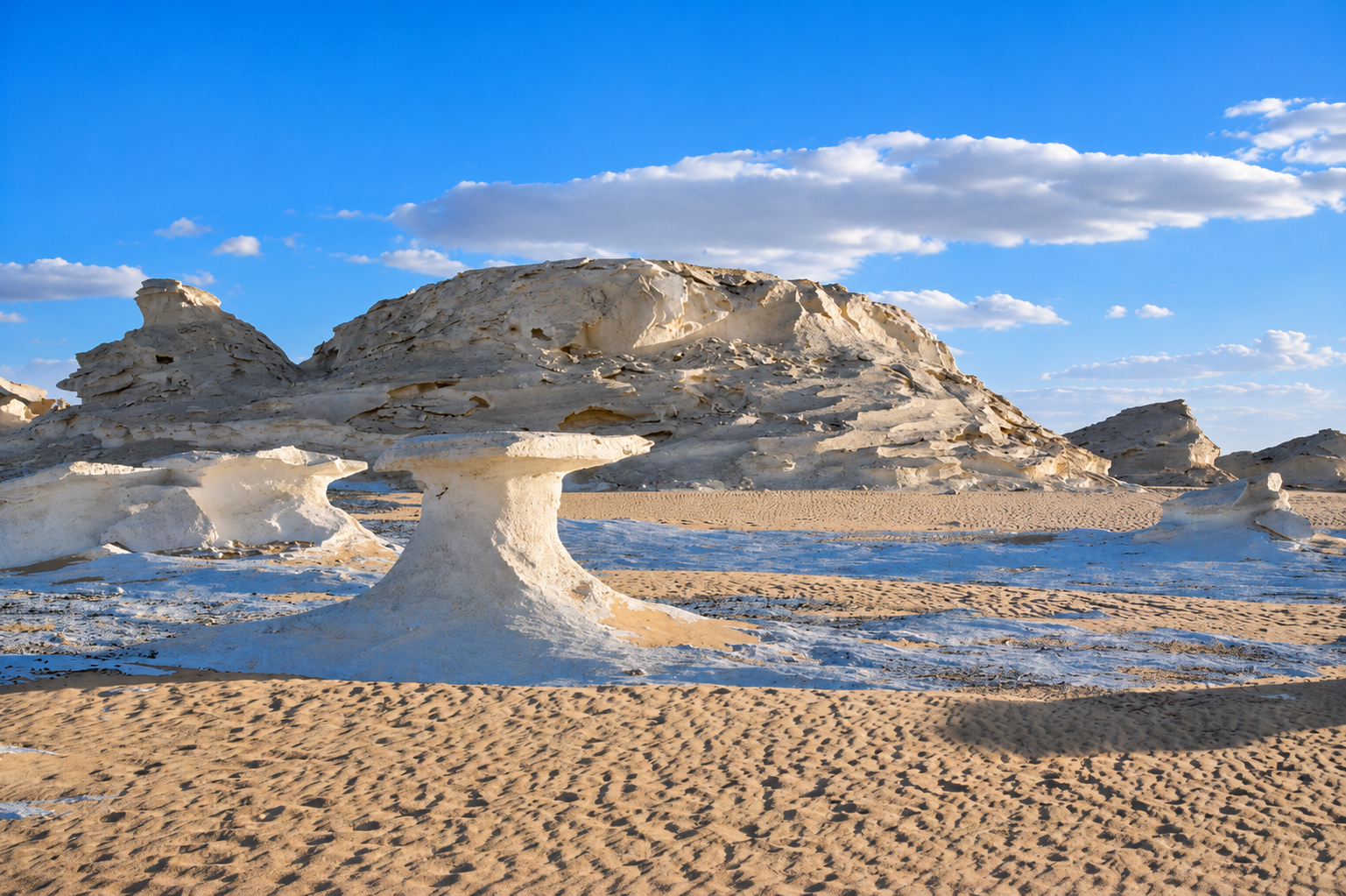
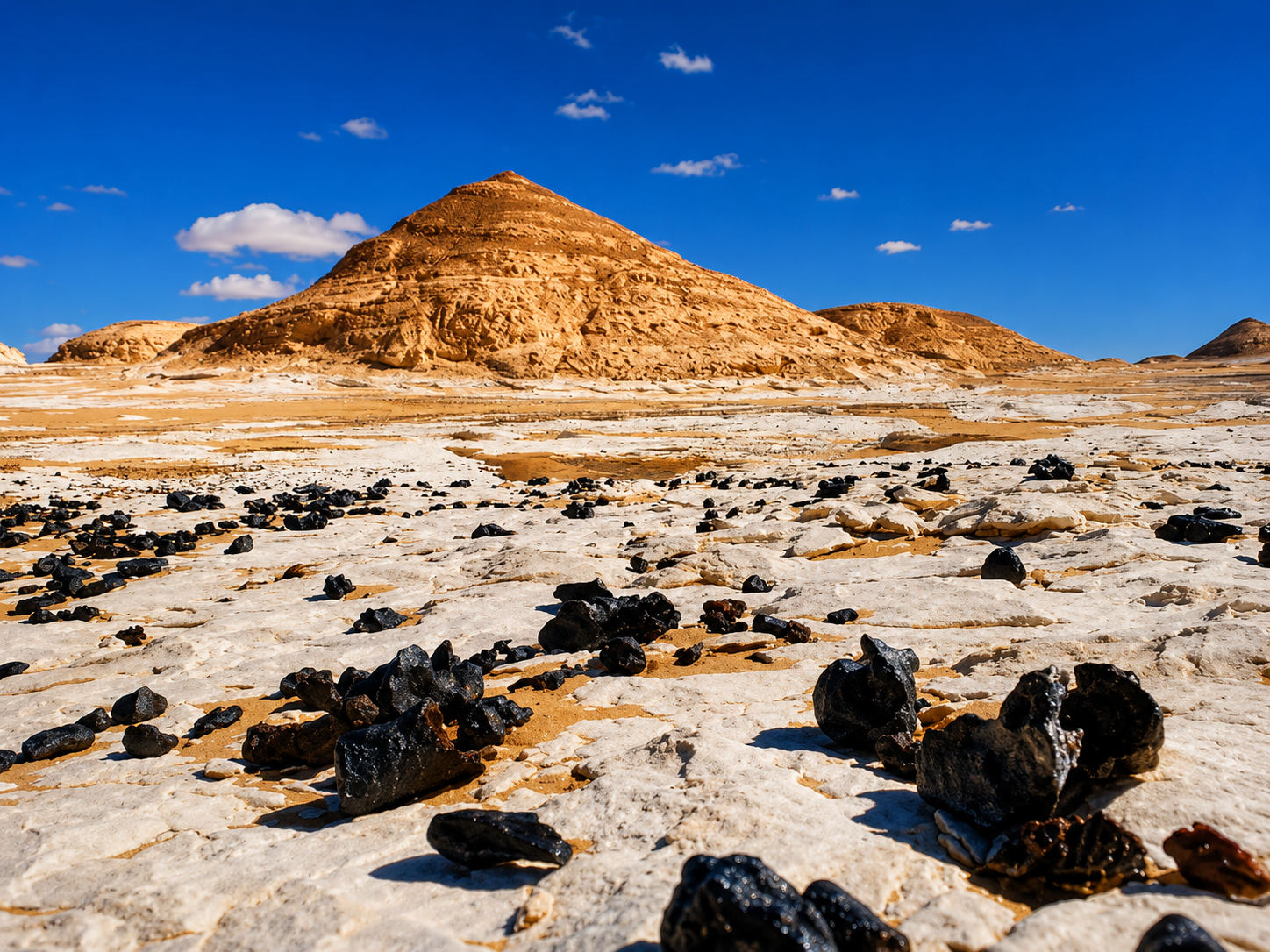
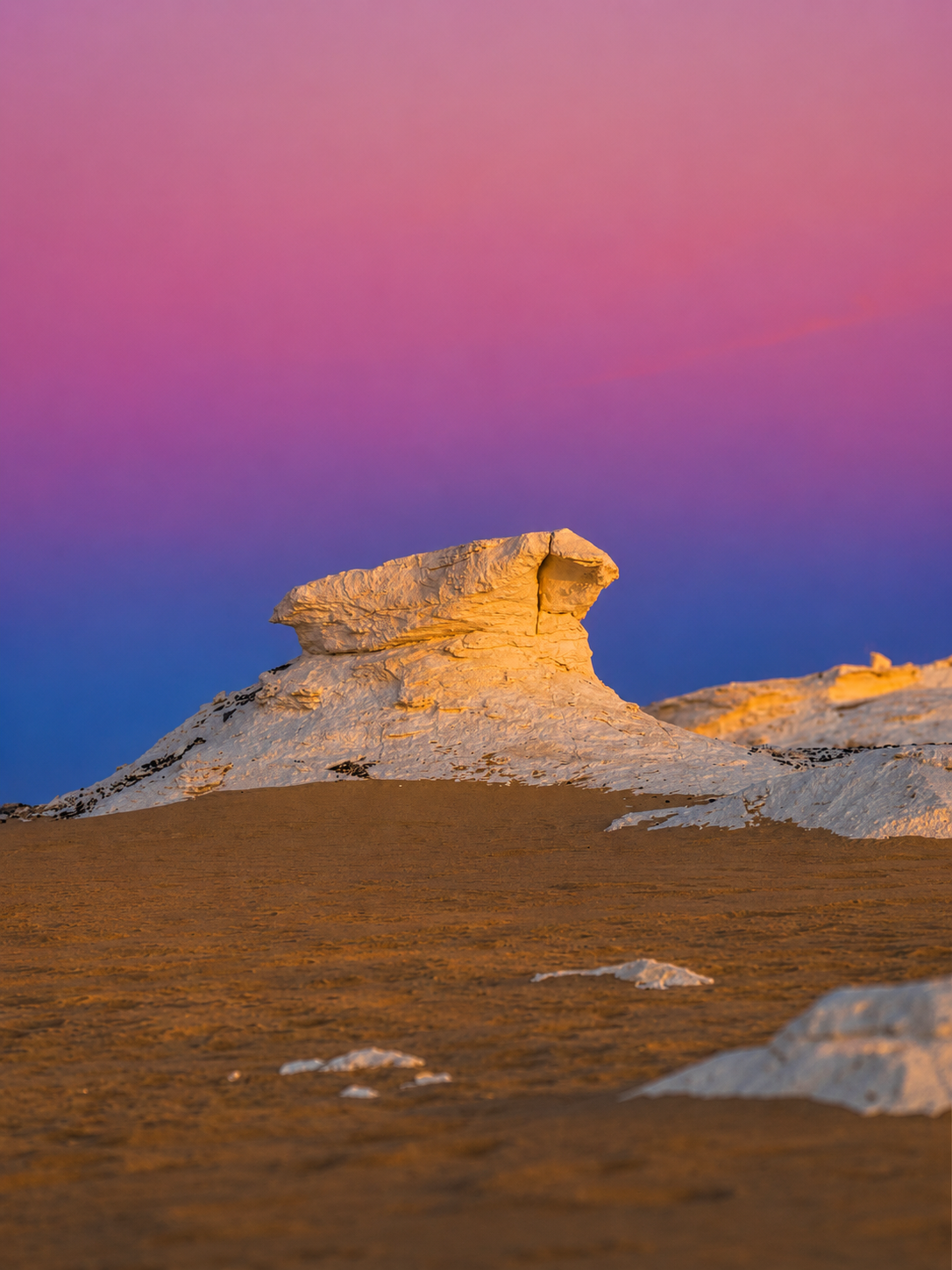
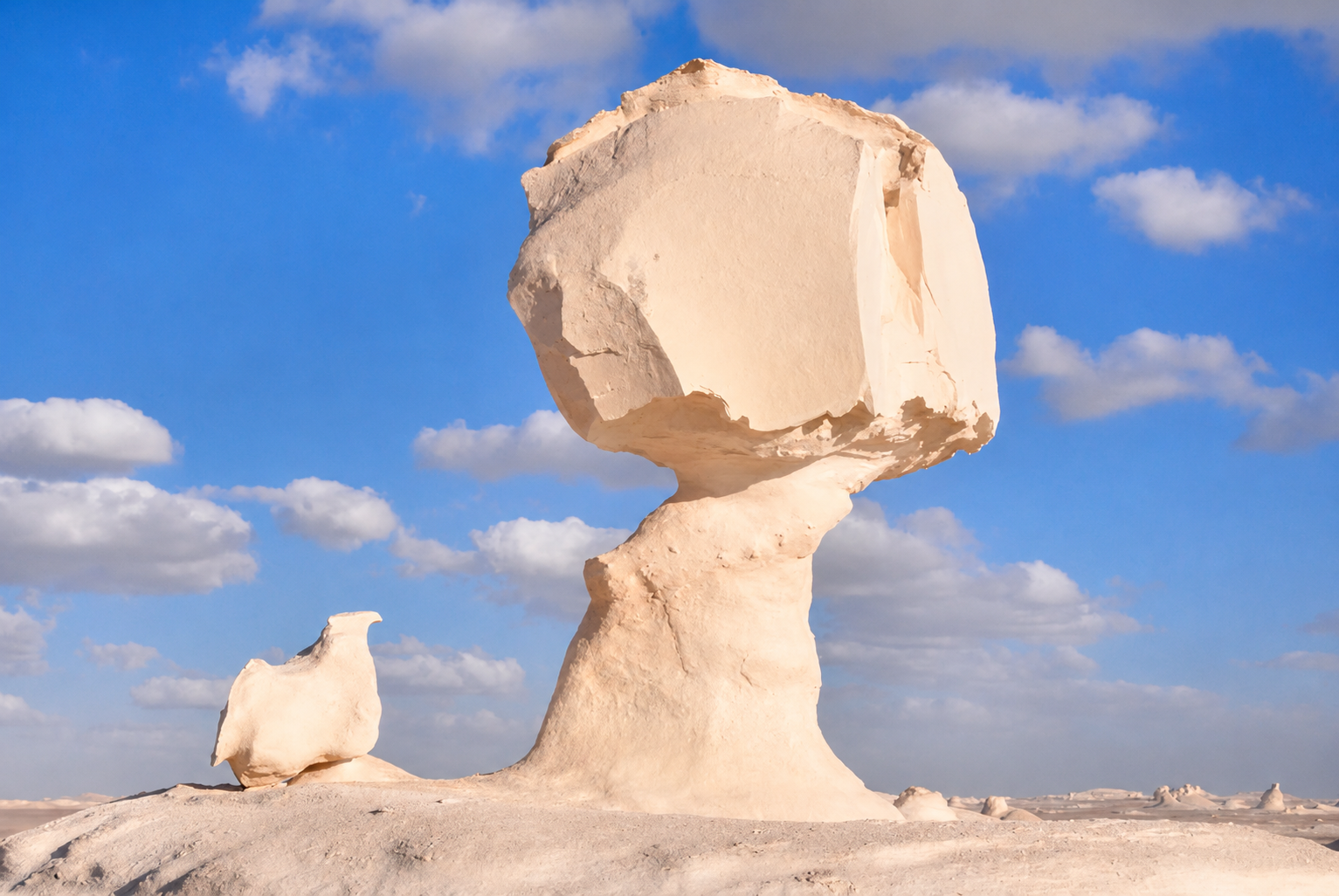
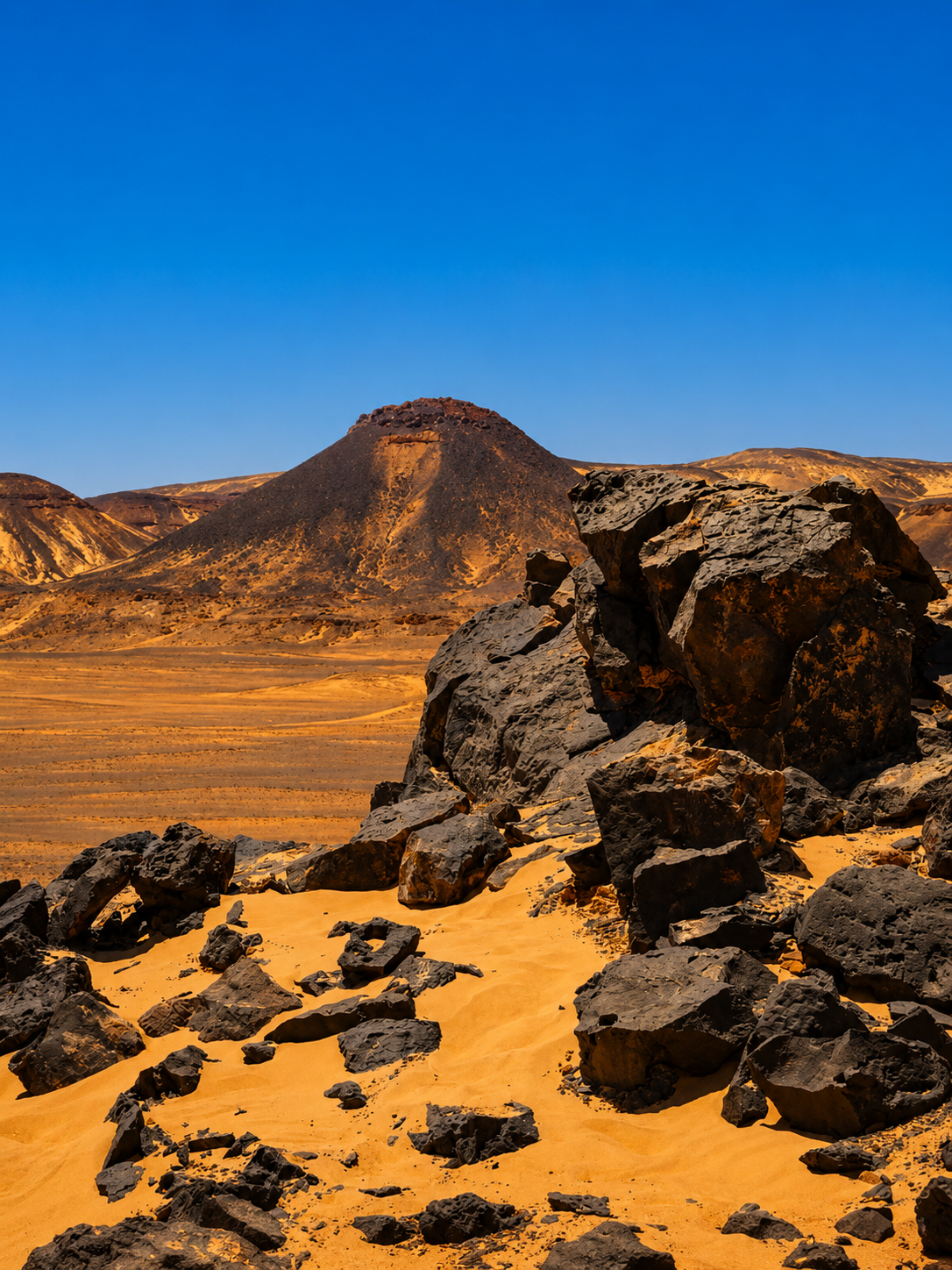
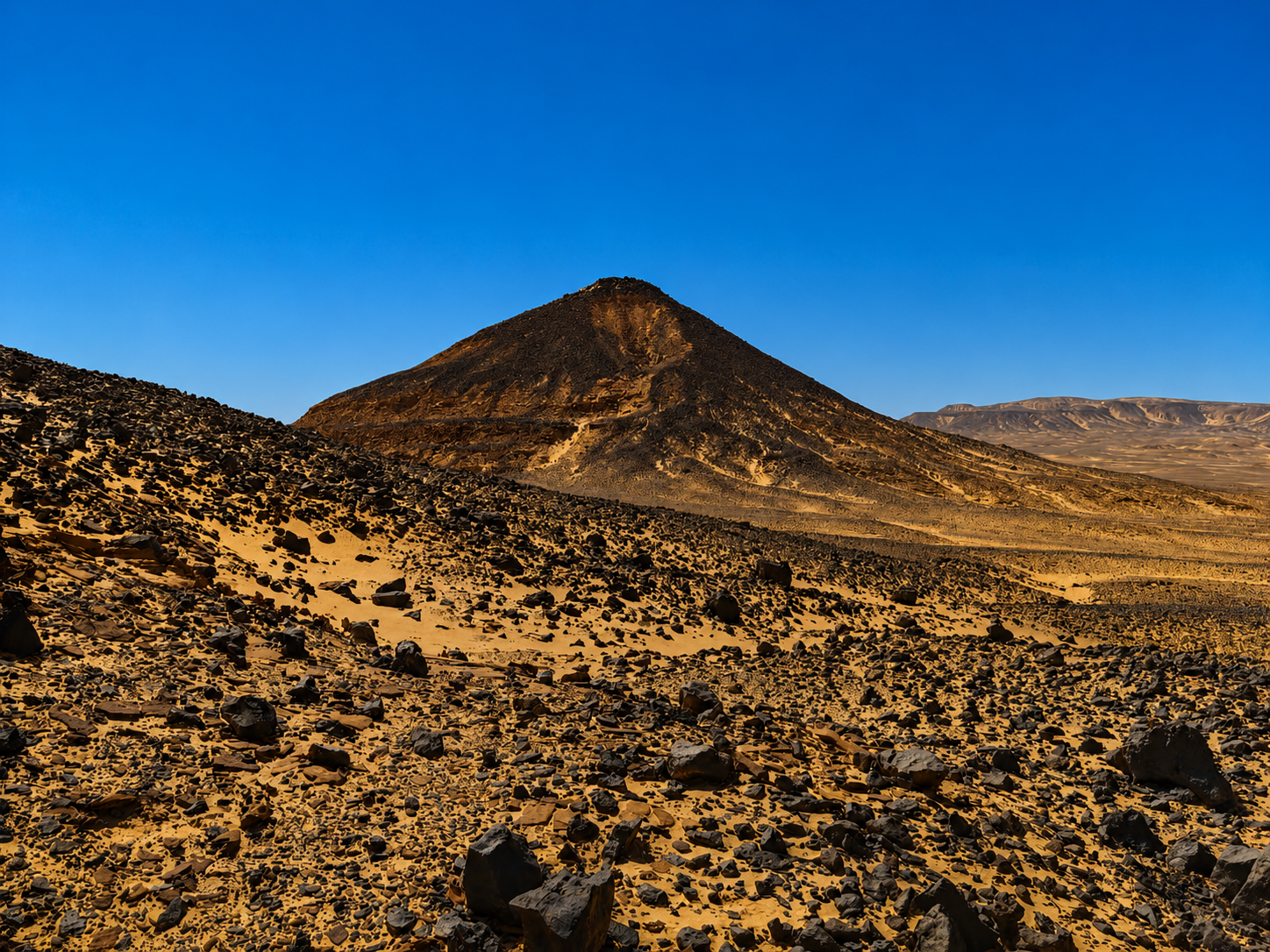
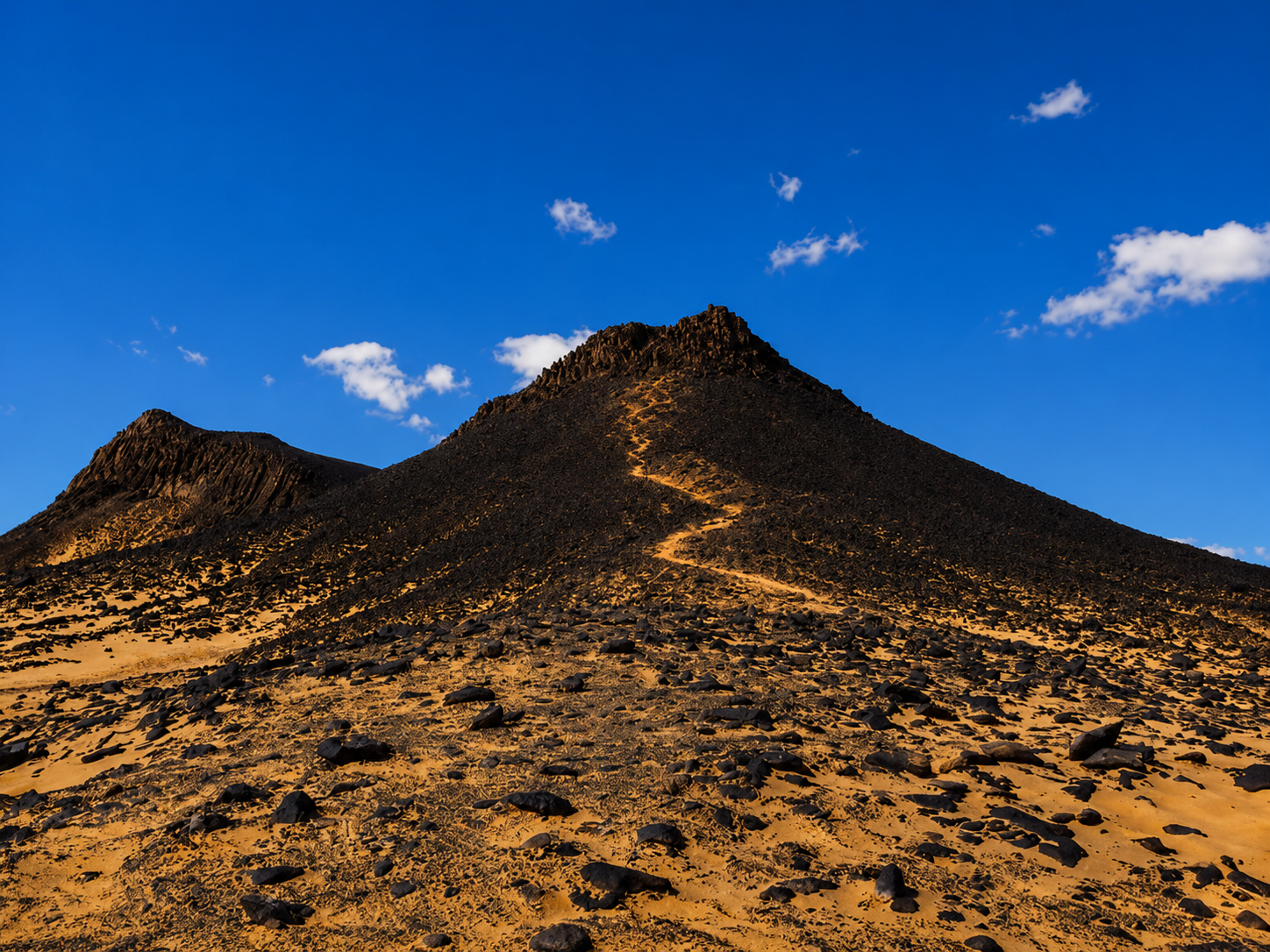
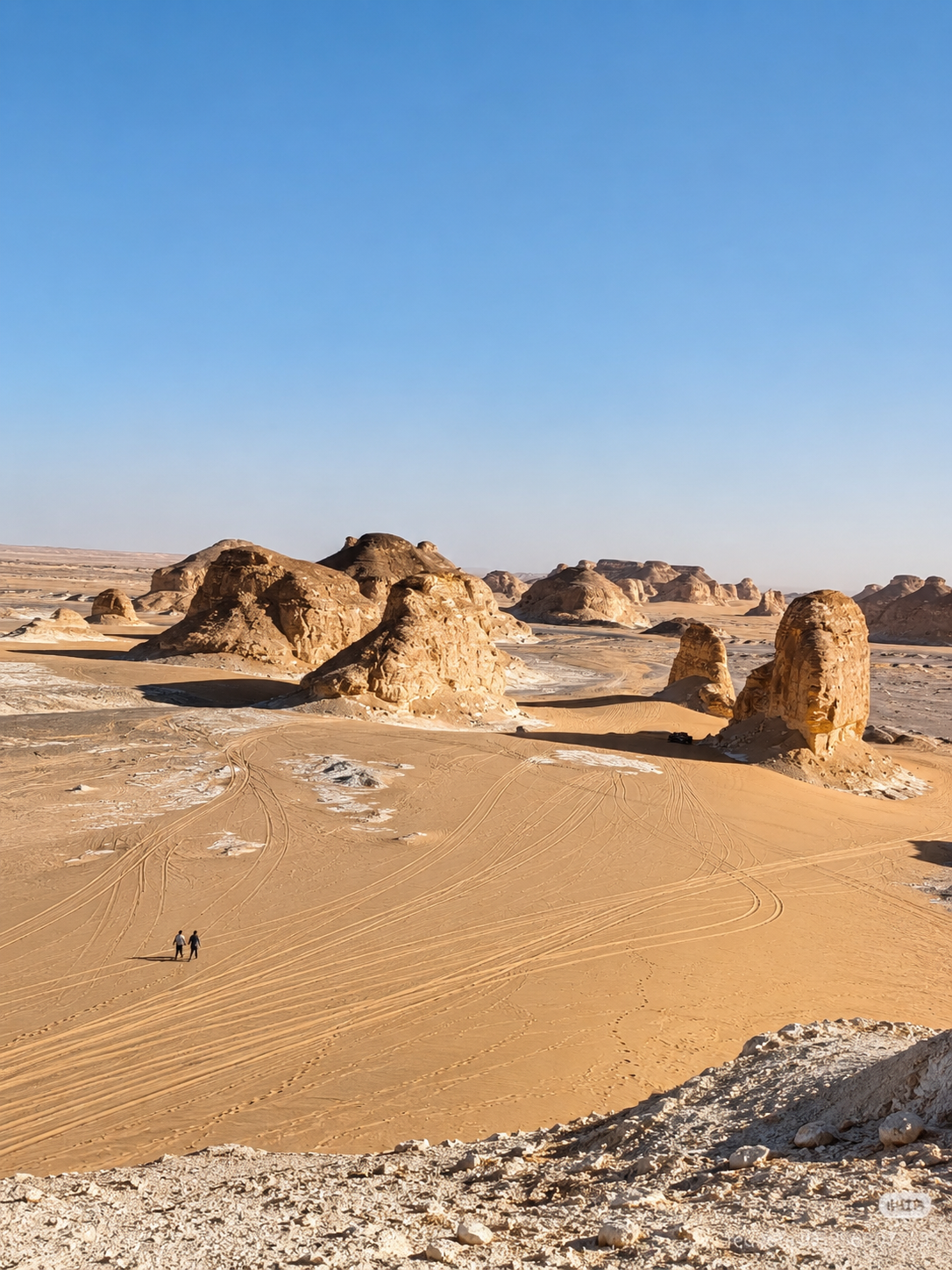
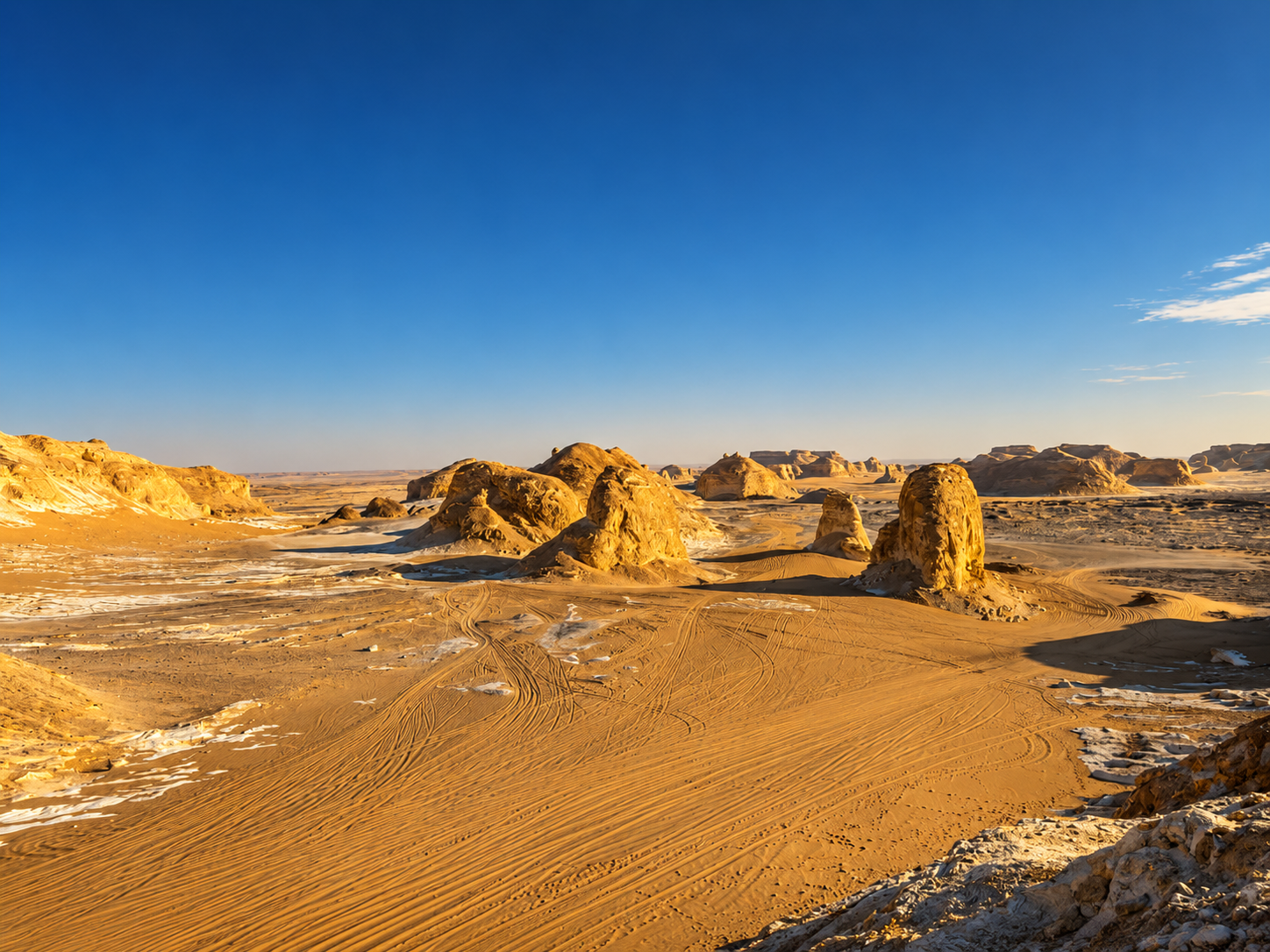
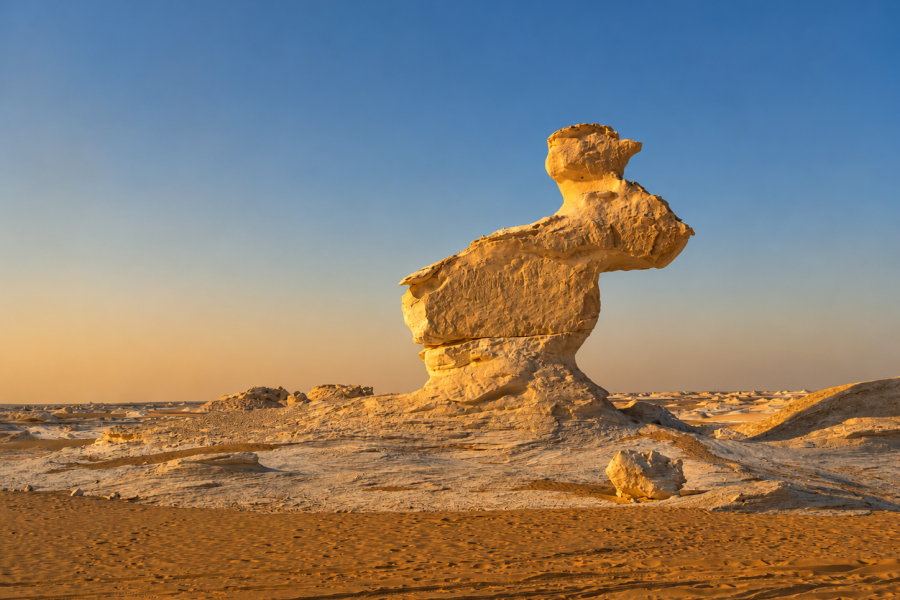
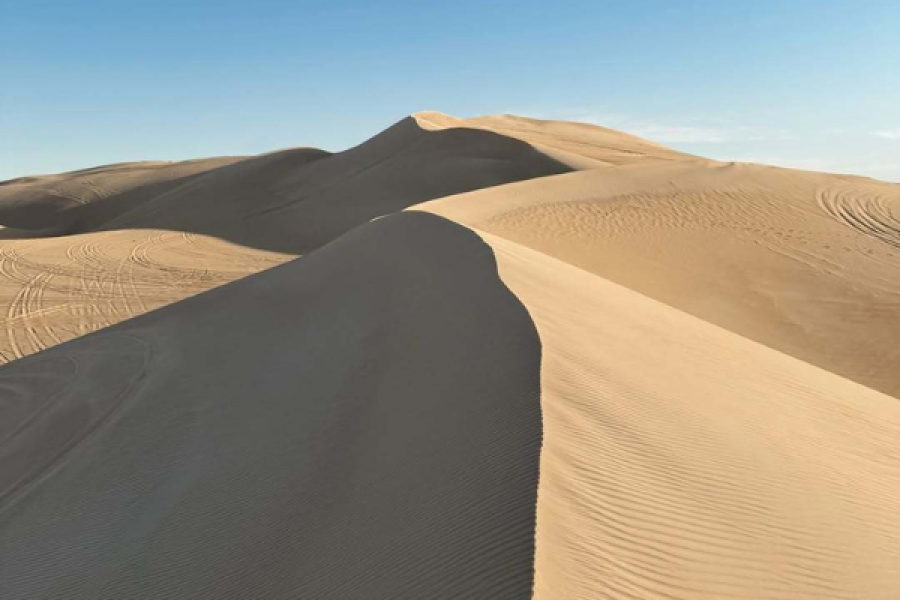
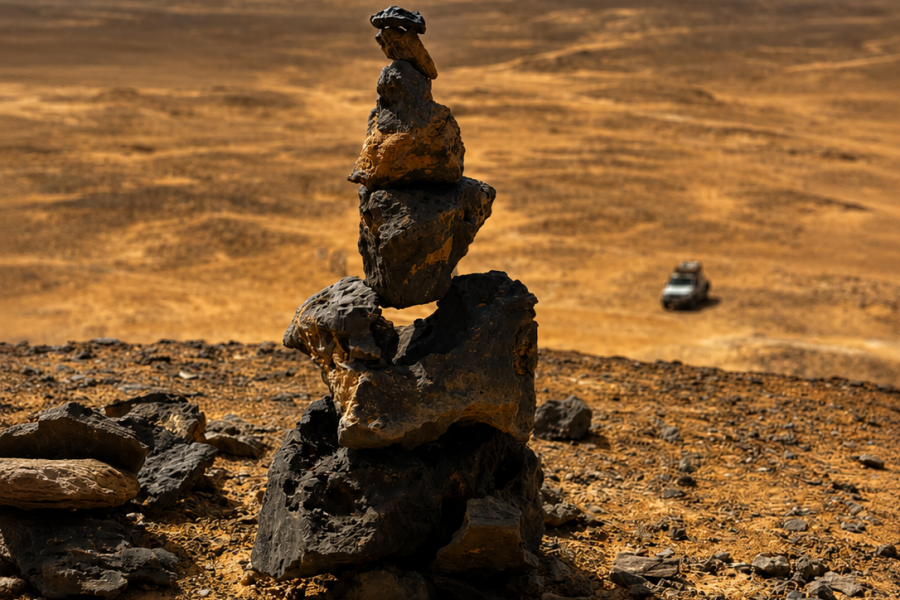
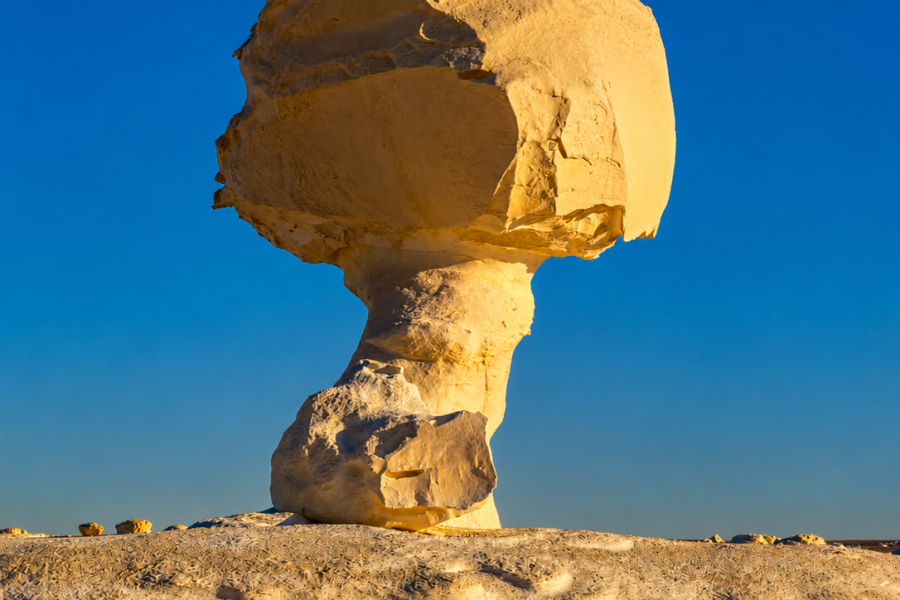
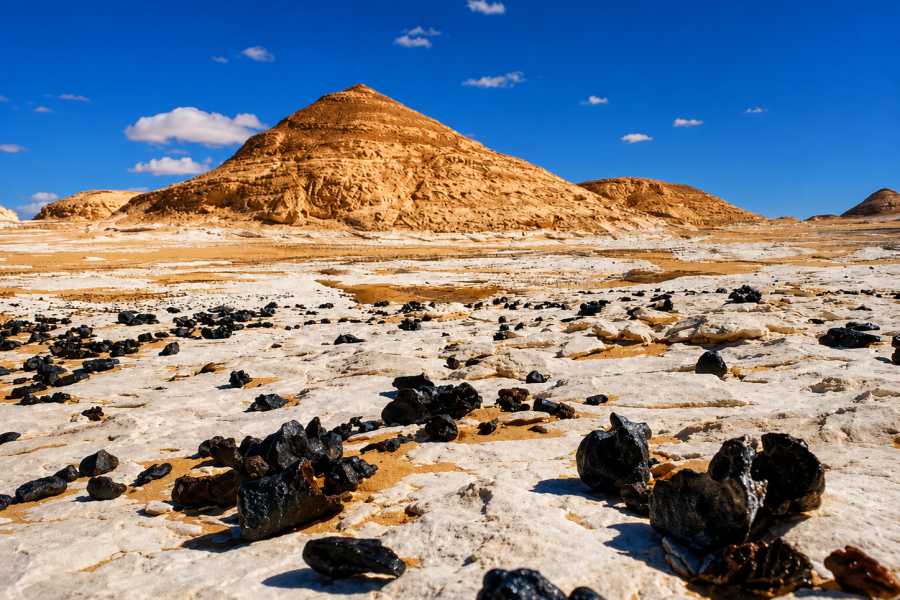
Unlike the White Desert’s bright chalk formations, the Black Desert is characterized by dark rocks and dramatic black-covered hills rising above warmer golden and brown terrain.

The landscape can appear almost volcanic.

For that reason, you will often see the hills described as volcanic-looking or volcanic-shaped.

The important point for travelers is visual rather than geological:

The Black Desert looks completely different from almost every other stage of the safari.

You begin around Bahariya’s palms and cultivated areas.

Then the vegetation disappears.

The horizon opens.

Dark hills begin appearing.

That dramatic transition is one of the reasons the Black Desert works so well as the first major stop on a Western Desert itinerary.

How Far Is the Black Desert from Cairo?

Die Reise besteht aus zwei Hauptetappen.

Etappe 1: Kairo zur Oase Bahariya

Die Oase Bahariya liegt laut der offiziellen ägyptischen Tourismusbehörde etwa 370 km südwestlich von Kairo. Die Fahrt von Kairo aus dauert in der Regel mehrere Stunden; „Experience Egypt“ rechnet je nach Verkehrsmittel und Verkehrsbedingungen mit etwa fünf Stunden.

Bei Ihrer aktuellen 1-Nacht-/2-Tage-Tour wird die Transferzeit auf der geplanten Route auf etwa vier Stunden veranschlagt.

Die genaue Fahrzeit hängt natürlich von folgenden Faktoren ab:

  • unabhängig davon, ob man in Kairo oder in Gizeh startet,
  • Verkehr,
  • Haltestellen,
  • Straßenverhältnisse,
  • und das jeweilige Programm.

Etappe 2: Von Bahariya in die Schwarze Wüste

Sobald man die Oase Bahariya erreicht hat, ändert sich das Erlebnis.

Normalerweise legen Sie eine kurze Pause oder ein Mittagessen ein und beginnen dann die Safari in einem geeigneten Geländewagen.

Die Schwarze Wüste umgibt die gesamte Bahariya-Region und ist somit eines der ersten Naturhighlights, auf die man trifft, sobald man die Oase hinter sich lässt.

Deshalb ist Bahariya so wichtig.

Es ist nicht einfach nur eine weitere Sehenswürdigkeit.

Es ist das Tor zwischen Kairo und der Safari-Route durch die Westwüste.

Lesen Sie unseren Reiseführer zur Oase Bahariya in Ägypten, wenn Sie die Oase im Rahmen derselben Reise erkunden möchten.

What Does the Black Desert Look Like?

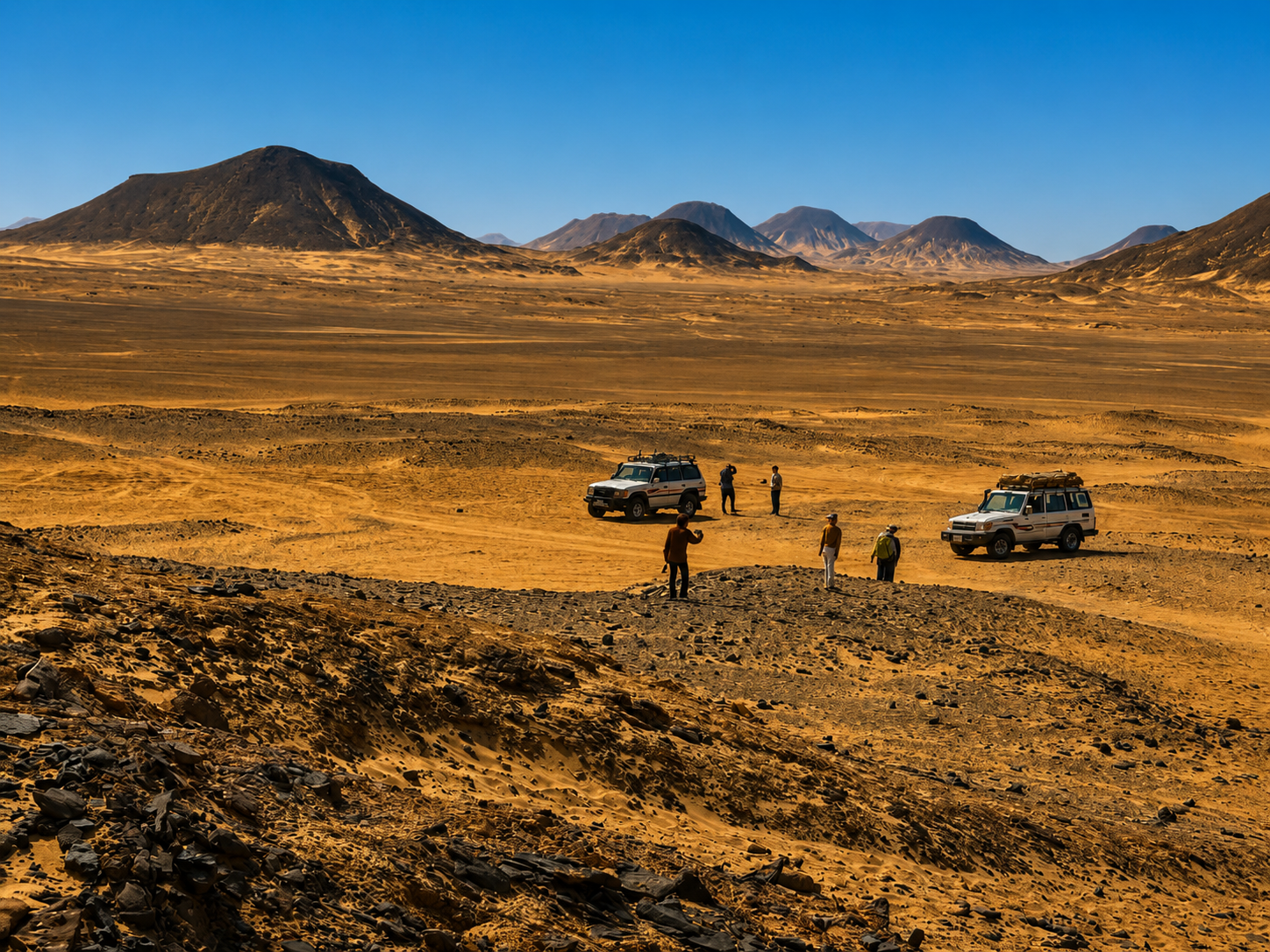
Imagine wide golden plains broken by dark hills and black stone.

That is the visual identity of the Black Desert.

Some hills appear almost entirely dark from a distance.

Others show a mixture of brown, black and sandy colors.

The strongest visual effect comes from contrast:

black hill + golden desert + blue sky.

This is especially striking for visitors who have just driven from the green agricultural areas around Bahariya.

The landscape feels remote and rugged rather than soft or sculptural.

If the White Desert feels surreal, the Black Desert feels dramatic.

That difference makes visiting both far more interesting than choosing one.

Why Is It Called the Black Desert?

The name comes from the dark material and black rocks visible across the hills and desert surface.

Your current White and Black Desert tour itineraries associate much of the black appearance with iron-rich terrain and describe the area around Bahariya as containing dark hills of ferruginous quartzite and dolerite.

Travelers should avoid imagining that the entire desert floor is solid black.

Das ist es nicht.

The landscape is a mixture of:

  • dunkle Hügel,
  • schwarze Steine,
  • brown terrain,
  • yellow and golden sand.

That combination produces the dramatic appearance that gives the region its name.

Is the Black Desert Worth Visiting from Cairo?

Yes—but we recommend seeing it as part of a wider route.

If you traveled all the way from Cairo simply to photograph one dark hill and immediately returned, the journey could feel disproportionate.

But that is not how a strong Black Desert safari works.

A typical journey can include:

Bahariya-Oase

Schwarze Wüste

Gabal El Marsos

El Hez

Kristallberg

Agabat

Weiße Wüste

That gives you several completely different landscapes in one short adventure.

Egypt’s official tourism authority specifically describes the Black and White Deserts as two of the most important areas to explore outside Bahariya and notes that excursions can range from half a day from the oasis to journeys lasting a week.

So yes, the Black Desert is worth the trip.

But its value becomes much stronger when you continue farther into the Western Desert.

Can You Visit the Black Desert from Cairo in One Day?

Ja.

A one-day Black Desert and White Desert safari from Cairo is possible.

Your current Eintägige Tour in die Weiße Wüste ab Kairo combines Bahariya Oasis, the Black Desert, Crystal Mountain, Agabat and the White Desert within a single long journey.

However, travelers need realistic expectations.

This is not a short morning excursion from Cairo.

You are combining:

  • several hours of road travel,
  • 4×4 safari,
  • multiple desert stops,
  • and the return journey.

Choose a one-day trip if:

  • you genuinely have only one day,
  • du möchtest nicht zelten,
  • you are living in Cairo and want a short adventure,
  • another part of your itinerary cannot be moved.

Do not choose one day simply to save time if you actually have two days available.

The overnight option gives you far more experience for the travel involved.

3-tägige Camping-Tour von Luxor über die Bahariya-Oase nach Kairo (2 Übernachtungen)

3 Nights 4 Days Tour from Cairo to White Desert, Bahariya Oasis & Luxor

2 Nights 3 Days White Desert & Dejara Cave Tour from Cairo

3-tägige Tour zur Weißen Wüste und Bahariya-Oase (2 Übernachtungen)

Ganztägige Tour am Westufer von Luxor

Siwa-Programm mit komfortablem Bus ab Kairo

Eintägige Tour zur Weißen Wüste ab Kairo

Eintägige Fayyum-Tour ab Kairo

Tour zum Nationalmuseum der Ägyptischen Zivilisation

4-tägiges Luxor-Paket ab Kairo mit Schlafwagenzug (3 Übernachtungen)

Giza Pyramids & Grand Egyptian Museum Tour

3-tägige Fayyum- und Weiße-Wüste-Tour ab Kairo (2 Übernachtungen)

6-tägige Ägypten-Oasen-Tour ab Kairo (5 Übernachtungen)

Ganztägige Tour am Ostufer von Luxor

5 Nights 6 Days Cairo, Siwa, White Desert & Bahariya Oasis Tour

6 Nights 7 Days Cairo, Siwa, Marsa Matrouh & White Desert Tour

Ganztägige Tour in Assuan

Ganztägige Tour nach Alexandria ab Kairo

4-tägige Siwa-Oasen-Tour ab Kairo

3 Nights 4 Days Cairo White Desert Tour

3-tägige Tour von Kairo nach Dakhla und Luxor (2 Übernachtungen)

3-tägige Camping-Tour in der Weißen Wüste (2 Übernachtungen)

3-tägige Kairo–Siwa-Tour (2 Übernachtungen)

3-tägige Kairo–Siwa-Tour (2 Übernachtungen)

2-tägige Tour durch Kairo und Gizeh

1 Übernachtung beim Camping in der Fayyum-Wüste ab Kairo

2-tägige Weiße-Wüste-Tour ab Kairo (1 Übernachtung)

Is 2 Days / 1 Night Better?

For most first-time visitors:

Ja.

A 2-day itinerary allows the Black Desert to become the beginning of the journey instead of the midpoint of a long return trip.

Your current 2-tägige Weiße-Wüste-Tour ab Kairo (1 Übernachtung) follows this concept.

The itinerary includes:

  • Cairo to Bahariya
  • Schwarze Wüste
  • Gabal El Marsos
  • El Hez
  • Kristallberg
  • Agabat
  • sand dunes
  • sandboarding
  • El Santa Tree
  • Weiße Wüste
  • sunset
  • dinner
  • camping
  • sunrise
  • short hiking
  • warm spring stop.

Instead of turning around at sunset, you stay.

That one decision adds some of the strongest experiences of the entire safari.

Recommended 2-Day Black Desert Route From Cairo

Day 1: Cairo → Bahariya Oasis

Leave Cairo or Giza early.

Travel west toward Bahariya Oasis.

When you arrive in Bawiti or the safari base, take a short break and have lunch according to your chosen program.

Then switch to the 4×4.

Now the real desert safari begins.

Stop 1: Black Desert

The Black Desert should be your first major scenic stop.

Do not treat it purely as something to photograph from the car.

Get out.

Look at how the dark hills spread across the horizon.

Walk around a safe viewpoint with your guide.
For photography, try compositions that include:

  • the 4×4,
  • a traveler,
  • multiple hills,
  • a road or vehicle track.

Including a person or vehicle helps communicate scale.

Best photography conditions

Late-afternoon light is excellent because longer shadows help reveal the shape of the hills.

But midday can also work for strong graphic compositions where black terrain contrasts sharply with bright desert and blue sky.

Stop 2: Gabal El Marsos

The next important stop is Gabal El Marsos, often called Divided Mountain on local safari itineraries.

Your current overnight and 3-day programs include a walking stop here.

This is a useful opportunity to experience the landscape rather than simply drive through it.

Geh.

Look at the black stones.

Use the higher terrain for wider views where appropriate.

The Black Desert feels very different once you leave the vehicle and see how large the surrounding hills actually are.

Stop 3: El Hez

From Gabal El Marsos, itineraries commonly continue toward El Hez.

This section provides another transition in the landscape.

Some routes include a water-spring stop around the wider El Hez area before continuing toward Crystal Mountain. Your current longer safari program includes the possibility of swimming at a spring depending on interest and conditions.

This is one of the aspects that surprise first-time Western Desert travelers:

Water suddenly appears inside an environment that otherwise looks completely dry.

Stop 4: Crystal Mountain

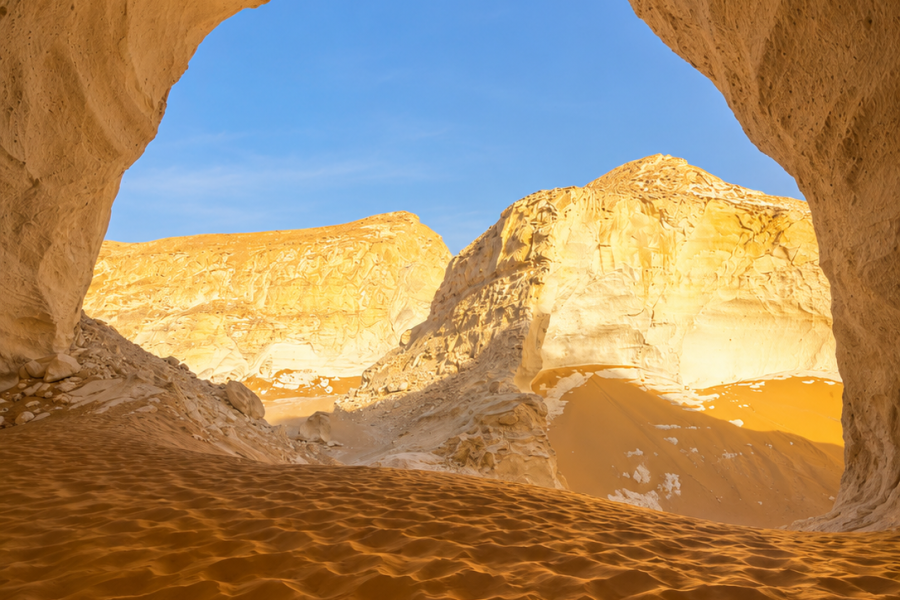
Crystal Mountain is one of the classic stops between the Black Desert and White Desert.

The landscape changes again.

Instead of the dark Black Desert hills, you encounter a pale geological formation with distinctive reflective features.

Most visits are relatively short.

This is not a technical climbing activity.

Instead:

  • walk around,
  • look closely at the formation,
  • photograph the details,
  • then continue the journey.

Crystal Mountain helps make the route feel like a sequence of different natural environments rather than a drive between two headline attractions.

Stop 5: Agabat

Agabat is where the landscape begins opening into one of the most dramatic areas of the safari.

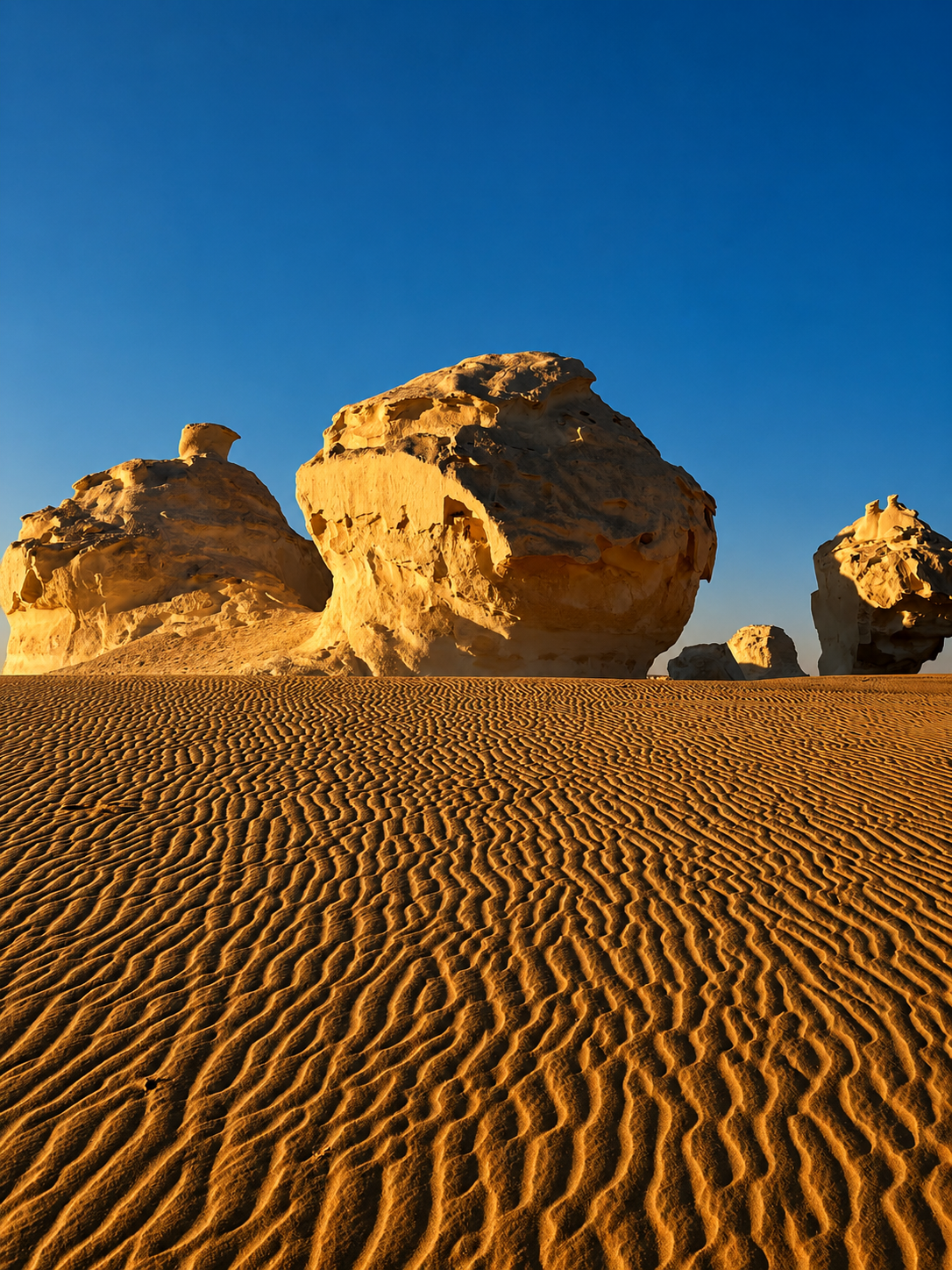
Golden sand, wide spaces and pale formations create excellent panoramic scenery.

Agabat is particularly good for:

  • Landschaftsfotografie,
  • 4×4 photographs,
  • portraits,
  • dune views,
  • sandboarding around suitable areas.

Do not rush through it.

For many travelers, Agabat becomes one of their favorite stops even though they originally booked the trip for the White Desert.

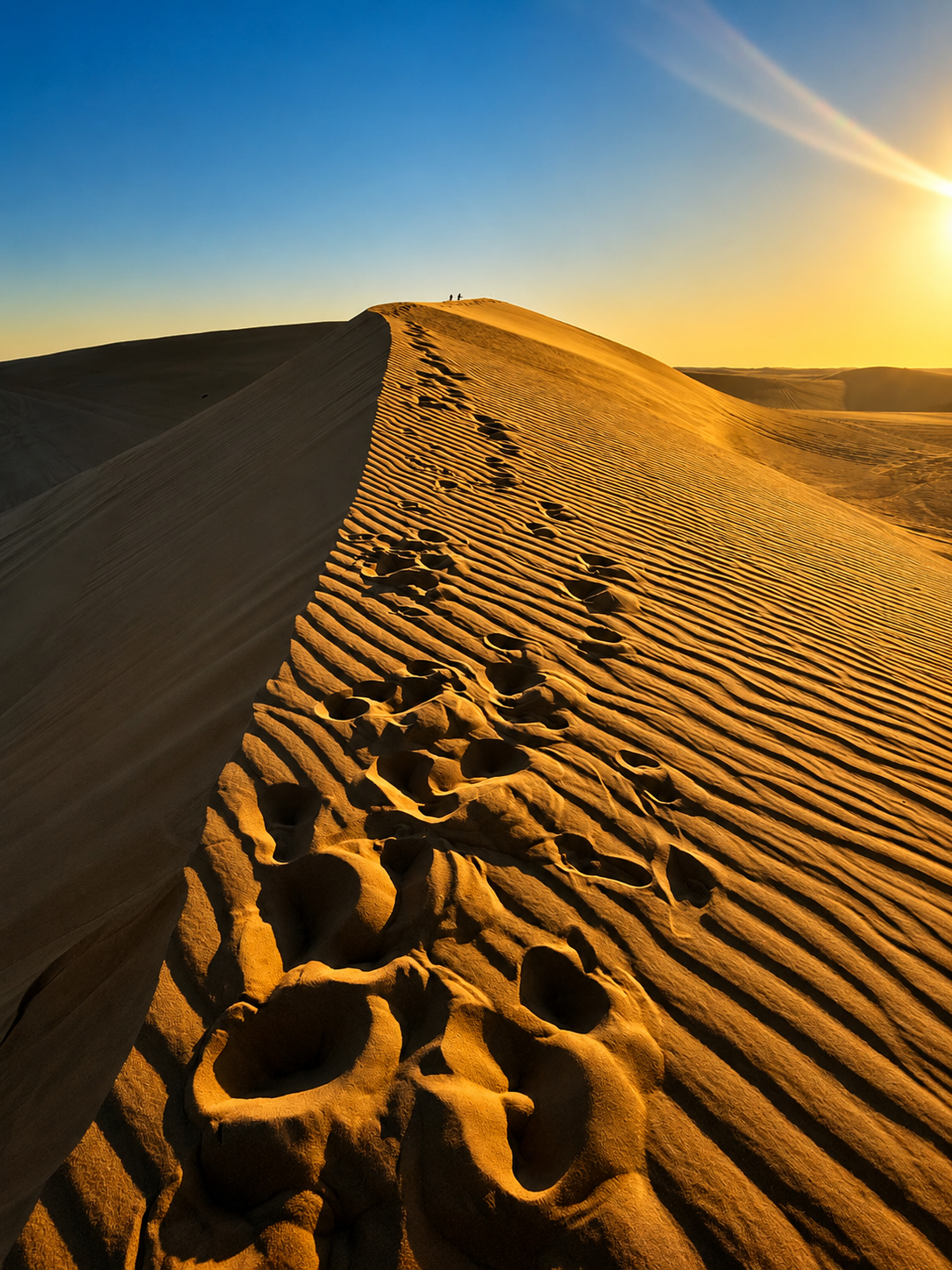
Stop 6: Sand Dunes and Sandboarding

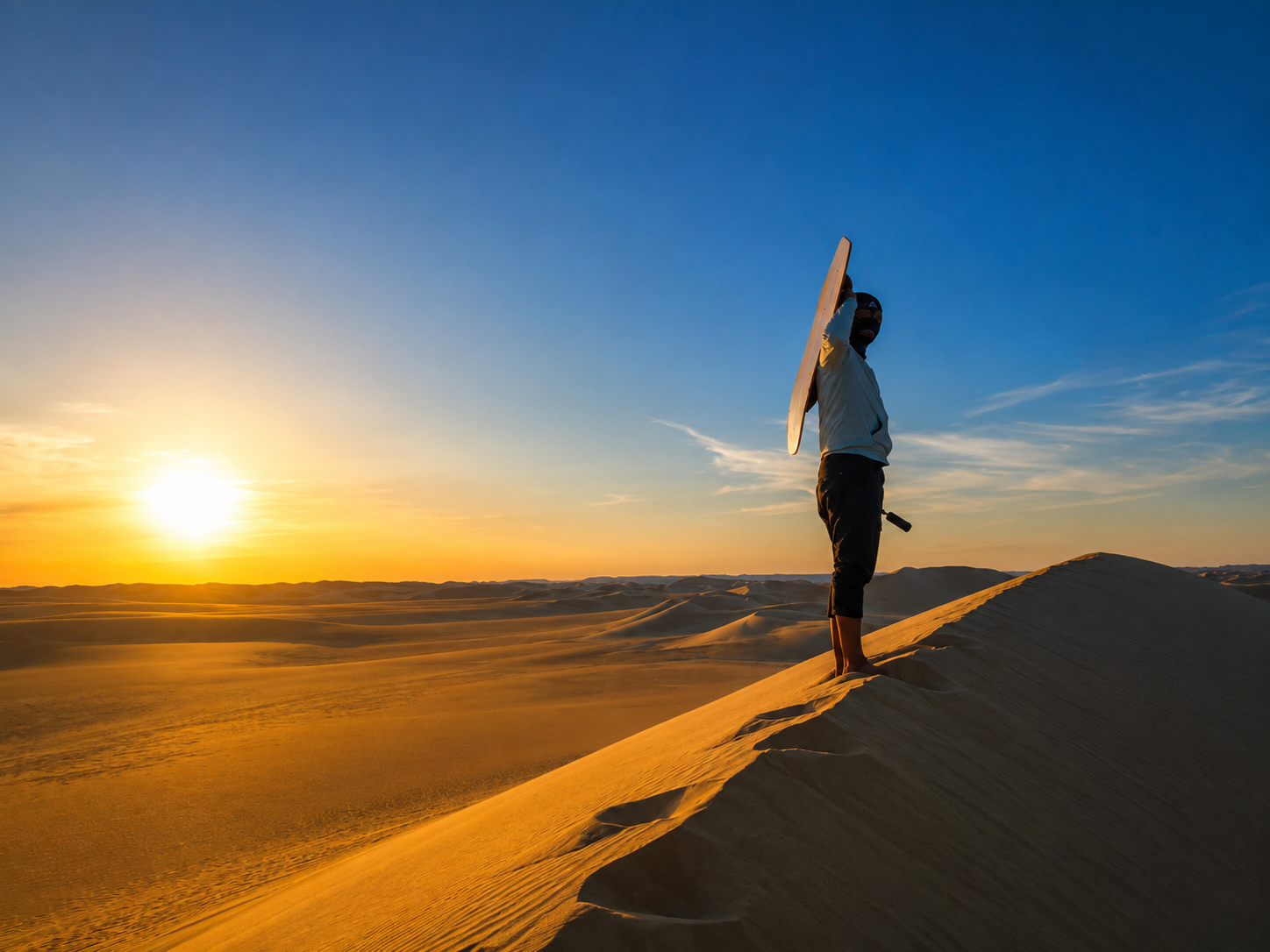
Suitable dunes on the wider route provide an opportunity to try sandboarding.

Your existing overnight tour currently includes sandboarding among its activities.

You do not need previous experience.

For most visitors, it is a short, fun part of the trip rather than a technical sport.

If you prefer photography, use the same stop to work with:

  • dune lines,
  • footprints,
  • shadows,
  • people for scale.

Stop 7: White Desert

If your main search was “Black Desert Egypt from Cairo,” you may wonder:

Why keep going?

Because the White Desert is the perfect conclusion.

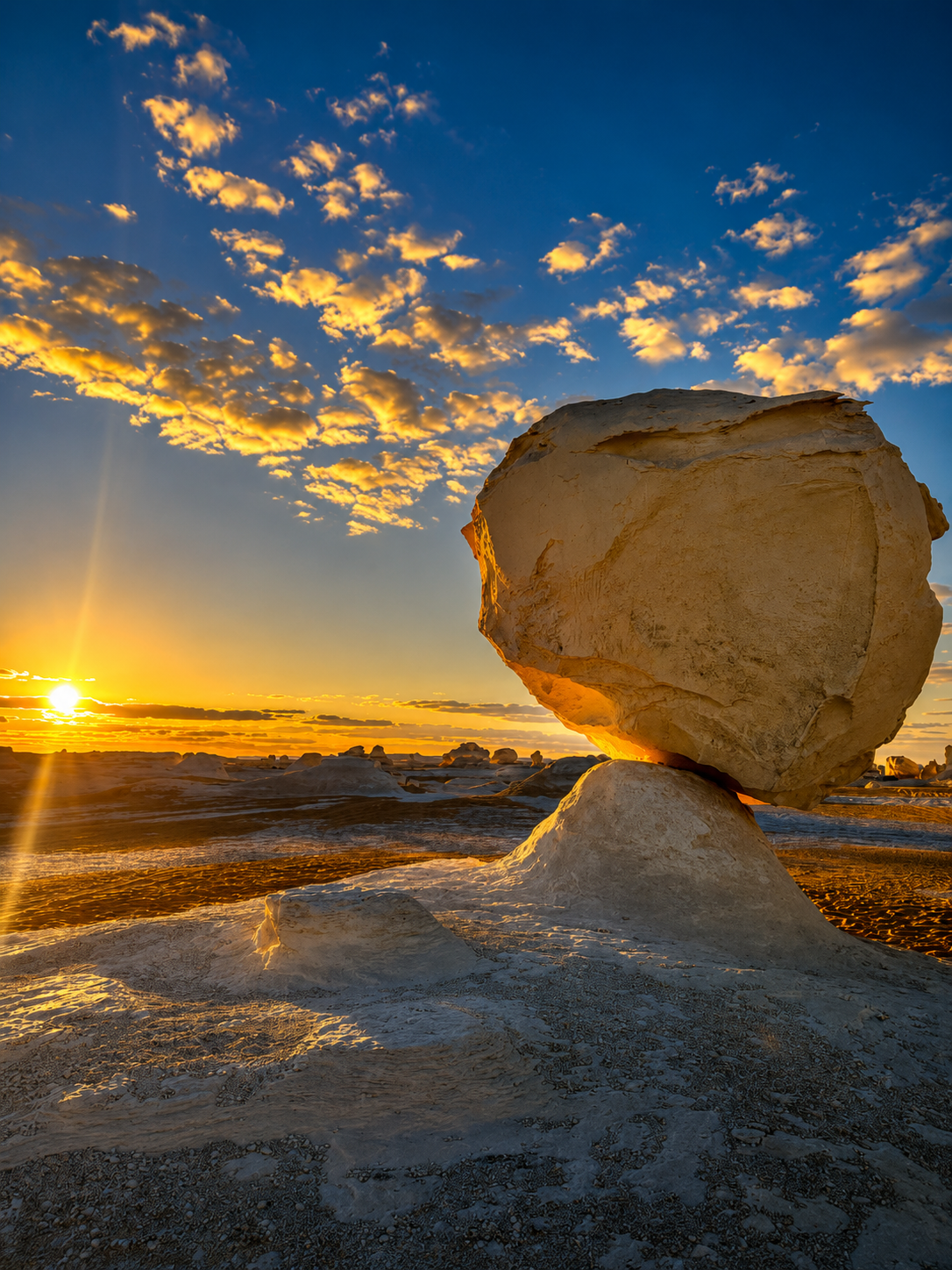
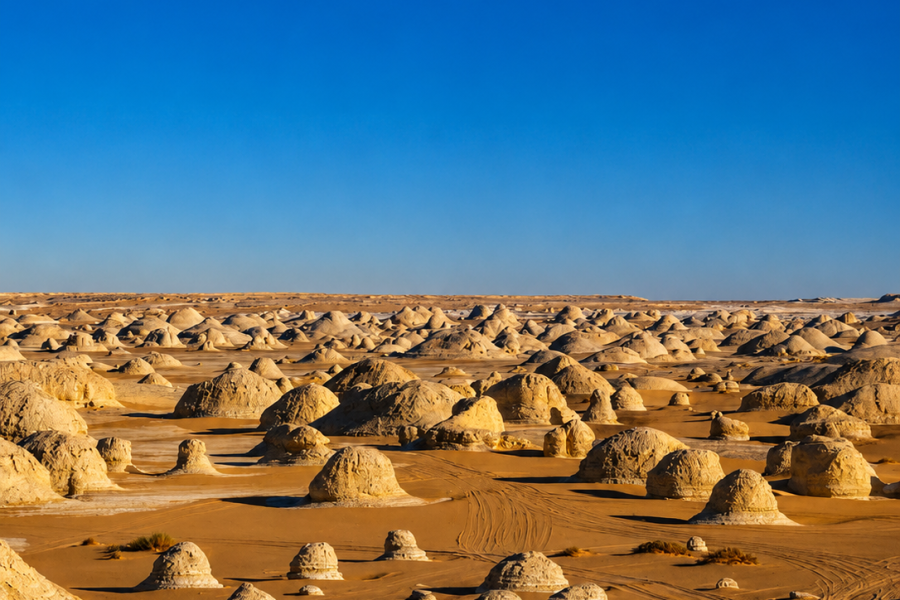
Once you have seen the Black Desert, the pale landscape creates an extraordinary contrast.

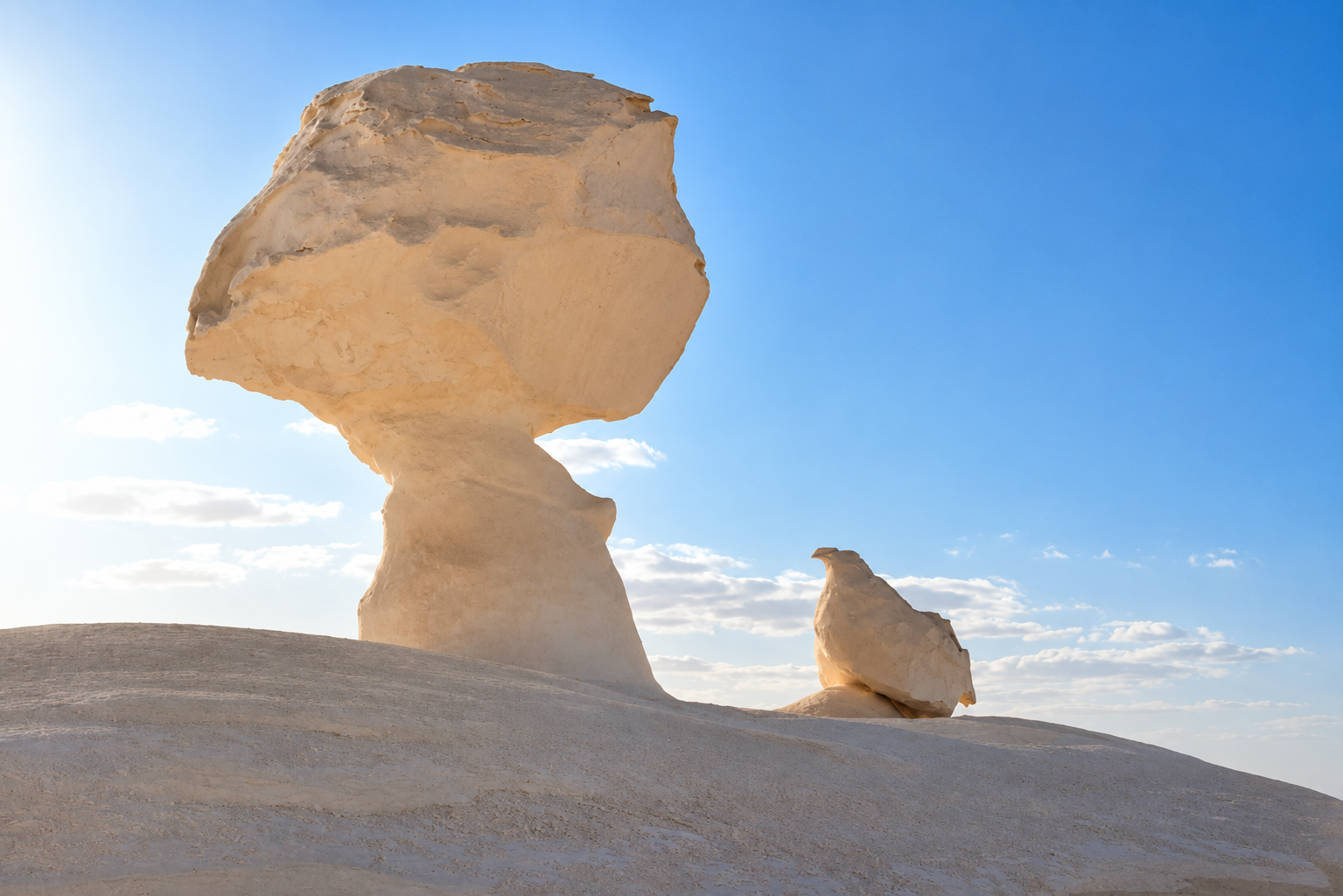
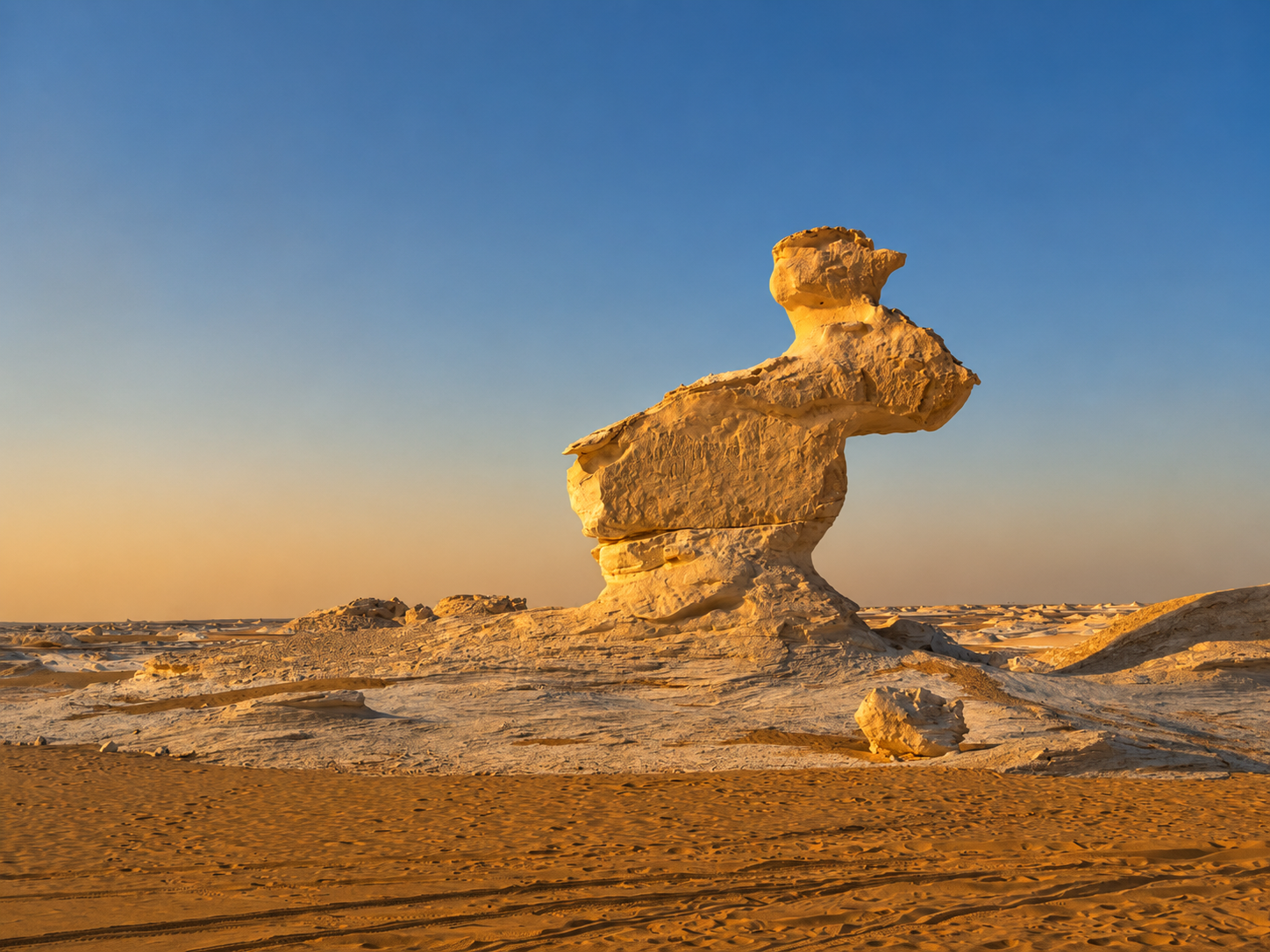
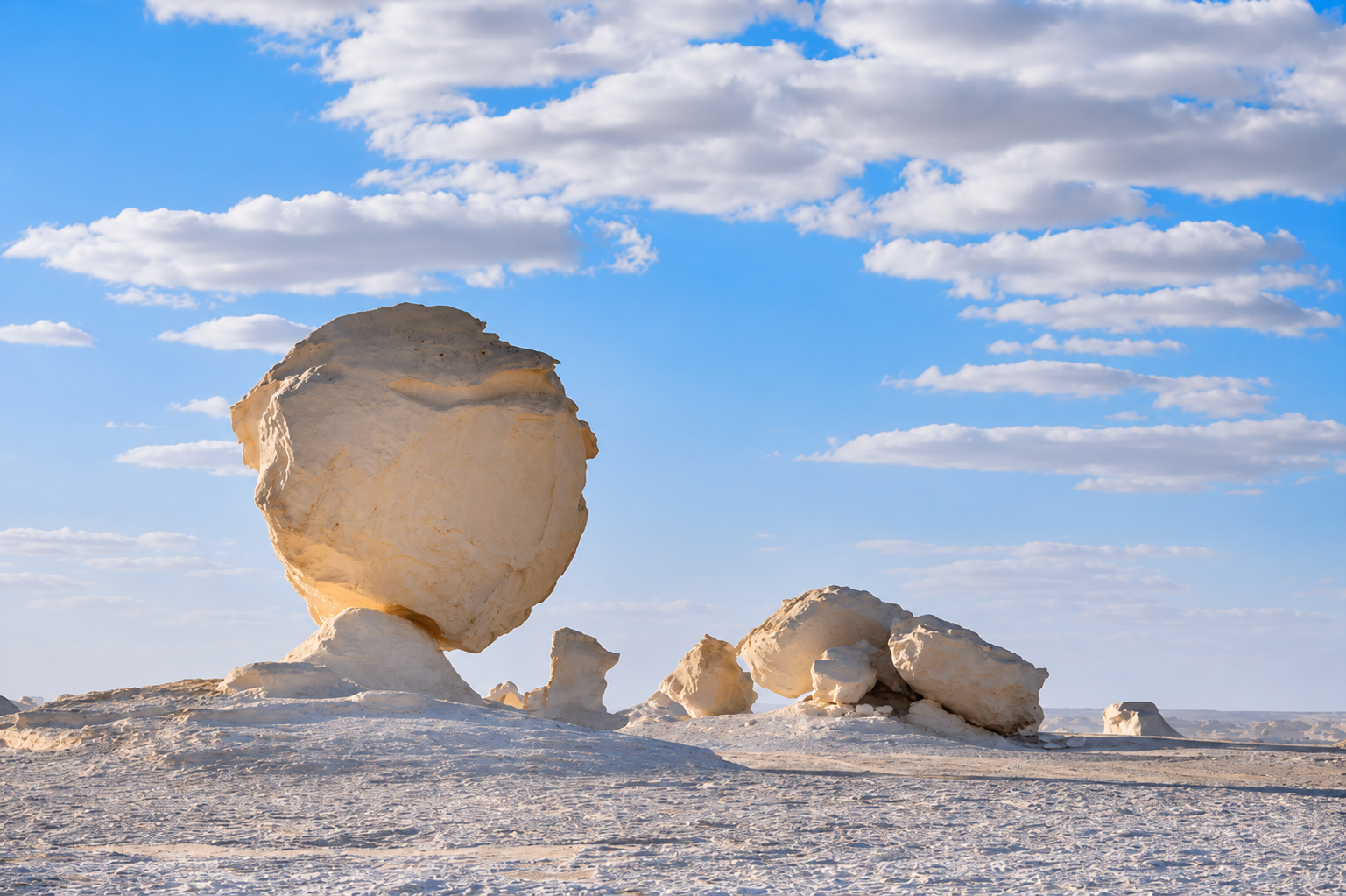
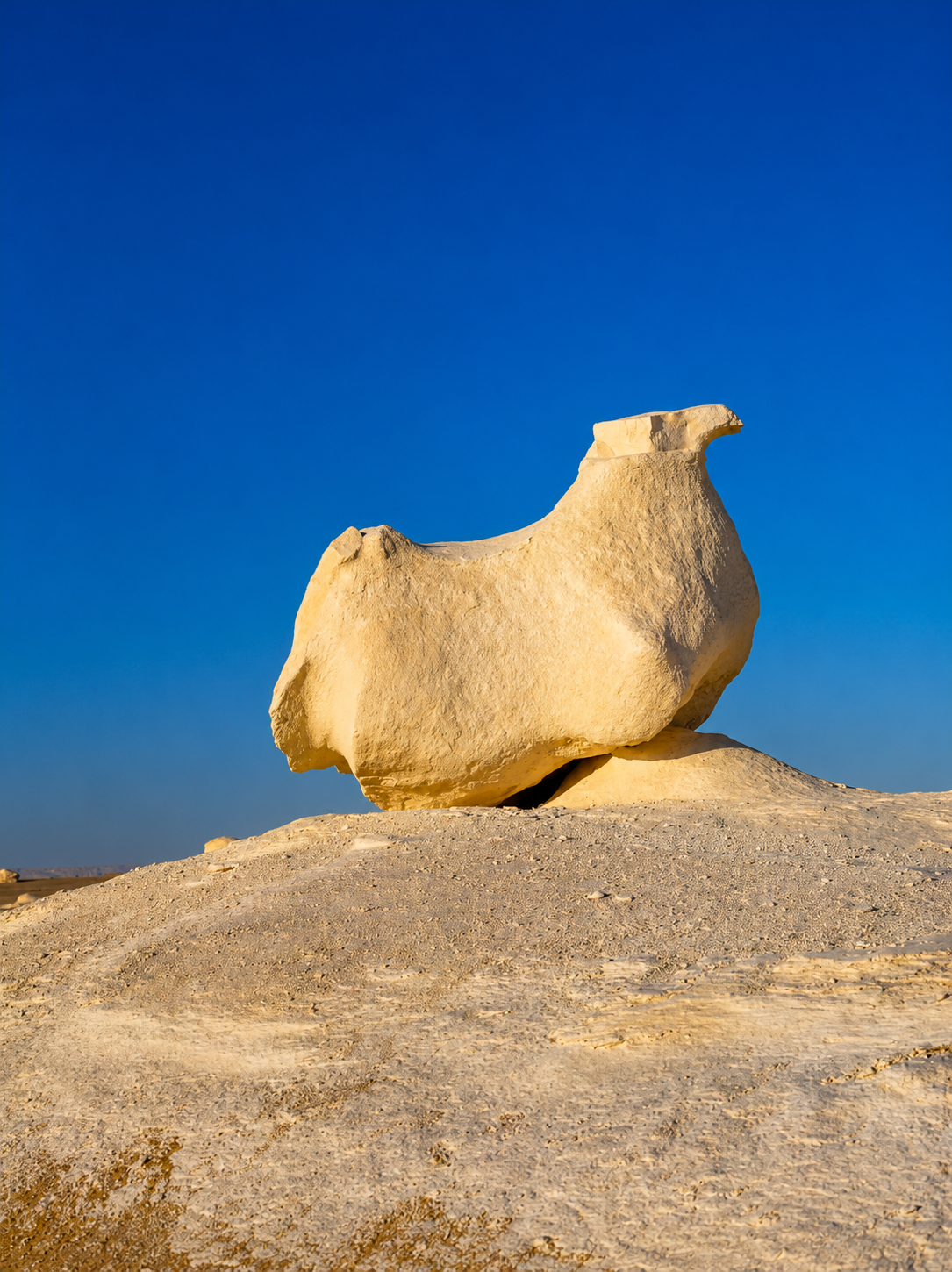
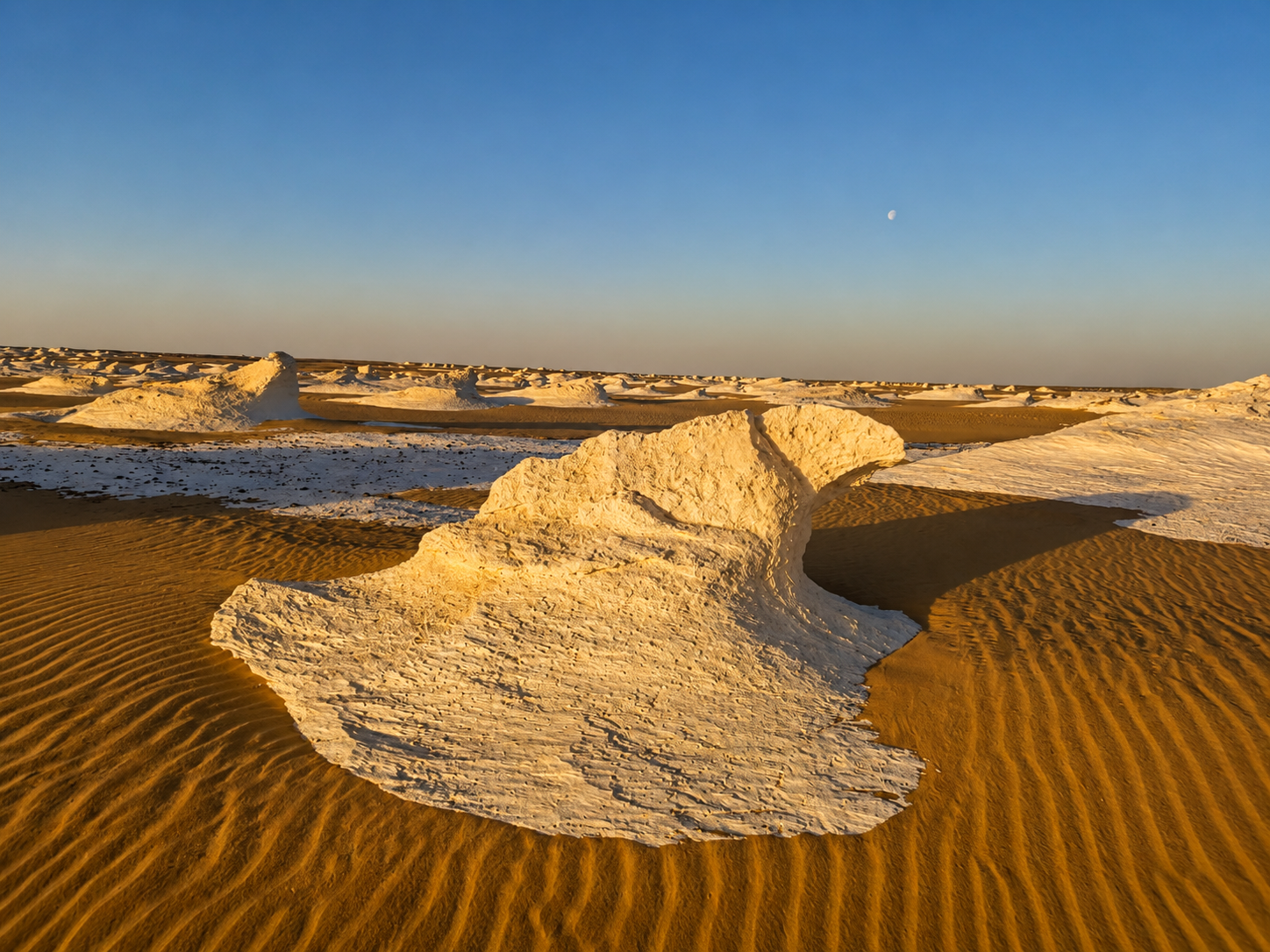
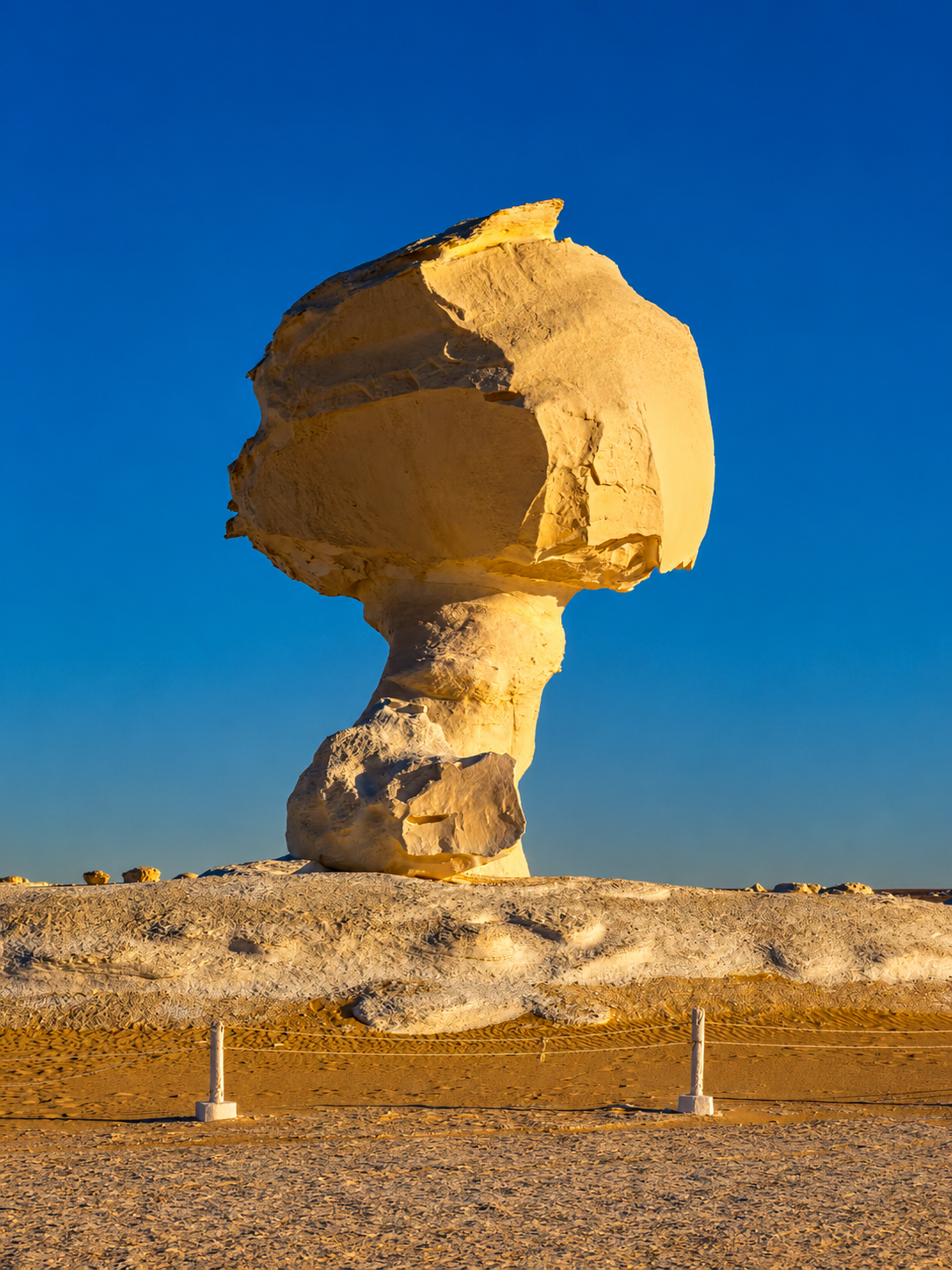
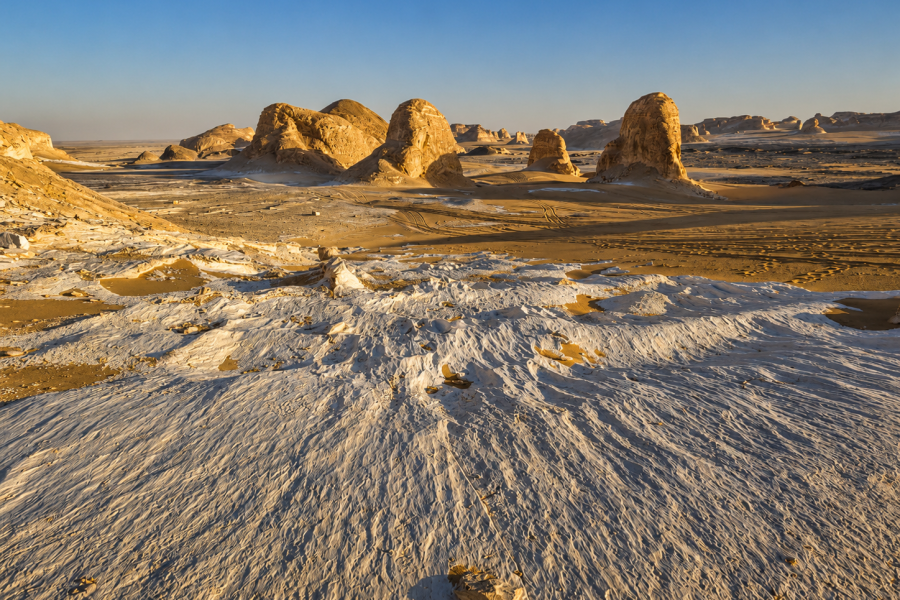
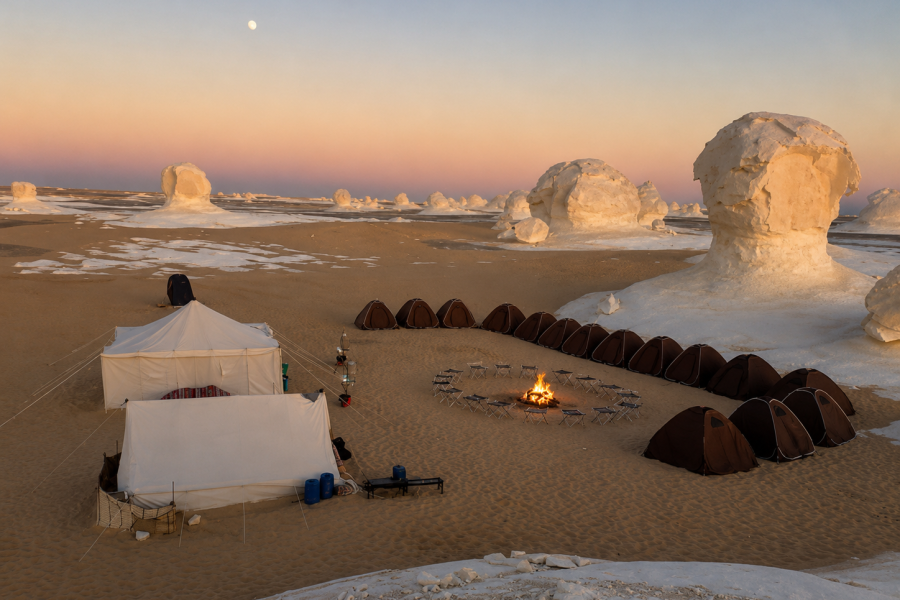
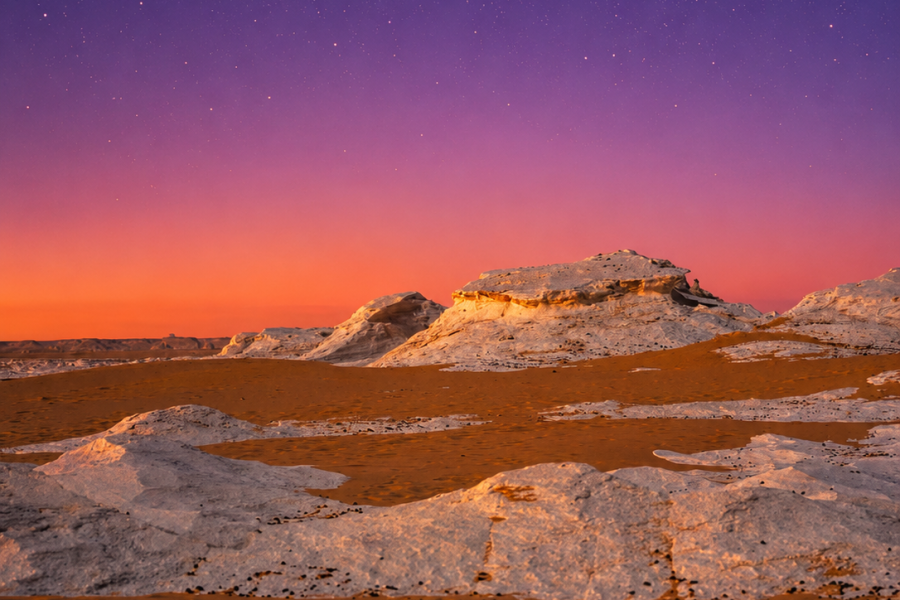
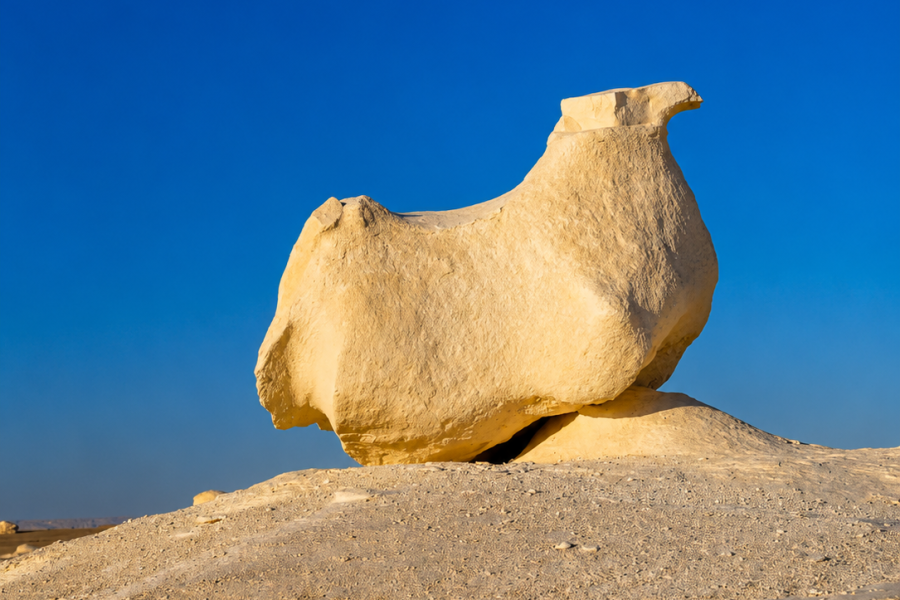
The White Desert Protected Area lies farther south in the Western Desert and is known for large white chalk formations shaped by natural erosion. Egypt’s Environmental Affairs Agency formally manages the White Desert as a protected area.

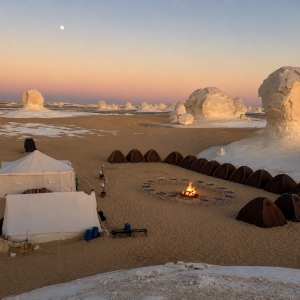
This is usually where an overnight safari slows down.

Instead of another quick photo stop:

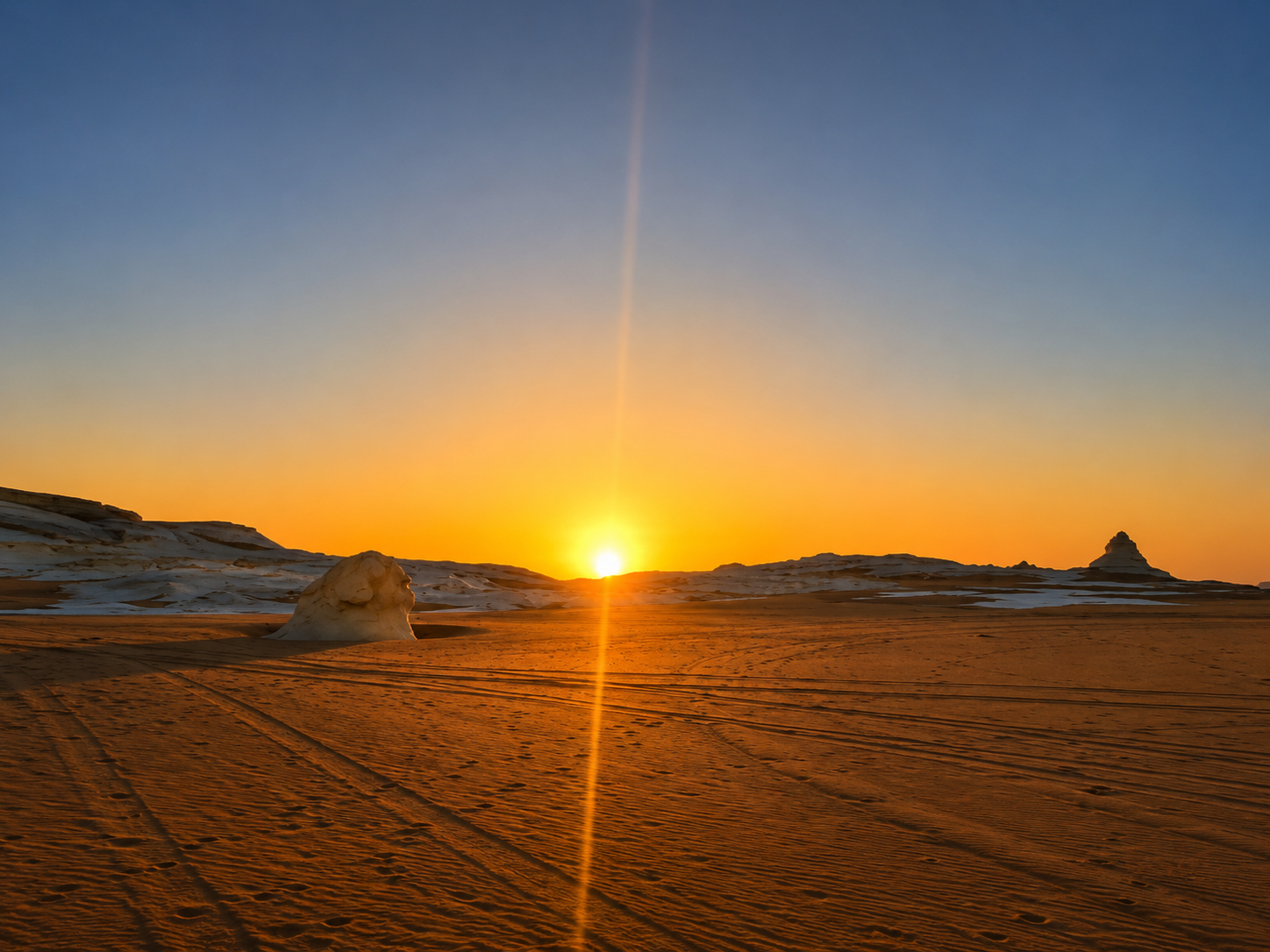
watch sunset,

have dinner,

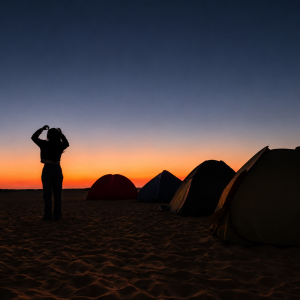
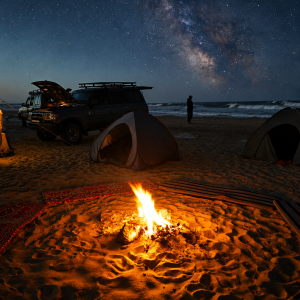
camp,

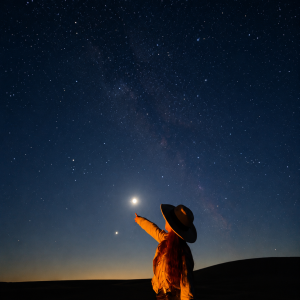
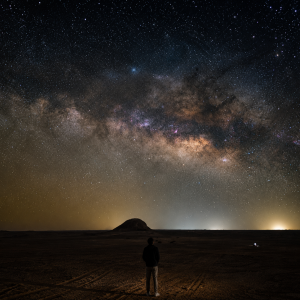
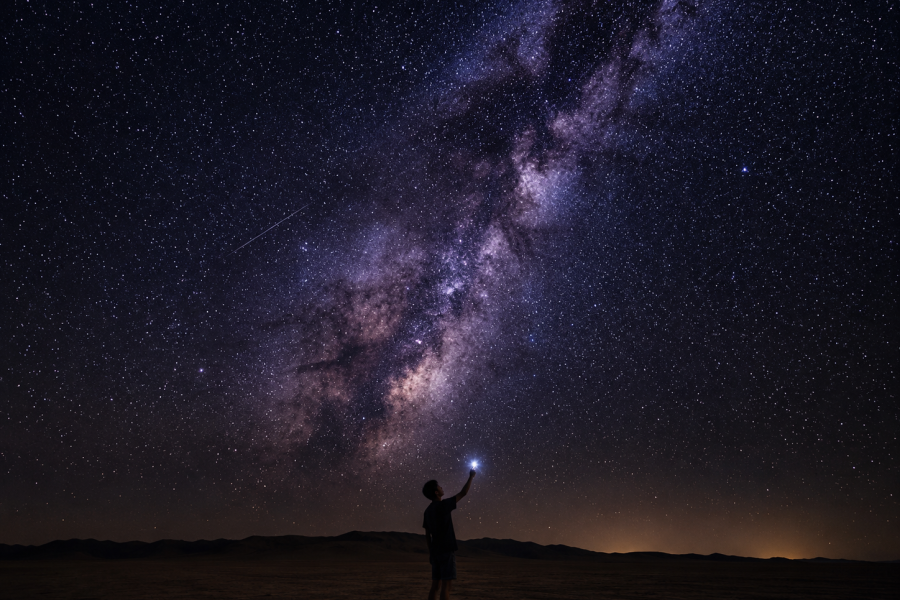
look at the night sky,

sleep,

and wake for sunrise.

Day 2: Sunrise → Bahariya → Cairo

Wake early.

Even if you normally hate mornings, sunrise in the desert is worth the effort.

The atmosphere is completely different from the previous afternoon.

After breakfast, there may be time for:

  • a short walk,
  • additional formations,
  • Fotografie,
  • a spring stop on the return route.

Then travel back through Bahariya Oasis and continue to Cairo.

This second day is the reason the safari feels like a journey rather than a rushed excursion.

Should You Spend 3 Days?

If you have the time, three days open two excellent possibilities.

Option 1: More Bahariya Oasis

Choose a Bahariya + White Desert 3-day itinerary if you want:

  • oasis sightseeing,
  • Federn,
  • Salty Lake,
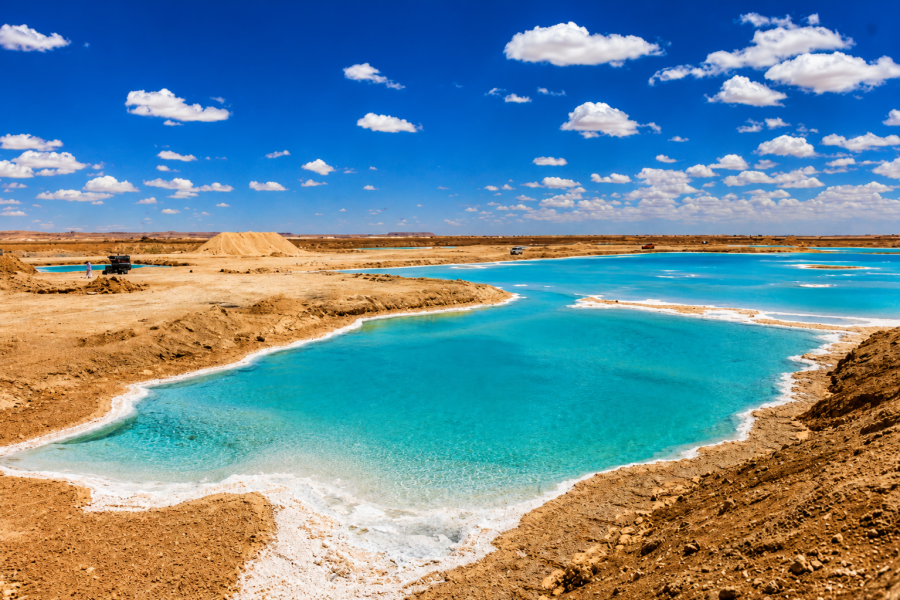
  • viewpoints,
  • one desert camping night,
  • one hotel night.

See our Tour zur Weißen Wüste und zur Oase Bahariya ab Kairo.

This option is ideal for travelers who want both oasis culture and desert landscapes.

Option 2: Deeper Desert Camping

Choose the 2 Nächte, 3 Tage Camping-Tour durch die Weiße Wüste if your priority is wilderness.

The current itinerary extends through locations including:

  • Black Desert,
  • Gabal El Marsos,
  • El Hez,
  • Crystal Mountain,
  • El Mattar,
  • Aqabat,
  • Hole Mountain,
  • Great Karaween dunes,
  • Ain El Serw,
  • Big Valley,
  • Small Valley,
  • Henes Valley,
  • Acacia Tree,
  • Tents Valley,
  • Weiße Wüste.

For serious landscape photographers, this is usually the stronger option.

Private Safari or Group Tour?

For this route, we generally prefer a private safari.

A private trip gives you more control over:

  • hotel pickup,
  • timing,
  • Haltestellen,
  • Fotografie,
  • family needs,
  • meals,
  • pace,
  • camping arrangements.

Imagine you reach the Black Desert and the light suddenly becomes excellent.

A photographer may want another twenty minutes.

A fixed large group may need to leave.

Private travel makes that kind of adjustment easier.

It is also particularly useful for:

  • Paare,
  • Familien,
  • solo travelers wanting more flexibility,
  • Fotografen,
  • travelers with dietary requirements.

Do You Need a 4x4 to Visit the Black Desert?

For excursions beyond Bahariya and into the deeper desert, a suitable 4×4 and experienced local desert guide are strongly recommended.

Experience Egypt specifically advises travelers heading outside Bahariya to make arrangements with licensed guides using appropriate 4×4 vehicles and to confirm permits, transportation and logistics before departure.

This is not simply about comfort.

Remote desert driving requires:

  • terrain knowledge,
  • Navigation,
  • fuel planning,
  • Wasser,
  • vehicle preparation,
  • awareness of current routes and regulations.

Your current White and Black Desert tours use Toyota Land Cruiser 4×4 vehicles for the safari section.

Can You Drive Yourself From Cairo?

Driving the normal paved road toward Bahariya is different from independently entering remote desert terrain.

For most international visitors, we recommend:

private road transfer to Bahariya + local 4×4 safari with an experienced guide.
Experience Egypt likewise recommends arranging desert excursions with experienced licensed guides and checking current logistics and permits before heading out.

Even experienced travelers should not assume a normal rental car can simply follow a desert route they found online.
Is Black Desert Camping Available?

Camping is possible in the wider desert region, but most first-time combined itineraries use the White Desert as the main overnight highlight.
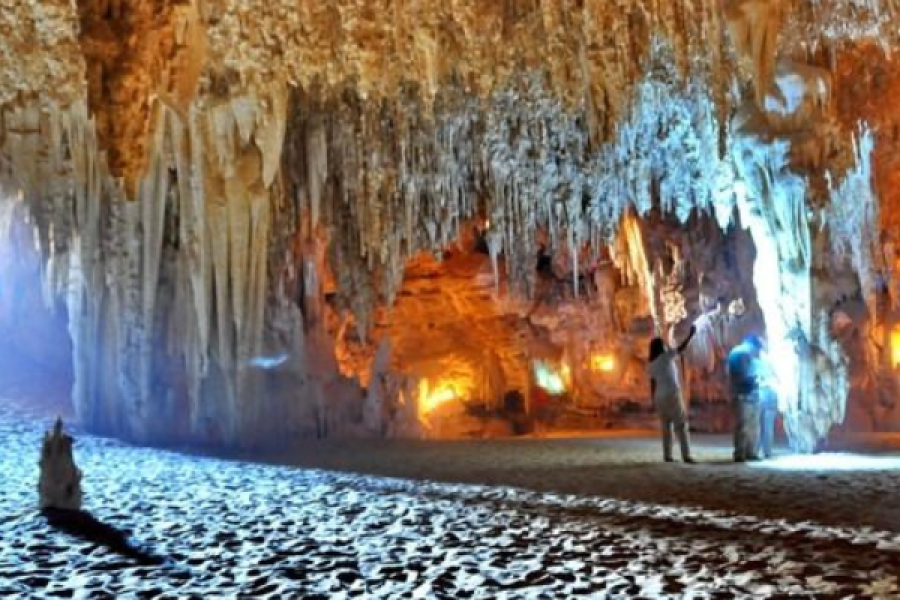
This gives the day a natural structure:

Black Desert during daylight
→ Crystal Mountain
→ Agabat
→ White Desert sunset
→ camp.

If your dream is specifically Black Desert sunrise or a custom photography setup, discuss that with your operator in advance.

For a standard first trip, however, we prefer continuing to the White Desert for the night.

Black Desert vs White Desert: Which Is Better?

They should not really be competitors.

The two destinations provide completely different experiences.

Schwarze Wüste

Am besten geeignet für:

  • dunkle Hügel,
  • rugged landscapes,
  • high-contrast photography,
  • Panoramablicke,
  • the beginning of the 4×4 safari.

Weiße Wüste

Am besten geeignet für:

  • unusual chalk formations,
  • Camping,
  • Sonnenuntergang,
  • Sternbeobachtung,
  • sunrise,
  • longer walks.

If forced to choose only one for a first visit, we would choose the White Desert because it provides the stronger overnight experience.

But if you are already coming through Bahariya:

visit both.

Read our complete White Desert vs Black Desert Egypt comparison.

Eignet sich die Schwarze Wüste gut zum Fotografieren?

A private safari can be particularly useful for photographers.

Warum?

A normal sightseeing traveler may want to spend fifteen minutes at a viewpoint.

A photographer may need forty minutes.

Or may want to wait until a cloud moves.

Or return ten minutes later when light hits the landscape differently.

Tell your operator before departure that photography is a major priority.

Ask whether the route can reasonably allow additional time at:

  • Agabat,
  • Tents Valley,
  • Black Desert viewpoints,
  • Sonnenuntergang,
  • Sterne,

You cannot control nature.

But you can build an itinerary that gives nature more opportunities to cooperate.

Best Time to Visit the Black Desert Egypt

For most travelers, the cooler months provide the most comfortable conditions for long desert days.

A practical general period is roughly October through April.

Winter daytime exploration can feel excellent, but camping nights can become cold.

Autumn and spring often provide a useful balance.

In every season, check the real forecast before departure.

Do not assume:

“Cairo feels warm, so the desert night will also be warm.”

Open desert conditions can feel significantly different after sunset.

For a detailed seasonal breakdown, read our Best Time to Visit the White Desert Egypt for Camping & Photography.

The same seasonal logic applies to a combined Black and White Desert safari because you normally experience both in the same journey.

Was solltest du anziehen?

For daytime exploration:

  • atmungsaktive Kleidung,
  • lange Hosen,
  • comfortable closed shoes,
  • Mütze oder Schal,
  • Sonnenbrillen,
  • Sonnenschutz.

For overnight travel:

  • Fleece oder Pullover,
  • warm outer layer,
  • warme Socken,
  • additional winter layers when necessary.

Use layers.

Temperatures and comfort can change substantially between afternoon and night.

Was solltest du einpacken?

Keep your luggage small.

Remember that the 4×4 may also carry:

  • other passengers,
  • Wasser,
  • food,
  • camping equipment,
  • supplies.

Bitte mitbringen:

  • small backpack or soft duffel,
  • bequeme Schuhe,
  • warm layer,
  • Sonnenschutz,
  • Sonnenbrillen,
  • personal medicine,
  • tissues and wet wipes,
  • Powerbank,
  • charging cables,
  • phone or camera,
  • spare camera batteries.

If you are staying overnight, see our complete White Desert Egypt Packing List.

Is the Trip Suitable for Couples?

Ja.

A Black and White Desert safari can be one of the strongest nature experiences for couples traveling through Egypt.

The first day is active:

  • driving,
  • exploration,
  • Fotografie,
  • dunes.

The evening slows down:

  • Sonnenuntergang,
  • Abendessen,
  • Sterne,
  • Camping.

That balance makes the trip feel very different from a full day of museums or temples.

Is the Trip Suitable for Families?

Das kann sein.

Children who enjoy:

  • vehicles,
  • Dünen,
  • Reisen in der freien Natur,
  • camping

may love it.

However, parents should discuss:

  • children’s ages,
  • road time,
  • sleeping arrangements,
  • food,
  • toilet setup,
  • medical needs,
  • temperatures

with the tour operator before booking.

A private safari is useful because stops and pace can usually be adjusted more easily.


Is the Trip Suitable for Solo Travelers?

Ja.

Solo travelers often enjoy the Black Desert because it can be added to a broader Cairo-based itinerary without requiring a week-long expedition.

The main challenge is logistics rather than the destination itself.

Remote Western Desert travel is easier when transport, 4×4 driving and camping arrangements are organized in advance.

Can You Visit the Black Desert Without Camping?

Auf jeden Fall.

Choose a one-day itinerary.

You can still experience:

  • Bahariya,
  • Black Desert,
  • Crystal Mountain,
  • Agabat,
  • Weiße Wüste.

The trade-off is that you miss the overnight atmosphere and sunrise.

For travelers who dislike camping, that may be perfectly acceptable.

For everyone else, we recommend at least one night.

Can You Combine the Black Desert With Bahariya Oasis Sightseeing?

Ja.

If you have three days, this is actually one of our favorite options.

A slower itinerary can combine:

Day 1: Cairo → Bahariya → Black Desert → White Desert camping

Day 2: Sunrise → return toward Bahariya → oasis sightseeing → hotel

Day 3: additional Bahariya experience → Cairo

This is better for travelers who want to understand the oasis rather than only use it as a transfer point.

See our Bahariya Oasis and Black Desert Safari from Cairo guide for the combined route.

Can You Continue to Luxor Instead of Returning to Cairo?

Ja.

One of the advantages of Egypt’s Western Desert is that longer routes can connect multiple destinations.

Your site already offers itineraries continuing from Cairo through the desert toward Luxor, such as the White Desert Tour from Cairo to Luxor.

For travelers whose itinerary is:

Cairo → desert → Luxor

this can be more interesting than:

Cairo → desert → Cairo → Luxor.

However, these are longer routes.

If you only want the Black Desert and White Desert, returning through Bahariya remains simpler.

Can You Combine the Black Desert With Siwa?

Yes, but this is better suited to longer Western Desert itineraries.

Egypt’s official tourism platform notes that Bahariya can also connect through desert routes toward Siwa, with travel duration depending on stops.

But for your first short Western Desert experience, do not try to fit everything into one trip.

If you have 2–3 days:

choose Bahariya + Black Desert + White Desert.

If you have more time and want an oasis-focused destination:

consider Siwa separately.

Is It Safe to Visit the Black Desert Independently?

The Black Desert is a remote desert environment.

Rather than thinking only in terms of crime or personal security, travelers should think about remote-area logistics:

  • Navigation,
  • road and track conditions,
  • vehicle problems,
  • Wasser,
  • heat,
  • Kraftstoff,
  • communications,
  • current permits and access conditions.

Egypt’s tourism authority advises travelers to arrange excursions outside Bahariya with licensed guides using 4×4 vehicles and to confirm current permits and logistics before departure.

For most international visitors, that makes a professionally arranged safari the sensible choice.

How Much Time Should You Spend in the Black Desert?

The Black Desert itself does not necessarily require an entire day.

A few good stops can allow you to:

  • enjoy viewpoints,
  • walk around,
  • photograph the hills,
  • understand the landscape.

What makes the trip valuable is what comes next.

This is why we do not recommend thinking:

“How many hours do I need in the Black Desert?”

Think instead:

“How many days do I need for the Western Desert route?”

Dann:

1 Day

For maximum sightseeing in minimum time.

2 Tage / 1 Übernachtung

Am besten geeignet für die meisten Erstbesucher.

3 Tage / 2 Übernachtungen

Best for photographers and deeper desert exploration.

Best Black Desert Egypt Itinerary for First-Time Visitors

Here is the route we would choose:

Tag 1

Early pickup from Cairo or Giza.

Drive to Bahariya Oasis.

Rest and lunch.

Auf Allradantrieb umschalten.

Erkunden Sie die Schwarze Wüste.

Walk around Gabal El Marsos.

Continue toward El Hez.

Besuchen Sie Crystal Mountain.

Entdecken Sie Agabat.

Halten Sie an geeigneten Dünen an.

Try sandboarding.

Continue into the White Desert.

Den Sonnenuntergang beobachten.

Iss zu Abend.

Übernachtung im Zeltlager.

Tag 2

Bei Sonnenaufgang aufstehen.

Frühstück.

Short desert walk.

Return through the White Desert route.

Stop at a spring if included and conditions allow.

Return to Bahariya.

Travel back to Cairo.

This itinerary gives you the strongest balance between:

driving + sightseeing + adventure + camping + vacation time.

Our Recommendation: Should You Book a Black Desert Tour From Cairo?

Yes—but book it as a Western Desert safari, not merely a transfer to one attraction.

The real strength of the Black Desert is what it starts.

You leave Cairo.

Reach Bahariya Oasis.

Enter the Black Desert.

Then watch the landscape transform:

black hills → Crystal Mountain → Agabat → White Desert.

For most travelers, that sequence is far more memorable than visiting the Black Desert alone.

Only Have One Day?

Choose a one-day combined safari.

Have Two Days?

Choose overnight camping.

This is our recommendation for most travelers.

Have Three Days?

Choose either deeper desert camping or additional Bahariya sightseeing depending on your interests.

Book Your Black Desert Egypt Safari From Cairo

Want to explore the Black Desert with a private route from Cairo?

Tell White and Black Desert Tours:

  • your travel date,
  • Anzahl der Reisenden,
  • Abholort in Kairo oder Gizeh,
  • how many days you have,
  • whether you want camping,
  • whether photography is important,
  • whether you want Bahariya sightseeing too.

Then choose the itinerary that fits your trip.

Die beste Wahl insgesamt

2-tägige Weiße-Wüste-Tour ab Kairo (1 Übernachtung)

Explore Bahariya Oasis, the Black Desert, Gabal El Marsos, Crystal Mountain, Agabat and the White Desert with overnight camping.

Only Have One Day?

Eintägige Tour in die Weiße Wüste ab Kairo

Want Deeper Desert Exploration?

2 Nächte, 3 Tage Camping-Tour durch die Weiße Wüste

Want More Bahariya Oasis?

Tour zur Weißen Wüste und zur Oase Bahariya ab Kairo

Explore the Destination

Black Desert Ägypten

Oase Bahariya, Ägypten

White Desert Egypt

The best Black Desert trip from Cairo is not about driving to one dark hill. It is about using Bahariya Oasis as your gateway and watching Egypt’s Western Desert change around you as you travel deeper into the landscape.

4-tägige Siwa-Oasen-Tour ab Kairo

Eintägige Fayyum-Tour ab Kairo

Giza Pyramids & Grand Egyptian Museum Tour

Eintägige Tour zur Weißen Wüste ab Kairo

1 Übernachtung beim Camping in der Fayyum-Wüste ab Kairo

3-tägige Kairo–Siwa-Tour (2 Übernachtungen)

Siwa-Programm mit komfortablem Bus ab Kairo

2-tägige Weiße-Wüste-Tour ab Kairo (1 Übernachtung)

2 Nights 3 Days White Desert & Dejara Cave Tour from Cairo

3-tägige Camping-Tour in der Weißen Wüste (2 Übernachtungen)

3 Nights 4 Days Cairo White Desert Tour

3-tägige Camping-Tour von Luxor über die Bahariya-Oase nach Kairo (2 Übernachtungen)

3-tägige Tour zur Weißen Wüste und Bahariya-Oase (2 Übernachtungen)

3-tägige Kairo–Siwa-Tour (2 Übernachtungen)

3 Nights 4 Days Tour from Cairo to White Desert, Bahariya Oasis & Luxor

6 Nights 7 Days Cairo, Siwa, Marsa Matrouh & White Desert Tour

3-tägige Fayyum- und Weiße-Wüste-Tour ab Kairo (2 Übernachtungen)

5 Nights 6 Days Cairo, Siwa, White Desert & Bahariya Oasis Tour

6-tägige Ägypten-Oasen-Tour ab Kairo (5 Übernachtungen)

Tour zum Nationalmuseum der Ägyptischen Zivilisation

2-tägige Tour durch Kairo und Gizeh

4-tägiges Luxor-Paket ab Kairo mit Schlafwagenzug (3 Übernachtungen)

3-tägige Tour von Kairo nach Dakhla und Luxor (2 Übernachtungen)

Ganztägige Tour nach Alexandria ab Kairo

Ganztägige Tour am Westufer von Luxor

Ganztägige Tour am Ostufer von Luxor

Ganztägige Tour in Assuan

Frequently Asked Questions About Visiting the Black Desert Egypt From Cairo

Yes. Most travelers drive from Cairo or Giza to Bahariya Oasis and then continue into the Black Desert by 4x4 safari vehicle.

The route normally passes through Bahariya Oasis, which is approximately 370 km southwest of Cairo according to Egypt's official tourism authority. The road journey to Bahariya generally takes several hours before the 4x4 safari begins.

Allow roughly four to five hours in normal tour planning, although exact time varies according to traffic, pickup point, stops and road conditions.

Yes. One-day combined Black and White Desert tours are possible, but the day is long because it includes the Cairo-Bahariya transfer and desert safari. An overnight itinerary is better for most travelers with two days available.

For the deeper desert safari beyond Bahariya Oasis, suitable 4x4 vehicles and experienced local drivers or guides are recommended.

Yes. The Black Desert surrounds the wider Bahariya region and is commonly one of the first major safari landscapes travelers explore after reaching the oasis.

Yes. Its dark hills and black stones create a dramatic contrast with Bahariya Oasis, Agabat and the White Desert. It is particularly rewarding as part of a combined Western Desert safari.

Yes. This is one of the most popular ways to experience the region. Many routes travel from Bahariya through the Black Desert, Crystal Mountain and Agabat before reaching the White Desert.

If you have two days, yes. Camping allows you to experience White Desert sunset, night skies and sunrise while avoiding an immediate long return to Cairo.

Yes. The dark hills, golden desert floor and large open horizons are excellent for panoramic landscapes, telephoto photography and images using travelers or 4x4 vehicles for scale.

October through April is generally the most comfortable period for most travelers undertaking long desert activities. Winter nights can be cold if your itinerary includes camping.

Wear comfortable breathable clothes, closed walking shoes, sunglasses, sunscreen and a hat during the day. Bring warm layers for overnight trips, particularly in winter.

Yes. A one-day safari can include the Black Desert and other Western Desert highlights before returning to Cairo.

A private safari can provide more flexibility with timing, photography stops, family requirements, meals and overall pace, which is valuable on a multi-stop Western Desert itinerary.