Agabat Valley Egypt: Complete White Desert Safari Guide

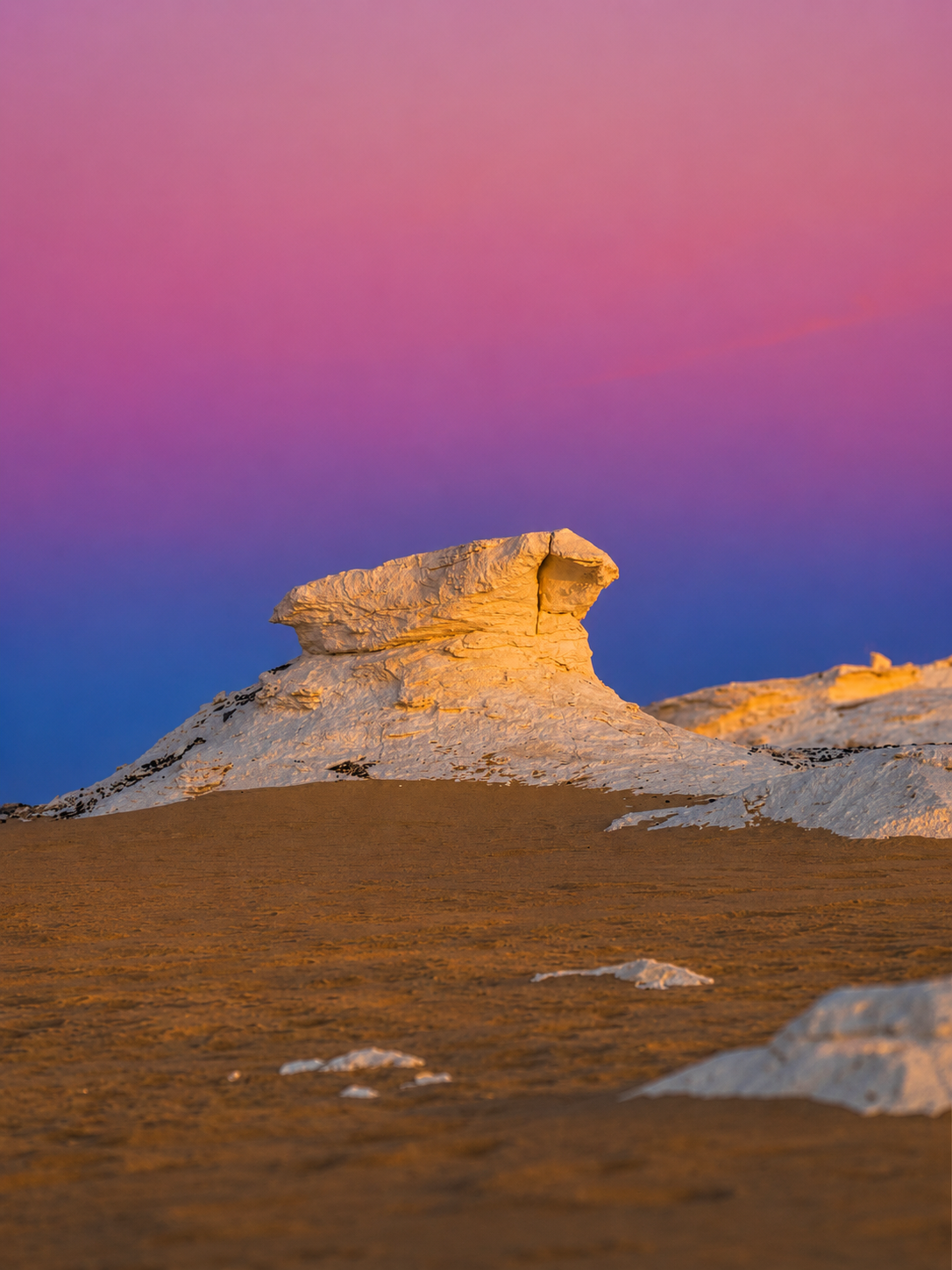
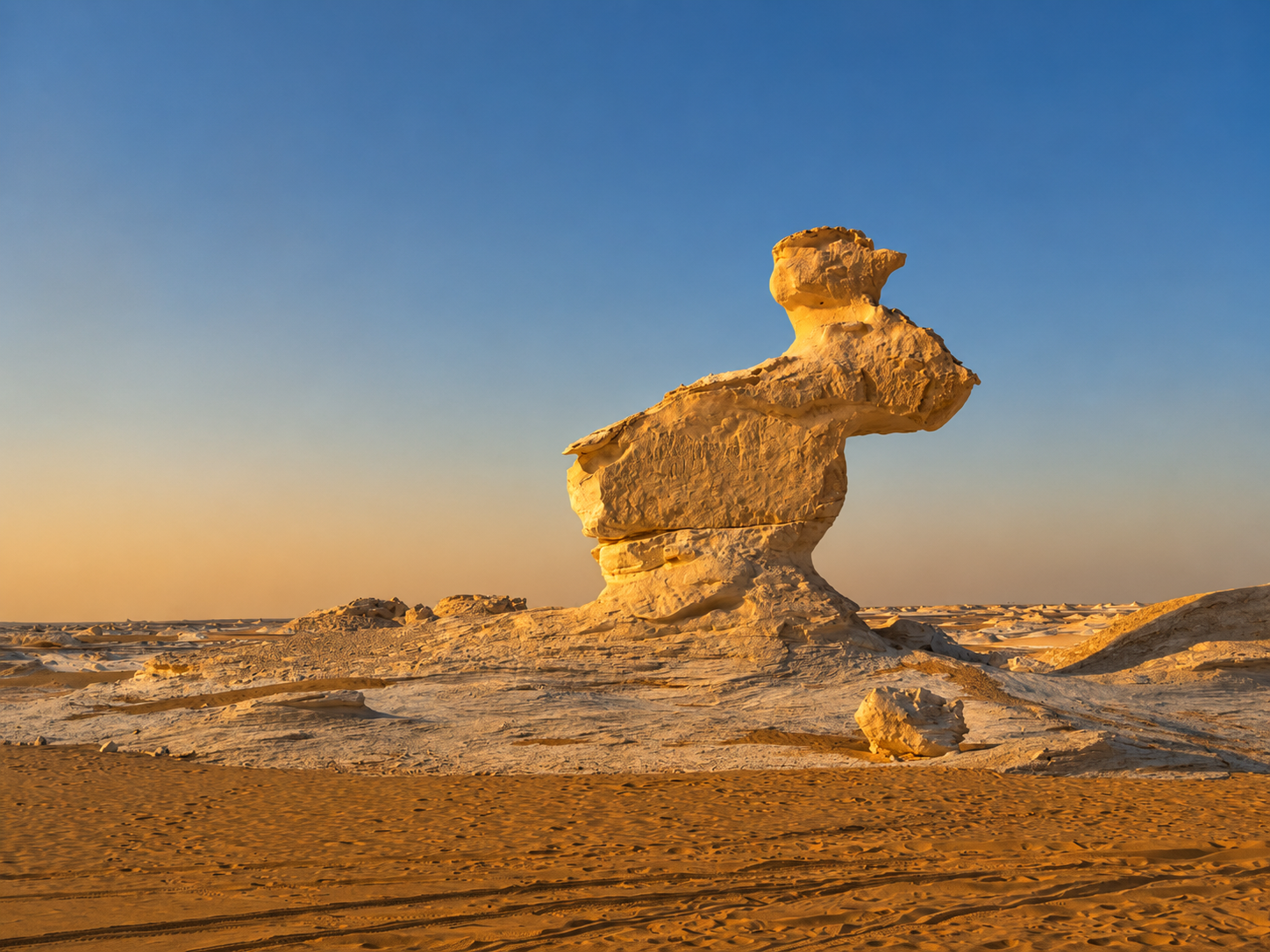
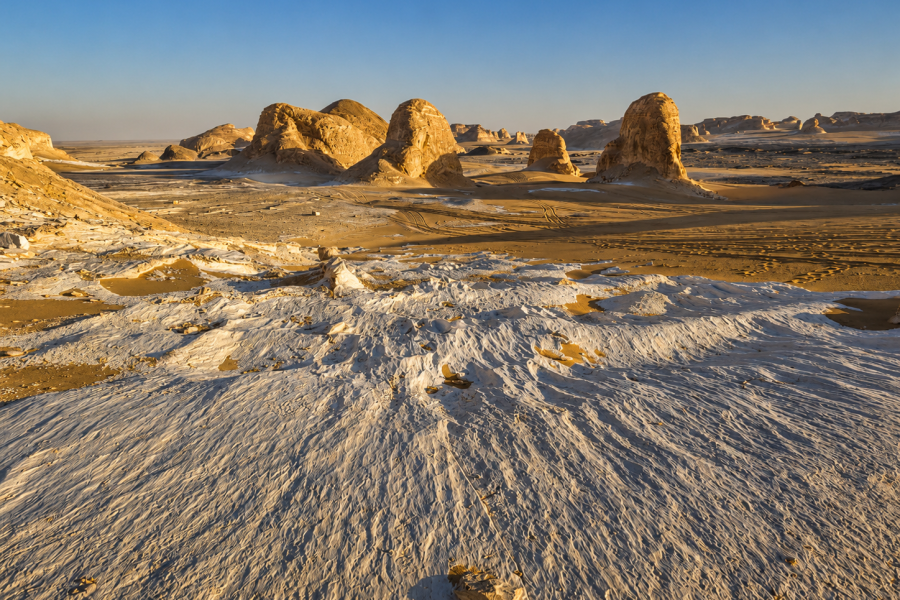
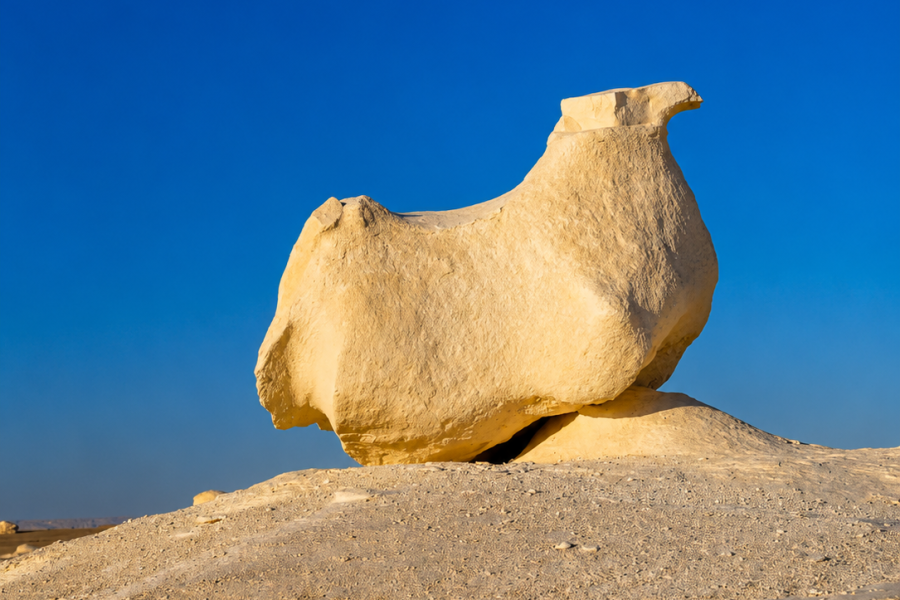
Agabat Valley Egypt is one of the most dramatic landscapes on the classic White Desert safari route, known for golden sand, sweeping dunes, pale cliffs and isolated rock formations rising from the Western Desert. Most travelers visit Agabat as part of a journey from Cairo through Bahariya Oasis, the Black Desert and Crystal Mountain before continuing toward the White Desert for sunset and overnight camping.

A typical route is:

Cairo → Bahariya Oasis → Black Desert → Crystal Mountain → Agabat Valley → White Desert → overnight camp.

Agabat—also frequently written Aqabat—is not simply a quick stop between two better-known attractions.

For many travelers and photographers, it is one of the most impressive parts of the entire White Desert Egypt journey.

Egypt’s official tourism portal describes Aqabat Valley as famous for its soft golden sand, beautiful dunes and signature white cliffs. It also notes that seashells can occasionally be found in the area because the landscape preserves evidence associated with an ancient riverbed.

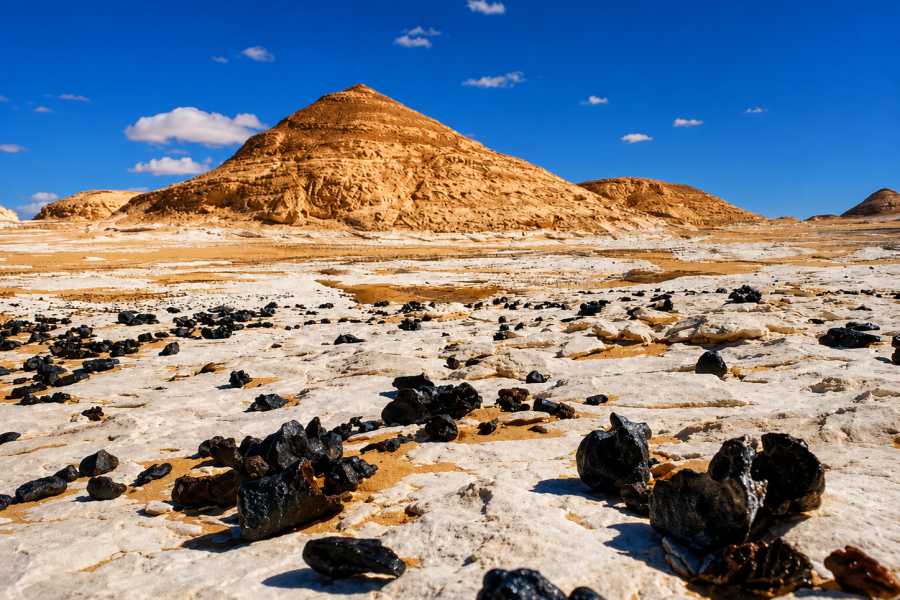
The result is a landscape that feels very different from both the dark hills of the Black Desert and the famous mushroom-shaped chalk formations farther inside the White Desert.

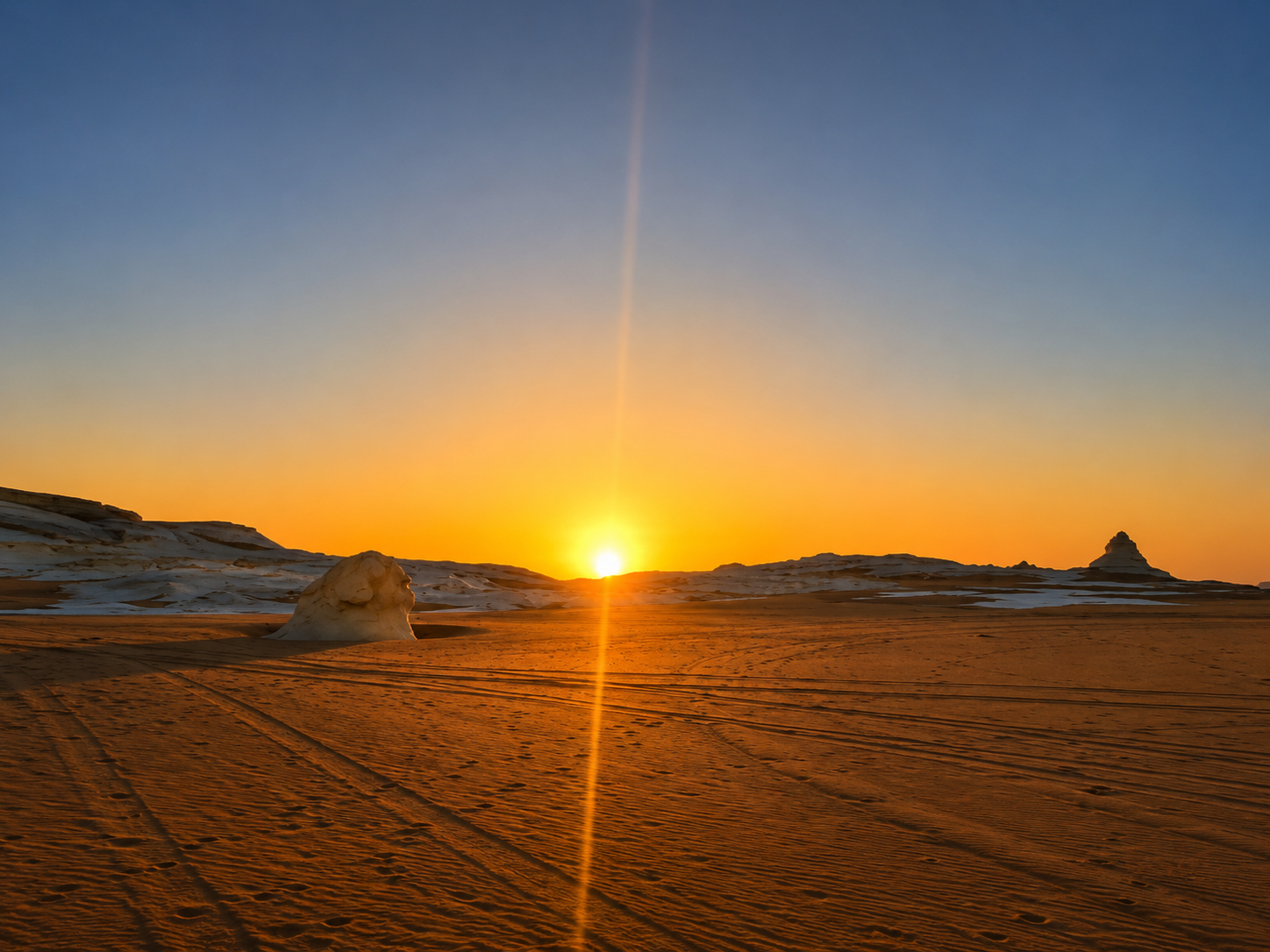
Agabat is where golden sand and pale rock meet on a much larger scale.

And that contrast is exactly what makes it special.

Where Is Agabat Valley in Egypt?

Agabat Valley lies in Egypt’s Western Desert within the wider Bahariya–Farafra and White Desert safari region.

It is commonly visited while traveling between Bahariya-Oase und die Weiße Wüste.

For travelers approaching from Cairo, Bahariya normally acts as the gateway.

Bahariya lies approximately 370 km southwest of Cairo and is the closest major Western Desert oasis to the capital.

After reaching Bahariya, the journey continues by suitable 4×4 through a sequence of changing landscapes.

A common route is:

Bahariya → Black Desert → Gabal El Marsos → El Hez → Crystal Mountain → Agabat → White Desert.

You can see how the entire journey fits together in our White Desert Egypt Map & Route Guide.

Agabat or Aqabat: Which Spelling Is Correct?

You will see several English spellings online.

The most common include:

Agabat-Tal

und

Aqabat Valley.

Egypt’s official tourism portal currently uses Aqabat Valley.

Travel companies, photographers and guides may use Agabat, Aqabat or El Agabat.

They generally refer to the same Western Desert landscape.

For travelers, the spelling is much less important than understanding where the area fits into the safari route.

On this guide, we use Agabat-Tal because it is commonly searched internationally, while also recognizing Aqabat as an alternative spelling.

What Makes Agabat Valley Special?

The first thing you notice is scale.

Agabat is not a compact attraction where everyone gathers around one recognizable rock.

The scenery spreads across a much larger desert environment.

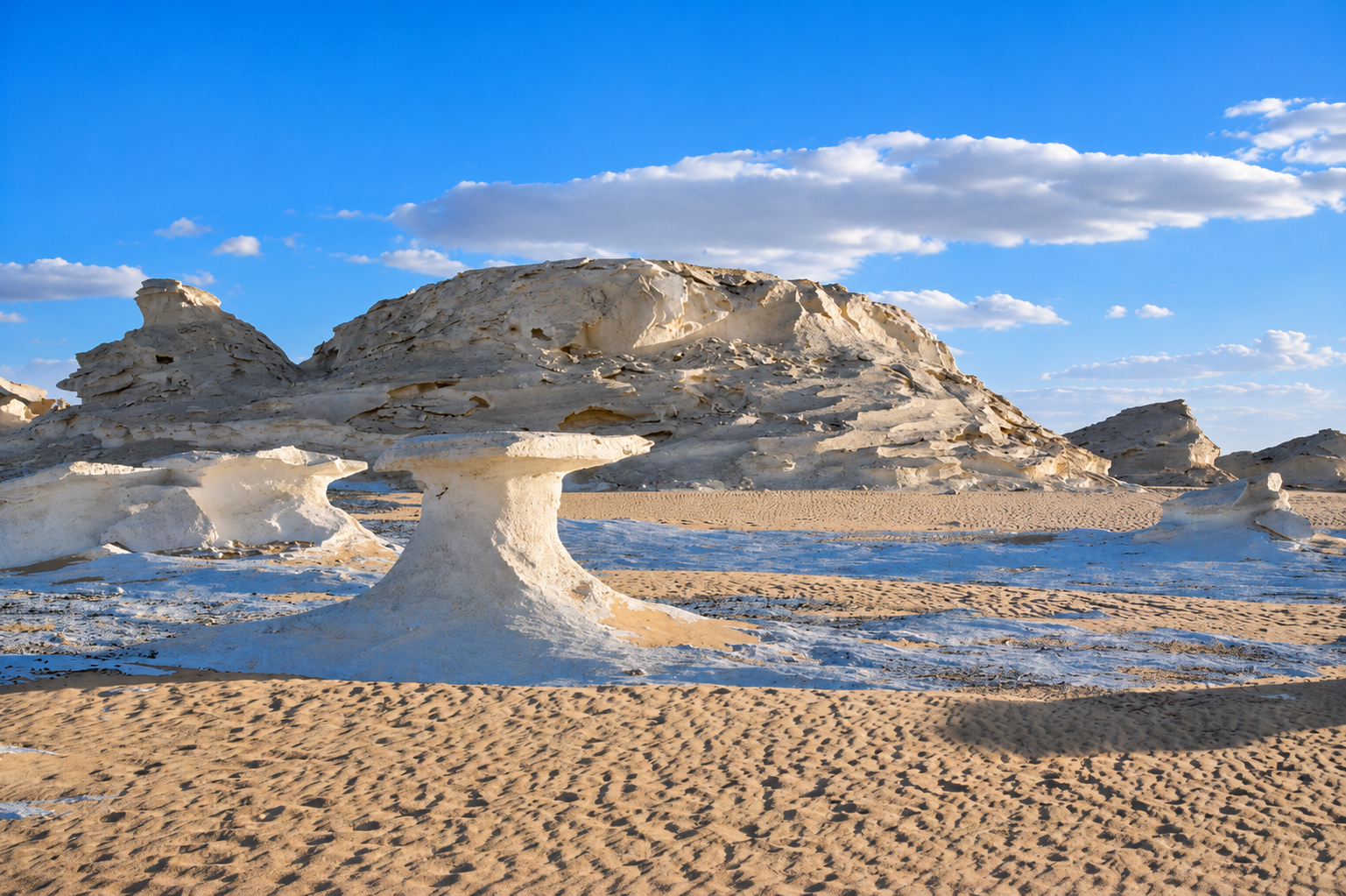
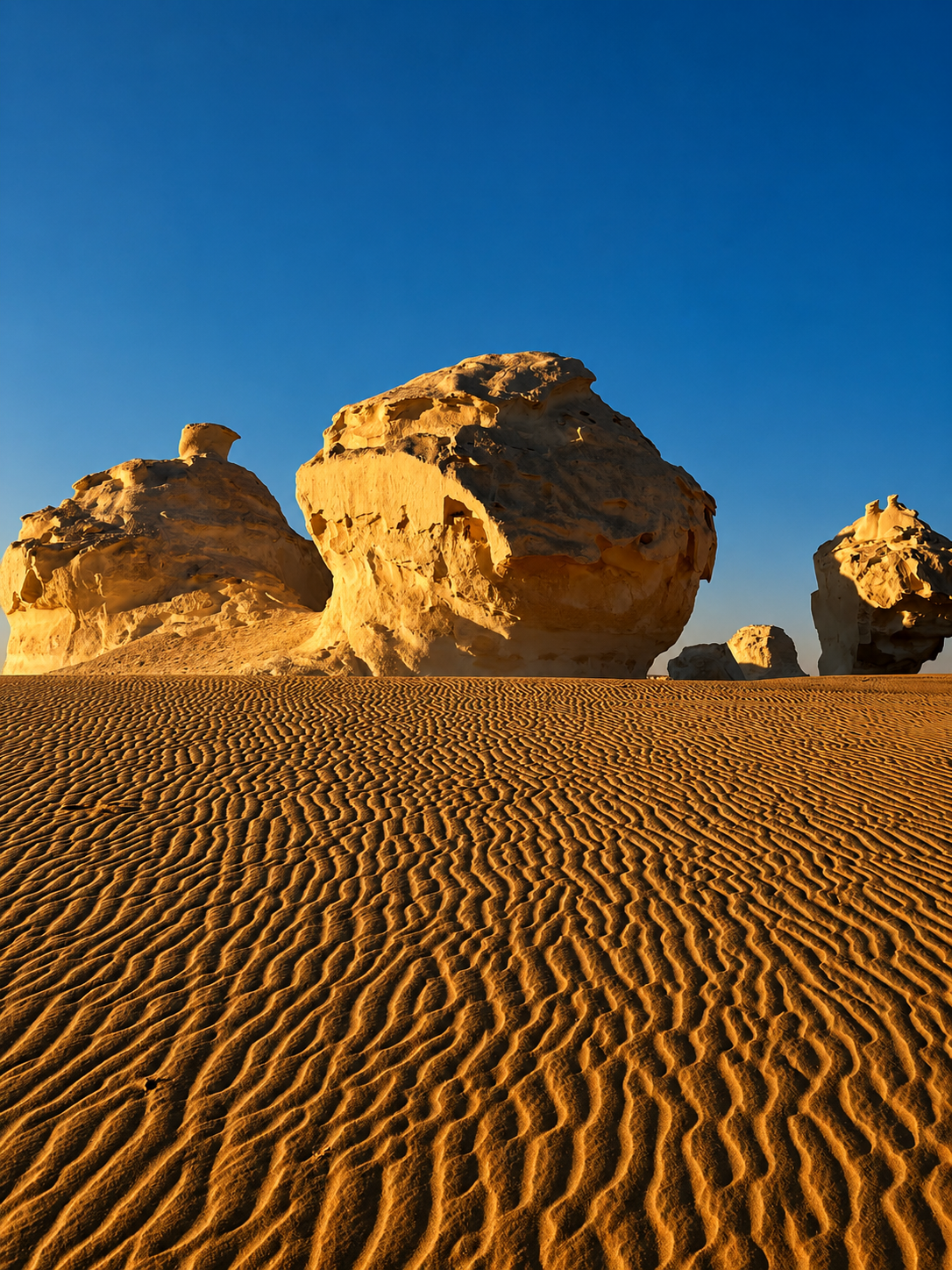
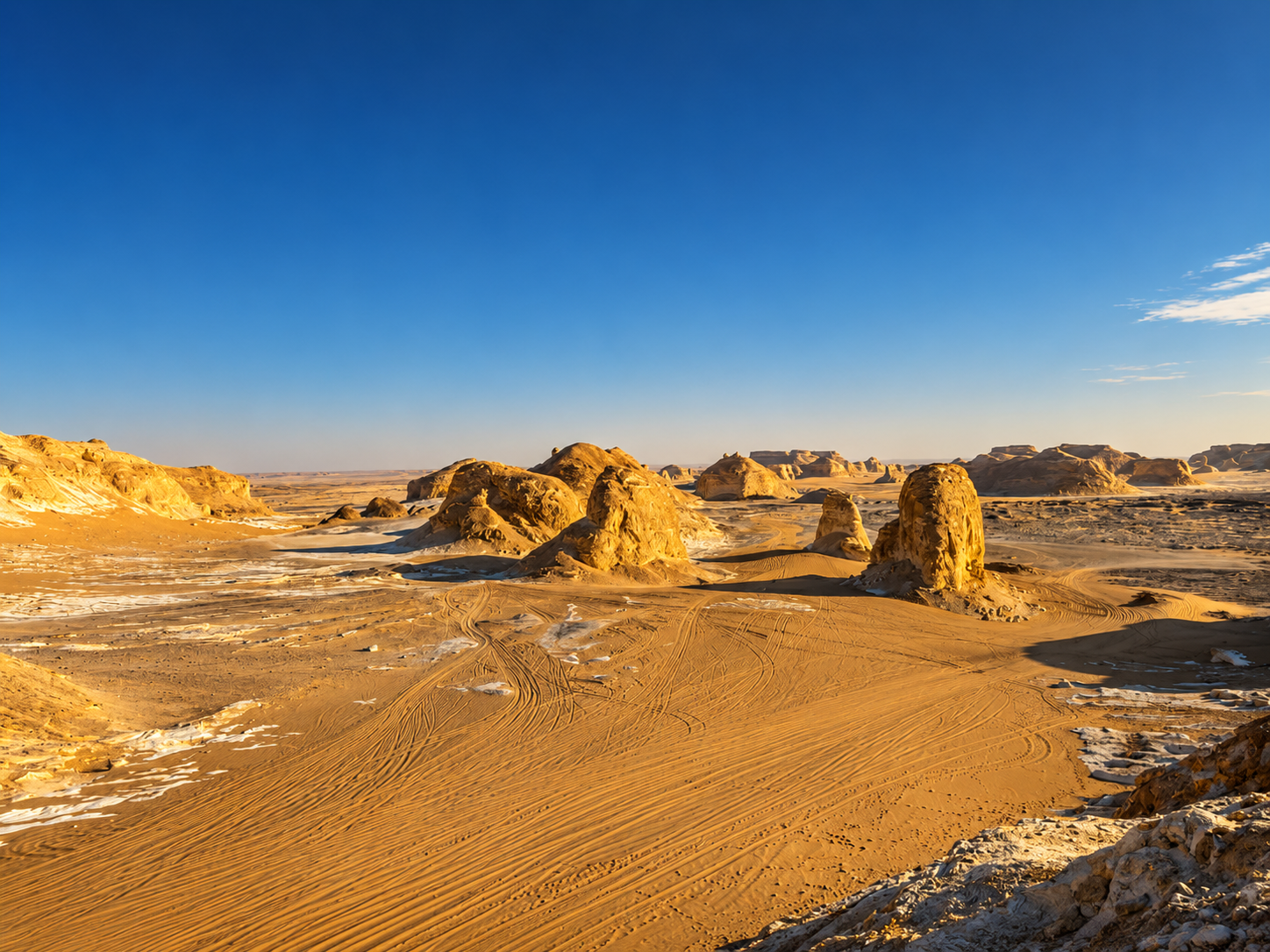
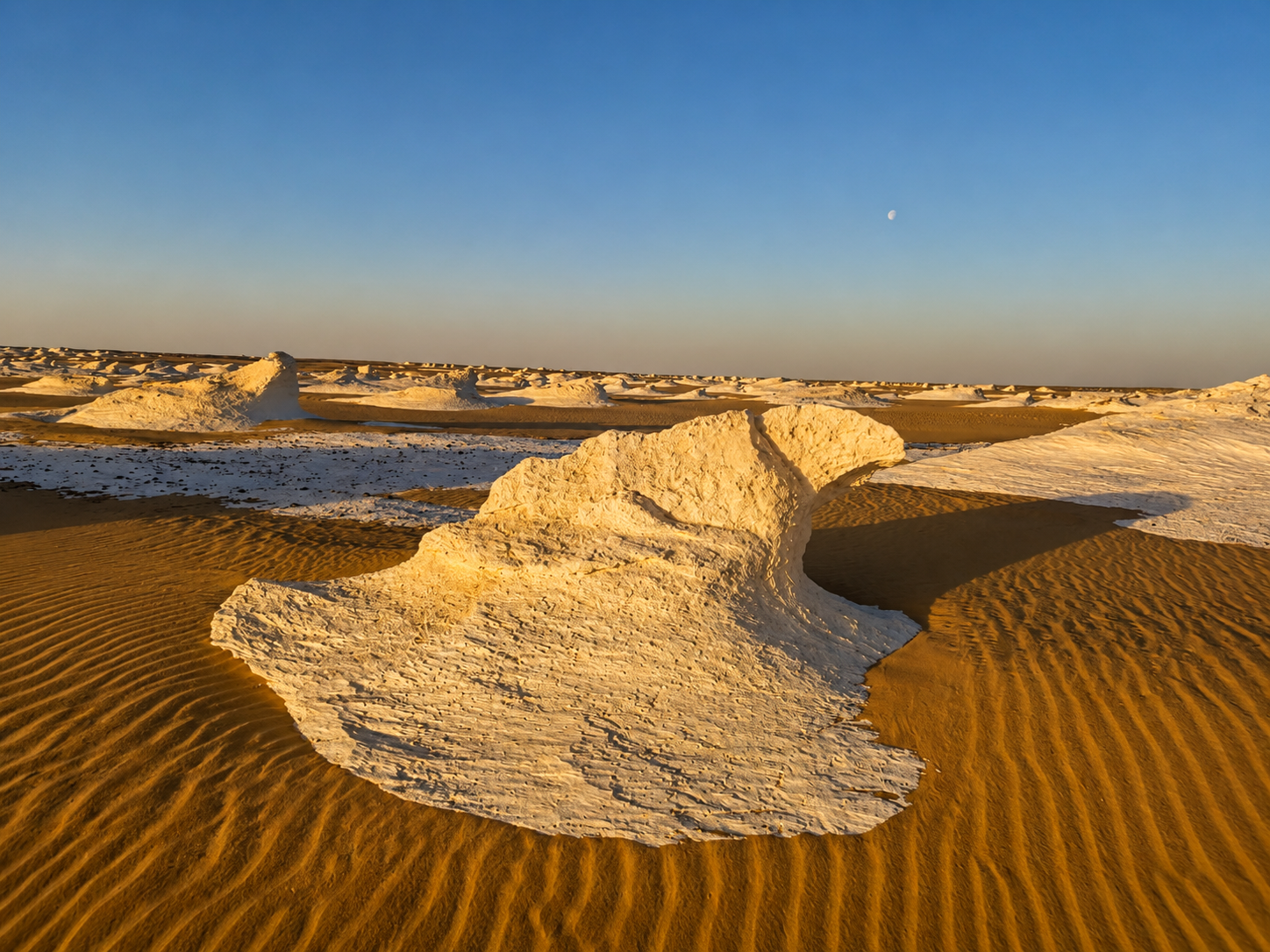
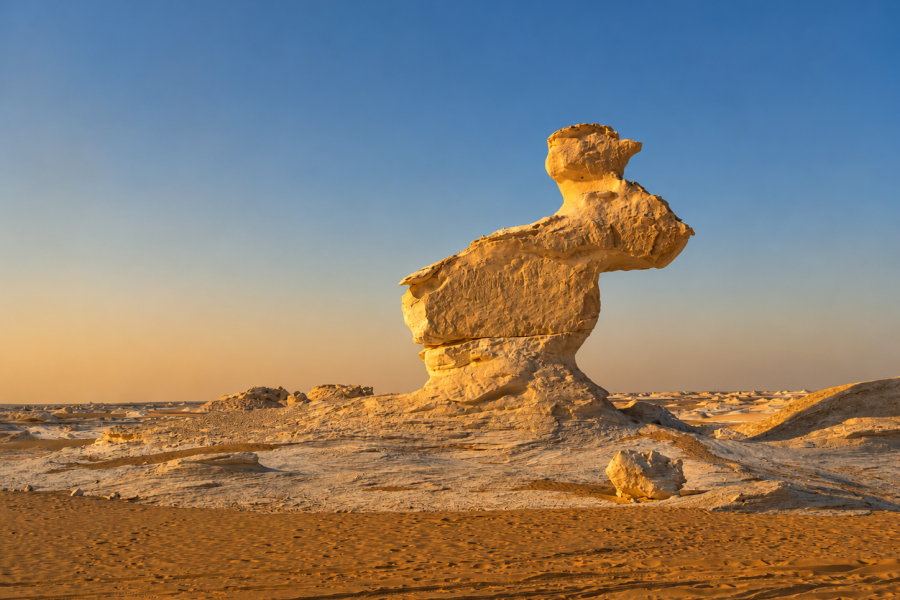
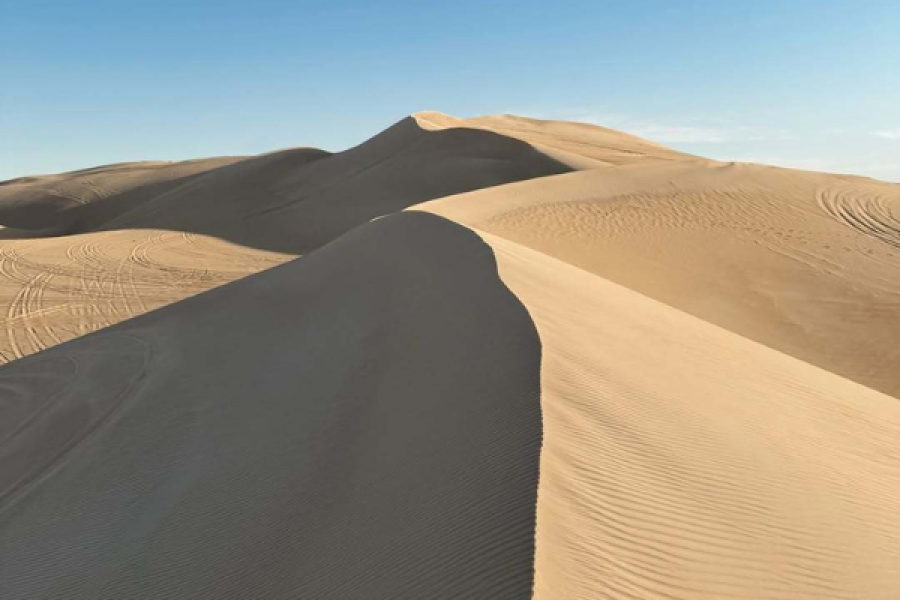
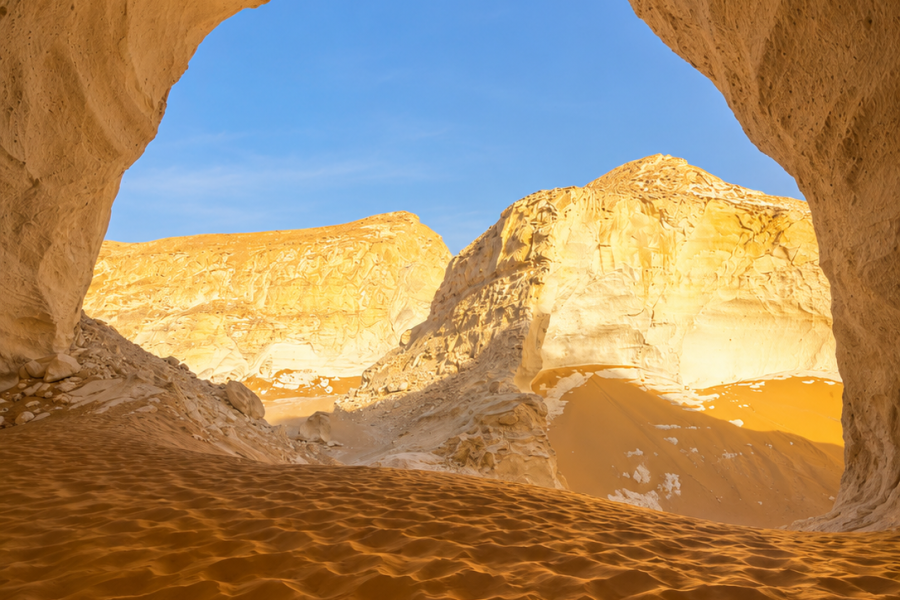
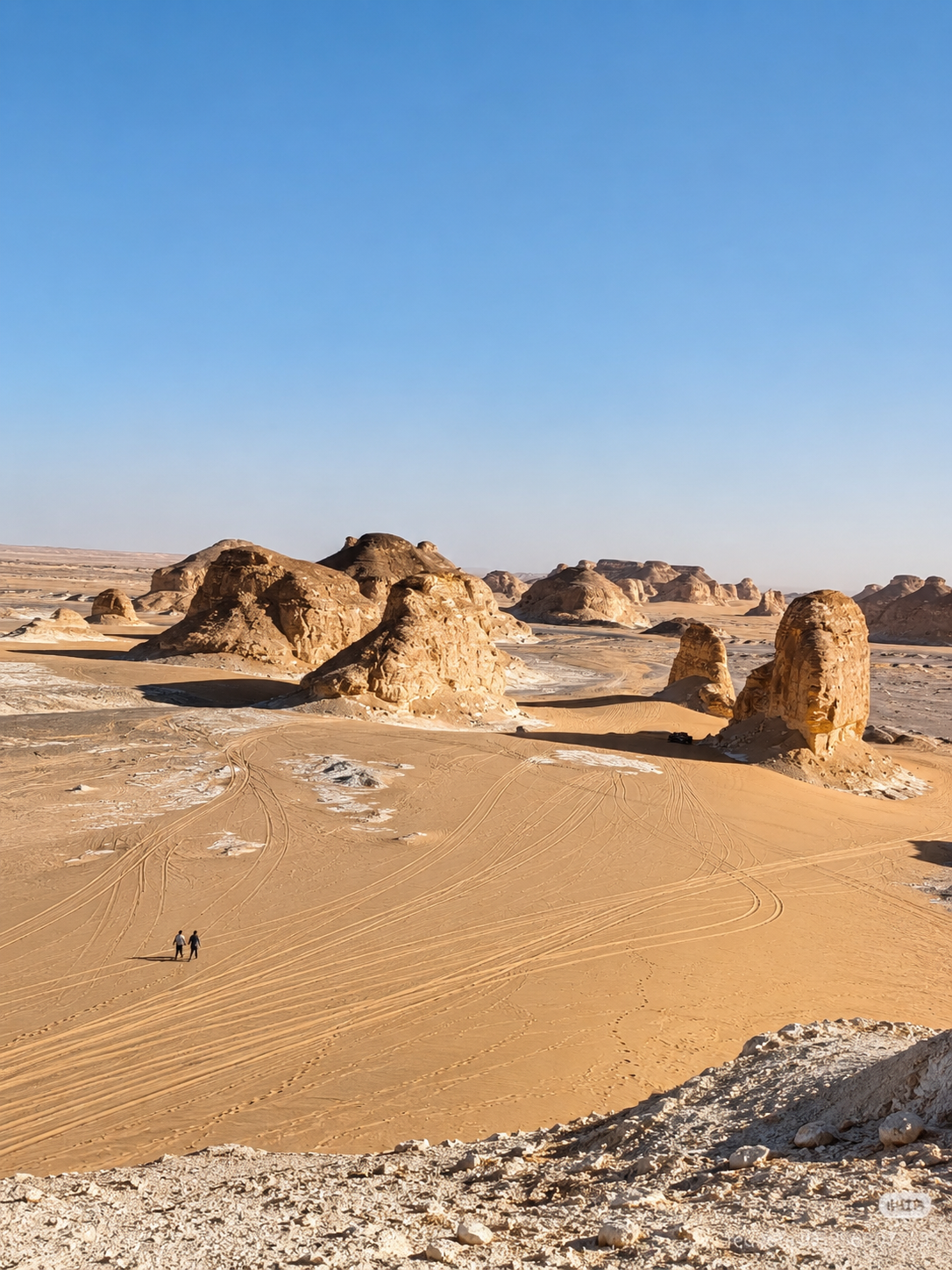
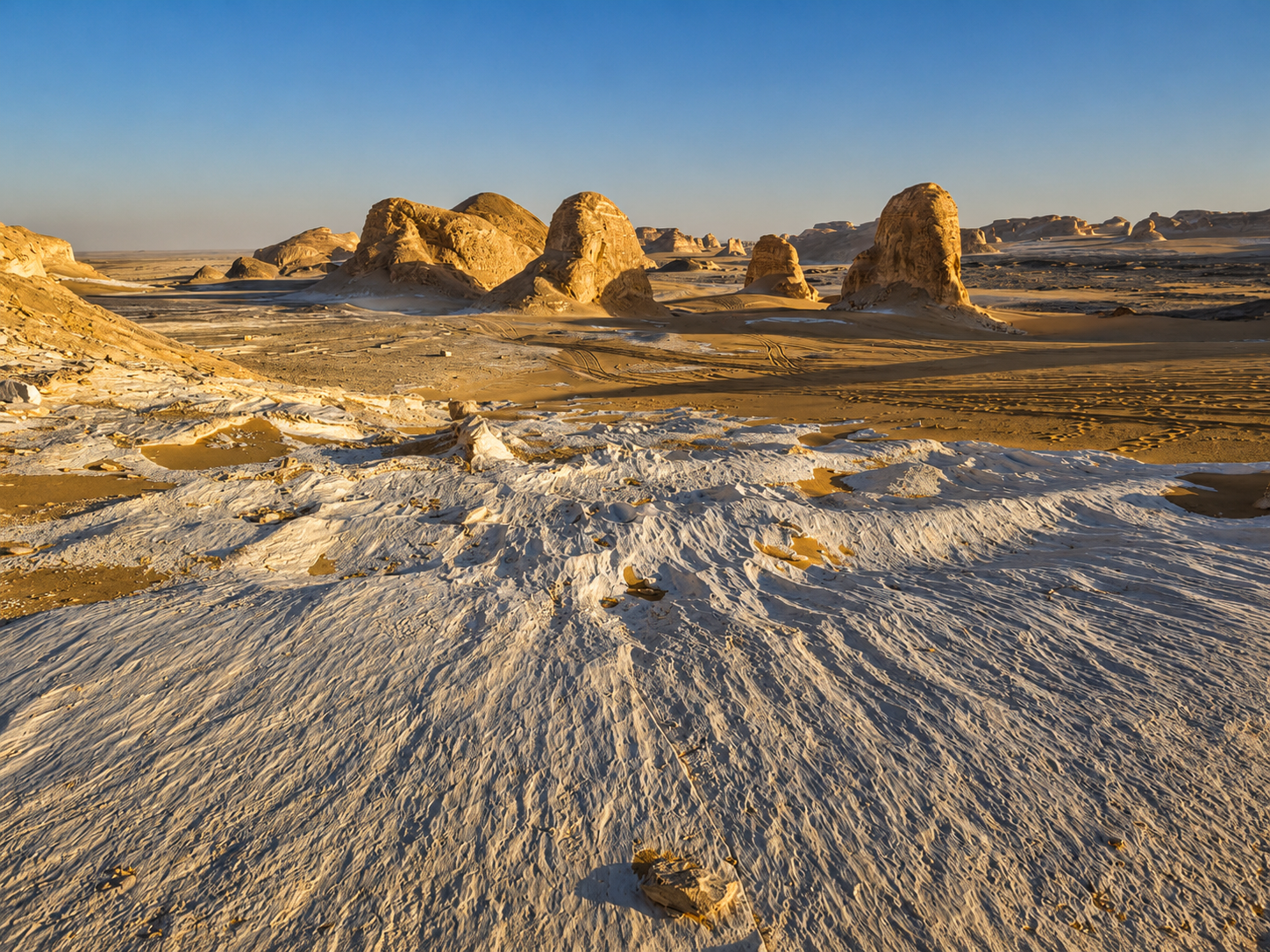
Golden sand fills broad spaces between pale cliffs and isolated formations.

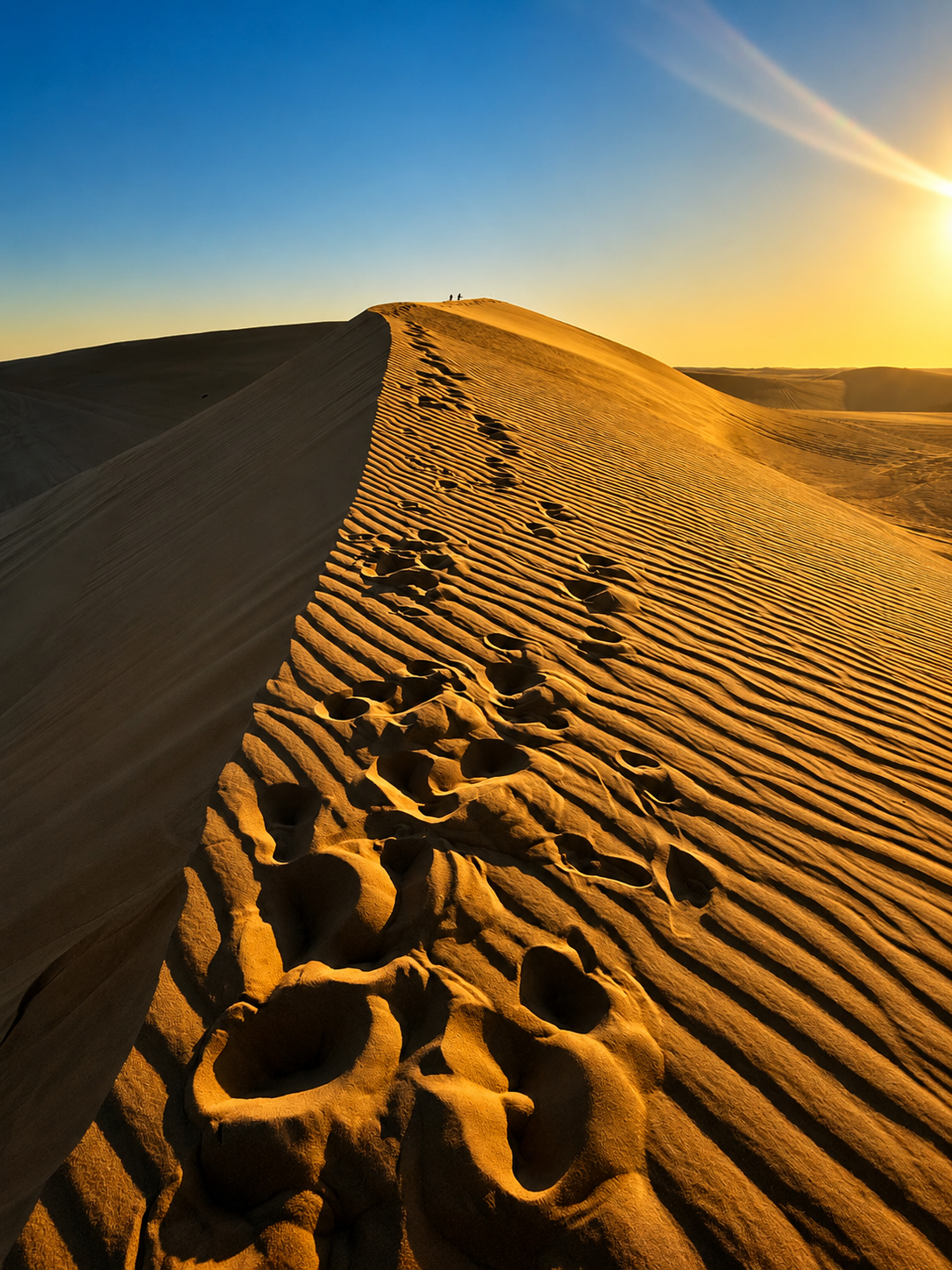
Dunes rise across parts of the landscape.

Rock towers, escarpments and eroded hills create layers stretching toward the horizon.

The official Egyptian tourism portal highlights three features in particular:

soft golden sand, beautiful dunes and white cliffs.

That combination gives Agabat a completely different visual identity from nearby destinations.

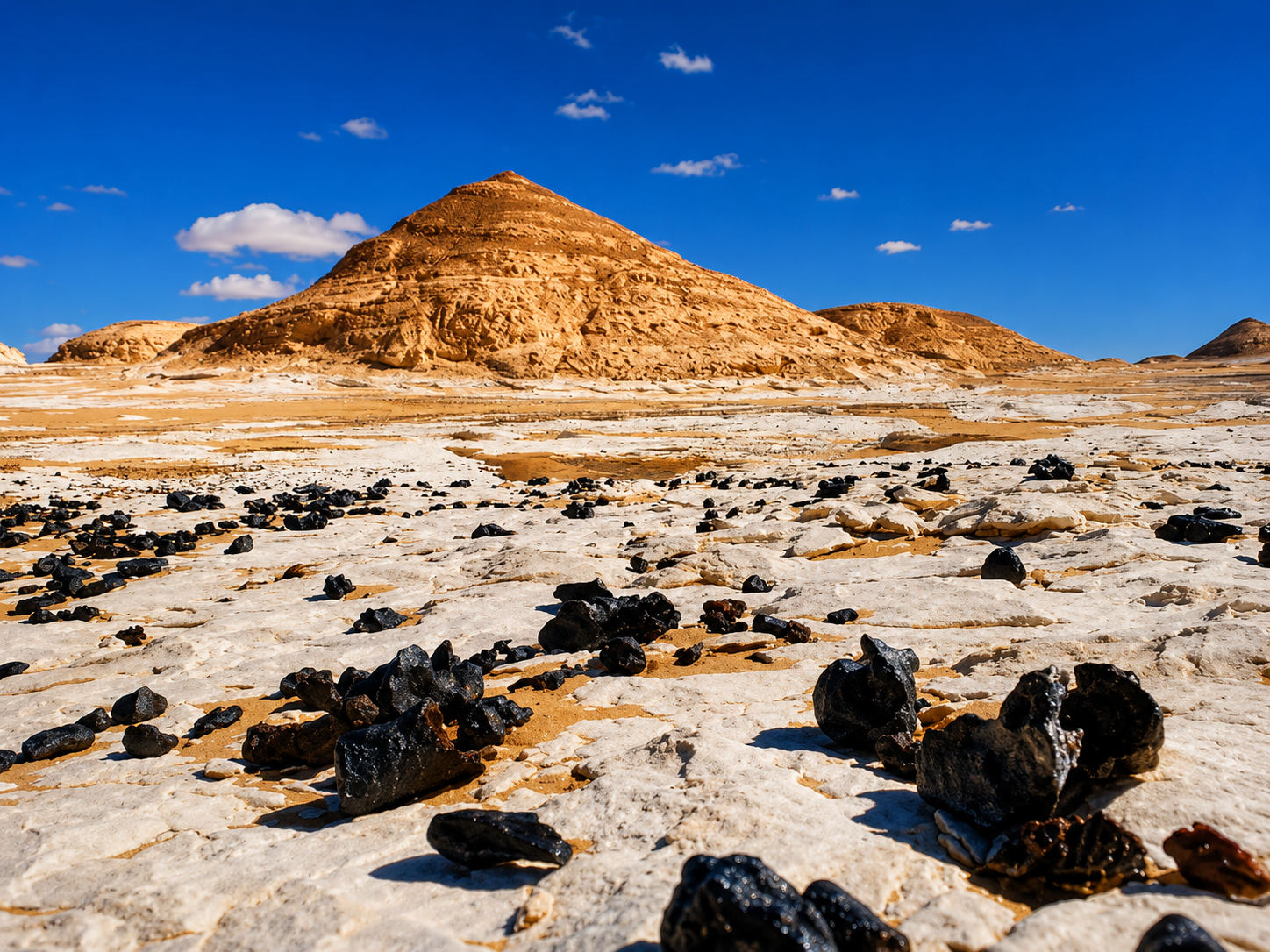
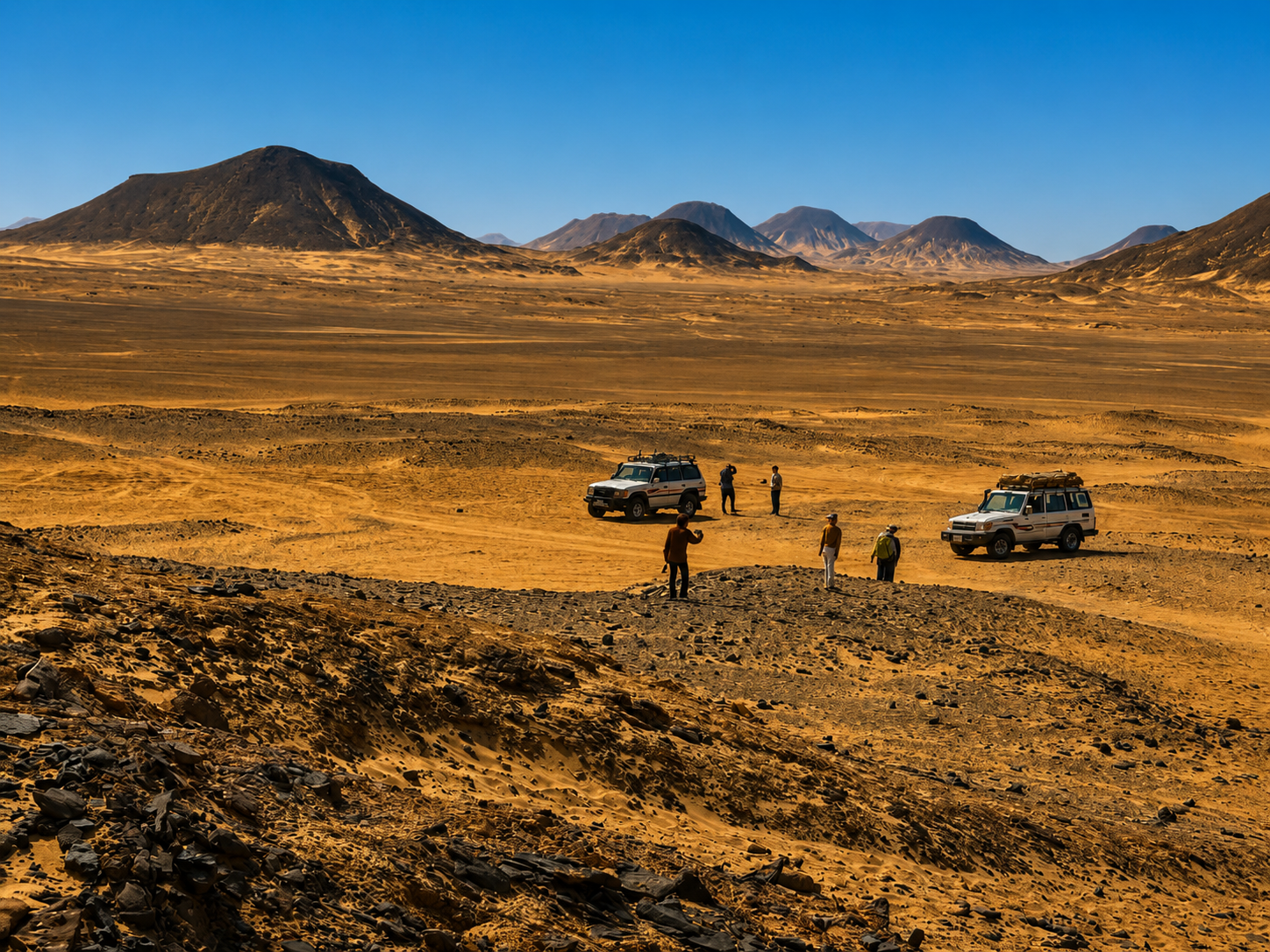
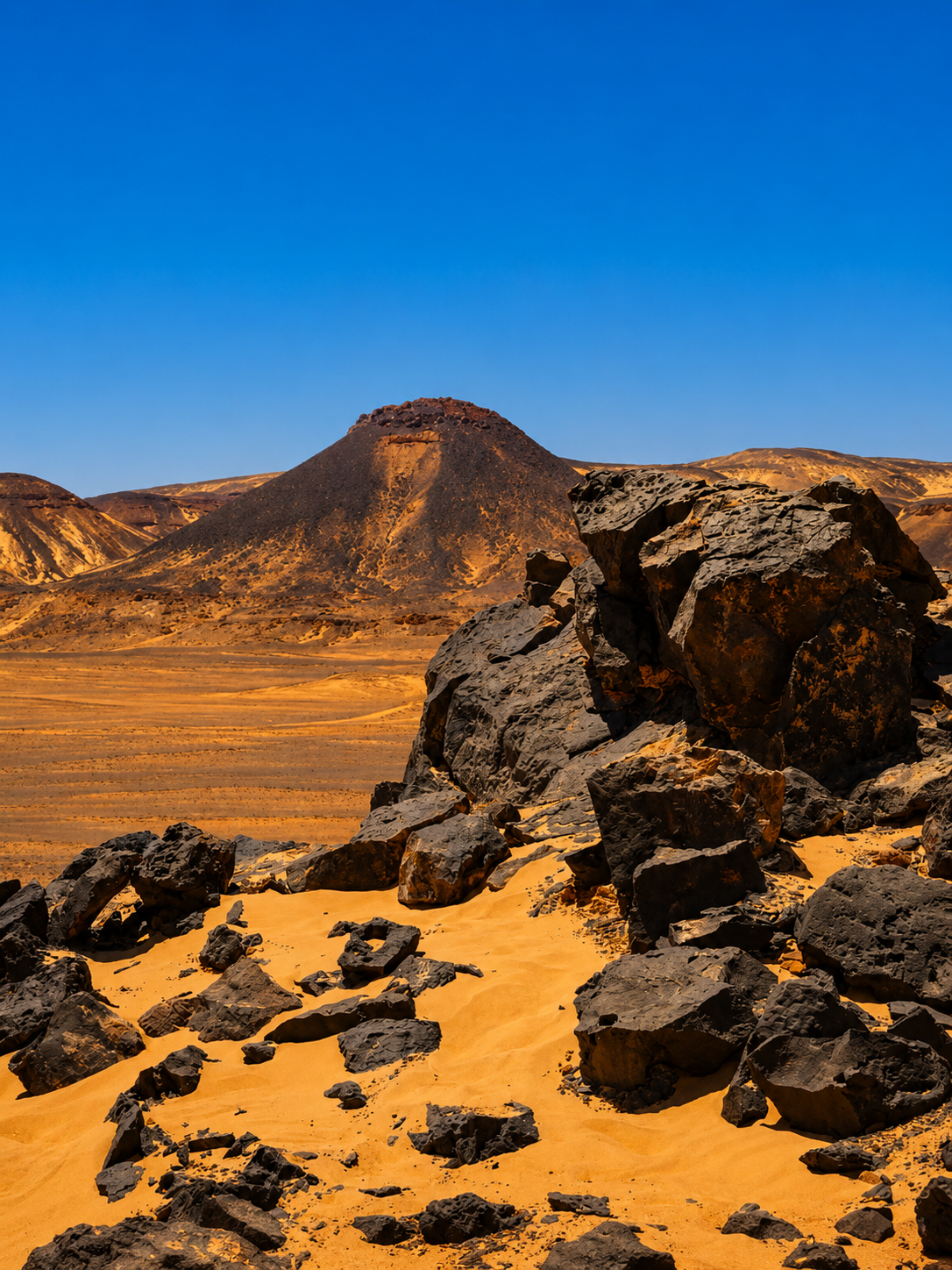
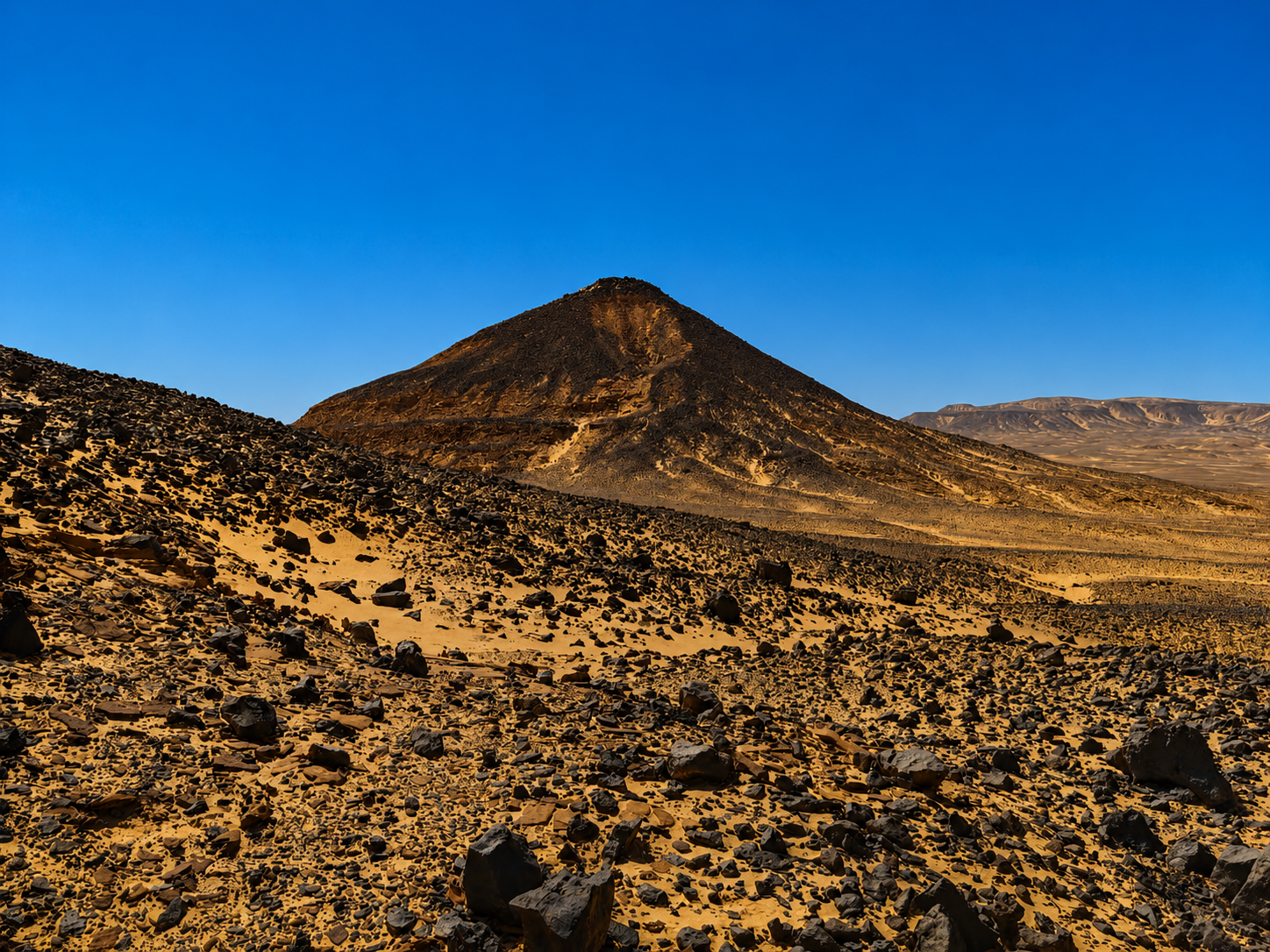
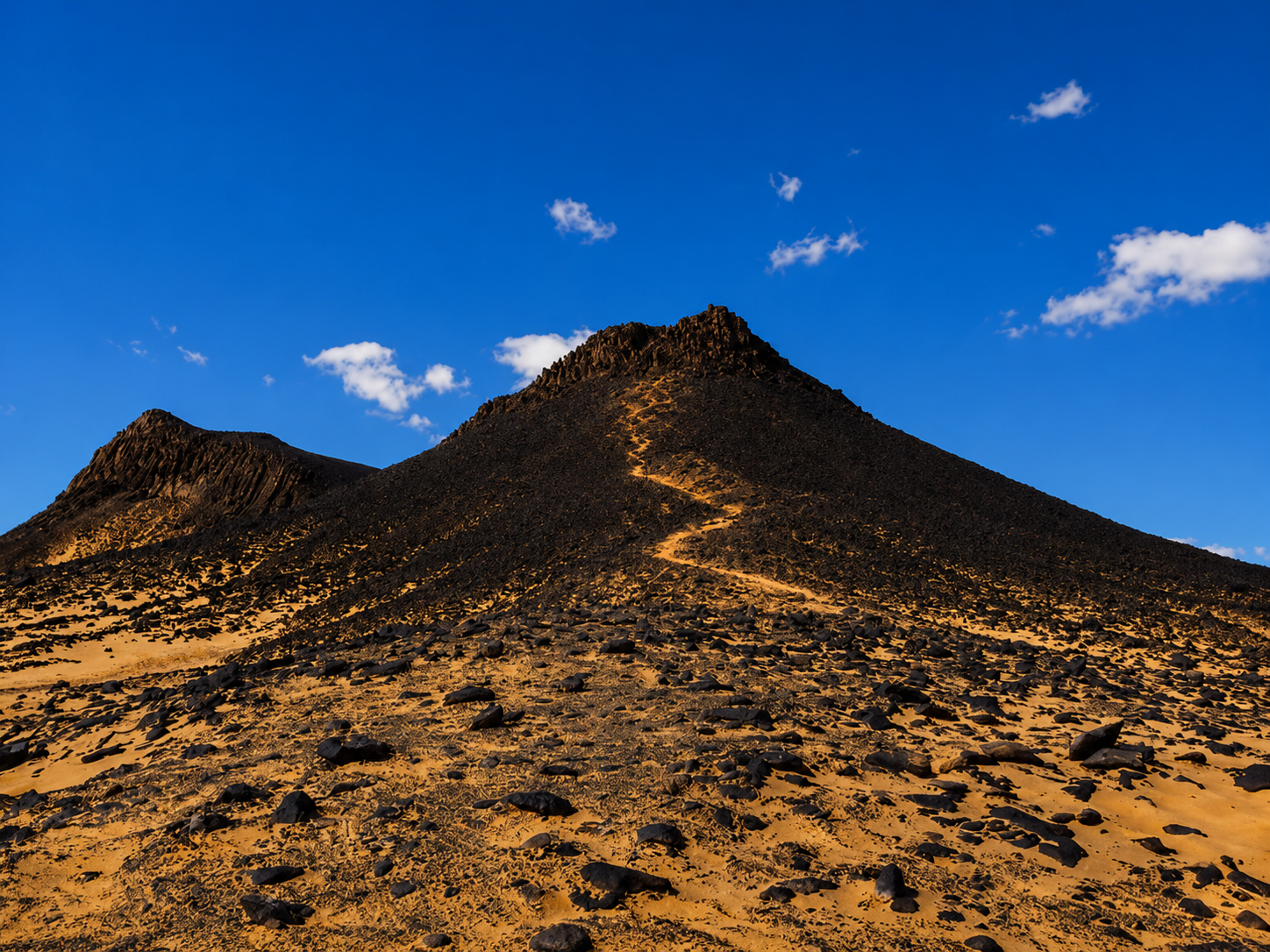
The Schwarze Wüste is darker and rougher.

Kristallberg is a concentrated geological feature.

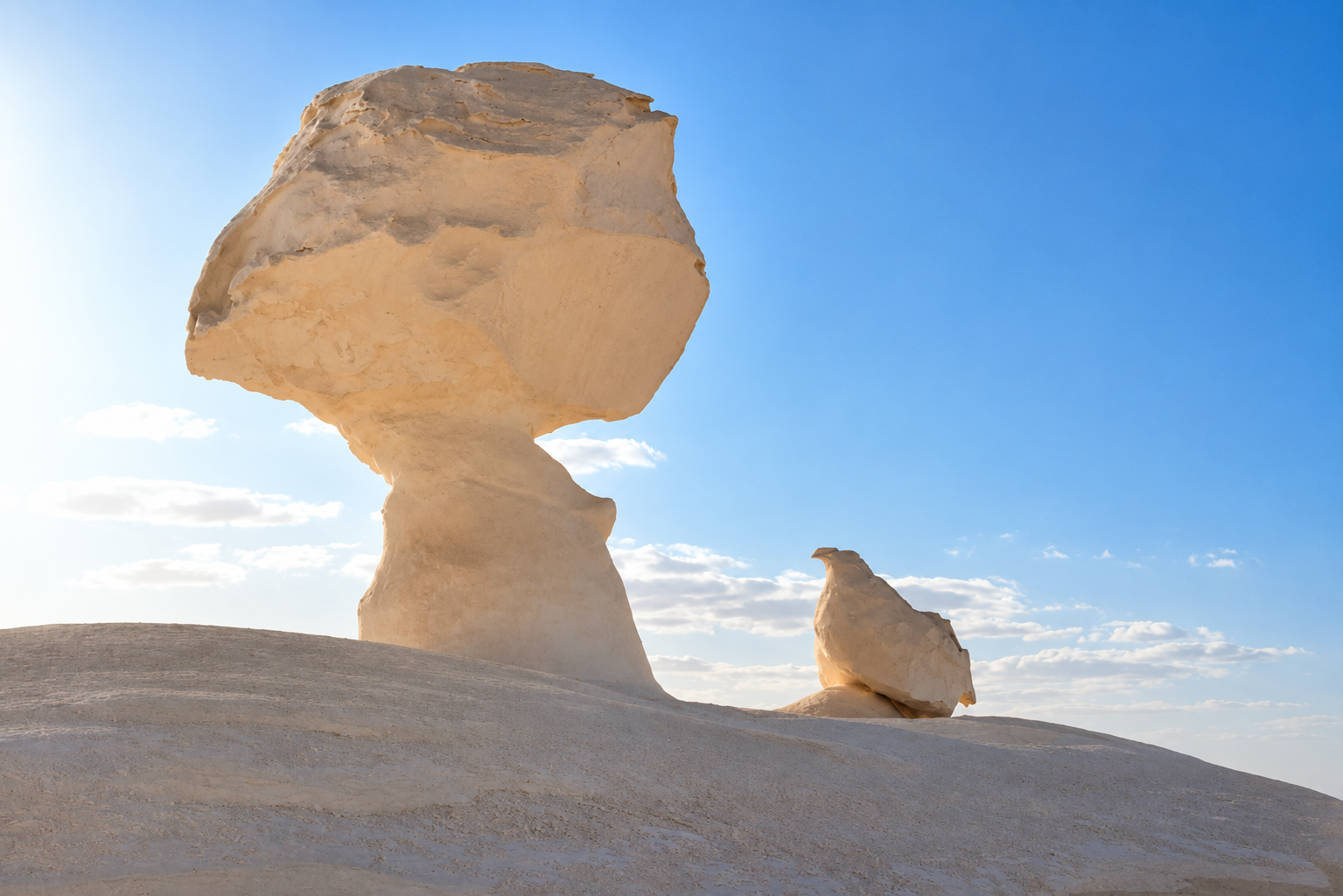
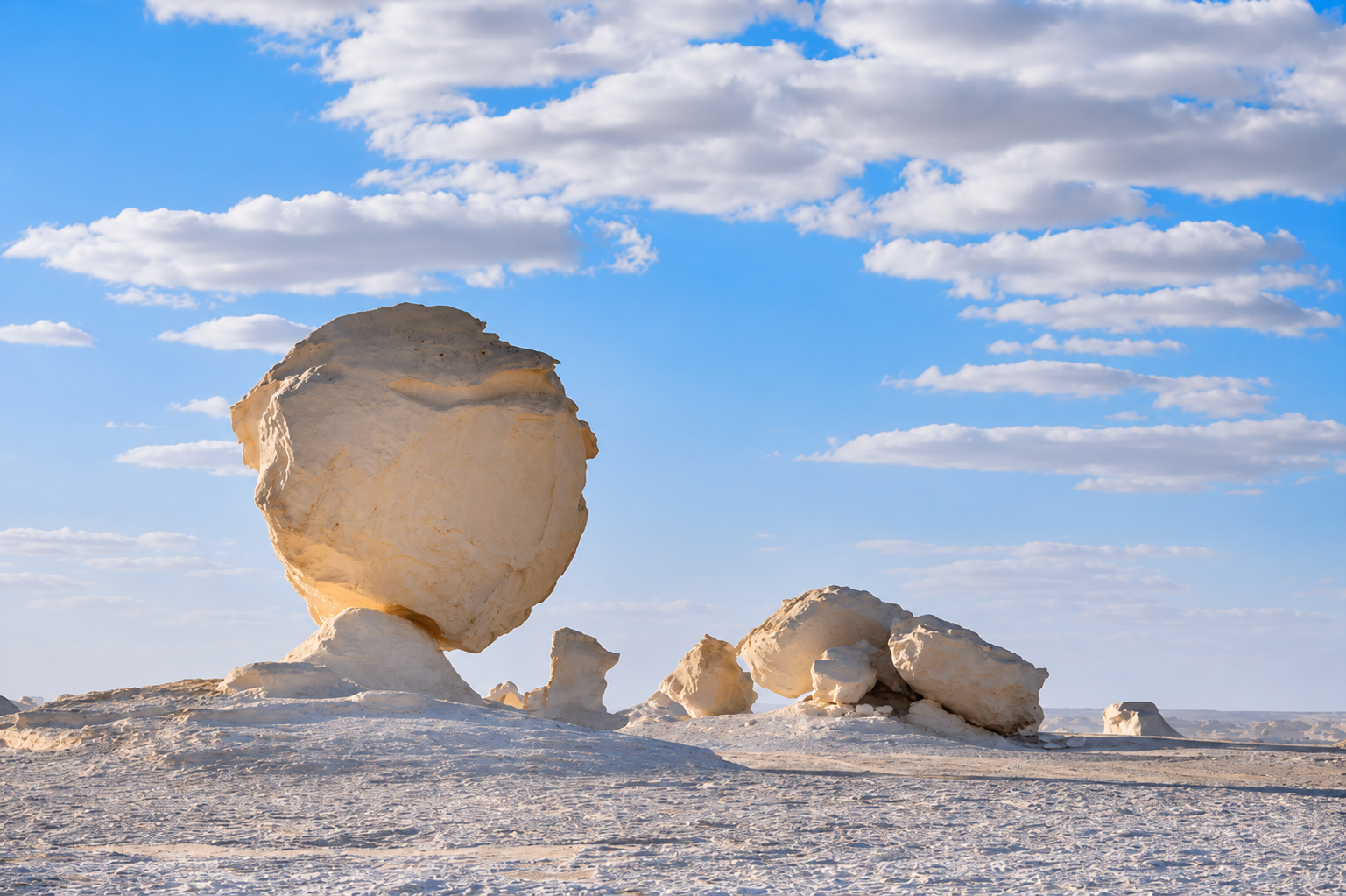
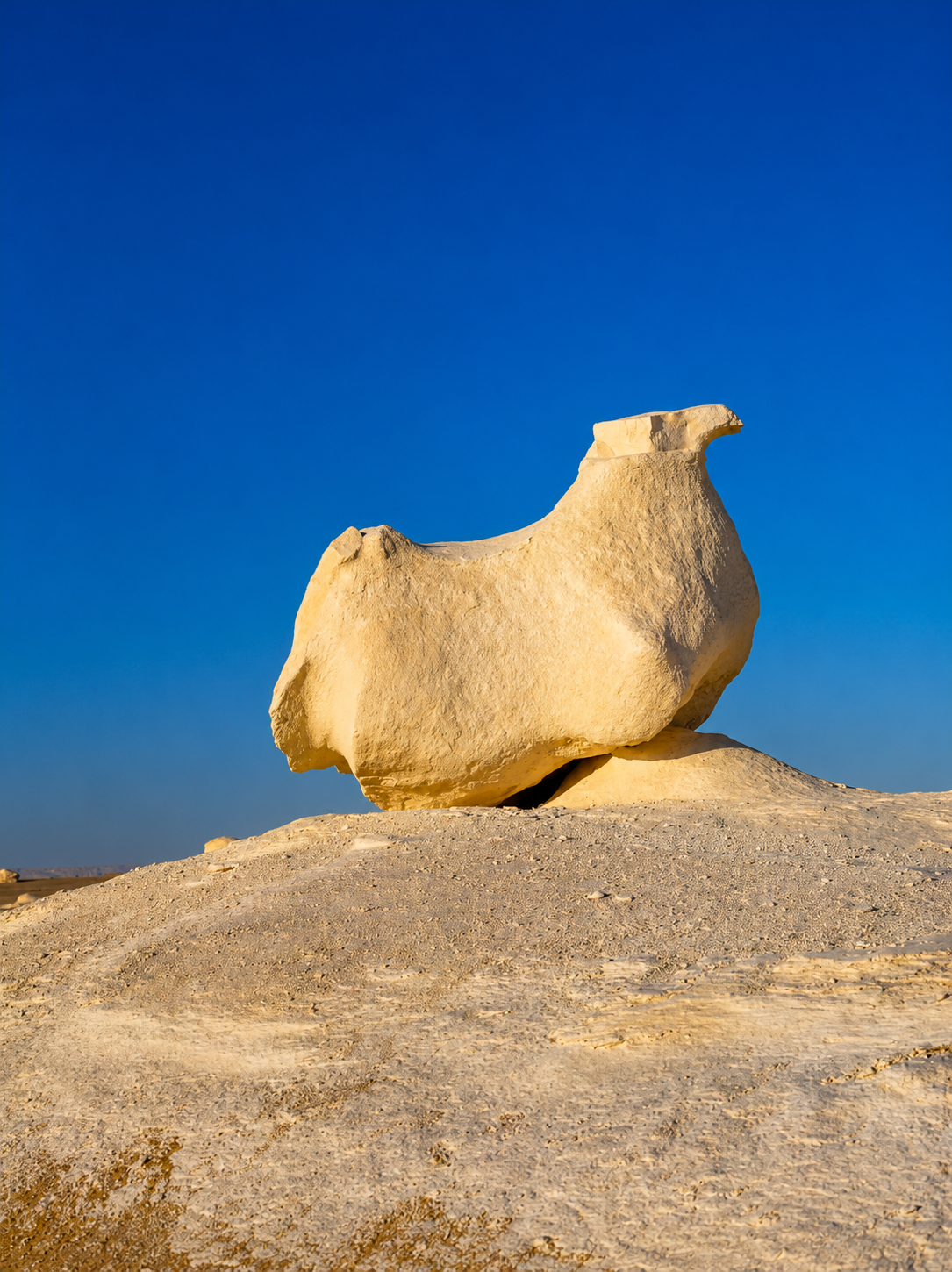
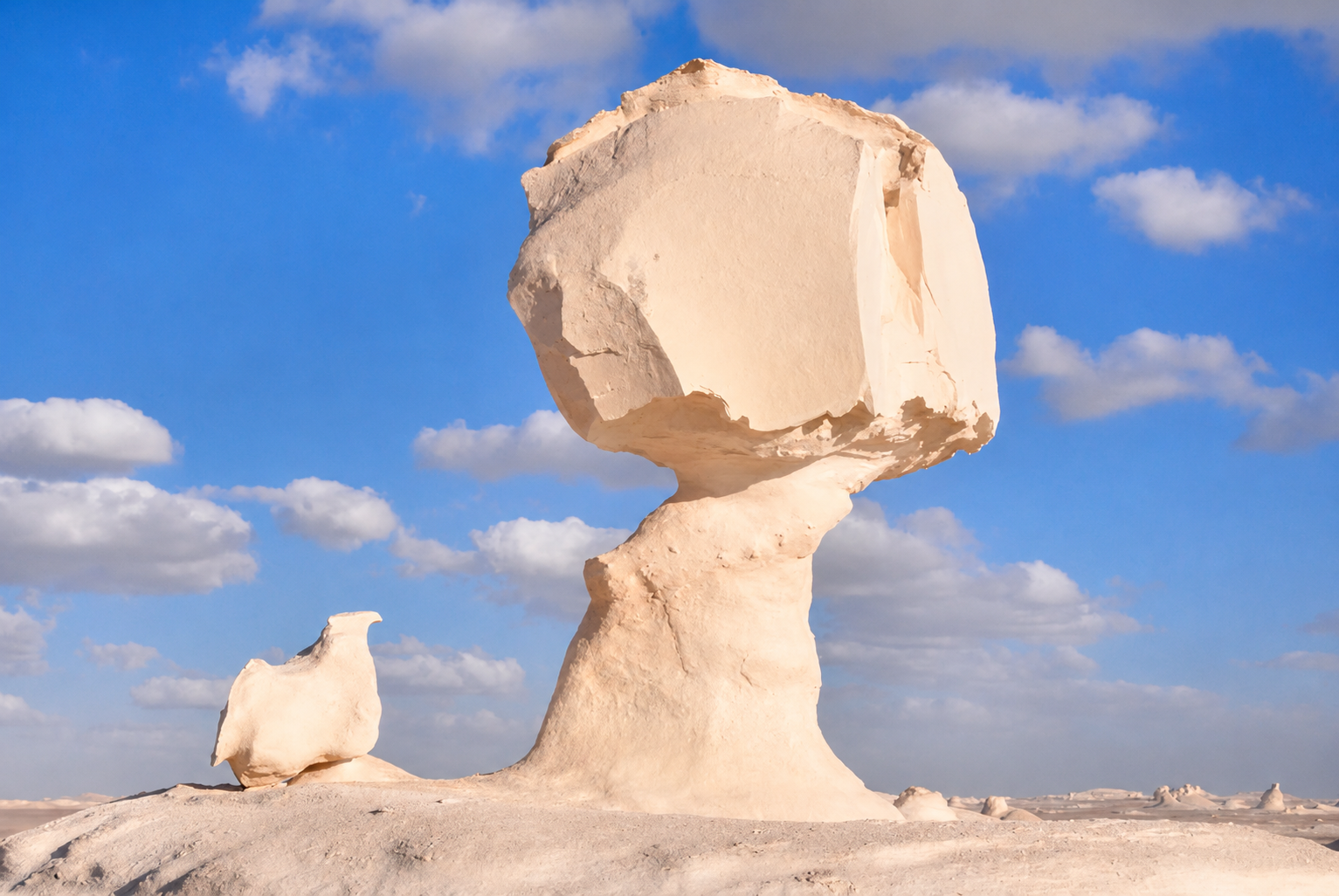
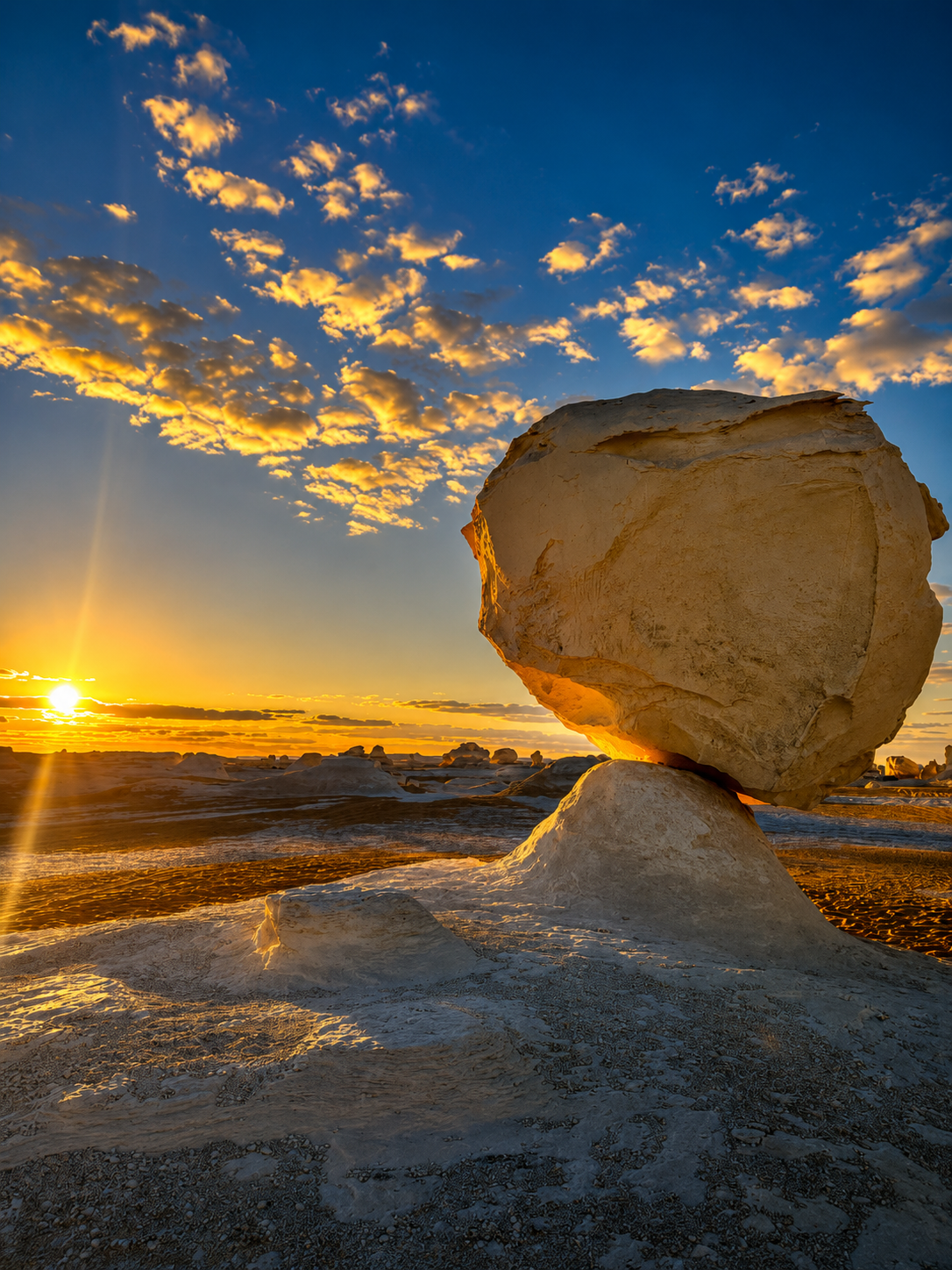
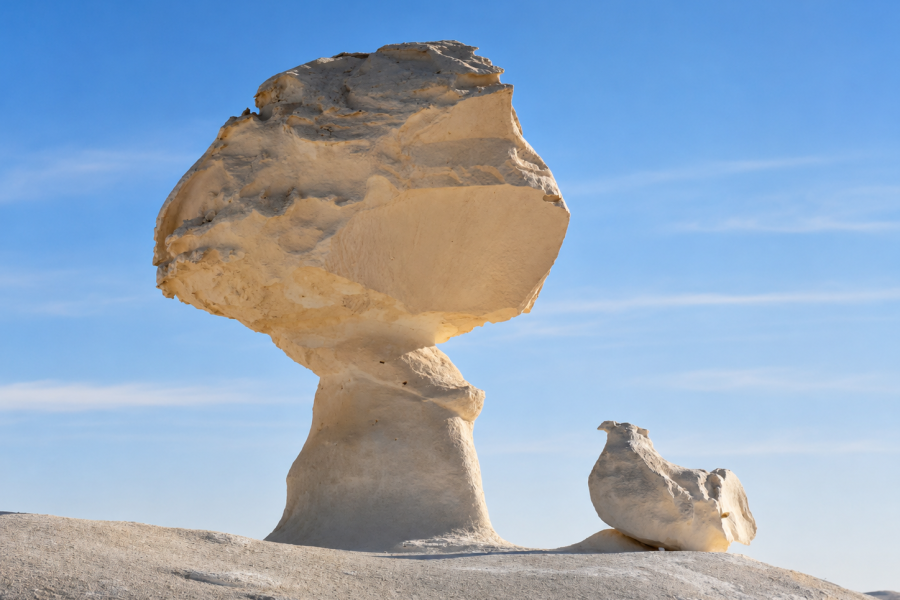
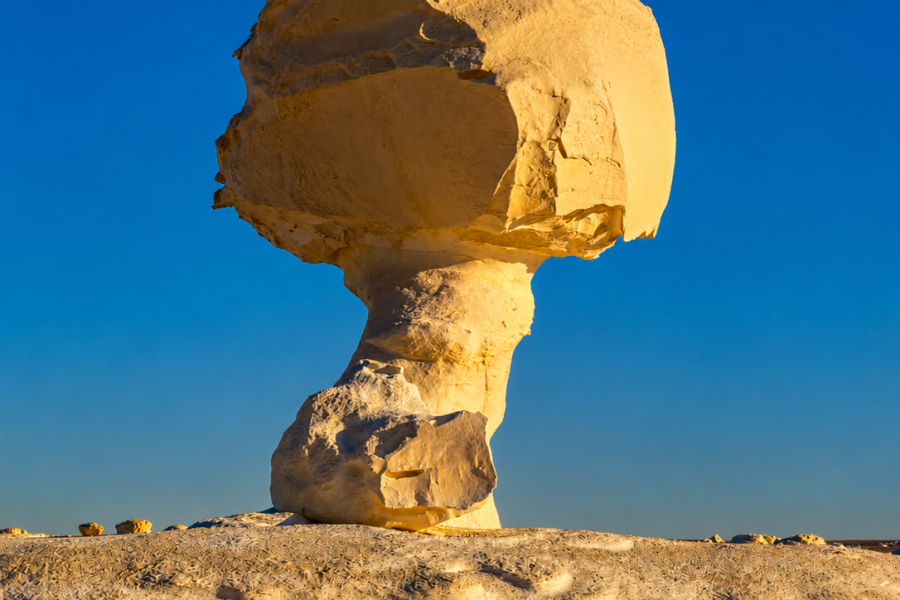
The White Desert is famous for bright chalk formations and natural sculptures.

Agabat feels wider.

More open.

More cinematic.

Is Agabat Valley Part of the White Desert?

Agabat is part of the wider landscape and safari circuit associated with the White Desert region.

Travelers often use “White Desert tour” as an umbrella term for the entire journey from Bahariya through several different landscapes.

This can make it sound as if the Black Desert, Crystal Mountain, Agabat and White Desert are all the same place.

They are not.

Each has its own visual identity.

But they are geographically and logistically connected.

Egypt’s official tourism portal includes Aqabat alongside the major desert attractions around Farafra and the White Desert, while the White Desert itself lies roughly 40 km from Farafra Oasis.

So for the average traveler, Agabat should be understood as one of the most important landscapes on the broader White Desert safari route.

What Does Agabat Valley Look Like?

3 Nights 4 Days Tour from Cairo to White Desert, Bahariya Oasis & Luxor

2 Nights 3 Days White Desert & Dejara Cave Tour from Cairo

3-tägige Tour zur Weißen Wüste und Bahariya-Oase (2 Übernachtungen)

Ganztägige Tour am Westufer von Luxor

Siwa-Programm mit komfortablem Bus ab Kairo

Eintägige Tour zur Weißen Wüste ab Kairo

Eintägige Fayyum-Tour ab Kairo

Tour zum Nationalmuseum der Ägyptischen Zivilisation

4-tägiges Luxor-Paket ab Kairo mit Schlafwagenzug (3 Übernachtungen)

Giza Pyramids & Grand Egyptian Museum Tour

3-tägige Fayyum- und Weiße-Wüste-Tour ab Kairo (2 Übernachtungen)

6-tägige Ägypten-Oasen-Tour ab Kairo (5 Übernachtungen)

Ganztägige Tour am Ostufer von Luxor

5 Nights 6 Days Cairo, Siwa, White Desert & Bahariya Oasis Tour

6 Nights 7 Days Cairo, Siwa, Marsa Matrouh & White Desert Tour

Ganztägige Tour in Assuan

Ganztägige Tour nach Alexandria ab Kairo

4-tägige Siwa-Oasen-Tour ab Kairo

3 Nights 4 Days Cairo White Desert Tour

3-tägige Tour von Kairo nach Dakhla und Luxor (2 Übernachtungen)

3-tägige Camping-Tour in der Weißen Wüste (2 Übernachtungen)

3-tägige Kairo–Siwa-Tour (2 Übernachtungen)

3-tägige Kairo–Siwa-Tour (2 Übernachtungen)

2-tägige Tour durch Kairo und Gizeh

1 Übernachtung beim Camping in der Fayyum-Wüste ab Kairo

2-tägige Weiße-Wüste-Tour ab Kairo (1 Übernachtung)

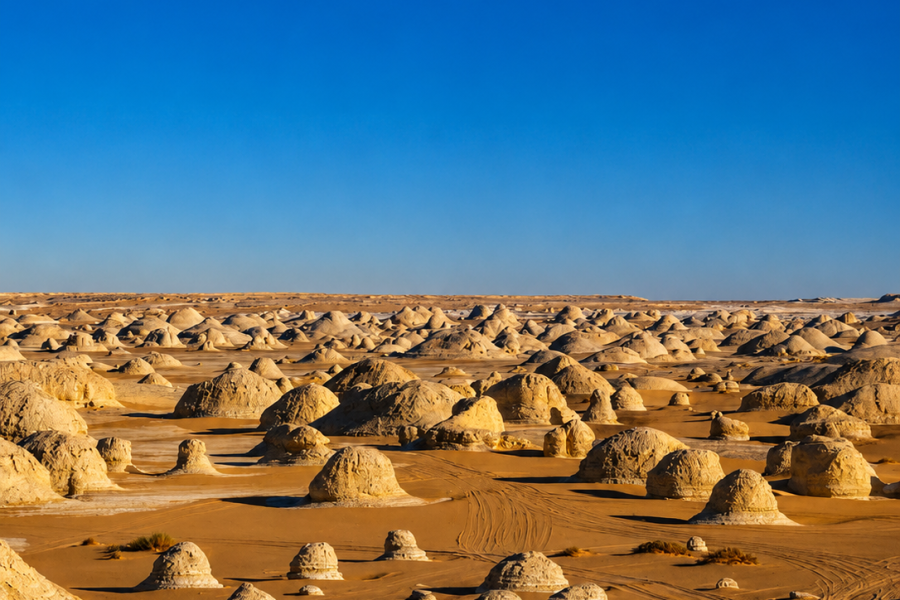
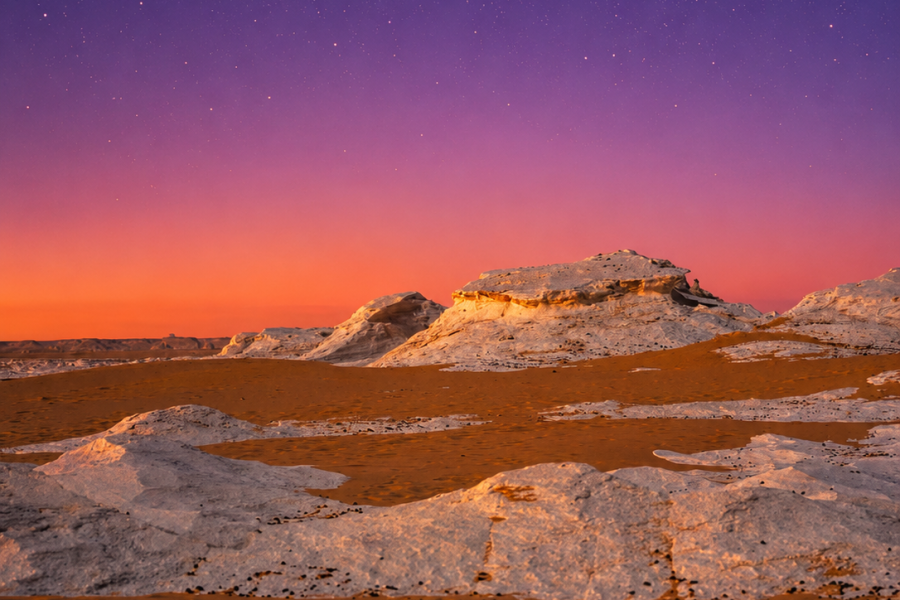
Imagine a wide desert floor covered in warm golden sand.

Now add pale cliffs.

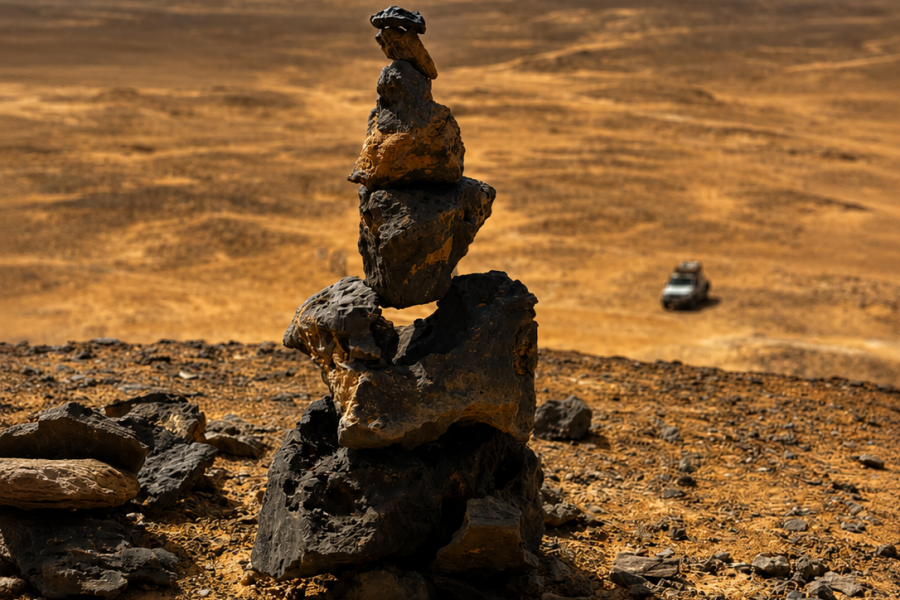
Isolated rock towers.

Rounded hills.

Broad eroded walls.

Large spaces between formations.

And almost no urban development visible on the horizon.

That is the visual character that makes Agabat so memorable.

Unlike the famous mushroom rocks of the White Desert, Agabat’s appeal is less about identifying specific named shapes.

It is about the complete panorama.

You often appreciate Agabat best by looking across it rather than standing beside one individual formation.

That makes it particularly powerful for landscape photography.

The Geology of Agabat Valley

Agabat sits within a much larger geological environment that includes the karst landscapes of White Desert National Park.

It is tempting to describe every unusual formation in the region as simply “carved by wind.”

The real story is more complicated.

Research on the White Desert region describes a landscape developed across karstified carbonate rocks and other sedimentary formations, shaped through combinations of rock type, fractures, water-related karst processes, uplift, erosion and wind action over long geological periods.

The broader White Desert contains limestone and chalk formations from several geological units ranging from the Upper Cretaceous through younger sedimentary sequences.

This means the landscape travelers see today was not created by one single process.

Ancient sediment deposition created the rocks.

Water acted through fractures and soluble carbonate layers.

Older wet climatic phases affected the landscape.

Later erosion exposed and reshaped the remaining formations.

Modern wind and sand continue modifying exposed surfaces.

For the wider geological story, read our White Desert Egypt Formations & Geology Guide.

Was Agabat Valley Once Under Water?

The wider White Desert region preserves strong evidence of very different ancient environments.

Official Egyptian tourism information specifically notes that travelers may occasionally find seashells around Aqabat and describes the area as a dried-up ancient riverbed.

The broader White Desert also has an even deeper marine history.

Experience Egypt describes the White Desert as originating from an ancient seabed and notes marine fossils such as mollusks, crustaceans, sea urchins and coral within limestone layers.

Scientific work from the Farafra region also documents evidence for prehistoric lakes and wetter climatic periods within the Western Desert.

So the extremely dry landscape visible today does not represent the region throughout its entire history.

The Western Desert has experienced major environmental and climatic changes over geological time.

That is part of what makes Agabat and the White Desert much more interesting than ordinary sand-dune scenery.

Are There Seashells in Agabat Valley?

They can occur.

Experience Egypt specifically advises visitors to watch for occasional seashells in Aqabat Valley and connects them with the area’s ancient riverbed history.

If you find shells or fossils, observe them where they are.

Do not treat geological or fossil material as free souvenirs.

The wider White Desert is a protected natural landscape, and removing natural material gradually damages the geological record travelers have come to see.

Photograph it.

Leave it in place.

Is Agabat Valley Inside White Desert National Park?

Agabat is closely associated with the White Desert protected landscape and safari region.

The official White Desert protectorate was declared in 2002.

Egypt’s Environmental Affairs Agency currently lists its area as approximately 3,133.5 km² and classifies it as a landscape protected area.

The protectorate is important for its karst landscapes, fossils, desert ecology, archaeological traces and distinctive white limestone formations.

Visitors should therefore think of Agabat and the wider White Desert route as a protected natural environment rather than an unrestricted off-road playground.

Our White Desert National Park Egypt Guide covers the protected area in more depth.

Agabat Valley on the Classic White Desert Route

For most first-time visitors, Agabat appears around the middle or later part of Day 1.

A normal route might look like this:

Kairo

Bahariya-Oase

Schwarze Wüste

Gabal El Marsos

El Hez

Kristallberg

Agabat-Tal

Sanddünen

Weiße Wüste

Sunset and overnight camp

This sequence is powerful because every stage looks different.

You are not simply driving through the same landscape for hours.

The environment keeps changing.

Our current White Desert Egypt Itinerary follows this broad progression on its classic one- and two-day routes.

What Comes Before Agabat Valley?

For many Cairo-based tours, the major geological stop immediately before Agabat is Crystal Mountain Egypt.

Crystal Mountain is known for exposed crystal-bearing rock and an ancient cave-related karst structure.

Agabat feels completely different.

Crystal Mountain is something you examine at relatively close range.

Agabat is something you look across.

This contrast makes the sequence especially interesting:

Crystal Mountain → Agabat.

You move from detail-scale geology into a huge desert panorama.

What Comes After Agabat Valley?

Most classic itineraries continue toward the White Desert.

The landscape becomes progressively paler.

Chalk formations become more dominant.

Eventually you reach the areas most associated with the famous white mushroom rocks and other natural sculptures.

For overnight visitors, the goal is normally to reach the White Desert with enough time to enjoy sunset before camp.

That means Agabat is not the end of the day.

It is one of the strongest stages leading toward the climax.

How to Visit Agabat Valley From Cairo

You normally visit Agabat as part of a wider Western Desert safari.

The practical route begins with transportation from Cairo or Giza to Bahariya Oasis.

After reaching Bahariya, travelers continue with an experienced desert team using a suitable 4×4.

Experience Egypt recommends arranging excursions outside Bahariya with experienced licensed guides who know the terrain and use appropriate 4×4 vehicles.

From Bahariya, the safari can include:

Black Desert Ägypten,

Gabal El Marsos,

El Hez,

Crystal Mountain Egypt,

Agabat,

and the White Desert Egypt.

For transportation details from Cairo, read our White Desert From Cairo guide.

Can You Visit Agabat Valley in One Day From Cairo?

Yes, but it makes for a very long day.

Our One Day White Desert Tour From Cairo includes Agabat within a wider route covering Bahariya, the Black Desert, Crystal Mountain and the White Desert.

This option is useful if you genuinely cannot spend a night away from Cairo.

However, one-day travel has one major disadvantage:

time pressure.

You need to cover the road journey from Cairo, switch to the safari vehicle, visit several major landscapes and still return.

If you have two available days, an overnight route is much stronger.

Best 2-Day Agabat and White Desert Route

For most first-time travelers, 2 Tage / 1 Nacht is the best choice.

A typical first day can follow:

Cairo → Bahariya → Black Desert → Gabal El Marsos → El Hez → Crystal Mountain → Agabat → dunes → White Desert → sunset → camp.

Day 2 can include:

sunrise → breakfast → additional White Desert exploration → Bahariya → Cairo.

The 1 Night 2 Days White Desert Tour From Cairo is therefore one of the strongest ways to see Agabat for the first time.

The advantage is that you do not need to treat Agabat as the final destination.

You can enjoy the valley, continue deeper and still finish the day camping in the White Desert.
Best 3-Day Agabat Safari

Three days allow you to move beyond the classic sightseeing circuit.

Instead of simply stopping at Agabat on the way to the White Desert, you can spend more time exploring deeper Western Desert terrain.

The 2 Nächte, 3 Tage Camping-Tour durch die Weiße Wüste is a stronger choice for travelers interested in:

tiefere Dünen,

additional valleys,

more off-road driving,

multiple sunsets,

two camping nights,

and a slower pace.

For photographers in particular, the extra time is valuable.

One good afternoon in Agabat can be impressive.

But additional time gives you more freedom to respond to light, weather and route conditions.

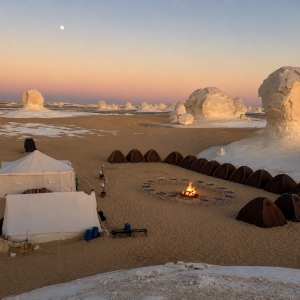
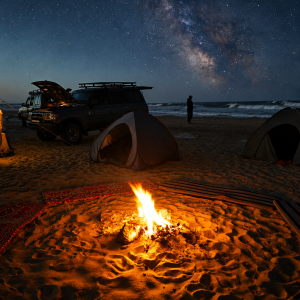
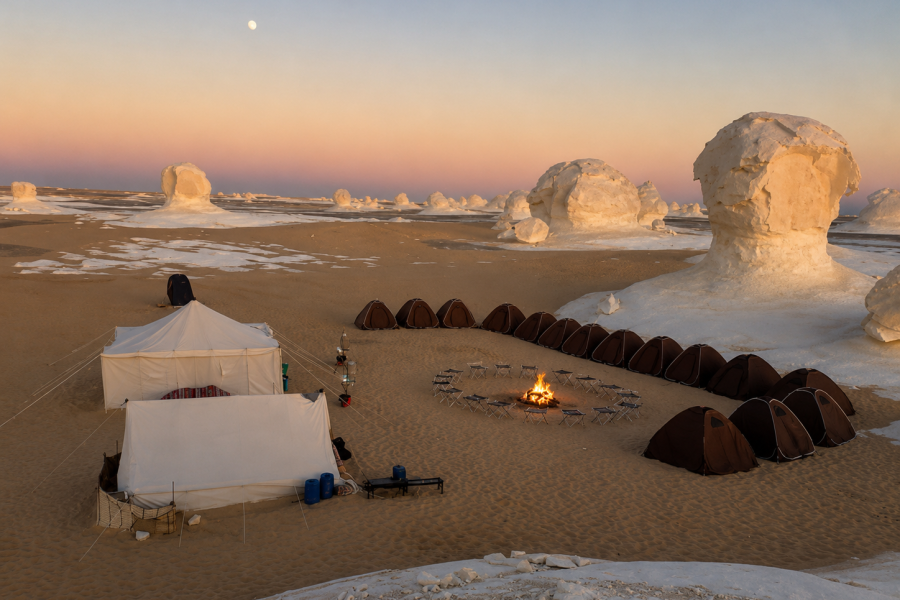
Can You Camp in Agabat Valley?

Camping arrangements depend on the current route, permitted zones and the program selected by your desert team.

You should not assume that every attractive patch of sand is automatically an approved campsite.

The White Desert management plan uses zoning to provide different levels of protection.

Some strict zones prohibit public vehicle access and camping, while other zones allow managed tourism activities.

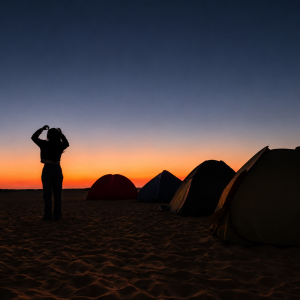
For many standard itineraries, Agabat is explored during the day before continuing toward an approved camp area farther along the White Desert route.

If camping is one of your main priorities, read White Desert Camping Egypt.

Sandboarding and Dune Activities in Agabat

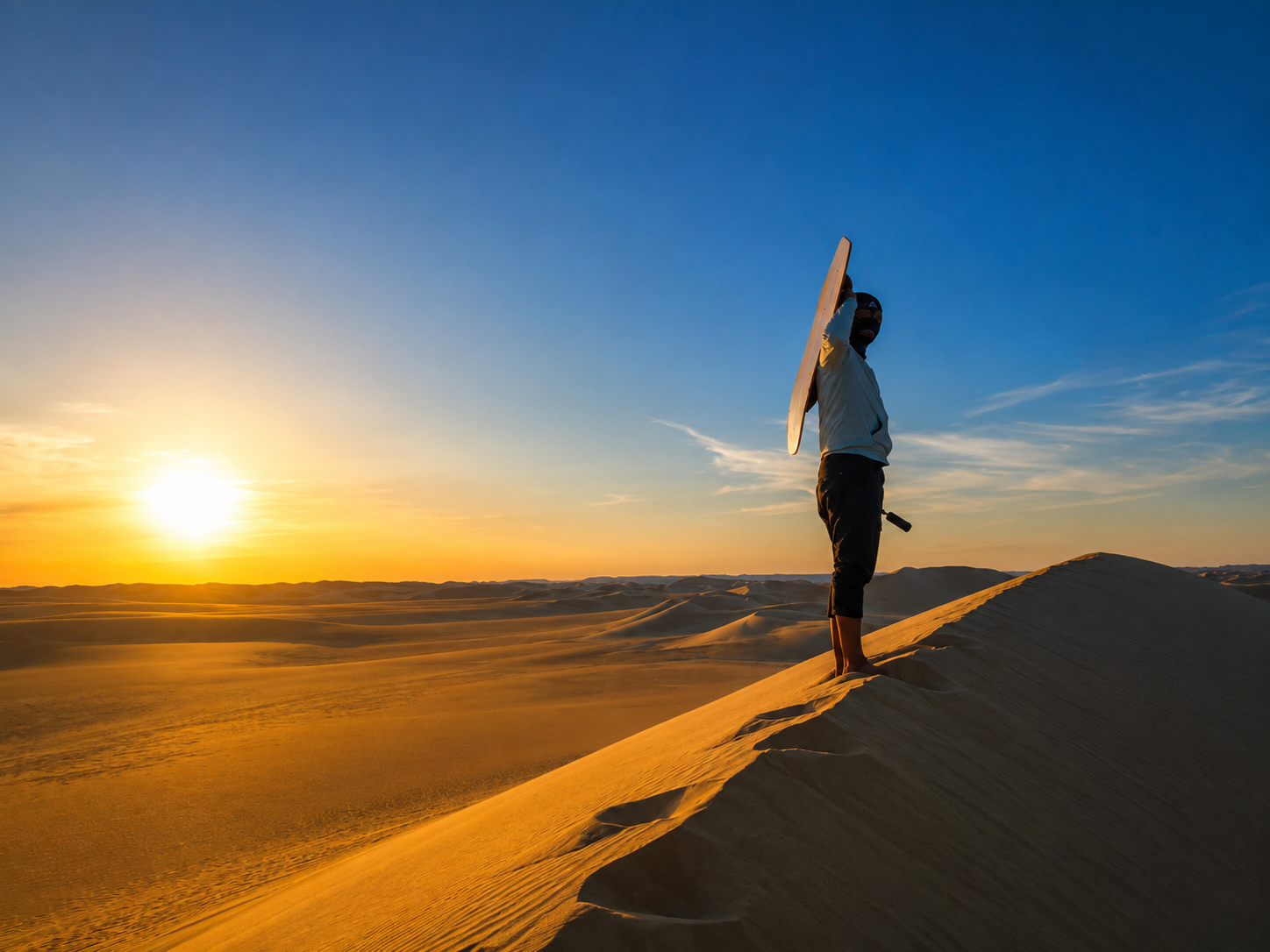
Agabat’s soft golden sand and dunes naturally make the area attractive for desert activities.

Experience Egypt specifically highlights dune jumping in Agabat Valley’s soft golden sand.

Depending on your tour and conditions, an itinerary may also include sandboarding at suitable dune areas.

The exact activity location should be selected by the guide rather than assuming every dune is appropriate.

The important part is that Agabat adds a genuine sand-dune experience to a route otherwise known for rocks, cliffs and chalk formations.

Agabat Valley for Photography

Agabat is one of the strongest landscape-photography locations on the wider White Desert route.

It gives photographers something different from every major stop around it.

At the Black Desert, dark hills dominate.

At Crystal Mountain, geological details dominate.

Inside the White Desert, bright chalk formations dominate.

At Agabat:

scale dominates.

The combination of large open spaces, golden sand and pale cliffs makes it ideal for wide landscape compositions.

Best Time of Day to Photograph Agabat

Early morning and late afternoon generally provide the most interesting light for broad desert landscapes.

Lower-angle sunlight produces stronger shadows.

Rock formations gain more depth.

Dune textures become more visible.

Warm light can intensify the contrast between golden sand and pale cliffs.

Midday is still useful for documenting the area’s shapes and colors, especially under clear skies, but the light can be flatter and harsher.

If photography is a major goal, read our White Desert Egypt Photography Guide.

Best Lens for Agabat Valley

A wide-angle lens is extremely useful because the strength of Agabat is its scale.

A moderate telephoto lens is also valuable.

Warum?

Because distant cliffs and isolated formations can be visually compressed against layers of dunes.

For travelers using a phone, switch between the standard camera and a moderate telephoto option rather than automatically using the widest setting for every photograph.

The goal is not to make the valley look as large as possible.

It already is.

The goal is to show the relationships between sand, formations and distance.

Can You Walk in Agabat Valley?

Yes, short walks are one of the best ways to appreciate the environment when conditions and route arrangements allow.

Stepping away from the vehicle changes your perception of scale.

Formations that looked small from a distance suddenly become much larger.

However, Agabat should not be treated as an unmarked hiking park where travelers independently disappear into the landscape.

Remote desert navigation can be difficult.

Temperatures change quickly.

Distances can be deceptive.

Stay with your guide and follow the planned route.

Travelers interested in longer foot-based exploration should distinguish a normal safari from a dedicated trekking itinerary.

Is Agabat Valley Good for Stargazing?

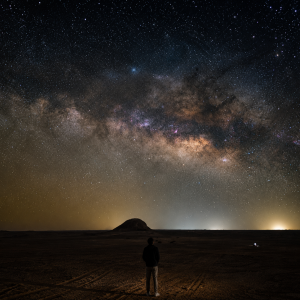
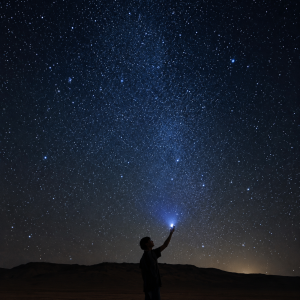
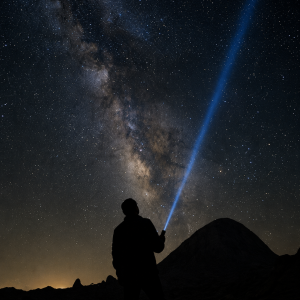
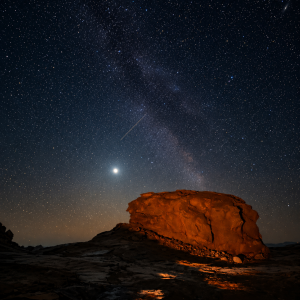
The wider White Desert region can offer excellent dark-sky conditions because of its remoteness from major cities.

However, most classic tours do not select Agabat specifically only for stargazing.

They normally continue toward the White Desert camping area.

Moon phase, atmospheric conditions, clouds and season influence what you see.

For dedicated night-sky planning, read White Desert Egypt Stargazing.

Best Time to Visit Agabat Valley Egypt

For most travelers, Agabat is best visited as part of the wider White Desert season.

The most comfortable period is generally from October through April.

The cooler months make 4×4 travel, walking, photography and overnight camping much easier than peak summer conditions.

Winter days can be pleasant.

Nights may become cold.

October, November, February, March and April often provide an attractive balance between comfortable daytime conditions and manageable nights.

For full seasonal planning, use our Best Time to Visit White Desert Egypt guide.

What Should You Wear in Agabat Valley?

Wear practical desert clothing rather than dressing specifically for one attraction.

Good choices include:

bequeme geschlossene Schuhe,

light breathable clothing,

Sonnenschutz,

Sonnenbrillen,

hat or scarf.

If you are camping overnight, also carry warm layers.

The temperature difference between daytime sun and a desert night can surprise first-time visitors.

For the complete packing list, read White Desert Egypt Packing List.

Is Agabat Valley Suitable for Families?

Yes, especially for families already comfortable with a White Desert safari.

Children often enjoy the wide dunes and 4×4 journey.

Agabat can also be easier to appreciate than some geological stops because the scenery is immediately dramatic.

The larger issue for families is normally the overall journey from Cairo.

That involves several hours of road travel before the desert safari begins.

Private tours can make the experience easier because stops and pace can be adjusted.

Read Egypt Desert Safari for Families & Kids for the broader family-planning guide.

Is Agabat Good for Couples?

Very much so.

Agabat works especially well on private itineraries because the open landscape feels quiet and isolated.

Couples can combine the valley with:

sunset in the White Desert,

private 4×4 travel,

Abendessen im Camp,

Sternbeobachtung,

und Sonnenaufgang.

A two-day route is normally enough for a first trip.

If privacy is important, read Private Desert Safari Egypt.

For upgraded camping expectations, compare Luxury Desert Camping Egypt.

Can Older Travelers Visit Agabat?

Many can.

A normal Agabat stop does not require technical hiking or climbing.

Much of the experience is reached by 4×4.

However, travelers should consider the wider journey.

The long road between Cairo and Bahariya and repeated entry and exit from the safari vehicle may matter more than Agabat itself.

Travelers with mobility issues should tell their tour operator before departure so the itinerary can be adjusted where practical.

Is Agabat Valley Safe?

Agabat is remote desert terrain.

Safety depends far more on the organization of the overall trip than on one particular viewpoint.

Travel with an experienced local guide and appropriate 4×4.

Carry sufficient water.

Follow current protected-area and route requirements.

Experience Egypt recommends experienced licensed guides familiar with the terrain for desert excursions from Bahariya.

For the wider subject, read Is Egypt Desert Safari Safe?.

Do You Need a Guide for Agabat Valley?

For most international travelers, yes.

The wider safari involves remote terrain, navigation, vehicle requirements, camping logistics and protected-area rules.

Experience Egypt advises travelers to check permits and regulations with their travel agency or authorized guide before heading into the White Desert and Farafra desert areas.

This is not simply a matter of finding Agabat on Google Maps.

A map pin cannot tell you:

which tracks are appropriate,

where driving is permitted,

where the terrain becomes difficult,

where camping is allowed,

or what route changes are necessary on the day.

Local desert knowledge matters.

Can You Drive to Agabat Independently?

Independent off-road travel is not recommended for most visitors unfamiliar with Egypt’s Western Desert.

Agabat lies within a remote desert environment.

Mobile coverage may be limited.

Tracks can be confusing.

Soft sand requires appropriate driving skills.

Protected-area management also means not every visible open space should be treated as unrestricted vehicle terrain.

An organized 4×4 safari is the practical option for most international visitors.

Agabat Valley vs White Desert

These destinations are related, but they are not visually identical.

Agabat-Tal

Best known for:

goldener Sand,

large dunes,

pale cliffs,

open panoramic scenery.

Weiße Wüste

Best known for:

bright white chalk,

Pilzformationen,

natural sculptures,

camping among unusual formations.

If you can only choose one, the White Desert is the more famous overall destination.

But on a normal safari, you do not need to choose.

Visit both.

Agabat Valley vs Crystal Mountain

Crystal Mountain Egypt is a concentrated geological attraction.

Agabat is a landscape.

At Crystal Mountain, you look closely at:

calcite,

rock structures,

the natural arch,

cave-related geology.

At Agabat, you look outward across:

Dünen,

cliffs,

sand plains,

entfernte Formationen.

They work extremely well together because they offer opposite viewing experiences.

Agabat Valley vs Black Desert

The Black Desert Ägypten is visually darker and rougher.

Its hills and black stones create the first dramatic landscape shift after Bahariya.

Agabat arrives later.

Its colors are warmer and lighter.

If the Black Desert represents dark volcanic-looking scenery, Agabat represents the transition toward the pale White Desert world.

For the broader contrast, read White Desert vs Black Desert Egypt.

Agabat Valley vs Great Sand Sea

Agabat has impressive dunes, but it should not be confused with the enormous Great Sand Sea farther west.

Experience Egypt describes the Great Sand Sea as a huge desert expanse extending for roughly 600 km and covering much of the region between Farafra and Siwa.

Agabat offers a more mixed landscape:

sand plus cliffs plus formations.

The Great Sand Sea is much more strongly defined by massive dune systems.

Both are extraordinary.

They serve different travel experiences.

Is Agabat Valley Worth Visiting?

Auf jeden Fall.

But the best reason to visit Agabat is not to treat it as an isolated attraction.

Its value increases when you experience it in sequence.

First:

Bahariya.

Dann:

Black Desert.

Dann:

Crystal Mountain.

Dann:

Agabat.

Dann:

Weiße Wüste.

Each stage changes the landscape again.

By the time you arrive in Agabat, the safari begins feeling much larger and more remote.

For many travelers, this is the point where the trip stops feeling like a series of sightseeing stops and begins feeling like a genuine desert journey.

How Much Does It Cost to Visit Agabat Valley?

Agabat is normally included within a broader White Desert safari rather than priced as a separate attraction.

Your total cost depends on:

tour duration,

Anzahl der Reisenden,

private or shared arrangement,

Cairo transportation,

4×4 safari,

Camping,

meals,

and additional route elements.

For a complete breakdown, use White Desert Egypt Cost.

For most visitors, the more useful question is not:

How much does Agabat cost?

Es lautet:

Which itinerary gives me enough time to experience Agabat and the White Desert properly?

For most first-time travelers, the answer is two days and one night.

Best Tours for Visiting Agabat Valley

Several White Desert programs can include Agabat.

One Day White Desert Tour From Cairo

One Day White Desert Tour From Cairo

Best for travelers who have no option to stay overnight.

You can see Agabat, but the day is long and time at each location is more limited.

1 Night 2 Days White Desert Tour From Cairo

1 Night 2 Days White Desert Tour From Cairo

Best overall choice for first-time visitors.

The route combines the major landscapes and finishes with White Desert camping.

2 Nächte, 3 Tage Camping-Tour durch die Weiße Wüste

2 Nächte, 3 Tage Camping-Tour durch die Weiße Wüste

Best for deeper exploration, photographers and travelers who want more off-road time.

3 Nights 4 Days White Desert Tour

3 Nights 4 Days White Desert Tour From Cairo

Best for slower travel and visitors who want to combine deeper desert exploration with more time around Bahariya.

White Desert & Bahariya Oasis Tour

White Desert & Bahariya Oasis Tour From Cairo

Best for travelers who want both desert landscapes and more oasis sightseeing.

White Desert & Djara Cave

White Desert & Djara Cave Tour From Cairo

Best for travelers who want a deeper Western Desert expedition beyond the standard first-time circuit.

Can You Combine Agabat With Luxor?

Yes, on longer Western Desert routes.

Instead of returning to Cairo after the White Desert, some itineraries continue through the oasis chain toward Upper Egypt.

Travelers can consider the White Desert Tour From Cairo to Luxor or the reverse White Desert Tour From Luxor to Cairo.

Agabat then becomes one part of a much larger overland Egypt journey.

Can You Visit Agabat From Hurghada?

Yes, but it requires more time than starting from Cairo.

Hurghada is on Egypt’s Red Sea side.

Agabat and the White Desert are in the Western Desert.

The journey should therefore be designed as a multi-day itinerary rather than a normal day trip.

Read our White Desert Tour From Hurghada guide for the practical route options.

Responsible Travel in Agabat Valley

Agabat looks enormous.

That does not mean it is indestructible.

Desert landscapes can preserve damage for a very long time.

Besucher sollten:

avoid leaving rubbish,

avoid collecting fossils or shells,

avoid damaging formations,

follow permitted vehicle routes,

respect protected zones,

and follow guide instructions.

The White Desert management framework uses zoning because different areas require different levels of environmental protection.

A responsible safari does not mean driving everywhere simply because a 4×4 can physically reach it.

It means experiencing the desert without unnecessarily damaging what makes it worth visiting.

Best Agabat Valley Itinerary for First-Time Visitors

If this is your first Western Desert trip, I recommend:

Tag 1

Cairo → Bahariya Oasis → Black Desert → Gabal El Marsos → El Hez → Crystal Mountain → Agabat Valley → dunes → White Desert → sunset → dinner → camp.

Tag 2

Sunrise → breakfast → more White Desert exploration → Bahariya → Cairo.

This gives Agabat the perfect position in the journey.

It is not rushed as the final destination.

And it does not take time away from the White Desert.

Instead, it becomes the dramatic transition between Crystal Mountain and the final white landscape.

The strongest tour for this route is the 1 Night 2 Days White Desert Tour From Cairo.

Final Verdict: Is Agabat Valley Egypt Worth Visiting?

Yes. Agabat Valley is one of the essential landscapes of a complete White Desert safari.

It deserves more attention than it often receives.

Travelers frequently search for:

Weiße Wüste.

Black Desert.

Crystal Mountain.

But Agabat is the place where the entire journey begins to feel enormous.

Its golden sand creates contrast.

Its white cliffs hint at the landscape ahead.

Its open spaces make the Western Desert feel genuinely remote.

And its geology preserves evidence that this extremely dry region has not always looked the way it does today.

The most rewarding way to experience Agabat is not as a standalone attraction.

Visit it as part of the sequence:

Bahariya → Schwarze Wüste → Kristallberg → Agabat → Weiße Wüste.

Then the landscape tells a story.

And Agabat becomes one of its strongest chapters.

4-tägige Siwa-Oasen-Tour ab Kairo

Eintägige Fayyum-Tour ab Kairo

Giza Pyramids & Grand Egyptian Museum Tour

Eintägige Tour zur Weißen Wüste ab Kairo

1 Übernachtung beim Camping in der Fayyum-Wüste ab Kairo

3-tägige Kairo–Siwa-Tour (2 Übernachtungen)

Siwa-Programm mit komfortablem Bus ab Kairo

2-tägige Weiße-Wüste-Tour ab Kairo (1 Übernachtung)

2 Nights 3 Days White Desert & Dejara Cave Tour from Cairo

3-tägige Camping-Tour in der Weißen Wüste (2 Übernachtungen)

3 Nights 4 Days Cairo White Desert Tour

3-tägige Tour zur Weißen Wüste und Bahariya-Oase (2 Übernachtungen)

3-tägige Kairo–Siwa-Tour (2 Übernachtungen)

3 Nights 4 Days Tour from Cairo to White Desert, Bahariya Oasis & Luxor

6 Nights 7 Days Cairo, Siwa, Marsa Matrouh & White Desert Tour

3-tägige Fayyum- und Weiße-Wüste-Tour ab Kairo (2 Übernachtungen)

5 Nights 6 Days Cairo, Siwa, White Desert & Bahariya Oasis Tour

6-tägige Ägypten-Oasen-Tour ab Kairo (5 Übernachtungen)

Tour zum Nationalmuseum der Ägyptischen Zivilisation

2-tägige Tour durch Kairo und Gizeh

4-tägiges Luxor-Paket ab Kairo mit Schlafwagenzug (3 Übernachtungen)

3-tägige Tour von Kairo nach Dakhla und Luxor (2 Übernachtungen)

Ganztägige Tour nach Alexandria ab Kairo

Ganztägige Tour am Westufer von Luxor

Ganztägige Tour am Ostufer von Luxor

Ganztägige Tour in Assuan

Frequently Asked Questions About Agabat Valley Egypt

Agabat Valley is located in Egypt's Western Desert within the wider Bahariya–Farafra and White Desert safari region.

Both spellings are commonly used. Egypt's official tourism portal uses Aqabat Valley, while Agabat is widely used by travelers and tour operators.

Agabat is part of the wider White Desert safari landscape and is commonly visited before travelers continue into the main White Desert protected area.

Agabat is famous for its soft golden sand, dunes, pale cliffs and dramatic panoramic desert scenery.

Yes, occasional seashells can be found in the area. Egypt's official tourism portal associates them with the valley's ancient riverbed history.

The wider region has been shaped by a complex combination of sediment deposition, karst processes, water, fractures, erosion, changing climates and wind over geological time.

Yes. Crystal Mountain and Agabat are commonly visited sequentially on the classic White Desert safari route.

Yes. Agabat is one of the major landscapes visited before continuing toward the White Desert.
Yes. Most travelers reach Agabat from Cairo by traveling first to Bahariya Oasis and then continuing by 4x4.

Yes, Agabat can be included in a long one-day White Desert safari, although a 2-day/1-night trip is better for most visitors.

For most first-time visitors, a 1-night/2-day White Desert tour from Cairo provides the best balance between Agabat, the other major safari stops and overnight camping.

Yes, Agabat is normally explored as part of a Western Desert safari using a suitable 4x4 vehicle.

Using an experienced local desert guide is strongly recommended because of the remote terrain, route knowledge and protected-area requirements.

Camping depends on current protected-area rules and the itinerary selected by your desert team. Not every part of the landscape is an unrestricted campsite.

Dune activities can be included at suitable areas depending on the itinerary and conditions.

Yes. Its combination of golden sand, pale cliffs and open desert views makes it one of the strongest landscape-photography locations on the White Desert route.

For most travelers, October through April provides the most comfortable conditions for Western Desert travel and camping.

Yes, particularly for families using a private organized safari, although the long journey from Cairo should be considered when traveling with young children.

Yes. It is one of the most dramatic landscapes on the White Desert safari route and adds an important contrast between Crystal Mountain and the White Desert.
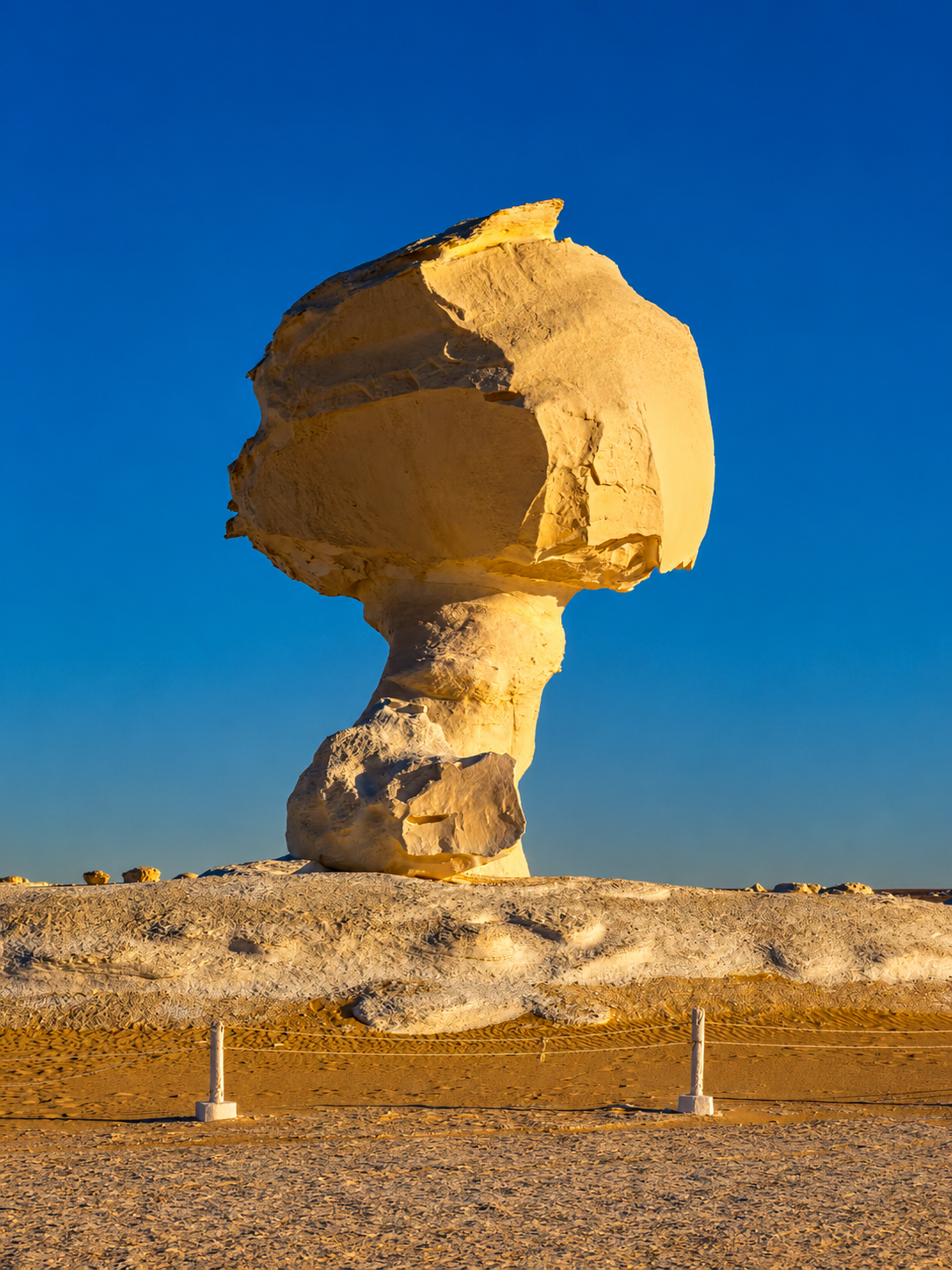
For a first visit, combine Agabat with Bahariya Oasis, the Black Desert, Crystal Mountain and an overnight camp in the White Desert.