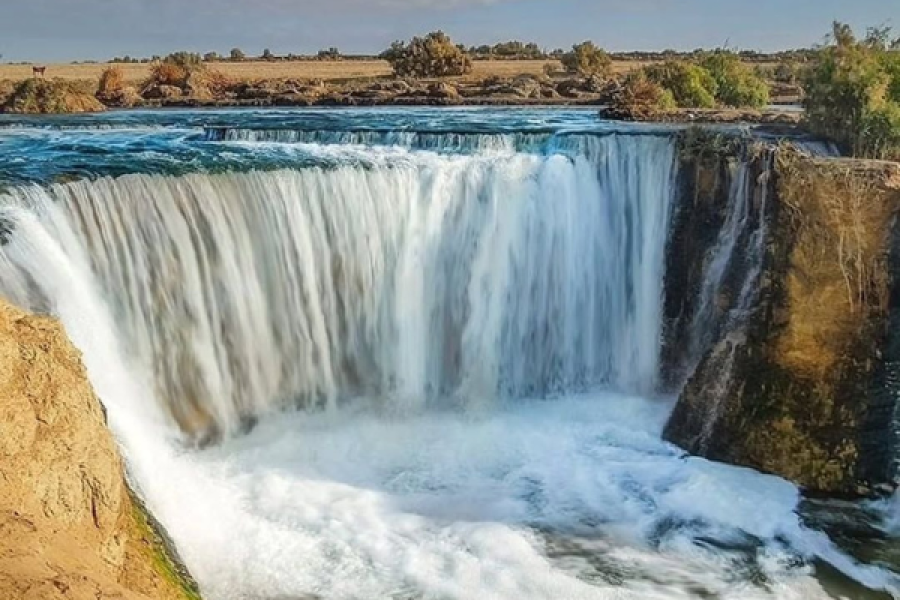
Wadi El Hitan From Cairo: Whale Valley Day Trip Guide
Wadi El Hitan from Cairo is one of Egypt’s most unusual day trips. Instead of temples, pyramids or tombs, you travel into the Fayoum desert to walk through a landscape containing fossilized remains of some of the earliest whales.
Also known as Whale Valley, Wadi Al-Hitan is a UNESCO World Heritage Site within the wider Wadi El-Rayan Protected Area. UNESCO considers it the world’s most important site for illustrating a major stage in whale evolution: the transition from land-dwelling ancestors toward fully ocean-going mammals. The site’s importance comes not only from the fossils themselves, but from their number, quality, accessibility and the environmental evidence preserved around them.
For travelers staying in Cairo, Wadi El Hitan can be included in a full-day private Fayoum trip together with Wadi El Rayan, Magic Lake, Mudawara Mountain, sandboarding and Tunis Village. Our current Fayoum day tour already includes Whale Valley as one of its principal stops.
This guide explains what Wadi El Hitan is, why whale fossils are sitting in the Egyptian desert, how to visit from Cairo, how much time you need, whether a 4×4 is useful, what you can combine with Whale Valley and whether the journey is worth it.
For the wider destination first, read our Fayoum Oasis From Cairo guide and Fayoum Egypt Tours hub.
Wadi El Hitan From Cairo: Quick Answer
Wadi El Hitan, or Whale Valley, can be visited on a full-day trip from Cairo as part of a Fayoum desert itinerary. It lies deep inside the Wadi El-Rayan Protected Area, so reaching the wider Fayoum region is only the first part of the journey.
For most visitors, the best plan is:
Cairo → Fayoum → Wadi El Rayan → desert stops → Wadi El Hitan → Tunis Village → Cairo
Wadi El Hitan is famous for fossilized early whales dating to roughly 40 million years ago and was inscribed on the UNESCO World Heritage List in 2005. UNESCO describes the site as the most important place in the world for demonstrating the evolutionary transition of whales from land-based mammals to marine animals.
Question
Quick Answer
What is Wadi El Hitan?
UNESCO fossil site known as Whale Valley
Where is it?
Fayoum, inside Wadi El-Rayan Protected Area
Can you visit from Cairo?
Yes, as a full-day trip
Best trip duration
1 full day
Fossils date from
Roughly 40 million years ago
UNESCO status
World Heritage Site since 2005
Main attraction
Early whale fossils
Good for families?
Yes, especially school-age children
Need off-road planning?
Yes, the site is deep inside the desert
Best combined with
Wadi El Rayan, Magic Lake and Tunis Village
Best season
Cooler months for outdoor walking
What Is Wadi El Hitan?
Wadi El Hitan — more formally written Wadi Al-Hitan — means Valley of the Whales.
It is a protected fossil landscape in Egypt’s Western Desert, within Fayoum Governorate and the Wadi El-Rayan Protected Area.
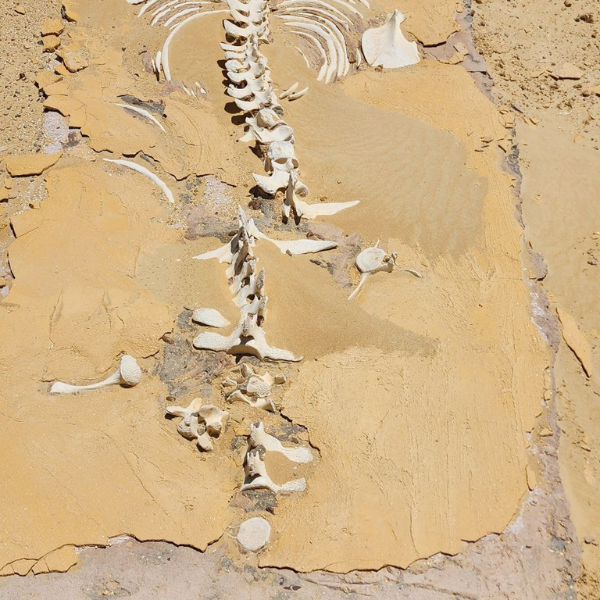
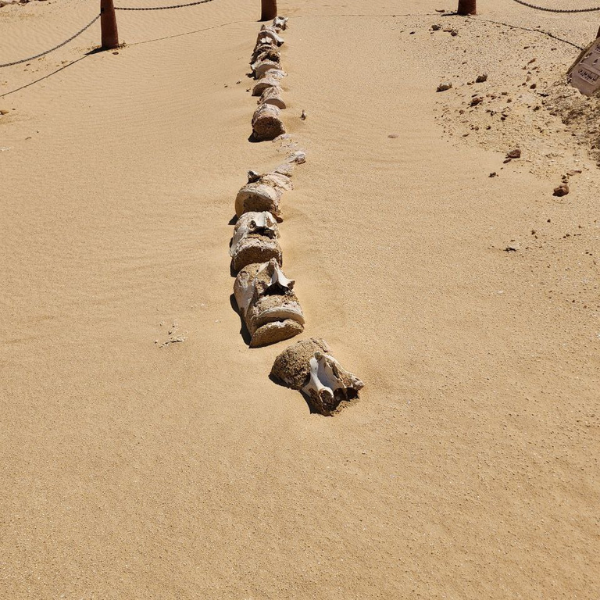
What makes the site extraordinary is that the desert preserves fossilized remains of Archaeoceti, an extinct group of early whales.
These fossils help scientists understand how whales evolved from ancestors adapted to life on land into mammals living permanently in the sea.
UNESCO describes Wadi Al-Hitan as an exceptional global reference site because of the quantity, concentration, preservation and accessibility of the fossil evidence. Some remains include nearly complete skeletons, while other fossils help reconstruct the wider environment in which the animals lived.
That makes Wadi El Hitan very different from an ordinary fossil museum.
You are not simply looking at fossils transported into glass cabinets.
You are visiting the actual landscape in which many of these fossils were preserved.
Why Are There Whale Fossils in the Egyptian Desert?
This is usually the first question visitors ask.
Today Wadi El Hitan is dry desert.
But the landscape did not always look like this.
Roughly 40 million years ago, during the Eocene epoch, this area was associated with a marine environment. Fossils discovered in and around the site include early whales as well as other evidence of ancient marine life and environmental conditions. Egyptian environmental authorities describe the area as an ancient seabed, while UNESCO notes that the fossil record allows researchers to reconstruct the ecosystem in which these early whales lived.
Over millions of years, geology, climate and changing sea levels transformed the region.
The sea disappeared.
Sediments became rock.
Wind and erosion gradually exposed fossils that had remained preserved inside those layers.
So when you walk through Whale Valley today, you are essentially crossing the remains of an ancient marine environment preserved inside a modern desert.
That contrast is one reason Wadi El Hitan is such a powerful place to visit.
Why Is Wadi El Hitan Important to Science?
Wadi El Hitan helps document one of evolution’s most striking transitions.
Modern whales are completely adapted to life in water.
But their distant ancestors evolved from land mammals.
The early whales preserved at Wadi El Hitan represent stages in this transition.
UNESCO specifically highlights fossils showing archaeocetes during the later stages of losing functional hind limbs. The site therefore provides direct anatomical evidence of the change from terrestrial ancestry toward fully aquatic life.
It’s one thing to read:
“Whales evolved from land mammals.”
It’s another thing entirely to stand beside fossil skeletons demonstrating the transition.
That is why UNESCO doesn’t simply call Wadi El Hitan an interesting fossil site.
It considers the valley the most important location worldwide for demonstrating this particular stage in whale evolution.
When Did Wadi El Hitan Become a UNESCO World Heritage Site?
Wadi Al-Hitan was added to the UNESCO World Heritage List in 2005.
It is particularly significant within Egypt because UNESCO currently lists Wadi Al-Hitan as Egypt’s only natural World Heritage property, alongside the country’s six cultural World Heritage properties.
The designation reflects the site’s Outstanding Universal Value.
In simple terms, the fossils are considered important not only to Egypt but to understanding the history of life on Earth.
What Can You See at Wadi El Hitan?
The experience is a mixture of science, desert landscapes and outdoor walking.
Depending on current visitor access and your itinerary, you can expect to encounter several elements.
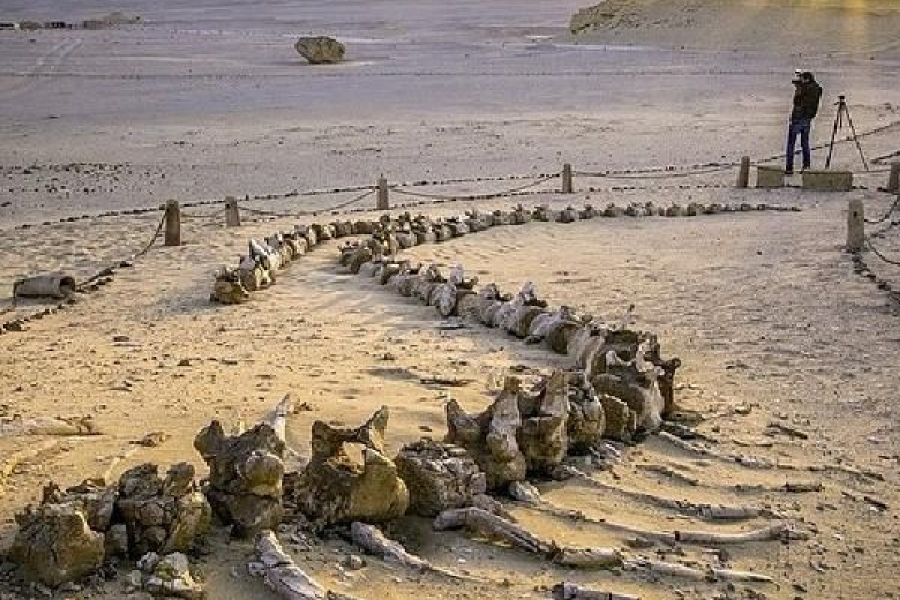
Ancient Whale Skeletons
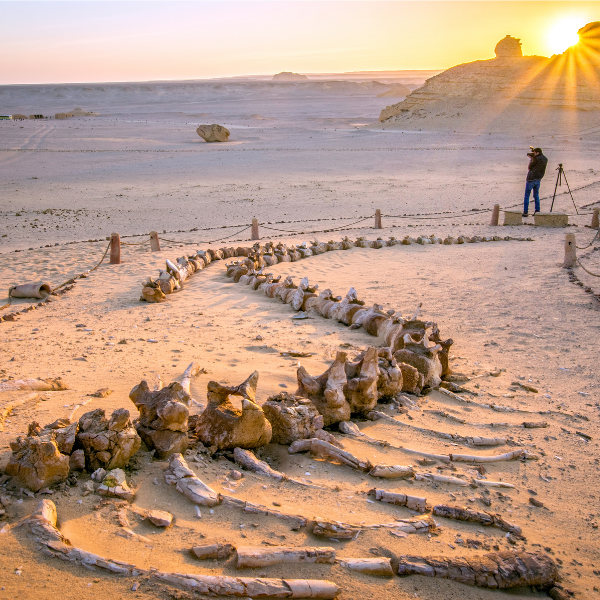
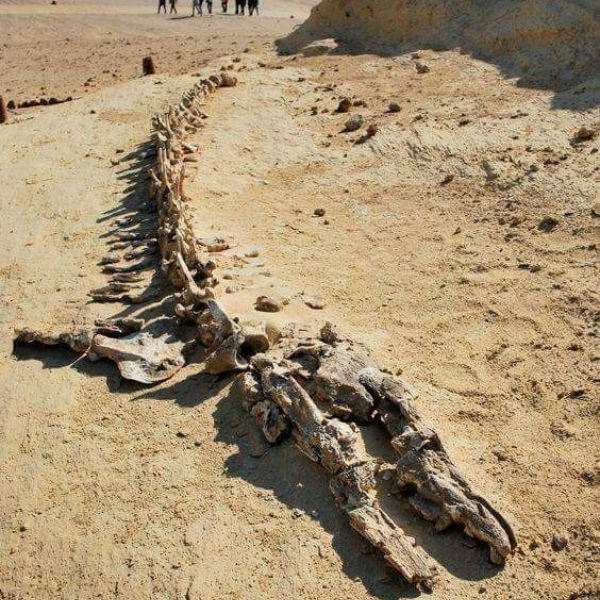
The headline attraction is obviously the fossil whales.
Rather than a single specimen, the landscape contains numerous fossil localities.
Some remains are substantial enough for visitors to understand the scale and structure of the animal.
This abundance is important scientifically.
UNESCO emphasizes that the number and concentration of whale fossils help distinguish Wadi Al-Hitan from comparable fossil sites elsewhere.
Archaeoceti: The Early Whales
The animals preserved here belong to ancient whale groups known collectively as archaeocetes.
They were not identical to modern whales.
Their anatomy preserves clues to the evolutionary transition between land and sea.
Two names often associated with Whale Valley are Basilosaurus and Dorudon, ancient whales that lived during the Eocene.
The important point for visitors isn’t memorizing Latin names.
It’s understanding what the anatomy shows.
These animals lived fully or largely in marine environments but still preserve anatomical evidence connected to their land-mammal ancestry.
Fossils Beyond Whales
Whales are the stars of the site, but they are not the only fossils.
Official Egyptian descriptions of Wadi Al-Hitan also refer to evidence of sharks, bony fish, turtles, sea snakes and other marine organisms. This wider fossil community helps scientists reconstruct the ancient ecosystem instead of studying whales in isolation.
That matters because evolution doesn’t happen in an empty environment.
The surrounding fossils help researchers understand what the sea looked like, what other organisms lived there and how the ecosystem functioned.
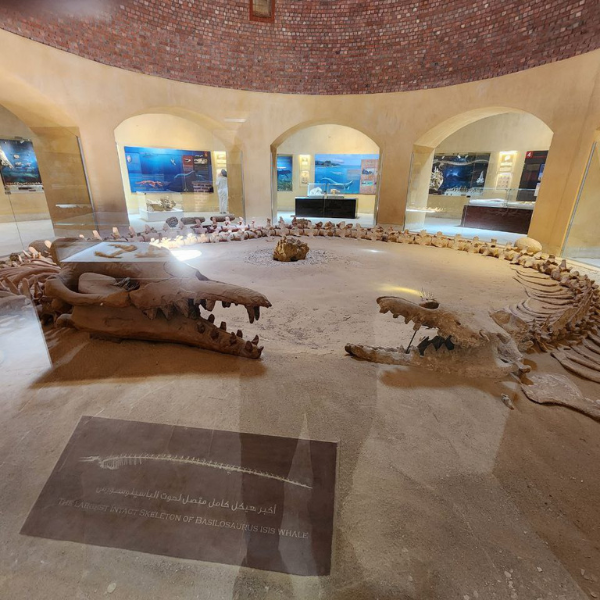
Fossil and Climate Change Museum
Wadi Al-Hitan also includes interpretive visitor facilities designed to help explain the geology, paleontology and environmental history of the site.
Egyptian environmental authorities describe a Fossils and Climate Change Museum at Wadi Al-Hitan that presents ancient fossils and explains how the area’s environment and climate changed over geological time.
This context is useful before or after walking outside.
Without explanation, a fossil can simply look like a line of unusual rocks.
Once you understand what animal you are looking at and what the surrounding desert represented millions of years ago, the site becomes much easier to appreciate.
Because museum access, opening conditions and visitor arrangements can change, confirm the current situation before your trip.
The Open-Air Fossil Trail
One of Wadi El Hitan’s strongest features is the open-air experience.
UNESCO management material describes visitor facilities and footpaths leading people toward key fossil localities while restricting vehicle movement inside the protected World Heritage property.
That protection is essential.
The fossils cannot simply be replaced if they are damaged.
When you arrive, follow:
Designated walking routes
Ranger or guide instructions
Protective barriers
Site signs
Never:
Climb onto fossils
Touch fragile specimens unnecessarily
Move rocks
Remove fossil fragments
Drive into restricted zones
The goal is for visitors decades from now to see the same scientific evidence.
Wadi El Hitan vs a Normal Museum
If you expect something like Cairo’s museums, adjust your expectations.
Wadi El Hitan is powerful precisely because it isn’t a conventional museum.
Go into the geological landscape → see fossils in relation to the rocks and desert where they were found.
That’s a completely different experience.
You’re not only seeing an object.
You’re seeing its context.
How to Visit Wadi El Hitan From Cairo
For most international travelers, the easiest method is a private Fayoum day tour.
The journey involves more than simply driving from Cairo to Fayoum city.
Wadi El Hitan lies deeper inside the desert environment associated with Wadi El-Rayan.
A typical journey works like this:
Cairo or Giza
↓
Fayoum region
↓
Wadi El Rayan
↓
Desert route
↓
Wadi El Hitan / Whale Valley
↓
Other Fayoum attractions
↓
Cairo
Egypt’s tourism materials describe Wadi El-Rayan as roughly a 90-minute drive from Cairo in good traffic and identify Wadi Hitan as a practical excursion within a Cairo day trip, but the deeper desert section means travelers should allow a complete day rather than treating Whale Valley as a quick roadside stop.
Do You Need a 4×4 to Visit Wadi El Hitan?
You should plan the trip as a desert excursion rather than assume every part of the route is suitable for an ordinary city car.
The wider journey includes paved roads and desert sections, while official UNESCO material emphasizes controlled access to the protected core and prohibits vehicle movement within the World Heritage property’s protected visitor area itself.
Our current One Day Fayoum Tour from Cairo uses a private 4×4 for the day and includes Wadi Hitan among the scheduled attractions.
For most visitors, that is much easier than trying to arrange multiple transfers independently.
In theory, experienced travelers can organize parts of Fayoum independently.
But Wadi El Hitan is not the easiest attraction for a casual self-drive excursion.
You need to consider:
Desert-road conditions
Protected-area rules
Current access procedures
Navigation
Vehicle suitability
Opening/access times
Return before dark
Fuel
Water
UNESCO’s management framework stresses controlled visitor access to protect the fossil site. Current local access rules should therefore be confirmed before departure rather than relying on old blogs or saved maps.
If you only have one day, an organized private route is usually more efficient.
Wadi El Hitan Day Trip From Cairo: Suggested Itinerary
Here’s how I would structure the day.
Early Morning: Cairo or Giza Pickup
Leave early.
Do not turn this into an 11:00 AM departure.
Whale Valley is deep enough into Fayoum that an early start gives you much more flexibility.
Stop 1: Magic Lake
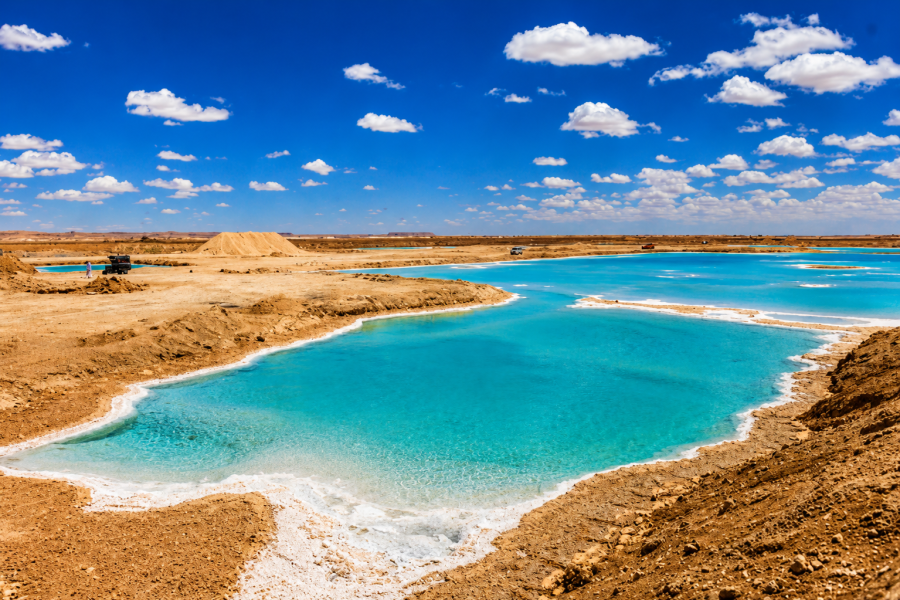
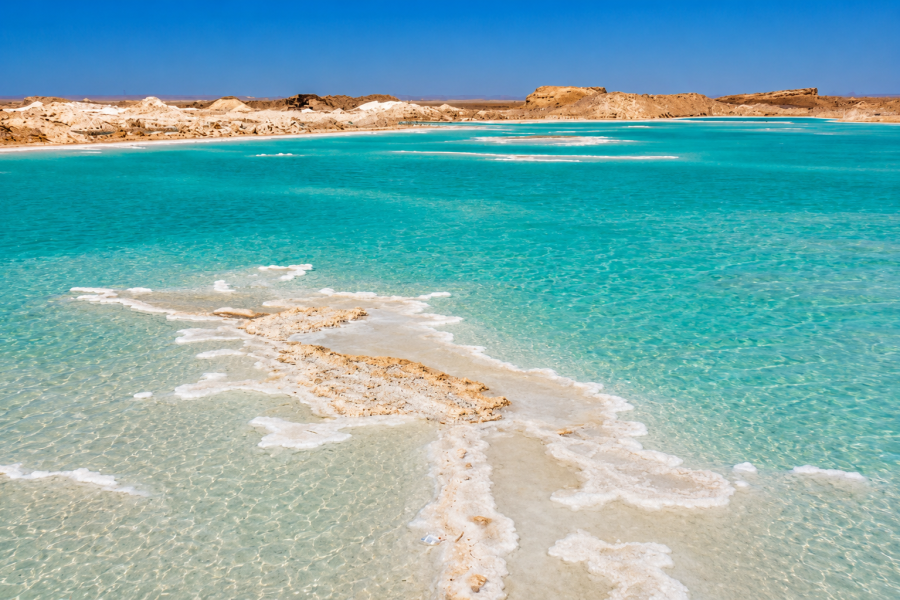
Magic Lake introduces the desert side of Fayoum.
The contrast of sand, hills and water makes it a good first nature stop after leaving Cairo.
Depending on conditions and your route, the surrounding area may also offer:
Photography
Desert driving
Sandboarding
Short walks
For the wider itinerary, read our Fayoum Oasis From Cairo guide.
Stop 2: Wadi El Rayan
Continue toward Wadi El Rayan.
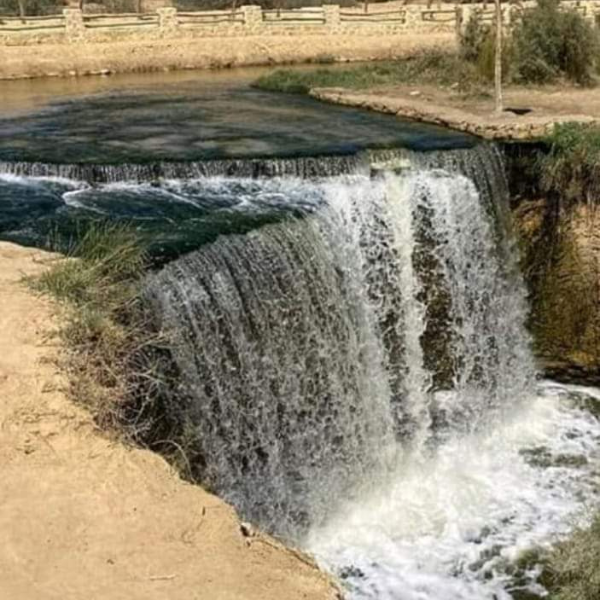
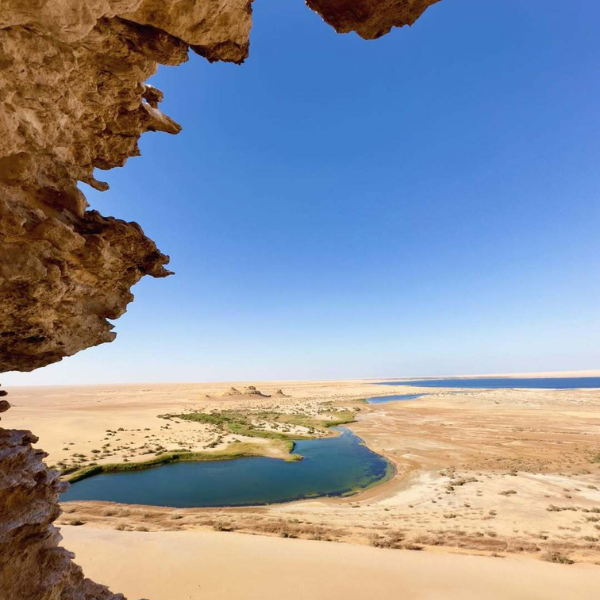
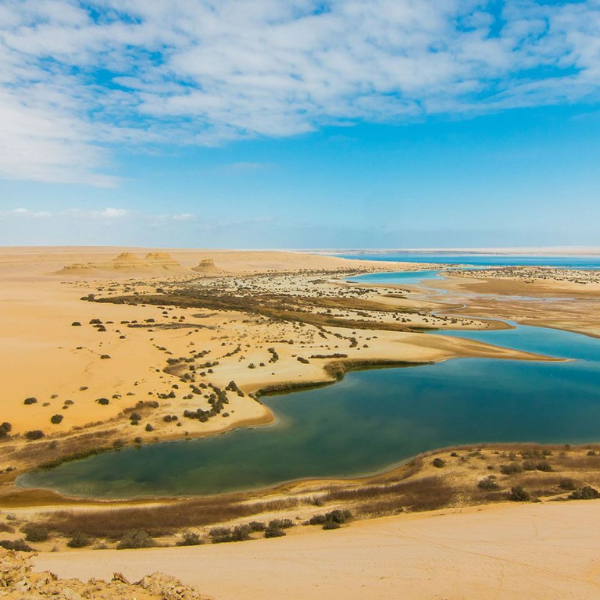
The protected area is known for a landscape combining desert and water.
Here you may visit:
Lakes
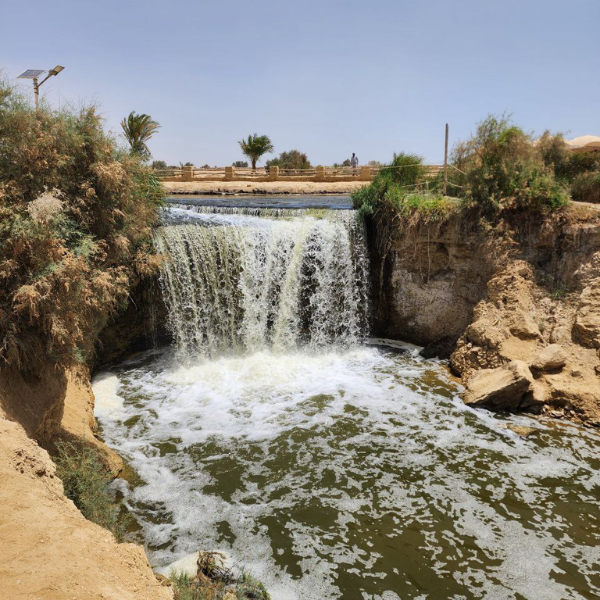
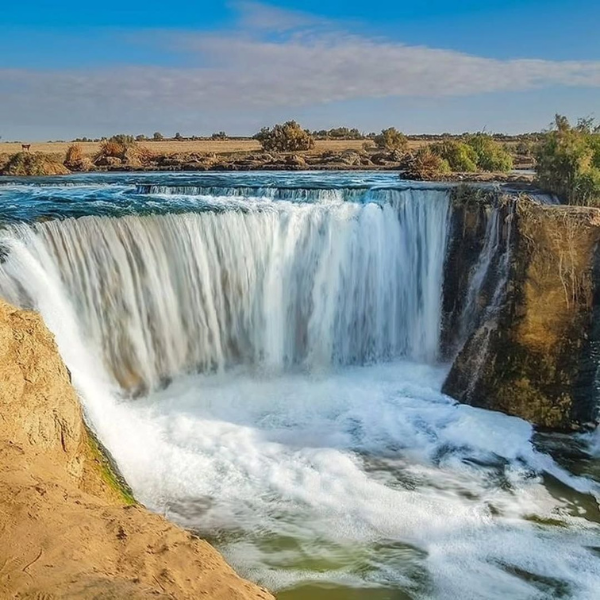
Waterfalls
Desert viewpoints
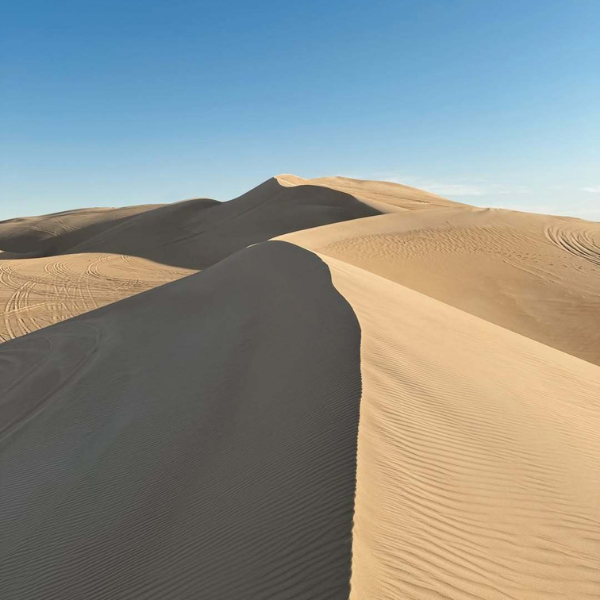
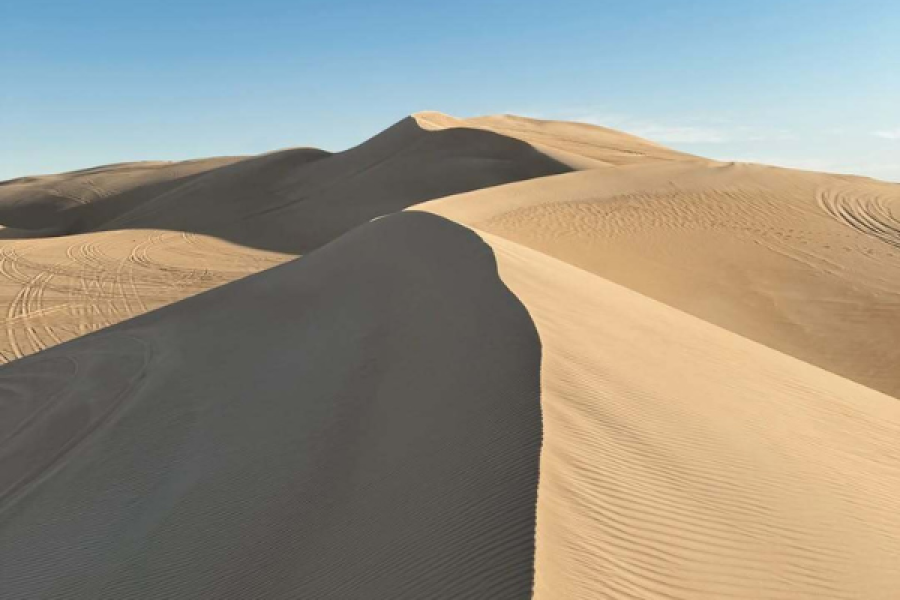
Sand dunes
This section gives the day visual variety before moving farther into the fossil landscape.
Stop 3: Sandboarding
If included in your program and conditions are suitable, stop for sandboarding.
You do not need prior experience.
The activity provides a fun contrast to the scientific focus later at Whale Valley.
Our current Fayoum day tour includes sandboarding in its published inclusions.
Stop 4: Mudawara Mountain
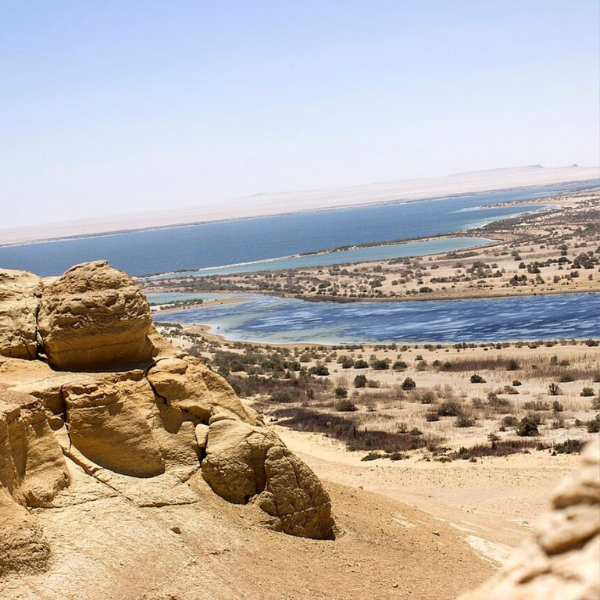
Mudawara Mountain is a scenic stop overlooking the surrounding desert and water landscape.
It is particularly good for:
Wide-angle photography
Landscape views
Short rest stops
Our current tour places Mudawara on the way toward Wadi Hitan.
Stop 5: Wadi El Hitan – Whale Valley
This is the main scientific highlight.
Give it proper time.
Do not drive all this way simply to photograph a sign and leave.
Depending on current access, use the visitor interpretation and designated walking route to understand:
Early whale evolution
The ancient marine ecosystem
The fossils
The surrounding geology
How the landscape changed over millions of years
The fossils themselves become far more interesting when you understand what they demonstrate.
Stop 6: Lunch
Lunch can be scheduled according to route and timing.
The current White and Black Desert Tours program lists lunch as included.
Stop 7: Tunis Village
Finish the Fayoum experience with something completely different.
Tunis Village is known for pottery, crafts and its quieter rural atmosphere.
After spending the day around fossils and desert landscapes, the village provides a cultural contrast before returning to Cairo.
Evening: Return to Cairo
Drive back after a full day.
Exactly when you arrive depends on:
Traffic
Route
Time spent at each attraction
Cairo/Giza drop-off point
Don’t schedule an important flight or fixed evening activity immediately afterward.
Leave yourself some flexibility.
How Long Do You Need at Wadi El Hitan?
For most general visitors, allow enough time to understand both the interpretation and the outdoor fossil environment.
Whale Valley isn’t the sort of attraction where “15 minutes is enough.”
The amount of time you need depends on your interests.
Casual Visitor
You want to understand the headline story and see the main fossils.
A focused visit works well.
Family
Children may benefit from more time for explanations and breaks.
Science or Geology Enthusiast
You will probably want much longer.
Photographer
Walking slowly through the landscape will give you more opportunities than rushing between fossil points.
The mistake is trying to maximize the number of attractions rather than the quality of the visit.
Is Wadi El Hitan Worth Visiting?
For the right traveler, absolutely.
But let’s define “the right traveler.”
Wadi El Hitan Is Especially Worth Visiting If You Like:
Natural history
Fossils
Evolution
Geology
UNESCO sites
Desert landscapes
Photography
Educational travel
Unusual places
It May Be Less Important If:
You have only one free day in Egypt and your top priorities are still the Pyramids or major ancient Egyptian sites.
Whale Valley is exceptional, but it serves a completely different interest.
It’s natural history rather than Pharaonic archaeology.
Is Wadi El Hitan Good for Families?
Yes — particularly for children old enough to understand the basic story.
The concept is immediately interesting:
Why are whale skeletons in the desert?
That question naturally leads into:
Ancient seas
Fossils
Evolution
Geology
Climate change
For school-age children, the site can turn abstract science into something tangible.
Instead of seeing a diagram in a book, they are looking at the actual landscape preserving the evidence.
The day is relatively long from Cairo, so bring:
Water
Snacks
Sun protection
Comfortable footwear
Hat
Anything children need for the road journey
Is Whale Valley Good for Photographers?
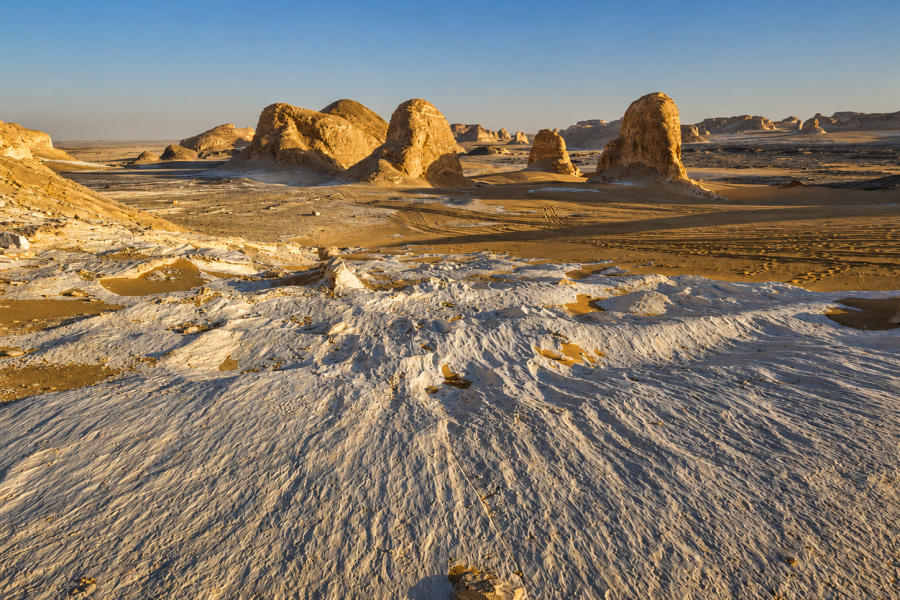
Yes, although the photographic appeal is different from the White Desert.
At Wadi El Hitan, you have:
Fossil skeletons
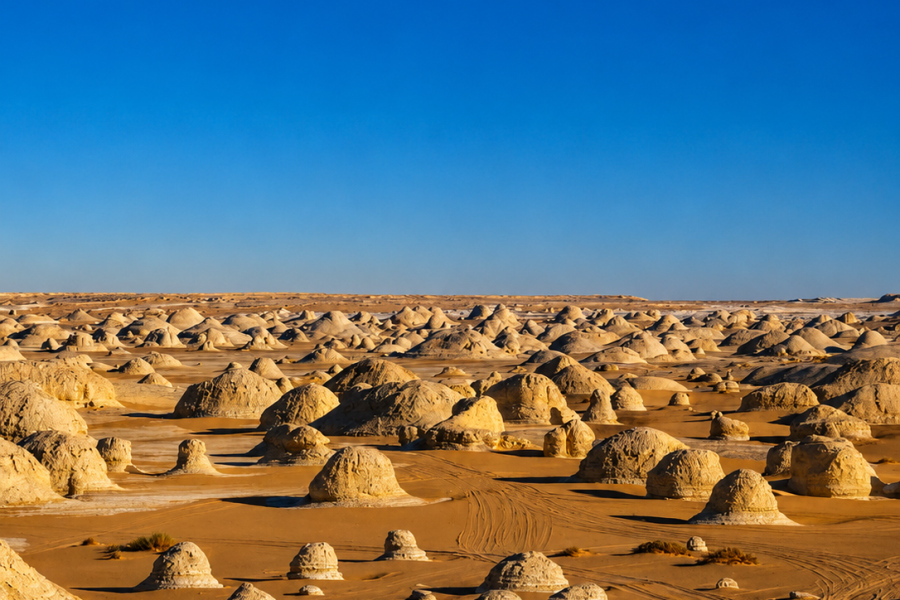
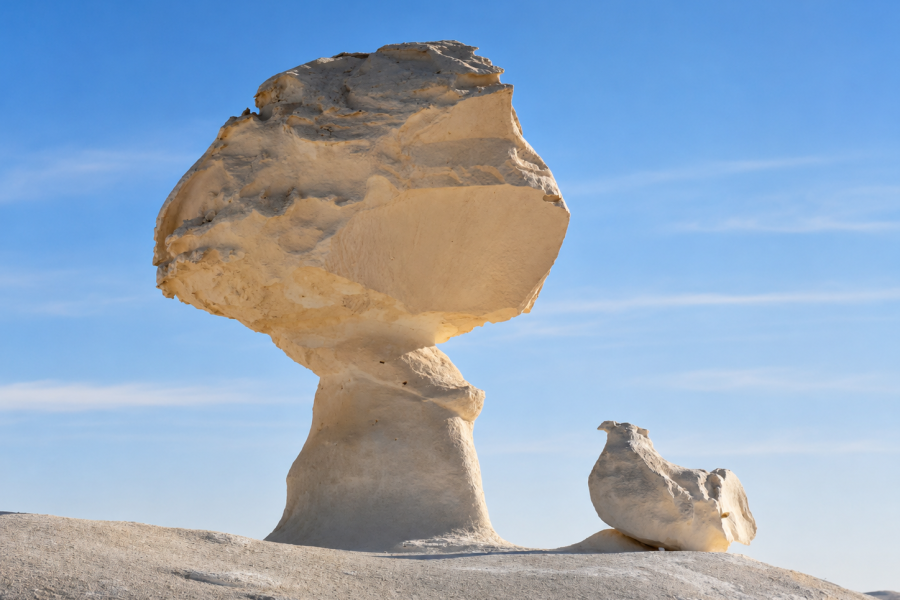
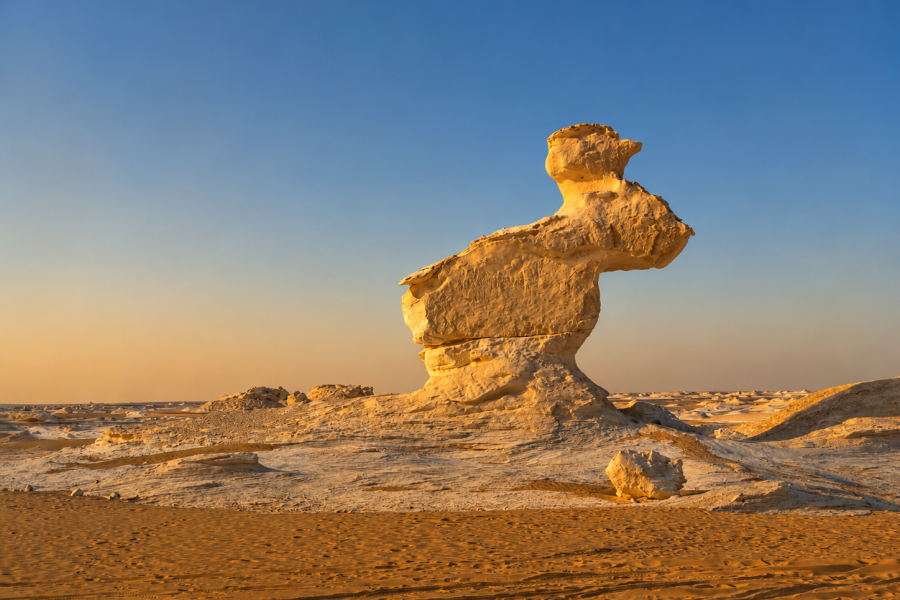
Eroded rock formations
Desert cliffs
Sand
Open skies
Scientific details
Huge empty landscapes
Use both wide and close perspectives.
A wide frame explains where the fossil sits inside the desert.
A tighter frame shows:
Vertebrae
Bone texture
Geological layers
Avoid stepping outside protected visitor routes simply to get a different angle.
Conservation beats Instagram.
What Is the Best Time to Visit Wadi El Hitan?
The cooler part of the year is generally better for a trip involving desert travel and outdoor walking.
For most travelers, October through April provides more comfortable conditions than peak summer heat.
In winter:
Days can be pleasant.
But mornings and evenings may feel cool.
In spring and autumn:
Conditions can be excellent for a full outdoor day.
In summer:
Heat becomes a major consideration.
If you visit during hotter months:
Start early
Carry adequate water
Use sunscreen
Wear a hat
Wear light breathable clothing
Avoid unnecessary exposure during the hottest hours
Because this is an outdoor desert site, current weather conditions matter as much as the calendar.
What Should You Wear to Wadi El Hitan?
You don’t need specialist hiking equipment for a normal visitor itinerary, but dress for desert walking.
Bring:
Comfortable closed shoes
Lightweight clothing
Hat
Sunglasses
Sunscreen
During cooler months:
Add a light or warm layer.
Avoid footwear that becomes uncomfortable on sand and uneven ground.
And remember:
Wadi El Hitan is not a shaded urban archaeological site.
You will be exposed to sun and wind.
What Should You Pack?
For a Wadi El Hitan day trip from Cairo, bring:
Passport or ID if required for the day’s logistics
Water
Personal medication
Sunscreen
Sunglasses
Hat
Comfortable shoes
Power bank
Camera
Extra camera battery
Cash
Small backpack
Tissues
Light layer in cooler months
You do not need to carry huge luggage.
This should be a daypack trip.
Can You Touch the Fossils?
Treat the fossils as protected scientific material.
Don’t climb on them.
Don’t remove anything.
Don’t collect fragments.
Don’t move rocks around fossils.
UNESCO notes that Wadi Al-Hitan is legally protected and that visitor management is designed specifically to prevent damage to its geological heritage.
Even something that looks like an insignificant fragment may have scientific value.
Leave it where it is.
Is Wadi El Hitan the Same as Wadi El Rayan?
No.
This is an important distinction.
Wadi El Rayan is the larger protected-area landscape famous for lakes, waterfalls, desert scenery and dunes.
Wadi El Hitan is the fossil-rich World Heritage property located within the wider Wadi El-Rayan Protected Area.
UNESCO explicitly describes Wadi Al-Hitan as a protected World Heritage zone within the broader Wadi El-Rayan Protected Area.
Think:
Wadi El Rayan = wider protected landscape
Wadi El Hitan = globally important fossil site within that protected region
A Fayoum day trip can include both.
Wadi El Hitan vs Magic Lake
These are also completely different experiences.
Wadi El Hitan
Best for:
Fossils
Geology
Science
UNESCO heritage
Natural history
Magic Lake
Best for:
Landscapes
Water views
Photography
Desert scenery
Relaxation
You don’t really need to choose between them if your full-day itinerary is planned well.
They complement each other.
Wadi El Hitan vs White Desert
Both are extraordinary desert destinations, but for different reasons.
Wadi El Hitan
White Desert
Ancient whale fossils
White chalk formations
UNESCO natural heritage
National park landscape
Best as Fayoum day trip
Best with overnight trip
Natural-history focus
Desert safari focus
Walking and interpretation
4×4 + camping
Nearer to Cairo
Farther through Bahariya
Works in one day
2 days usually better
Choose Wadi El Hitan if fossils and natural history fascinate you.
Choose the White Desert if camping, stargazing and surreal desert formations are your priority.
At the time of this review, the White and Black Desert Tours One Day Fayoum Tour from Cairo is listed from US$125. Its published program includes private 4×4 transport for the day, lunch and sandboarding; sightseeing entrance fees and tipping are currently excluded.
The important thing is not to compare prices without checking whether Whale Valley is actually included.
A cheaper generic “Fayoum tour” may only visit:
Qarun Lake
Tunis Village
Wadi El Rayan
and skip Wadi El Hitan entirely.
If Whale Valley is your priority, ask specifically:
“Does this itinerary enter Wadi El Hitan?”
One Day or Overnight in Fayoum?
For Wadi El Hitan itself:
One full day is enough for most visitors from Cairo.
Stay overnight if you also want:
Desert camping
Stargazing
Sunset
Sunrise
A slower Fayoum itinerary
Our1 Night Fayoum Desert Camping From Cairo is the better format for travelers who want Fayoum to feel like a desert escape rather than a single sightseeing day.
Can You Camp at Wadi El Hitan?
UNESCO management information notes limited visitor accommodation/camping-related facilities in the wider management context, but Wadi Al-Hitan is a tightly protected natural World Heritage site with controlled visitor access.
Do not assume that you can simply choose an empty area and pitch a tent.
Current camping locations, permissions and protected-area rules should be confirmed with the operator and local authorities.
If your main goal is simply to camp in Fayoum, an approved camping program elsewhere in the wider desert landscape may be easier.
Is Wadi El Hitan Safe?
For ordinary visitors on a properly organized trip, the main considerations are practical desert travel rather than the fossil site itself.
You are visiting a remote environment.
Plan for:
Long driving
Heat
Sun exposure
Limited services
Desert tracks
Water
Vehicle reliability
Navigation
Use an appropriate route and experienced driver.
At the site itself, follow the protected-area visitor system.
Do not treat the Western Desert like a city attraction where you can improvise endlessly.
Why Wadi El Hitan Is Perfect After the Pyramids
This is one of my favorite ways to think about the trip.
Your first day in Cairo may be:
Giza Pyramids → Sphinx → museum
Your next day can be:
Ancient whales → lakes → waterfalls → dunes → pottery village
They could hardly be more different.
And that’s useful for an Egypt itinerary.
Instead of spending every day seeing variations of temples and tombs, you experience Egypt’s:
Archaeology
Geology
Natural history
Desert landscapes
Rural culture
The country becomes much more diverse.
Who Should NOT Prioritize Wadi El Hitan?
If your Egypt trip is extremely short — perhaps two or three days total — and you’ve never seen the Pyramids, major Cairo monuments or ancient Egyptian collections, Whale Valley probably shouldn’t replace those priorities unless fossils are a major personal interest.
But if you have:
4+ days around Cairo
Seen the main Cairo/Giza sights
Strong interest in nature
Children interested in science
A free day before your next destination
Wadi El Hitan becomes a very compelling choice.
Common Mistakes When Visiting Whale Valley From Cairo
Mistake 1: Thinking Wadi El Hitan Is in Fayoum City
It isn’t.
The fossil site lies deep within the desert protected-area landscape.
Allow enough travel time.
Mistake 2: Leaving Cairo Late
Start early.
A late departure reduces the value of the whole day.
Mistake 3: Trying to Add Ten Attractions
Prioritize.
If Wadi El Hitan is your reason for going, give it enough time.
Mistake 4: Using the Wrong Vehicle or Route
Treat the journey as a desert excursion.
Mistake 5: Touching or Collecting Fossils
Never remove anything from a protected geological site.
Mistake 6: Skipping the Scientific Context
Learn the basic evolutionary story before or during the visit.
Otherwise the fossils become visually interesting but intellectually disconnected.
Mistake 7: Confusing Whale Valley With Wadi El Rayan
They are related geographically, but they are not the same attraction.
Is Wadi El Hitan Better as Part of a Fayoum Tour?
For most visitors from Cairo:
Yes.
Traveling this far into Fayoum only to see one stop and immediately return misses much of what makes the region worthwhile.
A combined day adds:
Magic Lake
Wadi El Rayan
Waterfalls
Sandboarding
Mudawara Mountain
Tunis Village
That produces a much richer day.
Your itinerary moves through:
Nature → adventure → science → culture
rather than only one category.
Best Wadi El Hitan Tour From Cairo
For a first visit, I would choose a private full-day itinerary that explicitly includes Whale Valley.
Final Answer: Is Wadi El Hitan Worth a Day Trip From Cairo?
Yes. Wadi El Hitan is worth visiting from Cairo if you are interested in fossils, natural history, geology or unusual desert landscapes.
Whale Valley is not simply another scenic stop in Fayoum. It is a UNESCO World Heritage Site containing globally important evidence of early whale evolution, preserved in the desert landscape where those animals lived roughly 40 million years ago.
A full-day private Fayoum route makes the journey more worthwhile by combining Wadi El Hitan with Wadi El Rayan, Magic Lake, sand dunes, Mudawara Mountain and Tunis Village.
If you only have one free day outside Cairo and want something completely different from pyramids, mosques and museums, Whale Valley is one of Egypt’s most distinctive options.
Planning a Whale Valley Day Trip?
Send us:
Your travel date + number of guests + Cairo/Giza pickup location
and ask for the Fayoum tour including Wadi El Hitan so we can plan the appropriate route.
Wadi El Hitan lies southwest of Cairo inside the Fayoum desert and the Wadi El-Rayan Protected Area. Reaching the wider Fayoum region takes less than two hours in favorable traffic, but Whale Valley lies farther into the desert, so travelers should plan it as a full-day excursion rather than a short transfer.
Yes. Wadi El Hitan can be visited as part of a full-day Fayoum trip from Cairo. A well-planned itinerary can also include Wadi El Rayan, Magic Lake, Mudawara Mountain, sandboarding and Tunis Village.
Wadi El Hitan is famous for exceptionally important fossils of early whales. UNESCO considers it the world's most important site for demonstrating the evolutionary transition of whales from land-based ancestors to marine mammals.
The area was associated with an ancient marine environment roughly 40 million years ago. Geological change and erosion eventually transformed and exposed the fossil-bearing landscape that visitors see today.
Yes. Wadi Al-Hitan was inscribed on UNESCO's World Heritage List in 2005 and is currently Egypt's only natural World Heritage property.
Yes. Wadi El Hitan, Wadi Al-Hitan and Whale Valley refer to the same UNESCO fossil site in Fayoum.
No. Wadi El Hitan is the UNESCO fossil property located within the wider Wadi El-Rayan Protected Area. Wadi El Rayan is better known for its lakes, waterfalls and broader protected desert landscape.
The journey should be planned as a desert excursion, and suitable off-road transportation is commonly used for deeper Fayoum routes. Vehicle movement inside the protected World Heritage core itself is restricted, with visitors directed along designated routes.
The site is best known for early whale fossils, but the broader fossil record also includes evidence of other ancient marine organisms.
The major whale fossils at Wadi El Hitan date from roughly 40 million years ago, during the Eocene epoch.
Yes. It can be especially interesting for school-age children because it combines fossils, evolution, geology and desert exploration in a real outdoor setting.
Allow enough time for the visitor interpretation and outdoor fossil route rather than treating the site as a quick photo stop. The exact duration depends on your interest in geology, fossils and photography.
Yes. Combining the two is one of the most practical ways to structure a Fayoum day trip because they lie within the same wider protected-area region.
Yes, but this requires a multi-day Western Desert itinerary. Fayoum and Wadi El Hitan can be followed by Bahariya Oasis, the Black Desert and the White Desert.
Our current One Day Fayoum Tour from Cairo, which includes Wadi Hitan in the published itinerary, starts from US$125. Lunch, 4×4 transport and sandboarding are listed as included, while sightseeing entrance fees and tipping are excluded. Prices may change, so check the current tour page before booking.