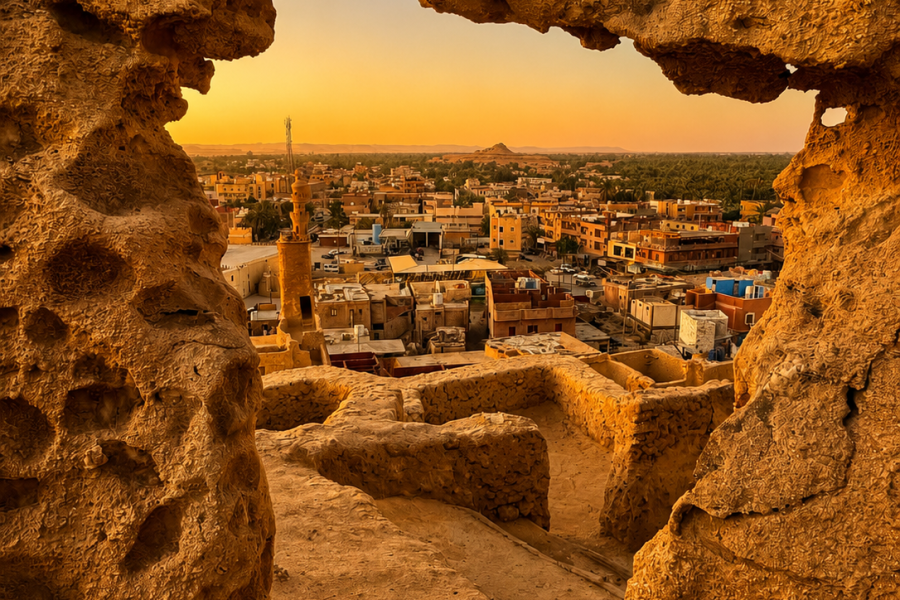
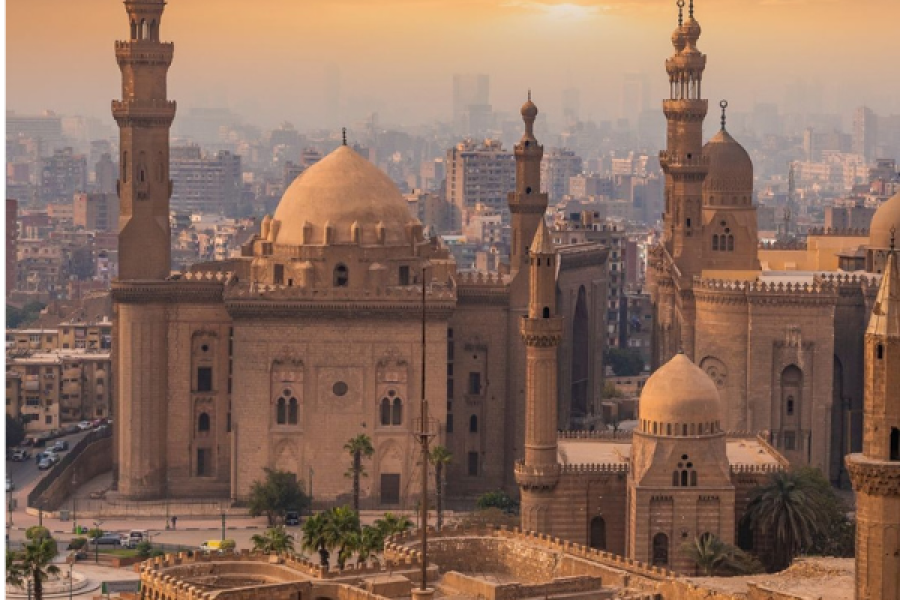
Egypt’s Western Desert is enormous, and travelers planning a short trip from Cairo often face the same problem: how can you experience several completely different desert landscapes without spending a week on the road?
One of the strongest answers is a route combining Fayoum, Bahariya Oasis and the White Desert.
Instead of choosing between lakes, fossils, desert dunes, oasis landscapes and White Desert camping, this route brings them together in one compact adventure.
A well-planned journey can take you from Cairo into Fayoum, through Wadi El Rayan and Wadi Al-Hitan, onward to Bahariya Oasis, and finally through the Black Desert, Crystal Mountain and Agabat before reaching the extraordinary formations of the White Desert.
For travelers who have around three days available, it can be one of the most varied short desert itineraries from Cairo.
Our current 2 Nights 3 Days Fayoum and White Desert Tour from Cairo follows this concept, combining Fayoum attractions with Bahariya Oasis and an overnight experience in the White Desert.
This guide explains how the route works, what you can see, how many days you need, who it suits, and whether combining these destinations is better than visiting each one separately.
For travelers wanting to combine all three areas without turning the trip into a long Western Desert expedition, a 3-day / 2-night itinerary is one of the most practical options.
A simple route looks like this:
Day 1: Cairo → Fayoum → Wadi El Rayan → Magic Lake → Wadi Al-Hitan → Tunis Village
Day 2: Fayoum → Bahariya Oasis → Black Desert → Crystal Mountain → Agabat → White Desert → Camping
Day 3: White Desert sunrise → Bahariya Oasis → Cairo
The current tour program on White and Black Desert Tours follows this overall structure and includes one hotel night and one camping night.
This gives travelers three very different experiences:
Fayoum: lakes, dunes, fossils and local culture.
Bahariya: oasis life and a gateway into the Western Desert safari route.
White Desert: surreal chalk formations, 4×4 exploration, sunset, camping, stars and sunrise.
That variety is exactly what makes the combined route valuable.
Many visitors initially treat these destinations as separate trips.
Fayoum is usually considered a day trip from Cairo.
Bahariya is usually associated with the Black Desert.
And the White Desert is often sold as an overnight safari.
But they can also form part of a wider desert itinerary.
The attraction of the combination is not simply seeing more locations.
It is experiencing several completely different sides of Egypt’s Western Desert in one journey.
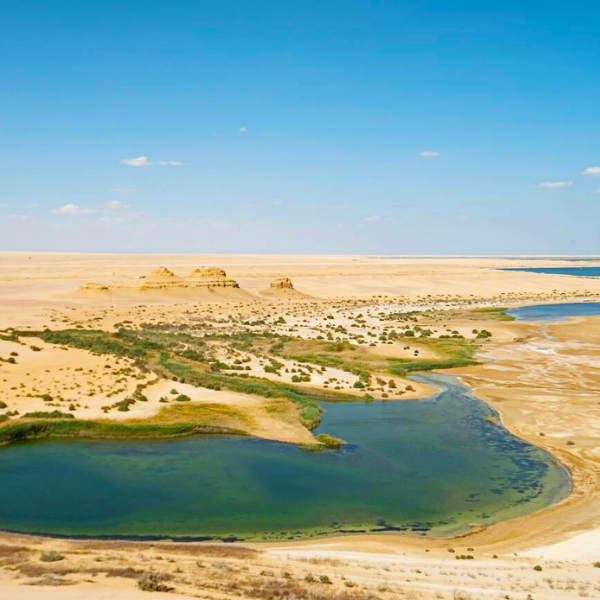
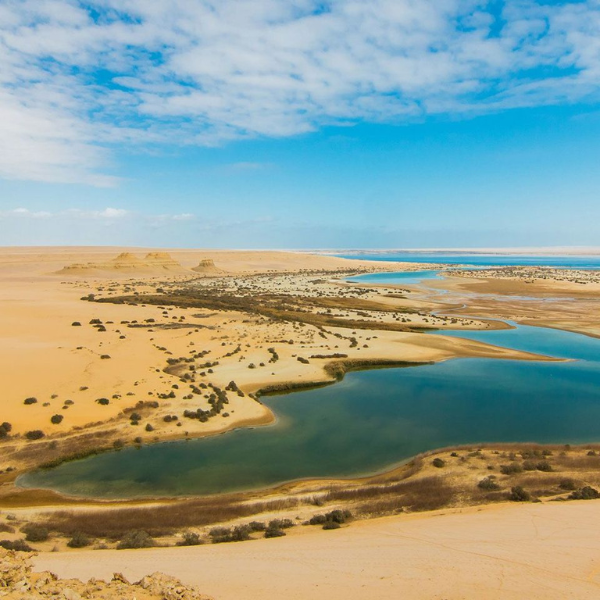
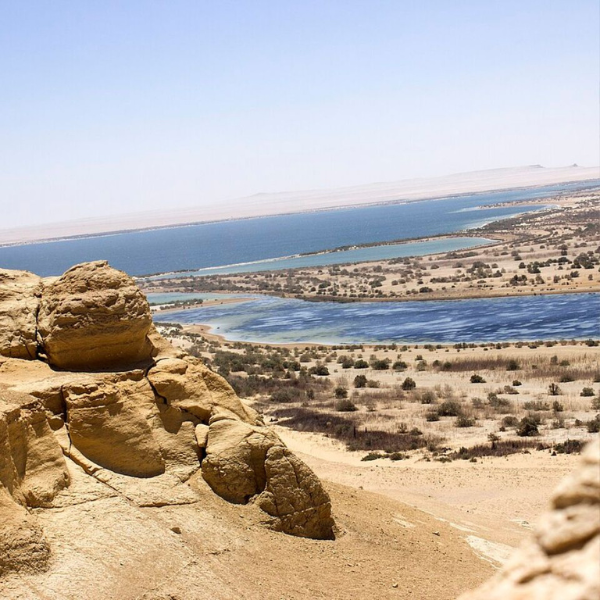
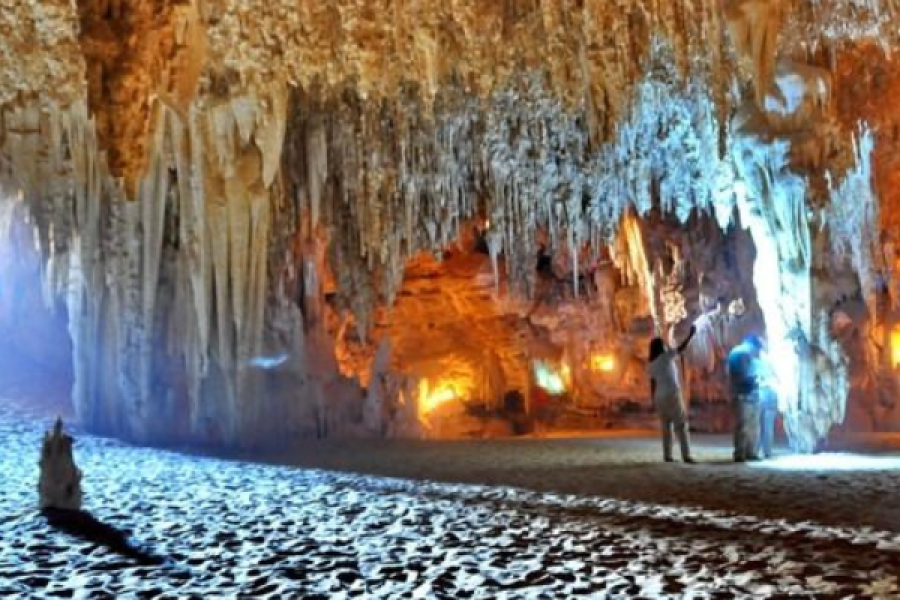
In Fayoum, water and sand meet in unusual landscapes around lakes and protected areas.
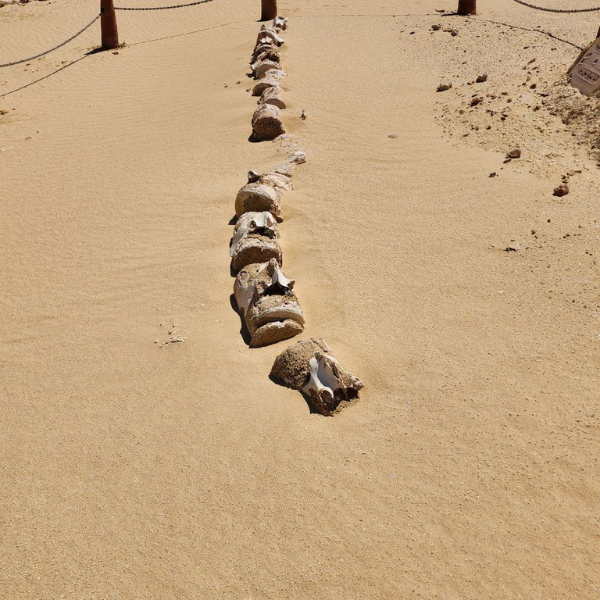
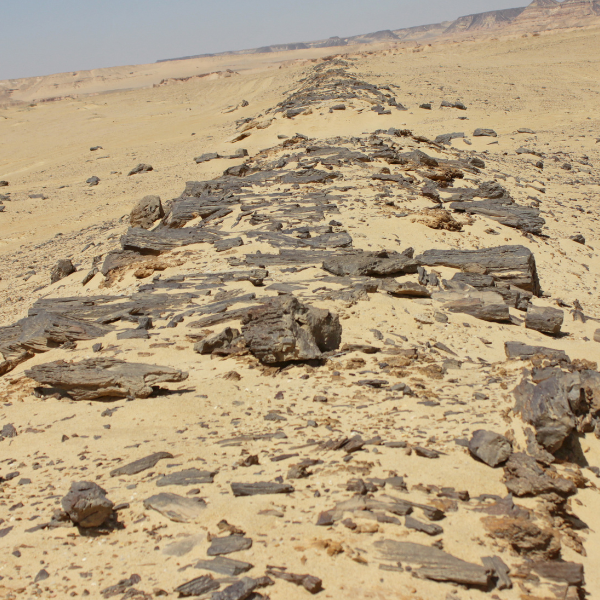
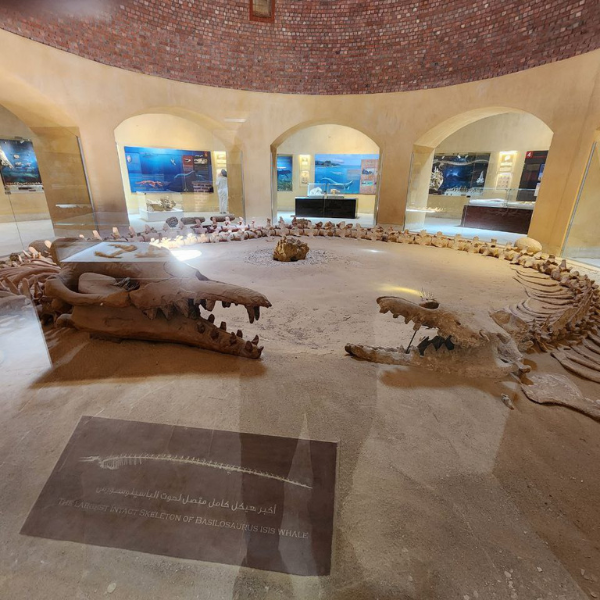
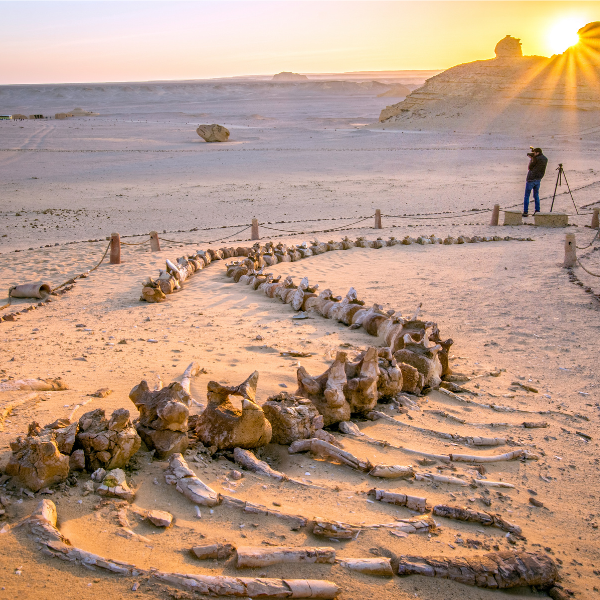
At Wadi Al-Hitan, the focus changes to prehistoric fossils.
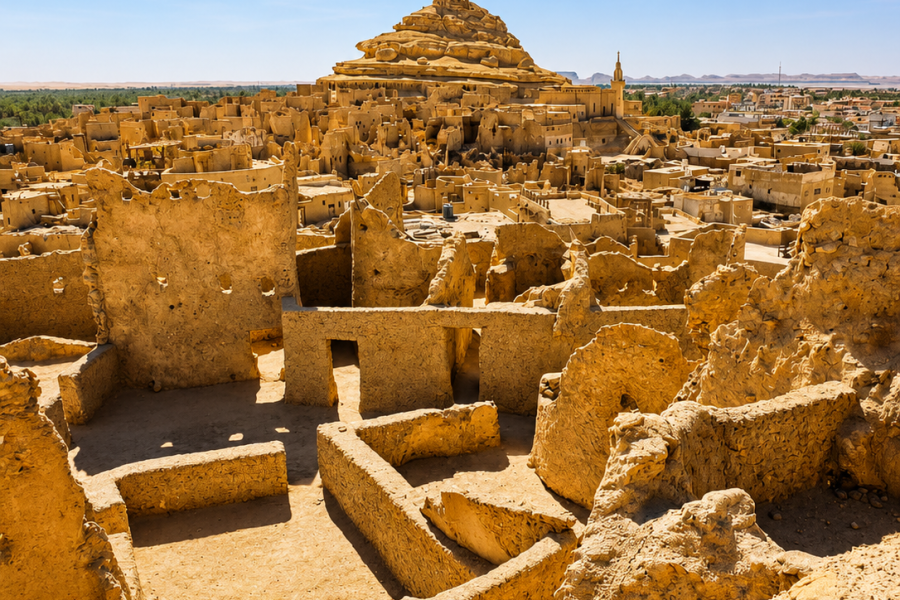
Bahariya introduces a traditional oasis environment.
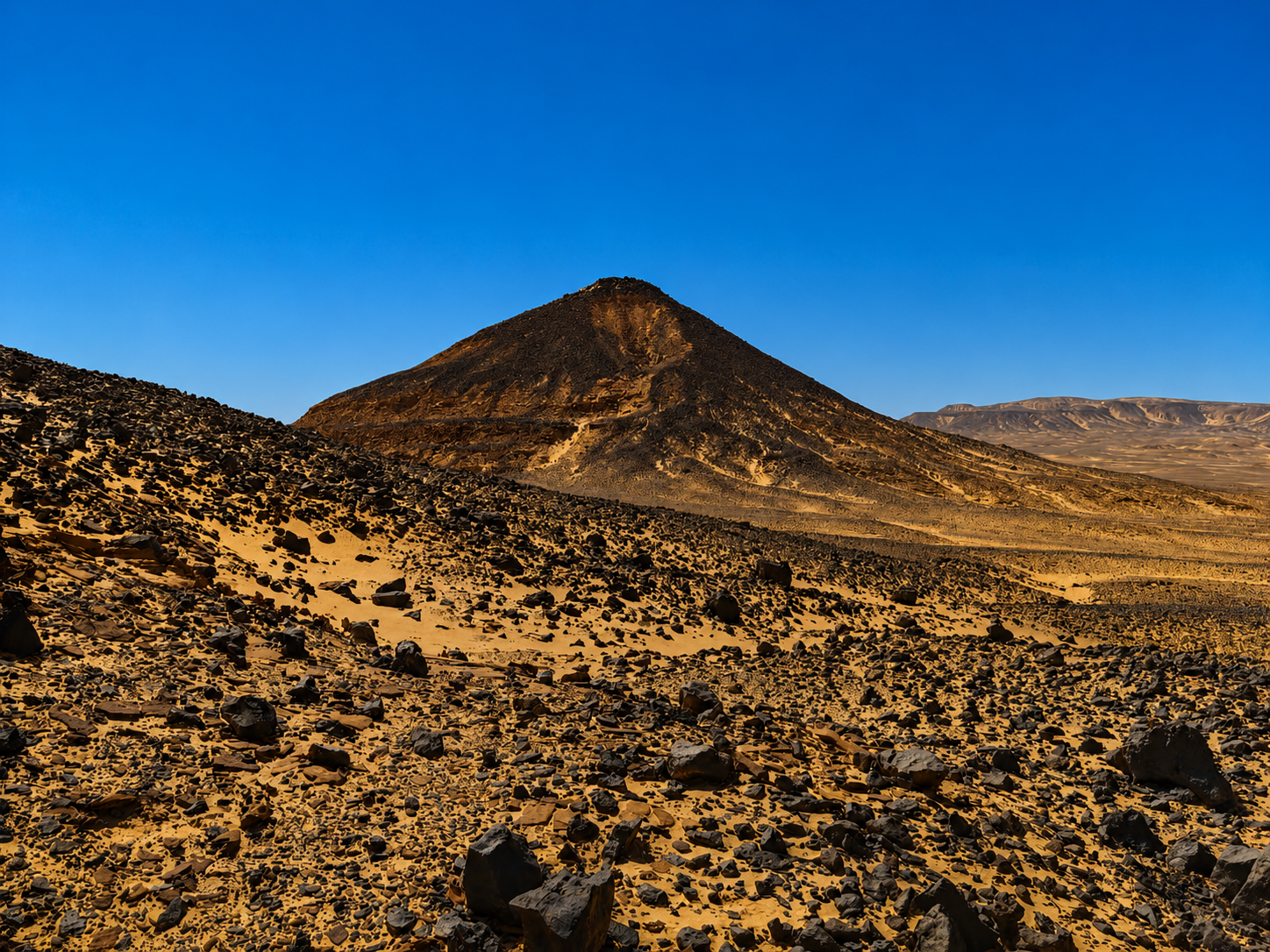
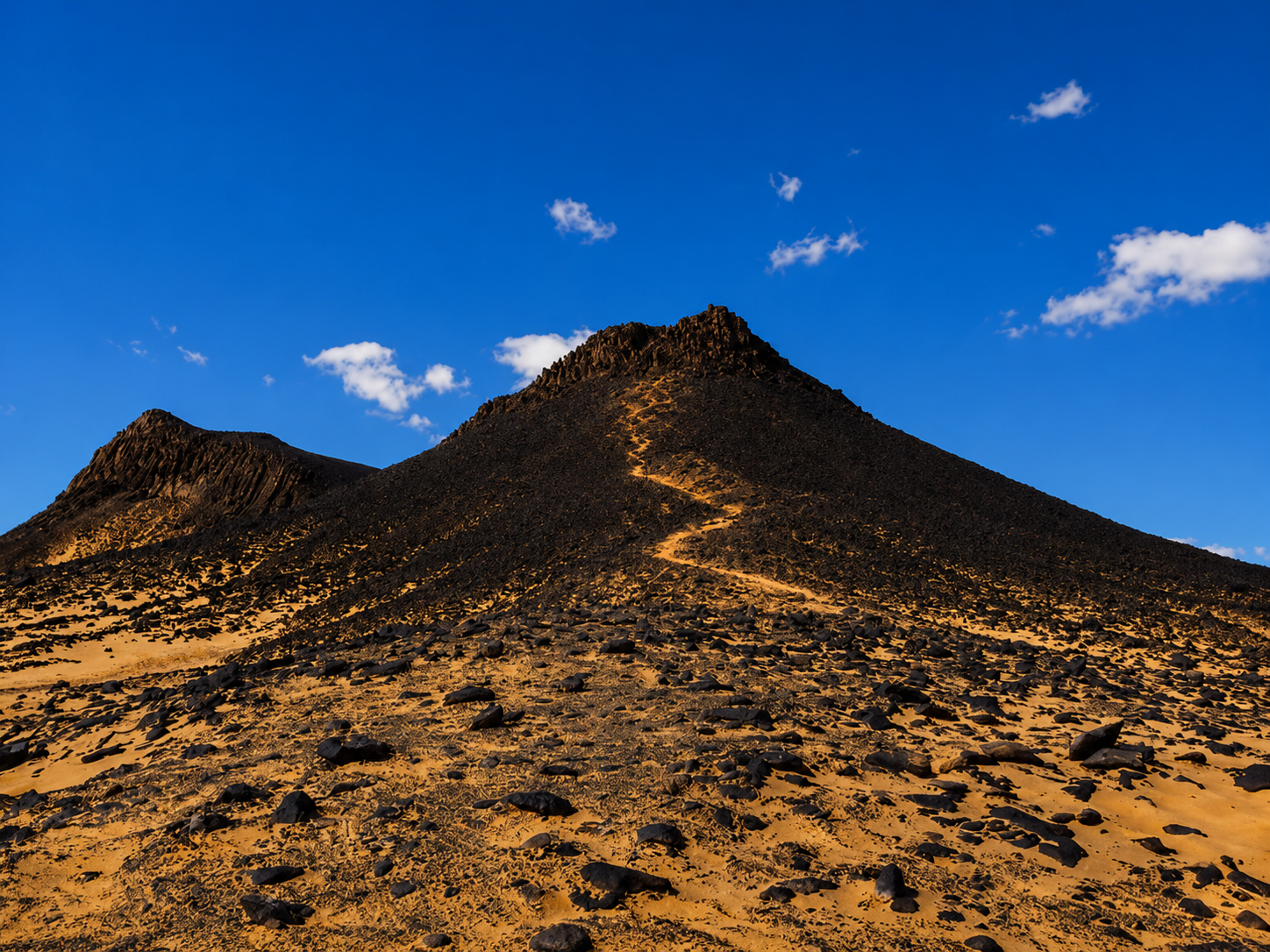
The Black Desert changes the color palette again with dark hills and volcanic-looking terrain.
Then the route passes Crystal Mountain and Agabat before reaching the pale formations of the White Desert.
Rather than repeating similar desert scenery for three days, the landscape keeps changing.
For travelers who want a broader understanding of Fayoum before planning the combined route, see our complete Fayoum Egypt Tours guide. Our current Fayoum page covers day trips, camping, Wadi El Rayan, Magic Lake, Wadi Al-Hitan and combined White Desert itineraries.

The journey begins in Cairo and heads toward Fayoum.
Fayoum is an especially useful first stop because it introduces travelers to desert landscapes without immediately taking them deep into the Western Desert.
Our Fayoum programs can combine nature, dunes, lakes, fossils and local villages.
A combined itinerary may include several of the following stops.
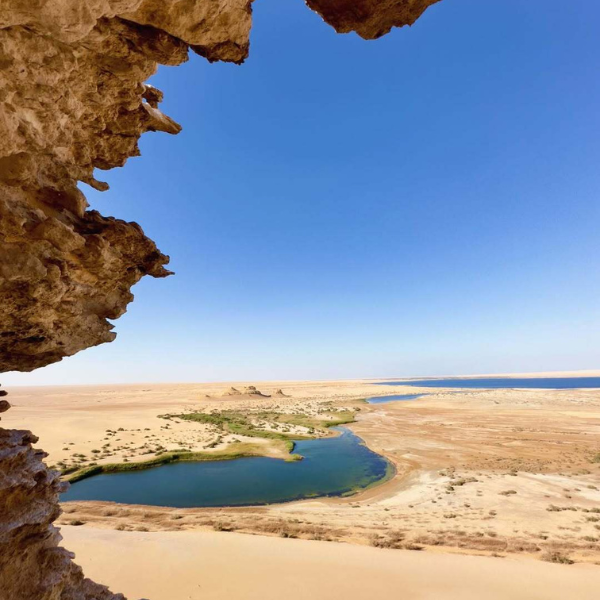
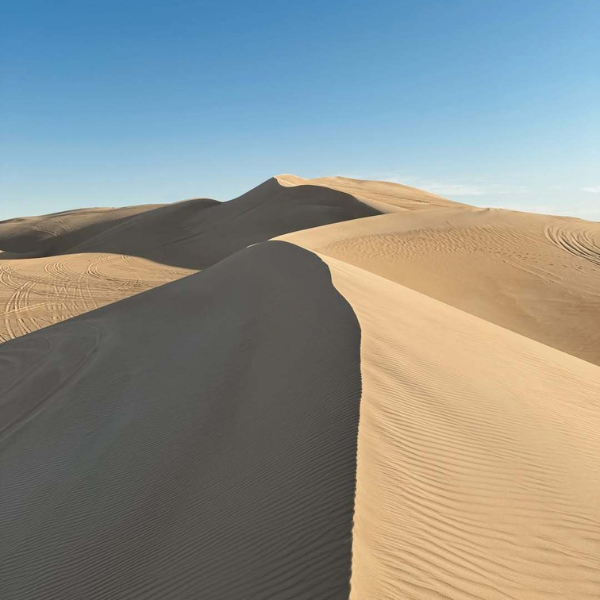
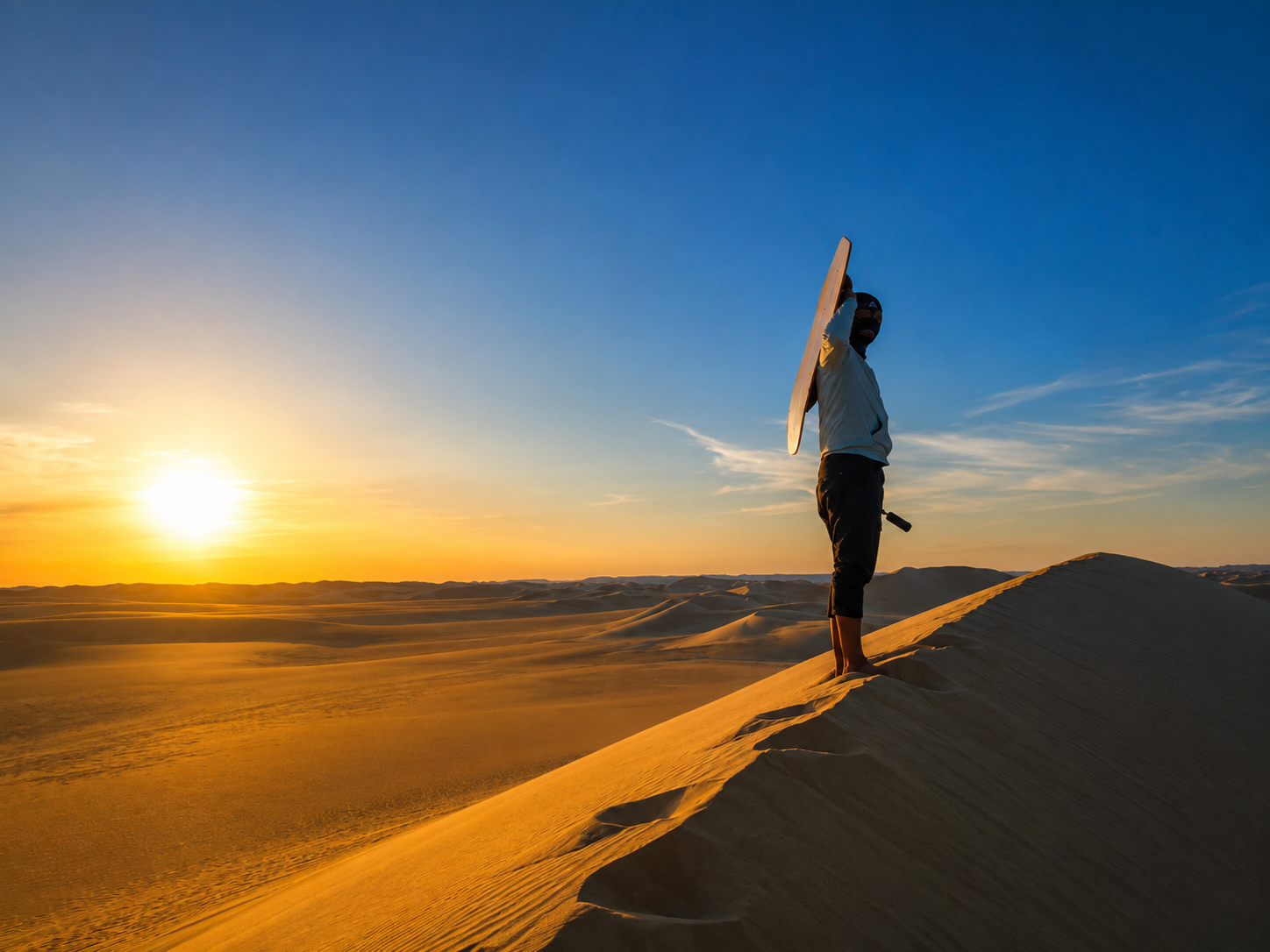
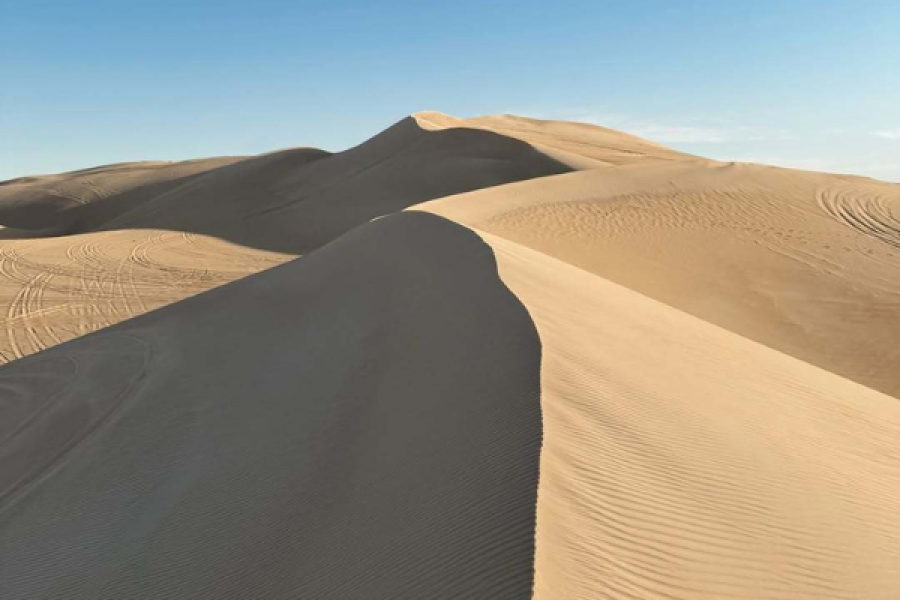
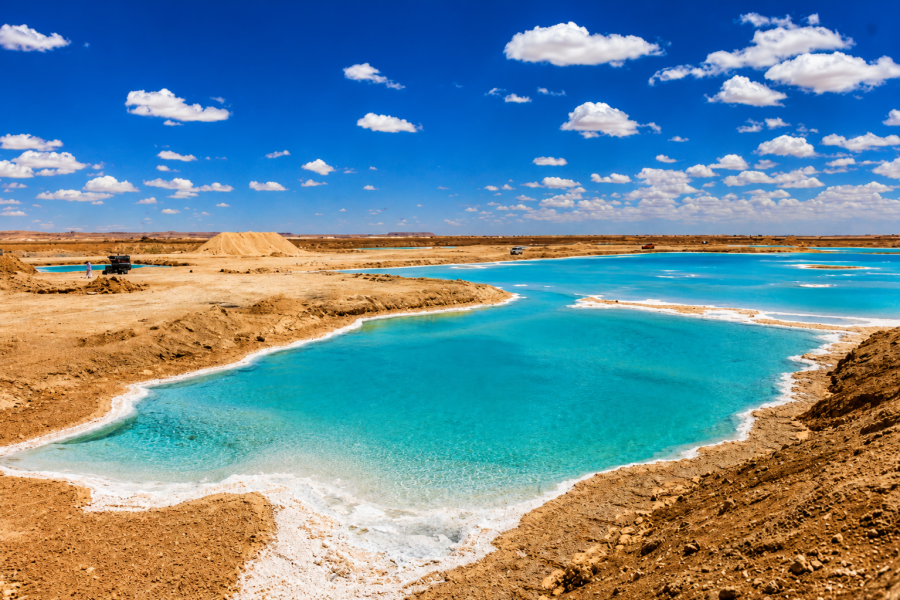
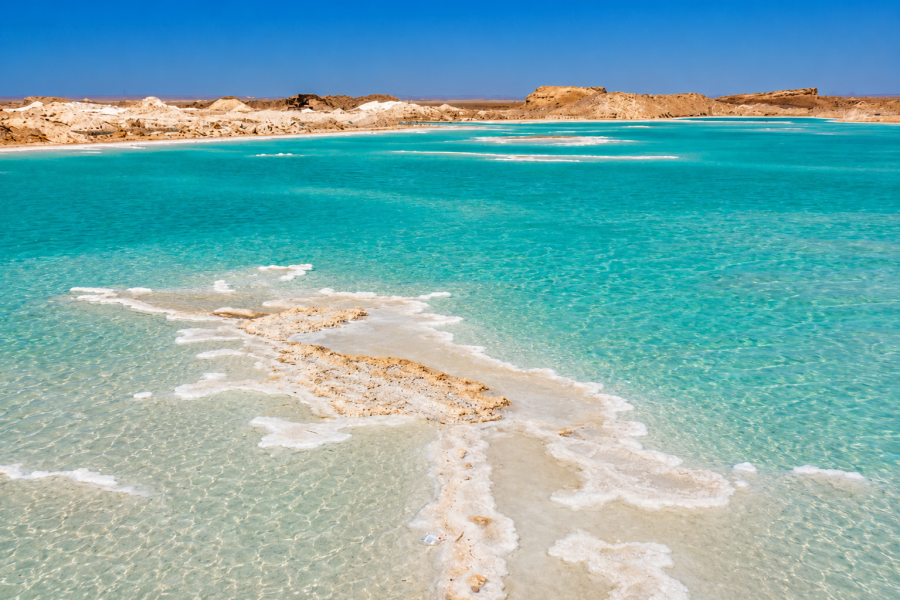
Magic Lake is surrounded by desert scenery and sand dunes and is commonly included in Fayoum safari itineraries.
The Egyptian Ministry of Tourism’s Experience Egypt platform lists Magic Lake among the important desert landscapes within the Wadi El Rayan protected area and notes that the surrounding dunes are suitable for activities such as sandboarding.
The contrast is what surprises many first-time visitors.
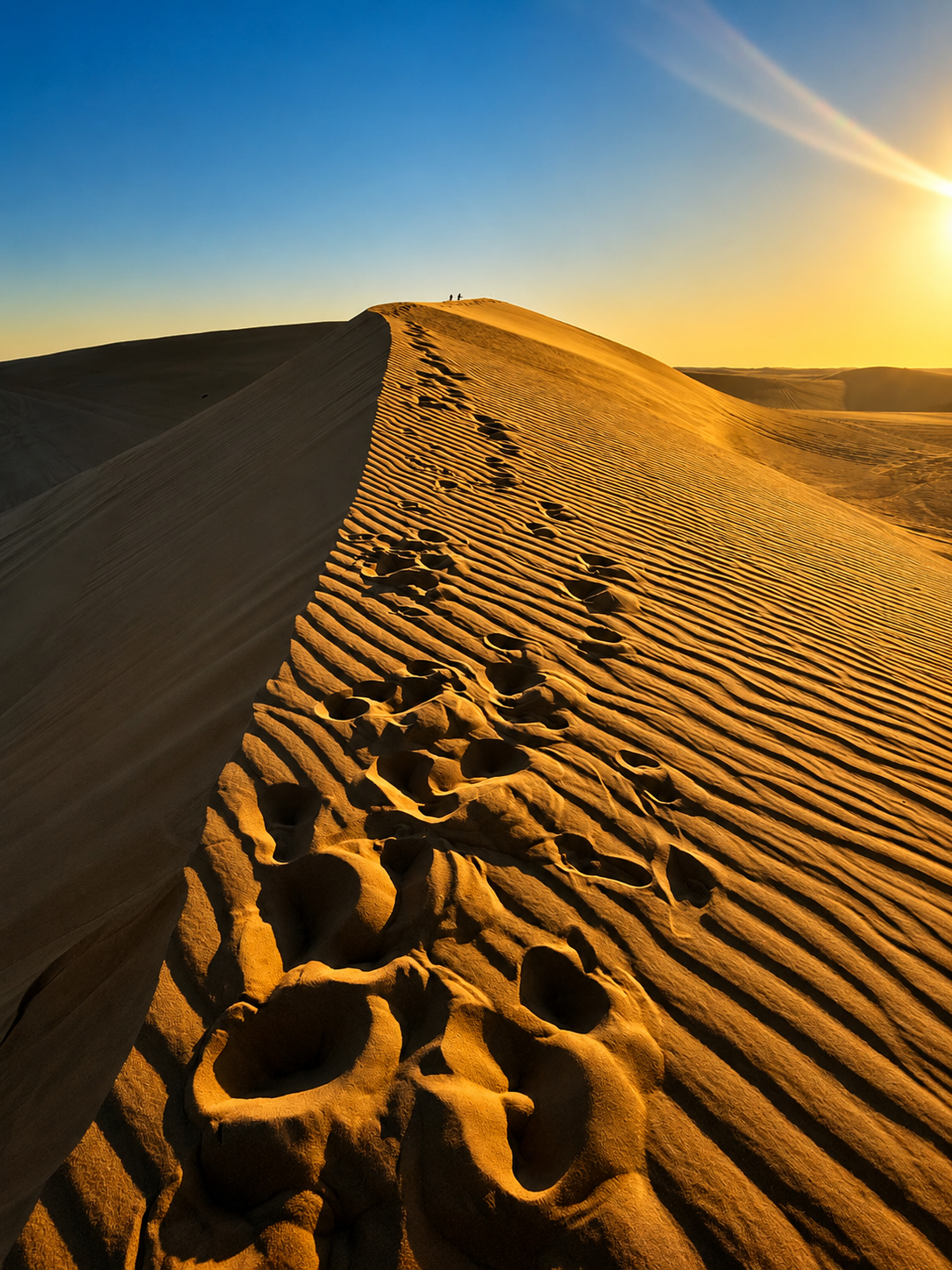
You can be standing among golden dunes while looking across water, creating a completely different environment from the White Desert you will experience later in the trip.
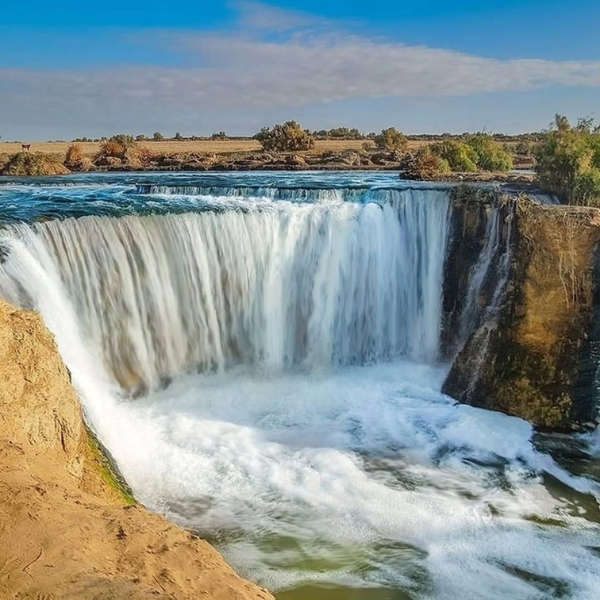
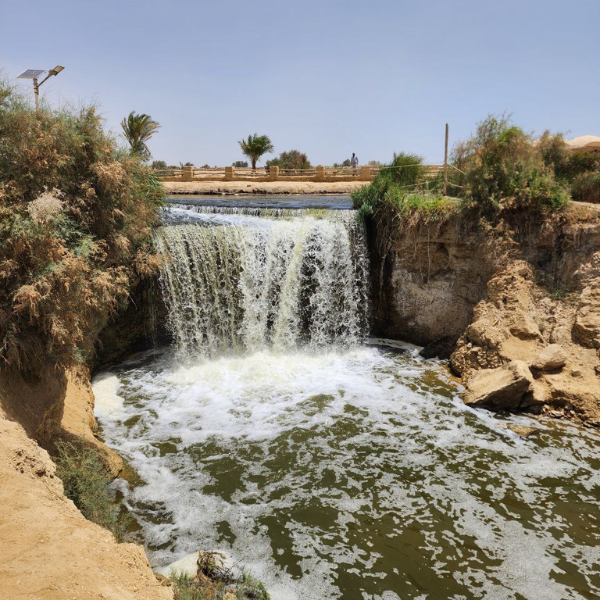
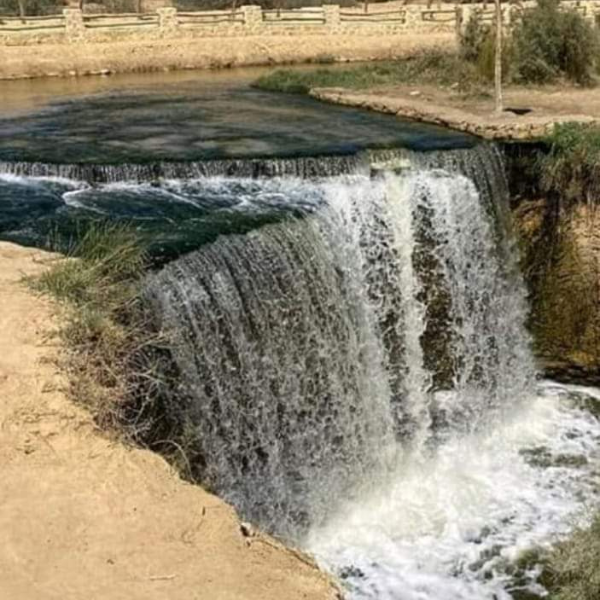
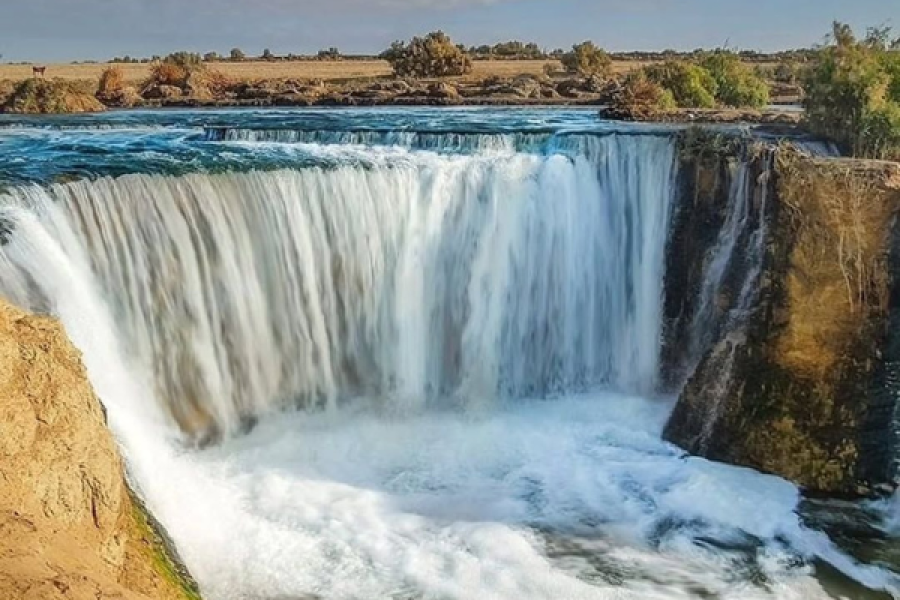
Wadi El Rayan is one of Fayoum’s best-known nature destinations.
The area combines lakes, open desert landscapes and the famous waterfall area, making it very different from the deep-desert scenery around Bahariya and the White Desert.
A visit here adds water, greenery in places and wide desert horizons to the itinerary before the journey becomes progressively more remote.
Experience Egypt identifies Wadi El Rayan as an important protected area and highlights both its desert landscapes and connection with Wadi Al-Hitan.
If you only have one free day in Cairo and cannot continue toward Bahariya, our One Day Fayoum Tour from Cairo is the shorter alternative.
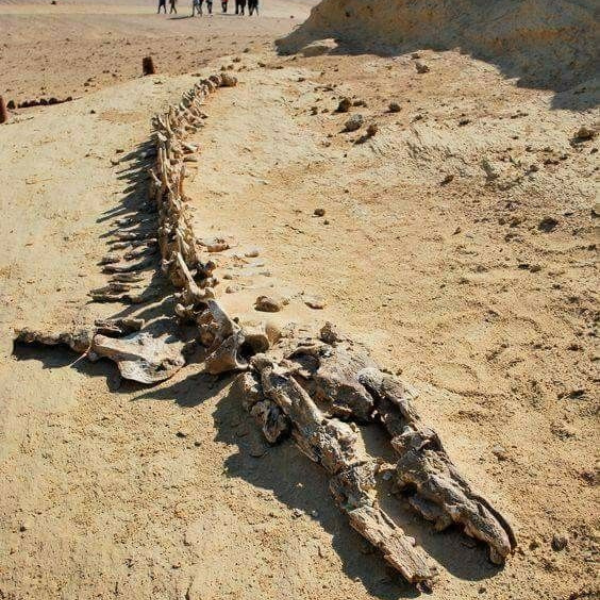
Wadi Al-Hitan is where the Fayoum section becomes particularly unusual.
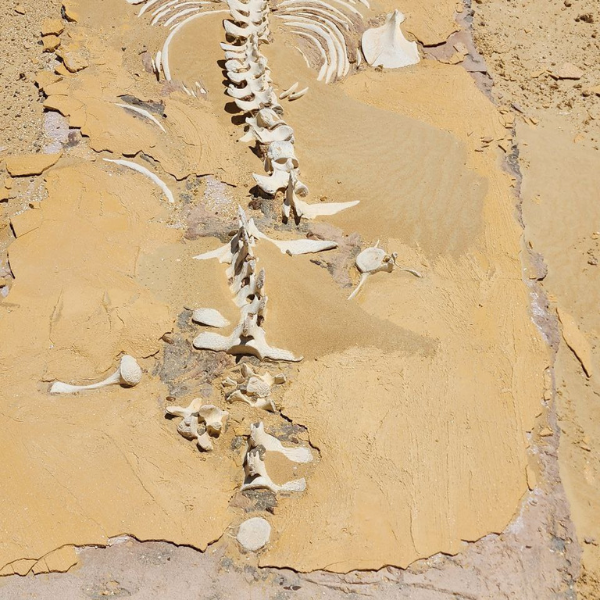
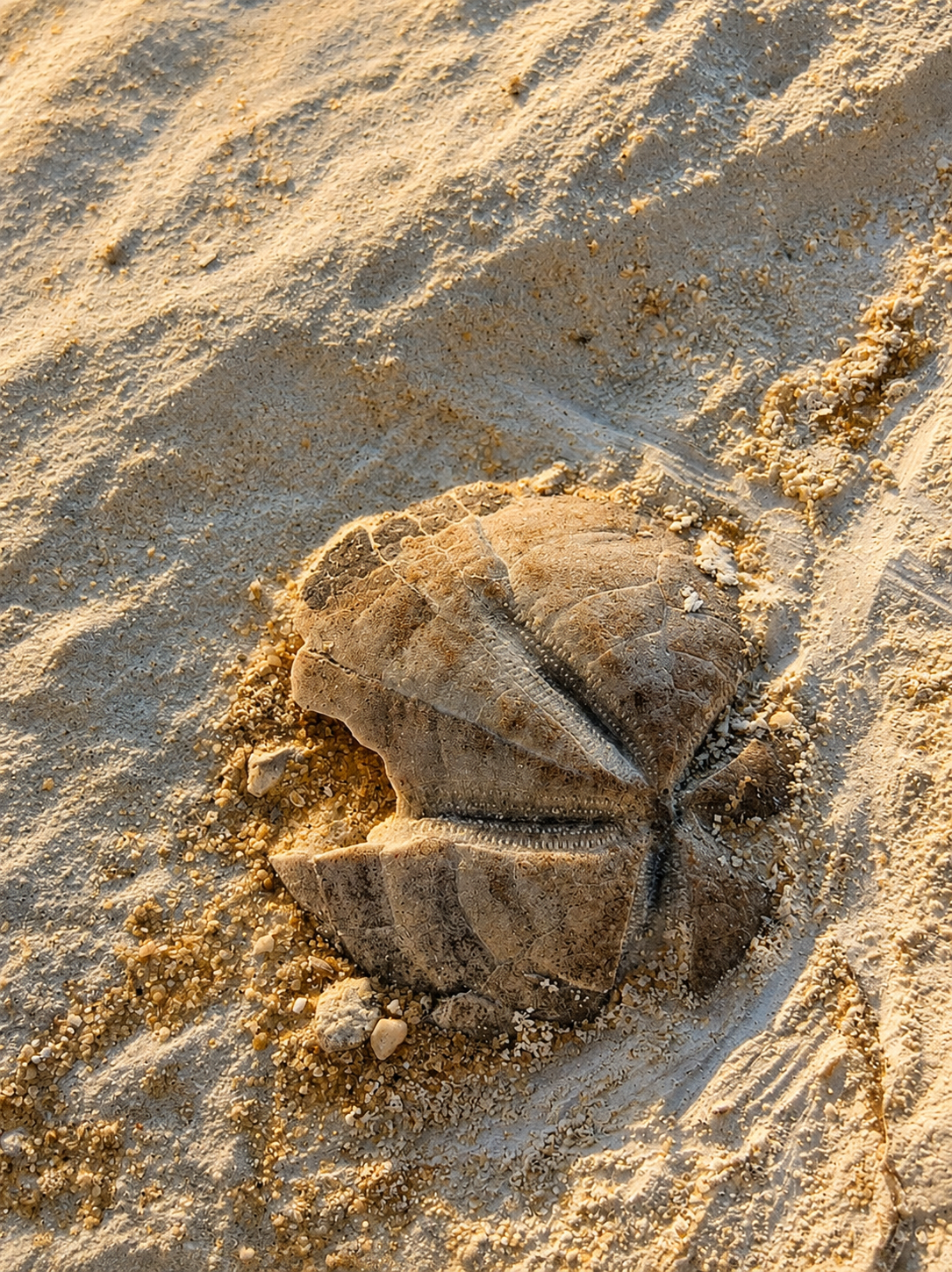
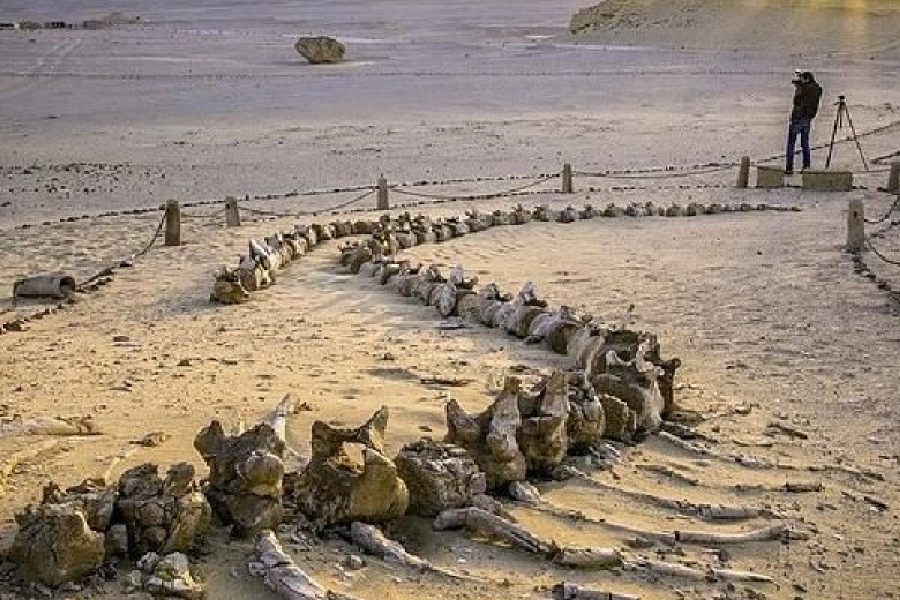
Known internationally as Whale Valley, it is a UNESCO World Heritage Site containing important fossil evidence from ancient whales.
UNESCO describes Wadi Al-Hitan as an exceptional site containing fossils of the extinct Archaeoceti and explaining an important stage in the evolution of whales from land-based mammals to ocean-going animals.
That makes it much more than a photogenic desert stop.
You are walking through a landscape preserving evidence from a time when the environment here was completely different from the desert you see today.
Travelers who are interested in geology, fossils, natural history or unusual UNESCO sites often find this one of the most memorable parts of Fayoum.
External reference:
UNESCO – Wadi Al-Hitan World Heritage Site
UNESCO notes that the site was inscribed on the World Heritage List in 2005.
After desert exploration, Tunis Village provides another change of atmosphere.
Rather than dunes or fossils, the focus shifts toward village life, traditional crafts and pottery.
Our current Fayoum route includes Tunis Village and highlights its pottery tradition as part of the first day’s itinerary.
Including a cultural stop is useful because three straight days of landscapes can become repetitive for some travelers.
Here, the experience becomes more human and local before the route continues toward Bahariya.
The second day marks a major transition.
You leave the Fayoum region and continue deeper into Egypt’s Western Desert toward Bahariya Oasis.
Bahariya is one of the most important gateways for White Desert trips starting from Cairo.
Our dedicated Bahariya Oasis Egypt guide explains how the classic safari route connects Bahariya with the Black Desert, Crystal Mountain, Agabat and the White Desert camping zone.
This is also the point where the style of travel changes.
The Fayoum section combines roads and desert sightseeing.
Once the journey moves into the deeper White Desert safari route, suitable 4×4 vehicles and experienced desert driving become much more important.
For many travelers, Bahariya is not the final destination.
It is the gateway to the deeper desert.
The classic route from Cairo usually runs:
Cairo → Bahariya Oasis → Black Desert → Crystal Mountain → Agabat → White Desert
Our White Desert from Cairo guide explains this route in detail and notes that Bahariya is the practical gateway used by many travelers reaching the White Desert from Cairo.
This makes Bahariya strategically important in the combined Fayoum route.
You are not adding a random third destination.
You are connecting Fayoum to the natural gateway for the next stage of the safari.
Soon after beginning the safari route around Bahariya, the landscape changes again.
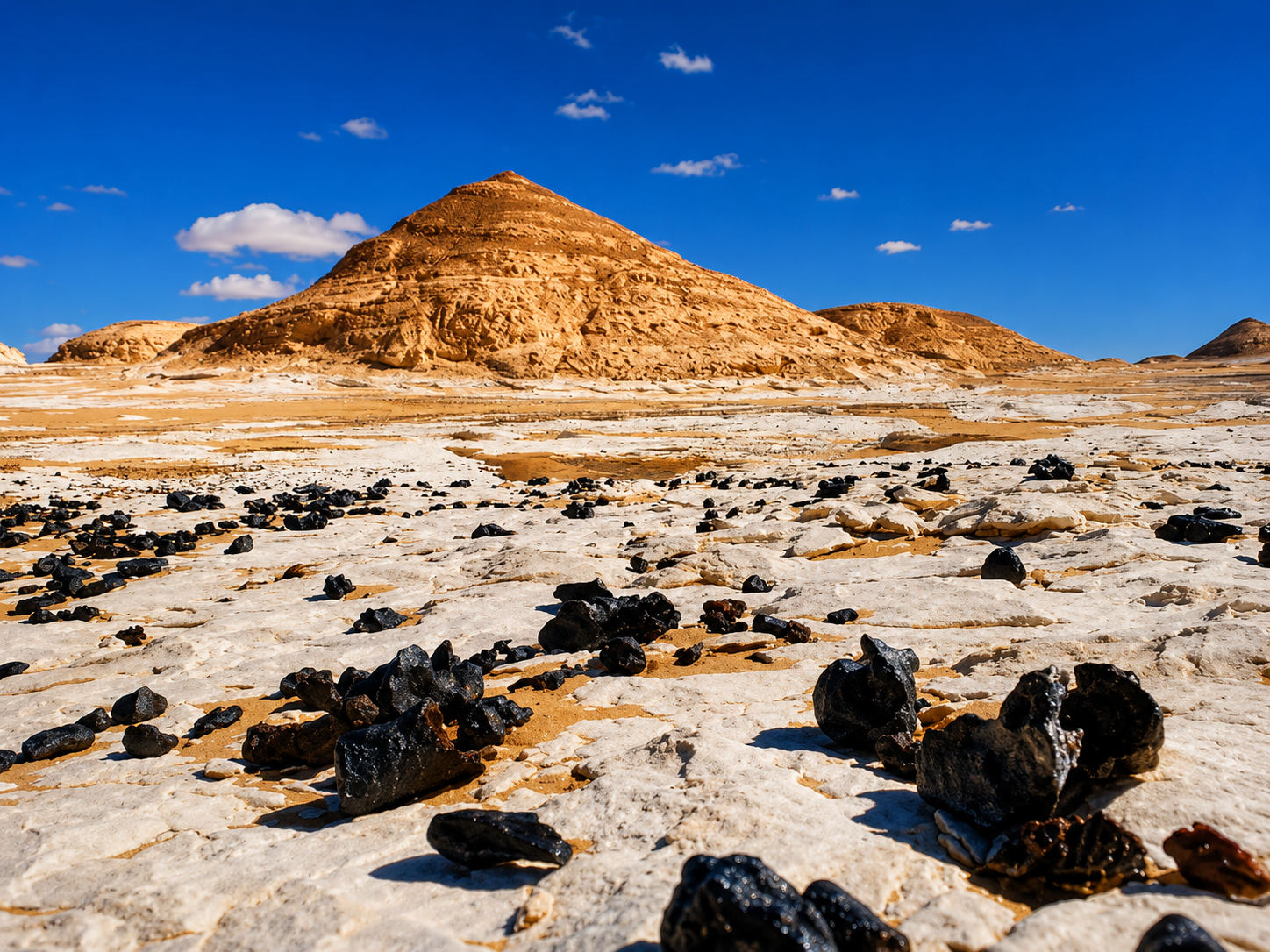
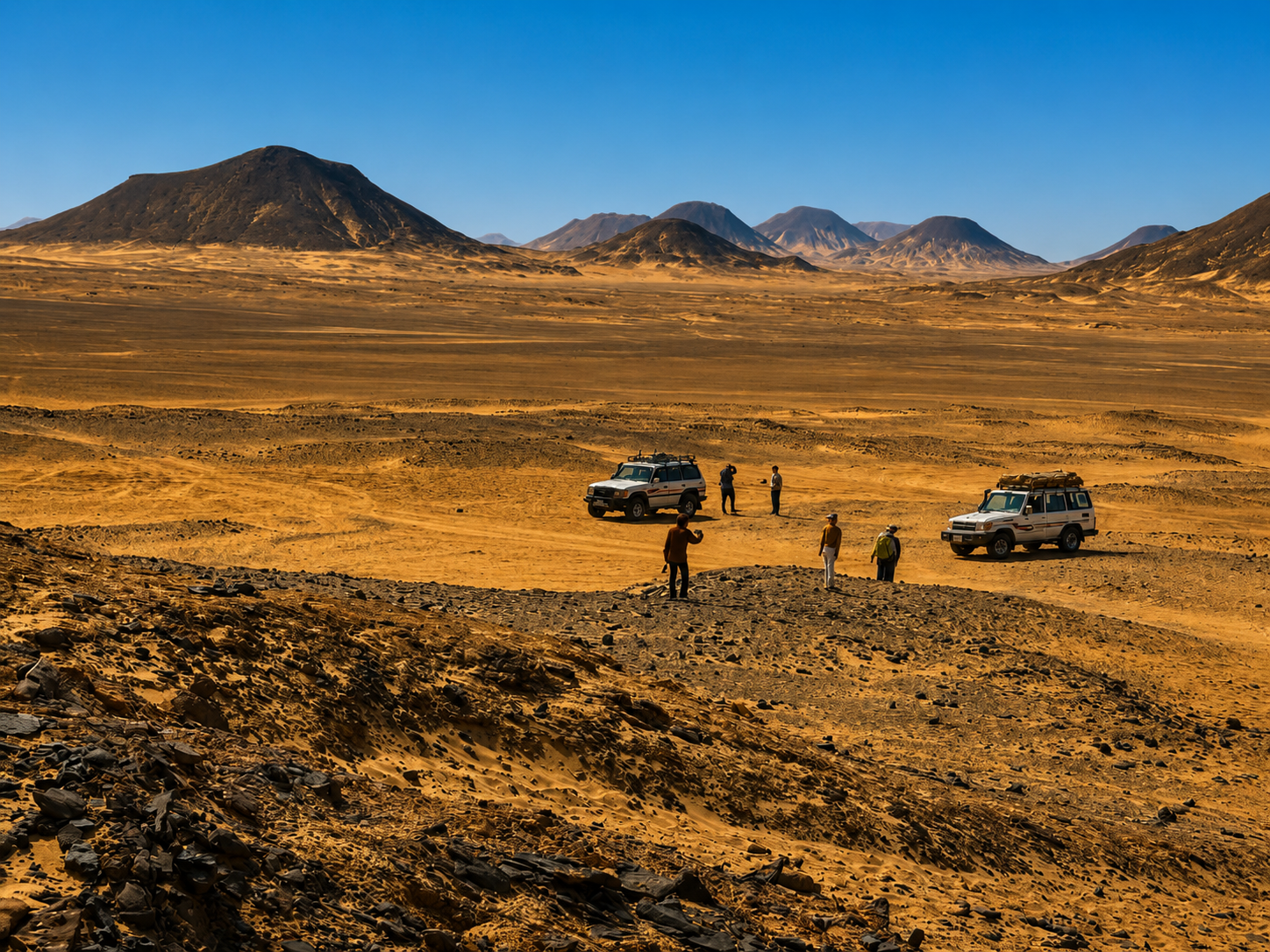
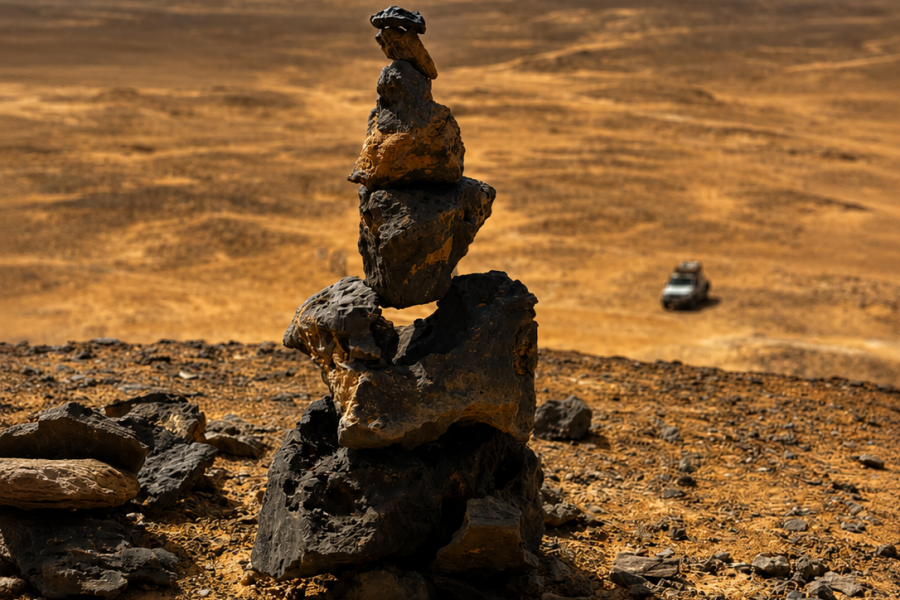
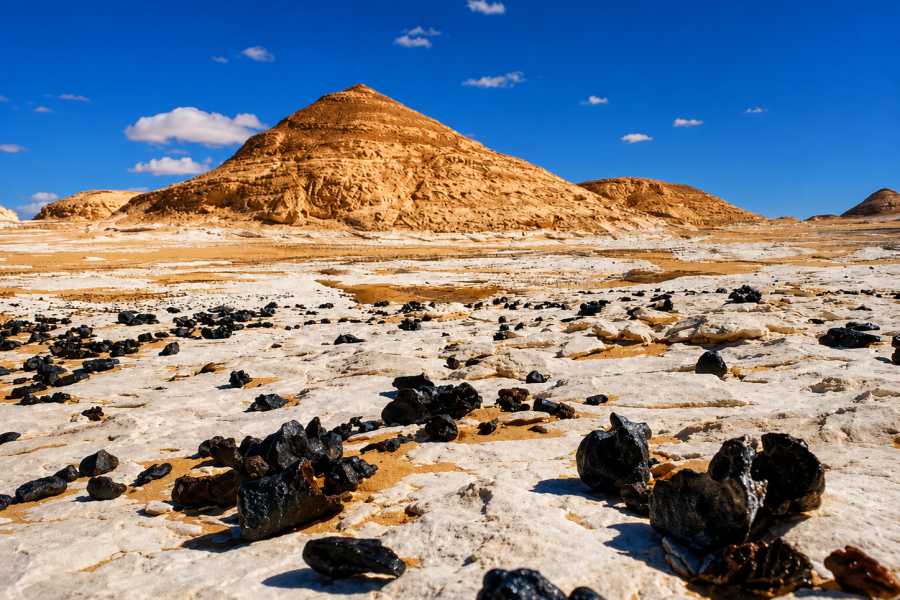
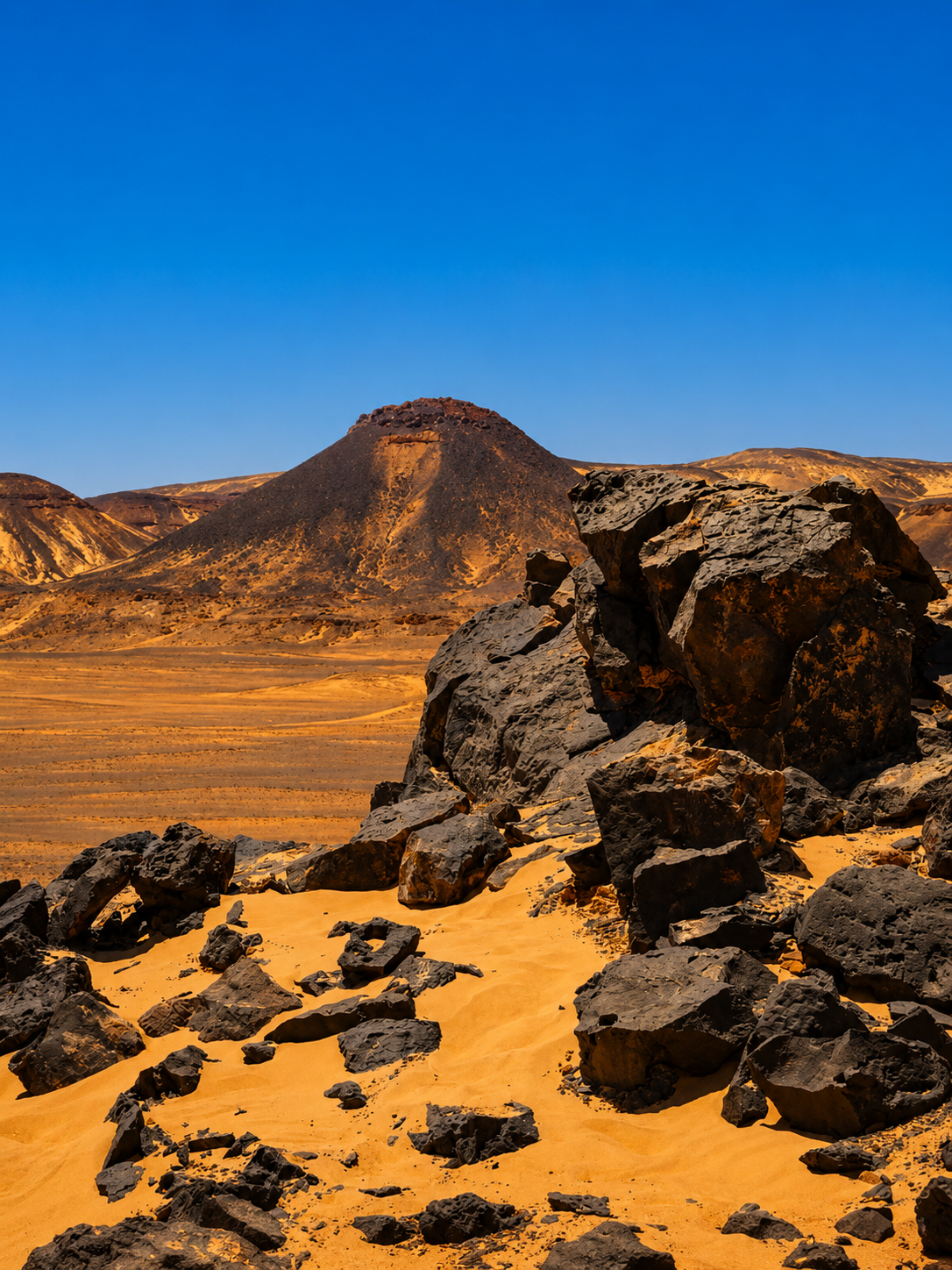
The Black Desert is defined by dark-colored hills and black material covering parts of the terrain, creating a dramatic contrast with the pale White Desert later in the journey.
Our combined Fayoum and White Desert itinerary includes the Black Desert as part of Day 2.
For a deeper explanation of this region, see our Black Desert Egypt guide.
You can also read our existing Black Desert and White Desert Tour from Cairo guide if you are deciding whether to skip Fayoum and concentrate only on the classic Bahariya desert route.
The route can also include Gabal El Marsos, sometimes described in tour itineraries as Divided Mountain.
It is part of the changing terrain around the Black Desert section of the safari and is included in our current 3-day combined itinerary.
Stops like this are important because they break the journey into distinct landscapes rather than treating the desert simply as the road between Bahariya and the White Desert.
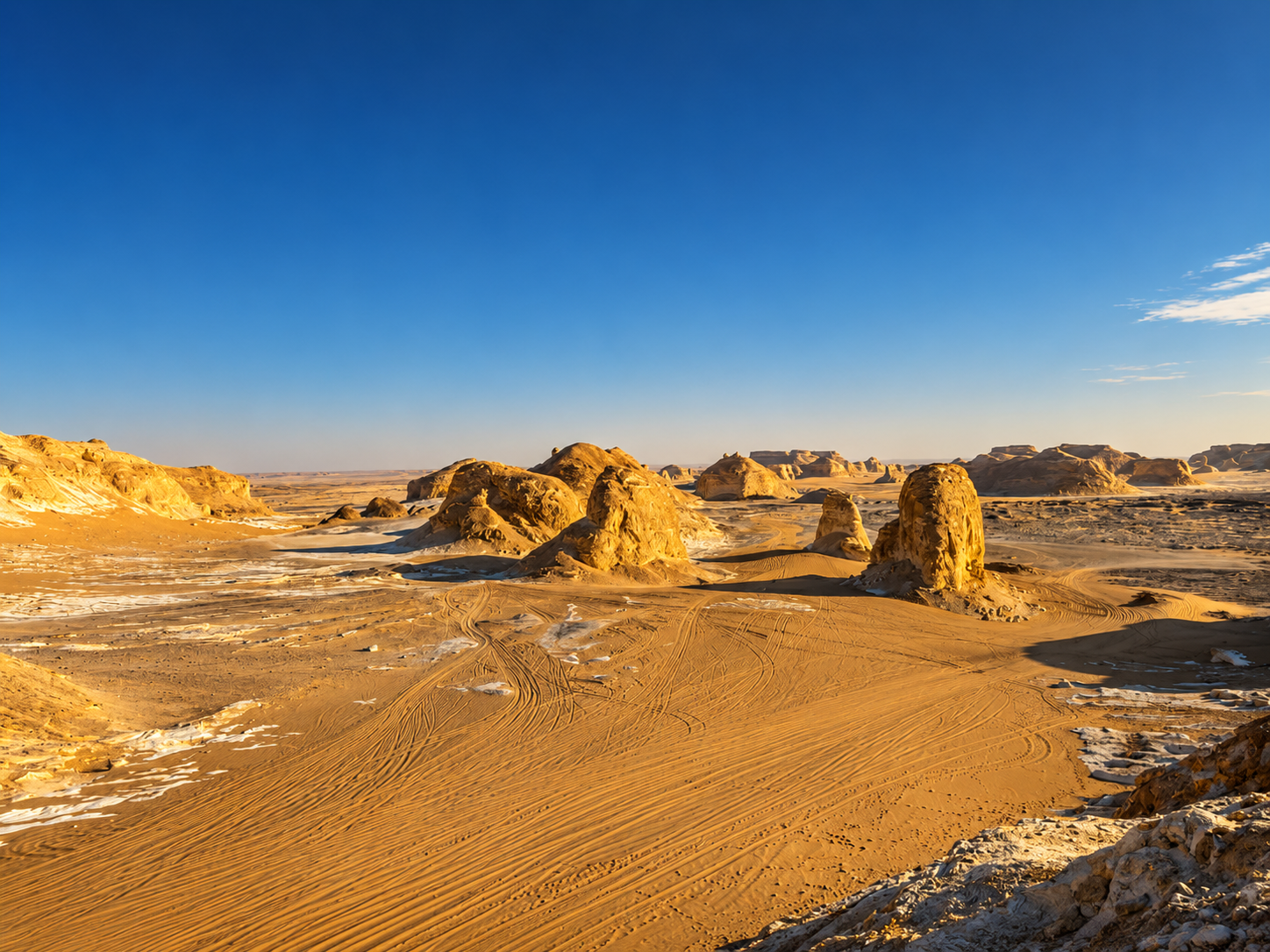
Crystal Mountain is one of the recognizable stops between Bahariya and the White Desert.
Despite the name, travelers should think of it as a geological desert formation rather than a conventional mountain that requires a long climb.
Our current combined tour places Crystal Mountain between the Black Desert area and the approach toward Agabat and the White Desert.
The area is usually explored during the 4×4 safari before continuing farther into the Western Desert.
Agabat provides another dramatic change of scenery.
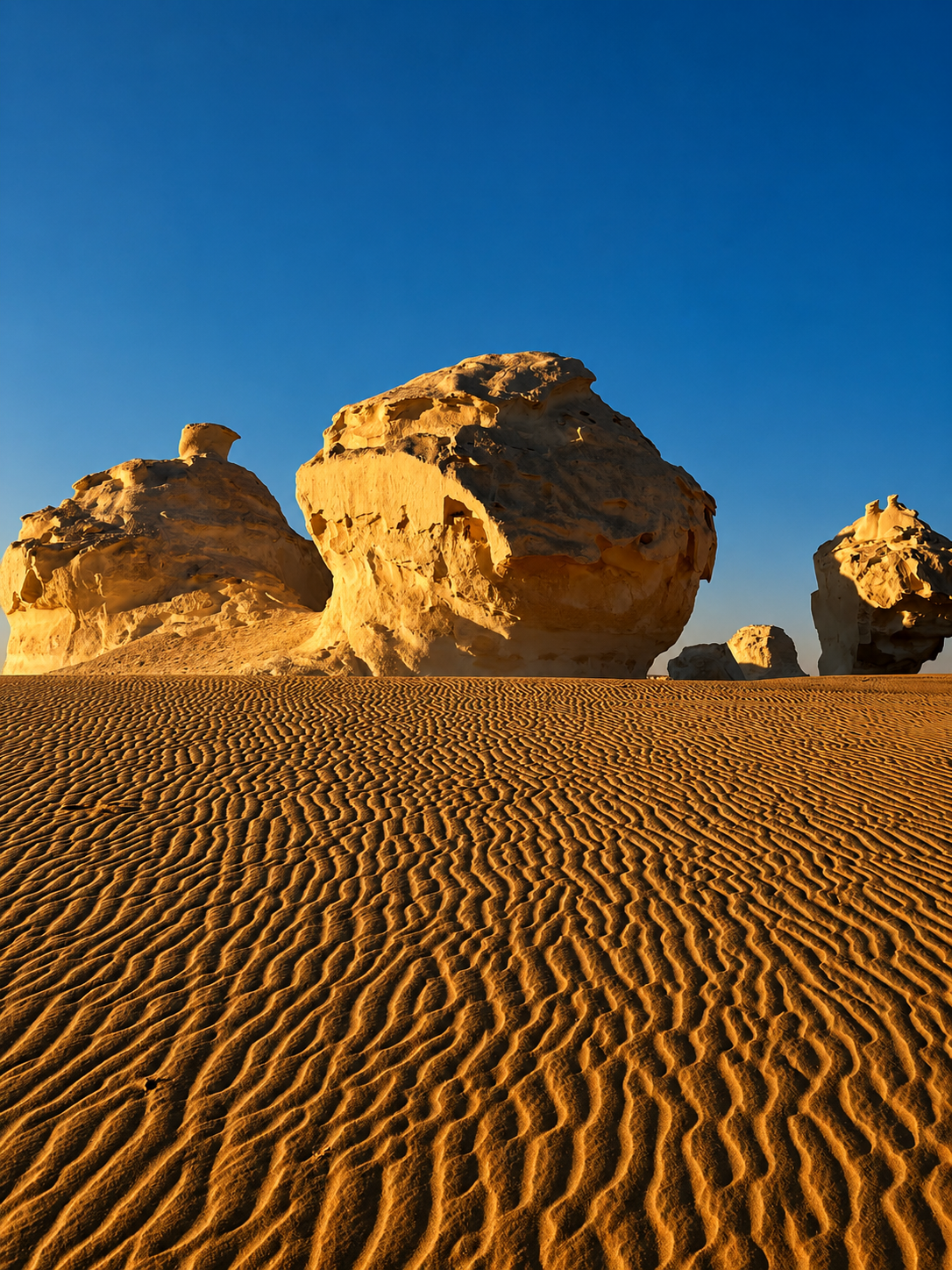
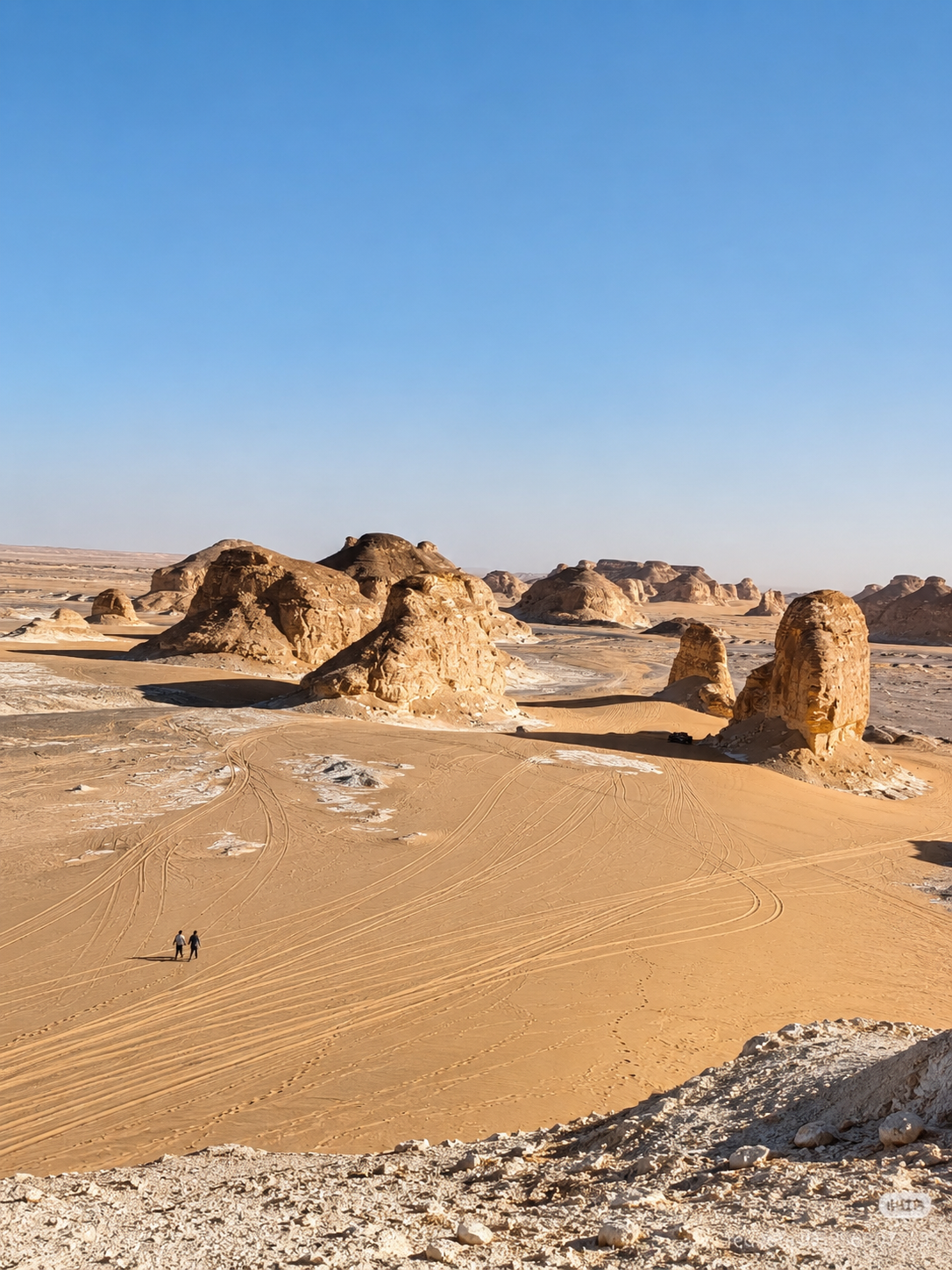
Large sculpted formations, open sand and distant desert ridges create an environment that often feels much more remote than the earlier stages of the trip.
It also helps explain why the Bahariya-to-White-Desert journey should not be viewed merely as transportation.
The road itself is part of the experience.
Our White Desert routes commonly include Agabat together with the Black Desert and Crystal Mountain.
By the time you reach the White Desert, you have already experienced lakes, fossils, villages, an oasis, black hills and desert formations.
Then the scenery changes once again.
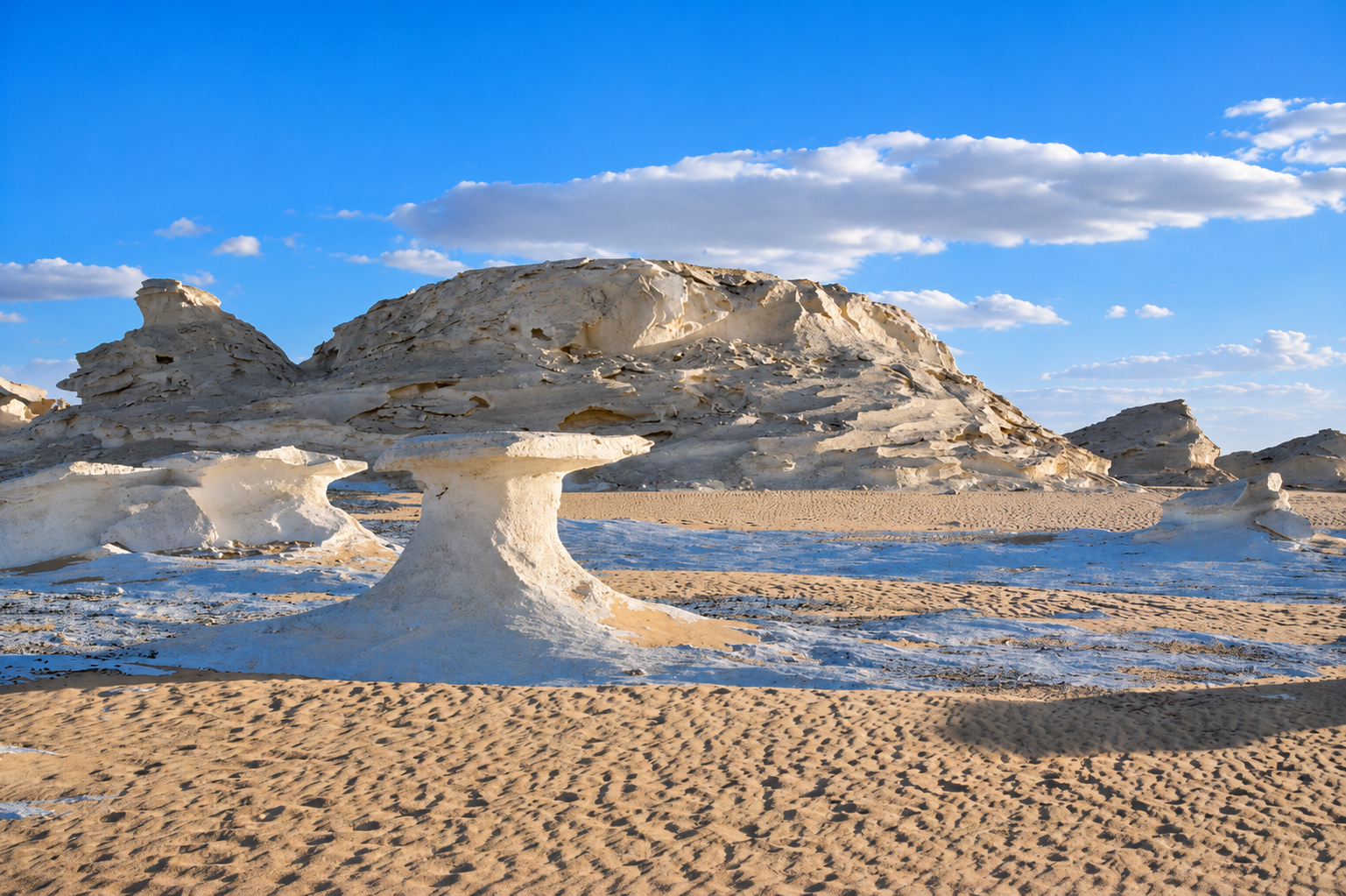
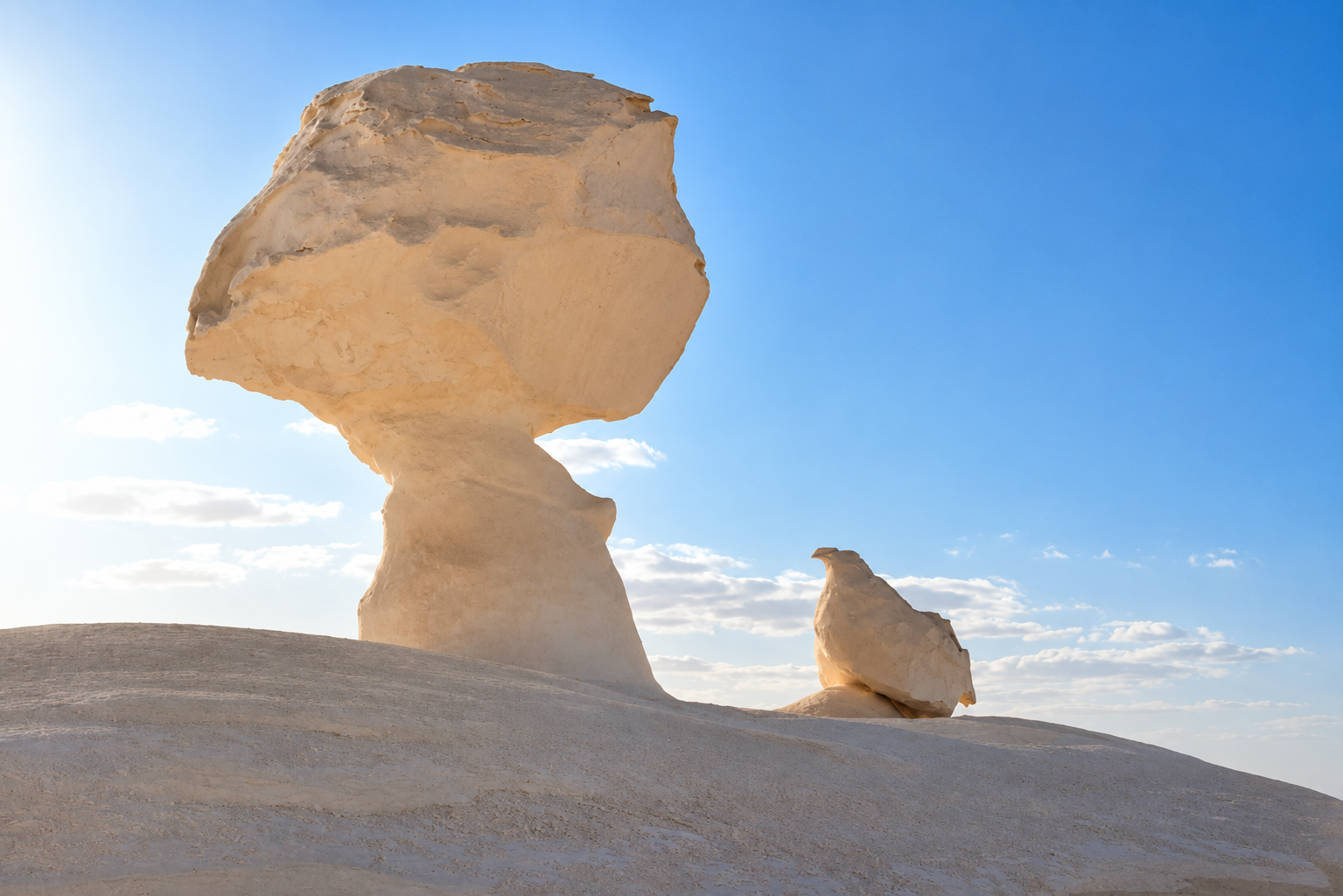
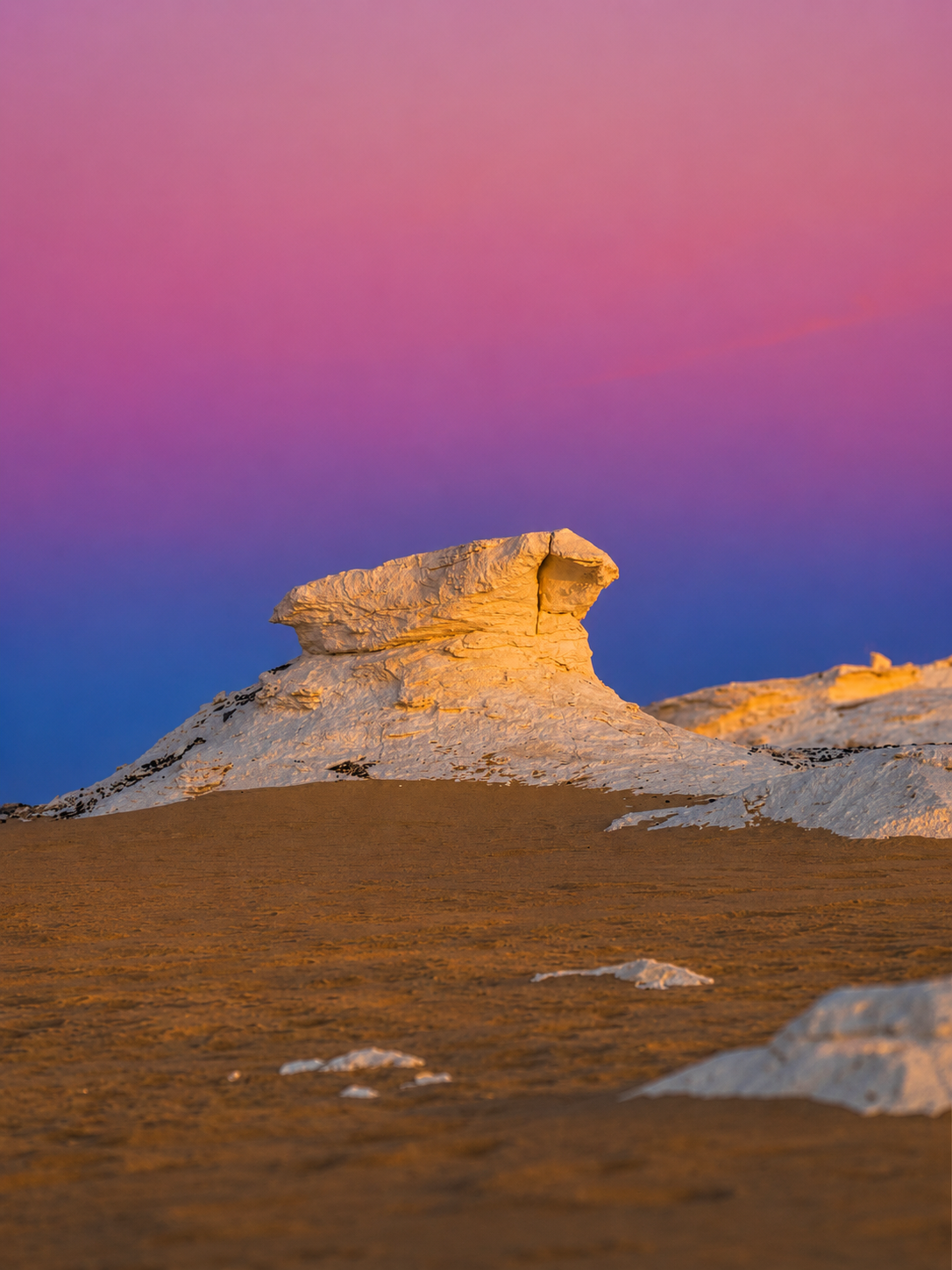
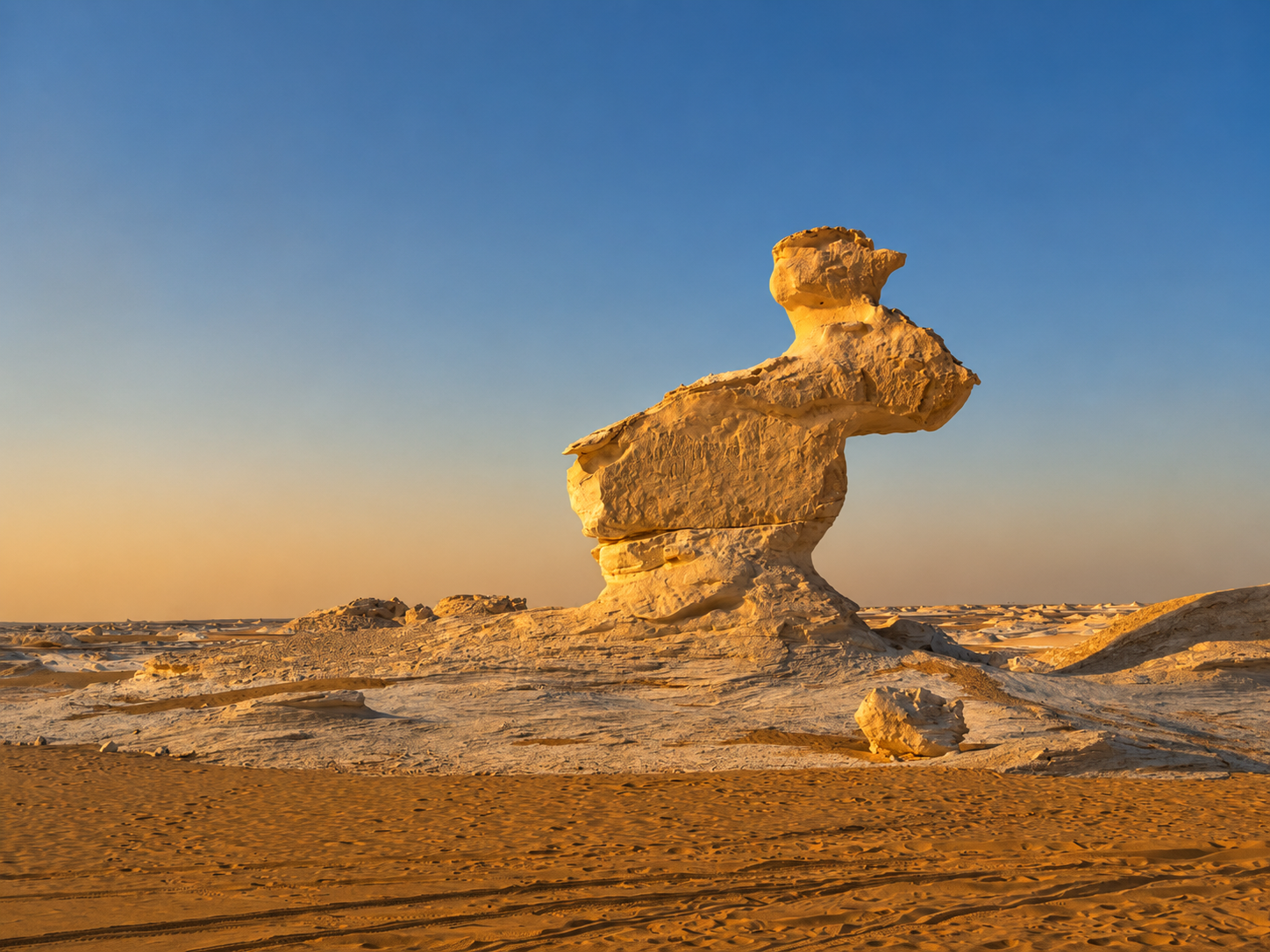
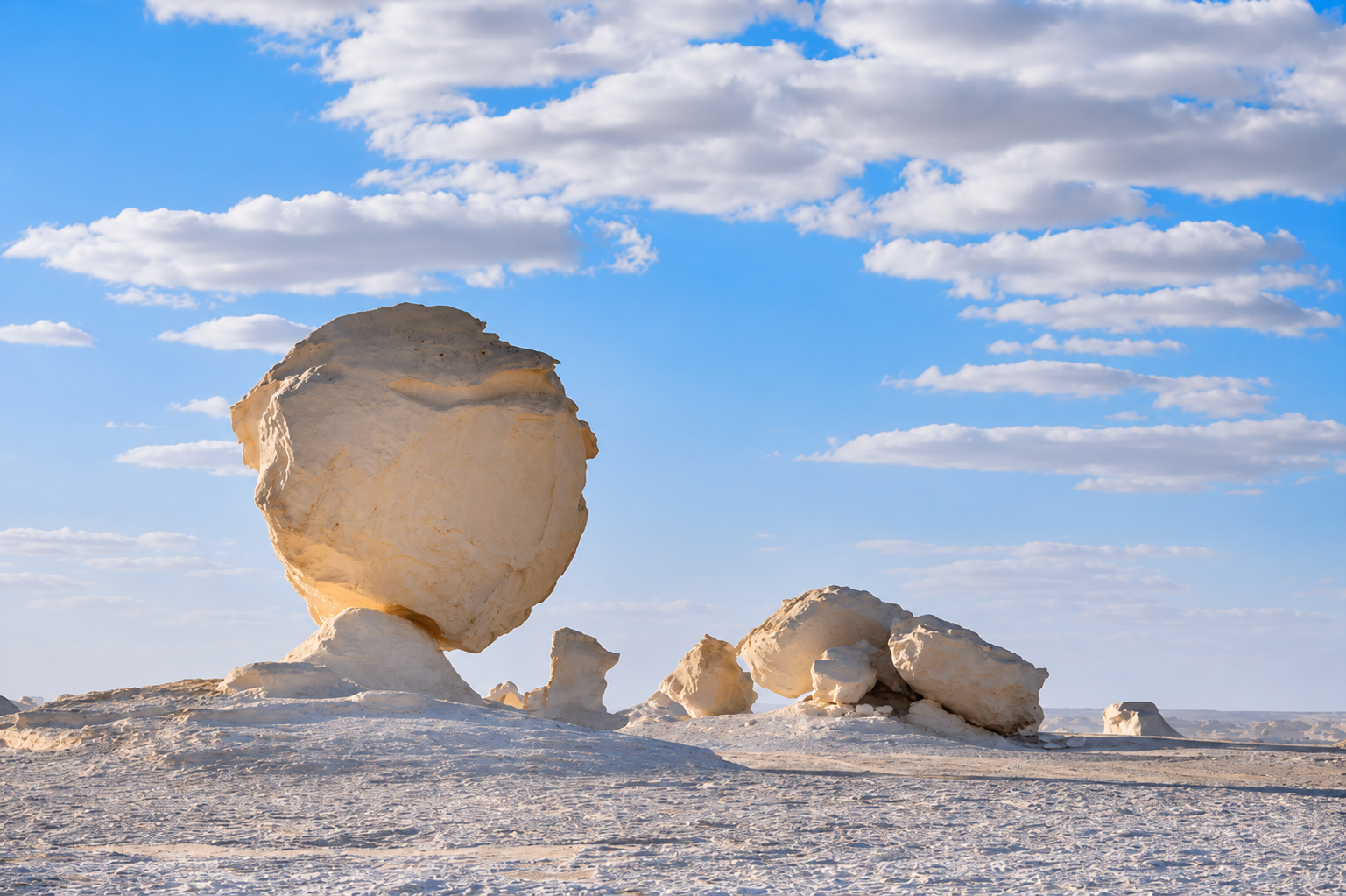
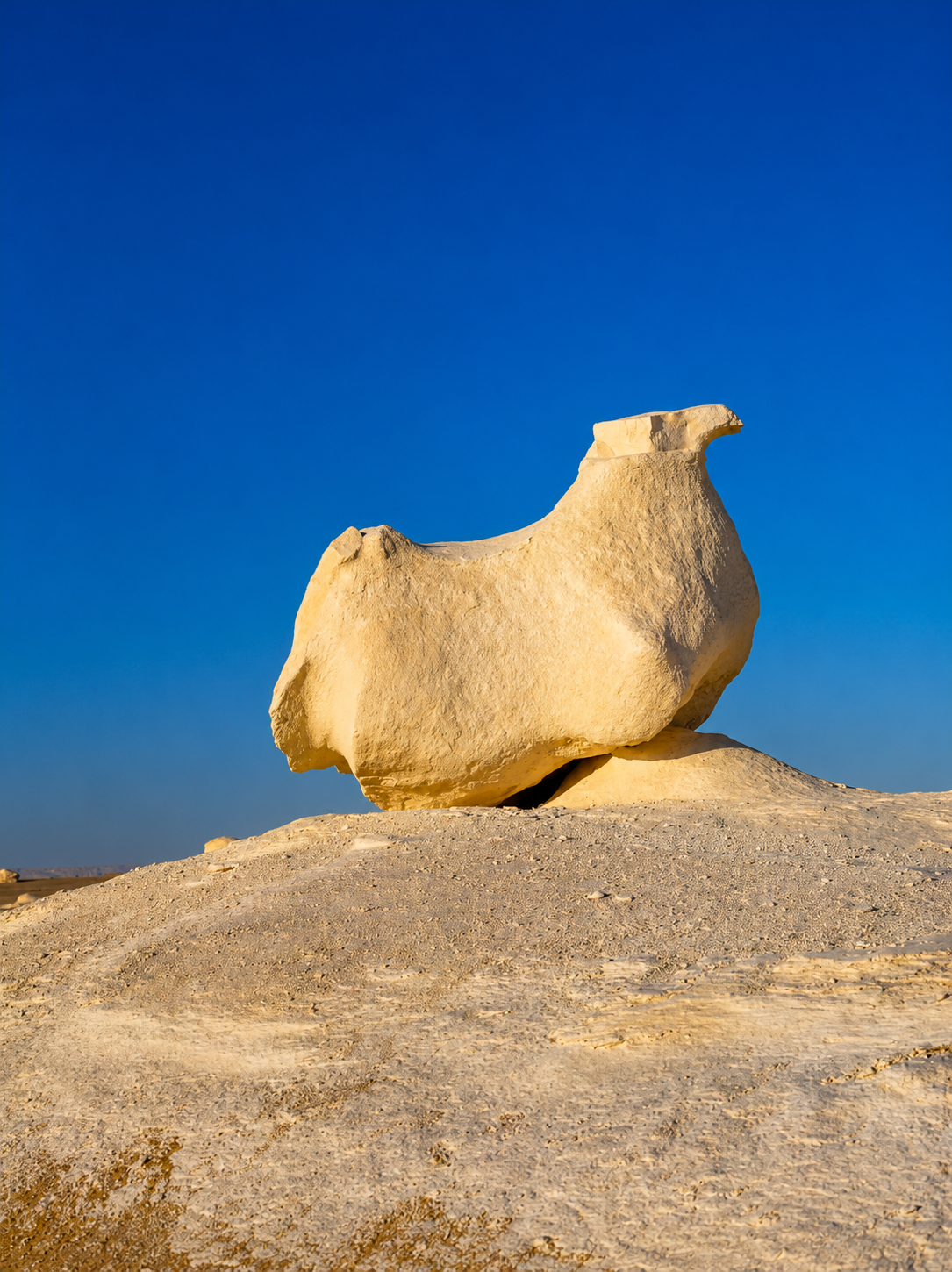
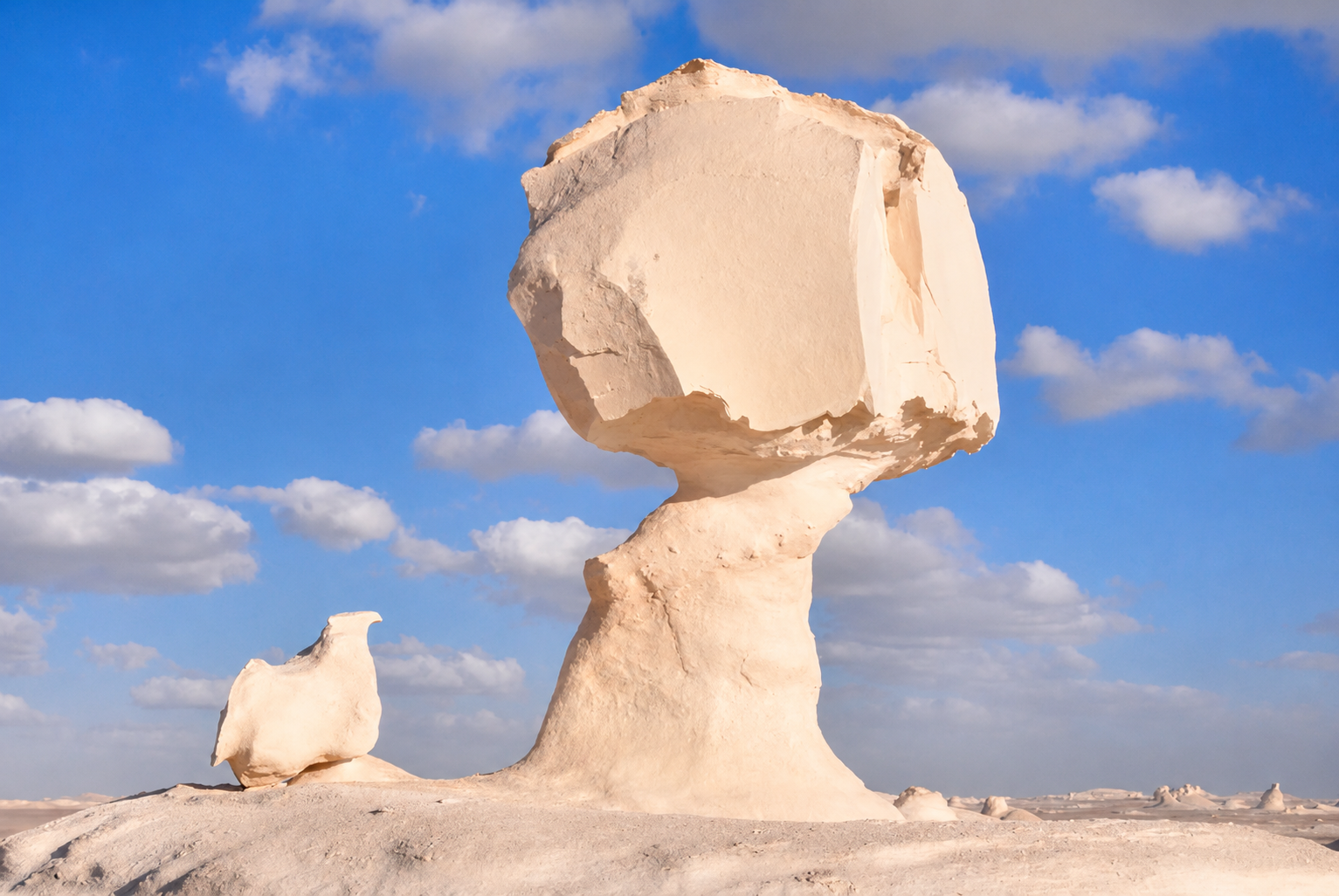
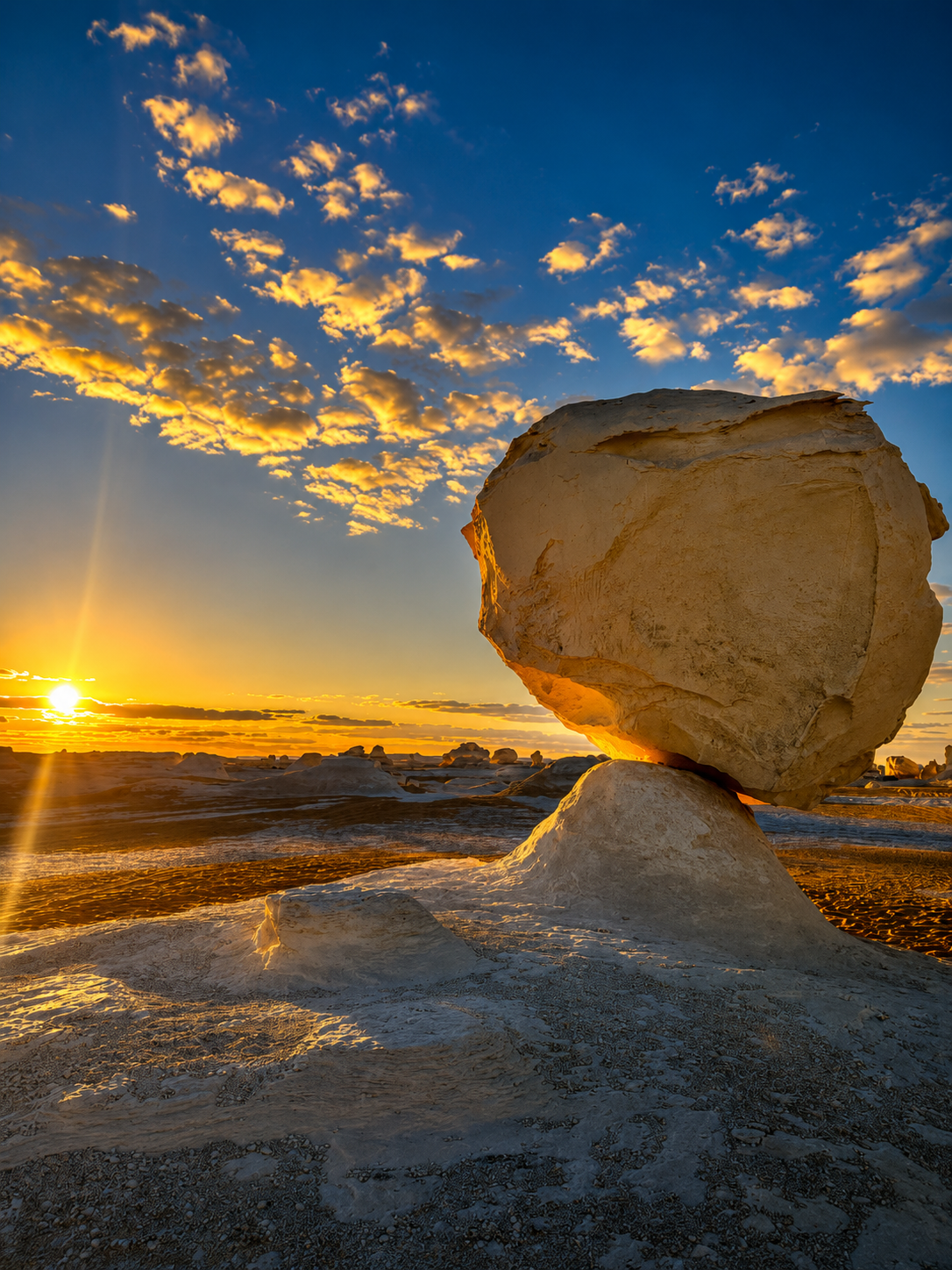
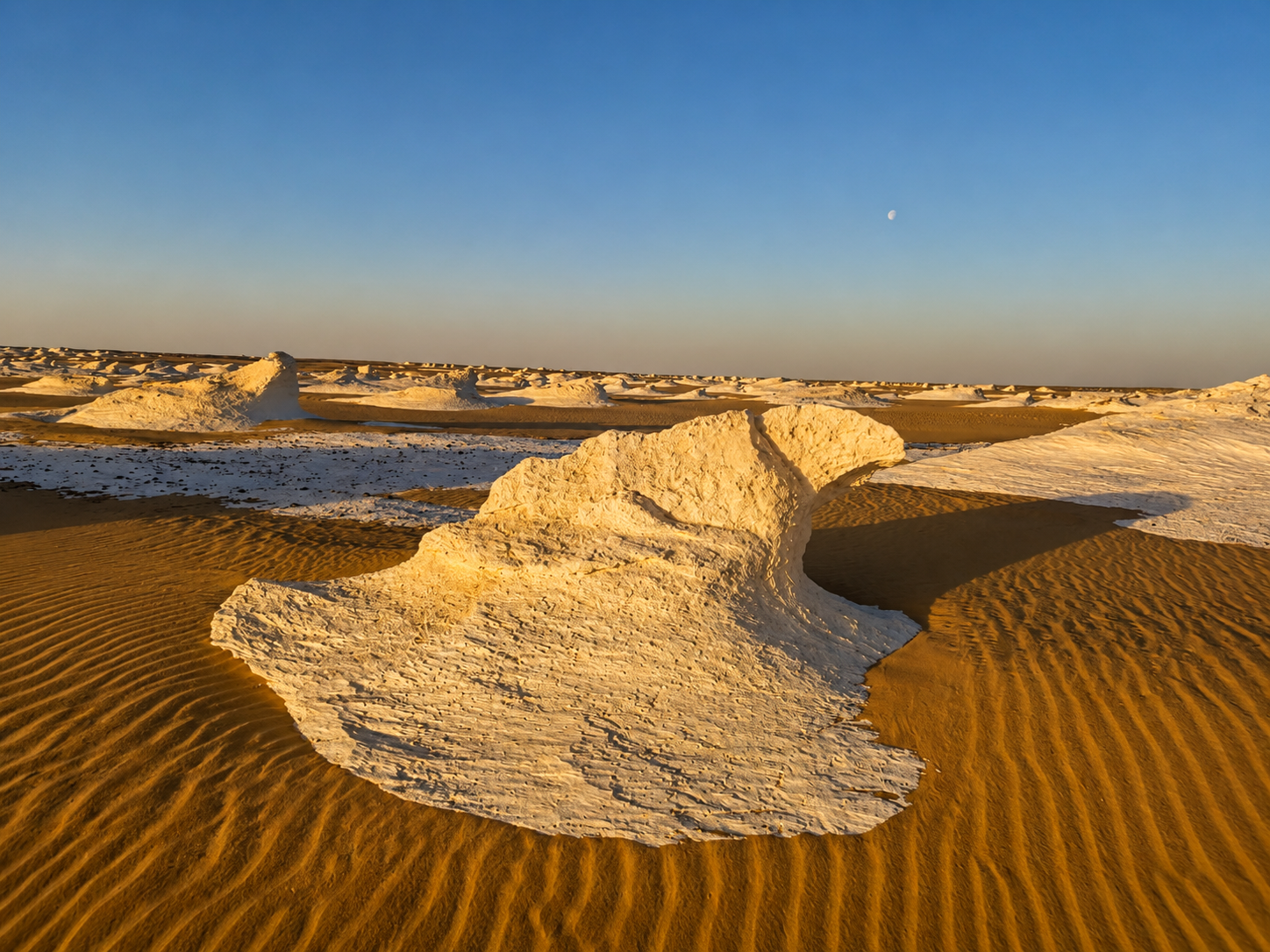
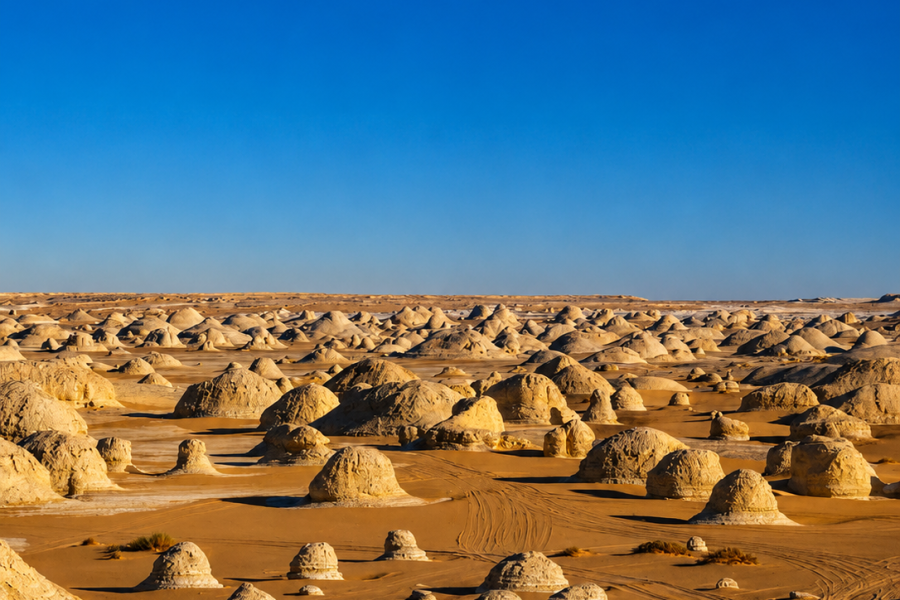
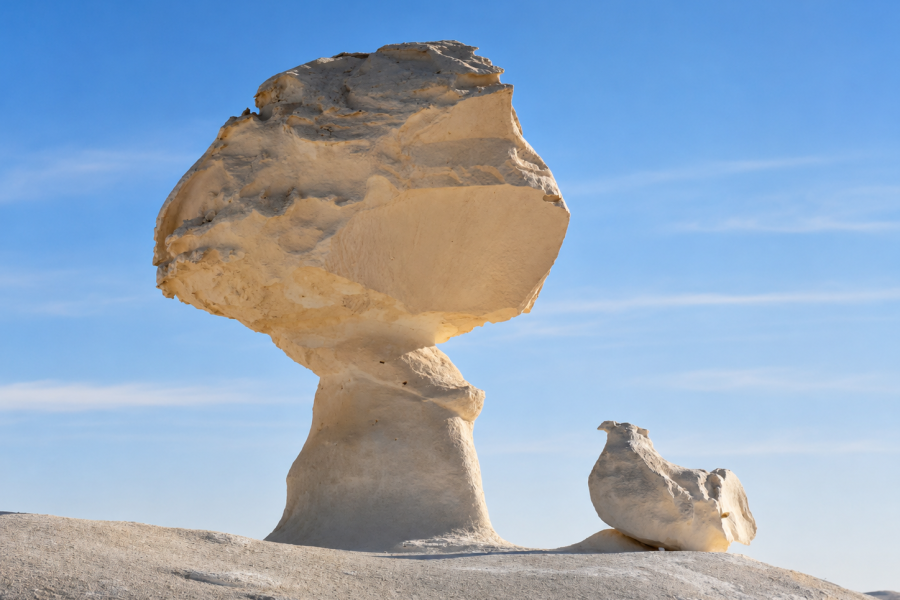
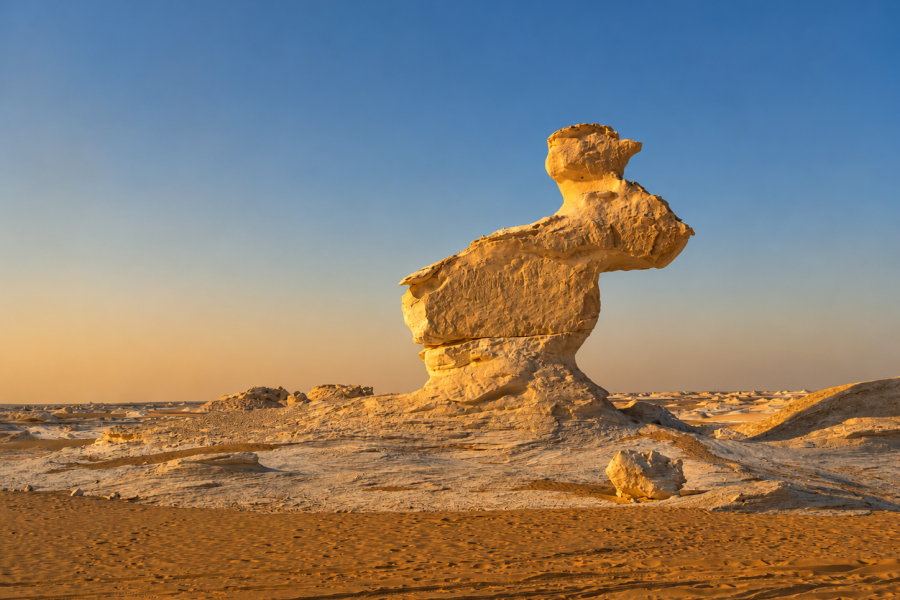
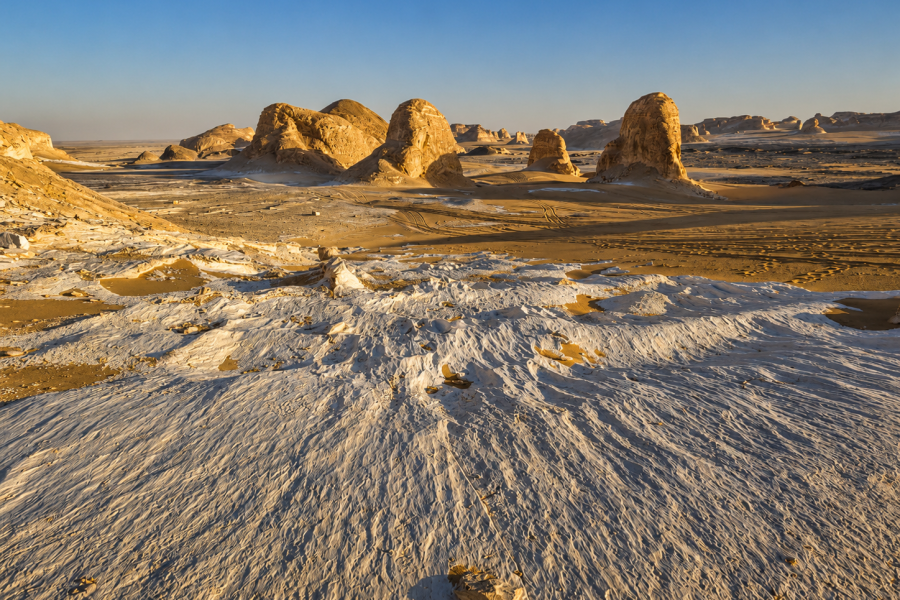
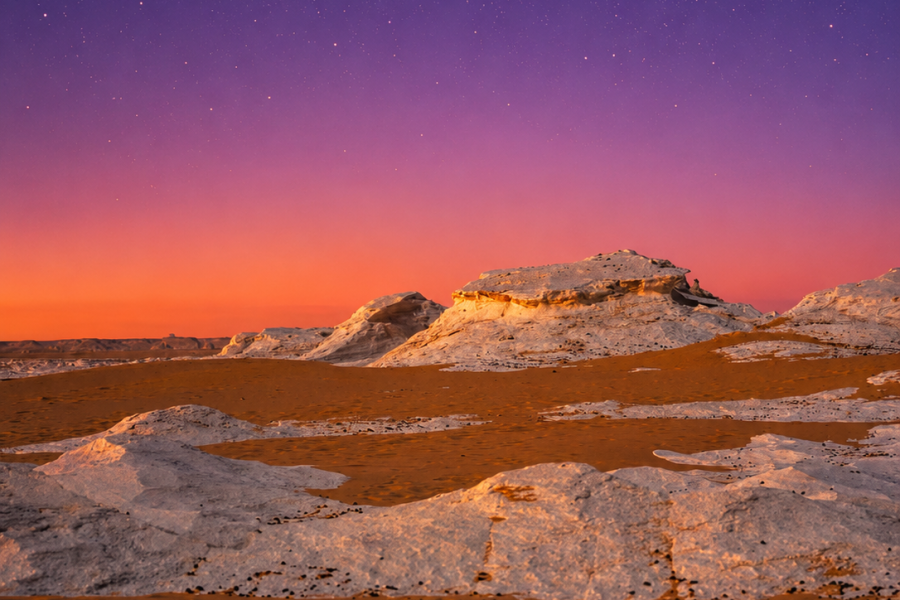
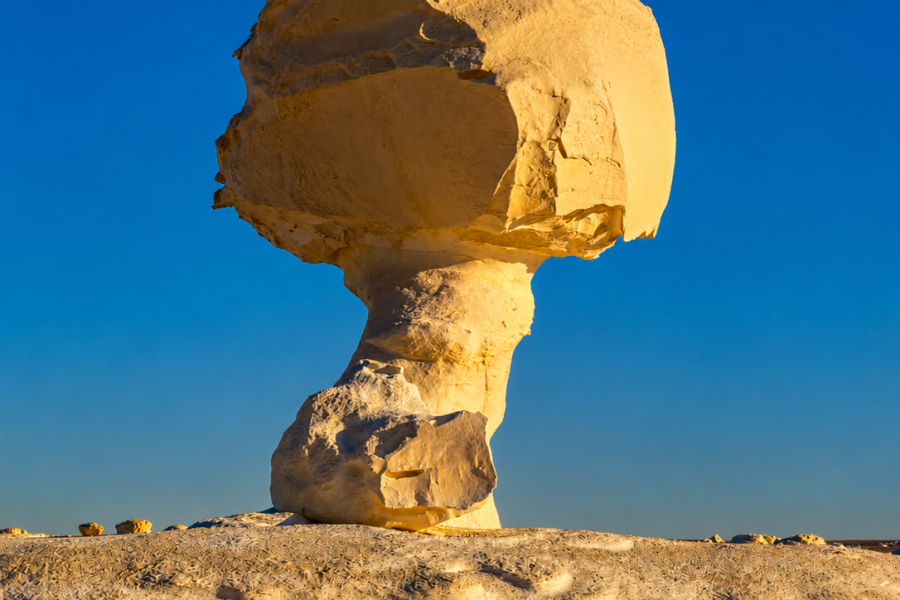
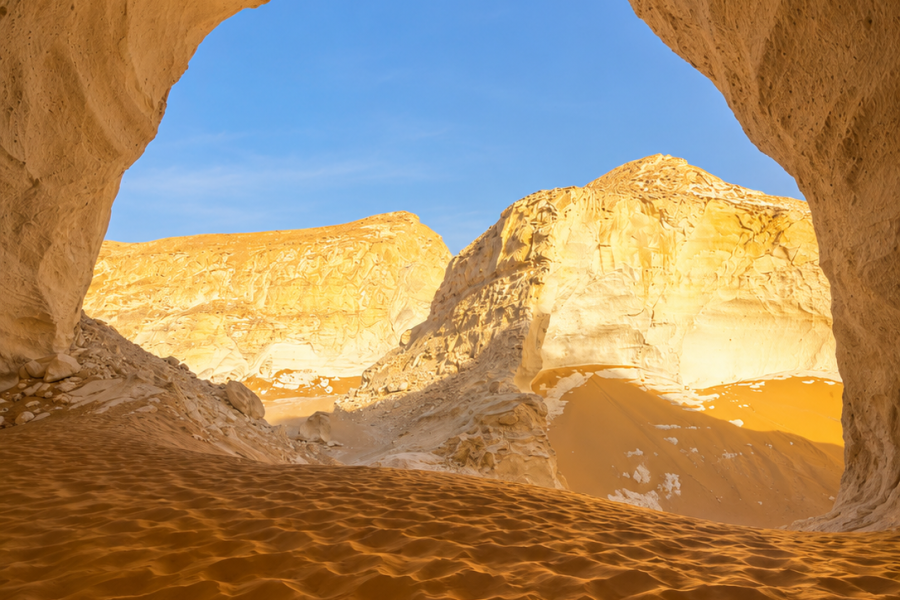
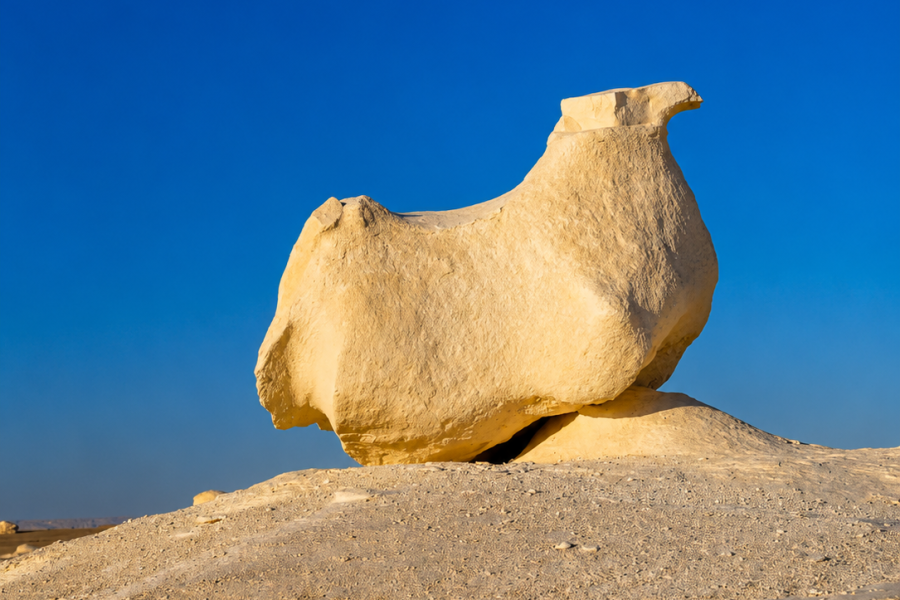
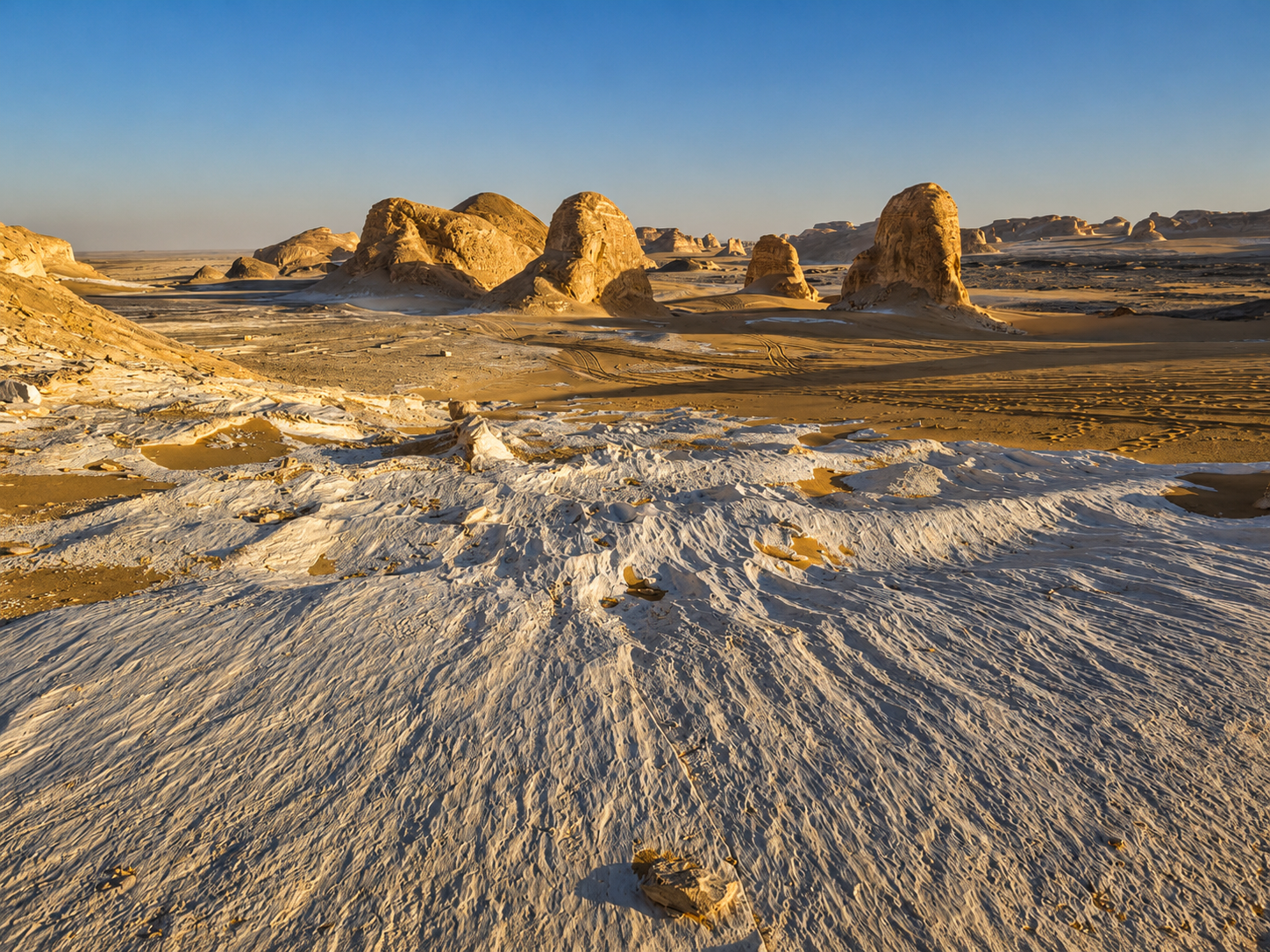
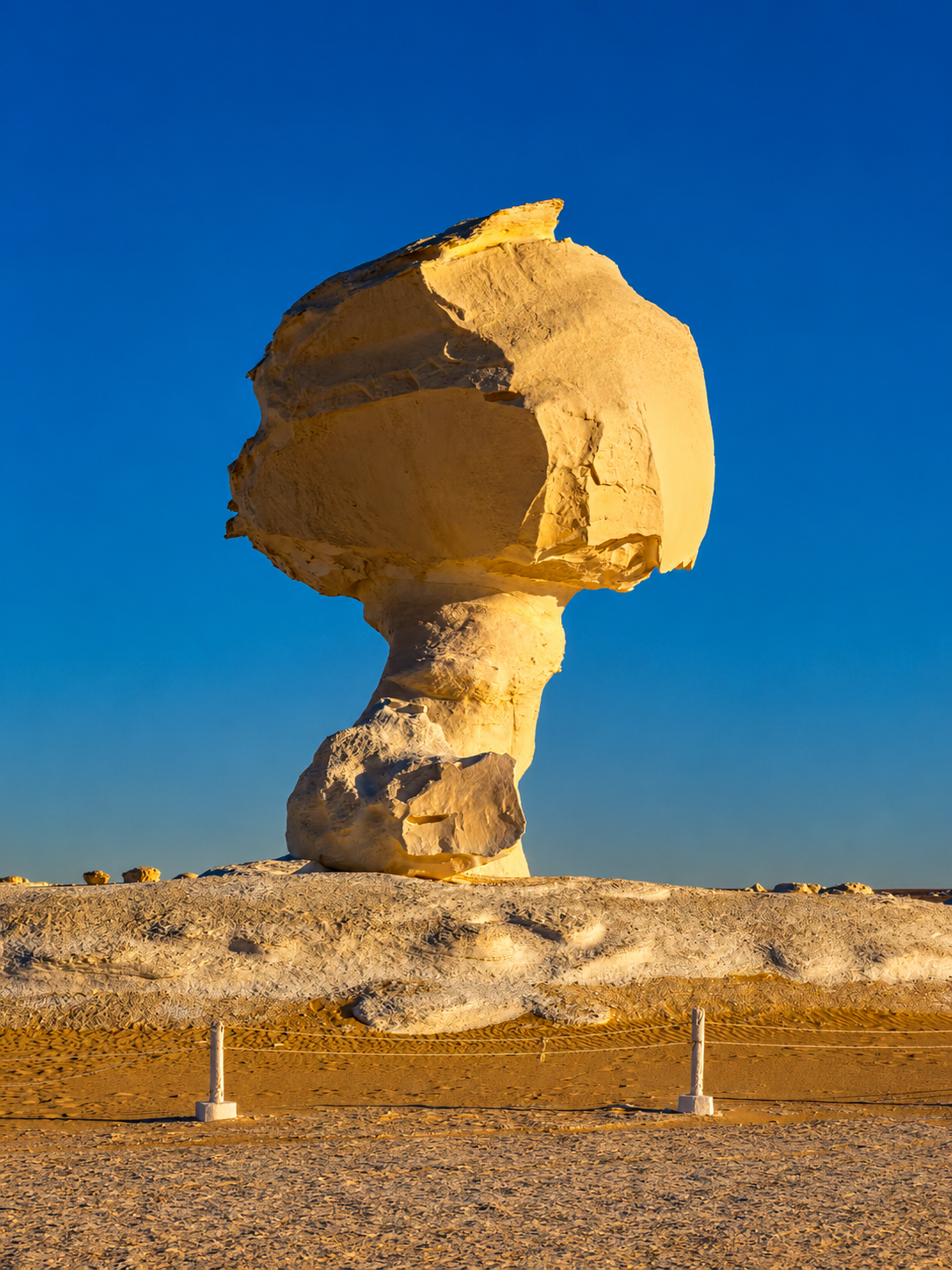
The White Desert is famous for its pale chalk formations, many of which have been sculpted by natural erosion into unusual shapes.
Our main White Desert Egypt guide covers the destination and the different tour lengths available from Cairo.
The Egyptian tourism authority notes that trips to the White Desert can range from short excursions to multi-night desert journeys.
But if your goal is to experience Fayoum and Bahariya as well, spending one night in the White Desert creates an excellent balance.
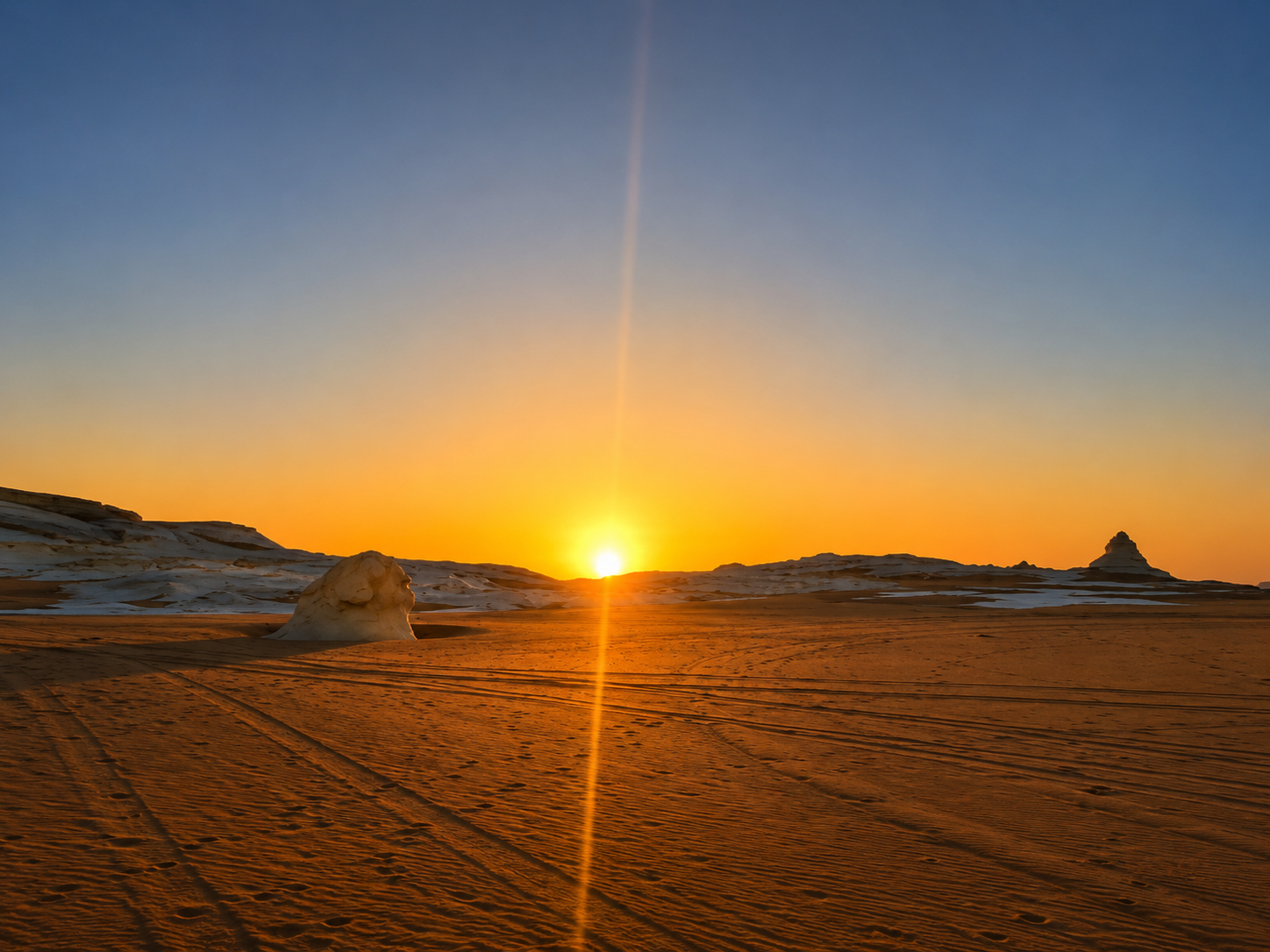
Sunset is where the pace of the tour finally slows.
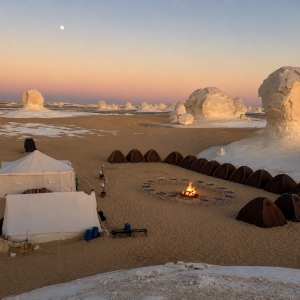
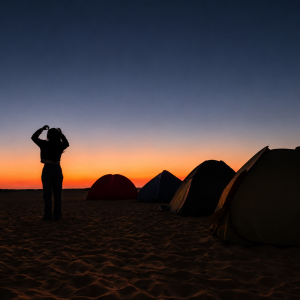
After spending the day moving through different desert environments, travelers reach the camping area and can watch the light change across the formations.
Our current itinerary includes sunset followed by dinner and overnight camping.
This is one reason we generally recommend staying overnight rather than visiting the White Desert as a quick stop.
The experience changes once the daytime sightseeing ends.
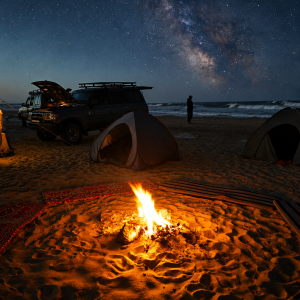
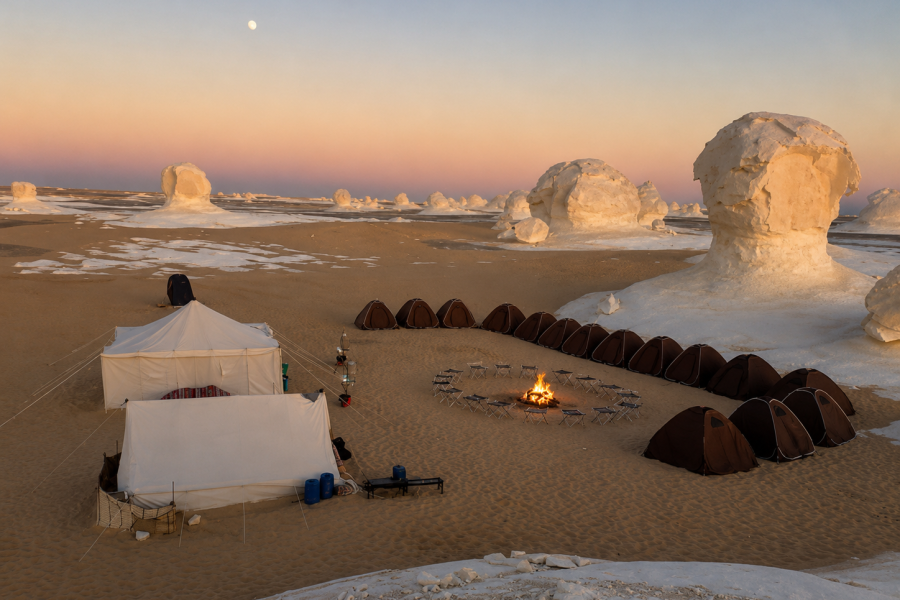
Camping is one of the defining moments of the combined route.
Without the overnight stay, the itinerary would contain many interesting destinations but would still feel heavily focused on movement.
Camping introduces a period when you are no longer trying to reach another attraction.
You simply stay in the desert.
Our current Fayoum and White Desert tour includes a dome-shaped tent setup with mattresses, blankets and sleeping bags, along with dinner and overnight accommodation in the desert.
If the camping experience is especially important to you, read our full White Desert Camping in Egypt guide.
Once night falls, the atmosphere changes again.
Instead of Cairo traffic, hotels and crowded attractions, you are surrounded by open desert.
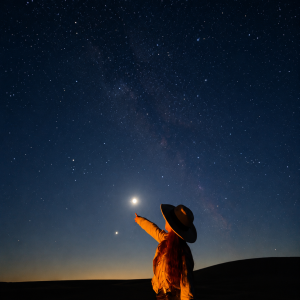
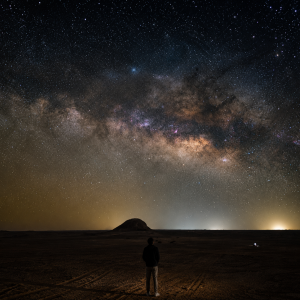
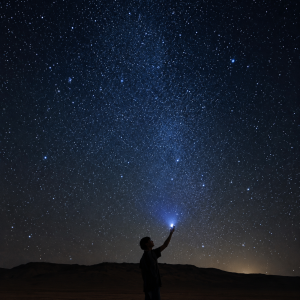
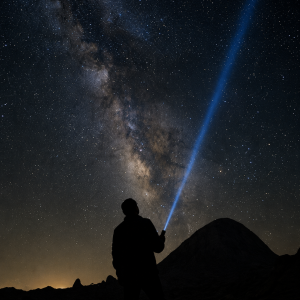
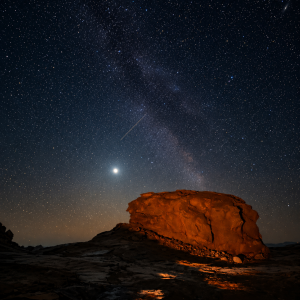
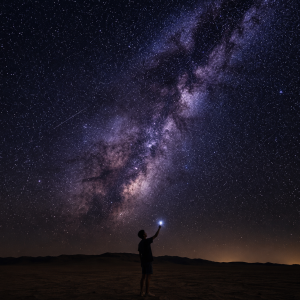
Weather, moonlight and atmospheric conditions always affect what you can see in the night sky, so no tour can guarantee perfect stars every night.
But staying overnight gives you the opportunity to experience the White Desert after dark rather than leaving immediately after sunset.
For many international travelers, that becomes one of the strongest memories of the trip.
The final day starts inside the desert.
This is another reason the overnight tour feels different from a normal sightseeing excursion.
Instead of beginning the morning in Cairo and driving toward an attraction, you wake up already surrounded by the White Desert.
Our current itinerary includes sunrise, breakfast and time for light hiking before beginning the return route toward Bahariya and Cairo.
A warm-spring stop may also be part of the return journey according to the current program.
For most first-time visitors, three days is a strong minimum if you want to include Fayoum, Bahariya and overnight White Desert camping in one trip.
Trying to compress everything into two days would create a much more rushed schedule.
Remember that these are not neighboring tourist attractions inside a single city.
The journey crosses a substantial part of Egypt’s Western Desert.
Three days gives the itinerary a logical rhythm:
Day 1: Explore Fayoum.
Day 2: Connect Fayoum with Bahariya and enter the deep desert.
Day 3: Wake in the White Desert and return to Cairo.
Our combined package is structured as 3 days and 2 nights for exactly this kind of route.
Technically, itineraries can be customized, but we would not consider two days the ideal duration for travelers who actually want to experience the main attractions of both areas.
The problem is travel time.
If too many destinations are packed into two days, the trip becomes dominated by driving rather than exploration.
A better strategy is:
1 day: Fayoum only.
2 days: Bahariya + White Desert overnight.
3 days: Fayoum + Bahariya + White Desert.
This creates clearer itinerary choices based on how much time you have.


Understanding the differences helps explain why the combination works so well.
Best for:
See: Fayoum Egypt Tours
Best for:
See: Bahariya Oasis Egypt
Best for:
See: White Desert Egypt
Together, the three create a much broader experience than any one destination alone.
There are cases where this makes more sense.
Choose a separate Fayoum day trip if:
In that case, consider our One Day Fayoum Tour from Cairo.
For travelers wanting camping without traveling all the way to the White Desert, the 1 Night Fayoum Desert Camping from Cairo is another alternative.
The combined Fayoum, Bahariya and White Desert itinerary works especially well for several types of travelers.
If you have never explored Egypt beyond the Nile Valley, this itinerary introduces you to a surprisingly wide range of desert environments.
You do not need a week-long expedition.
Three days can provide a substantial desert experience before returning to Cairo.
The route combines active sightseeing with sunset, camping and quieter moments in the White Desert.
Few short itineraries provide this much landscape variety.
You can photograph:
4×4 driving, desert exploration, sandboarding and camping make the route considerably different from classic archaeological sightseeing.
It can be, but families should consider the ages and travel habits of their children.
The route includes substantial driving.
Children who enjoy road trips, nature and camping may find the itinerary exciting.
Families should ask the tour operator about:
For families wanting a softer introduction to desert travel, starting with Fayoum alone may be better.
That depends on what you want.
A standard White Desert tour from Cairo usually concentrates on:
Bahariya → Black Desert → Crystal Mountain → Agabat → White Desert.
This is excellent if the White Desert is your main priority.
The combined route adds:
That means you spend an additional day but gain a completely different type of landscape and a UNESCO fossil site.
If you have three available days, the extra variety can be worth it.
Conditions vary through the year, and travelers should always check the current weather shortly before departure.
For desert camping, cooler months are generally more comfortable than periods of extreme summer heat.
However, desert nights can become surprisingly cold, especially during winter.
Bring layers rather than assuming that “Egypt is always hot.”
For camping trips, useful items normally include:
Always confirm exact equipment and inclusions with your tour operator before departure.
For a route combining three distinct areas, a private itinerary has significant advantages.
You can adapt:
It also helps when moving between several desert regions because the itinerary can be adjusted around actual conditions rather than following a rigid mass-tour timetable.
White and Black Desert Tours currently offers its desert routes as customizable private programs according to itinerary and group requirements.
Yes, travelers planning a longer Western Desert itinerary can continue south rather than returning directly to Cairo.
Longer routes can connect desert destinations with Dakhla, Kharga and eventually Luxor.
For travelers whose Egypt itinerary already includes Upper Egypt, this can avoid unnecessarily returning to Cairo before heading south.
You can explore our main Luxor Egypt guide when planning the next stage of your journey.
However, if your priority is only Fayoum, Bahariya and the White Desert, returning to Cairo after three days remains the simpler route.
Absolutely.
One of the most logical Egypt itineraries is:
Day 1: Giza Pyramids
Day 2: Cairo sightseeing
Day 3: Cairo → Fayoum
Day 4: Fayoum → Bahariya → White Desert
Day 5: White Desert → Cairo
Afterward, you can continue toward Alexandria, Luxor or Aswan.
This creates a strong contrast between archaeological Egypt and natural Egypt without requiring an extremely long trip.
For broader planning, explore our Egypt Tours and Best Places in Egypt pages.
The biggest strength of the itinerary is variety per day.
In three days, the scenery moves through:
Cairo city → Fayoum oasis landscape → lakes → dunes → fossils → villages → Bahariya Oasis → Black Desert → Crystal Mountain → Agabat → White Desert → desert camp.
It does not feel like three days of seeing variations of the same landscape.
Each stage has its own identity.
That makes the itinerary especially strong for international visitors who may only explore Egypt’s Western Desert once.
Instead of choosing one small piece of it, you experience a condensed introduction to several of its most distinctive environments.
If you have only one day, choose Fayoum.
If you have two days, choose an overnight Bahariya and White Desert safari.
But if you have three days available and want maximum variety, combining Fayoum + Bahariya Oasis + White Desert is one of the strongest short desert itineraries from Cairo.
You experience the fossils and lakes of Fayoum.
You pass through the oasis landscape of Bahariya.
You explore the Black Desert, Crystal Mountain and Agabat.
And you finish the adventure by sleeping beneath the sky in the White Desert.
That progression is what makes the route special.
It is not just a list of attractions.
It feels like a journey deeper into Egypt’s Western Desert.
Want to experience Fayoum, Bahariya Oasis and the White Desert in one private trip?
Our 2 Nights / 3 Days Fayoum and White Desert Tour from Cairo combines some of the most distinctive natural landscapes in Egypt into one itinerary.
Explore lakes and dunes in Fayoum, visit UNESCO-listed Wadi Al-Hitan, continue toward Bahariya Oasis, cross the Black Desert and Crystal Mountain, explore Agabat, and spend the night camping in the White Desert.
Explore the Full Tour
View the 2 Nights 3 Days Fayoum & White Desert Tour from Cairo
Compare Other Desert Options
WhatsApp: +20 10 05014595
Email: contact@whiteandblackdeserttours.com
Tour Enquiry: Contact White and Black Desert Tours
Send us your travel date, number of travelers and Cairo or Giza pick-up location, and we can help you choose the right private desert itinerary.