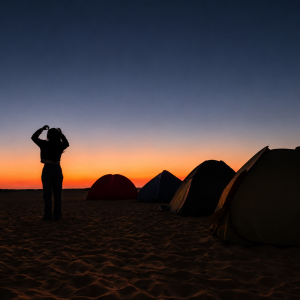
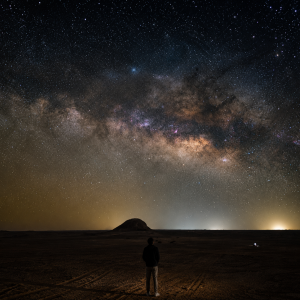
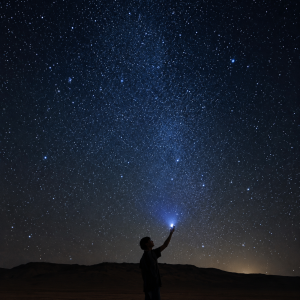
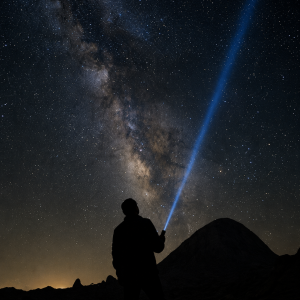
Die Schwarze Wüste ist eine der am meisten unterschätzten Fotokulissen Ägyptens
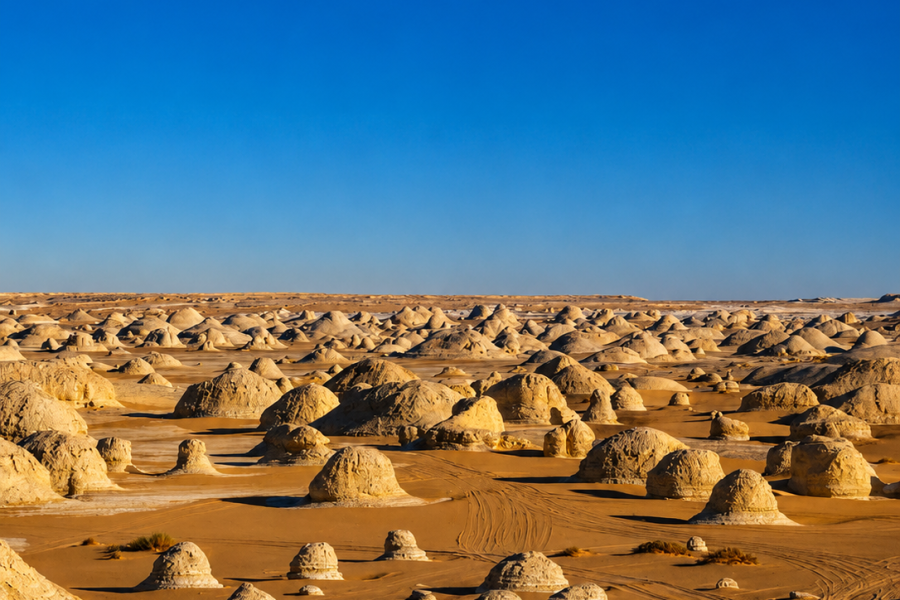
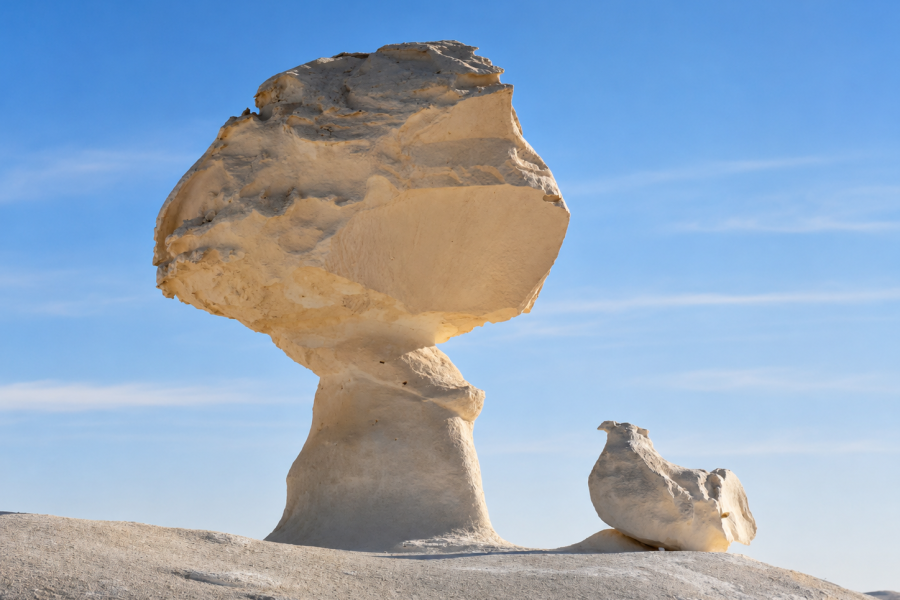
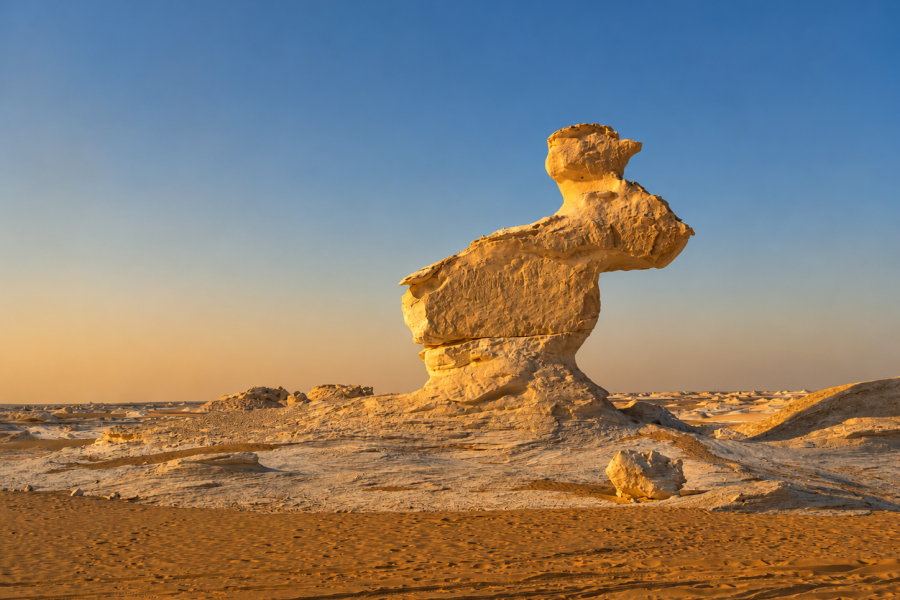
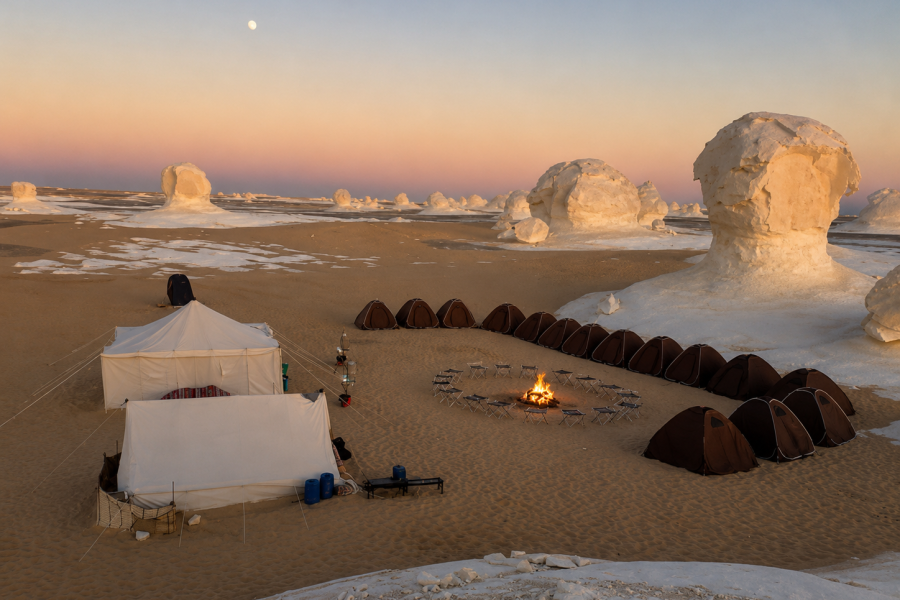
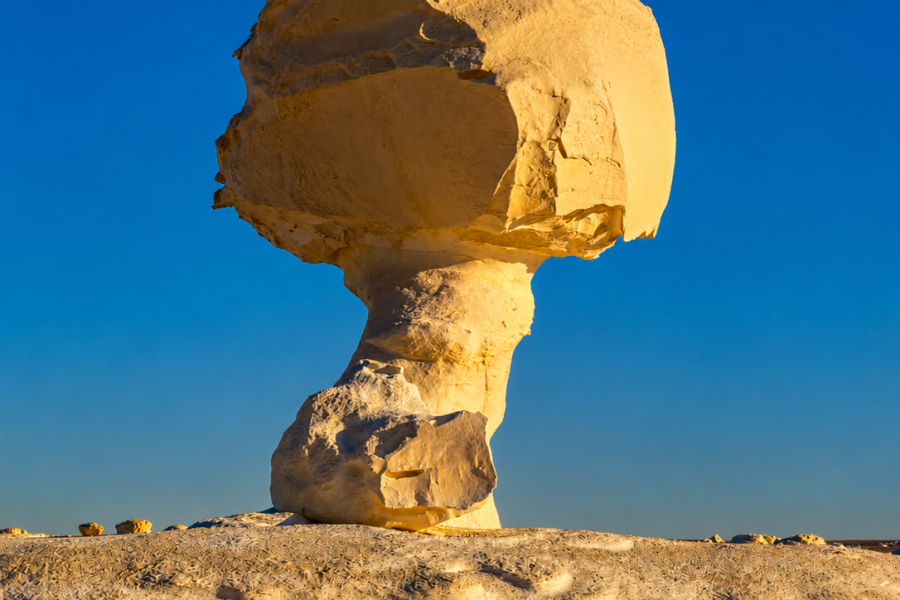
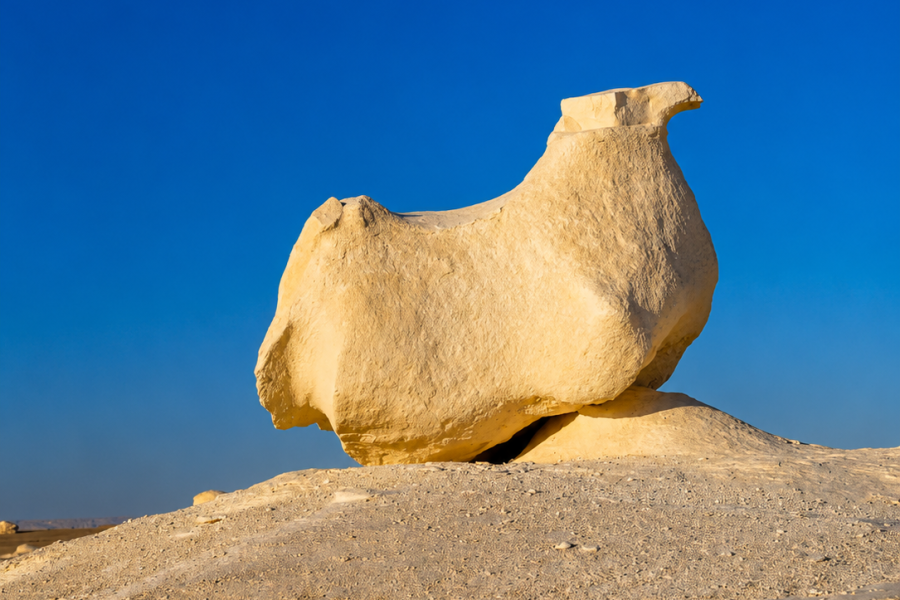
Es gibt dort weder die auf den ersten Blick erkennbaren Pyramiden von Gizeh noch die seltsamen weißen Kreideskulpturen, für die die Weiße Wüste Ägyptens berühmt machen.
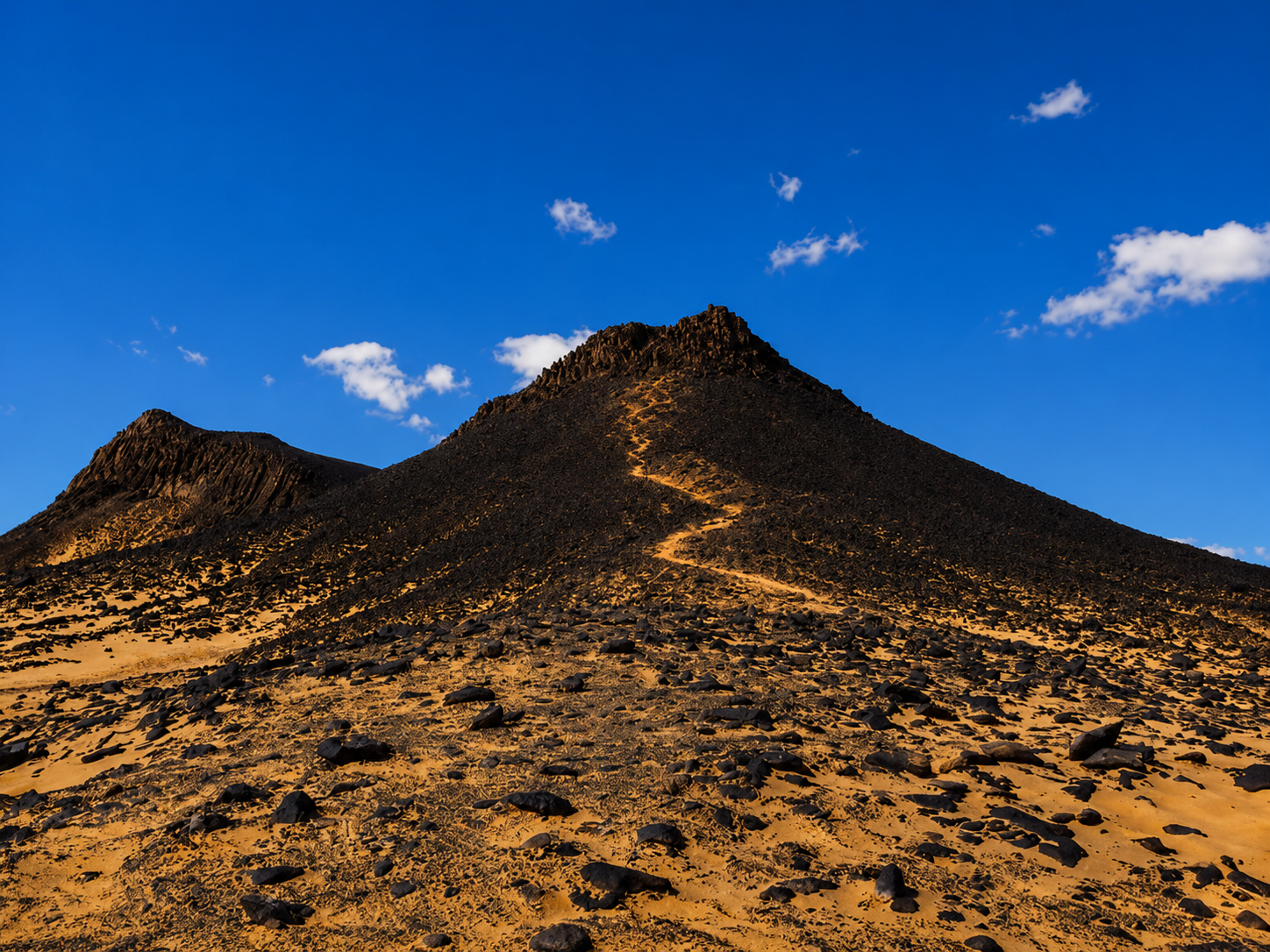
Stattdessen liegt seine Stärke im Kontrast.
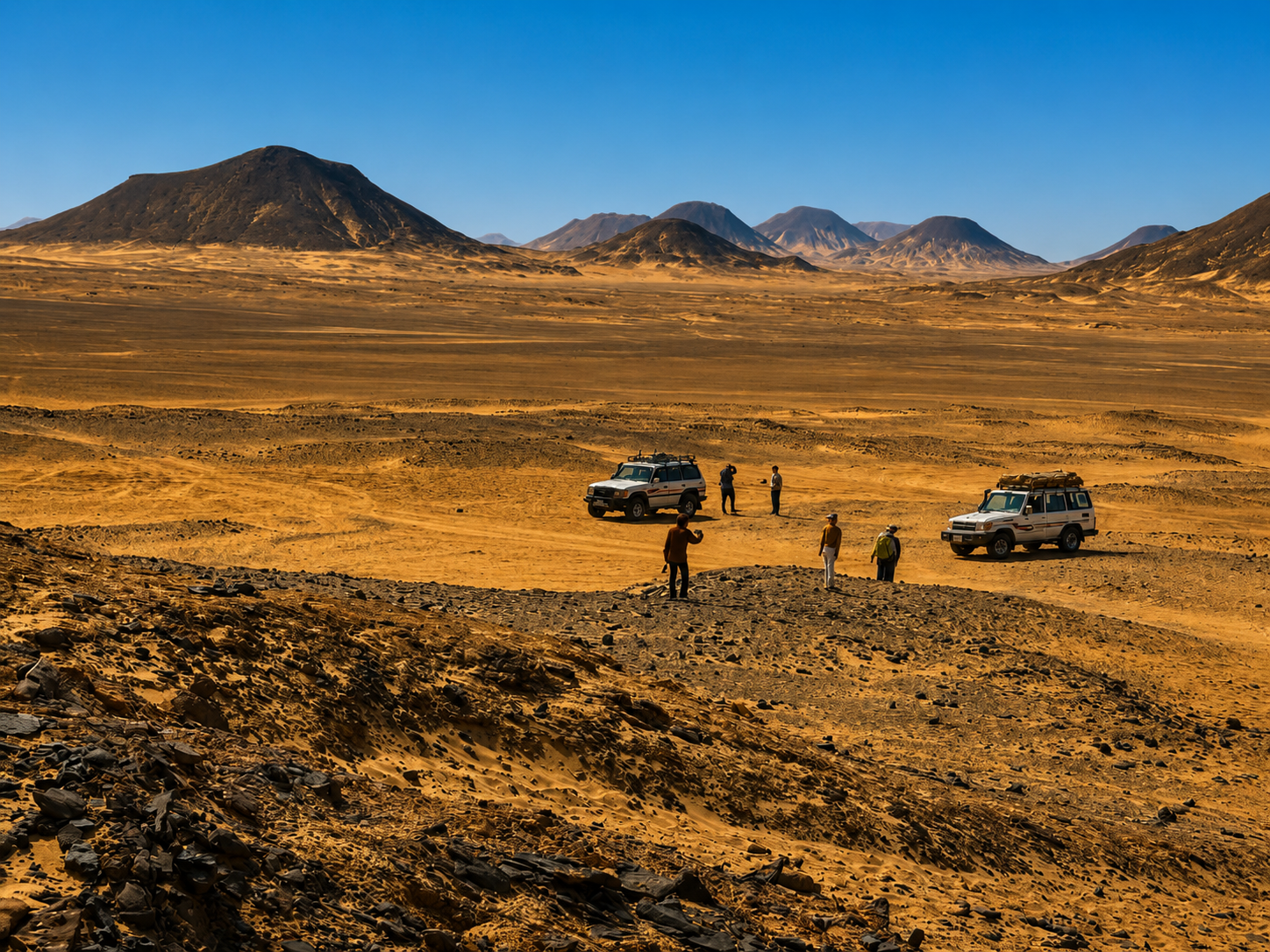
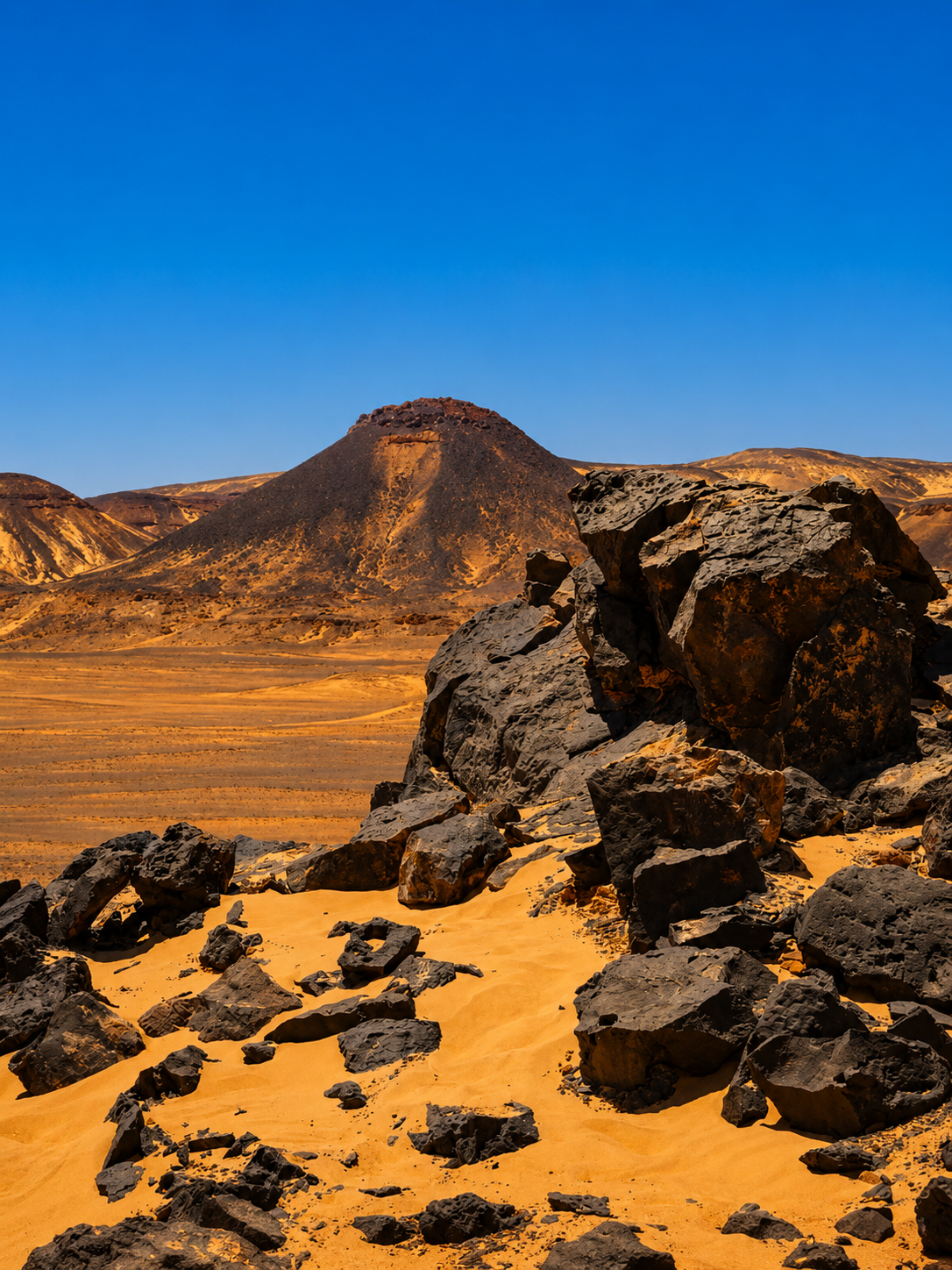
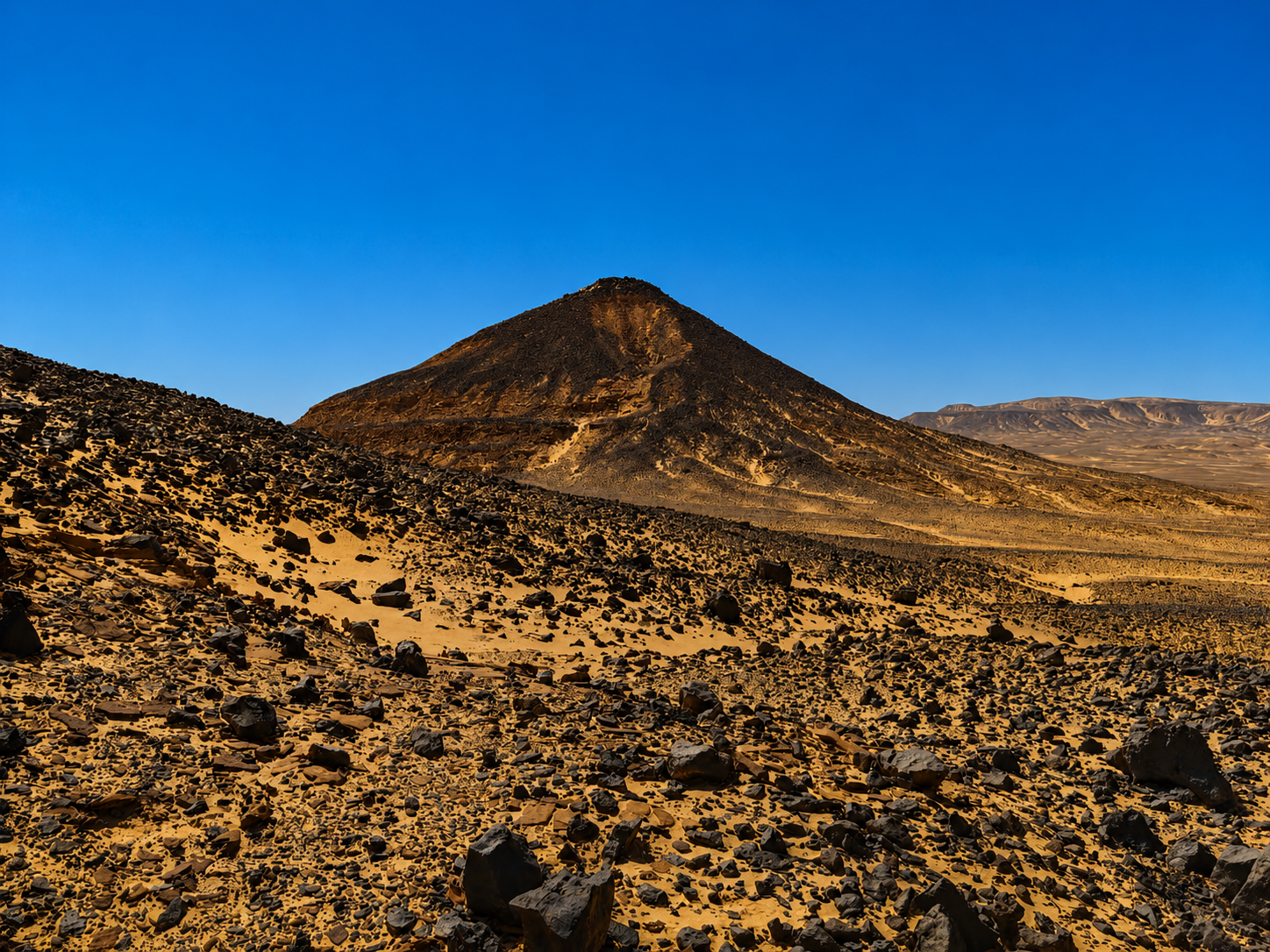
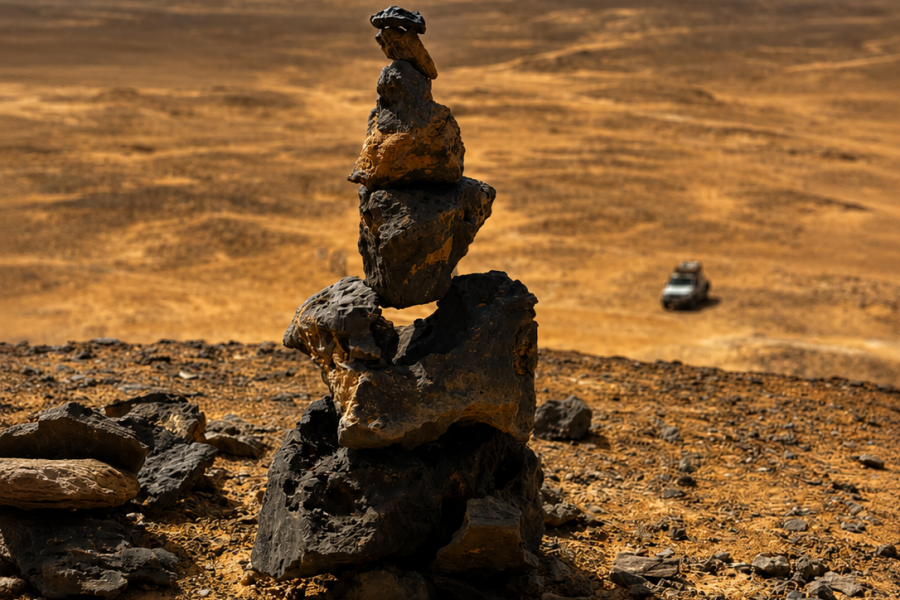
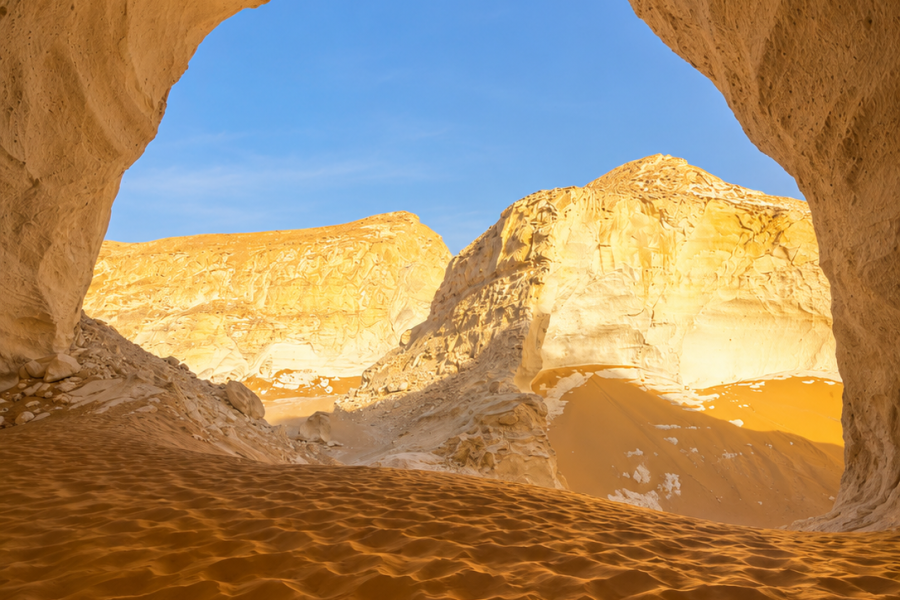
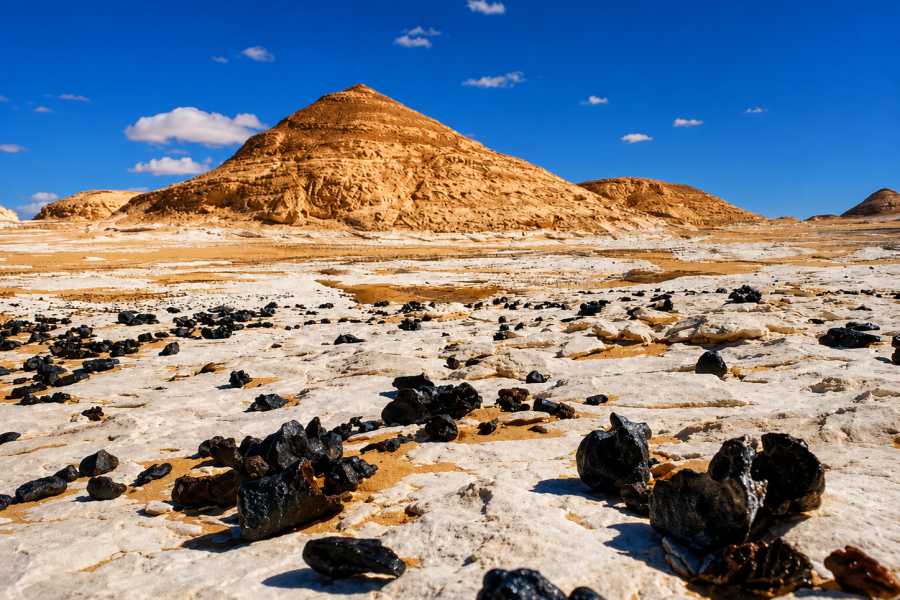
Dunkle Hügel ragen aus goldenen und blassen Wüstenebenen empor. Schwarze Steine sind über das ansonsten in warmen Farbtönen gehaltene Gelände verstreut. Ein einsamer Geländewagen kann vor einem Horizont voller schroffer Hügel winzig wirken.
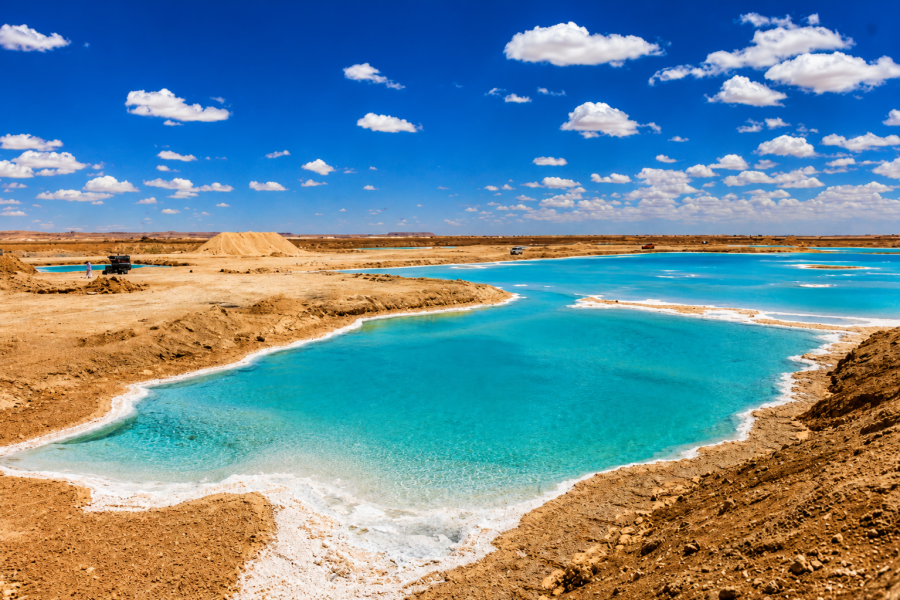
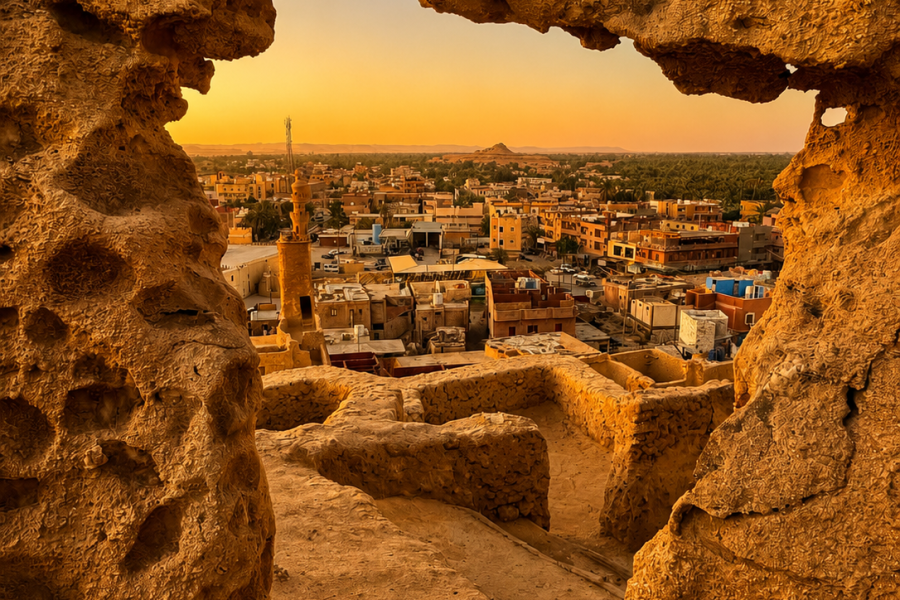
Und da sich die Schwarze Wüste rund um Bahariya-Oase liegt, können Fotografen eine noch umfassendere Bildgeschichte einfangen: Palmen und bewirtschaftete Oasenlandschaften, gefolgt von schwarzen Hügeln, dem Kristallberg, Agabat und schließlich der Weißen Wüste.
Die offizielle ägyptische Tourismusbehörde präsentiert Bahariya als die Kairo am nächsten gelegene Oase der Westwüste und als eines der wichtigsten Ausgangspunkte für Erkundungstouren in die umliegenden Wüstenlandschaften.
Für Fotografen ergibt sich daraus eine hervorragende Route:
Kairo → Oase Bahariya → Schwarze Wüste → Gabal El Marsos → Kristallberg → Agabat → Weiße Wüste.
Der aktuelle Reiseführer zu Black Desert Egypt von White and Black Desert Tours folgt derselben geografischen Einordnung und hebt insbesondere die Panoramablicke, den Gabal El Marsos und die Fotomotive als wichtige Gründe für die Erkundung der Region hervor.
In diesem Leitfaden erfahren Sie, wo Sie die Schwarze Wüste am besten fotografieren können, wann das Licht am stärksten ist, welche Objektive sich dafür eignen, wie man den Gabal El Marsos fotografiert, wie viele Tage Fotografen einplanen sollten und warum die beste Fotoreise in die Schwarze Wüste in der Regel über die Schwarze Wüste selbst hinausgeht.
Yes—particularly for landscape and travel photographers.
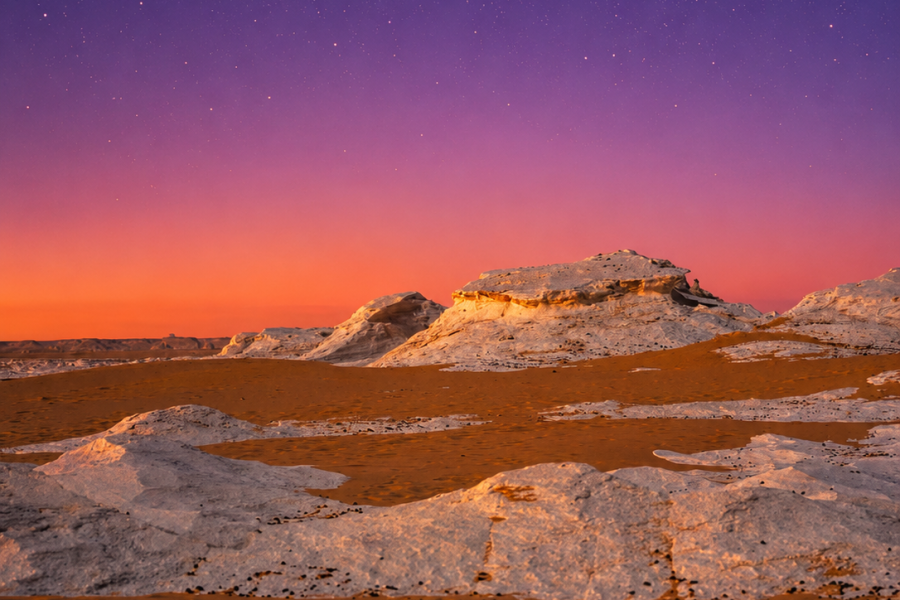
Die Schwarze Wüste unterscheidet sich stark von der Weißen Wüste.
Das Reiseführer „White Desert vs. Black Desert“ in Ägypten erläutert den wichtigsten optischen Unterschied: Die Weiße Wüste wird von hellen Formationen dominiert, während die Schwarze Wüste durch dunklere Hügel und Steine vor dem Hintergrund wärmerer Wüstenfarben gekennzeichnet ist.
Für Fotografen ist die Schwarze Wüste besonders attraktiv wegen:
Es geht weniger darum, eine berühmte Felsformation zu finden, als vielmehr darum, die gesamte Landschaft zu einer Komposition zu gestalten.
Das macht es besonders lohnenswert für Fotografen, die bereit sind, sich Zeit zu nehmen und genau hinzuschauen.
Wenn die Fotografie für Sie im Vordergrund steht, konzentrieren Sie sich auf:
Eine längere Safari ermöglicht es Fotografen, all dies als eine einzige Bildsequenz festzuhalten, anstatt die Schwarze Wüste als separates, isoliertes Reiseziel zu betrachten. Die aktuelle dreitägige Camping-Reiseroute der „White and Black Desert Tours“ verbindet die Schwarze Wüste, Gabal El Marsos, den Kristallberg, Aqabat, große Dünen, mehrere Täler und die Weiße Wüste über zwei Campingnächte hinweg.
Beginnen Sie mit dem größeren Zusammenhang.
Suchen Sie nicht sofort nach einem bestimmten Berg.
Die Schwarze Wüste ist visuell beeindruckend, da sich dunkle Hügel immer wieder vor einem deutlich helleren Wüstenboden abheben.
Ihr Ziel sollte es sein, diese Wiederholung einzufangen.
Suchen Sie sich einen Aussichtspunkt, von dem aus Sie Folgendes einrichten können:
Stein im Vordergrund → Hügel im Mittelgrund → Hügel in der Ferne → Horizont.
Dadurch entsteht Tiefe.
Die Black Desert Egypt-Übersichtsseite hebt weite Panoramablicke als eines der prägenden visuellen Merkmale der Region hervor.
Weitwinkelansatz
Verwenden Sie eine größere Brennweite, wenn der Vordergrund selbst interessant ist.
Achten Sie auf:
strukturierter Untergrund.
Ein häufiger Fehler bei der Wüstenfotografie ist es, die Hälfte des Bildes mit einem eintönigen blauen Himmel zu füllen.
Sofern der Himmel keine interessanten Wolken oder kein dramatisches Licht bietet, sollte die Landschaft im Vordergrund stehen.
Ein Teleobjektiv ist vielleicht sogar eines der besten Hilfsmittel in „Black Desert“.
Warum?
Weil die Landschaft Hügel in unterschiedlichen Entfernungen aufweist.
Mit bloßem Auge sieht man:
one hill here,
another farther away,
another near the horizon.
A longer focal length compresses those distances.
Suddenly you can create:
dark hill → dark ridge → distant mountain → another layer behind it.
This makes the desert feel denser and more dramatic.
It is almost the opposite of photographing the White Desert, where wide lenses are frequently used to exaggerate individual formations.
For photographers visiting both landscapes, this contrast in technique is part of what makes the combined route so rewarding.
Gabal El Marsos is one of the strongest named photography stops in the Black Desert.
It is commonly included on safari itineraries after entering the Black Desert from Bahariya Oasis, before continuing toward El Hez, Crystal Mountain and Agabat. The site’s current 3-day safari specifically includes a walk at Gabal El Marsos, also called Divided Mountain.
Its advantage for photographers is simple:
you can get out and walk.
Instead of shooting everything from vehicle level, you can change your position and search for a better angle.
Versuchen Sie doch einmal, Folgendes zu fotografieren:
If you’re planning specifically around this stop, read the full Gabal El Marsos Black Desert guide.
One of the biggest challenges in desert photography is communicating size.
A huge hill can look surprisingly small when there is nothing familiar in the frame.
The easiest solution is a human figure.
Ask a traveler to walk along a ridge or stand at a safe distance in the open landscape.
Keep them small in the frame.
That communicates:
human → mountain → desert scale.
Do not always ask the person to face the camera.
A traveler looking toward the landscape often feels more natural and cinematic.
This approach works especially well at Gabal El Marsos and around panoramic Black Desert viewpoints.
Your safari vehicle is not necessarily something you need to remove in Photoshop.
It can become one of your strongest storytelling elements.
A 4×4 provides:
Current Black Desert routes from Bahariya use 4×4 travel as the practical way of linking the Black Desert with places such as Gabal El Marsos, Crystal Mountain and the deeper White Desert route.
Try compositions such as:
Vehicle on a track
Use the road or tire marks as leading lines.
Vehicle beneath a hill
Excellent for showing scale.
Vehicle approaching
Ask the driver to move slowly through an open safe section where stopping and photography are permitted.
Vehicle photographed from above
A slightly elevated position can transform the car into a small visual element within a huge landscape.
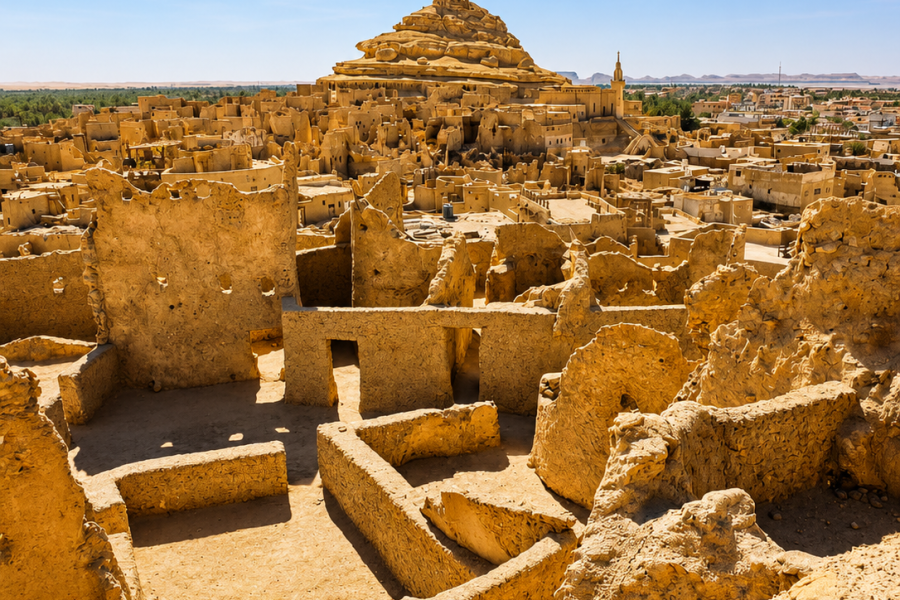
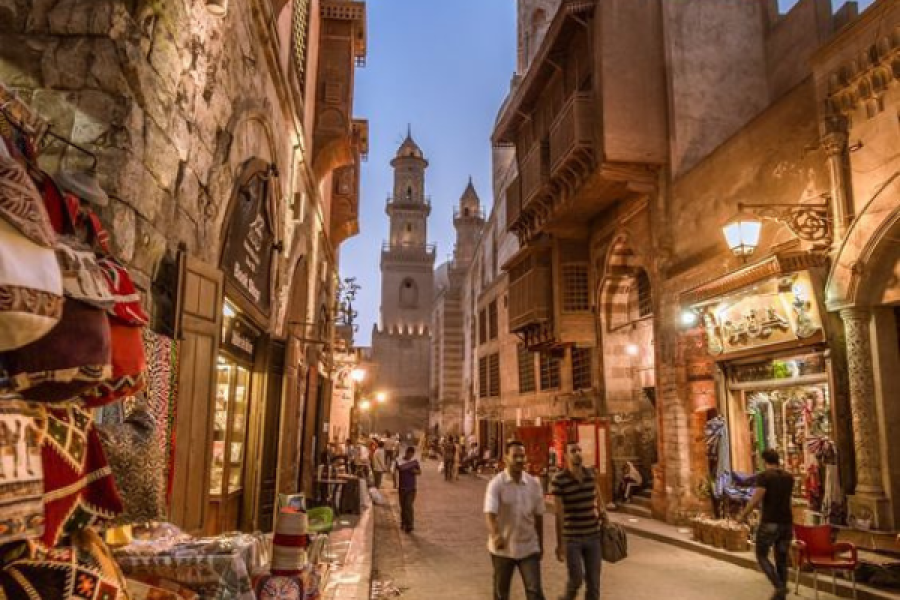
Do not ignore Bahariya-Oase.
For a photographic story, Bahariya gives you the perfect opening chapter.
Official tourism material describes Bahariya as a Western Desert oasis accessible after roughly a four- to five-hour drive from Cairo.
Photograph:
Then photograph the Black Desert shortly afterward.
When the images are placed next to each other, the contrast becomes obvious:
green oasis → dark desert.
That visual transition is much stronger than showing ten nearly identical Black Desert landscapes.
If you want to spend more time photographing the oasis itself, consider the Tour zur Weißen Wüste und zur Oase Bahariya ab Kairo rather than a purely camping-focused route.
Road and track photographs are extremely useful in travel storytelling.
Achten Sie auf:
These images communicate movement.
They explain how the traveler reached the landscape.
That is particularly important in a destination like the Black Desert because the journey itself is a major part of the experience.
Your existing Black Desert Egypt from Cairo guide explains how travelers generally reach Bahariya first and then begin the deeper safari route. The official Egyptian tourism portal likewise describes Bahariya as the practical nearby oasis for short Western Desert exploration.
Once you leave the Black Desert, the next visual change can be Crystal Mountain.
This is useful to photographers because it adds close-up geological images to a collection otherwise dominated by wide landscapes.
A typical route connects:
Black Desert → Gabal El Marsos → El Hez → Crystal Mountain → Agabat.
The current 3-day camping itinerary confirms this same progression.
At Crystal Mountain, think smaller.
Photograph:
A standard or short telephoto lens may work better here than an ultra-wide lens.
The goal is variety.
Your portfolio becomes stronger if it contains intimate details as well as giant panoramas.


For landscape photographers, Agabat can become one of the strongest locations of the entire journey.
After the dark hills of the Black Desert and the tighter geological compositions around Crystal Mountain, Agabat opens into much larger golden and pale landscapes.
This gives you excellent opportunities for:
Agabat is also an important visual bridge between the Black Desert and the White Desert on combined routes. The current Black/White Desert itinerary architecture on the site consistently places Crystal Mountain and Agabat between these two headline landscapes.
If photography matters, do not rush this area.
They require very different approaches.
Focus on:
Focus on:
A strong photography safari contains both.
The images should feel as if they were made on two completely different trips even though the locations belong to the same Western Desert route.
This may sound strange in a Black Desert photography guide.
But if you are already traveling through the region, photographers should consider where they want to spend their best light.
For most first-time visitors, we recommend photographing the Black Desert during the daytime route and saving sunset for the White Desert.
Warum?
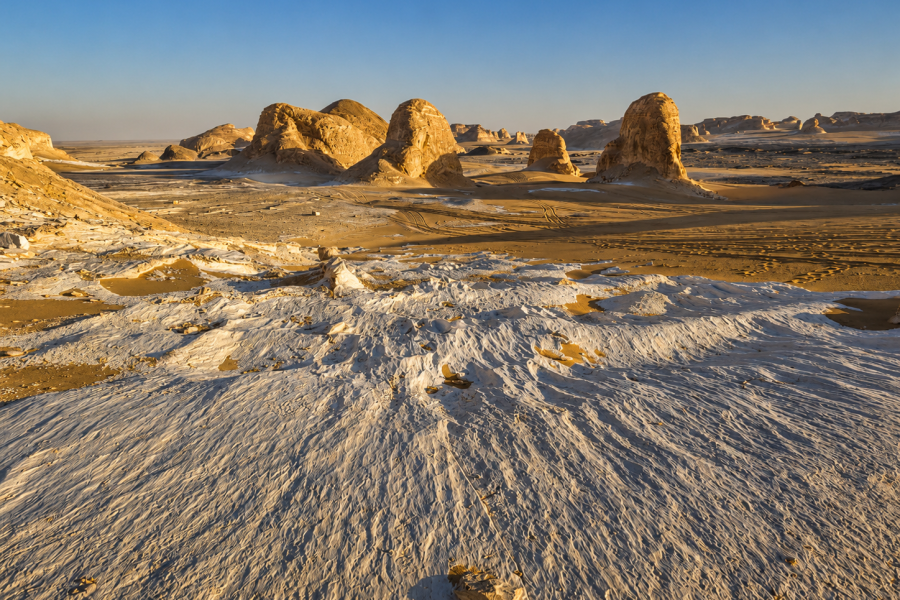
The White Desert’s pale formations change dramatically in warm evening light, and an overnight camp means you can remain there for blue hour, night photography and sunrise.
The current 2-tägige Weiße-Wüste-Tour ab Kairo (1 Übernachtung) connects the Black Desert with the deeper safari and overnight experience, while the 2 Nächte, 3 Tage Camping-Tour durch die Weiße Wüste adds another full night and a substantially wider route.
For photographers, this creates a much richer visual sequence.
There is no single correct answer.
Different light produces different Black Desert images.
Low light can give hills strong dimensional shape.
Long shadows add texture.
The challenge is route logistics: many Cairo-based travelers only reach the Black Desert later after driving to Bahariya.
If sunrise in the Black Desert specifically matters to you, you need to discuss the itinerary with the operator rather than assuming a standard tour schedule will place you there.
This is one of the strongest periods for the Black Desert.
Lower sunlight can create:
If Black Desert photography is your main goal, ask whether the itinerary can spend more late-afternoon time here.
But remember the trade-off:
You may then reach Agabat or the White Desert later.
A photography-oriented private itinerary is valuable precisely because you can prioritize one location instead of treating every traveler identically.
Do not put your camera away.
The Black Desert can work surprisingly well under harsh light.
Use midday for a more graphic style.
Achten Sie auf:
The Black Desert’s own high-contrast palette can suit harder light better than many softer landscapes.
This is one reason it works well earlier in a combined safari while the best golden-hour light is saved for the White Desert.
Despite the name, most visitors photograph the Black Desert in color.
And they should.
The relationship between:
black,
brown,
Gold,
yellow,
blue
is one of the attractions.
But monochrome photography can also be extremely effective.
Look for compositions built around:
Black and white works particularly well when midday color feels less interesting.
Instead of fighting harsh light, use it.
There is no single perfect lens.
A useful kit might include three ranges.
Am besten geeignet für:
Probably the most useful all-around lens.
It works for:
Potentially the most underrated choice.
Excellent for:
If you want to travel light, a good standard zoom plus a compact telephoto is an excellent combination.
For most Black Desert daytime photography:
no.
A tripod can slow you down during a fast-moving safari.
However, it becomes valuable later if the trip continues into:
That is why photographers taking an overnight or 3-day route may still want one.
Choose a tripod you are actually willing to carry.
A giant studio tripod sitting inside your luggage is useless.
The Western Desert is not a clean studio environment.
Bitte mitbringen:
Avoid unnecessary lens changes during strong wind.
When changing lenses:
turn away from the wind,
keep the camera opening facing downward when practical,
work quickly.
Do not place the camera directly on sand.
Check tripod joints and bag zippers after returning from the desert.
For the broader non-photography packing list, see our White Desert Egypt Packing List.
Assume electricity may be less convenient once you enter remote camping areas.
Bitte mitbringen:
The longer 2 Nights 3 Days camping itinerary involves two nights and a deeper route across the Western Desert, so photographers should plan power requirements accordingly.
Do not arrive with one camera battery and expect unlimited charging.
This is probably the most important planning decision.
Possible.
But rushed.
A one-day journey can introduce you to the Black Desert and additional Western Desert landscapes.
Am besten geeignet für:
Not ideal for:
This is the minimum we recommend for photography.
Sie können Folgendes fotografieren:
The 2-tägige Weiße-Wüste-Tour ab Kairo (1 Übernachtung) provides this classic route structure.
For first-time visitors who want good photographs but also have a wider Egypt itinerary, this is a strong compromise.
For photographers, this is our preferred choice.
The current 2 Nächte, 3 Tage Camping-Tour durch die Weiße Wüste includes the Black Desert, Gabal El Marsos, El Hez, Crystal Mountain, El Mattar, Aqabat, Great Karaween dunes, Ain El Serw, multiple valleys, Acacia Tree, Tents Valley and White Desert National Park.
The advantage is not merely the bigger attraction list.
It is time.
Sie erhalten:
If photography is one of the main reasons you are traveling to the Western Desert, choose this route.
In many cases, yes.
A photographer does not experience an attraction in the same way as a standard sightseeing traveler.
One traveler might see a hill and think:
“Nice. Next stop.”
A photographer might need:
Private travel can make that easier.
Your current White Desert pillar describes the company’s tours as private and flexible, including options specifically for photographers.
Tell the operator before departure that photography is a priority.
Do not wait until the first viewpoint to explain that you want a different pace.
Use the road section for documentary images rather than expecting major landscapes immediately.
Photograph palms and the transition between oasis and desert.
Shoot panoramic landscapes and hill layers.
Walk and look for scale compositions.
Switch to geological details.
Return to large landscapes.
Scout before sunset.
Photograph sunset and blue hour.
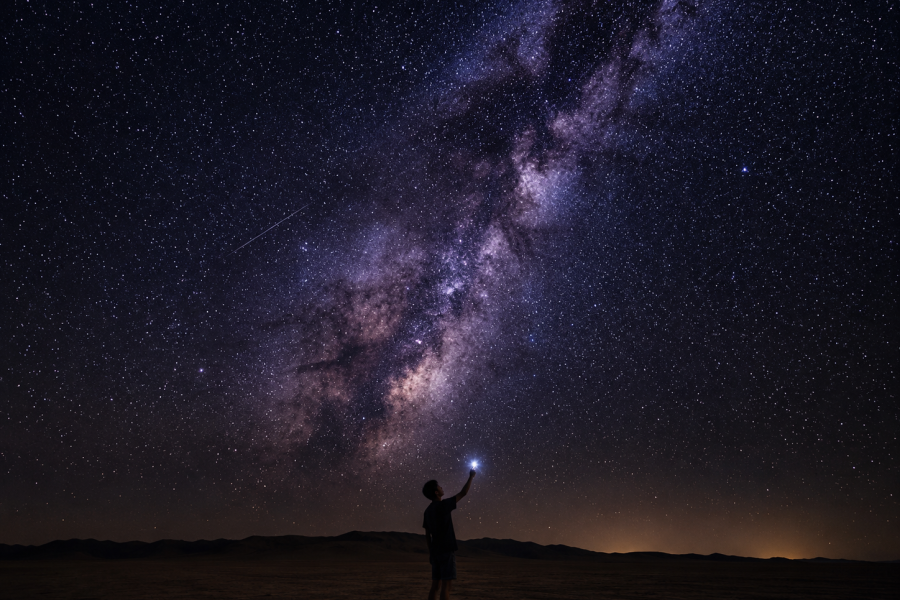
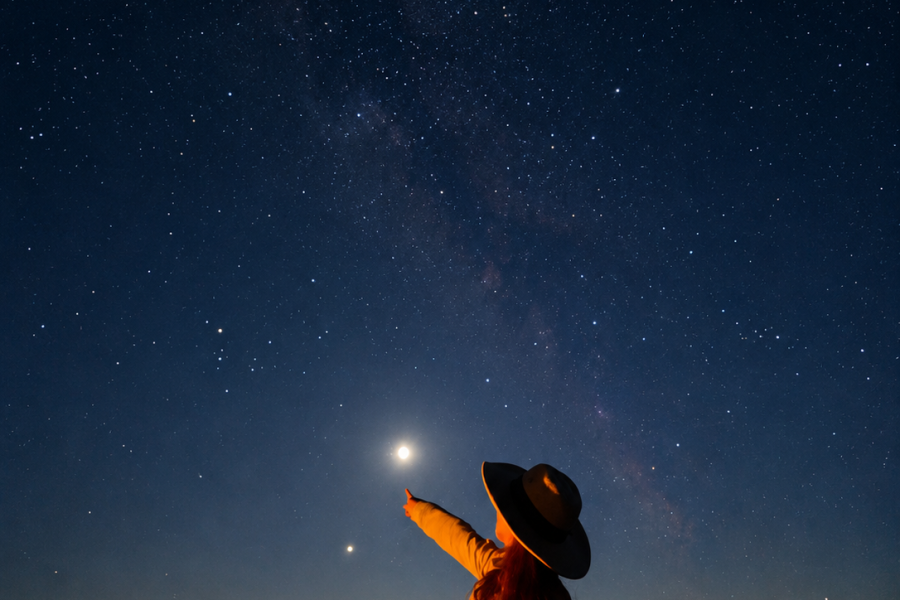
Photograph camp and stars if conditions allow.
Bei Sonnenaufgang aufstehen.
Photograph White Desert morning light.
Then continue with documentary travel images on the return journey.
Cairo → Bahariya Oasis → Black Desert → Gabal El Marsos → El Hez → Crystal Mountain → El Mattar.
Photograph camp and evening landscapes.
Sonnenaufgang.
Continue deeper through Aqabat and larger dune areas.
Photograph:
Reach the White Desert for the second evening.
Sunrise among the White Desert formations.
Continue photographing the morning landscape before returning through Bahariya.
This mirrors the broader location sequence in the current 3-day camping route.
The two landscapes reward different techniques.
Denk mal darüber nach:
contrast + repetition + scale + layers.
Best tools:
Denk mal darüber nach:
shape + individual formations + negative space + changing light.
Best tools:
The best photographic journey uses both.
That is why we recommend reading our dedicated White Desert Egypt Photography Guide alongside this article.
The two pages target different photographic problems rather than competing with each other.
Change focal lengths.
Move.
Simplify compositions.
Telephoto compression can be much more effective.
A person or vehicle gives scale.
The surrounding Black Desert is equally important.
The green-to-black transition strengthens your visual story.
It is one of the strongest landscape areas later in the route.
A multi-stop safari cannot place every attraction in perfect light.
Prioritize.
This is probably the most avoidable mistake.
For most travelers, the cooler period is generally more comfortable for extended desert photography and camping.
Your current seasonal guide recommends roughly October through April for the broader Black and White Desert experience, with winter nights requiring warmer layers.
For photography, however, think beyond temperature.
Consider:
A photographer planning astrophotography has different needs from someone interested only in Black Desert panoramas.
For month-by-month planning, see Best Time to Visit the White Desert Egypt for Camping & Photography.
Yes—although we would still recommend combining it with the surrounding route.
If you enjoy:
the Black Desert is worthwhile.
But the photographic value increases dramatically when you connect it with:
Bahariya → Black Desert → Crystal Mountain → Agabat → White Desert.
That is why our Is the Black Desert Egypt Worth Visiting? article recommends treating it as part of a wider Western Desert experience rather than driving from Cairo only for one isolated stop.
If time is limited, prioritize:
Essential.
Best named Black Desert walking/photography stop.
Best broad landscape later in the route.
Best late-afternoon conclusion for the combined safari.
Worth waking up for.
If you have more time, add Crystal Mountain details and deeper dunes.
2 Nächte, 3 Tage Camping-Tour durch die Weiße Wüste
This is our first recommendation for serious photographers because the current itinerary covers the Black Desert, Gabal El Marsos and a much deeper range of Western Desert landscapes over two camping nights.
2-tägige Weiße-Wüste-Tour ab Kairo (1 Übernachtung)
Best for travelers who want the classic Black-to-White Desert route without using three vacation days.
Tour zur Weißen Wüste und zur Oase Bahariya ab Kairo
Choose this if you want to photograph more palm groves, springs and Bahariya scenery instead of spending both nights deep in the desert.
Before booking, tell White and Black Desert Tours:
A photography-focused itinerary should not simply add another attraction.
It should give you more time at the right attractions.
That distinction matters.
For casual photography:
For serious landscape photography:
The Black Desert rewards photographers who look beyond the obvious.
Do not simply photograph one dark mountain.
Photograph:
the road leaving Bahariya,
the first black hills,
the 4×4 crossing the desert,
Gabal El Marsos,
layers of distant mountains,
Crystal Mountain details,
Agabat’s golden landscape,
and finally the White Desert as daylight disappears.
When you photograph the entire journey, the Black Desert stops being one attraction.
It becomes one of the most important visual chapters in a much bigger Western Desert story.
For destination information:
Black Desert Egypt: Private Safari Tours & Travel Guide
For reaching it from the capital:
Black Desert Egypt from Cairo: How to Visit on a Private Safari
For deciding whether to go:
Lohnt sich ein Besuch in der „Black Desert Egypt“?
For the main named mountain:
Gabal El Marsos in the Black Desert
For surrounding attractions:
Die schönsten Sehenswürdigkeiten in der Schwarzen Wüste und der Oase Bahariya
For the complete combined route:
Safari zur Oase Bahariya und in die Schwarze Wüste ab Kairo
For comparing the two deserts:
WhatsApp: +20 10 05014595
E-Mail: contact@whiteandblackdeserttours.com
Anfrage zur Tour: Contact White and Black Desert Tours