Reiseführer zu den Siwa-Salzseen: Was Sie wissen sollten, bevor Sie sich auf dem Wasser treiben lassen
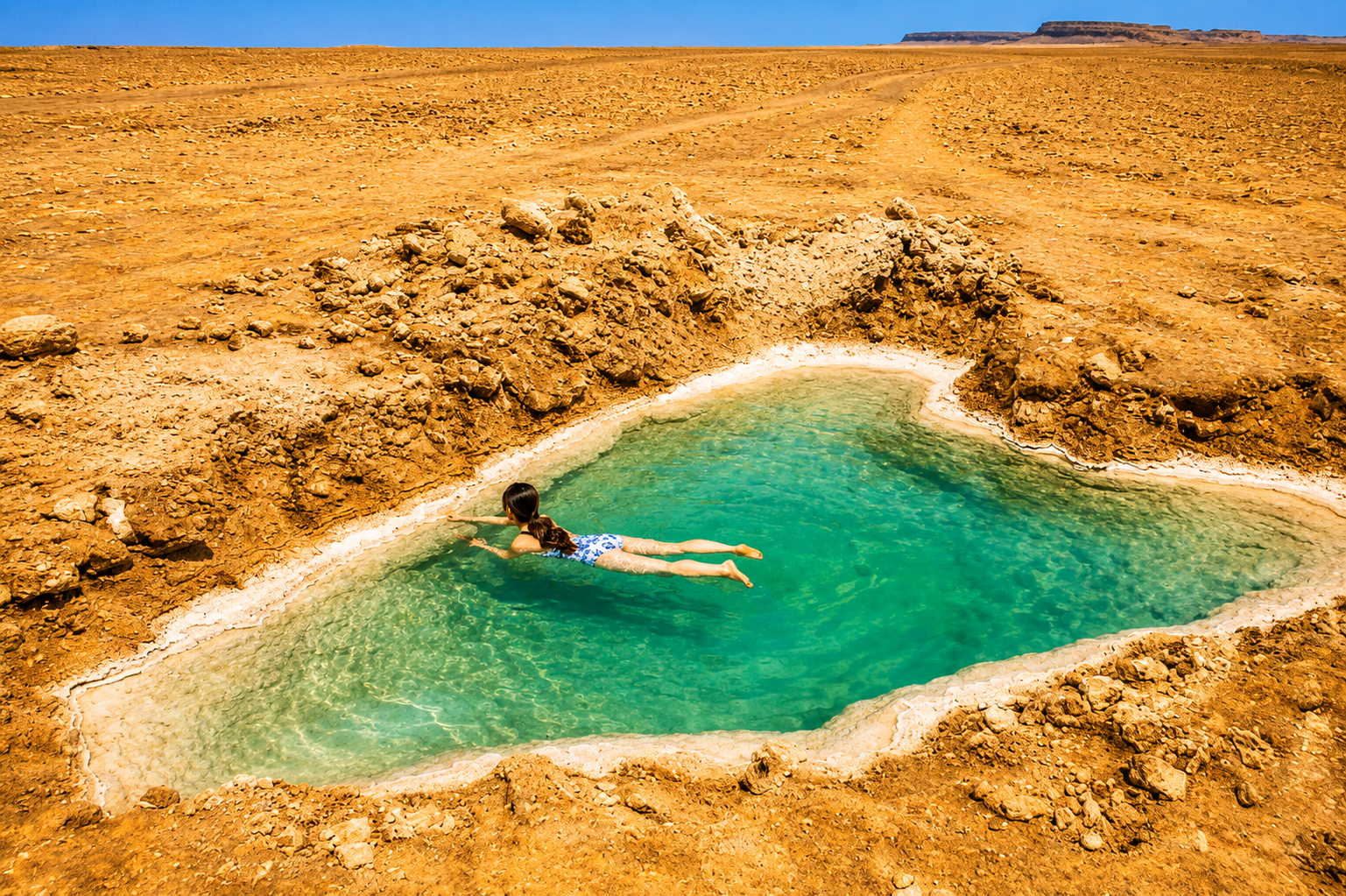
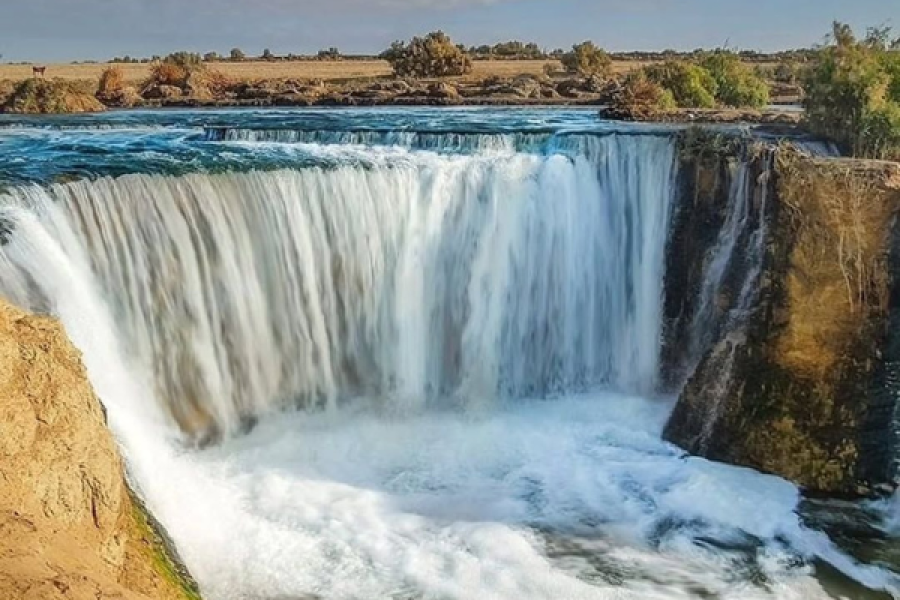
Imagine floating almost effortlessly in intensely blue water, surrounded by brilliant white salt and the quiet landscapes of Egypt’s Western Desert.
That is the experience that has made the Siwa-Salzseen one of the most recognizable natural attractions in Egypt.
Located around remote Siwa-Oase, the lakes and smaller salt pools have become famous among travelers for their unusual colors, extremely salty water, desert setting and remarkable floating experience.
But there is much more to visiting the Siwa Salt Lakes than the photographs you see on Instagram.
Where exactly are the lakes? Can you really swim in them? Why do you float so easily? Does the salt hurt your skin? What should you bring? When is the best time to visit? And how should you include them in a wider trip to Siwa?
This complete guide answers those questions and explains everything first-time visitors should know before floating in the salt lakes.
If you are still planning your overall trip, begin with our complete Siwa Oasis Egypt travel guide, which covers Siwa’s main attractions, desert safari experiences, accommodation, travel planning and private tours.
For travelers looking beyond Siwa as well, our guide to the best places to visit in Egypt can help you combine the oasis with Cairo, the Western Desert, Luxor, Aswan and other destinations.
What Are the Siwa Salt Lakes?
The Siwa Salt Lakes are highly saline bodies of water located throughout the Siwa Oasis depression in Egypt’s Western Desert.
Siwa’s landscape includes major saline lakes, salt flats, springs and smaller salt pools. The extremely dry desert environment, groundwater system and powerful evaporation processes contribute to the high concentration of salts found throughout the oasis.
The result is a landscape unlike almost anywhere else in Egypt.
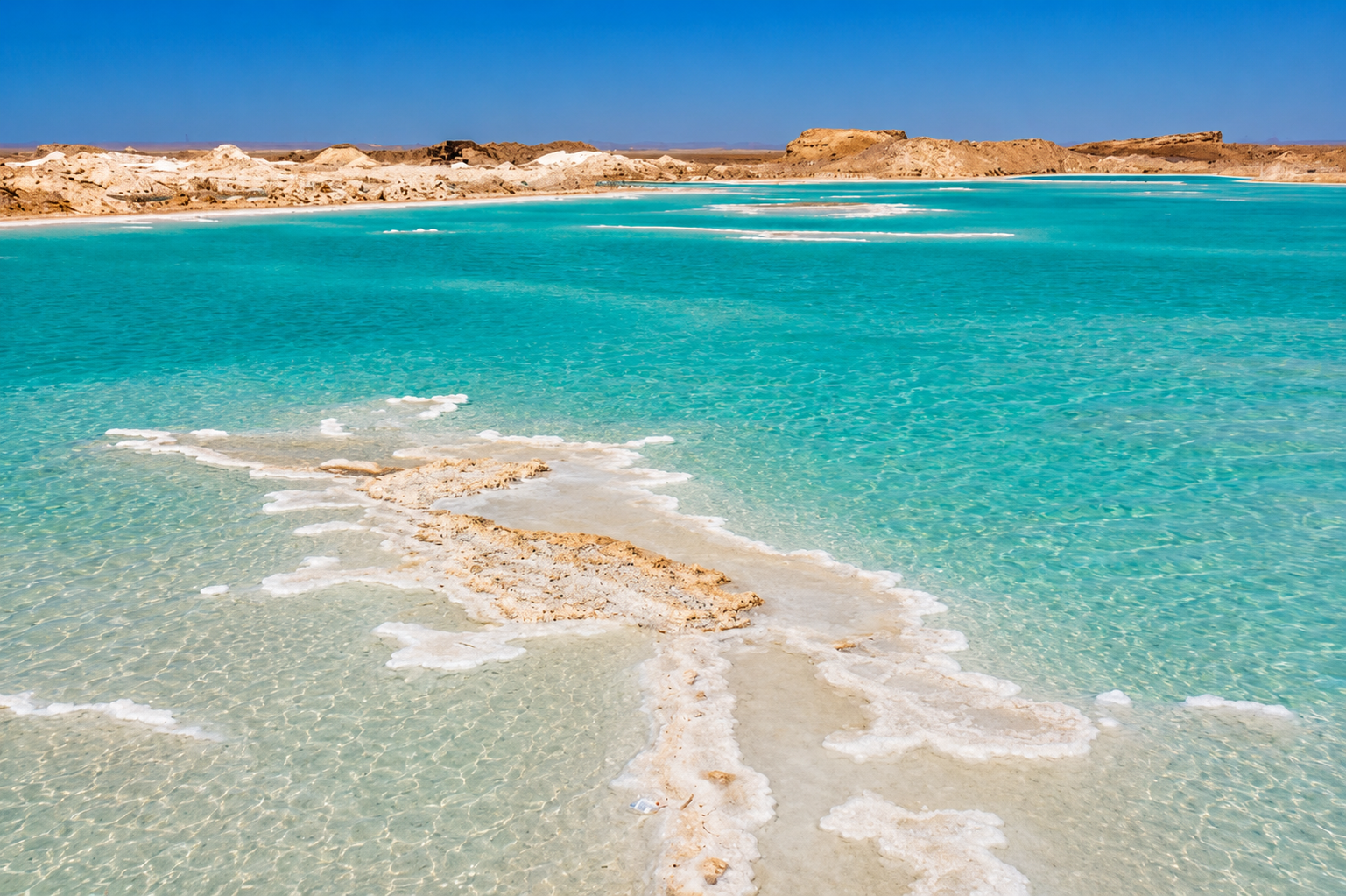
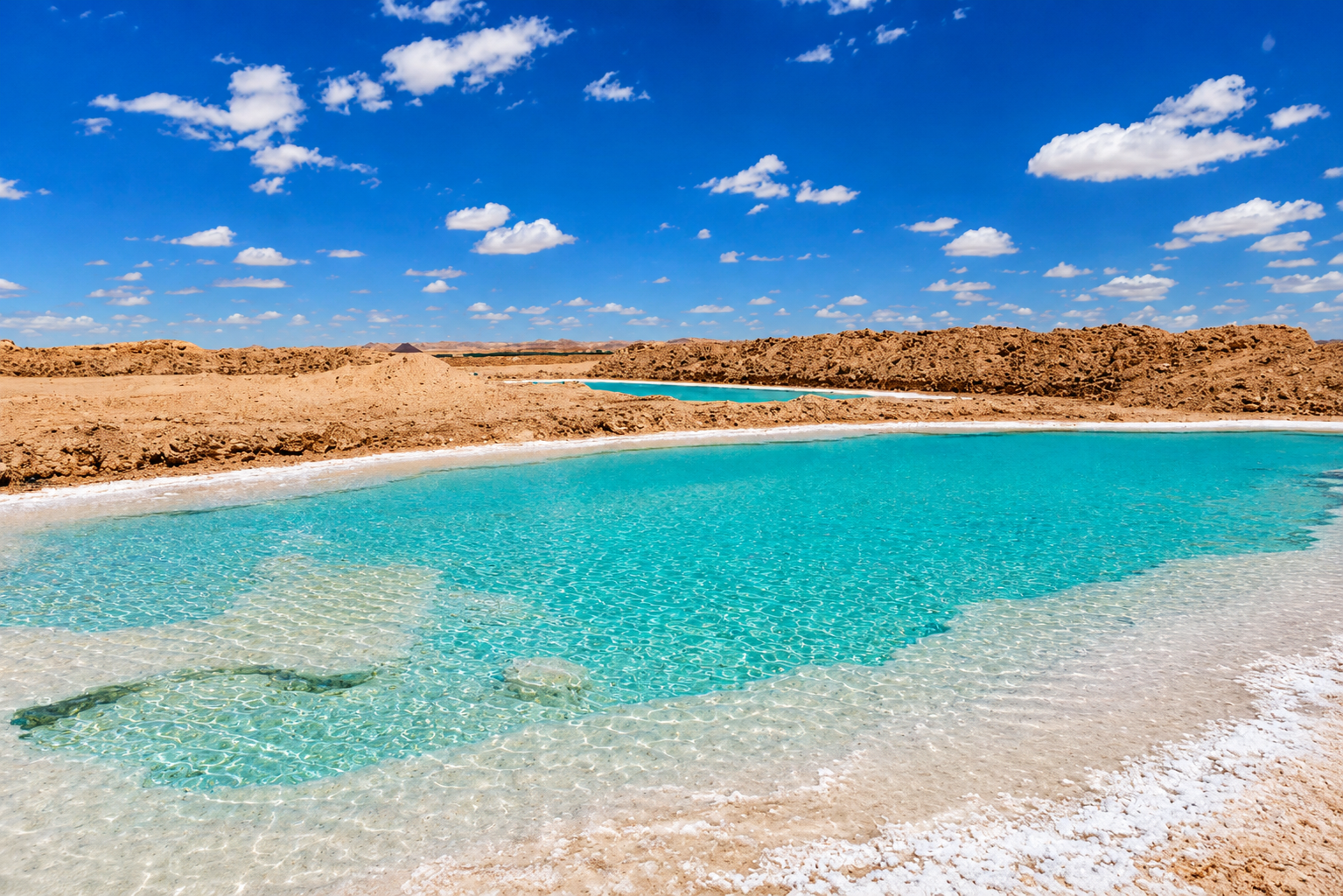
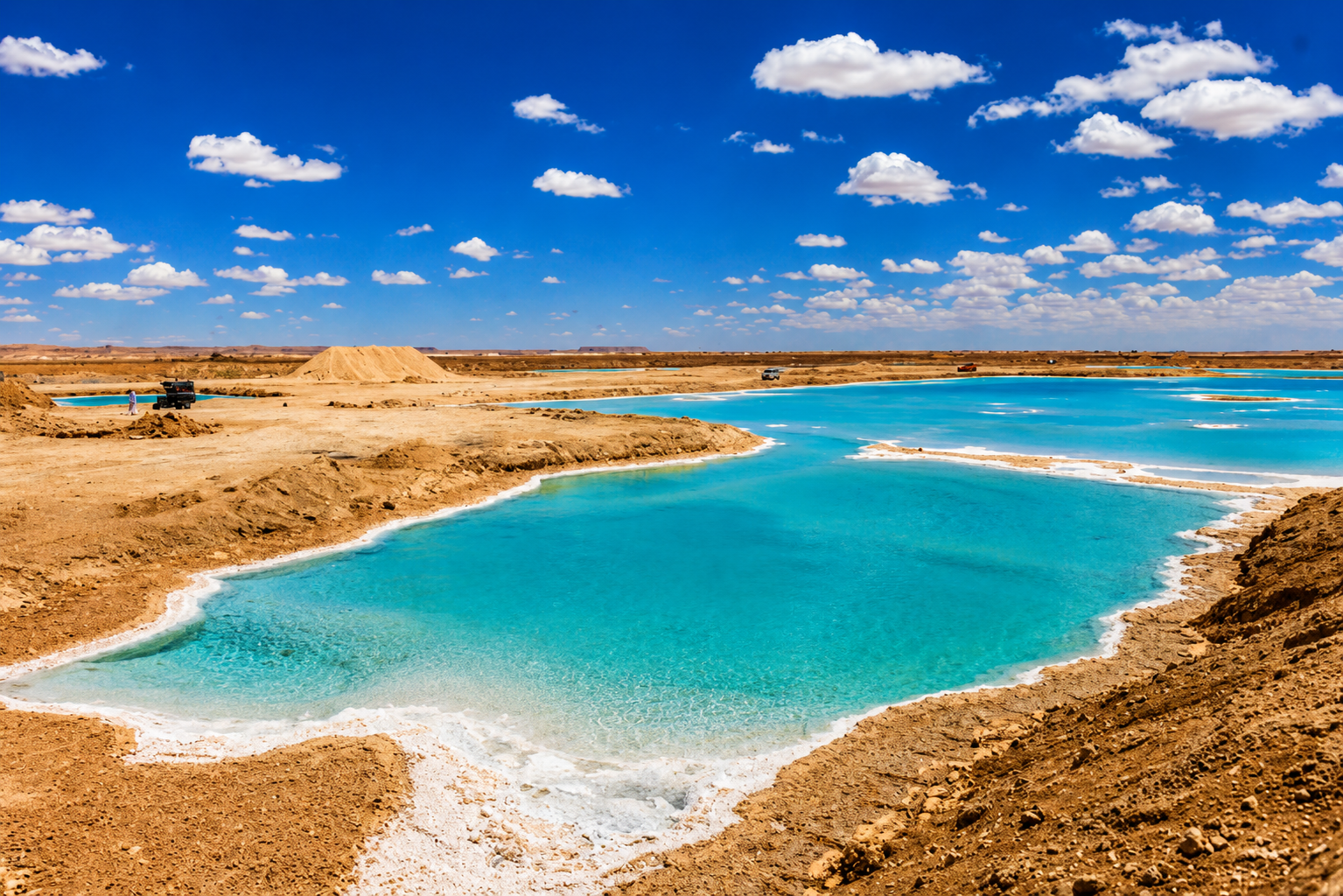
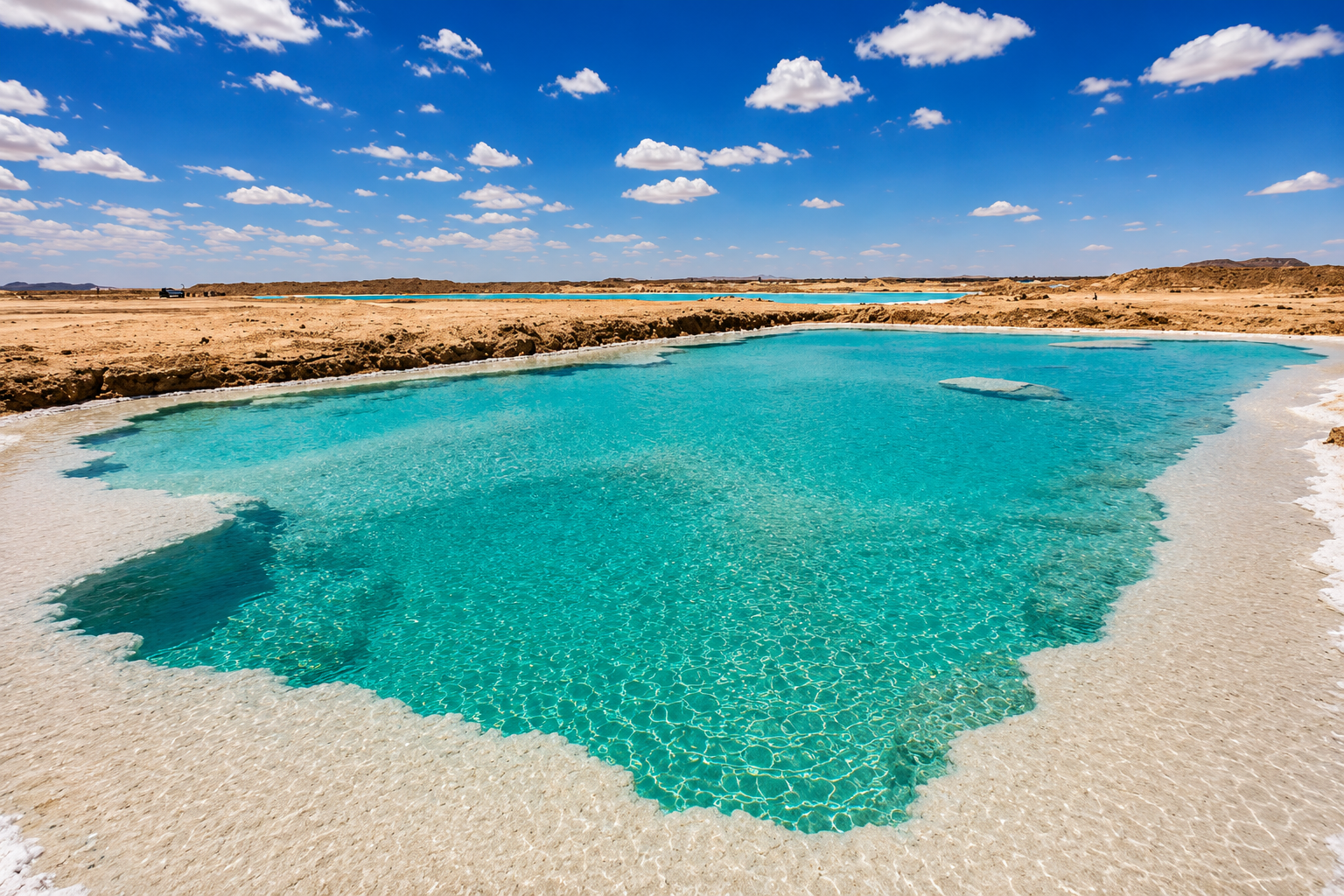
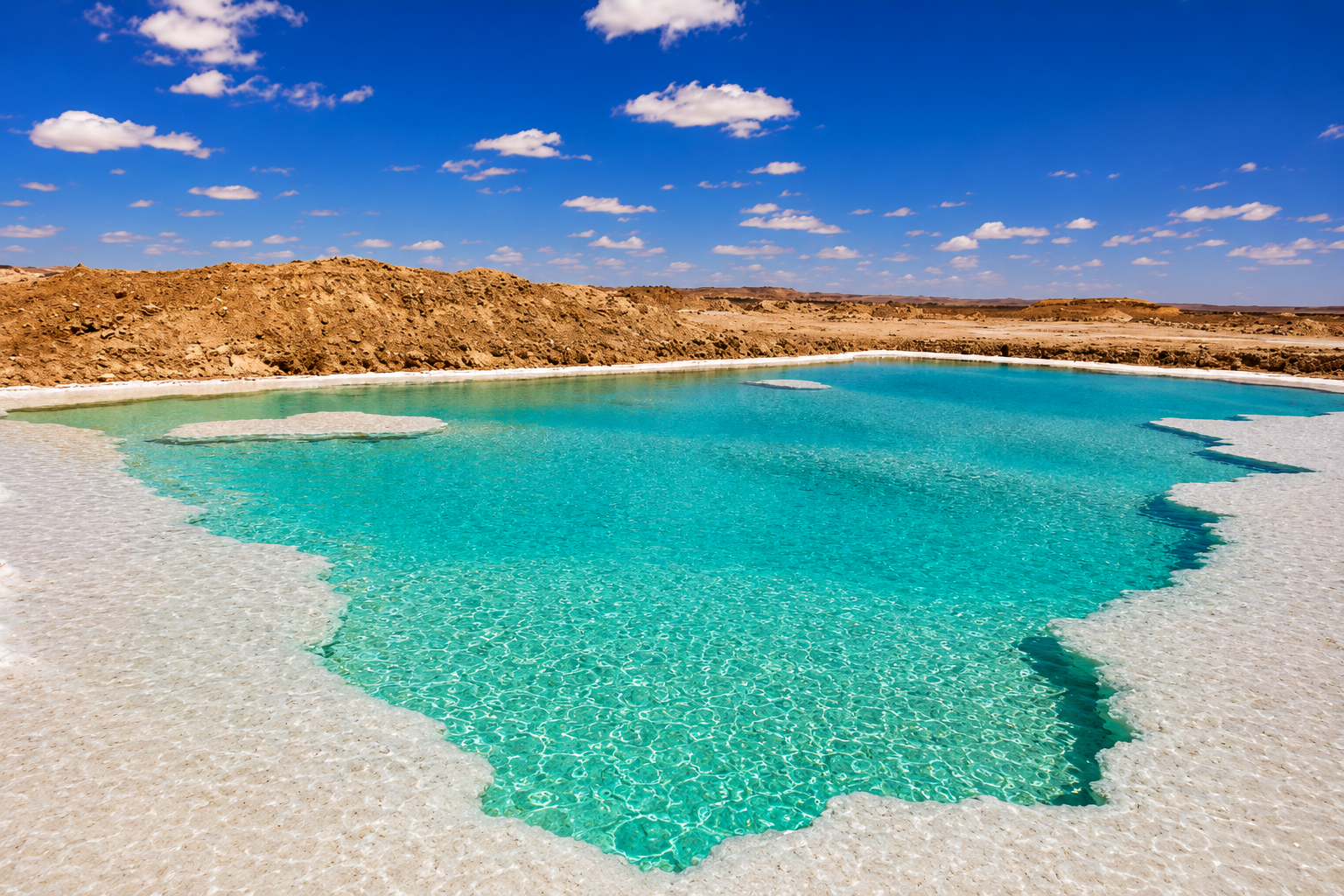
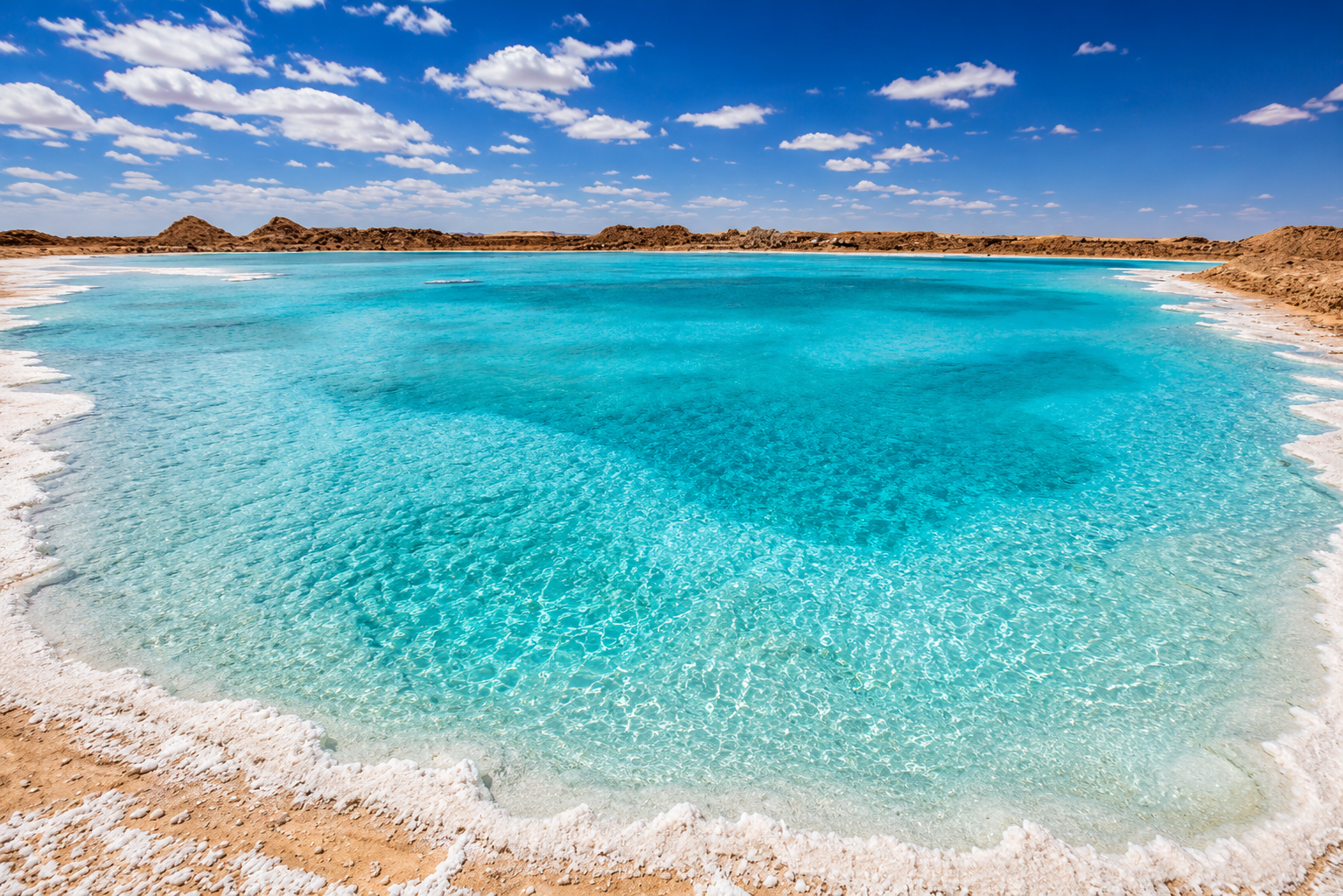
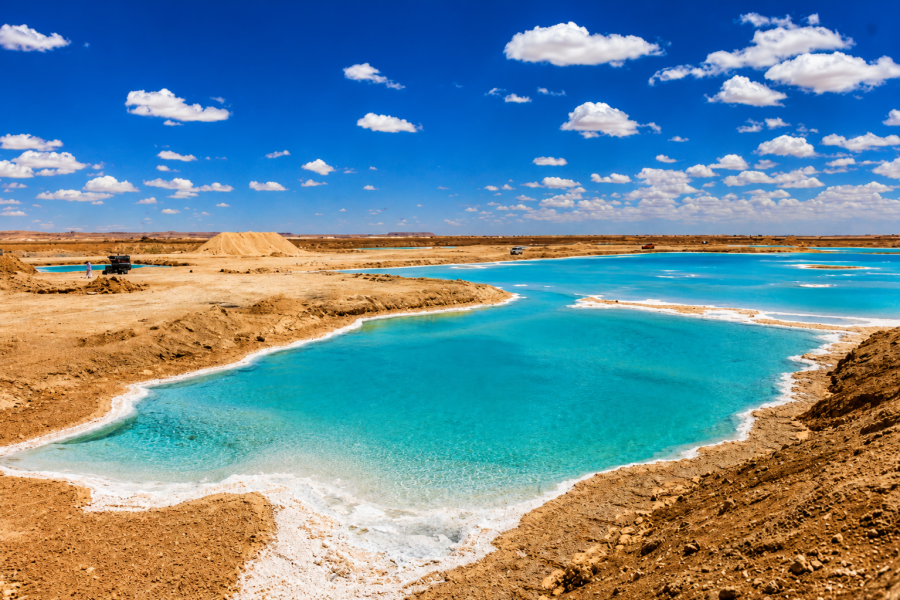
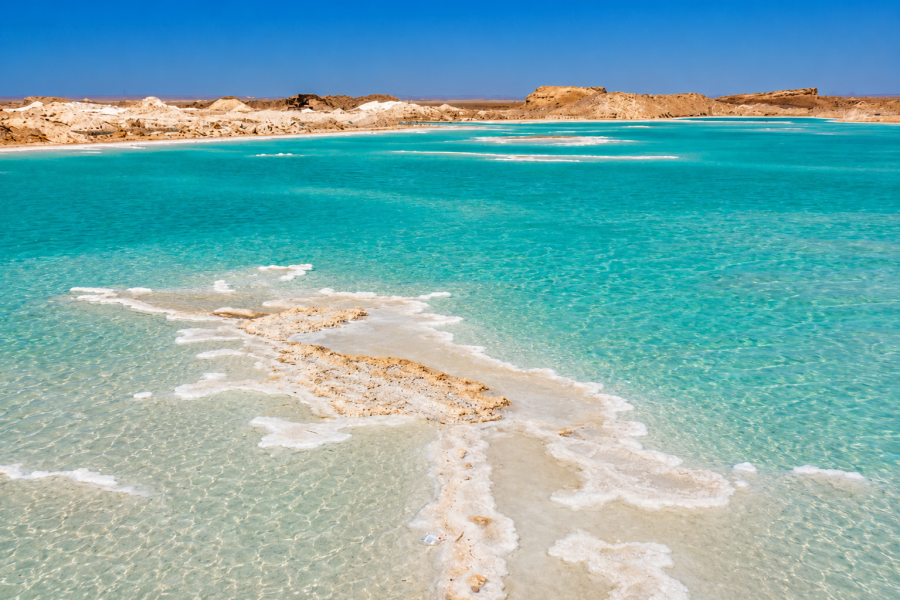
Bright turquoise water may sit beside dazzling white salt formations while palm groves, desert plains and dunes stretch across the horizon.
The official Egyptian Tourism Authority describes Siwa as one of Egypt’s most remote desert oases and highlights floating on its blue salt lakes as one of the destination’s signature experiences.
For travelers, however, it is useful to understand that “Siwa Salt Lakes” does not describe one single tourist swimming pool.
There are different lakes and salt pools around the oasis, and conditions can vary between them.
That is why visiting with an experienced local guide or driver is useful.
Why Are the Siwa Salt Lakes So Famous?
The lakes have become internationally recognizable for three main reasons:
The color
Depending on sunlight, water conditions and the individual pool, the water can appear turquoise, bright blue or deep blue.
Against the white salt and beige desert landscape, the contrast is striking.
The floating experience
The high salt concentration makes the water much denser than ordinary freshwater, which increases buoyancy and makes floating unusually easy.
The landscape
You are not floating at a conventional resort or beach.
You are in one of Egypt’s most remote desert oases, surrounded by salt, palm groves, desert roads and enormous open skies.
That setting is a major part of what makes the experience memorable.
The lakes are also only one reason why Siwa is increasingly included among Egypt’s most distinctive desert destinations.
Travelers can combine them with ancient temples, springs, Shali Old Town and an adventurous safari into the Great Sand Sea.
Where Are the Siwa Salt Lakes?
The lakes and salt pools are distributed around the wider Siwa Oasis area.
They do not form a single attraction with one official entrance, reception desk and changing facility.
Some are associated with broad natural saline-lake systems, while smaller vivid pools may be found around salt-extraction areas.
Your guide will normally drive from Siwa town toward a suitable location based on current road and access conditions.
For most travelers, the salt lakes are included as one stop within a wider day exploring Siwa.
A common sightseeing day can include attractions such as:
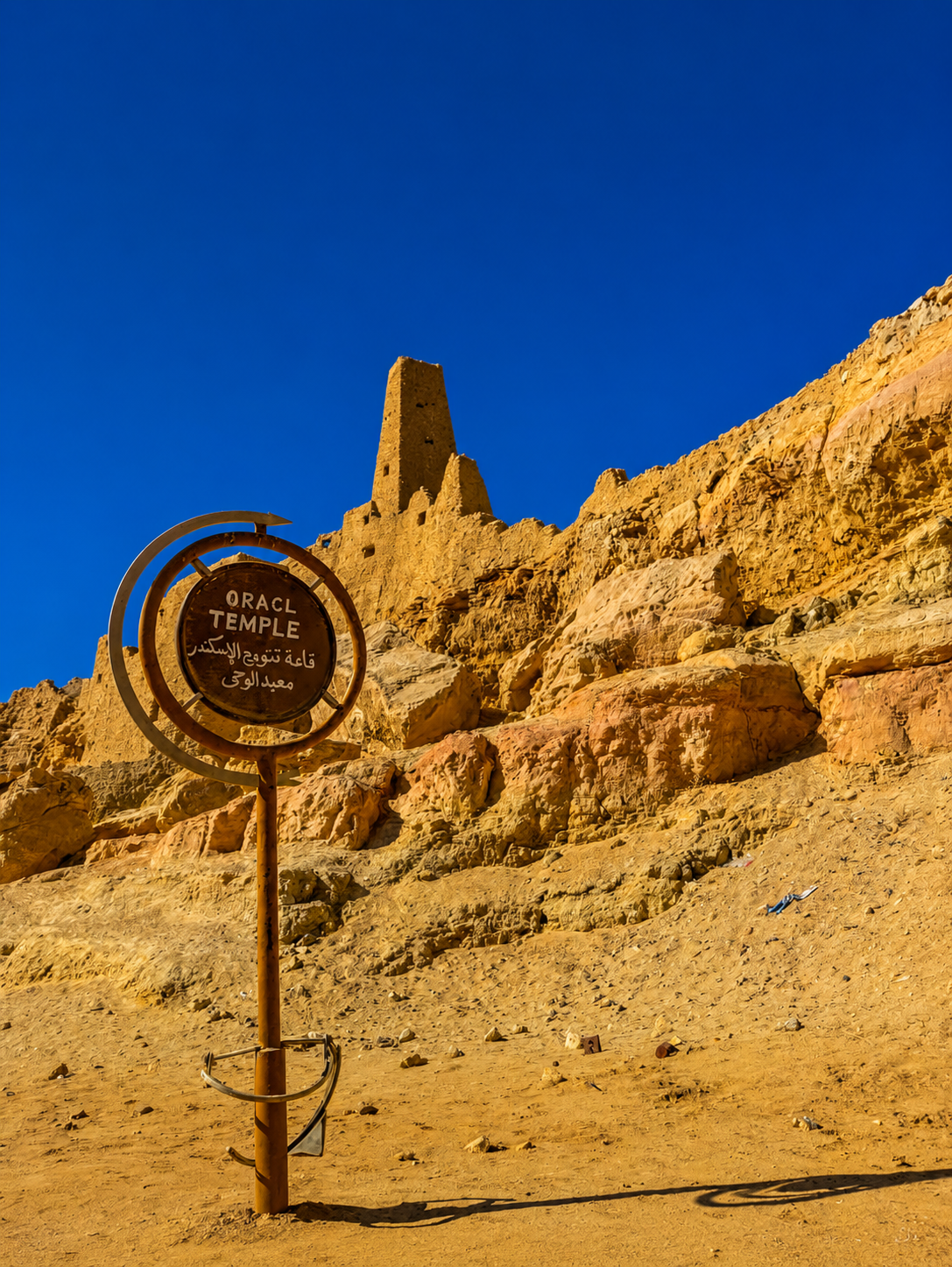
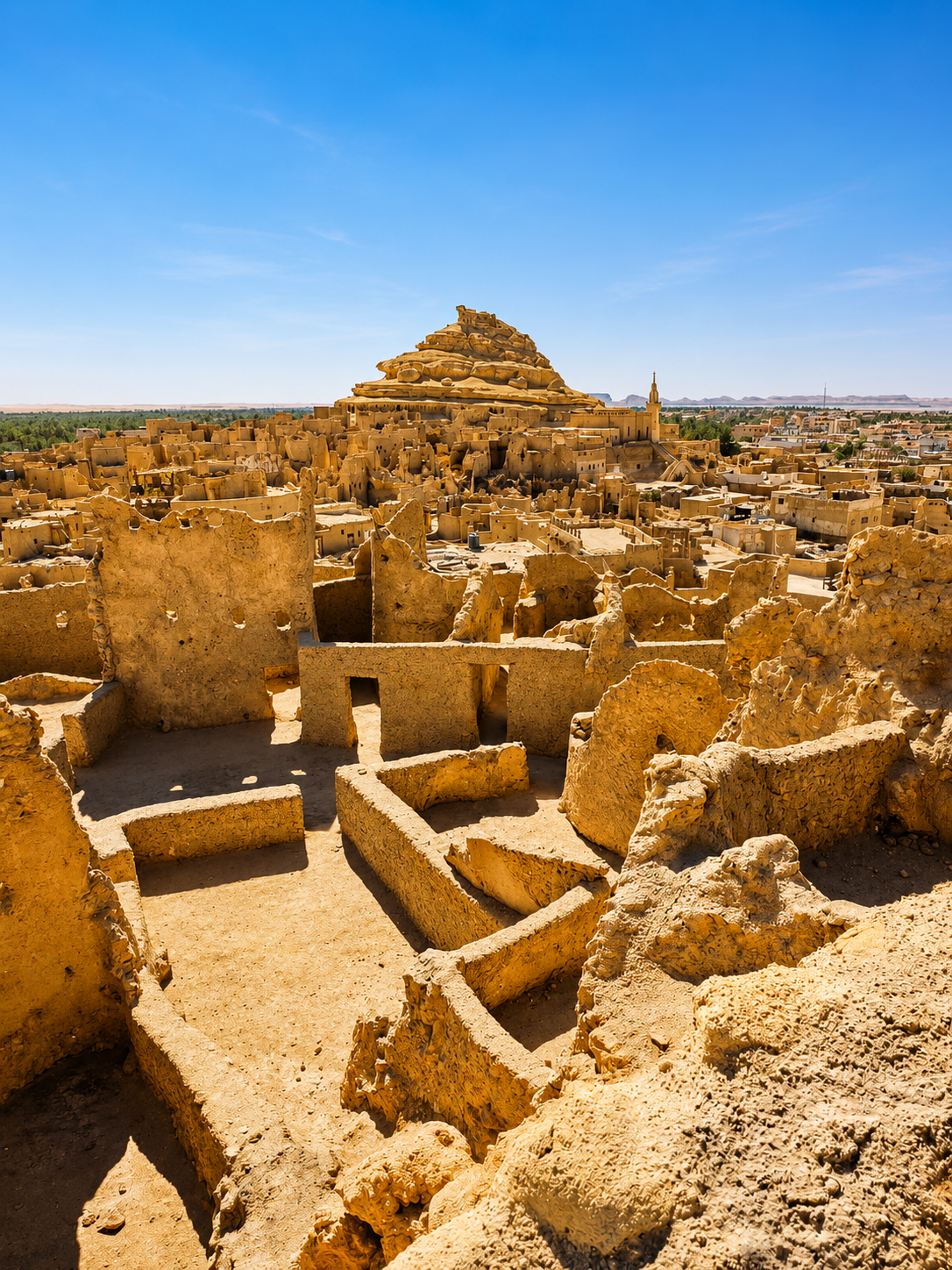
Shali Old Town → Mountain of the Dead → Temple of the Oracle → Siwa Salt Lakes → Cleopatra Spring → Fitnas Island
The exact sequence may change depending on your itinerary.
If you are trying to understand how these attractions fit together, our Siwa Oasis 3-day itinerary shows how the main highlights can be organized during a short visit.
Why Can You Float in the Siwa Salt Lakes?
Floating in Siwa feels unusual because the water contains an exceptionally high concentration of dissolved salts.
When water contains more dissolved salt, its density increases.
The increased density creates greater buoyancy, meaning your body receives more upward support than it would in ordinary freshwater.
That is why many visitors find they can lean backward and float without making much effort.
Scientific research into the hydrogeology of Siwa has documented hypersaline lakes within the oasis and extremely high concentrations of dissolved salts.
A 2026 study published in Hydrogeology Journal examined Siwa’s groundwater and salt-lake system and described the oasis’s salt lakes as hypersaline.
You will sometimes see videos claiming that it is “impossible to sink” in Siwa.
That wording is too absolute.
The high salinity greatly improves buoyancy, so floating can feel remarkably easy. However, increased buoyancy does not mean visitors should ignore normal water safety.
You should still:
Enter slowly
Avoid jumping into unfamiliar water
Avoid diving
Follow your guide’s instructions
Stay in an appropriate area
Keep children supervised
Never deliberately test unfamiliar water depth
Treat the lakes as a natural environment rather than an amusement attraction.
What Does Floating in the Siwa Salt Lakes Feel Like?
The experience is surprisingly different from a regular swimming pool.
When you lean backward, the dense water pushes your body upward more strongly than freshwater.
Your legs may rise toward the surface with very little effort.
Most people quickly stop trying to swim normally and instead relax into a floating position.
That is usually the best way to experience the lakes.
There is also another sensation that becomes obvious very quickly:
the salt.
If you have a tiny scratch that you had forgotten about, you may suddenly notice it.
If you recently shaved, the water may sting.
And if salty water enters your eyes, it can be extremely uncomfortable.
The ideal experience is therefore calm floating rather than energetic swimming or splashing.
Can You Swim in the Siwa Salt Lakes?
Ja.
Travelers regularly enter suitable Siwa salt pools and float in them.
However, the word “swimming” can be misleading because traditional swimming strokes are not usually the main attraction.
Instead, most visitors:
Enter slowly.
Move into a comfortable depth.
Lean backward.
Allow the salty water to support their body.
Float for photographs and enjoy the scenery.
Exit carefully.
Rinse off afterward.
Avoid strong splashing because getting concentrated salt water into your eyes is unpleasant.
You should also never assume that every salt pool visible from the road is suitable for swimming.
Ask your guide before entering.
Are the Siwa Salt Lakes Safe?
For most travelers, floating in an appropriate salt pool can be a straightforward experience when basic precautions are followed.
The most important rules are simple:
Do not dive.
Do not jump into unknown water.
Do not swallow the water.
Keep the water out of your eyes.
Avoid entering with significant open cuts.
Enter slowly.
Follow local guidance.
Keep children supervised.
Conditions can vary between locations, so local knowledge matters.
That is one reason our private Siwa Oasis tours include local sightseeing rather than simply providing transportation to a pin on a map.
Do Siwa Salt Lakes Hurt Your Skin?
Salt water can sting irritated or broken skin.
You may feel discomfort if you have:
Fresh razor cuts
Scratches
Cracked skin
Small wounds
Recent skin irritation
One of the most useful tips for first-time visitors is therefore:
Do not shave immediately before visiting the salt lakes.
A small razor cut that feels insignificant normally can sting noticeably once it comes into contact with concentrated salt water.
If you have significant wounds or an individual skin condition, consider avoiding immersion and seek appropriate professional advice when necessary.
The salt lakes should be experienced as a natural attraction, not treated as medical therapy.
Keep the Salt Water Out of Your Eyes
This deserves its own section because it is one of the easiest mistakes to make.
Do not:
Dive underwater
Submerge your face unnecessarily
Splash friends
Open your eyes underwater
Rub your eyes with salty hands
If salt water reaches your eyes, rinse them carefully with clean fresh water.
Carrying some fresh water can therefore be extremely useful.
Should You Rinse After Swimming in Siwa Salt Lakes?
Ja.
After leaving the water, evaporation leaves a layer of salt on your skin.
Without rinsing, your skin may begin to feel dry, tight or uncomfortable.
Salt can also remain on:
Hair
Swimwear
Sandals
Watches
Phone cases
Towels
Ask your guide in advance what rinsing arrangements are available.
Some itineraries combine the salt-lake visit with other stops around Siwa, including Cleopatra Spring, but the precise sequence should depend on the tour program rather than assuming every natural spring is simply a shower facility.
Siwa Salt Lakes vs Cleopatra Spring
Visitors sometimes confuse the two attractions, but they offer very different experiences.
Siwa-Salzseen
Best known for:
Extremely salty water
Easy floating
Bright blue colors
White salt formations
Desert photography
Kleopatra-Quelle
Best known for:
Natural spring water
A historic oasis atmosphere
Palm trees
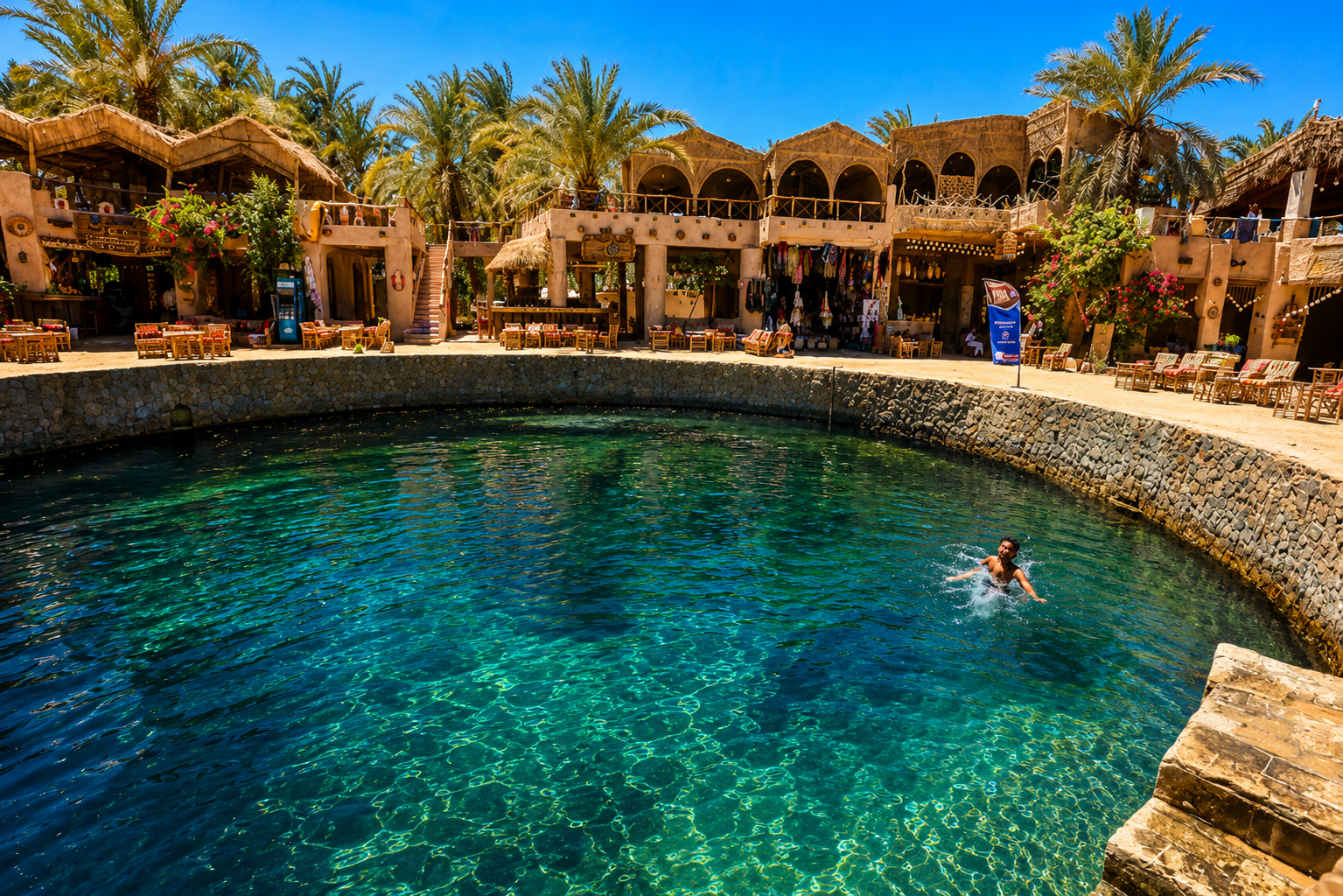
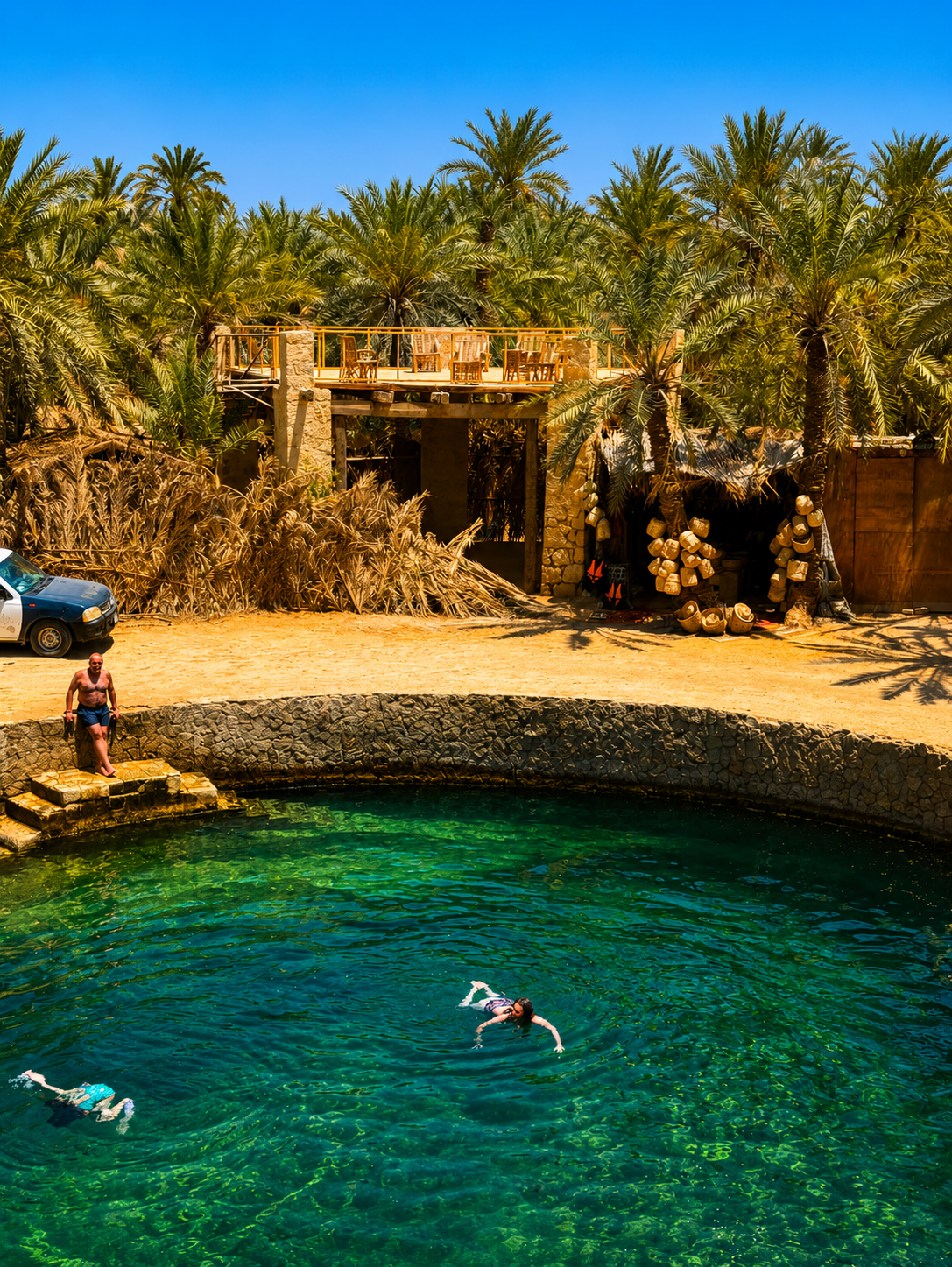
A circular stone pool
Nearby cafes and rest areas
Both can easily be included in the same sightseeing program.
Our full Siwa Oasis Egypt guide explains Cleopatra Spring and the other major attractions in greater detail.
What Should You Wear to the Siwa Salt Lakes?
Wear simple swimwear that you do not mind exposing to concentrated salt water.
Avoid expensive or delicate fabrics.
You should also carry lightweight clothing to cover up before and after swimming.
Siwa is a living oasis community with its own conservative local traditions, so visitors should dress respectfully while traveling through villages and public areas.
A practical combination is:
Swimwear underneath
Loose shirt or cover-up
Lightweight trousers, shorts or dress where appropriate
Sandals or water shoes
Hat
This makes changing and moving between attractions much easier.
What Should You Bring to the Siwa Salt Lakes?
Preparation is simple, but a few items make the experience much more comfortable.
Essentials
Bitte mitbringen:
Swimwear
Towel
Trinkwasser
Fresh rinse water when appropriate
Sonnenbrillen
Hat
Sonnenbrillen
Sandals or water shoes
Dry clothing
Lightweight cover-up
Useful Extras
Consider:
Waterproof phone pouch
Camera
Powerbank
Lens cloth
Lippenbalsam
Wet bag for swimwear
Things to Leave at Your Hotel
It is better not to bring:
Expensive jewelry
Delicate watches
Unnecessary electronics
Valuable accessories
Strong salt concentrations are not friendly to metals and electronics.
Should You Wear Water Shoes?
Water shoes or secure sandals can be useful.
The ground surrounding the pools can vary significantly.
You may encounter:
Hard salt crust
Rough ground
Mud
Crystals
Uneven surfaces
Walking barefoot is not always comfortable.
Ask your guide whether footwear is recommended at the specific pool you visit.
Are There Changing Rooms and Toilets at the Siwa Salt Lakes?
Do not expect every salt pool to operate like a developed beach attraction.
Facilities can be limited or completely absent at individual locations.
Before leaving your accommodation, ask:
Should I wear my swimsuit underneath my clothes?
Is there somewhere to change?
Will we have fresh water afterward?
Is there a toilet nearby?
Do I need my own towel?
Visitors who arrive prepared tend to enjoy the experience much more.
What Is the Best Time to Visit Siwa Salt Lakes?
For most international travelers, the cooler months are the easiest time to enjoy Siwa.
October through April generally offers more comfortable conditions for sightseeing, floating, walking and desert safari activities.
October and November can provide pleasant daytime temperatures.
December through February can be comfortable during the day, but mornings, evenings and nights may feel surprisingly cool.
March and April can again provide excellent conditions before the strongest summer heat arrives.
Siwa can be visited during summer, but daytime temperatures can be intense, especially when combining the salt lakes with archaeological sites and desert activities.
Our upcoming guide to the best time to visit Siwa Oasis will compare every season specifically for salt lakes, safari, photography and culture.
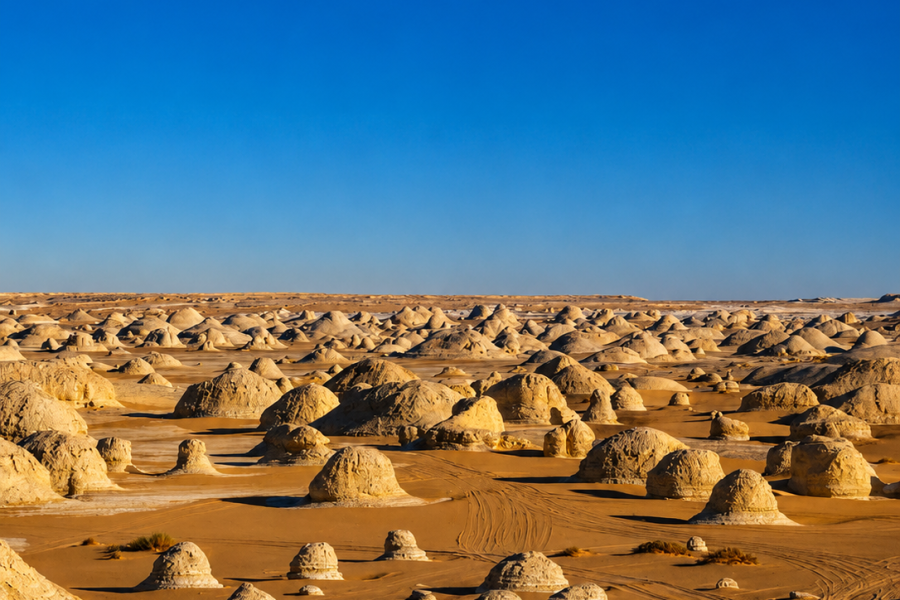
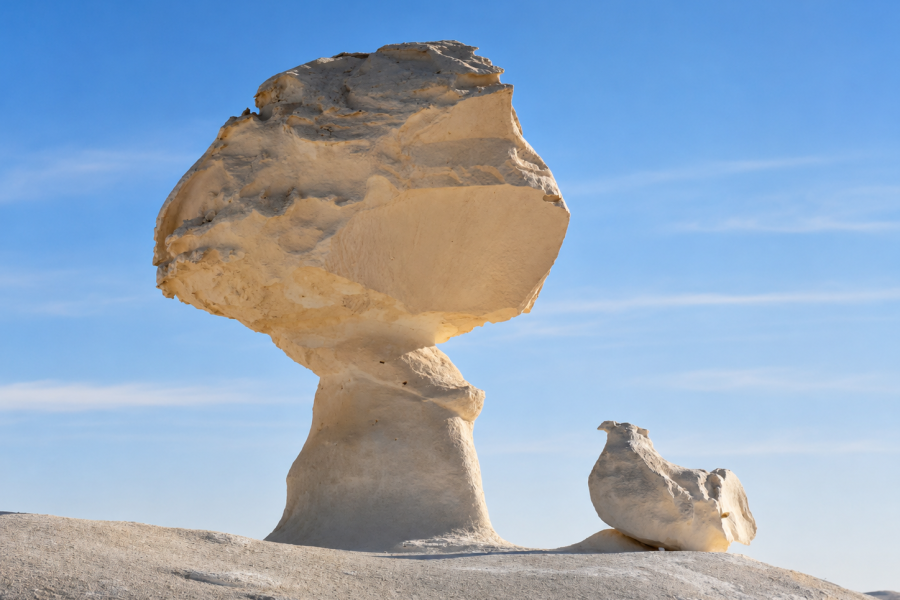
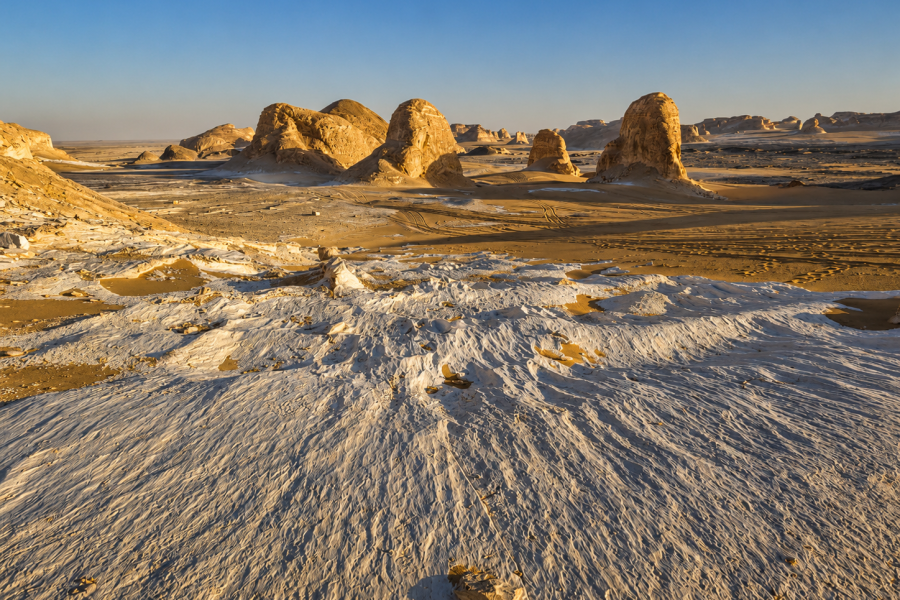
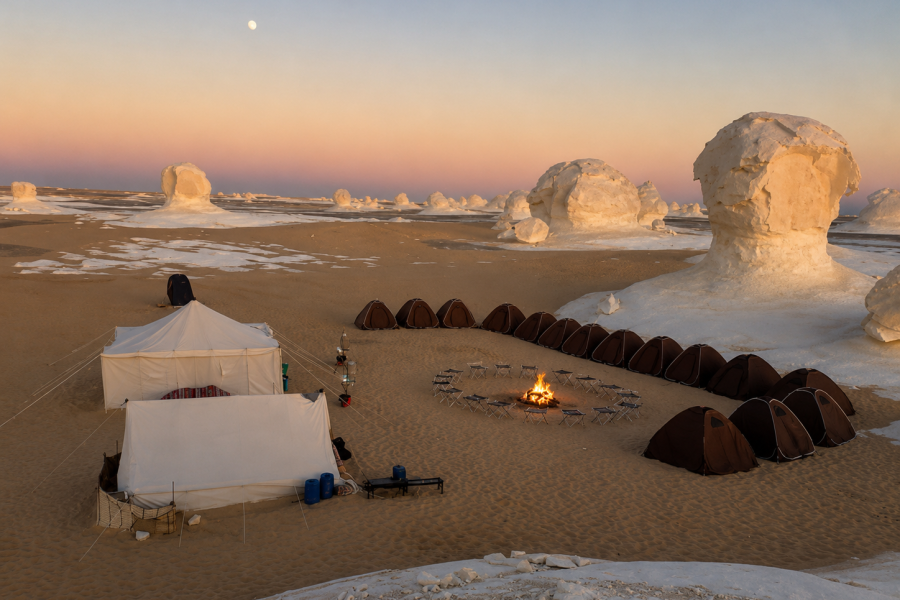
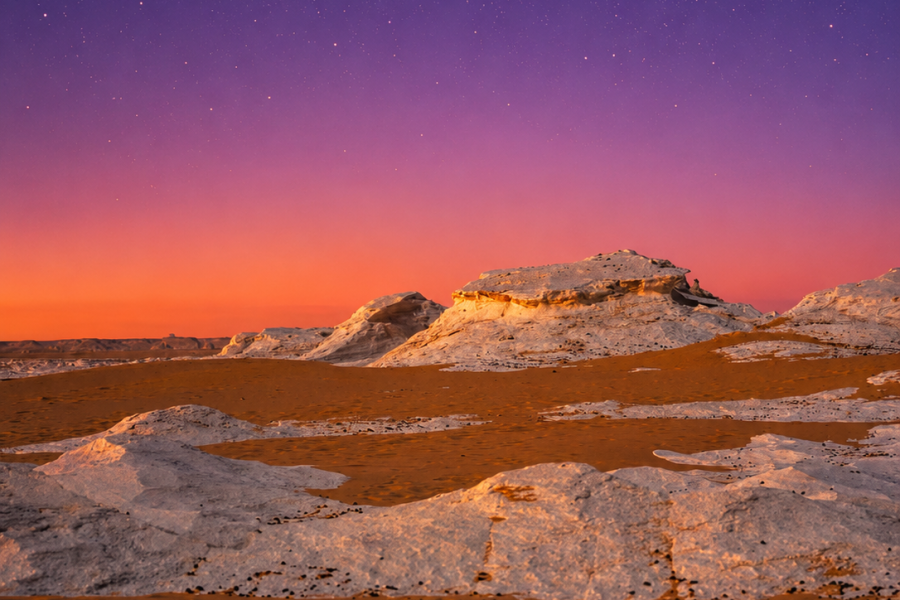
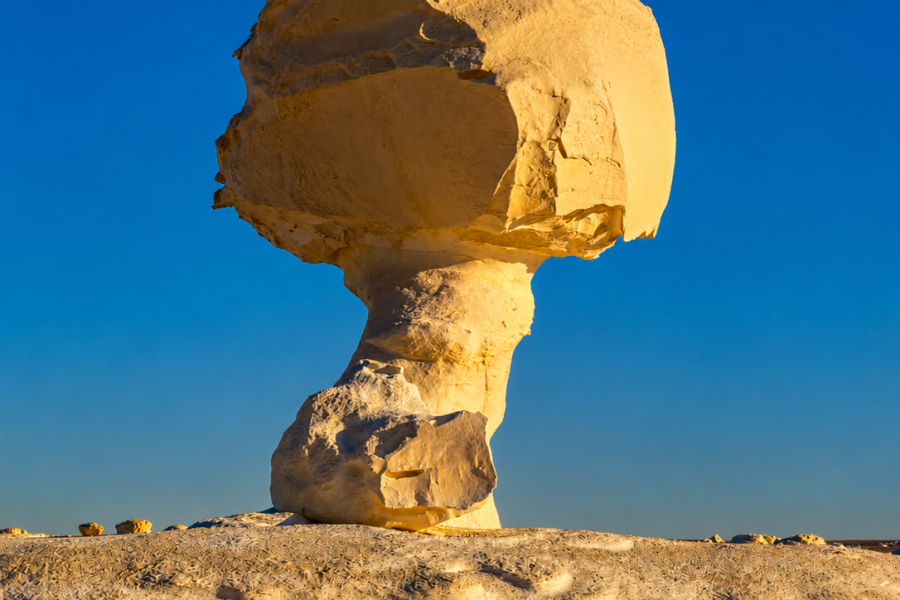
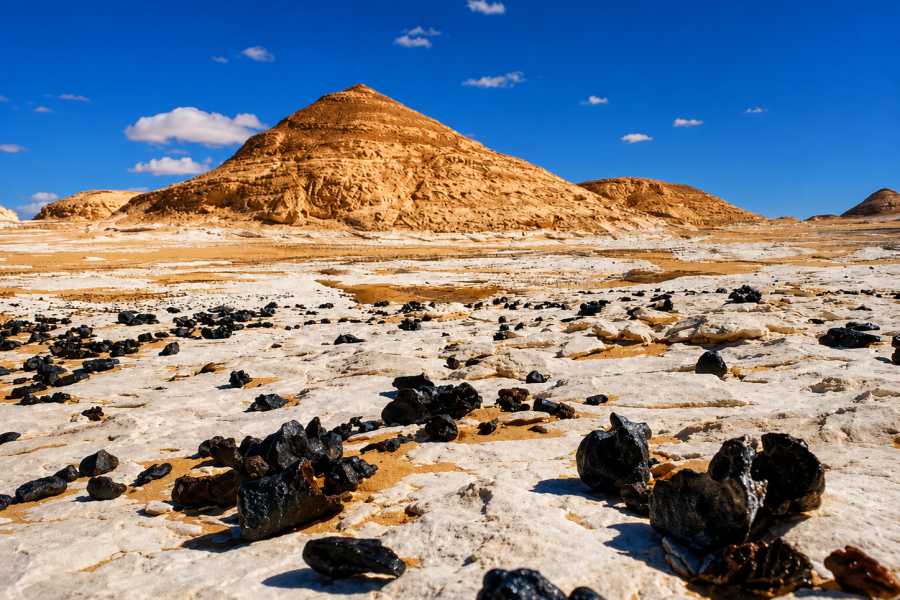
If your wider Egypt itinerary also includes desert destinations farther east, see our White Desert Egypt travel guidefor another Western Desert experience with very different landscapes.
What Is the Best Time of Day to Visit?
There is no single perfect hour.
For photography, stronger daylight can make the contrast between turquoise water and white salt particularly dramatic.
However, midday also means stronger heat and sunlight.
During warmer months, earlier or later visits may be more comfortable.
During cooler months, visiting when the day has warmed up can make floating more enjoyable.
Your schedule should consider:
Season
Temperature
Sun position
Photography
Local conditions
The other attractions you are visiting
A private itinerary gives you more flexibility than trying to follow a rigid large-group schedule.
How Long Do You Need at the Siwa Salt Lakes?
Most travelers do not need an entire day.
Allow roughly one to two hours for the experience depending on:
Travel between pools
Photography
Floating
Changing
Rinsing
Group size
The lakes are best treated as one part of a complete day around Siwa.
That allows you to experience the oasis without turning your trip into a checklist focused on one social-media photograph.
How Many Days Do You Need in Siwa?
For travelers arriving from Cairo, three days is generally the practical starting point.
Siwa is remote, and a considerable amount of travel time is required to reach it.
Trying to arrive, see the lakes and immediately return wastes much of the experience.
Three Days
Three days works well for travelers with limited time.
Siwa is located far west of Cairo, so the journey requires significant road time.
Travelers should plan several days rather than attempting to visit only the lakes.
Our detailed Siwa Oasis from Cairo guide explains the route, travel planning and what to expect before making the journey.
For most visitors, the trip itself is part of the adventure.
As Cairo gradually disappears behind you, the landscape changes from busy urban areas to increasingly open desert before finally reaching one of Egypt’s most isolated oasis communities.
Do You Need a Guide for the Siwa Salt Lakes?
Technically, some visitors may be able to reach parts of the area using local transportation, but an experienced local guide or driver makes the visit considerably easier.
Local knowledge helps with:
Choosing suitable pools
Current access conditions
Road conditions
Safe entry locations
Timing
Transportation
Combining attractions
Knowing where not to enter
Remember that some salt areas are working landscapes rather than formal attractions.
An online map pin does not always tell you whether a particular location is suitable for swimming on the day you arrive.
Are the Famous Blue Siwa Salt Pools Natural?
This question has a slightly more complicated answer than many social-media posts suggest.
Siwa unquestionably contains natural saline and hypersaline lakes and extensive salt landscapes.
The oasis’s central depression contains major salt lakes, while evaporation and the local hydrological system contribute to extensive salt accumulation.
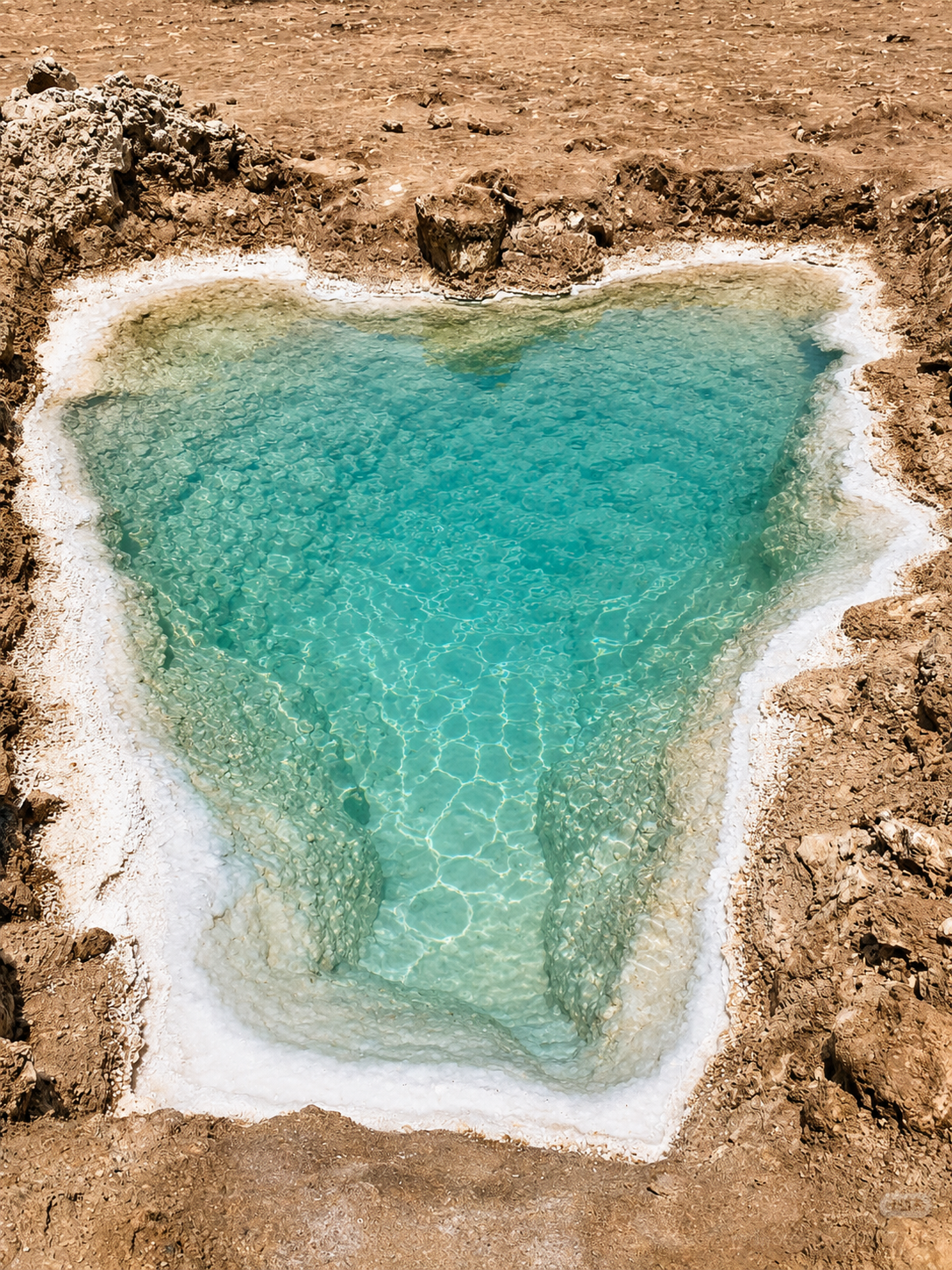
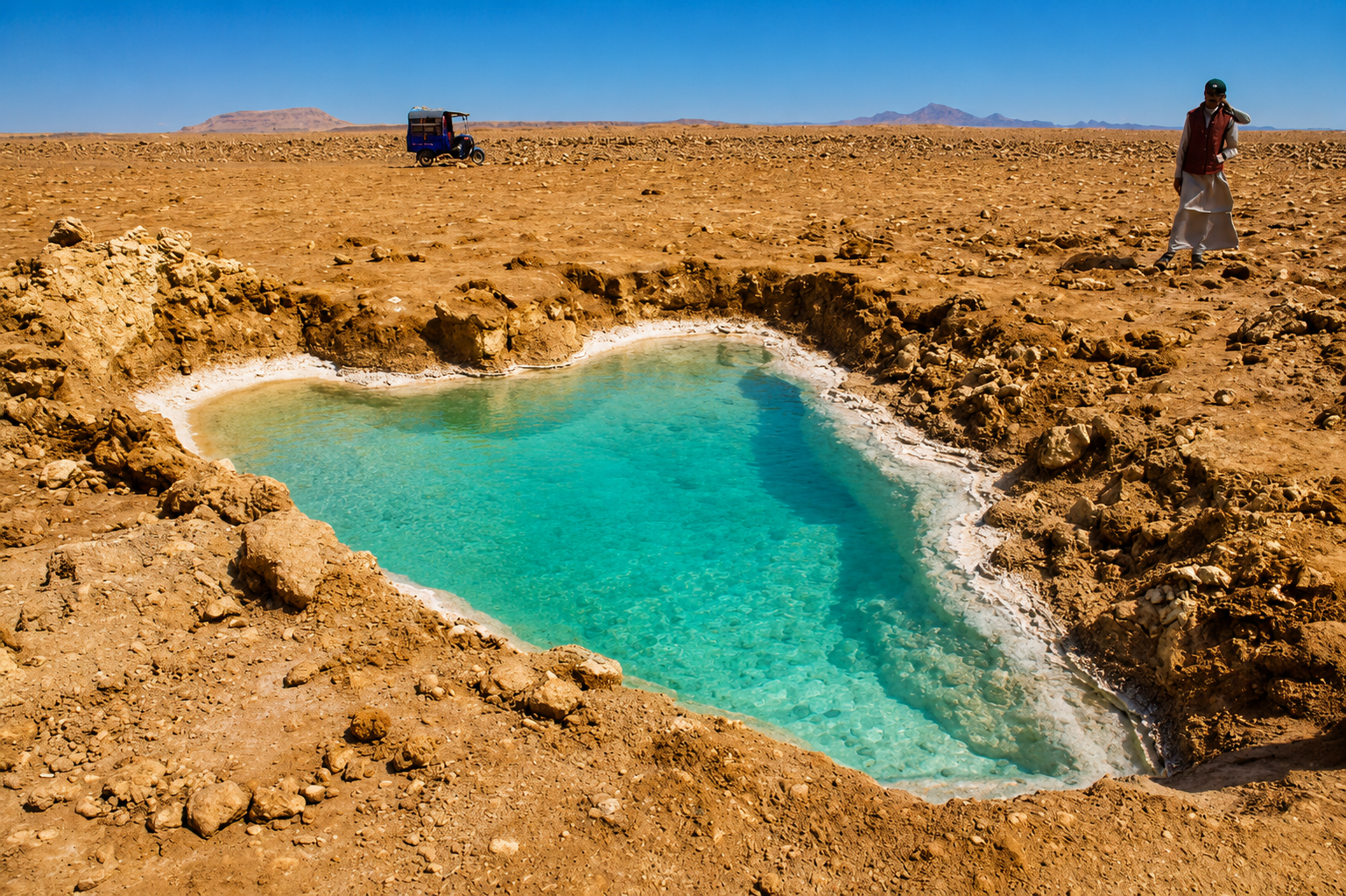
However, some of the smaller intensely blue pools that have become famous in modern travel photography are associated with salt-production or extraction landscapes.
So the phrase Siwa-Salzseen is often used by travelers to describe several related but not identical environments.
This is why photographs from different visitors may show completely different pools.
The wider salt landscape is what matters.
Why Is Siwa So Salty?
Siwa sits in a desert depression where geology, groundwater, drainage and intense evaporation interact.
Water contains dissolved minerals.
When water evaporates in a hot, dry climate, the water disappears into the atmosphere but dissolved salts remain behind.
Repeated over long periods, this process contributes to high salinity in lakes, soils and shallow water systems.
Modern hydrogeological research continues to study Siwa’s complex relationship between groundwater and hypersaline lakes.
Salt is therefore not just a tourist attraction here.
It has influenced Siwa’s:
Landscape
Agriculture
Architecture
Economy
Water management
Traditional way of life
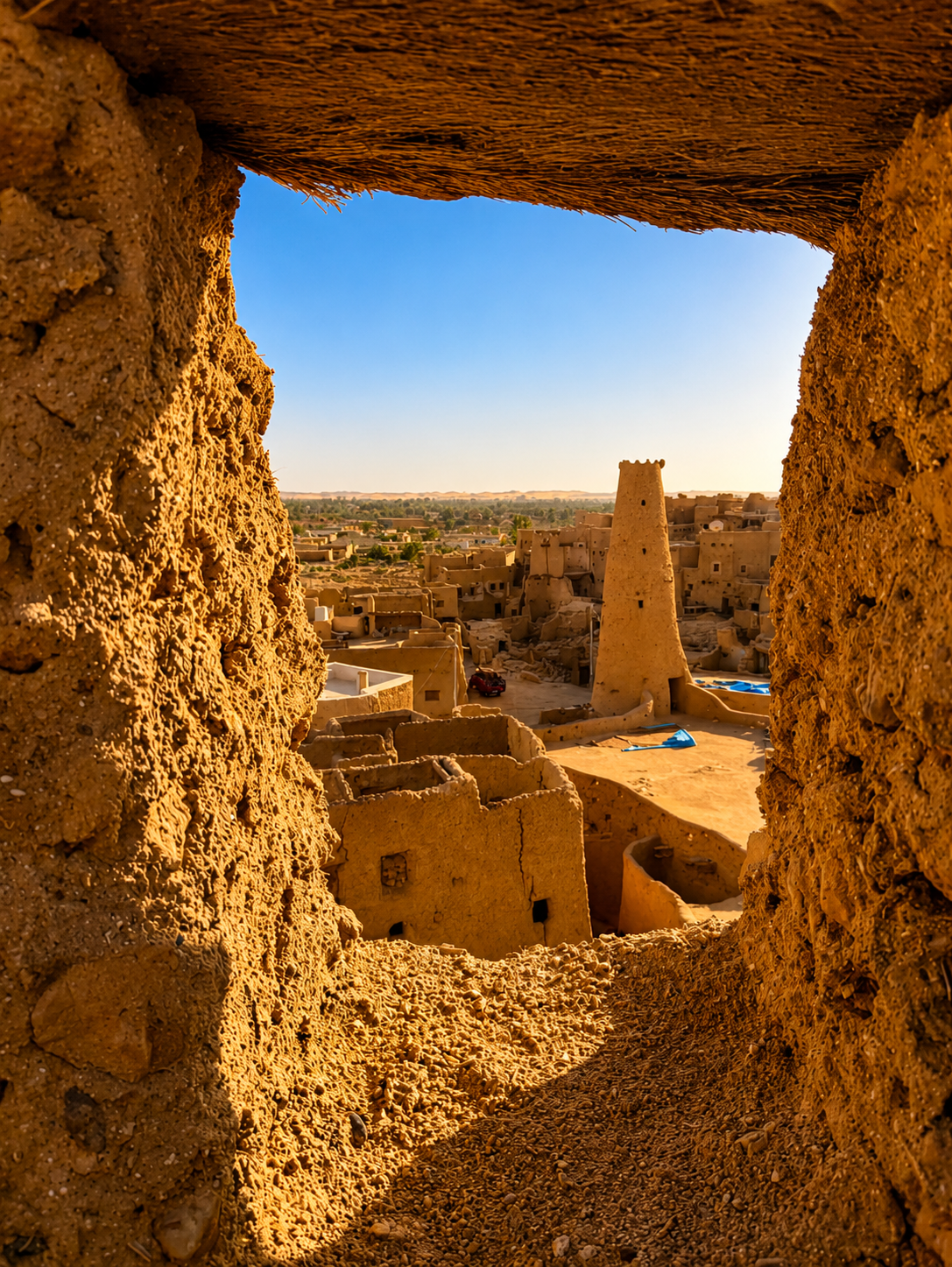
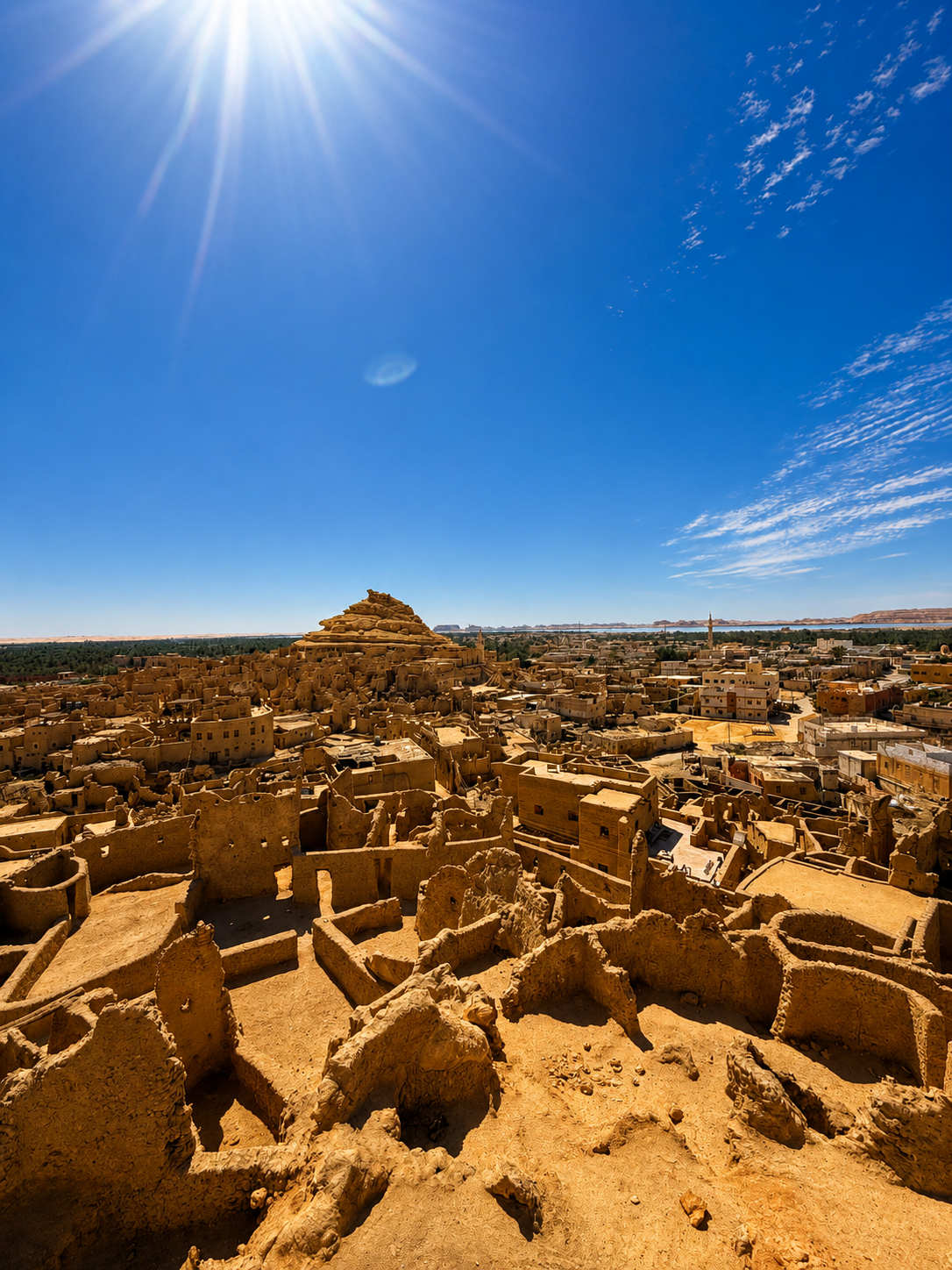
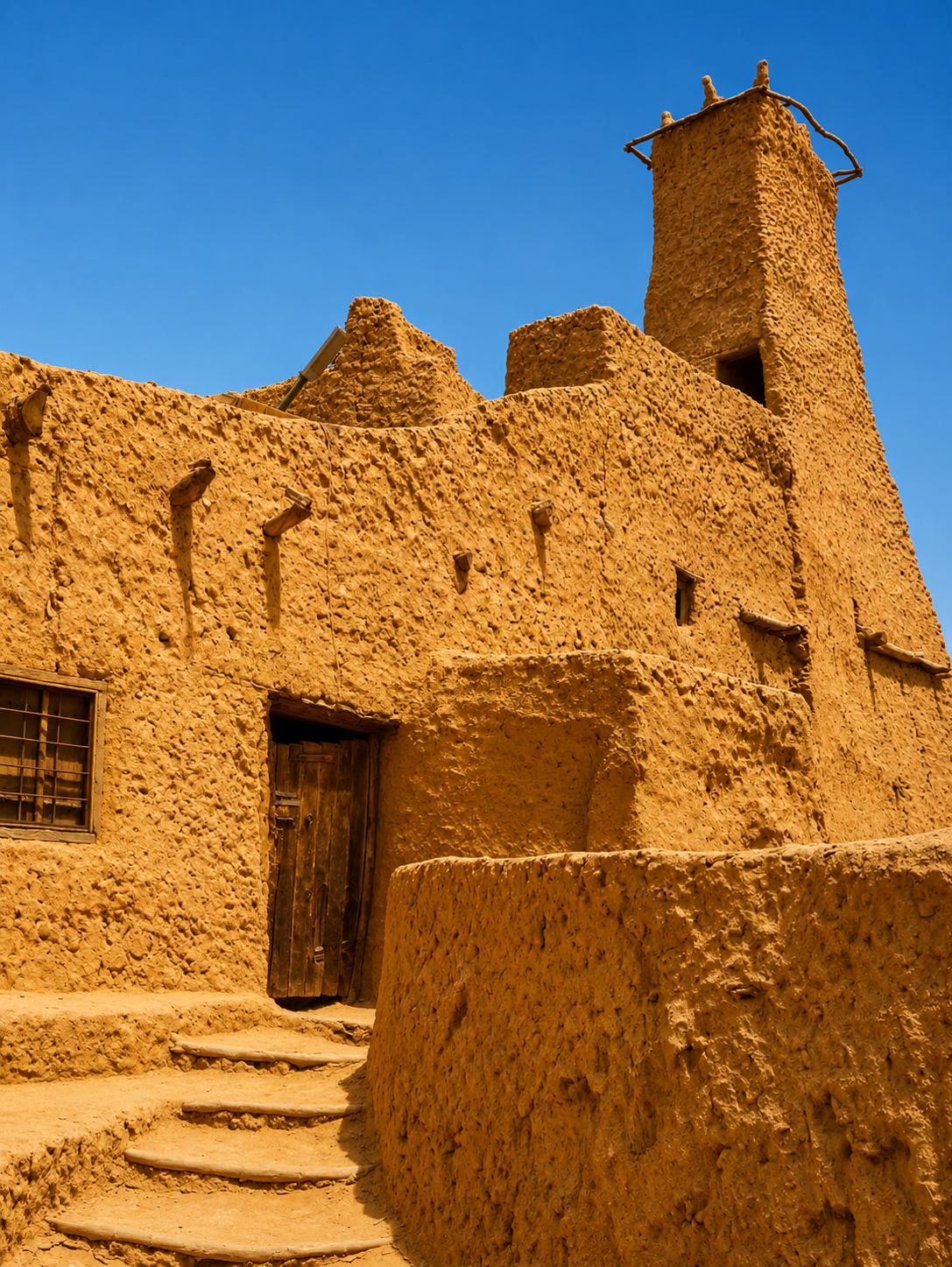
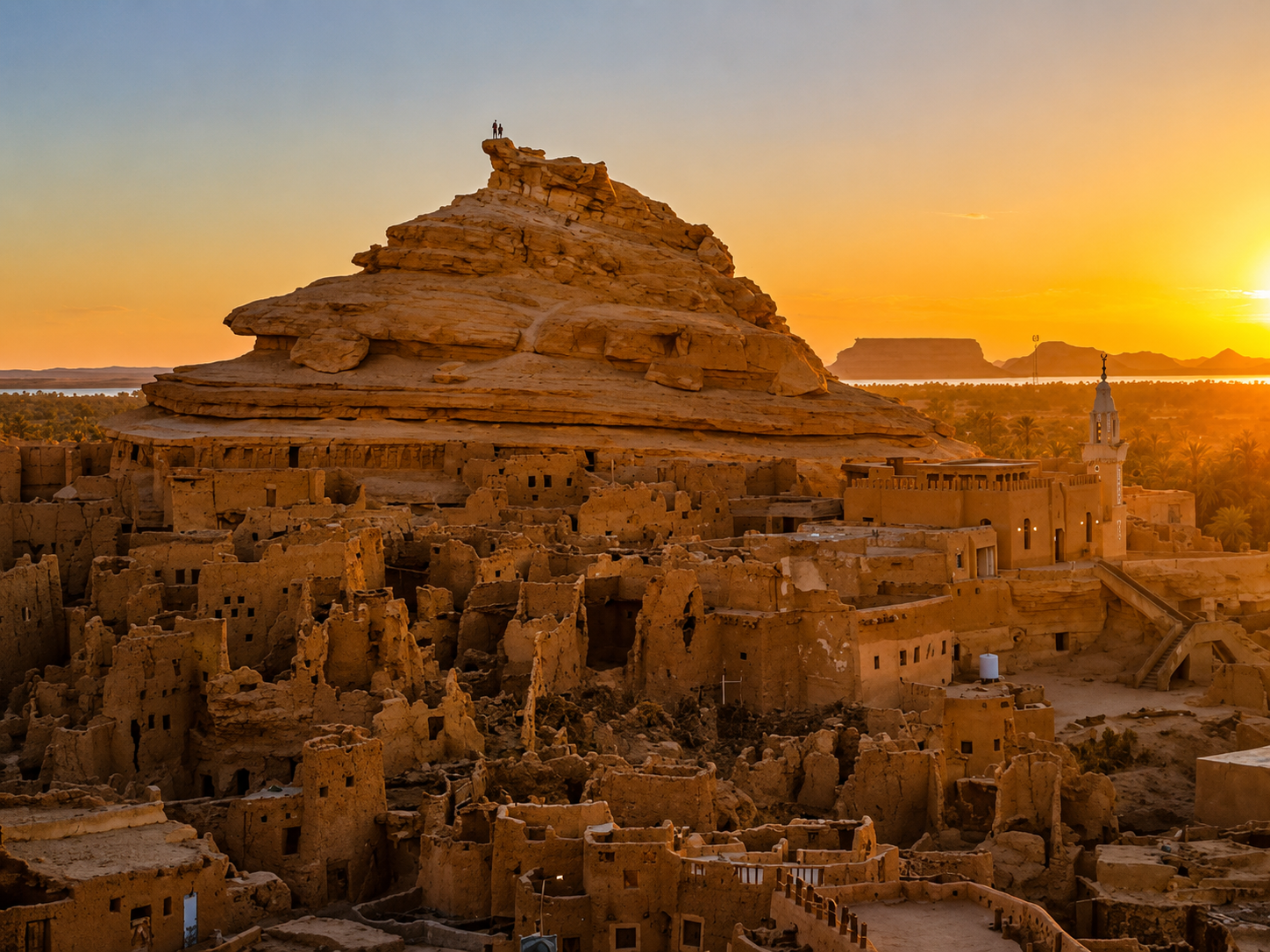
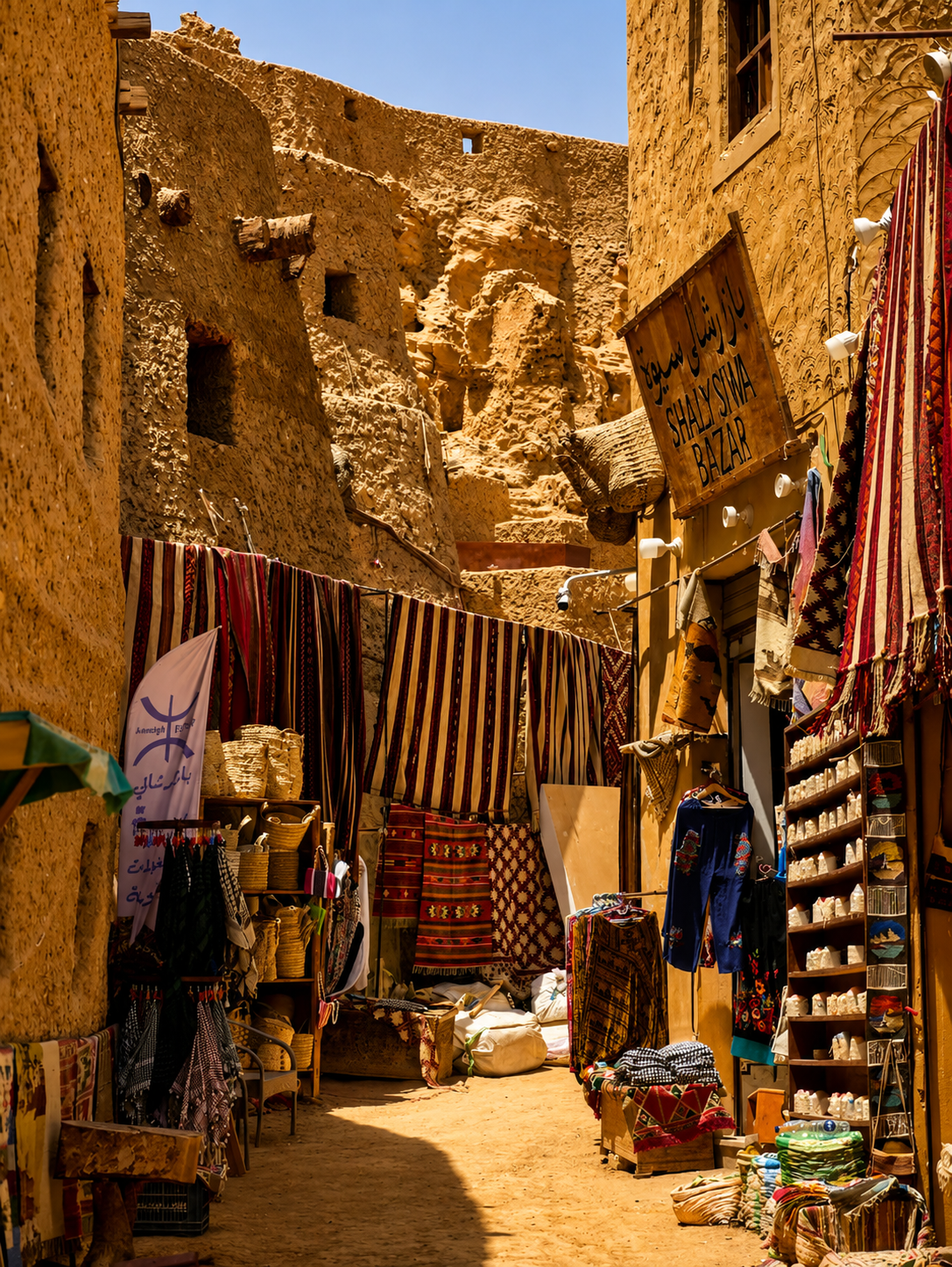
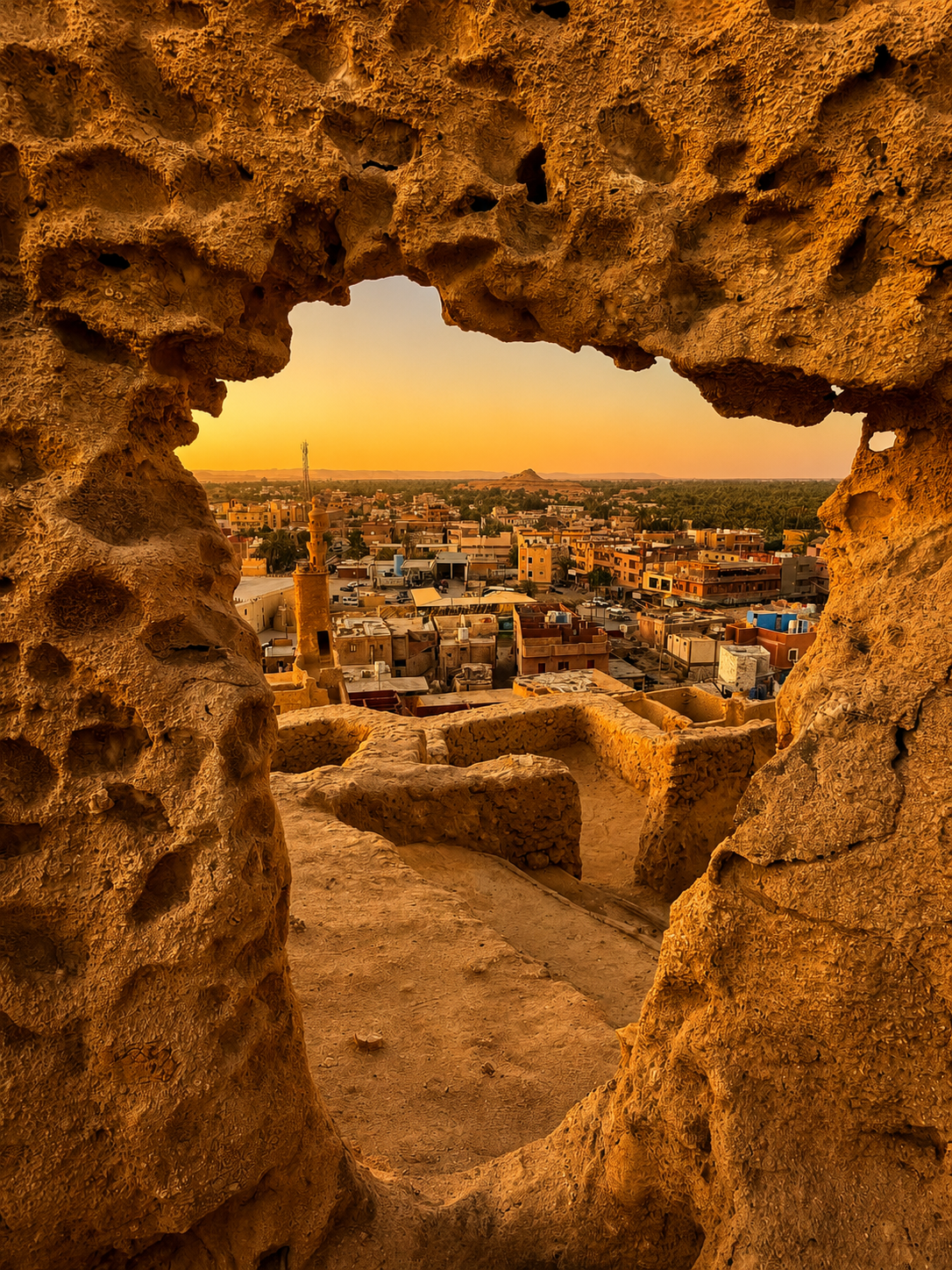
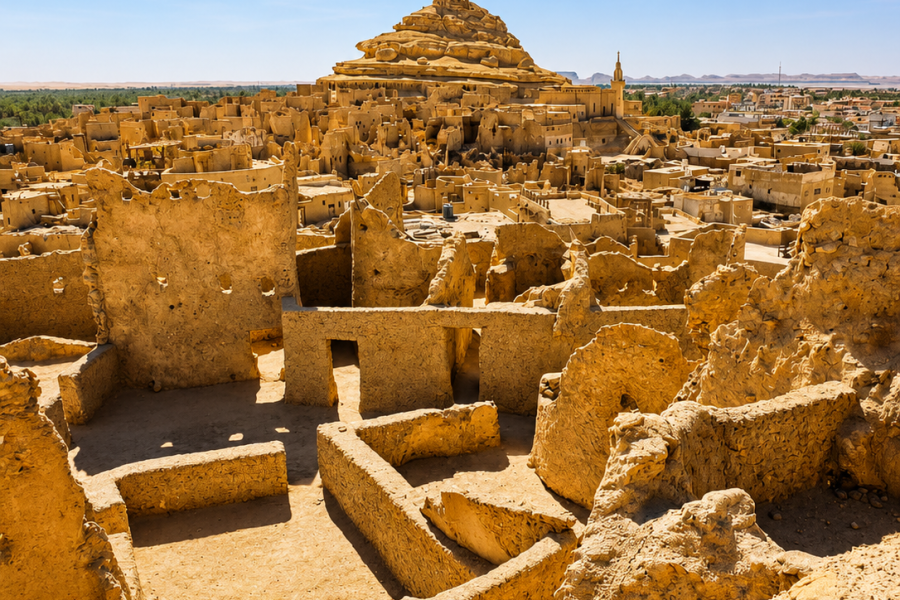
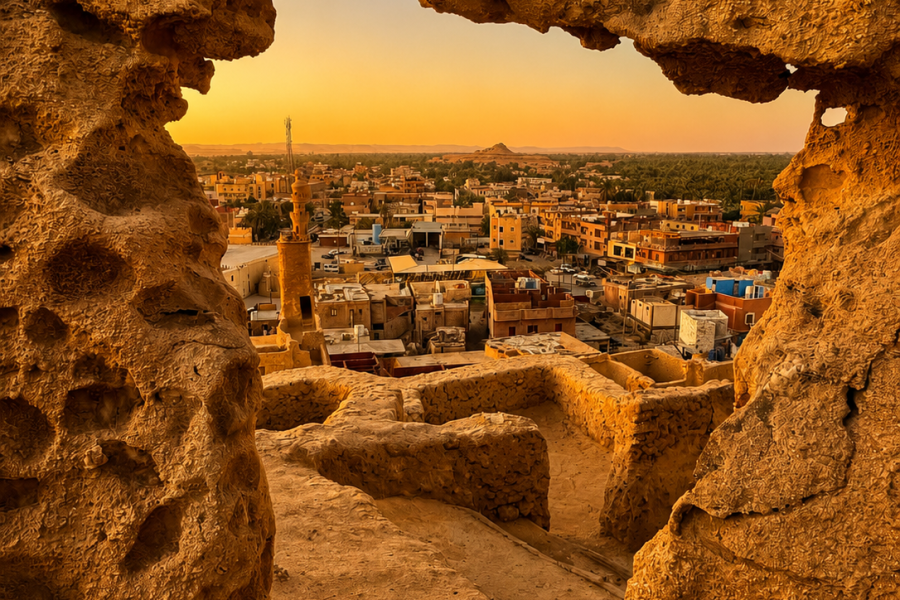
One of the clearest cultural examples is the historic architecture of Shali Old Town, where traditional building materials include salt-rich local materials.
Is Siwa a Protected Natural Area?
The wider Siwa environment has recognized environmental importance.
Egyptian environmental authorities list Siwa among the country’s protected natural areas.
The area includes important desert landscapes, biological diversity, geological features, archaeological sites and opportunities for environmental and safari tourism.
Protecting Siwa matters because growing tourism should not come at the expense of the natural environment that attracts travelers in the first place.
Responsible Travel at the Siwa Salt Lakes
The easiest rules are also the most important.
Take your rubbish with you
Do not leave:
Plastic bottles
Feuchttücher
Food packaging
Bags
Cigarette waste
Do not damage salt formations
Do not break salt formations only to create a photograph or take unnecessary pieces home.
Follow local access instructions
Some areas may be associated with active salt extraction or other local activity.
Respect Siwan culture
Siwa has a distinctive Amazigh cultural heritage and a strong local identity.
Use local expertise
Local guides and drivers understand the region far better than travelers relying only on online maps.
Photography Tips for the Siwa Salt Lakes
The Siwa Salt Lakes are among the most photogenic locations in the Western Desert.
A few simple techniques can improve your results.
Include the white salt
The contrast between blue water and white salt creates the distinctive Siwa appearance.
Include the landscape
A photograph showing only water could have been taken almost anywhere.
Include:
Desert
Palms
Salt edges
Open sky
to give the image a strong sense of place.
Protect your phone
A waterproof phone pouch can be extremely useful.
Salt water and electronics are a dangerous combination.
Clean your hands
Do not pick up your camera immediately after leaving the water with salty hands.
Photograph floating from a low angle
A lower perspective can emphasize both the swimmer and the salt formations.
Never damage a location for content
No photograph is worth damaging salt formations or entering an unsafe area.
Siwa Salt Lakes and the Great Sand Sea
The salt lakes and Great Sand Sea are two completely different experiences, which is exactly why they work so well together.
Siwa-Salzseen
Expect:
Floating
Blue water
Relaxation
Salt formations
Photography
Großes Sandmeer
Expect:
Massive dunes
4×4 desert driving
Sandboarding depending on conditions
Desert tea
Birma Wahed
Sonnenuntergang
Adventure
The official Egyptian Tourism Authority also highlights both floating in Siwa’s salt lakes and exploring the nearby Great Sand Sea among the oasis’s signature experiences.
If you only have a few days, try to include both rather than choosing one.
They represent two completely different sides of Siwa.
How to Include Siwa Salt Lakes in a 3-Day Trip
A typical short itinerary could look like this:
Day 1 – Cairo to Siwa
Travel from Cairo toward Siwa, sometimes with a stop around Marsa Matrouh depending on your selected itinerary.
After arriving:
Check in
Explore Shali Old Town
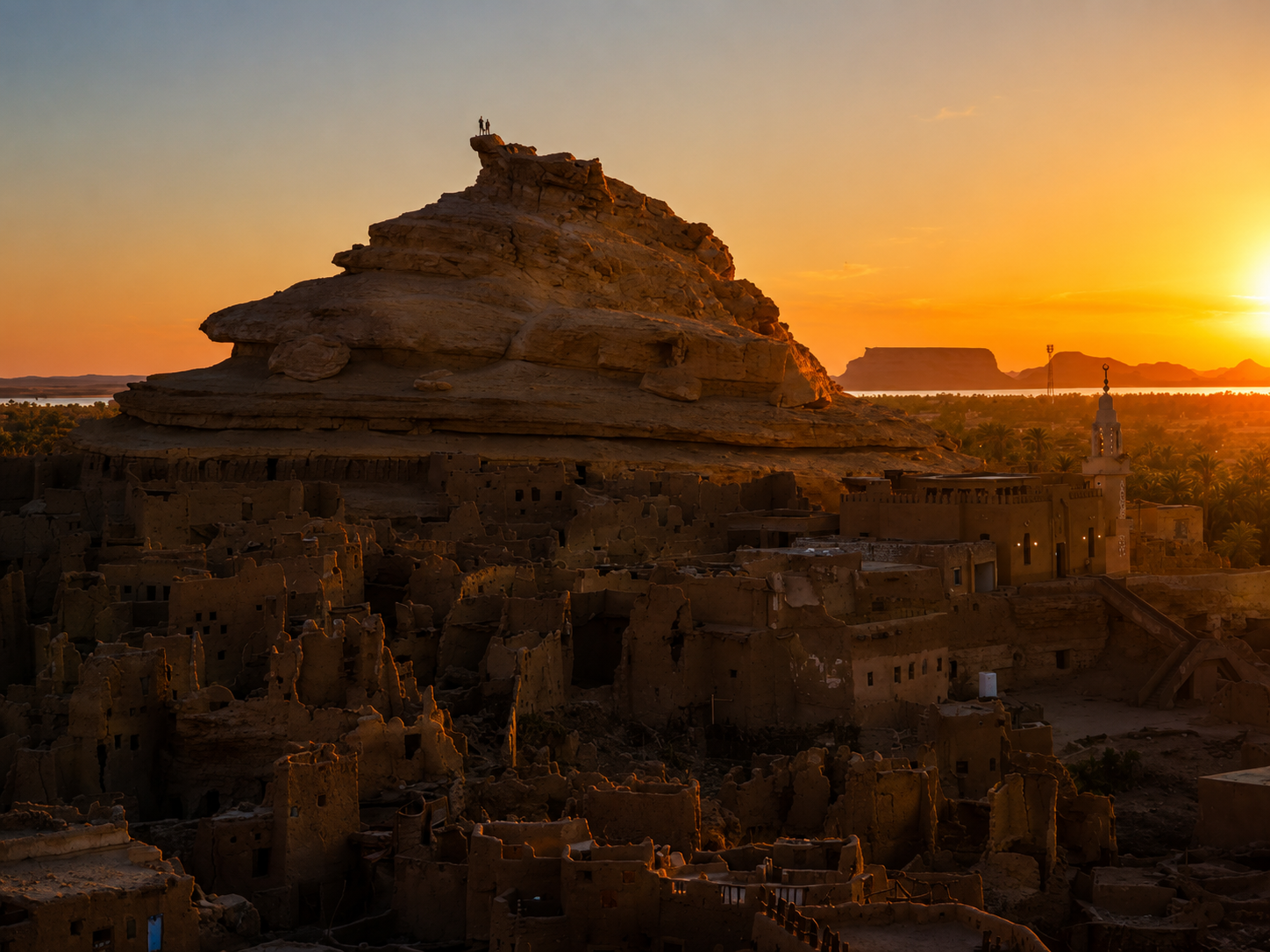
Experience a sunset location if timing permits
Day 2 – Siwa Oasis Highlights and Salt Lakes
Visit attractions such as:
Berg der Toten
Orakeltempel
Altstadt von Schali
Siwa-Salzseen
Kleopatra-Quelle
Fitnas Island
Day 3 – Desert Experience and Return
Depending on the tour schedule:
Großes Sandmeer
Birma Wahed
Dunes
Desert stops
Return toward Cairo
Read the detailed 3-day Siwa itinerary before deciding whether this pace is right for you.
Is Four Days Better for the Salt Lakes?
Four days is often better for travelers who want Siwa to feel like a destination rather than a race.
With an additional day, you can spend longer enjoying:
If your main interest is specifically reaching the White Desert separately, our White Desert from Cairo guide explains that route in more detail.
This type of journey is particularly suitable for photographers and travelers who want to see how dramatically Egypt’s Western Desert landscapes change from one region to another.
Common Mistakes to Avoid at the Siwa Salt Lakes
Shaving Before Floating
Fresh razor irritation can sting badly.
Getting Salt Water in Your Eyes
Avoid splashing and diving.
Jumping Into Unknown Water
You cannot judge depth accurately from photographs.
Wearing Expensive Jewelry
Leave valuable accessories behind.
Expecting Resort Facilities
The experience can be very informal.
Forgetting a Towel
You will appreciate having one afterward.
Forgetting Fresh Water
Fresh water can be useful for rinsing.
Visiting Only for the Photograph
The lakes are only one part of Siwa.
Trying to Visit From Cairo in One Day
Spend at least several days on the journey.
Entering Every Blue Pool You See
Use a suitable location recommended by your guide.
Ignoring Local Customs
Remember that you are visiting a living community.
Forgetting About the Great Sand Sea
Do not travel all the way to Siwa and miss one of its greatest landscapes.
What Else Should You See in Siwa Oasis?
The salt lakes may be your reason for discovering Siwa, but they should not be the only reason you stay.
Altstadt von Schali
The historic settlement forms one of Siwa’s most recognizable cultural landmarks.
Orakeltempel
One of the oasis’s most historically important archaeological sites and associated with the ancient story of Alexander the Great’s journey to Siwa.
Berg der Toten
A hill containing ancient tombs and offering impressive views around the oasis.
Kleopatra-Quelle
One of Siwa’s best-known springs and a popular break during sightseeing.
Fitnas Island
A classic location for sunset.
Großes Sandmeer
The adventure side of Siwa and one of the most spectacular dune landscapes in Egypt.
Birma Wahed
Frequently included in desert safari itineraries.
Local Culture
Siwan traditions, architecture, dates, olives, food and handicrafts make the oasis culturally different from Cairo and Egypt’s Nile Valley destinations.
Together these attractions explain why Siwa deserves several days.
Are Siwa Salt Lakes Worth Visiting?
Absolutely, especially when they are experienced as part of Siwa rather than as an isolated photo stop.
The ability to float easily is memorable, but the real appeal is the combination of water, salt and desert.
Few places offer the same visual contrast.
You can float in intense blue water in the morning, walk among ancient ruins later in the day and watch the sun disappear behind enormous dunes by evening.
That variety makes Siwa one of the most unusual destinations in Egypt.
Travelers planning a broader journey around the country can browse our complete Ägypten-Touren collection to combine Siwa with Cairo, Giza, Alexandria, Fayoum, the White Desert, Luxor or Aswan.
Plan Your Siwa Salt Lakes Trip
Visiting the Siwa Salt Lakes becomes much easier when the experience is built into a well-planned Siwa itinerary.
Depending on the number of days available, your trip can combine:
The Siwa Salt Lakes are located around Siwa Oasis in Egypt's Western Desert. The name refers to several saline lakes and smaller salt pools rather than one single organized tourist attraction.
The water contains a very high concentration of dissolved salts, making it denser than ordinary freshwater. This increased density provides greater buoyancy and allows many visitors to float with very little effort.
Yes. Visitors commonly enter suitable salt pools and float. However, avoid diving, splashing, swallowing the water or entering an unfamiliar pool without local guidance.
They can be enjoyed safely when basic precautions are followed. Enter slowly, avoid diving, keep the water out of your eyes, avoid significant open wounds and follow advice from your guide.
It can sting cuts, scratches, cracked skin and areas irritated by shaving. Avoid shaving immediately before your visit.
Rinsing with fresh water afterward is recommended because concentrated salt remains on the skin as the water evaporates.
Bring swimwear, a towel, sunscreen, drinking water, a hat, sunglasses, sandals or water shoes, a dry cover-up and a waterproof phone pouch.
October through April generally provides the most comfortable conditions for visiting Siwa and combining the lakes with outdoor sightseeing and desert activities.
Around one to two hours is normally enough for transportation between nearby pools, photography, floating, changing and rinsing afterward.
A return day trip from Cairo is not practical for most travelers because Siwa is remote and requires a long road journey. Three or four days is a much better way to experience the oasis.
A local guide or experienced driver is strongly recommended because road access, pool conditions and appropriate swimming locations can vary.
Siwa contains natural hypersaline lakes and extensive salt landscapes. Some smaller vivid pools commonly photographed by travelers are associated with salt-production areas, so different photographs may show different types of saline environments.
No. The salt lakes contain highly saline water and are famous for floating. Cleopatra Spring is a separate natural spring and sightseeing attraction.
Yes. Combining the salt lakes with a Great Sand Sea safari is one of the best ways to experience Siwa because you get both the peaceful floating experience and the adventurous dune landscape.
Three days is a practical minimum for many travelers arriving from Cairo. Four days provides a more relaxed itinerary with additional time for salt lakes, archaeological sites, springs, culture and the Great Sand Sea.
Yes. Longer Western Desert tours can combine Siwa Oasis with Bahariya Oasis, the Black Desert and White Desert for travelers who want several different desert landscapes in one trip.
Yes. They are one of Siwa's signature attractions and offer a distinctive combination of hypersaline water, easy floating, white salt formations and Western Desert scenery.