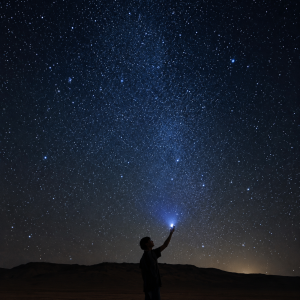
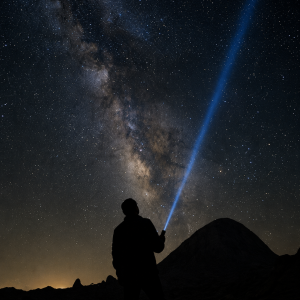
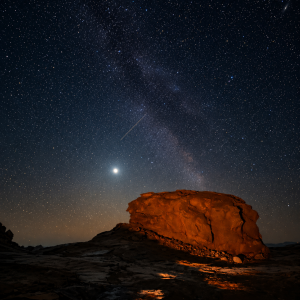
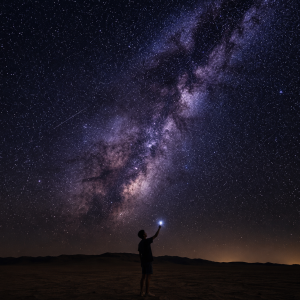
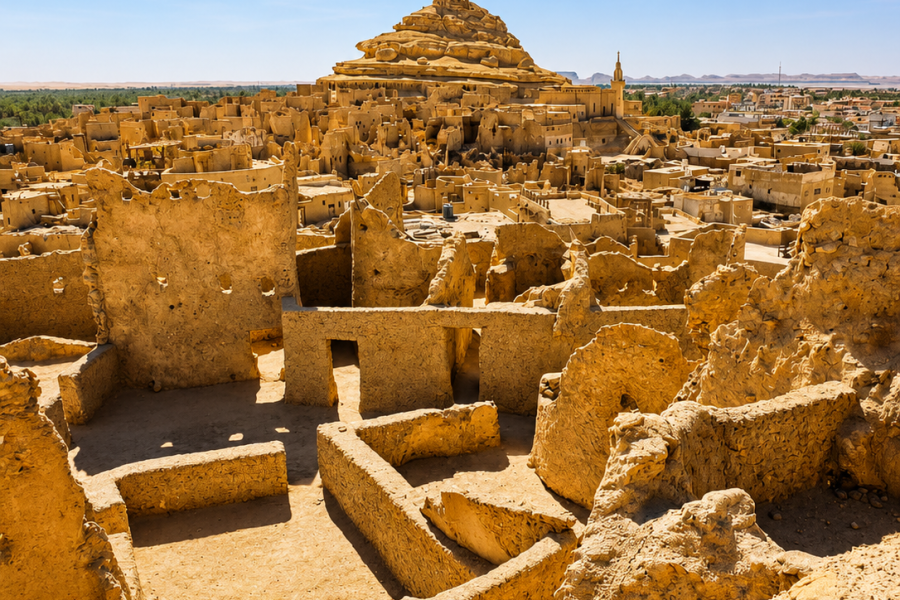
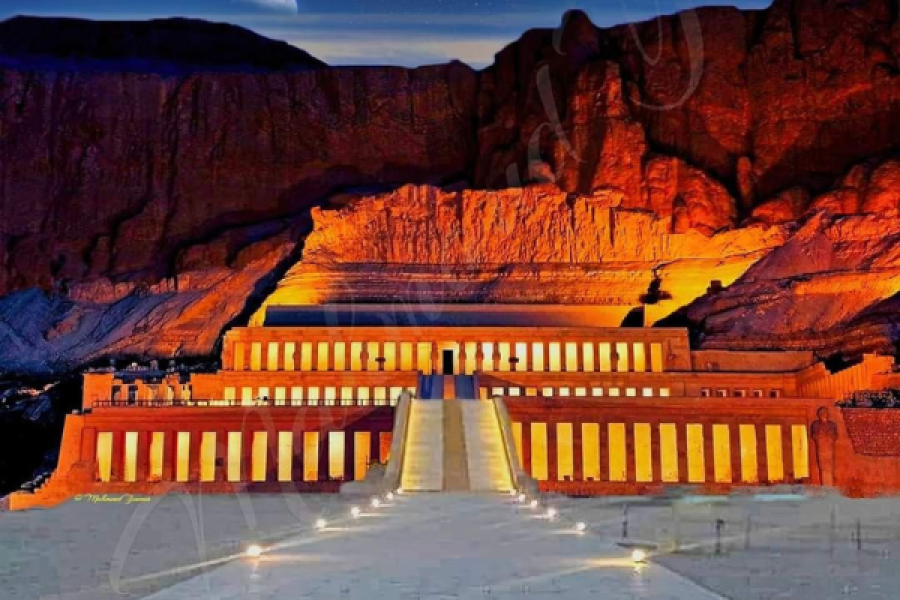
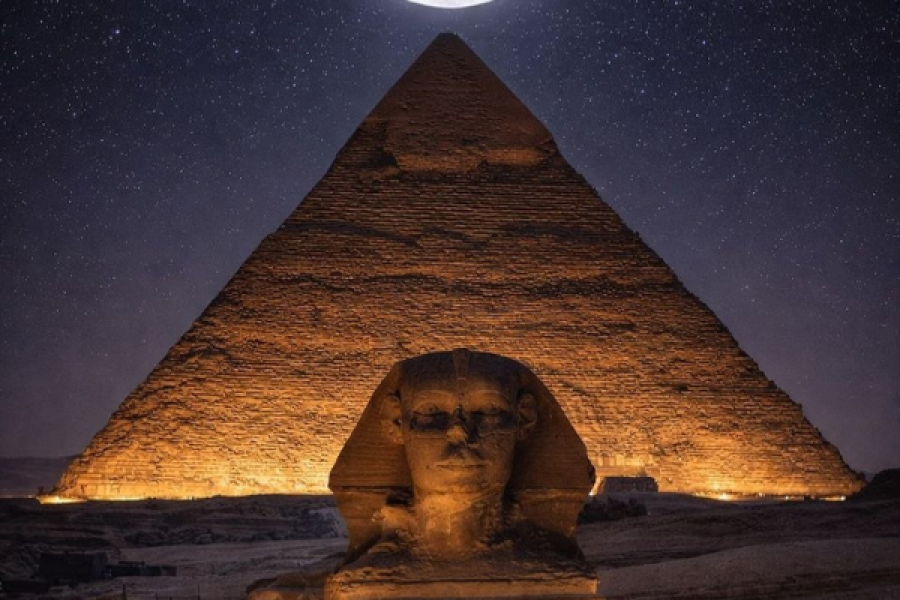
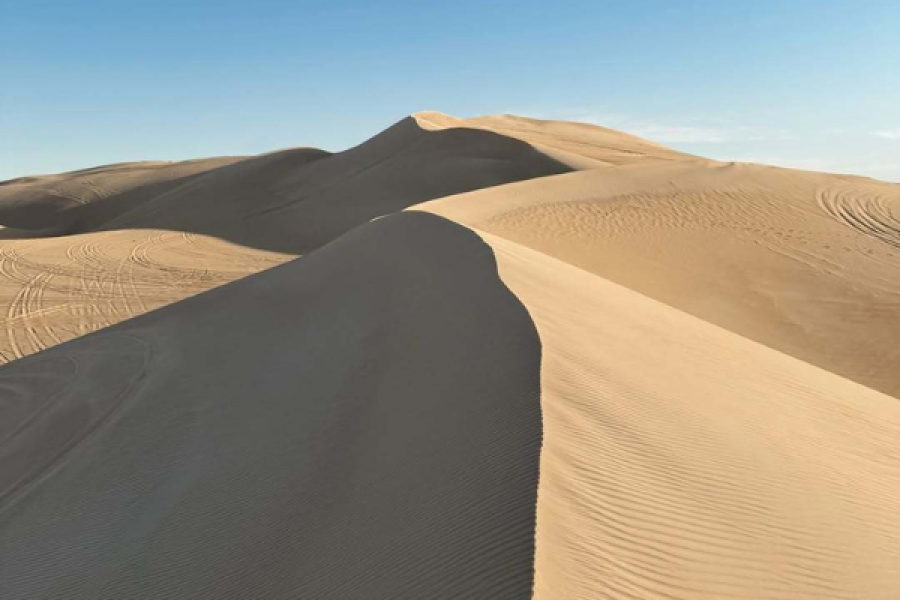
A Black Desert and White Desert tour from Cairo is one of the best ways to experience the extraordinary variety of Egypt’s Western Desert in a single journey.
The tour begins with the road from Cairo to Bahariya Oasis, where the noise and traffic of the capital gradually disappear. After reaching the oasis, travelers change to a 4×4 vehicle and enter a landscape of black-topped hills, golden sand, mineral formations, dramatic valleys and white chalk sculptures.
Although the Black Desert and White Desert look completely different, they are naturally connected by the same safari route. Most tours visit the Black Desert first, followed by Gabal El Marsos, El Hez, Crystal Mountain, Agabat and the White Desert.
This means travelers do not normally need to book two separate tours. A well-planned combined itinerary allows you to see both landscapes, explore Bahariya Oasis and spend a night camping beneath the stars.
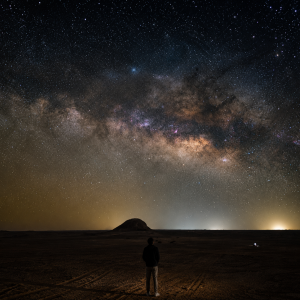
The most suitable option for first-time visitors is generally a 2-day, 1-night private tour from Cairo. It provides enough time to explore the principal stops, watch sunset in the White Desert, enjoy dinner at camp, sleep in the desert and wake for sunrise.
Travelers with additional time can choose a 3-day route for deeper off-road exploration, while a one-day tour is possible for visitors who cannot stay overnight.
This complete guide explains the best combined route from Cairo, what happens each day, how the Black Desert differs from the White Desert, what to expect from camping, when to travel, what to pack and how to choose the right private safari.
For individual destination information, explore our guides to the Black Desert Egypt and the White Desert Egypt.
Yes. Visiting the Black Desert and White Desert on the same tour is the normal and most practical way to explore the region from Cairo.
A typical combined route is:
Cairo or Giza → Bahariya Oasis → Black Desert → Gabal El Marsos → El Hez → Crystal Mountain → Agabat → White Desert → Bahariya Oasis → Cairo
The Black Desert surrounds parts of Bahariya Oasis and is usually the first major landscape stop after travelers change to a 4×4 vehicle. The route then continues south toward Crystal Mountain, Agabat and the White Desert.
The Black Desert is therefore not a separate detour. It is naturally included in many White Desert tours from Cairo.
The principal reason to visit both deserts is contrast.
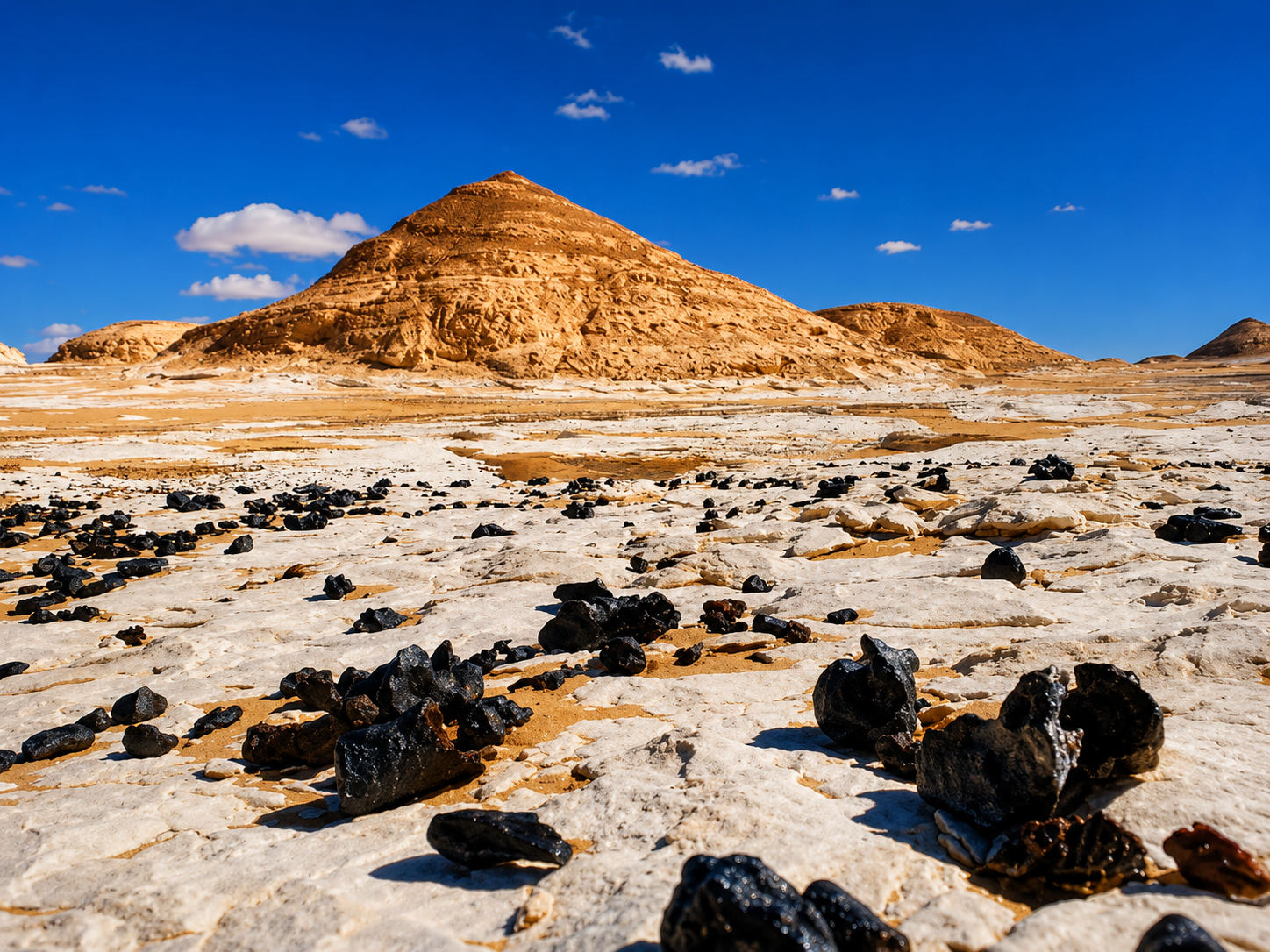
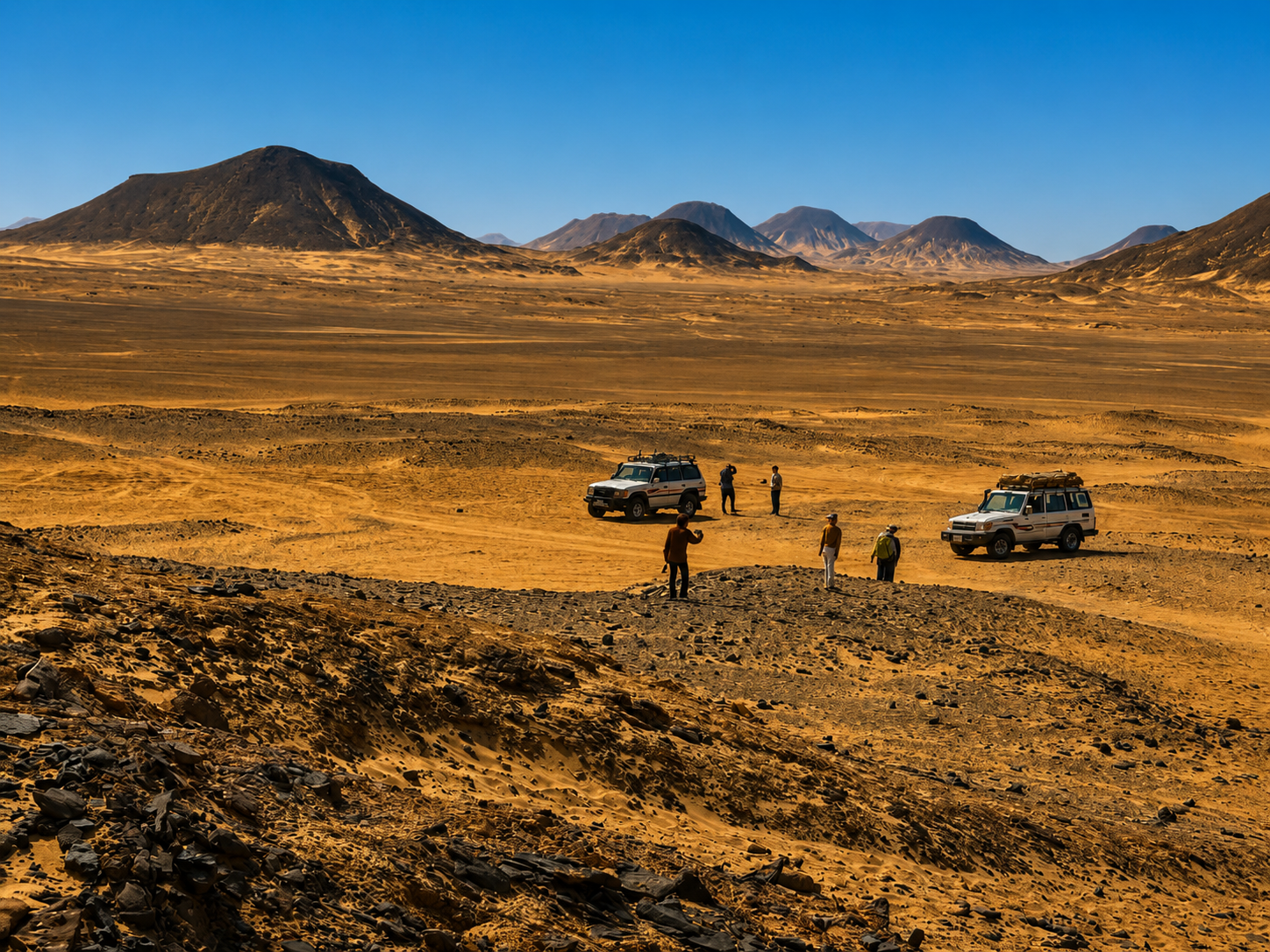
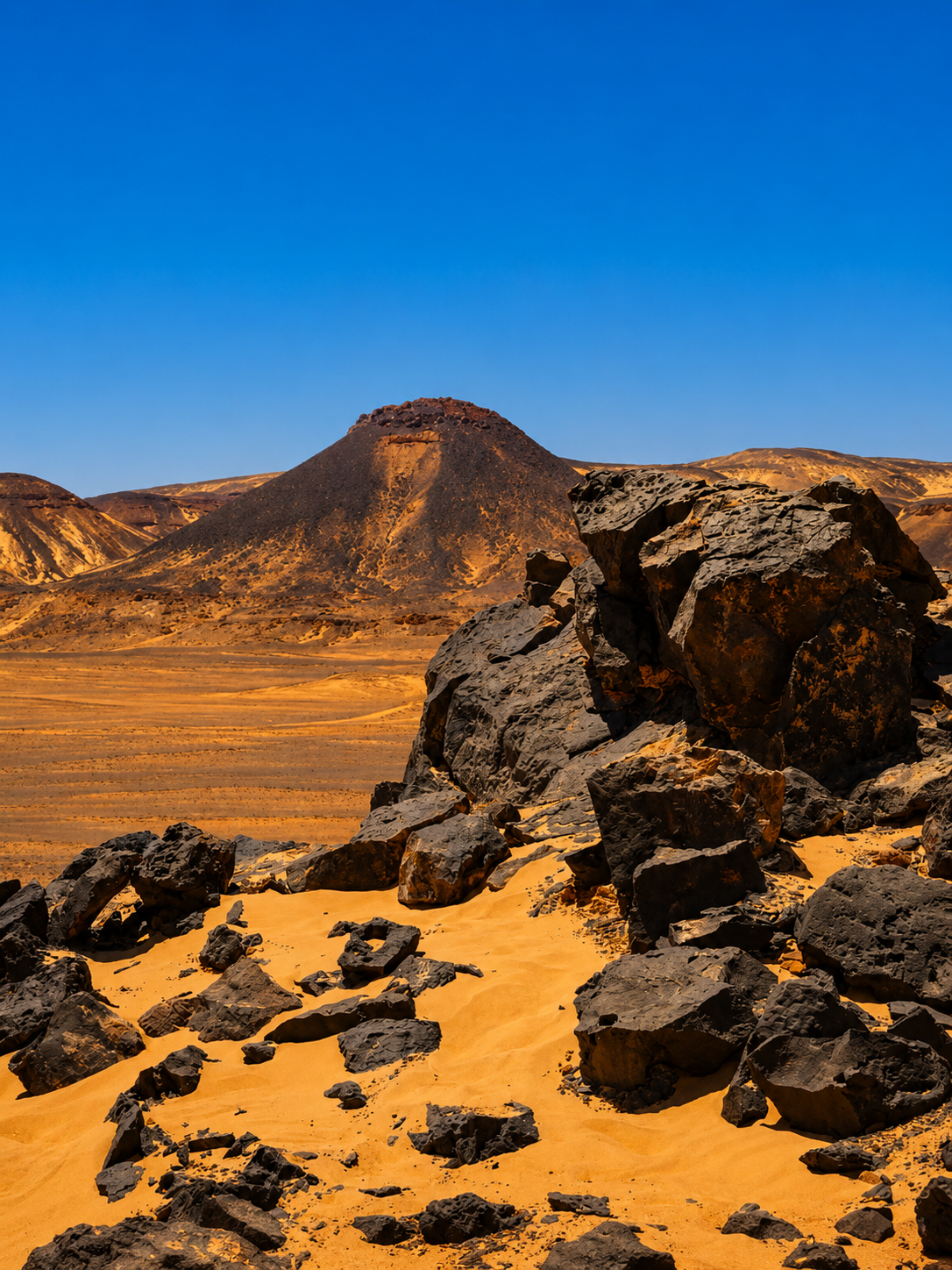
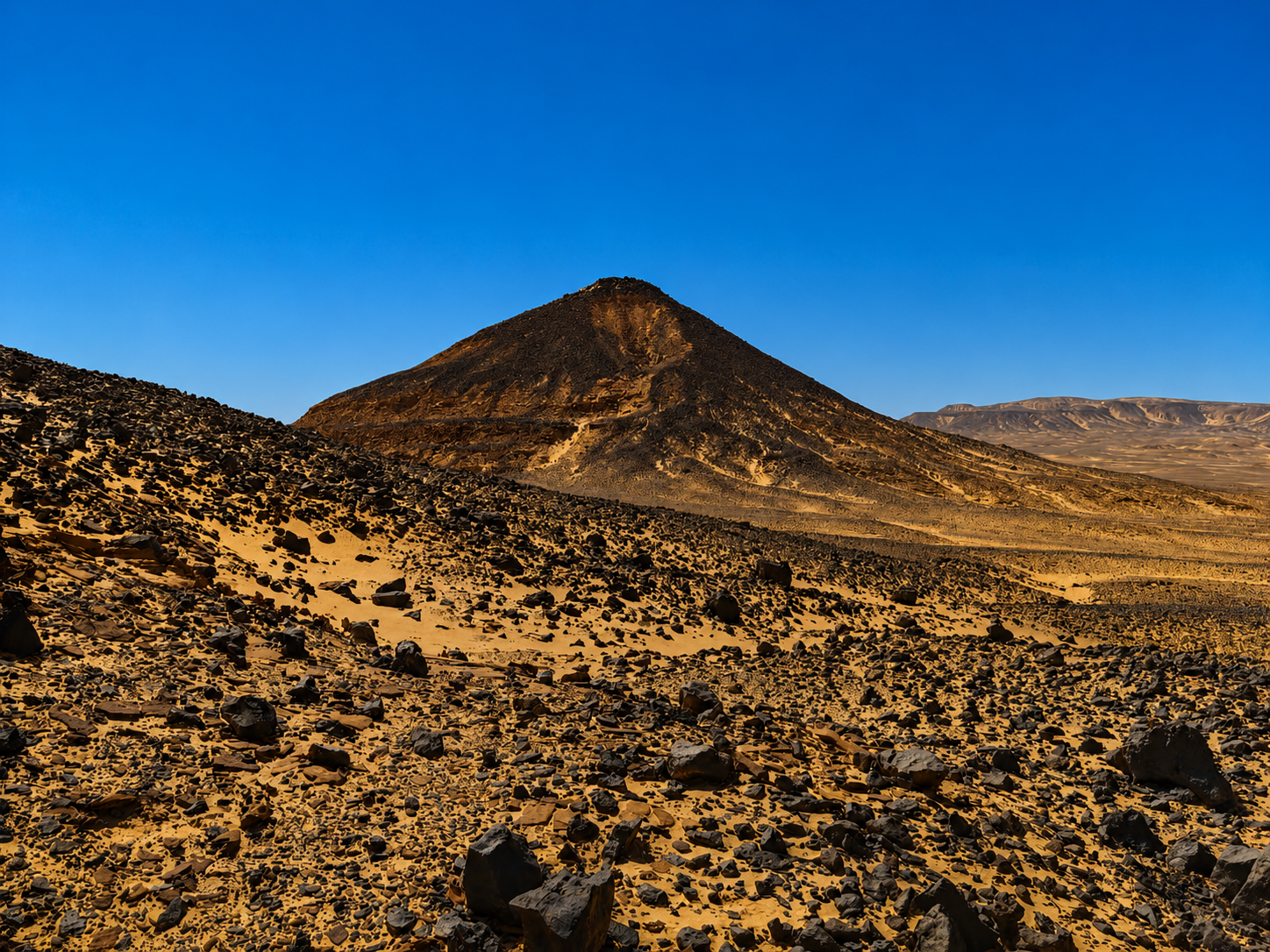
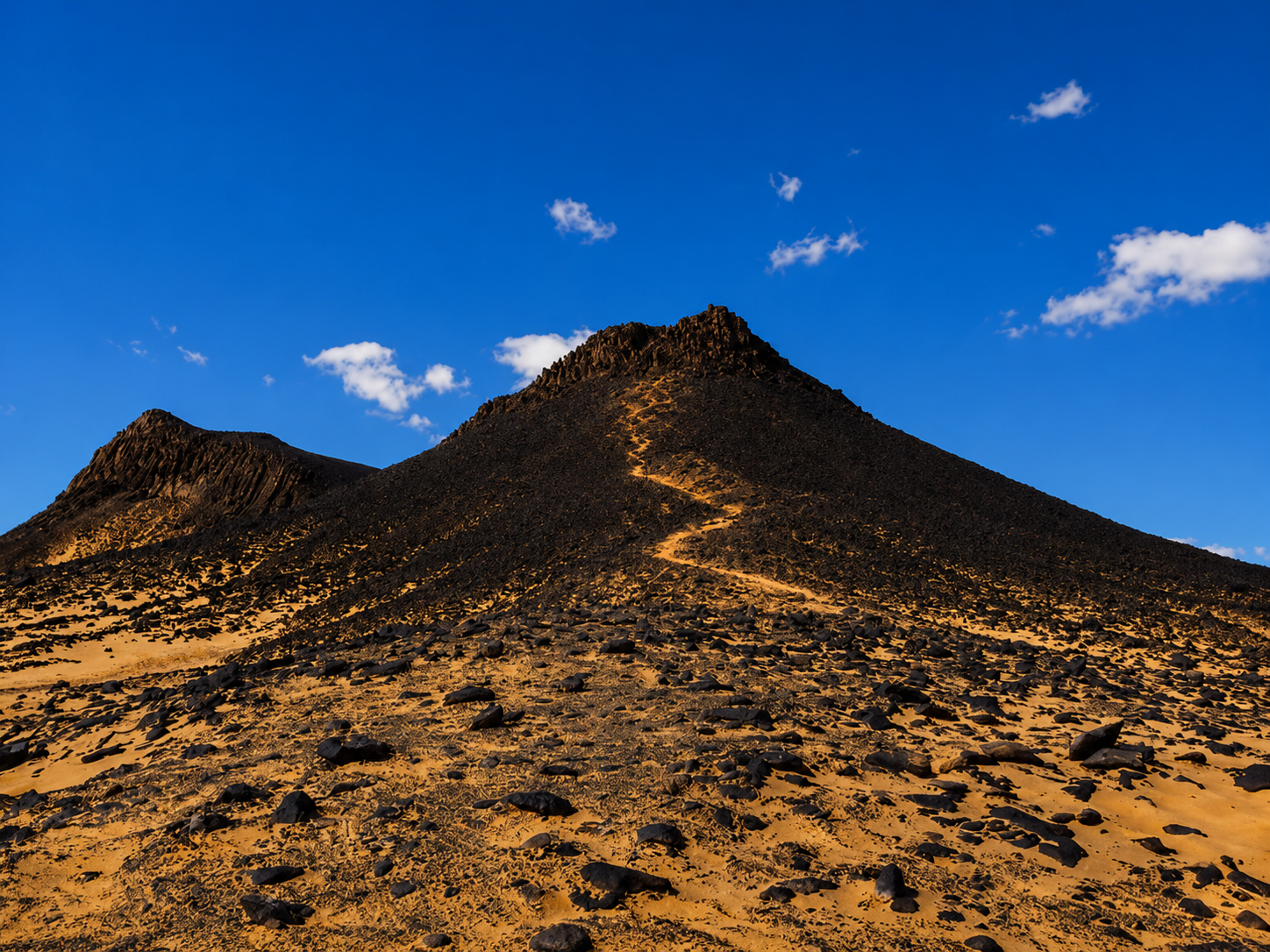
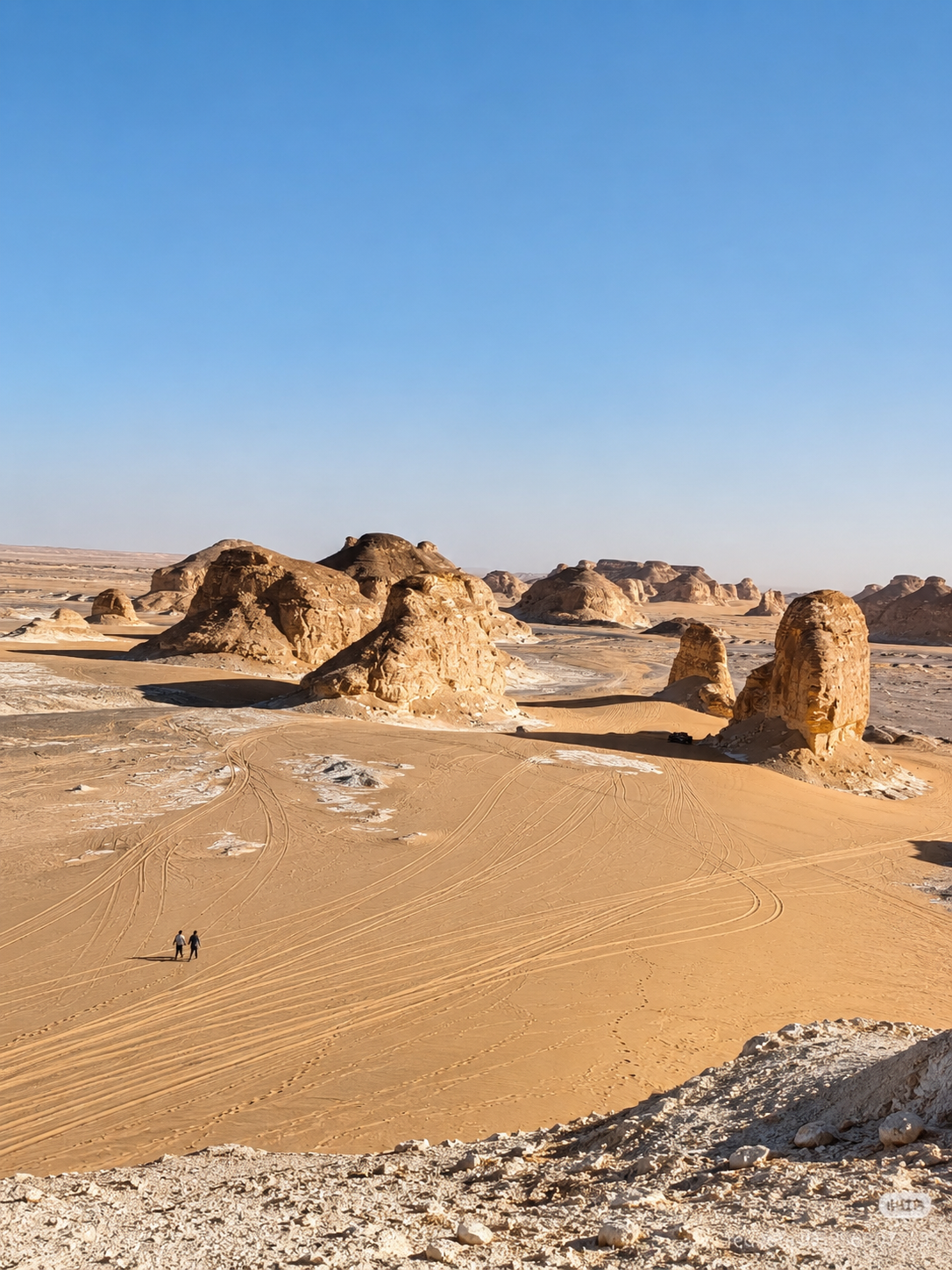
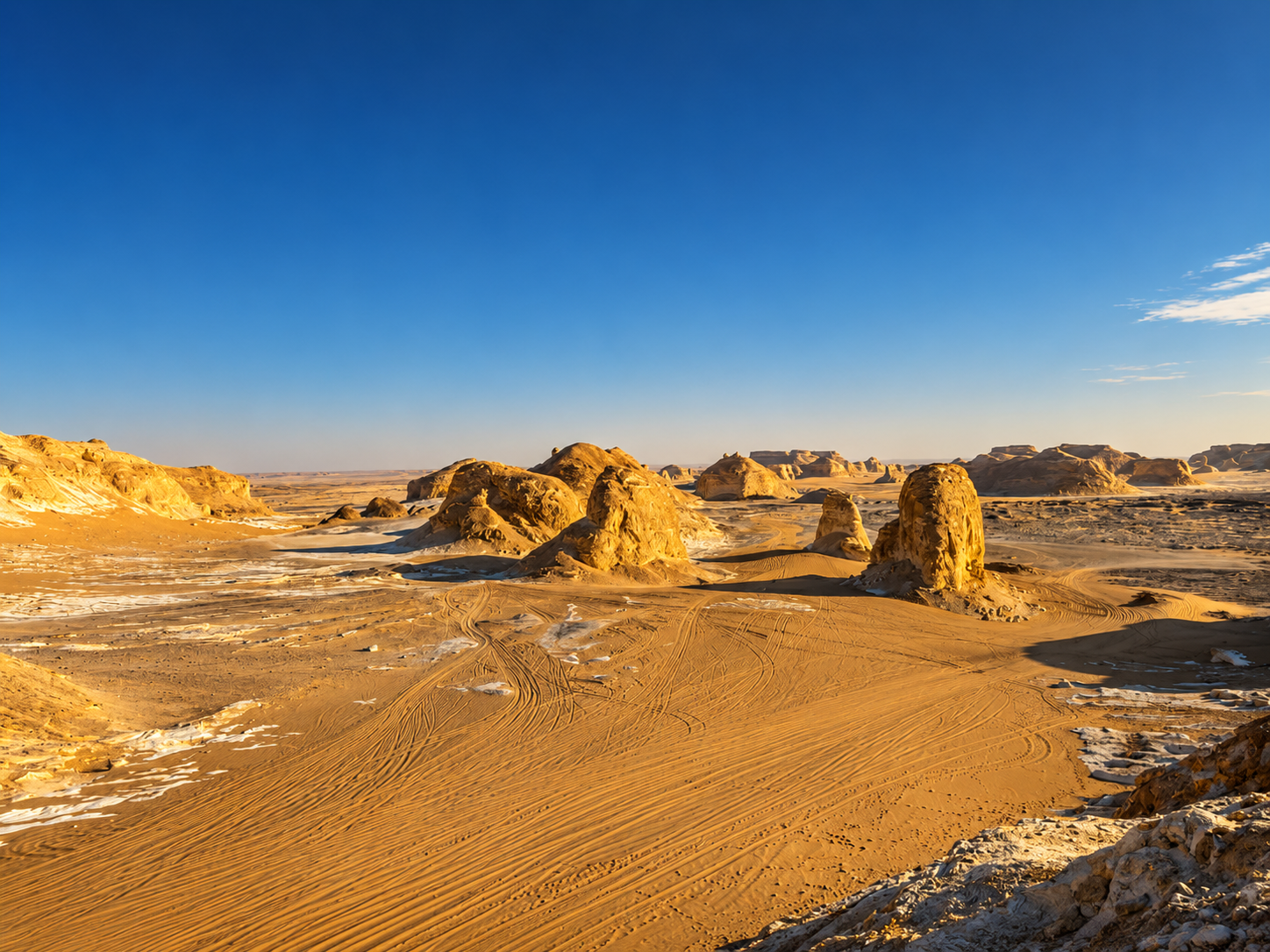
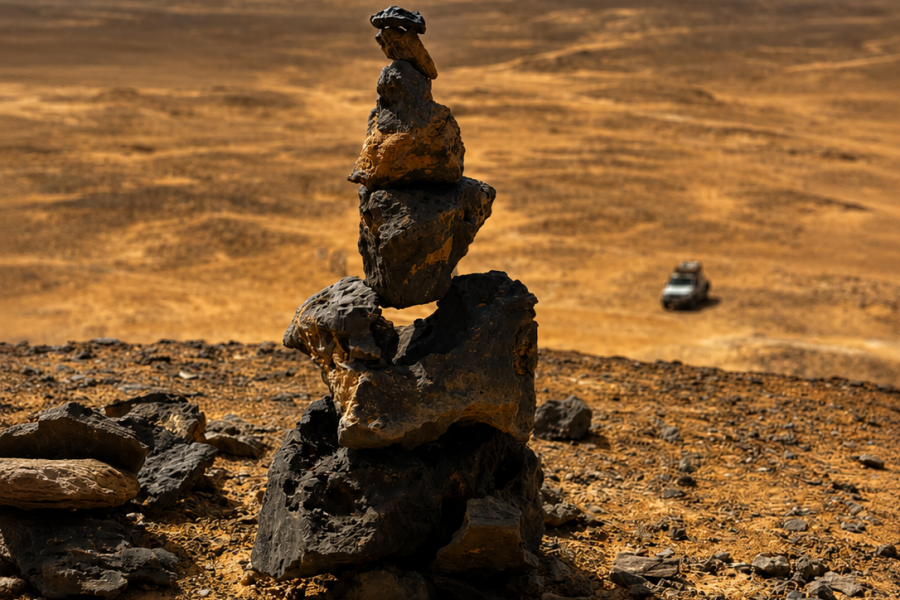
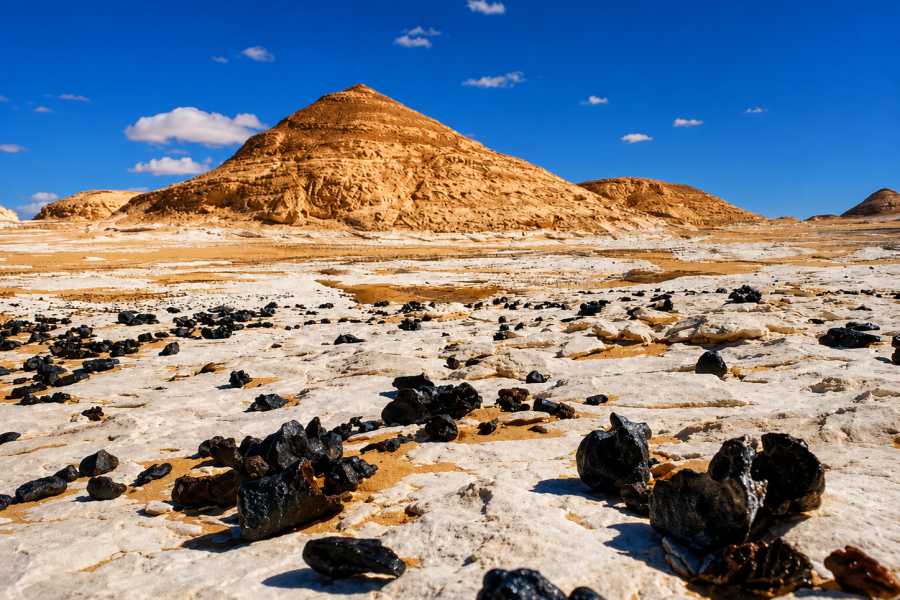
The Black Desert is dominated by golden ground covered with dark stones and surrounded by black or brown hills. Its scenery feels rough, dramatic and powerful.
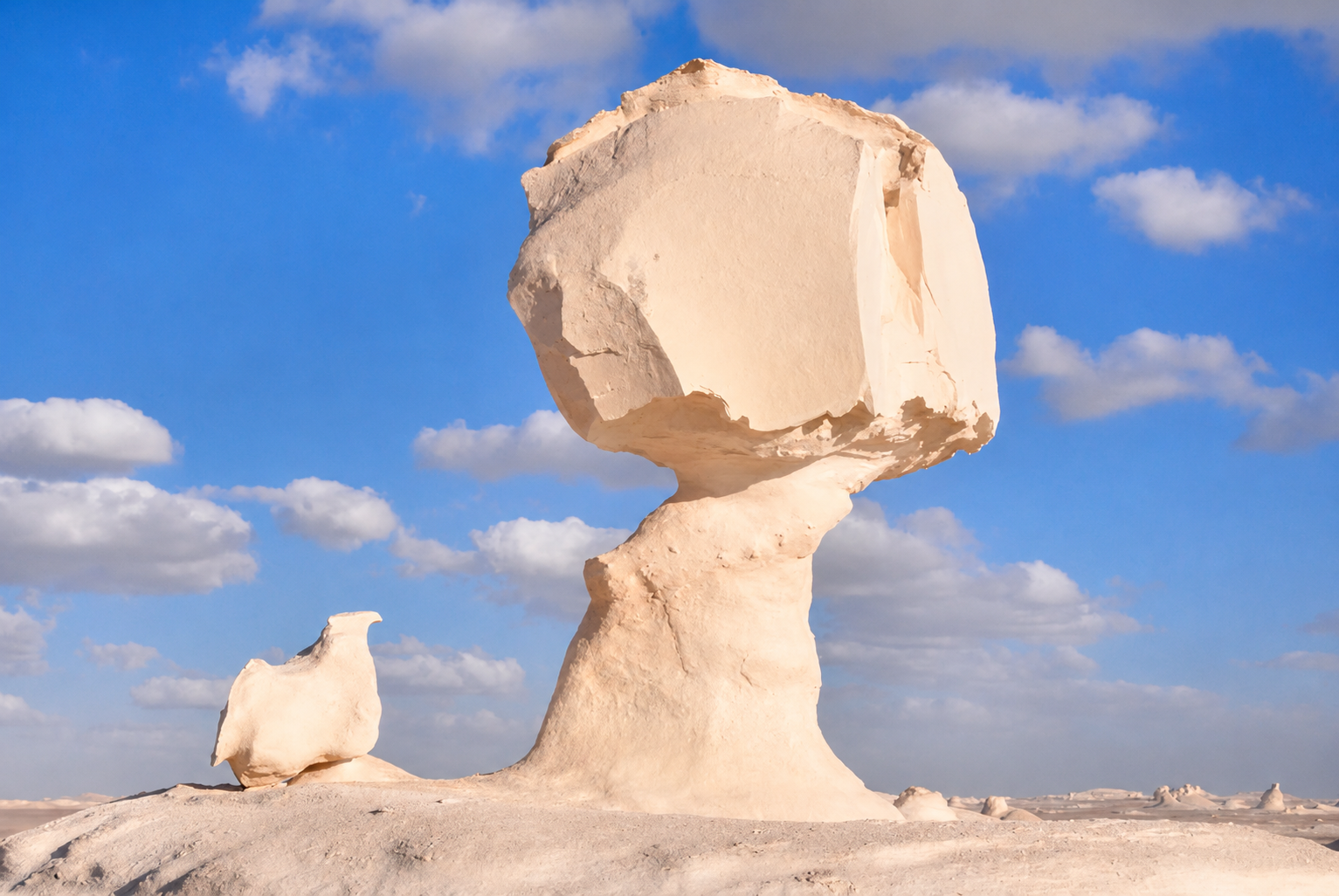
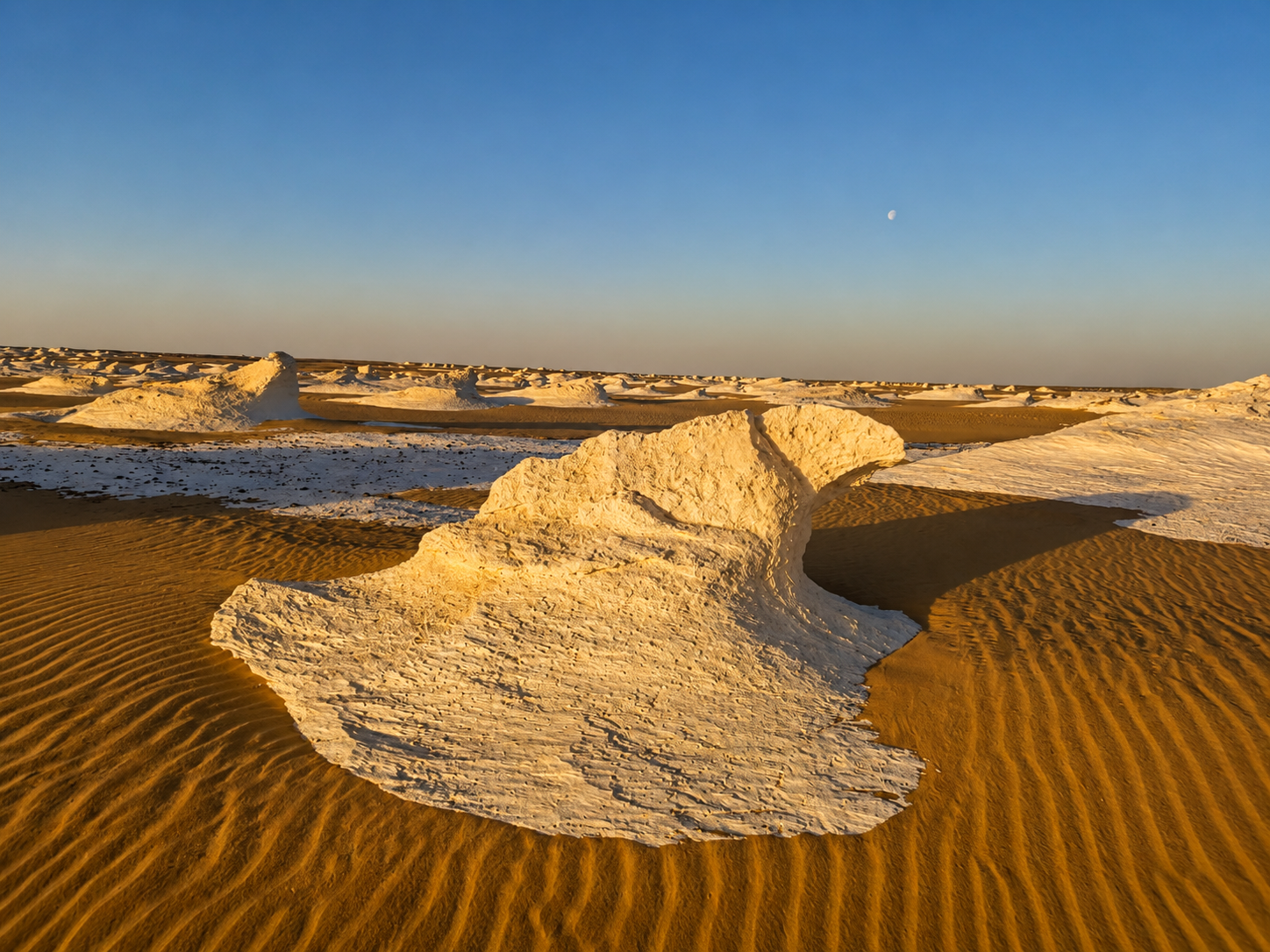
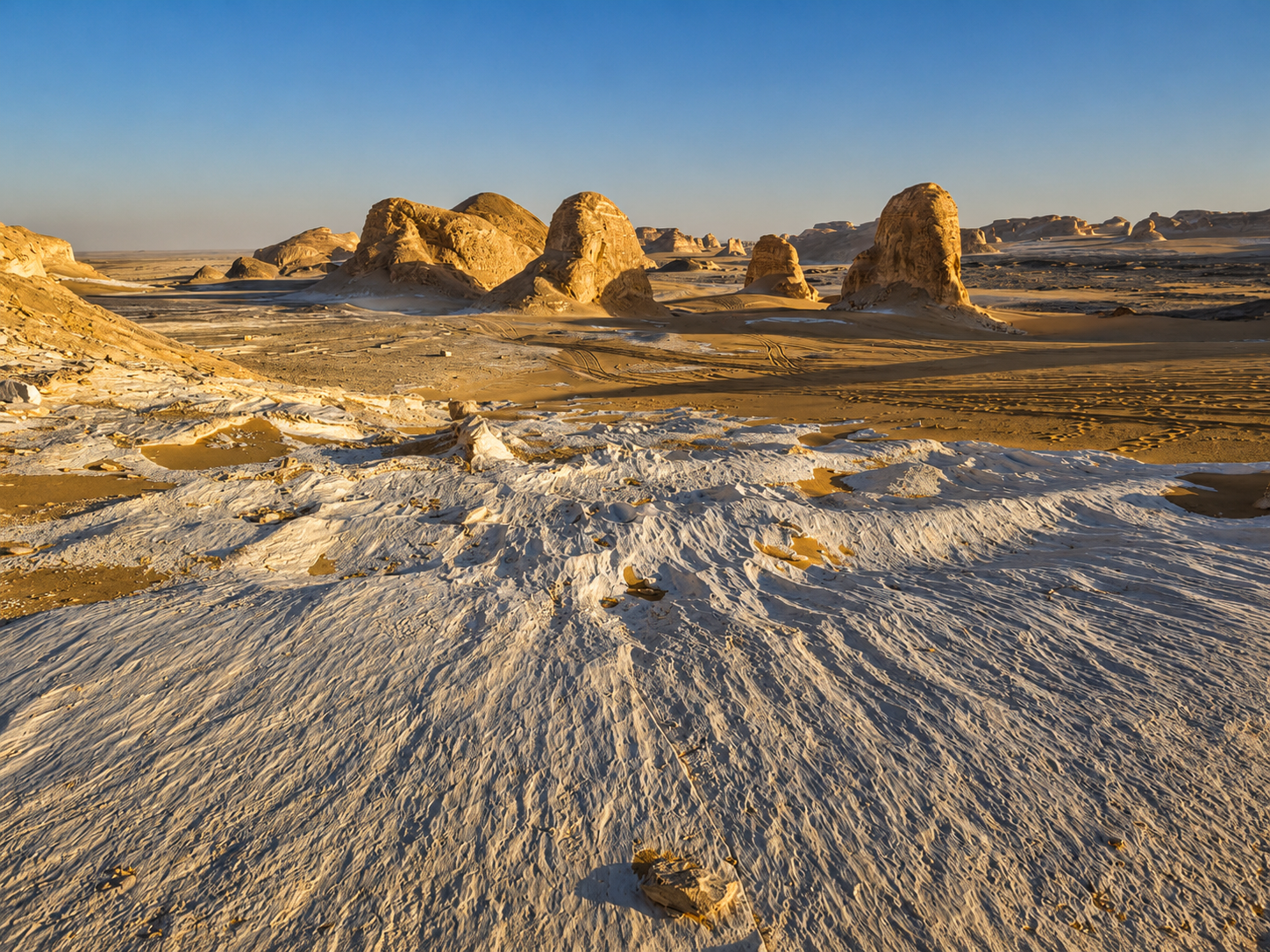
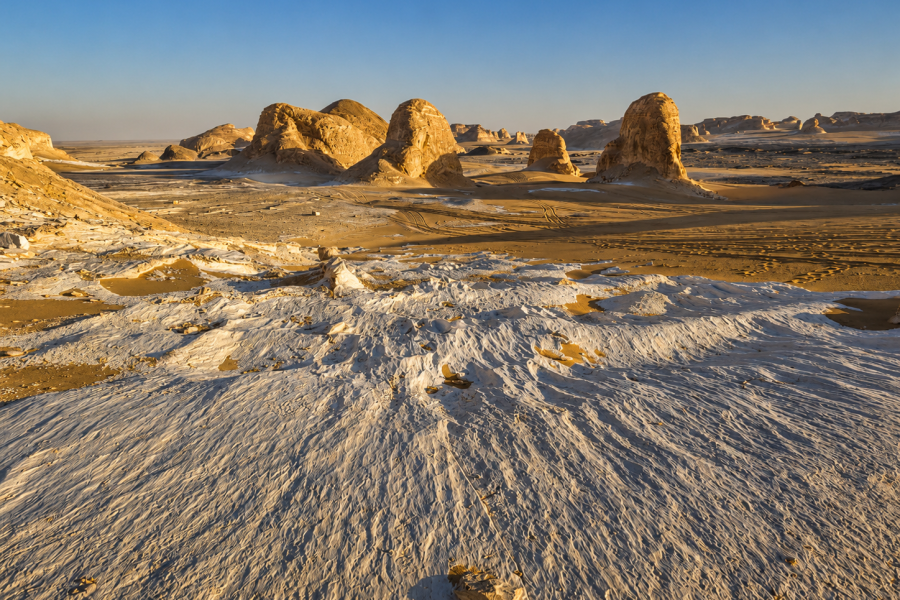
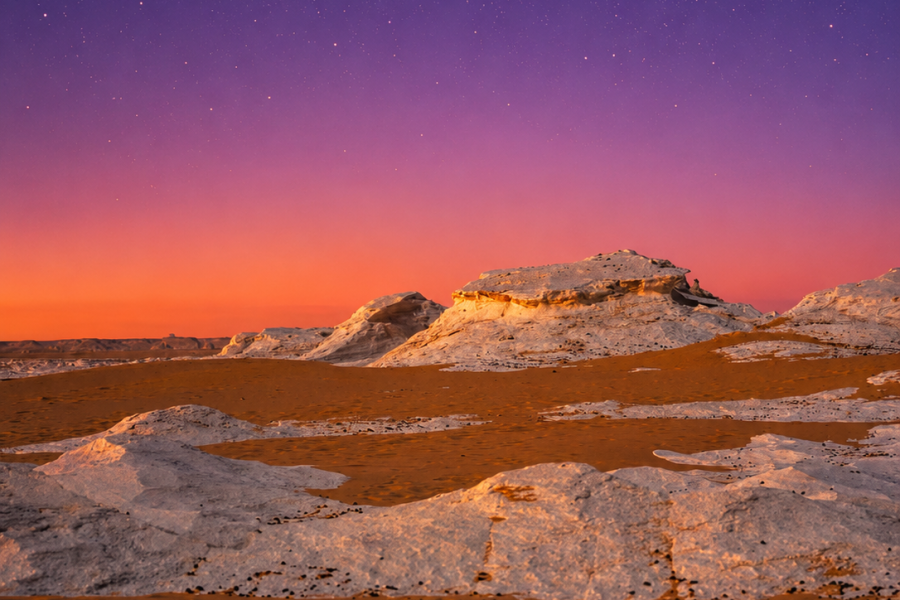
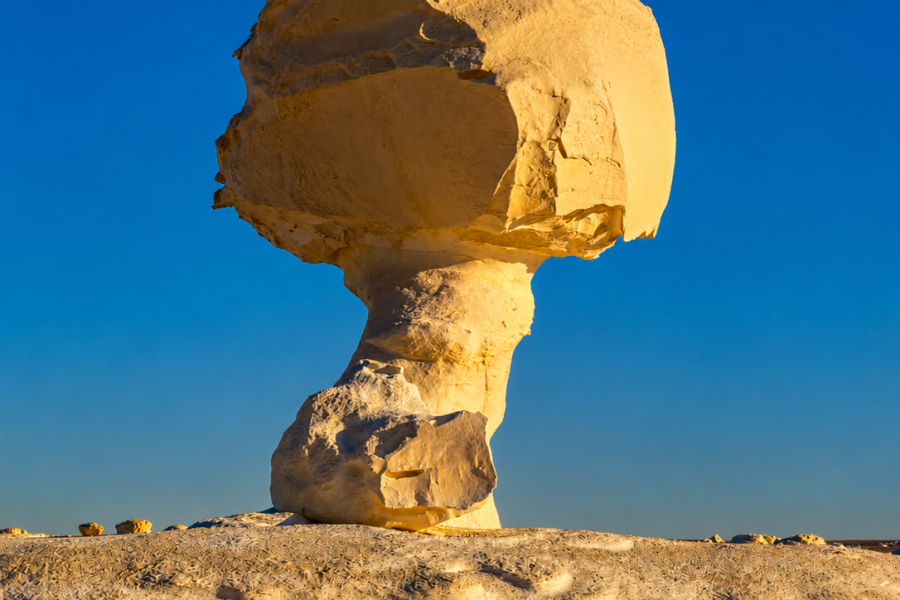
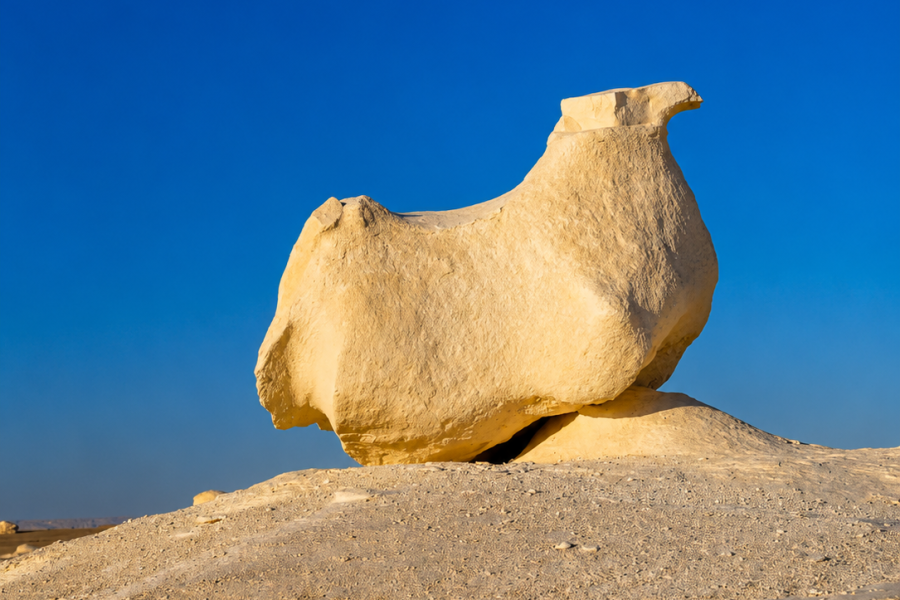
The White Desert looks almost like the opposite landscape. Pale ground, white chalk formations and smooth wind-carved shapes create a quieter and more surreal atmosphere.
Between the two deserts, travelers also pass through several intermediate environments:
Each stop prepares you for the next one. The journey becomes a gradual transformation rather than a simple transfer from Cairo to one attraction.
The Black Desert gives the itinerary drama and contrast. Crystal Mountain introduces brighter geological features. Agabat provides large valleys and cinematic viewpoints. The White Desert concludes the journey with camping, sunset, stargazing and sunrise.
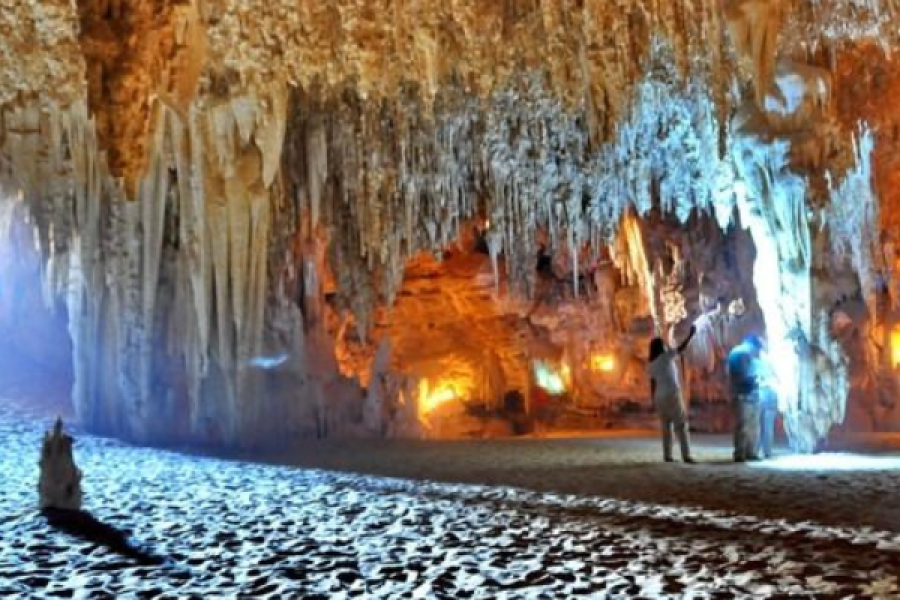
Both destinations are located in Egypt’s Western Desert and are normally accessed through Bahariya Oasis.
Bahariya is approximately 370 kilometers southwest of Cairo and is the nearest Western Desert oasis to the capital, according to Egypt’s official tourism platform. The oasis is officially presented as a gateway to both the Black Desert and White Desert.
The Black Desert is located around Bahariya and is generally reached shortly after leaving the oasis by 4×4.
The White Desert lies farther south, closer to Farafra Oasis. Reaching it from Bahariya involves a longer route through El Hez, Crystal Mountain, Agabat and other desert areas.
Because the attractions are spread across paved and off-road routes, travelers normally use two vehicles:
A normal city car or standard rental vehicle is not suitable for independent off-road exploration.
Learn more about the gateway to the safari route in our Bahariya Oasis Egypt guide.
The journey normally begins early in the morning with pick-up from a hotel, apartment, Cairo Airport or another agreed location in Cairo or Giza.
The drive to Bahariya usually takes approximately four to five hours. The exact time depends on the pick-up point, Cairo traffic, road conditions and rest stops.
After arriving in Bawiti, the main town in Bahariya, travelers normally stop for lunch or a short rest. The luggage and camping equipment are then arranged in a 4×4 vehicle before the off-road section begins.
The first major safari stop is normally the Black Desert.
From there, the route continues toward Gabal El Marsos, El Hez, Crystal Mountain, Agabat, sand dunes and the White Desert.
A guided route is important because the journey includes remote terrain, limited mobile reception, protected areas and access arrangements that may change. Current UK travel guidance states that visitors entering Bahariya, Farafra, the Black Desert and White Desert must arrange permits in advance and use an official guide.
A 2-day, 1-night itinerary is the best combined Black and White Desert tour for most first-time visitors.
It includes the main landscapes without requiring a long expedition and allows travelers to experience the White Desert after sunset.
Your driver collects you early from your hotel or agreed location.
An early departure is necessary because the road transfer to Bahariya takes several hours, and there are many desert stops to visit before sunset.
Wear comfortable clothing and keep a small bag containing water, sunscreen, sunglasses, medication, camera equipment and a warm layer.
Large luggage should usually remain at your Cairo hotel or be stored according to the operator’s arrangements.
The drive leads southwest from Cairo through increasingly open desert landscapes.
There will normally be at least one rest stop during the journey. Travelers should use the available bathroom facilities because permanent toilets become limited after entering the desert.
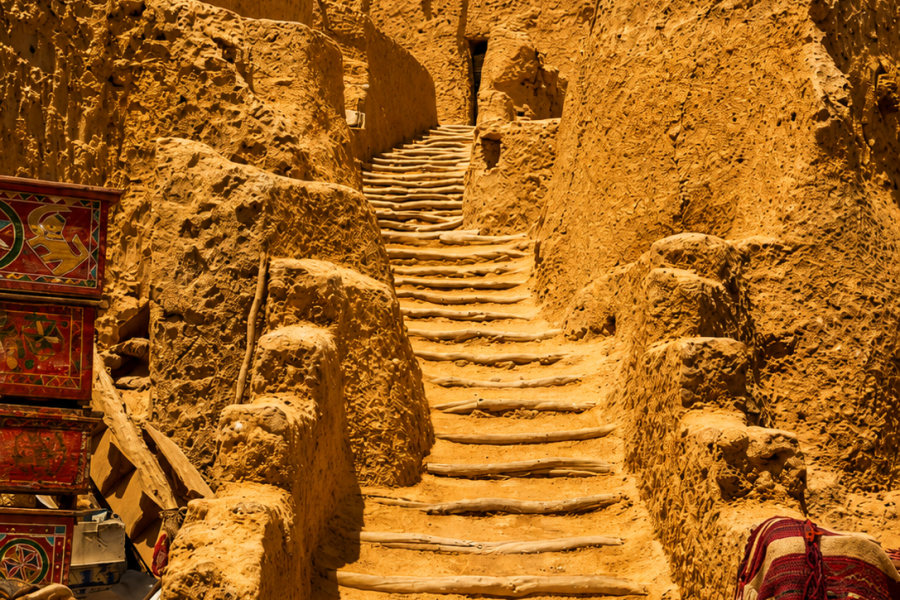
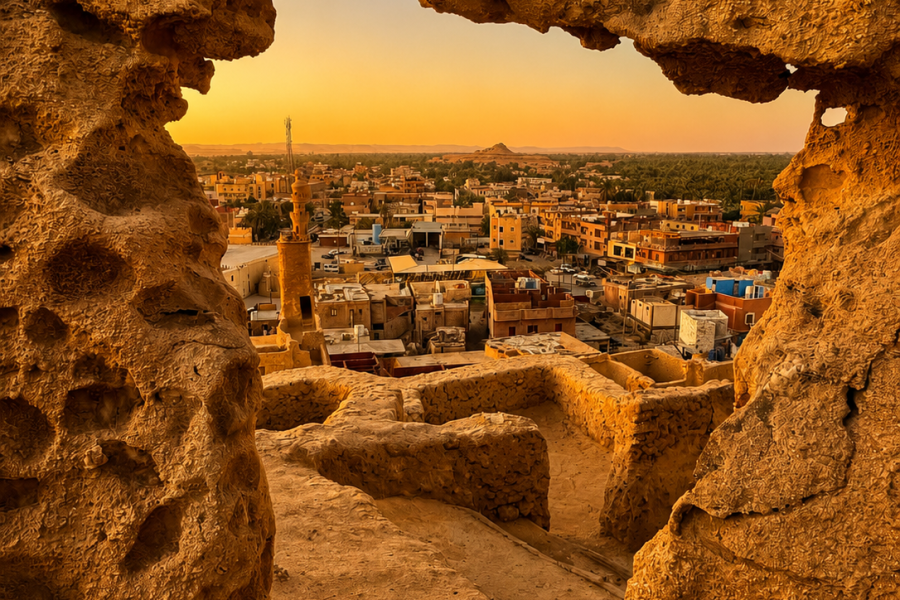
Bahariya is not only a meeting point. It is a green oasis containing palm groves, farms, springs and local communities surrounded by desert hills.
Egypt’s official tourism website highlights the oasis’s palm trees, olive groves, springs, camping opportunities and access to the surrounding natural landscapes.
After reaching Bahariya, travelers normally have lunch or take a short break at a local camp or hotel.
This is where the tour changes from a road journey into a desert safari.
The local team prepares the 4×4 with:
Confirm the exact inclusions before booking because equipment and meal arrangements vary by package.
The Black Desert is usually the first major natural attraction.
Its dark stones and black-topped hills stand against golden sand, creating broad panoramic views. The landscape is sometimes described as volcanic-looking, although the visible dark appearance is also associated with iron-rich rocks and darker geological material.
The experience is different from the White Desert. There are fewer pale sculpted formations and more open views across dark hills and rough ground.
Depending on the route, your driver may stop at several viewpoints rather than treating the entire area as one attraction.
Travelers can leave the vehicle for photographs, short walks and closer views of the rocks. The exact stops depend on available time, weather and route conditions.
The Black Desert forms the natural opening chapter of the combined safari and is commonly included before Gabal El Marsos and El Hez.
Gabal El Marsos, also called Divided Mountain, is one of the principal stops in the Black Desert area.
Travelers may walk around the lower sections or reach a suitable viewpoint depending on the guide’s instructions.
From the surrounding area, you can see the relationship between the dark hills, golden desert floor and wider Bahariya landscape.
This is an excellent location for wide-angle photographs and group pictures. Avoid climbing unstable sections or moving far from the guide.
Gabal El Marsos is included in the published route of the 2-tägige Weiße-Wüste-Tour ab Kairo (1 Übernachtung).
After the Black Desert, the route normally continues toward El Hez.
This small desert settlement creates a transition between the Black Desert and the more remote route toward the White Desert.
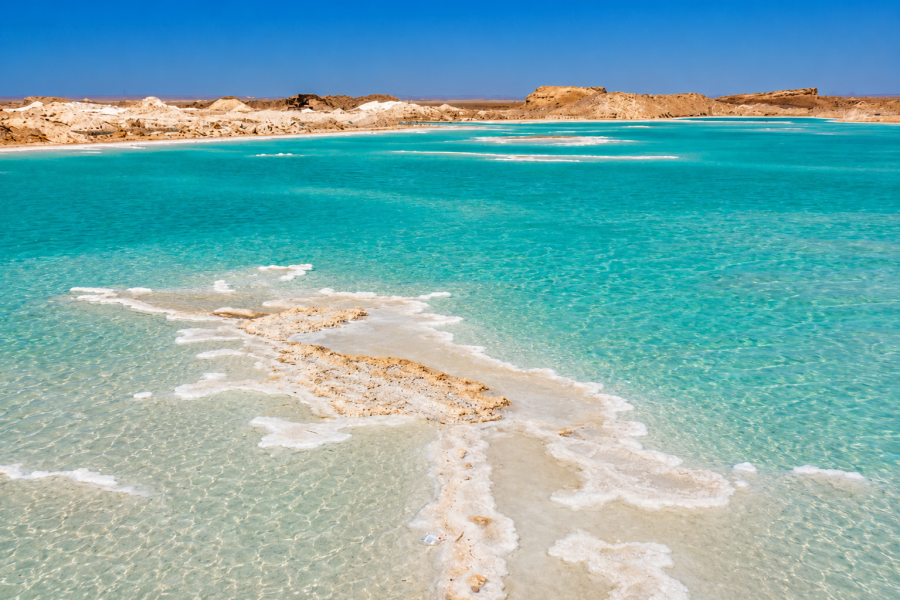
Some itineraries include a stop beside a natural spring. Swimming may be possible when the schedule, water conditions and traveler preferences allow.
Bring swimwear and a small towel when you are interested in using the spring, but confirm in advance that the stop is included. Springs can also be visited on the return journey instead.
Crystal Mountain is a short but visually distinctive stop between El Hez and Agabat.
Its mineral surfaces can sparkle when they catch the sunlight, creating a strong contrast with the darker landscape visited earlier.
Despite the name, this is not a major hiking mountain. Most visits involve a short walk and time for photographs.
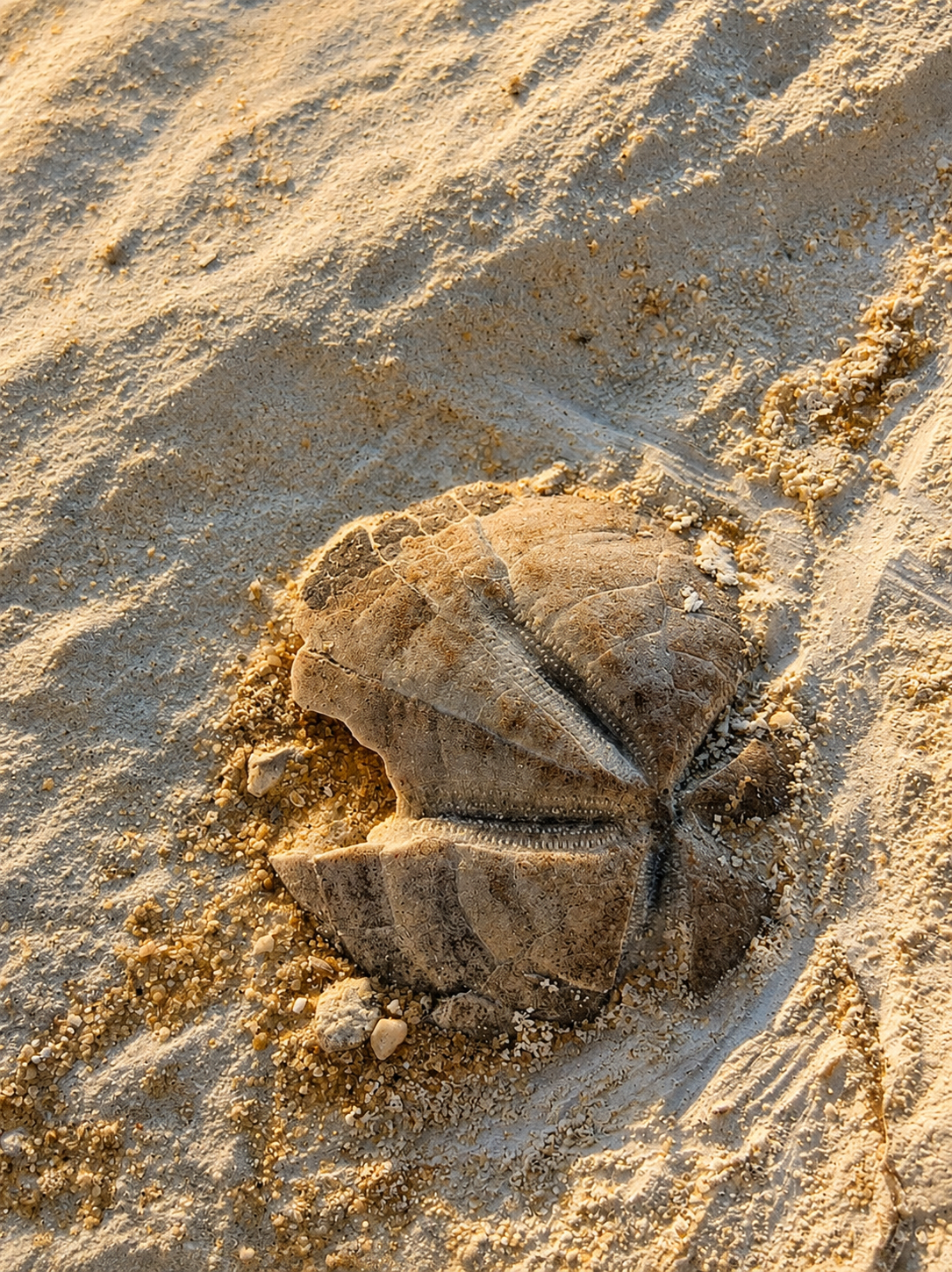
Travelers should leave all stones and mineral pieces in place. Removing rocks or damaging formations contributes to the deterioration of a fragile natural attraction.
Agabat is often one of the greatest surprises on the combined tour.
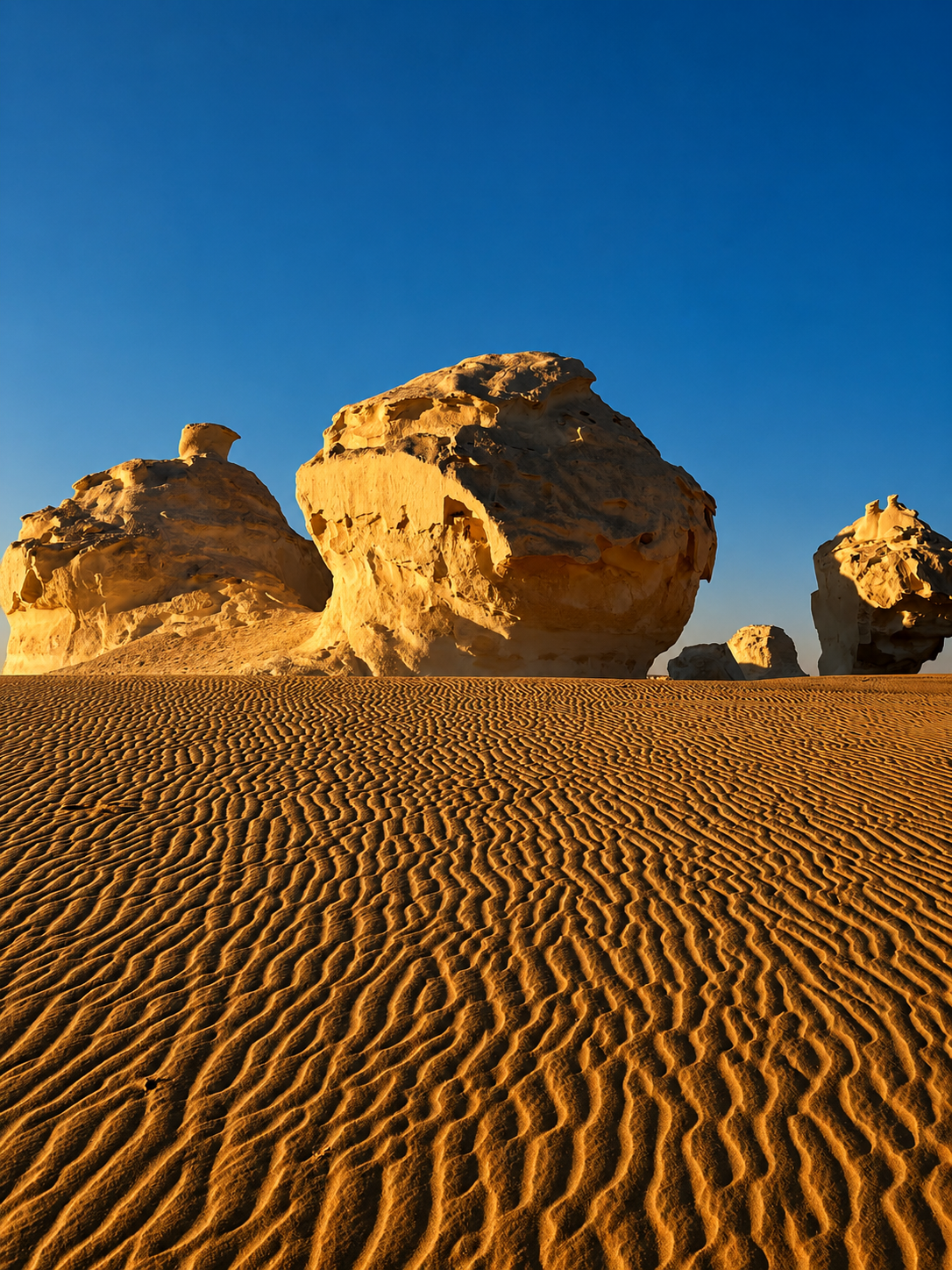
The landscape contains sculpted formations, open valleys, soft sand and dramatic viewpoints. It feels different from both the Black Desert and White Desert.
Depending on the itinerary and available daylight, the guide may stop for photographs, a short walk or a picnic.
The changing light can make Agabat particularly attractive during the afternoon. Strong shadows reveal the shape and depth of the formations, while the surrounding sand softens the landscape.
Some longer tours explore deeper off-road areas around Aqabat, Hole Mountain, valleys and large dunes.
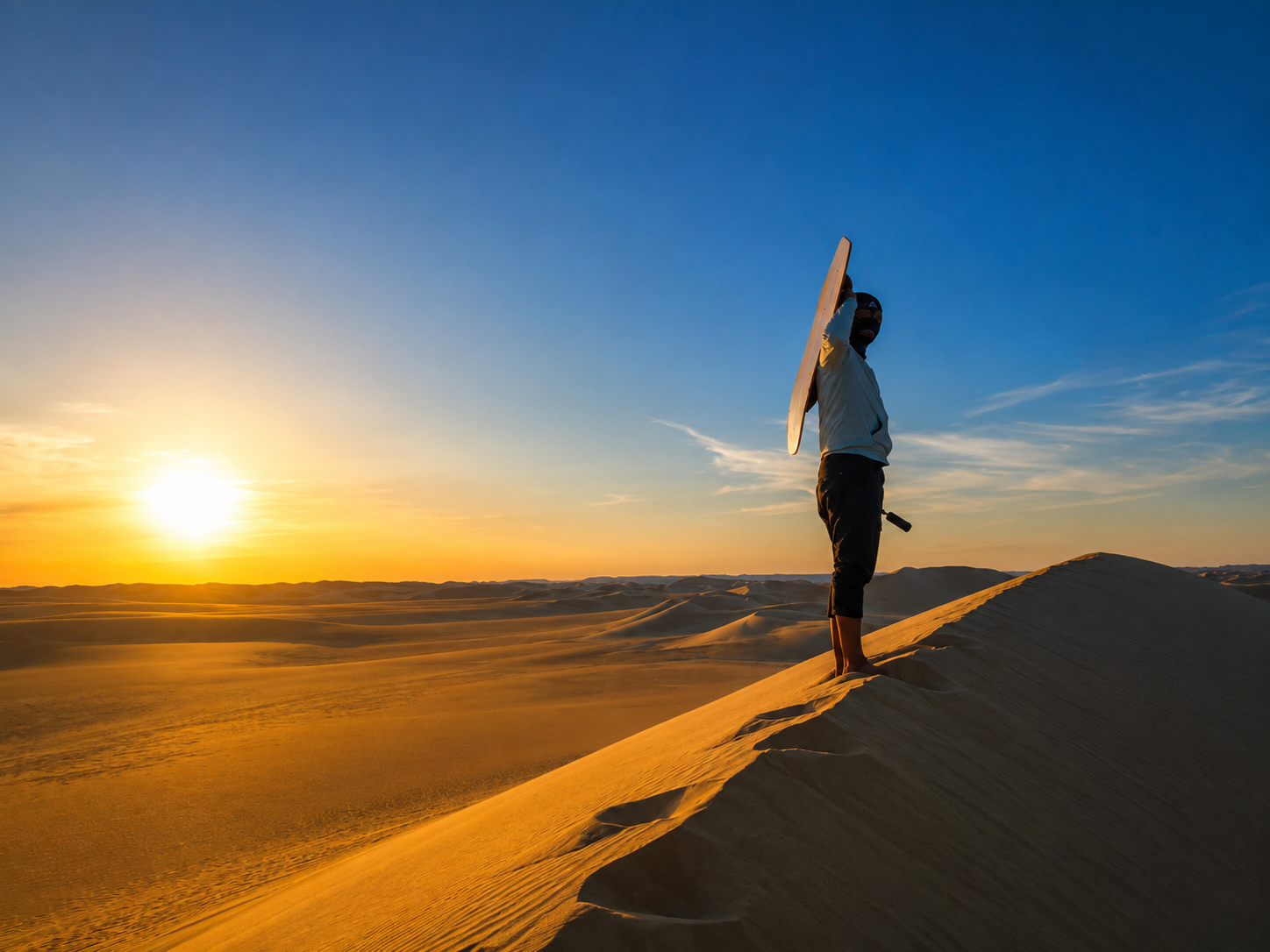
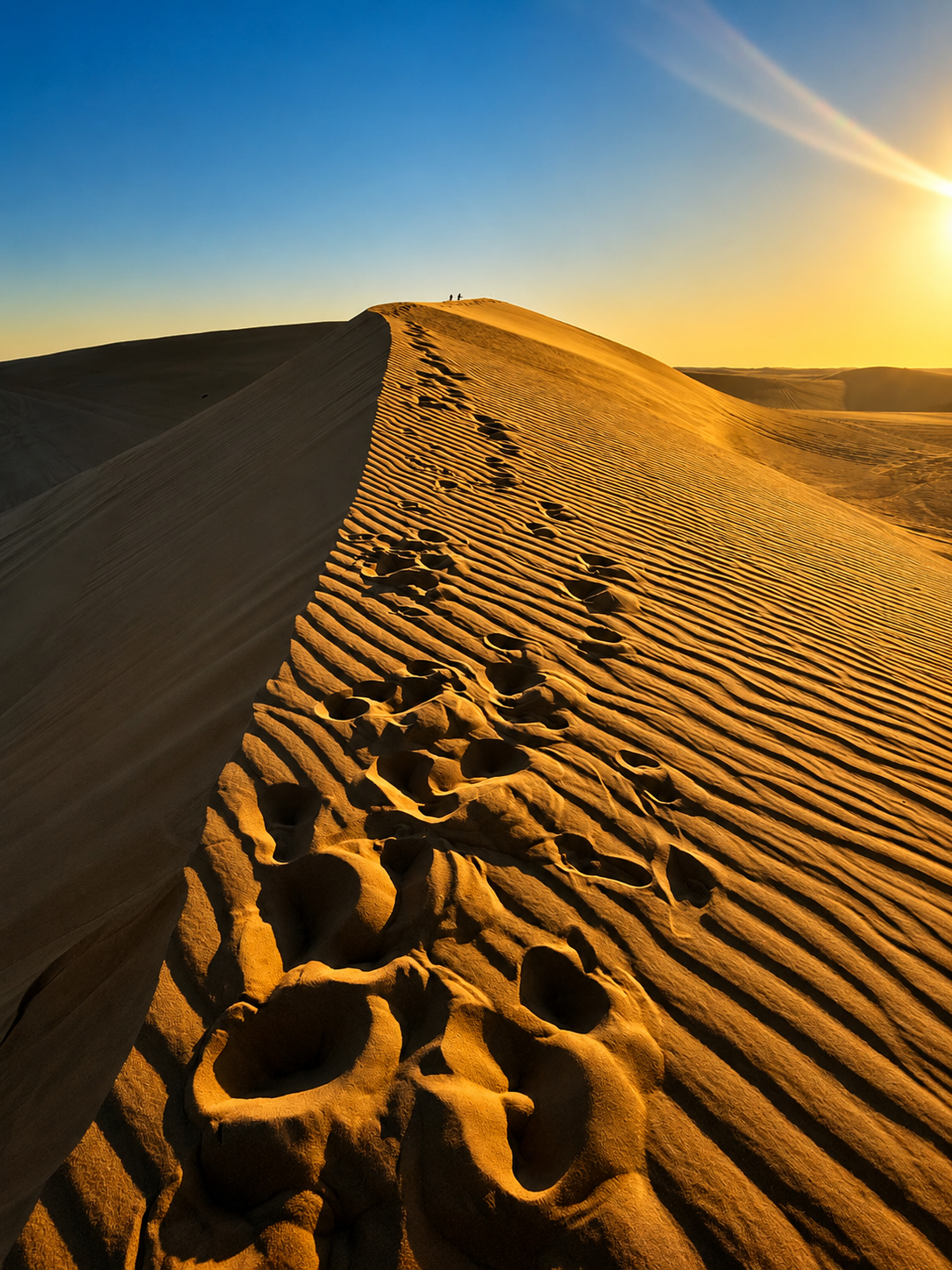
Selected itineraries include sandboarding at a suitable dune.
The guide chooses the location according to the sand, wind and route. The activity is generally accessible to beginners, although climbing back up the dune can require more effort than sliding down.
Remove loose objects from your pockets and protect cameras and phones from sand.
Sandboarding should always take place in the area selected by the guide rather than on fragile or unsuitable formations.
Late in the afternoon, the scenery becomes progressively lighter.
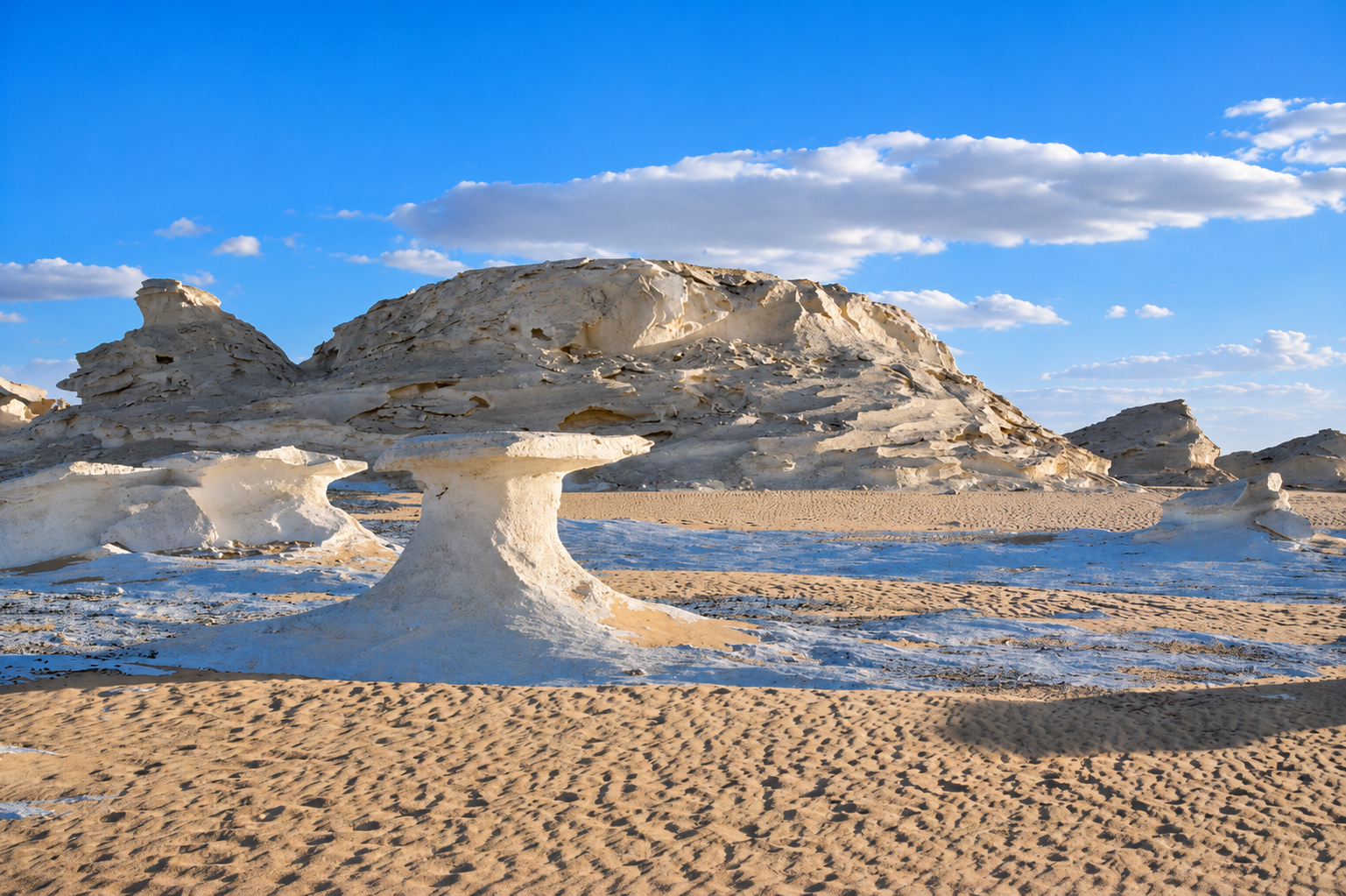
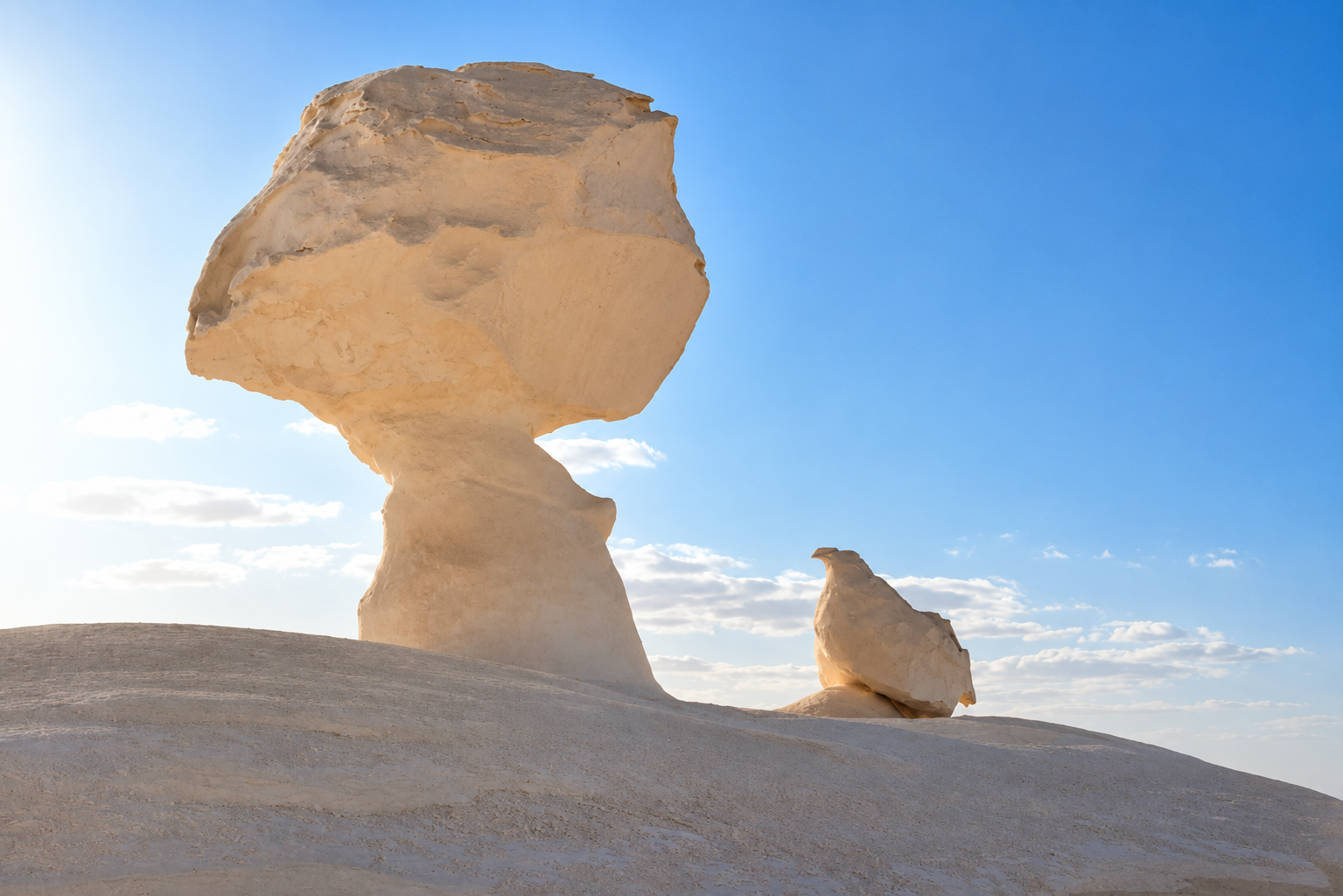
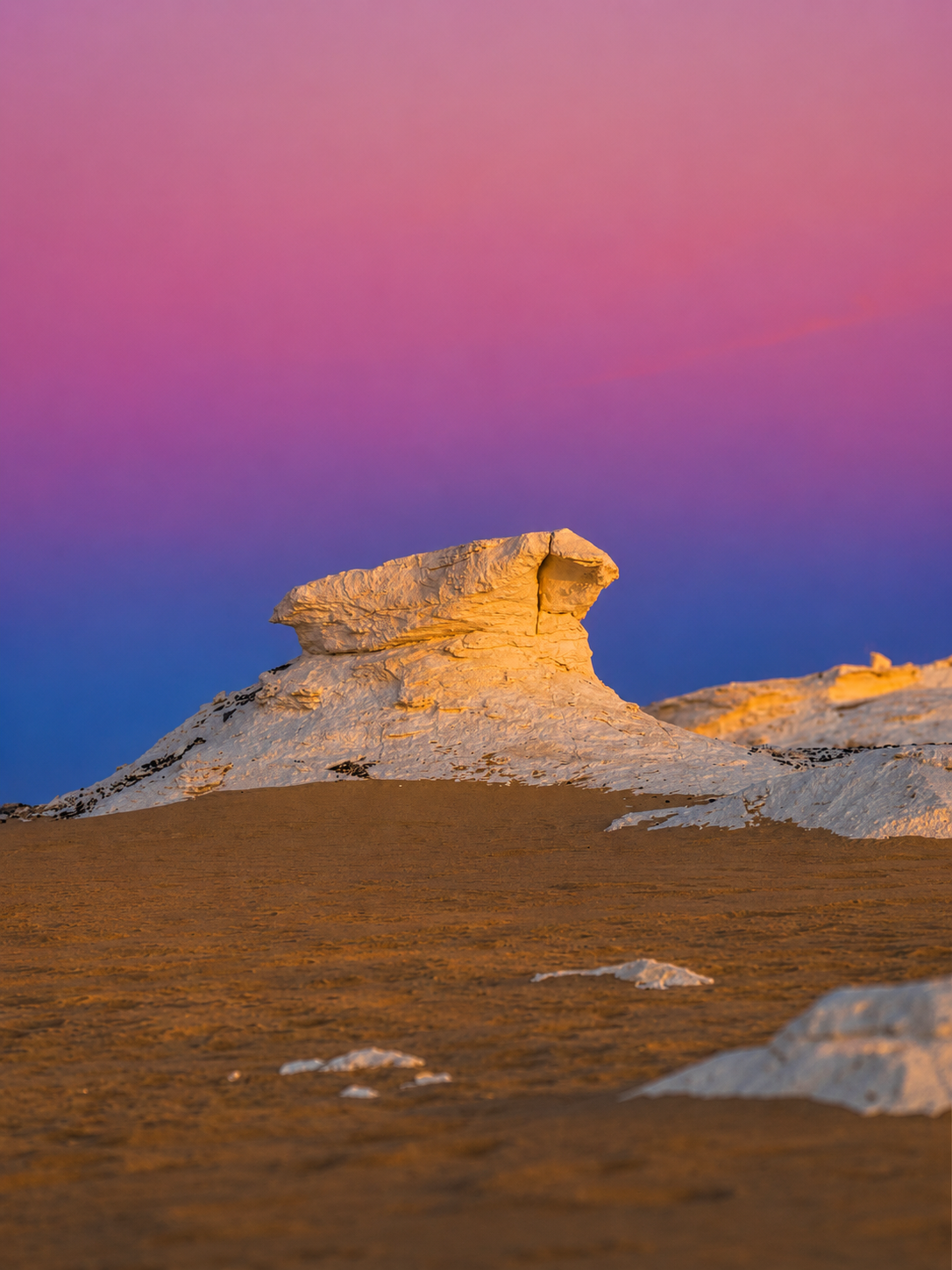
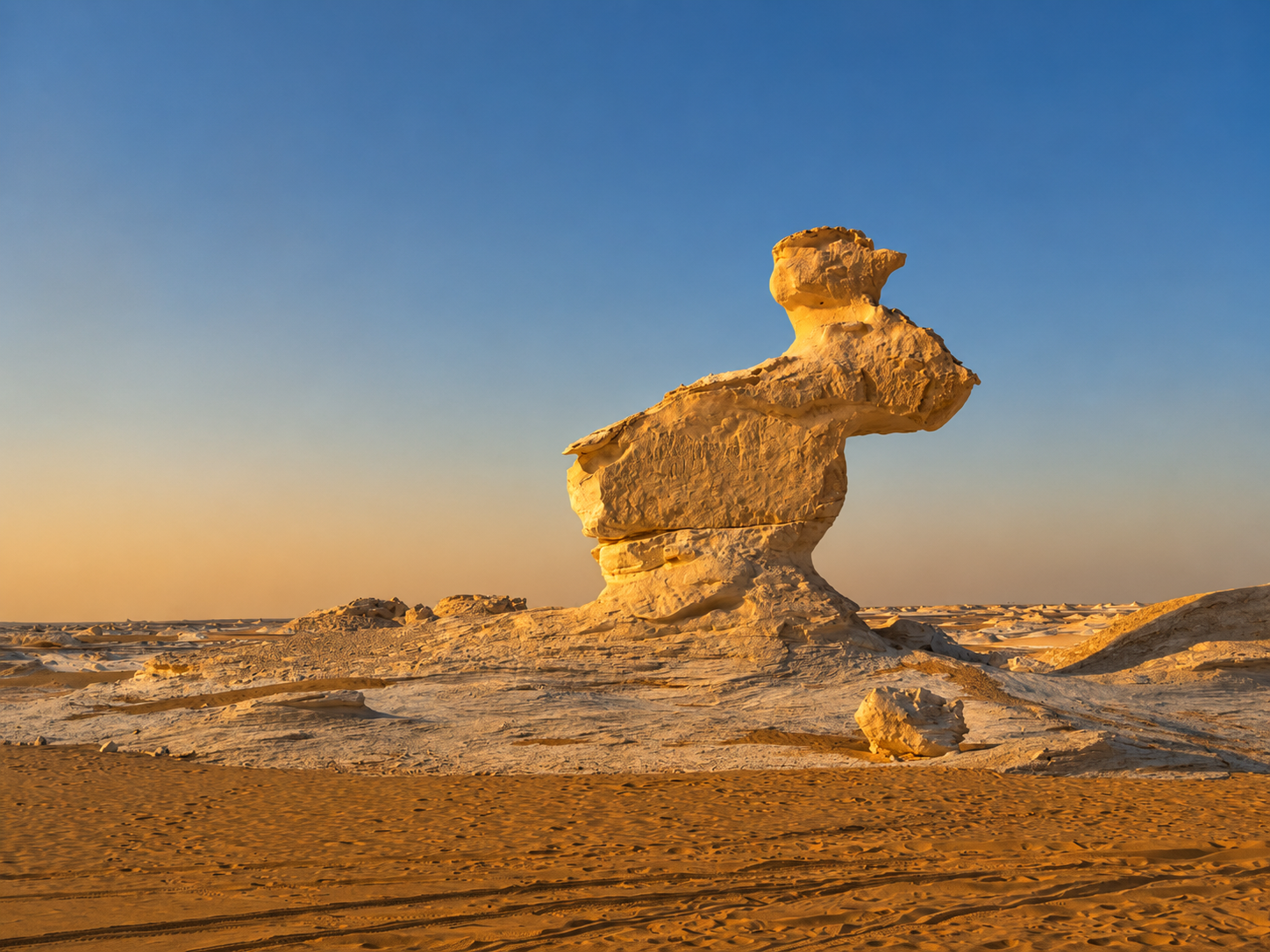
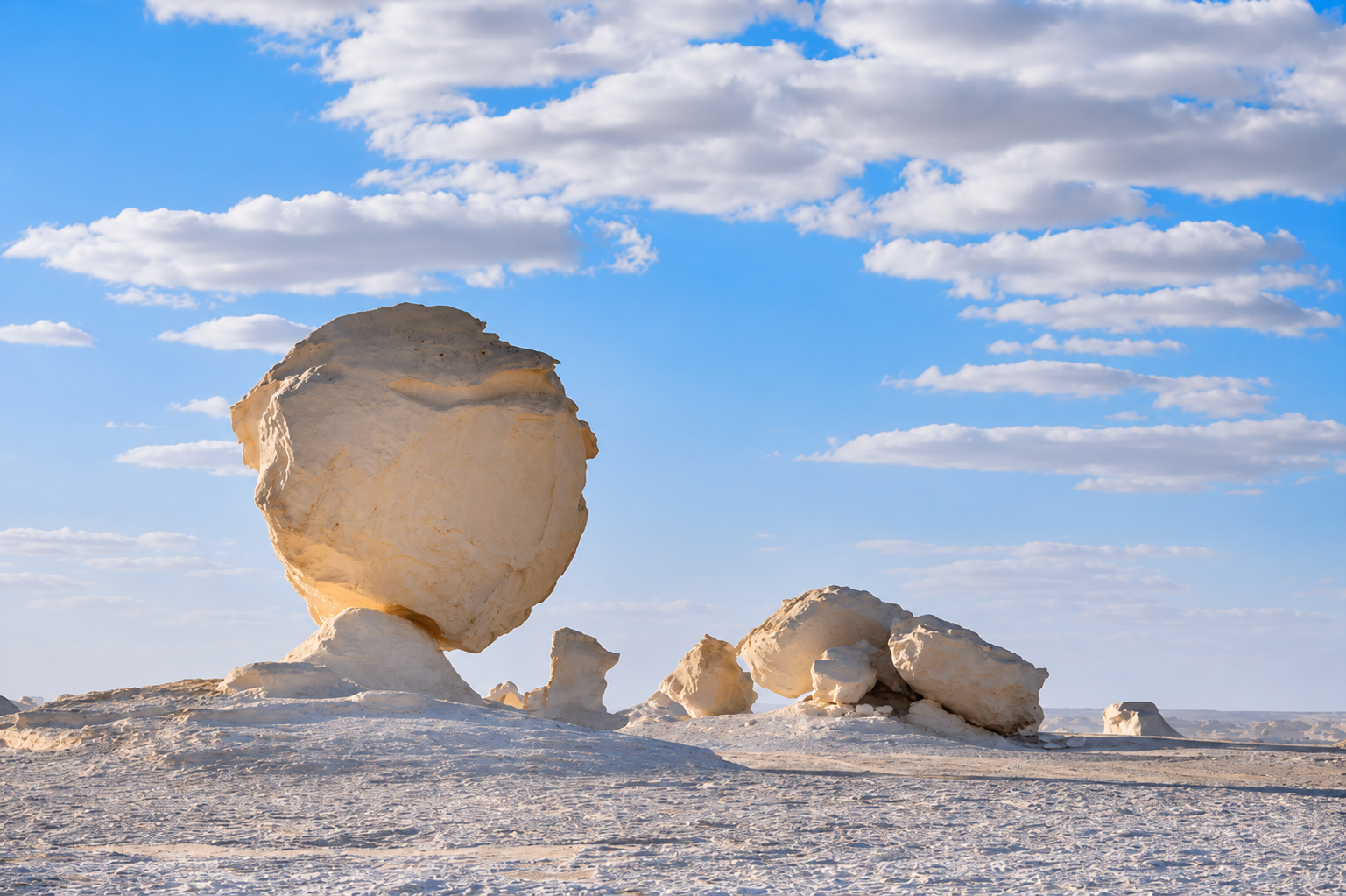
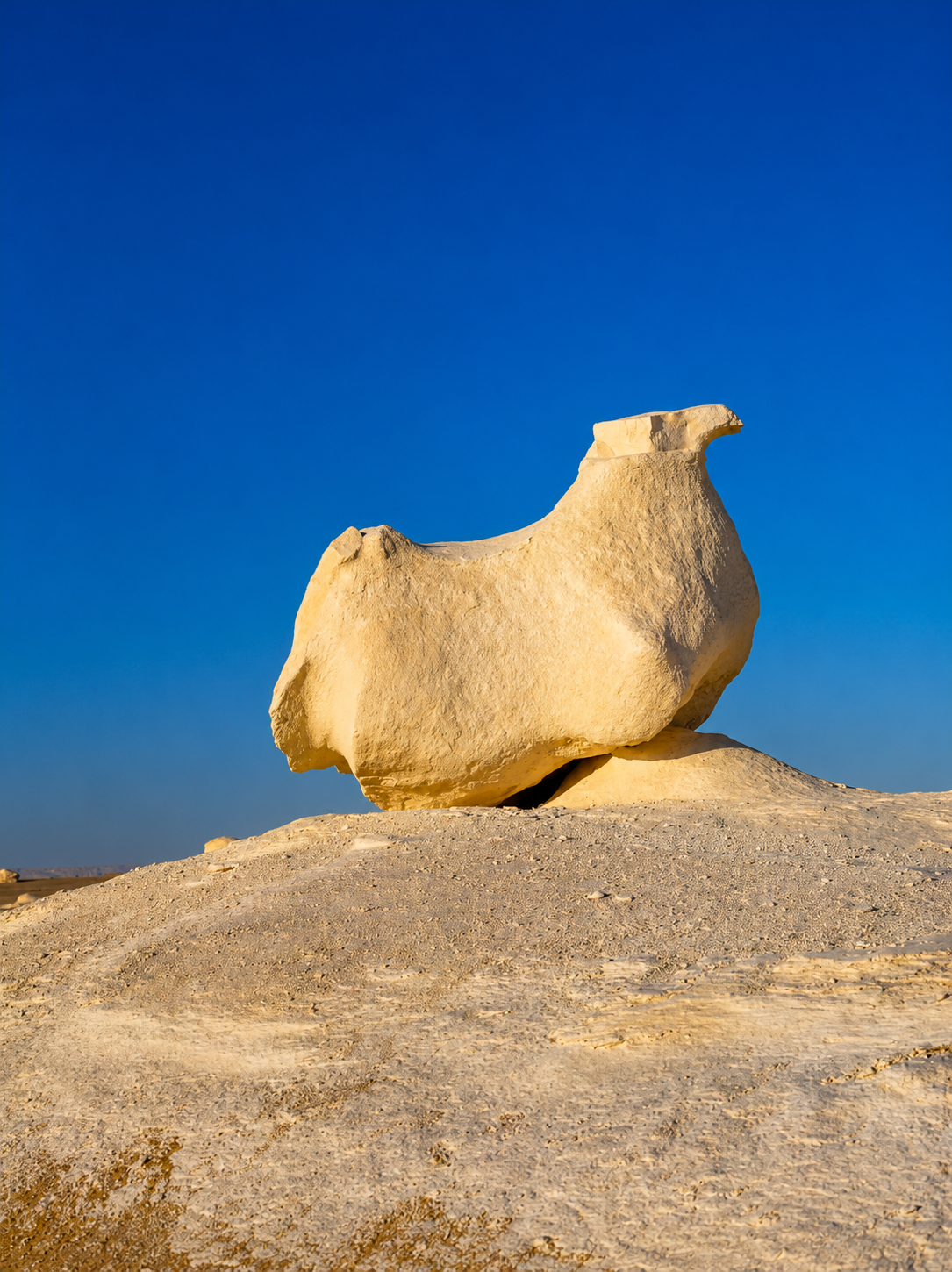
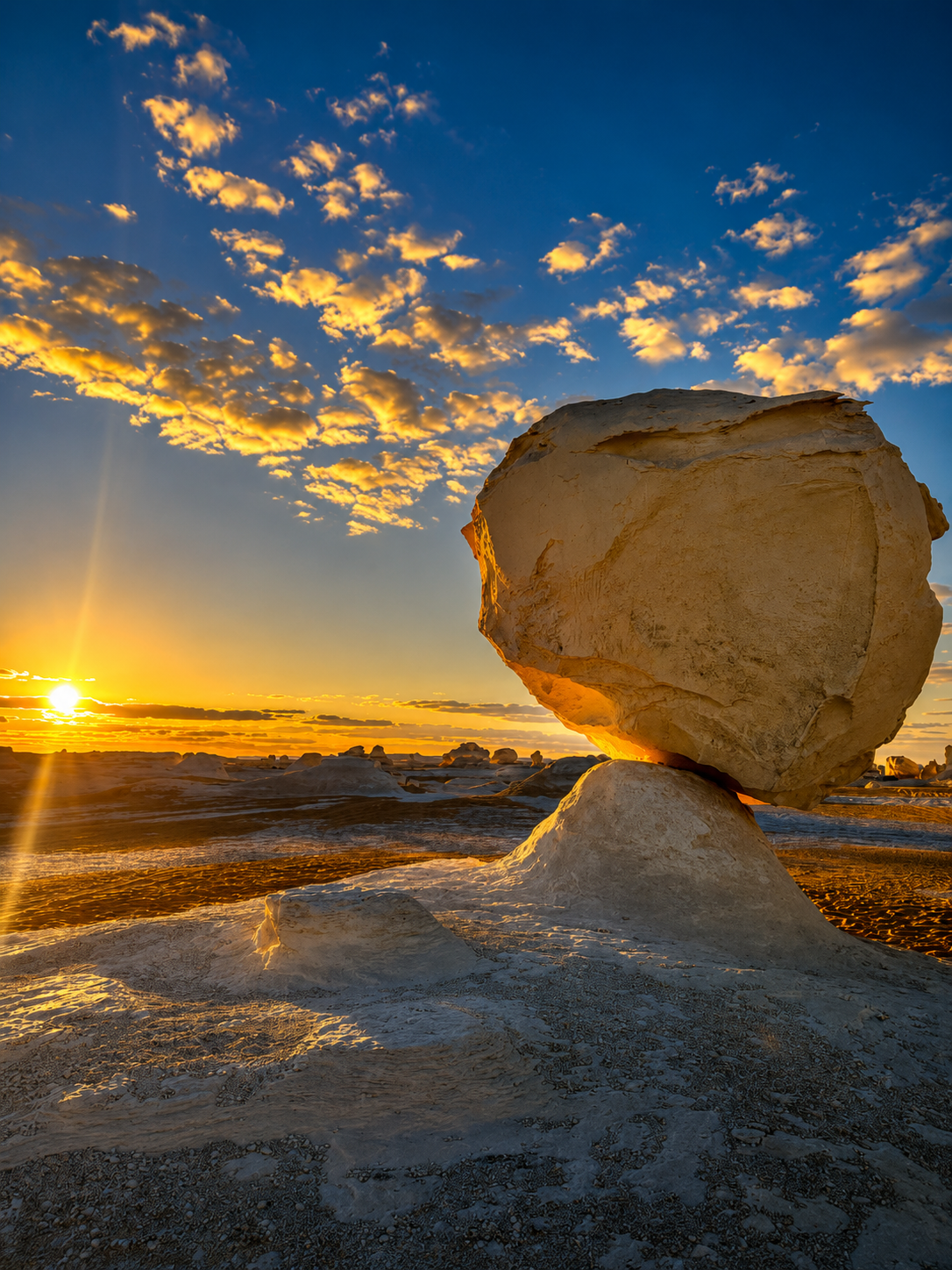
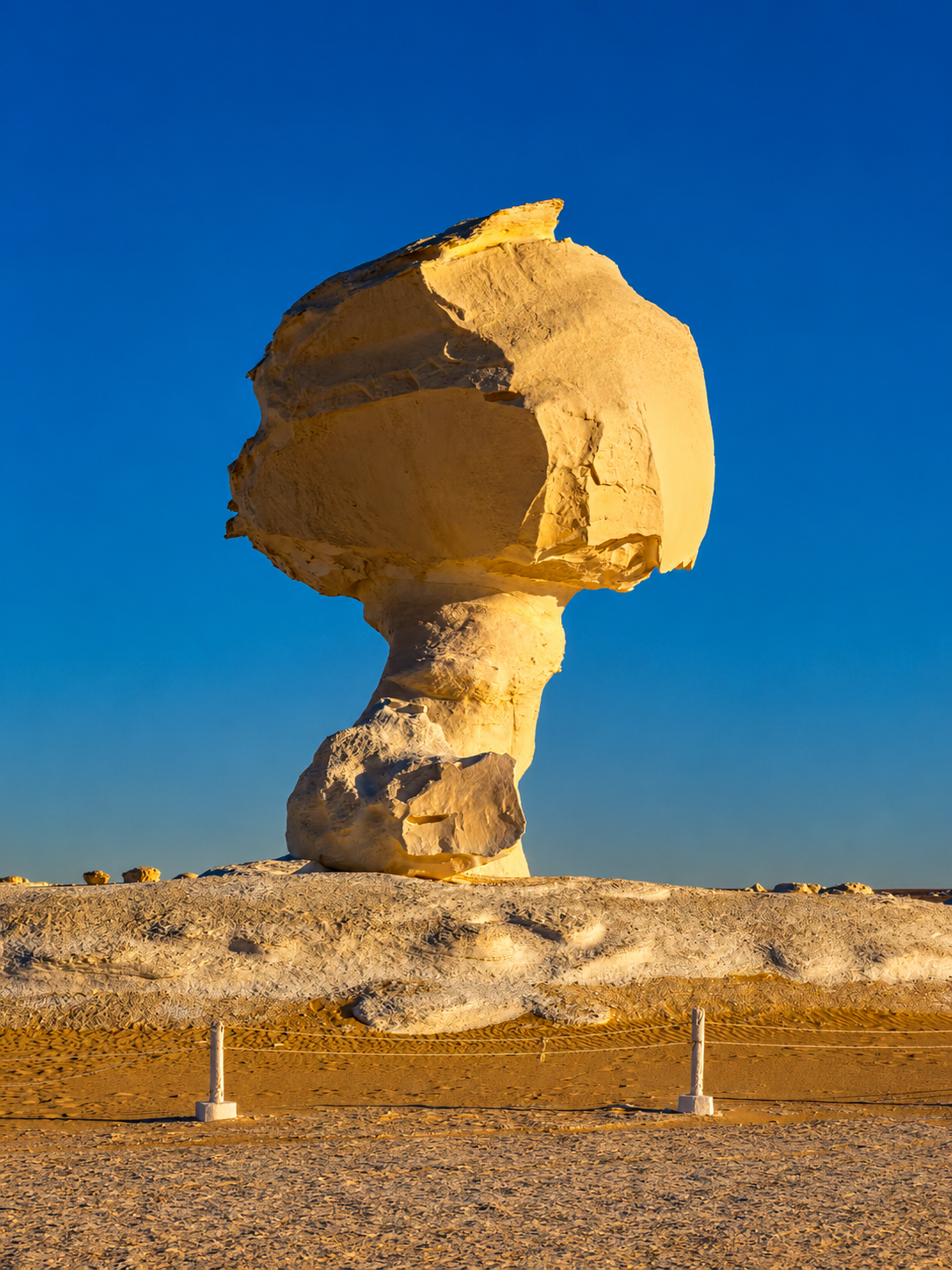
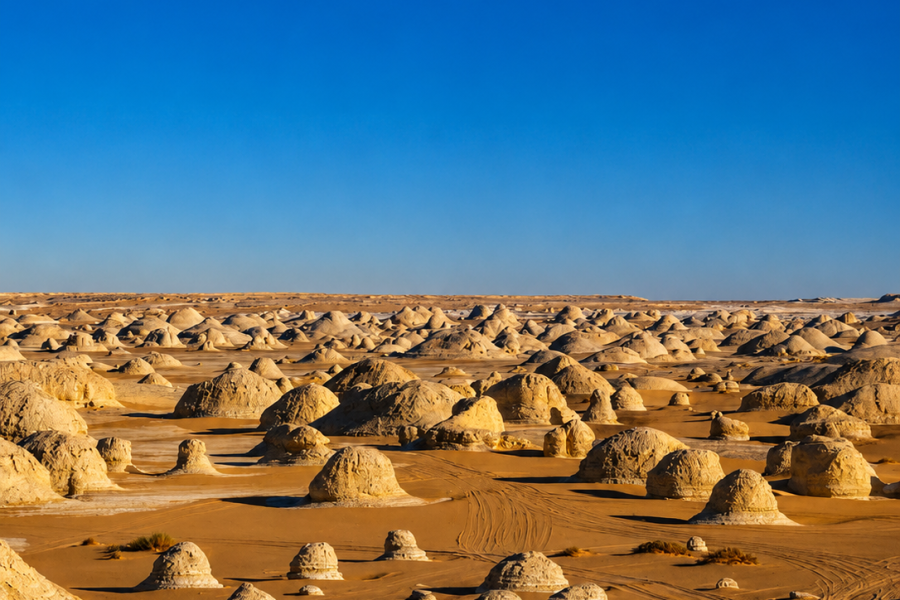
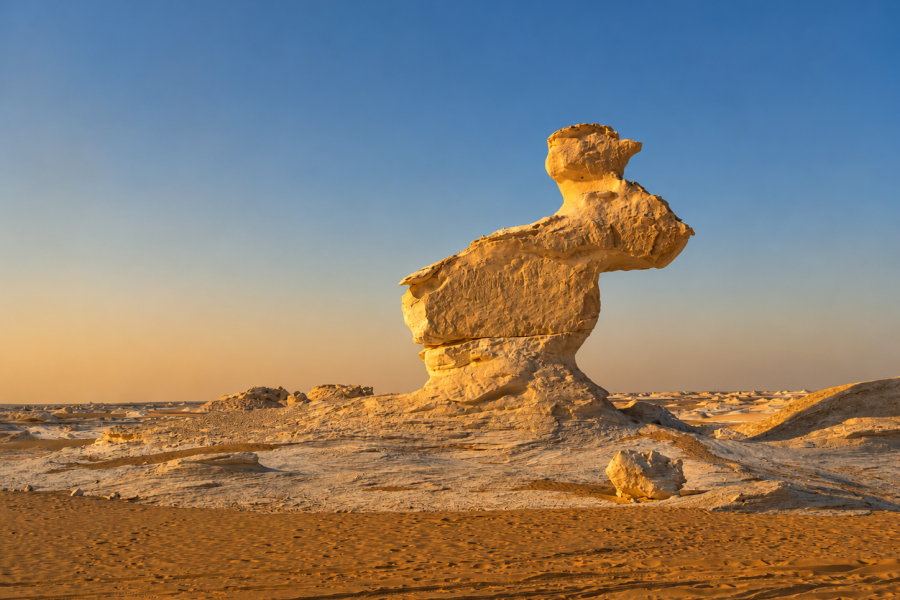
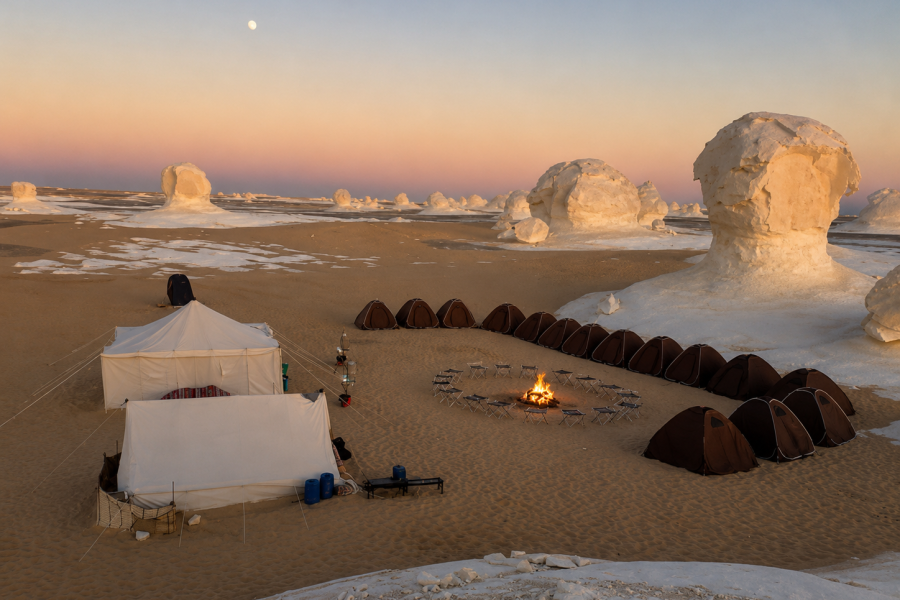
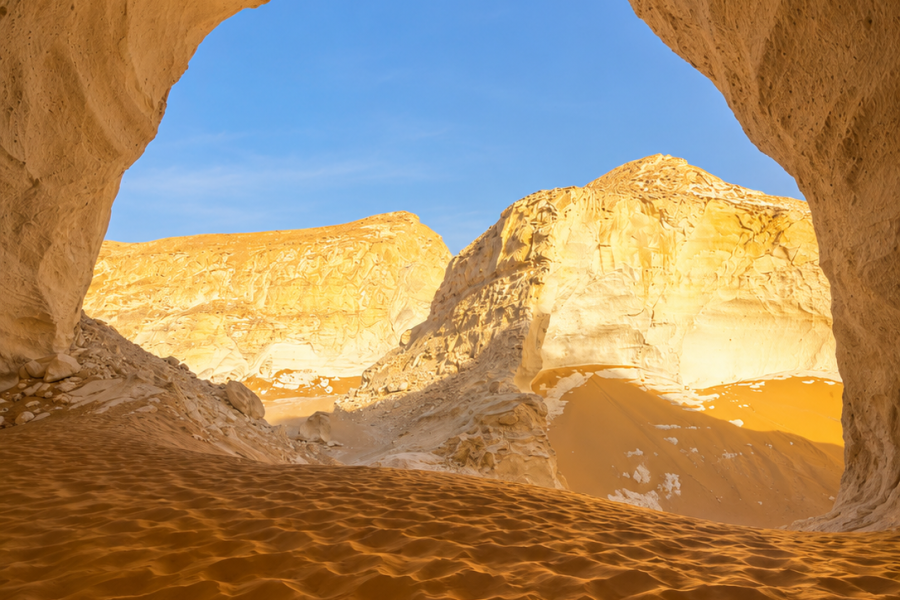
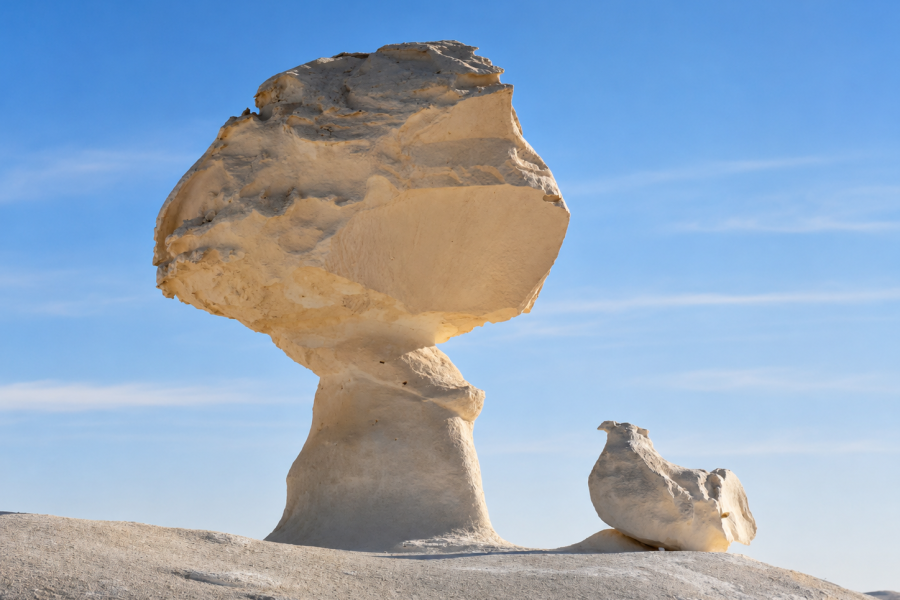
White chalk begins to cover sections of the desert floor, and sculpted formations appear across the landscape. Some resemble mushrooms, tents, towers or animals, while others have abstract shapes.
Wind and natural erosion have created the distinctive formations for which the White Desert is known.
Your guide selects a suitable sunset point and later prepares the mobile campsite according to the route, conditions and applicable rules.
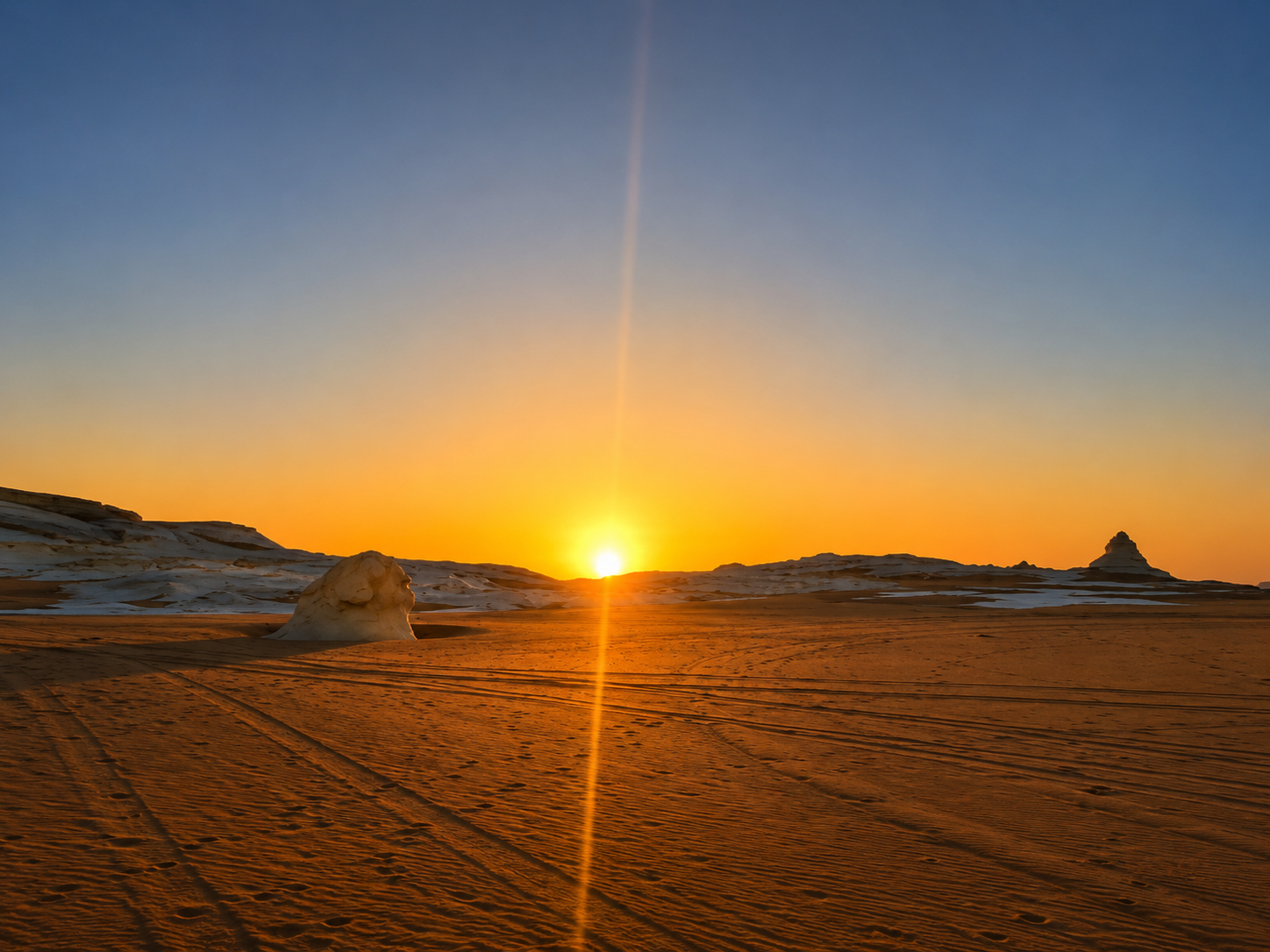
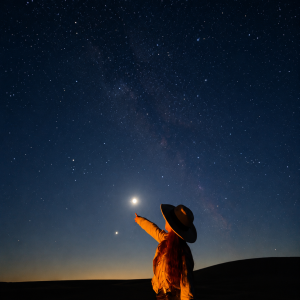
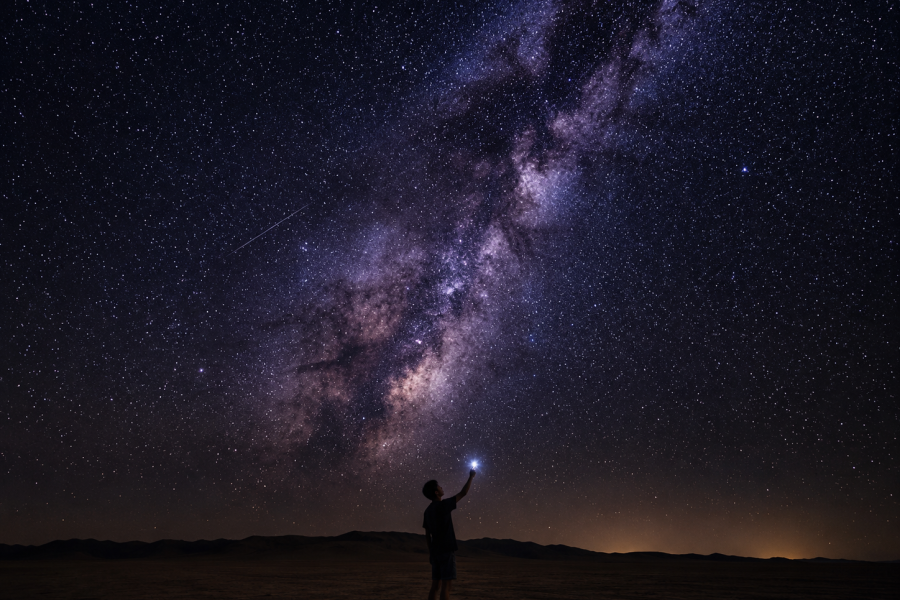
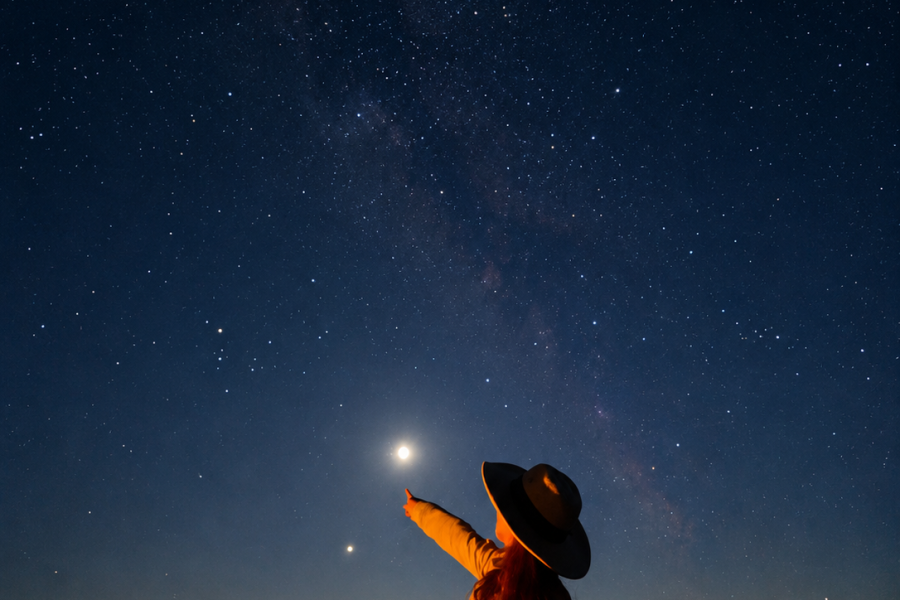
Sunset is one of the principal reasons to choose an overnight itinerary.
The white formations gradually change color as the light becomes warmer. Surfaces that appeared bright white during the afternoon may turn cream, pink, orange or pale gold.
The shadows also become longer and more dramatic, creating excellent photography conditions.
Arrive at the chosen viewpoint before sunset rather than trying to reach it at the last moment. This provides time to enjoy the landscape, prepare camera equipment and select a safe position.
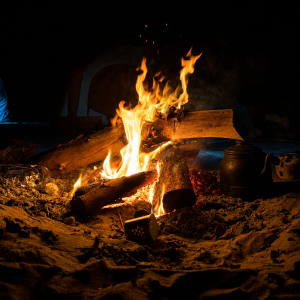
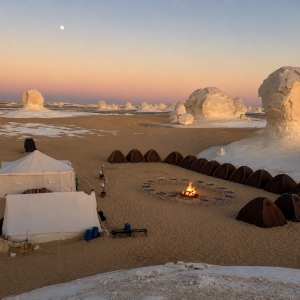
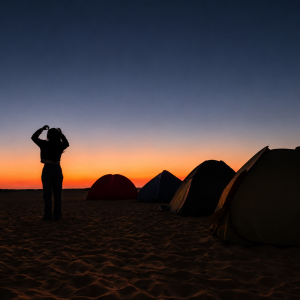
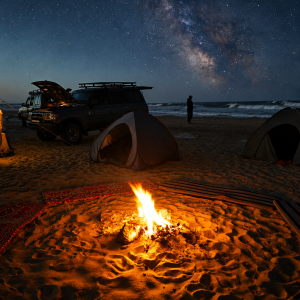
After sunset, the safari team sets up the camp and prepares dinner.
A typical mobile camp may include:
Dinner may include grilled chicken or another protein, rice, vegetables, salad, bread, fruit and tea. Menus vary, and dietary requirements should be communicated before departure.
The published overnight tour includes dome-shaped tents, mattresses, blankets, sleeping bags, meals, drinks and camping support.
Camping facilities remain more basic than a hotel. Permanent bathrooms, showers, Wi-Fi and electrical outlets should not be expected unless the operator confirms a specific upgraded setup.
Read our complete guide to White Desert camping in Egypt before booking.


Travelers normally wake early to watch sunrise.
The morning light is softer than the midday sun and can produce blue, pink, cream and golden tones across the landscape.
This is one of the best times for photography because the area is quiet and shadows define the formations clearly.
Prepare warm clothing and camera equipment the night before so you can leave the tent quickly.
After sunrise, the team serves breakfast and begins packing the mobile camp.
Breakfast may include bread, eggs, cheese, jam, fruit, tea and coffee.
Responsible operators remove the tents, cooking equipment, food waste and other supplies rather than leaving permanent traces at the campsite.
The morning route may include additional chalk formations and the area commonly described as Tents Valley.
The formations can look completely different in morning light compared with sunset. Take time to photograph both wide landscapes and smaller details.
Walking distances depend on the selected campsite and itinerary.
Follow the guide’s instructions because some formations are fragile and should not be climbed.
On the way back toward Bahariya, the tour may stop near a warm spring for rest or swimming.
This is an opportunity to refresh after the camping night, although it is not equivalent to a private shower facility.
The spring stop is included in the published 2-day itinerary, subject to traveler interest and route arrangements.
After completing the desert route, travelers return to Bahariya Oasis and change from the 4×4 to the road-transfer vehicle.
There may be time for lunch or a short break before the drive to Cairo.
Arrival time depends on road conditions, traffic, the morning route and the final drop-off location.
Do not schedule a tight flight or non-refundable activity immediately after the expected return time. Desert travel can be affected by conditions that are difficult to predict precisely.
Yes, a one-day Black and White Desert tour from Cairo may be arranged, but it creates a very long schedule.
The trip includes approximately four to five hours of road travel in each direction, plus the 4×4 safari and sightseeing stops.
To fit everything into one day, the itinerary must move quickly through:
You will also miss sunset camping, dinner beneath the stars, sunrise and the quiet nighttime atmosphere.
A day trip is most suitable when:
Explore the One-Day White Desert Tour from Cairo when an overnight stay is impossible.
For most travelers, two days provide a far better balance.
A 3-day, 2-night tour is better for travelers who want deeper exploration rather than only the classic route.
The additional day can include more remote locations such as:
Instead of driving directly through the main attractions, you have more time for photography, walking, springs, dunes and remote campsites.
The 2 Nights 3 Days White Desert Camping Tour includes the Black Desert, Crystal Mountain and a more extensive route through the surrounding valleys, dunes and White Desert areas.
Choose three days when the Western Desert is one of the principal highlights of your Egypt vacation.
The most comfortable season is generally from October to April.
Autumn often provides suitable daytime conditions and relatively manageable nights. These months are popular for camping and photography.
Winter days can be pleasant, but nighttime temperatures may become very cold.
Bring thermal layers, warm socks, a fleece and a wind-resistant jacket. Do not rely only on Cairo’s daytime forecast.
Spring can offer comfortable conditions, although wind and dust should be checked shortly before departure.
Summer travel may be possible, but the heat can make walking, off-road driving and camping less comfortable.
Routes and departure times may need to be adapted to avoid the strongest daytime heat.
Pack light because luggage space inside a 4×4 can be limited.
Recommended items include:
Ask whether sleeping bags, mattresses, blankets and pillows are included rather than assuming that all camping equipment is supplied.
A guided Black and White Desert tour requires more planning than a conventional Cairo excursion.
The region includes remote off-road terrain, limited mobile reception and limited nearby medical facilities. Visitors should travel with an experienced guide, suitable 4×4 vehicle, adequate water and confirmed route arrangements.
Current UK travel advice states that tourists entering Bahariya, Farafra, the Black Desert and White Desert must arrange permits in advance and use an official guide. Travelers should also monitor current advice and follow local-authority instructions.
Egypt’s Ministry of Environment also operates an official platform for protected-area visits and camping bookings, including the White Desert. Access systems and requirements may change, so your operator should verify the current procedure.
Travelers should check the latest guidance issued by their own government before departure.
A private tour is generally the best option for the combined route because it provides greater flexibility.
A private itinerary allows you to adjust:
A shared tour may cost less, but the route, group size and timing are less flexible.
Before joining a shared departure, ask how many guests will travel in each vehicle and whether tents are private or shared.
The combined tour can be suitable for families when organized privately and adapted to the children’s ages.
Parents should consider:
Bring additional snacks, medication, warm clothing and hygiene supplies.
A private tour allows the guide to provide more breaks and adjust the pace when necessary.
For couples, a private overnight tour provides privacy, flexible sunset stops and a private tent.
It can work well for honeymoons, anniversaries or travelers who want a quieter experience away from Egypt’s major cities.
Solo travelers may book privately or ask about a shared departure. Before joining a group, confirm tent-sharing arrangements, group size, guide language, meal inclusions and the expected return time.
Photographers traveling alone often benefit from a private tour because they can spend longer at selected viewpoints.
The Black Desert and White Desert are fragile natural environments.
Visitors should:
Responsible behavior protects the route for future travelers and reduces the visible impact of camping.
A low price may exclude transfers, meals, private tents, permits or camping equipment.
Most routes use a road-transfer vehicle to Bahariya and a separate 4×4 for the desert.
A one-day tour involves many hours on the road and provides limited time at each stop.
Desert nights can feel much colder, especially during winter.
Permanent toilets and showers should not be assumed at a mobile campsite.
Vegetarian meals, allergies and medical diets should be discussed before departure.
Return times may change because of traffic, route conditions or desert access arrangements.
Ask the following questions before booking:
A professional operator should provide clear answers and a realistic route rather than promising too many distant attractions within one day.
For most first-time travelers, choose the 2-tägige Weiße-Wüste-Tour ab Kairo (1 Übernachtung). It includes the Black Desert, Gabal El Marsos, El Hez, Crystal Mountain, Agabat, sand dunes and White Desert camping.
For a deeper experience, choose the 2 Nights 3 Days White Desert Camping Tour, which adds more valleys, springs, dunes and off-road exploration.
You can also explore all available Egypt desert tours.
The best route for most travelers is:
Cairo → Bahariya Oasis → Black Desert → Gabal El Marsos → El Hez → Crystal Mountain → Agabat → White Desert camping → Cairo
Choose one day only when staying overnight is impossible. Choose two days for the classic combined experience or three days for deeper exploration.
To receive a private itinerary, send your preferred travel date, number of guests, Cairo or Giza pick-up location and preferred tour duration.
WhatsApp: +20 10 05014595
Email: contact@whiteandblackdeserttours.com
Tour Enquiry: Kontakt White and Black Desert Tours