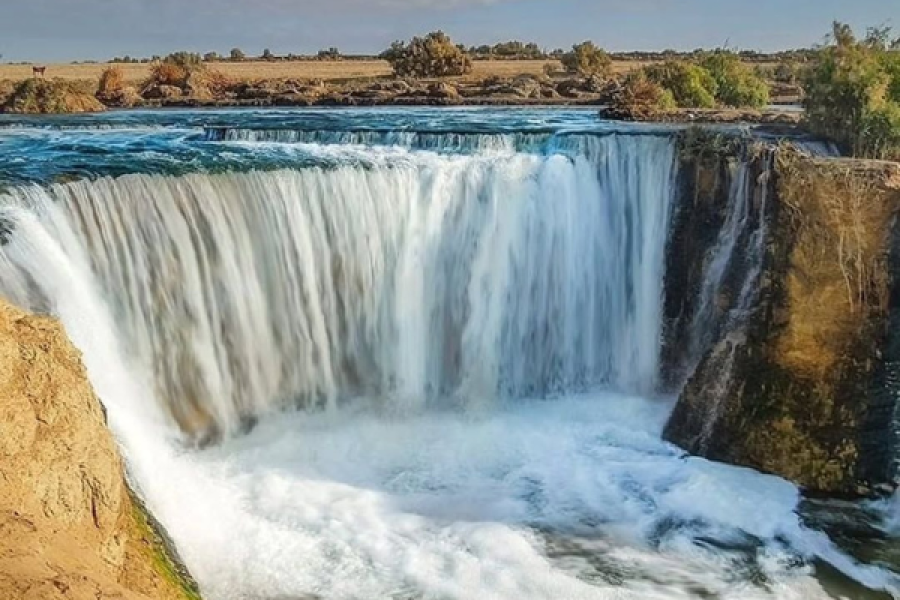
A Siwa Oasis 3 days itinerary is the shortest practical way to experience Egypt’s most remote oasis from Cairo without reducing the journey to a rushed sightseeing stop.
Three days give you enough time to travel through Egypt’s northwest, explore Siwa’s principal historical attractions, float in its salt lakes, swim at Cleopatra Spring, watch sunset over the oasis and take a 4×4 safari into the Great Sand Sea.
The schedule is active. Cairo and Siwa are approximately 741 kilometers apart by road, so the first and third days involve long transfers. However, with an early departure, private transportation and a carefully organized second day, a 3-day Siwa tour can work extremely well as a long-weekend escape.
The ideal program is:
Day 1: Cairo → Marsa Matrouh → Siwa → Shali Fortress → Fatnas Island
Day 2: Mountain of the Dead → Oracle Temple → Salt Lakes → Cleopatra Spring → Great Sand Sea Safari
Day 3: Siwa market or local stop → Cairo
This itinerary is best for travelers who want to see Siwa’s essential highlights but cannot spend four or five days away from Cairo.
It is suitable for:
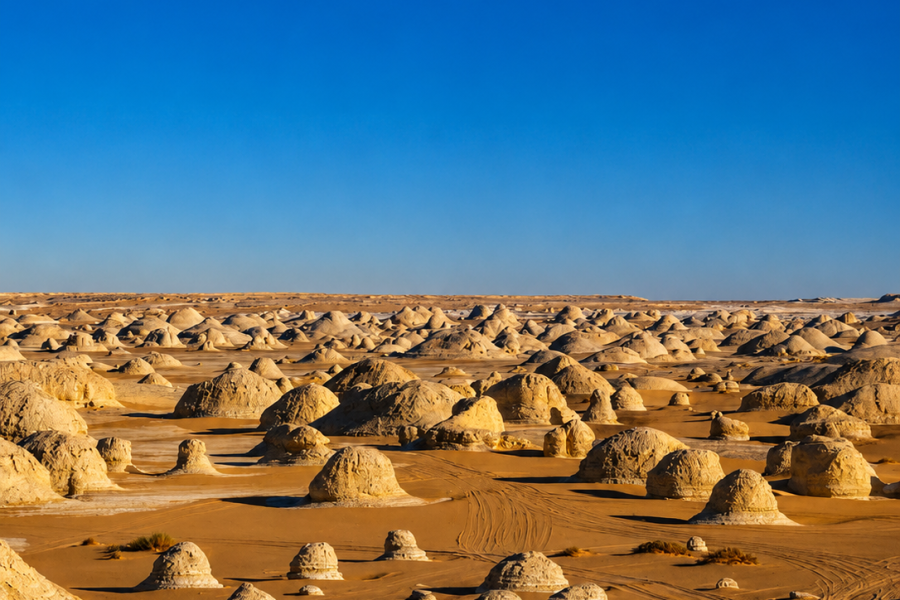
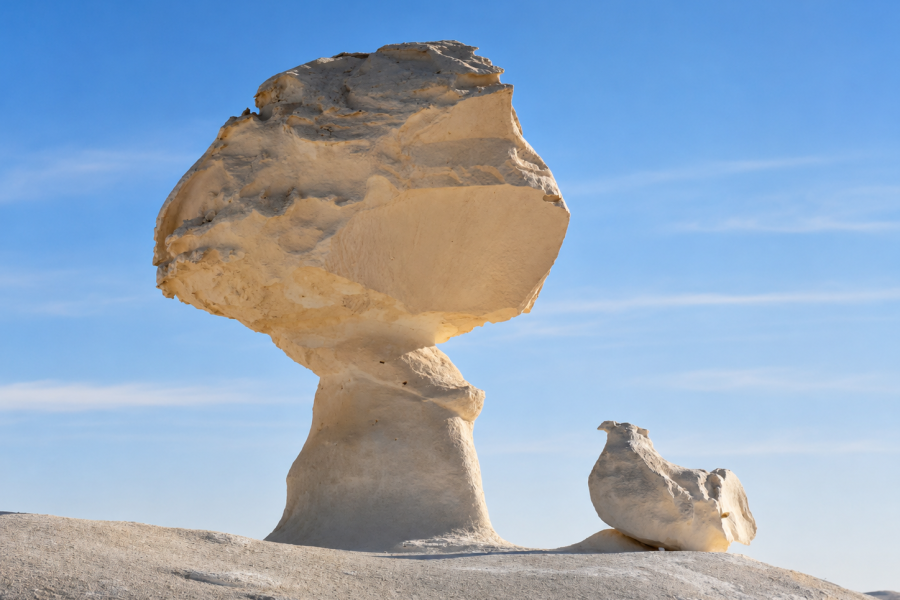
The route combines history, water, culture and desert adventure. Unlike a short White Desert trip focused mainly on geological landscapes and camping, Siwa offers hotels and eco-lodges, local communities, archaeological sites, salt lakes, palm groves and a separate dune safari.
For transport options and detailed journey planning, first read Siwa Oasis from Cairo: How to Get There, How Long to Stay and What to Do.
For a broader overview of the destination, visit our complete Siwa Oasis Egypt travel guide.

Three days are enough for a first visit to Siwa when your itinerary is carefully planned.
You will not see every village, spring, lake and desert location. You will also have limited time for slow mornings, extended photography sessions or a full wellness experience.
However, you can visit the main attractions:
The main challenge is the distance from Cairo.
The official Cairo Governorate distance table lists Siwa at approximately 741 kilometers from Cairo. A private journey normally occupies most of the first and third days once rest stops, meals, traffic and checkpoints are included.
Therefore, a 3-day itinerary normally provides:
It is the minimum recommended duration, not the most relaxed duration.
Choose three days when:
Choose four days when:
Travelers seeking more time should compare this itinerary with the 4-tägige Siwa-Oasen-Tour ab Kairo. The longer program provides three nights and more time to separate the cultural attractions, swimming stops and Great Sand Sea safari.
A private tour is the most practical format for a short Siwa itinerary.
The schedule depends on using the available time efficiently. Delays in arranging transportation, finding a hotel, hiring a local vehicle or negotiating a safari after arrival can reduce an already limited itinerary.
An organized private trip normally combines:
The published 2 Nächte, 3 Tage: Siwa-Tour ab Kairo includes private modern air-conditioned transportation, a Marsa Matrouh stop and the main Siwa natural, historical and desert attractions.
A private itinerary is particularly useful when you need:
The first day is mainly a travel day, but it should still include enough sightseeing to make the journey feel rewarding.
A realistic schedule begins early in Cairo or Giza.
The driver should collect you as early as practical, usually after sunrise or at the time agreed with the operator.
An early departure helps you:
Prepare a small road bag rather than opening your main luggage repeatedly.
Keep the following items nearby:
The journey crosses a long distance, so comfort matters. Wear loose clothing and comfortable shoes.
The first major stage leads northwest toward Egypt’s Mediterranean coast.
The scenery gradually changes as Cairo’s urban areas disappear and the route opens into wider desert and coastal landscapes.
Marsa Matrouh is a useful lunch and rest point before continuing to Siwa. The 3-day tour published on the site includes a stop in Marsa Matrouh and a visit to one of its well-known coastal areas before traveling onward to the oasis.
The exact stop should depend on:
During winter, the stop may be primarily for lunch and views.
During warmer months, there may be time for a brief coastal break, but a 3-day itinerary should not spend several hours at the beach. The main destination remains Siwa.
Travelers wanting a full Mediterranean experience should add separate nights rather than compress Marsa Matrouh and Siwa into the same short program.
After lunch or a rest stop, the route turns toward Siwa.
The landscape becomes increasingly isolated as the road moves away from the coast. Services become less frequent, and the sense of remoteness grows.
Use available bathrooms before beginning the more isolated sections of the journey.
During the drive:
The exact arrival time cannot be guaranteed because traffic, stops and procedures vary.
After reaching Siwa, check in and take a short break.
A centrally located hotel offers easier access to restaurants, Shali Old Town and the local market.
An eco-lodge may provide:
However, some eco-lodges are farther from central Siwa. This can increase local transfer time during a compact itinerary.
For a 3-day tour, convenience should be considered alongside atmosphere.
Before booking, confirm:
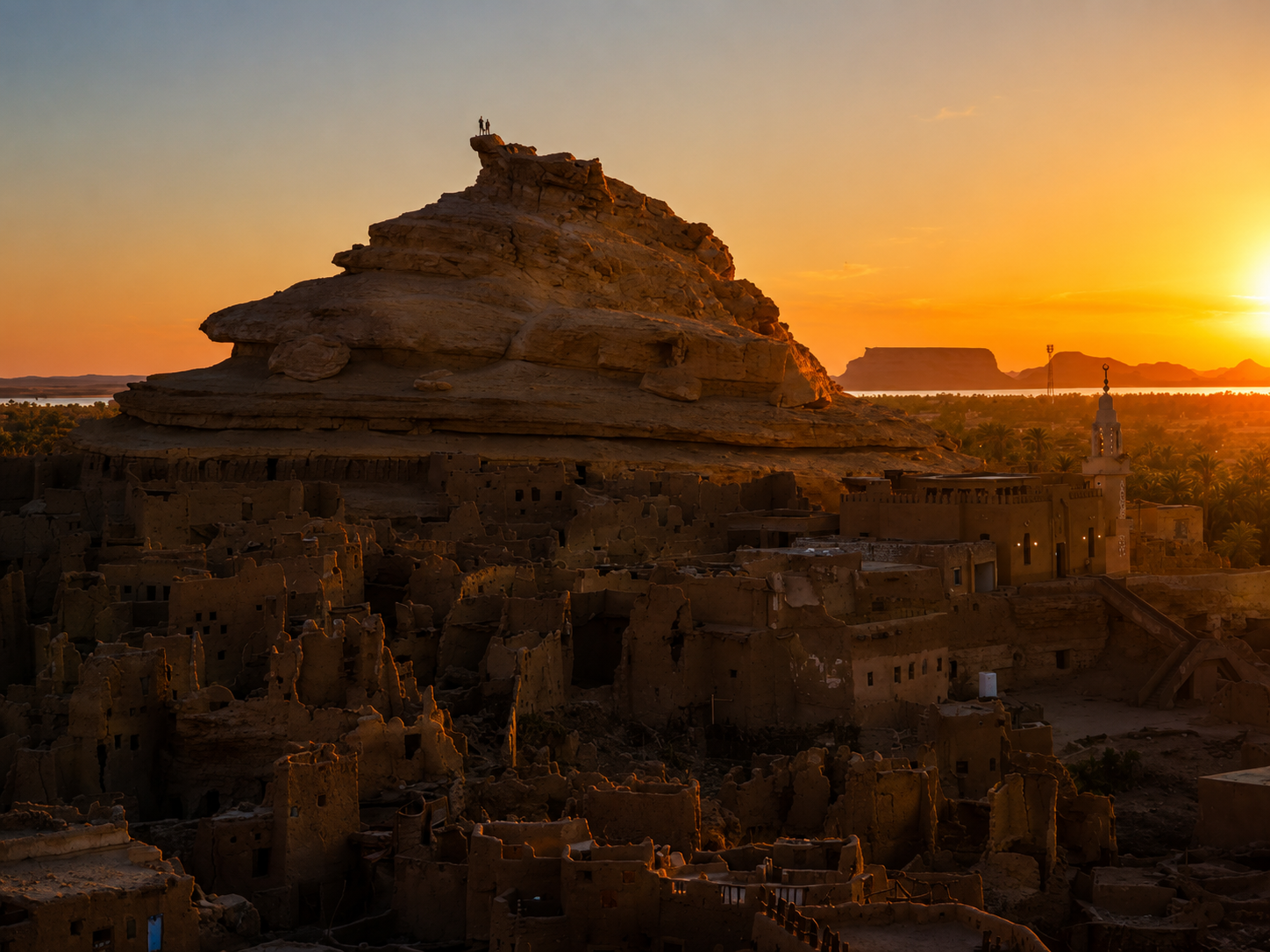
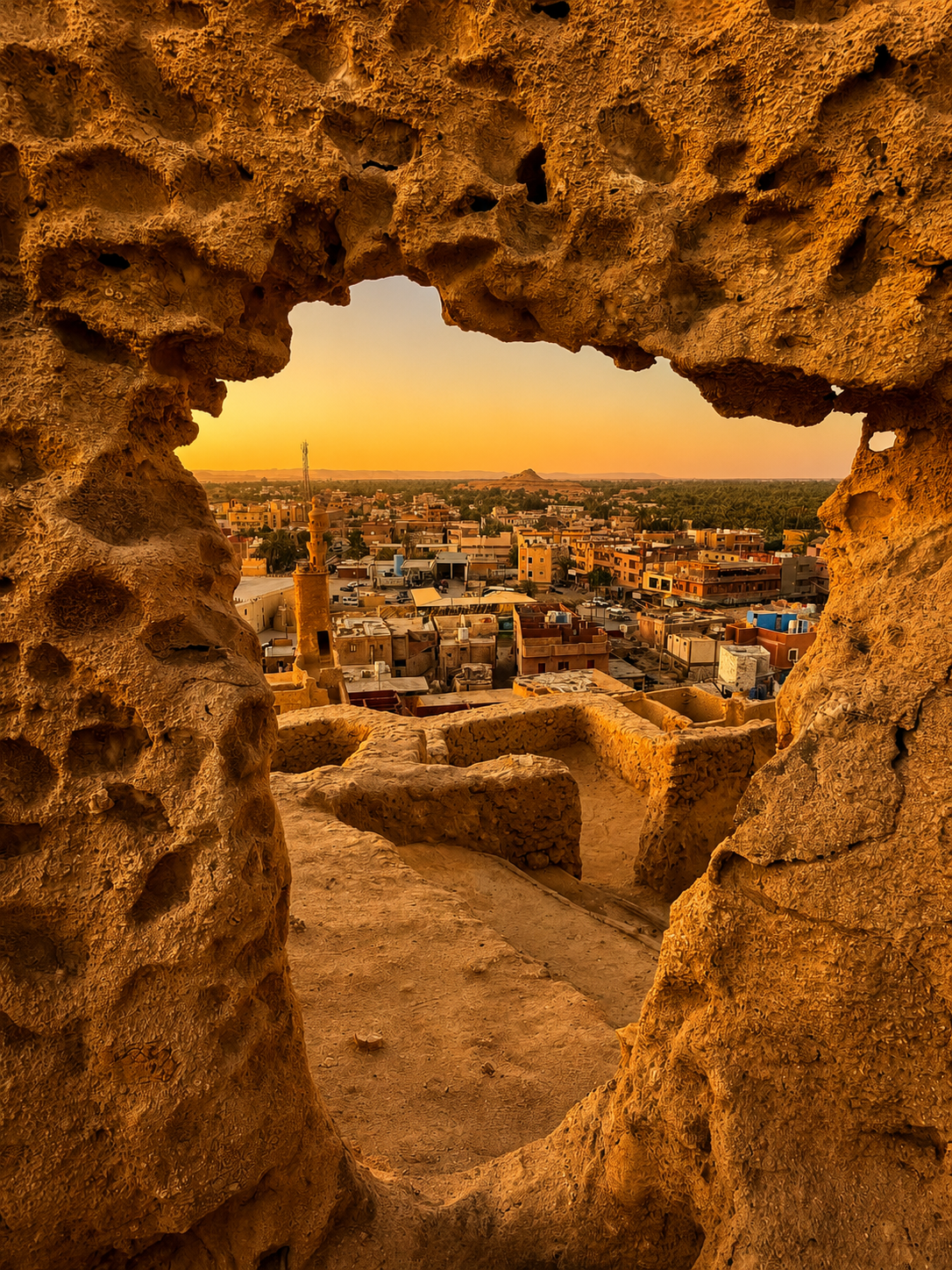
If arrival time allows, begin with Shali Fortress.
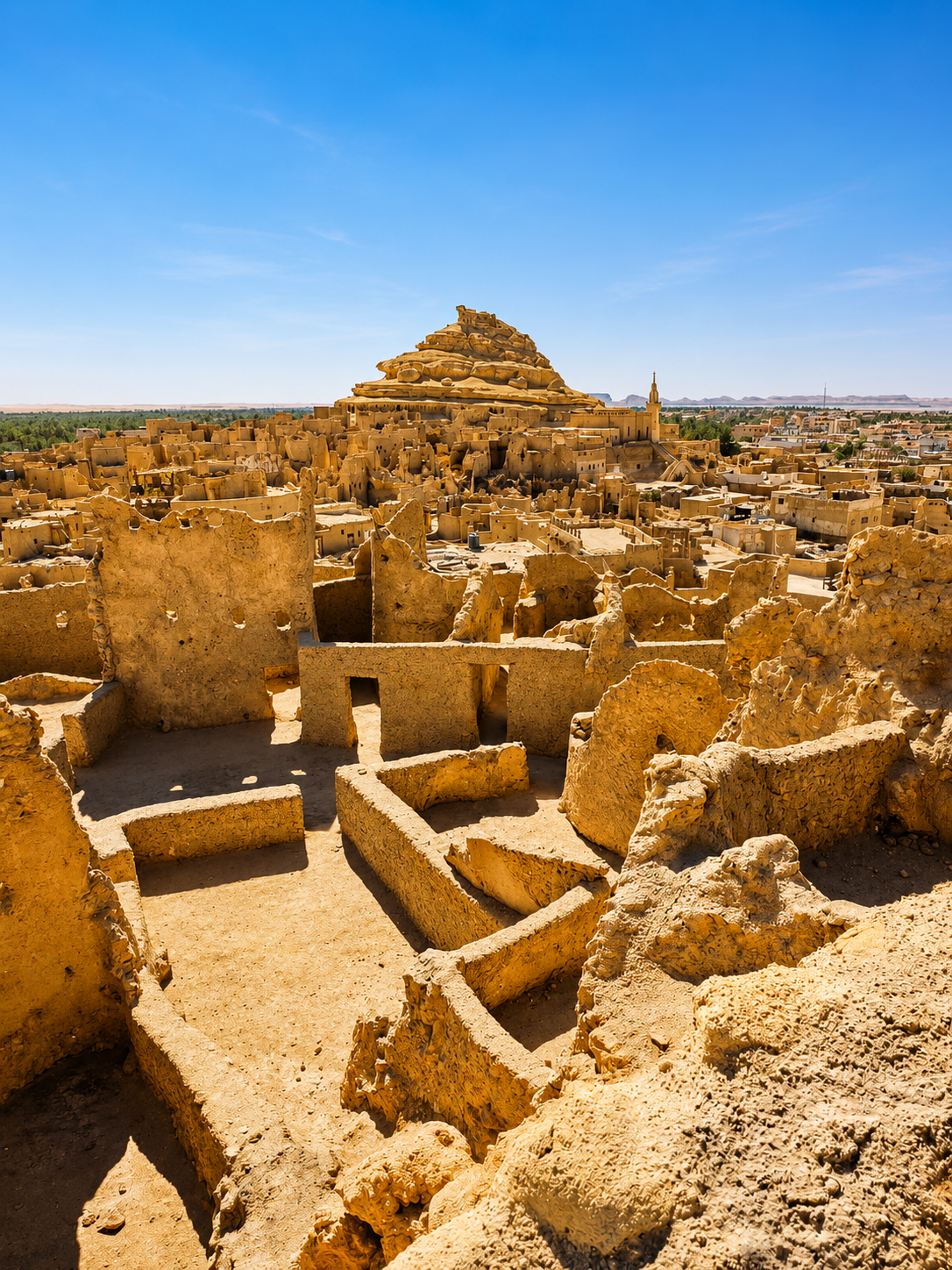
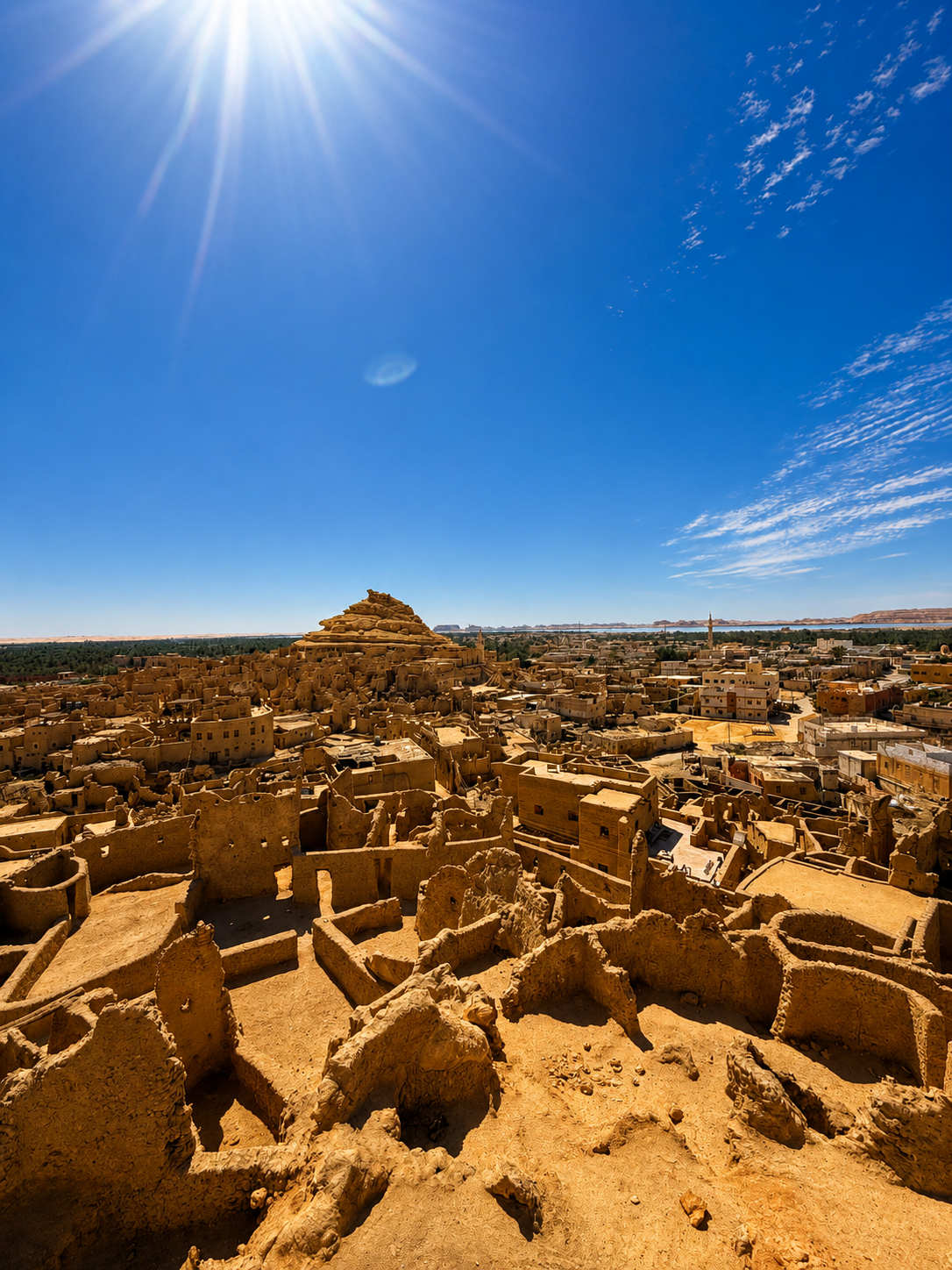
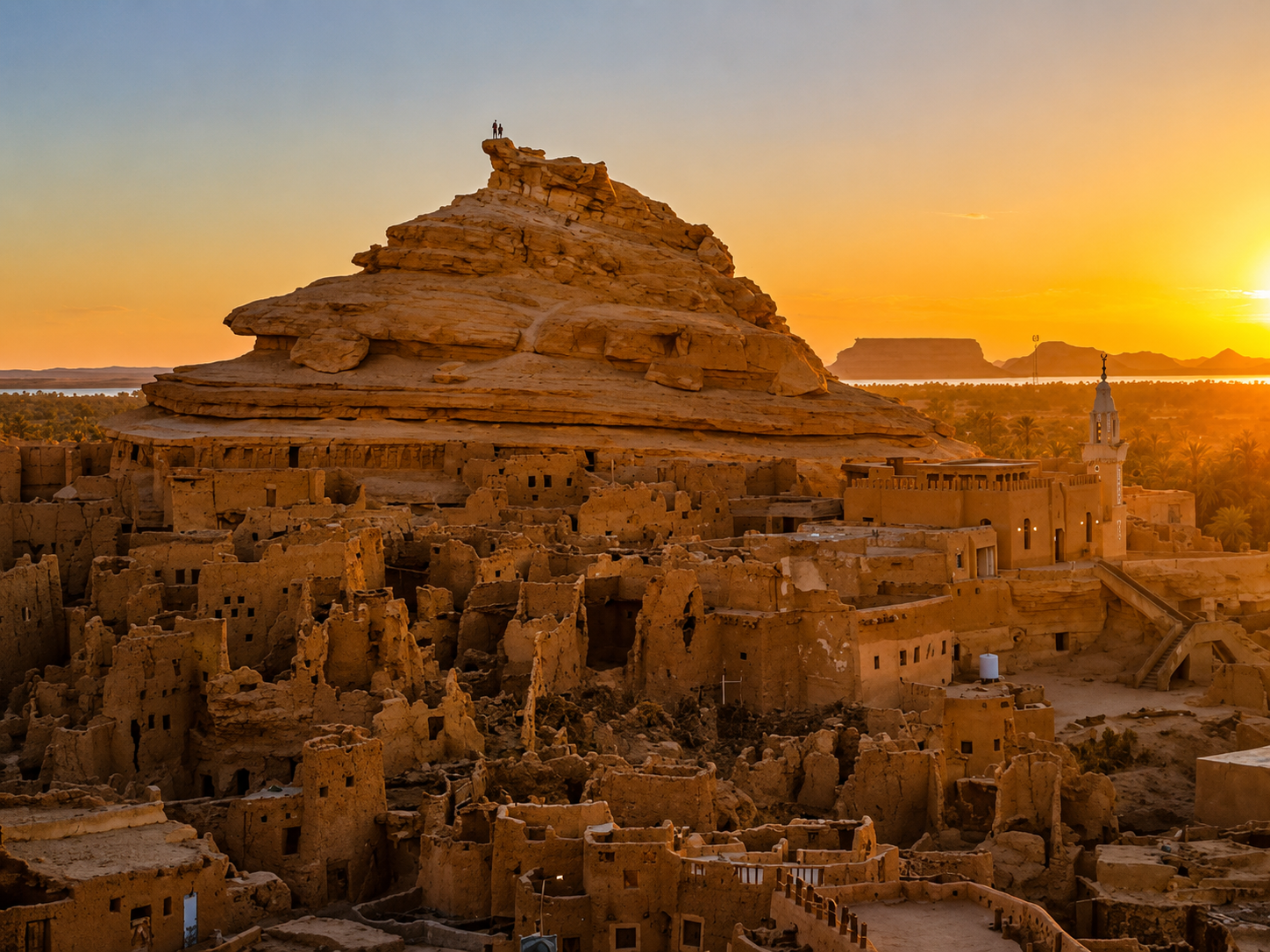
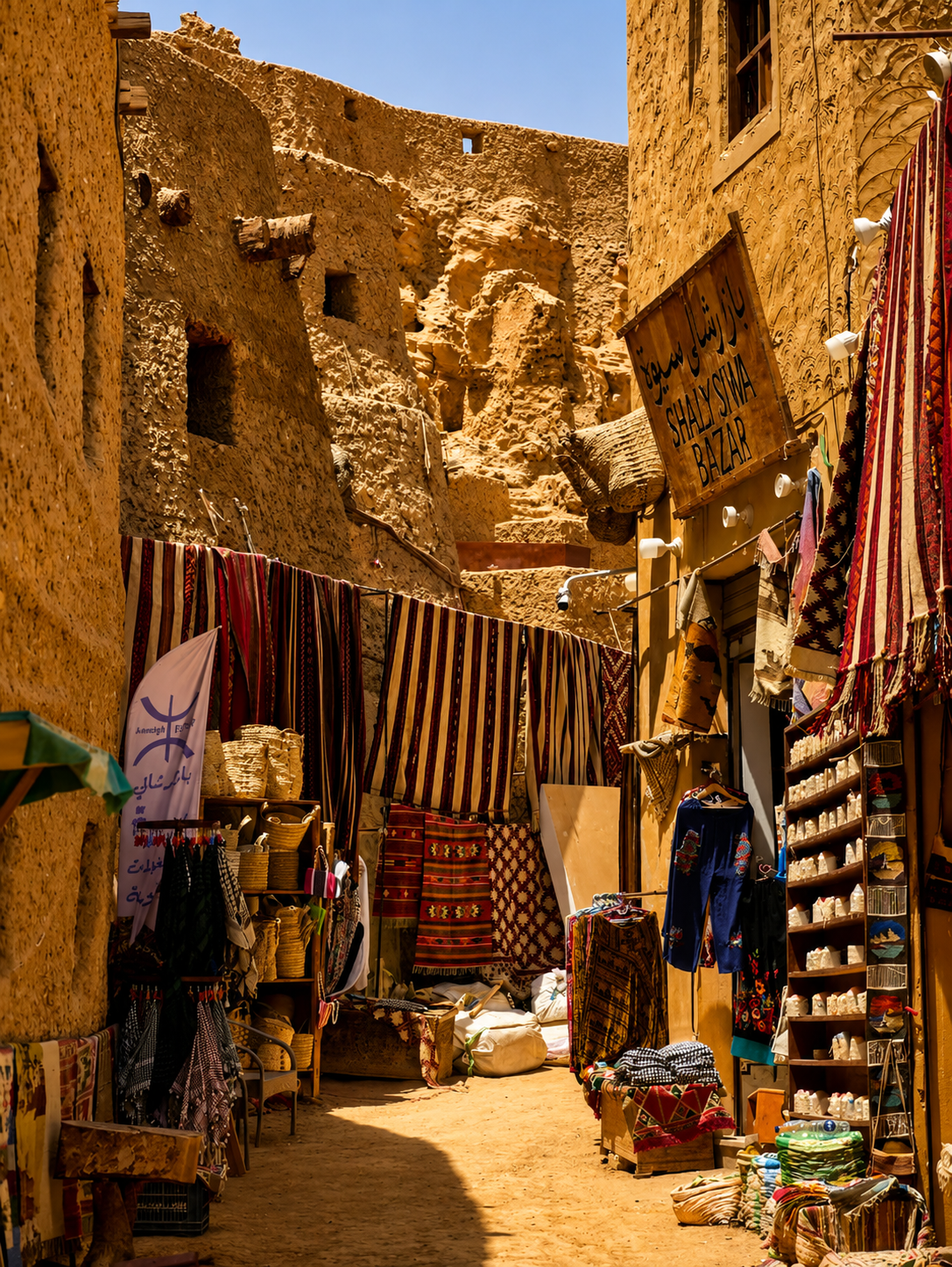
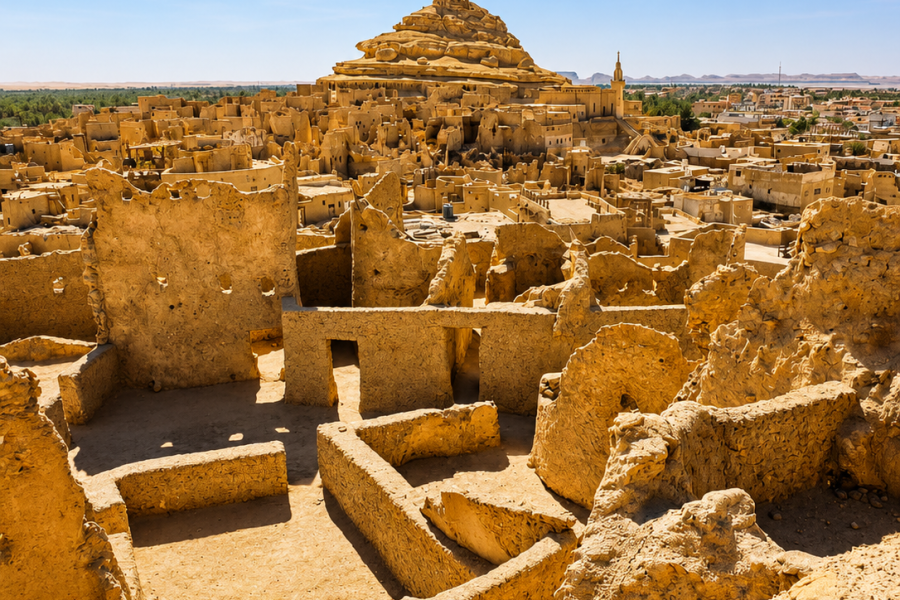
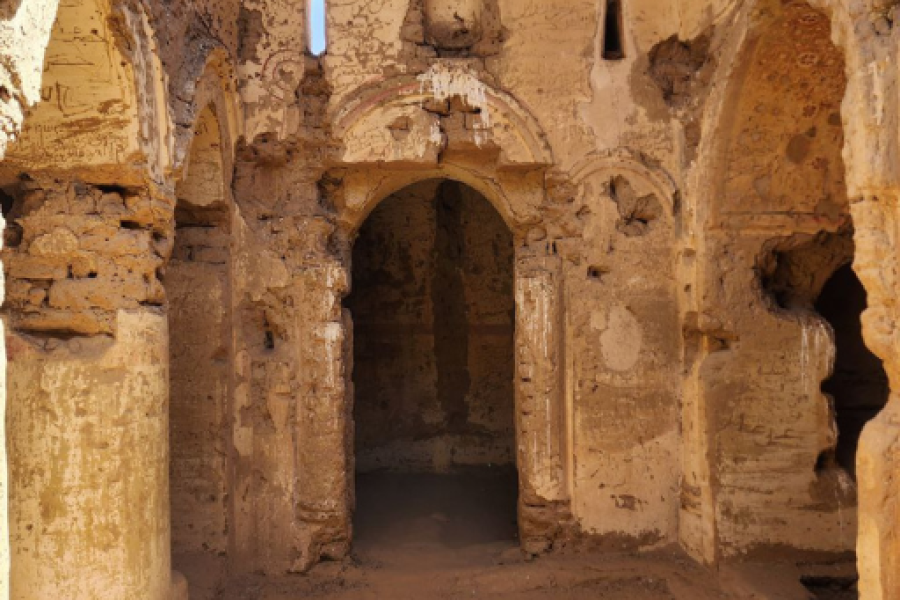
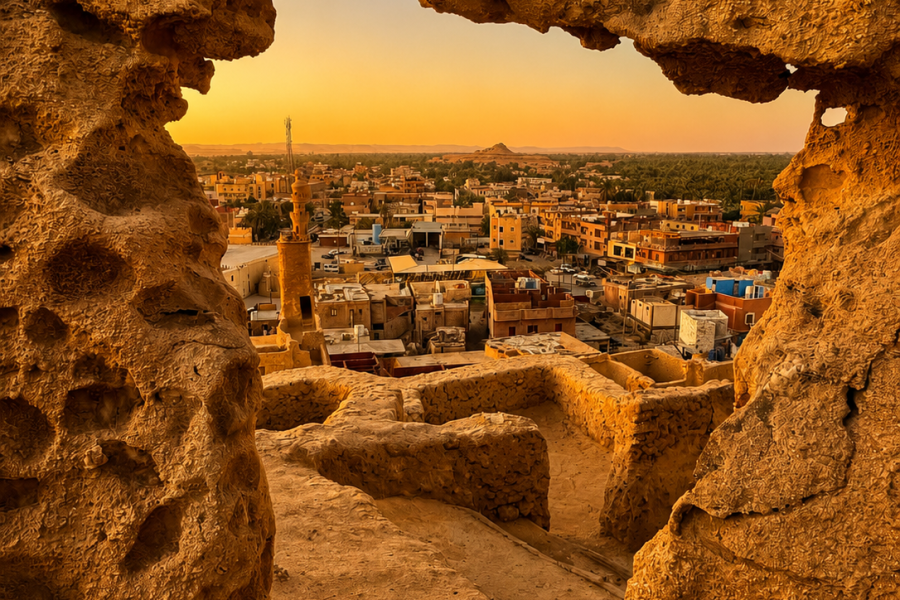
Shali is the historic heart of Siwa and one of the best places to understand the oasis’s traditional architecture.
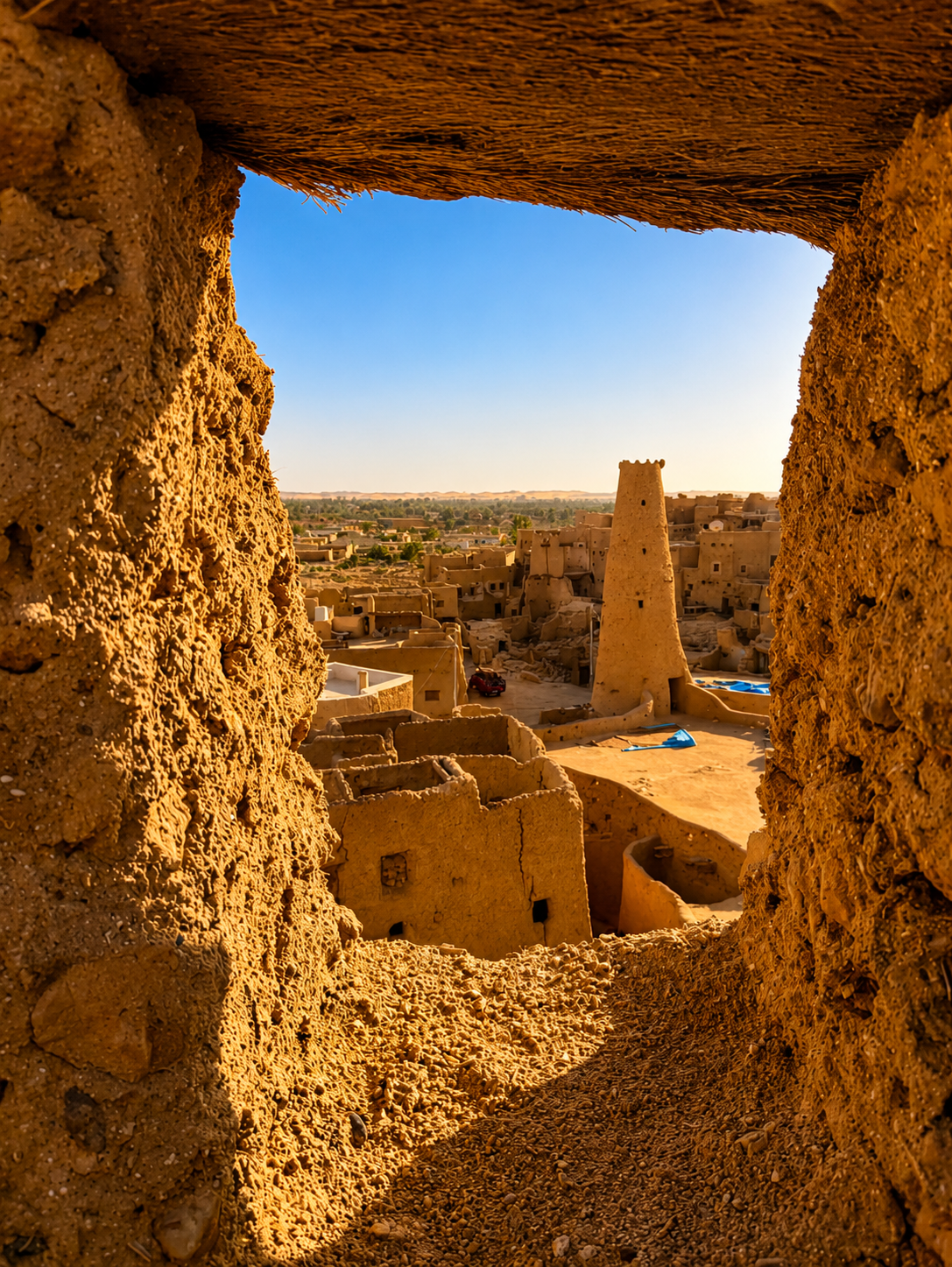
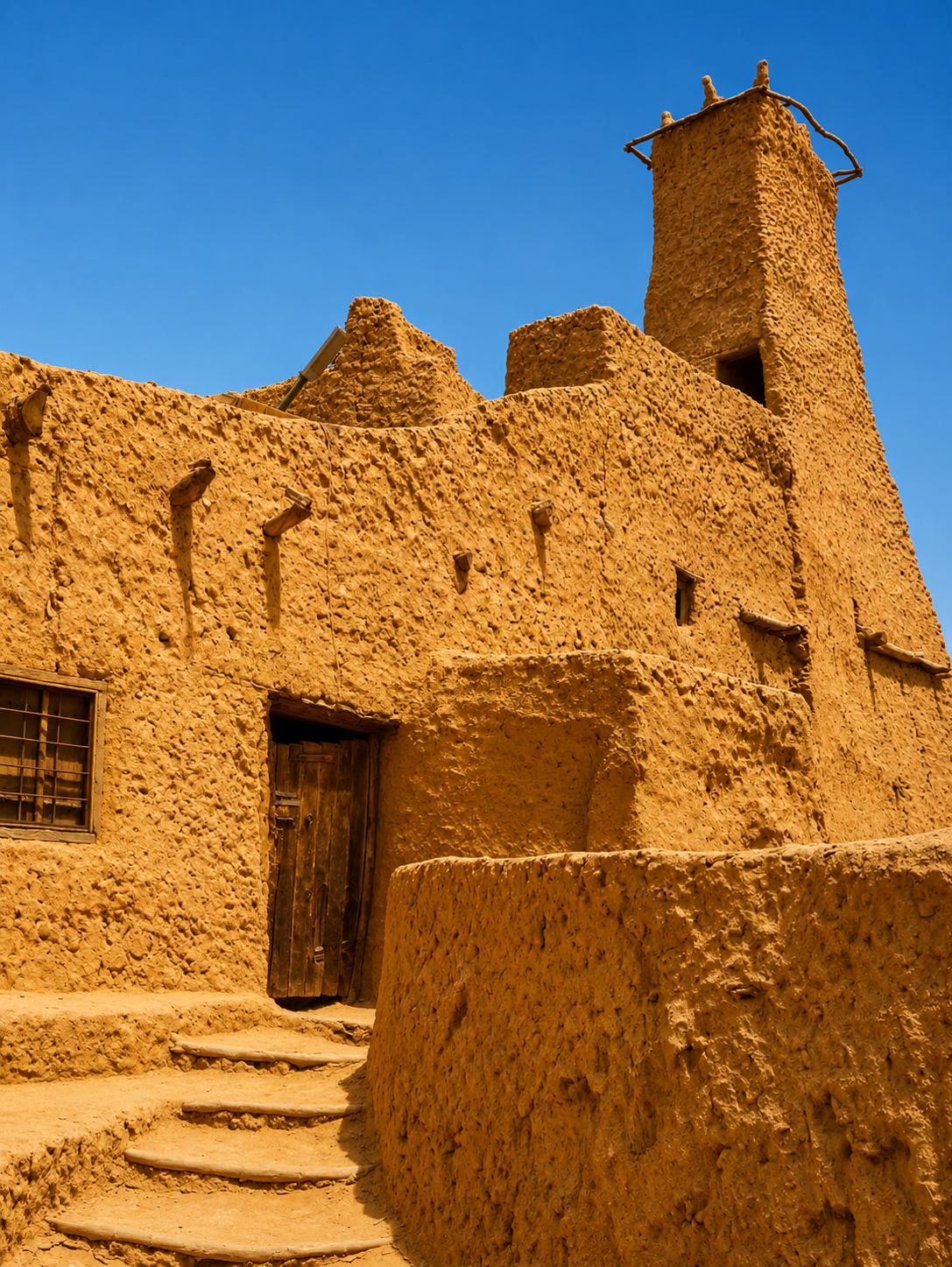
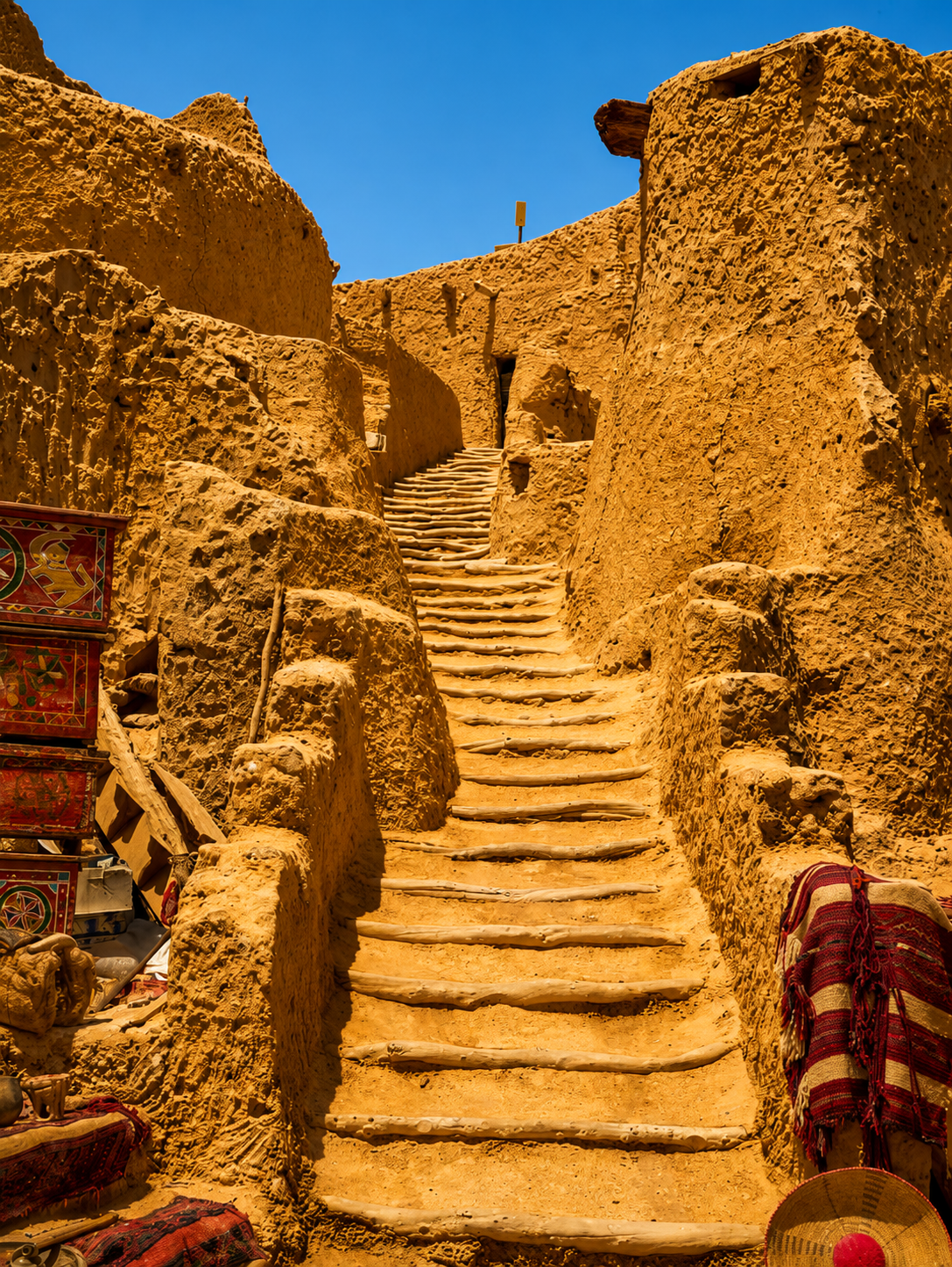
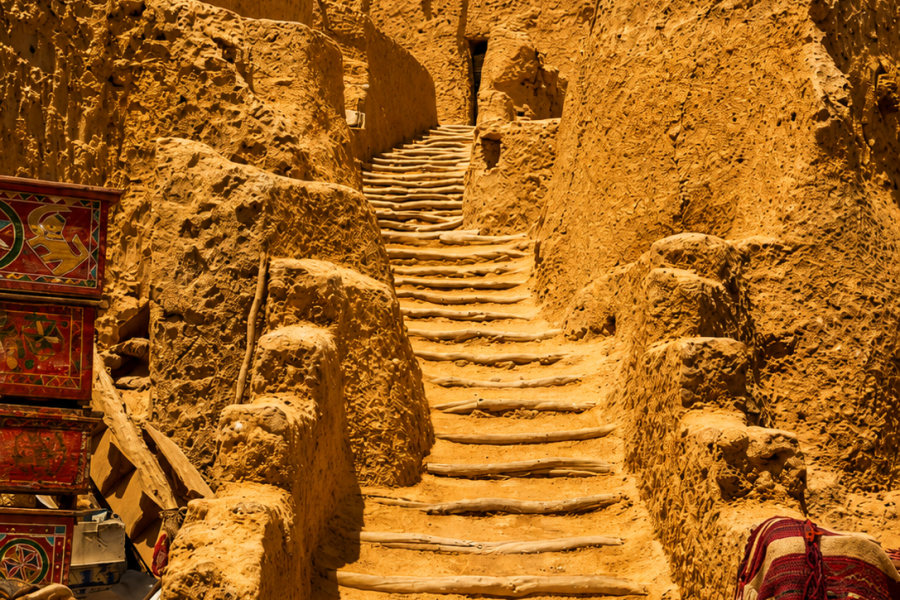
The old settlement was constructed using kershef, a local building material associated with salt, mud and clay. The narrow paths, irregular walls and elevated viewpoints create one of Siwa’s most distinctive cultural landscapes.
Walk slowly through the accessible areas and follow signs or guide instructions. Parts of the old settlement remain fragile.
Late afternoon is particularly attractive because the lower sunlight emphasizes the textures of the earth-colored walls.
Shali provides views across:
Siwa is not only a collection of natural attractions. Its living culture, traditional accommodation, local restaurants and guiding services form an important part of the experience. Egypt’s official tourism platform notes the role of locally operated hotels, eco-lodges, cafés, restaurants and guides within the oasis economy.
After Shali, continue to Fatnas Island when daylight permits.
Fatnas, also written Fitnas, is known for sunset views across water, palm trees and the surrounding oasis.
The experience is gentle and requires less energy than a historical tour or desert safari, making it suitable after the long drive from Cairo.
Visitors commonly sit near the water, order tea or a cold drink and watch the light change.
The quality of the sunset depends on:
Even when the sky is not dramatic, Fatnas provides a calm introduction to Siwa.
Do not arrive at the exact sunset time. Allow enough time to choose a seat, walk around and enjoy the changing light.
After sunset, return to the hotel or eat at a local restaurant.
Use dinner as an opportunity to try local ingredients such as:
Some Siwan desert meals use a traditional cooking approach known as abou mardam, where food is slowly cooked beneath heated sand. Egypt’s official tourism platform identifies this as one of the distinctive methods associated with Siwan cuisine.
Do not stay awake too late. Day two is the busiest part of the itinerary.
The second day contains most of the major experiences.
A good itinerary begins with historical attractions, continues to the salt lakes and Cleopatra Spring, and finishes with a Great Sand Sea safari and desert sunset.
The exact order may change according to temperature, lake access, safari timing and local arrangements.
Eat a proper breakfast and carry a small day bag.
Zu den empfohlenen Artikeln gehören:
Avoid wearing valuable jewelry to the salt lakes. Highly saline water can affect metals, watches and electronic devices.
The Mountain of the Dead, also called Gebel Al-Mawta, contains rock-cut tombs and elevated viewpoints over parts of the oasis.
It is normally best visited in the morning before the strongest heat.
The site helps place Siwa within a wider historical context. The oasis was not isolated from ancient Egypt, Mediterranean trade and Greco-Roman influence.
A local guide can explain:
The visit does not require a long mountain hike, but the ground can be uneven.
Wear appropriate footwear and avoid climbing into restricted or unstable areas.
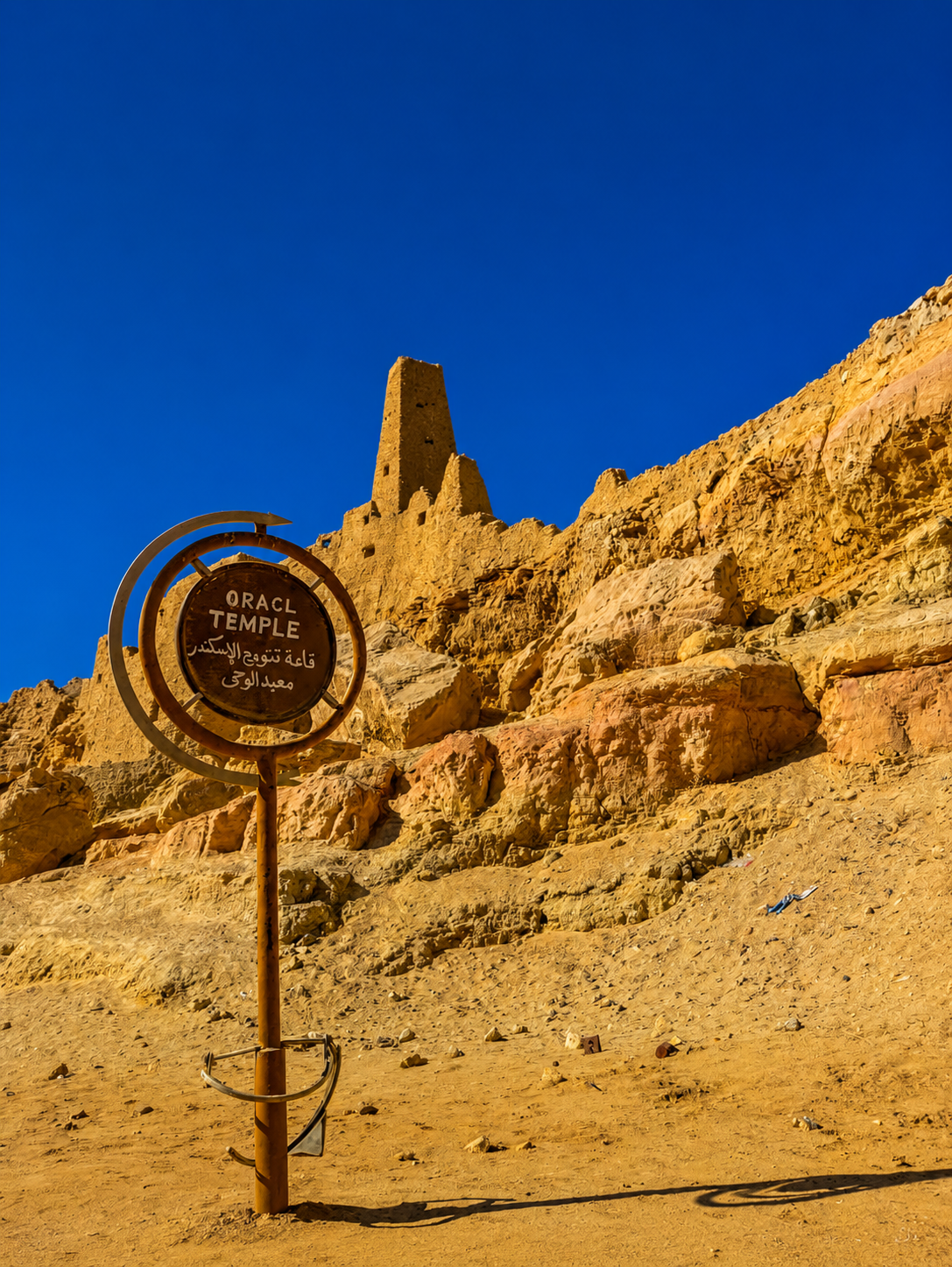
The Temple of the Oracle is one of Siwa’s best-known archaeological attractions.
It is traditionally associated with the journey of Alexander the Great to the oasis.
The temple stands in an elevated position, providing views over palm groves and surrounding settlement areas.
Its atmosphere differs considerably from large Nile Valley sites. It is smaller, quieter and surrounded by oasis rather than a major city.
A guide can help explain why ancient visitors traveled such a long distance to consult the oracle and how the site became connected with the story of Alexander.
When linking to external authority, reference Egypt’s official tourism overview of Siwa, which highlights the oasis’s archaeological sites alongside its springs, salt lakes and desert environment.
Depending on the itinerary, the Temple of Amun may be visited with the Oracle Temple.
The surviving ruins add context to the religious importance of ancient Siwa.
The stop is generally short, which makes it practical within a busy 3-day itinerary.
Travelers should not expect a site on the scale of Karnak or Philae. The importance comes from its location, historical connections and relationship with the wider oracle complex.
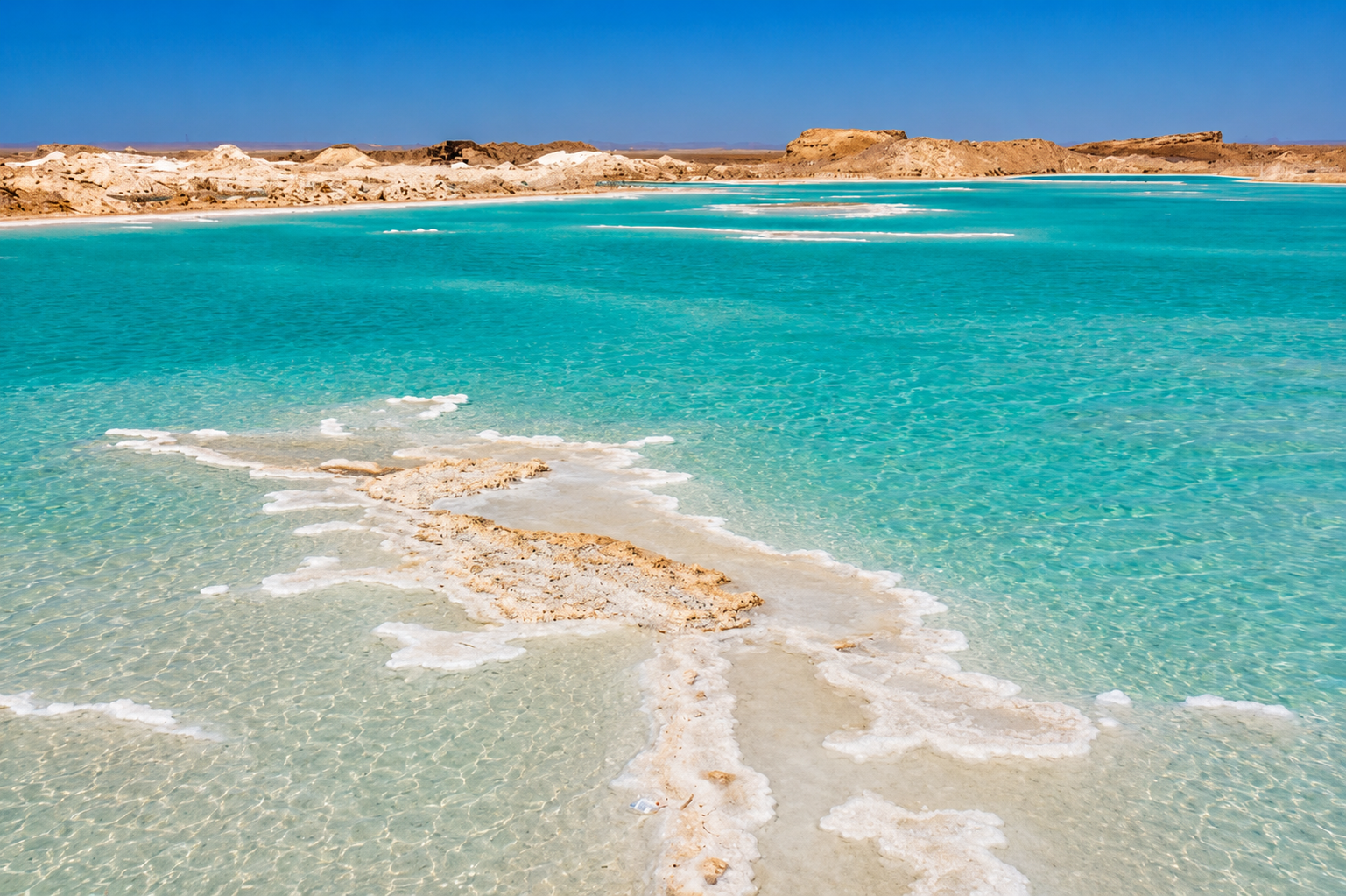
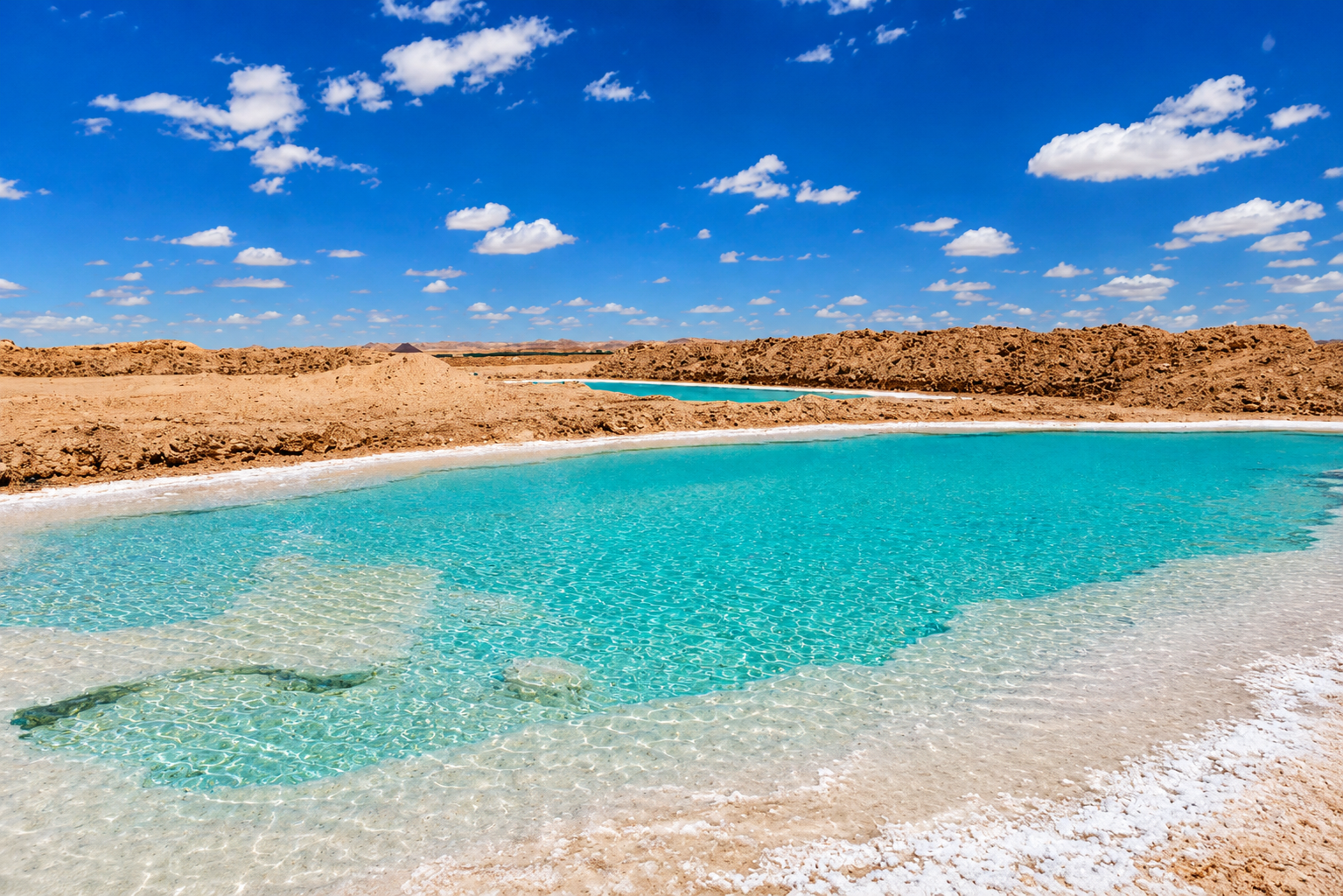
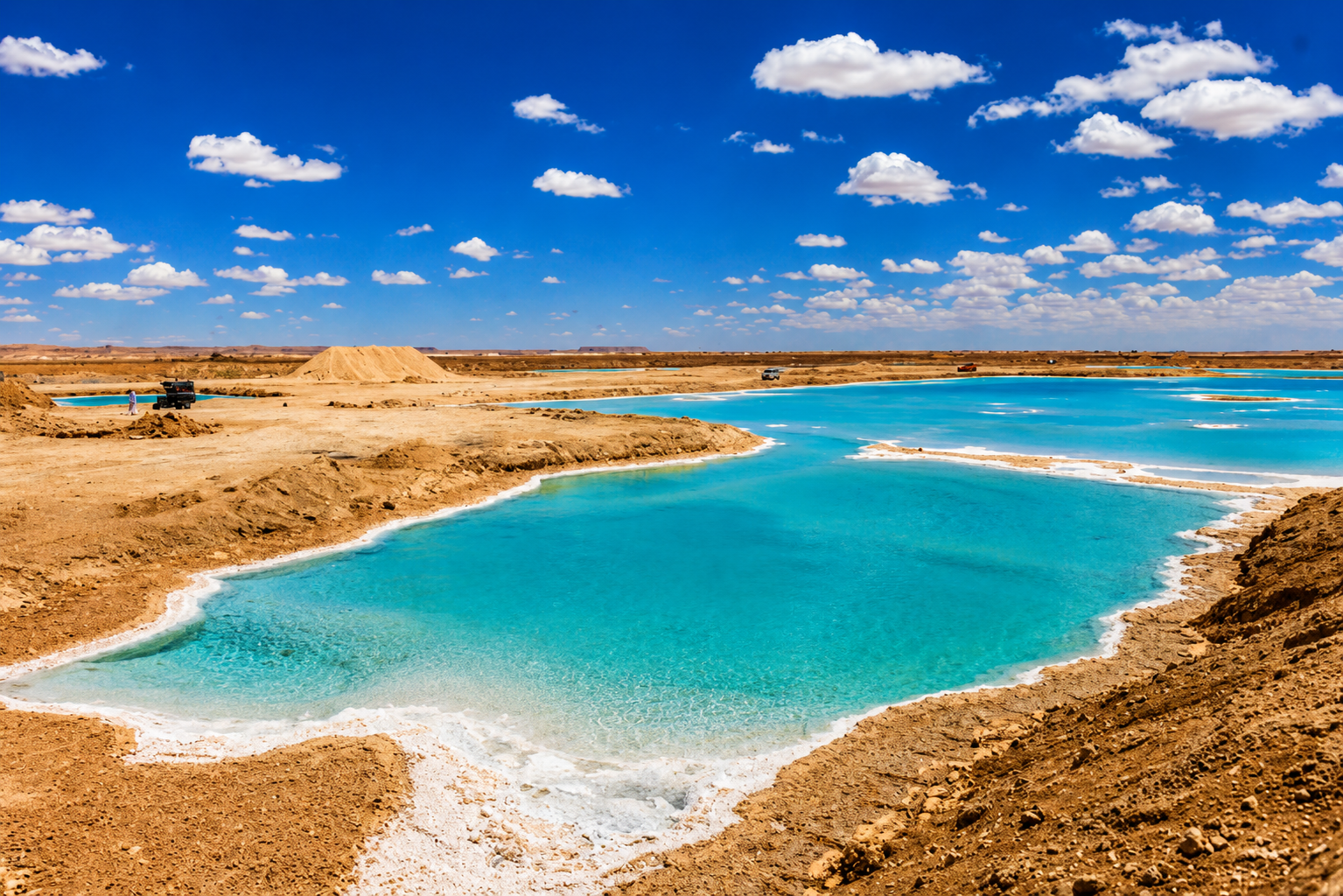
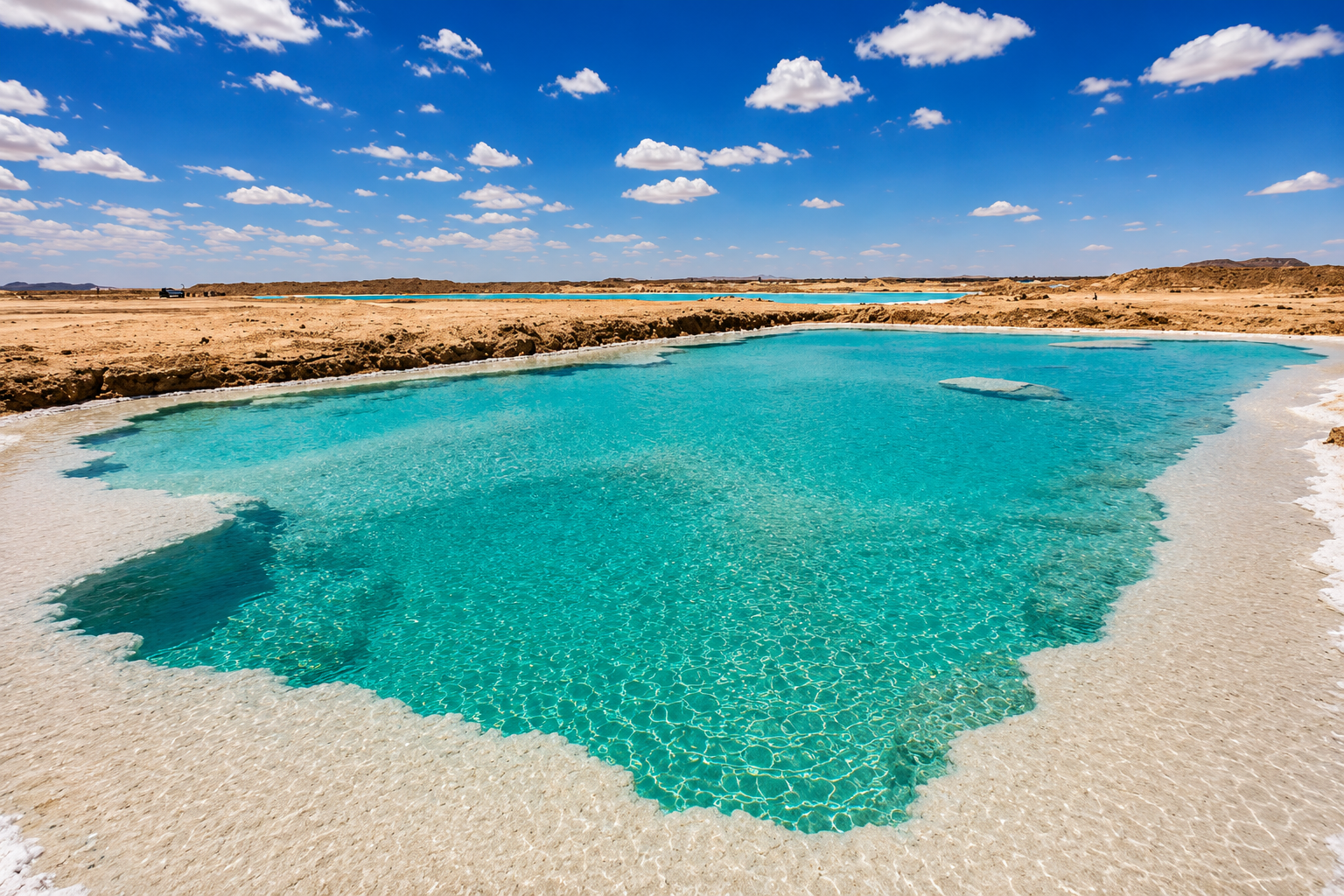
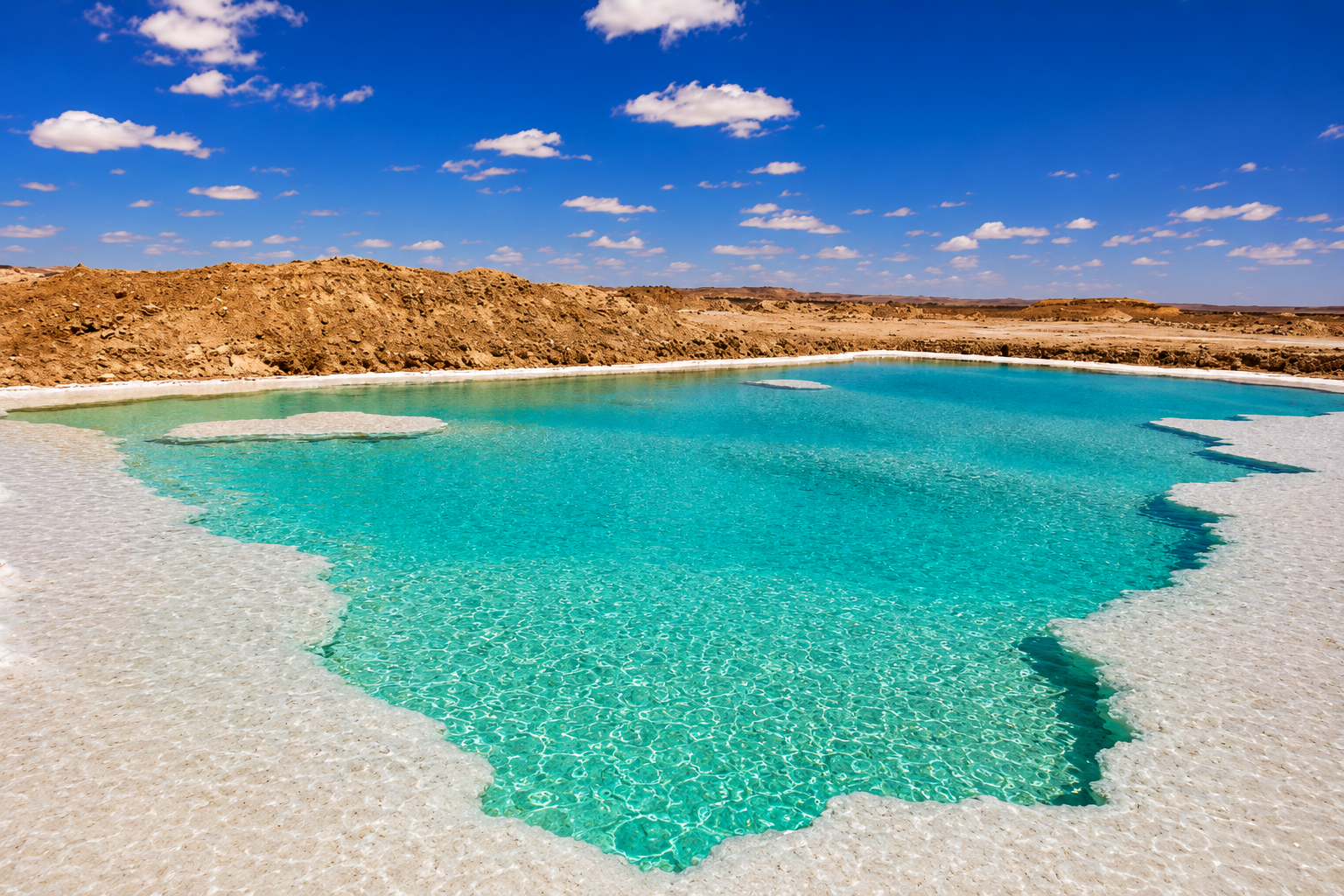
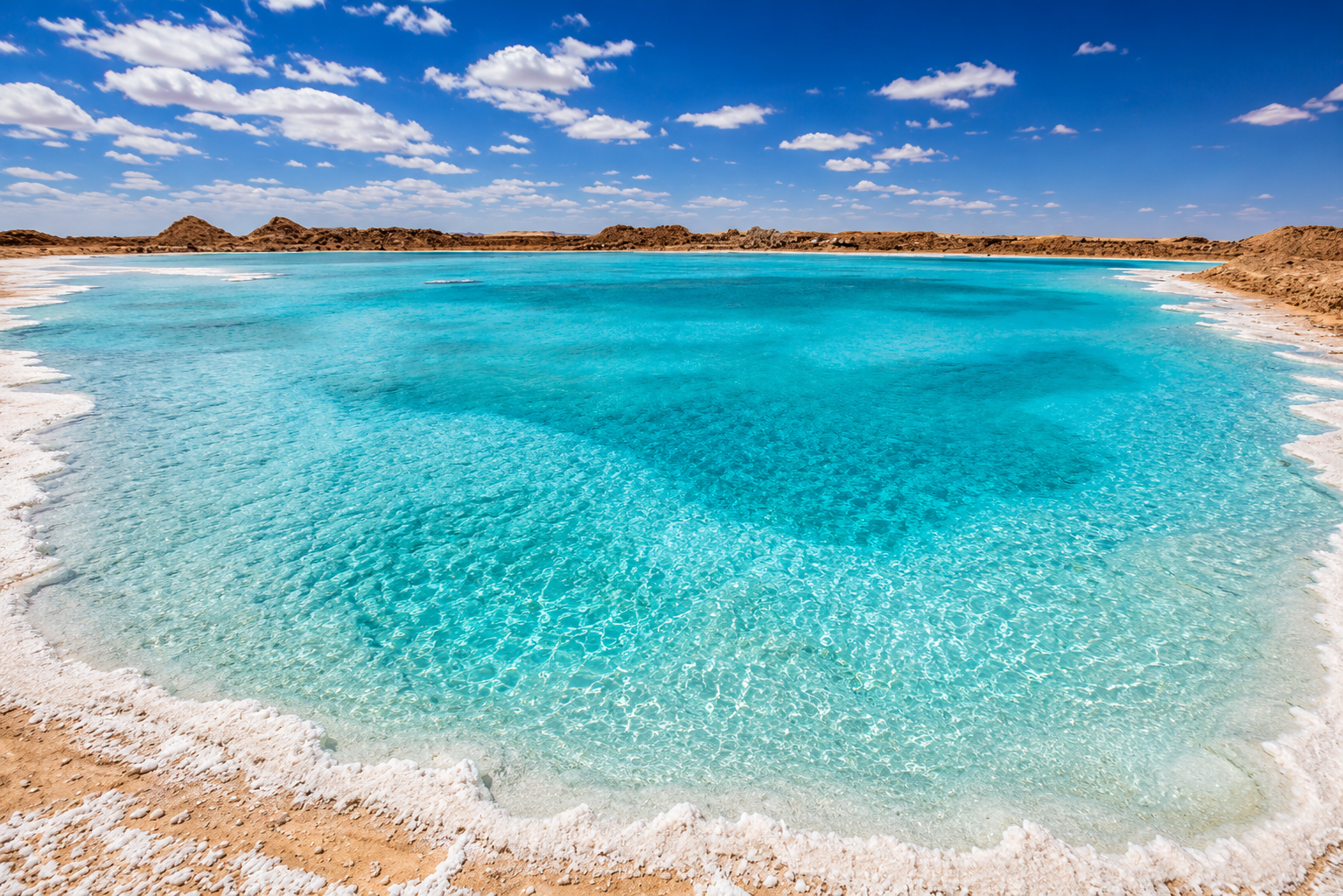
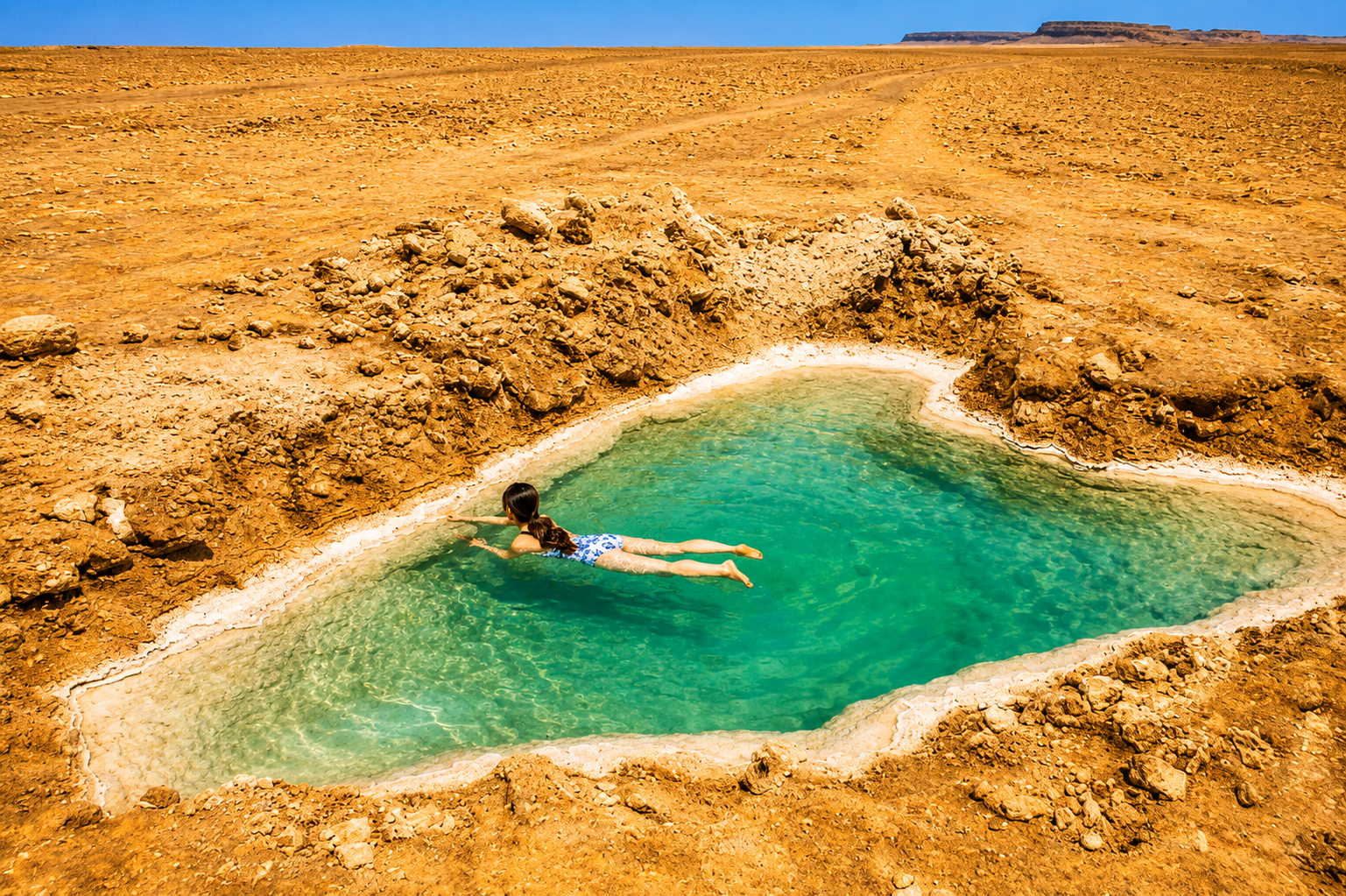
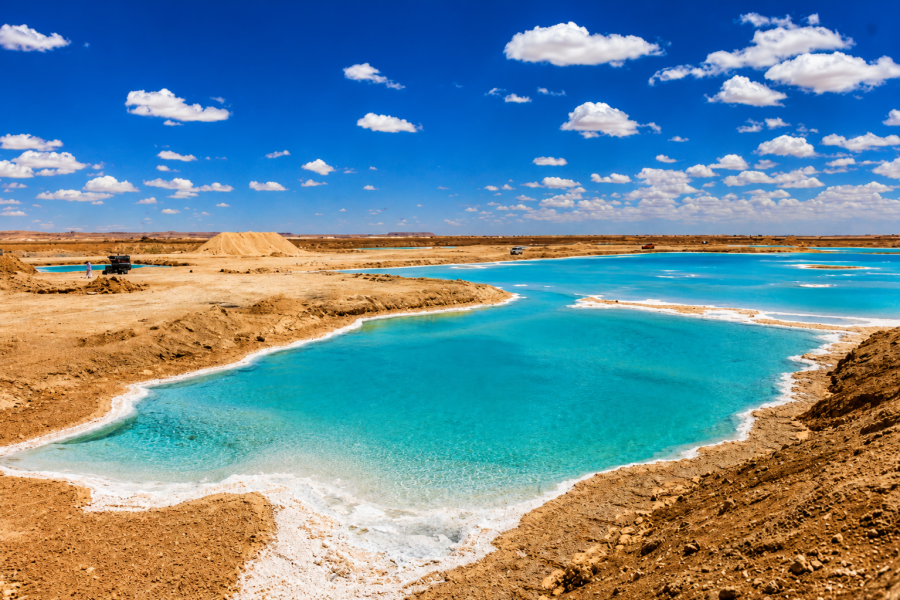
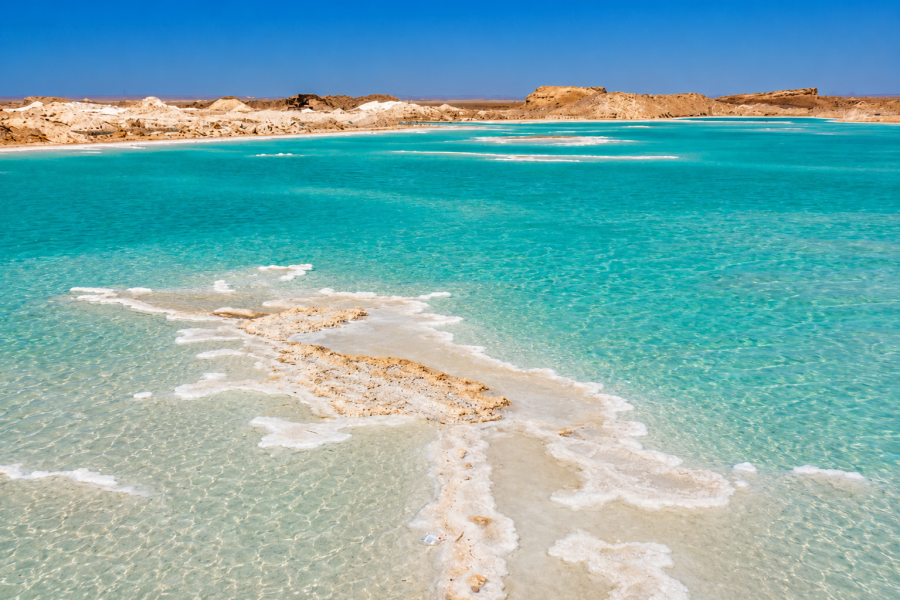
The salt lakes are one of the highlights of the entire trip.
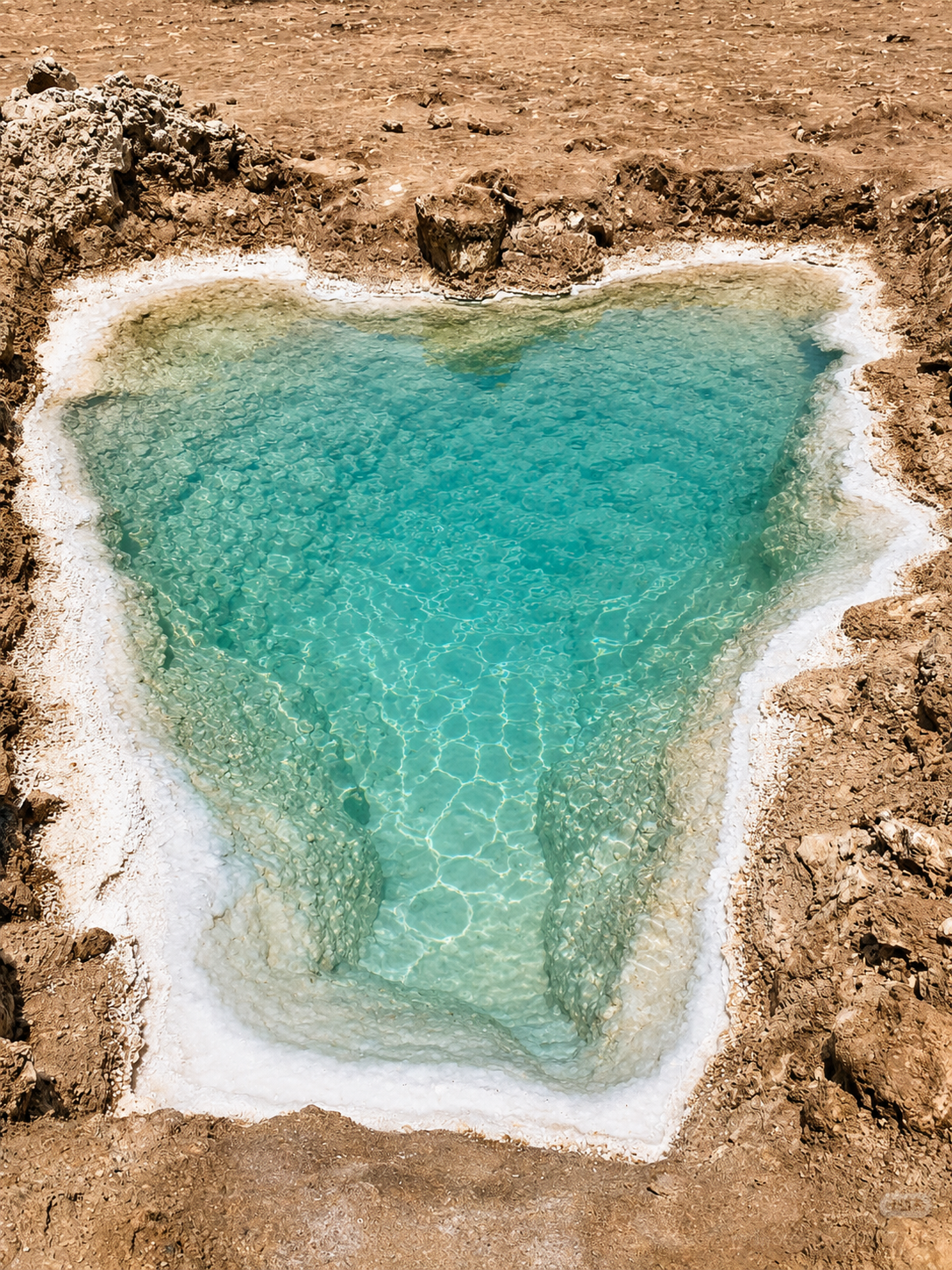
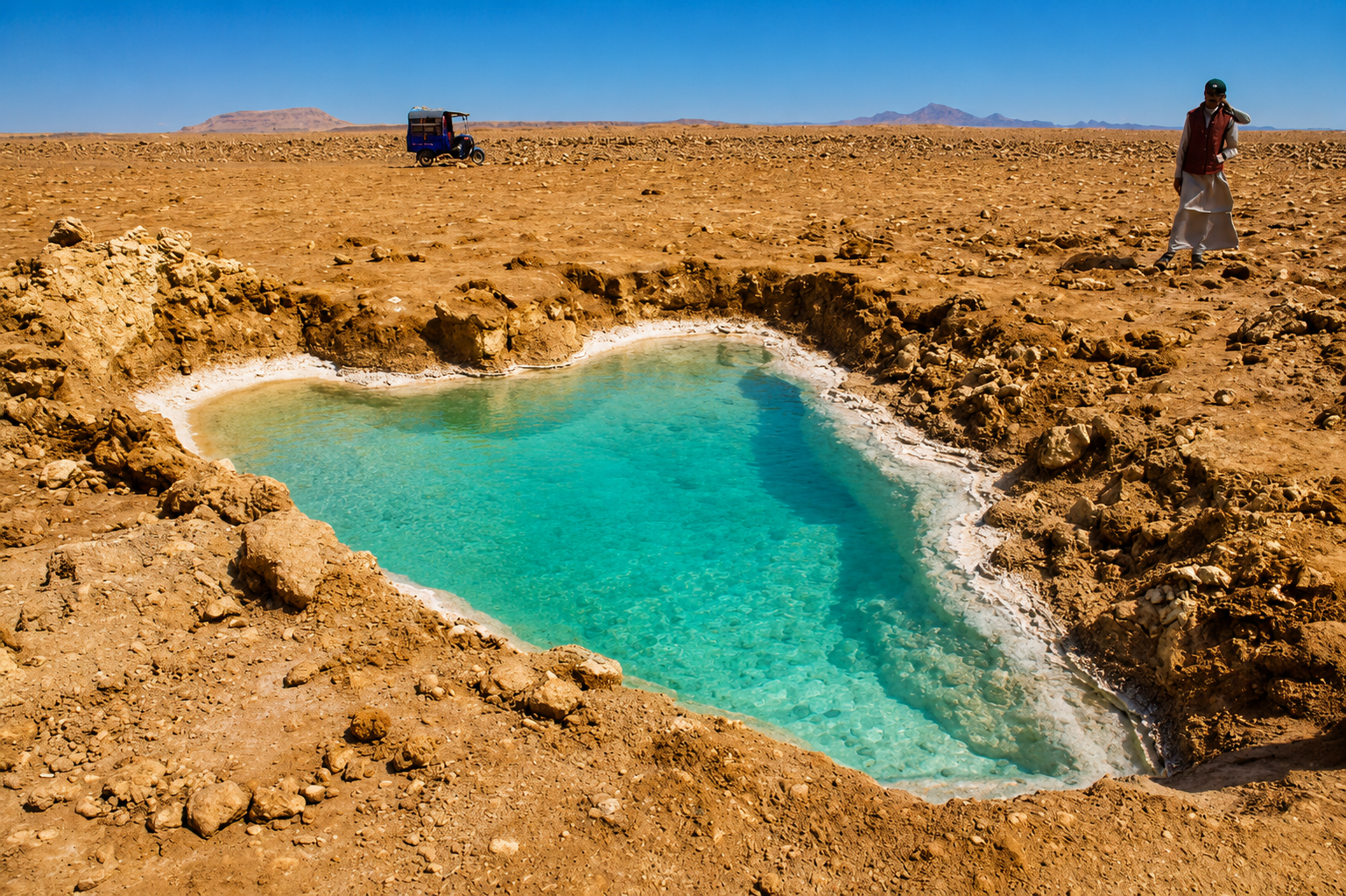
Their bright blue and turquoise colors contrast with white salt edges and the dry landscape around them.
The high salt concentration creates strong buoyancy, allowing many visitors to float with little effort.
However, the salt water must be treated carefully.
The experience can be uncomfortable when salt reaches the eyes or an open cut.
Do not remain in the lake longer than recommended by the guide.
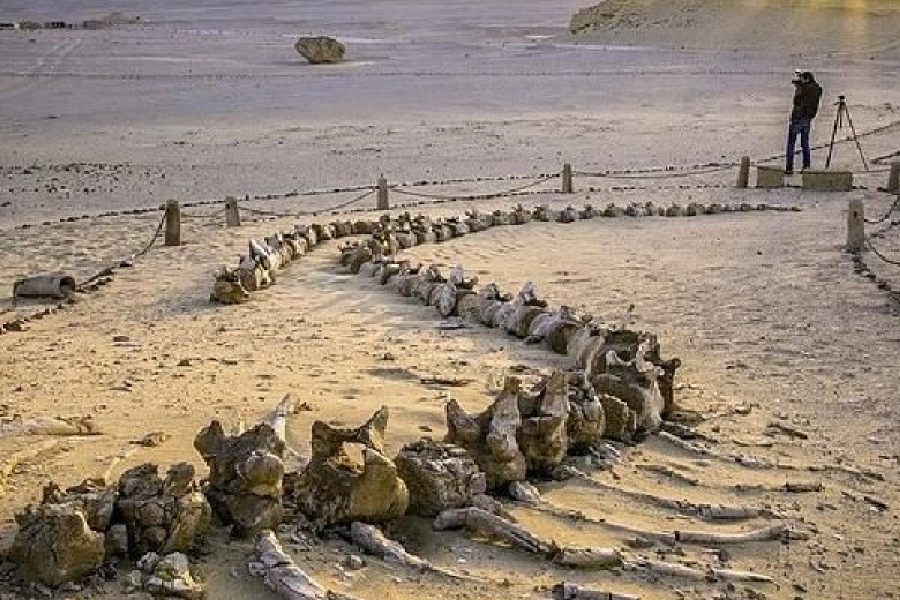
Online photographs often show intense blue water and empty landscapes.
Actual conditions can vary according to:
The lakes remain remarkable, but travelers should not expect every location to look identical to heavily edited photographs.
Siwa is officially promoted for its clear salt lakes, springs and archaeological attractions, making the lakes one part of a broader oasis experience rather than the only reason to visit.
After the salt lakes, continue to Cleopatra Spring.
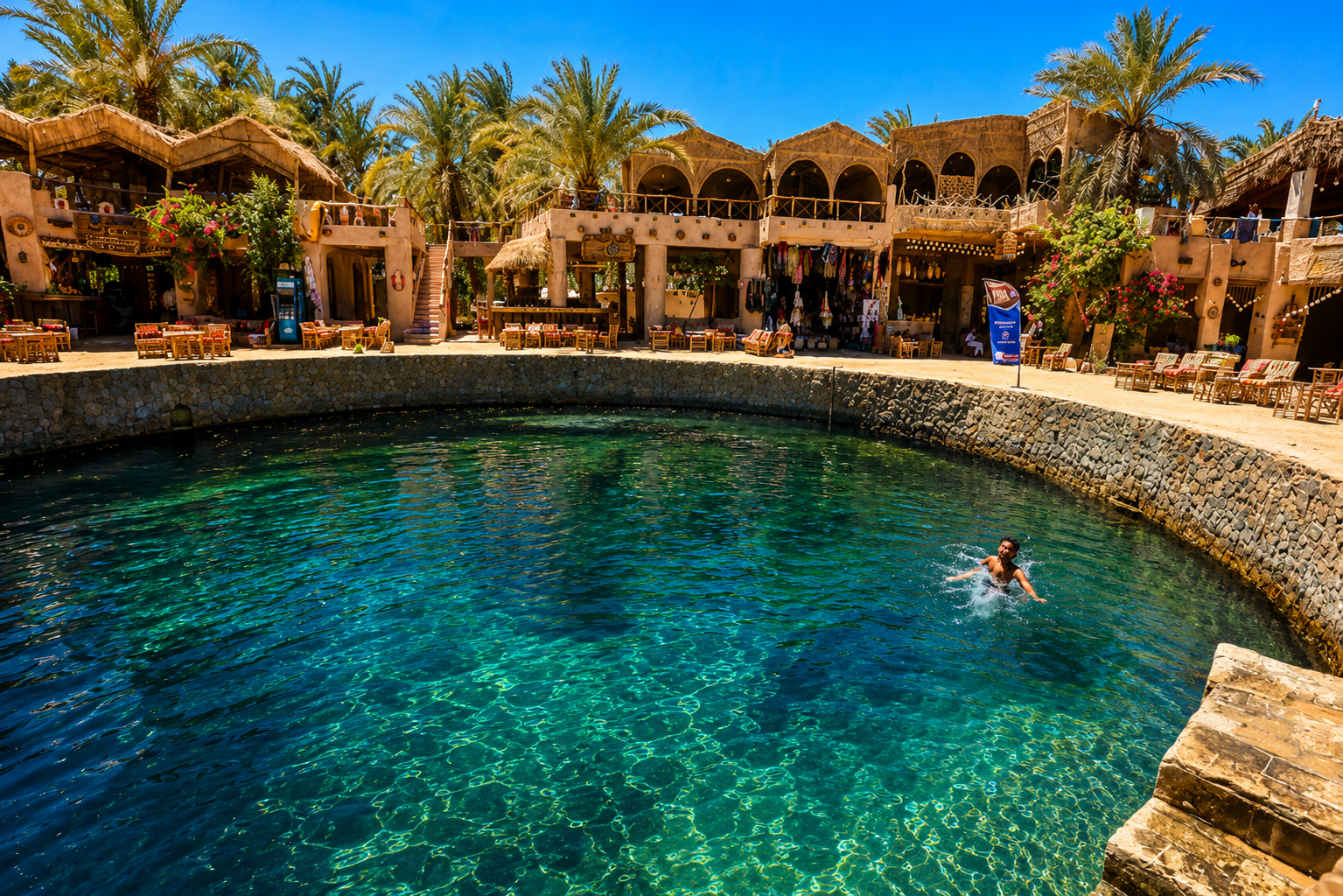
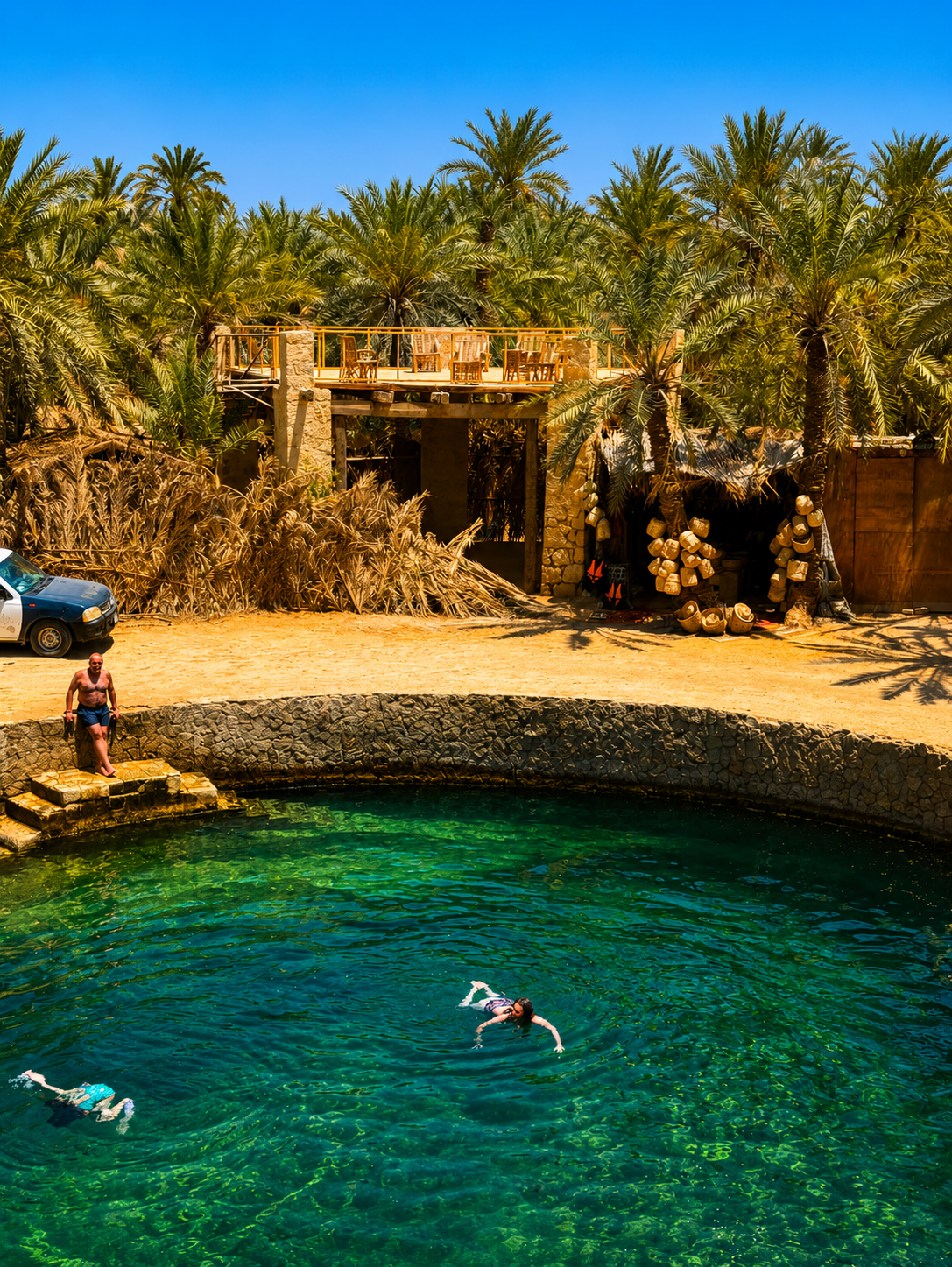
The spring is a circular stone pool surrounded by palm trees, cafés and local activity.
Travelers commonly use it to:
The popular claim that Cleopatra personally bathed in the spring should be treated as local legend rather than established historical fact.
The location is still worth visiting for its atmosphere and natural water.
Bring modest clothing for areas outside the swimming pool and respect the local community.
Have lunch before entering the Great Sand Sea.
Avoid eating an extremely heavy meal immediately before dune driving, particularly when you are sensitive to motion sickness.
Inform the guide in advance about:
Carry sufficient water, but do not leave disposable bottles or food packaging in the desert.
The Great Sand Sea safari is the main adventure component of the Siwa itinerary.
Travelers transfer to a suitable local 4×4 vehicle driven by someone familiar with the dunes and current routes.
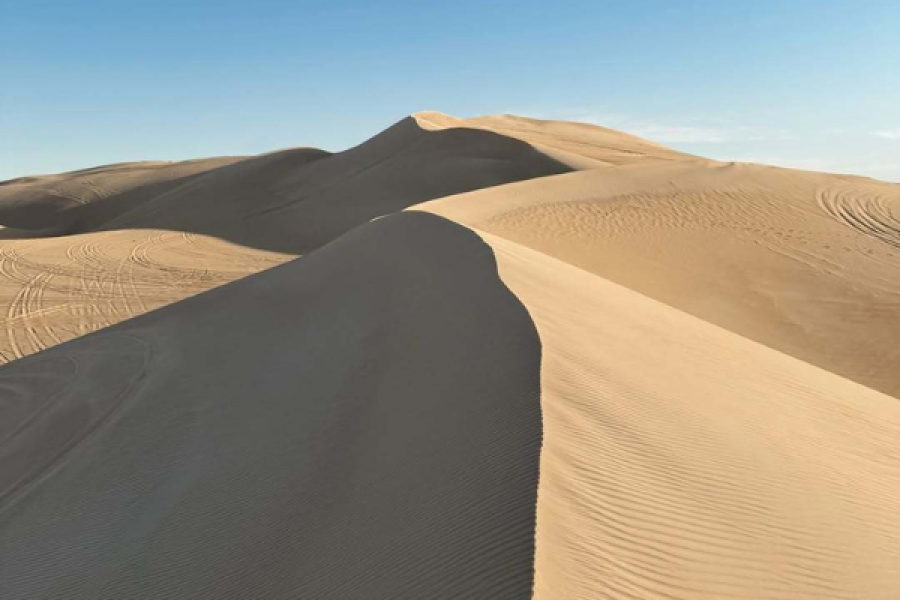
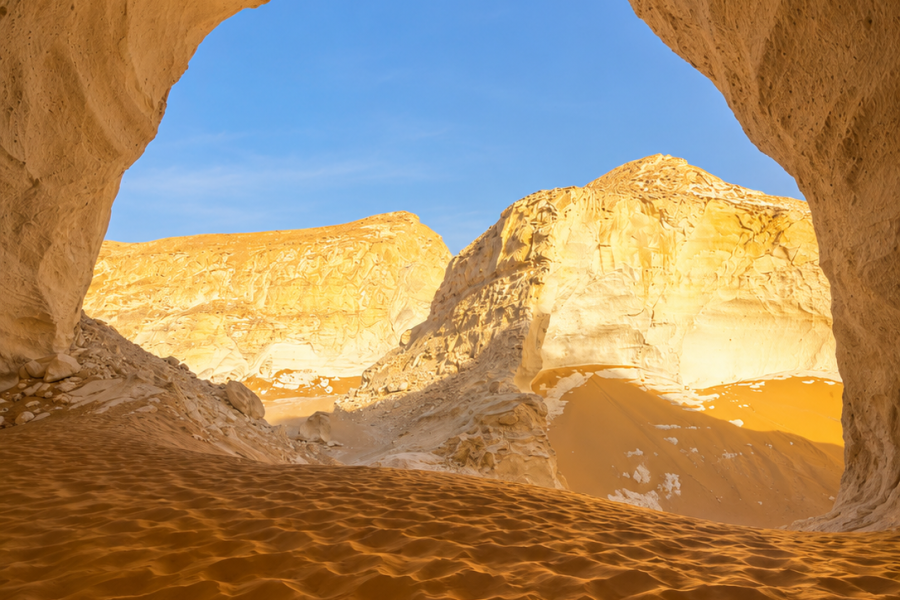
The desert landscape differs from the salt lakes and cultivated oasis. Palm trees disappear, and the surroundings become dominated by large dune ridges and open sand.
A typical safari may include:
The exact route should remain flexible because sand, wind and access conditions can change.
Do not enter the Great Sand Sea independently. Desert navigation requires local knowledge, an appropriate vehicle, water and recovery experience.
Sandboarding is normally arranged on a suitable dune selected by the driver.
Beginners can participate, although climbing back up the dune requires effort.
Before sliding:
Sand can enter phones and camera lenses easily. Use protective covers and keep your equipment closed when not in use.
Bir Wahed is a common safari stop.
The experience may include time beside a spring, desert tea or a rest after dune driving.
Facilities and exact conditions vary, so it is better to describe Bir Wahed as part of the overall safari rather than promise a particular permanent setup.
Ask before departure:
A spring in a wide dune landscape creates one of the strongest contrasts of the day.
Finish the safari at a suitable sunset viewpoint.
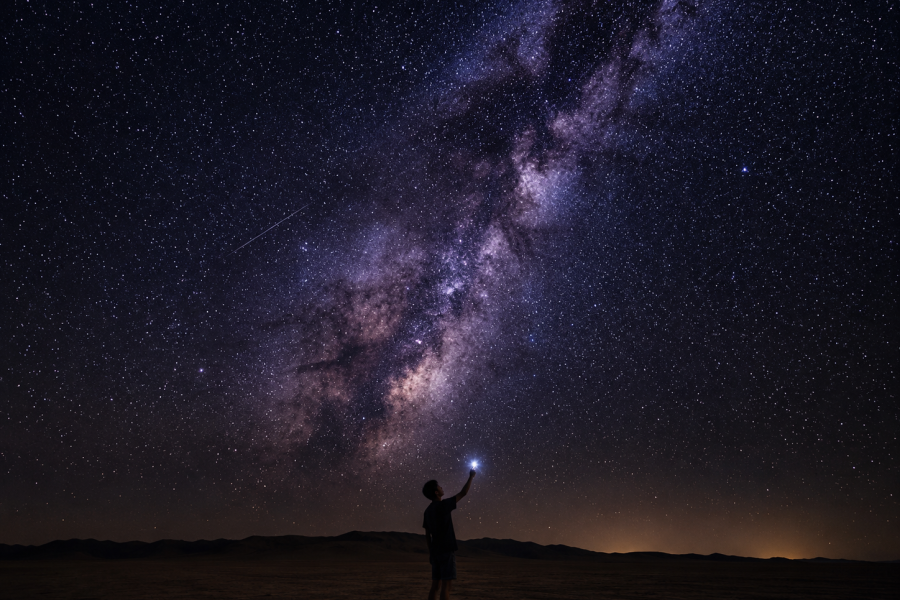
The dunes become warmer in color as the sun lowers, while shadows create stronger patterns across the sand.
For photography:
Sunset is not guaranteed to be cloud-free, but the changing light across the dunes normally creates a memorable ending to the day.
After sunset, return to Siwa for dinner and your second night.
Day three should remain relatively simple.
The return journey is long, so trying to add several major attractions can lead to a very late arrival in Cairo.
Eat breakfast, pack your luggage and confirm that you have:
Check out early enough to begin the return journey without unnecessary pressure.
When time permits, make a short stop near central Siwa.
This is an opportunity to purchase:
Buy from established local sellers and ask before photographing shop owners or artisans.
Supporting locally operated businesses helps tourism income remain within the oasis community. Egypt’s official tourism information notes that many Siwan residents work directly in accommodation, restaurants, cafés and guiding.
Keep purchases practical because you still have a long road journey.
Begin the return drive with planned rest and meal stops.
Your final arrival depends on:
Avoid booking:
A long-distance desert and coastal road journey should always include extra time.
A 3-day Siwa trip works most smoothly as a long weekend rather than a standard two-day weekend.
Private-Car Version
First morning: Leave Cairo very early
First evening: Shali and Fatnas
Second day: Full Siwa and safari program
Third morning: Depart Siwa
Third evening: Arrive in Cairo
This provides the greatest comfort and the simplest door-to-door experience.
Overnight-Bus Version
Travelers trying to protect daytime hours may choose an overnight bus program.
A possible structure is:
Night before Day 1: Depart Cairo by comfortable bus
Day 1: Arrive in Siwa and begin sightseeing
Day 2: Full oasis and Great Sand Sea program
Night of Day 2 or Day 3: Return to Cairo according to the selected program
The site also offers a Siwa-Programm mit komfortablem Bus ab Kairo, designed to create more sightseeing time by using overnight transportation.
Bus schedules and departure points can change, so the exact timing must be confirmed for the travel date.
Inclusions vary by operator and package.
Before booking, confirm whether the price includes:
Do not assume that “all-inclusive” covers every meal, entrance ticket or personal activity.
Ask for the final inclusions in writing.
A 3-day Siwa tour contains a substantial amount of road travel.
The Cairo-to-Siwa distance is officially listed at approximately 741 kilometers, meaning the outbound and return journey together exceed 1,400 road kilometers before local sightseeing is added.
This itinerary may not be ideal for travelers who:
In these cases, choose four days or break the route with an additional overnight stop.
Both destinations work for three days, but they provide different experiences.
Choose Siwa When You Want:
Choose the White Desert When You Want:
Read White Desert from Cairo: Best Routes, Tours and Travel Tips when comparing the travel time and route.
Travelers primarily interested in the overnight experience should read Camping in der Weißen Wüste in Ägypten: Was Sie unter dem Sternenhimmel erwartet.
For a complete route through Bahariya, the Black Desert, Crystal Mountain, Agabat and White Desert, explore our Black Desert and White Desert Tour from Cairo guide.
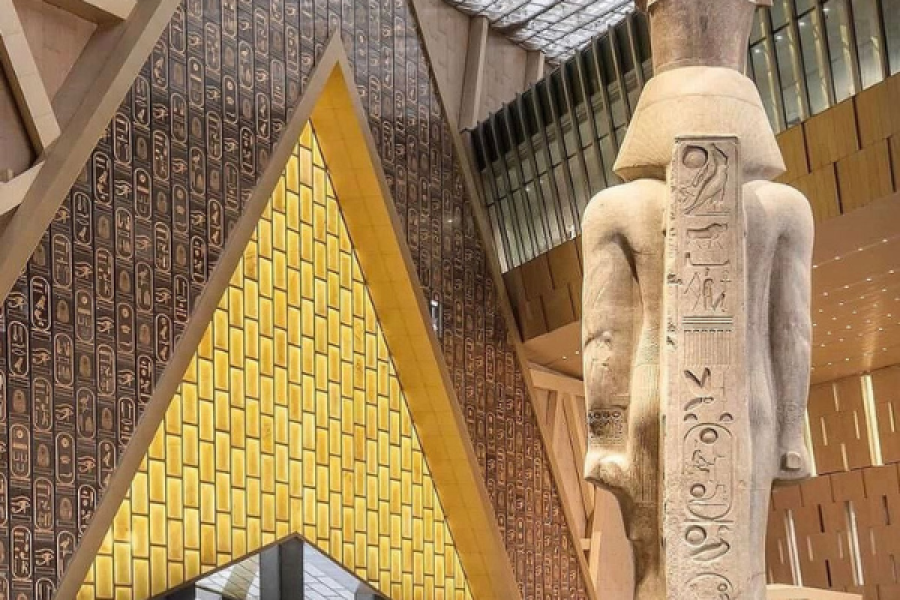
These links help travelers choose the correct desert experience rather than sending every visitor directly to the same tour page.
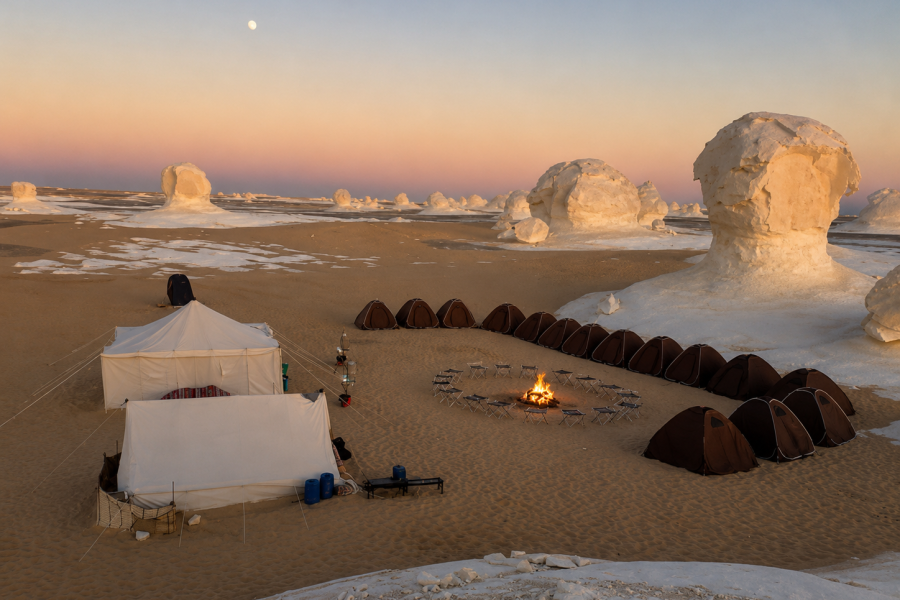
No realistic Siwa and White Desert itinerary should be compressed into three days from Cairo.
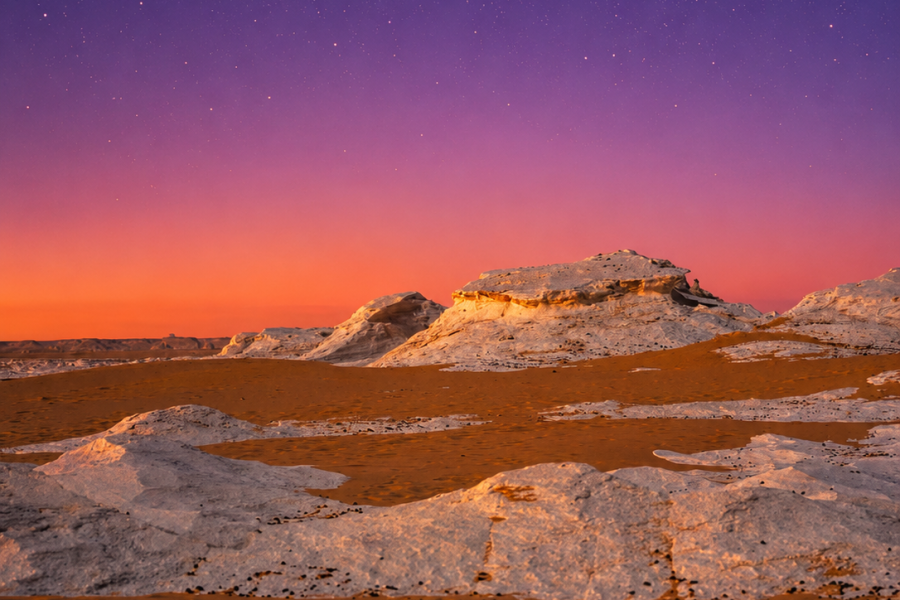
Both regions require long road transfers, and each deserves its own sightseeing time.
A combined route should normally be planned over five days or longer, subject to current road access and permitted routing.
The direct road between Al Bawiti in Bahariya and Siwa is currently described by UK travel guidance as closed, with advice against all but essential travel on that route. A combined program must therefore use the current permitted itinerary rather than assuming a direct crossing.
Travelers wanting both destinations can explore the Cairo, Siwa, Bahariya Oasis and White Desert Tour, but should confirm the current route, duration and access arrangements before departure. The published tour combines Siwa attractions, Great Sand Sea safari, Bahariya, the Black Desert, Crystal Mountain, Agabat and White Desert camping.
A longer alternative is the Cairo, White Desert, Marsa Matrouh and Siwa Tour, which builds a broader northern and Western Desert itinerary.
Yes. Most international travelers should spend time in Cairo and Giza before or after Siwa.
A strong wider itinerary could be:
Travelers can browse the Giza Egypt Tours guide or book the Giza Pyramids and Grand Egyptian Museum Tour.
For a wider city program, the 2 Days Cairo and Giza Tour can be added before the Siwa journey.
This internal-link placement is relevant because nearly all Cairo-based Siwa travelers need to decide how the oasis fits into a broader Egypt itinerary.
The most comfortable period is generally from October to April.
Siwa’s official tourism overview emphasizes its outdoor attractions, including springs, salt lakes, ruins and the Great Sand Sea. These experiences are normally more comfortable outside the hottest months.
Oktober und November
Suitable for:
Dezember bis Februar
Days can be pleasant, but nights and early mornings may feel cold.
Bitte mitbringen:
März und April
Spring can provide comfortable temperatures, but wind and dust should be checked before the safari.
Mai bis September
Summer can be extremely hot.
The itinerary may require:
Travelers who do not tolerate heat well should avoid peak summer.
Pack light but prepare for road travel, swimming, historical sites and dunes.
Clothing
Swimming and Salt Lakes
Electronics
Personal Items
Avoid taking expensive jewelry into the salt lakes or desert.
A 3-day Siwa itinerary can be suitable for families, but the travel time must be considered honestly.
Parents should evaluate:
A private vehicle is generally better than a fixed bus itinerary for families because stops can be adjusted.
For families with young children, four days are usually more comfortable.
Siwa is an excellent destination for couples because it combines:
A private tour allows couples to spend longer at selected locations and avoid the timetable of a larger group.
Solo travelers can choose:
Before booking, confirm:
Solo photographers may benefit from a private vehicle because of the flexibility to stop for light and composition.
Siwa is both a natural environment and a living community.
Travelers should:
Siwan culture is recognized as an important part of the oasis’s protected natural and cultural environment.
Leaving Cairo Too Late
A late departure can eliminate Shali and Fatnas from the first day.
Adding Too Many Marsa Matrouh Stops
A short coastal break is useful, but spending half the day there reduces Siwa time.
Visiting the Salt Lakes Without Fresh Water
Salt left on the skin can become uncomfortable.
Combining Every Historical Site and Safari Stop Without Breaks
A private guide should adjust the schedule to temperature and traveler energy.
Wearing Jewelry in the Salt Lakes
High salinity may affect metals and watches.
Eating Heavily Before Dune Driving
Travelers with motion sensitivity should choose a lighter lunch.
Booking a Flight After Returning to Cairo
Road delays can affect the expected arrival time.
Trying to Combine Siwa and White Desert in Three Days
The result would be dominated by driving and would not provide a proper experience in either destination.
Ask the operator:
Clear answers are more important than an unrealistic list of attractions.
The best short Siwa route is:
Cairo → Marsa Matrouh → Siwa → Shali Fortress → Fatnas Island → Mountain of the Dead → Oracle Temple → Salt Lakes → Cleopatra Spring → Great Sand Sea → Bir Wahed → Cairo
Book the 2 Nächte, 3 Tage: Siwa-Tour ab Kairo when you want the essential Siwa experience within a long weekend.
Choose the 4-tägige Siwa-Oasen-Tour ab Kairo when you want a slower itinerary.
For more options, browse all private Egypt tours and desert safari programs.
To receive a suitable itinerary, send:
WhatsApp: +20 10 05014595
E-Mail: contact@whiteandblackdeserttours.com
Tour Request: Contact White and Black Desert Tours